Slovenske Konjice is full of surprises

A routine has developed. We wake up and have breakfast on the veranda.

There follows an excursion into the locality to appreciate the area’s culture and history. We return for lunch.

A snooze follows whether planned or not, shower, dinner, and red wine this time, on same veranda watching the sun dusk on the. same stunning view and the plumping moon come around the corner along with singing stars, in a slightly different place each night.

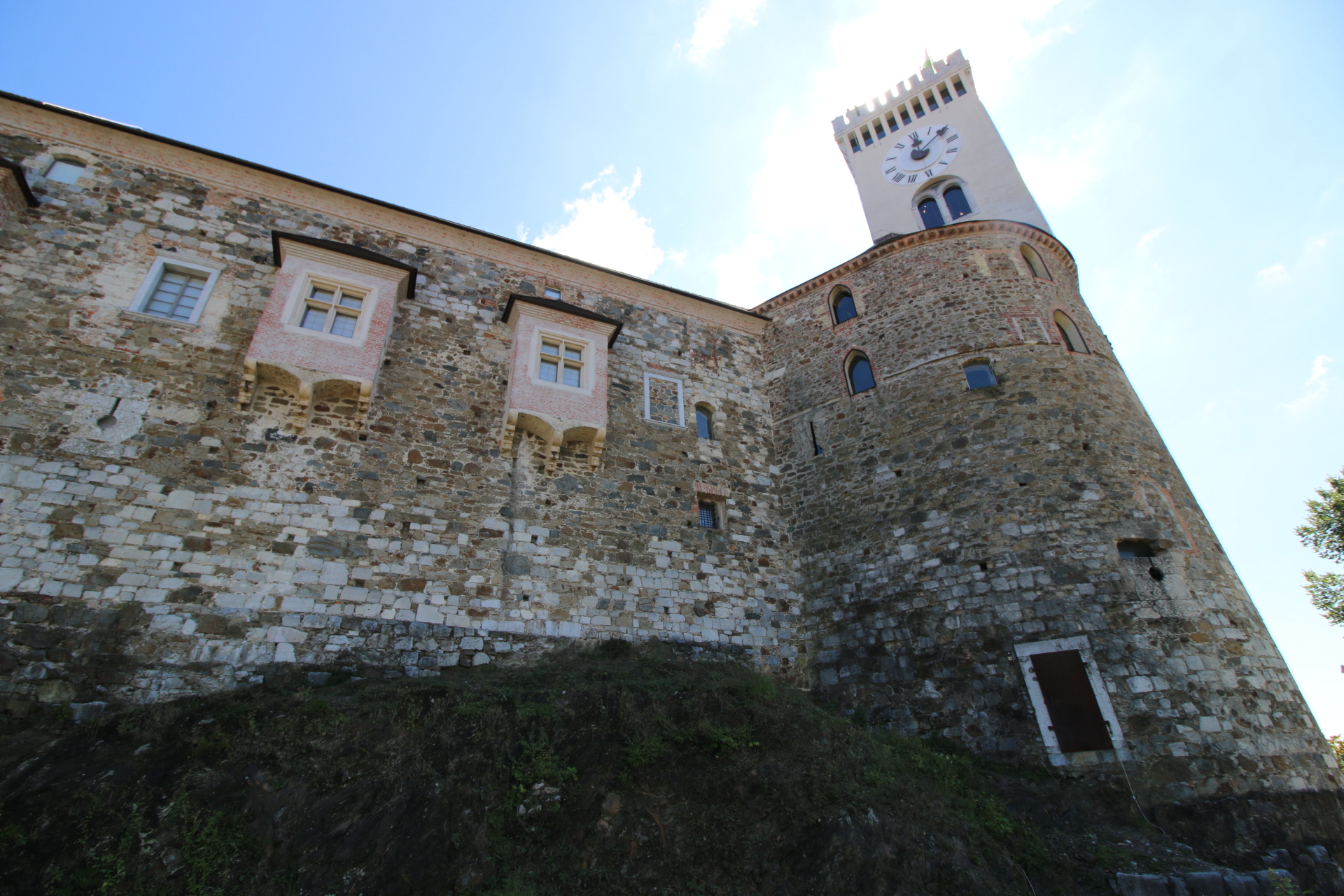
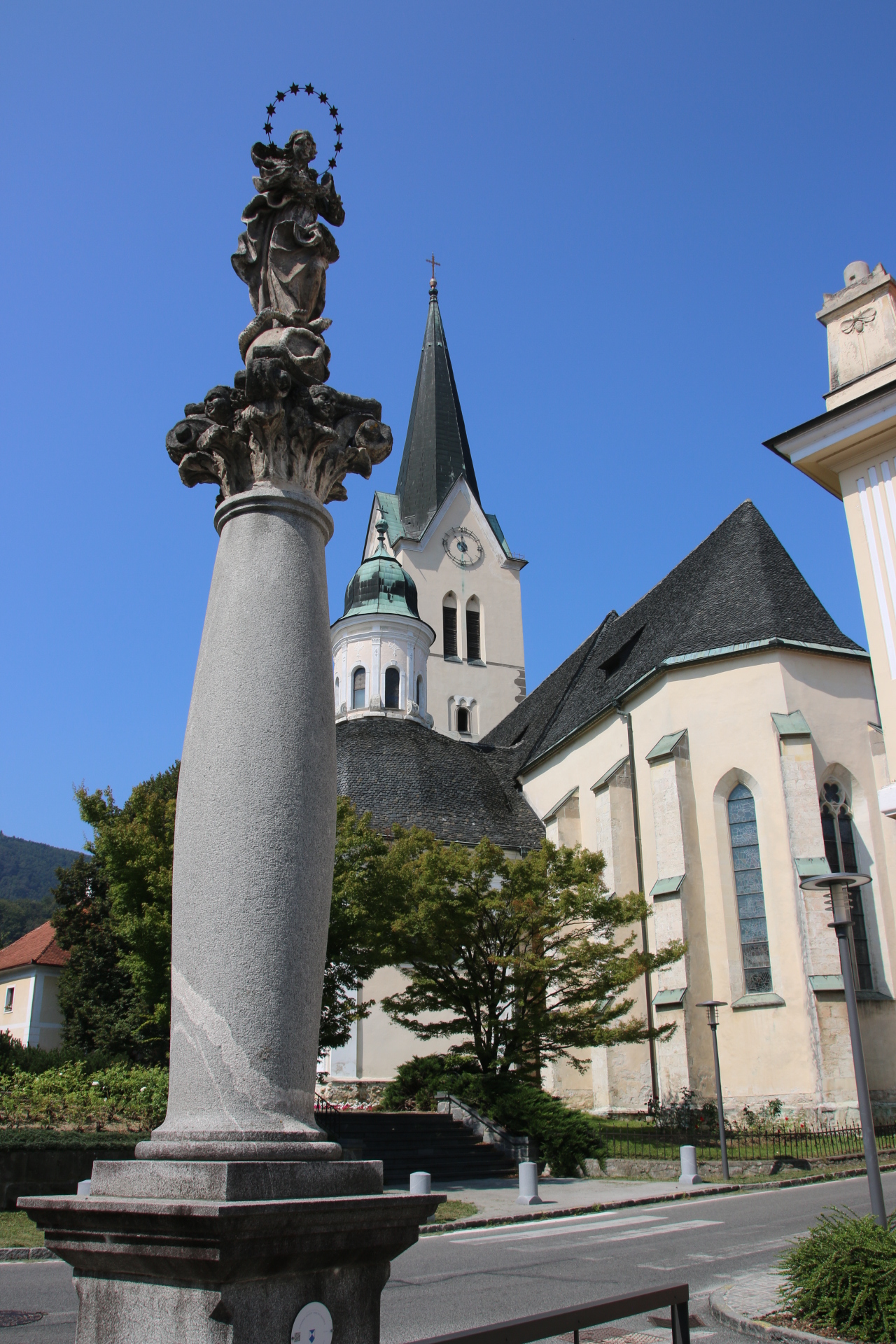
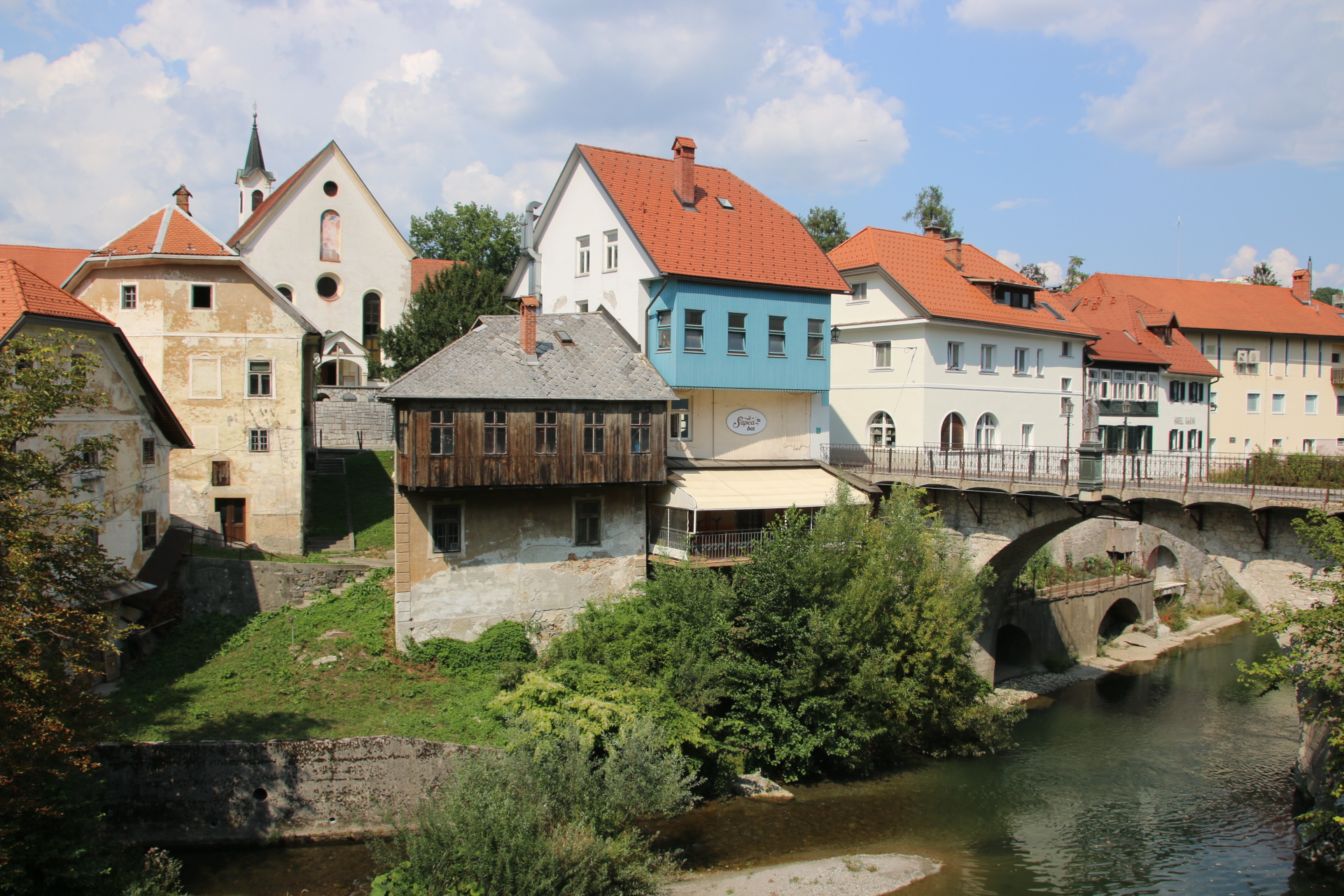
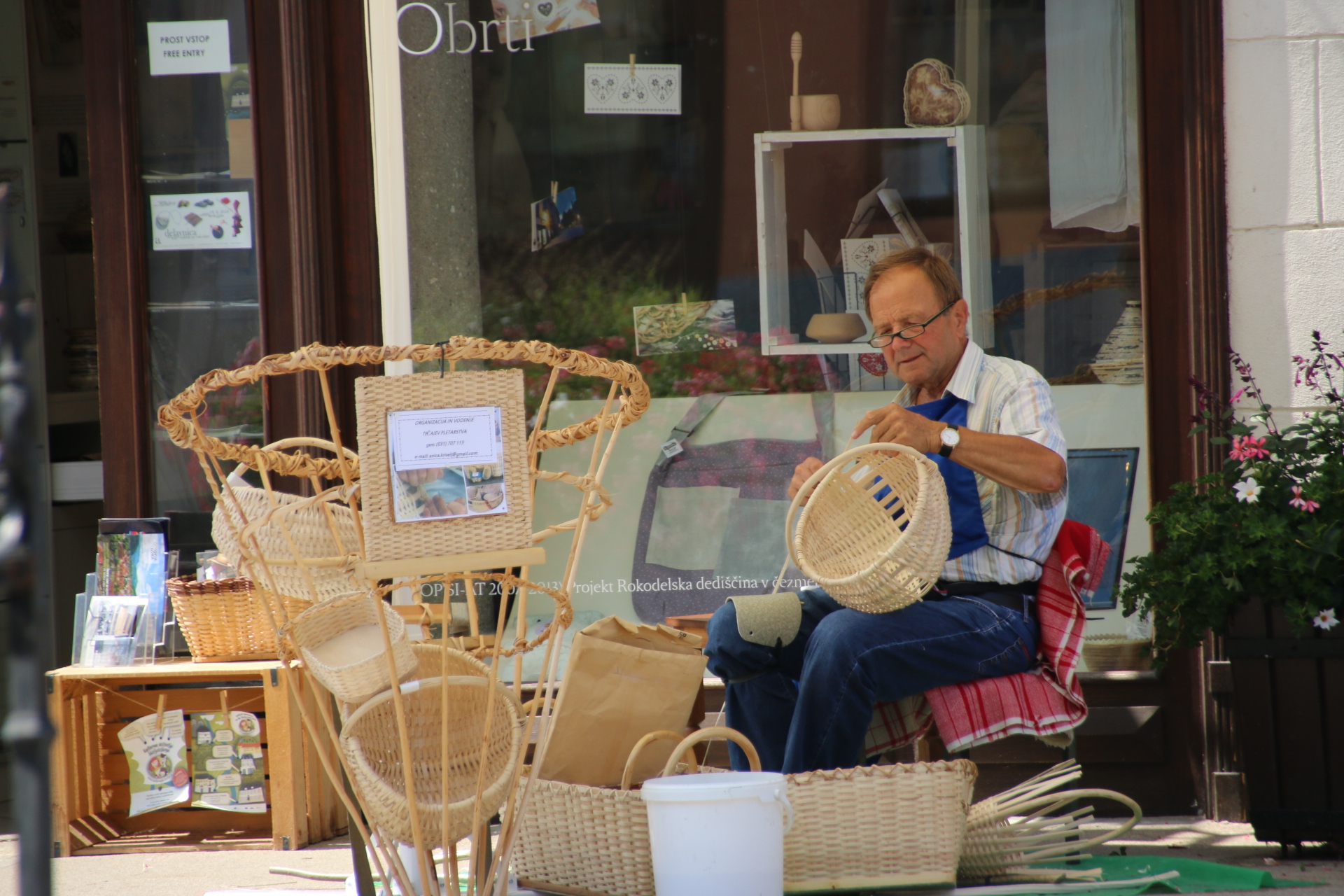
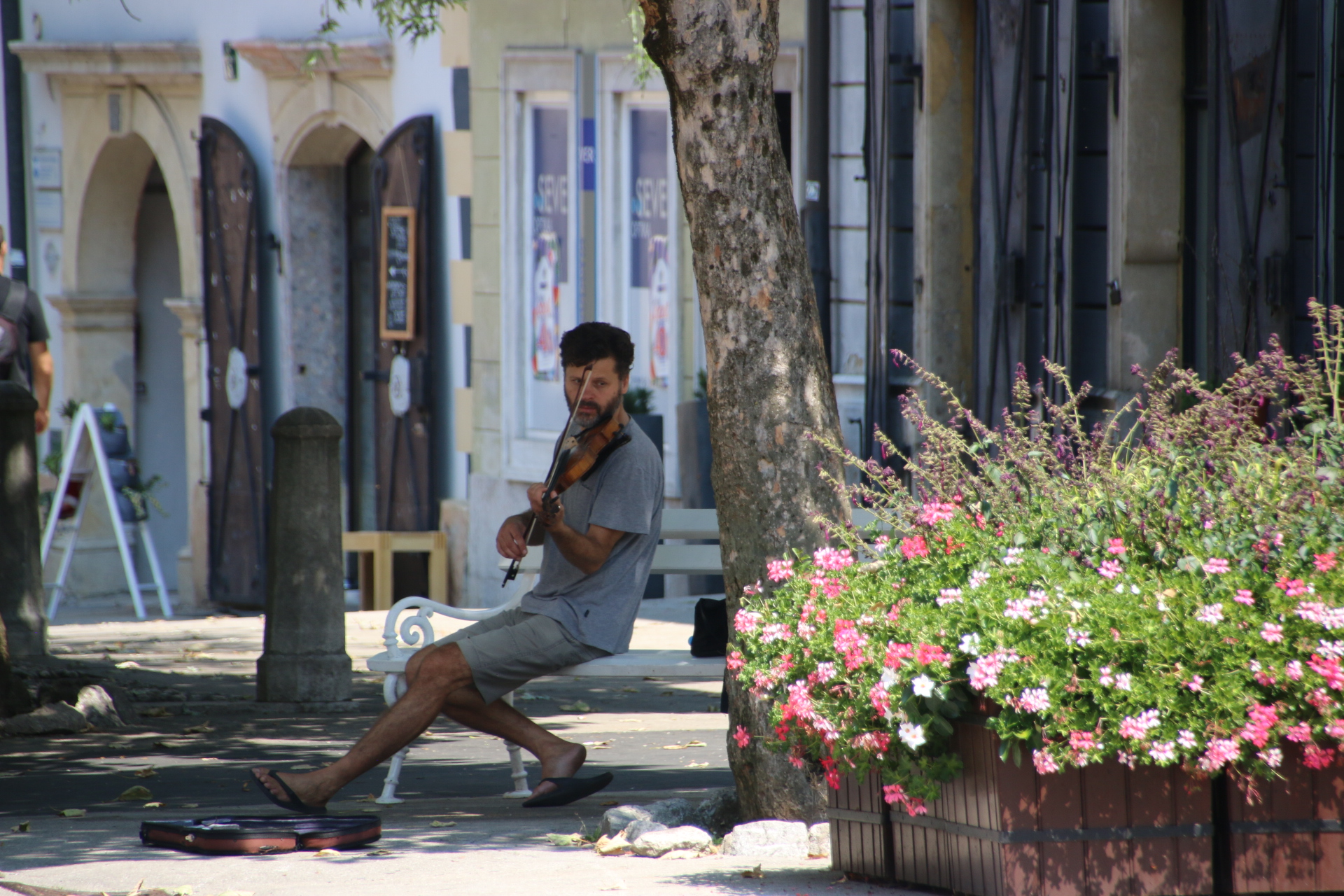
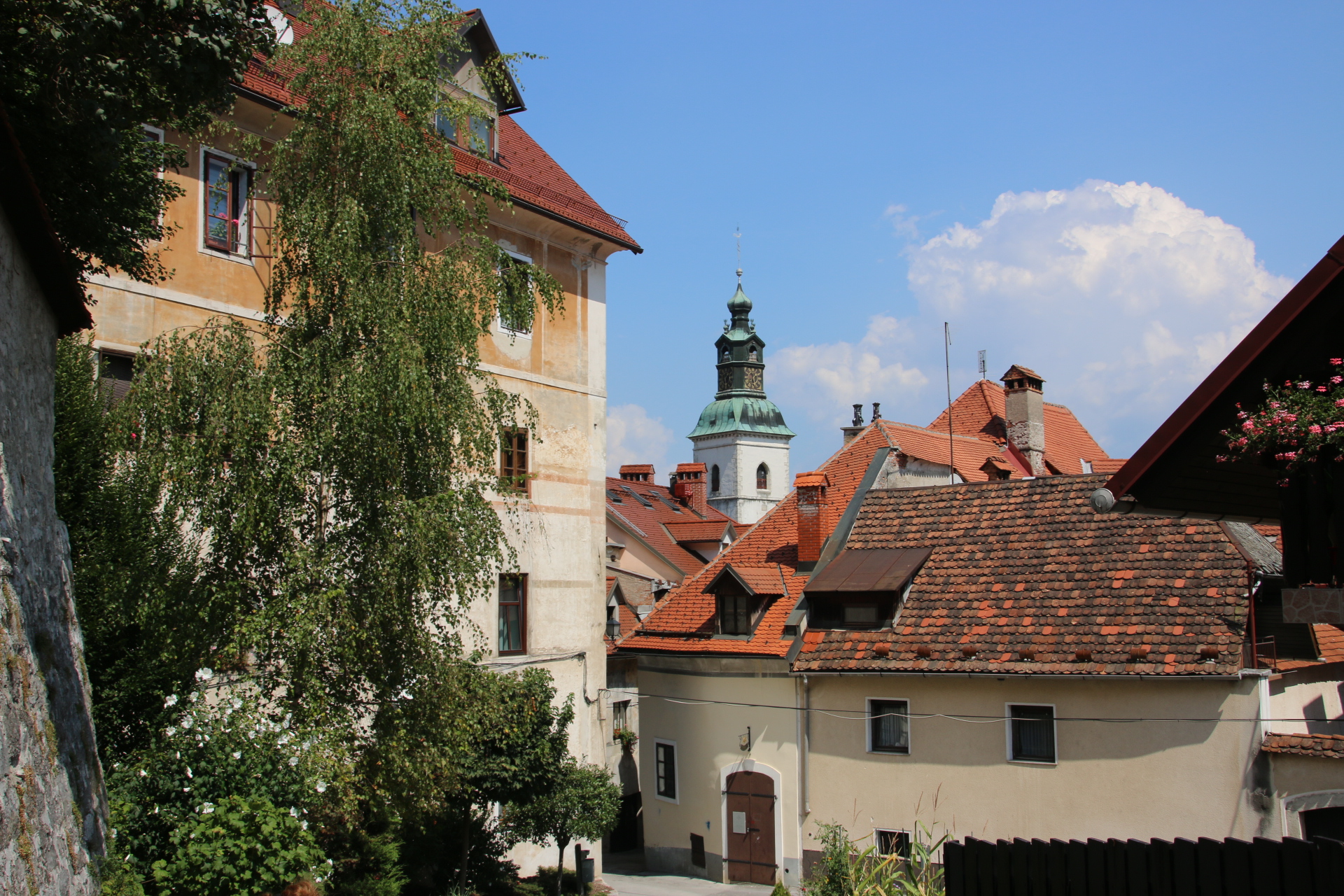
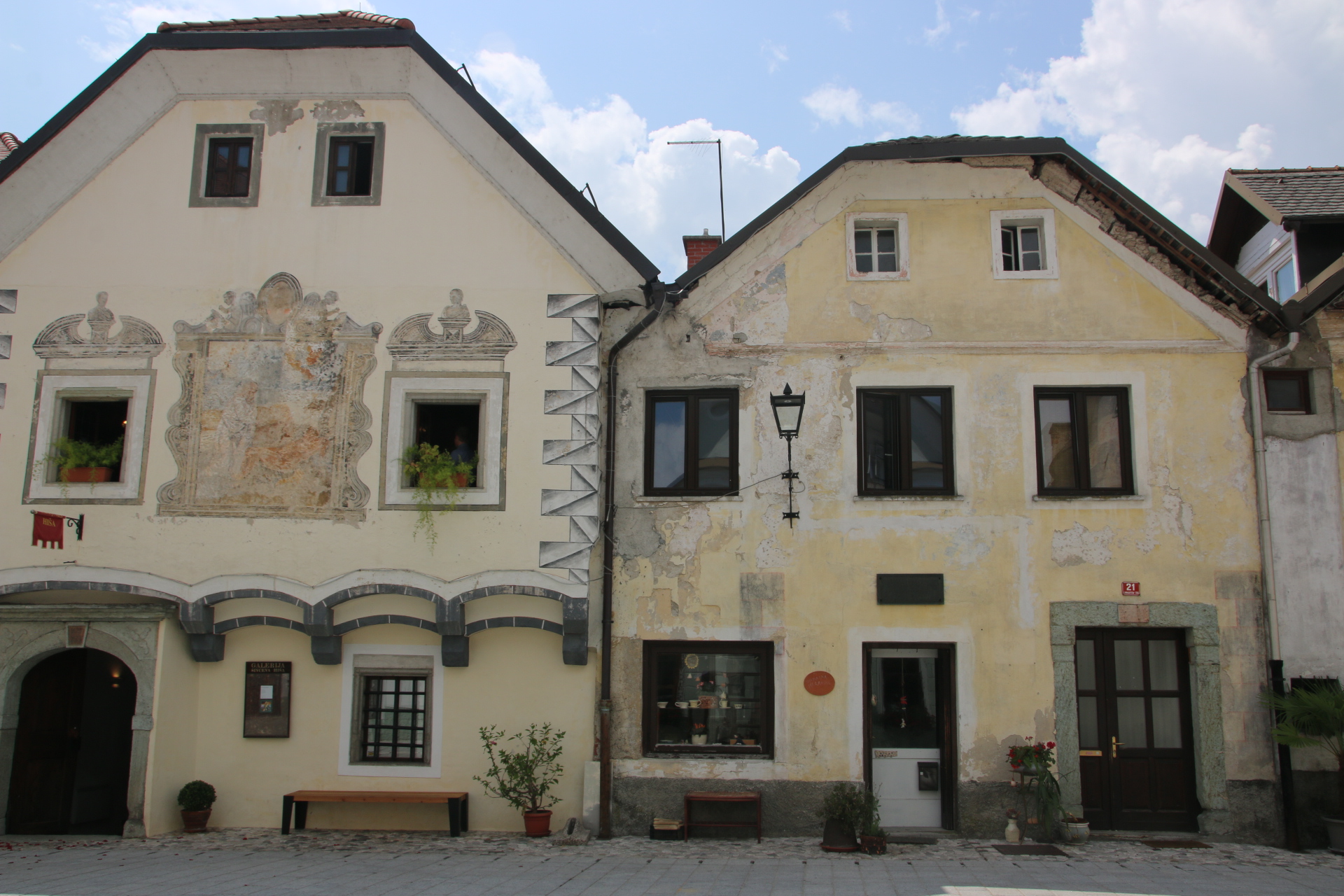
Today’s trip out is focussed on Slovenske Konjice, a small market town started about 1,000 years ago, nestling under the northern slopes of Konjiska Gora. From the tourist bumf it seems nothing special but it has all kinds of secrets to reveal. A small stream runs down from the mountains through the middle of the main. main street. Locals call it ‘dragon’s slobber’ after the local saint, George, supposedly killed the beast who lived in the mountains.


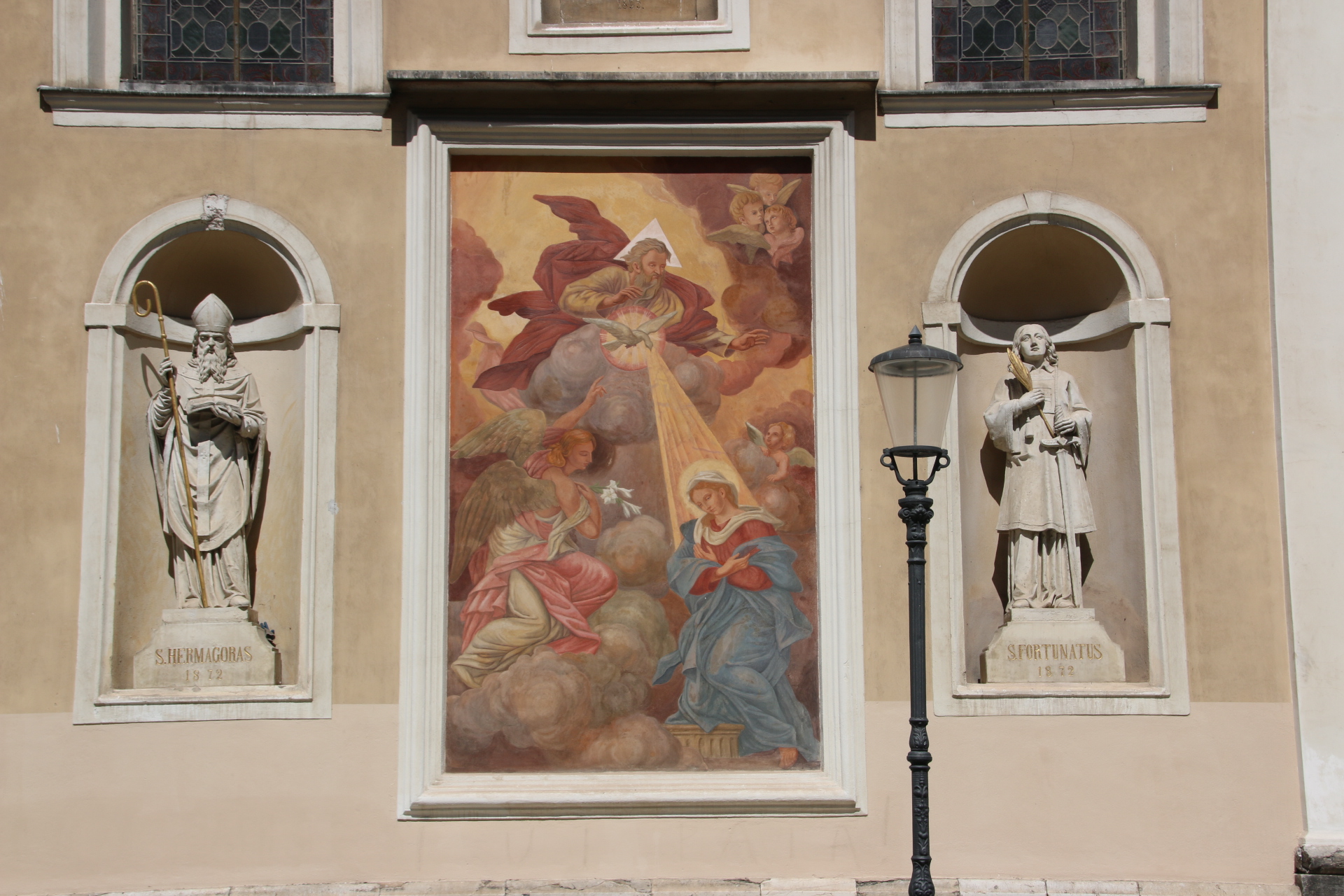
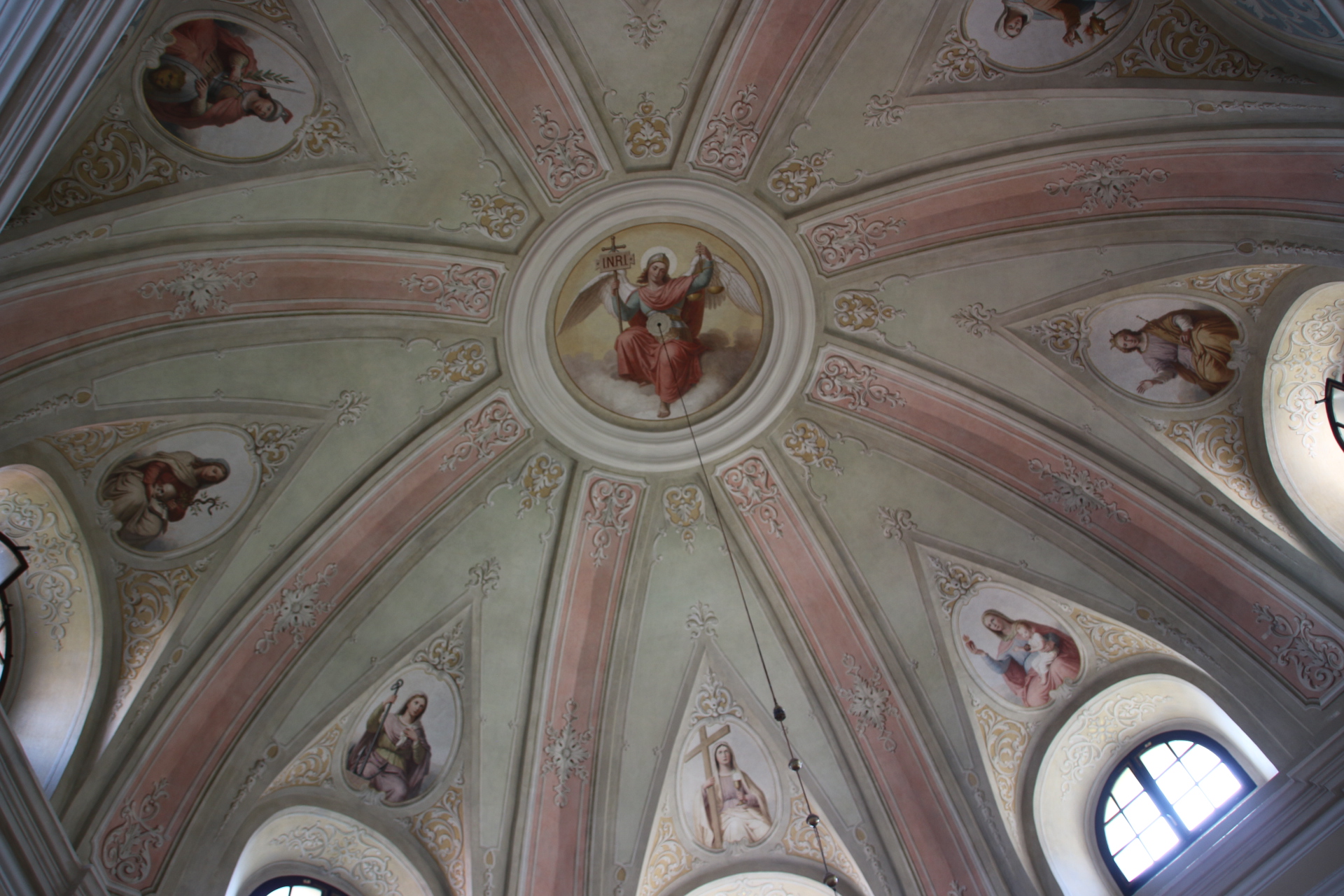
Like all towns it has a church – the Church of St George, built originally in 1146.

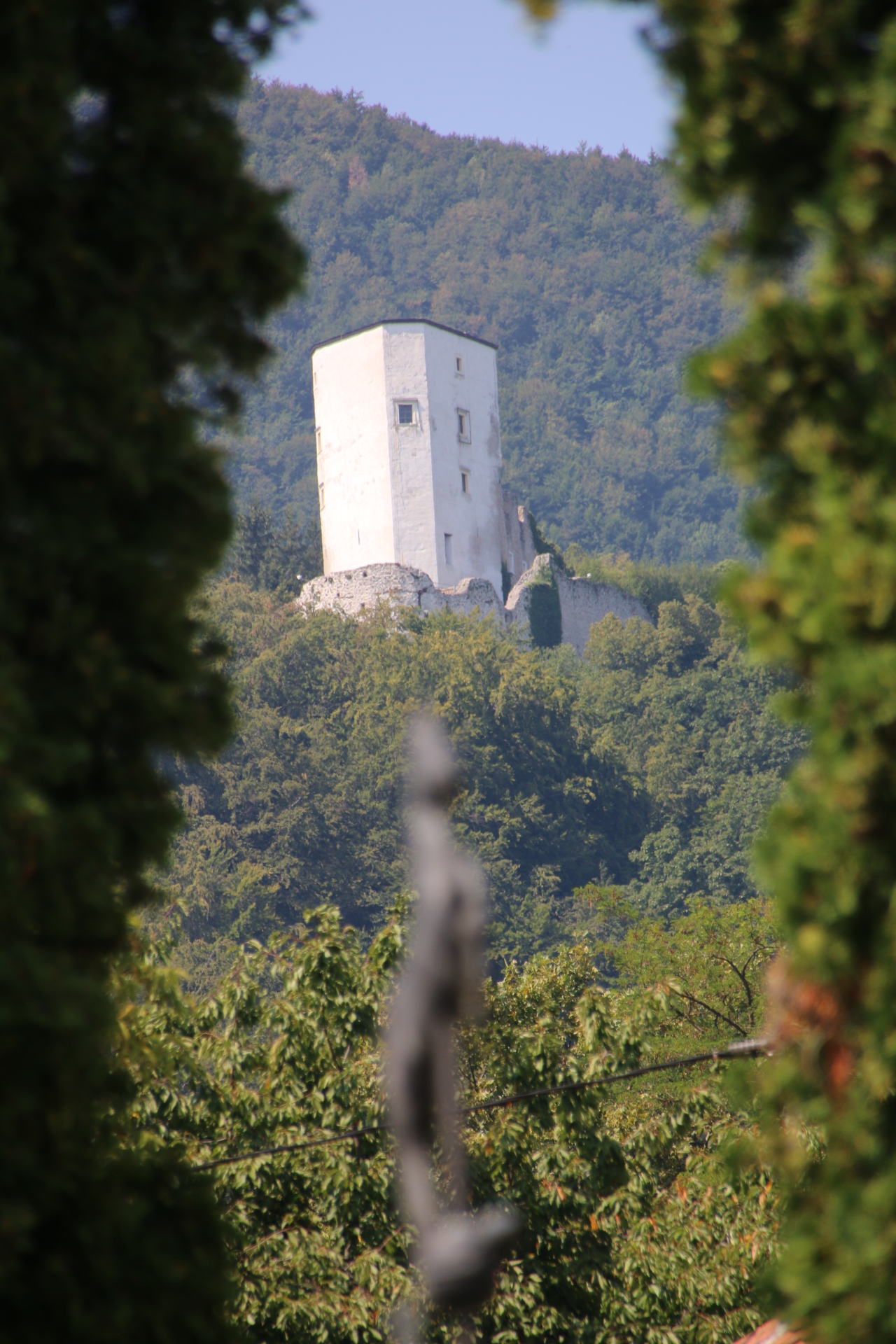
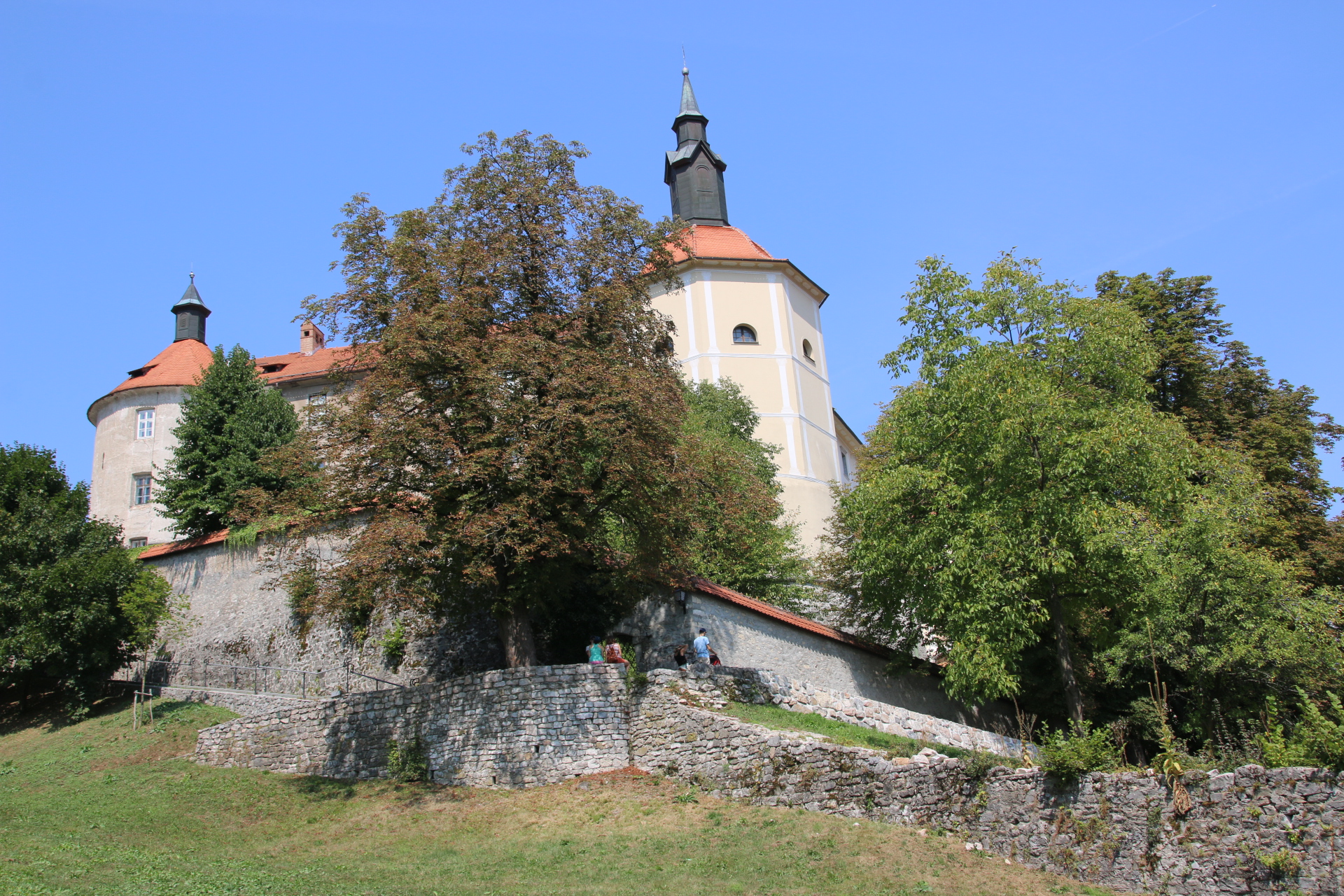
A ruined castle overlooks the town.

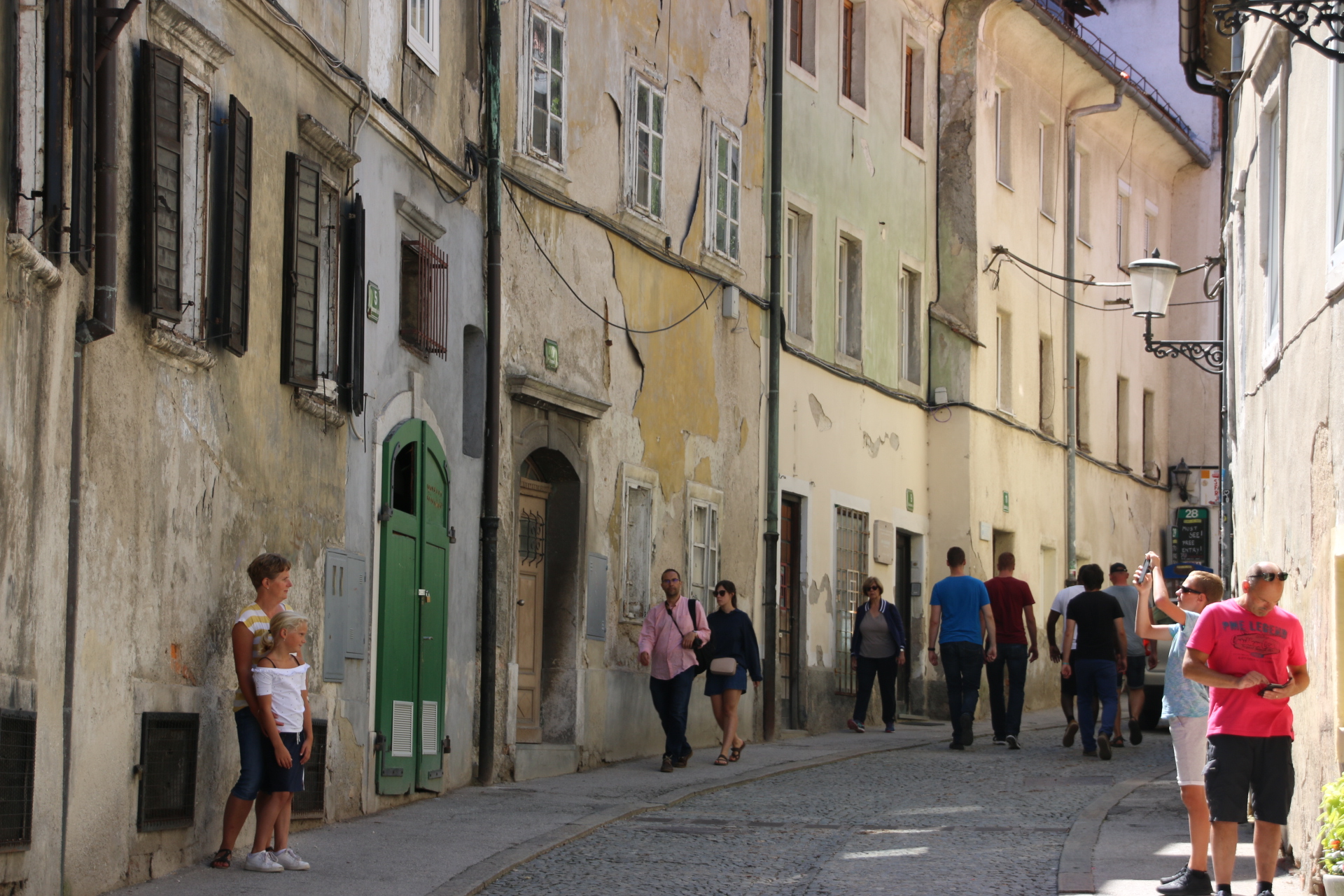
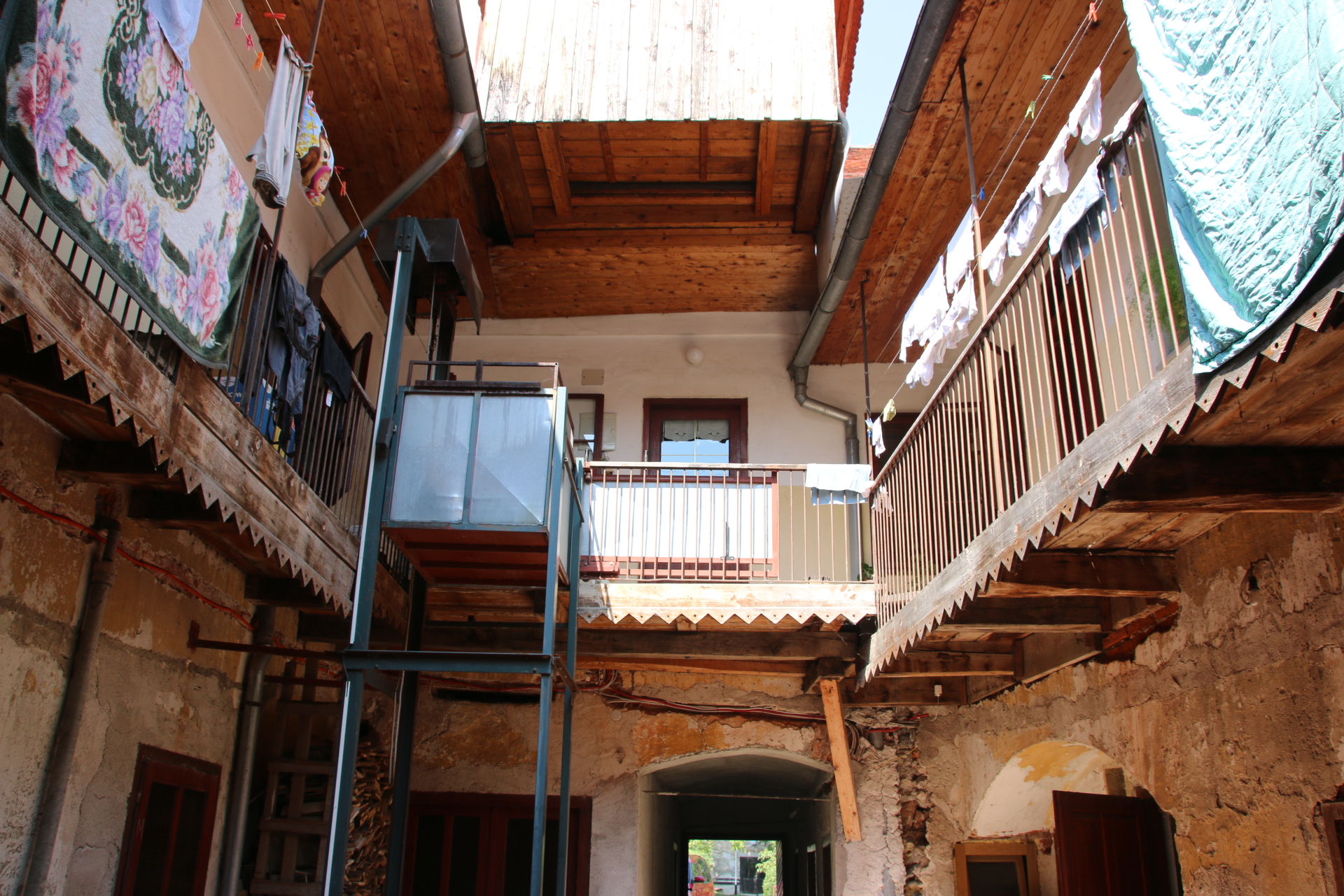
An intriguing main street has smart, plaster-painted houses lining each side, looking dapper in their fresh colours. However further investigation reveals more. Built in the 16th century the houses had new facades created 200 years later. Go through an open door and it is as if you have arrived in medieval times with an open courtyard surrounded by balconies and windows.

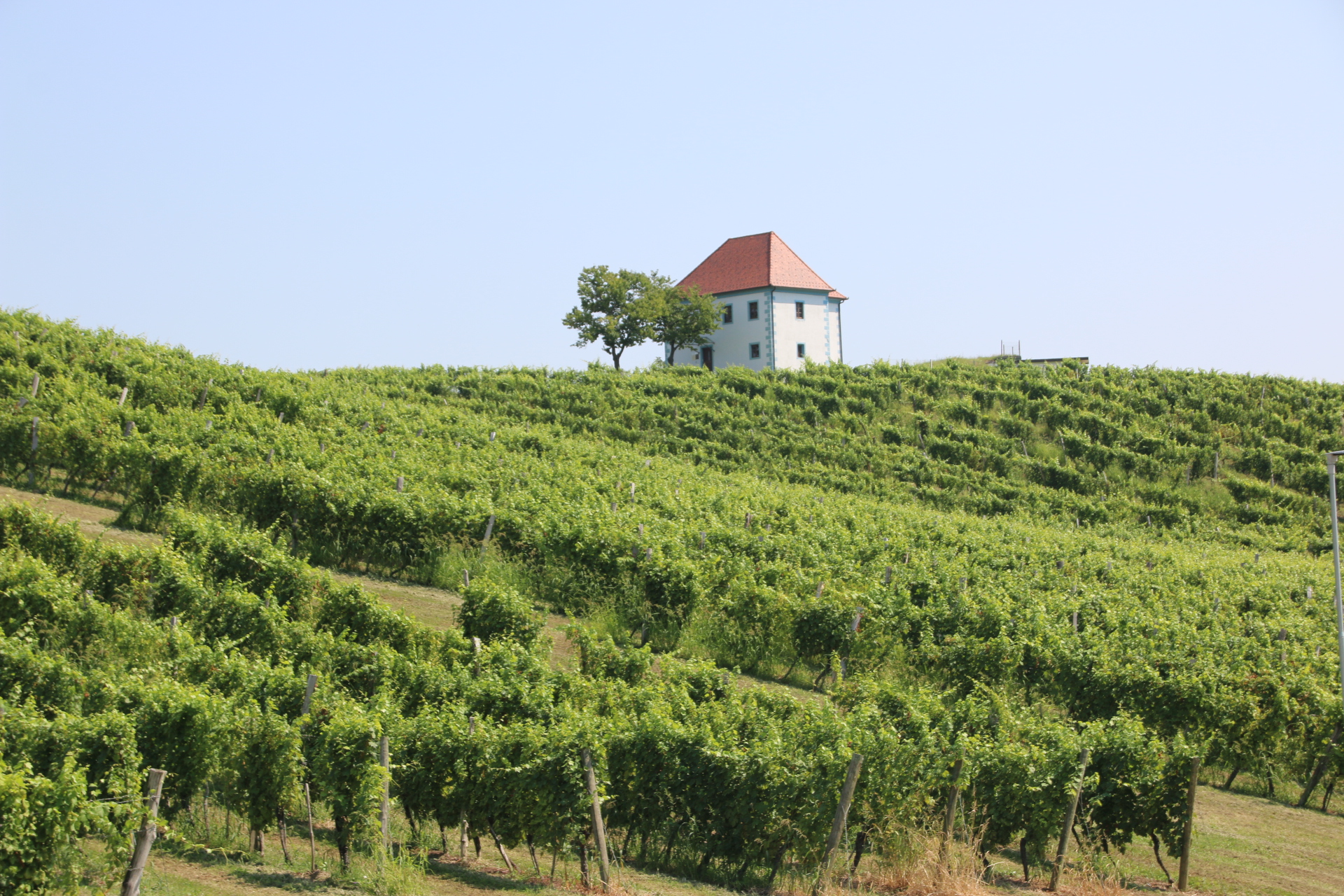
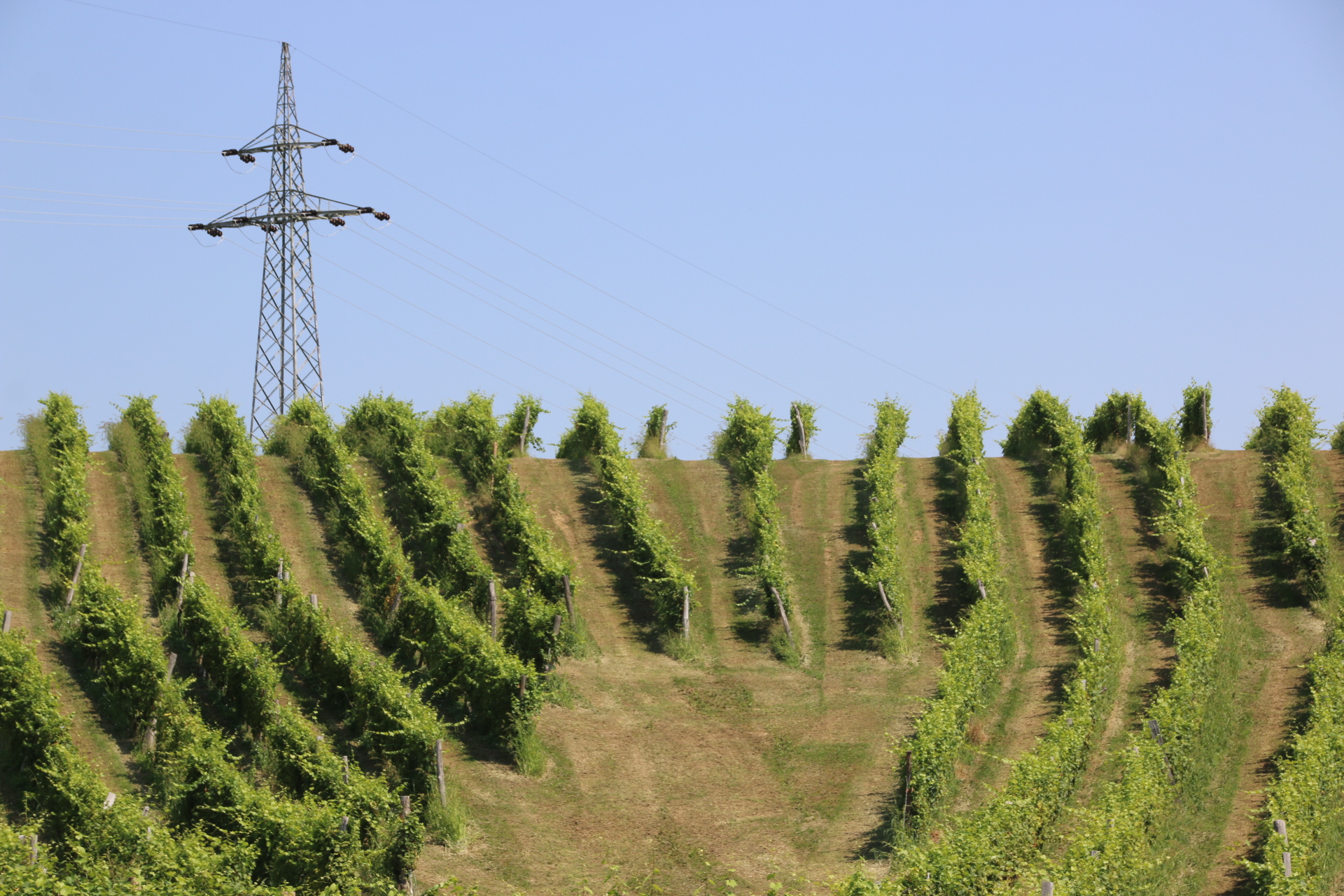
The surrounding hills are patterned with beautifully maintained vines which produce grapes to create high quality red, white & sparkling wines. Wine has been produced here for 800 years.

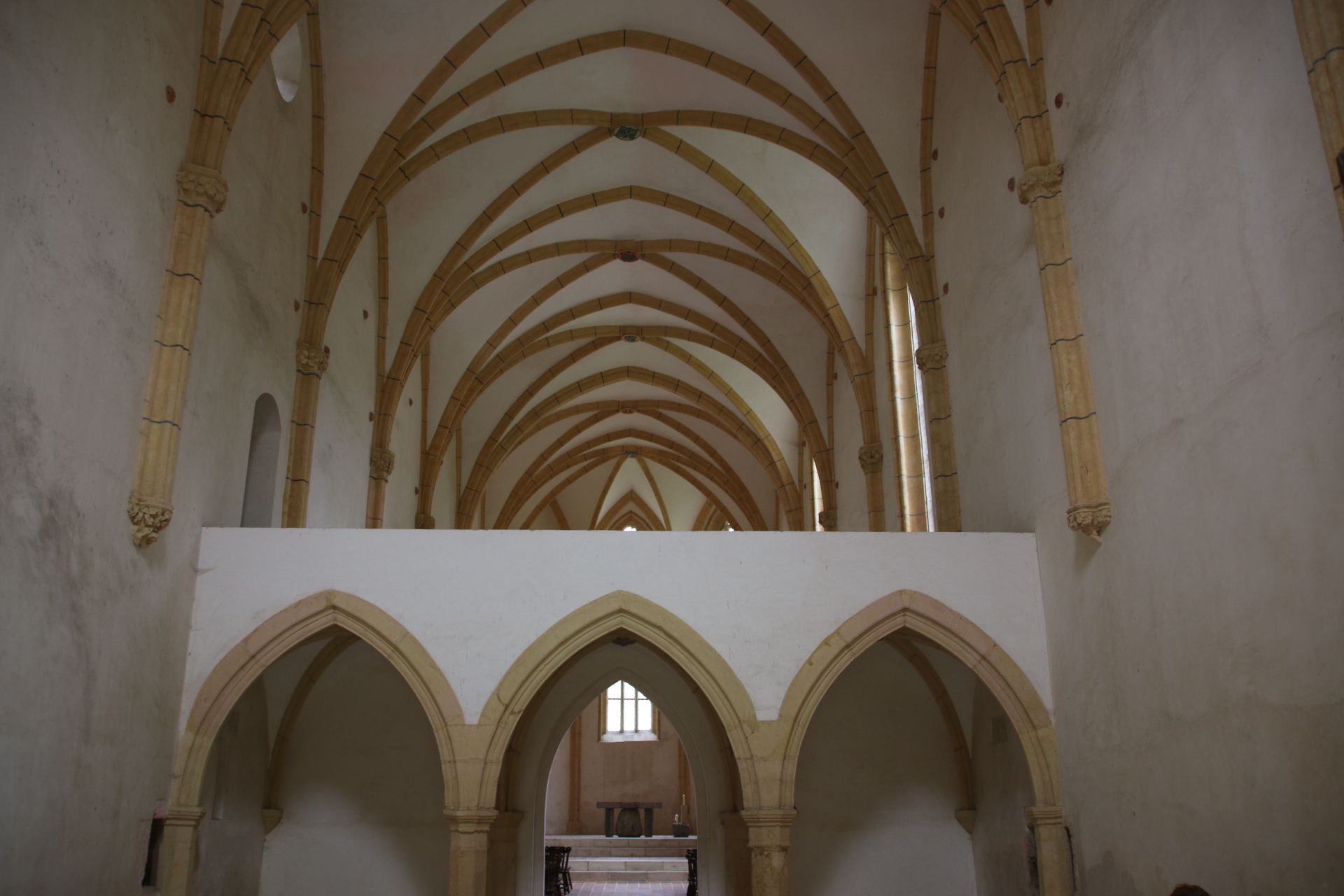
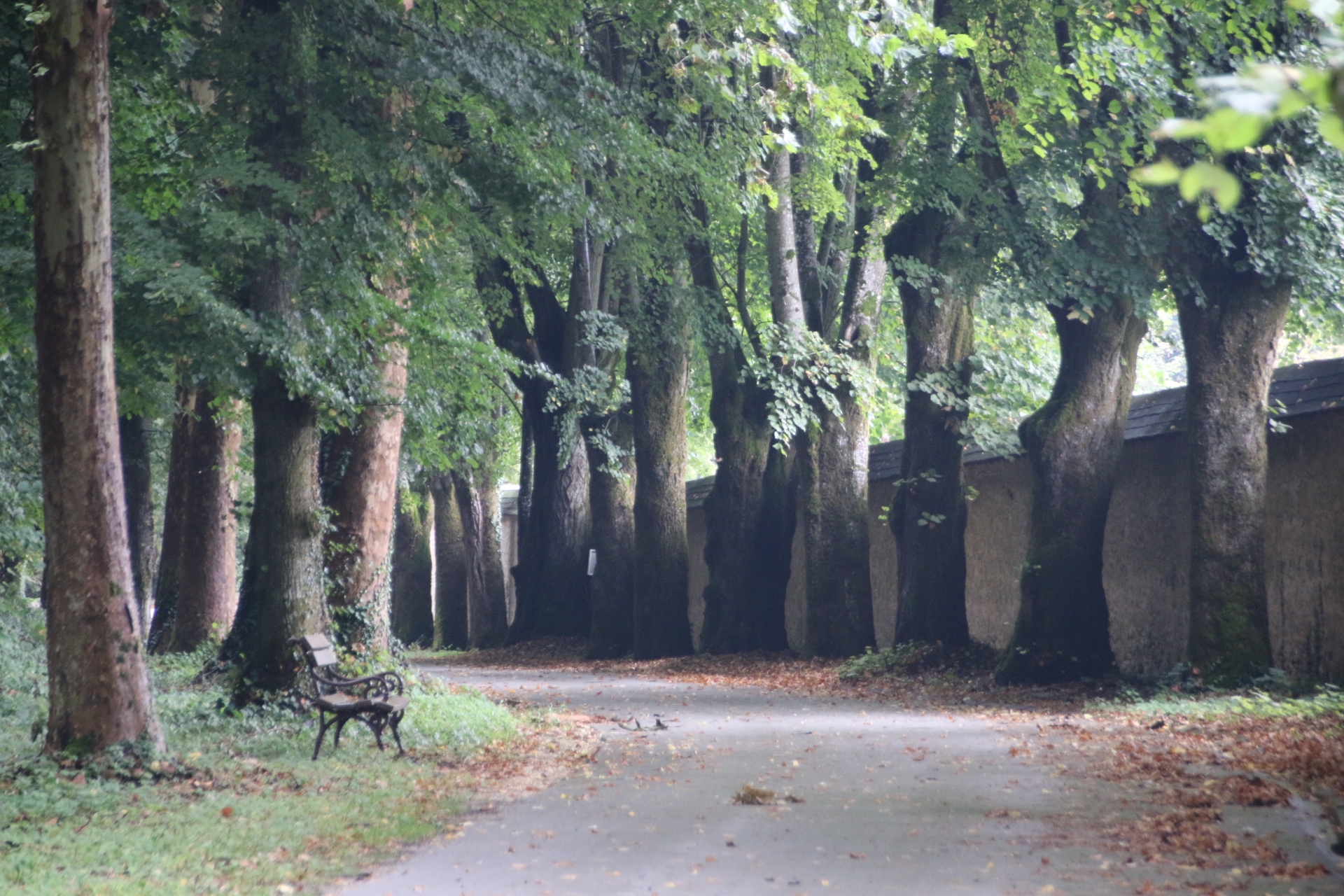
Every day has a special nugget. Today’s wonder place is the tranquil, partially ruined Zice Charterhouse Carthusian Monastery. It is situated in a small valley surrounded by rolling hills and forest. Over lunch there is no-one there and the full impact of the place hits you. Serene, peaceful, contemplative, harmonious. The white habits of the twelve monks who inhabited these hallowed walls since they first arrived in 1165, still linger in these empty cloisters, studying their ”book for the day’ as they did all those years ago until the monastery was dissolved in 1782.

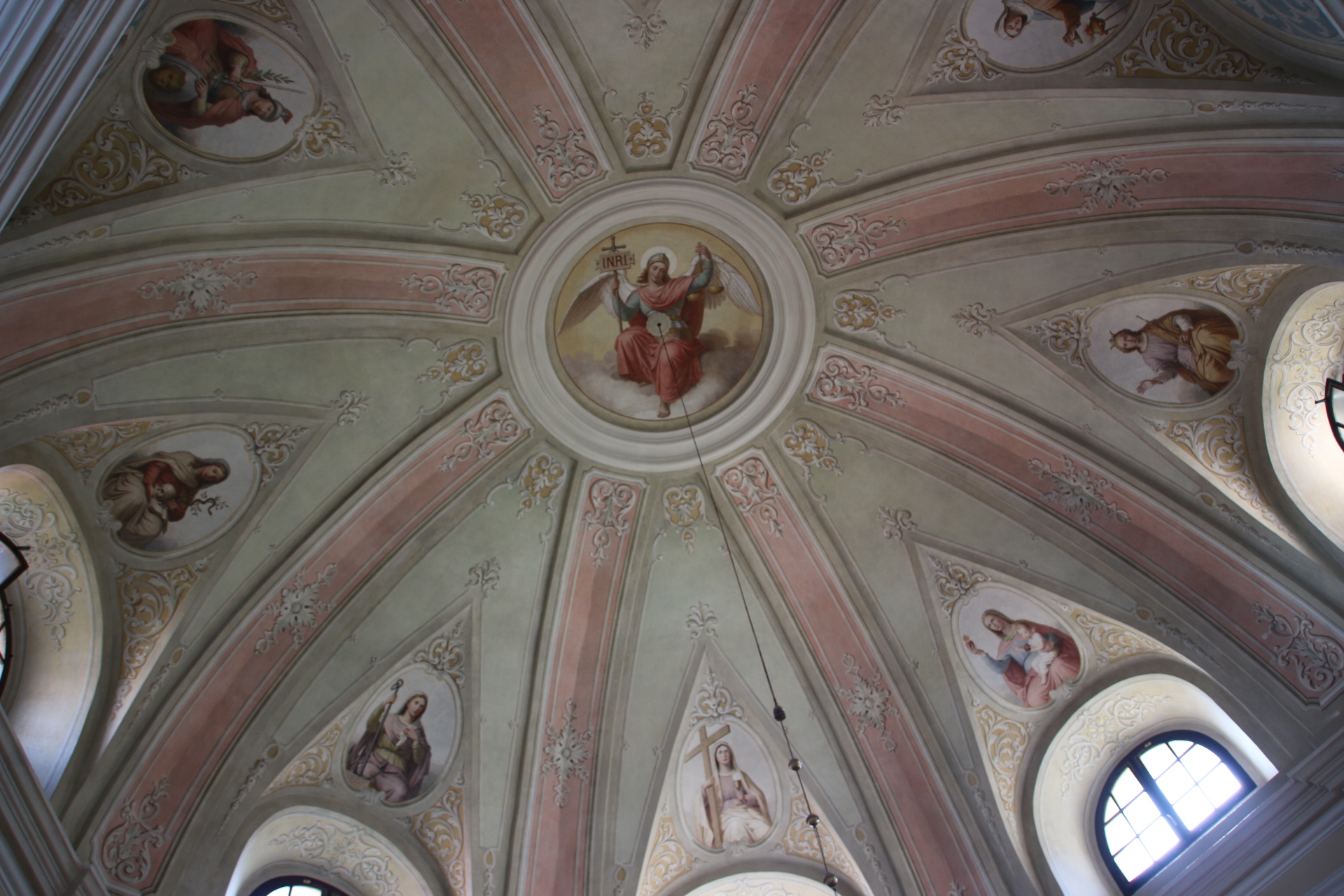
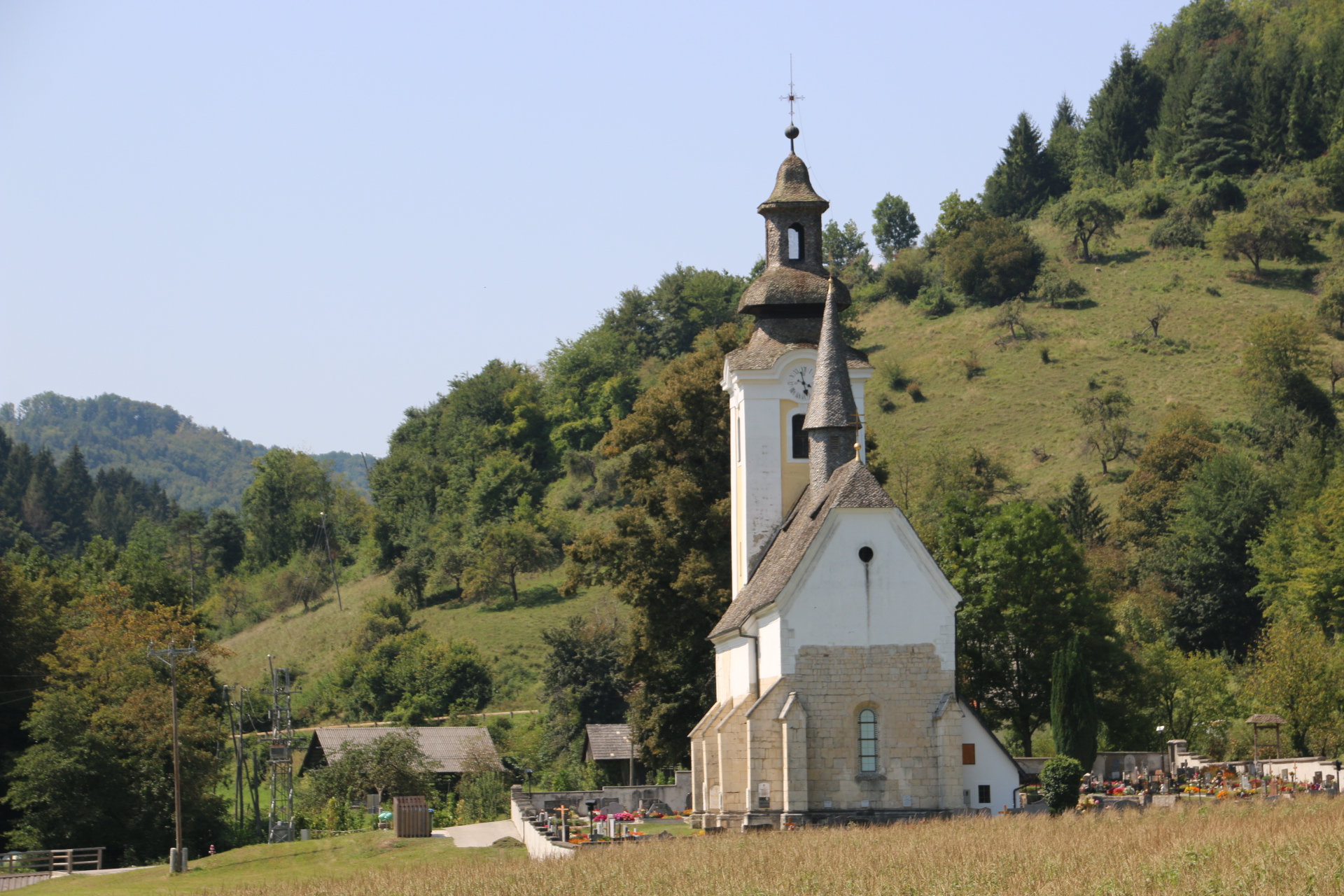
Just down the valley is the Church of Virgin Mary’s Visitation. This lower monastery housed lay monks who looked after the 12 ‘proper’ guys up at the big one, and also took in guests and travellers.

50 minutes drive and late lunch on the balcony follows. Aaarh. Hard work this exploring.

The streets of medieval Ptuj

I have been quiet for a couple of days. Only because I’ve been chilling out, taking in the view from this place. So magnificent. There are two ways to tell that time is passing here. Firstly shadows surge and shrink as the sun passes over. Secondly the cows wander further away from their milking shed and then, as THE time approaches, they wander back again. But the urge comes around again  and ignites the desire to explore further afield.

Ptuj rises gently above a wide valley. It is one of the oldest towns in Slovenia, beginning life as a Roman outpost on the banks of the Drava River. The castle, stayed in the 14th century overlooks the clay roofs, the red-roofed burgers’ houses and the river itself.

In front of the City Tower stand the Orpheus Monument, a 2nd century Roman tombstone with scenes from the story of, you guessed it, the story of Orpheus.

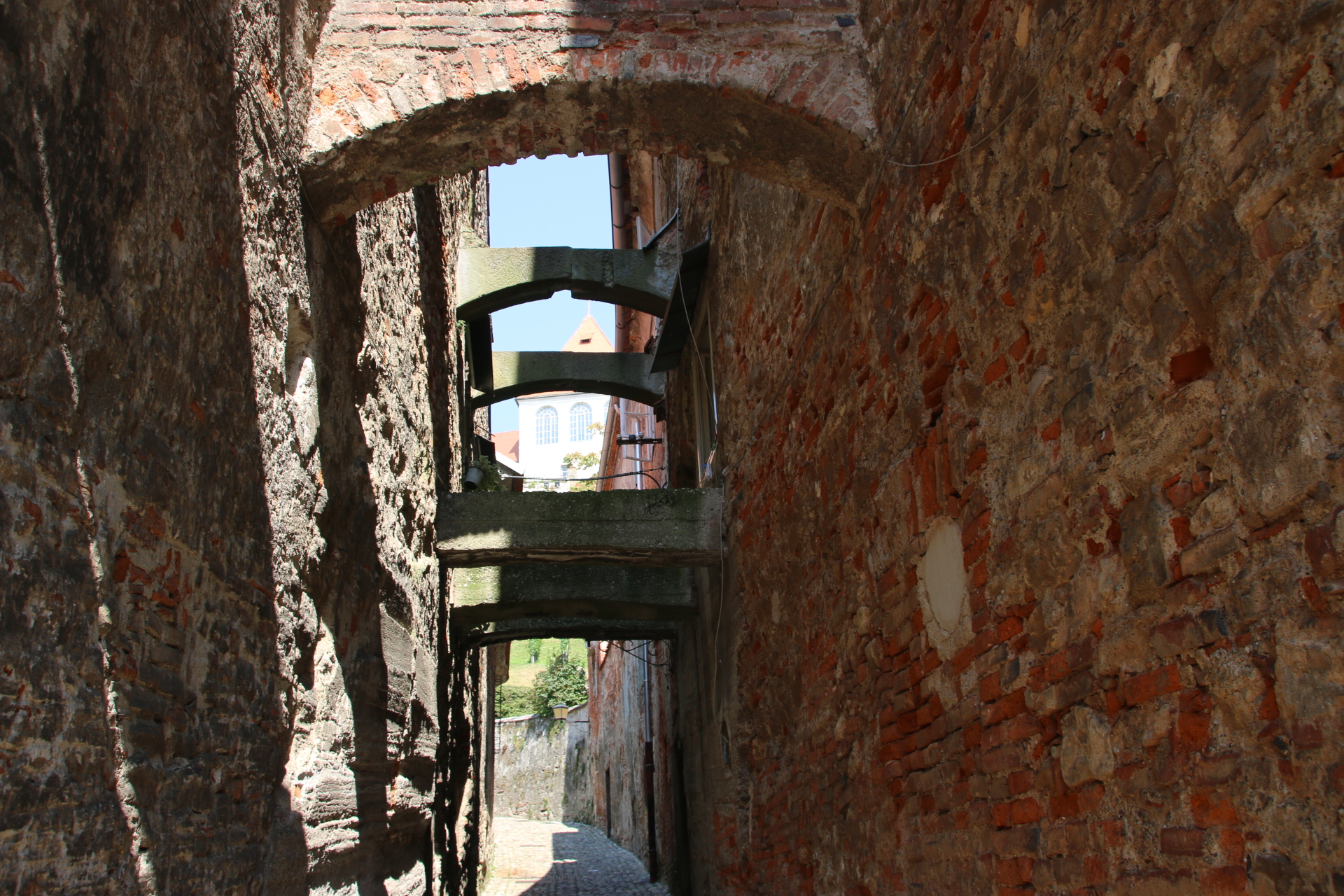
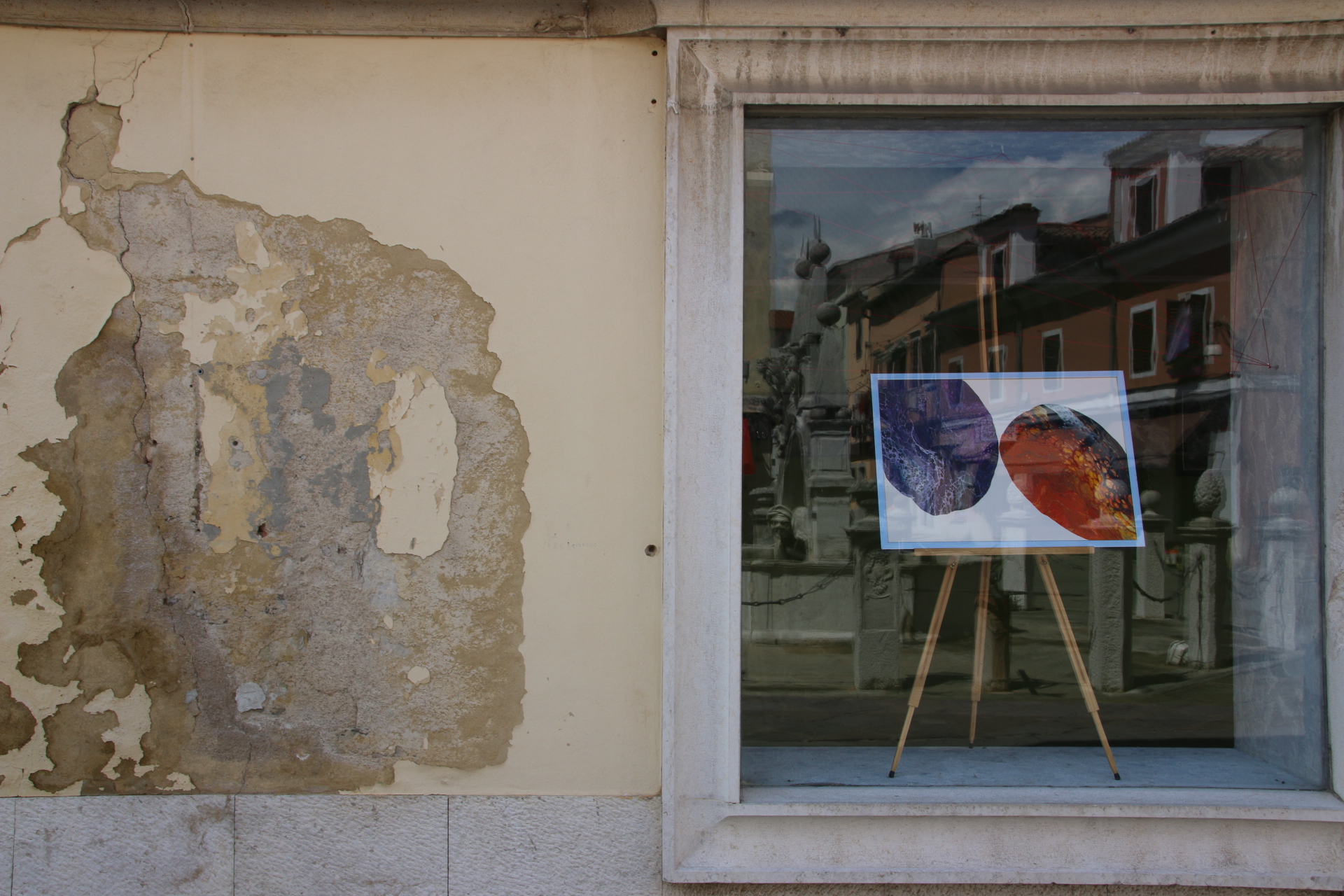
Ptuj is an ordinary town with this ancient feel to it. Its squares and narrow alleys and passages ooze history combined with a summer arts festival which juxtapositions installations alongside flaking plaster and ancient brick & stone work.

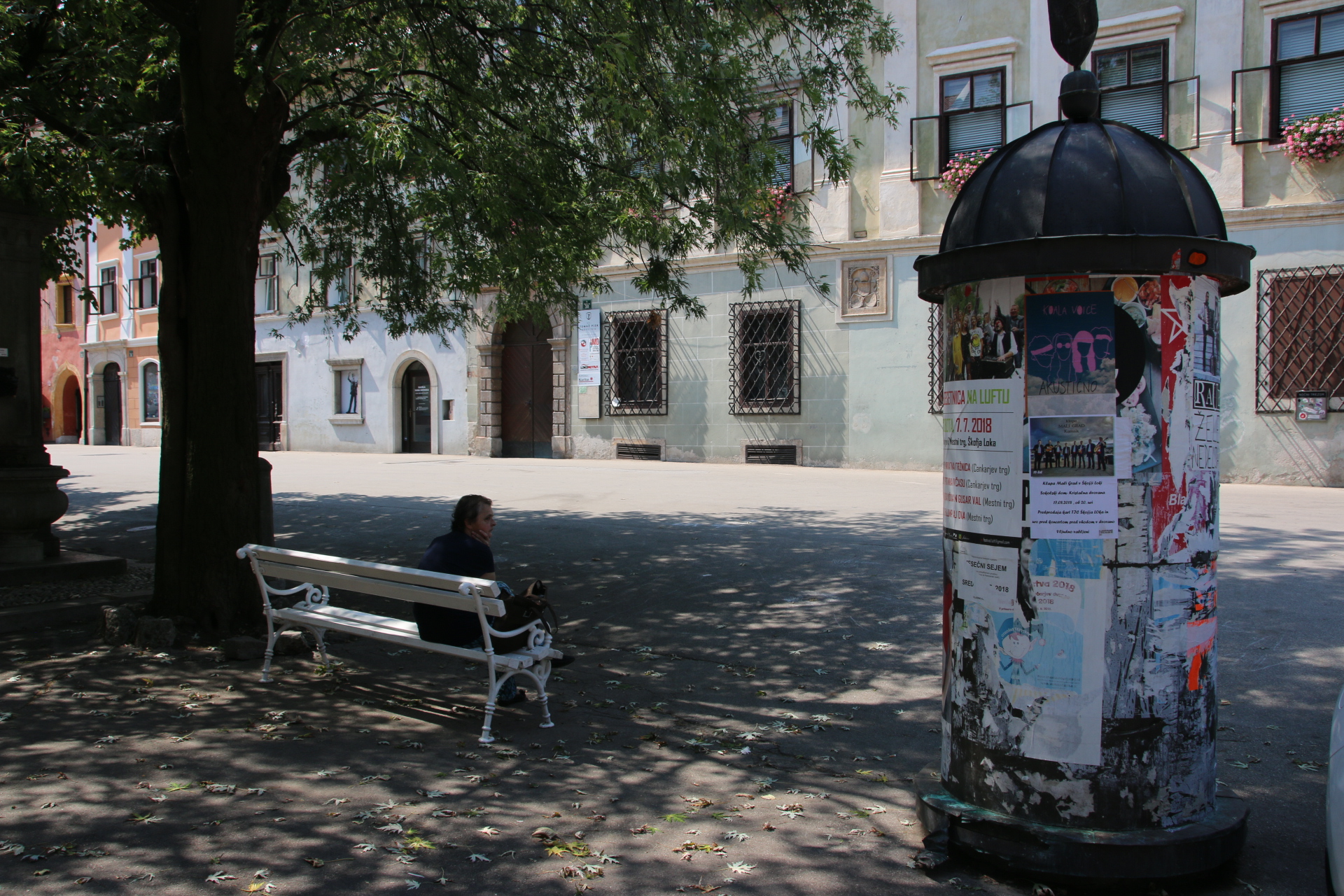
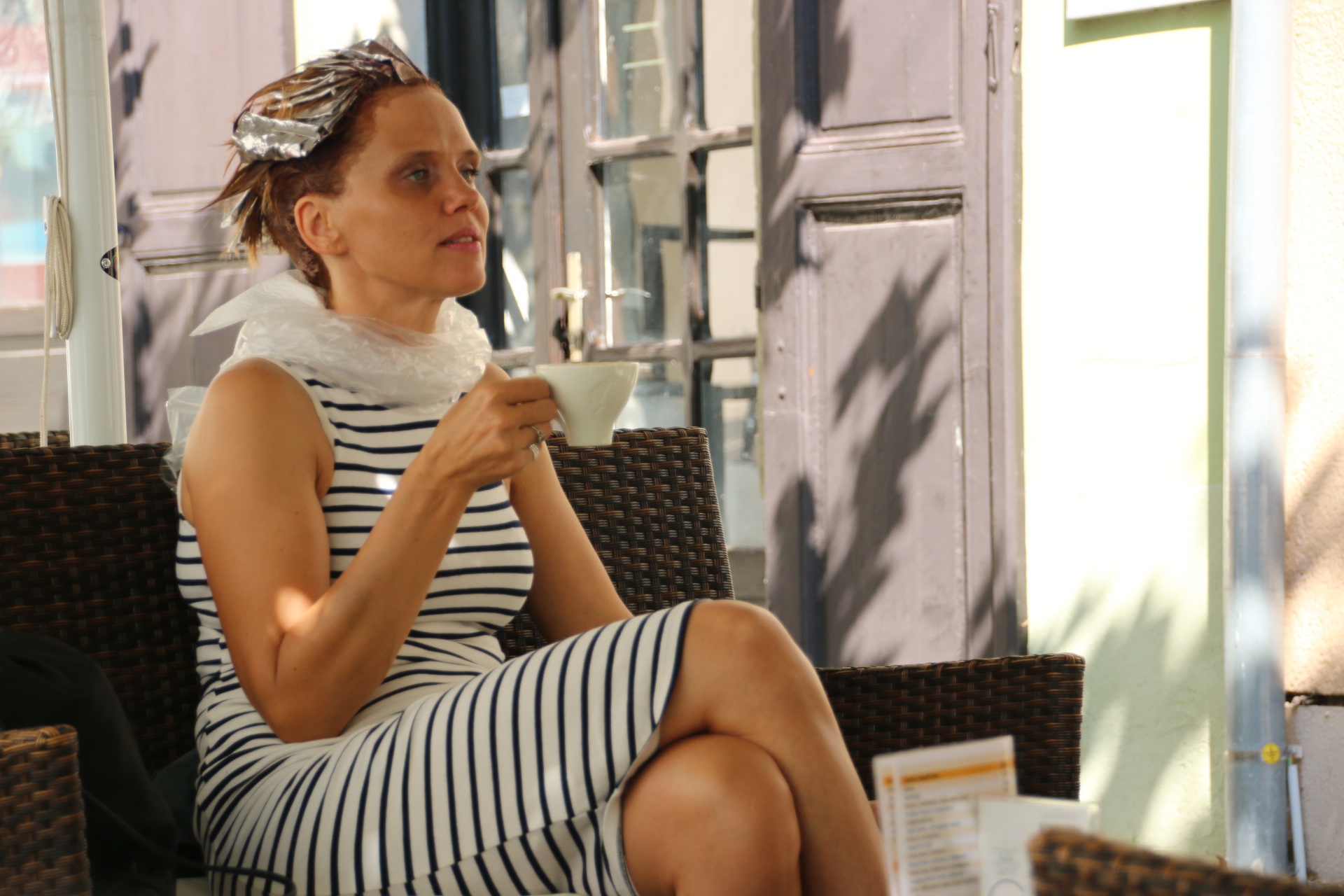
This is not an installation. Just a customer at the local hair salon waiting for her roots to be done. Well in is cooler outside rather than in.

Go back

Your message has been sent

Warning
Warning
Warning
Warning

Warning.


A peaceful Sunday in the mountains

Heading up into eastern Slovenia sees changes in the landscape. The route is through rolling forested hills that follow wide valleys of farmland. The landscape is more agricultural with round hay bales awaiting collection in the fields rather than the traditional hay ricks. Cattle, proper cattle with white patches on brown or is it brown patches on white, graze in the swathes of snooker table green meadow. In a patchwork of farmland and forests, small allotments and meadows have given way to larger fields of maize, alfalfa, hops (this must be beer country).

Gradually the land rises into the Pohrje Massif, an adventure land of outdoor activities and historical centres with castles, medieval streets and alleys and ancient churches. Sounds like Slovenia all over. Our chalet is on the edge of this region of forests, mountains and highland meadows and made for outdoor activities like skiing, hiking and biking.


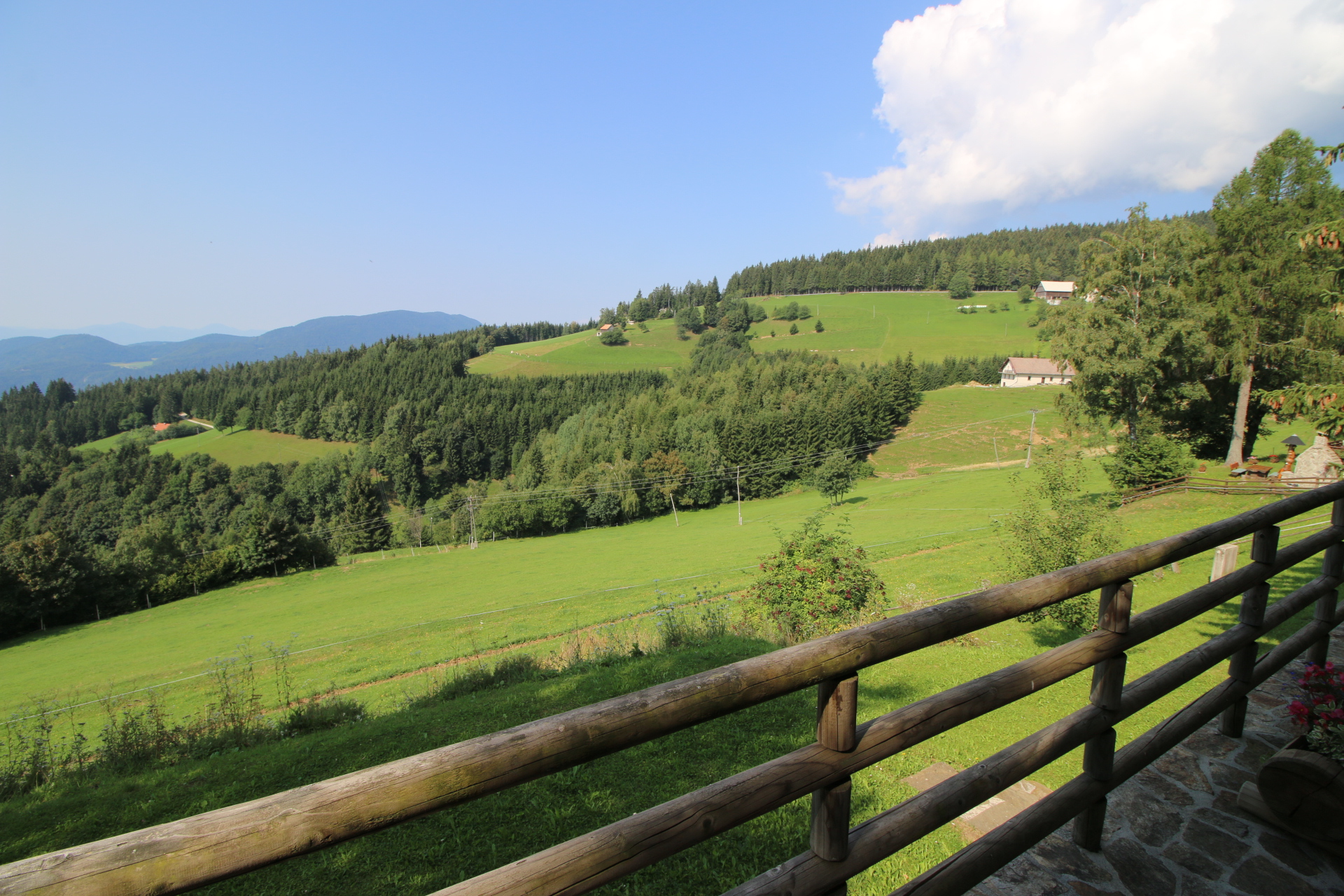
This place is wonderful with the most magnificent view from the bedroom and the balcony.


It is Sunday. The hills and mountains stretch away into the distance. I can count at least 14 layers of pastel-hued greens and greys laid out for my eyes to feast on. Forests, fields, farms, barns, hills, mountains, clouds. The only movement is the slow plod of chomping cows making their lazy way up the field, a soaring eagle or buzzard (a big bird anyway) and a rickety tractor crunching its gears around the tracks. The only sound is the chirp of unknown birds and a gentle breeze whispering in the trees. Twice a church has peeled its bells up the valley. This gives the place a historic, almost timeless feel. I’m going to like it here.

A Saturday in Skofja Loka

It is time to leave the sporty peaks and slopes of busy Kranjska Gozd in the north west of Slovenia and travel to the eastern part. As I said, everywhere is about an hour from everywhere else. So the motorway heads to Ljubljana, spoons around the edge and goes of towards Maribor, the country’s second largest city, a journey of about 3 hours in total. As there is time to spare the medieval town of Skofja Loka is a pleasing diversion.

The old town is the usual small nugget surrounded by the functionality of modern apartment blocks and administrative buildings. The most evocative approach to this ancient centre is over the 14th century Capuchin Bridge and through the arched gateway.

Mestni Trg is a long square with pastel-hued, 16th century burgers’ houses lining each side. The umbrellared cafes are busy. A few trees provide shade from the midday heat which slams down onto the cobbles and flag stones and sends folk into the shadows or indoors. Few people venture out and brave the bright sunshine.


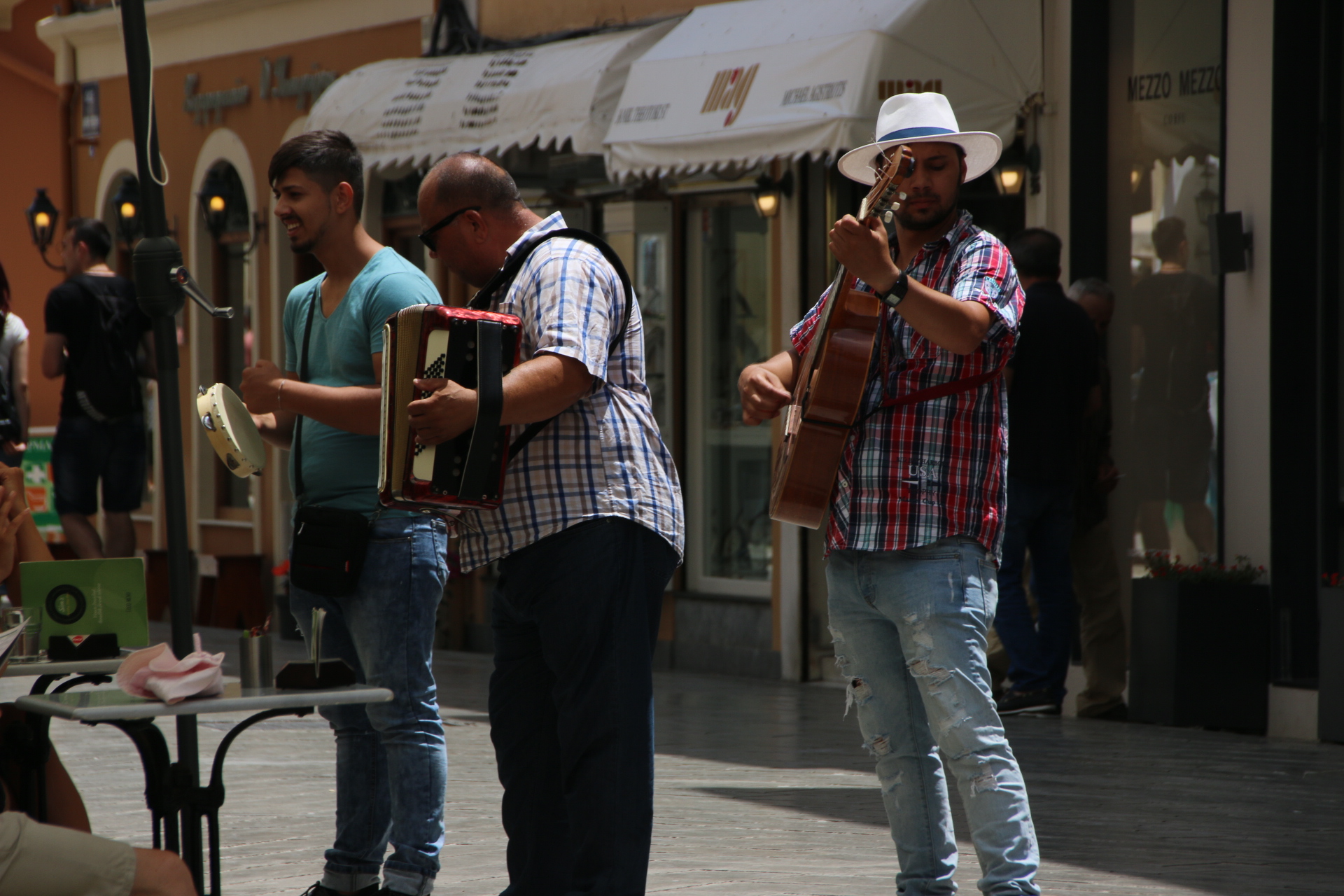
The main exception seems to revolve around the town hall. Four wedding parties follow each other in to town – one in a white stretched-limo, one in a decorated Deux Chevaux and two on foot. One has a guy with an umpahpah accordion, one has some piped music from a speaker, one has an orange bouquet that gets flung around a lot and one has guys with torn jeans and some very scary modern haircuts. In turn, with the bride in all her finery, each party hangs about in the street for a bit and then takes over a cafe. I am not sure if this is after the ceremony or before it. Not important. They all seem to be very happy and having a good time.

The castle, having a bit of an upgrade, stands proudly over the roofs and spires of the town – an ordinary town on a Saturday in Slovenia.


The wonderful drive up the Soca River

So it’s up from the coast today and back to the mountains. Rather than a mad dash up the motorway, pootling is called for. There is a very simple motorway system in Slovenia which is that they all, all four of them, go through Ljubljana and that everywhere (the mountains, the ski slopes, the coast) is about an hour or so from the capital. So pootling it is. It might take longer but it’s through another glorious area of this intriguing part of Europe.

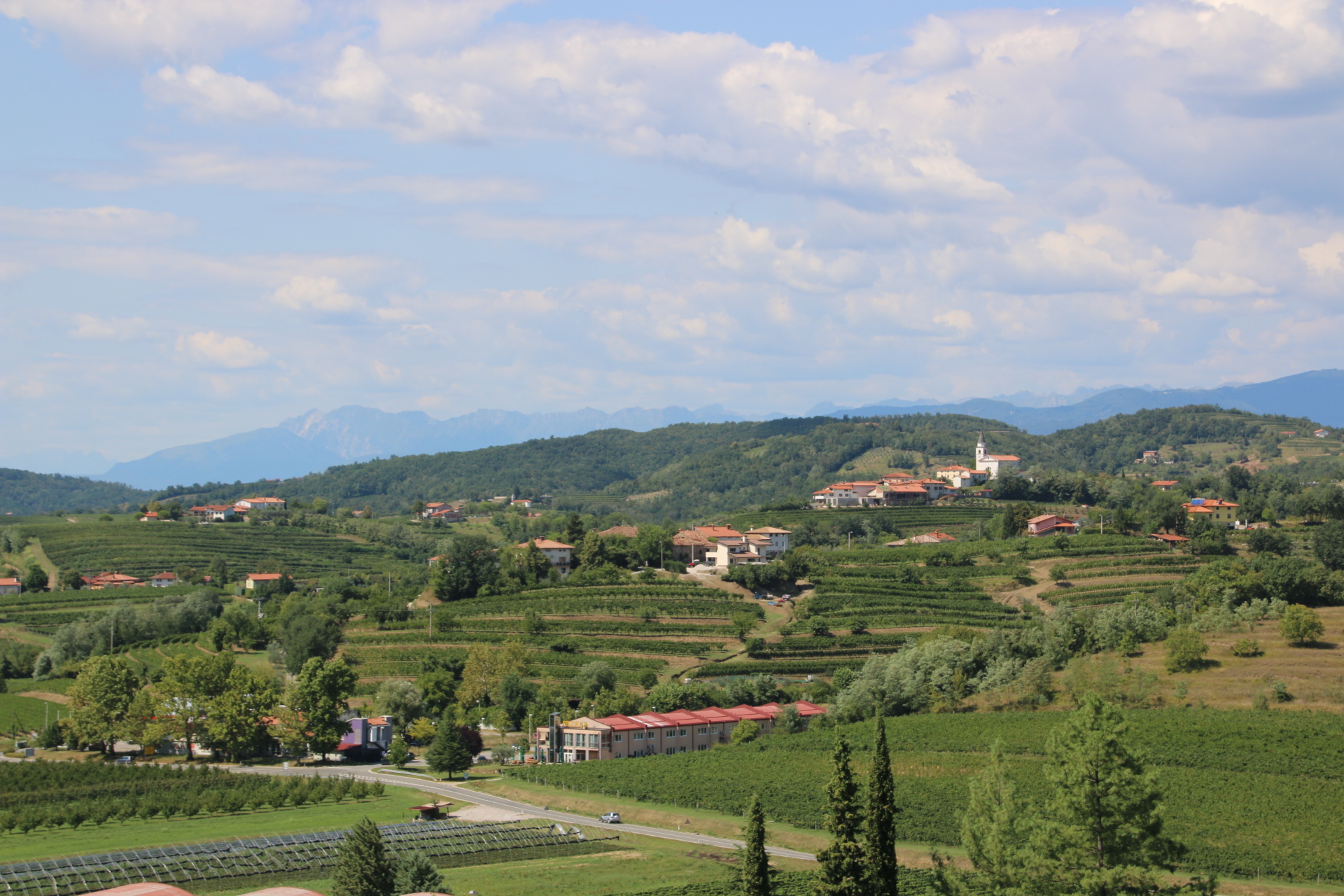
What else does this wonderful country have to offer? The route heads up the western side of the country where it borders Italy. Slovenians get a bit upset about this bit as Trieste used to be part of their country but as part of the post-war settlement it was given to Italy. We head for the ridges and rolling hills of the Vipava Valley and a landscape that mirrors that of northern Italy in general and Tuscany in particular.


This is Slovenia’s wine region and we go in search of decent stuff to consume at home. Our first attempt took place in the local Spar. Faced with an unknown language describing unknown grapes and depicting the quality of their range in pictures on the label, we purchase two bottles. One has a lovely picture of a large wine barrel – sadly, one sip proved it to be worse than anti freeze and the sink beckoned. The other had won three medals on its label – half a glass at each meal was just about manageable. SO… desparate times mean desparate measures

Dobrovo is the start of the wine region. It has a castle, a ‘vinotecka’ and a few houses. This is exactly what is required – a walk around, some pretty impressive views, a taste and a purchase of 4 red & 2 white. Then it is off to lunch.

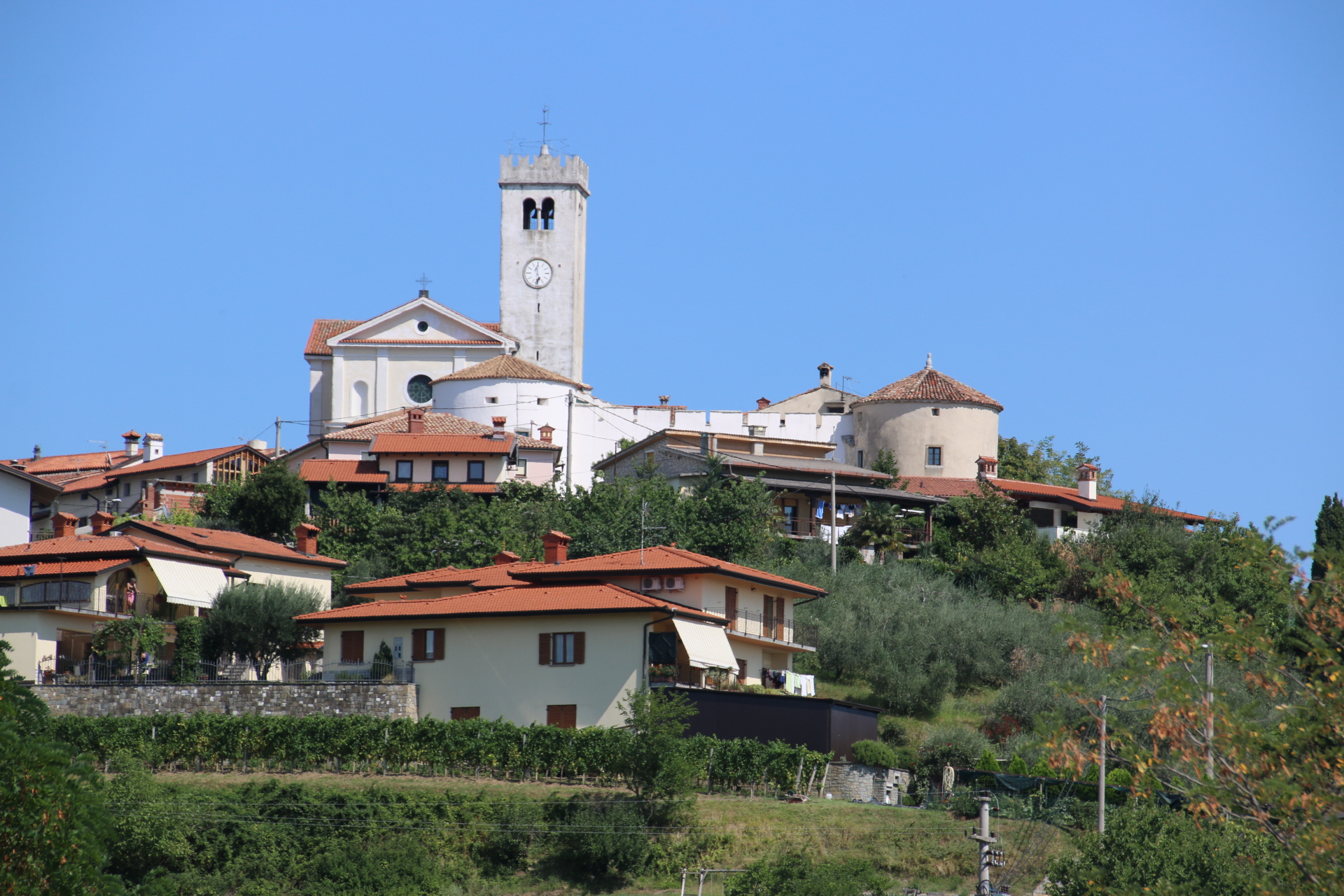
The next hill-top village of Smartno bakes in the midday sun.

The simple family restaurant lines its tables out in the narrow street and offers simple local fayre of platters of meat and cheese or salads, accompagnied by a glass of white followed by a wander around its shaded streets.

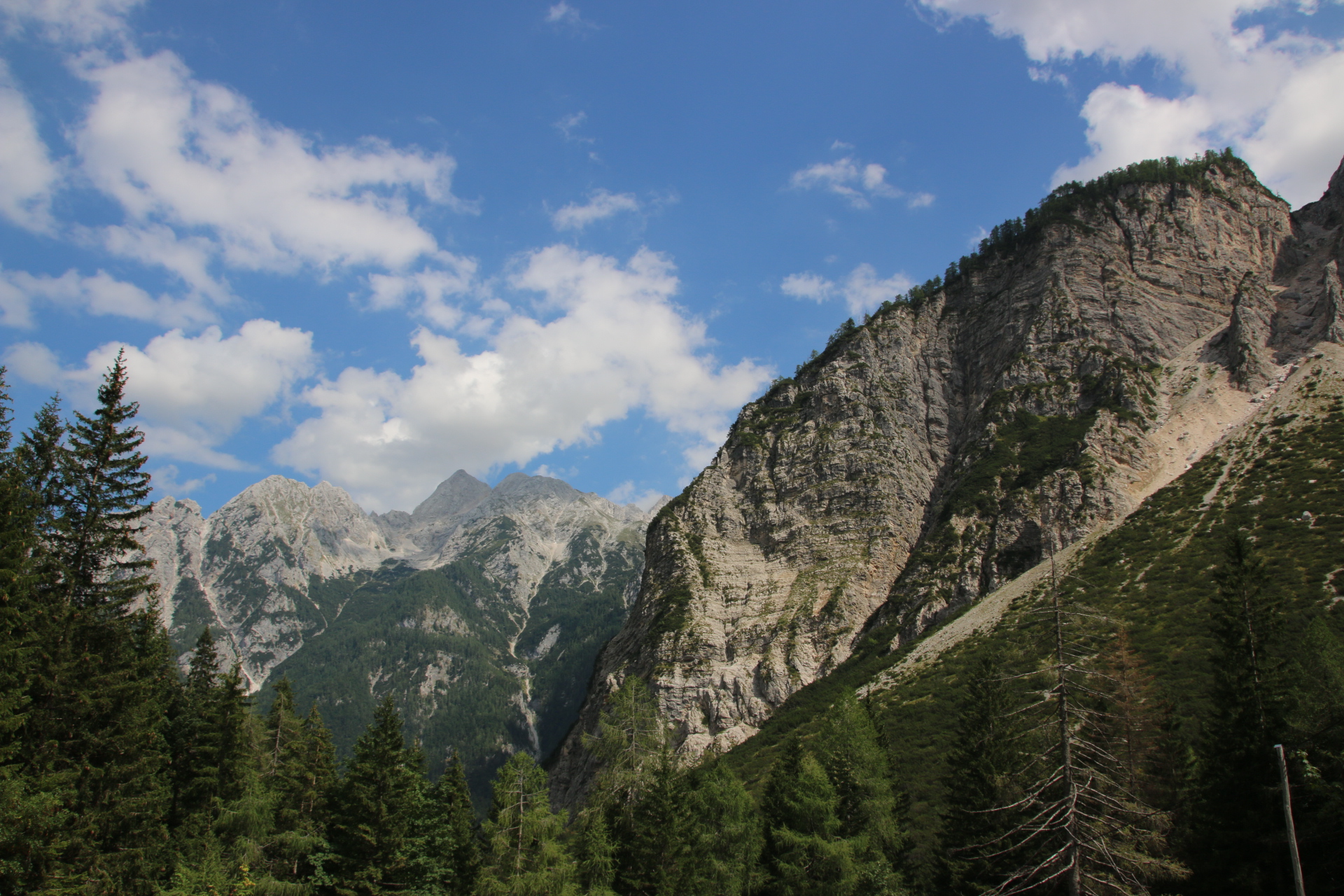
From here it is the most magnificent, two hour drive through the Triglavski National Park following the Soca River upstream to its source and through the Vrsic Pass again but this time from the south. This is a beautiful, awe-inspiring landscape of the swiftly flowing, milky turquoise river winding through the wide, grass covered valley with naked or forest-covered peaks towering ahead and on either side.

It is unbelievable to discover that this green and glorious land saw the horrors of trench warfare for 2 and a half years in WWI. 500,000 Italians were shot, starved or gassed when they came up the against the German lines and 300,000 taken prisoner. The fighting was horrific on both sides but the territorial gains for each were minimal.

This is yet another landscape in Slovenia where around every corner there is a gob-smacking view of forested ridges, craggy sun-kissed peaks and mountains, open farmland, fortified village, traditional hay ricks, campsites snuggling beside the rushing, clear waters, tall-standing church spires that constantly surprise the visitor. It is so impressive as to draw yet another ‘wow’ or ‘OMG’ or something a bit more intelligent like ‘that’s aamazing’. Everywhere there is a notice for hang-gliding, canyonning, hiking, canoing and any other forms of exercise that I have never heard of. Unable to take photographs  to capture an image of the valley as I drive I have to resort to an image from the net which does it poor justice but you get a flavour of glorious scenery that constantly surrounds you.

Just to say that the Soca Valley must be one of the most beautiful drives in the whole of Europe.

Piran’s Venetian glory

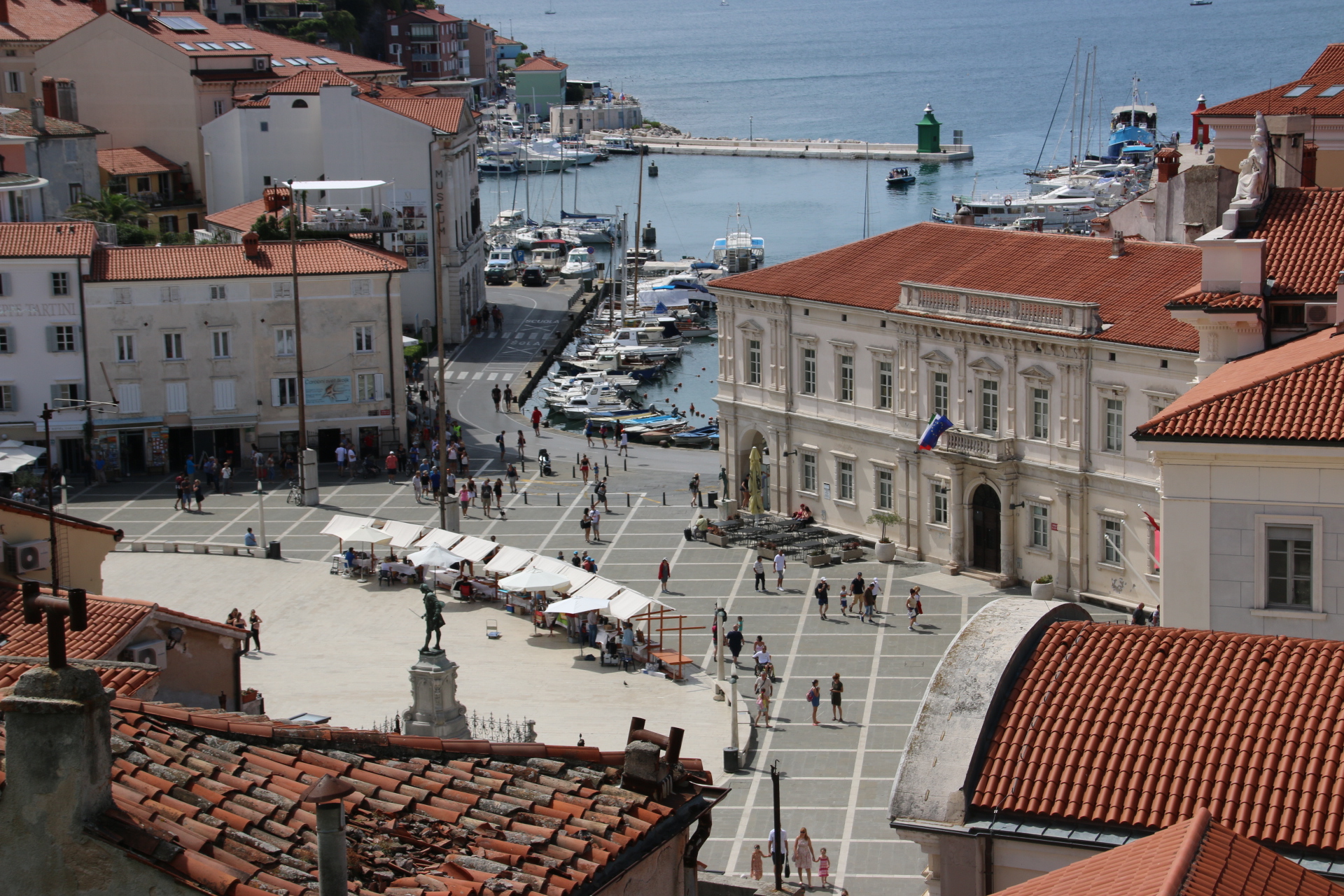
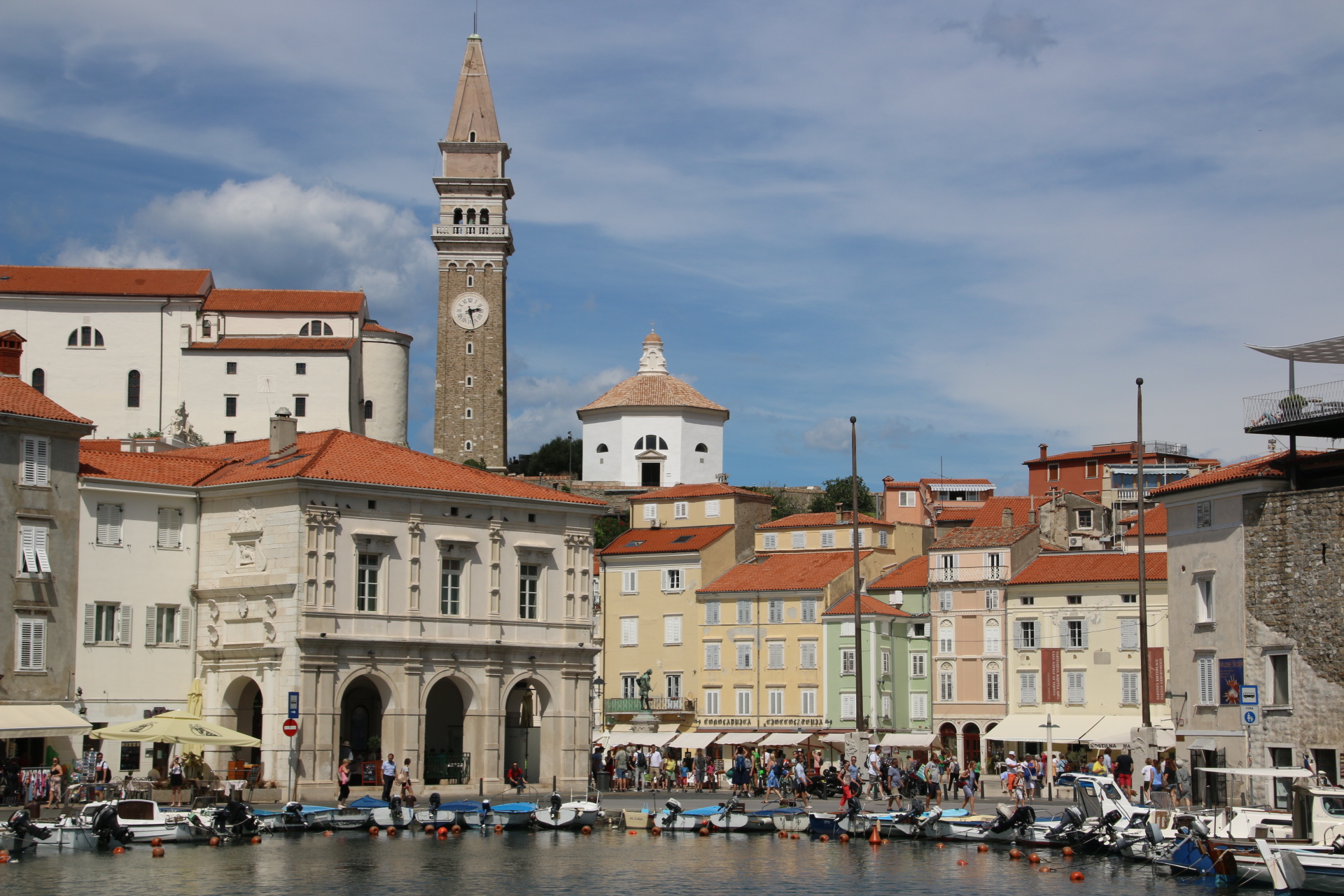
After the storm of last night, this morning was a different day and a different light in which to view this gold nugget on Slovenia’s short coast. Piran is one of the best-preserved historical towns anywhere on the Adriatic – a gem of Venetian Gothic architecture. The Greeks and Romans developed the town as a port but its real importance came in the 13th century, when for five centuries Piran supplied its Venetian rulers with salt.

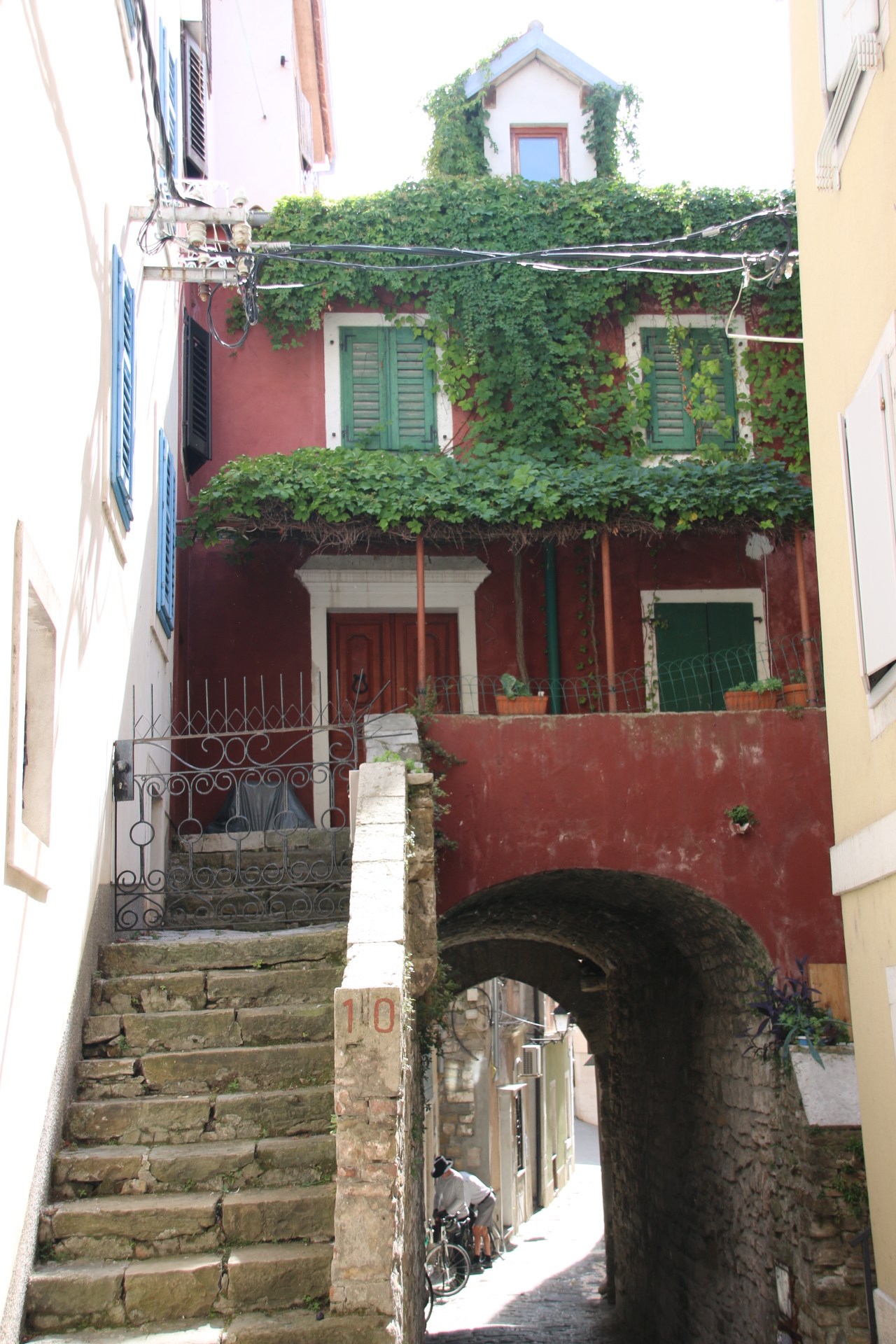
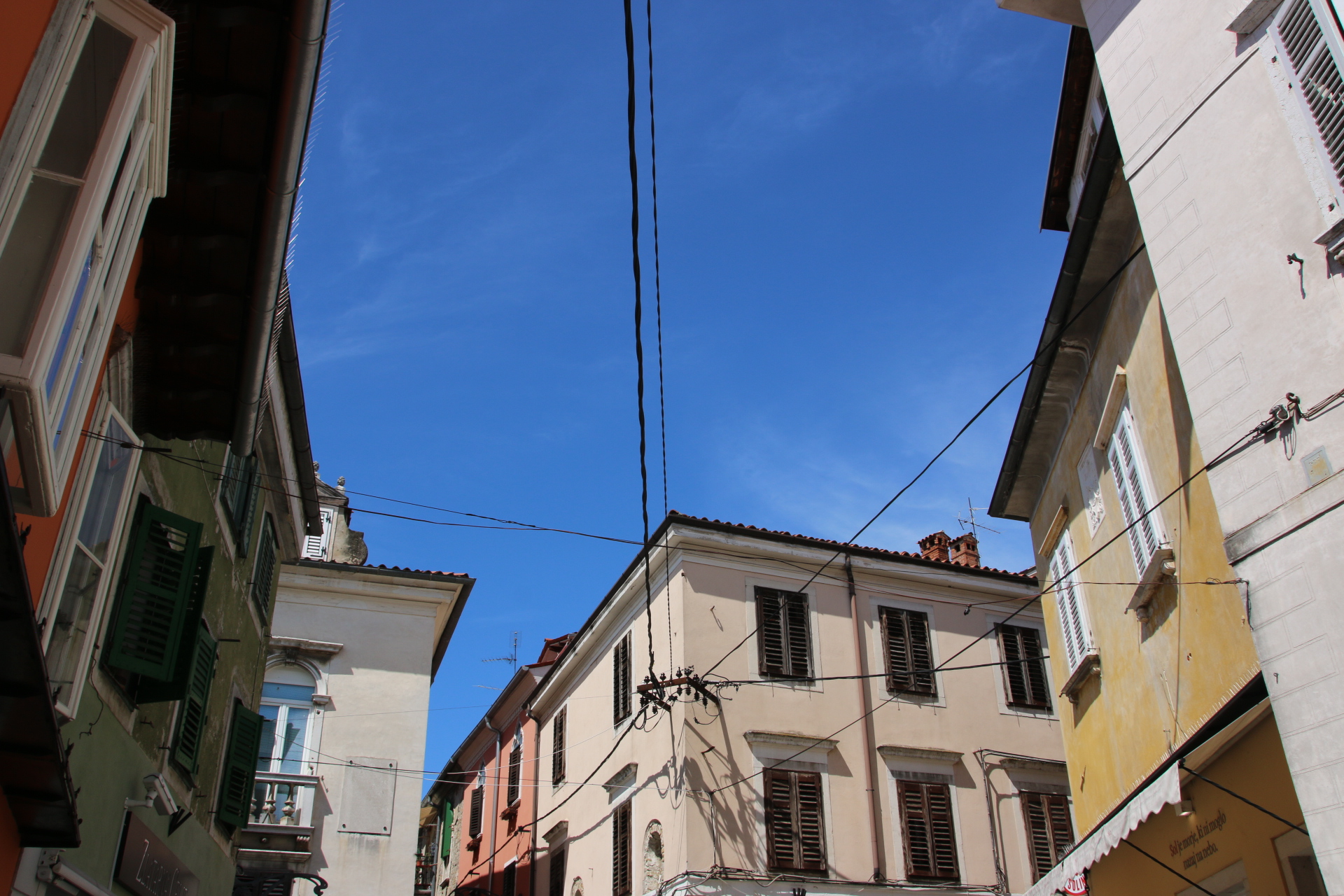
All right, the place could have more than a summer bustle to it, as a constant stream of cars and buses and ferries drop off visitors within the town’s pedestrianised cobbles and pathways but it is easy to lose them within the narrow, dark, enclosed, medieval streets. Then you can get hooked on the atmosphere within winding alleyways and on ancient steps. When I say narrow I mean narrow. There is hardly room to hold one arm out before scraping an elbow along ancient plaster, let alone swing a scraggy medieval, cat. Steps and stairways have been worn away by centuries of salted breezes and padded feet.

The main act of Piran has to be the pastel-toned, marble-paved Tartinijev Trg which used to be the inner harbour until it was filled in in 1894. The square is oval-shaped really and in the north corner stands the statue of the smartly dressed gentleman whose father was a famous local violinist and composer.


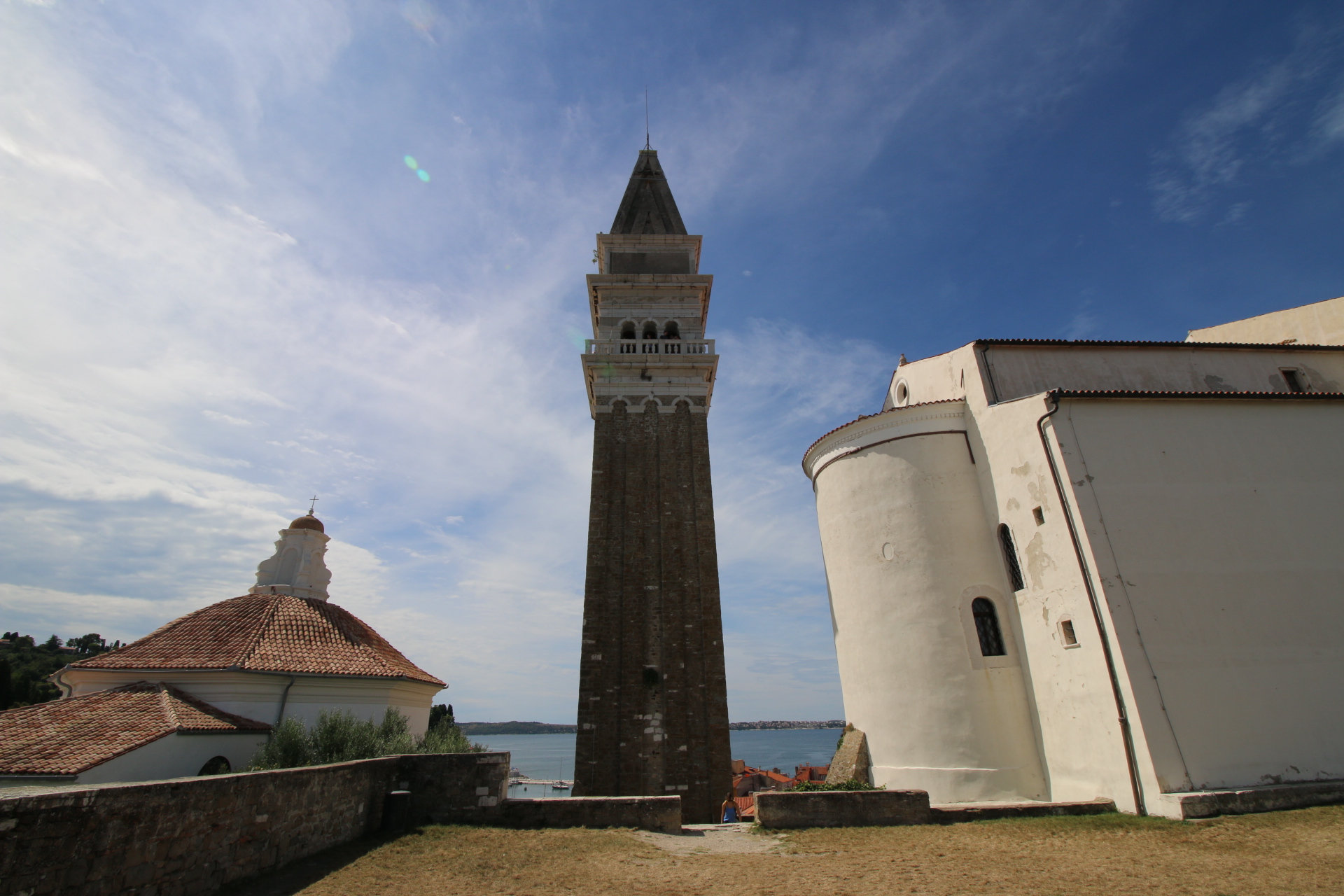
The walk up to the Cathedral of St George is hard work but well worth it. The cathedral, the bell tower and the baptistery next door provide an iconic backdrop to the town whether it is used from below up, or from top down.

Exploring away from Mr Tartinijlev takes the visitor through dark narrow alleyways where sunlight permeates more by luck than judgement. The sea is never far away, glimpsed through arches and cobbled walkways to the right and left.

The 1st May Square (I have no idea what happened on that day) has a delightful feel of ancient history with its pastel colours clinginging onto its flaking plaster.

The small Punta Lighthouse, from which Piran got its name in ancient times, still stands on the tip of the peninsula and is attached to the 13th century Church of St Clement.

20180815113933_IMG_5282Being so bowled over by this place I have let my images be your guide around Piran and provided only a short written commentary each time.

Just to say, that if you are anywhere near Piran, do make the effort to visit. It is magnificent.

Beating the storms to Koper

Awoke to grey heavy clouds and the decision was immediately taken to head south, young man, and seek the sun on Slovenia’s minute coastline. This was so good a decision that a night away from the mountains was required to see the best of two magnificent Venetian ports.

The warm up act is ably covered by the commercial port of Koper. Not obviously attractive until one picks away the industry, the container port, the apartment blocks, the cruise liner dock, the docksides of waiting exports of Mercs & Renaults to reveal the small, medieval heart of the town.


The Ancient Greeks & the Romans developed Koper as a port but its hey day was in the 15th century when it monopolised the salt trade on the Adriatic. Tito Square is a Venetian-influenced stunner, it’s cobbled, flagged surface closed to traffic. The four sides reflect its medieval splendour:

In the western side is the armoury and munitions dump in the 1600s and is now university offices.

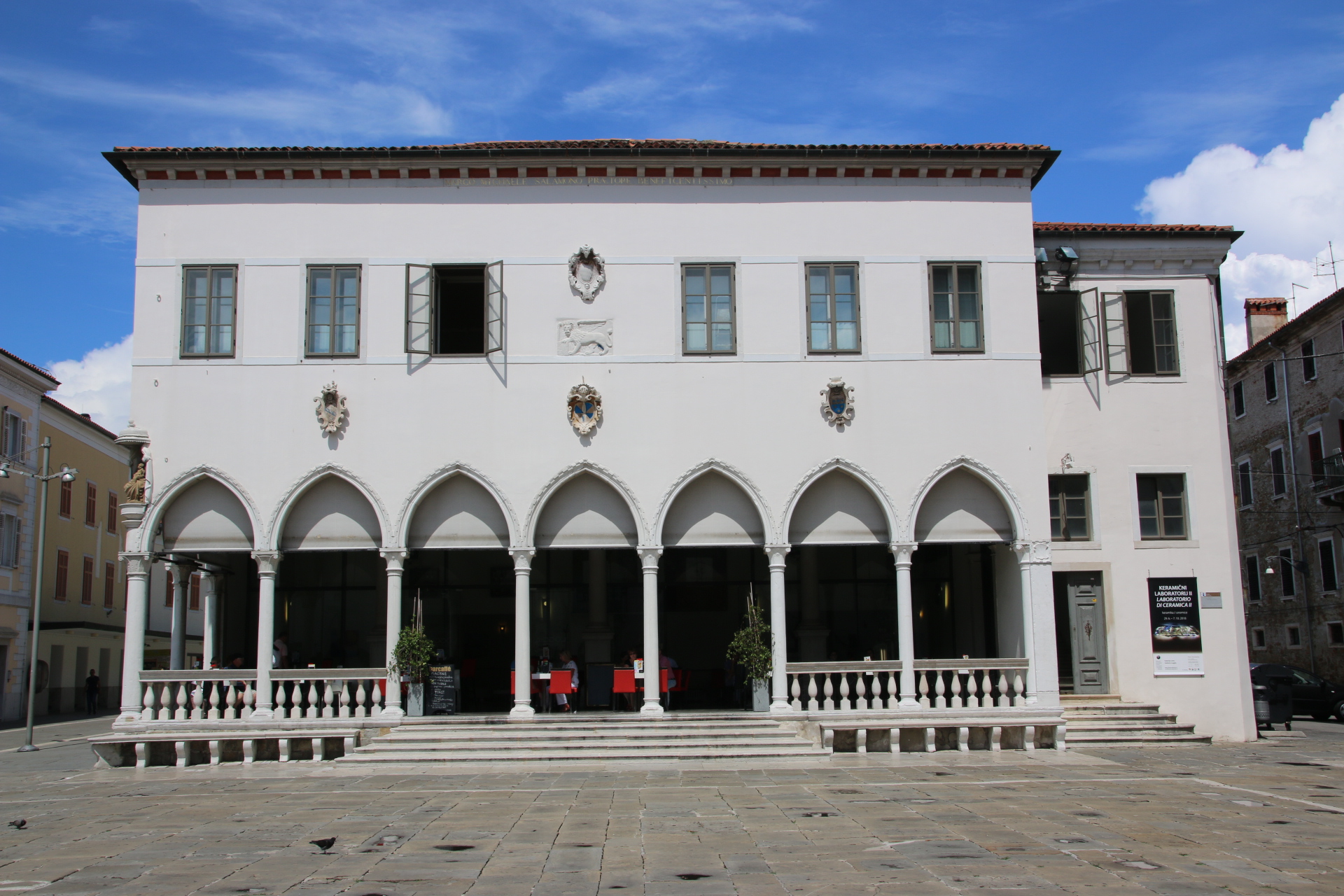
To the north is the Venetian Loggia built in 1463 and now a cafe.

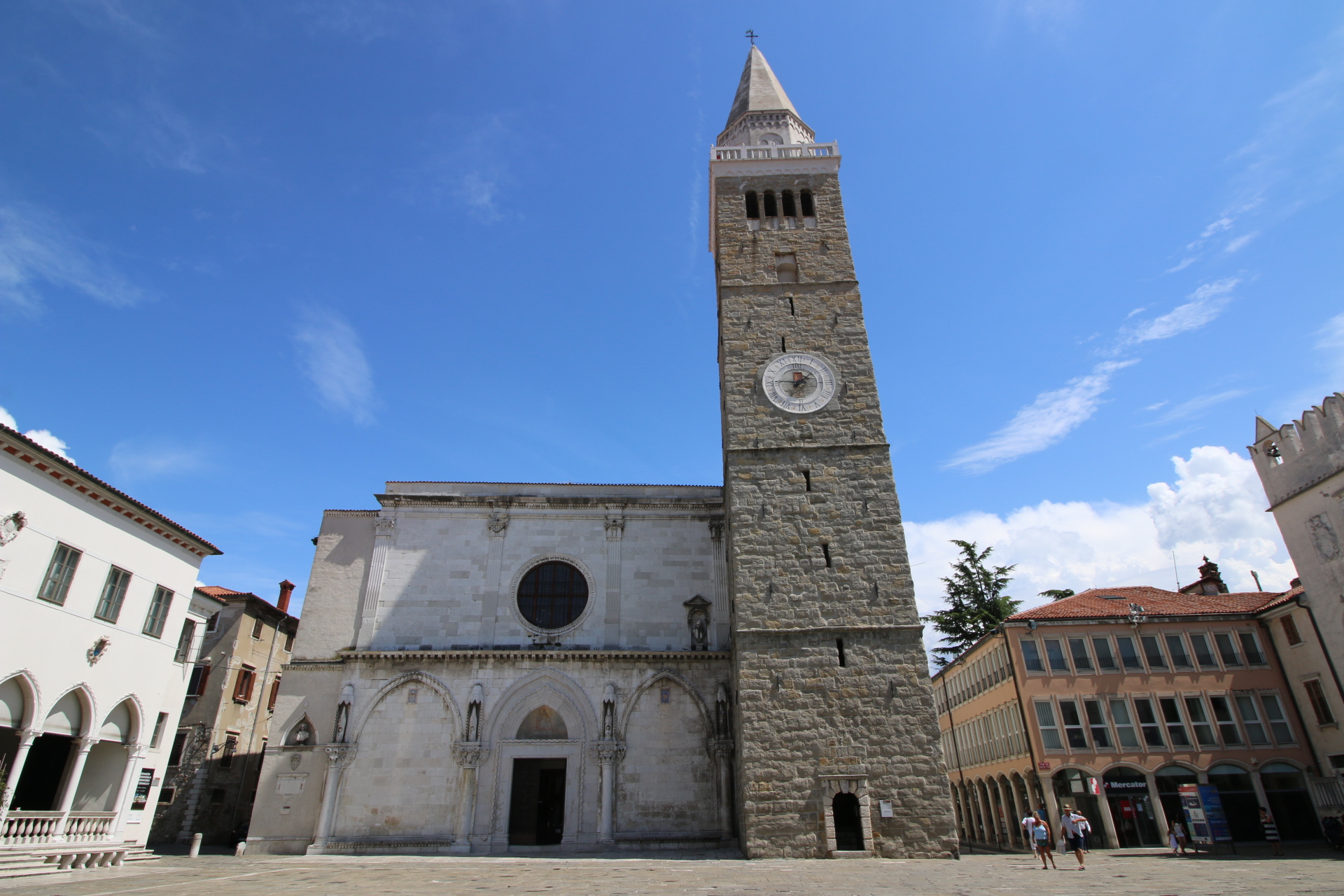
To the east is the Cathedral of the Assumption.

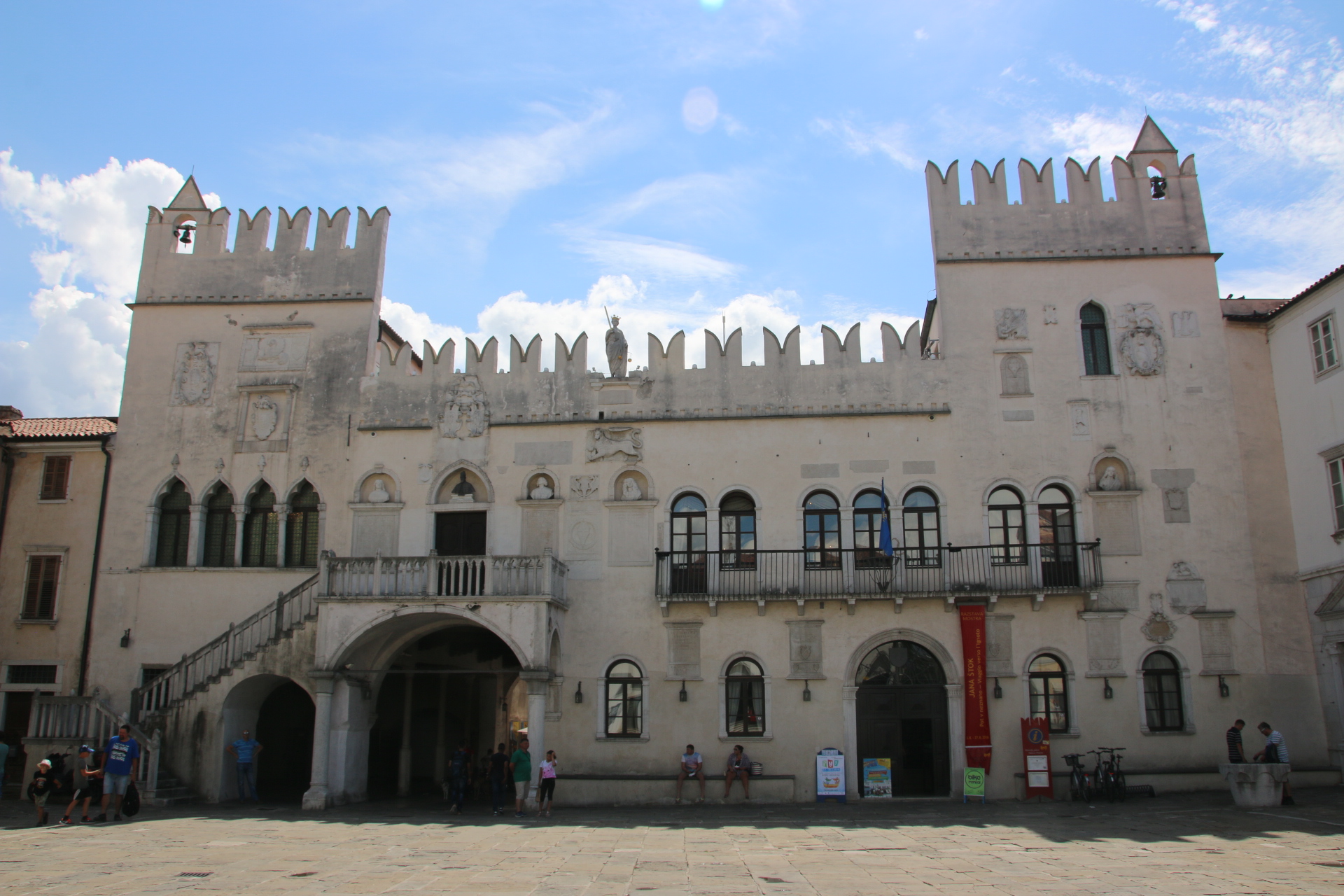
To the south is the Praetorian Palace which dates from the 15th century.

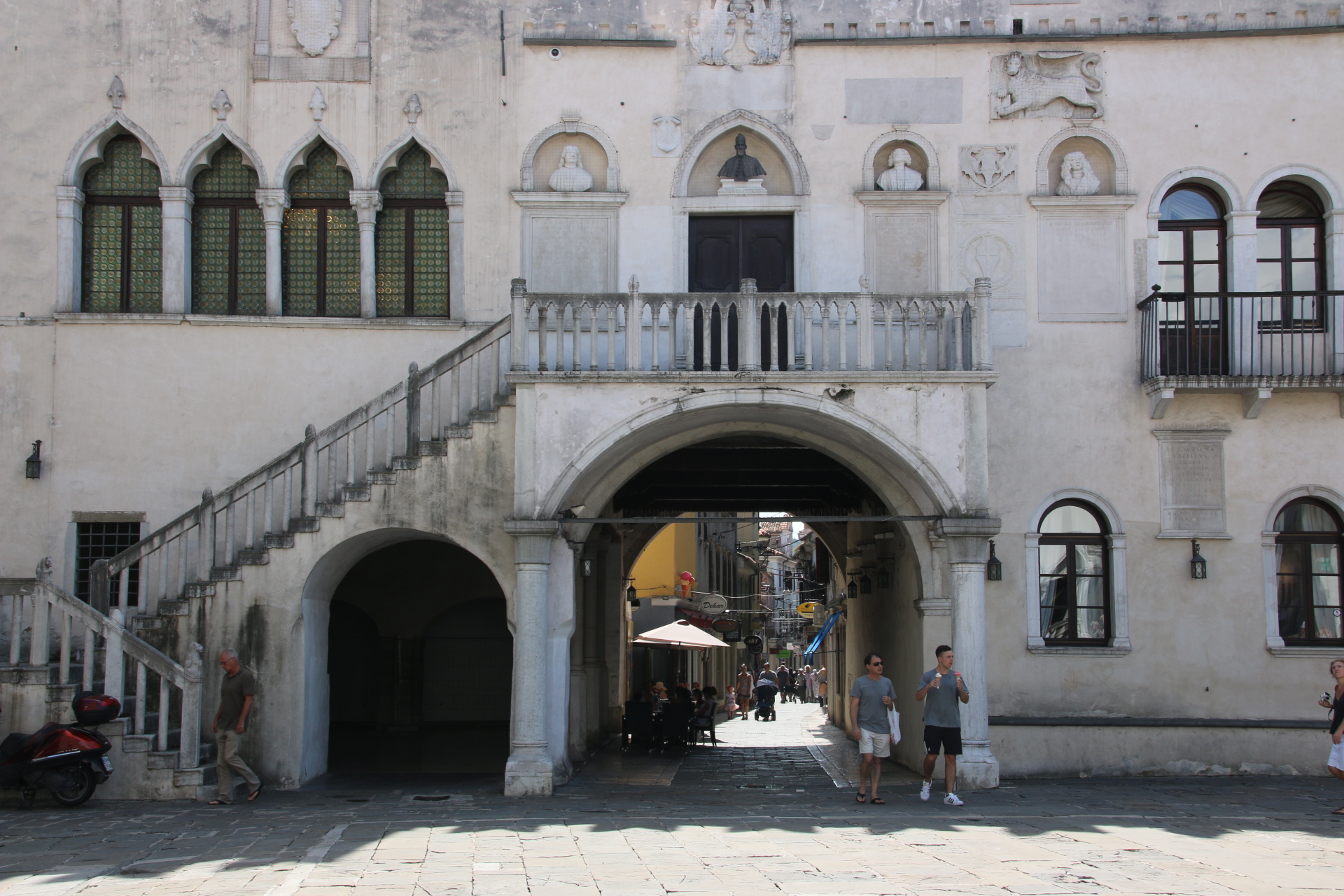
Through its arch the narrow medieval streets lead to the southern gate of the old town.

The main act is a few kilometres down the coast. The storm clouds have followed us all day, always threatening from a distance. Unrelentingly they grow and darken until it is impossible to hold them back and they crash out their rains and roars to coincide with dinner. Here is a taster of the second of Slovenia’s Venetian glory.

Two lakes in a day – Lake Bled or Lake Bohinj?

Lake Bled is Slovenia’s most popular resort and the town, called Bled, swarms with visitors in the summer because word had got around that it is such a special place. The lake is small, just 2km by 1.4km, but it’s 6km circumference is a good walk for visitors. The two main drawbacks are the traffic that crawls through the town and the difficulty in parking. Once out of the cars the town itself and the lake’s shores are big enough to take all the visitors on offer with hotels, parks, lakeside water theme park, trails, toboggan run, tea rooms, ice cream parlours.

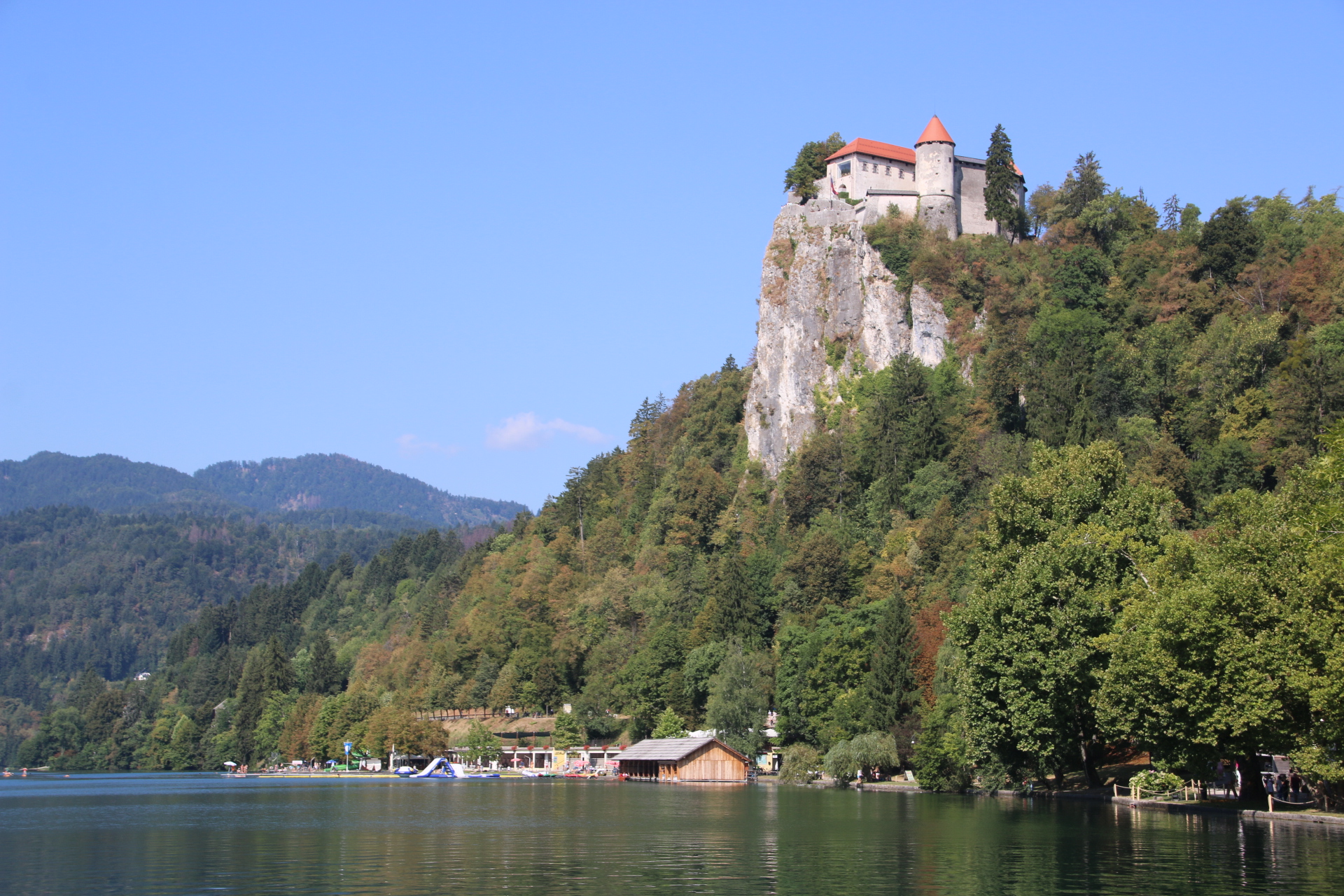
Other than the lake there are three main sights. Bled Castle is perched high up on a steep cliff. This 11th century medieval castle boats towers, ramparts, mosaic and terraces. The path up to it is really steep and taken with care, or take the car and park up there. I should say it is quite expensive to get in and the best shots off it are from lakeside.


The Parish Church of St Martin stands next door to the castle, is steep steeple pointing to the heavens contrasts with the stumpy turrets and the bare faced walls.


Bled Island is at the far end of the lake. The Church of the Assumption dates from the 17th century. To reach it take a pletna (gondola) and get dropped off at the South Staircase, built in 1655.


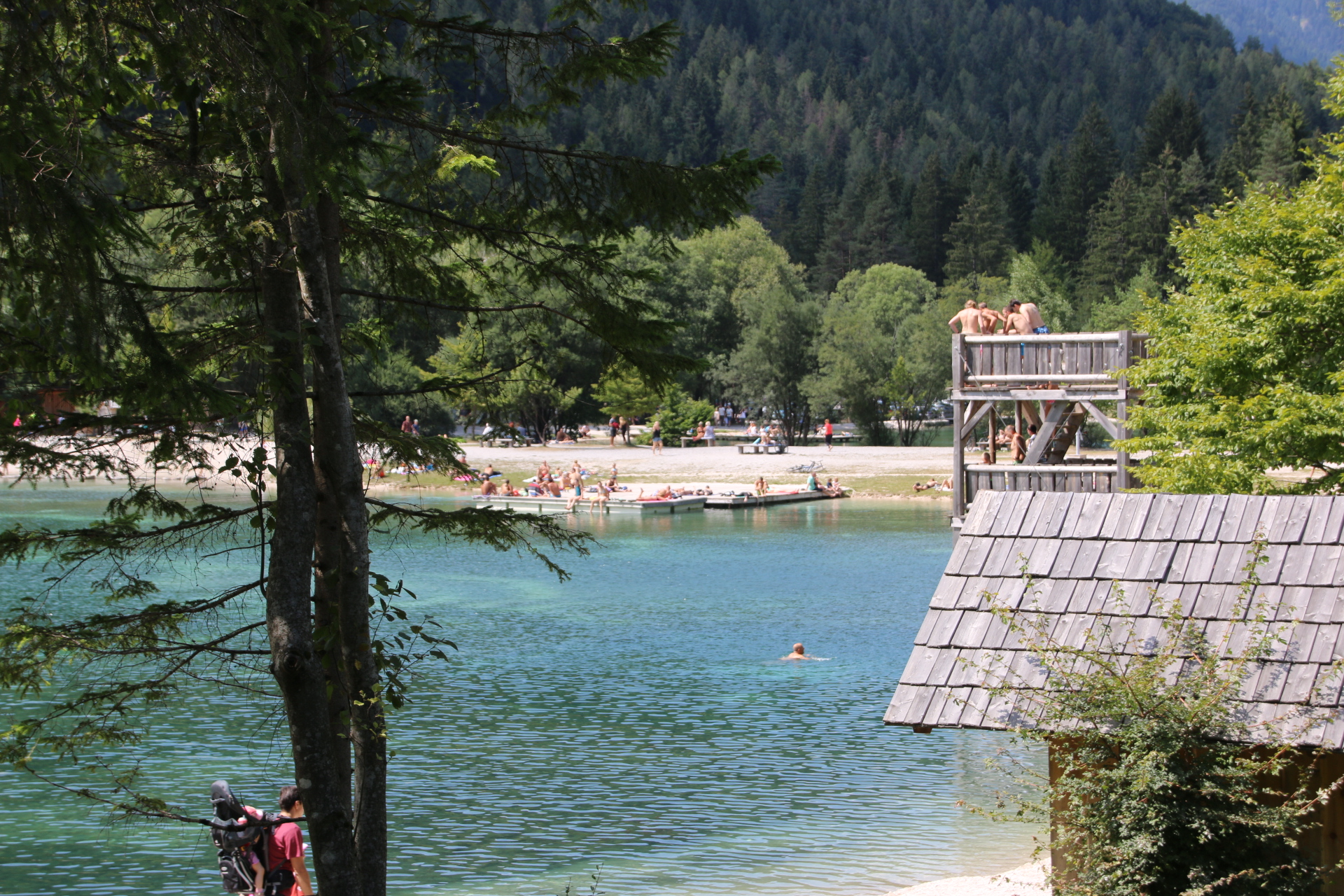
For a complete contrast take the road south west and see the beauty that is Bohinj Lake. No tea rooms here; just a small unspoilt lake surrounded by high peaks over which clouds glare at the crystal-clear, blue-green water and the folks canoeing/swimming/sail boarding or walking/cycling the trails around its edges. Be sure to park in the proper car parks though. Those who pull onto the verge and make their way through the pine trees were all labelled with a ticket.

I’ll let the images do the work. See what you think. Both are special and well worth a visit. At the end of the day I wanted to spend more time in the quieter, smaller, cool, clear waters of Bohinj.

Passing up and down Vrsic’s appendix

Woke up this morning and all that wet stuff had moved off leaving a few clouds in a clear blue sky. Now you can clearly see what I mean by sharks’ teeth. This is the view from the bed. Not bad eh?

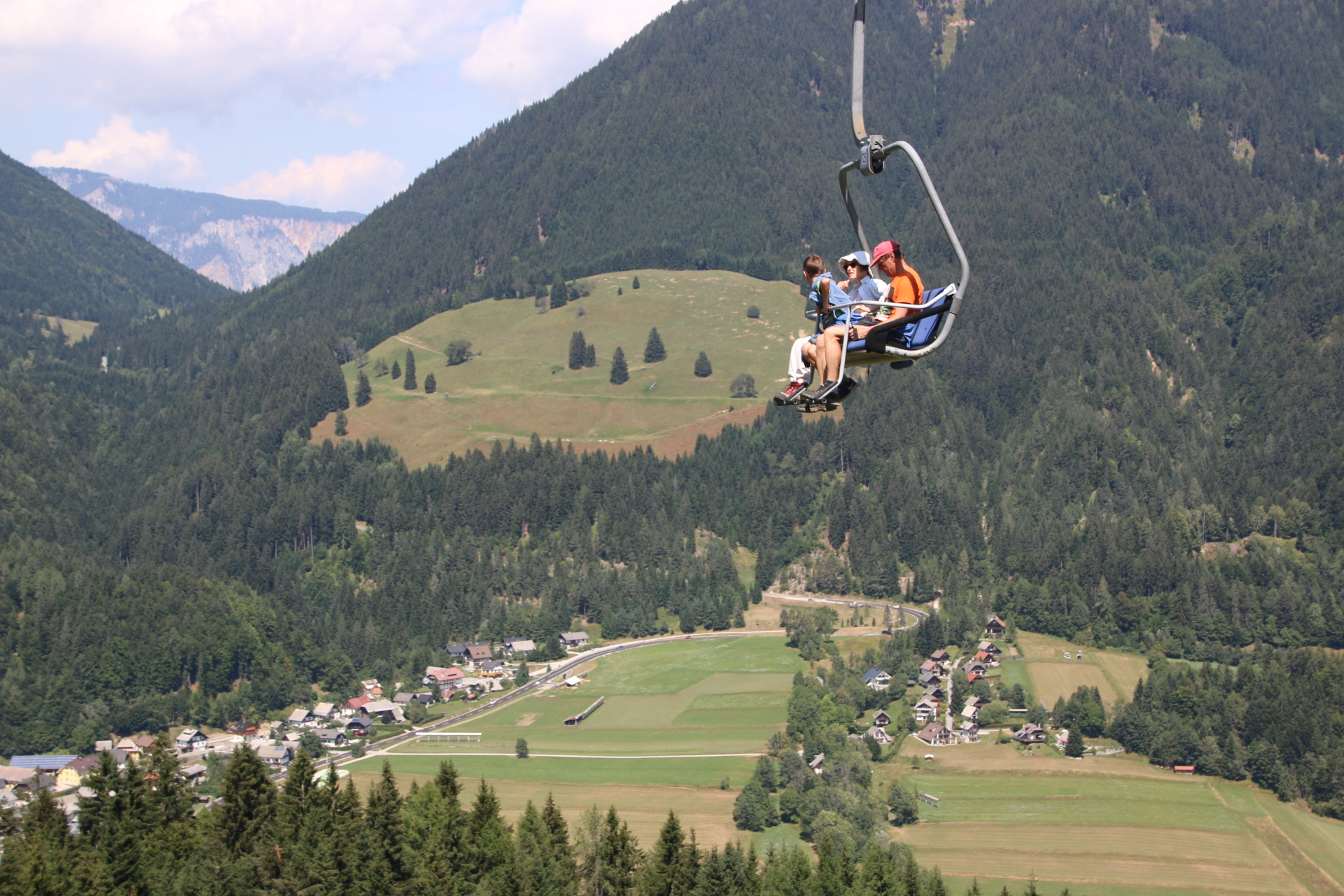
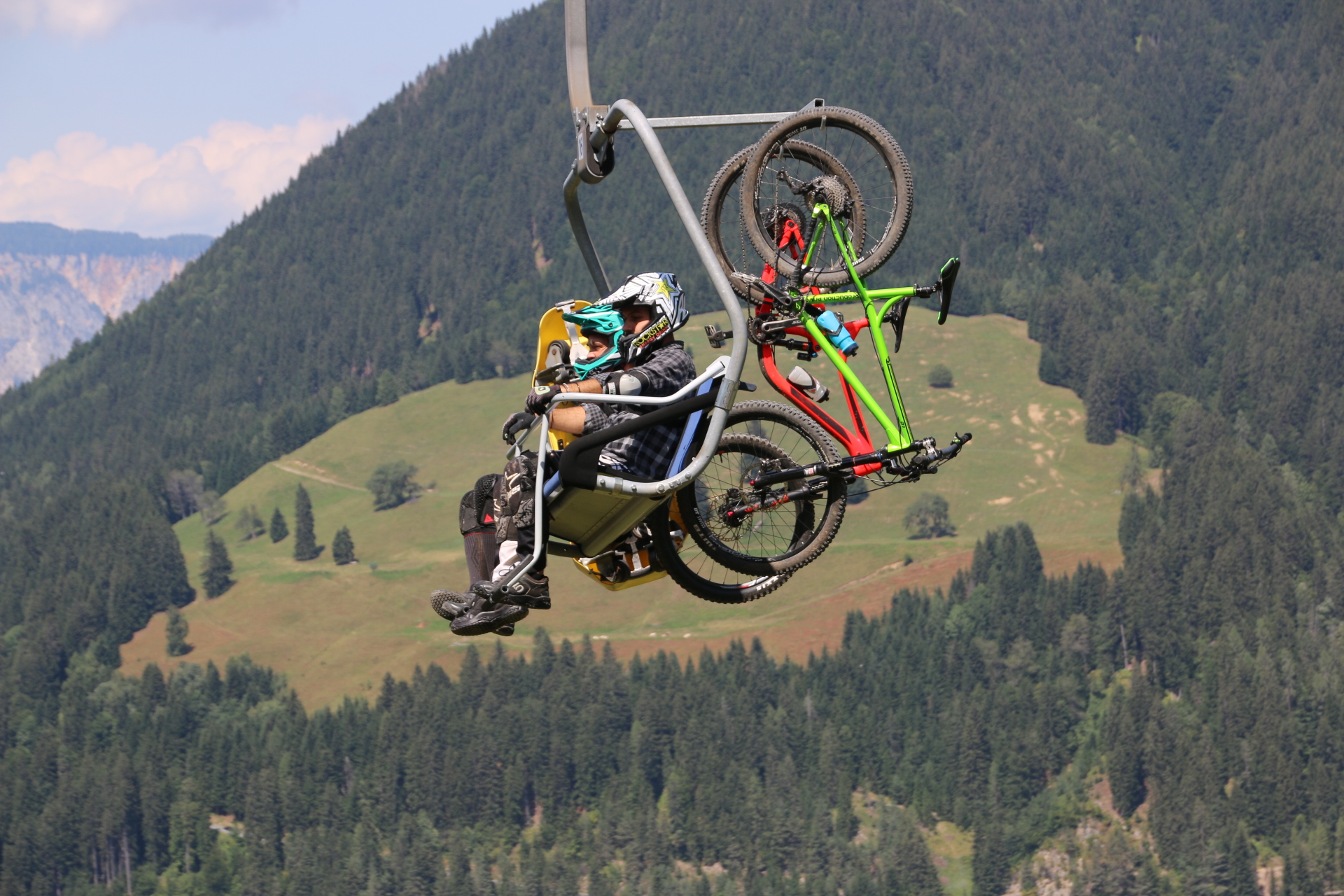
OK. Off to explore the area. 10 minutes by car up the valley is Kranjska Gora, one of Slovenia’s largest ski resorts. Busy in winter, yes. But also multitasking in summer. The ski lift, one of many, takes punters up to the top. From there you can take the trails down on your bike, slalom along the monotoboggan track, hike (carrying an infant if so inclined) along and down, climb up a peak with all the kit and abseil down or sit in a deck chair and have a beer before deciding which one to do to get down. Pete, the car park at the bottom has many overnight vans.

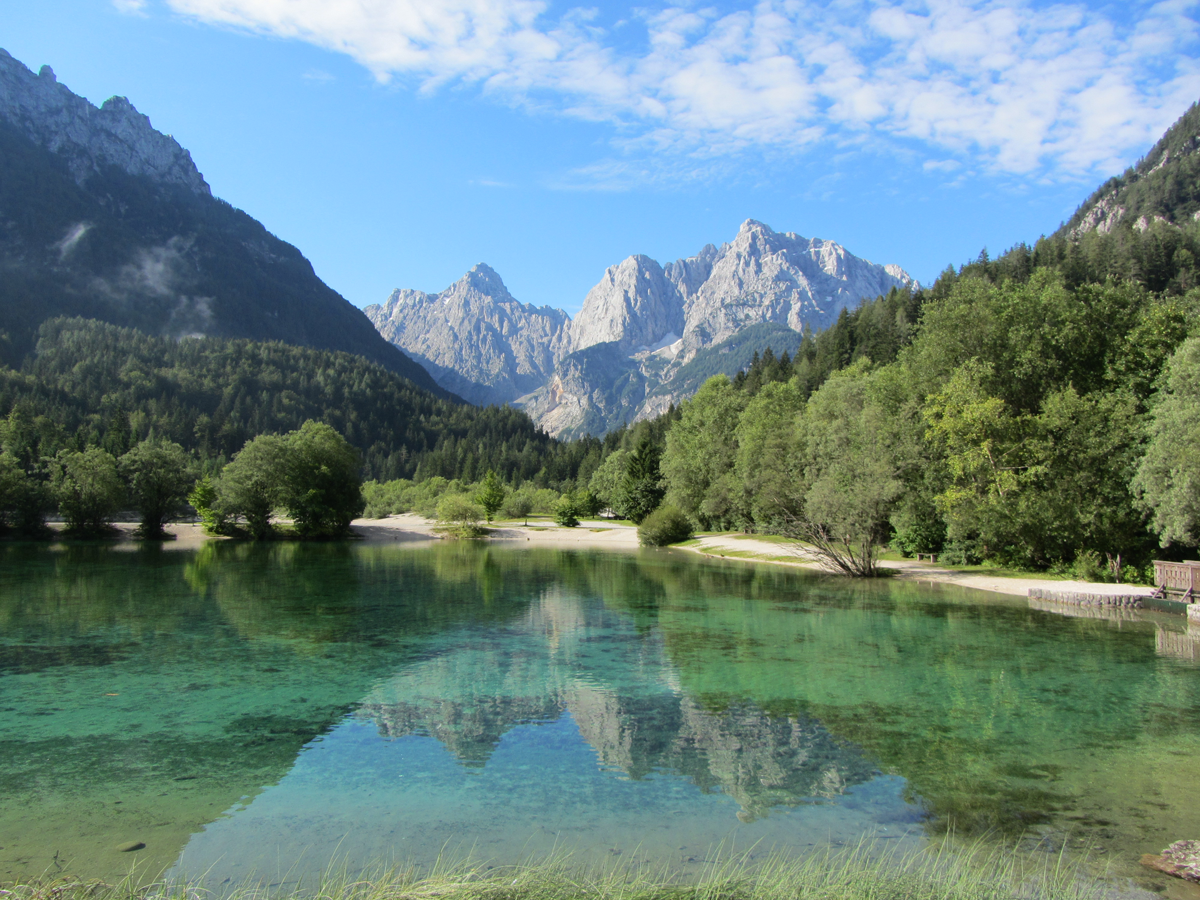
Jasna Lake, just to the south of the main town, is a small glacial lake with white sand around its rim. It is a popular spot for both tourists and locals.

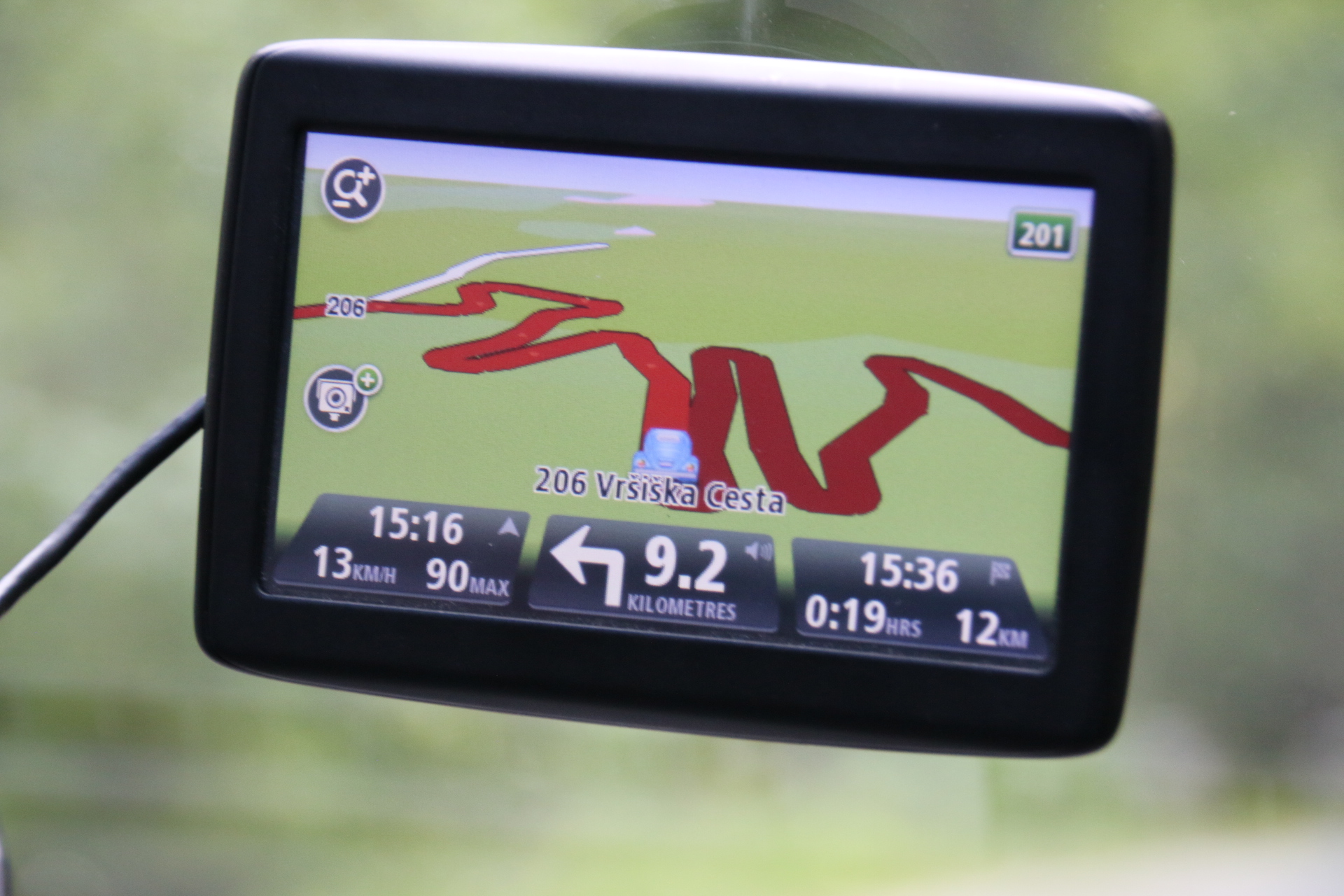
Then it is the challenge of the road over the Vrsic Pass.This engineering marvel was built by Germany during WWI, using hard labour provided by Russian prisoners of war. The trip over the top involves over 50 hairpin bends. It’s a bit like driving along someone’s appendix. Some brave people cycle the tortuous elite to the 1611m summit. Do they really enjoy it? From a hire car it means that you really get up and intimate with some very impressive mountain scenery, even if you do have to negotiate stereo ascents, tight cobbled bends, disintegrating edges, straining cyclists, effortless motorbikes and crawling motorists. Amazing. Well worth the drive.


Zelenci is back down in the valley. A short path leads through the forest to the source of the Sava Dolinka River. Another peaceful spot to end the day.

The sharks’ teeth of Godz Martuljek

Today is a drive out from Ljubljana to the north west into the foothills of the Alps, our base for the first week. The suburbs rapidly pass by and within a few kilometres forests line the dual carriageway motorway. We divert to the village of Radovljica. The old part lines a ridge overlooking the surrounding countryside – a model-trainset landscape even down to the calves lying in the manicured fields of toy town farms with the soundtrack of distant church bells giving it all a bit of ‘atmosphere’. So ordered, so neat.

16th century houses with painted facades line the main street.

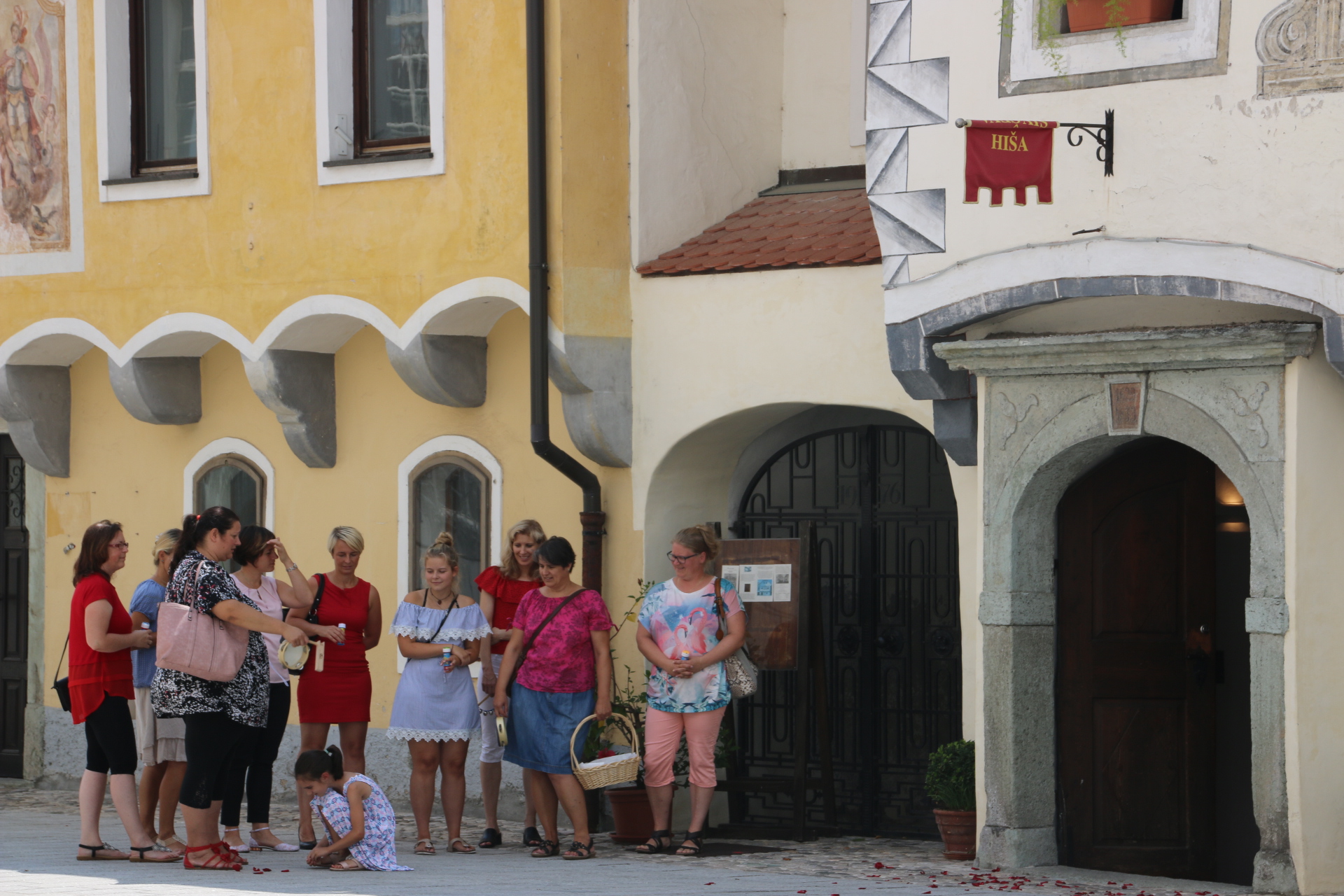
Outside the town hall a wedding party wait for their turn to tie the knot. A bit strange though – not a man in sight.

Round the corner at the far end the parish church of St Peter stays in the shade and provides cover for its guests.

Hidden amongst the houses are the Beekeeping Museum and the Gingerbread Museum. How quaint. Anything to attract visitors.

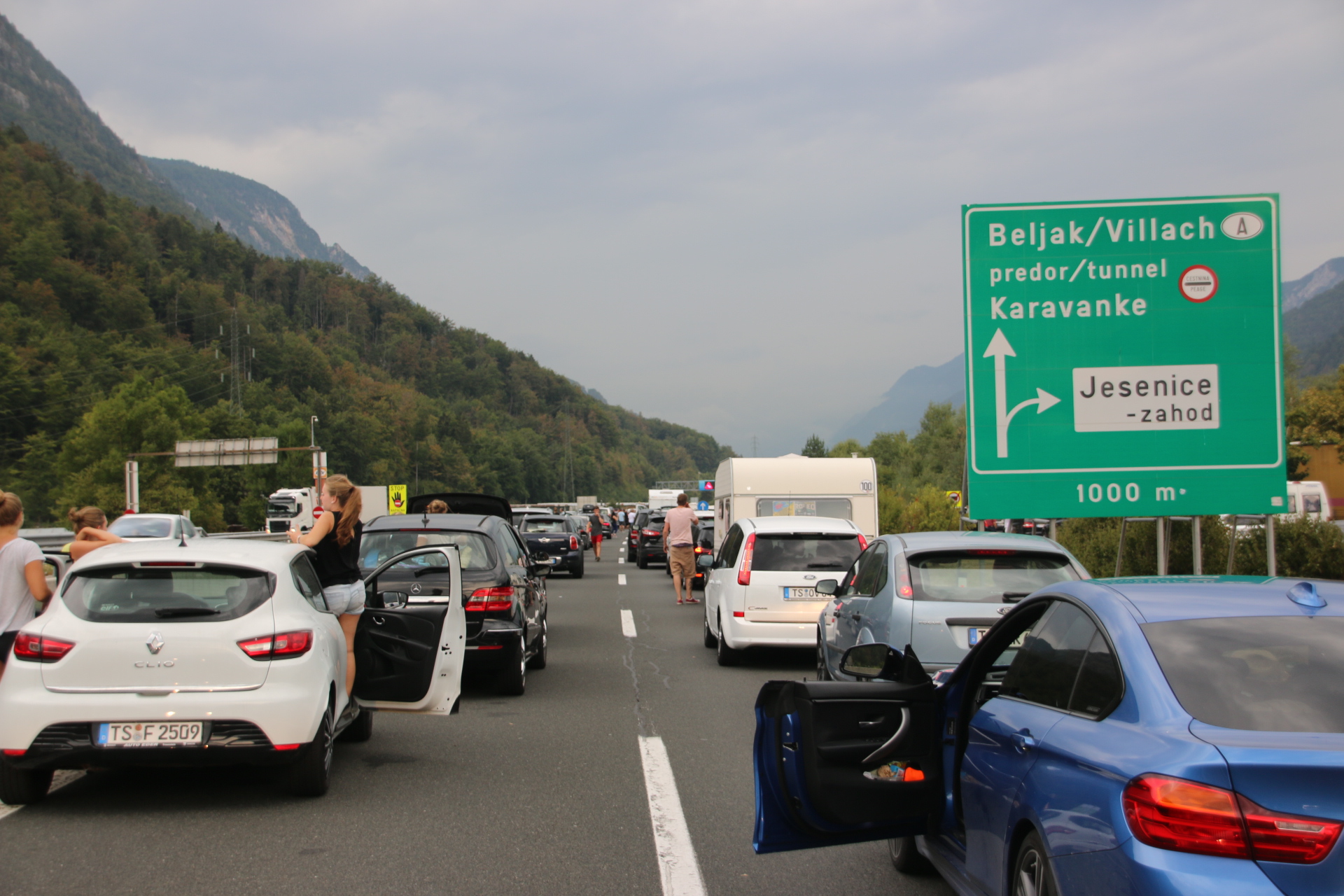
After a coffee, served by yet another charming and softly spoken young Slovenian, and a wander through the back streets, it’s back to the car and the motorway. The clouds falls lower and cover the layers of peaks that line the valley up ahead. Soon it is raining properly. All going swimmingly until the traffic builds, slows and then shuts down completely. Five kilometres of crawling traffic until the required turn off. Only then do I realize it is Saturday and all the cars are German or Dutch, all returning home from holiday and heading for the tunnel through the Alps and blocking my route. Infuriating. So careful when you travel guys.


Then yayyy, the turn off appears after an hour and a half of crawling along. Still, in adversity we make the best of it don’t we – high quality games of I Spy, for instance. A short time on wet country roads. Even the rain is calming and gentle.

Godz Martuljek appears in the murk and the house is easy to find. Tea is required and as we sit outside on the veranda and under the roof, the rain slows and stops and the cloud thins. Through its wisps and curls the mountains appear behind the neighbouring properties and these are real sharks’ teeth. See the snow?


The best welcome to Slovenia

Hi everyone. This is the start of a trip around Slovenia, a small country sandwiched between 4 bigger neighbours – Austria, Italy, Hungary and Croatia, with a few kilometres of coastline on the Adriatic. First impressions from the view from the plane window and the walk into the airport can be summed up in one word – neat. Having picked up a car it is a short drive to Ljubljana, the capital, through forests and farmland backdropped by layers of sharp mountain peaks like the bottom row of teeth in a shark’s mouth.

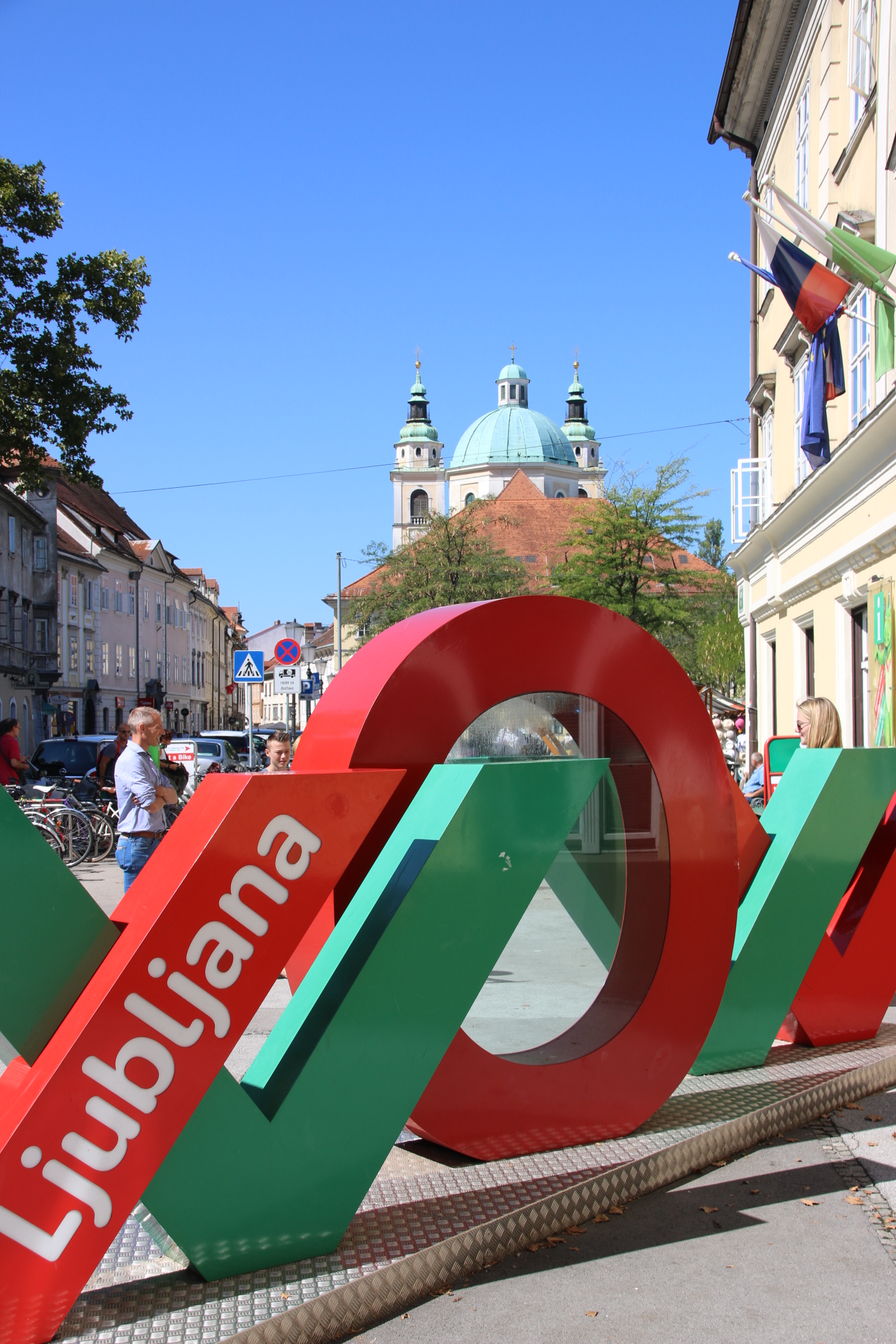
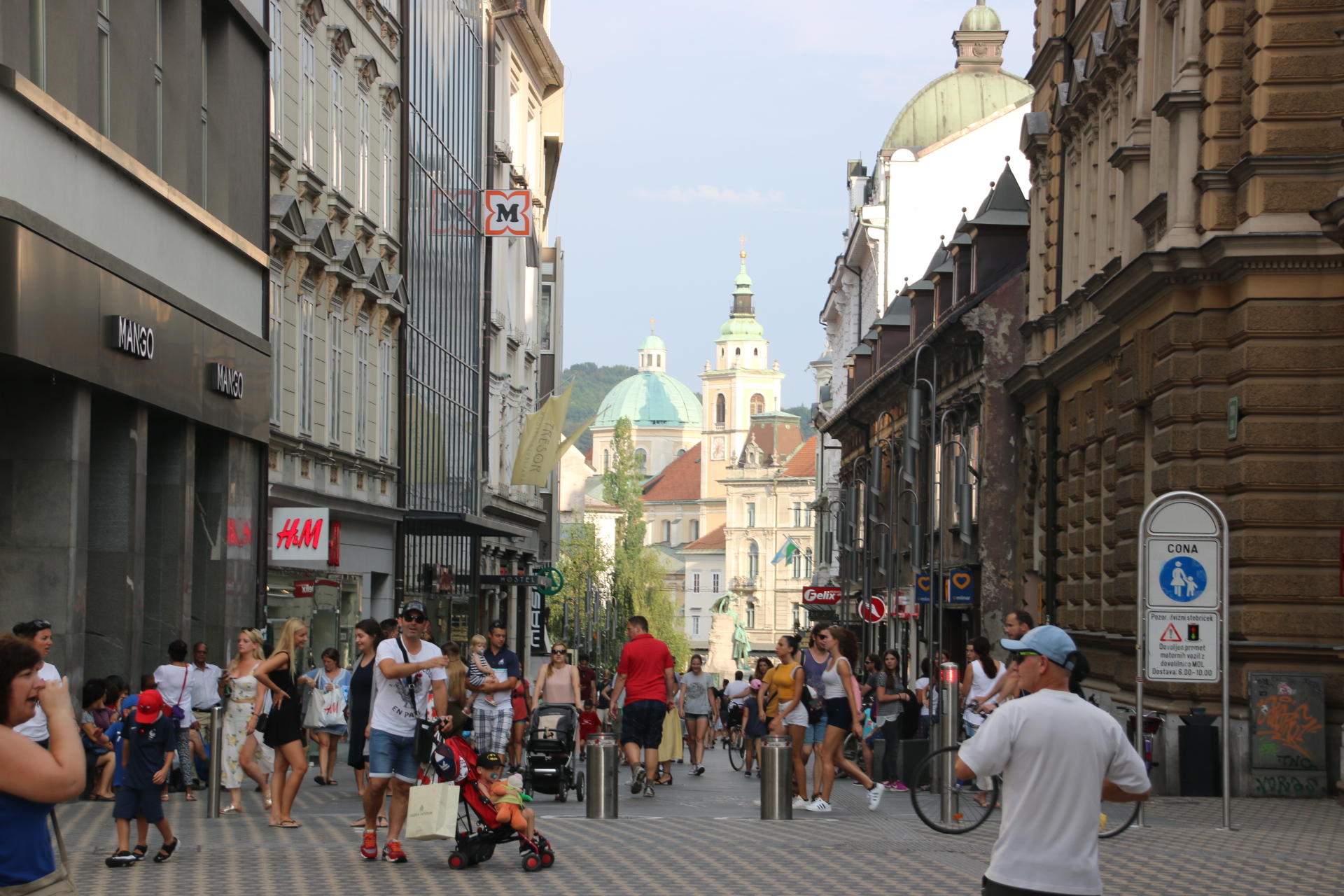
As an introduction to this small country, Ljubljana is magnificent. Walking to the centre takes 10 minutes along wide boulevards lined by tall, grand buildings, punctuated with parks and trees. The centre is protected from the motor vehicle, the only permitted vehicular transport being the occasional electric buggy and the bicycle. The rest of us have to get around the cobbled streets and the open squares using our feet.

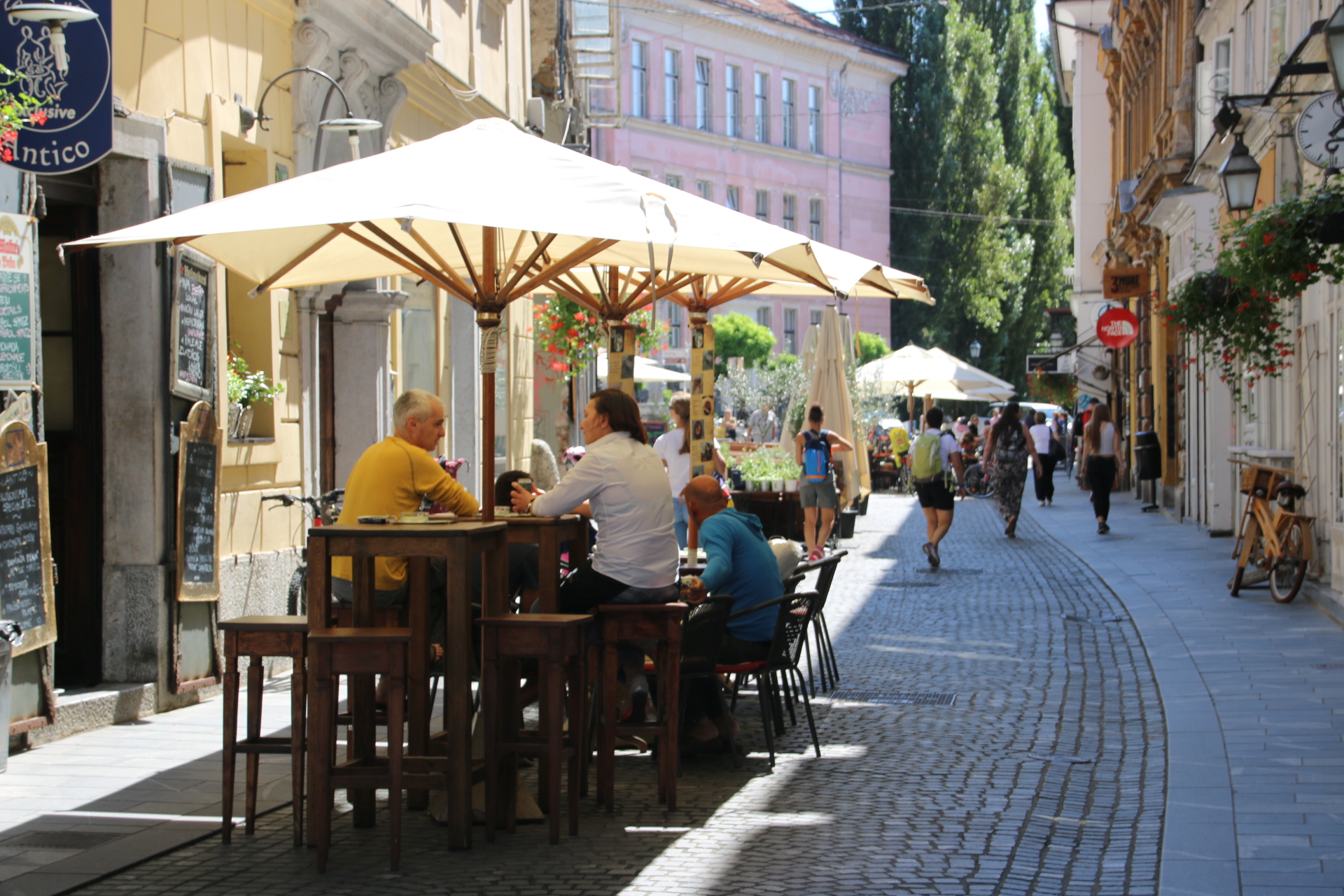
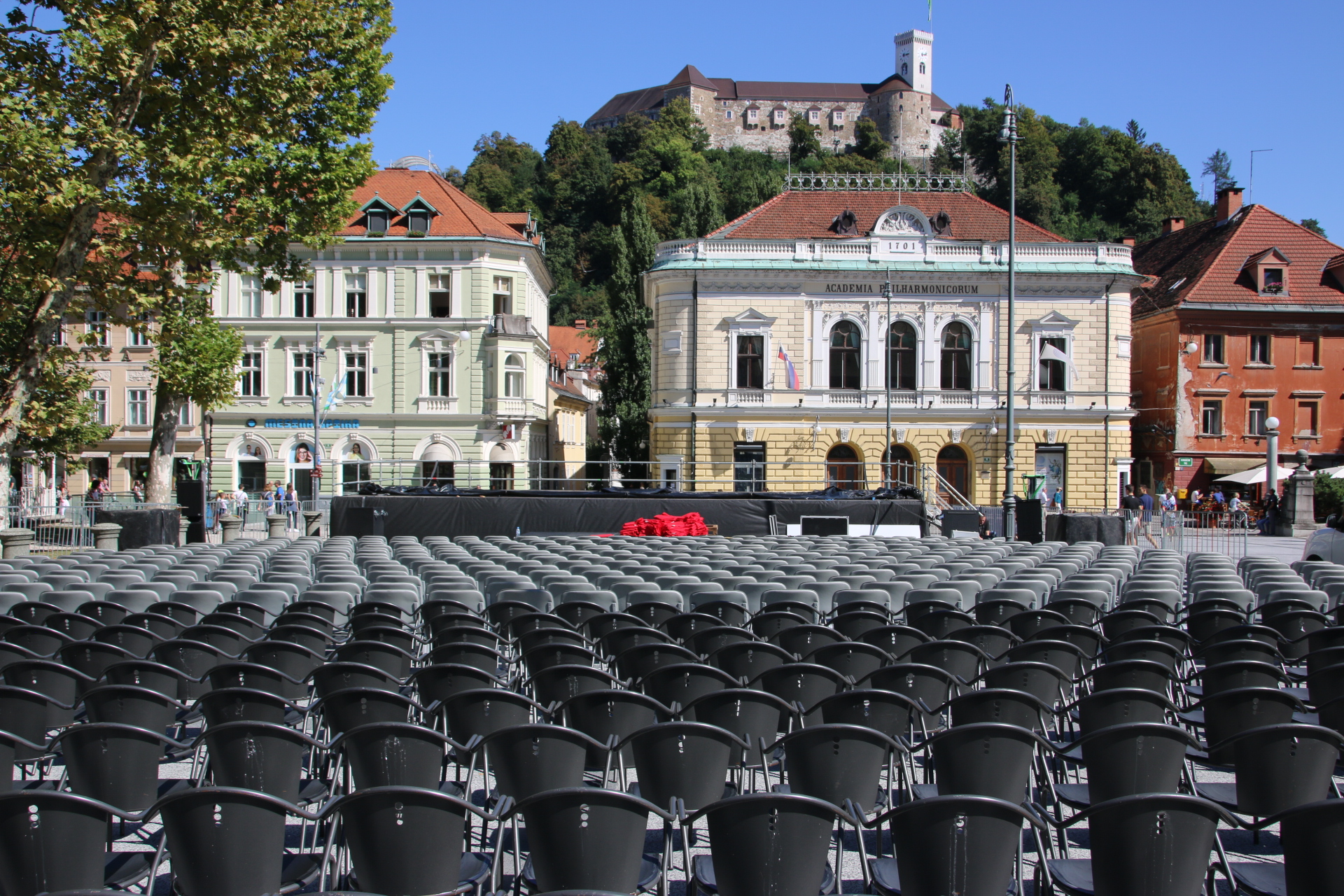
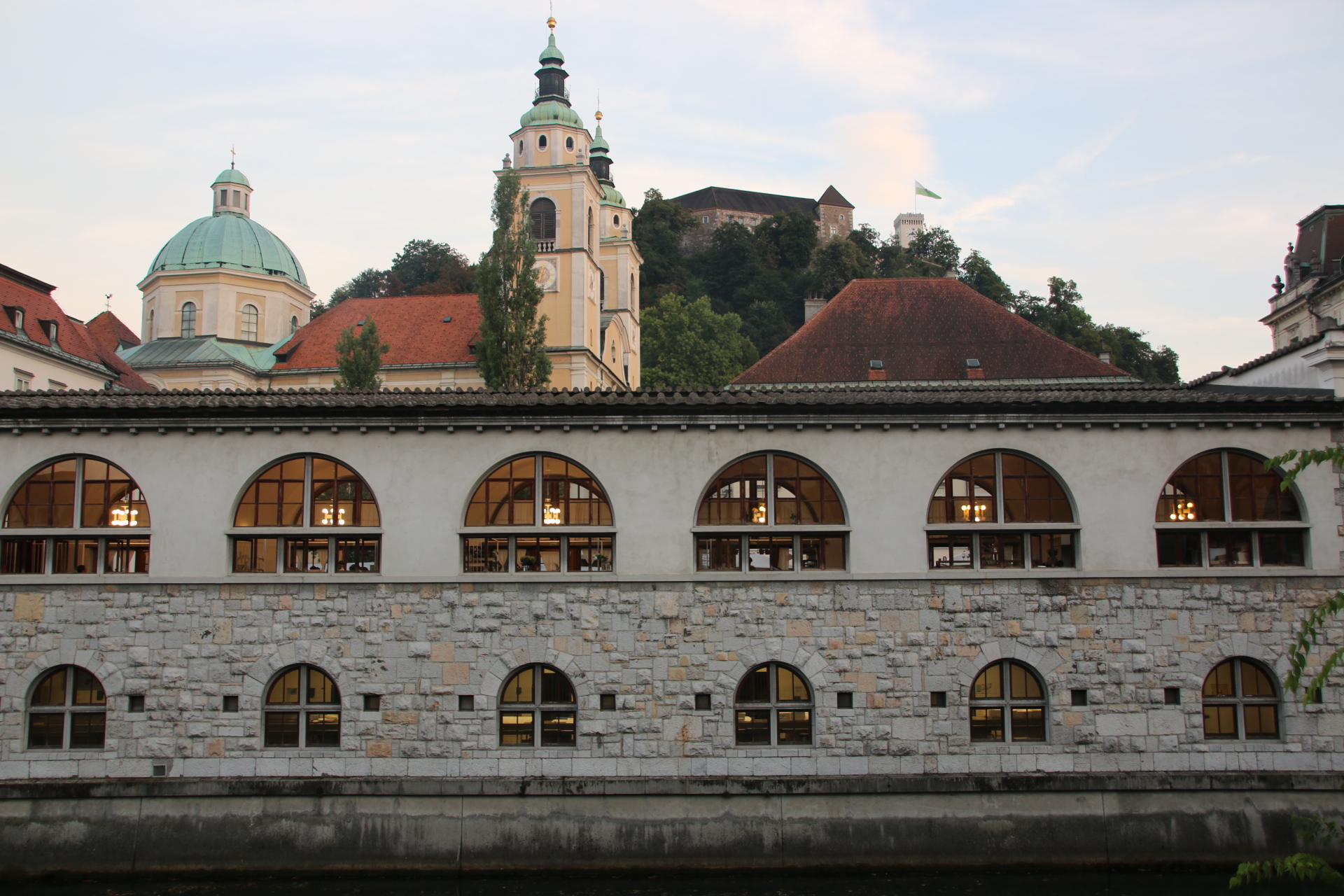
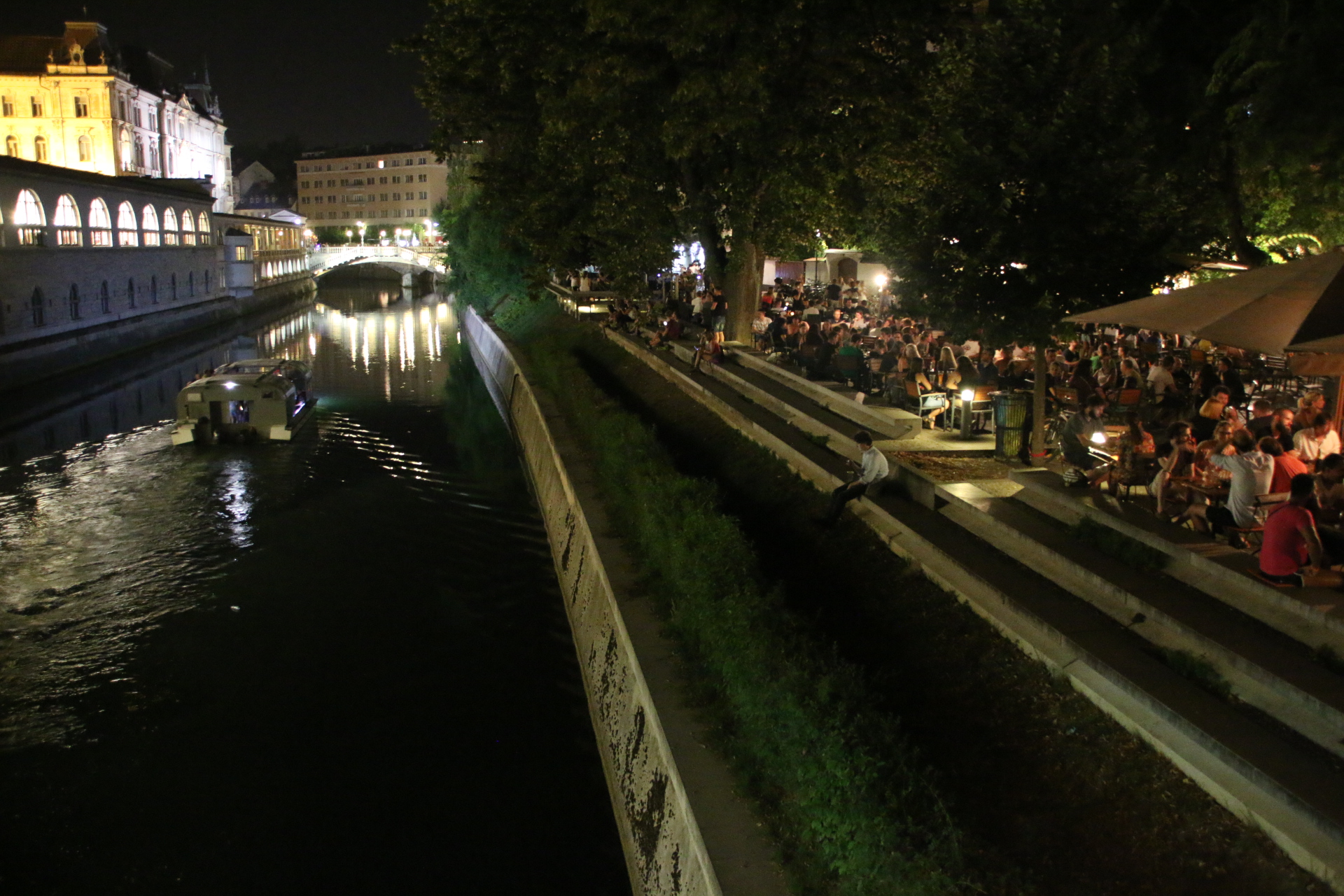
The great thing about the city is that it is small and compact with a warm, familiar feeling that makes the visitor feel immediately welcome and at ease. Through the middle runs the river, a gentle waterway for the chunky sightseeing boats that chug their way between riverside promenades lined with the tables and umbrellas of the cafe culture that pervades this friendly city. Overlooking this elegant patchwork of grandiose buildings and ornate bridges stands the castle, stretched up high along the ridge, protecting the locals and visitors alike.

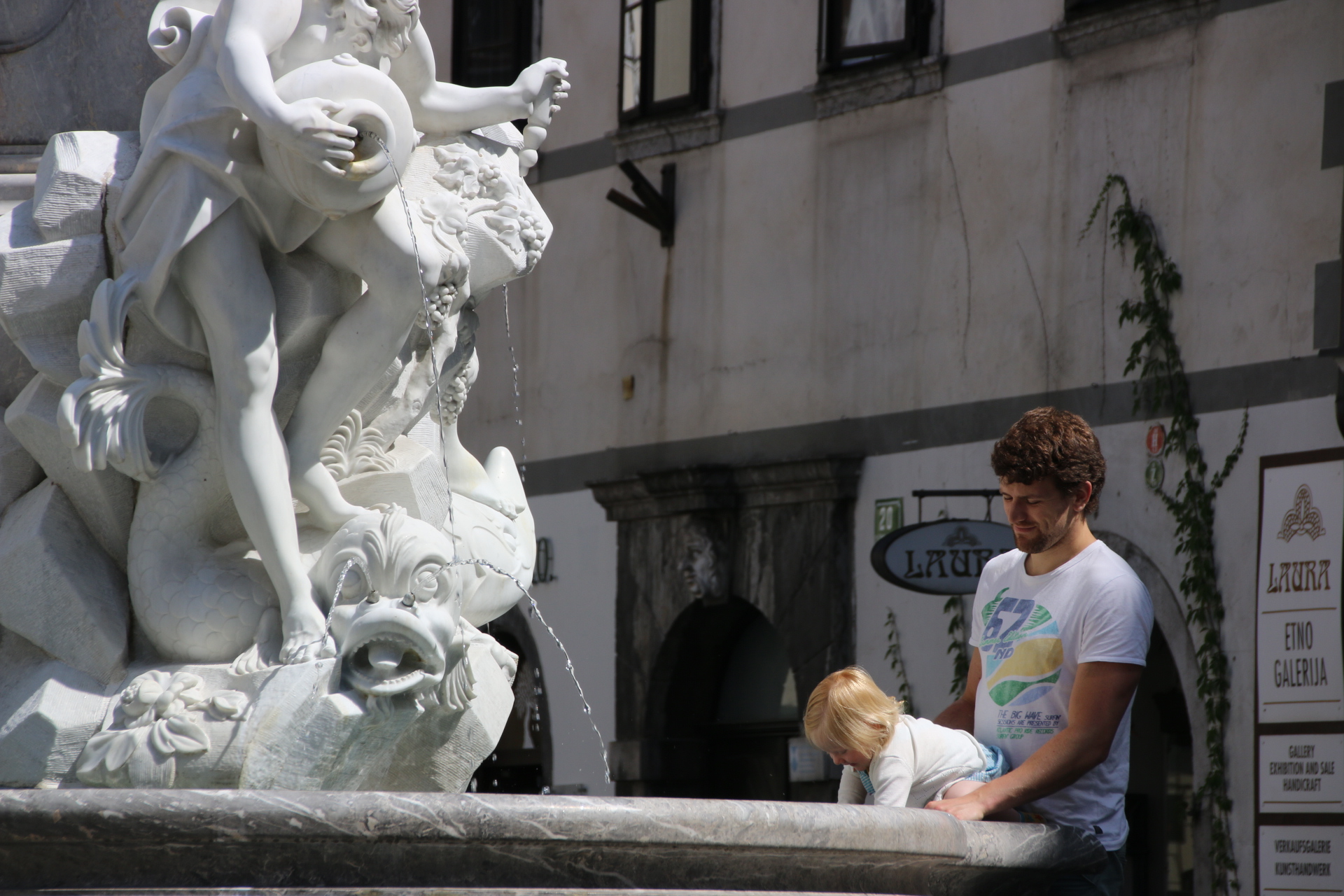
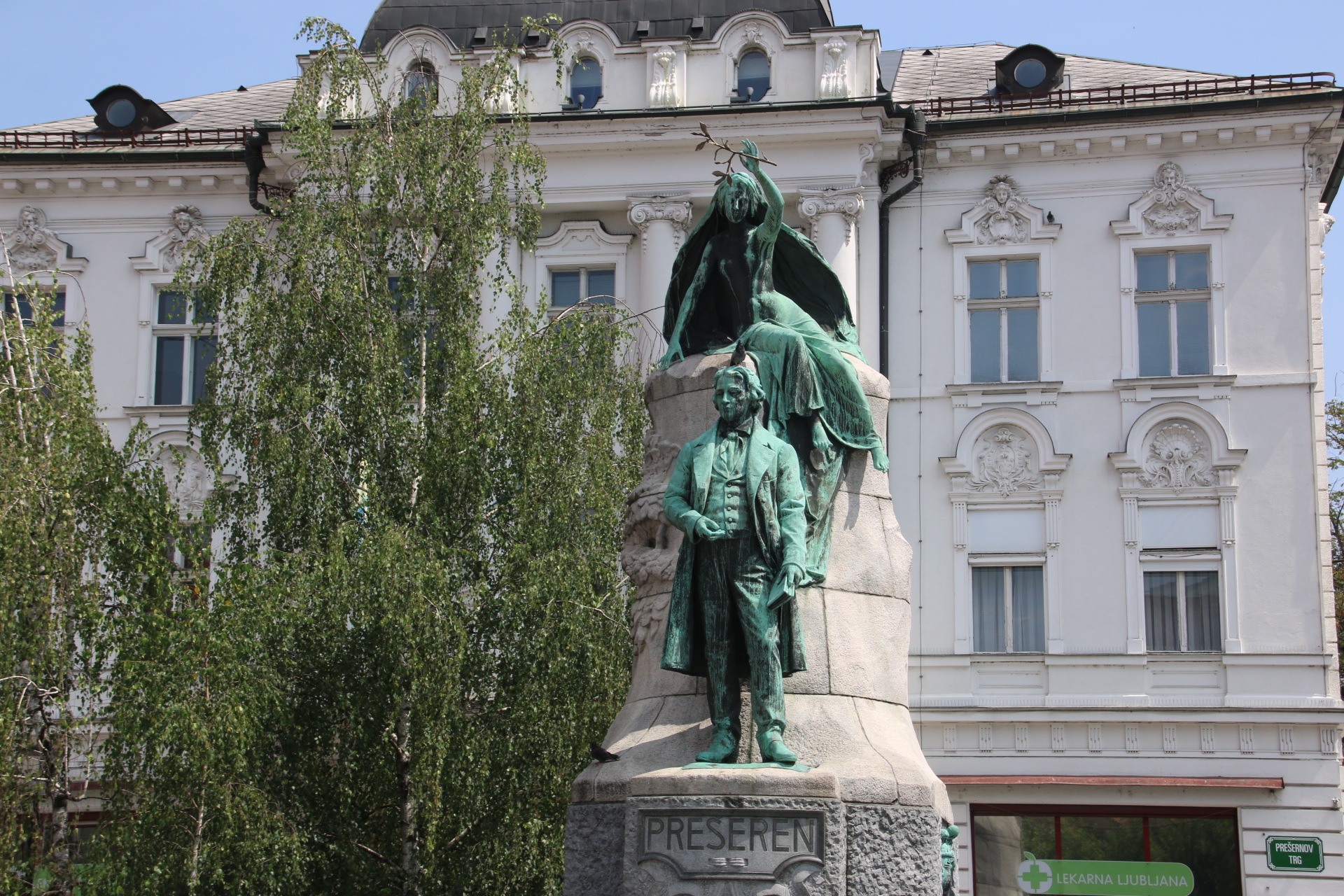
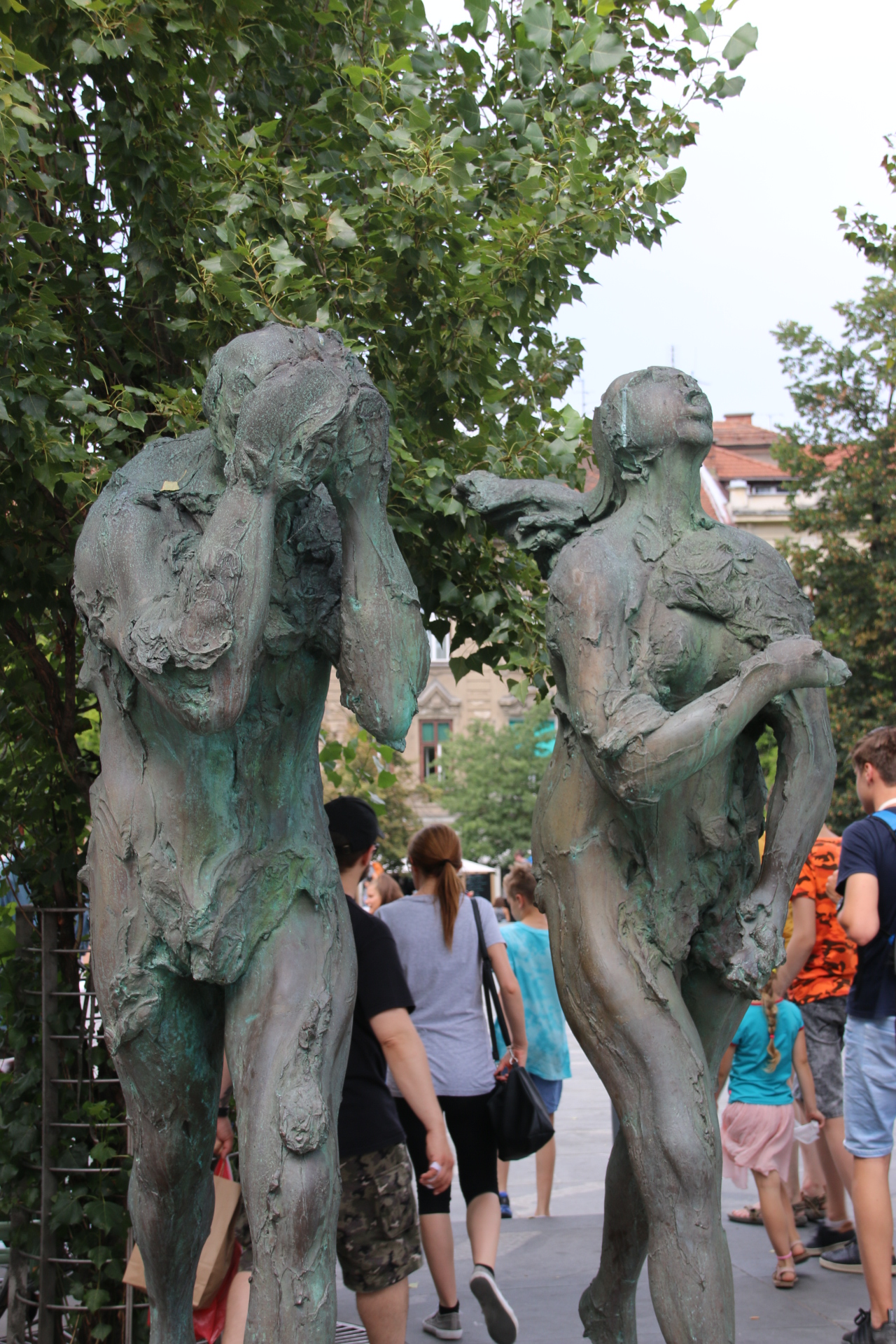
Several bridges cross the river, many guarded by statues, some of which seem to find it difficult to hide their inner feelings. “Oh no. Not another coachload of tourists.”

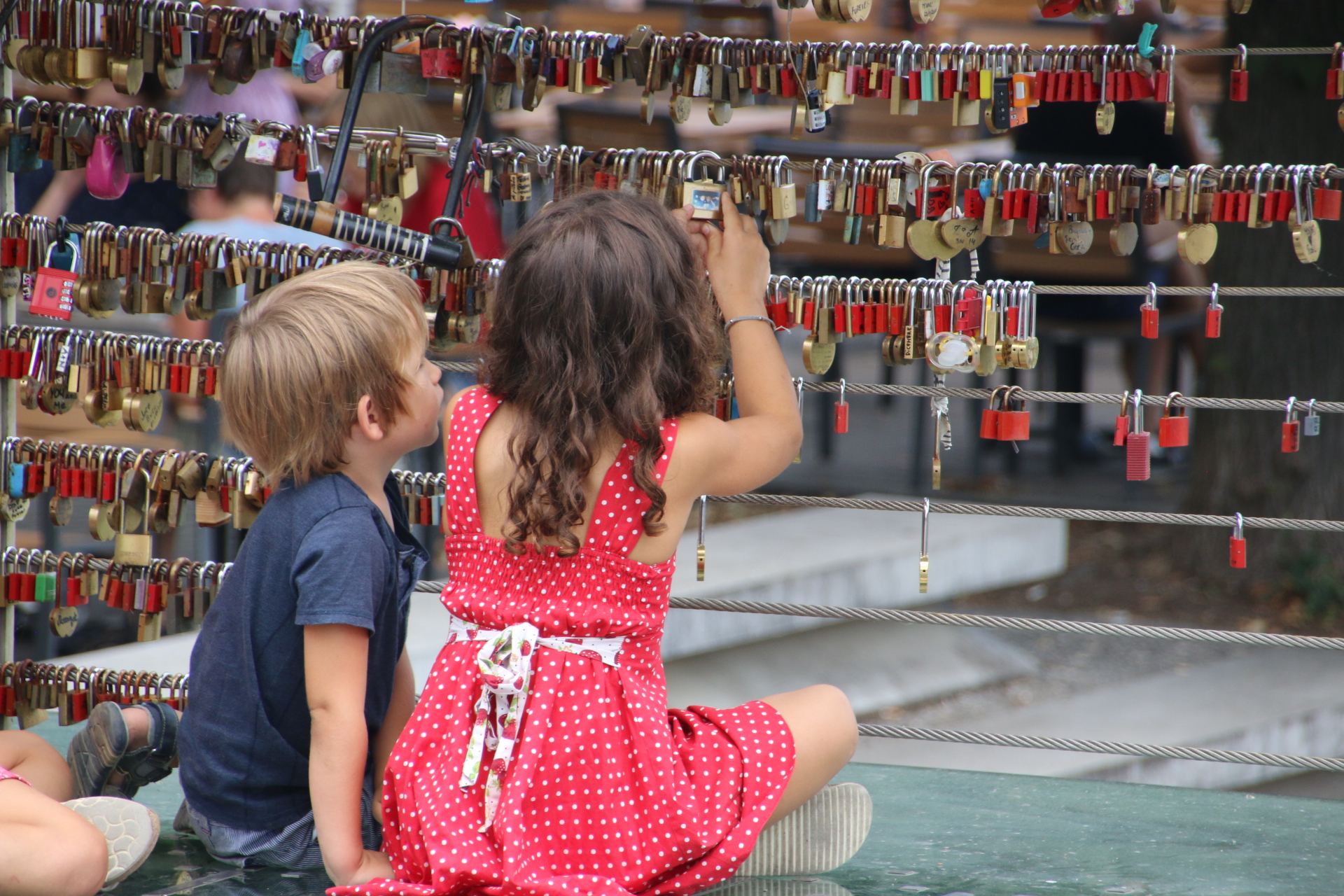
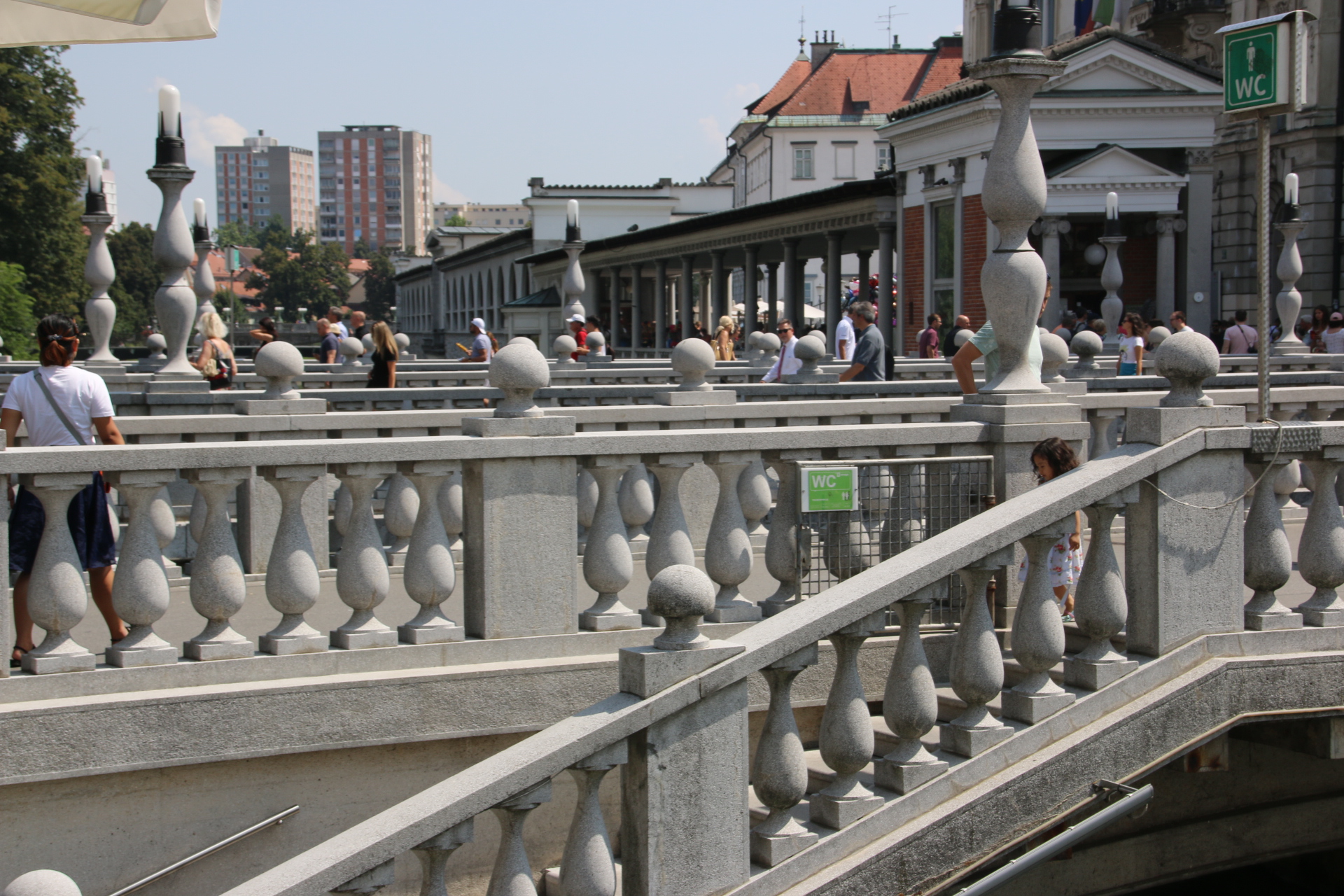
One bridge, Cobblers Bridge, attracts the romantic amongst us and the attention of the young and the old.


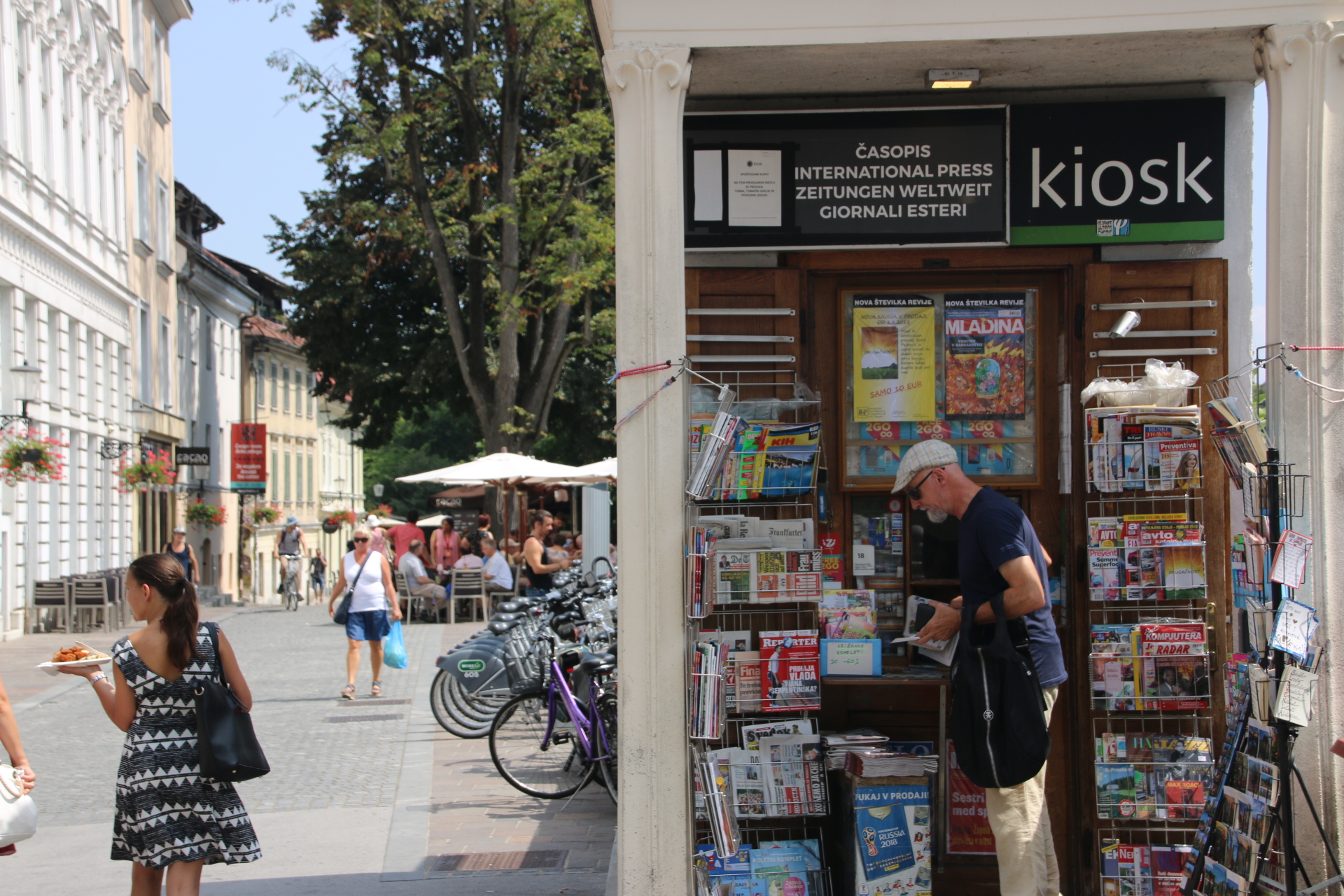
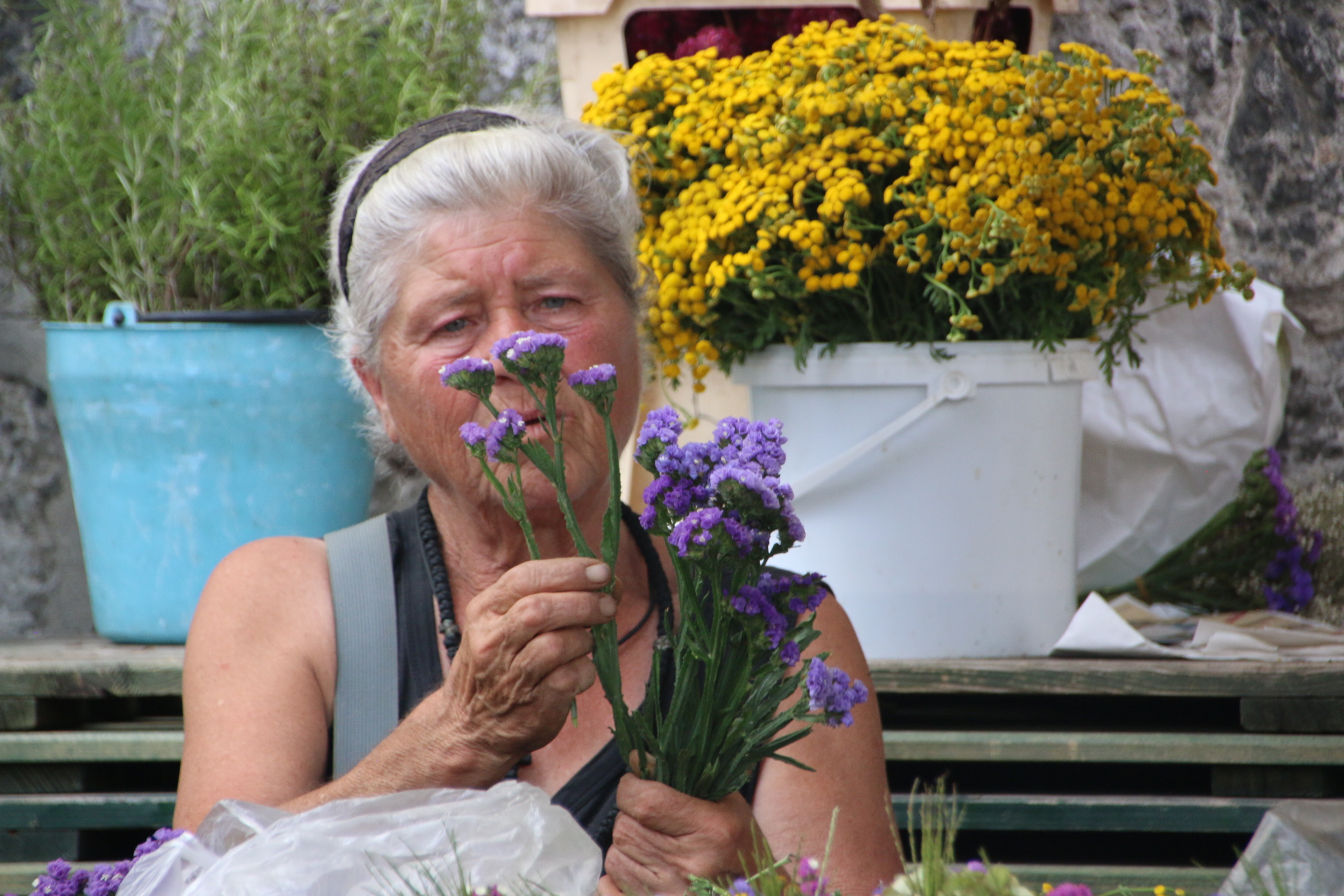
Yes, it is busy and yes, there is a constant flow of people from all over, but the place has a real buzz to it, making you feel at home. It just so happens that this first day coincides with the food fair when local businesses from across the country bring their fayre into town to share and sell. Choices are made. An Egyptian wrap and cheese ravioli are purchased and swigged down with excellent local wine. The atmosphere is one of acceptance, of diversity, of welcome.


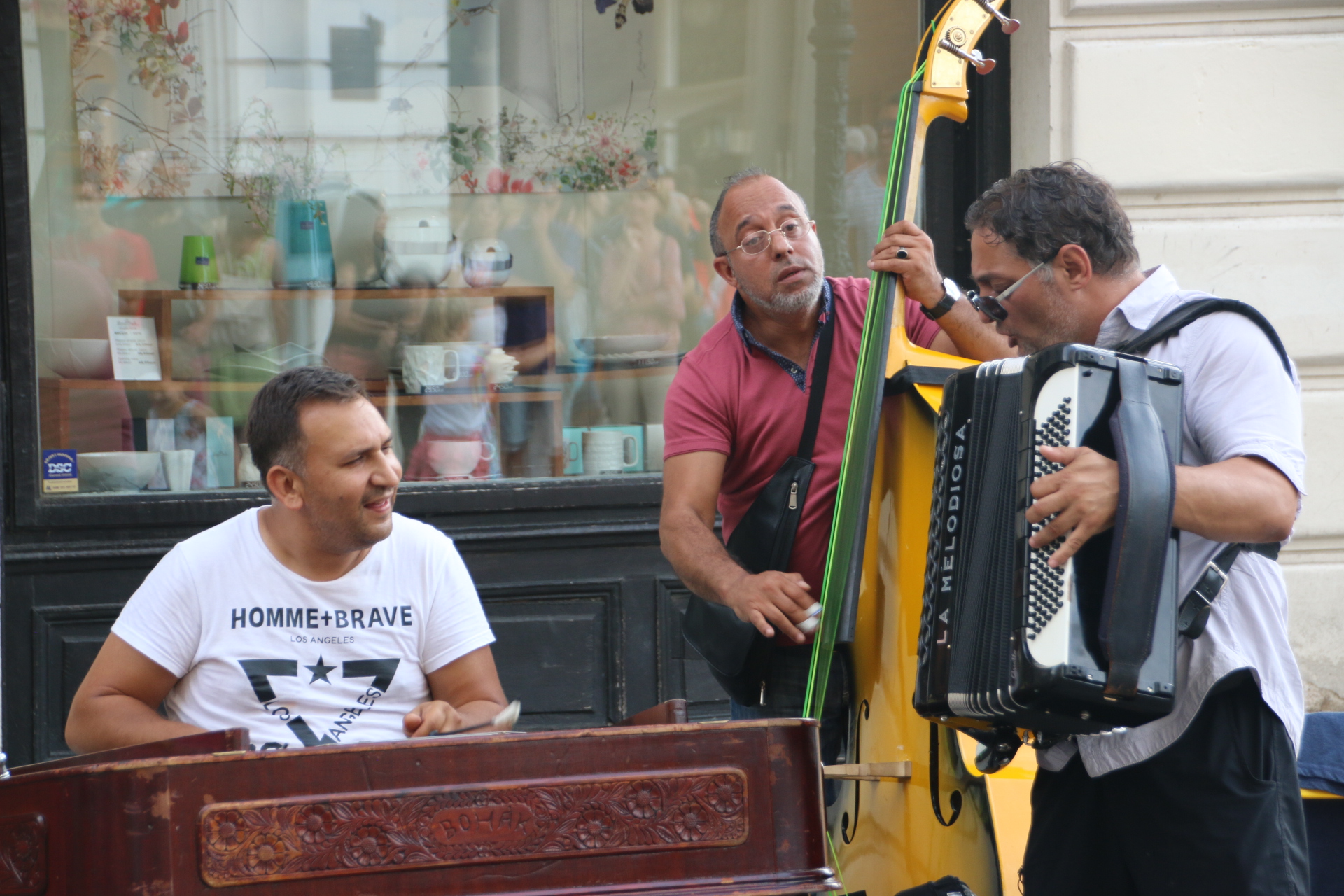
As dusk falls this buzz is amplified and the city takes on a charm of its own. The tables fill up with diners and drinkers, families promenade, lovers cuddle in wrapped arms, locals look on and buskers busk. The volume of conversation and laughter is gradually turned up, backed up with the bass tones of church bells sounding out the hour and the various rhythms and sounds of street performers banging out their different styles of music.

A wonderful, magical first day.


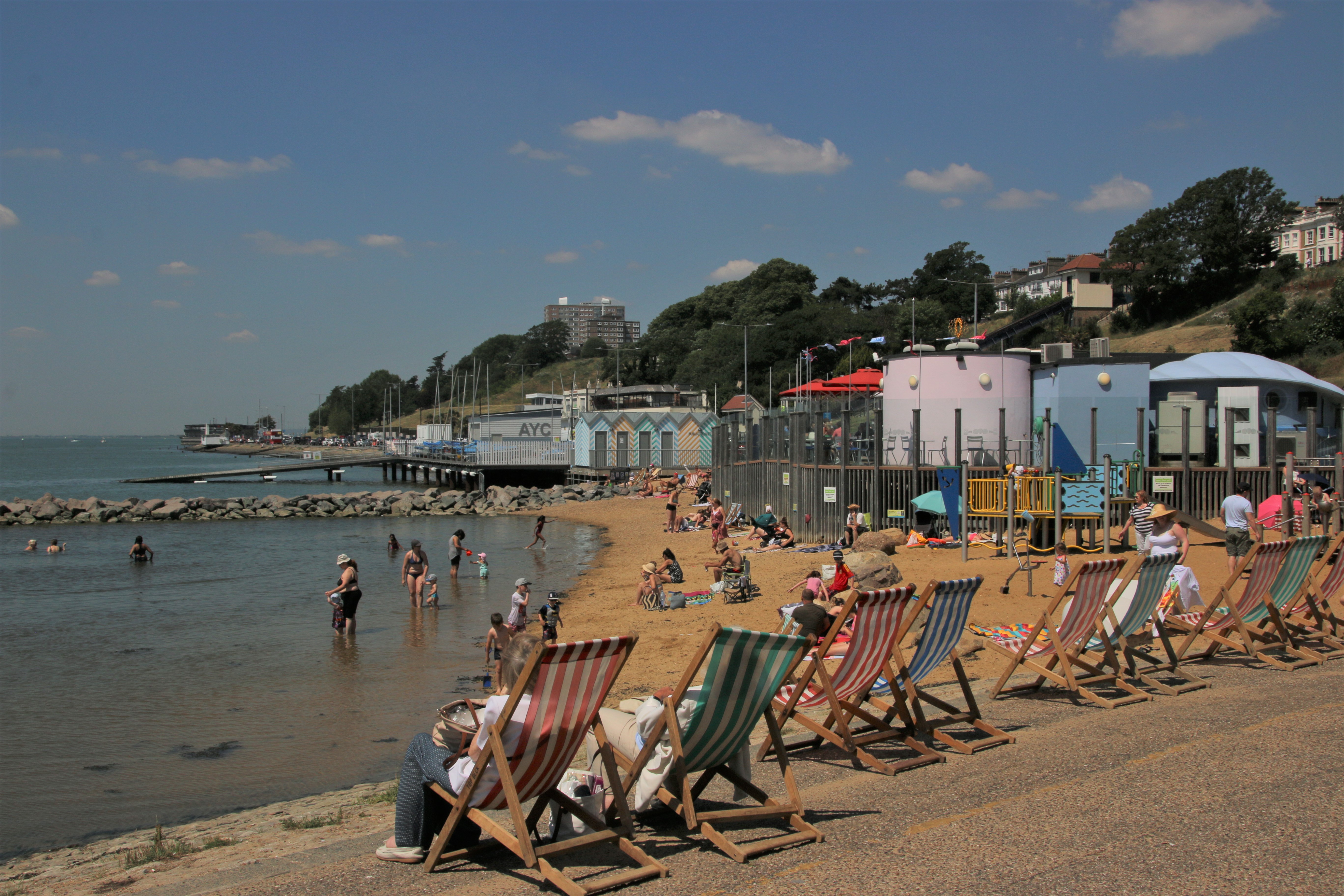
A day by the seaside at Southend-on-Sea …… or is it: -on-estuary?

The sun continues to shine and draw me away to continue my travels. You may remember that a few years back my journey down the east coast was interrupted when my car decided to stop in a huge plume of smoke and I had to get home on the back of an AA low loader. See, the life of a travel blogger is no easy ride (ooohhh, actually it was very easy!!). So I missed out visiting Southend (on the east coast).

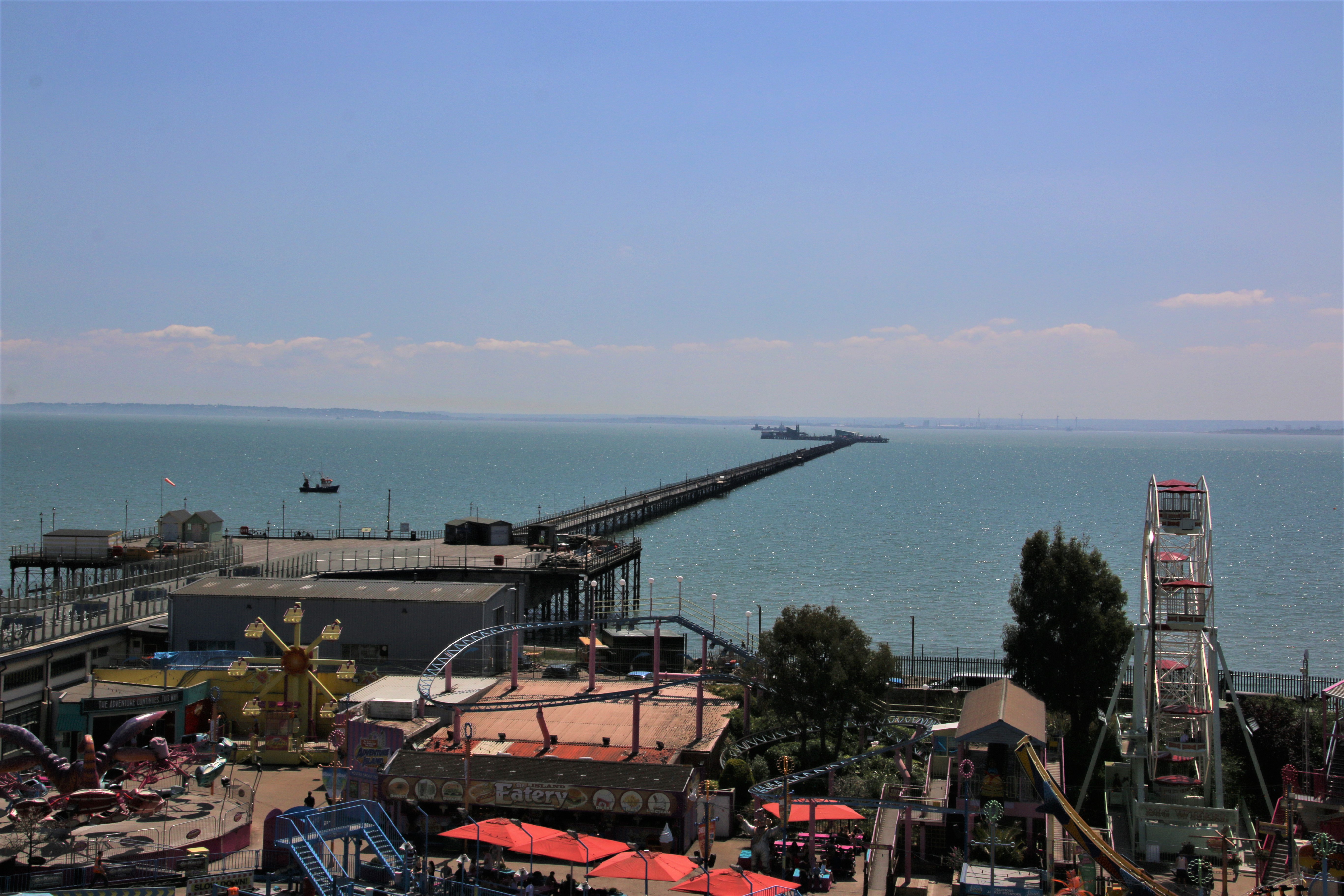
Now, here I have a real quandary. My question, that many of you have helped me with, but no-one head give me a categorical answer, is this: is Southend-on-Sea on the coast as its name suggests? Or is it on the estuary? Even locals cannot give me a definitive answer. But, as its name includes the word ‘sea’ and as it proudly claims to have the longest pier in the world..and as it has Rossi’s ice cream, I feel duty bound to include this long piece of seaside as part of my coastal journey around the UK.

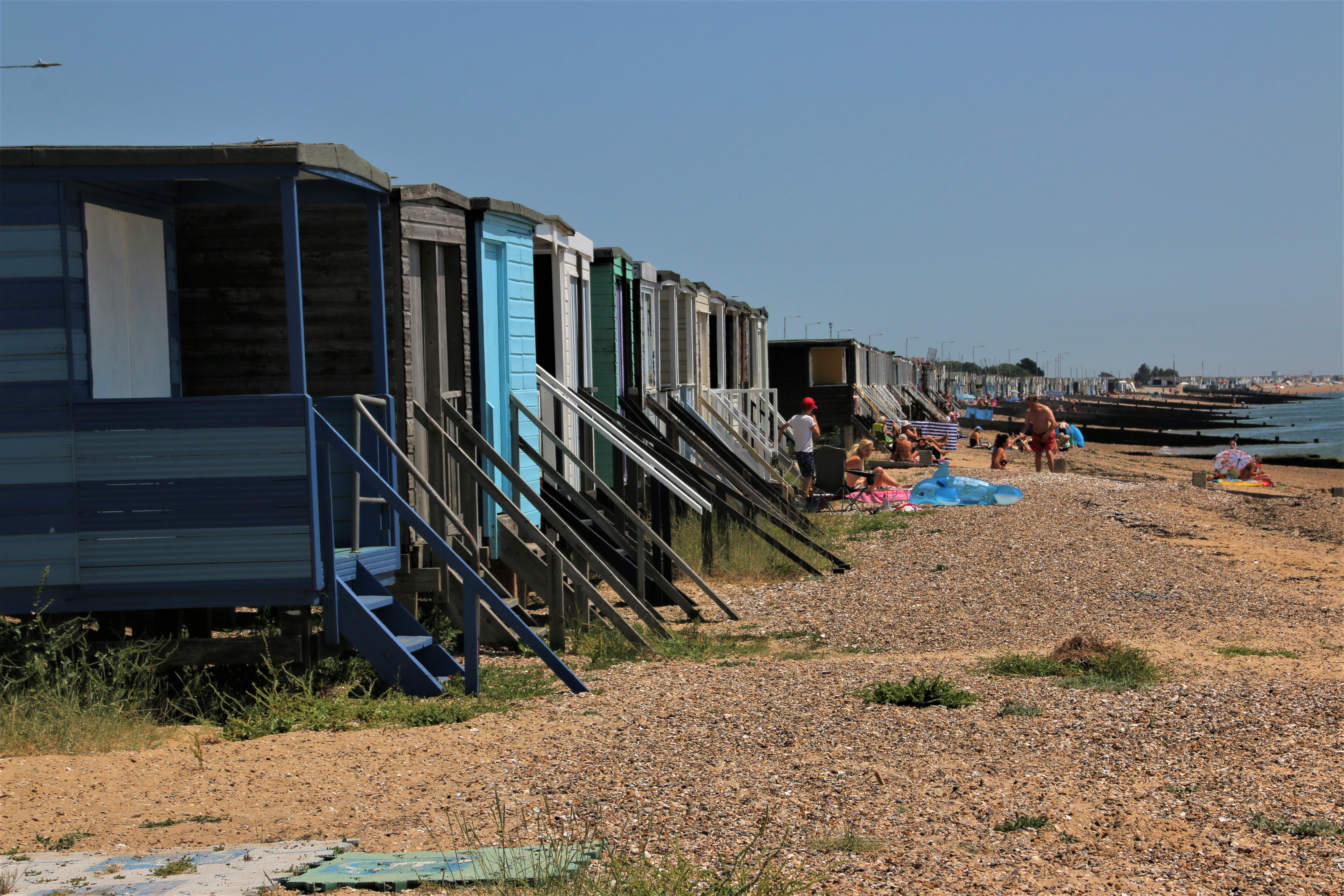
So first into the beach huts and sea defences of Shoeburyness which is tucked neatly around that marshy bit of coast, facing across the estuary to industrial skyline on the Kent bank on the other side.

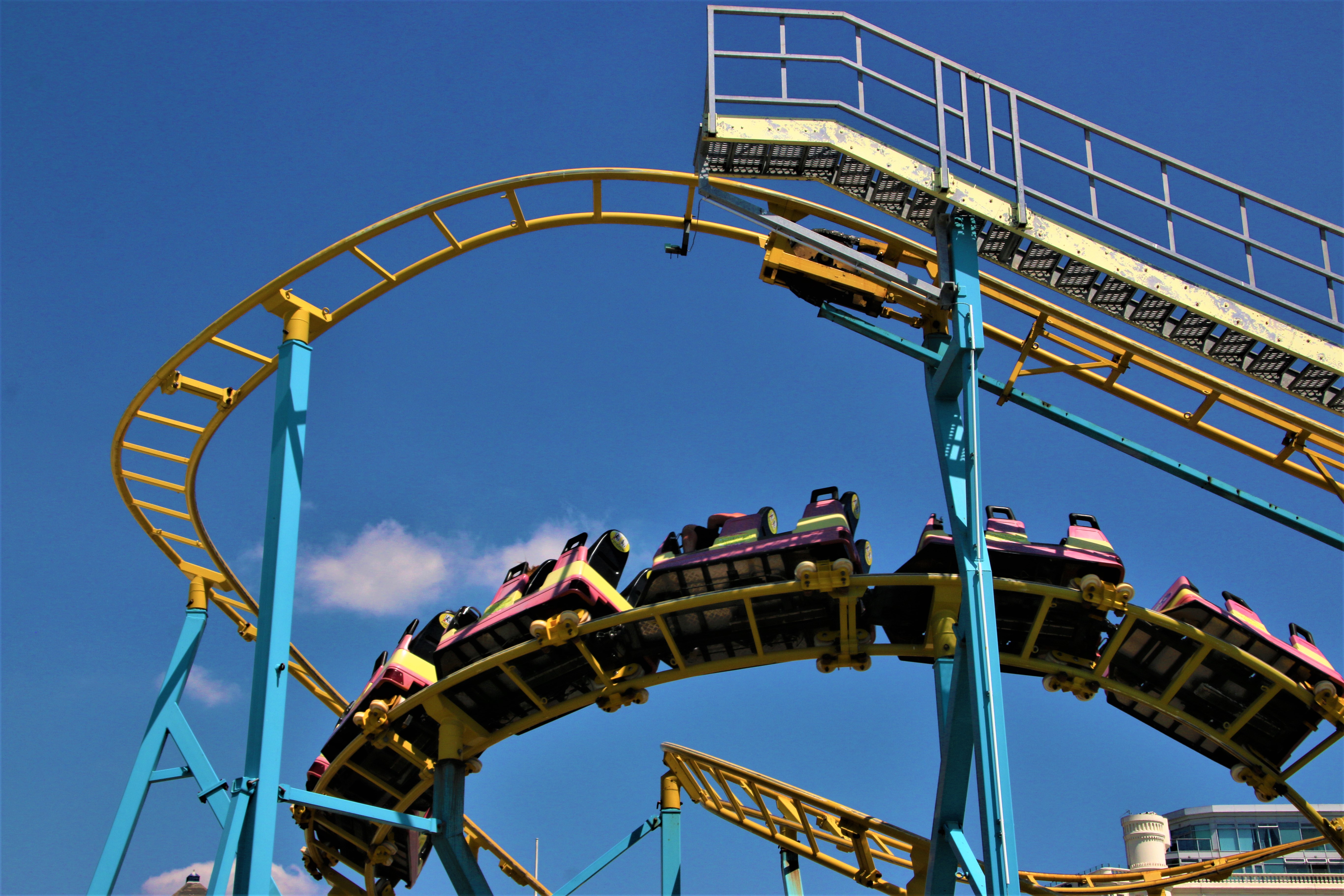
The beach blends seamlessly into the traditional seaside delights of Southend-on-Sea where Victorian elegance stretches side by side with the coats of colour of fairgrounds & arcades, candy floss, rock & ice cream. Easy to reach from the East End of London by the early railways the resort soon took off with its soft sandy beach and long paved promenade with a line of rather stunted palms, supposed to remind us of the south of France.

Around the front of the pier a collection of fairground rides rattle and squirm and hiss and scream to let the punters know they are on holiday. The pier itself is rather colossal. The longest pier in the world, it stretches for a mile out into the estuary until it feels like the it touches the far side. You can walk to the end or get the original train. Guess what? I took the train.

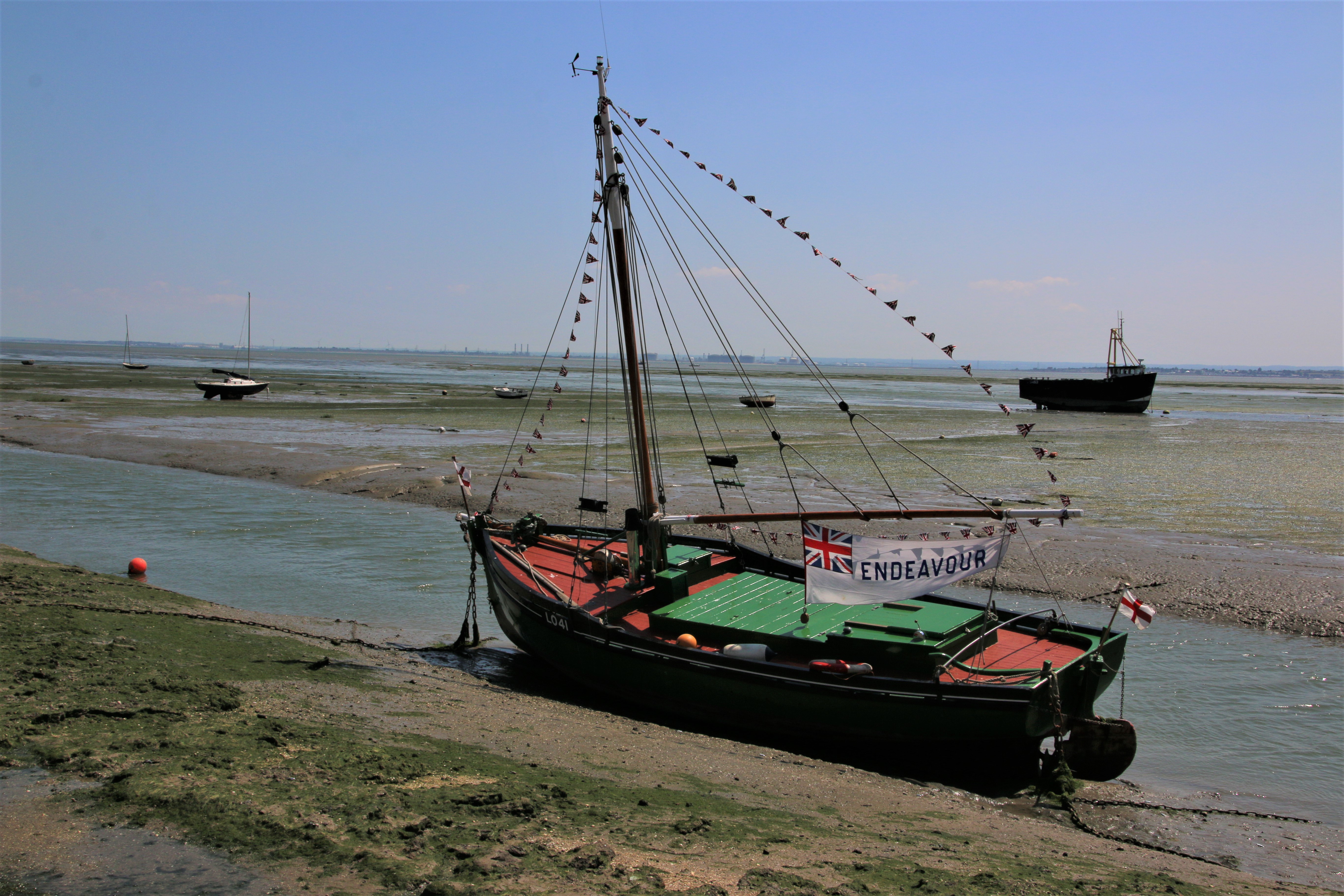
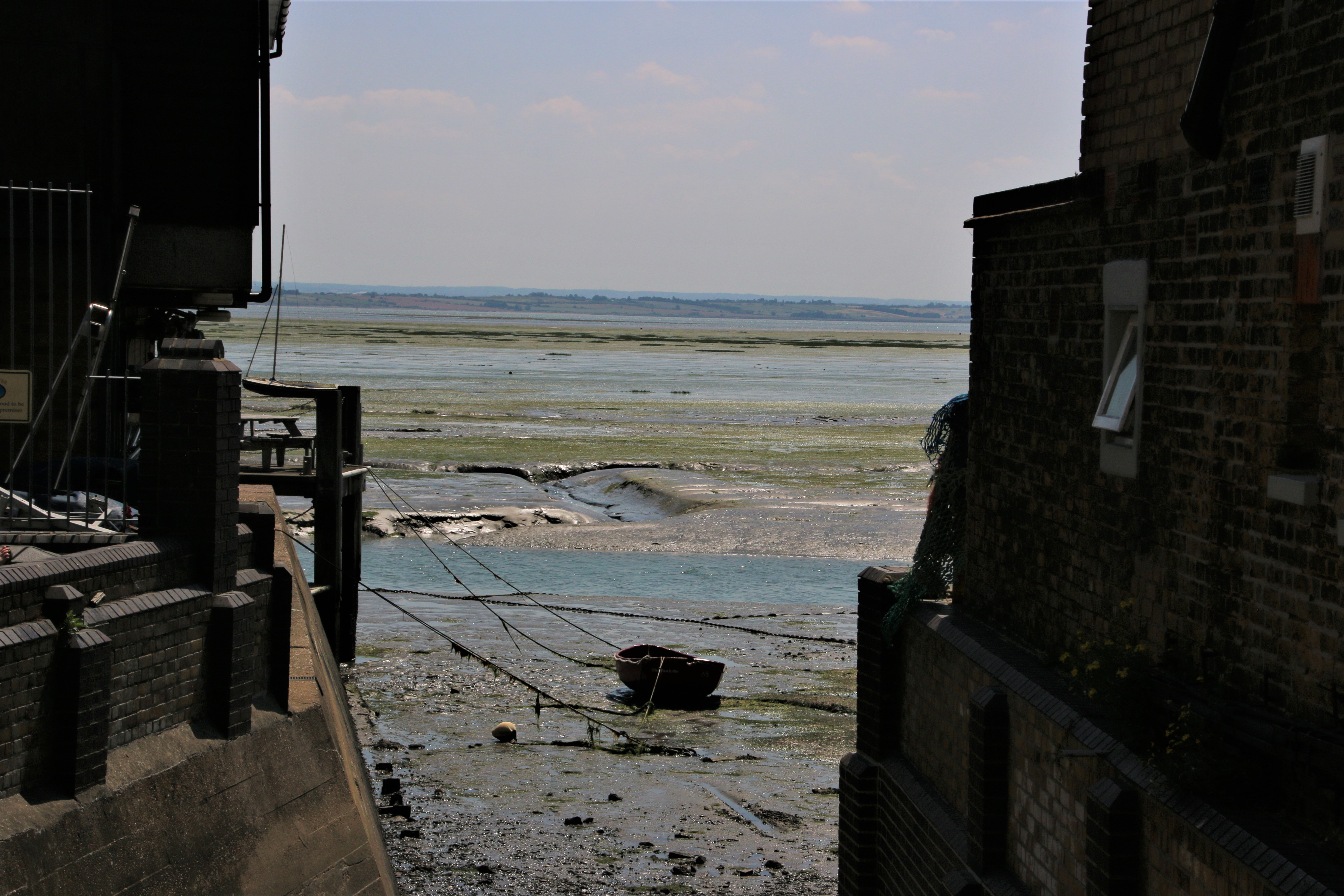
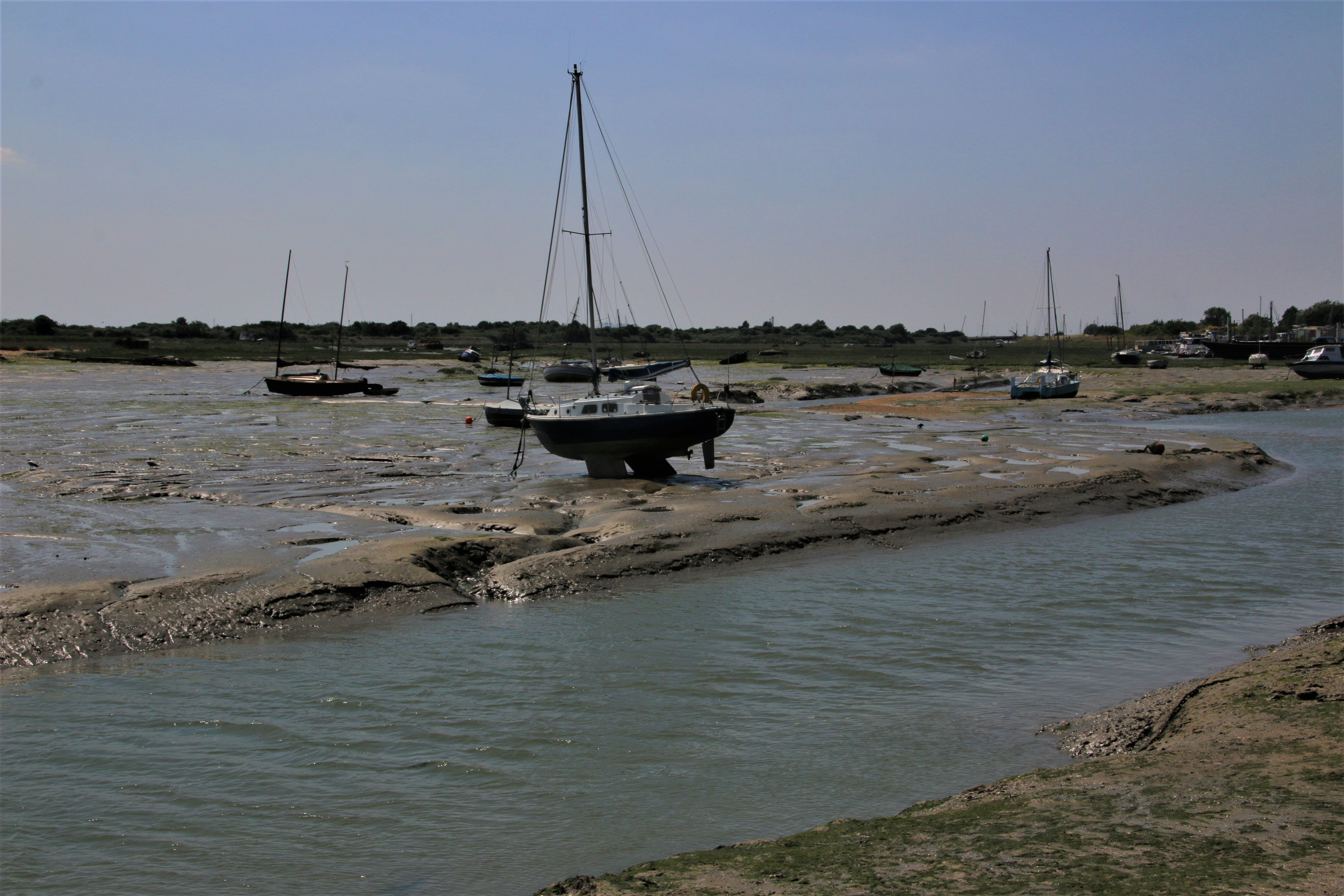
Leigh Old Town, part of Leigh-on-Sea and so included on my tour, is further up the estuary. The estuary turns sand and beach into proper mud and silt, divided up by creeks and wriggling worm lines of brown sucking squelch. Is it water or is it land? Here the cockle sheds still exist but no longer a crescent of crunchy shells over which fisherman bounce over planks, unloading their catch in buckets on yokes. When the tide is right they still use yokes but straight onto the quay. The old sheds are now more glitzy pubs and bars serving young families at a ranch of trestle tables under wide umbrellas, a range of shellfish – oysters, dressed crab, lobster, scallops. Where have the cockles and winkles and whelks gone to? Are we so superior now that these are beneath us.

Great, I have now filled the gap in my journey down the east coast. I have now travelled from Berwick-upon-Tweed down and round to Bournemouth, visiting every coastal settlement on the way. Now I have to travel around the sticky out bit and up the west coast doing the same. See you soon.

Mixed reflections on Corfu

It’s my last day. Sadly I am not going to find that romantic island, caught in the warm words of ITV’s The Durrells, better known as My Family and Other Animals, which I vaguely remember reading for O level 50 years ago. Nor will I recreate my 16 year old youth when my folks took me to on a Club Med holiday as a skinny, rib-showing teenager. I stayed in a grass hut, use beads as money, fell in love and learned how to water-ski. Yes folks, hard to imagine the hippy Mark. To get my Premier Vague badge I had to sit on a pontoon, the speed boat would swing by, a guy with a rod would grab the handle, you grab it tightly refusing to let go, take the slack and around you go in a big circuit, finally coming back in to the beach, letting go and sinking gracefully into the water while the boat goes of to collect. the next punter. Imagine my delight when the person in front of me on the pontoon is an attractive young lady who I am far to shy to even acknowledge except fleeting glances from under lowered eyebrows. Half way around, in the far distance the top of her bikini flies off. She cannot let go of the handle and so comes around back to the pontoon and sinks into the water in front of a line of eager, wide-eyed, hormonal boys.

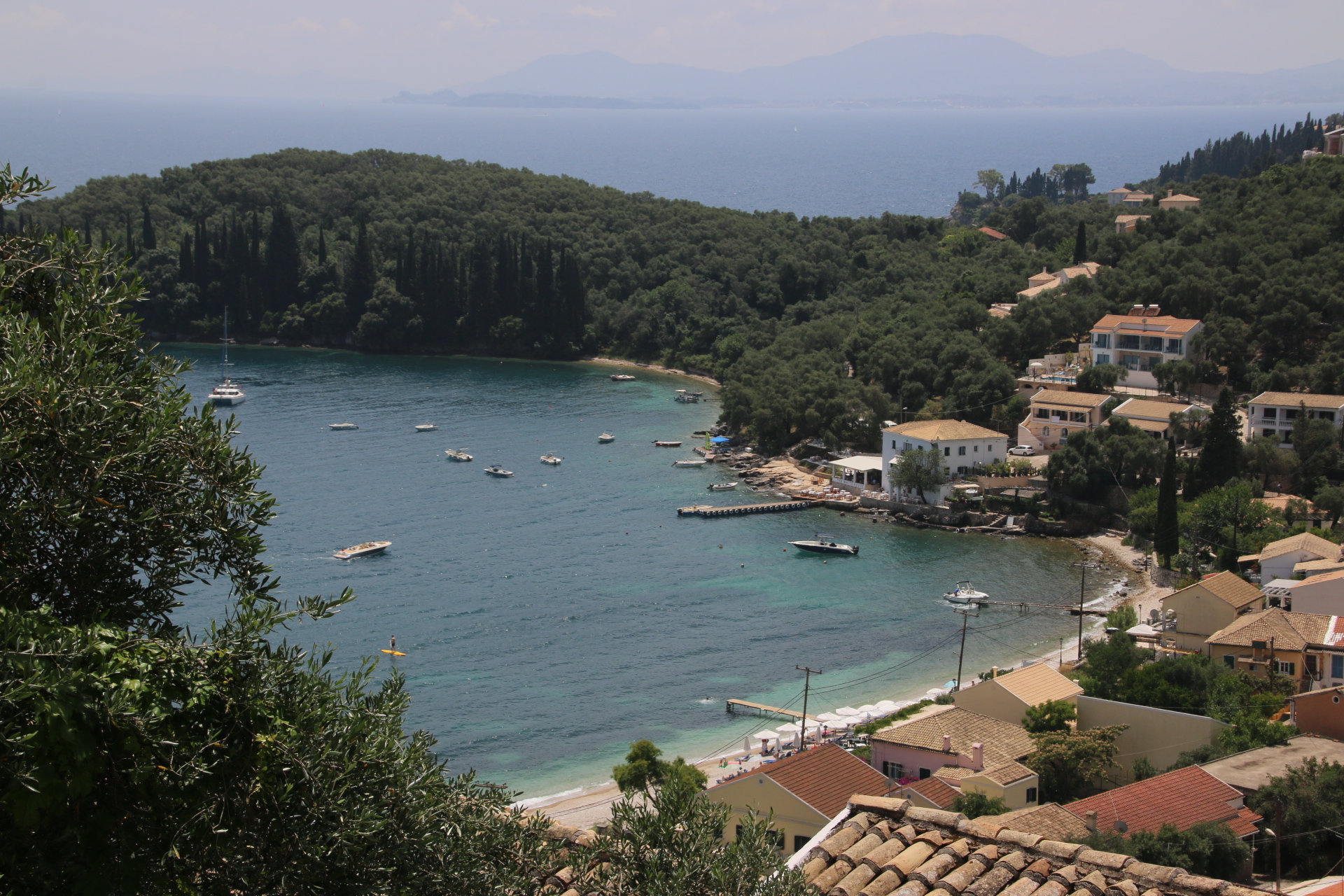
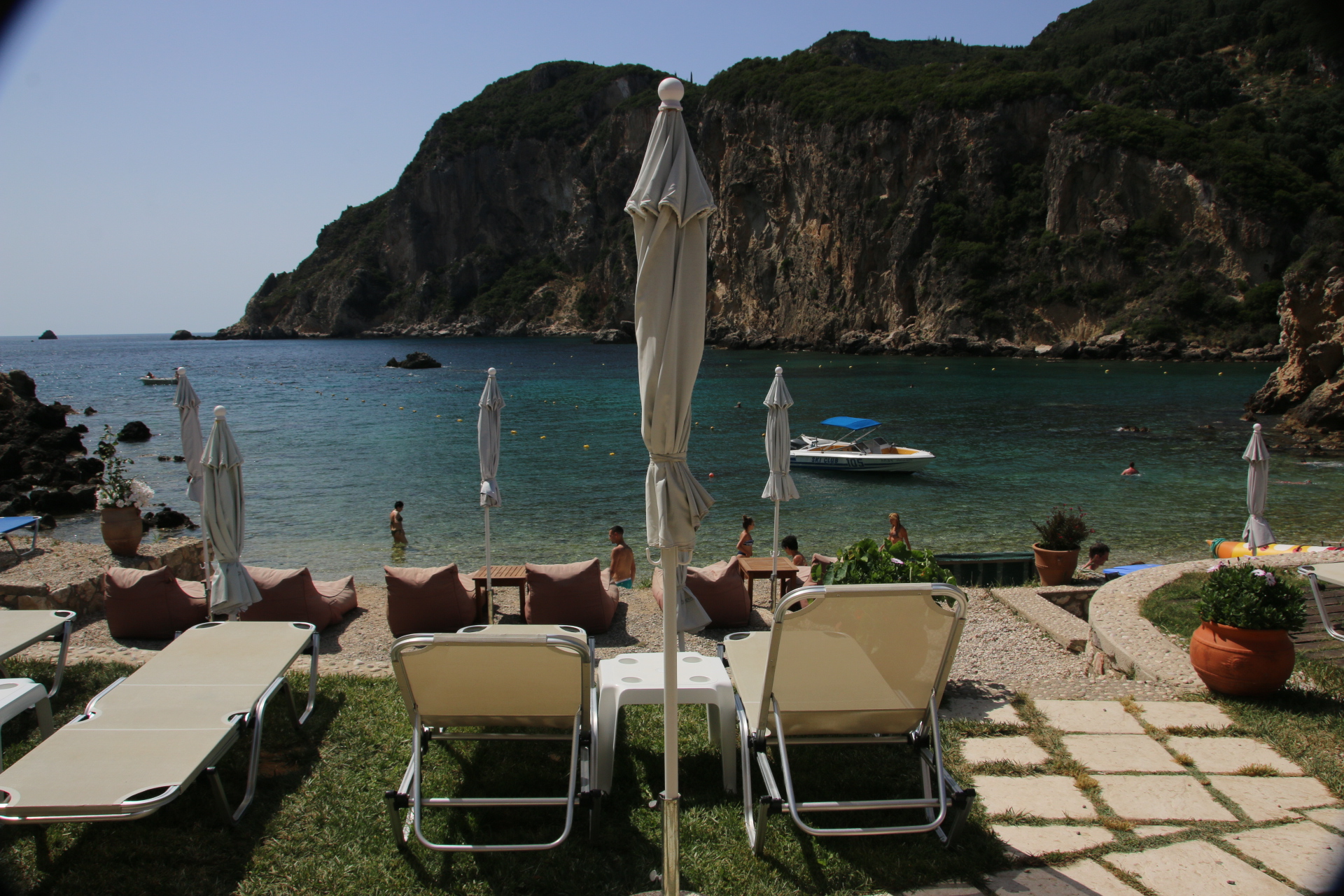
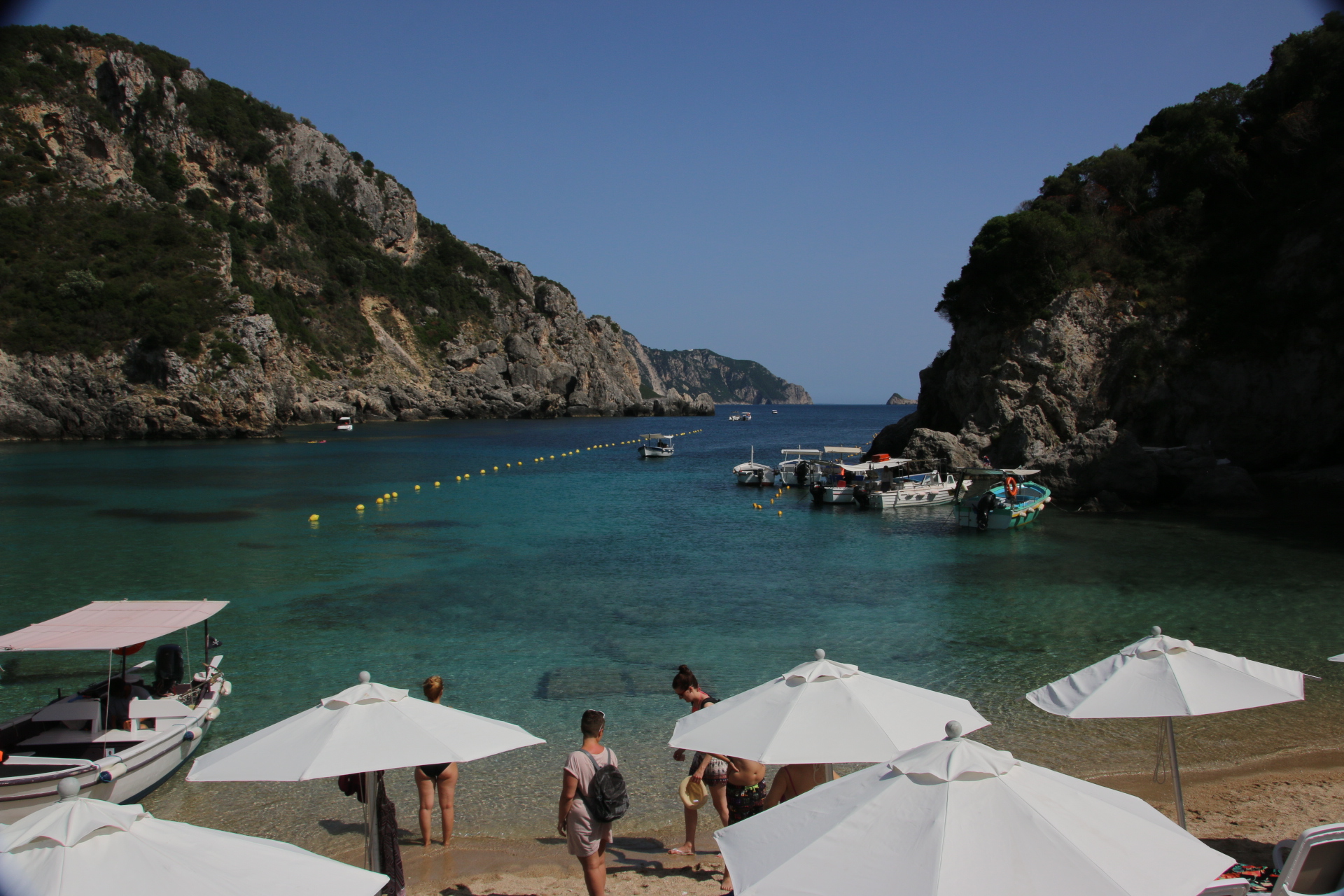
Anyway, I digress. Corfu’s wonderful coastline is best read about in guide books and viewed from a distance with turquoise waters, wooded craggy headlands, crescent shaped bays, sandy beaches and distant horizons. It is best appreciated from the high coastal roads around the mountains through gaps in the old olive trees and the mixed woodland.

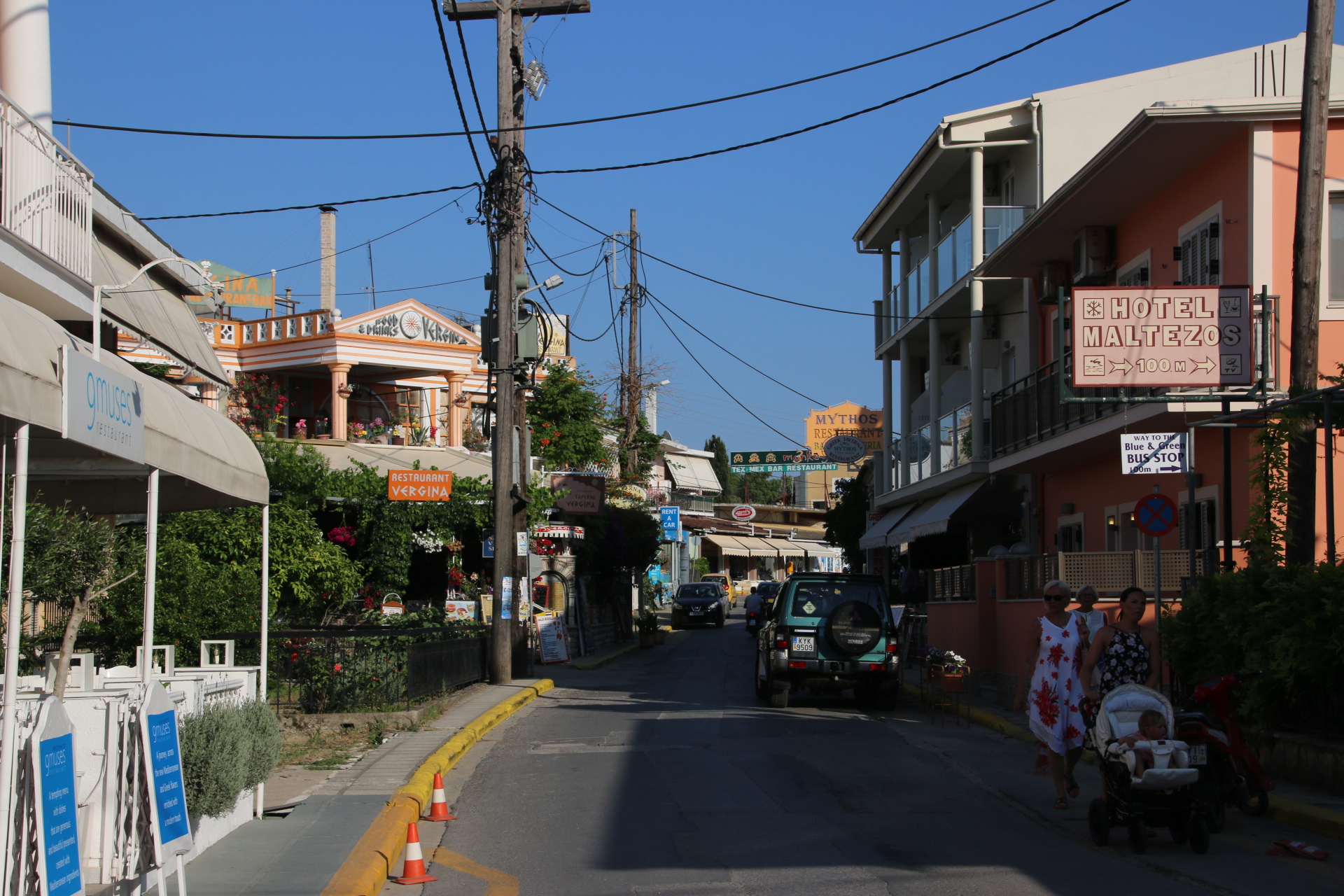
By actually going down into the ‘white-washed, fishing villages’, a different picture is revealed. Each one looks very similar to all the other with a bay of sand/stones, lined by rather a lot of bars and apartment and small hotels and cheap restaurants. Nothing quaint or traditional. I am not going to say anything about the range of humanity that holidays here. Suffice to say someone needs to run workshops on sun safety and covering up. You get a lot of flesh for your money – most of it lobster red or leather brown.

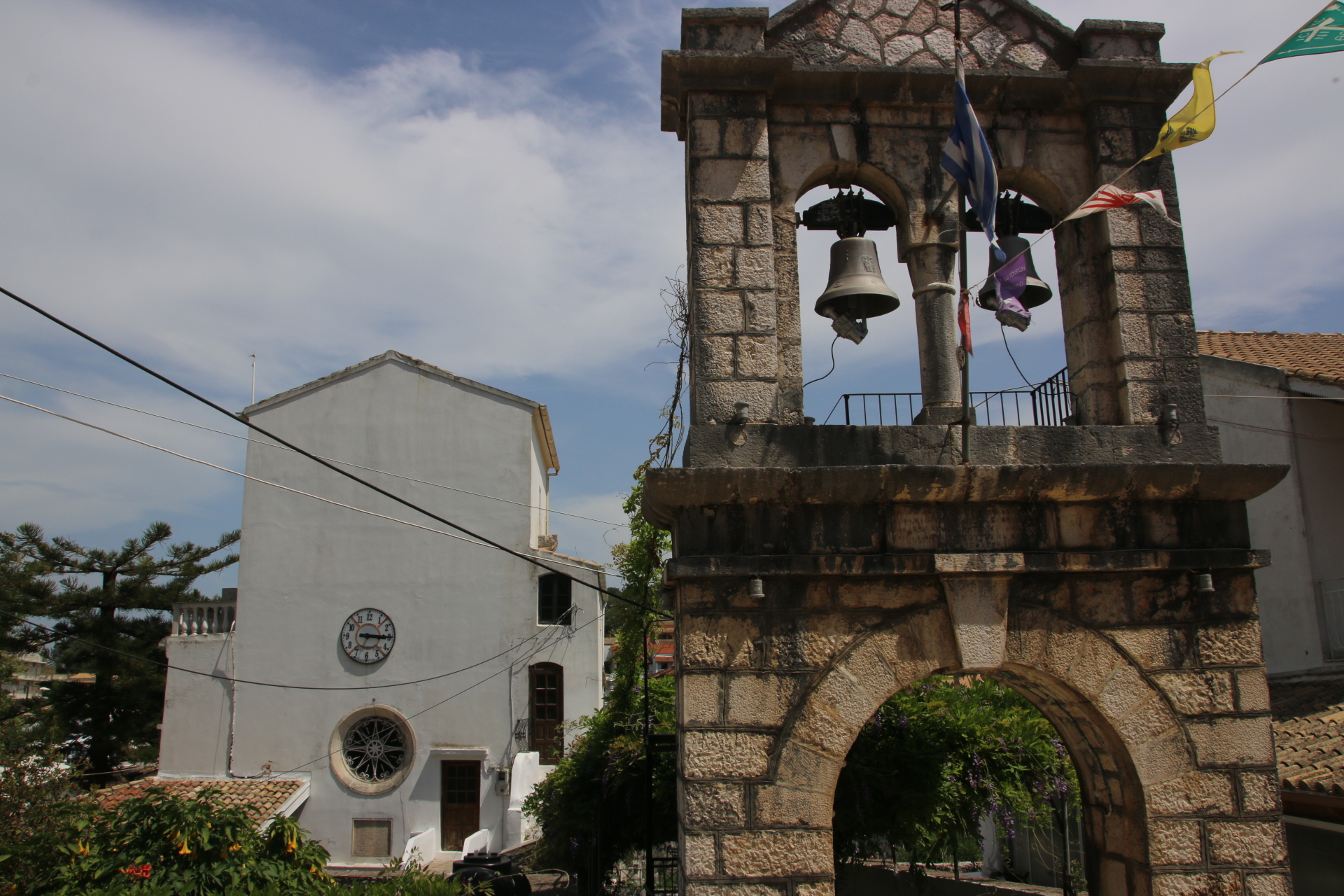
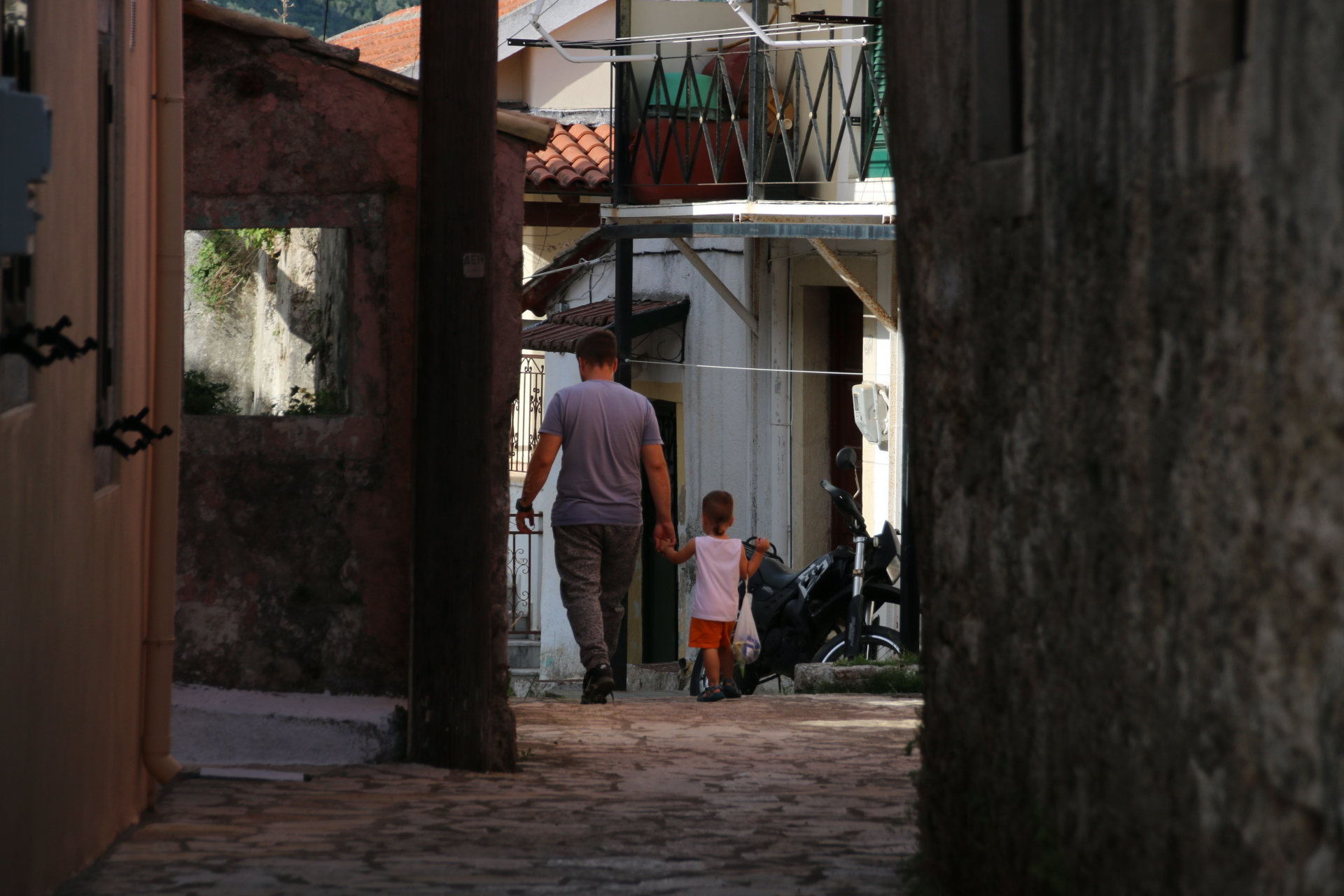
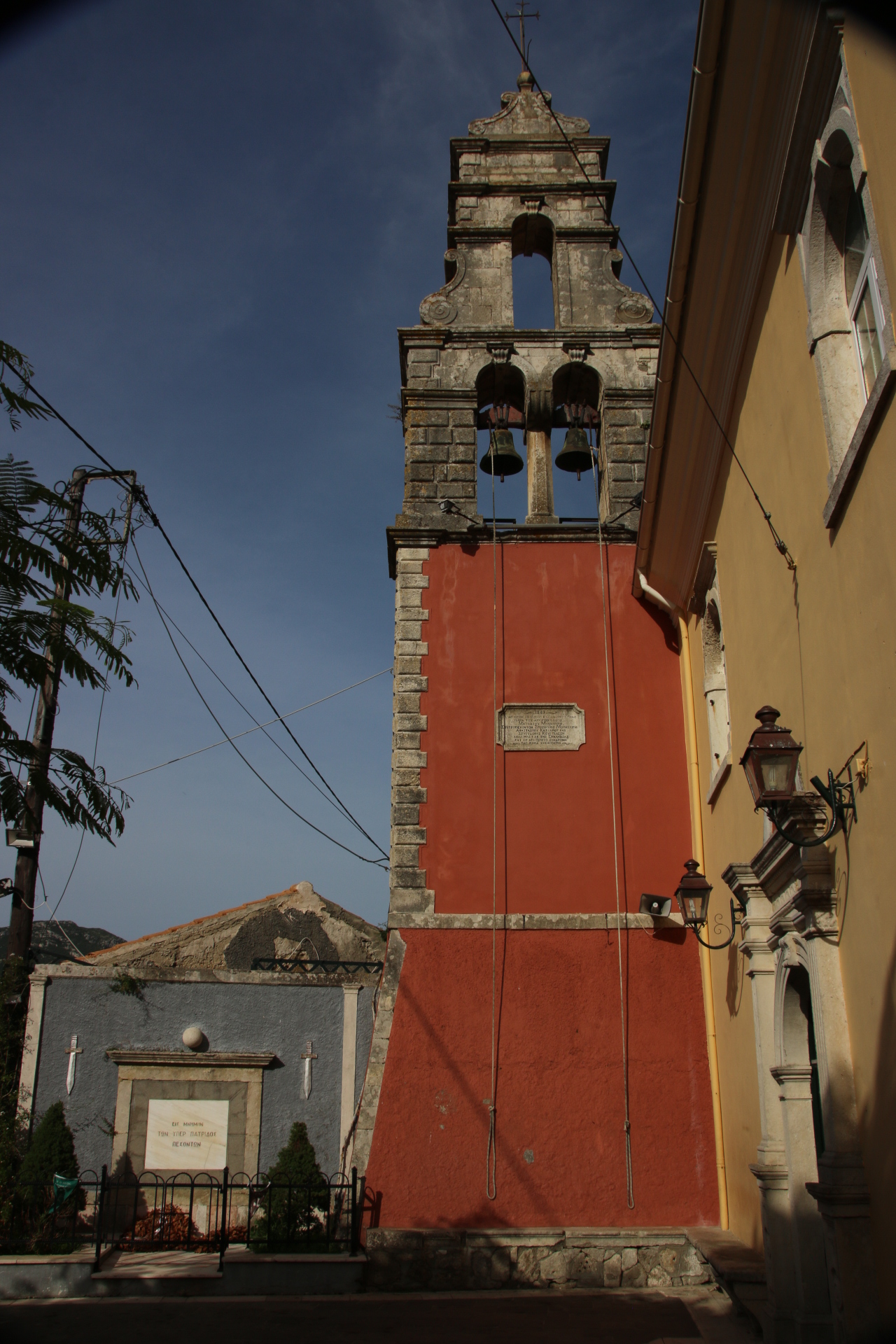
The best places to visit are by taking the car into the mountains that form the spine of the island and find the peace of the small inland villages. A small clutch of homes, 50% relatively new and 50% overgrown and dilapidated, will huddle along a contour or around a small shaded square and church which provides a centre to the community. All the churches have stand-alone bell towers alongside from the place of worship.


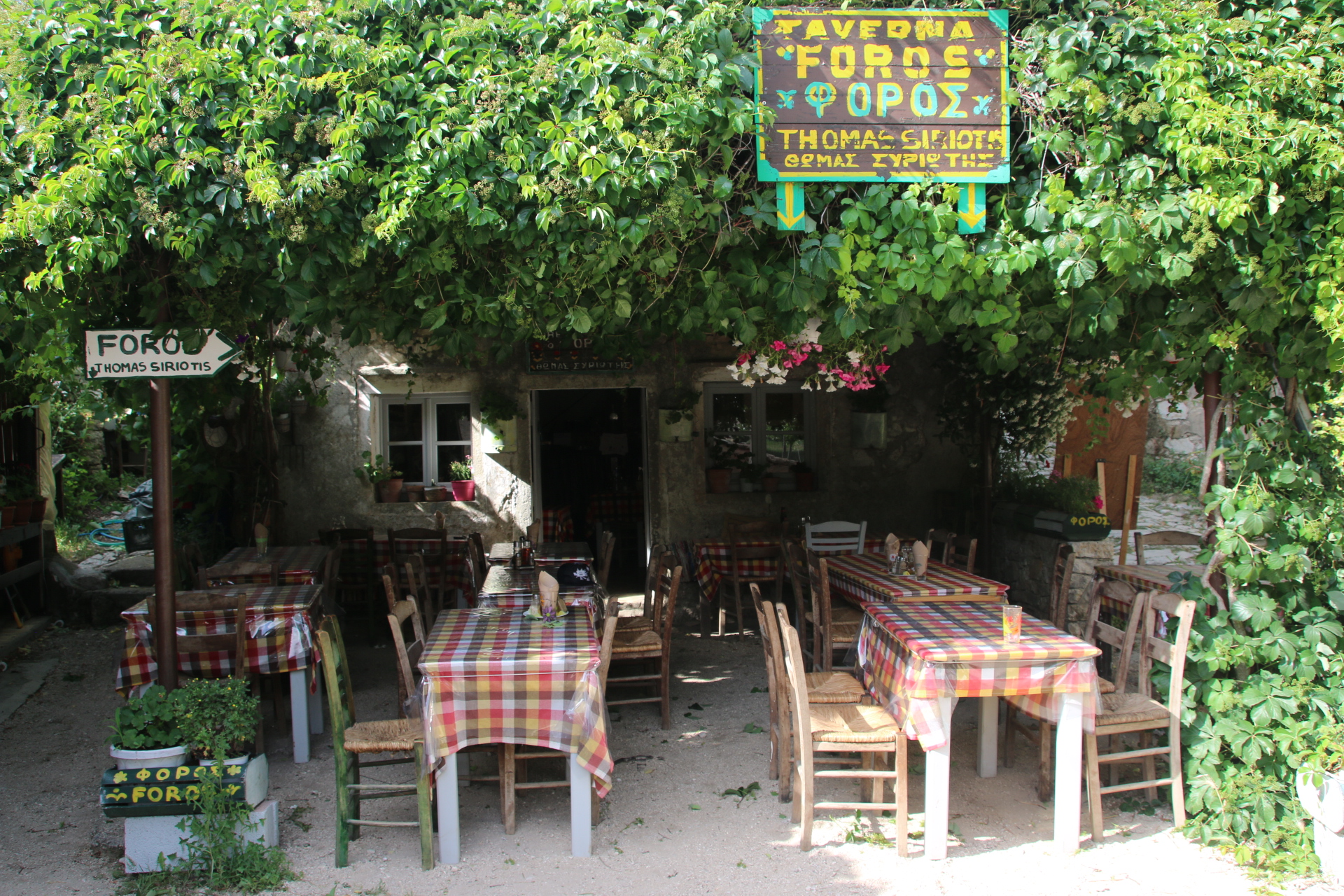
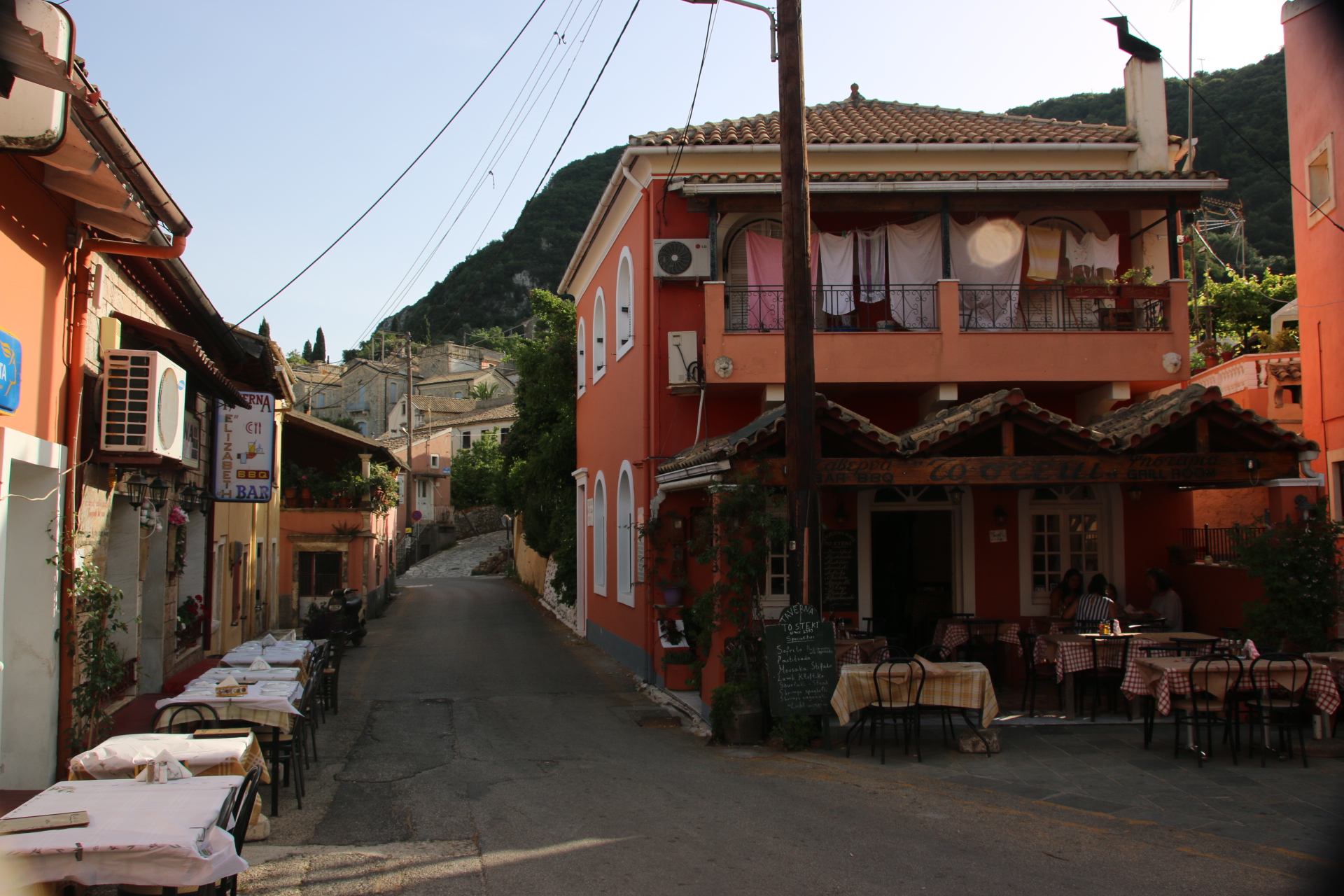
I have told you about Doukades. 350 folk live here around a small square with a shop/bar, a church and three tavernas. Spiro runs one. He used to run restaurants at the high end of Milan and Genoa. He came back to the village of his birth. When busy he does a good imitation of a steam train blowing down. Glorious, cheap, local dishes and local wine.

The locals are very friendly, quick to welcome and chat. If all the time was spent in the mountains amongst ancient olive trees, with locals, eating local food with local wine and overlooking the wonderfully picturesque coastline then Corfu would be a wonderful place to visit.

The past, and present, glories of Corfu Town

The Weather said ‘rain showers’ so what a good day to venture into Corfu Town. And what a gem it is. In fact with only one heavy shower it was ideal conditions to visit a place that oozes history. The origins of the town can be traced back to the 8th century and since them the influence of Venice is heavily felt in trade, fortification, architecture and food.
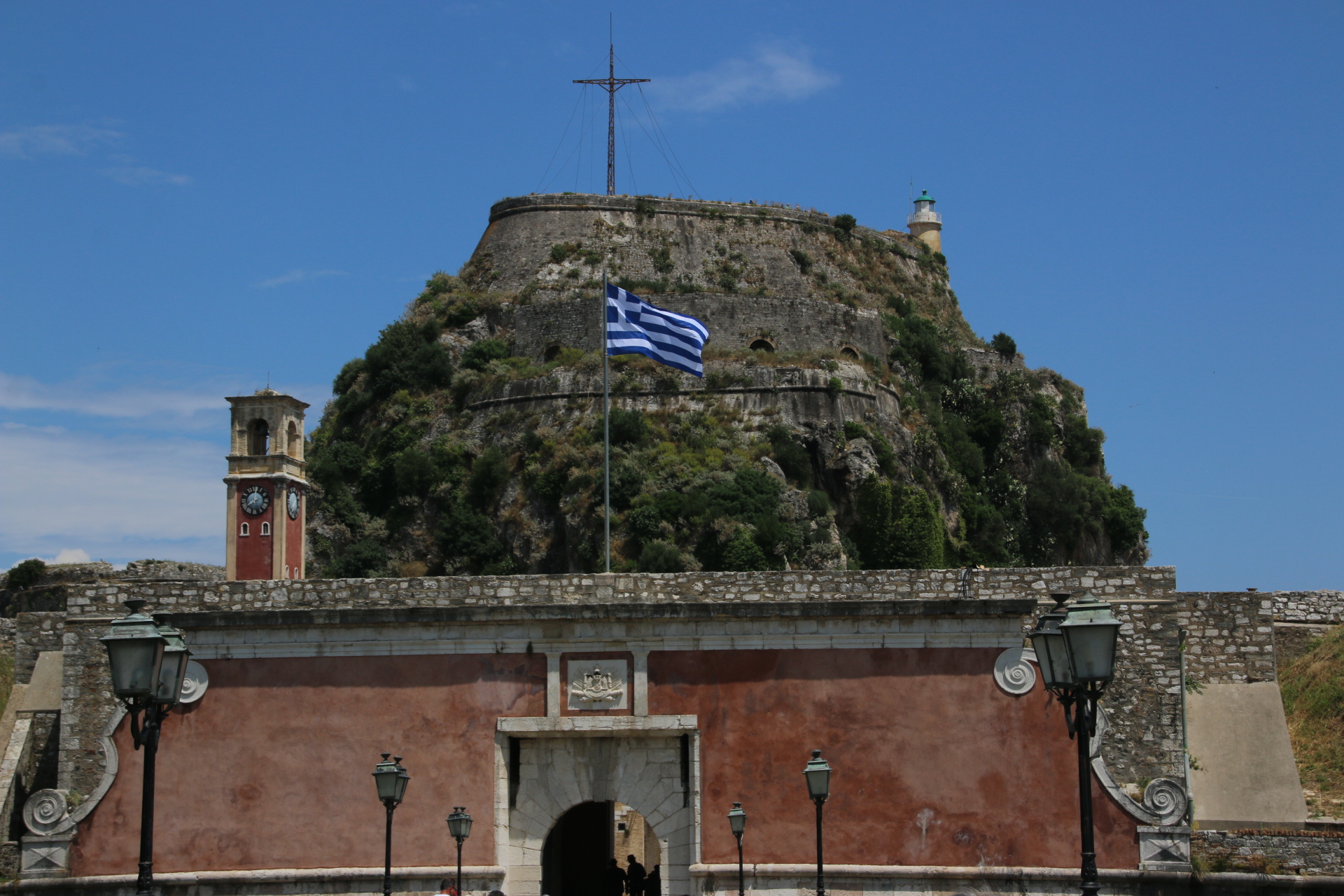
The Old Town is sandwiched between the Old Venetian Fort facing eastwards, and around the headland guarding the port where the cruise ships now dock, is the gargantuan new fortress which, despite its name, originates in 1576.

My tour of this lovely old town starts down in the old port, where, after following a line of traffic for miles with no likelihood of finding a parking space, I accidentally enter a crowded car park through the exit barrier, jump the queue of rotating drivers and squeeze into the only free space amid some very angry faces. ‘I’m British’ I mouth; a very pertinent fact as the Duke of Edinburgh was born here, and he is Our royalty). The new fortress dominates the skyline above and overpowers all that lies below it.

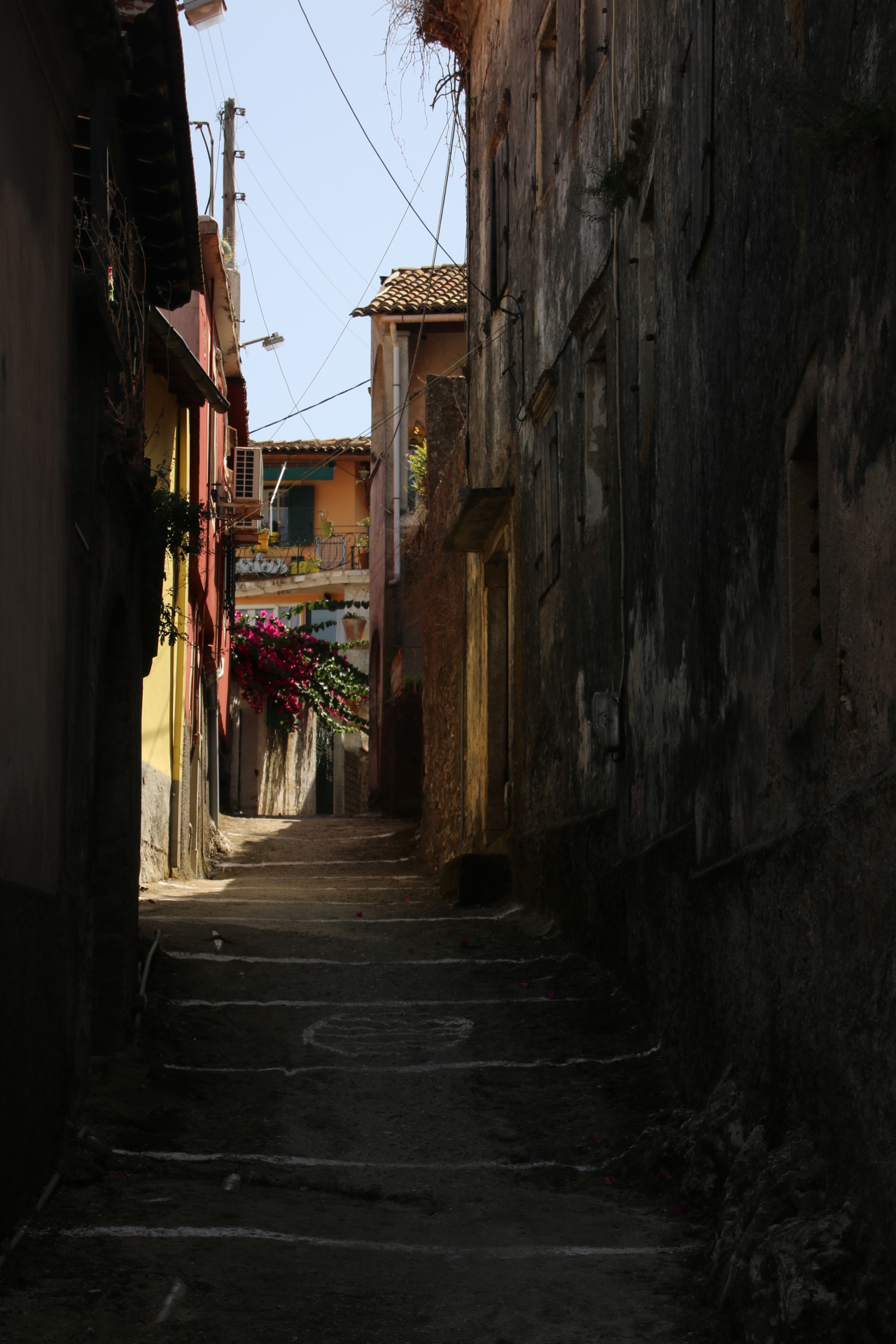
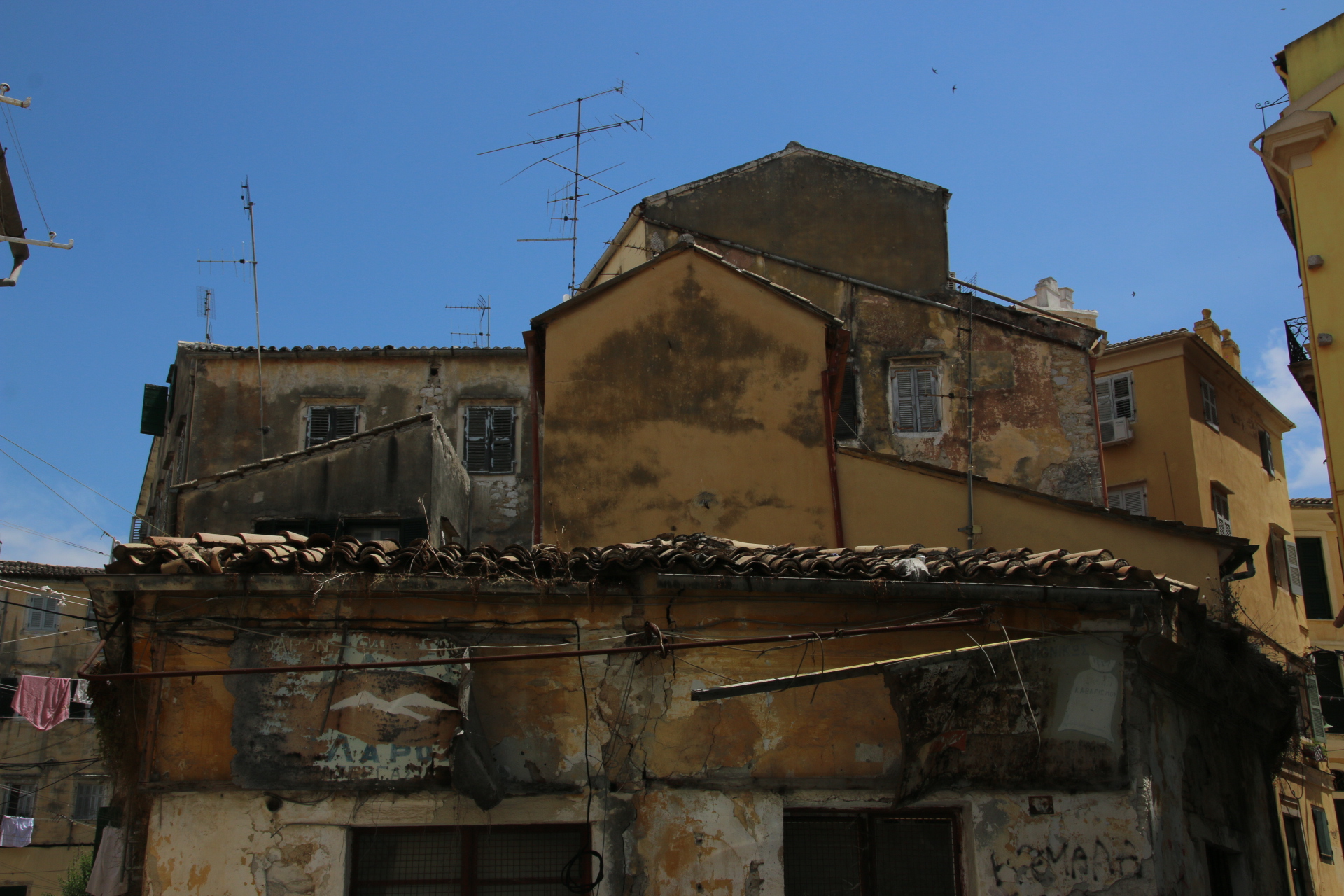
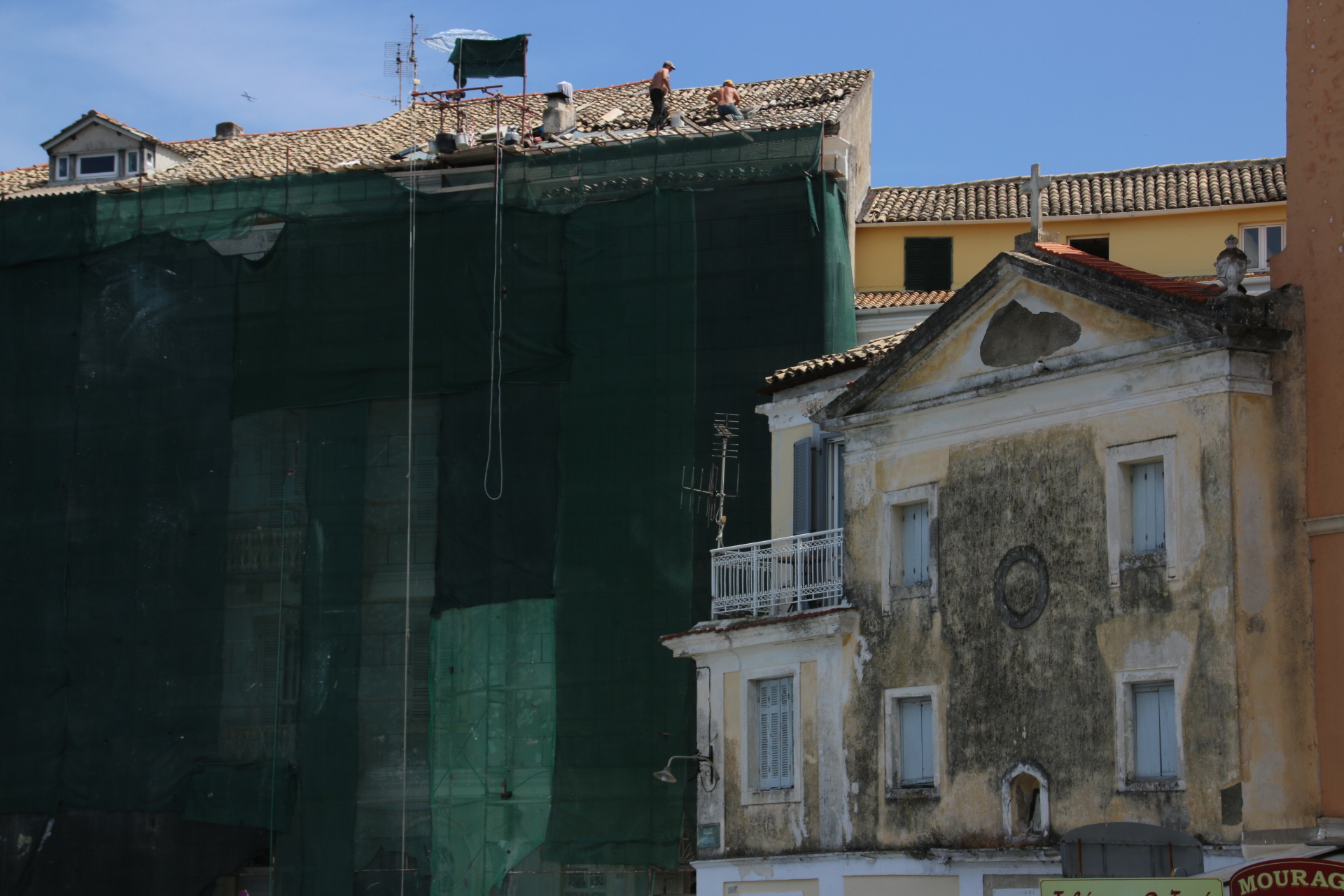
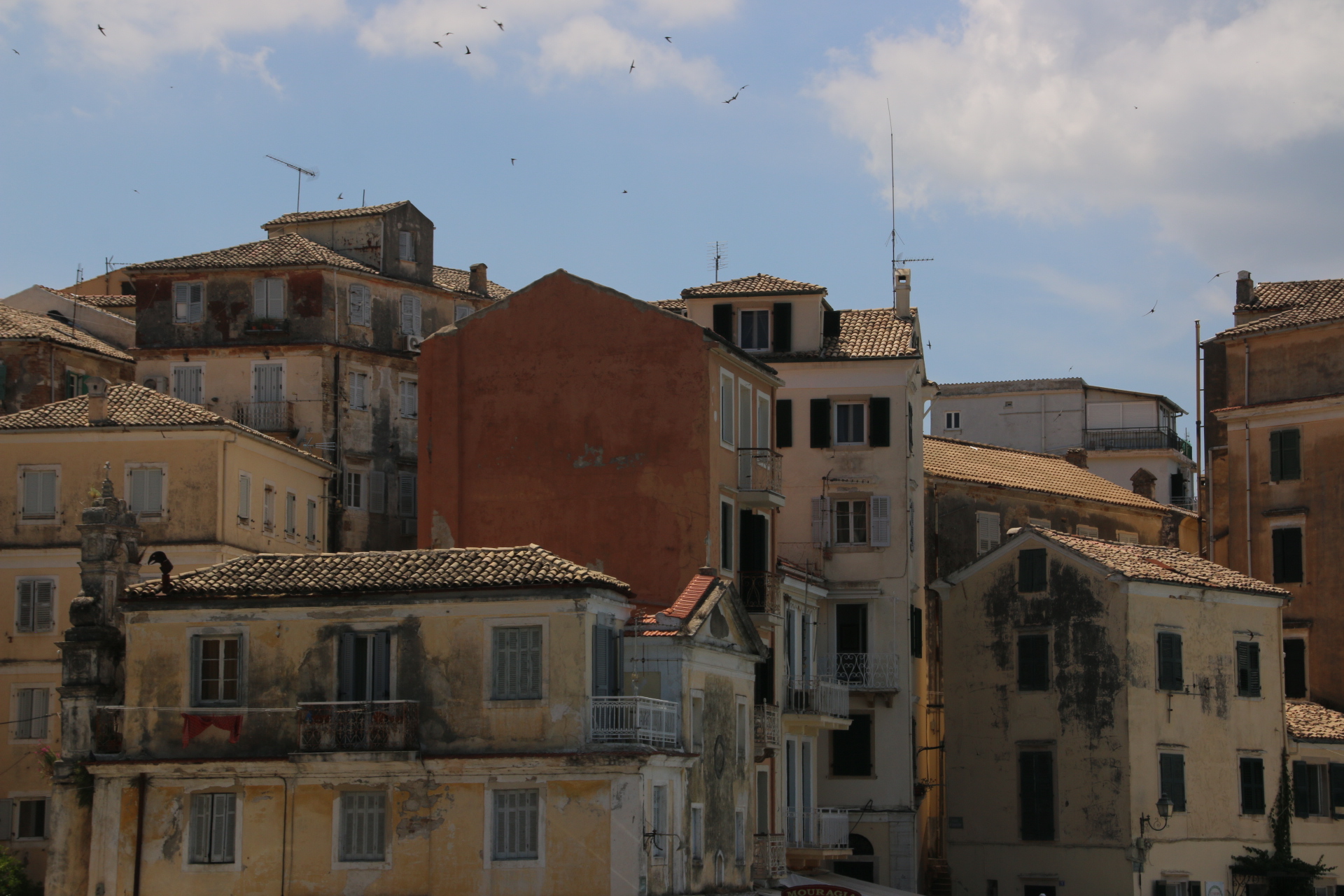
Then it is a dive into the narrow streets of the old town. Churches, domes and Venetian facades with flaking plaster and rusty balconies mingle with squares & fountains & parks & cloistered walkways. The colour washes on the buildings add an extra dimension as the sun and clouds play catch up across their surface and facades. The colours of clay cover the slopes & angles of the roofs and, along with pitted columns and faded statues, give the town a soft, familiar hue like a pair of faded slippers.

.Surprises are found around every corner. The wicket of the Corfu cricket club, who, I found out from the car park attendant, play in September. The artificial wicket requires little preparation and offers little respite for bowlers. Boy, what a glorious place to play, surrounded by such Venetian glory.


The town museum lines the cliff top promenade of the Peoples’ Garden and houses exhibitions of Asiatic art.


The tourist buses unload their cargoes outside the old fortress. This is a hugely impressive structure, protecting the town from land and sea alike and separated from the main island by Lover’s Canal. Why it is called that I have no idea.


Corfu Town has a charm and a warmth and a buzz about it that can be enjoyed, even on a short visit. I wish more of the island retained as much character and atmosphere as is captured here amongst the muted colours of the old town.

The ruins of Perithia

Well, I think I’m getting the hang of this place. Firstly head out to the glorious coastline of craggy headlands, wooded oaks and olive groves, splashed with the colours of bougainvillaea, smart, cliffside villas overlooking sandy/pebbly bays and coves and turquoise waters and try to find in coastal villages any remaining evidence of the romantic Corfu of yester year. Then, rather than staying in the oven of apartment blocks, tourist shops, eateries and bars, cluttered with a scattering, at least until high season, of lizard skinned, loud & inappropriately clad Germans & Brits, moving up into the mountains for the real island.

The first trip is up the slithering, sharp meanders of the coastal road up the east coast to Kassiopi, which still has an element of charm for the visitor.

A perfect crescent of bars & restaurants line the harbour, overlooked by the omnipresent apartment blocks and guarded by the ruins of the medieval castle.

The intriguing image, through the breakwater and over the narrow straight, is that of the mainland, which at this point has given way to Albania.

It is so different to the white-washed buildings and assorted shapes and sizes of any Greek landscape. Through the haze, in the distance, block upon block of dull, grey blocks of functionality are indiscriminately arranged in layers along the even duller rocky coastline. There is no real colour, no soft shapes, no variation – just a drab presentation to the modern world.

Leaving the tourist fleshpots, it is a drive through the wonderful landscape of Corfu’s mountainous centre. Here are the crags and rocks, the ancient, wizened olive trees with giant, gnarled girths, the mixed oaks and Cypress trees, all smothered in the herby smells of yellow gorse and white and pink flowered shrubs, up to Old Perithia. Following a single track above the tree line the air cools and for the first time it feels fresh and one can breathe deep again.


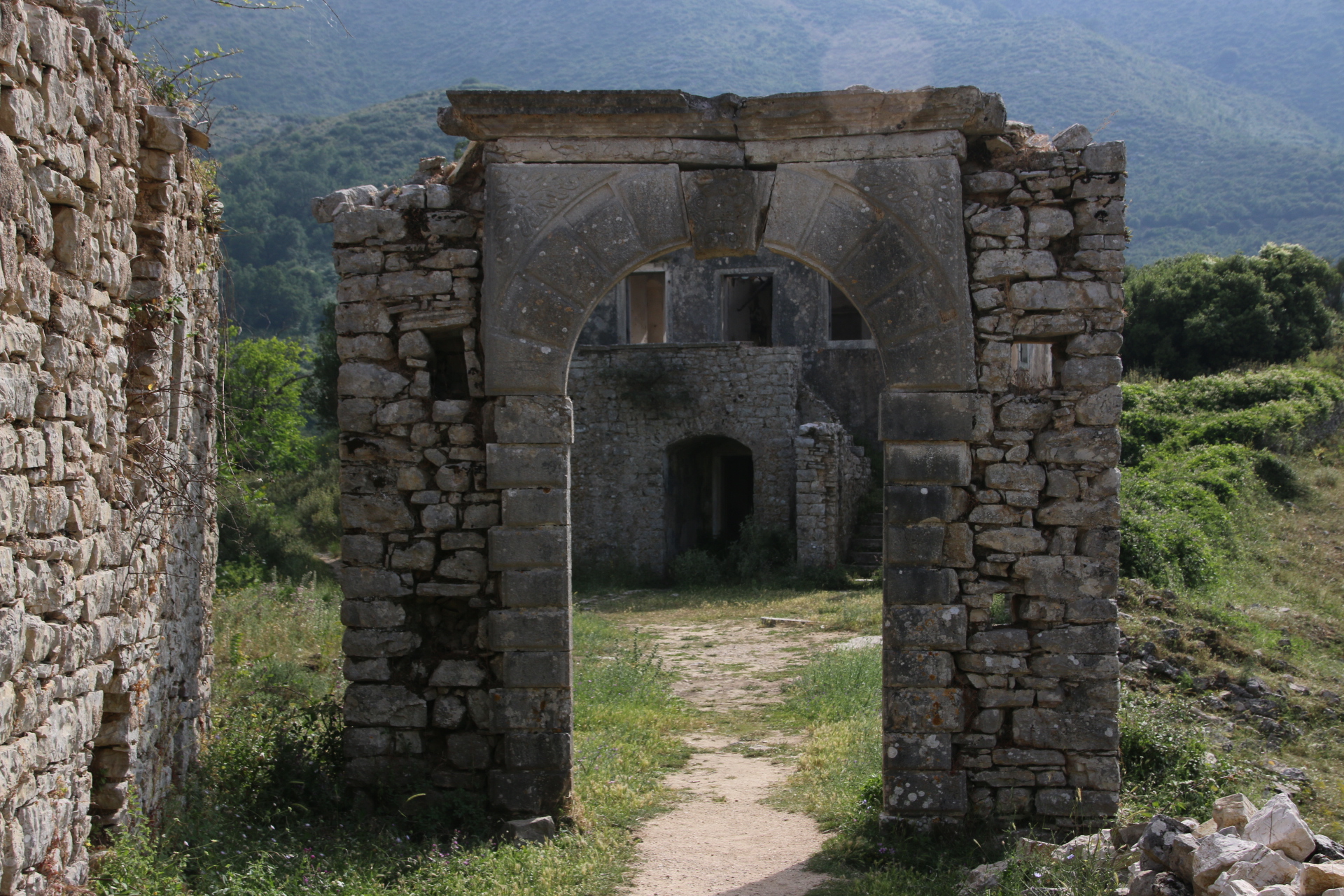
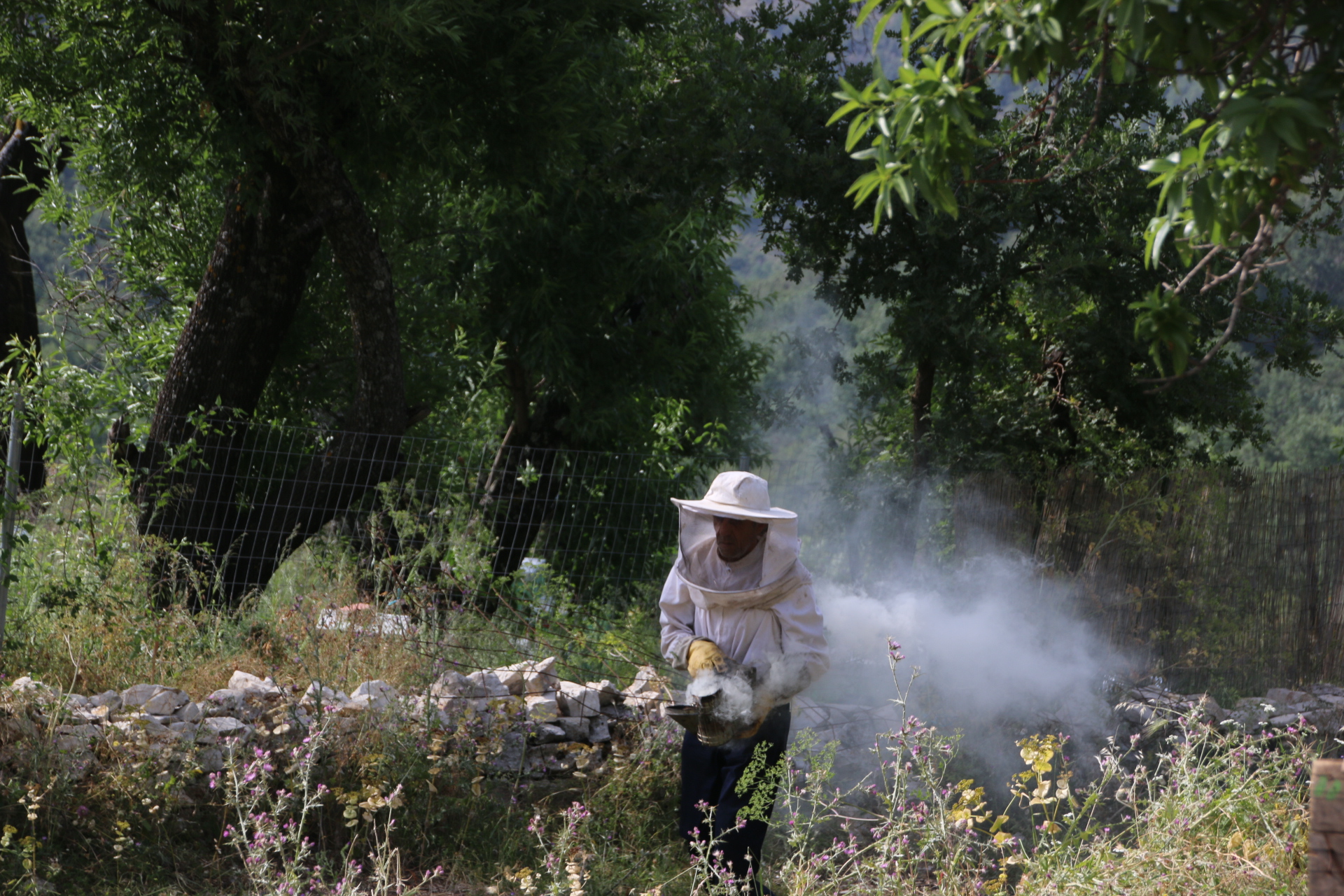
Perithia is a ruined village, dating from the 14th century in the middle of the mountains. Despite the fact that 95% of its 130 dwellings are in ruins there are two ruins for sale and 5 tavernas that are open for business and staffed by the last inhabitants of this rubbled ghost of a village. Quite why there are 5 tavernas operating, I don’t know. Maybe tourist coaches battle up here through the potholes and dust in the high season. The village is famous for producing honey and ….ginger beer!

After a wander in the peace and emptiness, a drink of some pretty average ginger beer (we make it better in the UK) it is back down to dinner on the bay.

Baking in Corfu

This trip to the island of Corfu has taken a while to take off. One reason is that it is so frigging hot. What is wrong with our planet? It is early June and the thermometer gets as high 34° after about 1 o’clock so there is no incentive to get out of the shade and into the sauna of the car to start exploring the island. The first few sorties out have been around Gouvia, where we are staying in a little oasis of green and pool.


Another reason for the slow start is that this is the party area, with lines of bars, eateries passing themselves off as traditional tavernas, minimarkets, apartment blocks. Thank goodness its not high season. It would be rocking with karaoke and pumping happy hours. So I’ve not really had the urge to take any photos as this could be anywhere.


Sadly the whole island is blighted with huge areas of rotting bags of waste along the roads. The islands only landfill site had been closed by the EU as being illegal and there is nowhere to dump the trash so it simple lies there in growing piles of black bags which also reduces the incentive to wander around snapping picturesque images, even if I could find them around here.

So, eventually, braving these elements, we venture further afield to try a beach on the west coast, supposed to be really nice. Paleokastrista consists of a public stoney/sandy beach around a crescent bay lined by low apartment blocks and hotels and high craggy rocks up to low mountain ridges. A couple of smaller bays lie around the corner. Exciting holiday activities are on offer – you can pay for a pair of sunbeds + an umbrella + Wi-Fi, you can hire a speed boat for the day, you can chug with the local fishermen (now no longer netting fish but netting tourists) along the coast for a bit to visit 4 caves in 40 minutes (hmmm), the banana boat is a must, sit in a bar and watch the international tourist enjoy themselves, all under the pong of the huge pile of rubbish in the carpark.


Oh, two images of contradiction – the sign up the hill to the monastery and the hoard of goats that clip down the narrow road, bells ringing and scrotums, or is the plural of scrotum-scroti, swinging, chased by a red faced goat-herder. I think he is in control.

We decide to spend a few hours on the beach and swim in the sea – looks good but freezing. I can’t remember when I last did a beach. Probably when my two girls were of an age. Is it really fun? Find a space on the clinker between the couples and families. Lay out towels which absorb the sand, sit down and lie out (boy, is it a long way down there….and even further to get up again, grunting and swiveling and pushing, trying to avoid pulling something), sand covers every patch of oiled, sweaty body wether it comes from leaning outside the towel, the shaken towel from neighbours or the bathers as they pass. Fun? Na. Backache, sore elbows, sand in every crack, fold, orifice. You can’t read without breaking your back or cracking your neck,  every time you want to drink you have to sit up, gulp, flop down. It is just so much hard work. So you simply watch the beach and think how daft all this is.

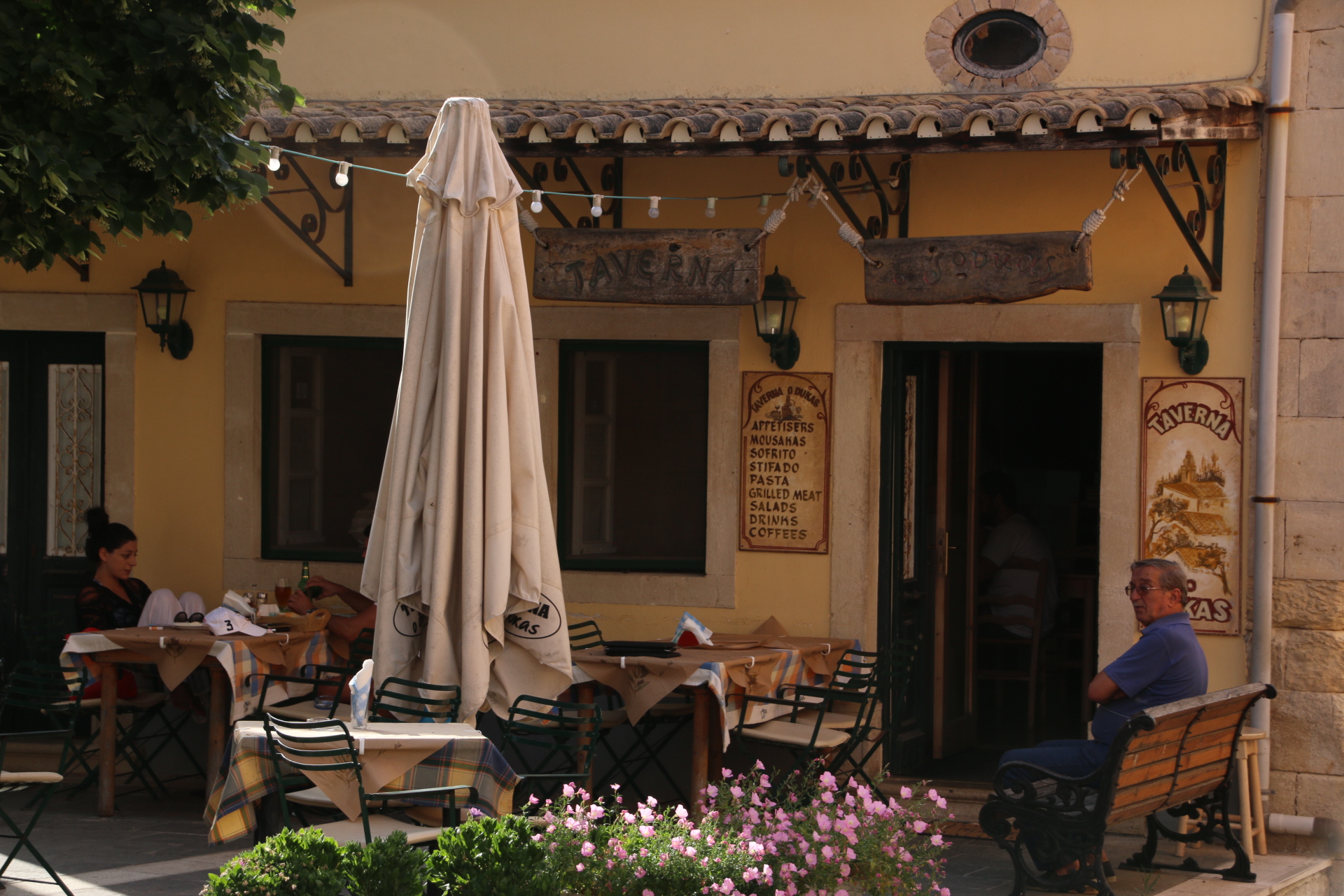
The saving grace comes on the way home with an instinctive diversion into the mountains to find the traditional village of Doukas and the amazing Taverna Dukas with papa serving and mama cooking. Lamb casserole to die for, beef stefano to fall for, a cheap half litre of red and homemade yogurt with strawberry sauce on the house. My faith has been restored.

A couple of extra places at the mouth of the Tyne; Tynemouth!!

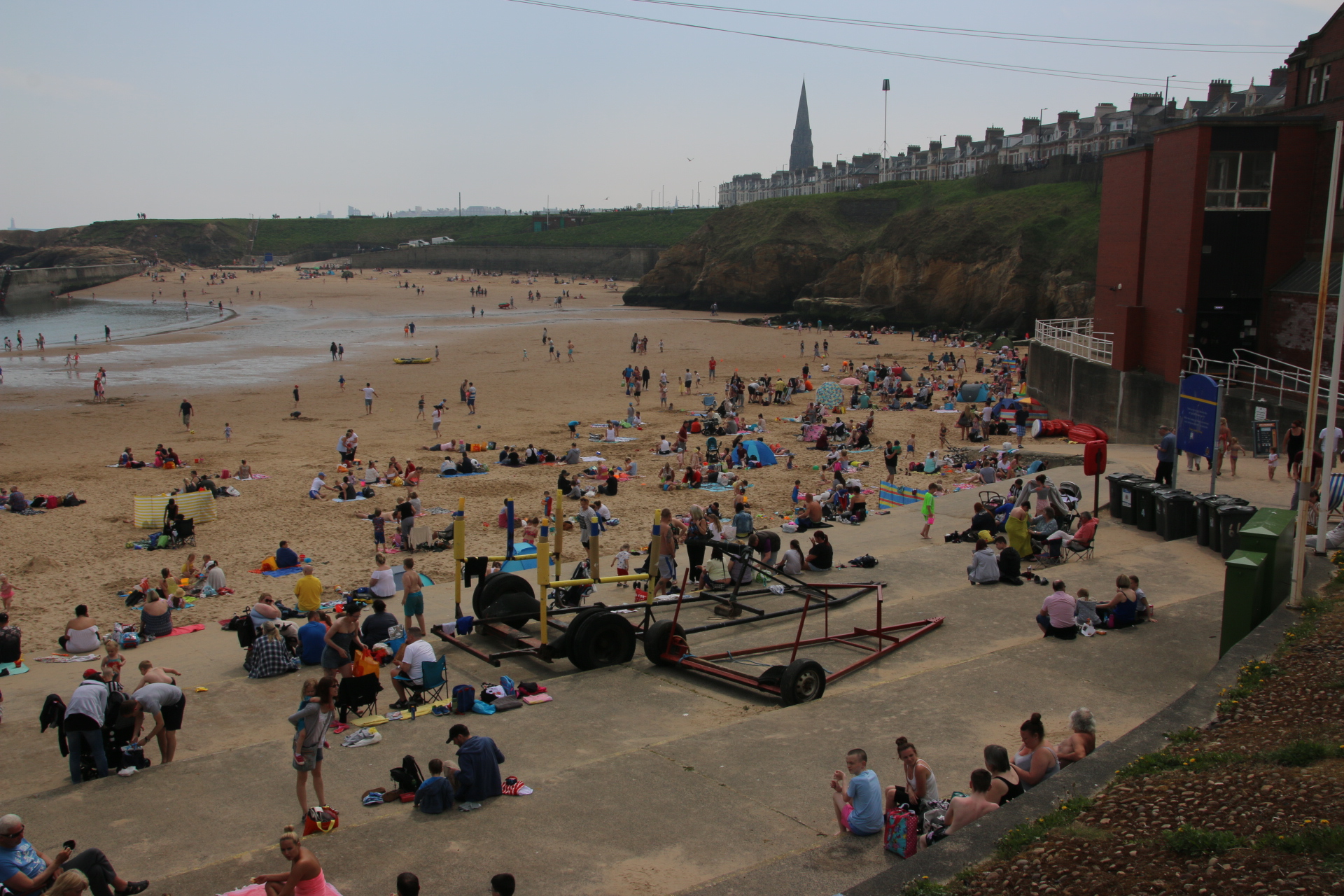
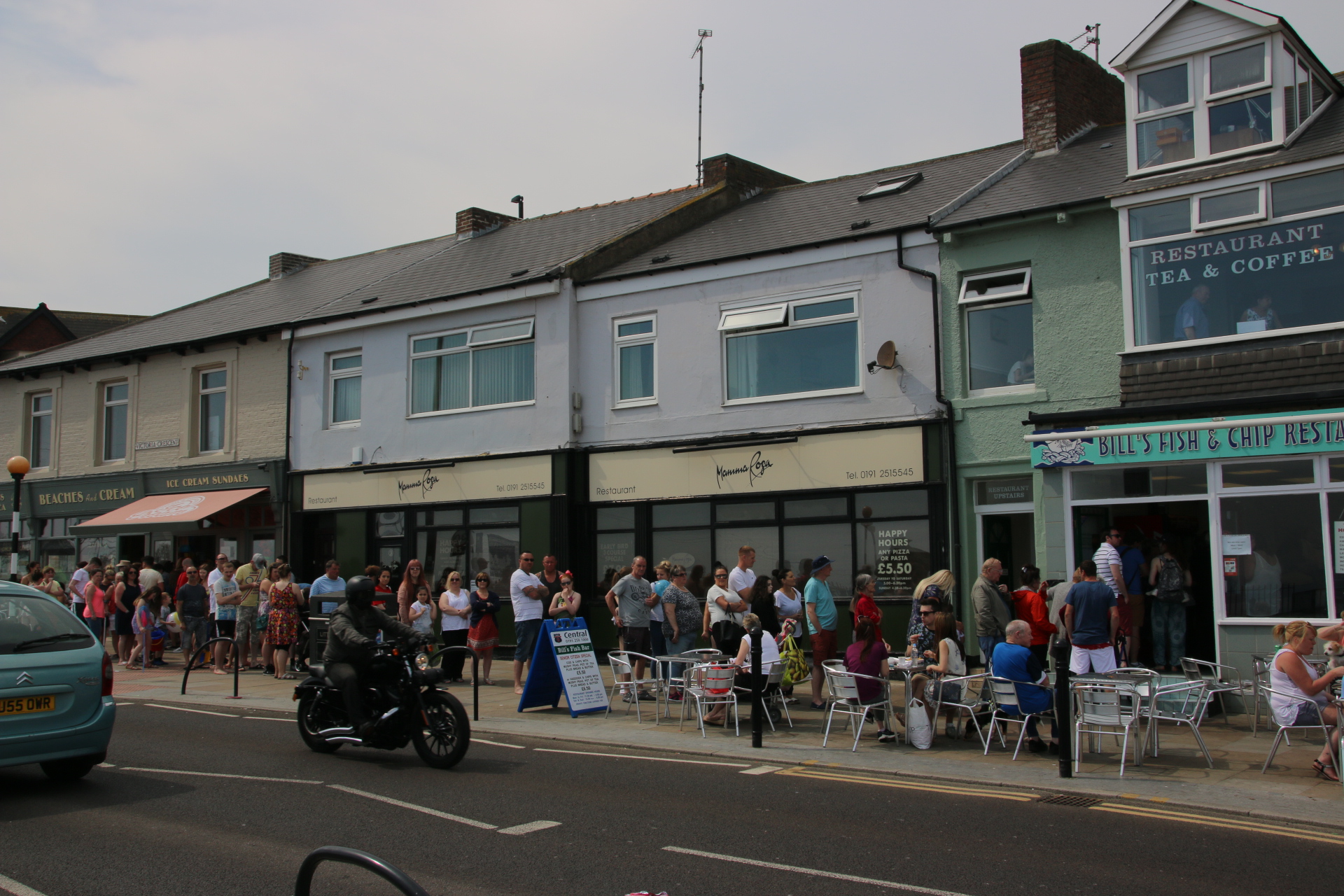
I had to just include these places as I have heard about each of them but I have never visited them. Cullercoats is definitely on the coast and during any hot period is a convoy of cars in each direction along the coast road. Cute, scruffy dogs are the necessary accompanment to very tattooed guys and gals promanarding their way to the beach. I think the queue to the fish and chip was the most impressive sight of the morning. This one is no exception. Every one has a queue like this or longer and its only 1130.

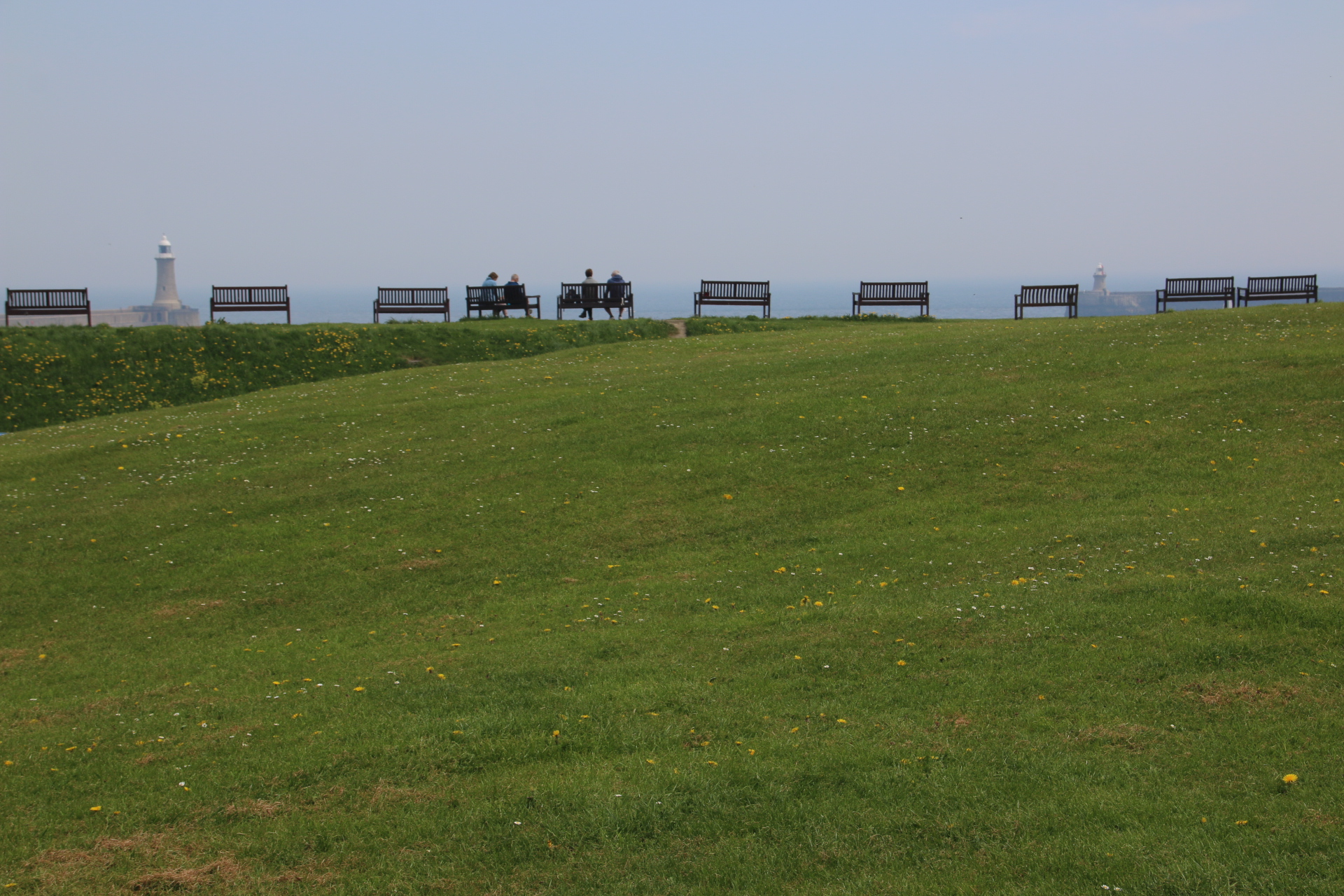
Next is Tynemouth with the ruins of another priory high on the cliffs between its two beaches.

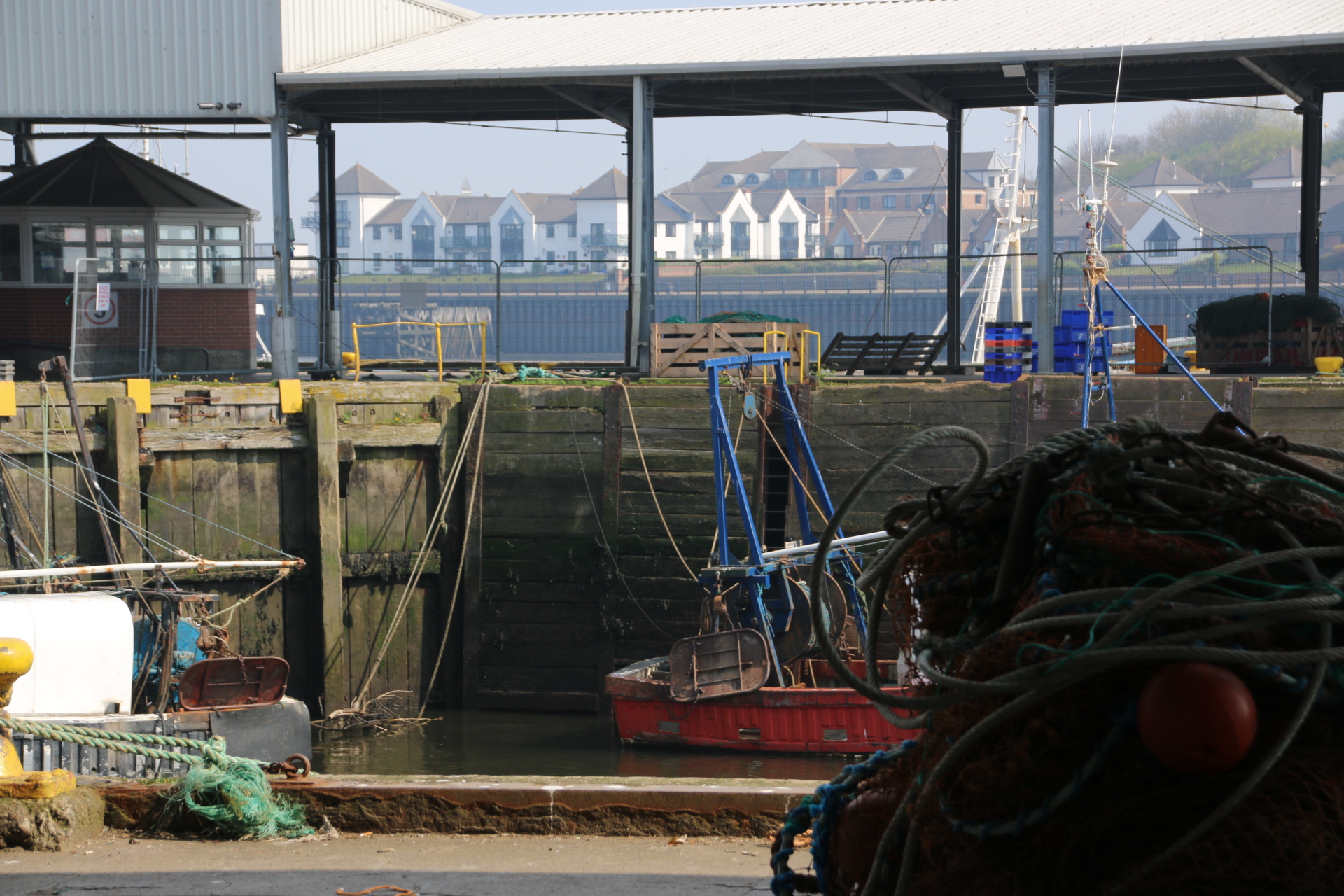
Then a walk around the headland leads to North Shields which looks across the Tyne to South Shields.

I like this architect’s house and office with windows designed for a Ford Transit.

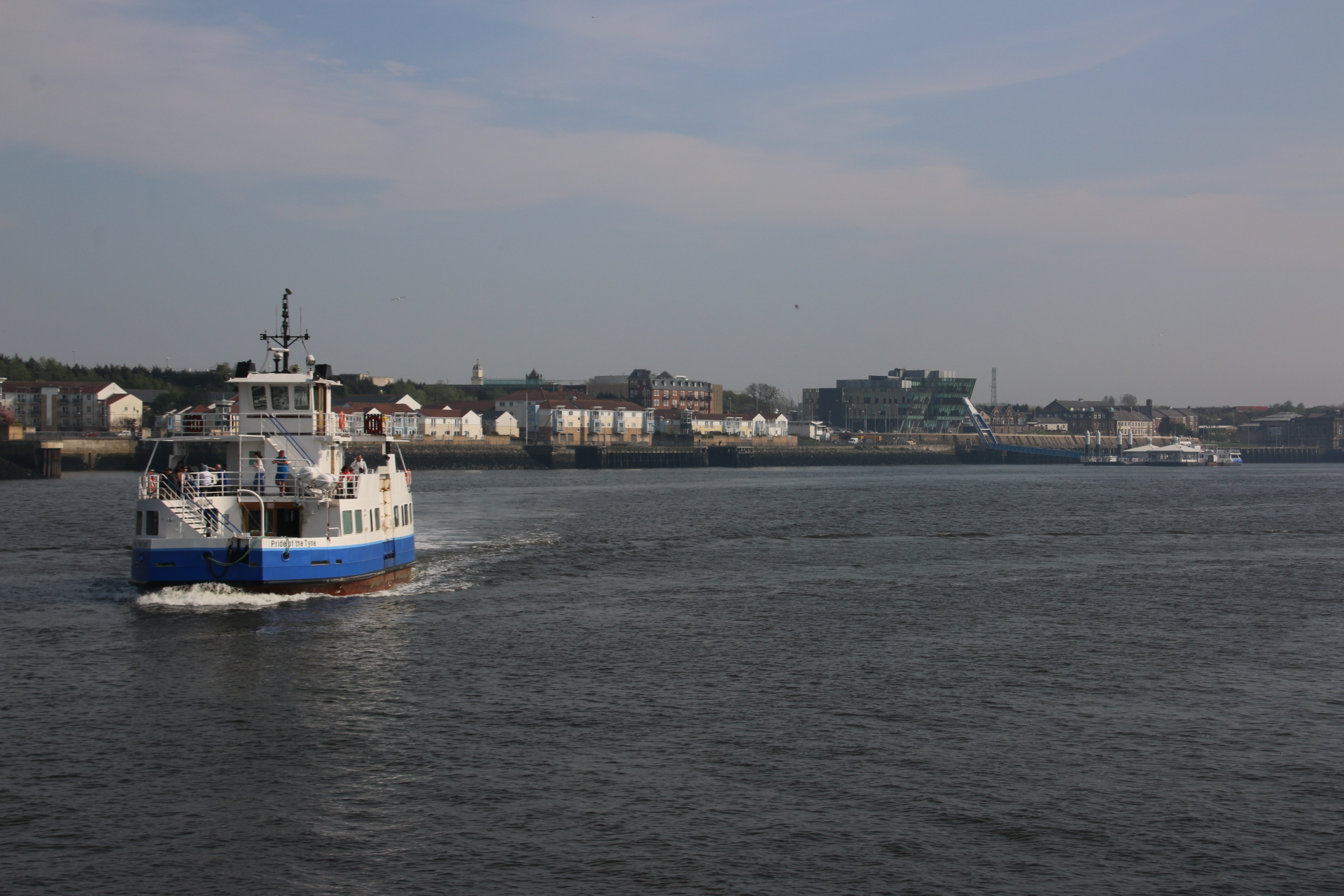
Now the ferry to South Shields and images of Newcastle, only cause I never been there. Am impressed.

So, home tomorrow via the Yorkshire National Park. Should be good.

The last leg of the east coast up to Berwick-upon-Tweed

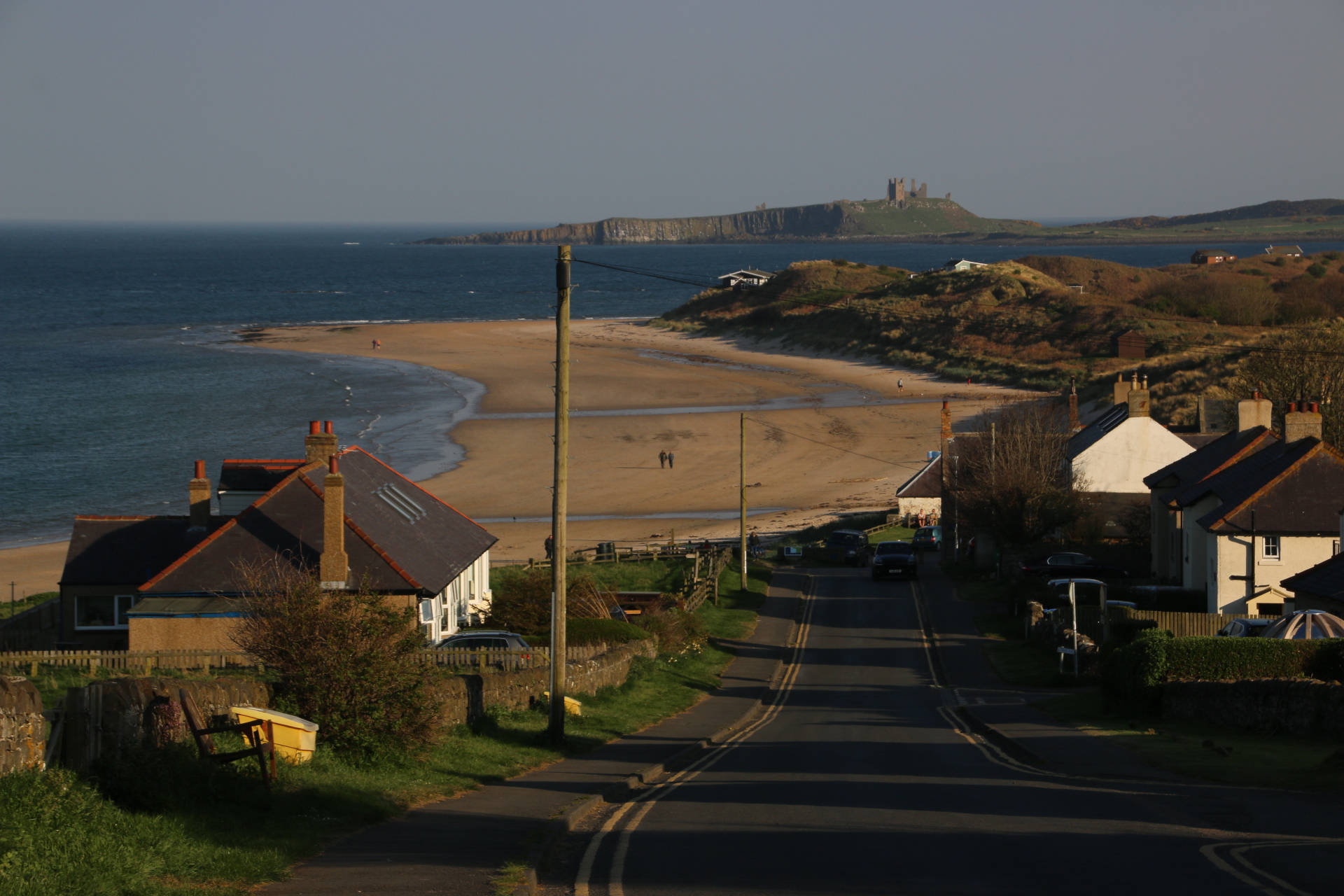
Oh boy, the last leg of this wonderous east coast is not to be missed. 3 screaming nugggets never to be missed. I’ll start you’ll off gently. Firstly we’ll look back to yesterday’s castle ruins across the bay from Low Newton-by-the-Sea. There is a High one too but the view is not so good.

Along coast is the glamorous, or not so glamorous, depending on your point of view, town and working harbour of Seahouses, overlooked by a layered ring of grey terraces and two pubs on the hill, with little heads poking over the top of WWI trenches, appearing from their trestled tables with pints in hand, ready to go over the top.

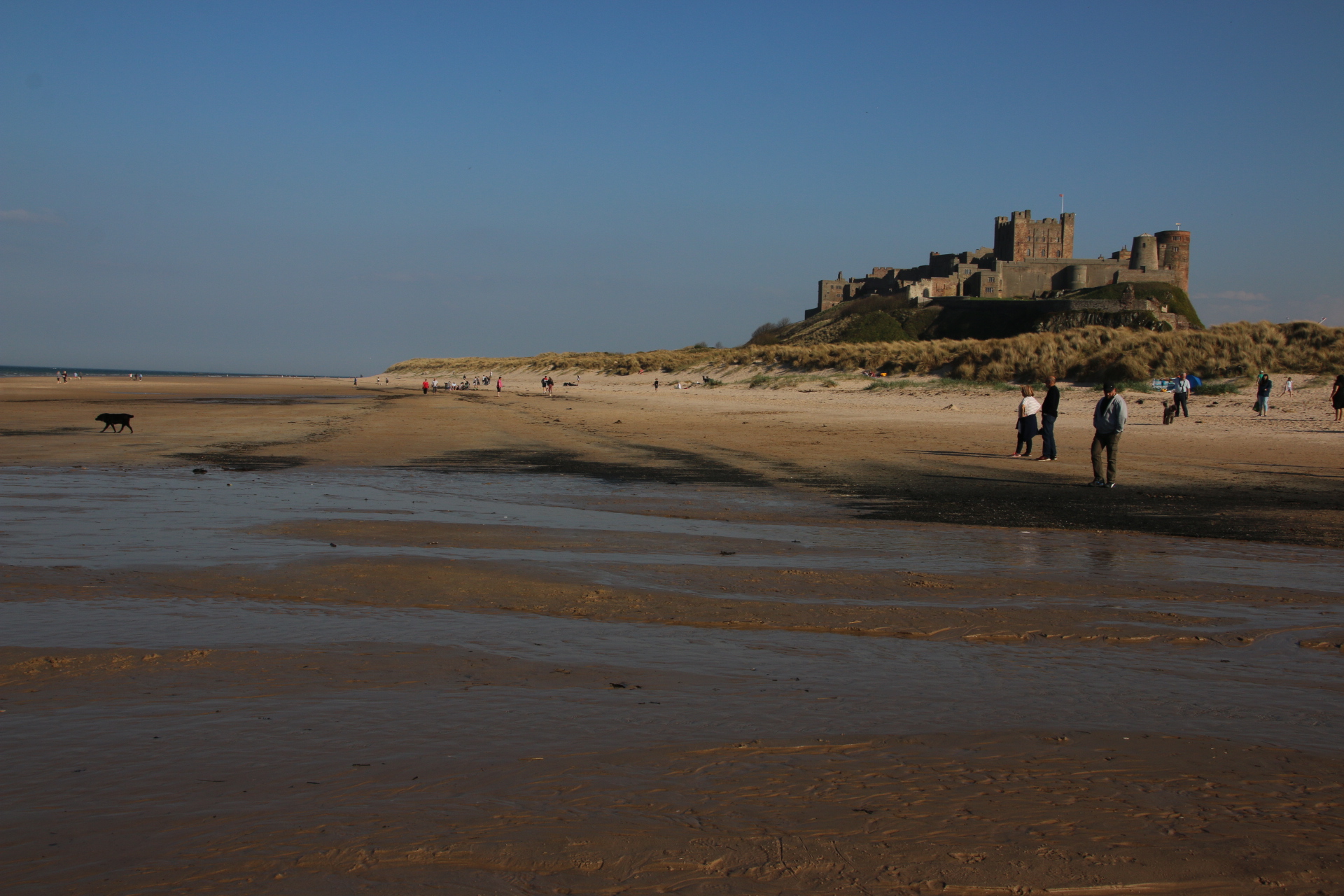
The first gem is Bamburgh Castle. This is not a ruin but a well maintained, and very expensive, Victorian tribute to past glories – to Saxon defences against the Vikings, although it can’t have been that effective as it was destroyed by the horned invader in 993, to Norman invasion, they built a new castle here and to big families and governors of Northumberland who live there to this day.

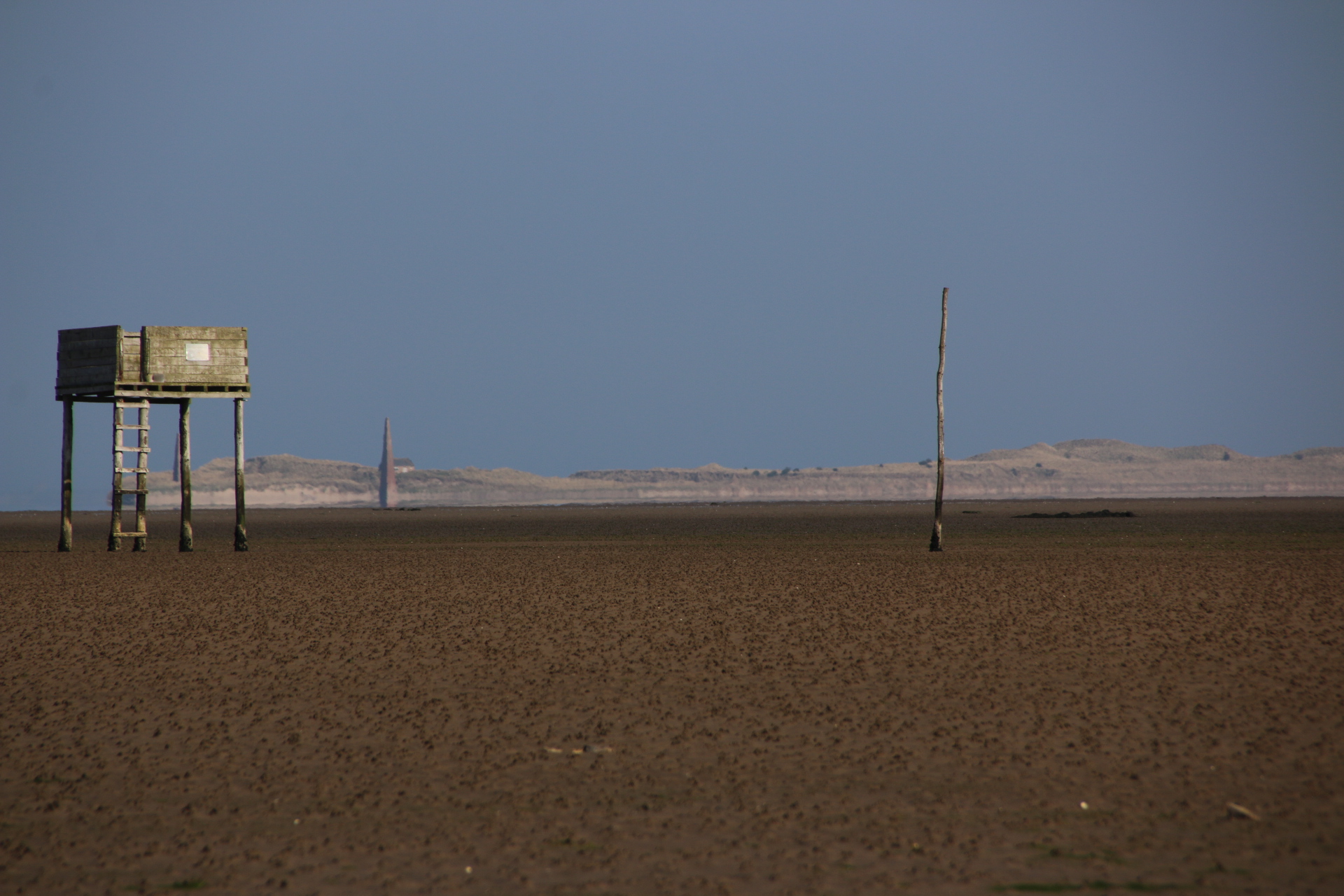
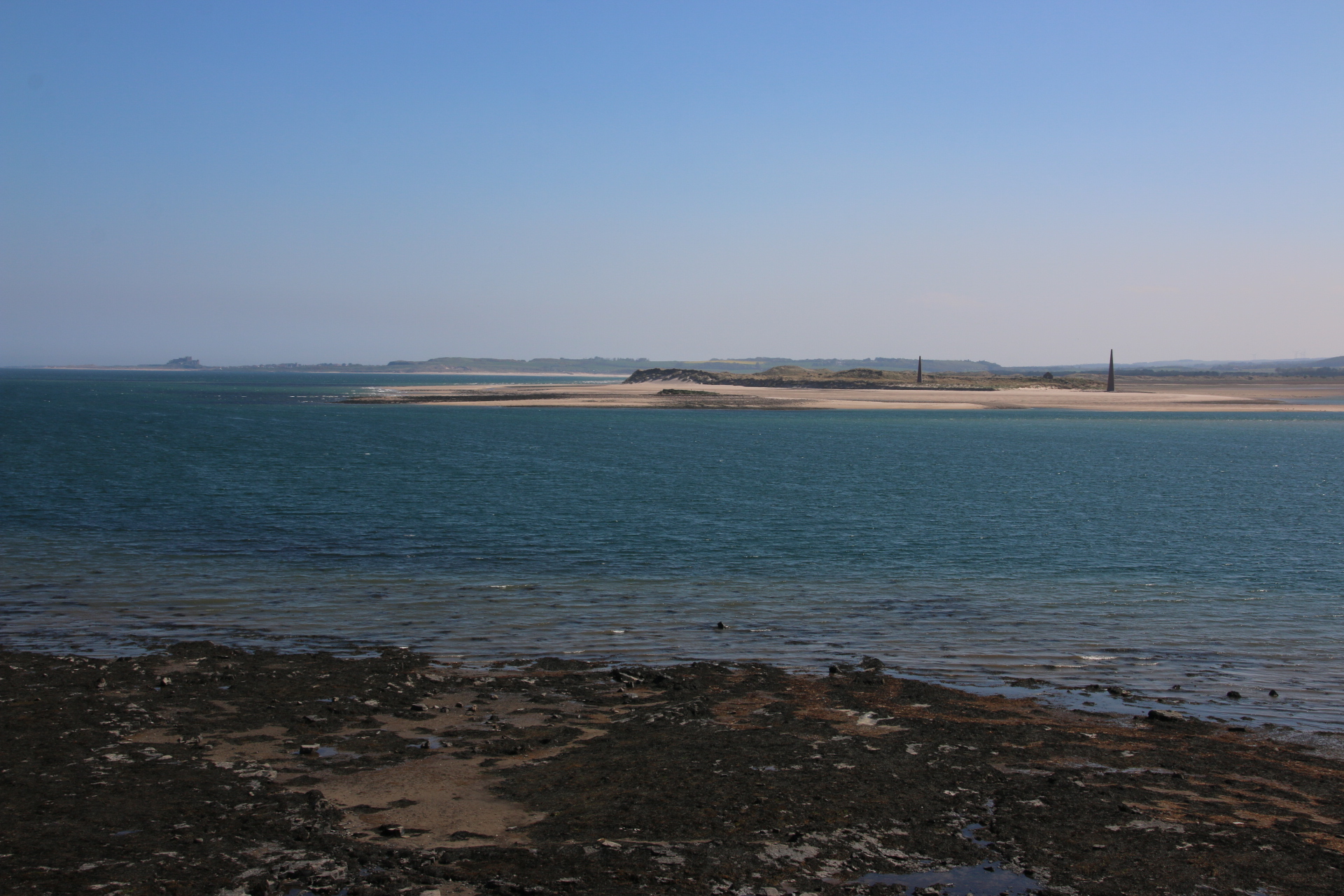
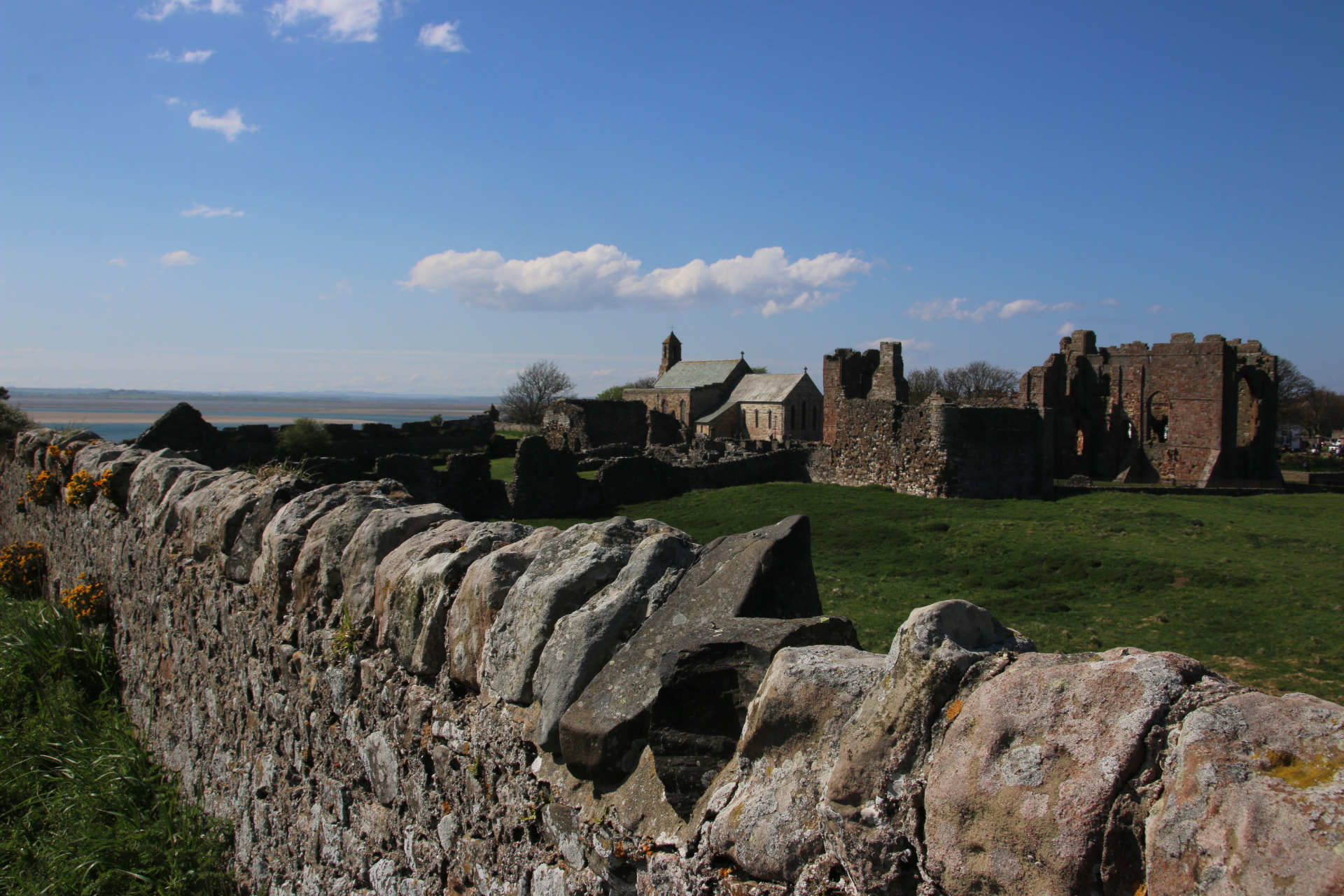
The Holy island of Lindisfarne is best appreciated from a distance. Getting too close means that you have to rub shoulders with thousands of the hoy poloy who trog around its lanes and paths disrupting any spiritual essence that might have remained from the ruins of the priory and the newer church. A word of warning – always check the tide tables before setting out over the causeway, The setting is completely surreal. The vehicles form a caravan through the boggy sands of the Lindisfarne desert to reach the oasis of land in the turmoil of the surrounding waters.

Looking back across the sands is just as impressive.

The castle stands secure in its security blankets of scaffolding and plastic.

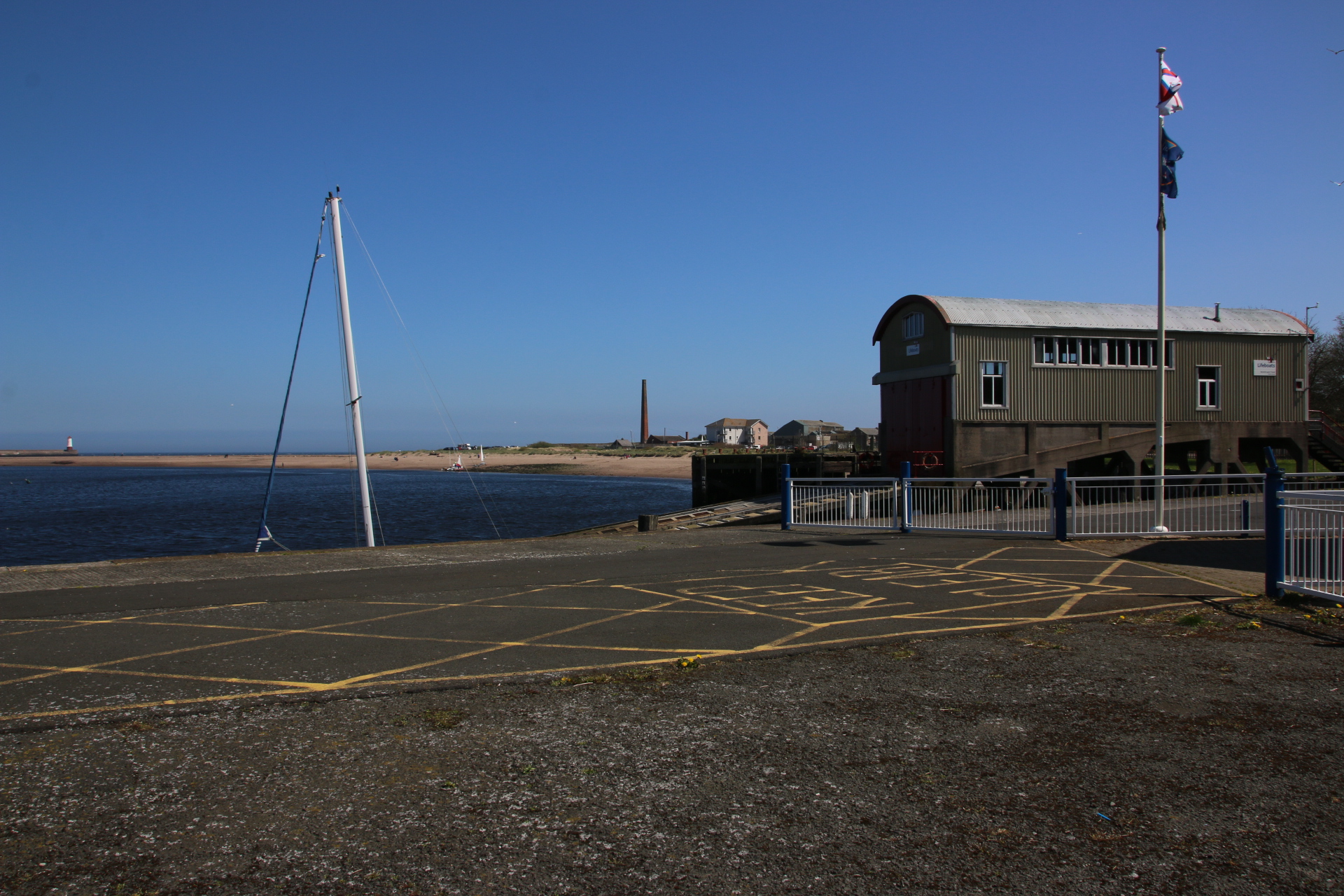
Spittal, on the south bank of the Tweed, is a marker for Berwick on the south.

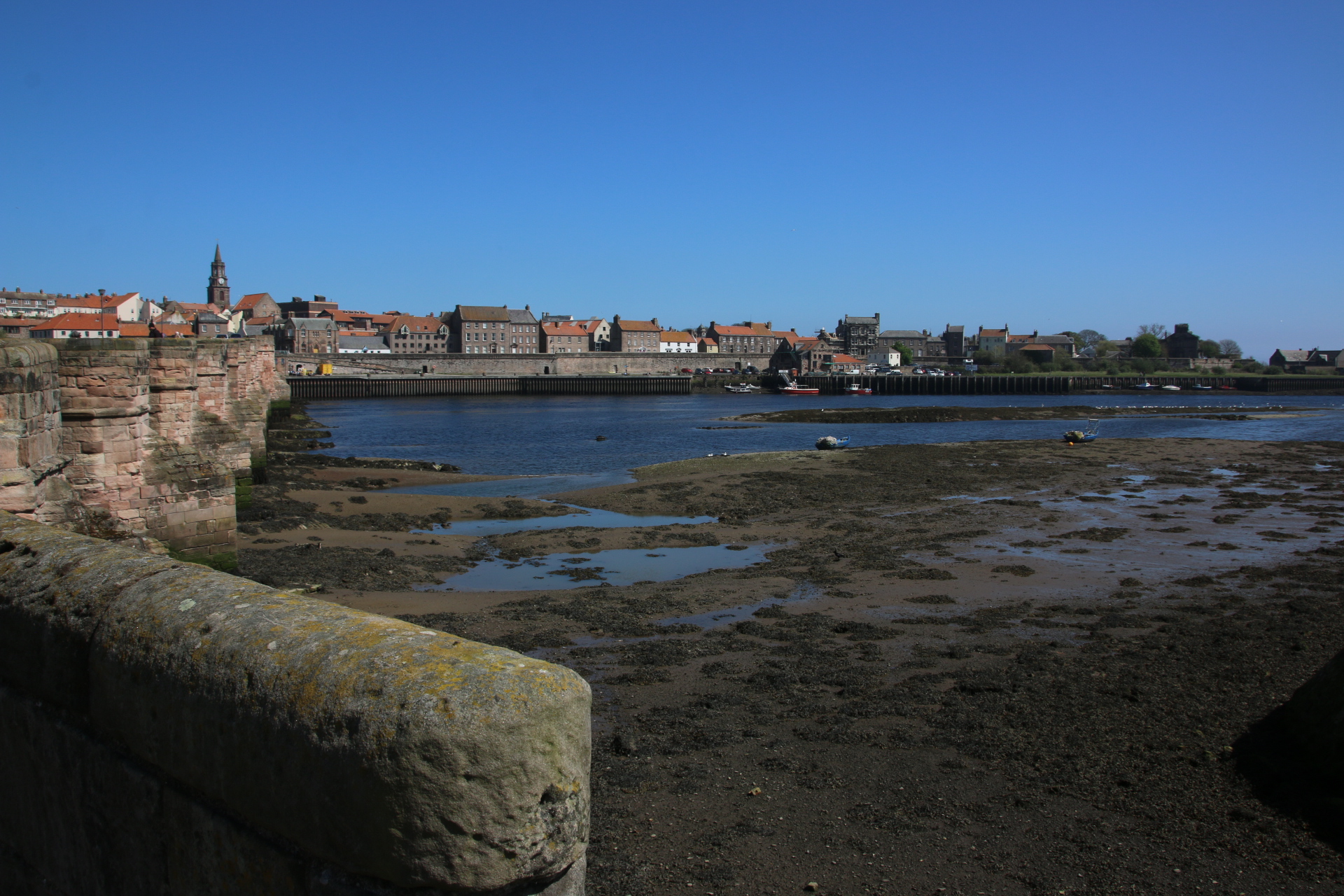
Finally, I reach Berwick-upon-Tweed, occupied by the English & the Scotts equally and full of history and intrigue. The final settlement of any size before the border and surrounded by holiday caravans, it oozes granite history and industry. A town worthy of accolades from both countries.

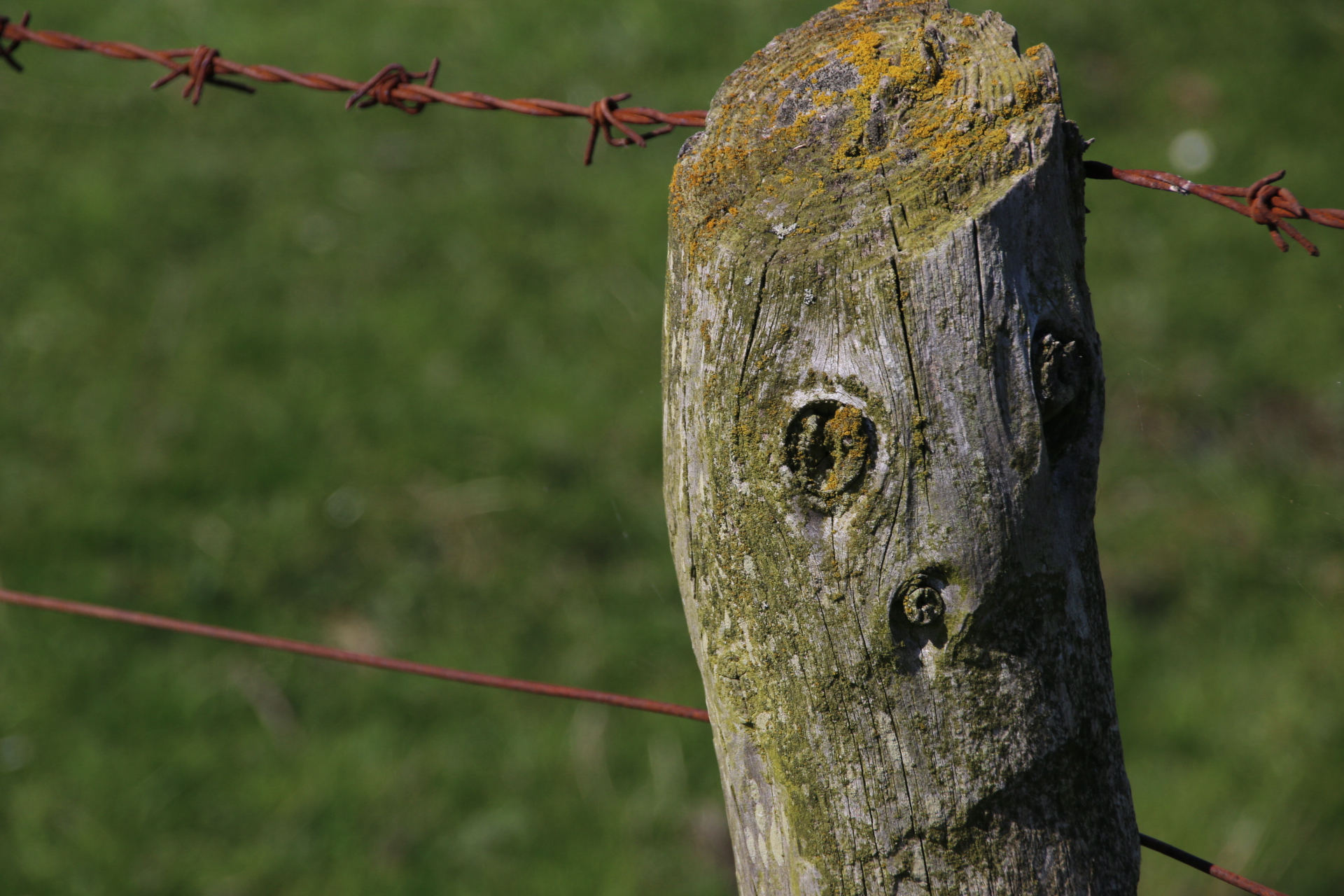
Finally, I leave you with this little fella that I met on a barbed wire fence at Goswick.

See you all again soon.


Two ruined castles, some working villages and a magnificent coastline

Boy, is this coastline something or what? I can’t get over it. Miles and miles and miles of glorious, soft sandy beaches that bask under a blue, blue sky, interrupted only by the occasional promontory of tougher rocks that have managed to hold out against the sea’s grinding and relentless erosive powers.

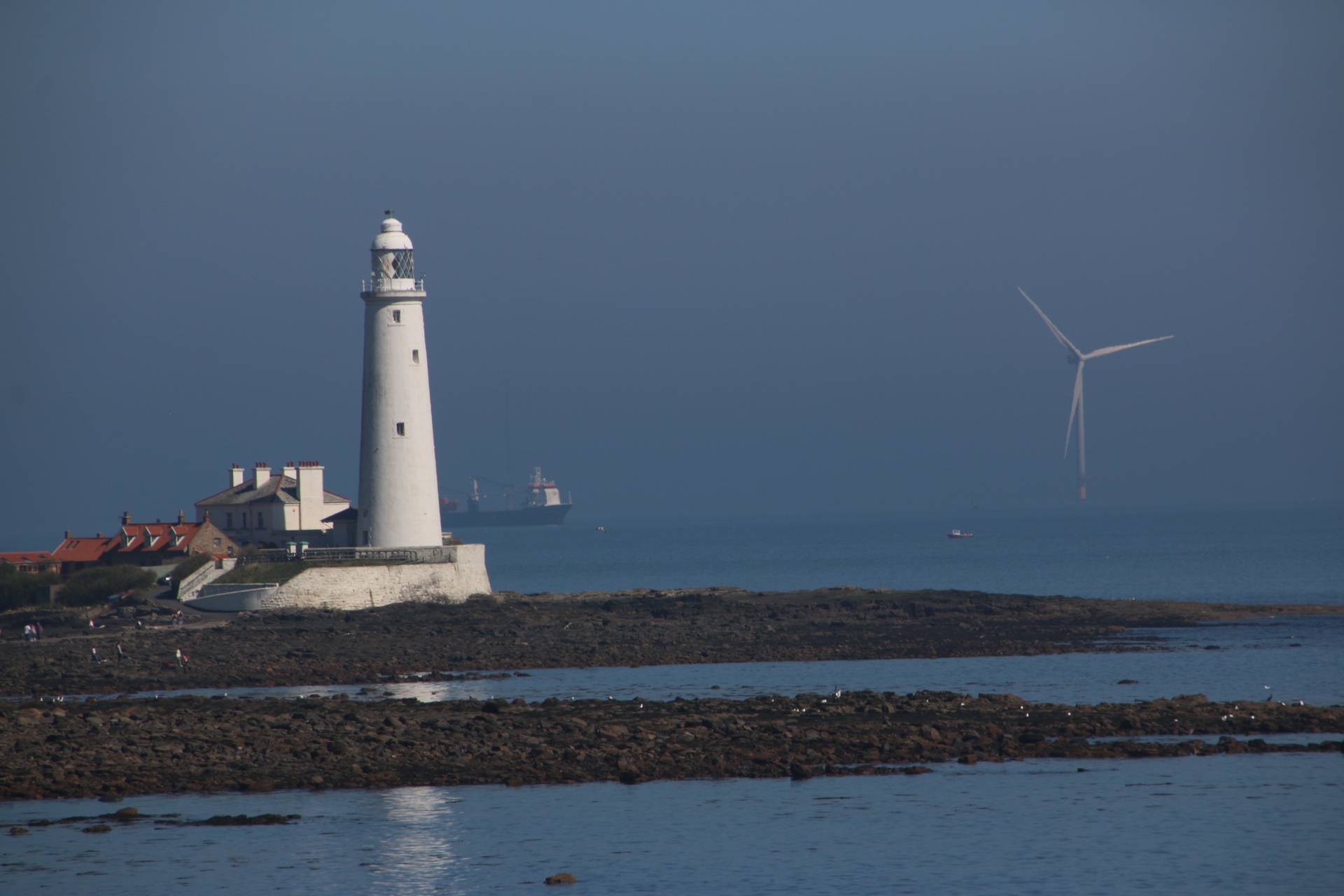
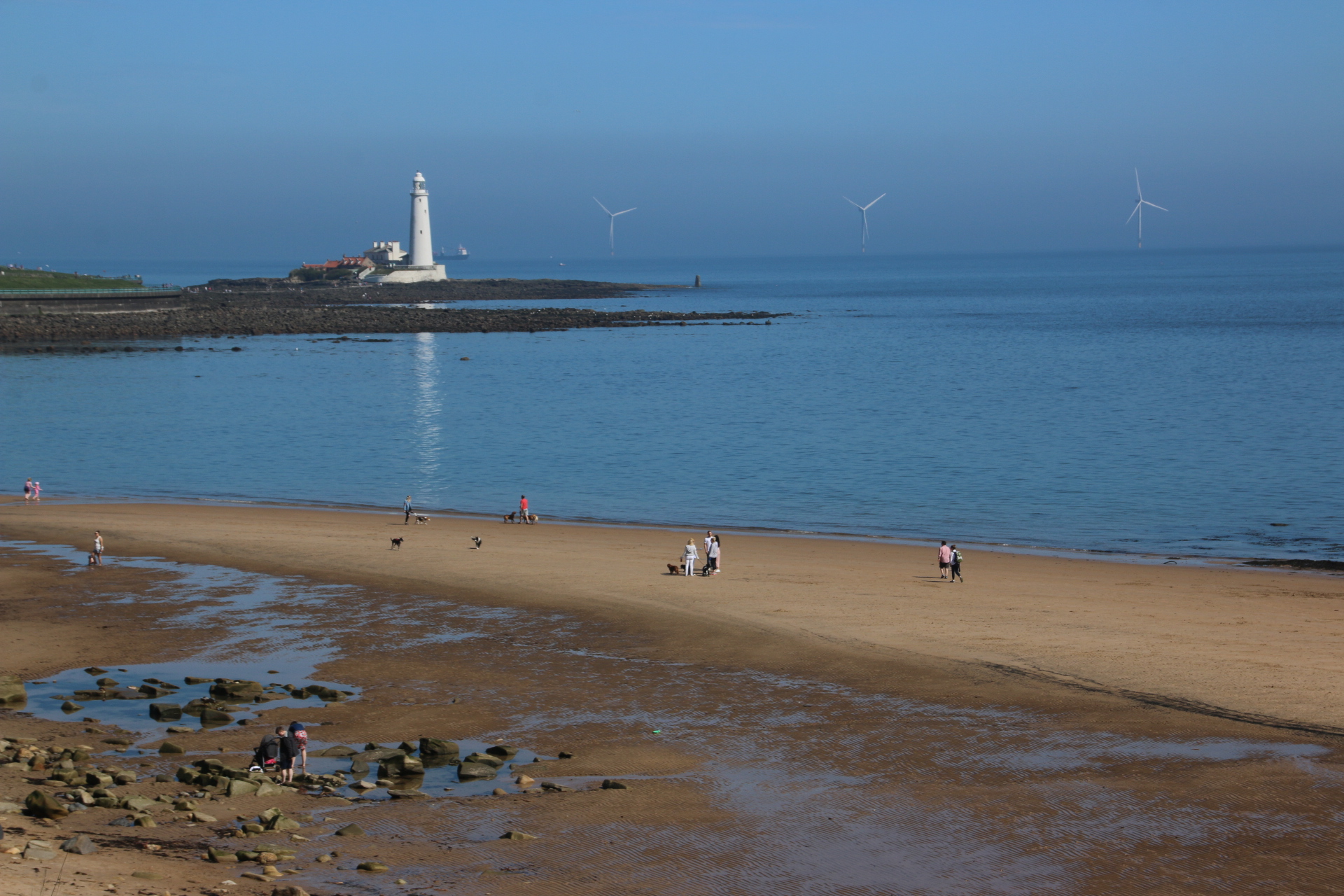
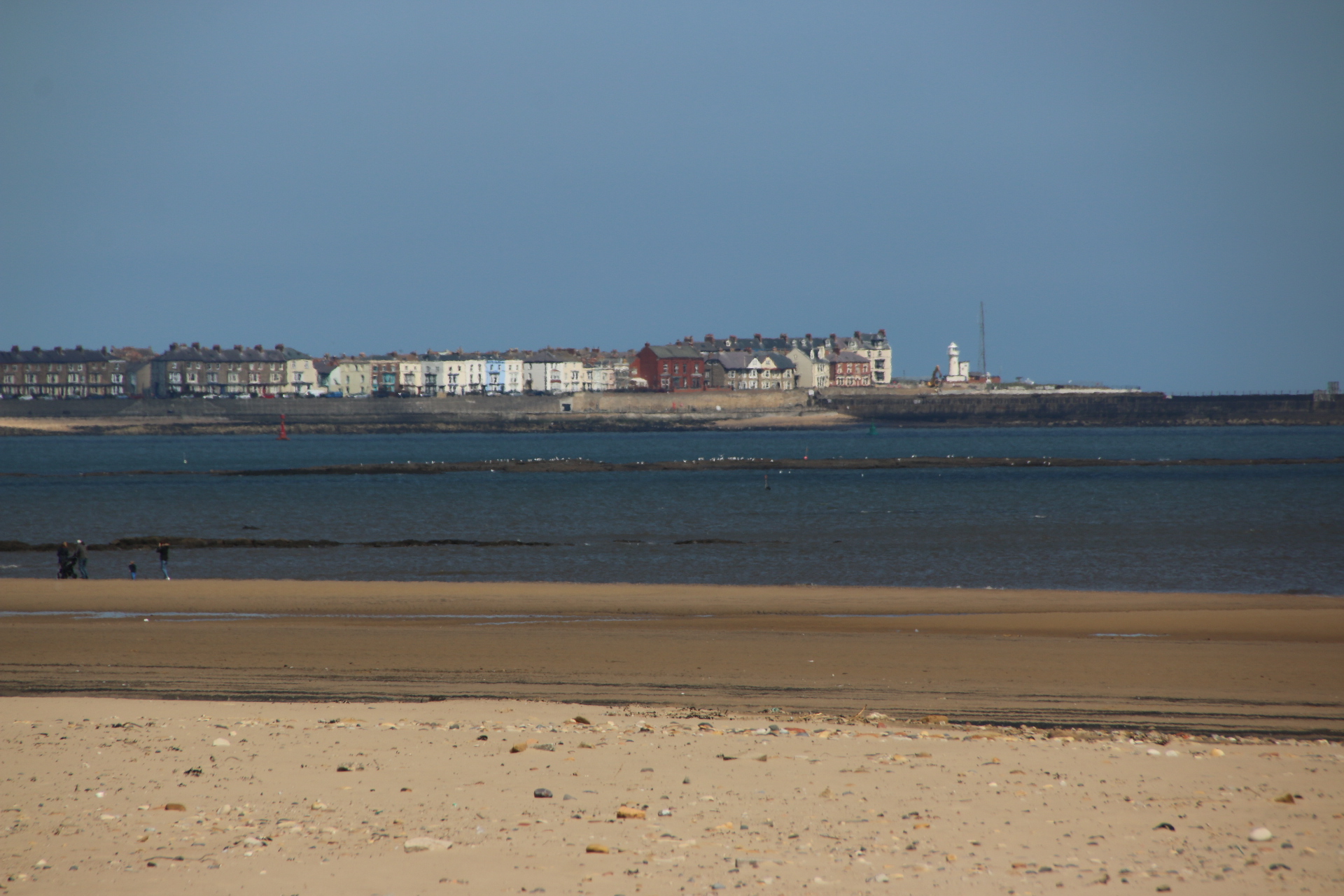
I start off at the top end of Whitley Bay looking across at St Mary’s Lighthouse emerging from the fresh morning haze. The gods have breathed onto a cold pane of glass and as the air warms it breathes away into the ether leaving the white silhouette standing clear and precise.

Blyth is a working port. Huge coils of subterranean wiring are stored on quaysides, ready to be laid under vast oceans to link continents with modern technology. By huge, I mean huge. The coils are 10 metres in diameter and require colossal spindles to slowly unravel them.

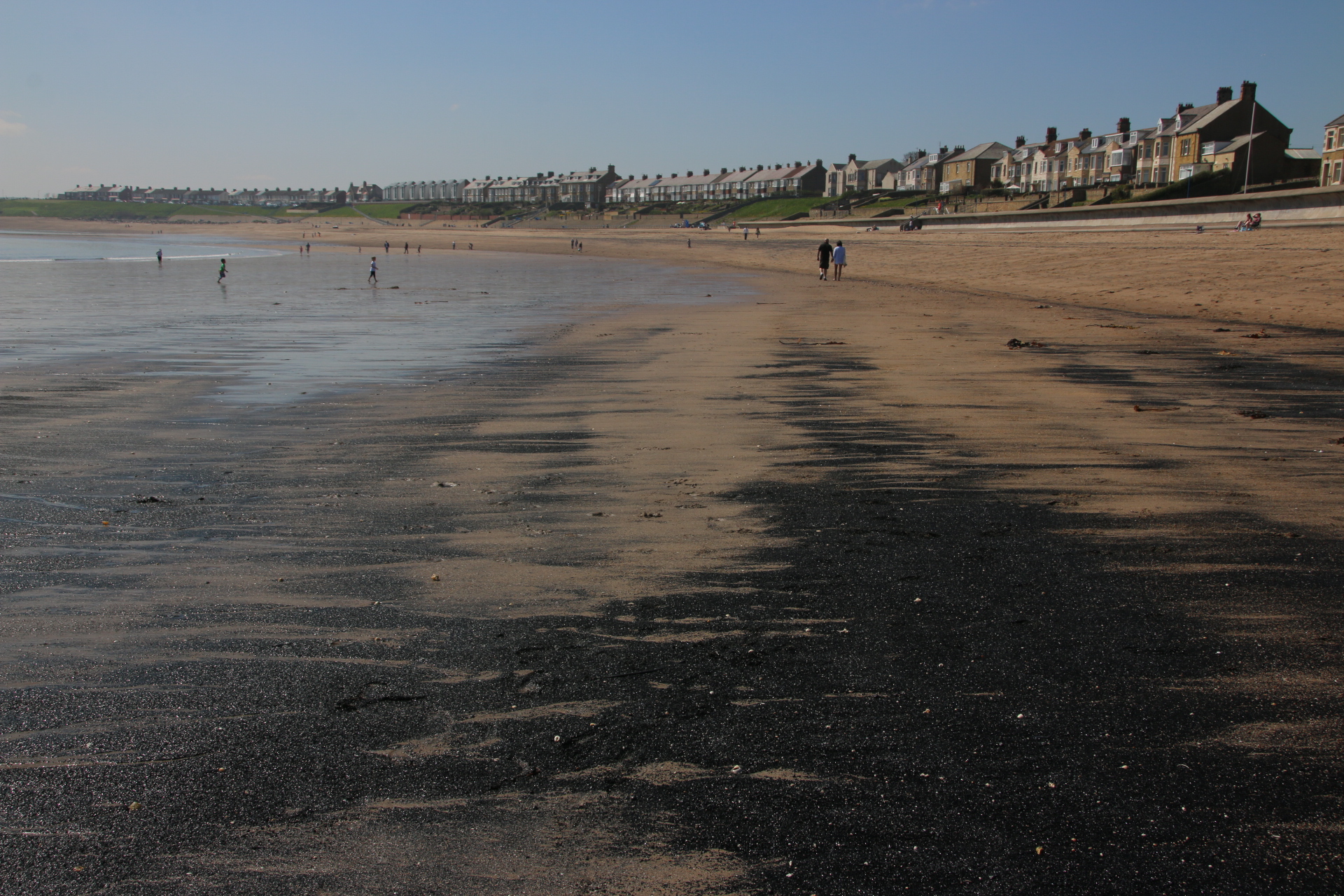
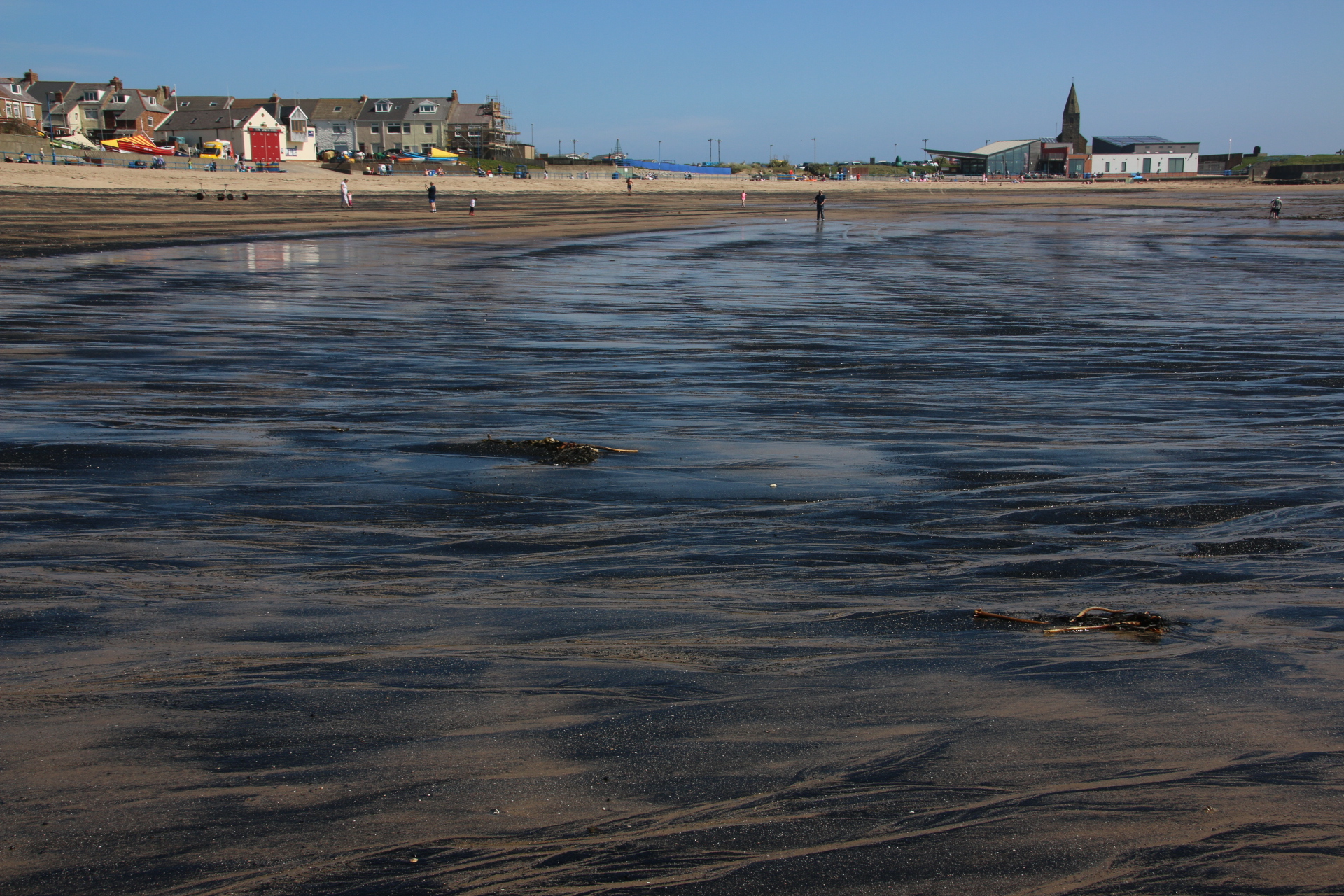
Newbiggin-by-the-Sea has a lovely natural curve of high sea defences which overlook an installation, the Couple Sculpture, a guy and a girl standing high on a scaffold looking out to sea. Arcs of coal on the beach are clues to the area’s geology and history.

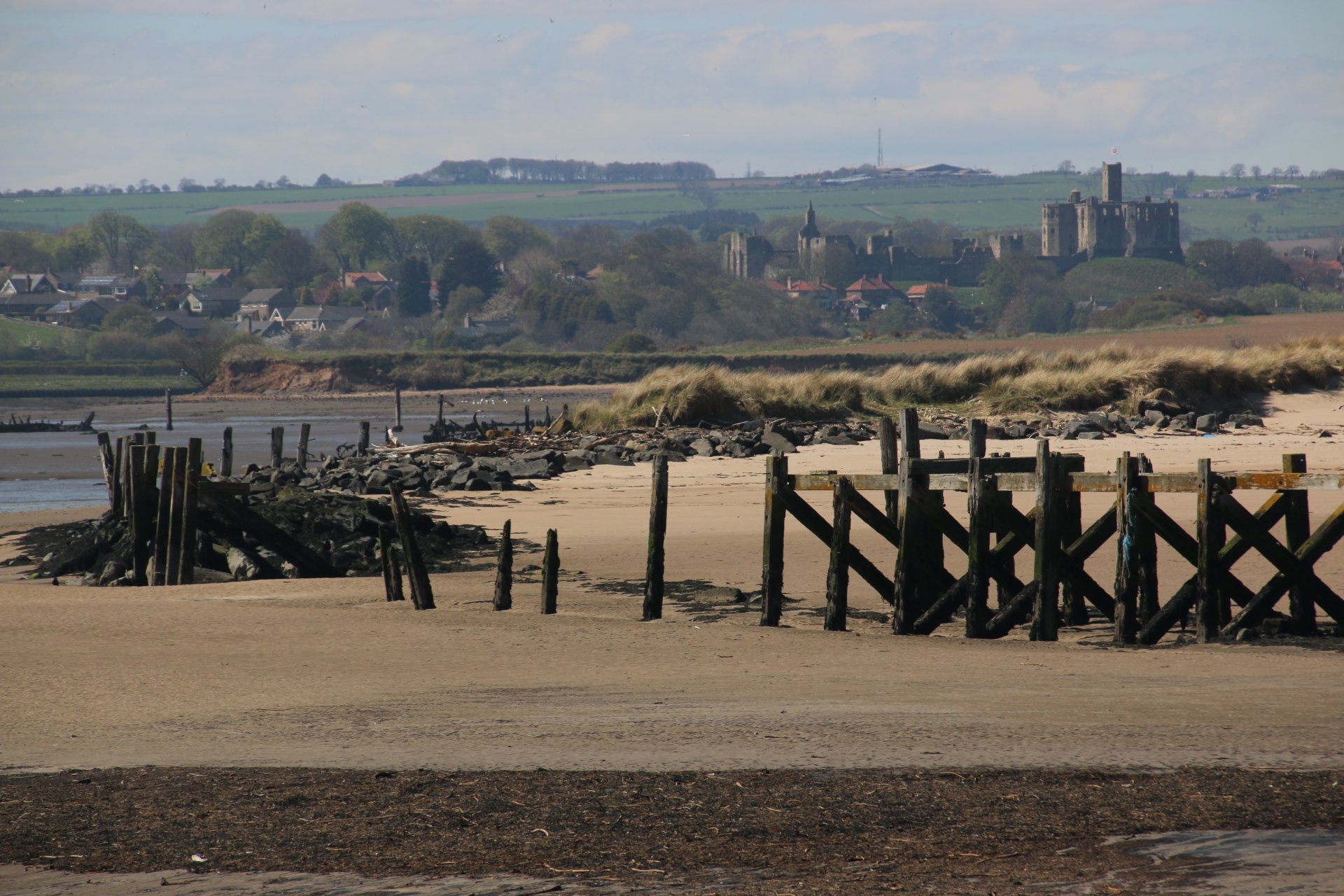
Ambling around Amble is a delight. This is an old working port with ancient timbers marking the skeleton of old wharves and medieval docks and quays. Around the tributary of the river the ruins of Warkworth Castle still stand guard over access inland.

The day ends with two working villages that I love. Both are scruffy, tatty and honest in the paraphernalia that lies about the place. First is Boulter.

Casper’s harbour lies almost empty, waiting for vessels to give it a purpose.

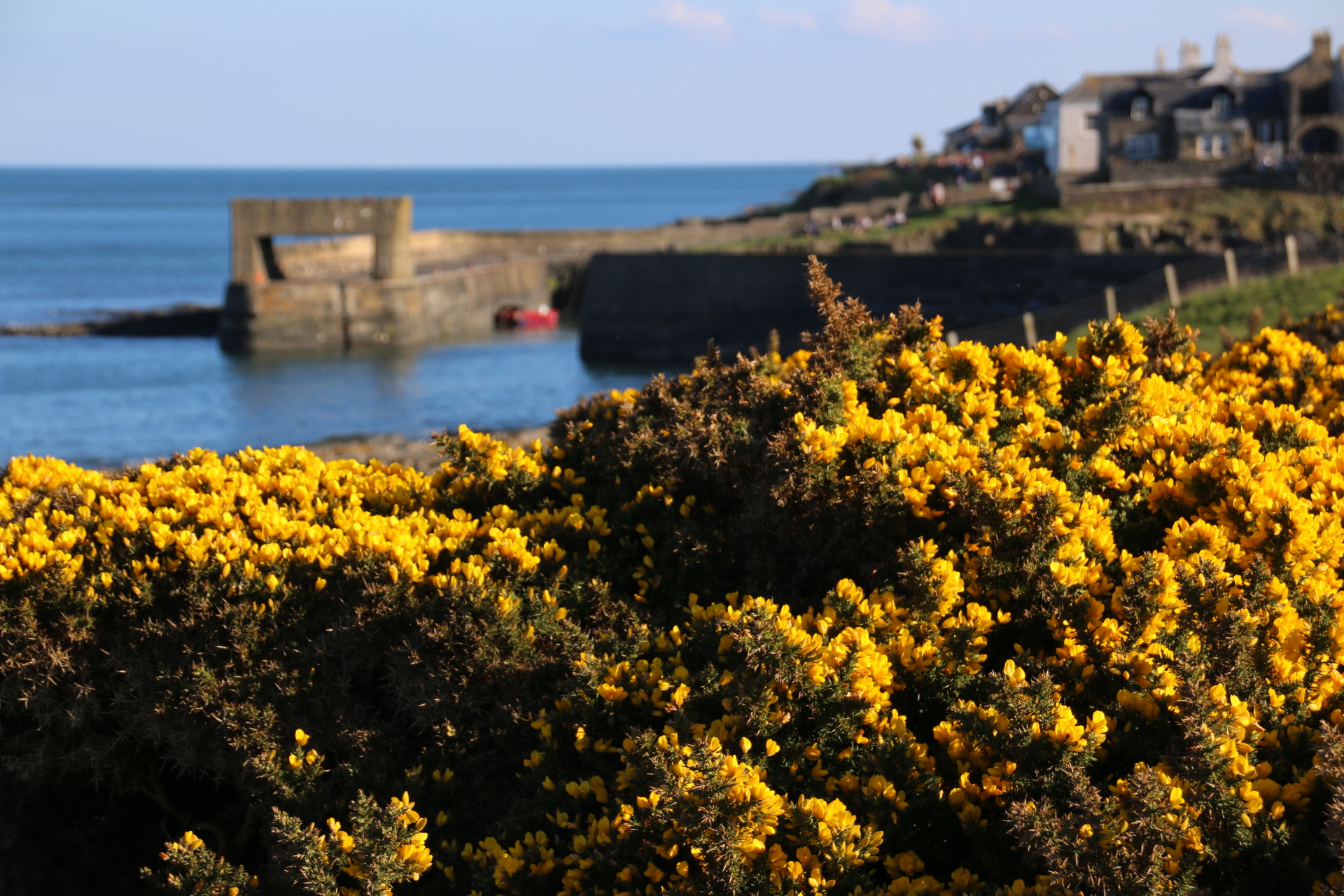
Oh, yes. Across, through the islands of yellow gorse, the ruins of 14th century Dunstanburgh Castle spread out across the sheep grazed grass top of the headland.


The amazing crossing that is the Tees Transporter Bridge at Middlesbrough

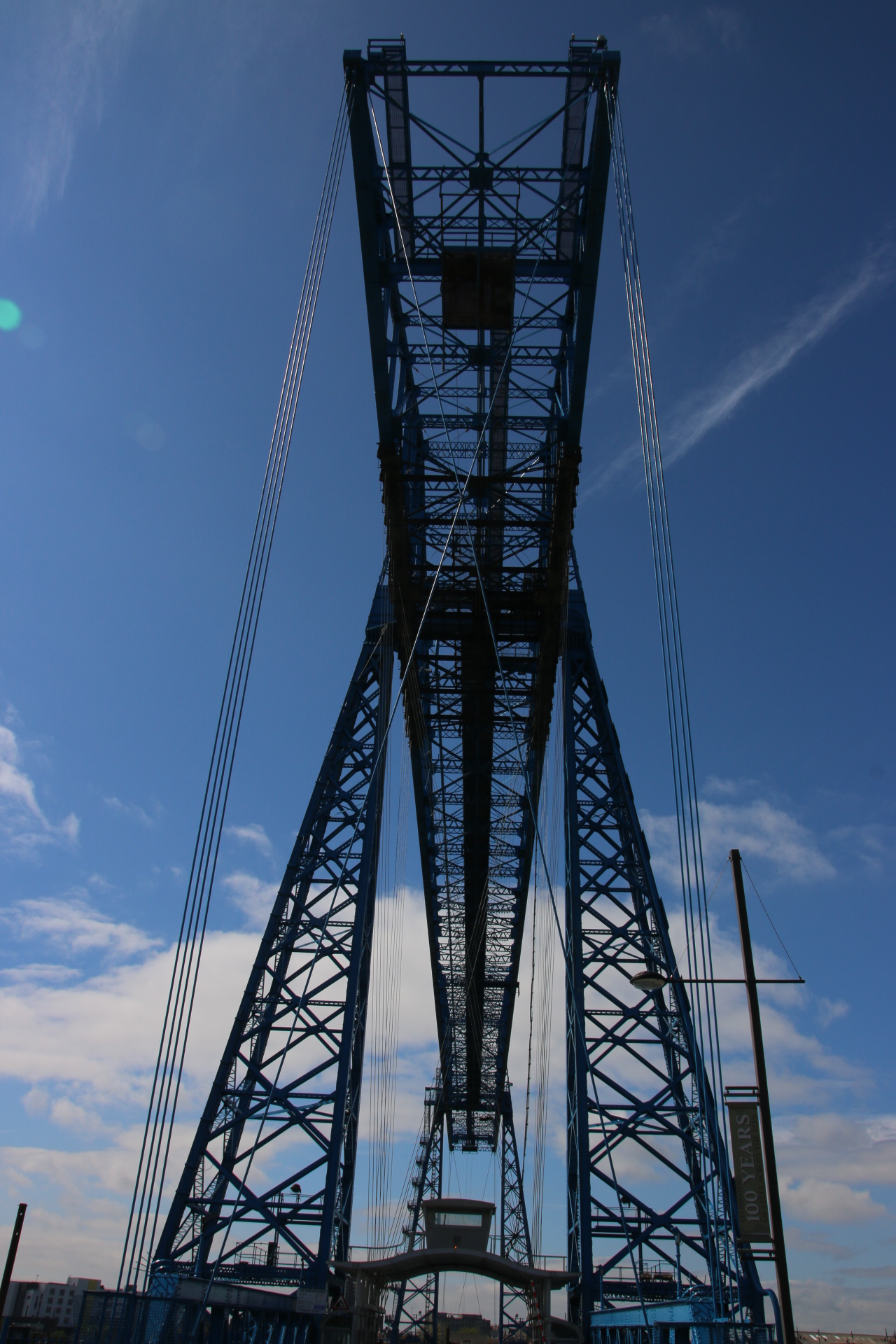
This is the most amazing feat of engineering built in 1911 as a crazy gantry to replace the crowded ferries that transported workers across the river to work in the factories and steel works across on the other side. Now vehicles and pedestrians are swung across the waters, suspended underneath the rolling gantry by 30 wires. Absolutely amazing.

Most of the coast north of the Tees is flat scruffy marshland with barriered roads leading to industrial plants, power stations, chemical works and this wreckers yard.

Once you get to Seaton and Hartlepool, yes Hartlepool, it all changes. Wonderful sandy beaches run in front of amusement arcades and candy floss sellers competing with all day fish and chips shops and guest houses. This stretch is real holiday coastline country. First is Seaton Carew that creates the front in front of Hartlepool.

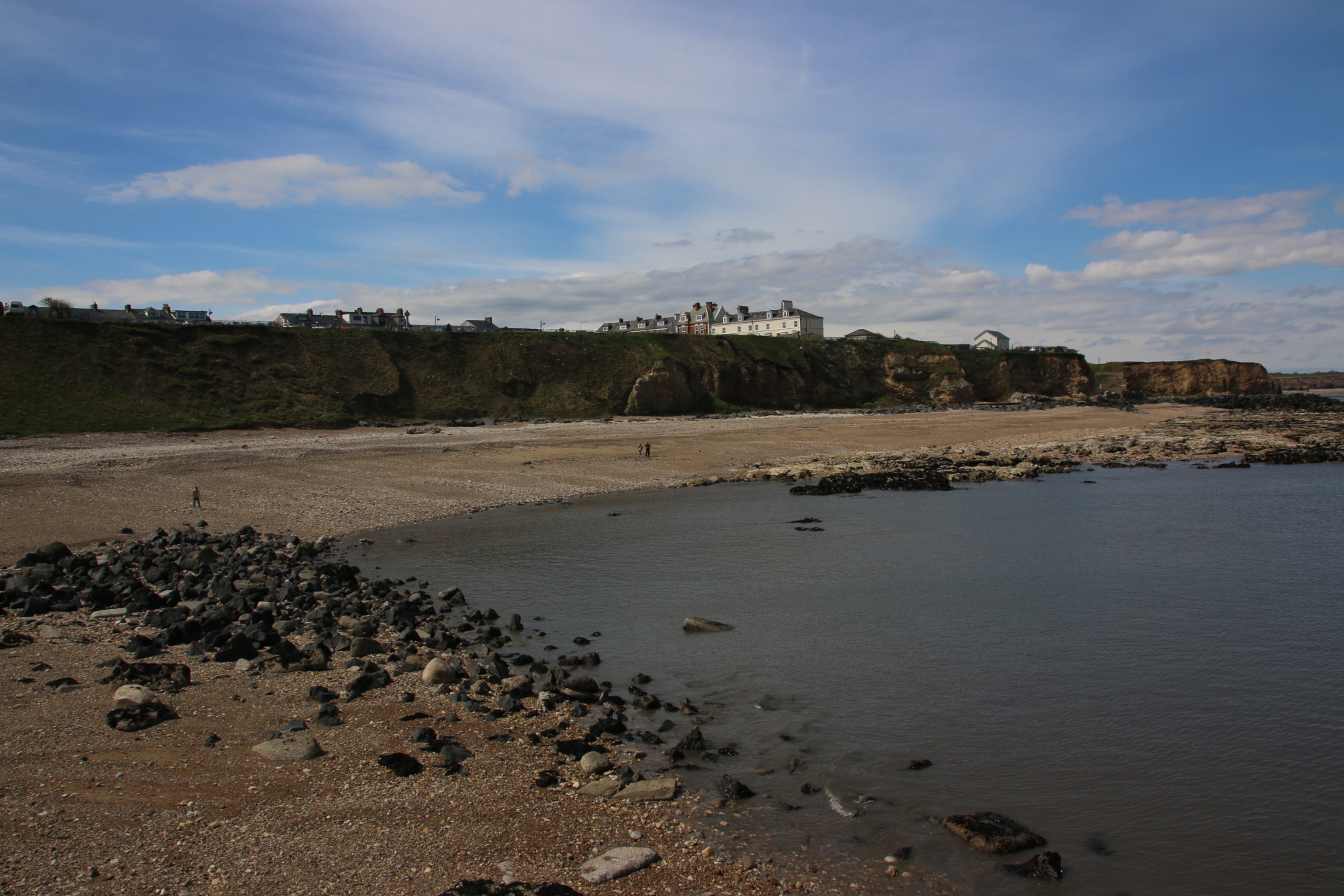
Then up the coast, over the tops of countless colleries that worm their hidden way underground, out into the North Sea. This is Seaham with a mixture of fishing vessels, industry and pleasure craft moored in the harbour below the grand resort dwellings overlooking from on top of the cliffs.

Even Sunderland has a seafront that provides all a family needs. Oh, and its own type of pier.

Looking up the coast Whitburn Colliery remains hidden under protruding cliffs on each side of the sandy holidaying beaches. The only thing to give its shafts away are a couple of brick, cylindrical piers on the cliffside and a large open, grassed recreation area next door to Souter Lighthouse, the first one in the UK to be posted by electricity, created and paid for by subscriptions from the miners.

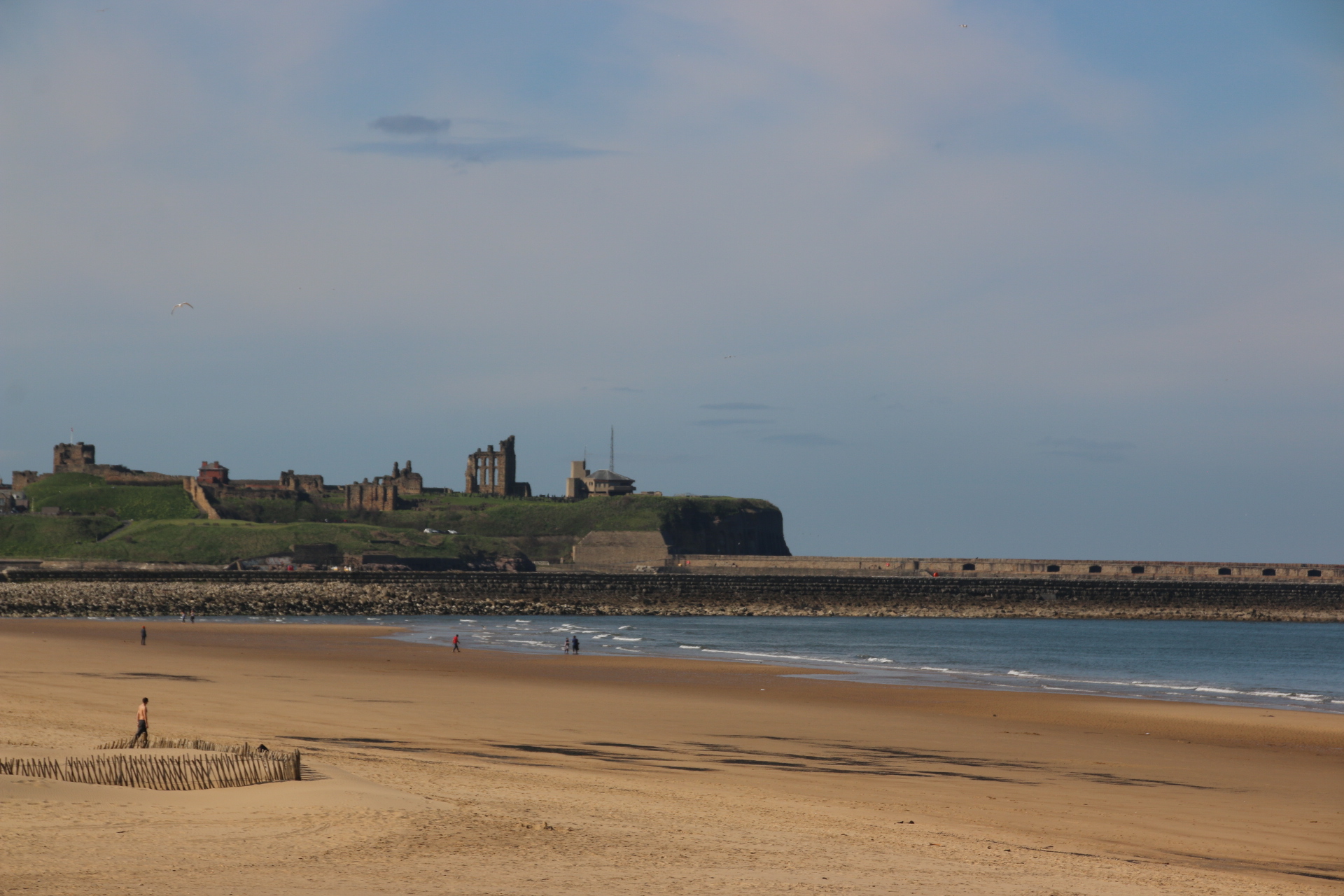
Finally the long beach of South Shields appears with Tynemouth lording it on the far side of, yes you guessed it, the River Tyne.


Back to the mixed splendour of the north east

On previous trips I travelled up the east coast as far as Whitby. On this short visit I am going further up to explore the historical riches of this coast which manifest themselves in industrial revolution and Victorian splendour mixed up with some pretty dire places that blot out the glory of this coastline.

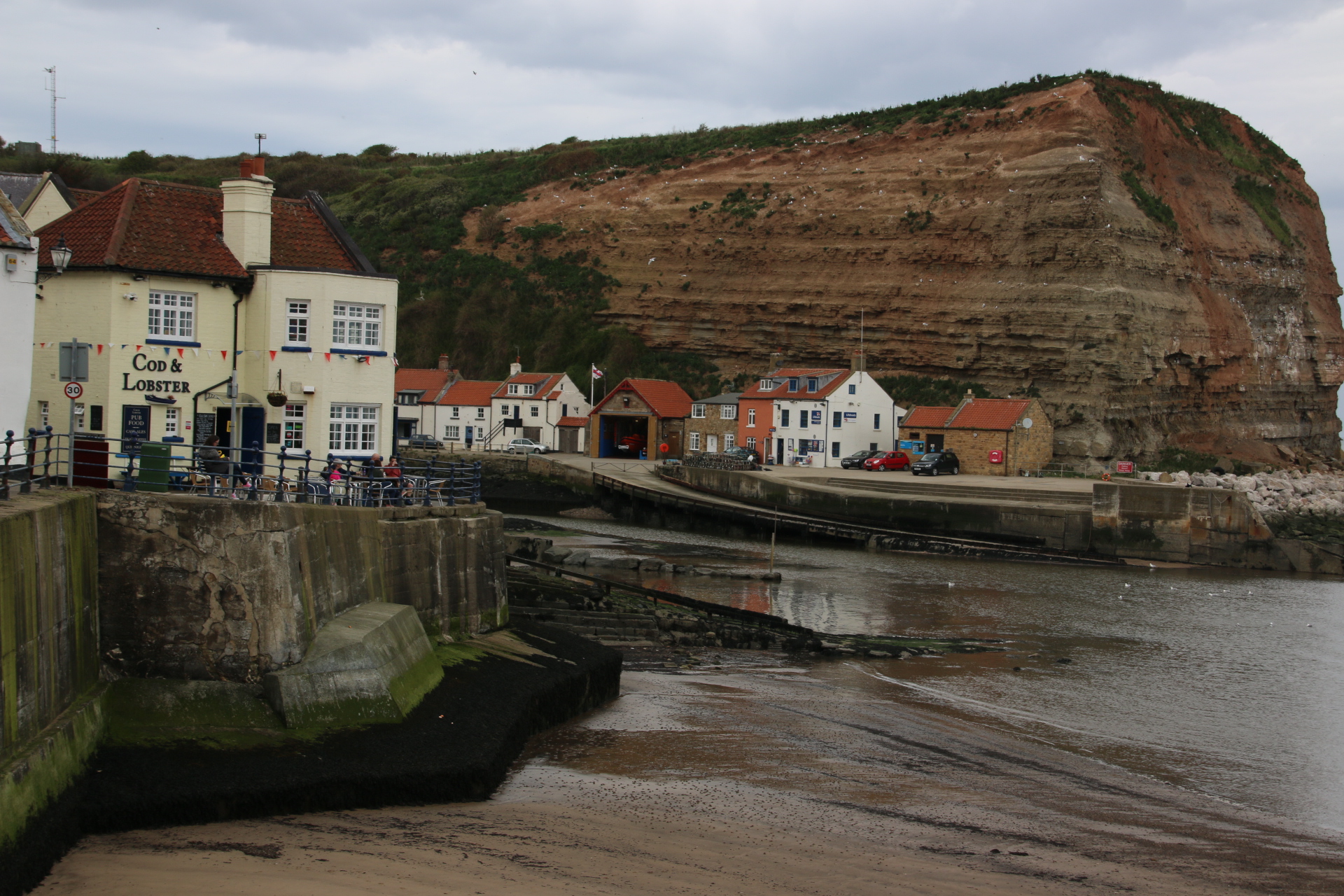
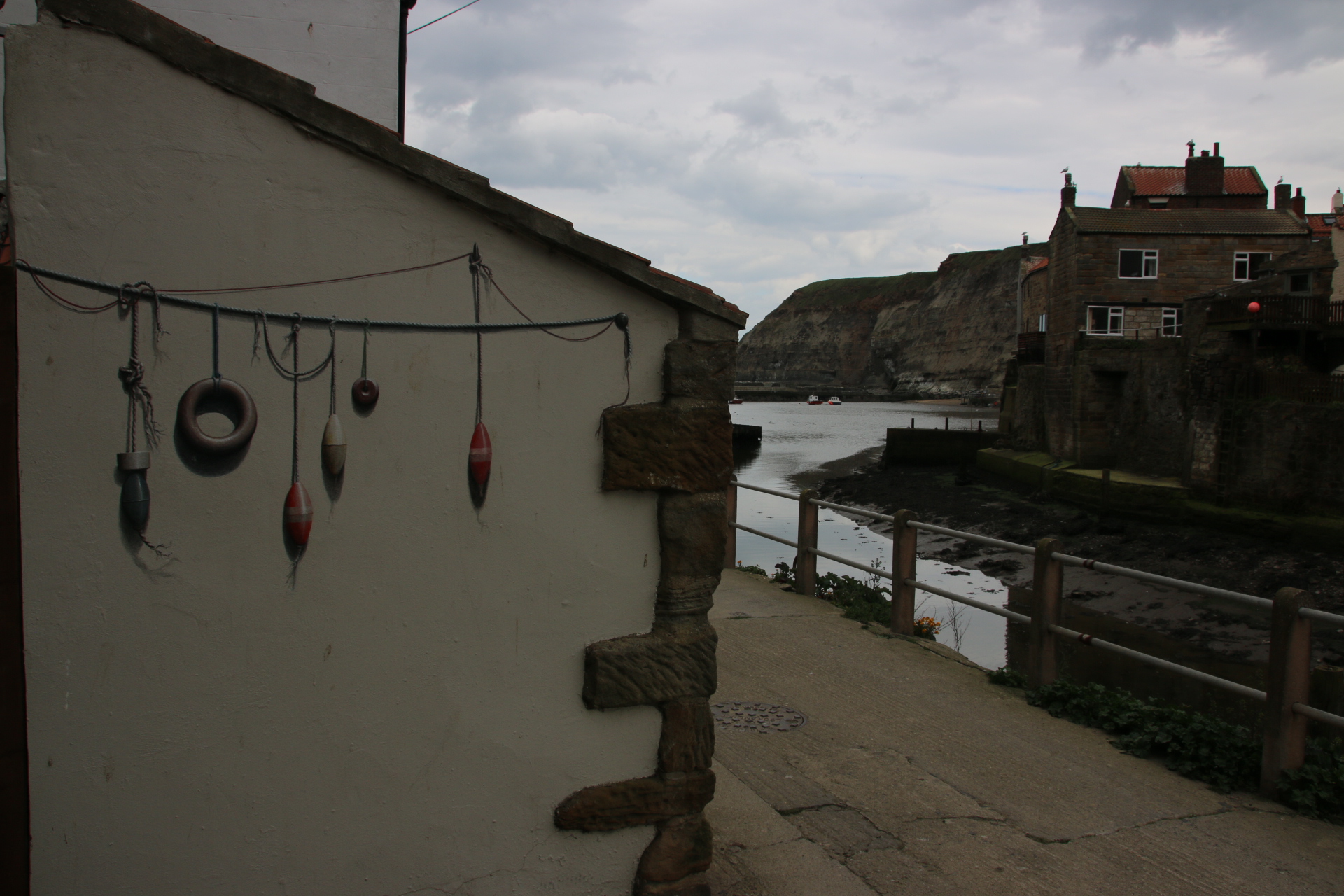
The first gem is a small fishing village called Staithes with its hugely sloped & cobbled drop to the harbour. The Hovis advert would be at home here.

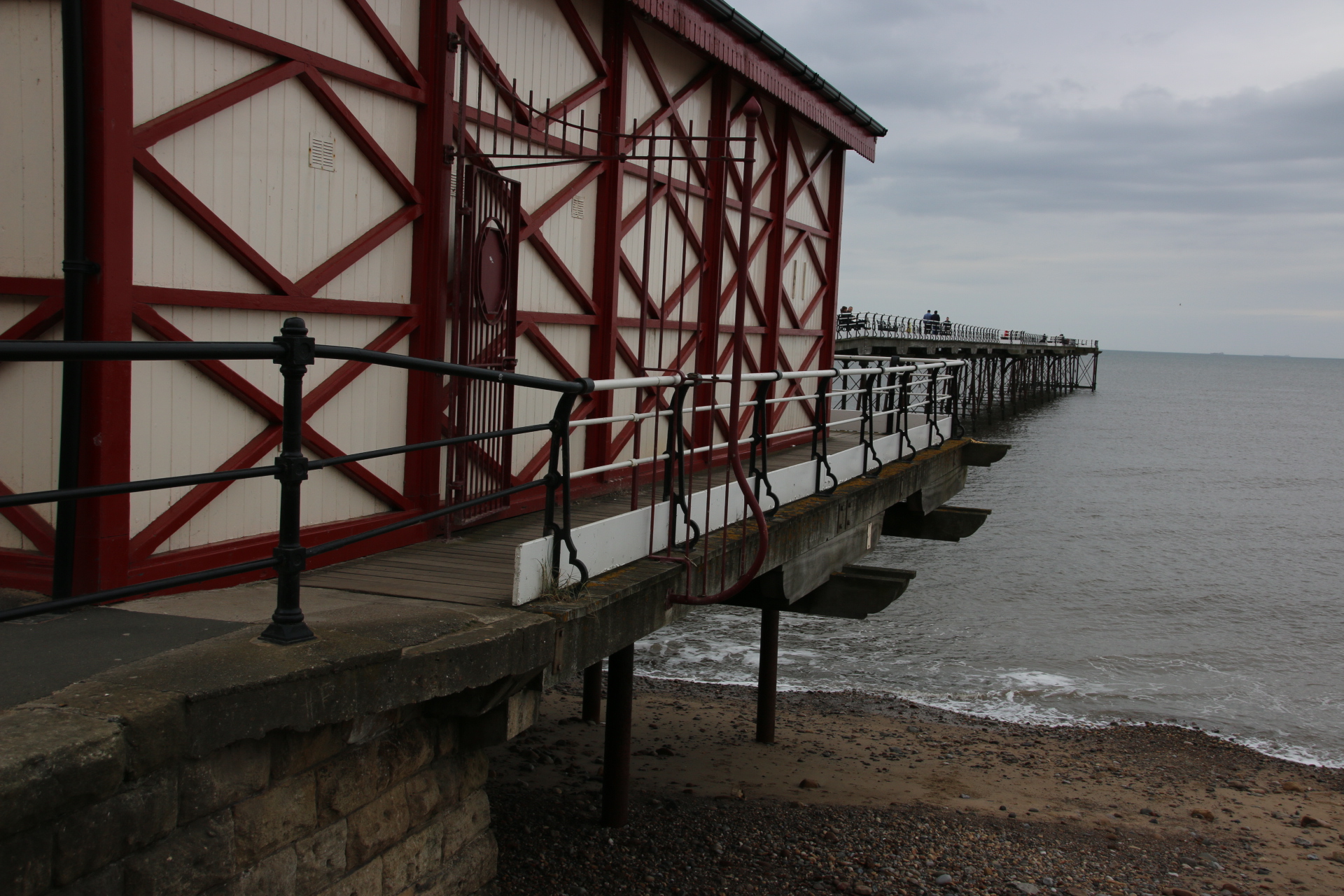
The town of Saltburn-by-the-Sea is a Victorian treasure with its elegant pier, its vernacular cliff railway, the oldest water-operated one in the UK, and its elegant mansion blocks nailed to the tops of the cliffs. It is both a surprise and a delight, fully worth a visit.

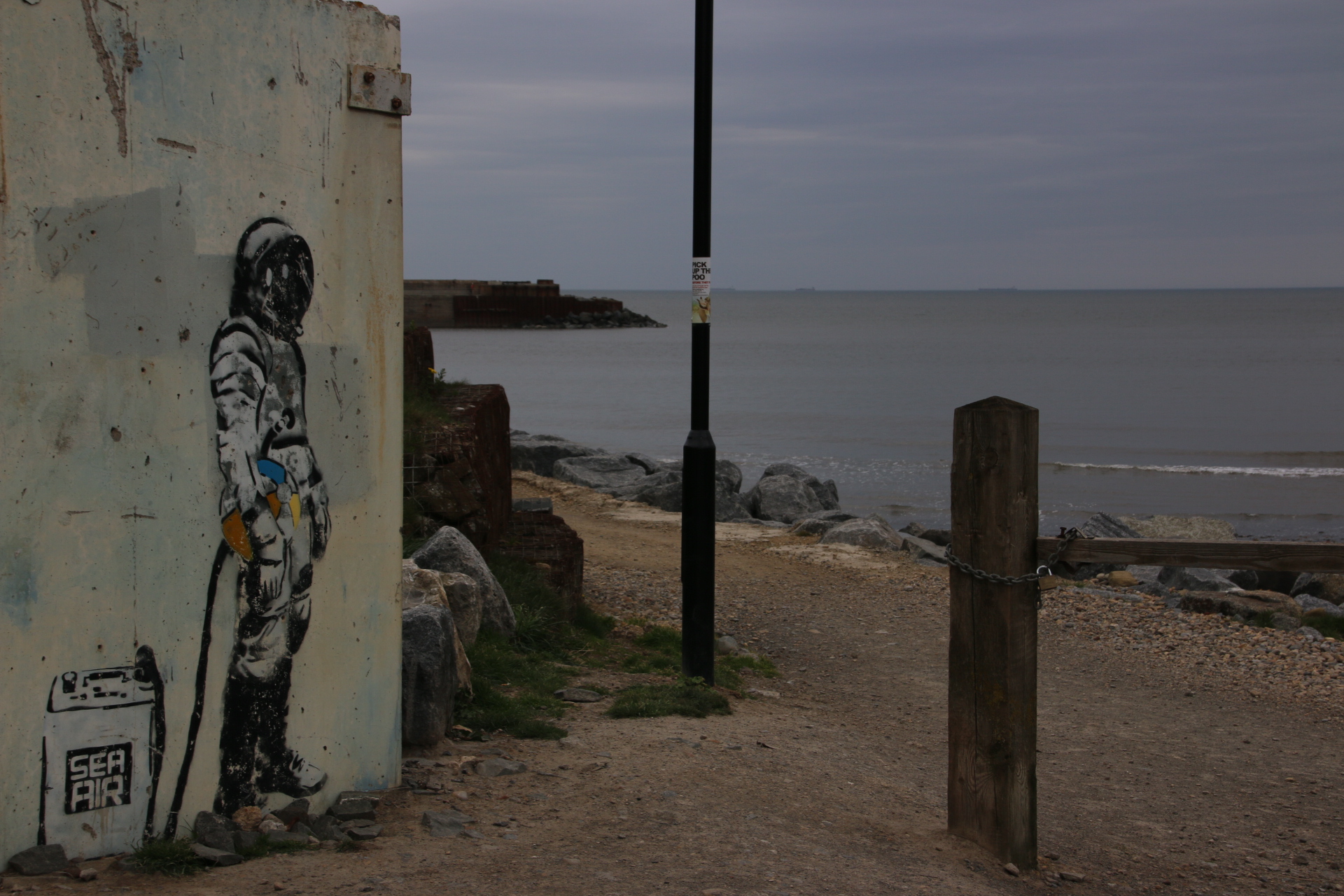
Now there’s a couple of places you might not go out of your way to visit. Just down from the steel works is Skinnigrove, by the ‘sewage output’.

And then there is Redcar with the tractors and fishing boats up on the sea defences of the esplanade and the lines of wind turbines off shore.


The beaches of Boscombe and Bournemouth

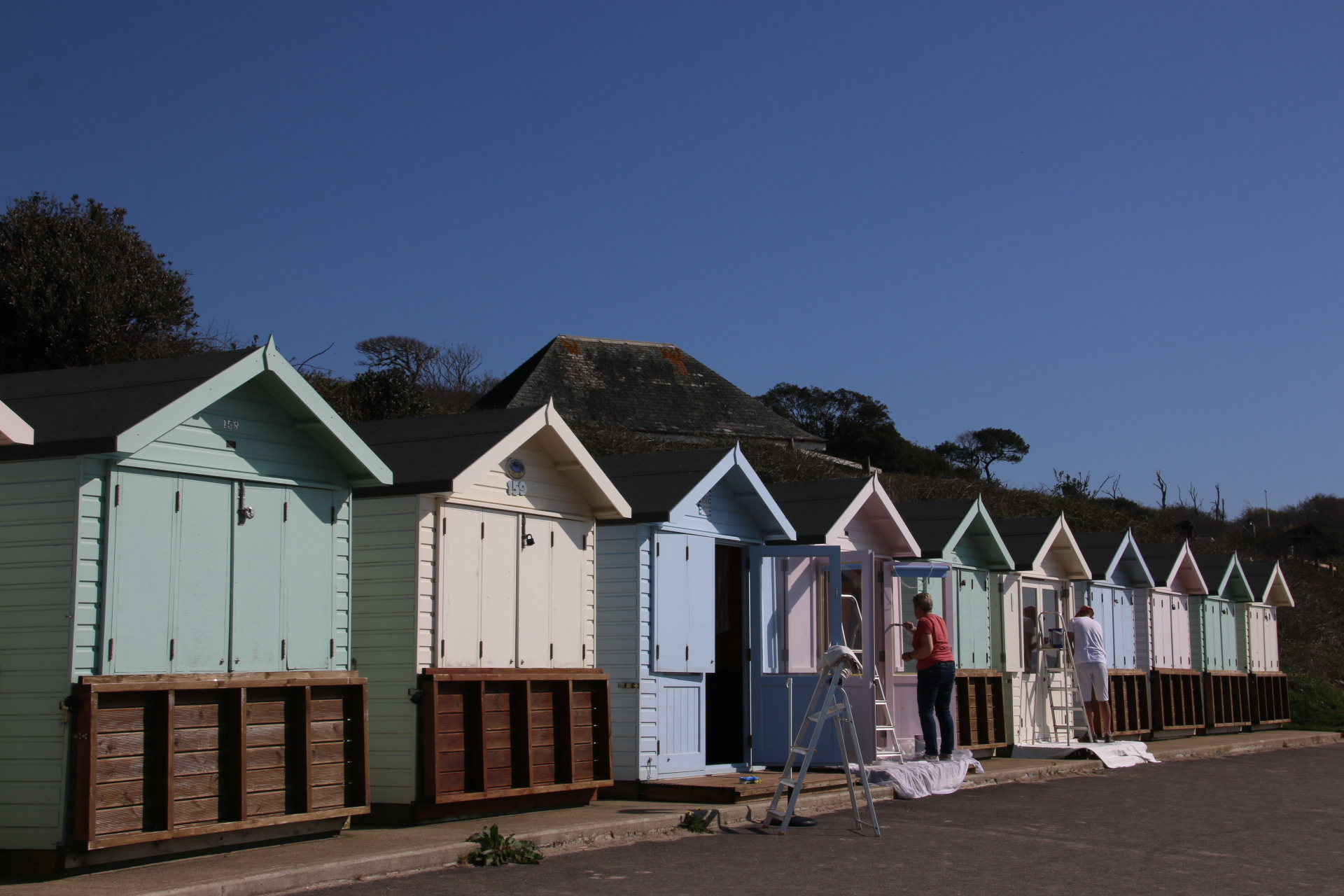
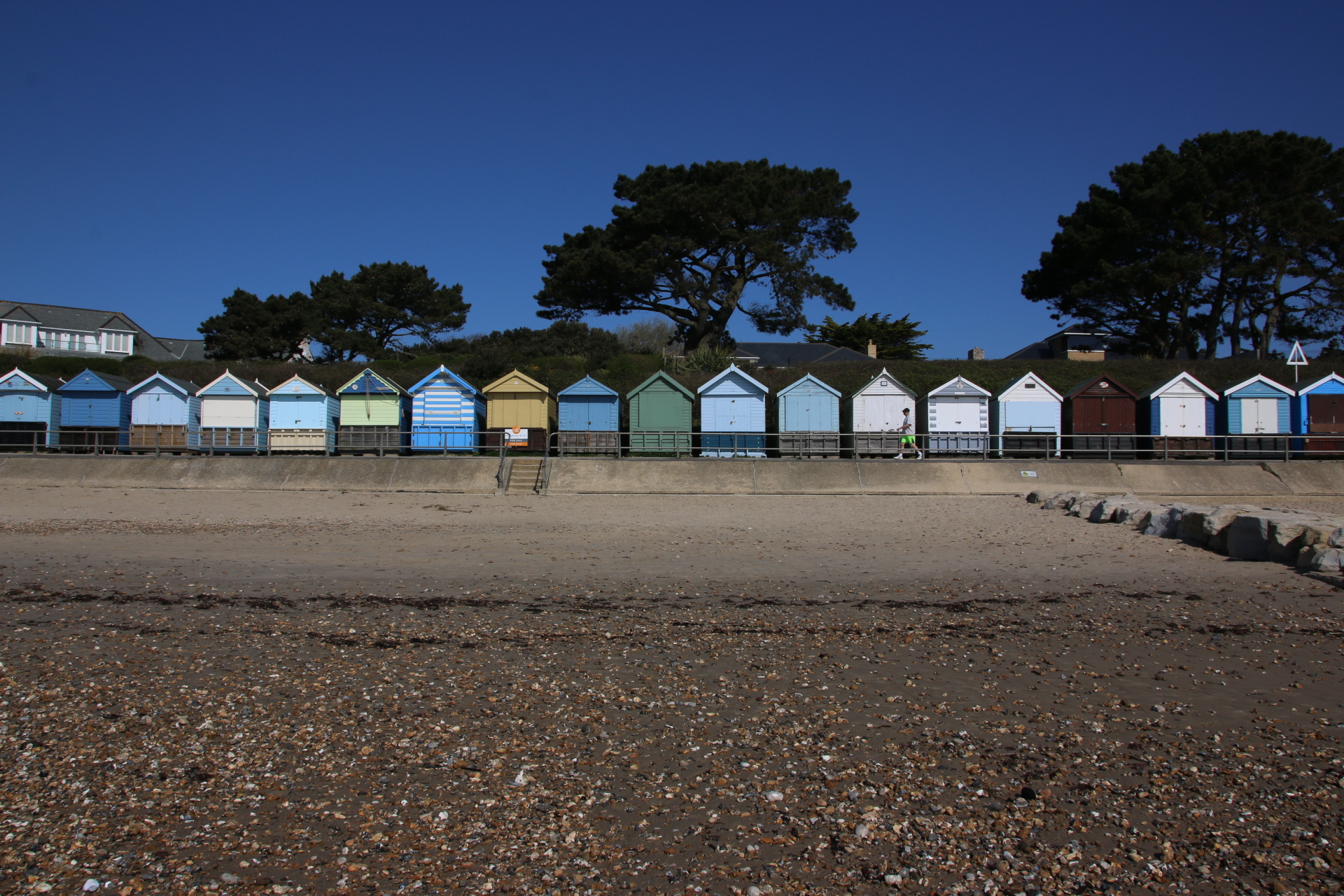
Before I start on the ‘B’s I have to share with you the two ends of Milton-on-Sea. The east end shows off its traditional beach huts. The west end has ‘new beach huts’; 21st century beach huts with parking above.

Hmmmmm. What do you think? I know which I prefer.

So the road goes up and over the cliffs until it drops down to Friars Cliff. Now this is a wonderful place for family holidays. The pebbles begin to drop away and the beach becomes super sandy. The beach huts are a class above their ones I’ve seen so far on this trip. One is for sale for a cool 15k if you have money to spare. Even beach huts need a lick of paint and some tarting up if you’re gonna be seen enjoying the summer on the beach.

I love this image:

Monsieur Hulot’s Holiday comes to mind.

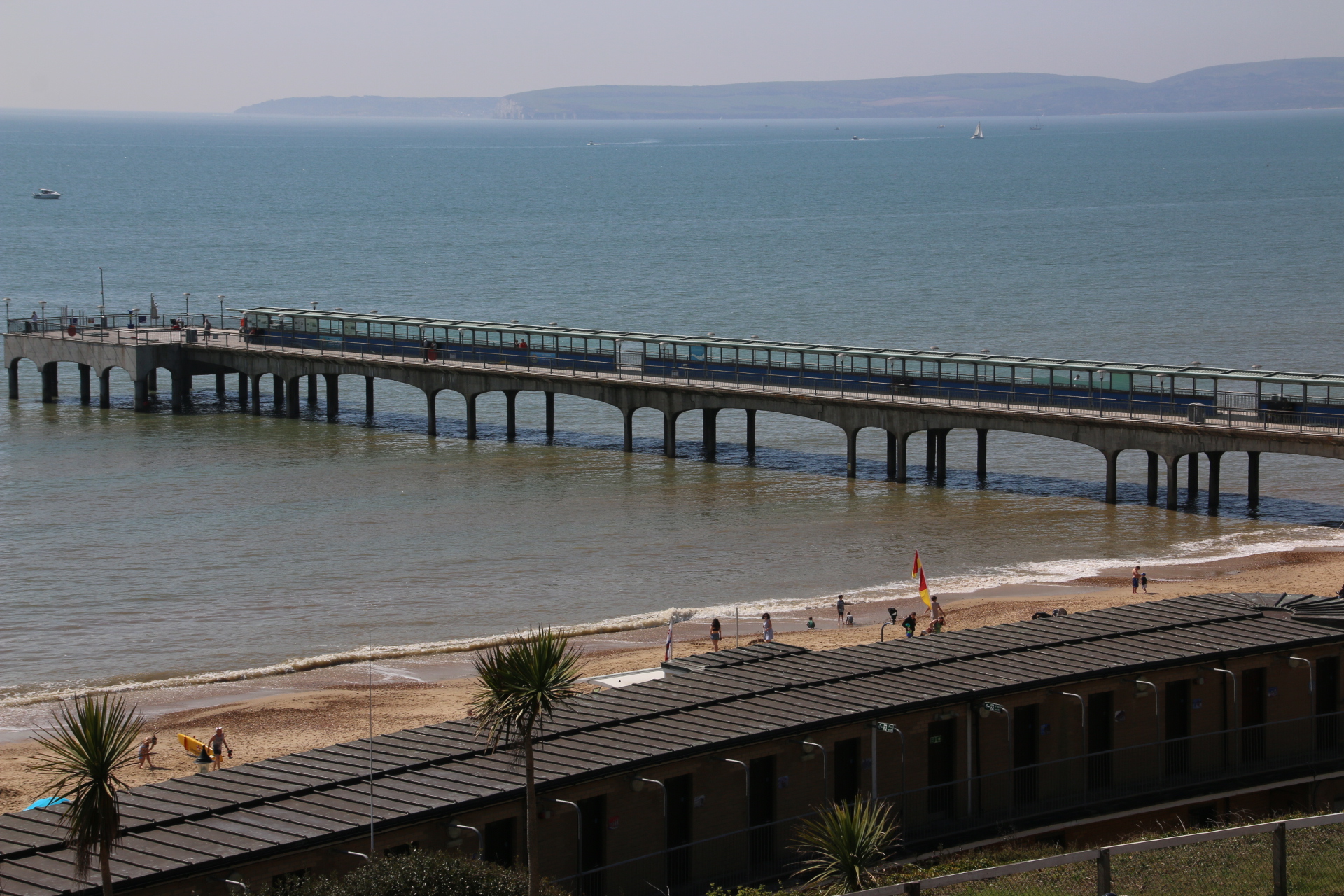
Anyway, on to Boscome before hitting Bournemouth. Both are very similar with their promenades, their sandy beaches, their piers; yet they are very different in character. School was out in Boscombe with a procession of young children racing down to the beach on their scooters, their bikes, their skateboards, all in beach gear and yelling at each other while older siblings showed off acres of tattoos that covered every bit of exposed flesh which must have cost an arm and a leg (you see what I did there, clever eh?)

Maybe this is summed up by the incident that occurred at the ice cream shack at the entrance to the peir. The mum in front of me had 3 young kids. She was being really patient trying to get them what they wanted. The first in line got a single cone and started to tuck in while mum was sorting the others out. A long lick unsettled the scoop which plummeted to the ground. Her little face crumbled and she tugged at mum’s dress. Mum looked down and without breaking her dialogue picked up the ball in her right hand and placed it back in the cone with a squelch. ‘It’s been on the ground’ I started to say in my middle class tones. Mum and child both shrugged their shoulders and carried on with their previous tasks of licking and ordering and ignored me completely. Oh well. Now Bournemouth.

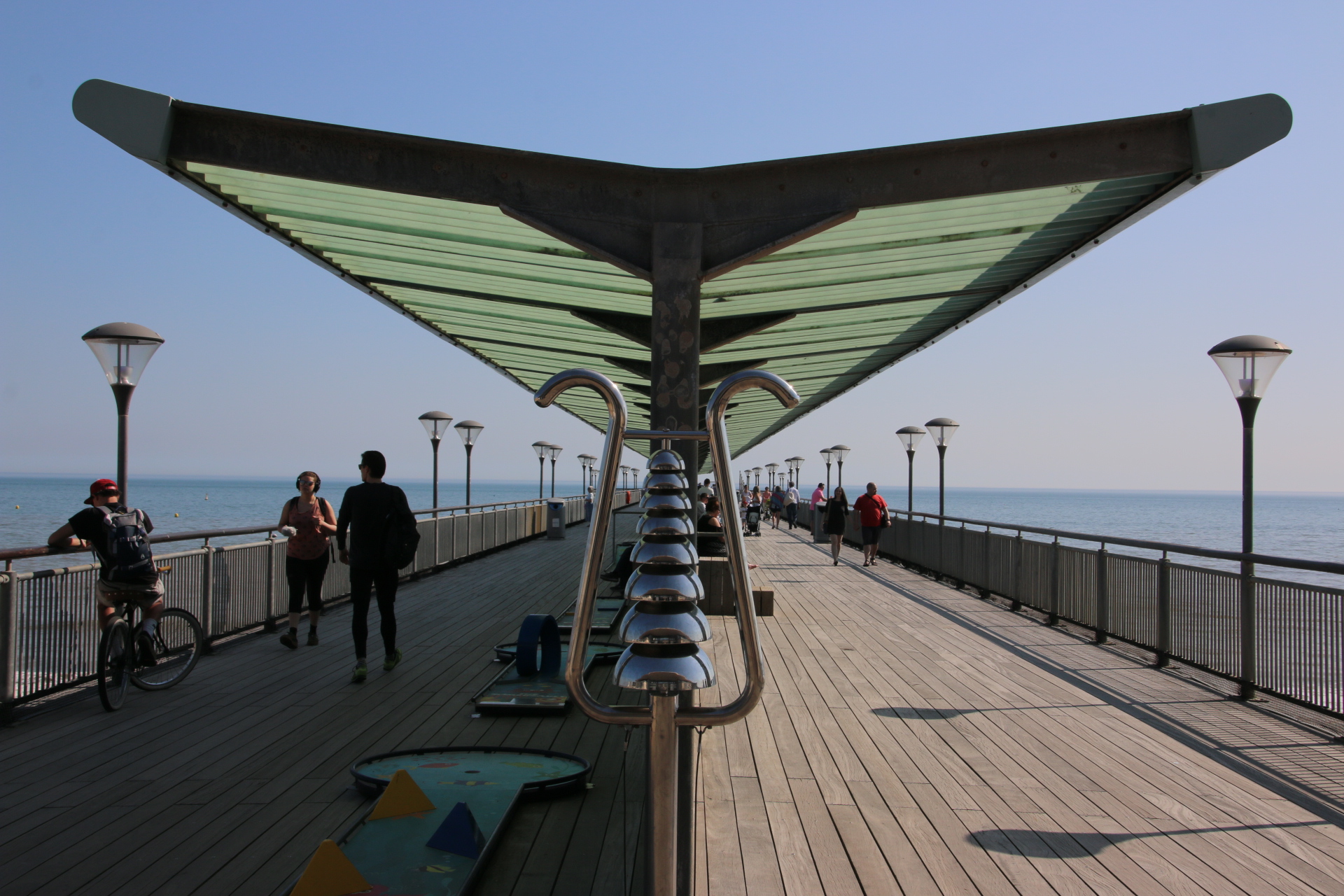
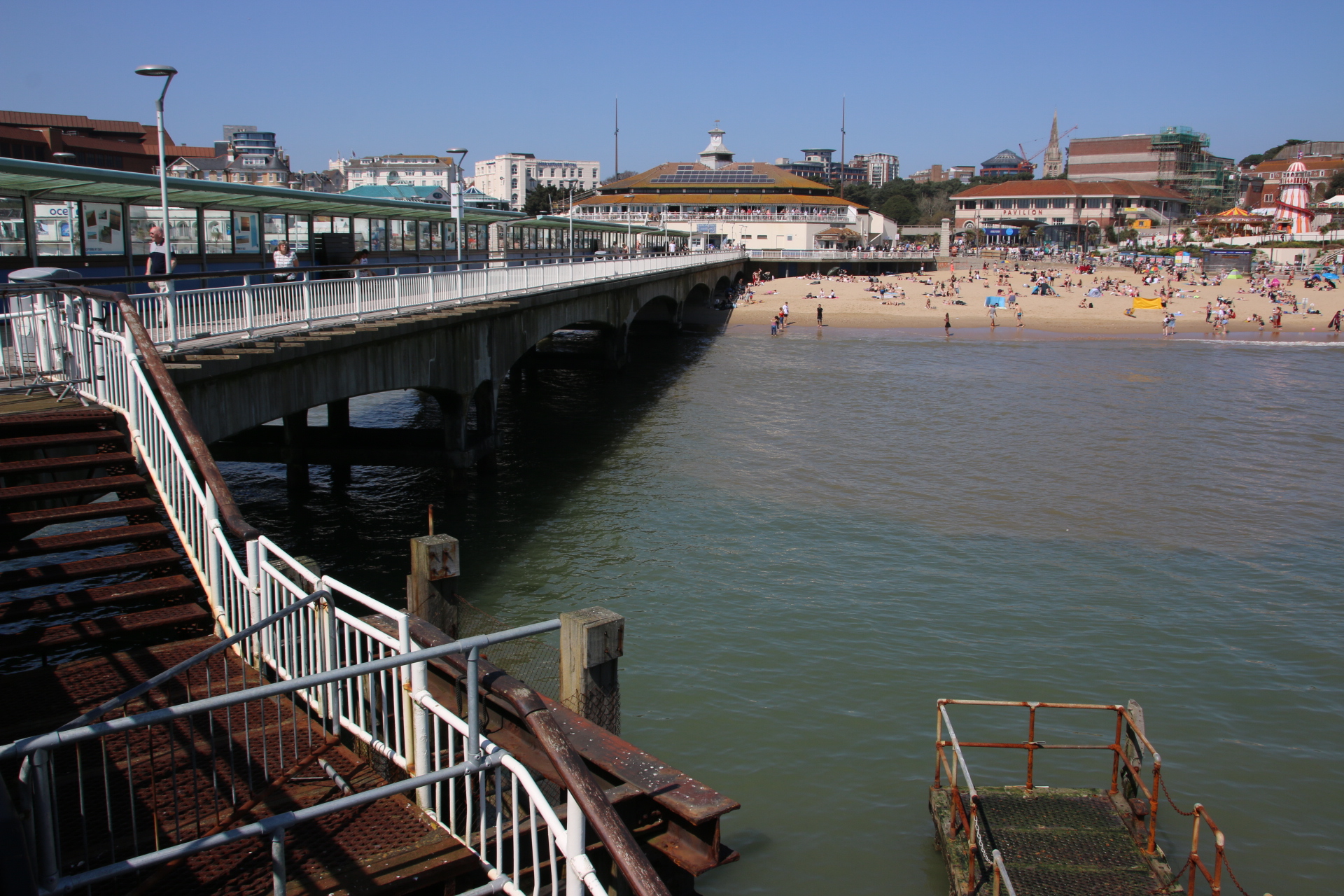
Bournemouth beach was really heaving and school was out here as well. But it had a completely different feel. The kids were older and in much larger groups. Barbies and cans arrived in copious quantities. The guys had all between working out in that part of the gym that builds muscle tone ( I’ve never been there, I have to say) and carried two different types of six packs. The girls had torn every bit of clothing and huddled in groups away from the sand applying makeup so they could emerge from their huddle as painted insects, each convinced that she was the main bee of their little hive. Every inch of beach was covered with beautiful bodies all posing and secreting hormones. The pier was almost empty, only a small trail off more mature punters made their way to the far end for a pint and some fish and chips.
I rather liked the pier and the beach huts. The youngsters seemed to ignore these symbols of more mature beach activity. I felt safe here with the normal people who ignored all the posing that was going on around them and just enjoyed making a cup of tea and reading a book.

Home tomorrow, with some lovely images, all with glorious blue skies, and rather a red face!


Taking Southampton’s Waters.

Today it’s up the east side of Southampton Water and down the west side. My first  port of call (did you like the way I did that – ports and all that!) is Hamble-le-Rice. What a name; it sounds so historical. This is reflected in its narrow cobbled streets that don’t seem to have changed for centuries. Along the banks of the River Hamble it provides moorings for a huge fleet of very classy  yachts arnd sailing boats. At high tide the vessels can escape the clutches of the village by entering the main channel and heading out into the Solent and the open sea. I rather liked the village itself and its sense of timelessness.

Heading up the Water I hit the city of Southamton. The banks of very channel, every creek, every tributary, every part of the estuary have disappeared into new developments of tall, classy & classy apartment, I’m sure with a suitable amount of social housing, and high end office blocks.

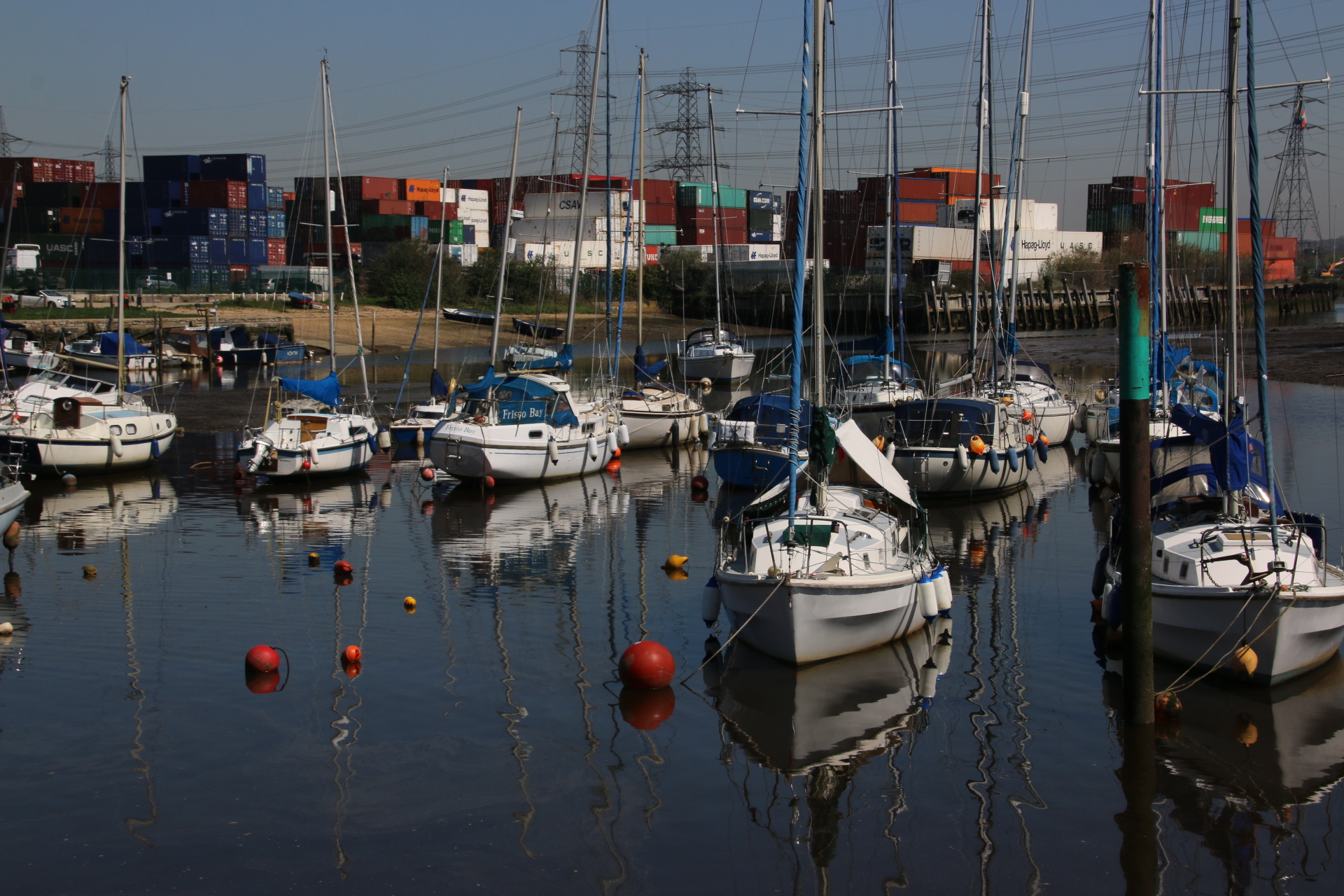
Industry and commerce have stood their ground on the banks. The docks, numbering at least 20, claim ownership of much of the waterway. Other industries fight for space – huge container parks, parked cars awaiting exportation, an oil terminal, a power station, cruising and ferry terminals, cranes and piles of containers hog the skyline, despite the efforts of picturesque boats trying to hide the sore.

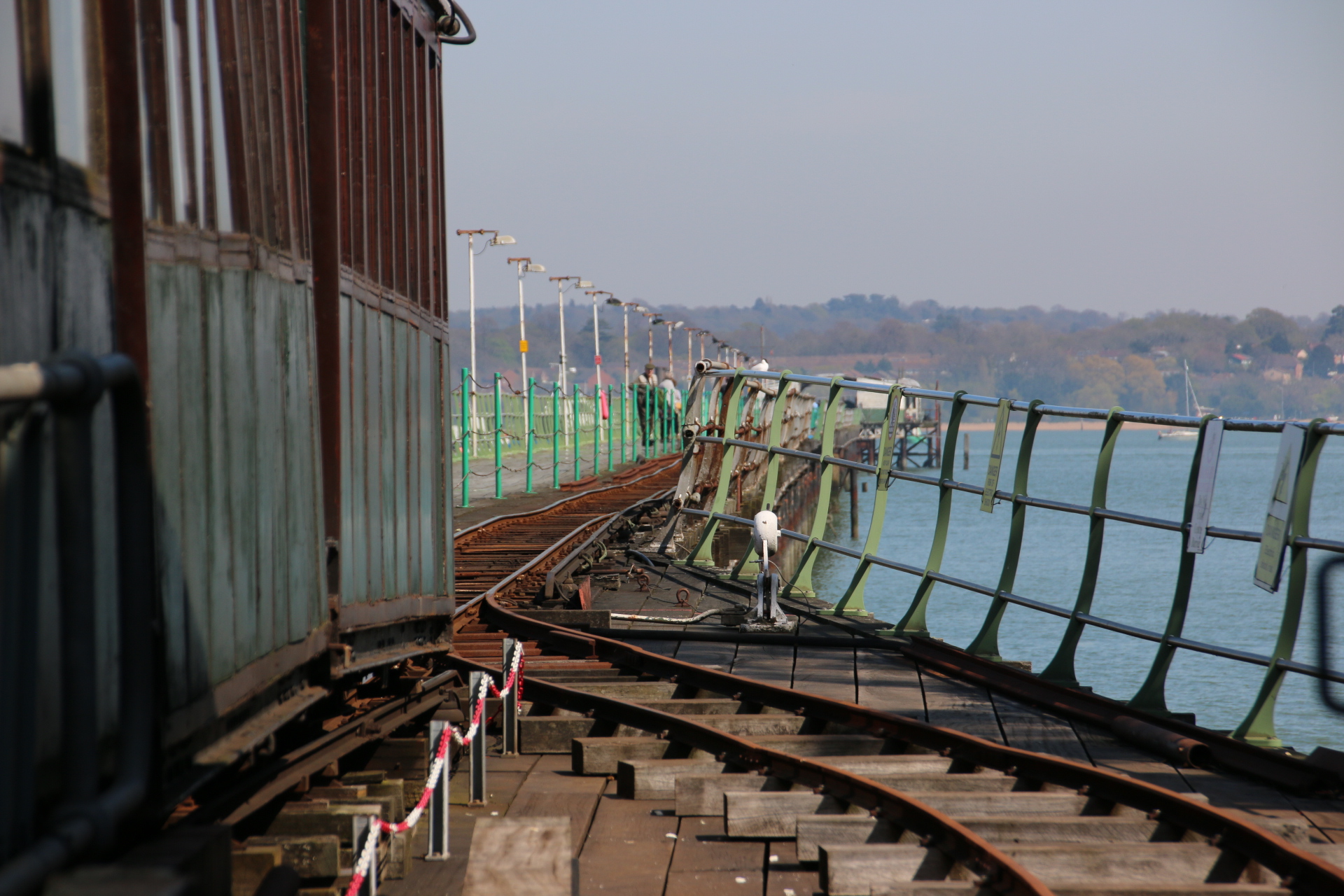
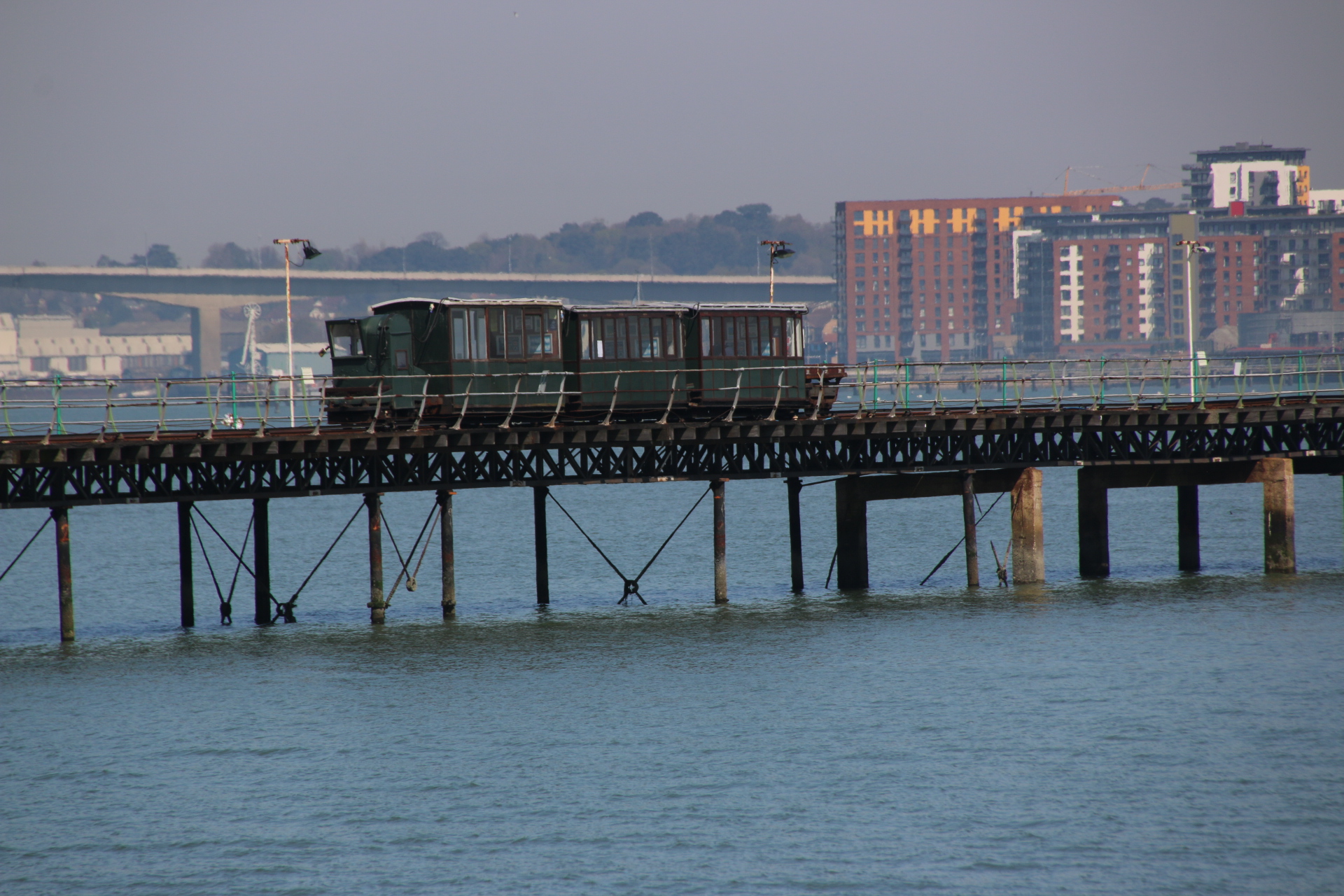
Down the west side of Southampton Water is the small gem of a town called Hythe. Its cobbled, traffic free streets give it a charm, exaggerated by the grey hair of visitors and locals alike. Its main claim to fame is its passenger ferry across the estuary to Southampton which has been operating since the mid 16th century. The ferry is reached by a long pier, maybe about 500 metres in length, that struts out into the main channel. To help with the walking a small line runs beside it and a small engine and carriages runs up around down the pier. My luck is in.

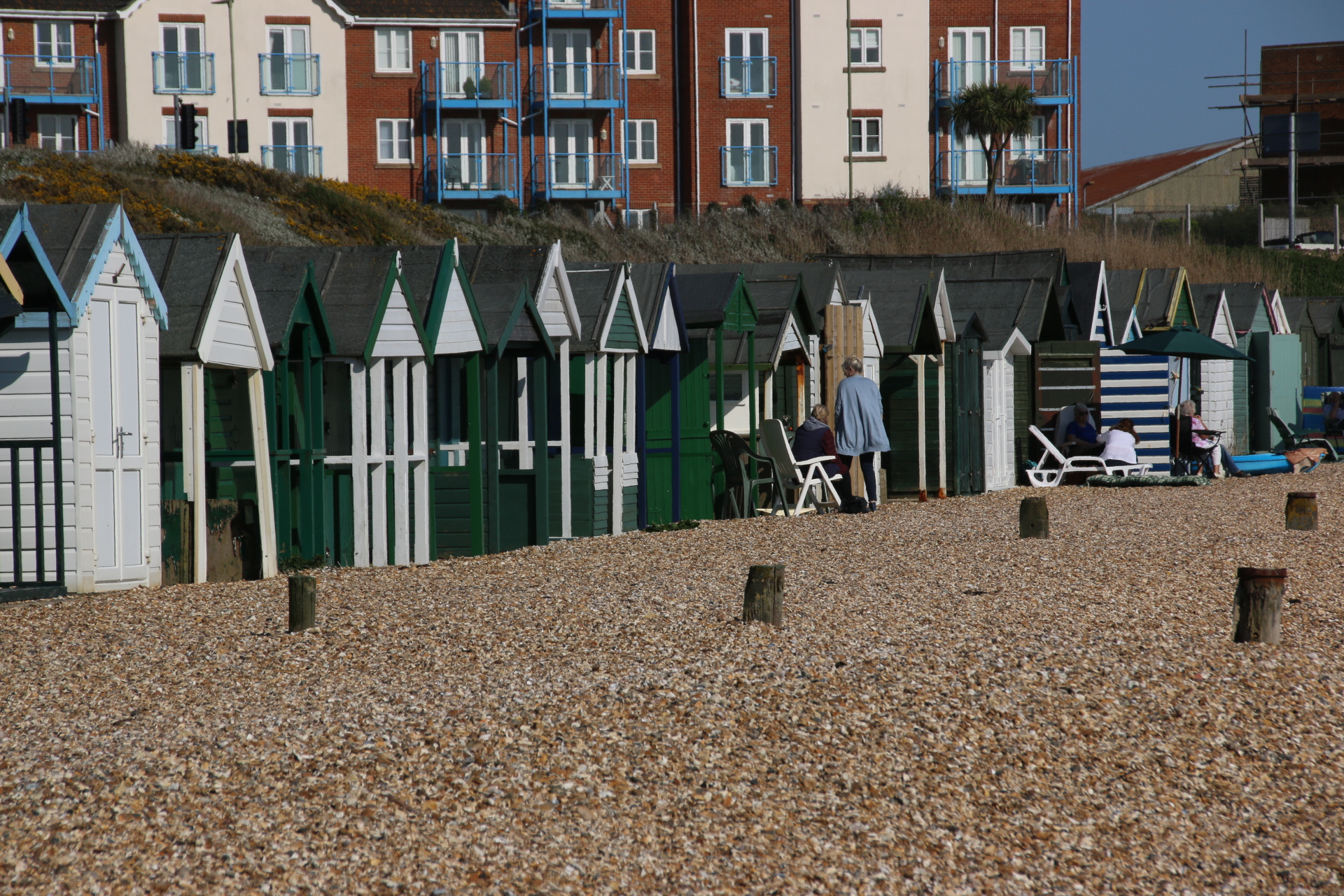
Calshot lies right down the bottom of the estuary. A rather grand collection of beach huts line the pebbled shore.

Sadly a barrier stops exploration of the point with Calshot Castle in the distance. However the map on the gate shows that it is now a Activity Centre with a velodrome and a dry ski slope. The castle was built by Henry VIII in 1540. During the war the buildings housed the workshops that built the Sunderland sea planes. The radar is still working and aid the cruise liners and cargo ships as they negotiate their way up the Solent.


South’s sea and Port’s mouth

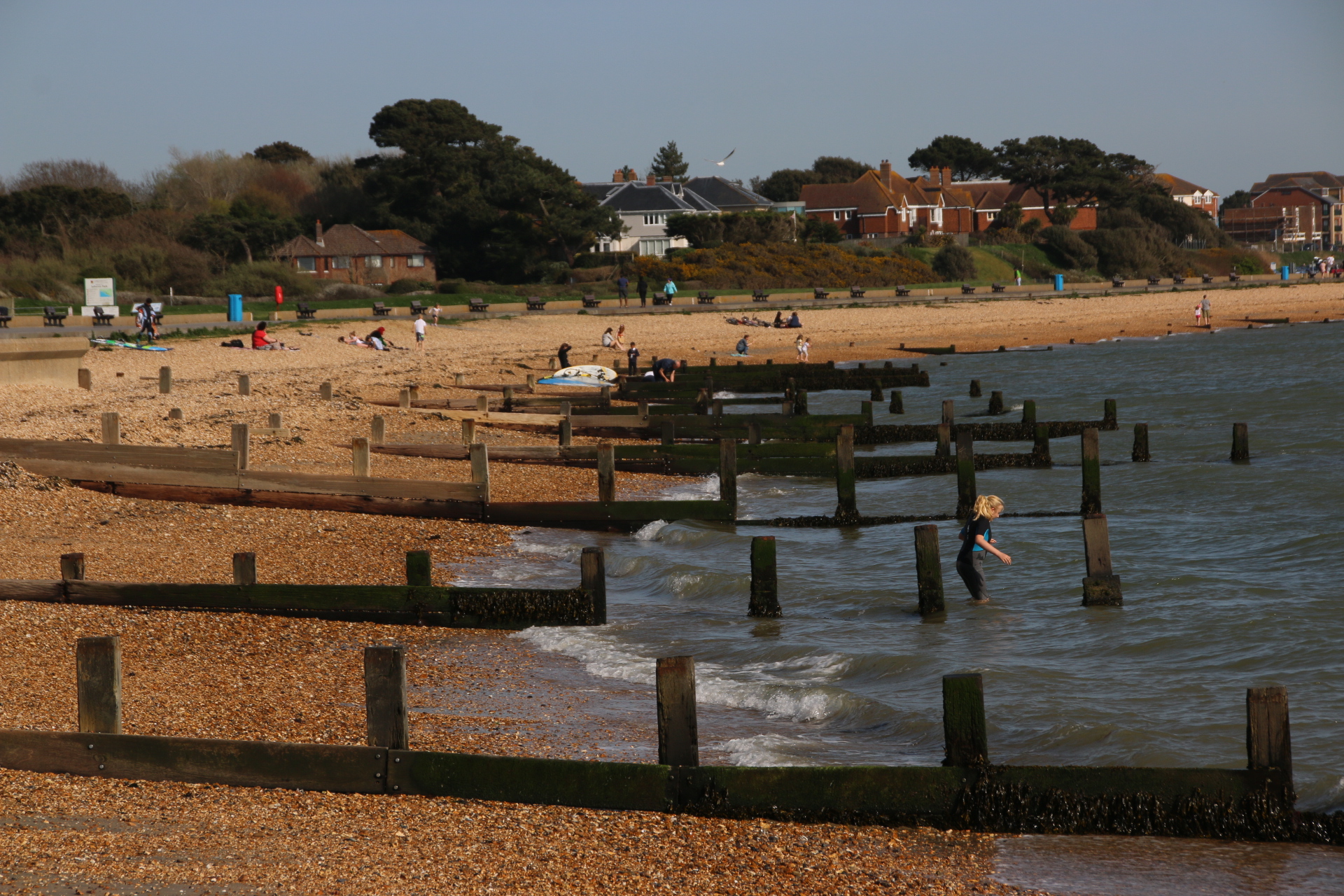
I spent the night on Hayling Island and in the morning explored its delights before heading back onto the mainland. The beach is like the rest of this coastline – wide, steep, noisy, with large, large pebbles to make sitting out almost impossible unless you rent a deck chair, along with the wind break, which together will make your beach time bearable.

This is where the only bridge joins the island to the mainland. So English with the tide out.

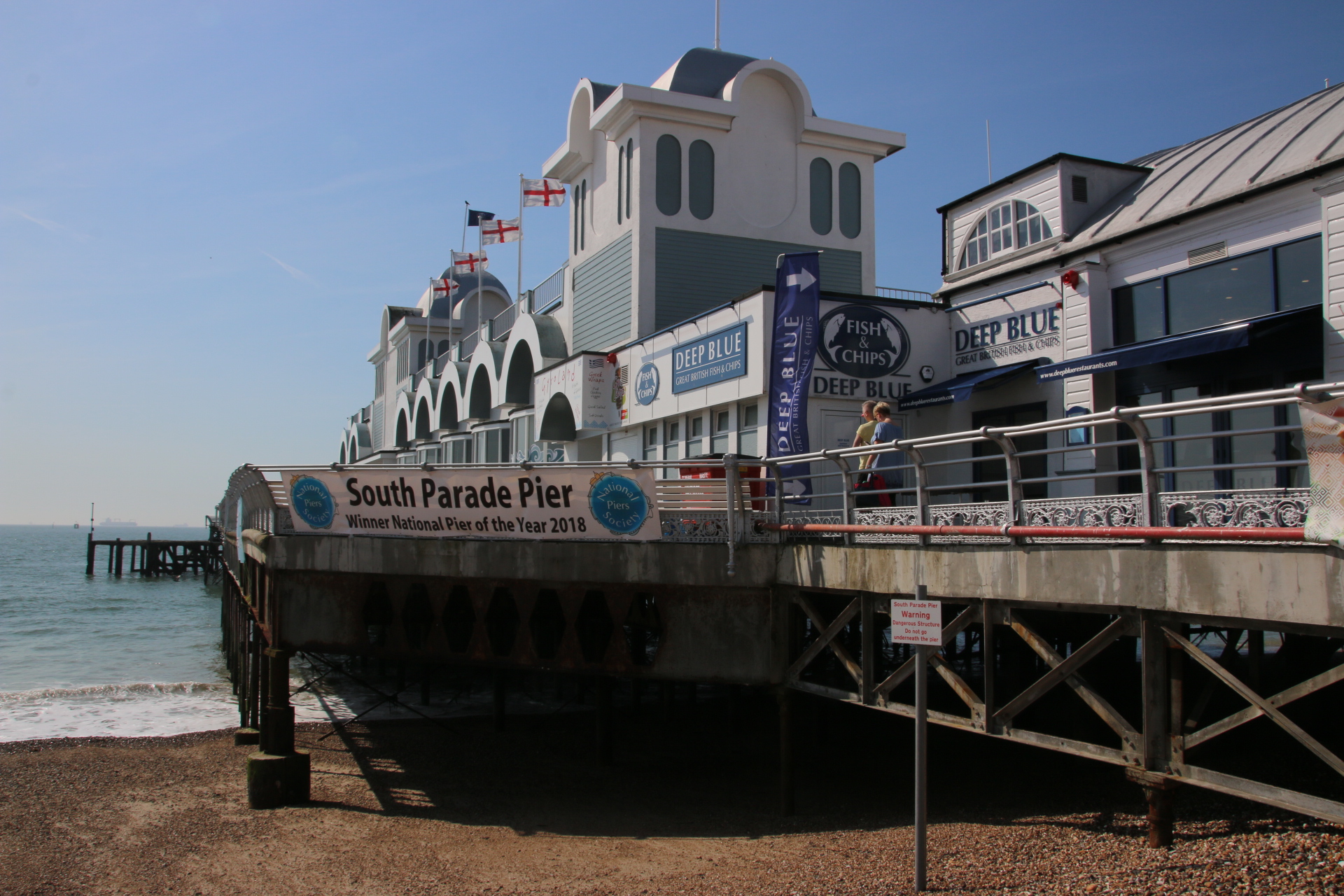
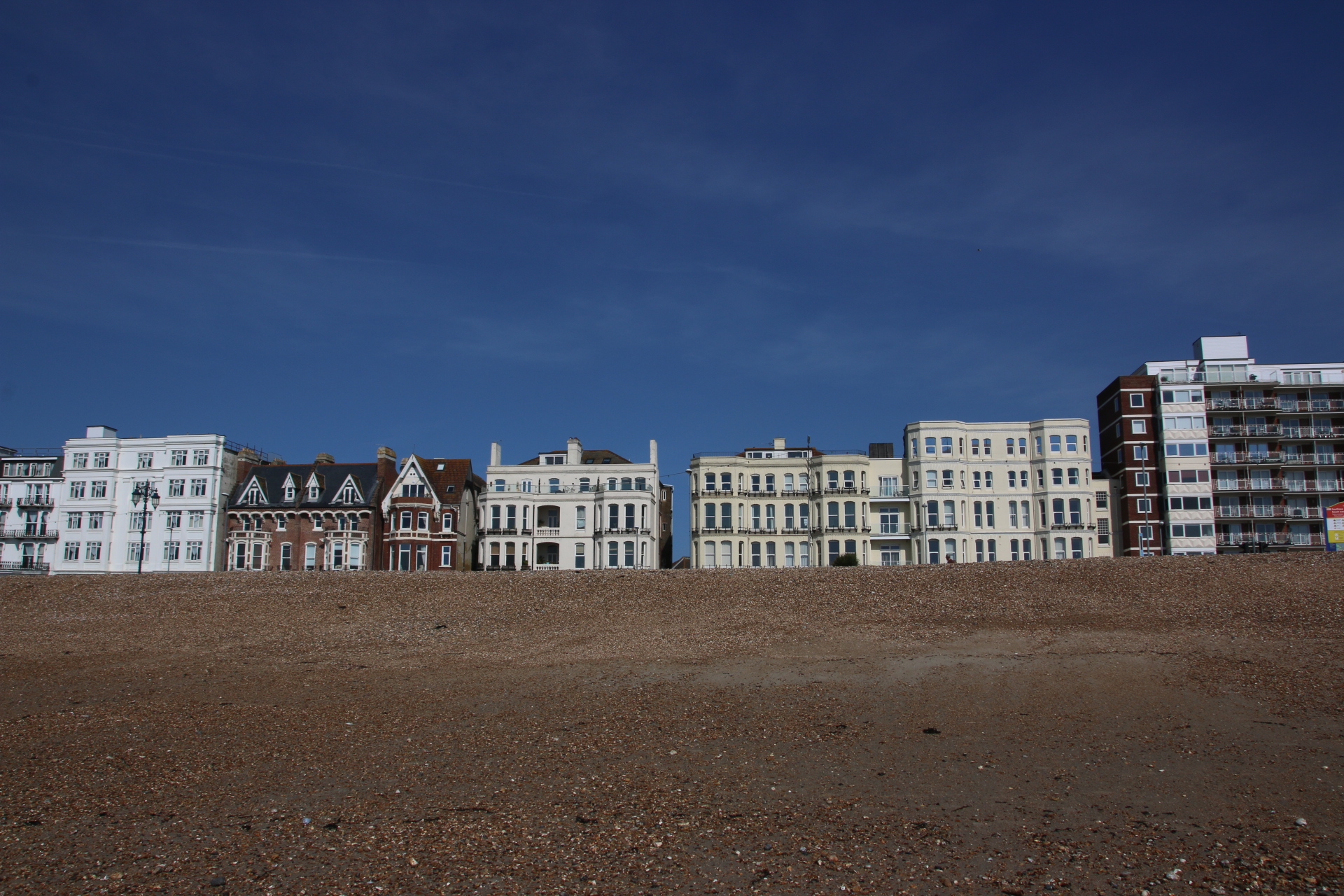
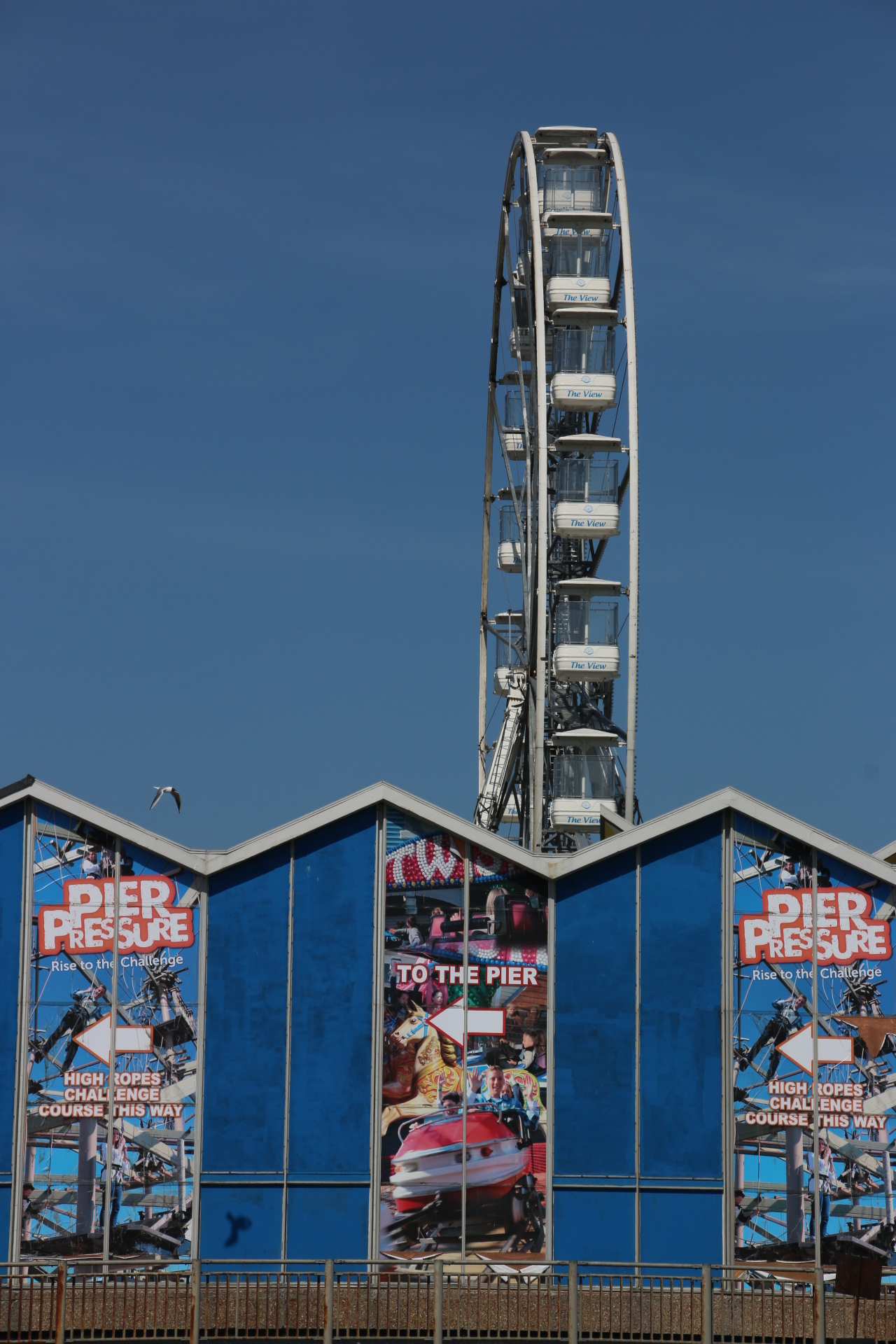
So it’s back up around then down to Southsea. This is the coastal part of Portsmouth, which faces out onto the Solent and the Isle of Wight. Now Southsea is somewhere I would come back to. There is a touch of class about the place and so much going on. Just past the Model Village is South Parade Pier, the winner of the Pier of the Year Award 2018, whatever that means.

The whole town seems to be ready to welcome Jo Public for holidays and breaks.

There is so much history. You can wander into Henry VIII’s fort, built to defend the naval dockyards, which, in turn were built by his father in 1494. The Palmerston forts were built out in the Solent to deter Napolean from invading.

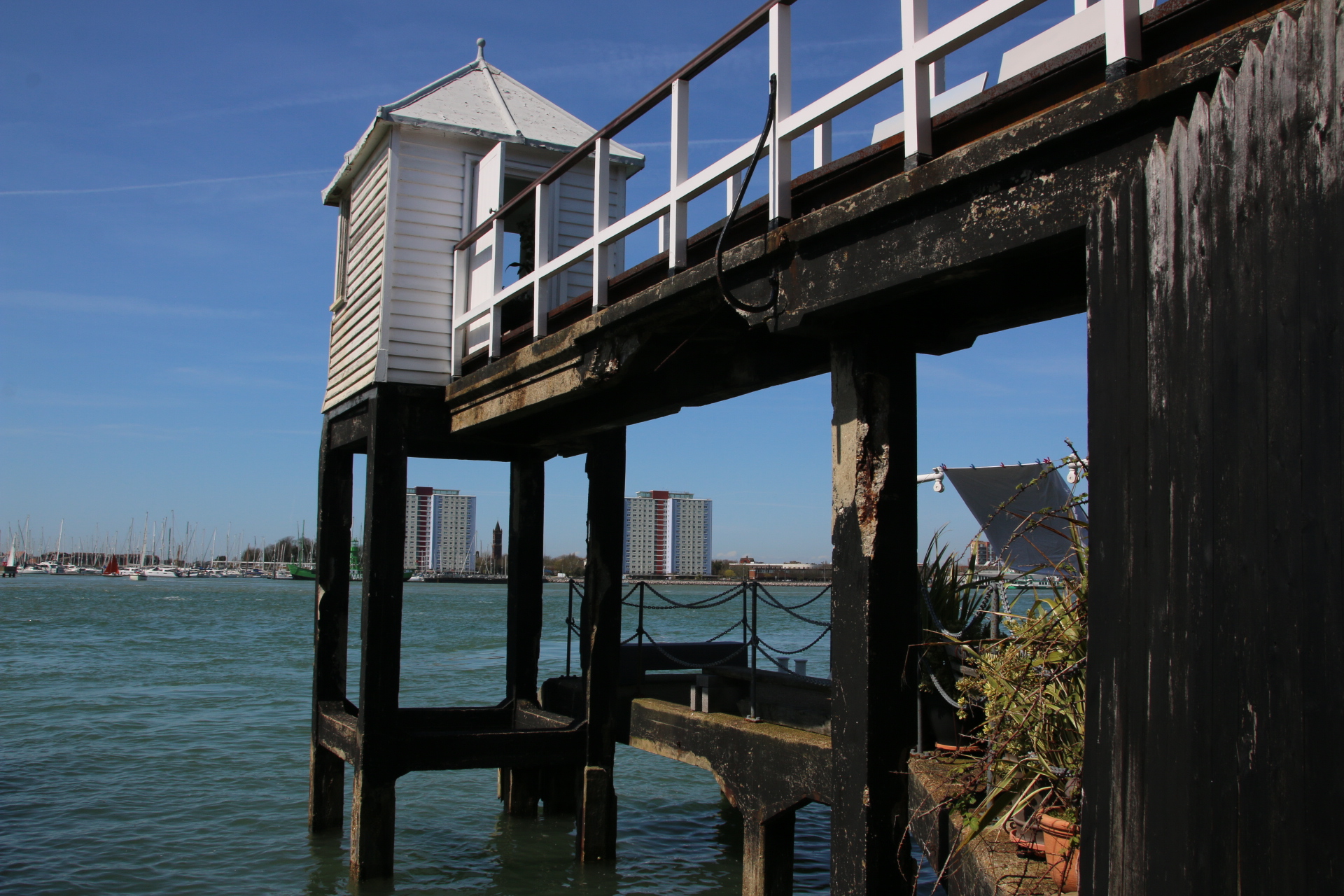
At the end of Southsea Esplanade the creaking iron girders of Clarence Pier stands tall at the passing of all vessels into and out of Portsmouth harbour. Its trusses are edged in rust and it seems so frail and fragile that even a stiff breeze would reduced it to a pile of matchsticks.

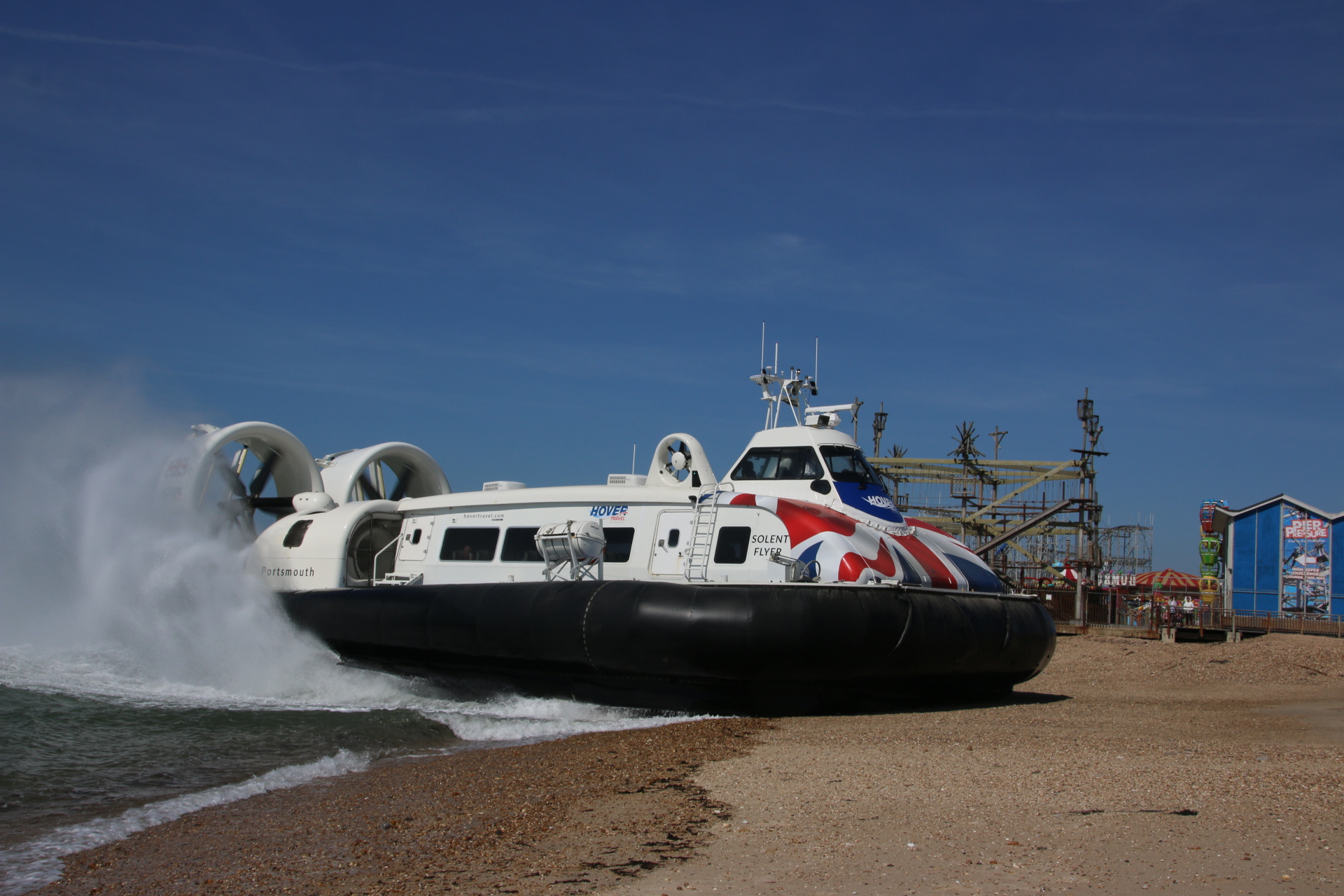
The hoverport is next door.

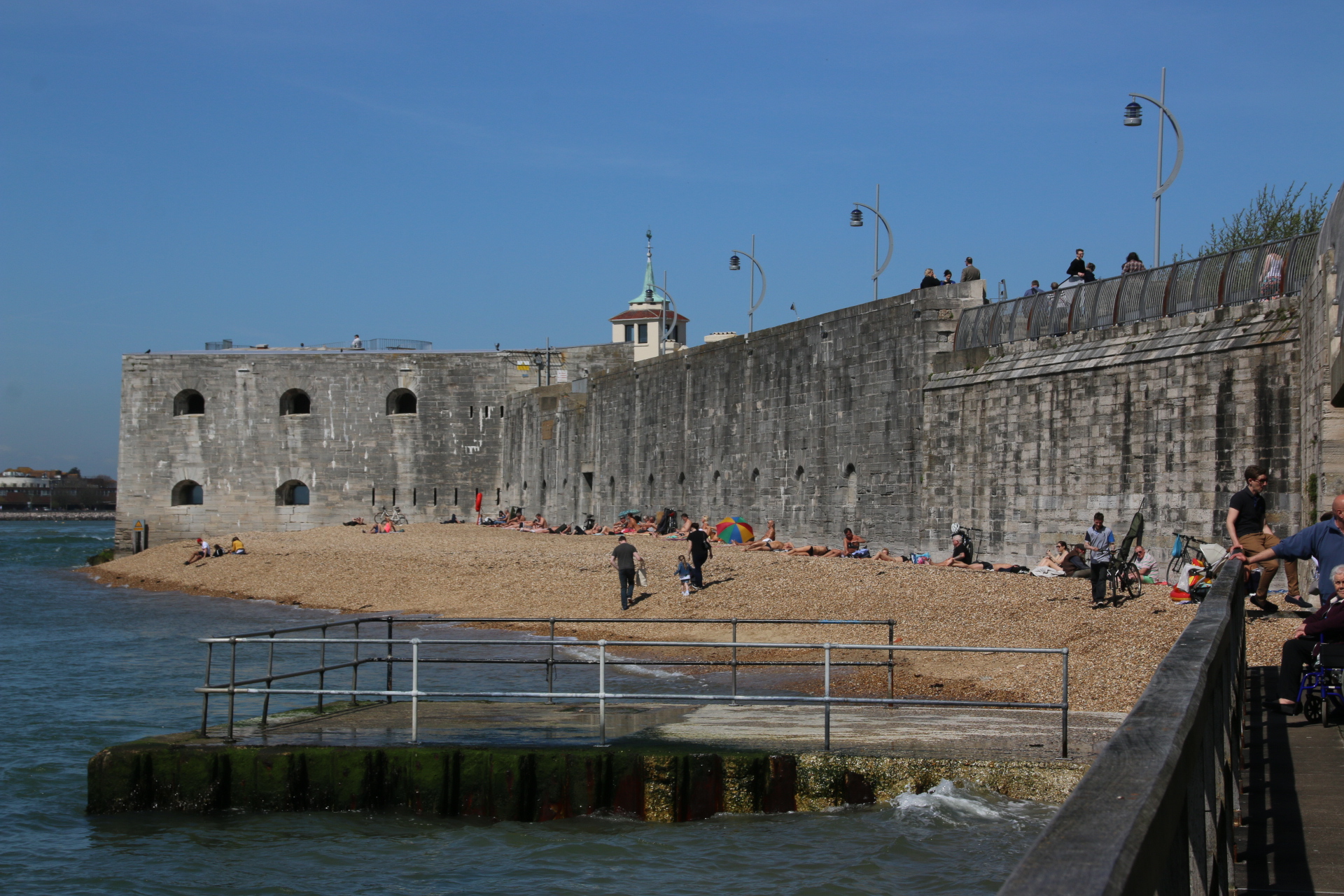
Then out is up into Old Portsmouth and the old naval dock yards. Locals will find any patch of stones and sand to soak up the rays. The 18th century fortifications provide very effective wind breaks.

Then it is not a short passenger ferry ride across to Gosport but a longer drive up and around and down to the town which has grown up at the east end of Stokes Bay.


Bognor Regis – is there something in the name?

Well, I saw the forecast and saw there were five days of super dooper, wall to wall sunshine coming our way, typical, as the schools go back. Still, never to waste a gift horse, and particularly a sunny one, I thought I would catch up on my coastal tour. You may remember that I left you just to the east of Brighton. Well I am picking up the trail in Bognor and travelling westwards.

All I remember about Bognor is that I spent a weeks holiday at the Butlins there eons ago, when my sister in law at the time worked for the company. It must have been in the 80’s. My family still have the ‘spacehopper’ beach towels which are as thin as tissue paper now and show how cutting edge my holidays have been in the past! Well not a lot has changed in the town. A few of the apartment blocks head been spruced up a bit, there was scaffolding on the top floors of some buildings and gangs of men were painting and sawing in an effort to get the kiddies play areas ready for the season.

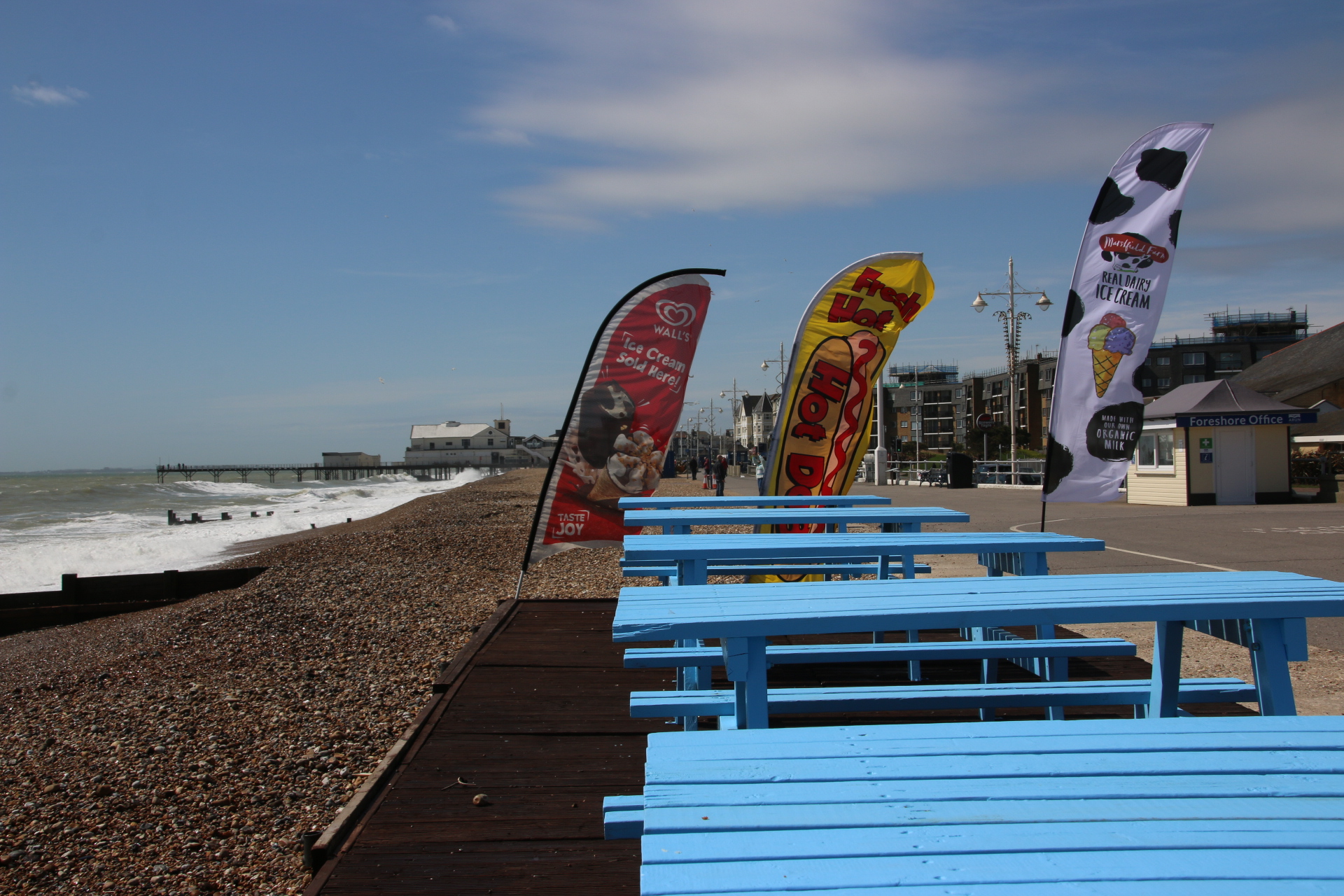
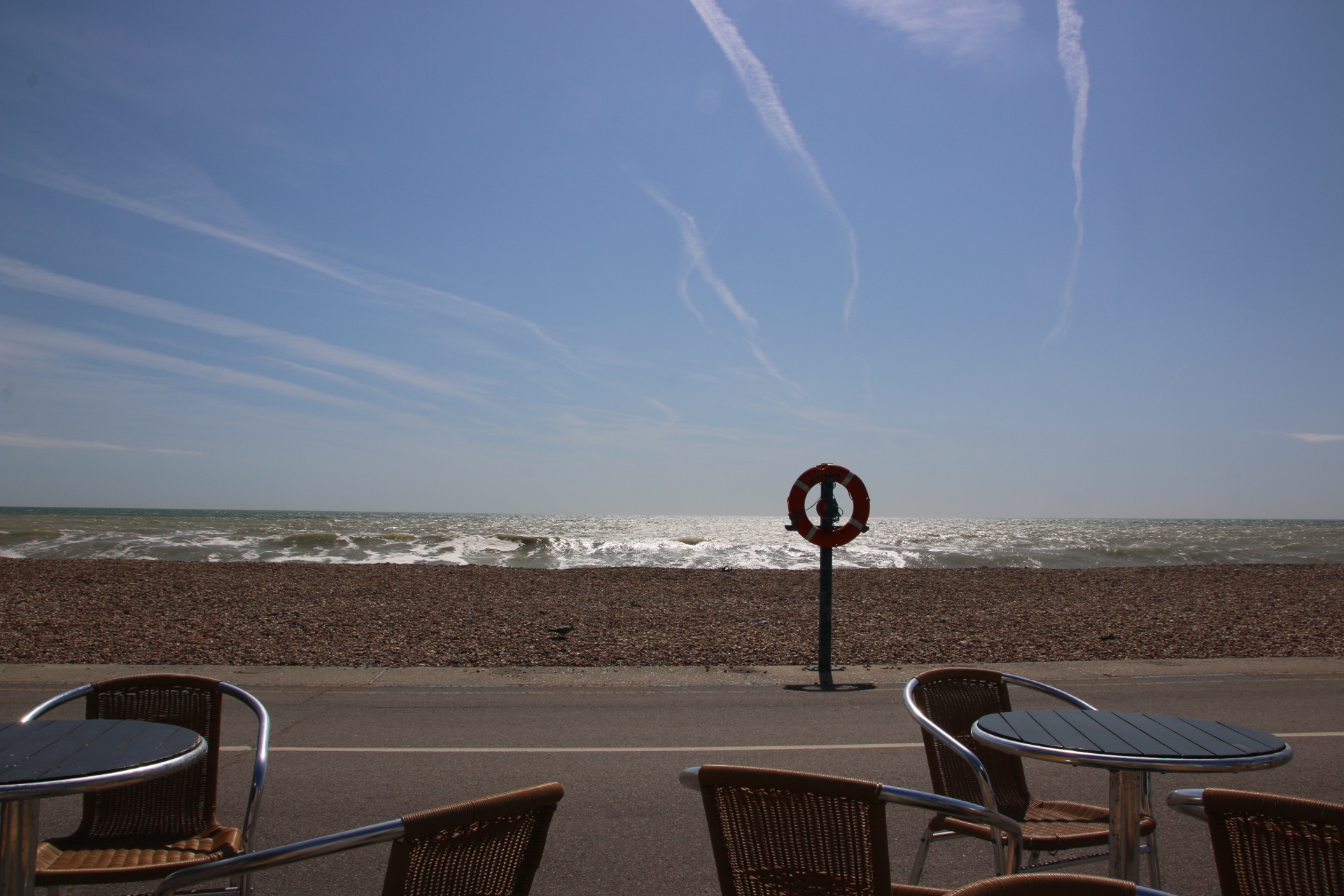
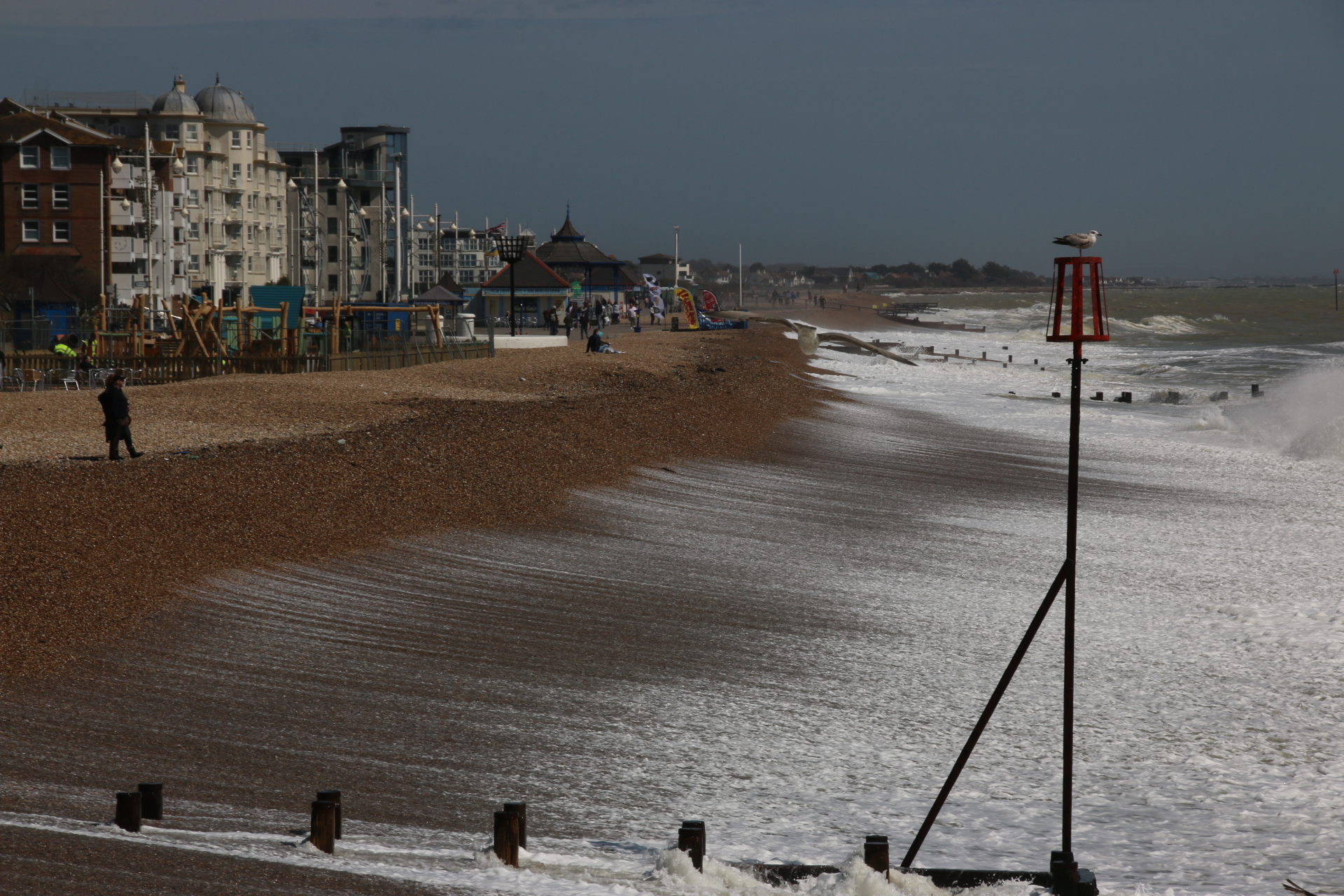
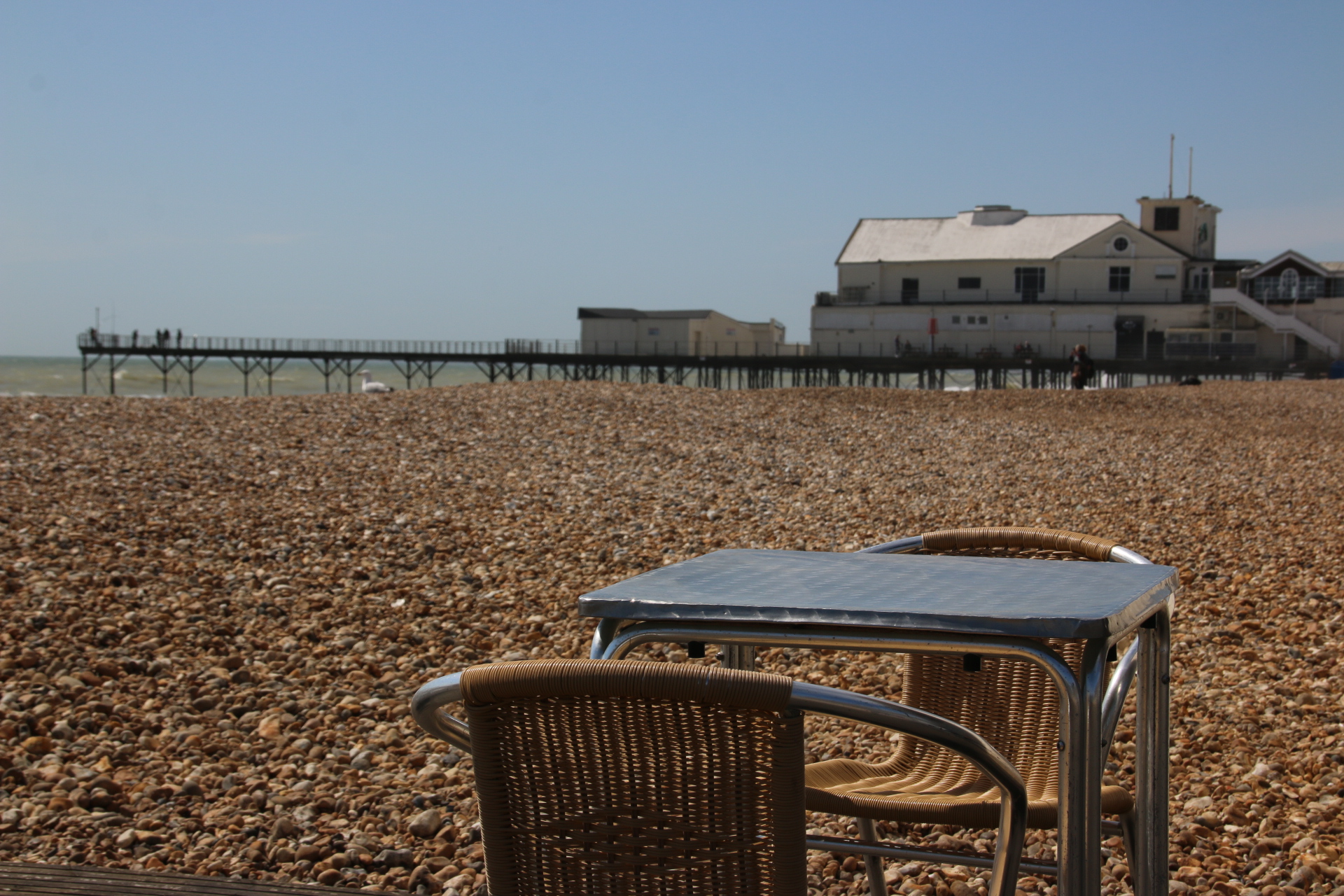
The esplanade, (what is the word for that flat bit that lines the beach?) was almost deserted. The sun was out but the ocean was in a bad mood. Snarling, it enjoyed throwing its full force of pebbles up the beach and then cackled menacingly as it dragged them back down below the surface. A few families huddled under coats and scarves and forced their way along between the gusts. The tea shacks, with their aluminium tables, are spread out at 100 metre intervals to provide shelter for the brave to get through their ice creams or quickly cooling paper chooks of tea. I expect the arcades will be doing a good trade today.

Then there is the pier. At least I think it’s a pier. It must be the stubbiest pier in the whole of the UK. It must be a pier because there were a handful of guys fishing from the end. I went exploring and made a bit of a boo boo. Climbing up some iron steps I thought I would climb up 3 more and take a piccy of the town. This I did and when I turned around there was a guy standing at a corner watching me. I smiled, no response. I nodded, no response. Then he said in a very gruff voice – “the bottom of your boots will be covered in green paint”. I stood wooden, stayed silent, squinted my eyes. I realised he had just painted the three steps in a light green colour. I apologised and rapidly moved to my exit only to look down and see the print of the soles of my boots clearly marked out on the metal platform of the pier. There was little I could do except quicken my pace and made a very hurried departure out of town before he asked me to clear it all up. I don’t think there is a lot in Bognor to draw me back; not even my work of modern art.
From Bognor I have driven to Selsey and followed the pebbly, ne stoney, beach around the headland to the Witterings. There is no real break in the beach, nor in the mixed housing that lines the way around.


Madiera’s best fish restaurant is just so Smart

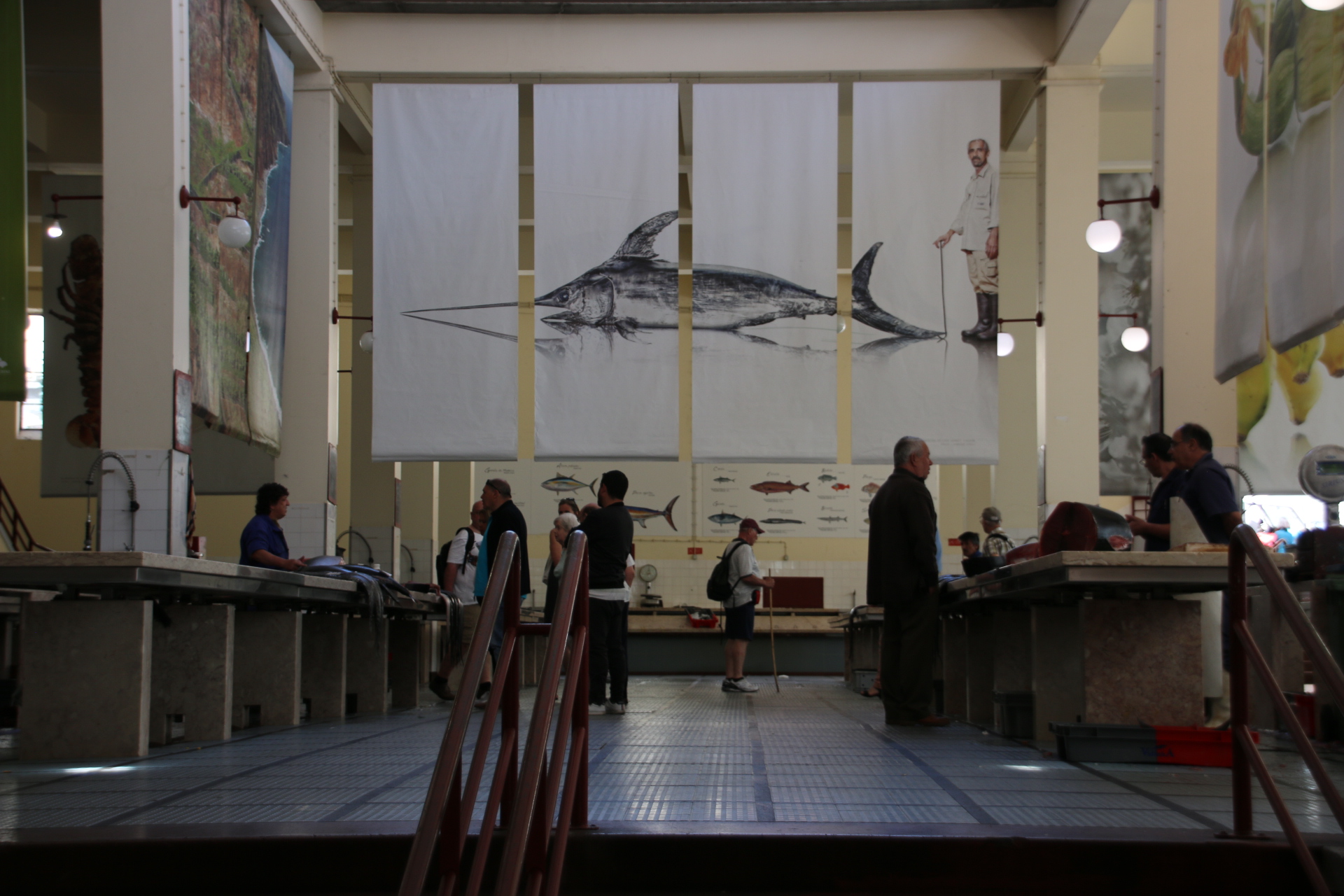
Being an island in the middle of the Atlantic, seafood is hugely varied and very popular, although cattle are reared on the island supplying excellent beef to restaurants and hotels.

Fish is landed at THE fishing village, Camara de Logos. This is a small community, with a nest of local bars lining the grey stoned harbour. It takes an effort to apreciate the grey, volcanic sands and cliffs that make up the rather scruffy coastline around the village.

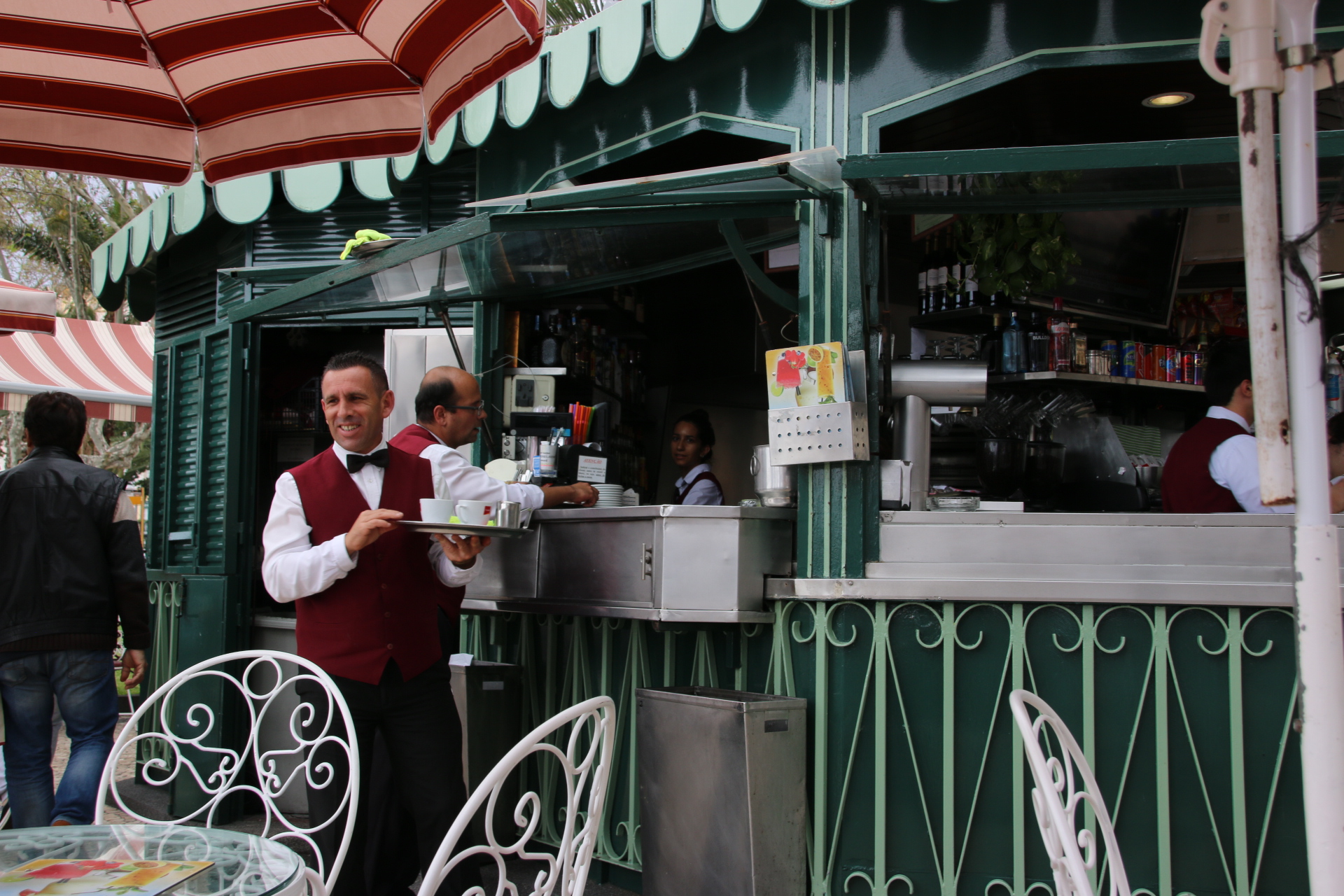
However, the village centre is shared by parked cars, fishing boats, dried fish, olocal buses, cruise buses, tourist buses, cafe tables & local card schools.

Just down from the hotel is a small parade of quality restaurants. The pizza restaurant is just that. The Mexican Steakhouse its exactly that but such excellent fillet. Having gorged out on steak and a bottle of red Mr Bossman brings out his homemade bevvy. Made with honey it has got quite a kick. He boasted that my bed would ‘bounce with sex’ after sinking a few glasses of his nectar. I think it also made him blind as he guessed me to be 58.

The fish restaurant boasts to be the best on the island. Quite an accolade but true – huge portions of wonderful fish & sea food. Our waiter, Artur, King Artur, as we called him, worked for 7 years in the ‘fast food industry in Oxfordshire’. If you know Oxfordshire you will know the chain of fish & chip shops called Smarts, who it turns out is a Greek. It seems that families from Madeira work in his chain which can be found in every market town in the county. On a Sunday they would meet up in Summertown to play footy. What a small world.

It is back home later today. I’ve enjoyed this peaceful, calm island where life is slow and the locals friendly. The coastal strip is holiday territory but the core, the spine of the island reminds me of the mountains of Europe where you can walk and trek and cycle and off road. Just beware – everywhere is up, and a steep up.


Exploring Nuns’ Valley

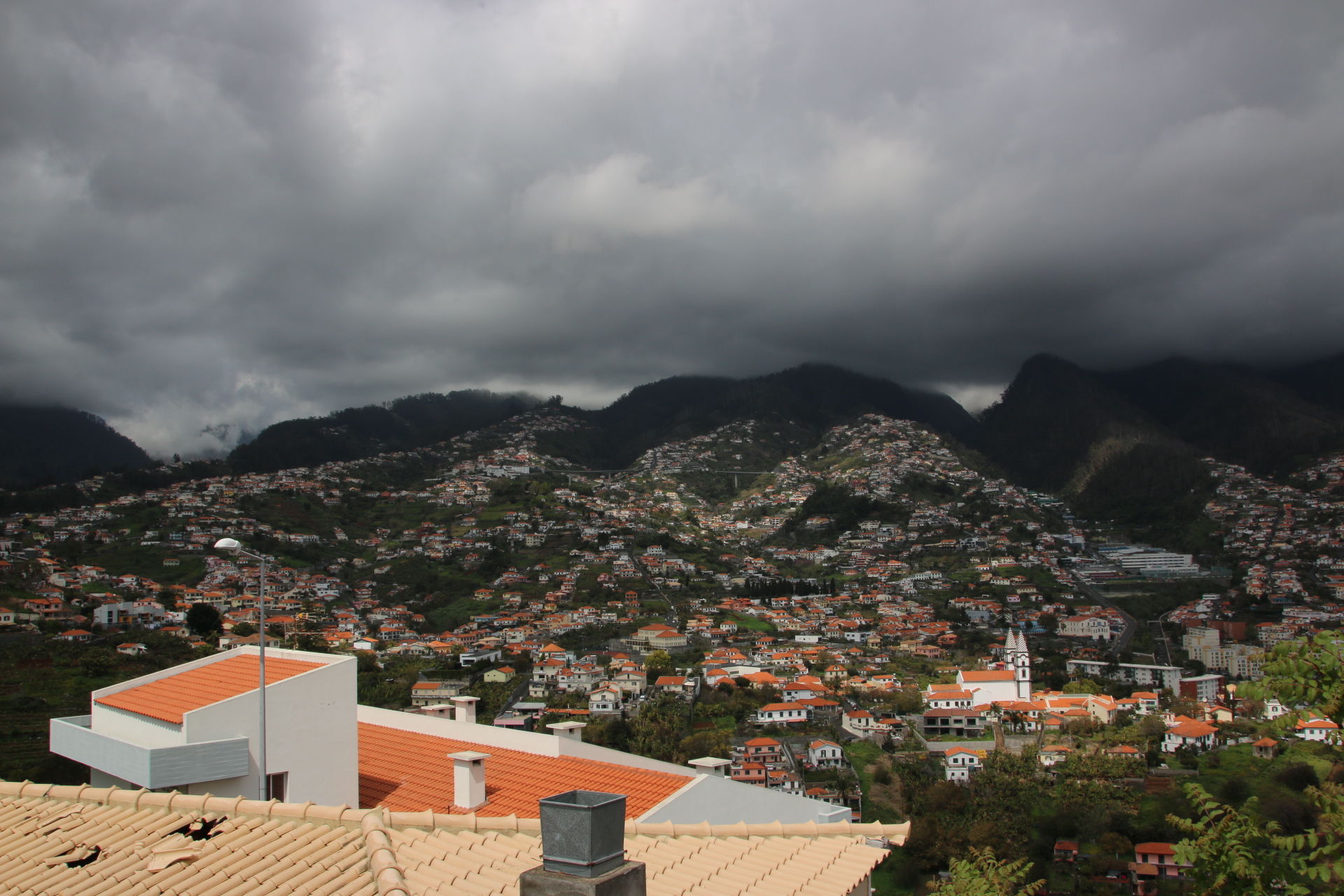
Most if the touristy accommodation is around the west coast of the island. In fact almost all the hotels and apartment blocks are here. So come with me on the bus to see inland Madeira and explore the mountains. First stop is a view point at 300 metres where the city is spread out below us. 200,000 live on the island with 150,000 in Funchal. You get a real feel for the landscape with the housing spreading up the ridges stopping just short of the tree line.

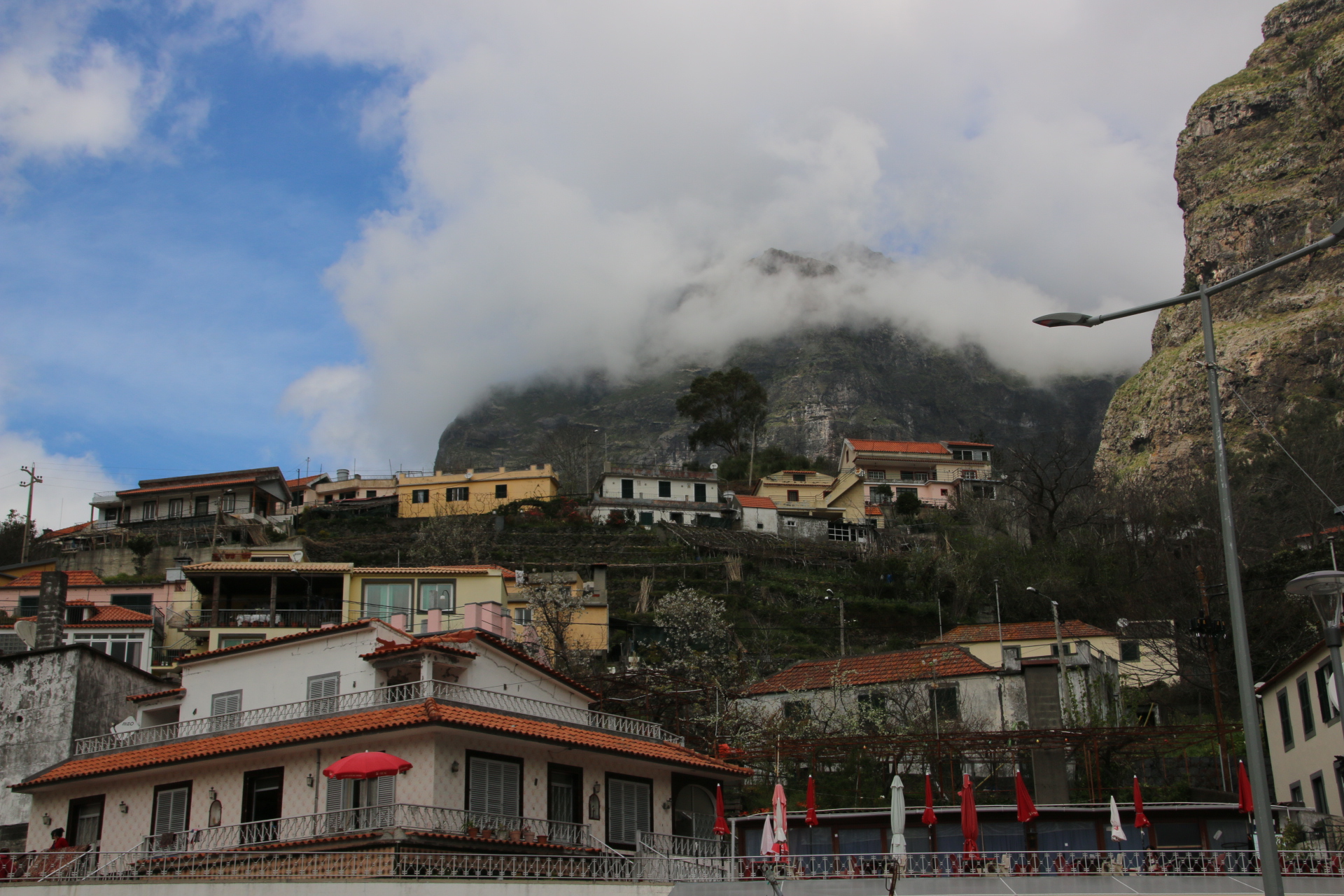
From the coast it looks like the central spine of Madeira is always cloaked in thick, thick cloud. This journey spends time up in the clouds but it only rarely hides the powerful landscape of towering eucalyptus trees, craggy rocks around outcrops, and sharp peaks and ridges. The next stop is at 700 metres in a small local village with few airs and tourist graces. The sun pierces the cloud to highlight small farms and rich terraces. The locals too what all locals do in rural areas the world over. They sit around chattering together and putting the world to right, they get to market, in this case on the local bus, and travel back home with their baskets bulging and they show off their new clothes and that new hataround their best purchases.

The final stop is high up at 1,000 metres where the facade of a hotel peers through the cloudy gloom overlooking the bends and loops of the Scalextrix track of the village below. The road meanders and slaloms around the houses spread out on its play mat with the toytown cars crawling up the gradients and rushing down the bending hill sides. Now this would be the place for egg rolling.

Egg rolling in Funchal

It’s Easter Sunday. The day starts with a visit to the supermecardo to purchase eggs and felt tips. Only four survive the boiling but that is enough as all are transformed into characters from a Agatha Christie novel: who will be battered to death on the hillside?

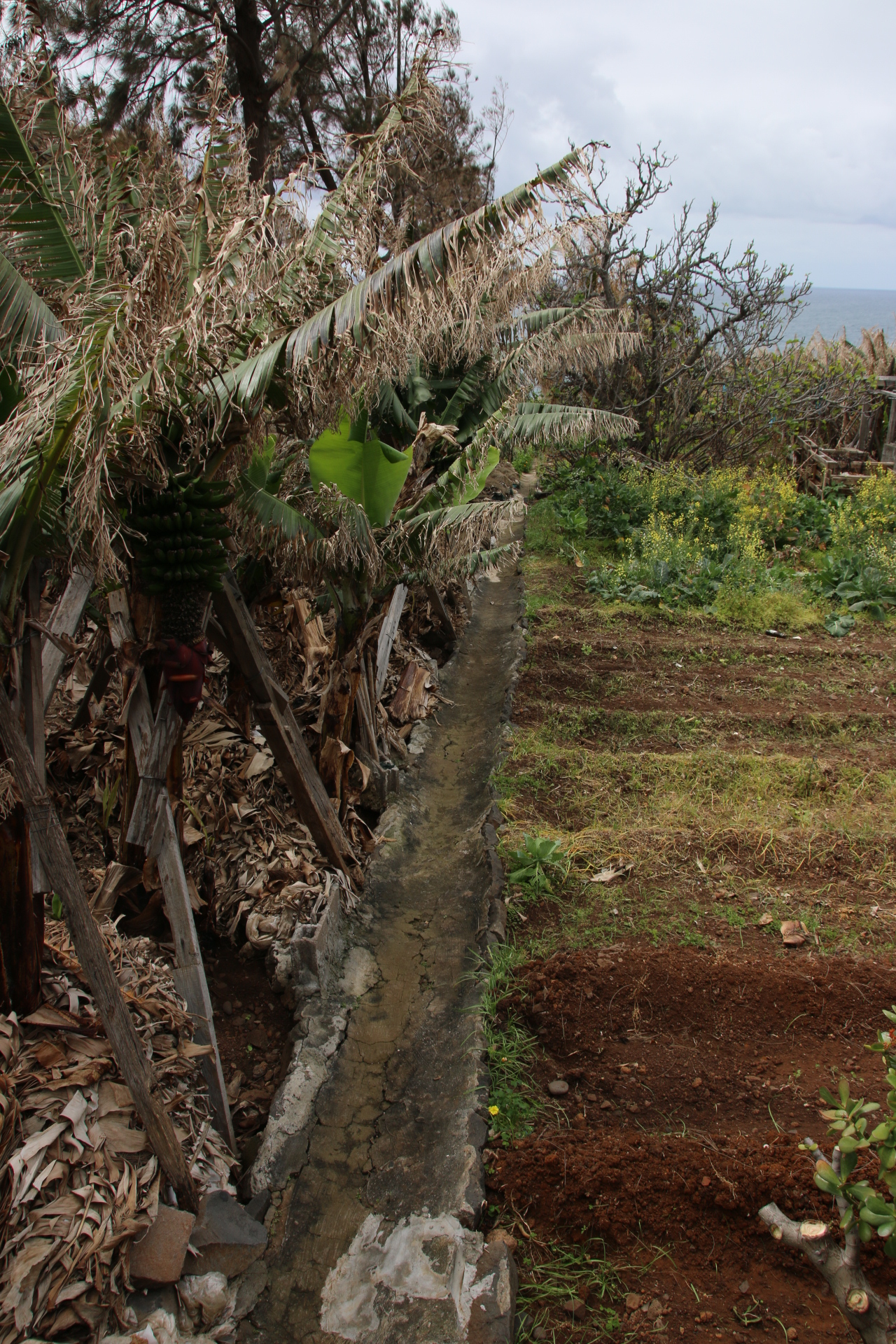
Where to find the right hillside. I wanted to roll down through the banana plantation but I was outvoted. Now wouldn’t this make the best course?

It was a bus trip into town to find the right gradient. A quick exit is required as the park overlooking the harbour flashes by. The gradient is good. Our 4 friends are released from captivity and line up ready for their destiny.

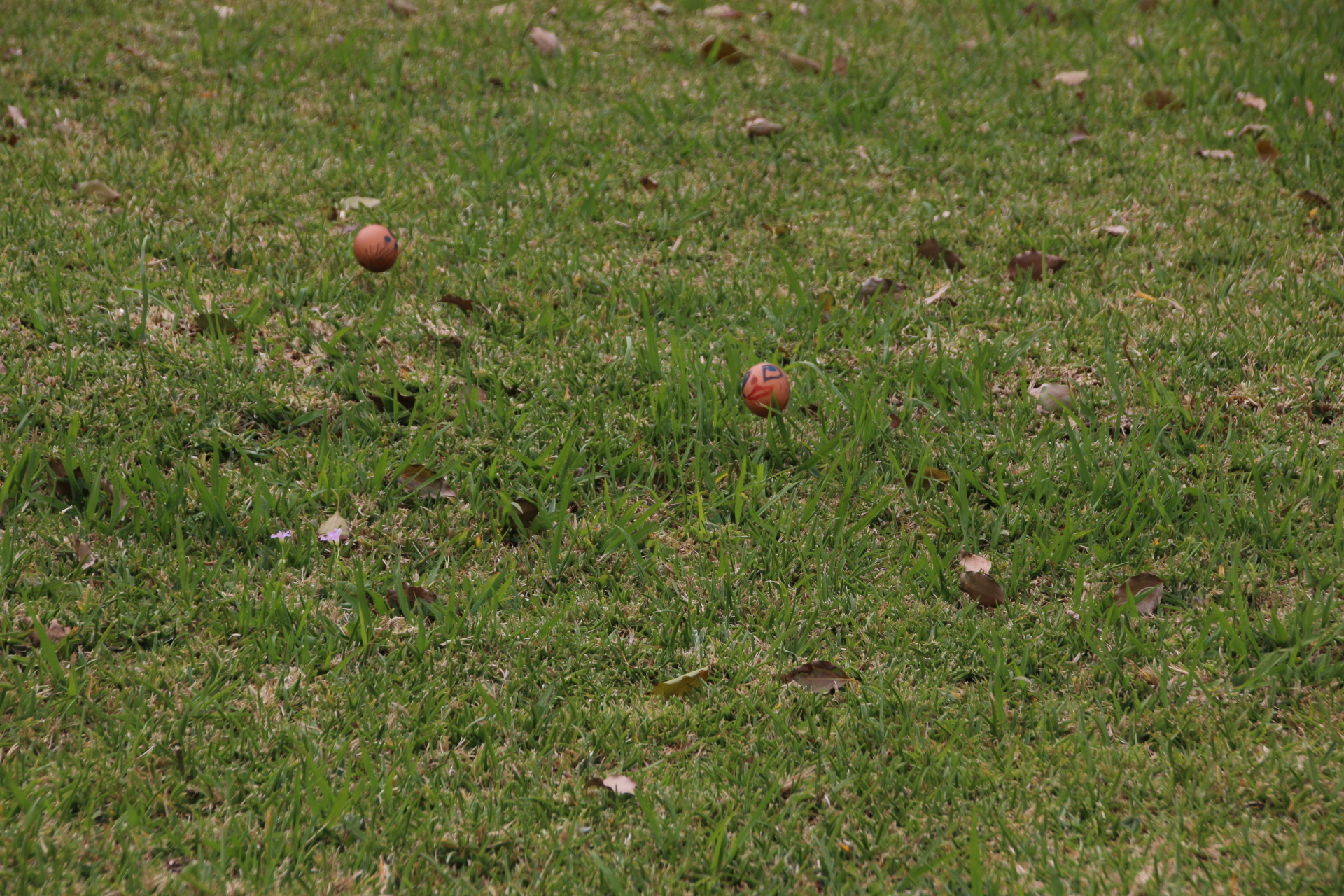
Together they are propelled down the slope.

With youthful enthusiasm they bounce down around each other and all reach the bottom undamaged. The grass is soft and rough, like a mossy rug, able to withstand Atlantic weather throughout the year so no real obstacle for Madeira’s raft of eggs. The process is repeated with the same end – no fractures, no damage, no breaks. Sadly two become hidden in the bushes below. The exercise is repeated with the last two. On this last run they too head for cover and lie undamaged but free. The gardeners will be surprised to find 4 boiled eggs hiding in their bushes. A calming exercise which sums up the day.

From here it is a short promenade down to the harbour for a coffee and then into town before grabbing a bus home.


Madeira’s Cake Basket

My first question is how the Dickens did the Portuguese discover this volcanic rock in the middle of the Atlantic when all they had were sails and those three masted vessels? The second question is how did the first pigeons arrive on Madeira and why is it that every city in the world boasts a large community of these arrogant birds who act as if they own the place? Funchal, Madeira’s capital is no exception.


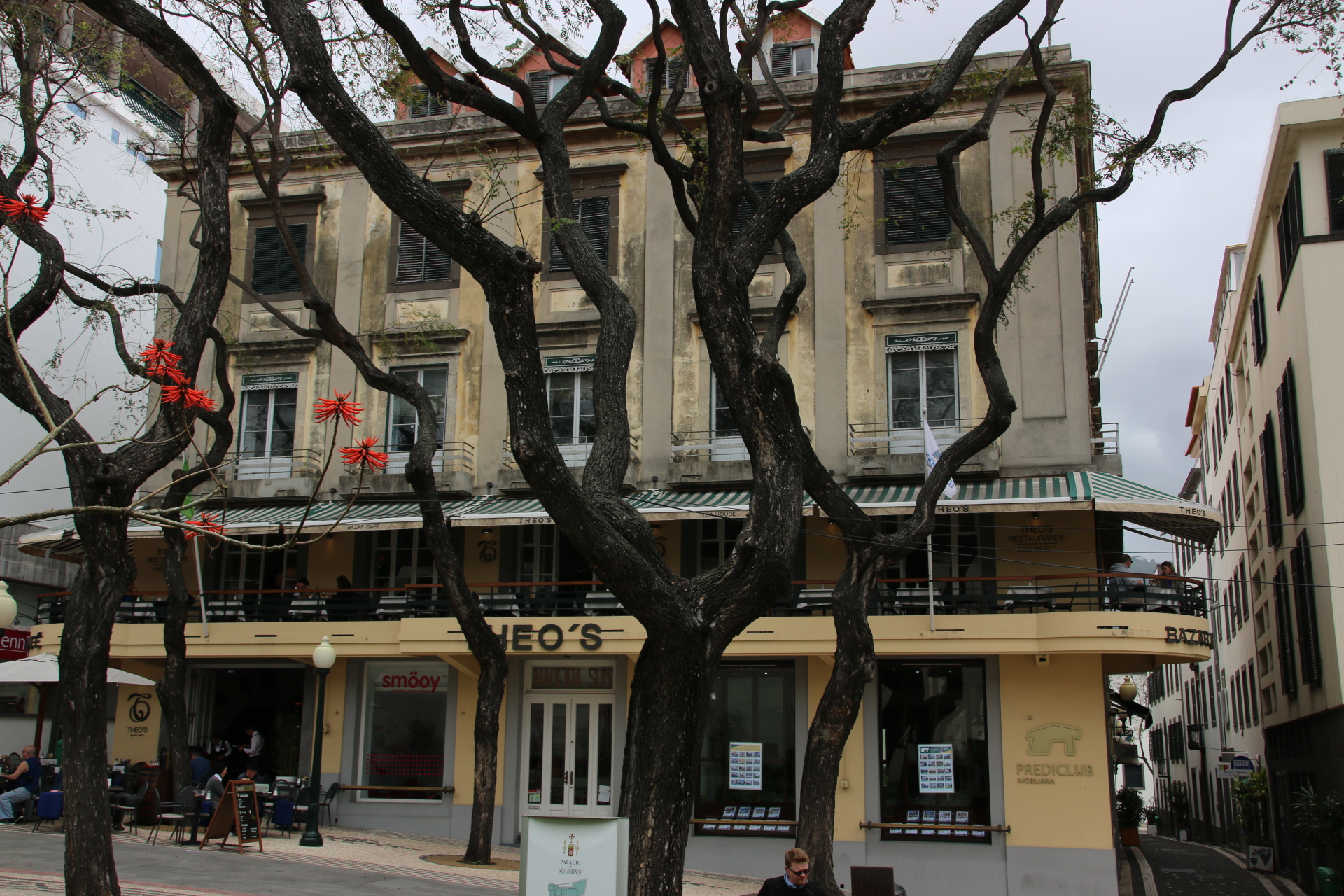
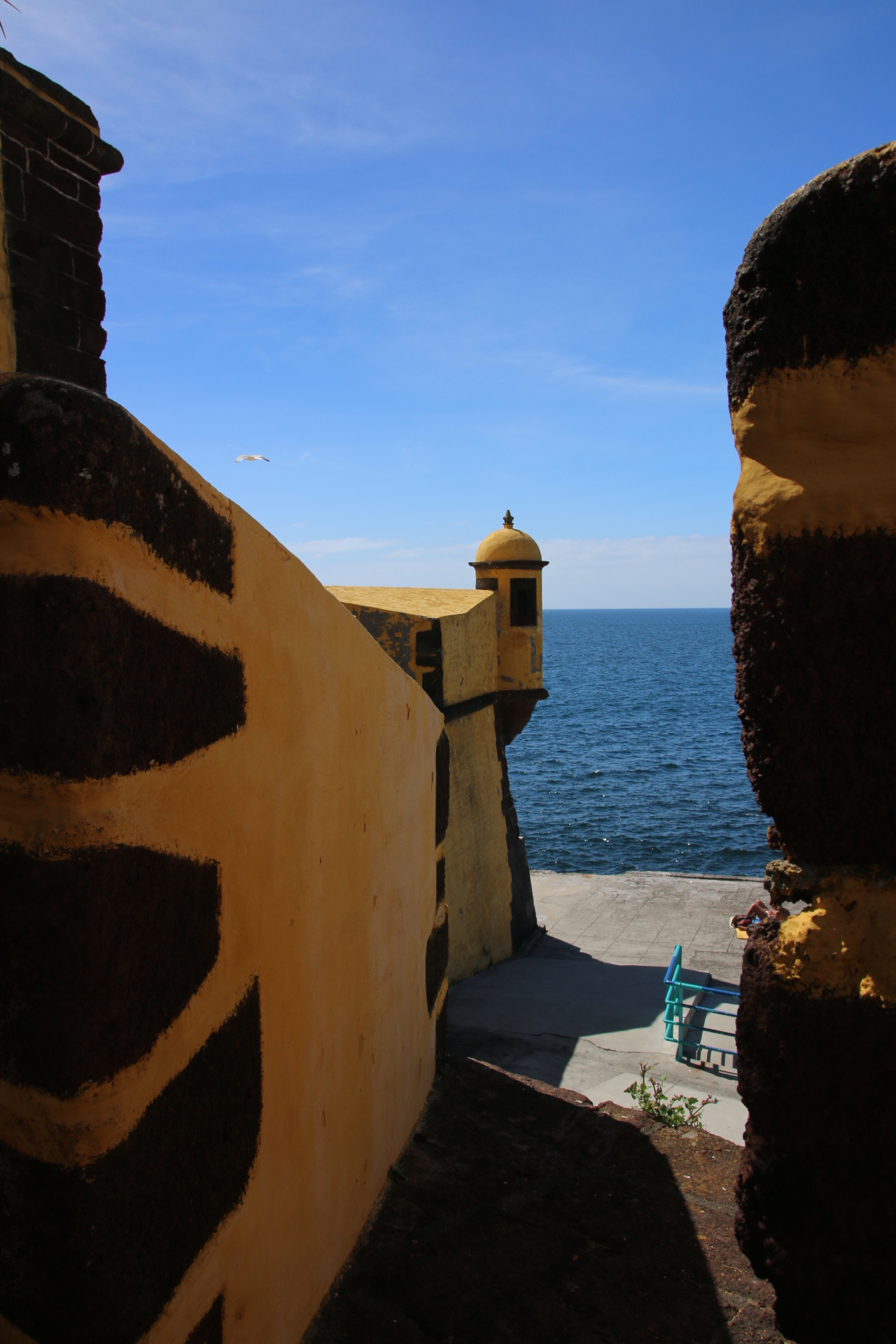
This quiet, peaceful island has a gentle ambiance about it. The first thing that strikes is the hilly nature of this volcanic plug and the fact that one is never far from the ocean with all the sounds that accompany the surf’s perpetual motion up and down the beach. Glam & glitzy hotels and apartment blocks line the coast line and permeate the gullies and hillsides. It is all whitewashed and feels very new and modern. The old town takes a bit of finding but it is worth it with the cobbled streets, ancient houses & painted doors which surround the old fort. It is small but it really does feel old and I can imagine Vasco da Garma coming out of a sailor’s hovel to join his ship to call around the Cape to India.


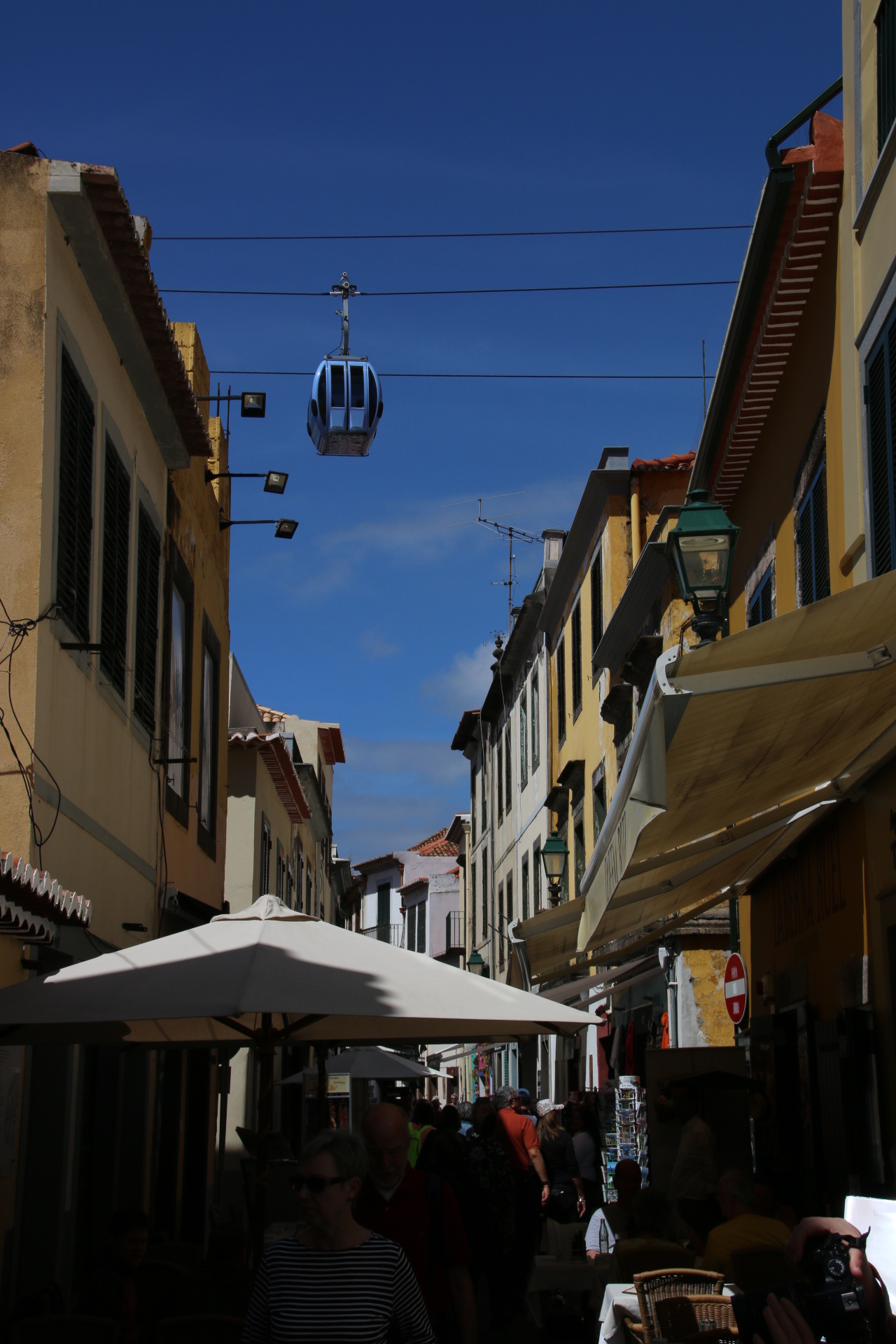
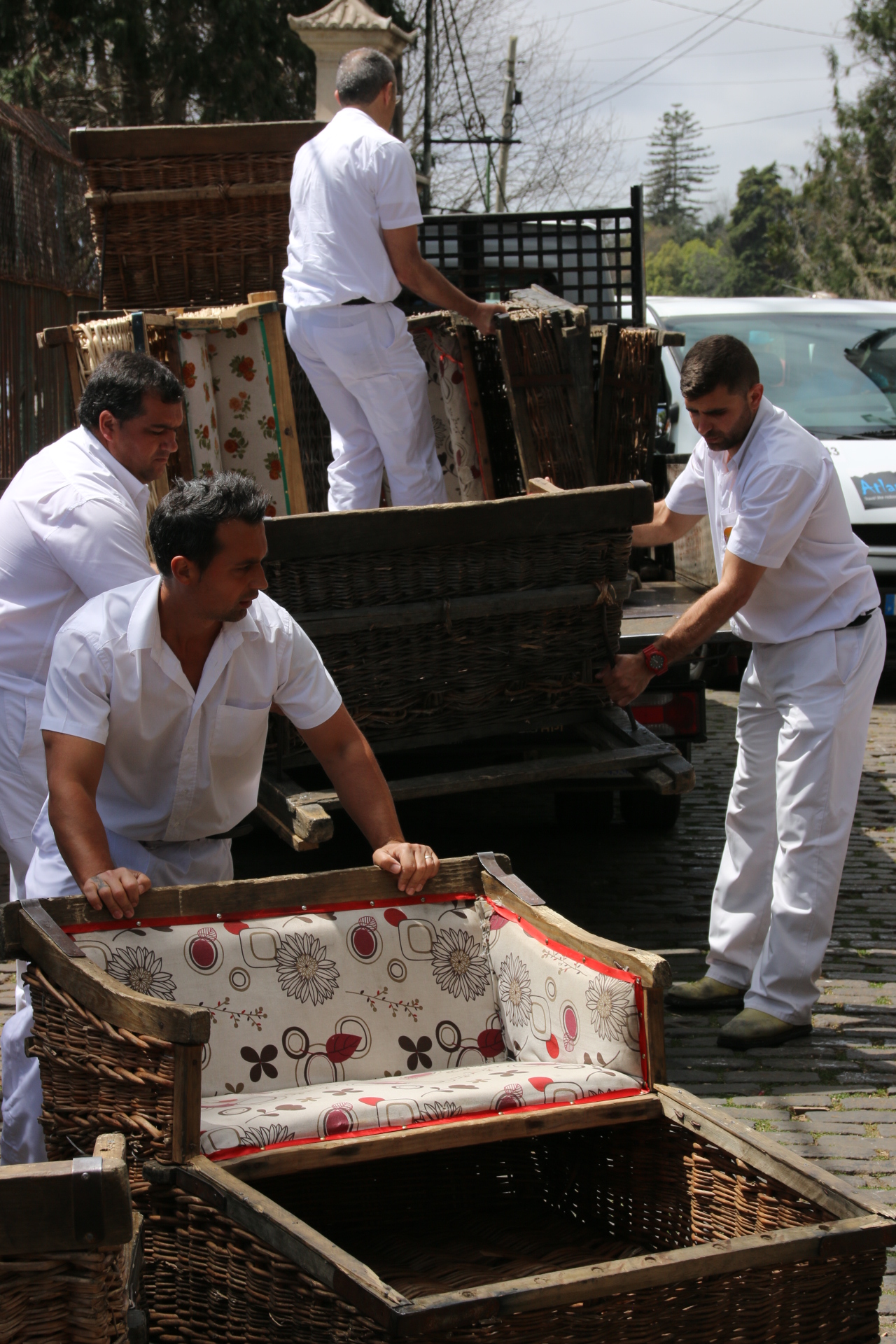
The cable car makes the hard climb easy and is worth the effort as the views from Funchal’s peak are quite magnificent. The traditional way of descent is also worth the effort and gives the strapping young men a job throughout the year which builds on the traditions on the island and provides the tourists with photo opportunities. I am going to call it Madeira Baskets.


Two Gates outstripped by a Deal of Broad Stairs

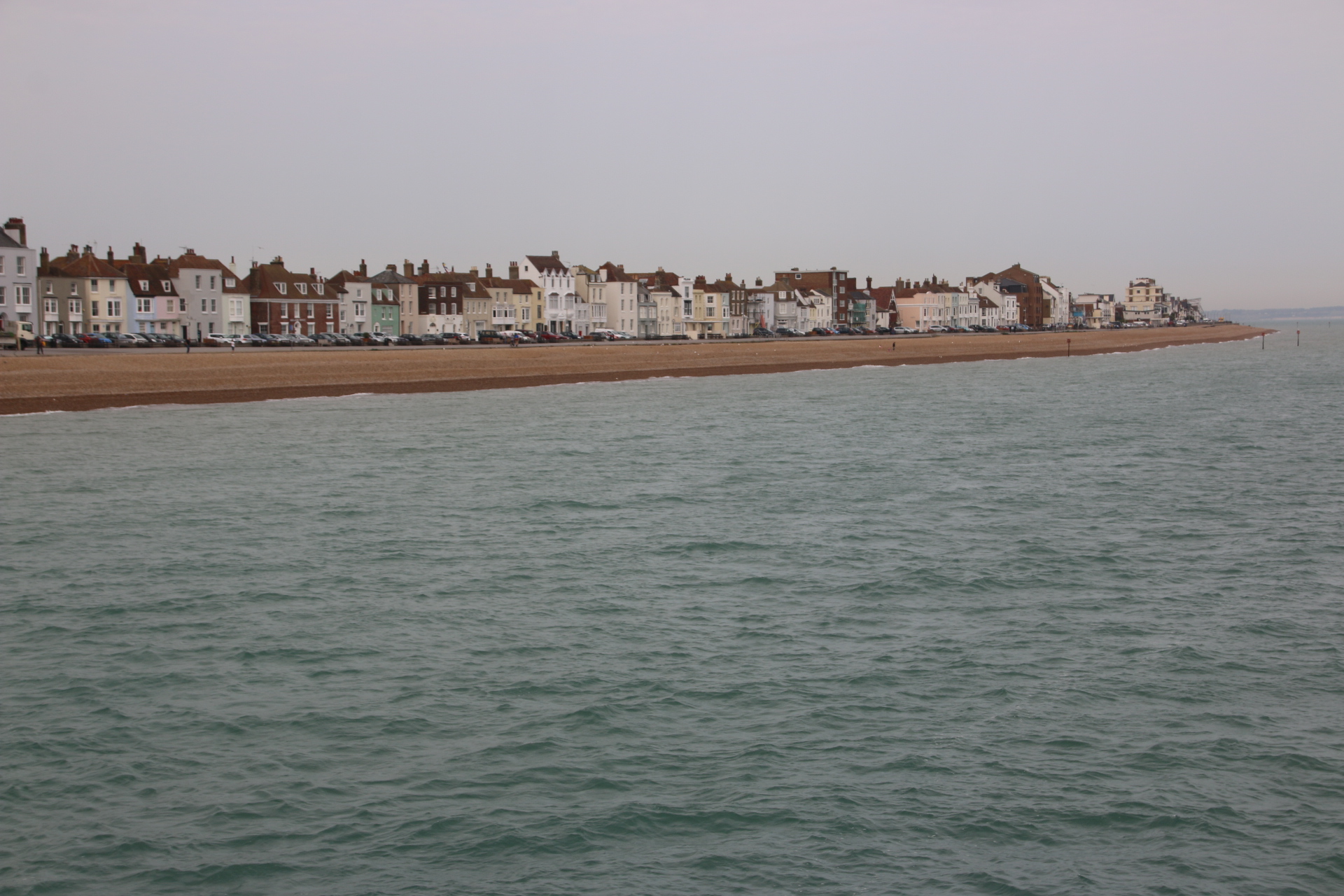
Clever that, don’t you think? You’ll see how clever as I go through the main towns on this part of the Kent coast. Walmer, with its Tudor house & castle, doesn’t even get a mention. It is its big brother, Deal Castle, that gets all the plaudits. Built by Henry VIII to protect the naval dockyards from the French, it can best be seen from the air with its battlement circles interlocked around each other. This view from the beach does not do it justice although it is in pristine condition still.

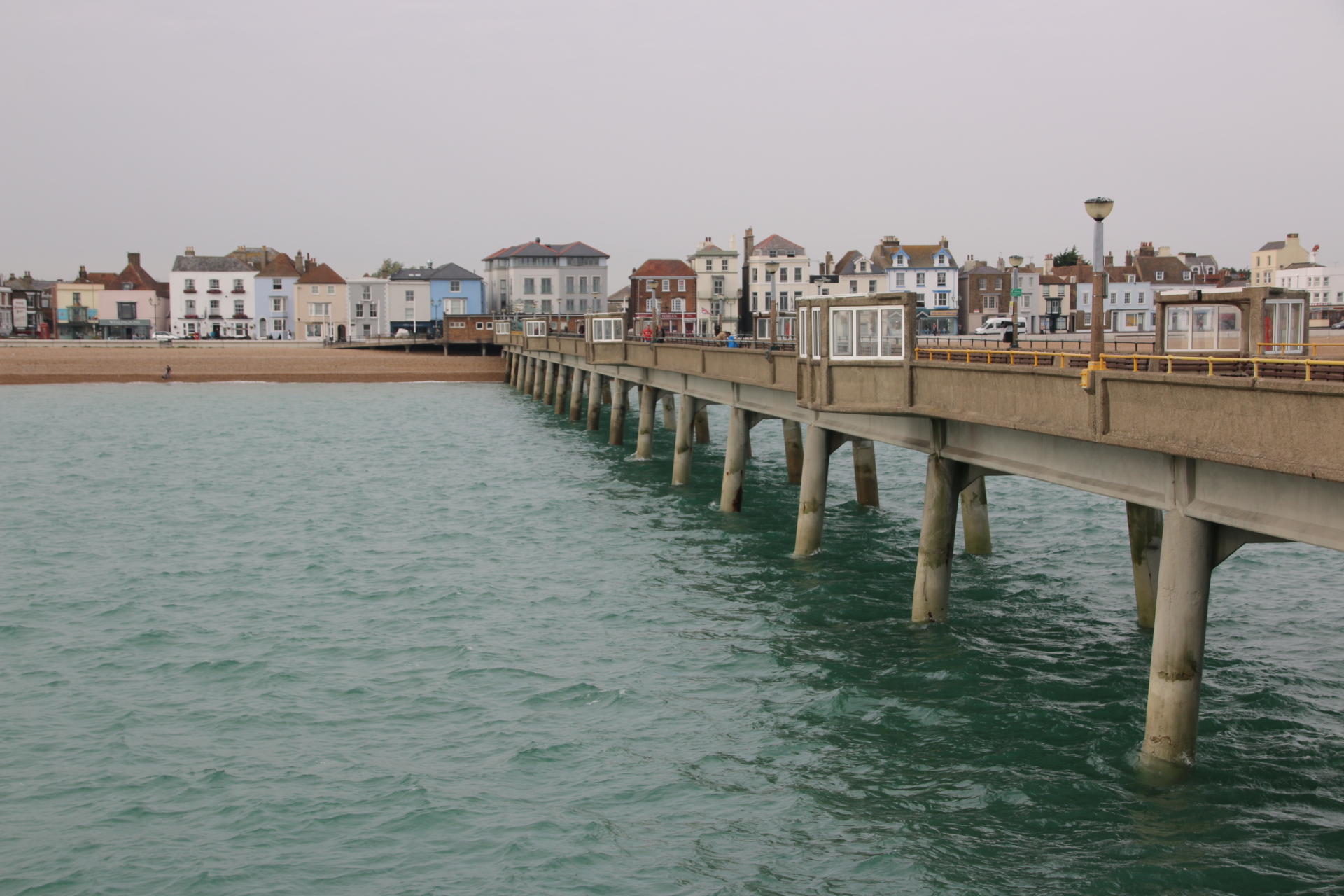
Deal also has a pier. A simple pier made of concrete and steal. None of your arcades or bingo or rides. Just a wide stubby structure with a few cubby holes acting as windbreaks ending with an exposed fishing platform and the warmth of Janice’s tearooms. The view back to shore and the town and beach is quite elegant.

I love this old cinema. It sums up the appeal of the place.
Ramsgate has a certain Victorian charm about it. The crescents of tall, elegant, white-painted terraces curve around the cliff tops like a crown perched above the harbour and docks and glitzy tourist hotspots. But somehow it is outdone by its neighbours on each side.

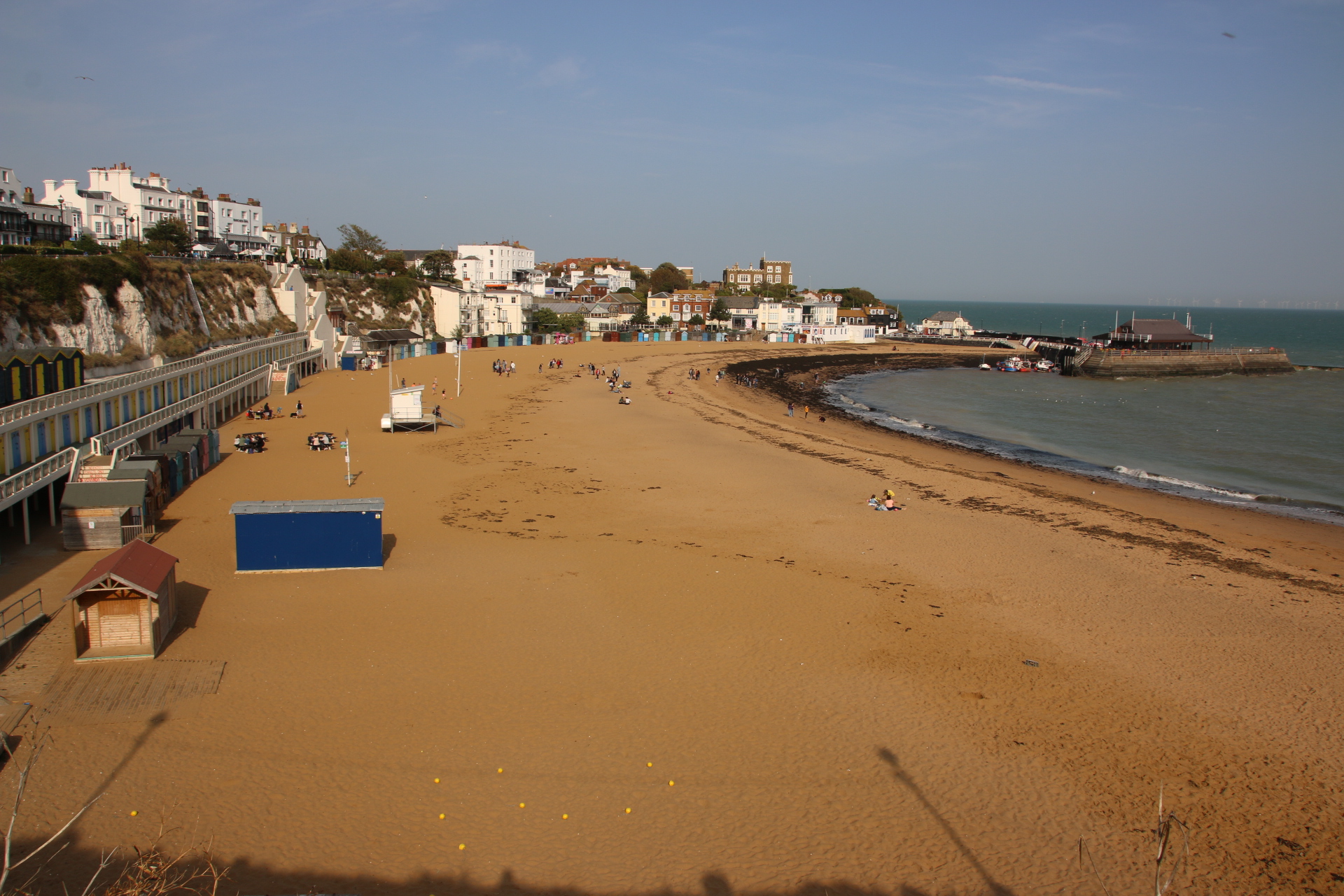
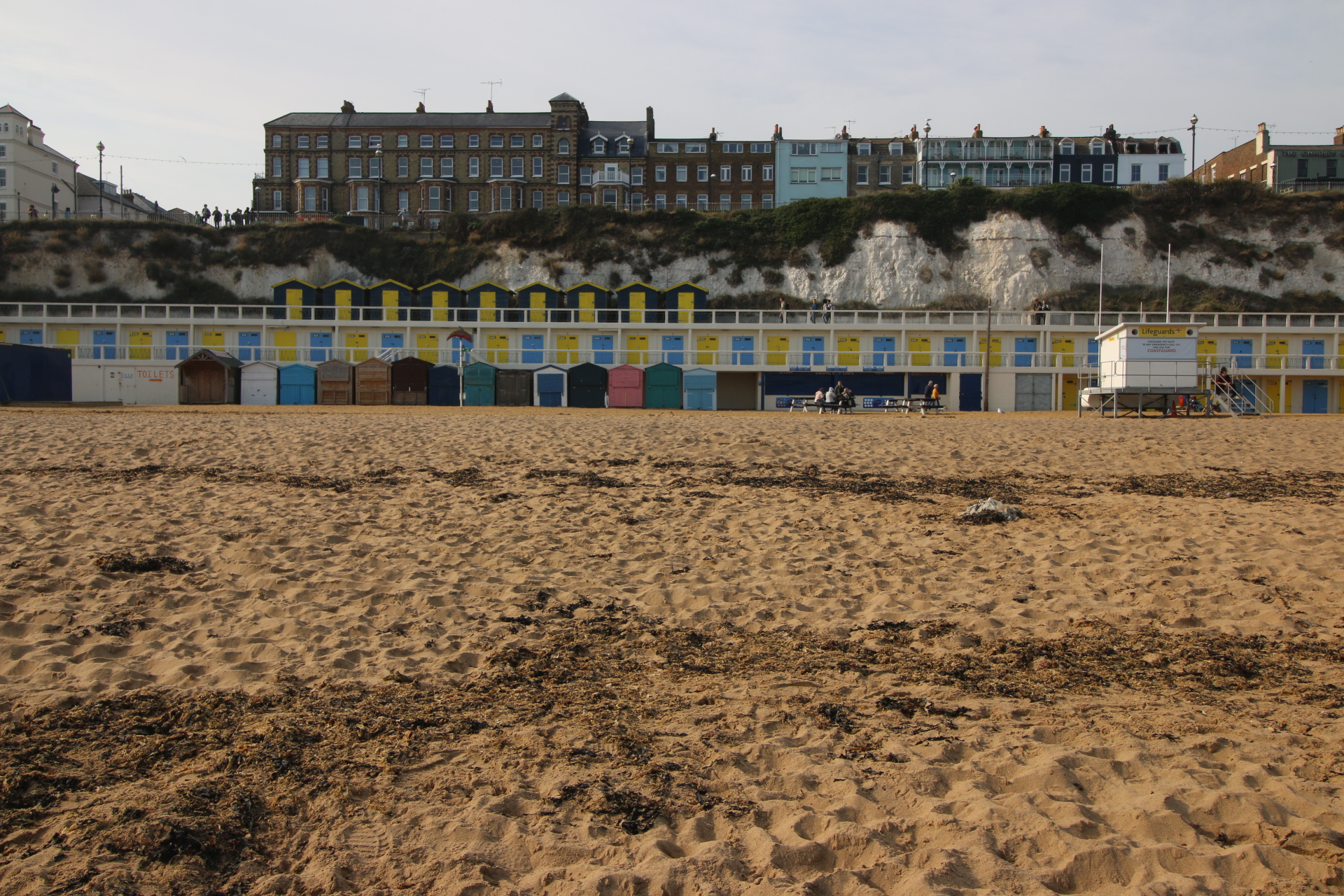
Just up the coast lies Broadstairs. Now I liked Broadstairs. The bay is small with a lovely, neat crescent of soft sand, lined, almost completely, with a variety of beach huts following the line of the cliffs around the bay. Along the top another crescent of classy eateries, ice-creameries & drinkeries overlook the sands. Small cracks of alleys lead through to a more ordinary part of town which provide for all the needs of visitors and locals alike.

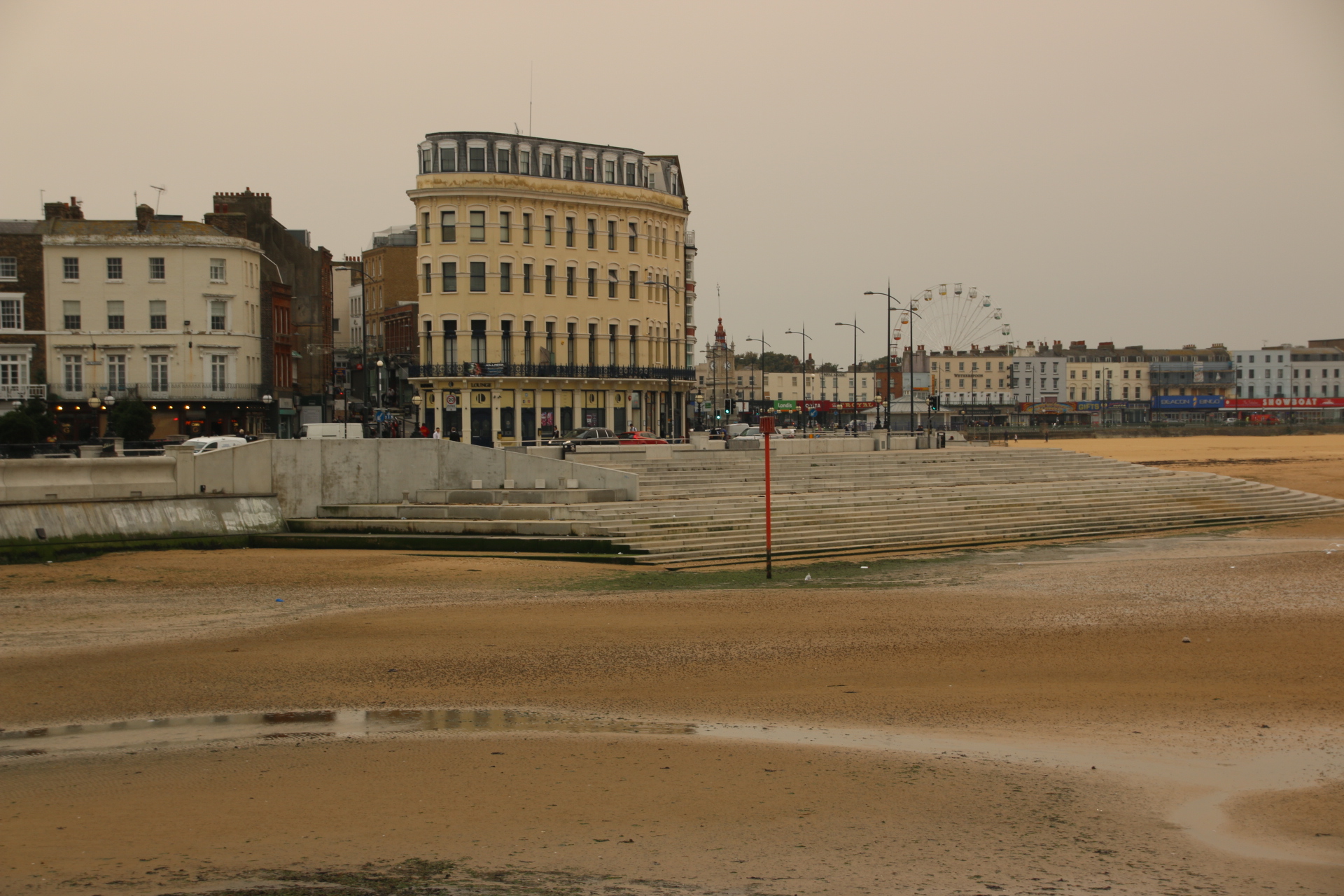
And then there is Margate. Hmmm. Sorry Margate, Broadstairs and Deal just shine out, even though you do have the Turner Gallery with its free admission.


Whitstable’s oyster beds make the place a real pearl

I saw a few sunny days were forecast and I have this small gap on my coastal tour, between Sheerness and Deal. So I thought I would get it covered. I start south of the Thames estuary in the marsh lands of the Isle of Grain and its flat wet neighbour. There is one road, over a magnificent bridge, to get you onto the Isle of Sheppey, and one road to get you off.

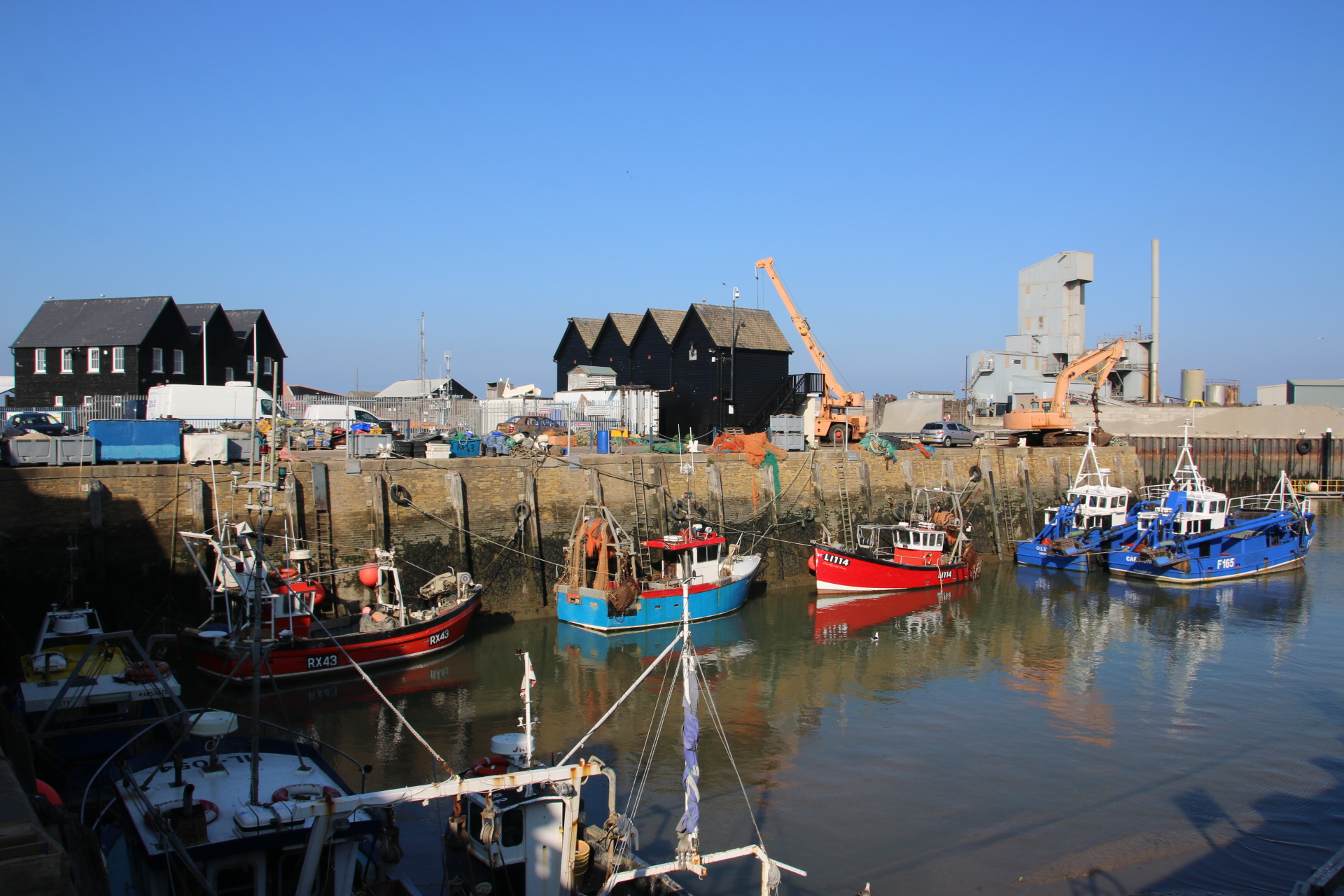
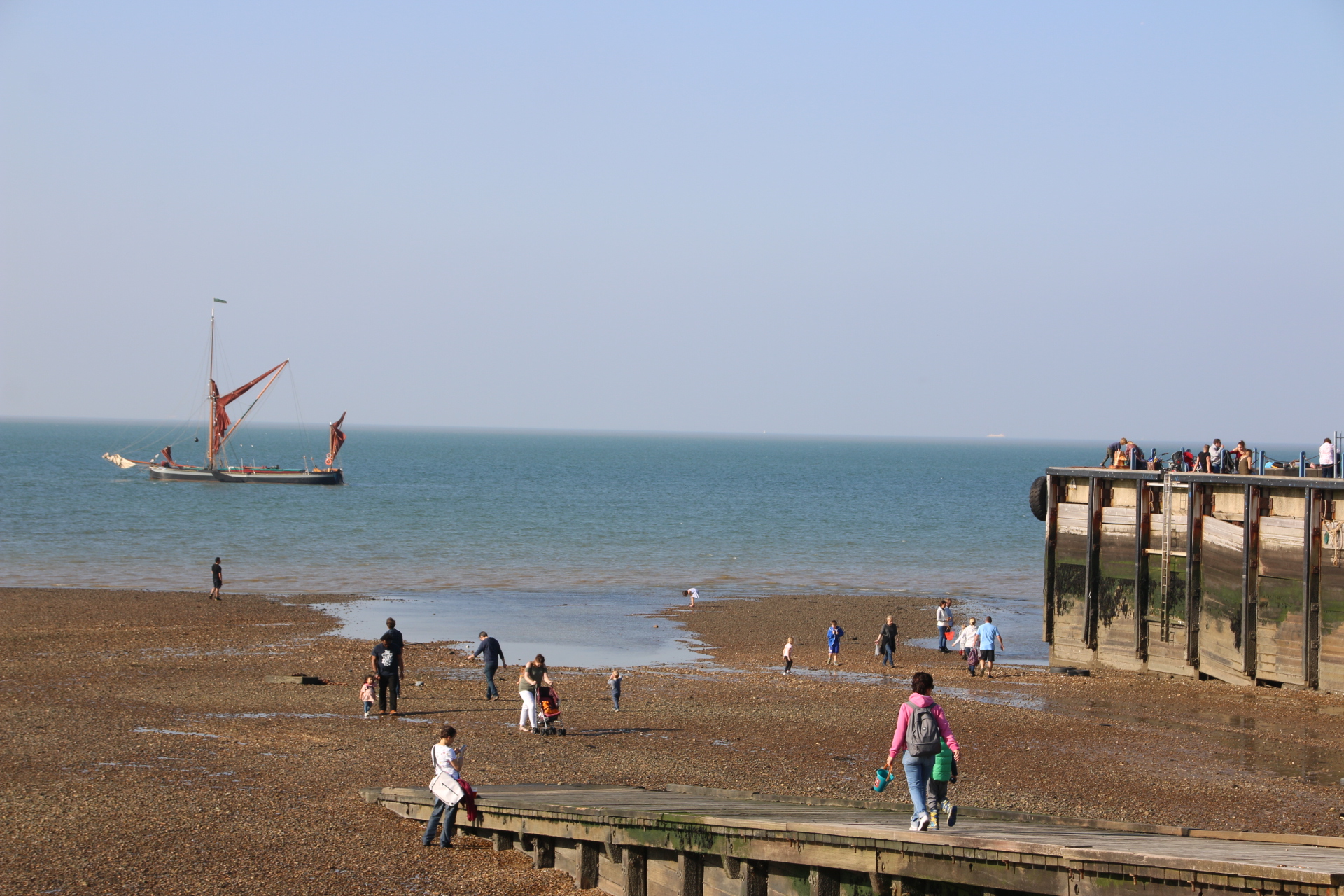
Down the North Sea coast, Whitstable awaits, the brightest pearl on the east coast, full of history, oysters, seafood, boats, masts, mud, nets, trawlers, pubs, visitors in a lovely, bustly cacophony of clinking masts and laughing children and shouted orders and slurping ripples on far away waters. Oysters have been collected from beds since Roman times. That’s them in the distance.

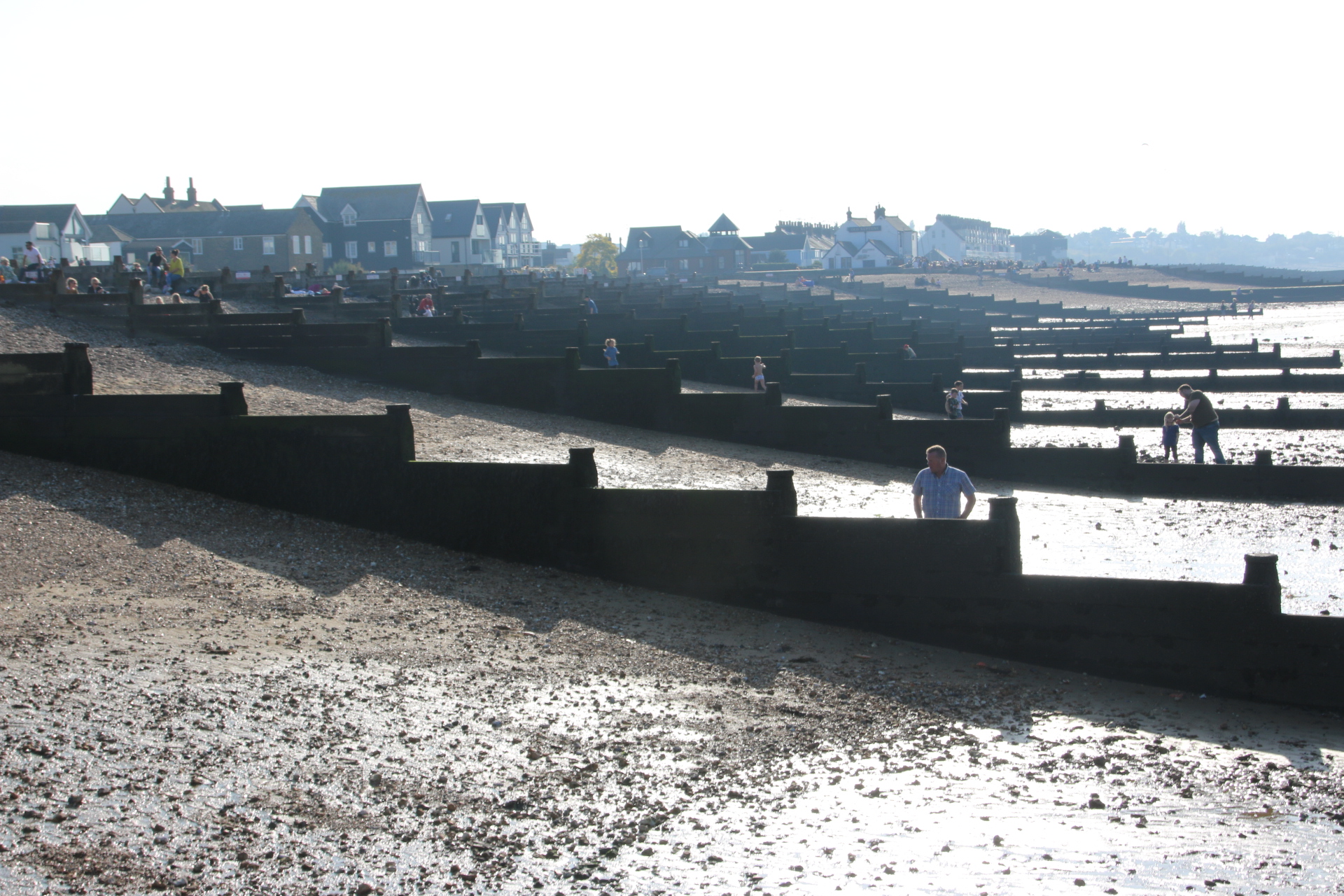
Here is my visual symphony for Whitstable. I hope you can touch its atmosphere with all your senses.

Herne Bay is just down the coast. Whilst a bit more down to earth compared to its classy neighbour, it has a certain charm with its tea rooms and ABBA entertainment, it’s truncated pier with its far end abandoned in the off shore distance, just giving a suggestion of its former glory and all framed by a line of very fine beach huts.

These twin towers are all that remain of a medieval church at the village of Reculver, on the cliffs just a bit further down the coast.

More tomorrow, weather permitting.

Ferrara, where the bicycle rules and not the tourist

So that is it. Home tomorrow. I leave you with images of Ferrara. There could be a lot worse places to leave you, and no, this is not where they make very flashy sports cars. This place is like a mini, fabulous Florence without a coach party in sight. In fact there are no cars in the centre to disrupt the seemingly endless flow of the bicycle. Many of the riders are particularly pleasing on the eye.

We hit gold with the hotel, for a start. A little bijou place on a central piazza, opposite the castle. Then the upgrade to a room with a small balcony looking directly onto the ancient Continue reading

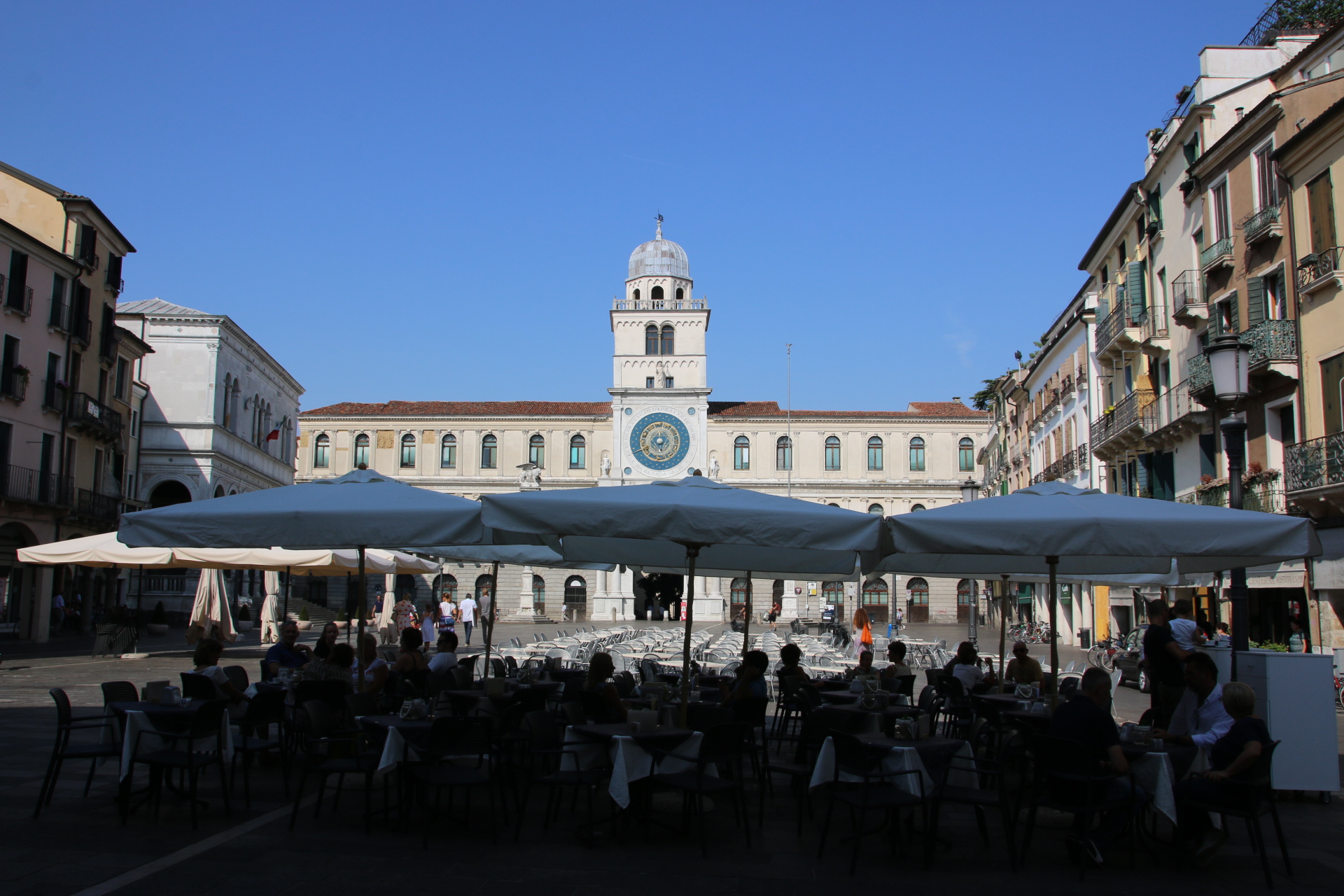
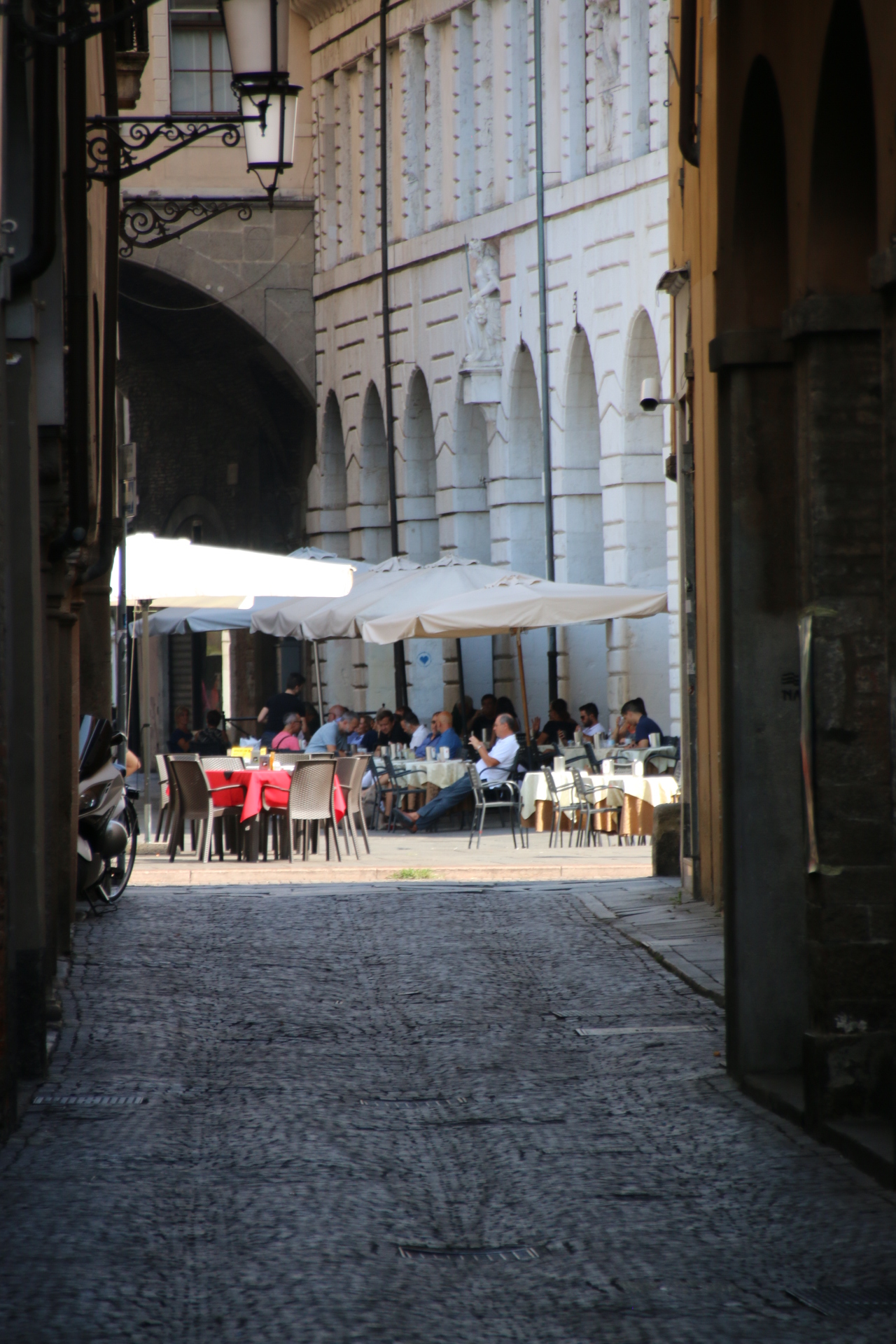
Padua in the heat

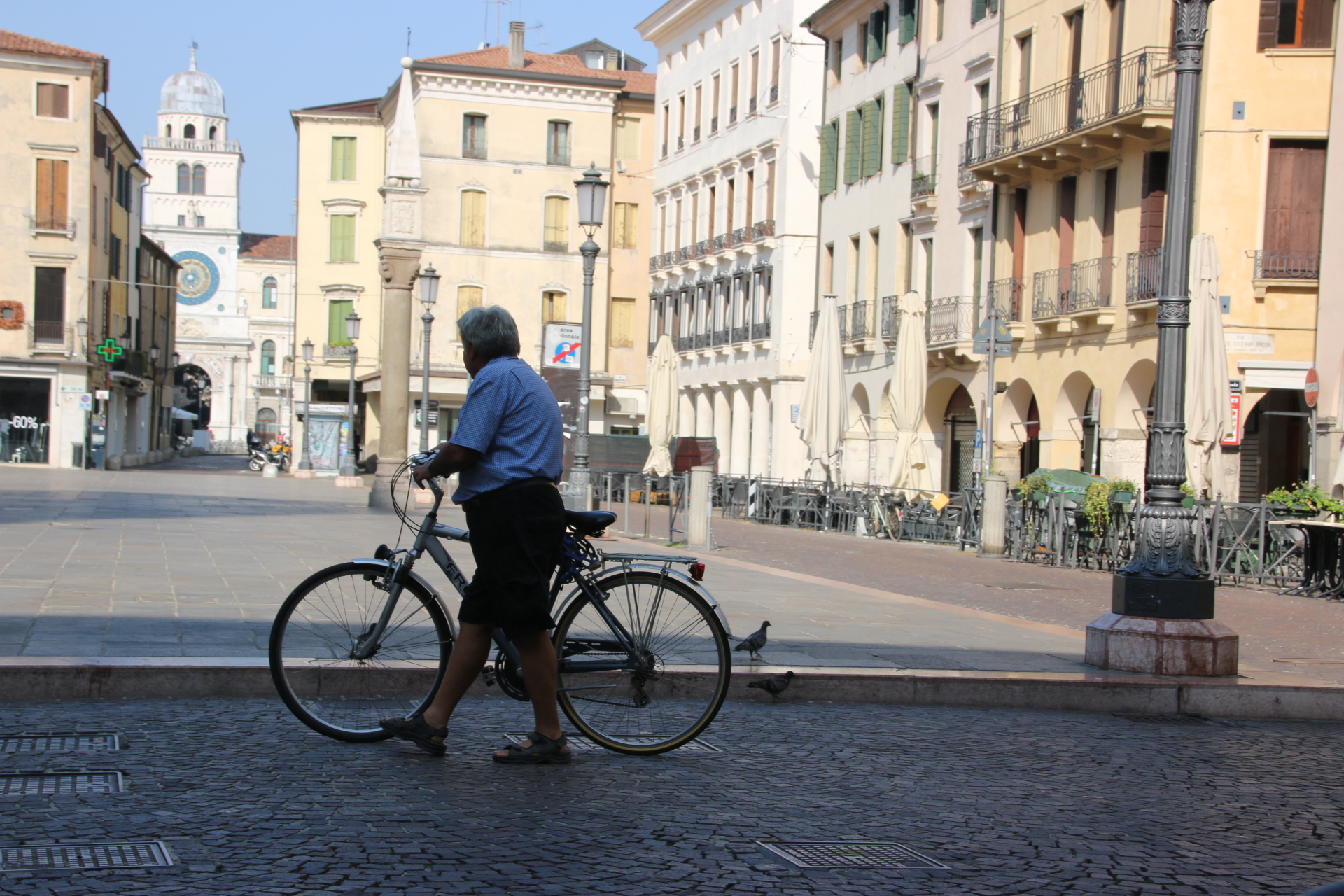
OMG. What a shock to the senses. The last time I spoke to you I was in the peaceful tranquility of La Marche, alone with the farmland, the soaring buzzards, the pool and mama Anita’s cooking. I have come 250+ km north to Padua, a university city in the same mold as Oxford, established yonks ago but in comparison to the past two weeks so hot and busy and full of people and noise and bikes and trams and shops and gelatos. It is wonderful but such a shock to the system. Welcome back to reality and back-home normality. Oxford in a 34° heatwave. Enjoy the churches, the piazzas, the shade, when you can find it.


Eating out at Trattoria Anita

Eating out in Cupramontana gives you Gina’s, a pizza restaurant, Rosina’s a few miles out of town with a glorious terrace overlooking the surrounding hills & Ristorante La Orietta within the medieval, walled core of the town.

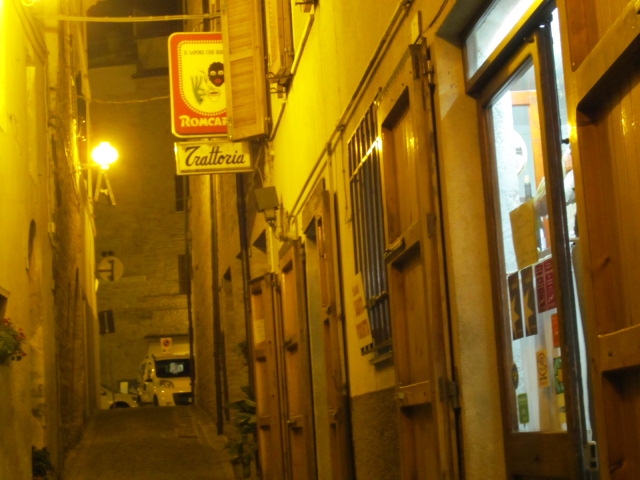
But I must spend some time telling you about the special delights of eating in Trattoria Anita. This can be found down a narrow, dark, cobbled street beside the butchers, under a totally inappropriate sign showing a golywog drinking a cup of coffee.

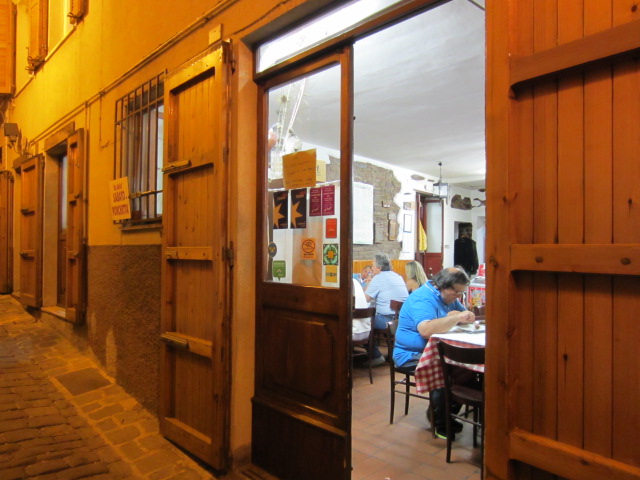
The first doorway is into the kitchen of open charcoal grills and steaming, aluminium pots & pans where three elderly, hunched mamas pirouette around each other in the space in the middle.


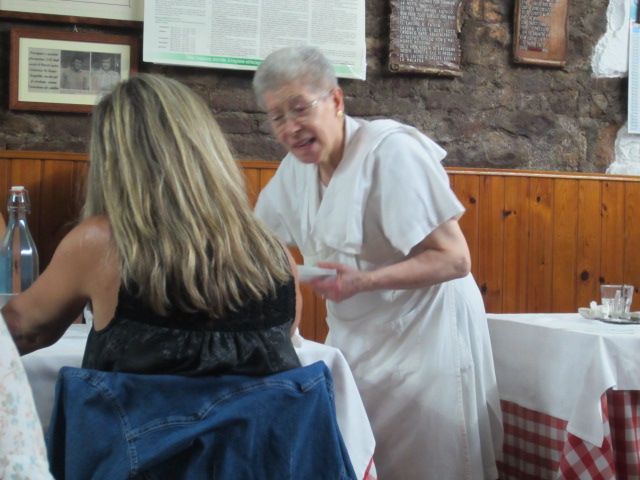
The second door is the entrance to a time capsule taking you back 70 years when it was OK to have signs like that hanging above your door. Four tables, covered in white tablecloths, covering red gingham, are positioned on each side of the narrow space, a counter, behind which are shelves of ancient, crusty bottles containing different coloured spirits, faces the entrance, a doorway that leads into the kitchen and a fridge unit holding two types of wine-white in loosely corked bottles and red in those old Corona clasped 1litre jobbies, about 20 of each.


Yes, we can eat. Papa, aged about 75, appears and shows us to a table. A bottle of gassed water and a bottle of white is dumped on the table. There follows 5 minutes of sign language with papa grumbling away in discontent, where we exchange these for still water(we get a bottle of tap, so we keep the fizzy) and a litre bottle of home-produced red, which is surprisingly good and has gone by the end of the evening.

No menu is immediately obvious. A 4th, younger lady, by that I mean later 40’s, who also speaks only Italian, appears at the table and gabbles through the premier platas. Recognising tortellini and ravioli we choose the former. Papa comes out of the kitchen with a tray of small curled pasta, covered in cream and parmesan and filled with cheese and bacon pieces, he serves us and retires, mumbling about something or other. The food is absolutely delicious.

Meanwhile the room is starting to fill up. Local Italian families take the tables in the room and get the same food as us. But hey, they keep coming. Two police officers, with guns, mother and child, pairs, threes, larger groups know their way to the hidden door which leads, via a single pointing finger to ‘upstairs’.

Papa has a problem. He appears with a piece of cotton wool protruding from a nostril, which doesn’t look good. As he returns from the door and showing some people upstairs, he gestures and the plug falls, to land, much to the surprise of the customers, on the table in front of him. They accept this invasion of their space and carry on eating as papa returns to the kitchen, never to be seen again.

His serving duties are taken over by mama. Mama is stooped with age yet skips around the joint, involved with everything. She explains, in a high, fluttery voice, the meats that are available for the secondi. Acorn Antiques comes to mind. She is lovely, breaking into a huge smile when ever a dish is complemented.

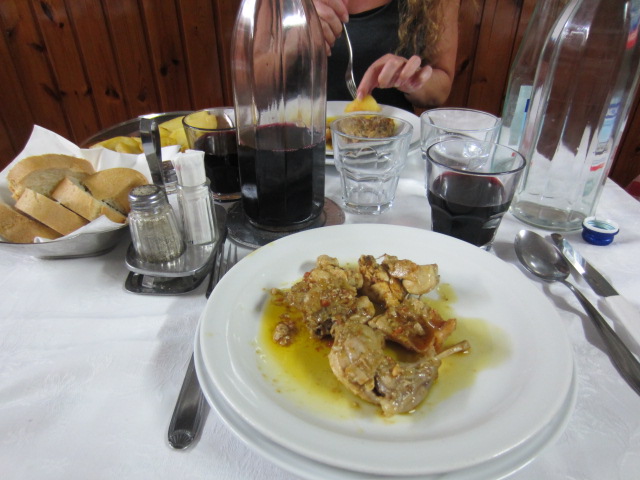
We spot the only menu, a hand written poster on the inside of the door, which helps us choose the rabbit (and that is what you get, cooked in oil, garlic & tomato-delicious) from the 4 available, all served with pots or tom gratin.


Dessert is the only slightly disappointing element of this wonderful, home-cooking experience so I’ll gloss over that as I don’t want to leave on a sour note. Coffee was great and the bill ever greater. This was a true family meal, cooked by the family, served by the family and prepared by the family, for locals. If you are ever nearby this is so worth the effort. Thank you mama.


A day at the Adriatic seaside

Having seen, over the past days, the turquoise strip lining the horizon in the far distance, it was time to leave the peace and tranquility of the Marche countryside and have a day at the seaside. On reflection, a mistake.

An hour down the motorway to Ancona and then, a few miles out of town, the map suggested a narrow, picturesque lane down to a bay. Clues to what we would find lay in our approach. Firstly, stopping off on the cliff-top to see, in the distant haze, the waters of the Adriatic and a shimmering beach covered with row after row of different coloured sunbeds lined up like regiments preparing an attack. The battalion stand like small-scale, model soldiers, on station, firm and erect, facing the appealing waters, stretching away as far as the eye can see. Preparing to attack or defend what? The sea? Hmmmm.


With trepidation we follow the tarmac down. Like an evacuation, cars are parked, nee abandoned, on every spare bit of road, every field. We get down the bottom. Both beach car parks are full. ‘Park your car up on the field a km away with the other thousand motors and get the shuttle bus down’. OMG. What must the beach be like!!

So we cut our losses and abandon that plan. We take the cliff road to Soroli. A picturesque town high on the cliffs above the coast and, yes, the car parks and rocky beaches way, way below.

The place is almost empty. I suppose everyone has booked their sunbeds for the day and is roasting down on the rocks. Here we find our one nugget, our small piece of calm and class. In the shade of a fig tree, outside a small boutique hotel we have a simple lunch- canelloni stuffed with assorted seafood, a couple of glasses of the local white and apricot tart to finish up with. Heaven. The high spot of the day.


Then back in the car, down to Sunbed Strip and Umbrella City and the angled, wooden beds of browning, burning bodies on one side of the road and the parked heat-locked cars parked on the other, before giving up, hot and exasperated, and heading for the the cool breezes of the hills, back to our peaceful base. Why did we go out in the first place?


Even further along the back roads

Today is a drive over to Pergola to pick up the trail again. The countryside remains the same but the further west, the higher the land gets and the more alpine the scenery and the architecture becomes.

Pergola is another ordinary but charming, warm place on the route. Narrow streets lead through from one sunny side to another creating shady patches for the locals at play. Animated chatter and card schools seem to be the order of the day.

The castle at Frontone can be seen from miles away standing erect over the hills and low mountains of its immediate neighbourhood.

Close up it stretches up high into the sky whilst the rest of this cobbled medieval village shudders in its shadow. The views from the walls show how much the landscape is changing.

The last place on this mini tour is Cagli. Again a huge fortress guards the entrance to the town. Once negotiated it is a downhill walk through the streets to the central plaza where wonderful faded buildings create a perimeter of flaky plaster and ancient, muted whitewash. The locals, as everywhere, collect in groups to chatter the evening away.

So that’s it. You could drive on a few km to see the view from the top of Mt. Catria. Or you could have dinner in Cagli and call it a day. I decided on the latter.

Along the back roads of La Marche

Whenever you get a chance to explore a new area, ignore the glittery postcards, the guide books and head for the back roads. Of course a car is essential to get you away from the main tourist sights and onto the those little narrow roads that reveal surprises and amazing sights around every corner. This is a 40 km route in La Marche that is a little gem of a journey that takes in a collection of hidden treasures for the intrepid traveller.

The route runs along the ridges from west to east, south of Urbino nd ends in the foothills of the high hills and mountainds of Italy’s central spine. Beautiful country spreads out on both sides of the road, rolling away to the distant horizon in folds.

This is enough, in itself, to take one’s breath away but wait until you stop at some the places along the way. Ostra Vetere is a sign of things to come when it appears in the distance above the farmland with its medieval facade becoming larger and then falling away behind me as I drive past.

I am heading for Corinaldo to start my little tour. The only sign that this place is about to give up its wedding cake secrets is the large fortified gate in the middle of town. Through the arch round the corner and there is the medieval escalator of stone steps to take punters into the heart of this pretty, peaceful place and, yes, a wedding has taken place and the happy couple pose in front of this romantic backdrop, snapped by cameras and a whirring drone. The only other people here are a scattering of folk finishing their lunch in snug little terrace restaurants.


Mondavio sounds l like the country from a Marx Brothers’ film. It doesn’t look that impressive from a distance. Up close and intimate it becomes a set for Game of Thrones, not that I’ve seen a single episode.

A cobbled-streeted villages with its 12th century church merges with its main protector with a moated 13th century castle, all made from bricks. They must have needed millions and millions and so clever. The fortifications curve and flow around the town, the lines built to. presumably divert cannon balls along their contoured fronts.

San Lorenzo in Campo is an small, charming, ordinary town. We hit it later afternoon a the locals chatter in their favourite patches of shade.

This lot thought it hilarious that their 2-stroke road-friendly, three-wheeled, vans were the focus for us visitors. I asked them to pose with their vans and they agreed with great hilarity all round.

To be continued.

The butcher, the baker, the candlestick maker in Cupramontana

It’s Saturday. Up early and a short drive into Cupramontana for provisions for the weekend. Nothing is open tomorrow, Sunday. So into the car, first gear & 20km per hour up the white gravel track to reach the metal road into town. Hills to the left, hills to the right, hills in front and hills behind. Up and rolling, bending down and over, roads and tracks squeeze around bubbles of woods and trees, stoned villages close and far away on tops and in valleys and through fields with every hue of browny earthiness. Every metre has a view across this rolling patchwork of awesome agricultural colour mixes.

It is like moving across an artist’s palette, driving from one colour to the next as ploughed earths mix it up with harvested grasses and rows of vines stand next to clumping trees that abound with fruit – walnuts and pomegranates and olives. Textures, shapes, rural colours crowd in on your eyes and your senses.

So the first stop is to get in to the bakers. Now the Italians do many things perfectly – pasta, pizza, fish, wine, coffee, but bread is not on this list.Usually it takes the form of snubby loaves with hard middles and even harder crusts the are past their best within 30 minutes or so of baking. So when you have a recommendation that the local baker’s fresh loaves are to die for, you go for it, especially as they tend to go before 1030. Park outside, straight in and a fresh crispy French stick is on the lunchtime menu.


The next up is the butcher. This is found down the small side street with a narrow entrance with a pink, porky pig above the door. They love their pork around here. On a narrow table a lady is selling crackling in every form and just crackling- ears, tails, cheek flaps, every bit of skin you can imagine large and small. We have a bit of friendly agro trying to order meat. Avoiding the stare of the white skinned rabbit, complete with head and long neck attached, snuggling around a large carrot, the campaign starts. We want duck. A picture of 2 plump duck breasts comes to mind, like what might be found in Waitrose. None are obvious. Using Google we show signor the word. He mutters under his breath, goes out the back and gets his wife. Ah yes, she leans over, moves some carcasses about and comes up with a whole duck. We hold up two fingers for 2 breasts. You want two she says. No, one finger, duck, but 2 breasts. This goes on for a few minutes until we agree on one duck that she will cut up. Next problem. How do we want it cut? Firstly legs, neck, wing are lopped off with a chopper and put in a bag. Then the bird is halved with an electric saw. Then one half is cut into slices with a big chopper and the other into a front half and a back half with an even bigger chopper. Never had this problem in Waitrose. Now we gotta cook it!

Very good duck in plum sauce, Hazel.

The grocer is a lot easier. We can stand there and just point at tomatoes and lettuce and onions and melons and peaches put them in a bag, say ‘grazie mille’ in our best Italian and move on. The candlestick maker was supposed to produce anti-mosquito coils and citronella candles. Sadly the village had no candlestick maker but we did find some coils in the local super mercado.

After a very necessary cup of coffee in the square it was back in the car and home. Mission accomplished. You want to see the quality of the local entertainment and live music? Come over on the 18th. It’s free!!!!

A day out in Urbino

If you have never heard of Urbino then put it on your list of Italian cities to visit. It is a Renaissance city on par with the greats of Florence & Rome & Siena but without the tourist scrum. Firstly Frederico da Montefeltro, who was lord of the place during the Renaissance, 13th century for those of you who are a bit unclear on history started the trend. He attracted the greatest men and artist’s of the time to turn his palace into the cultural centre of Europe. Raphael took his first painting steps here.

The next period of splendour came in the beginning of the 18th century when Clement XI became pope and his family began a programme of construction of civil and religious buildings.


Finally the University was established in the late 19th century and set about implementing a whole load of architectural renovations.


What you get is a real mixture: a wide main street lined by the huge grand palace, the imposing, towering cathedral, lording churches, tall & elegant buildings housing apartments and businesses. Narrow streets lead up & down off the ridge to create a grid pattern of bricked splendour and clay-tiled grace.

Arriving at 11 the carpark is half empty and the rear walls of the city stretch high up above. Oh, lord. How many steps to reach the top and in this heat! My heart falls. Bt HEY, this is Italy. There, over by the shadow of the wall is the entrance to…… the lift. 50 cents takes one person up 4 floors to the main promenade around the ramparts. BRILLIANT.


So, into the bright sun, a coffee to prepare the soul for the tourist trap that awaits. Up the medieval tiled steps, around the corner to the top of the main street…. there is no one there, well almost no one. Down the bottom there is a group of about 16, waiting outside the church. Sadly, the only thing to let the place down is the arrival of an incongruous, red and white plastic tourist choo-choo train . The queue quickly climbs aboard and off it goes, taking them off in its 3 x 21st century carriages to circumnavigate this wonderful classic city, never to be seen again.

And I do mean enjoy this place ‘without the tourists’. No bustling crowds, only one hawker selling religious books, no queues to get into any museum, civilised wanderings in palaces and streets, tables available in cafes & restaurants for lunch, gelatos on demand.

Many of the sights of Urbino are around on the streets both in terms of locals and wonderful architecture.

Sadly the cathedral is closed following the earthquake.

The Palazzo Ducale di Urbino, Frederico’s place is worth a visit. Not only the building itself, dating from the 13th century, but also the range of paintings by artists like Raphael, Bocatti & Alberti da Ferrara amongst others, sounding a bit like models Italian motorbikes. I have to pinch myself. Most of these many, many pieces date from around 1400. Many are painted onto wooden panels, doors, straight onto walls as frescoes and woven into huge tapestries tho cover the walls. Carvings abound around gargantuan fireplaces, doorframes & cornices.  All slightly overawing.

Easily spent 5 hours there, wandering the streets and popping into churches and gardens and piazzas before descending in the lift for the short journey down the coast and home.

Put Urbina on your list.


Out and about close to home

Having spent a few days cooling off in the pool it is time to get those explorer’s boots on …well my Birks. The first place to pick off the map, which is close by, is Jesi. It stretches out along a ridge and boasts a medieval centre on the site of the Roman forum. We hit it on Assumption Day when most of Italy is in church or at the beach. The place is empty except for a bit of holy chanting coming from the churches and some conversation from the only bar open in its long , wide pedestrianised streets. Most of the buildings leading up to the square are tall, rather grand 17th century properties which provide cooling shade wind relief from the baking sun.

Parking is easy, at least.

Cingoli is one of those walled, fortified, hilltop villages. We caught it as they were opening up for a wine tasting event. However tempting the drink/driving laws made me an observer rather than a participant. Still, I could enjoy the preparations and observe the Italians at play. There are so many yappy little dogs in Italy tangling their owners up in cafes and on the streets. I have never seen so many chiwow-was. Sorry, not sure how you spell it and can’t really be bothered as they are a poor excuse for a pet/dog.


The best discovery was the town of Treia. Heading elsewhere, it jumped out at us on a hilltop in the distance as we drove past and demanded that we visit.

A Roman settlement set up on a high ridge on the road from Rome to the port of Ancona. It was such a gem to find – peaceful, classic, imposing.

And then I met this chap. If you look closely you can sees that his short, shorts have prints of scooters on them. Is he Italy’s first mod? He must have thought he looked good as he stopped and posed for me. What do you think? Out of 10?