Lourmarin & Saint Julien – two sides of Provence

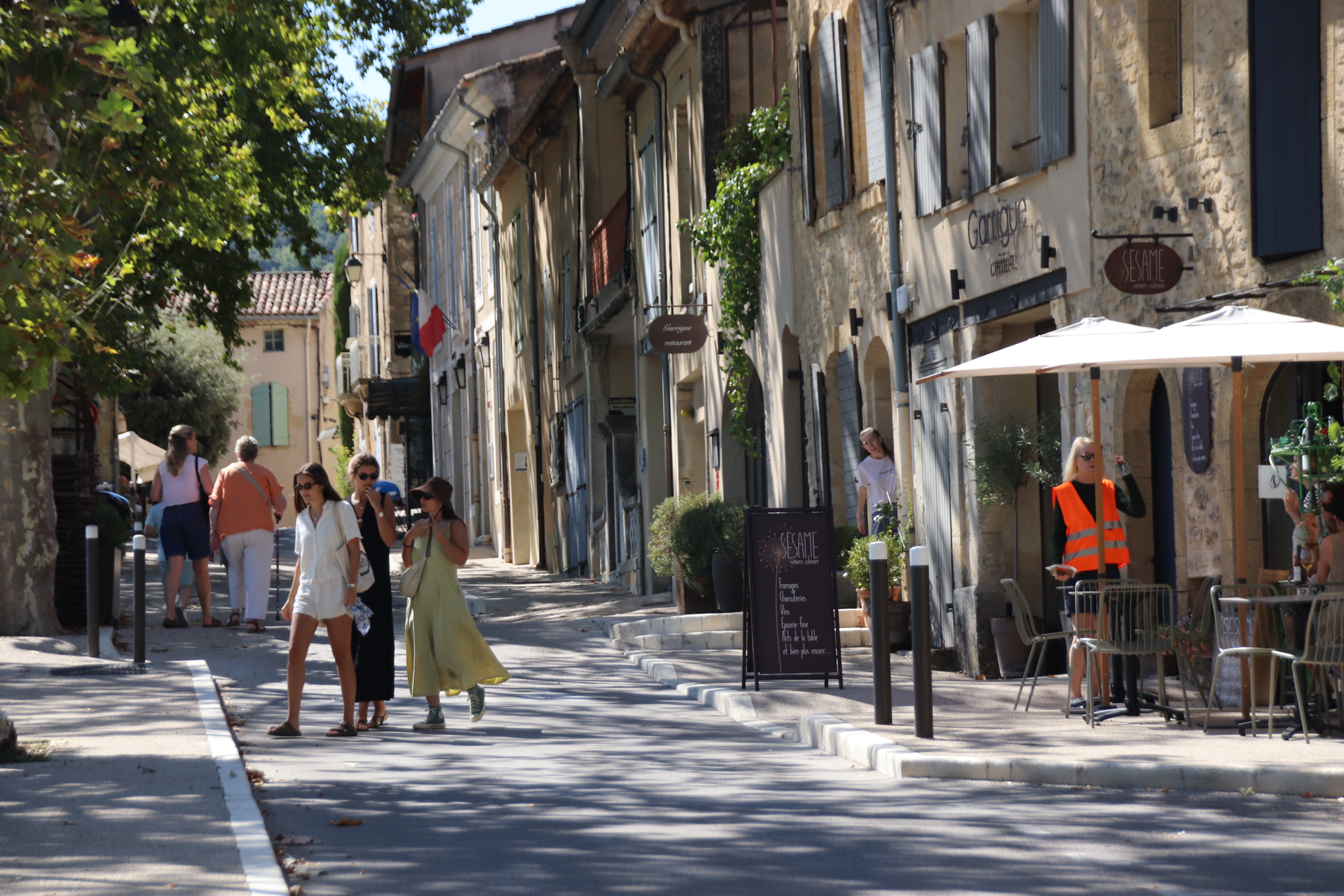
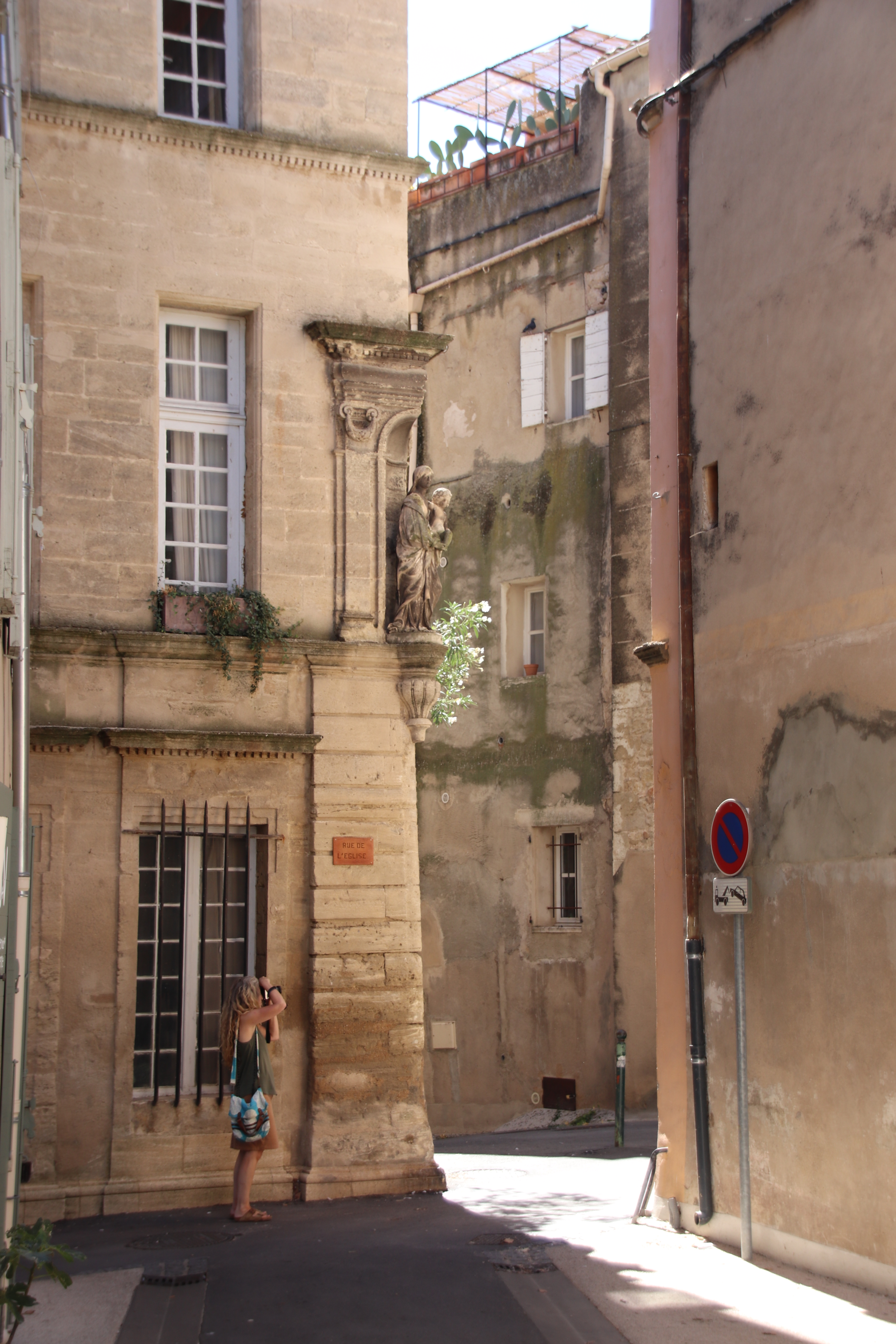
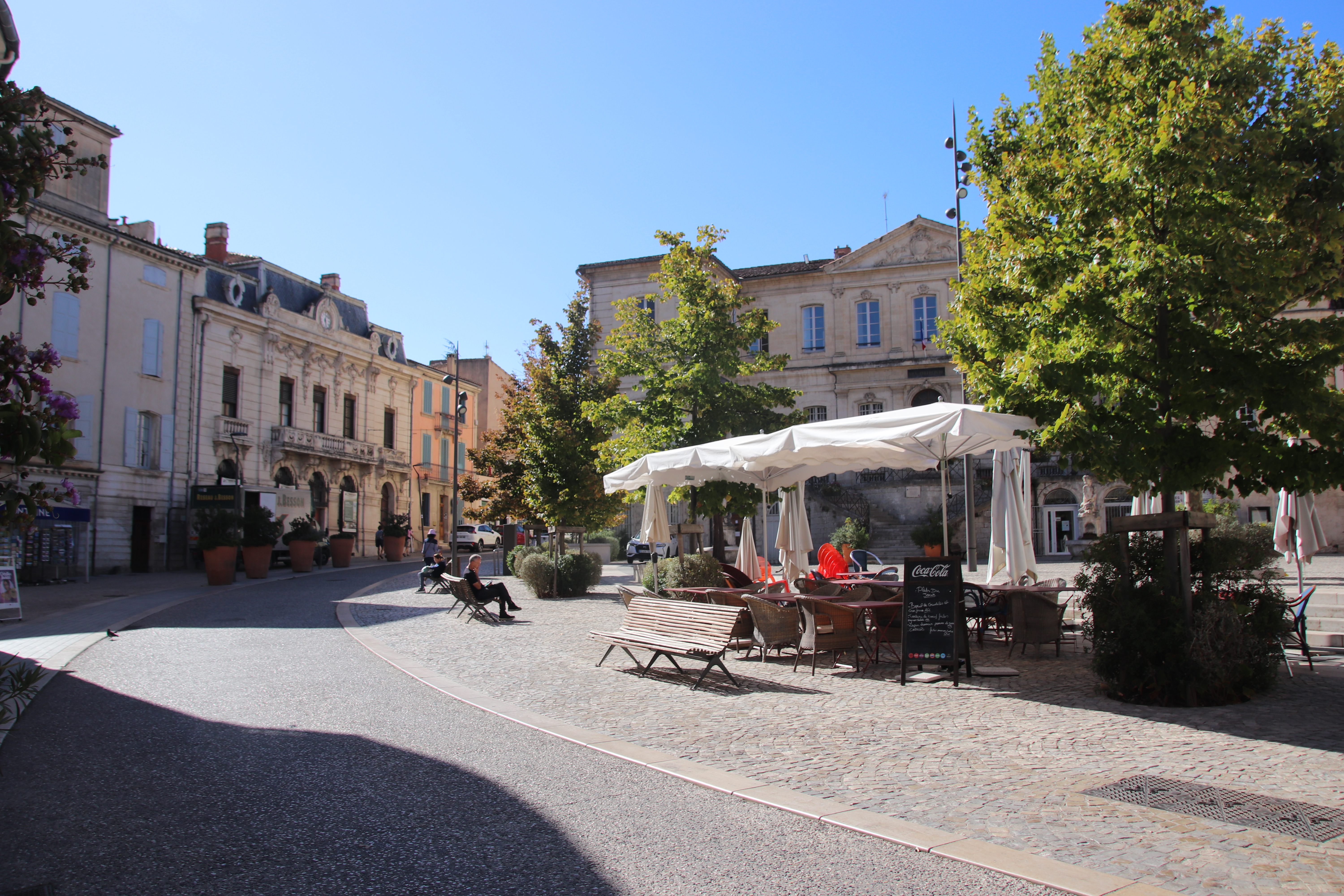
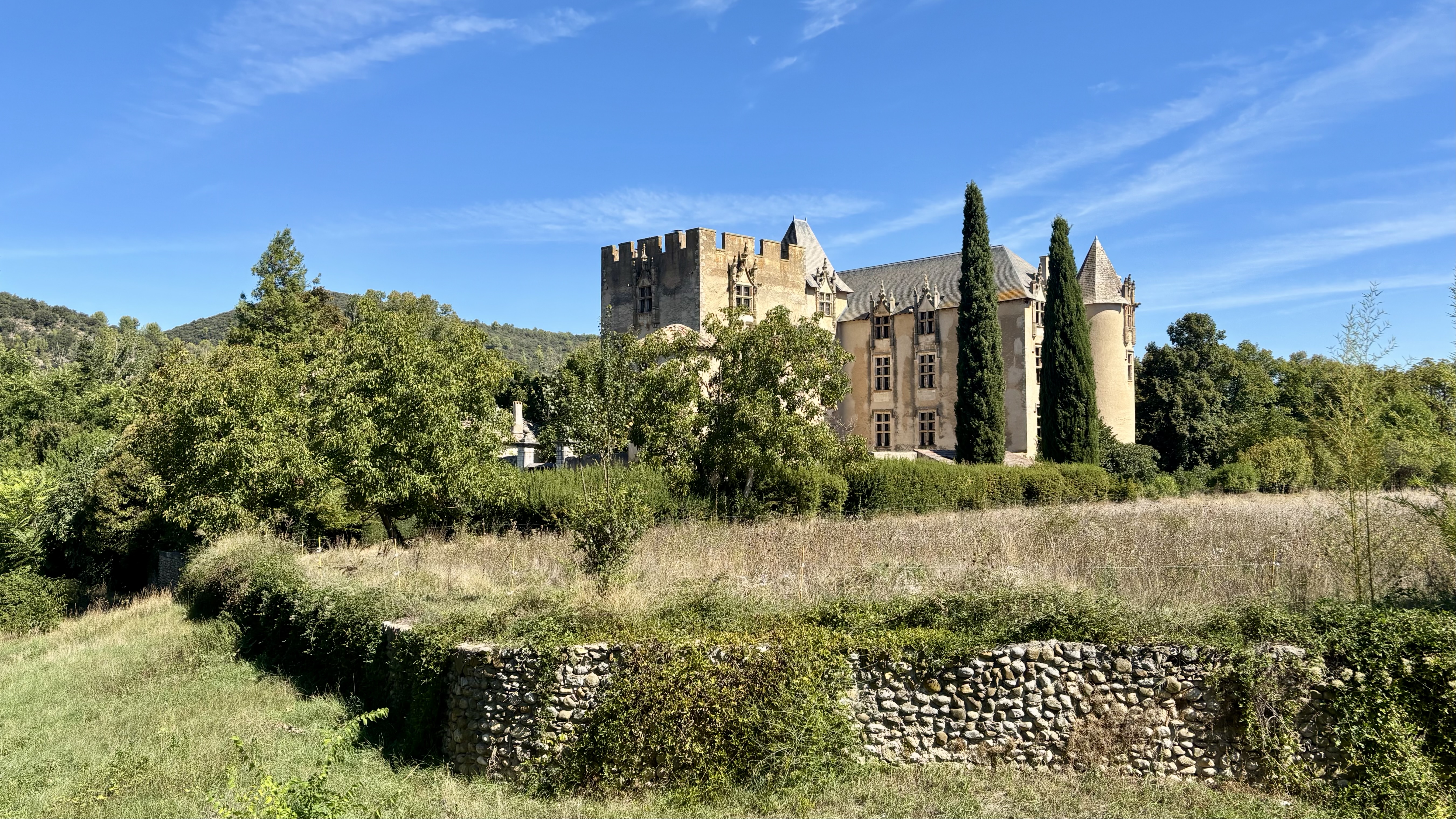
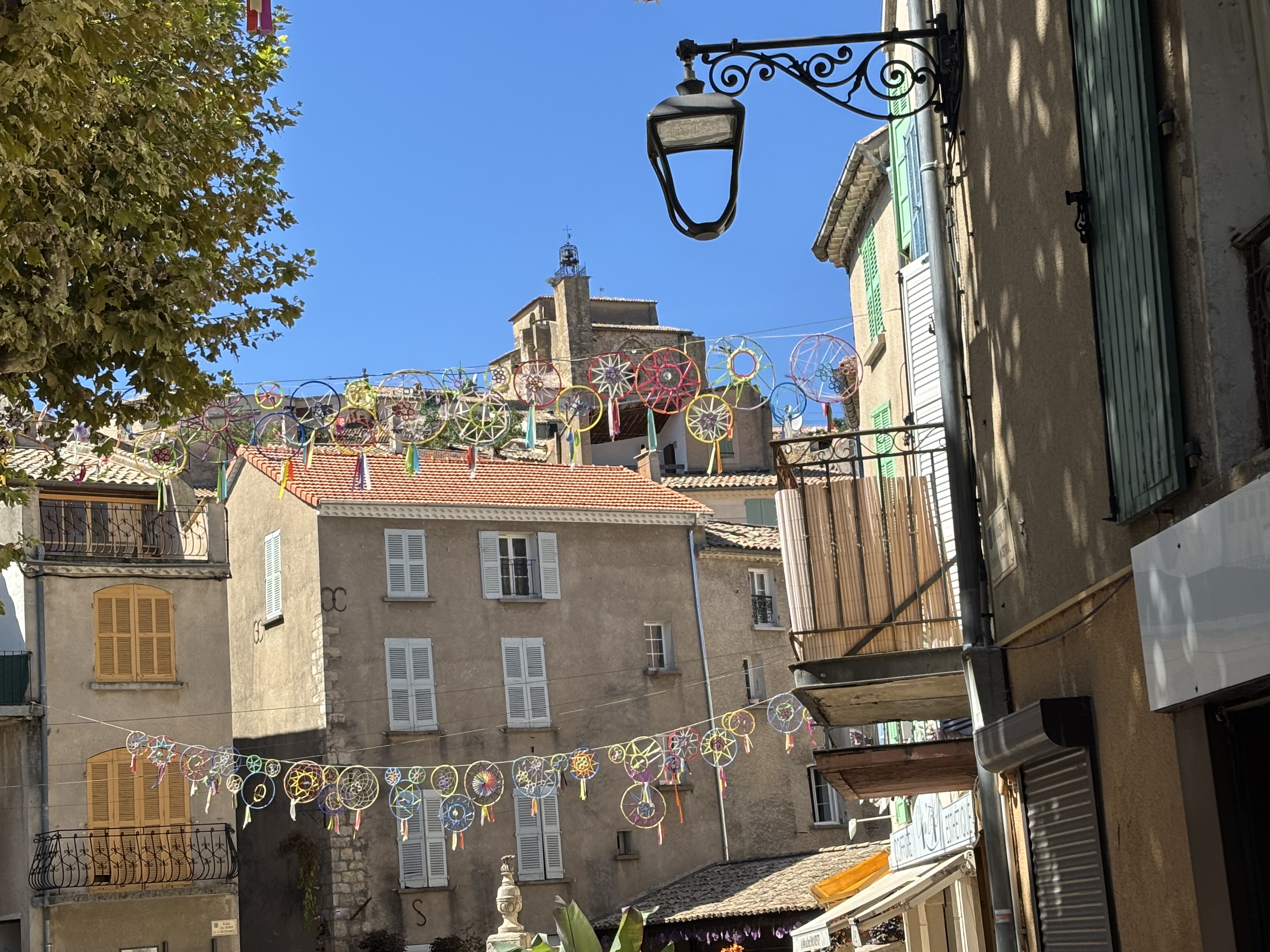
Two villages, one largish, one smallish, Lourmarin, St Julien, each at either end of the Provençal spectrum, yet each encapsulates the region’s special character in their own special way. One, the former, sports a very impressive chateau, wonderfully elegant, pale-stone homes/buildings suitable for the wealthy classes & maintained to a high degree with statues & ornate squares & courtyards, reflecting affluence & riches.
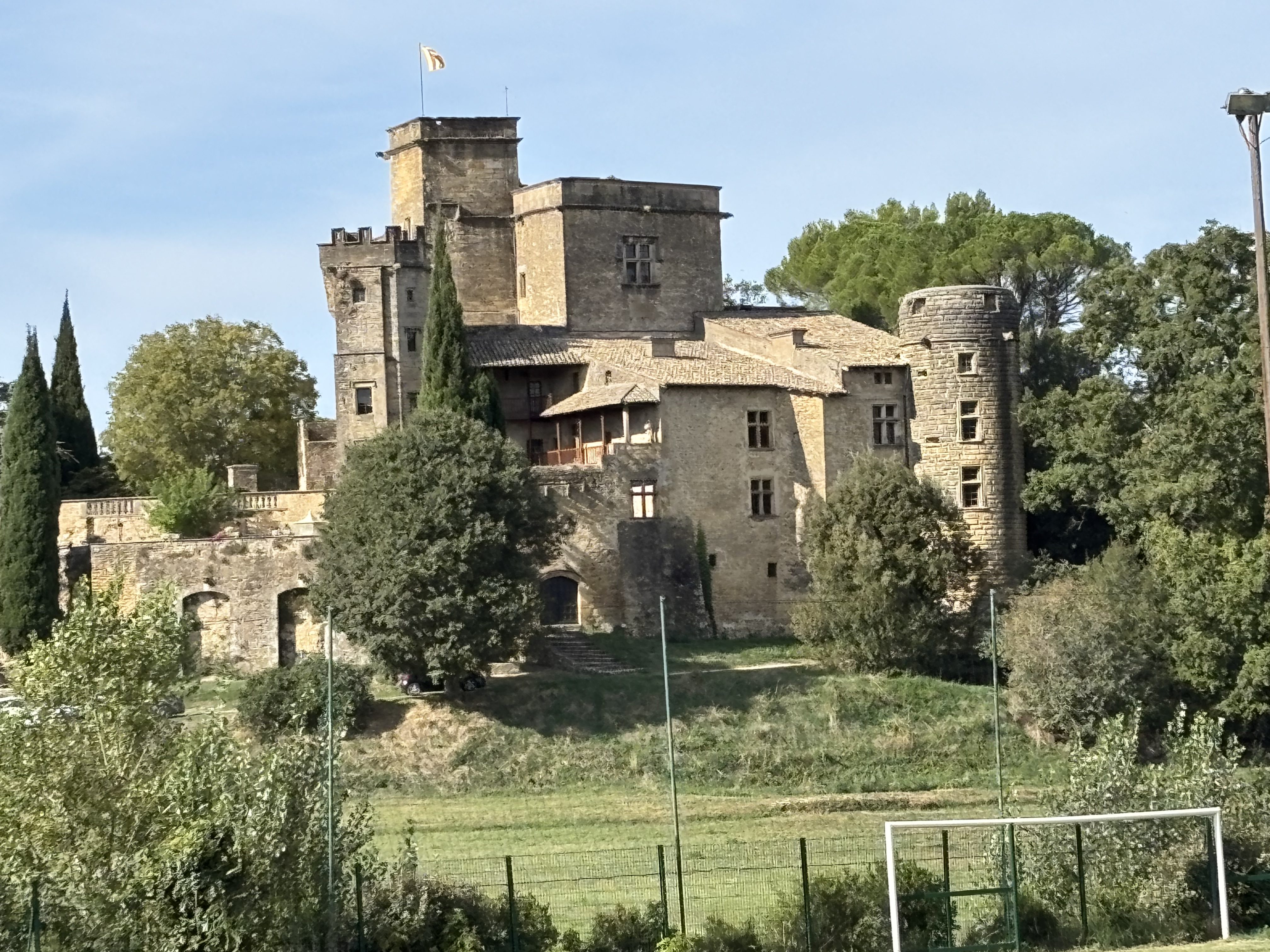
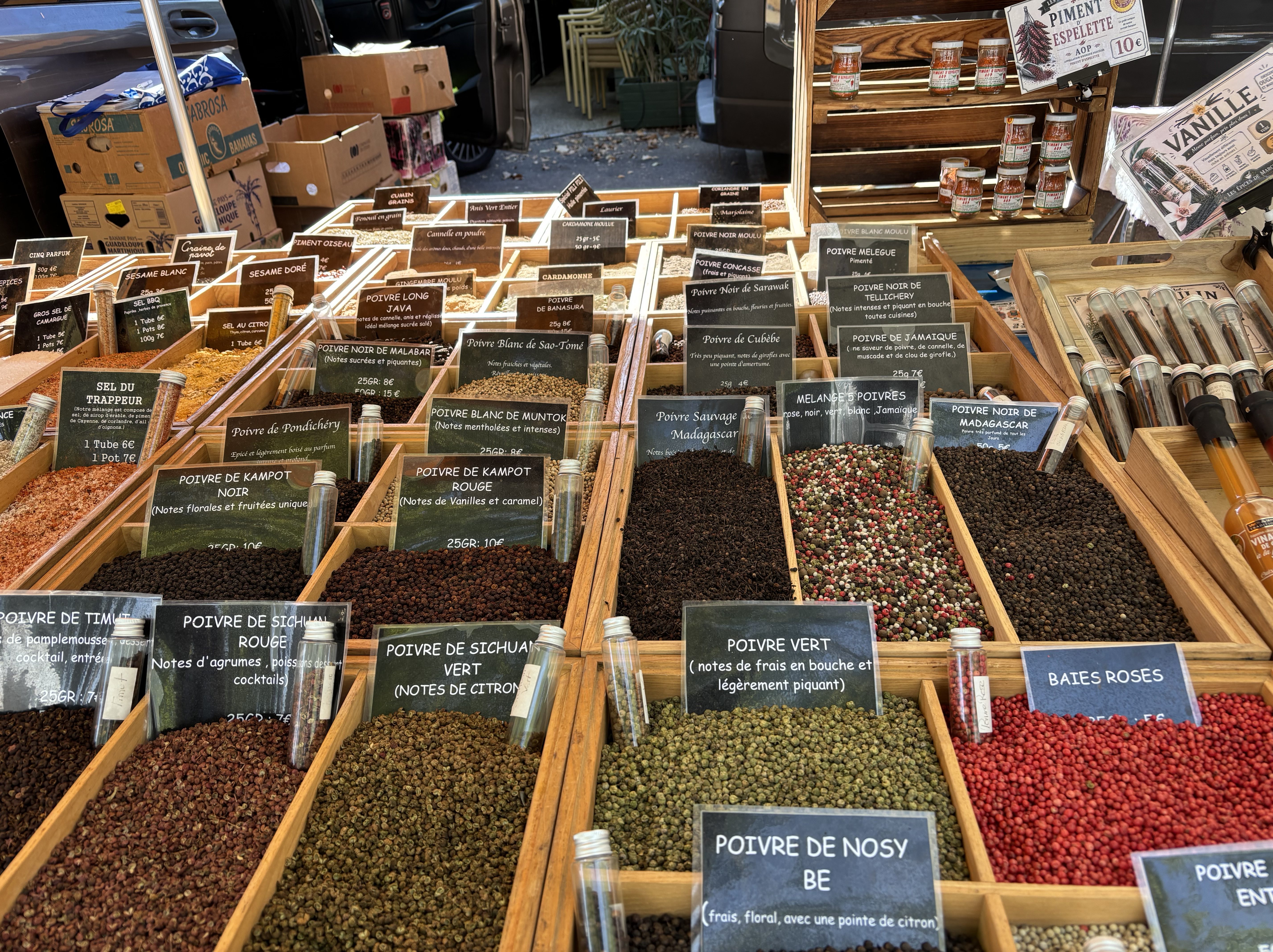
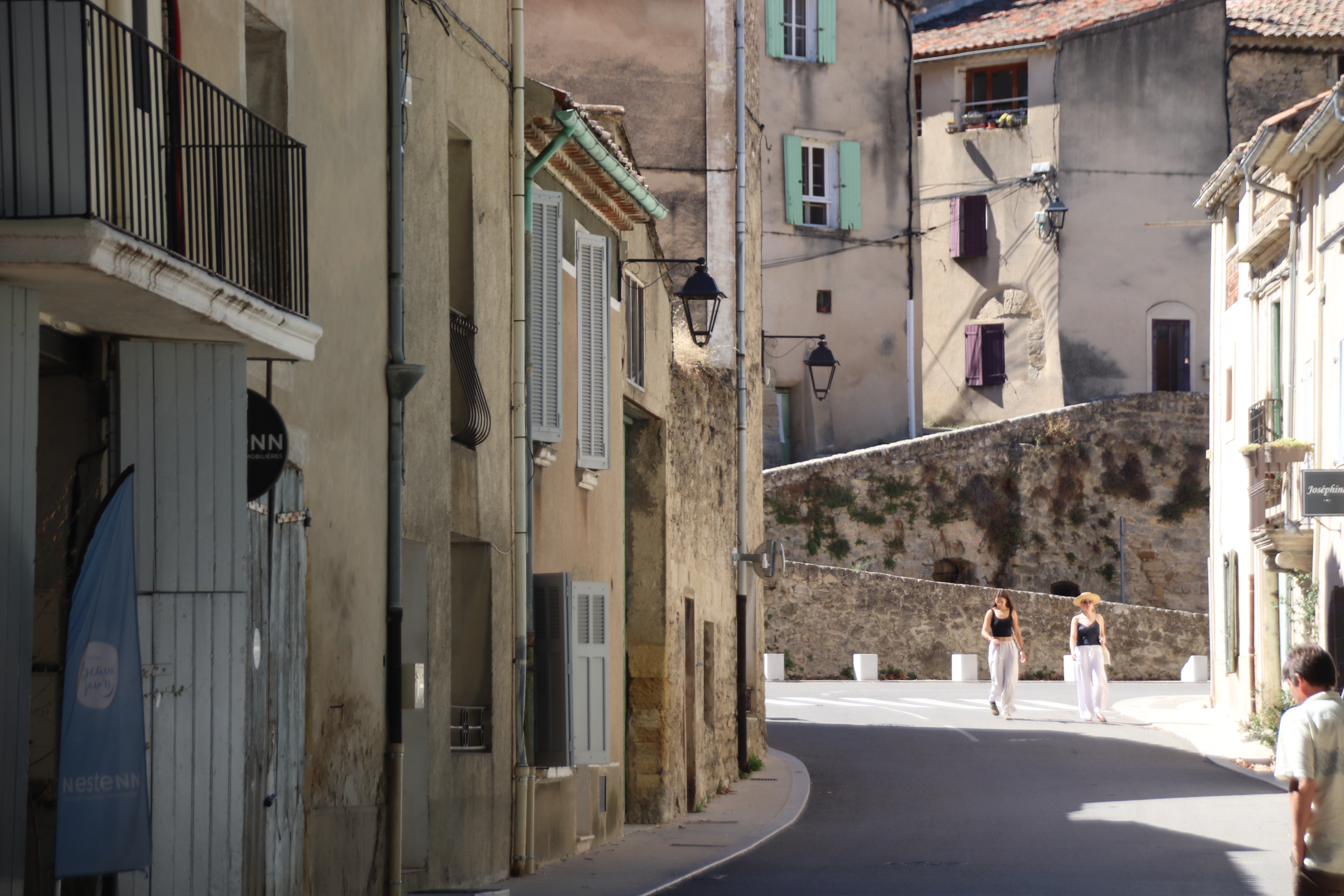
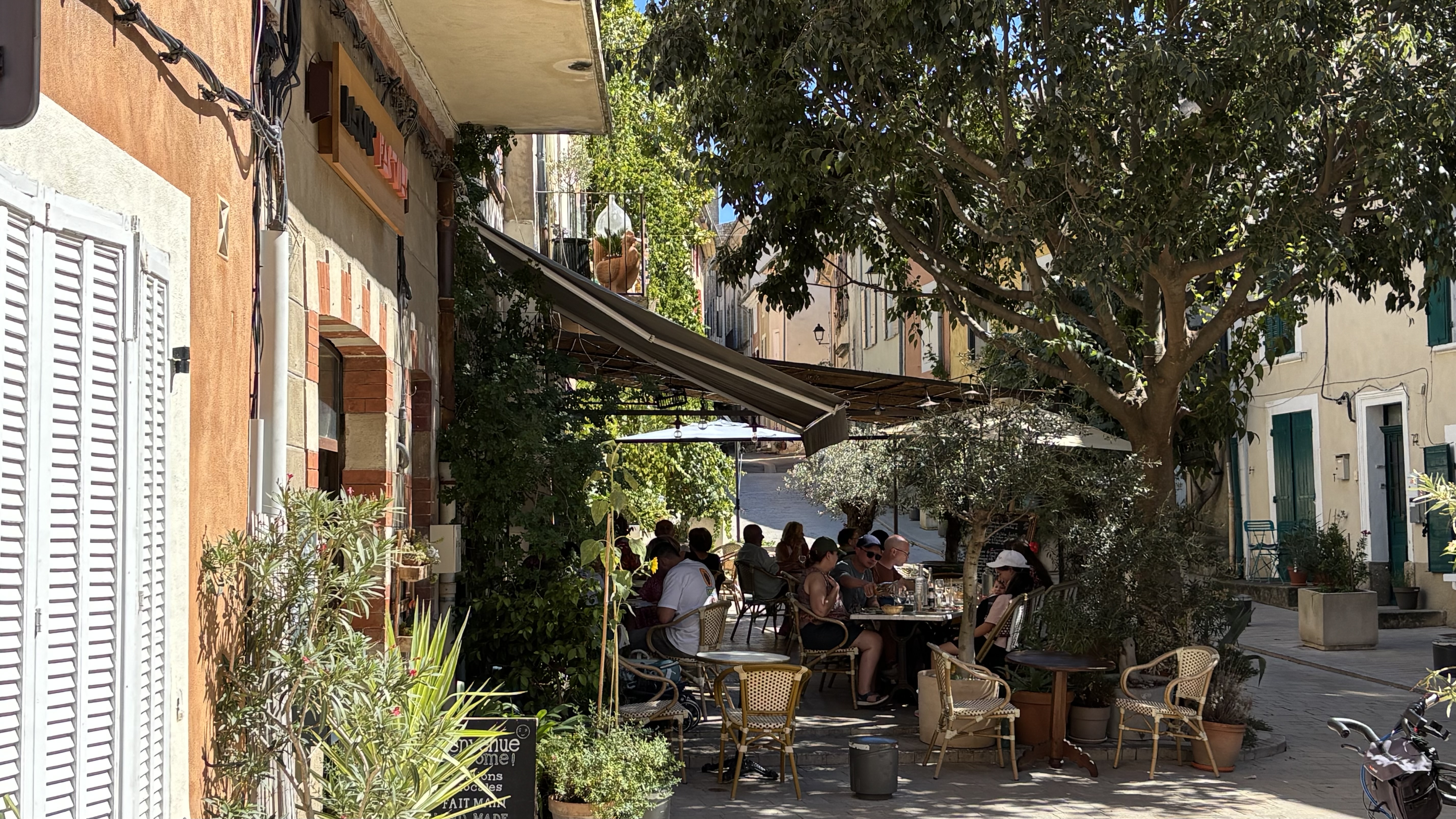
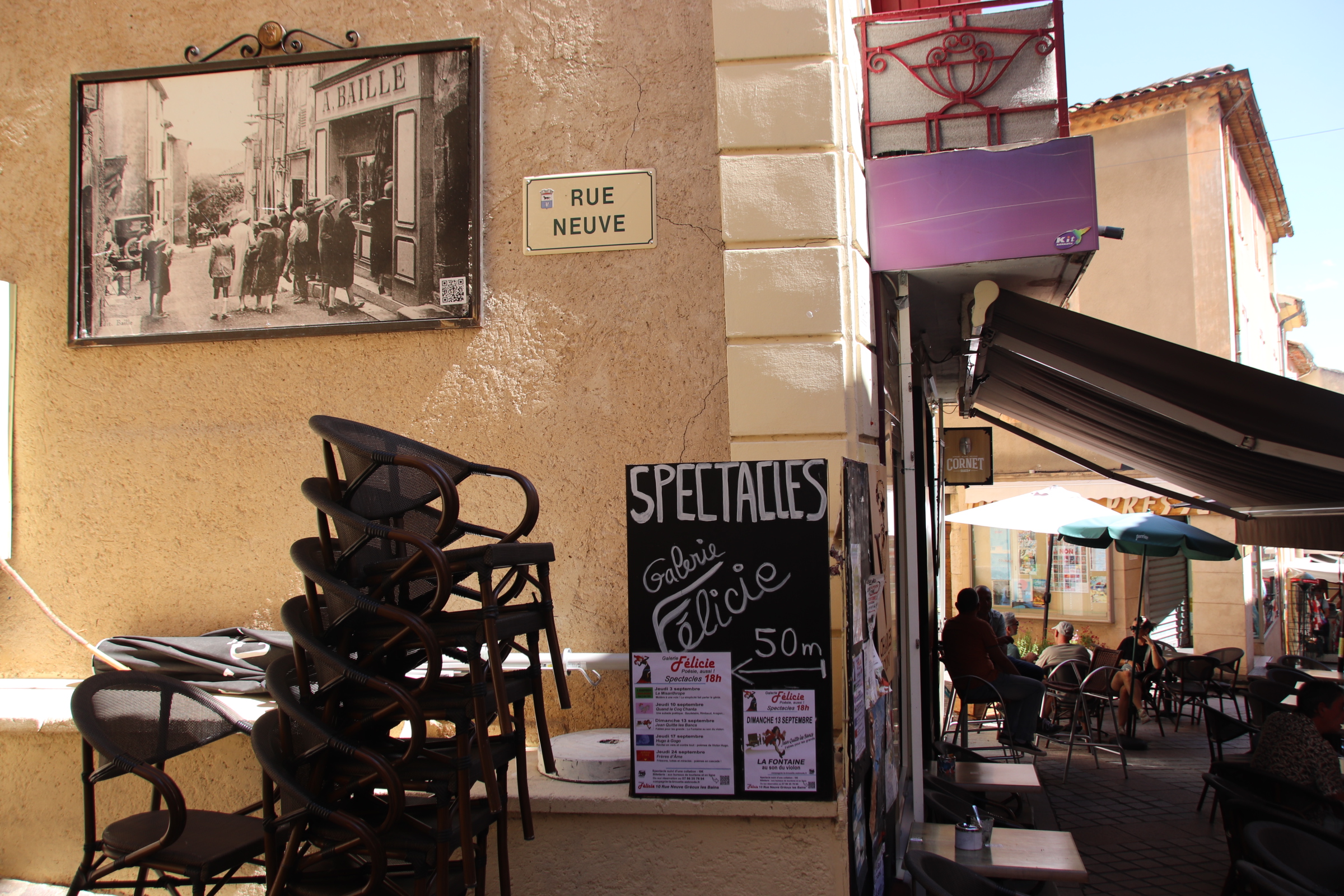
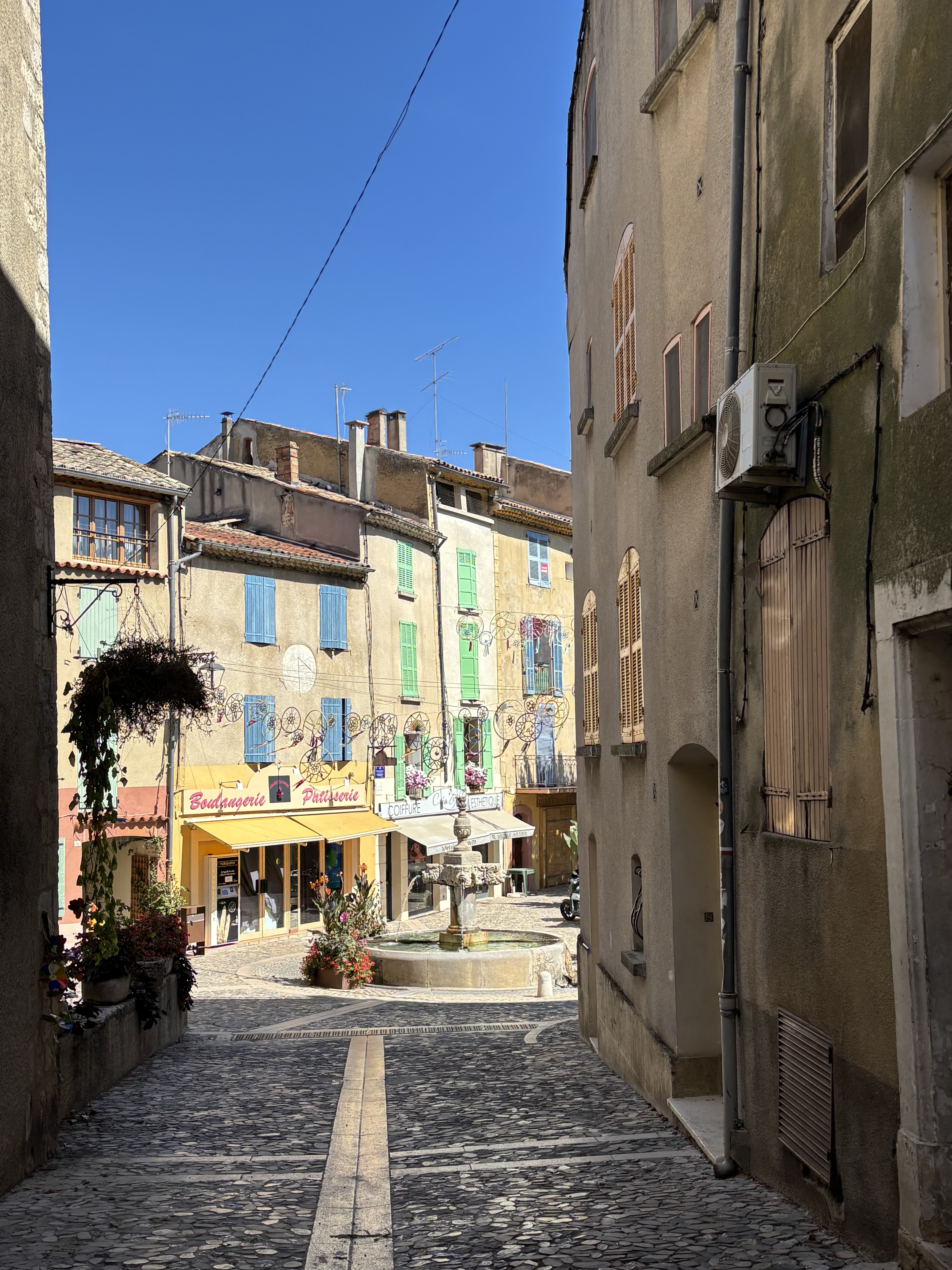
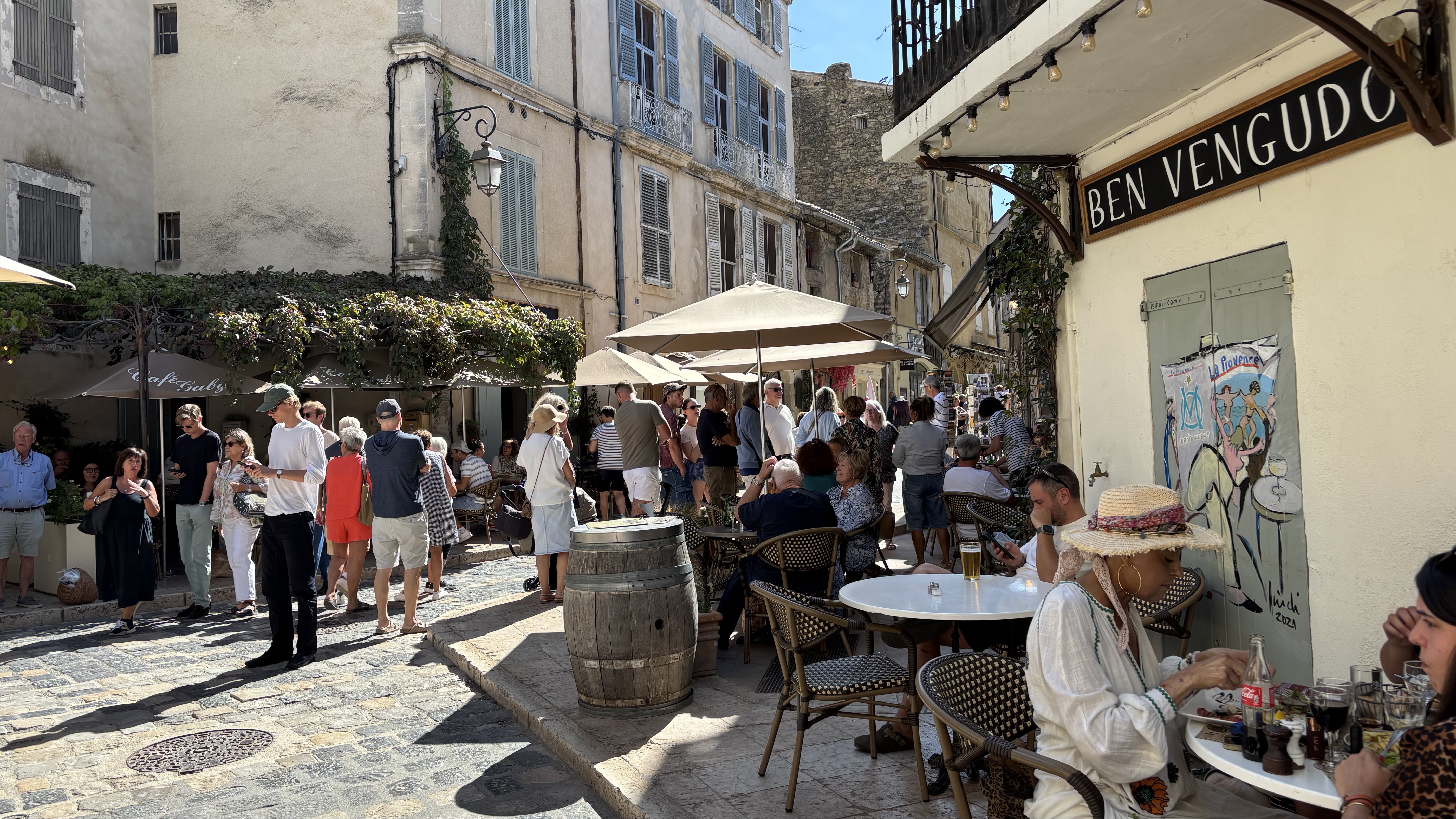
Unlike typical, perched villages in Provence, Lourmarin sits not a hilltop, but in a valley at the foot of the Luberon mountains,  overlooked by the aforementioned chateau. Famous for its winding cobblestone streets & alleys, lively cafes & wine bars, restaurants, galleries, exhibitions, & high-end boutiques, every Friday it holds a open-air market.
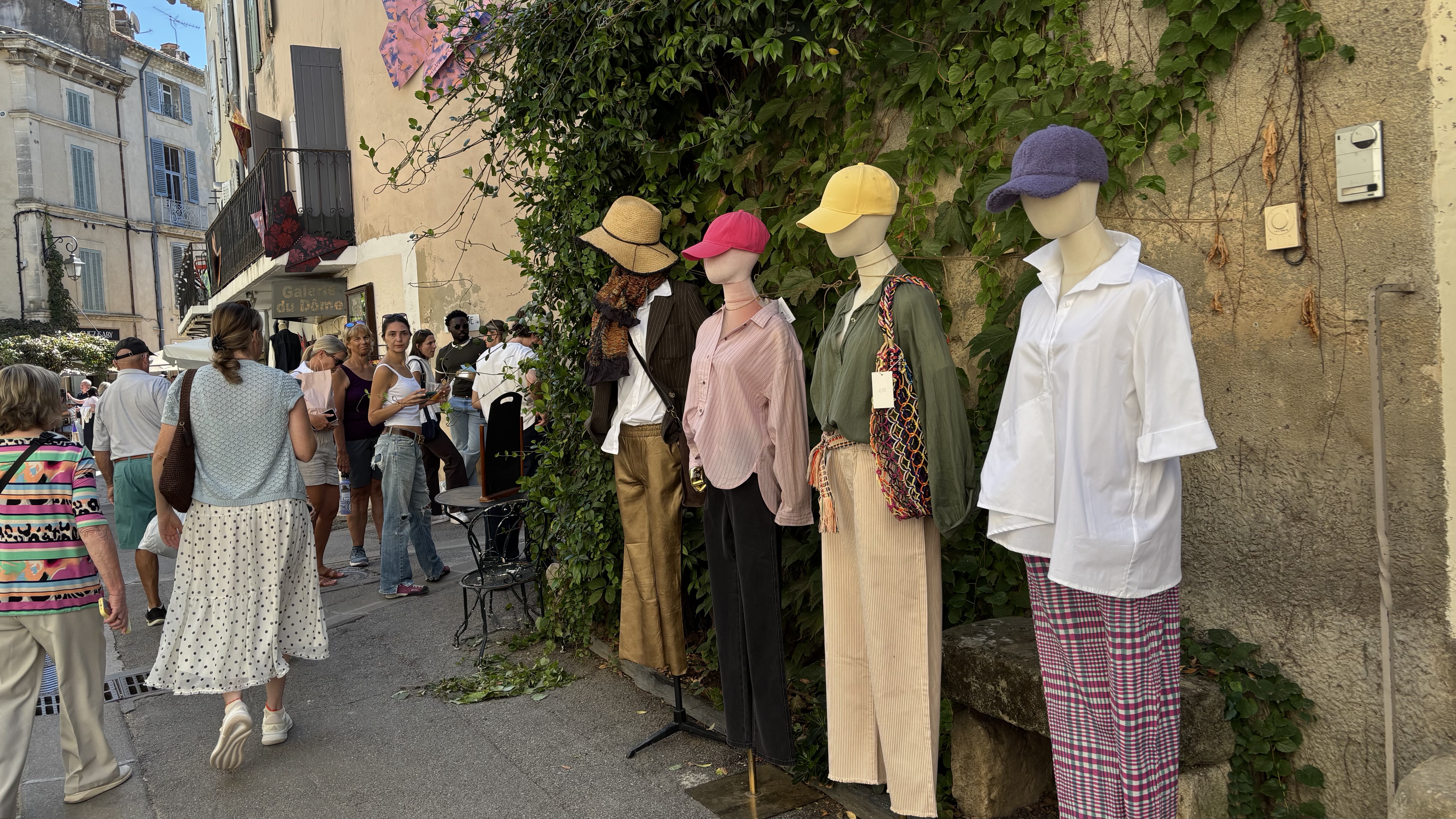
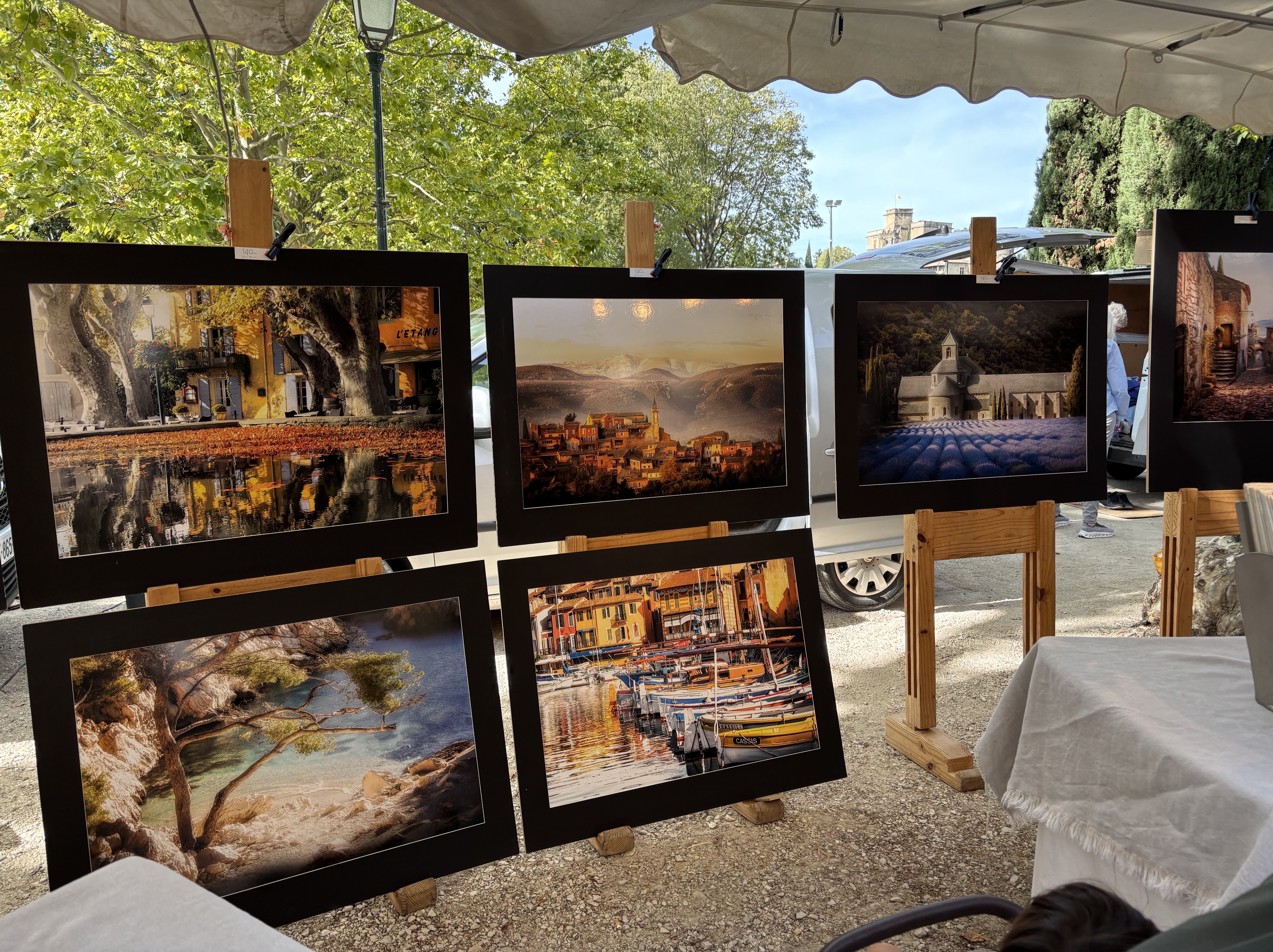
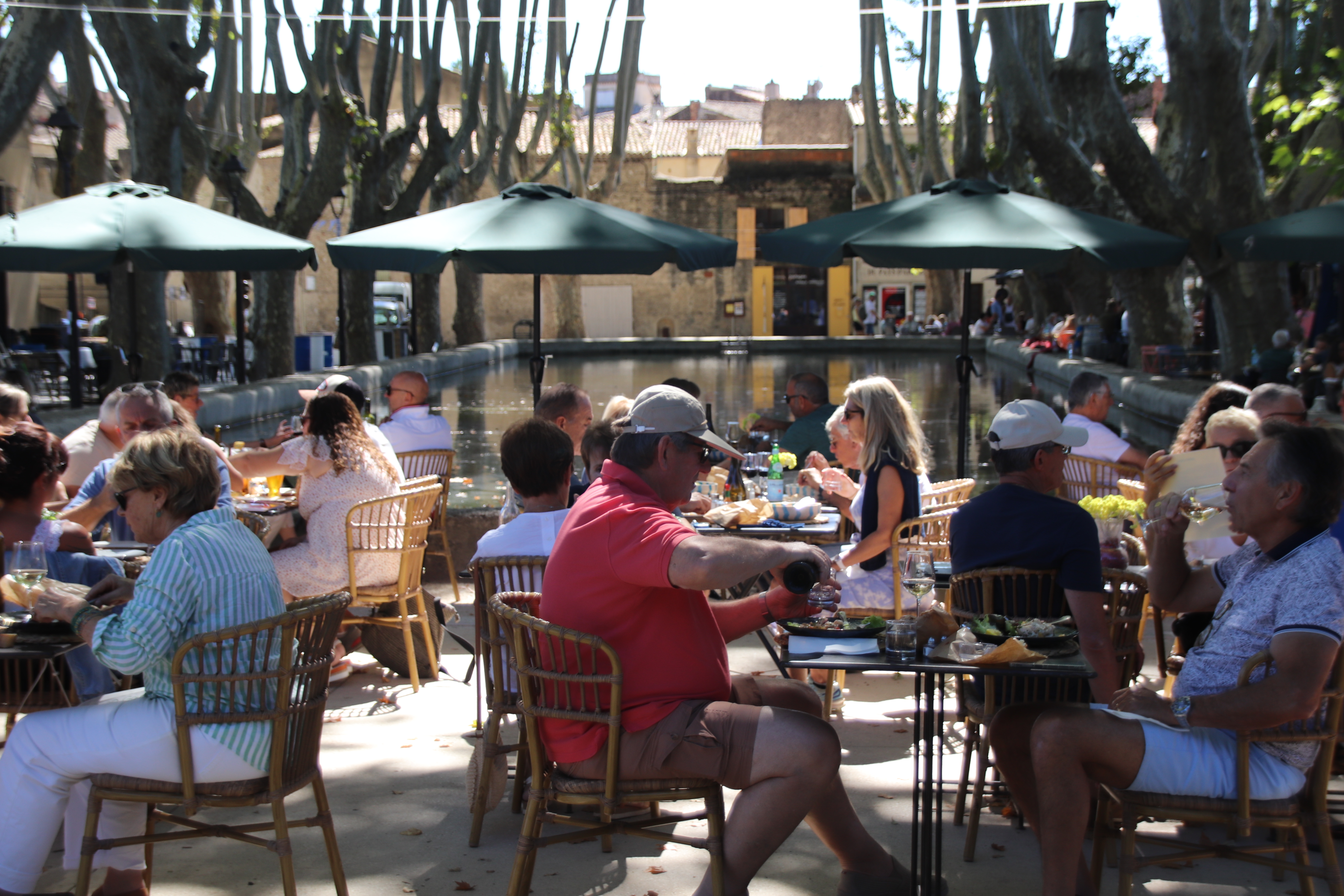
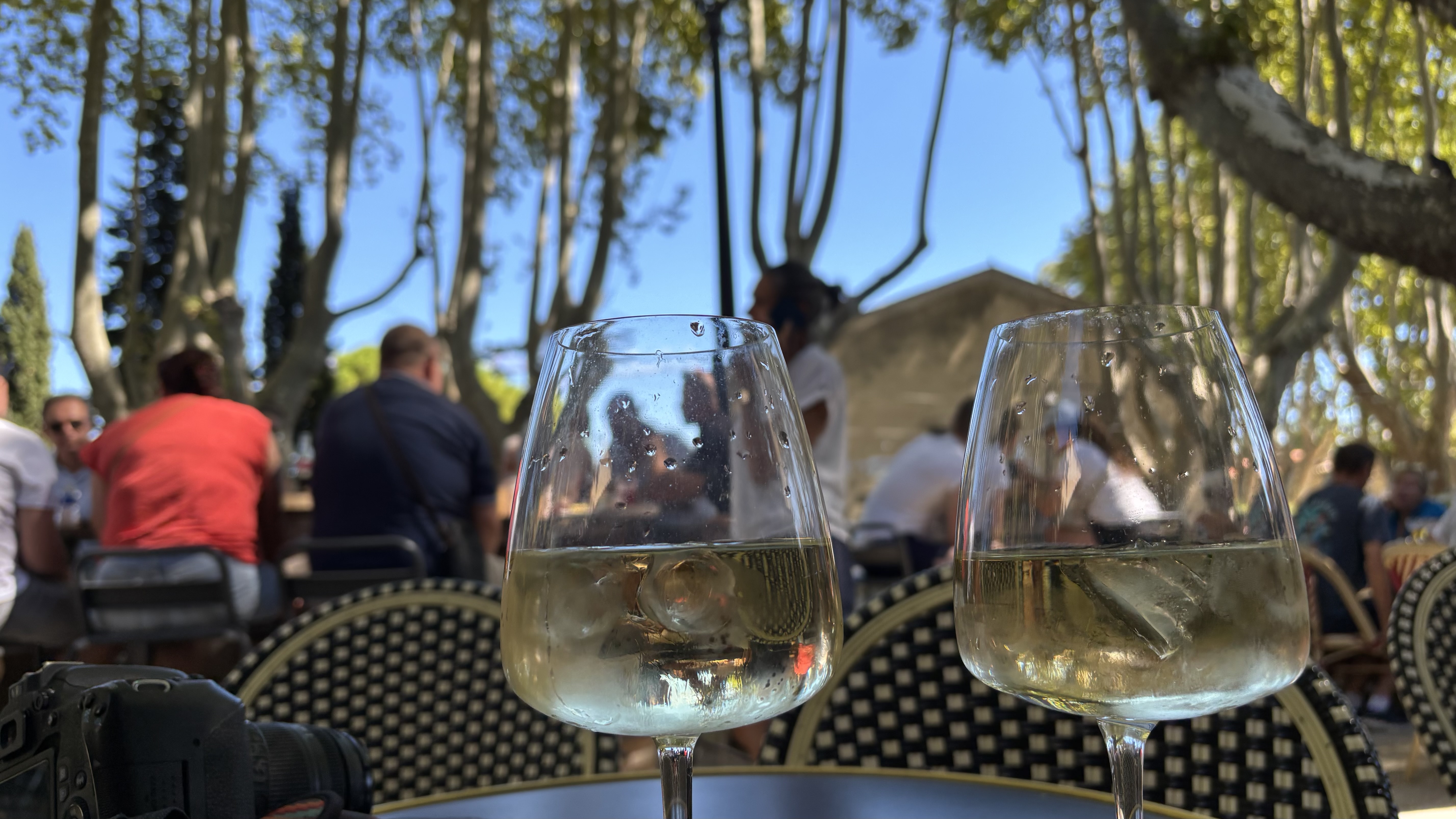
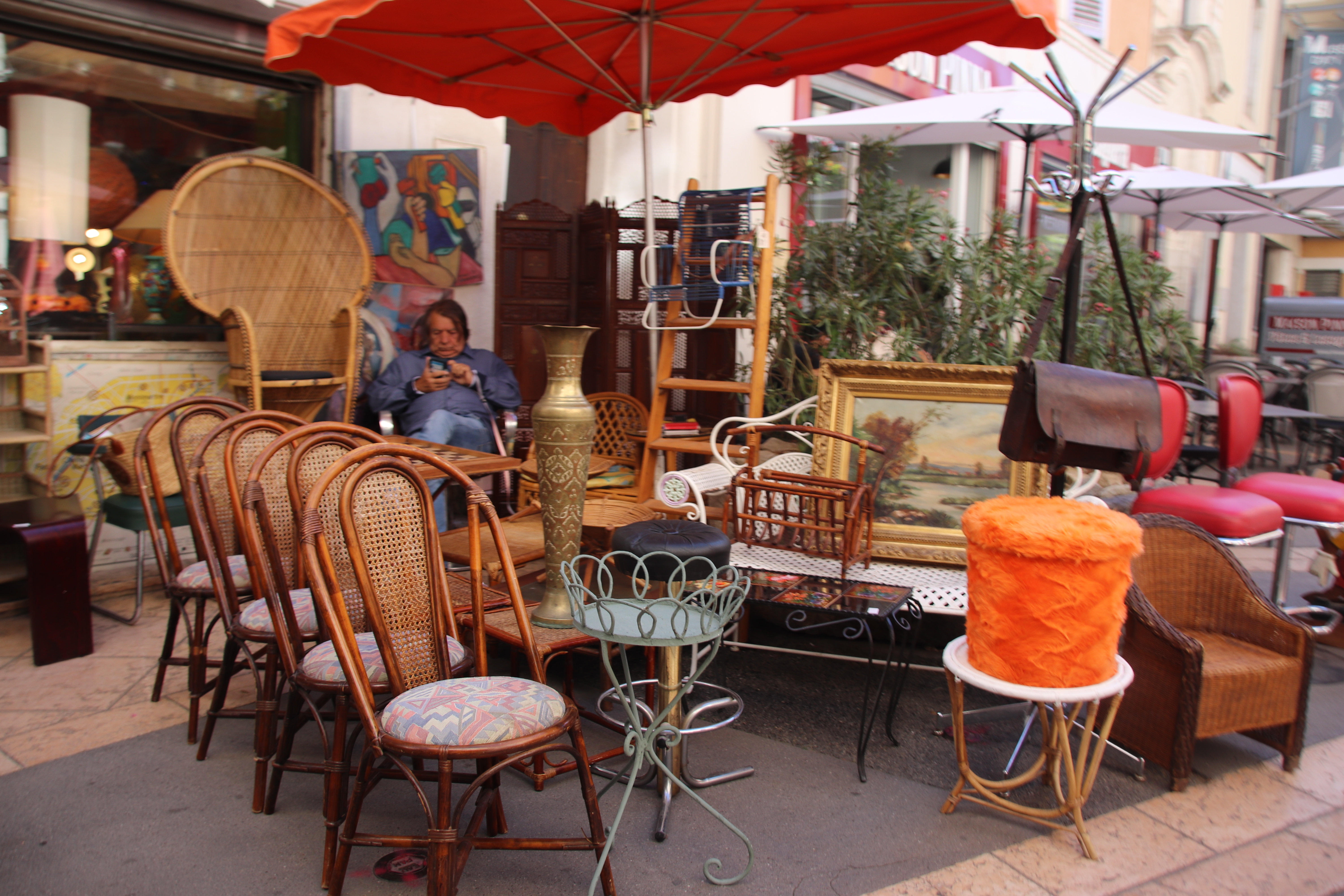
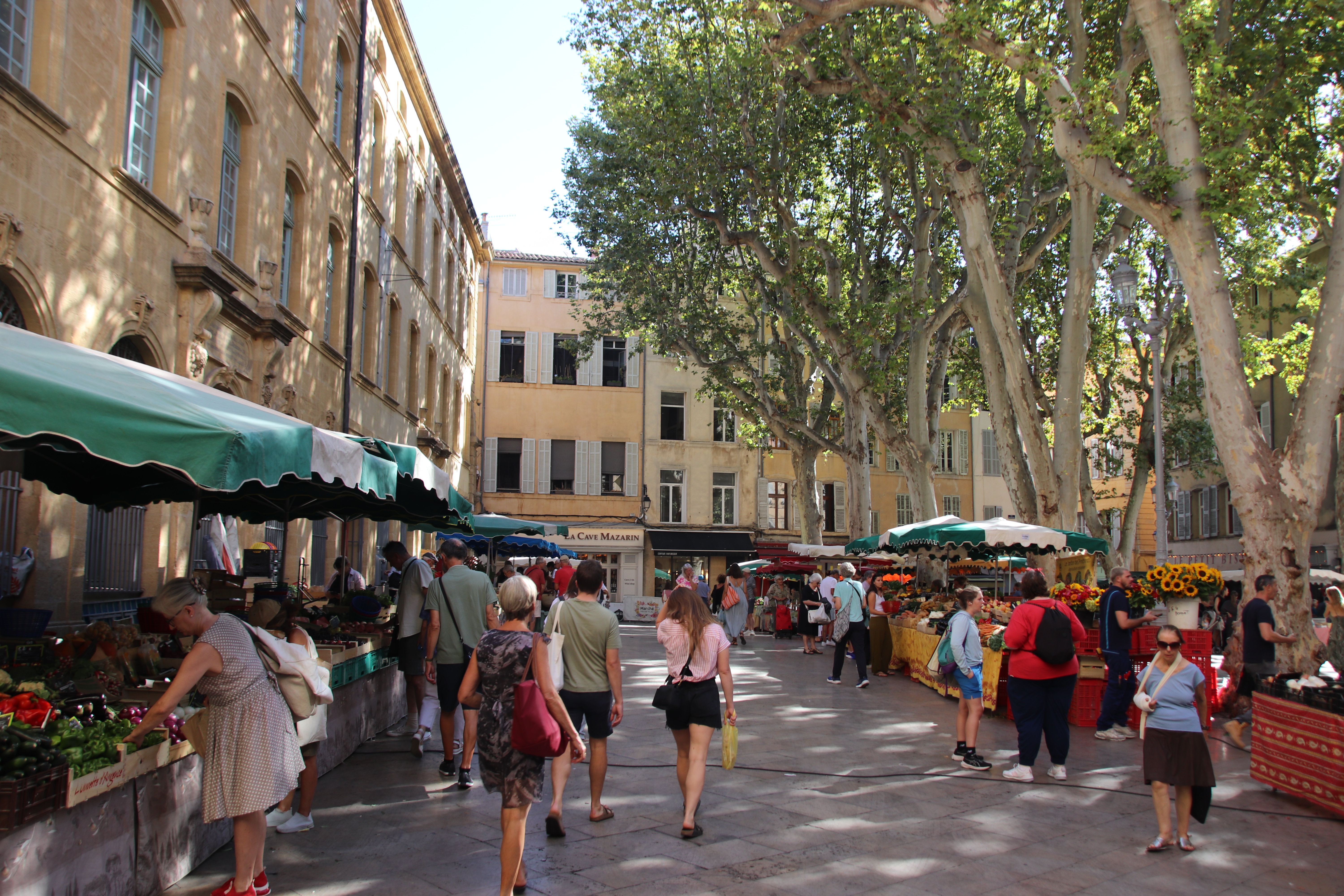
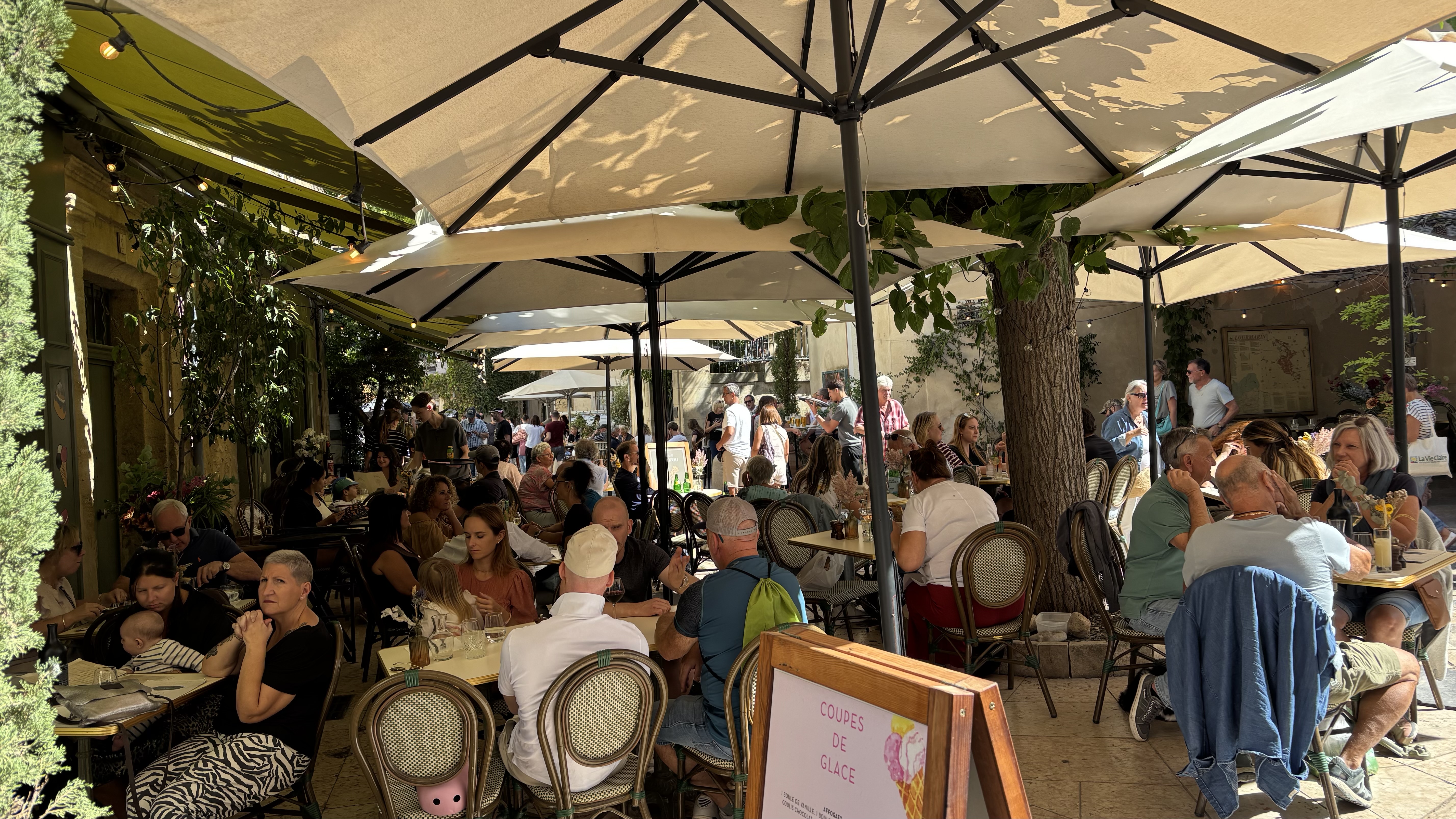
This vibrant event takes over the whole of the centre of the village, enhanced by views of the Luberon landscape. An avalanche of white-umbrellered vans & stalls cascade into the tripod of narrow, mainline streets, setting out bright, colourful displays of wares & produce. A bustle of well-groomed, well-attired, well-heeled, generally well-to-do, clientele, locals & visitors alike, circulate at a leisurely pace, no ‘brisk’ walking here! At different times, the tables crowd up for coffee or lunch. Bottles & glistening glasses of rosé & white clutter the tops as the beautiful people share their baskets, their anecdotes & their gossip. Friends & neighbours meeting up or just the desire to be seen?
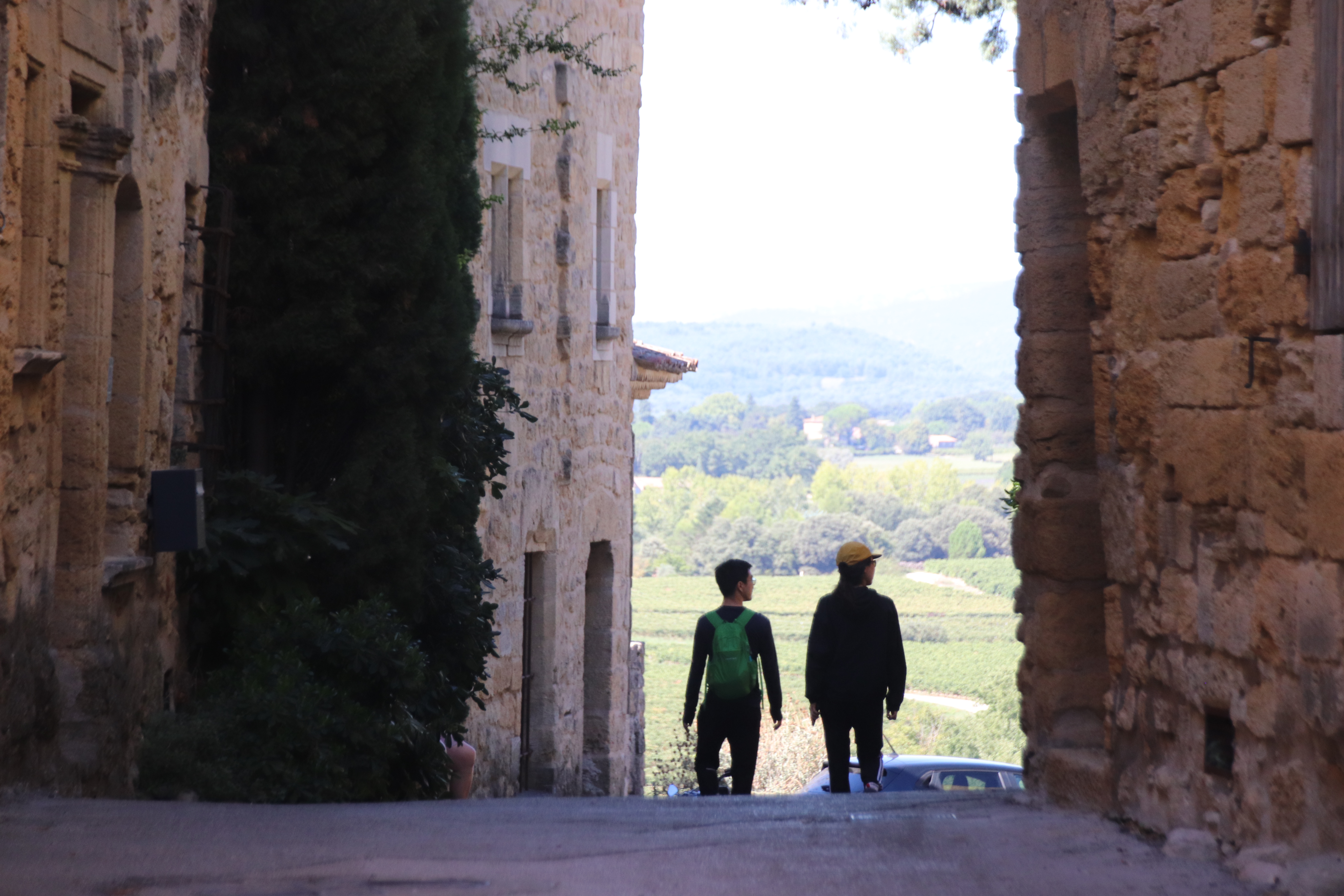
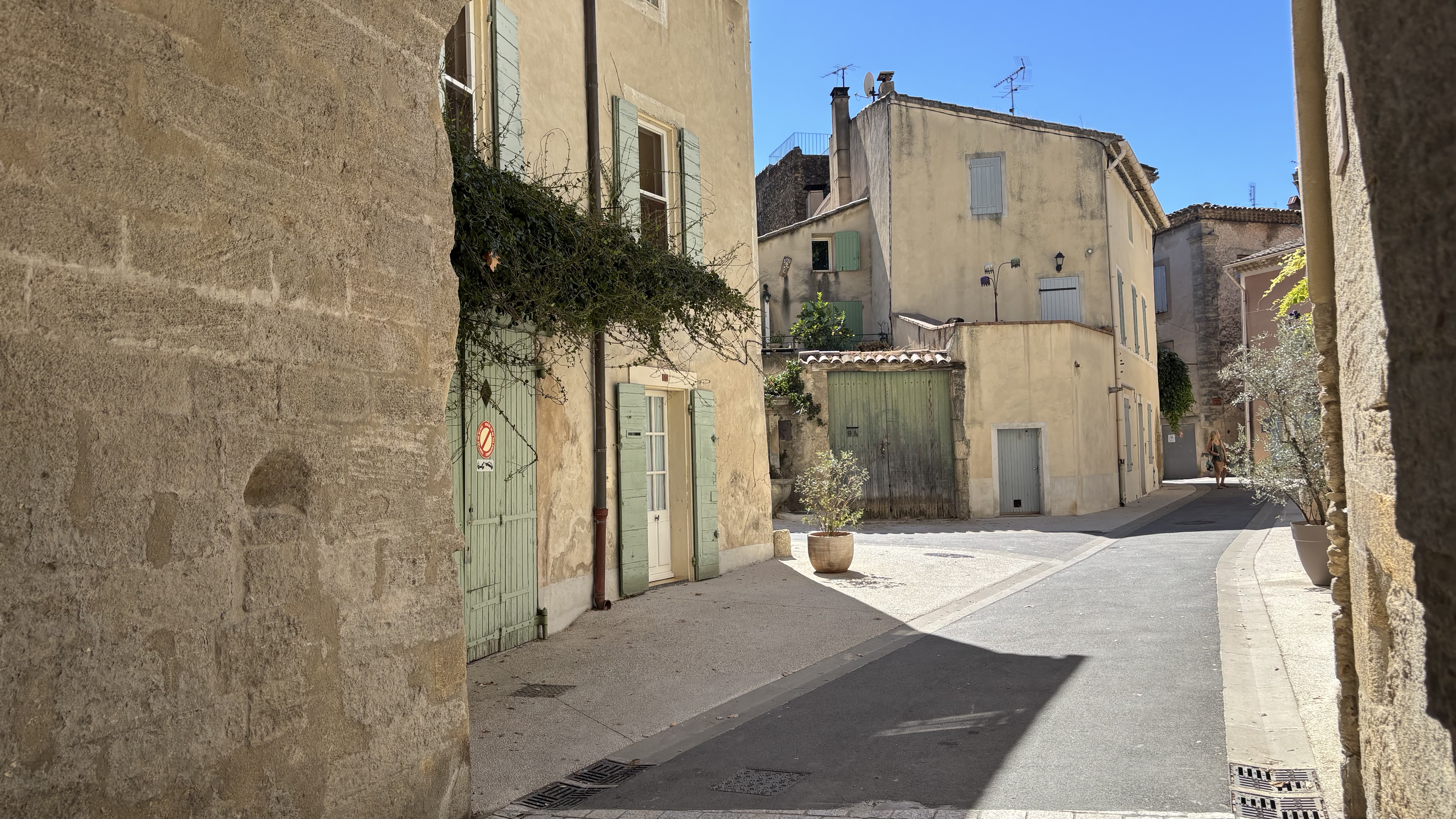
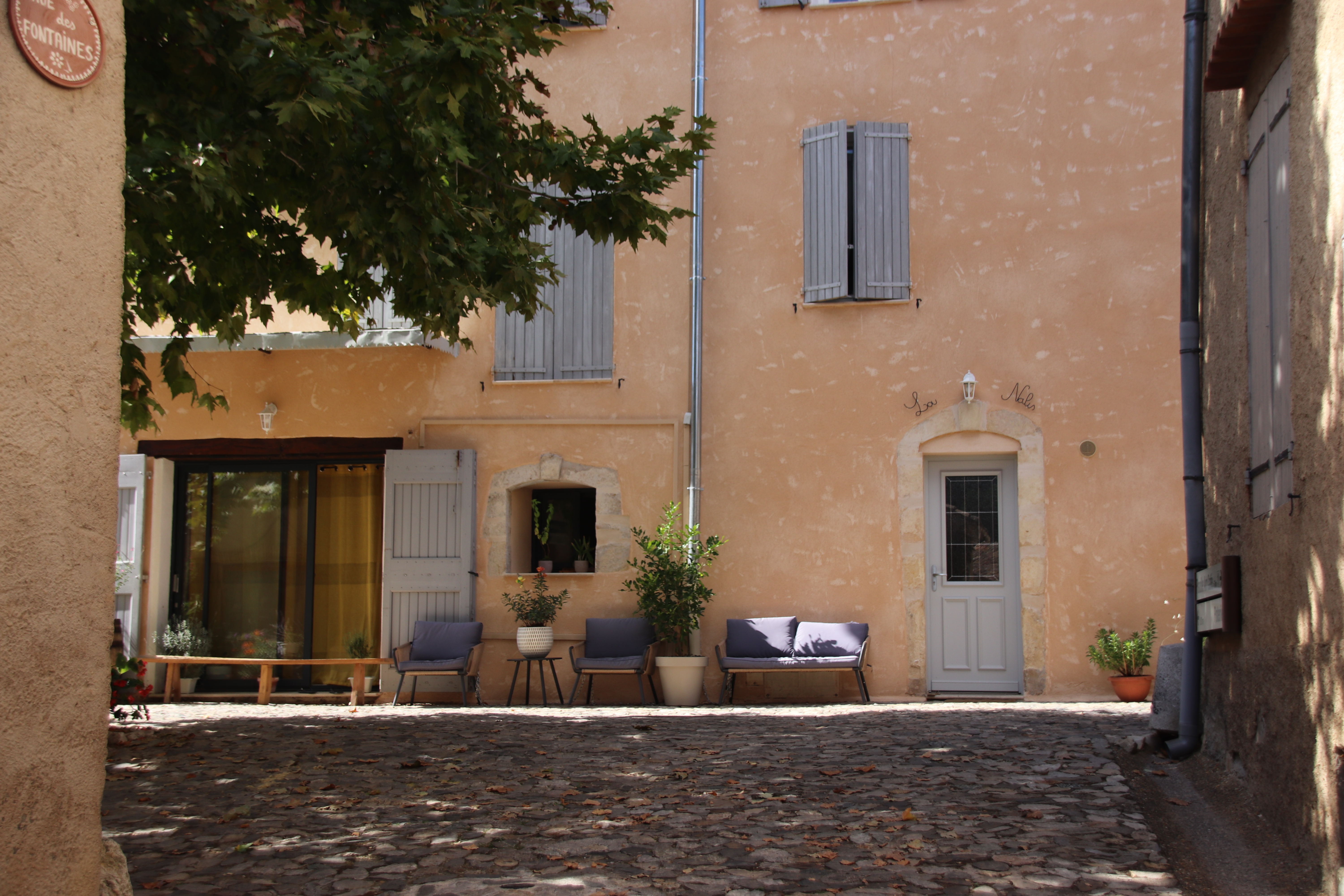
At the other extreme is the historic hamlet of Saint Julien. A tiny settlement on the other side of the river, perched on an isolated knoll overlooking rocky plateaus, lavender fields, vineyards & the Verdon River. This place was built for the working man.
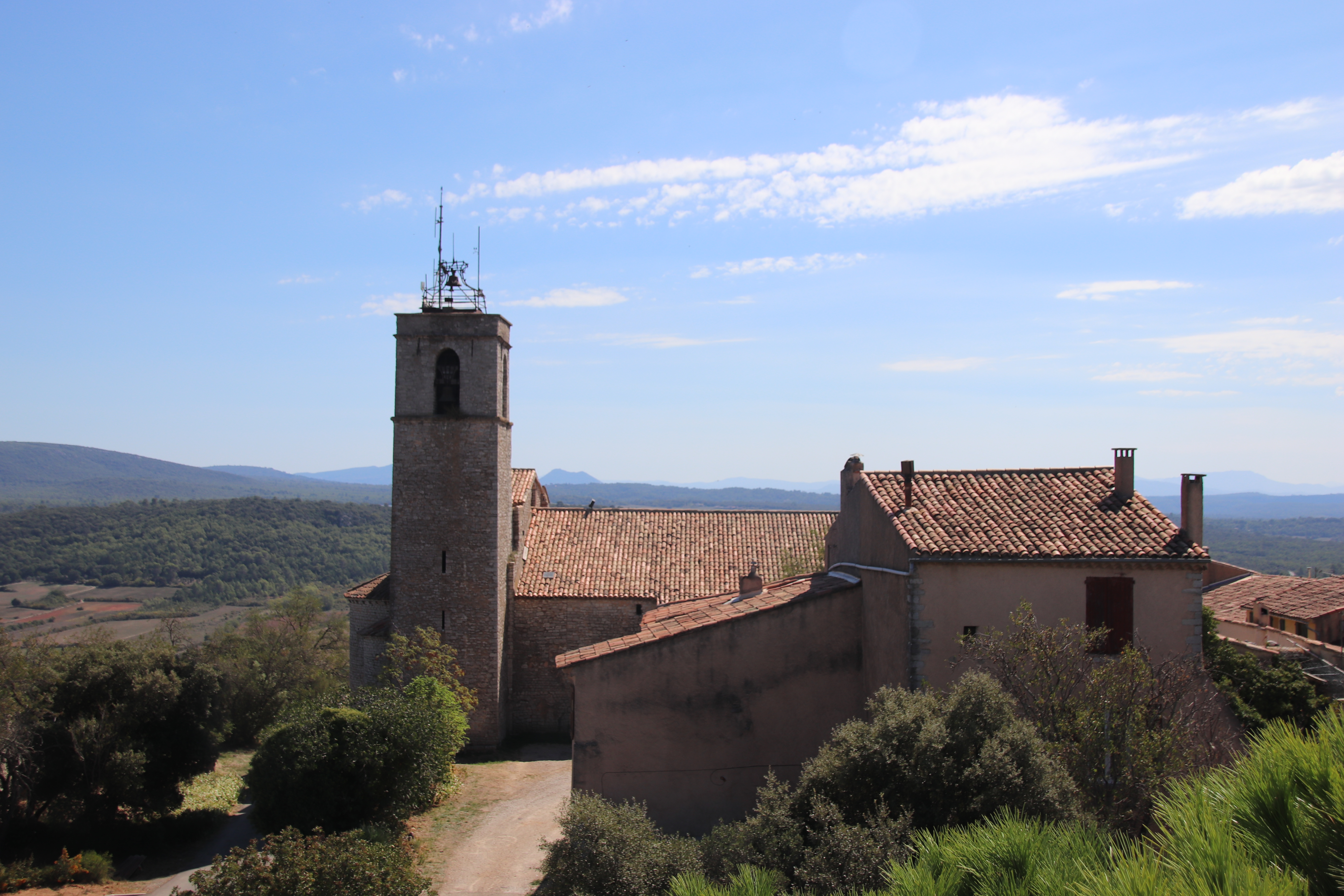
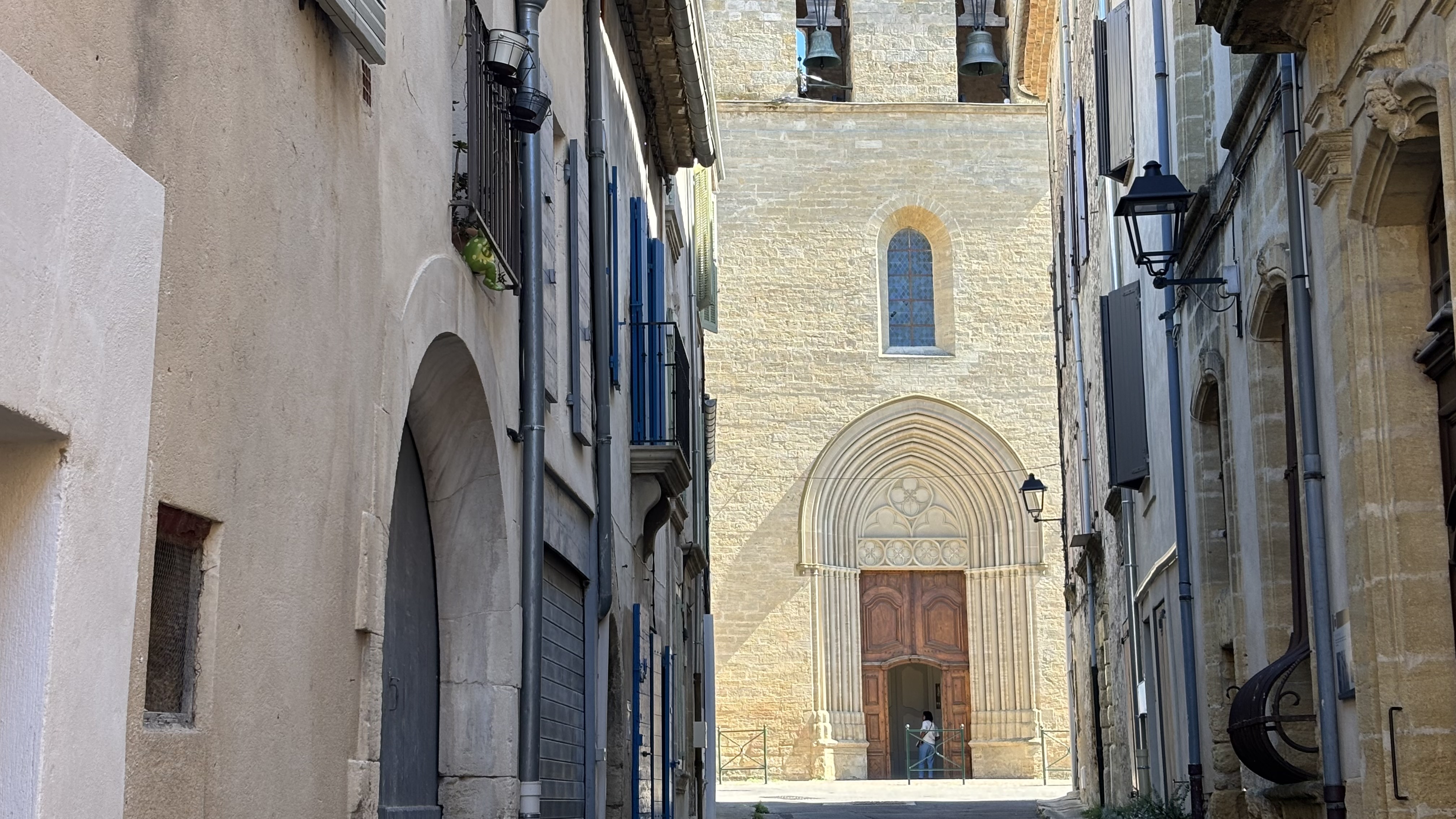
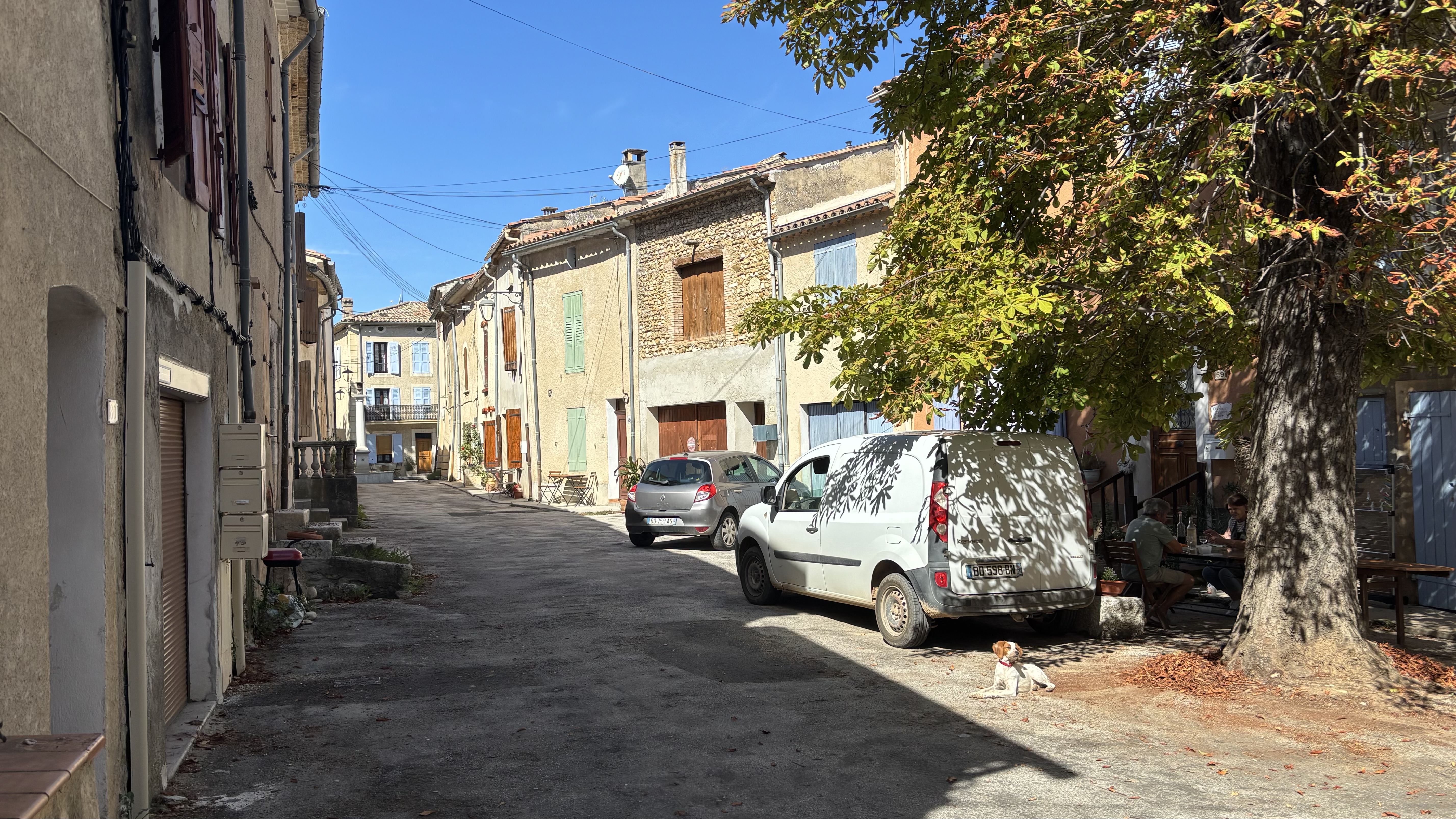
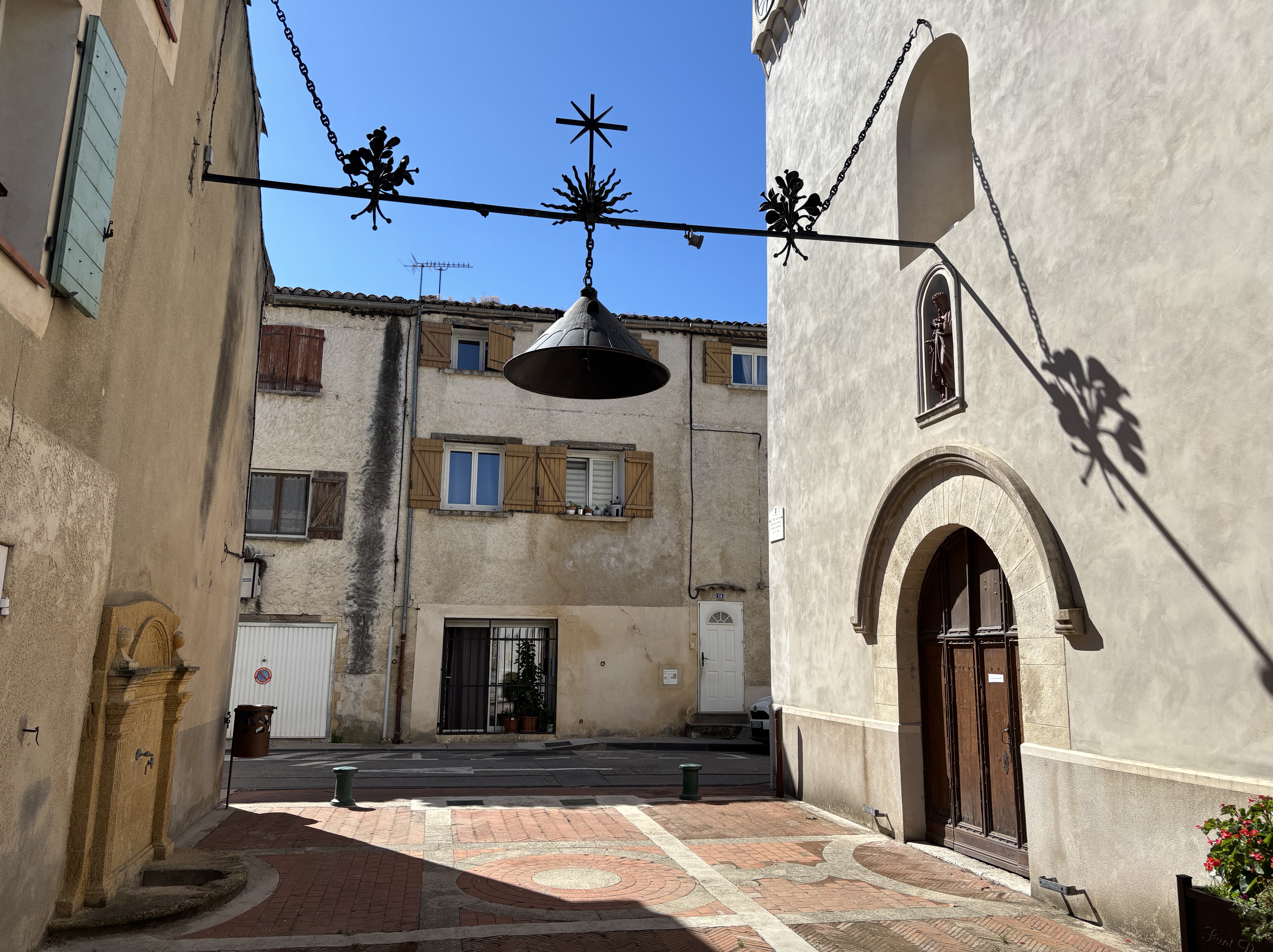
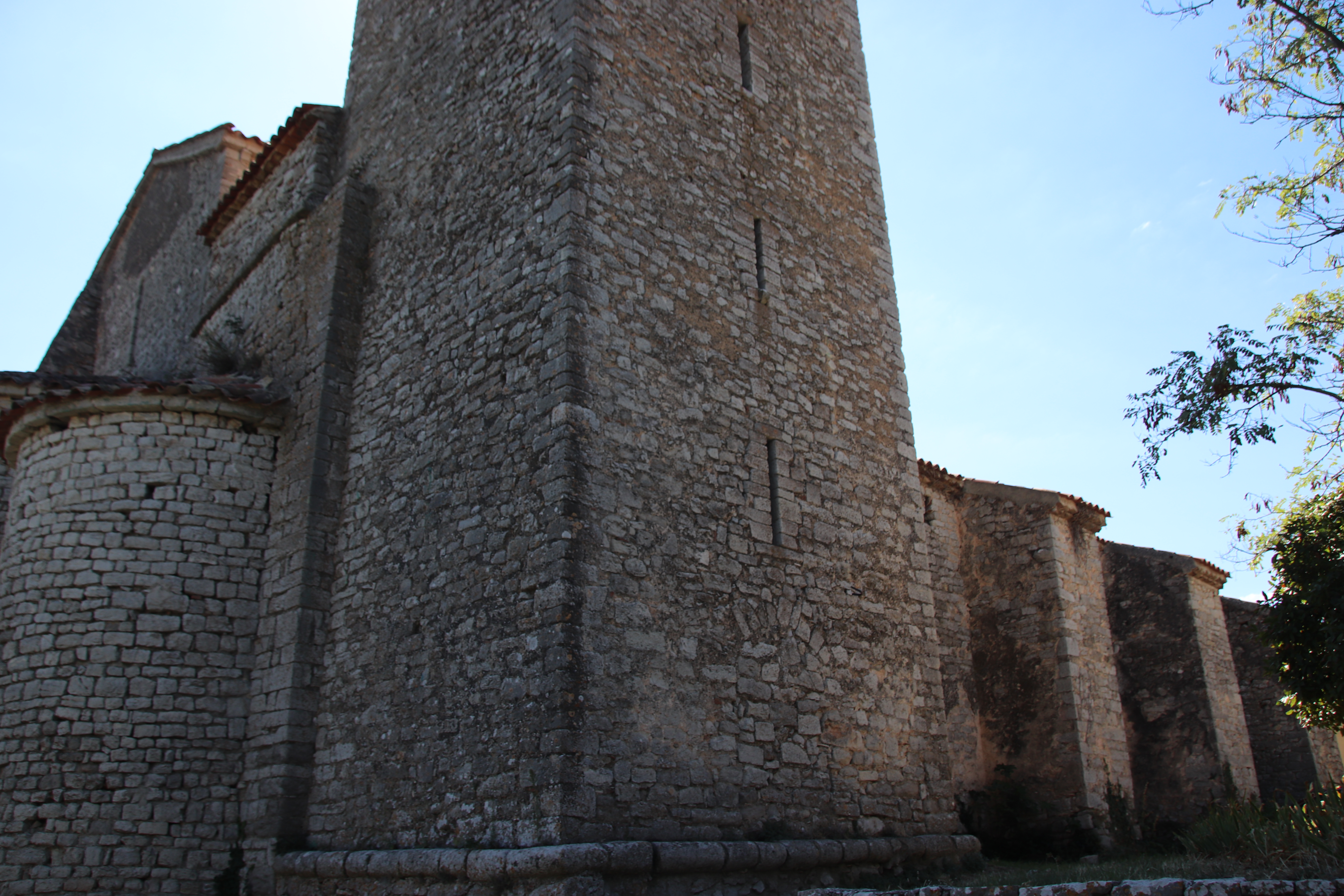
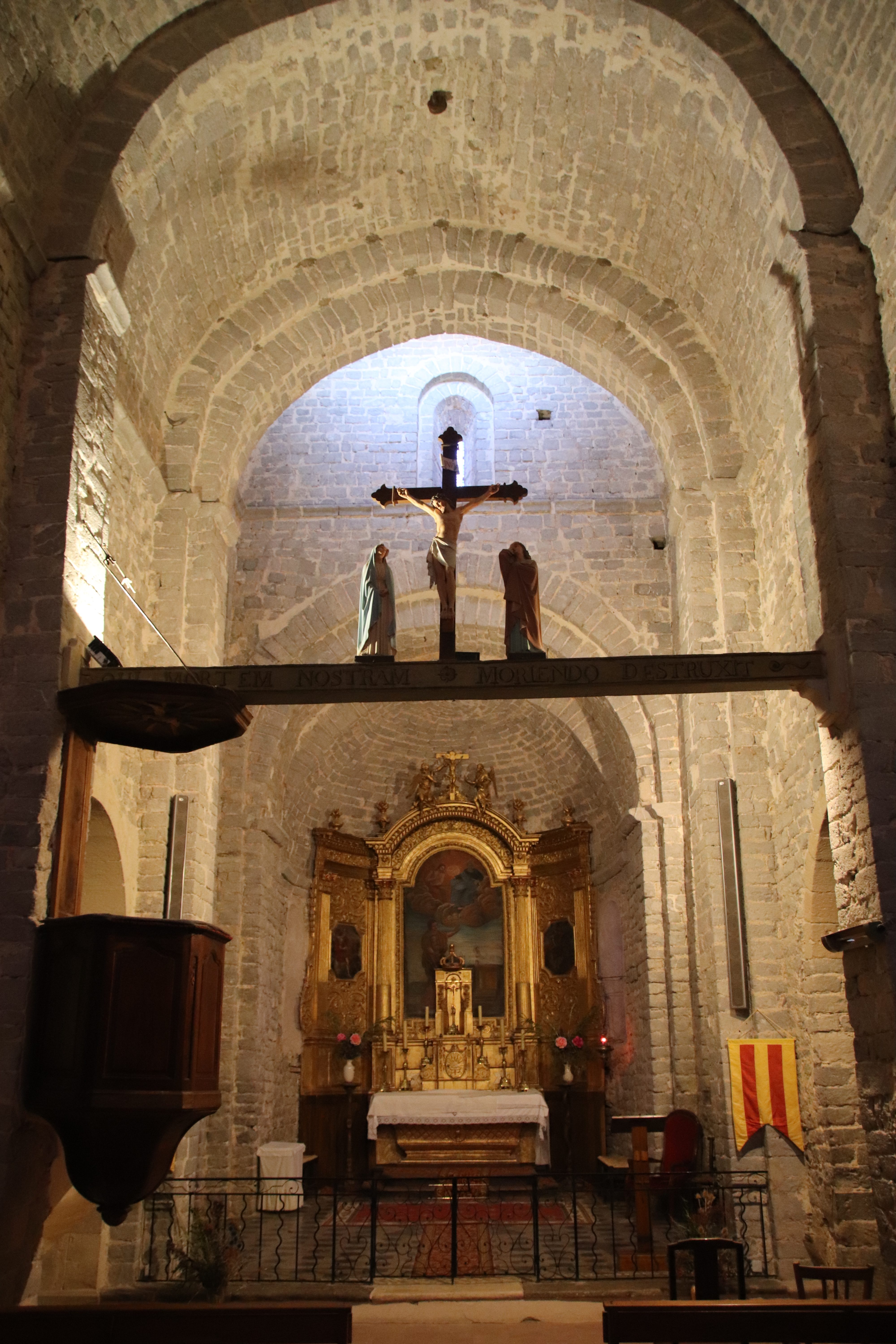
Once through the medieval ramparts, the streets are cramped & tight. There is little evidence of anyone living here other than the occasional parked car. Having negotiated a route through the donkey-sized, narrow, stone lanes to the other end of the village, the 12th century Church of Saint Julien & Sainte Trinité awaits. Built in the late 11th/early 12th century on foundations that included elements of a 6th century sanctuary, side aisles were added between the 13th & 15th centuries. The current bell tower was built at the beginning of the 18th century, as evidenced by more levelled stone work.
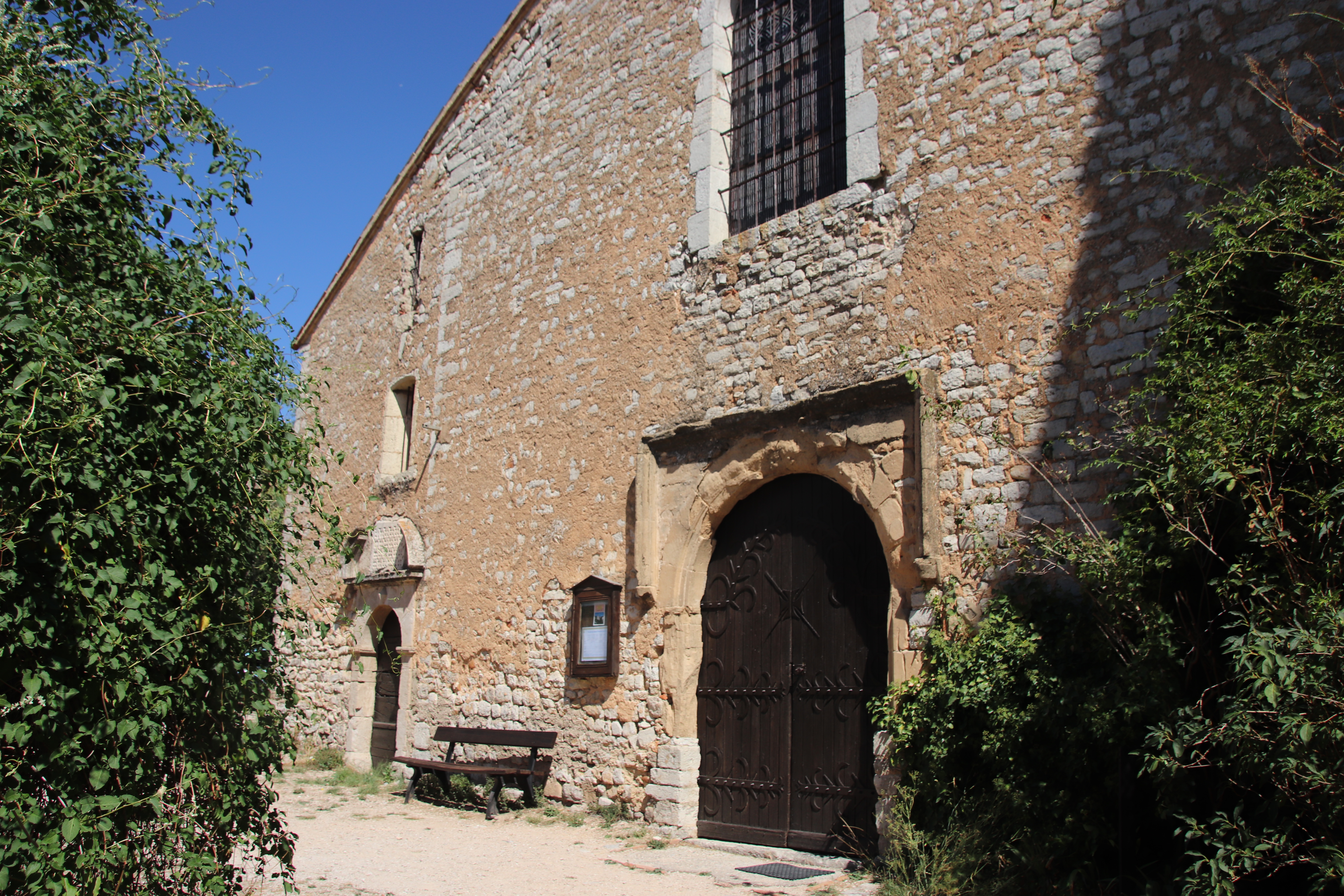
The ancient doors to this Romanesque church open on metal sliding tracks. With squeaks & scratches, the internal door also opens inwards and closes behind with a slight shudder. Pitch black, and I mean black! With a dull clunk, the slightest movement prompts a single, dim, automatic light to flood the chancel with a gentle glow. The full timelessness of the past can be felt. The hopes & fears of a poor, working community, the awareness of deity & devils, trials & tribulations spreads from the darkness of pre-medieval times. Life or death scenarios permeate the walls & the pews – crop failure, the weather, floods, frosts, drought, the harvest?
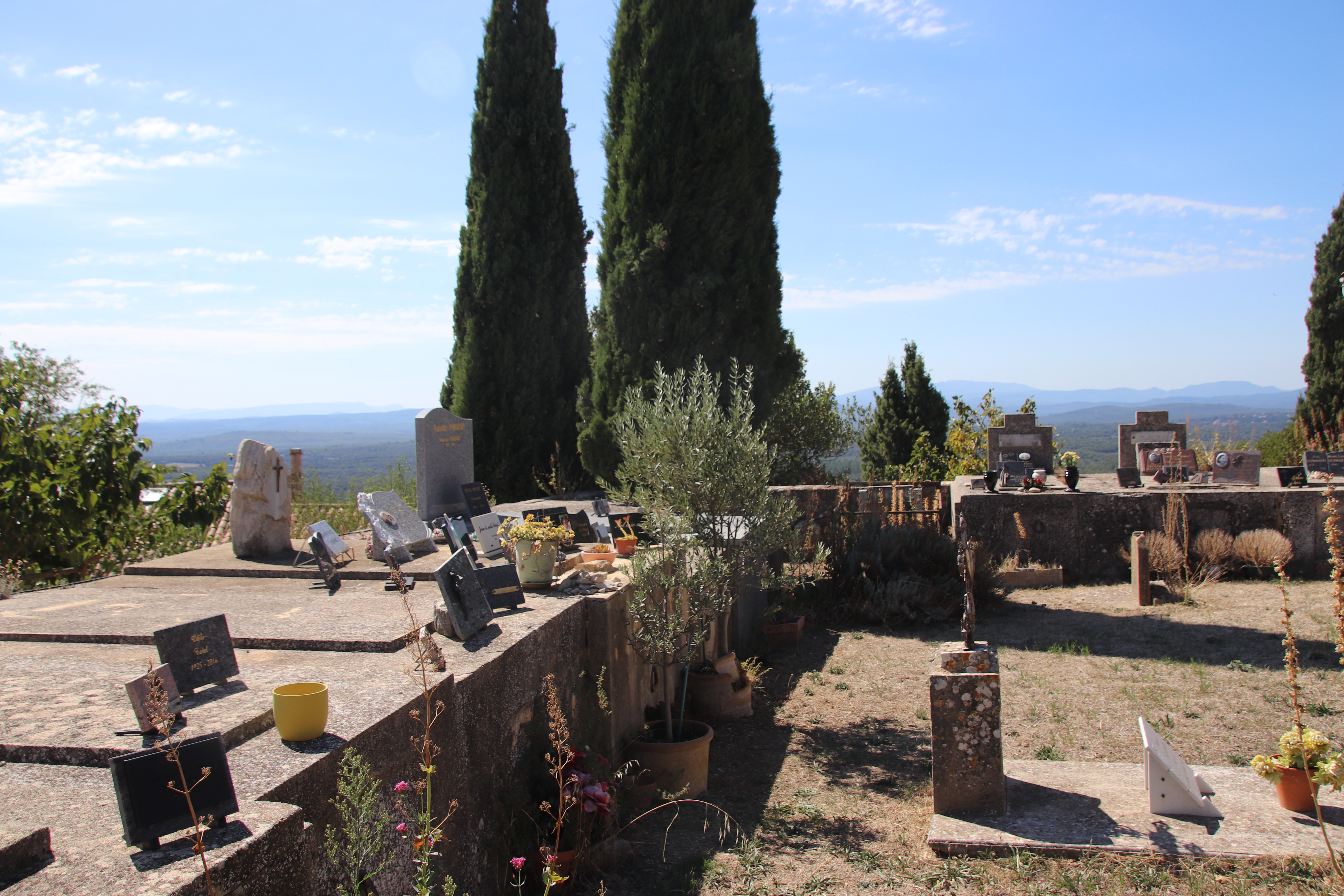
Outside, the graveyard could be a scene from some horror movie. Set within an ancient stone wall, dusty family crypts, rusting metal-worked crucifixes, centuries-old stones decorated with details of loved ones & the occasional faded photo, a stack of ancient headstones that have lost ownership to any particular piece of ground, & a plaque remembering all those who fell in the Great War (the names of every young man who lived in the village at the time must be written here); all could easily reveal ancient relatives in some ghoulish enactment of past lives.
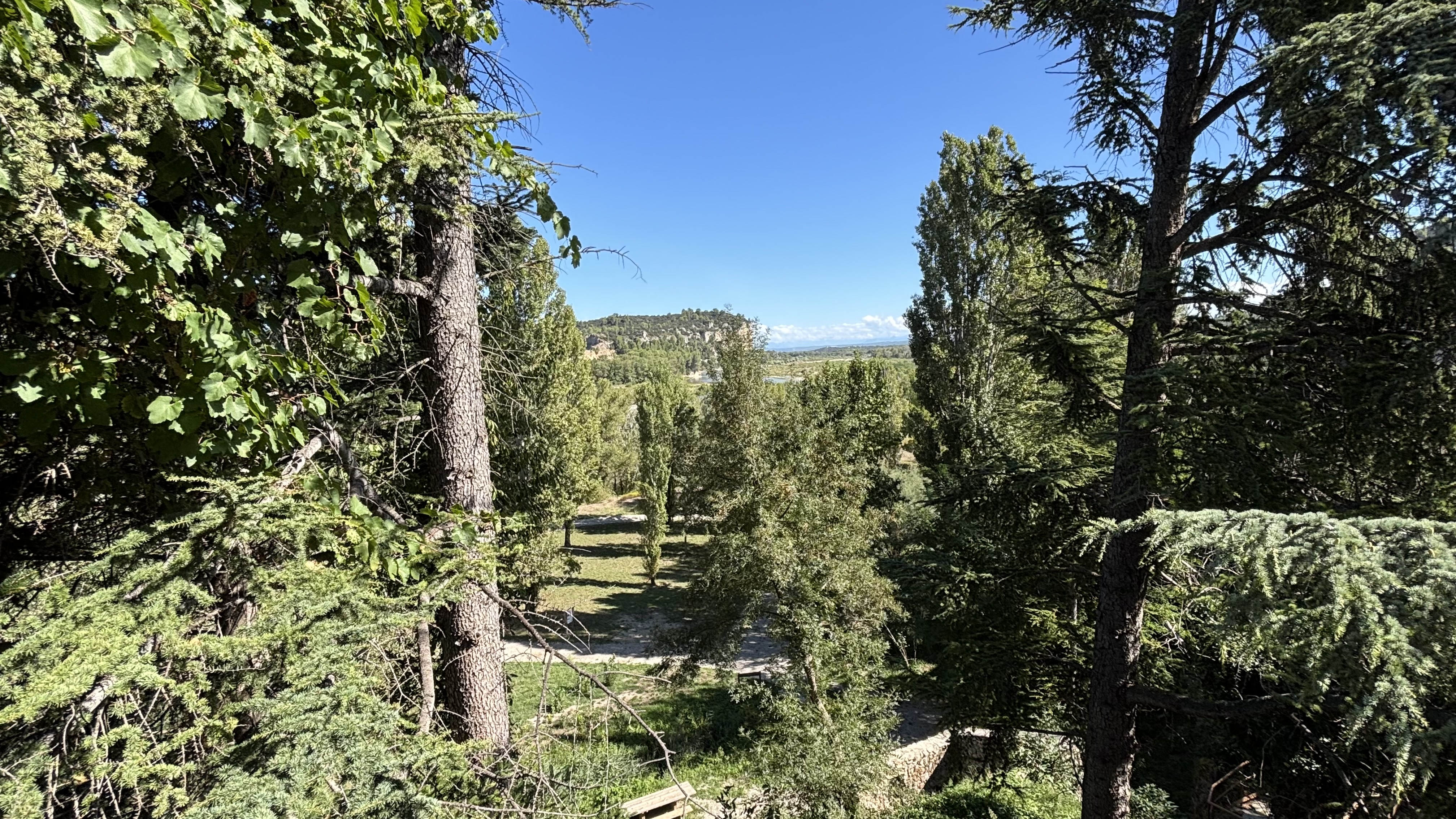
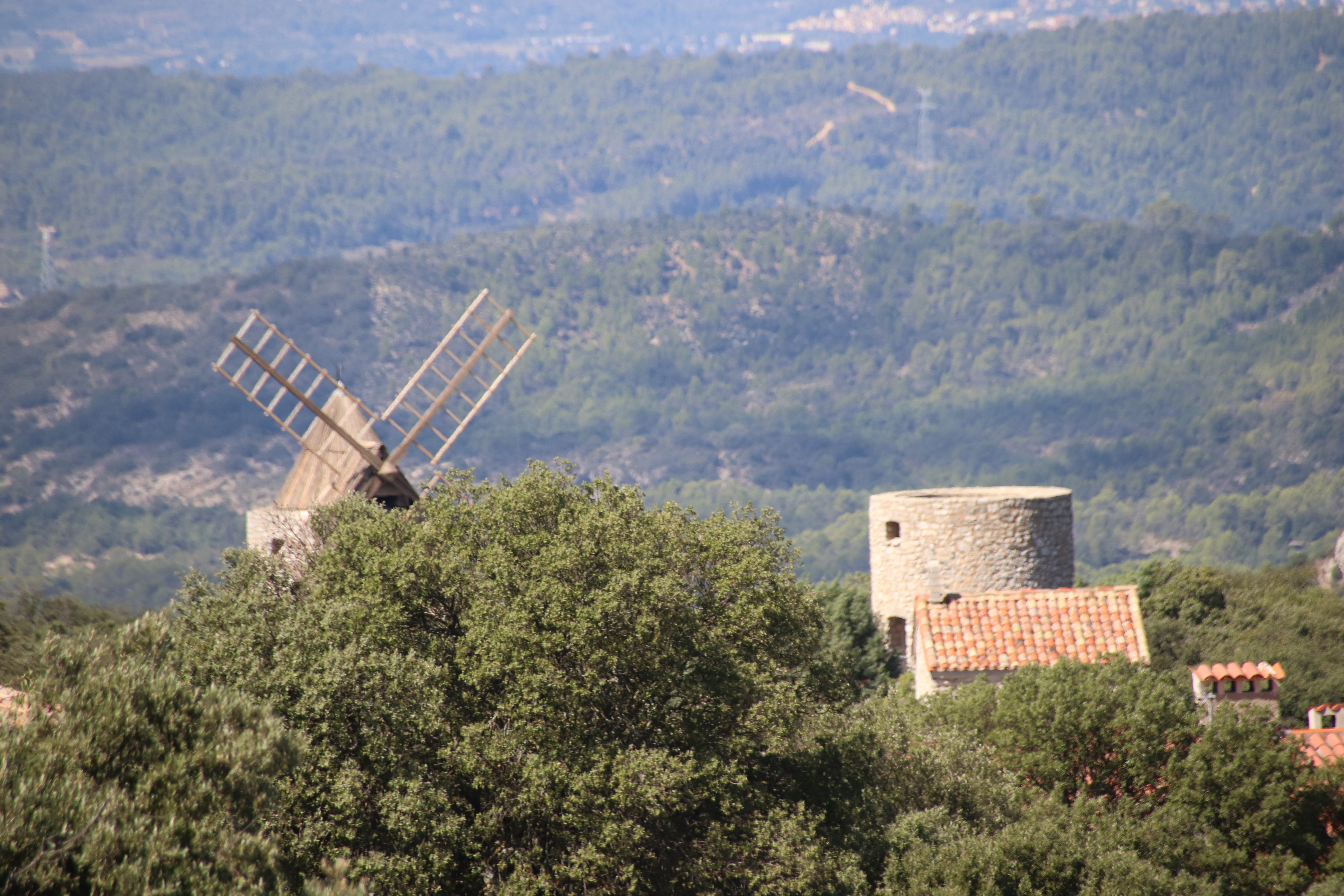
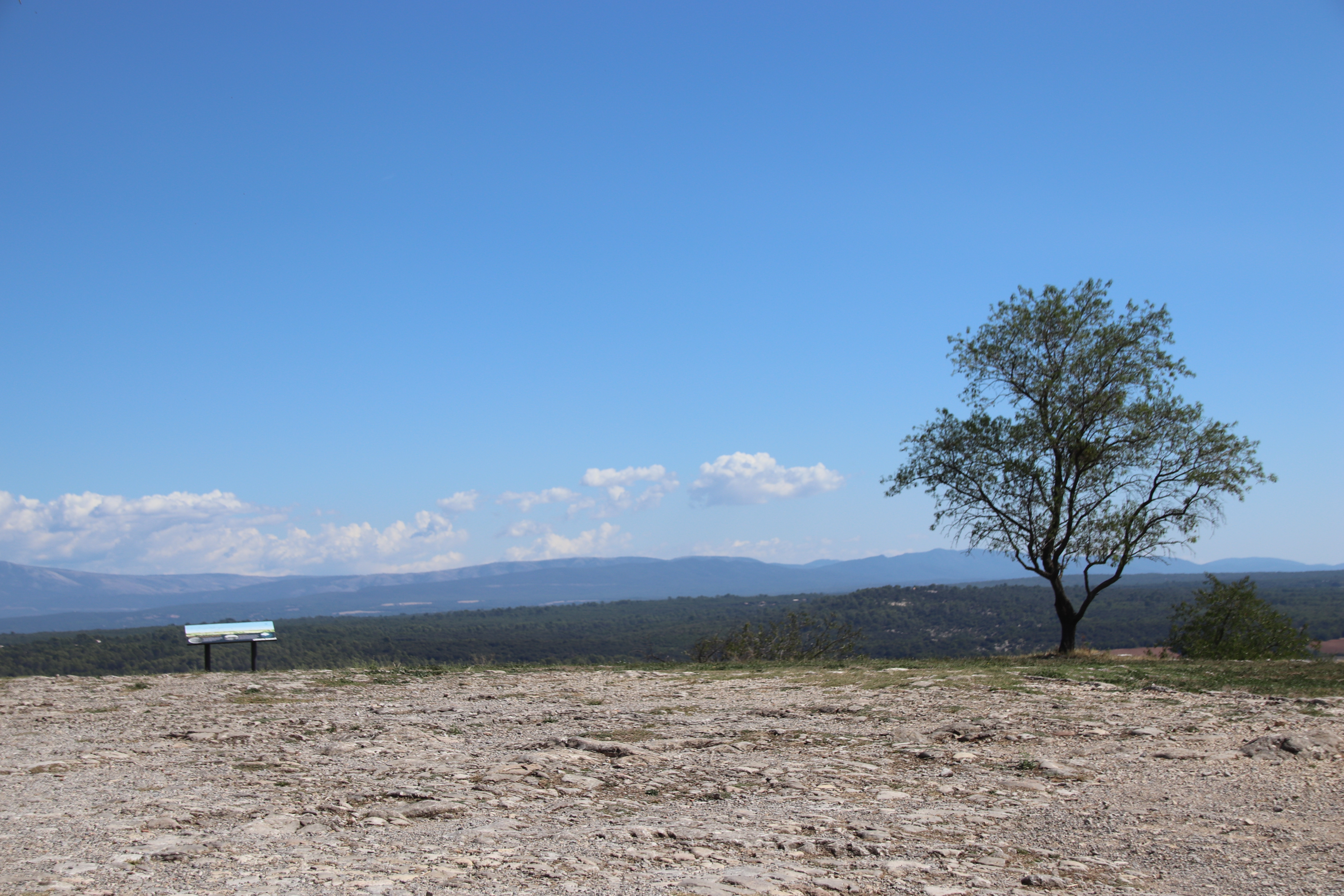
Across to the edge of the flat limestone plateau, a single tree & a map stand set a watch over the distant ridges of the Verdon. More detail can be seen from the top of the water tower. These also include tops of hamlets windmill & another smaller chapel.
So, you pays your money & takes your choice. Me – I’ll take both. Together, they complete the wonderful picture of Provence.
Delving deep into the Luberon

The Luberon is a massive, mountain massif in central Provence, famous for historic hilltop villages, lavender fields and bountiful vineyards. The River Durance flows along the edge and it is an easy drive into this low limestone mountain range that stretches for 60 km from west to east, reaching a maximum elevation of 1,256 metres. It is recognised for its rich diversity & striking landscapes. The region is famous for the production of wine, of course, olive oil, cherries, truffles, & lavender. Every hilltop seems to have an iconic, medieval, cliffside settlement perched on the top, almost beckoning the visitor in.

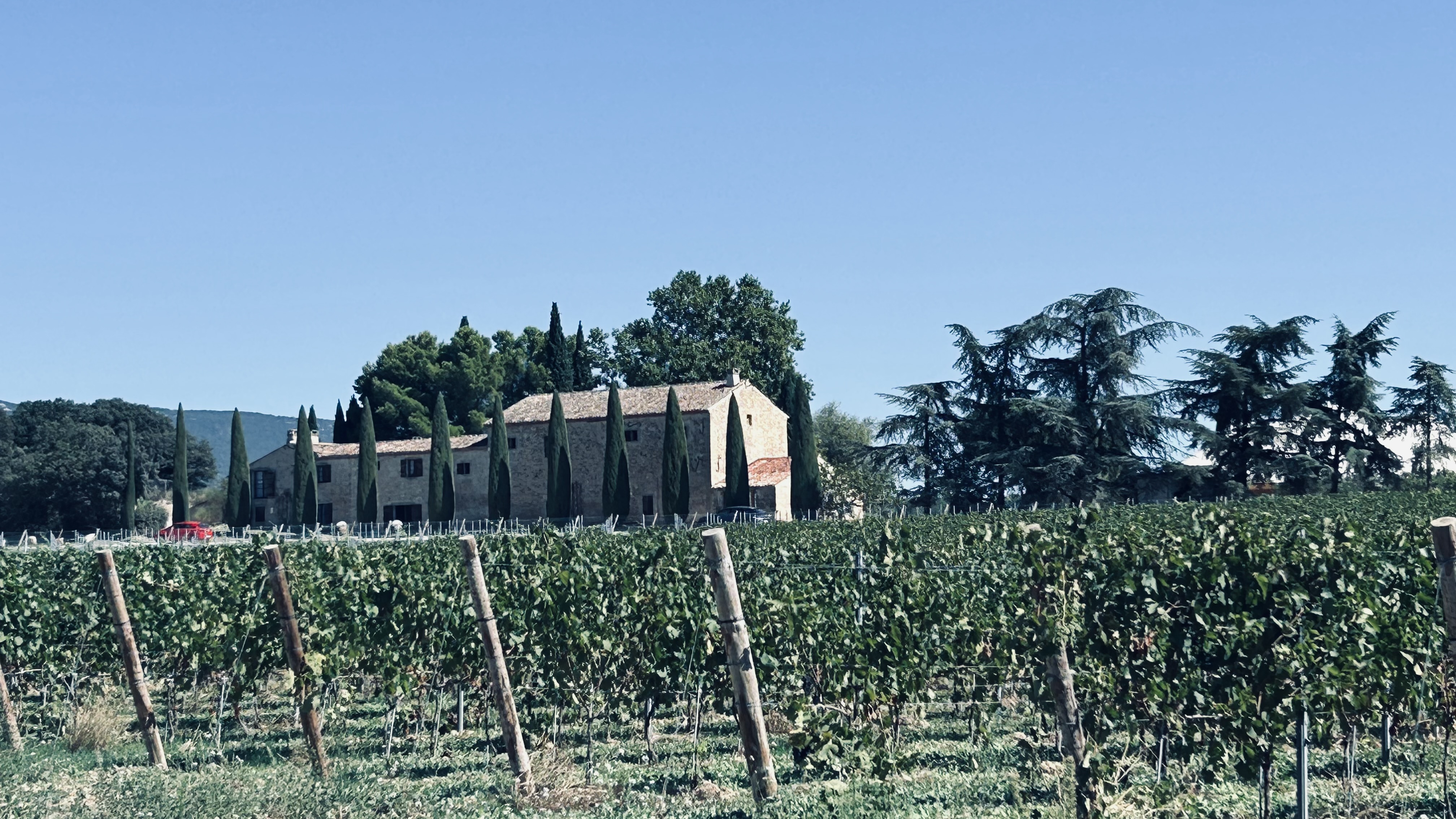
Over several days we explored this picturesque area, gasping at the mountain layers, appreciating the thrills of mountain road climbing & the adrenaline-induced, motorised spirals of valleys & ravines. We sampled the typical Provençal settlements, falling in love with some, feeling the atmosphere, absorbing the feel of ancient stones. We felt the history as we passed large mixed forests, harvested farmland, rows of vines & olives with barns & huts in various states of ruin or readiness, preparing for this year’s harvest. Vast, wine estates, their pristine, stoned production facilities & barrel cellars reflecting the gold Provençal sun & guarded by pillars of dark green Cypress, seem overly prepared with crates lined out over the ground at the head of each line of vines & large amounts of machinery waiting in the wings.

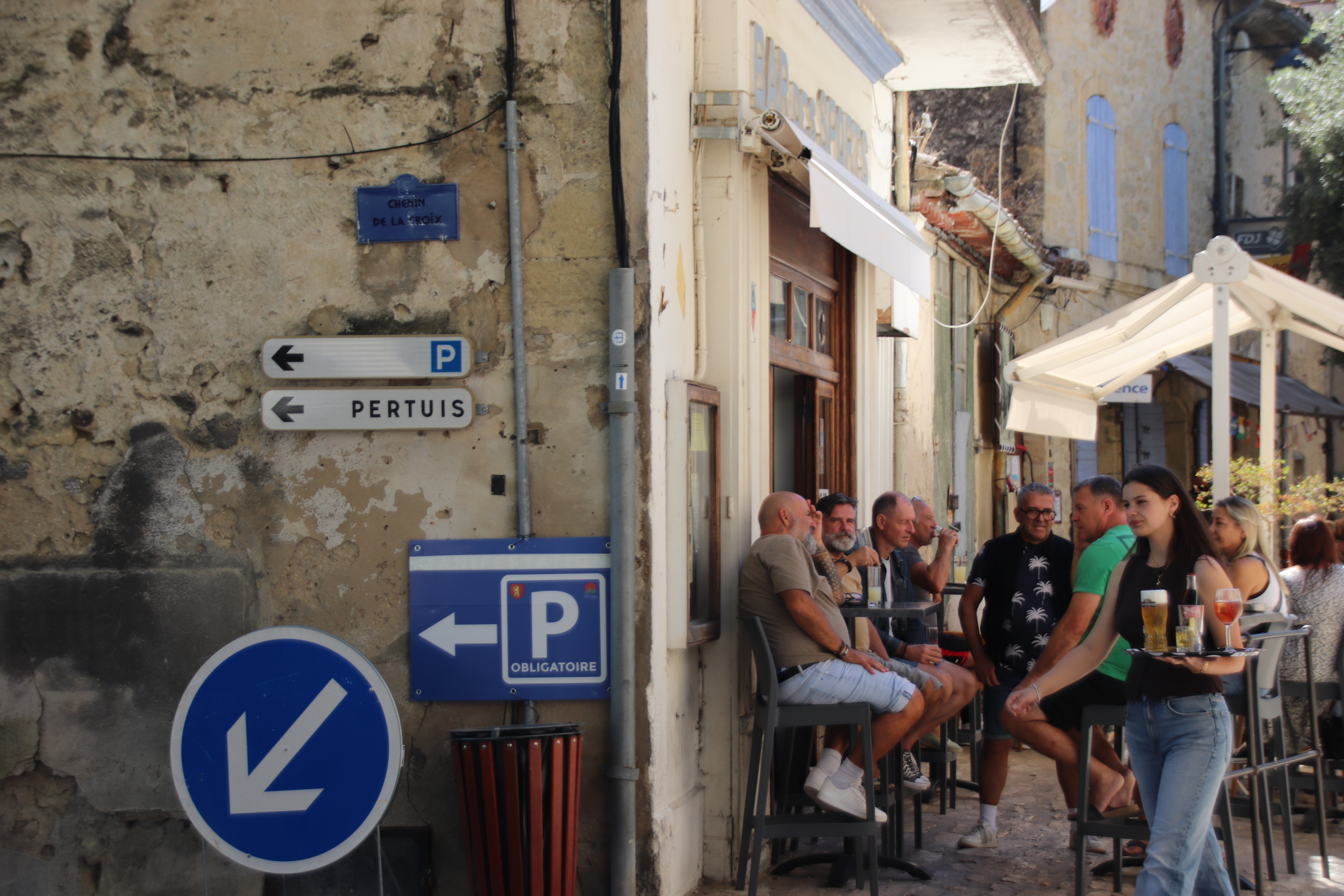
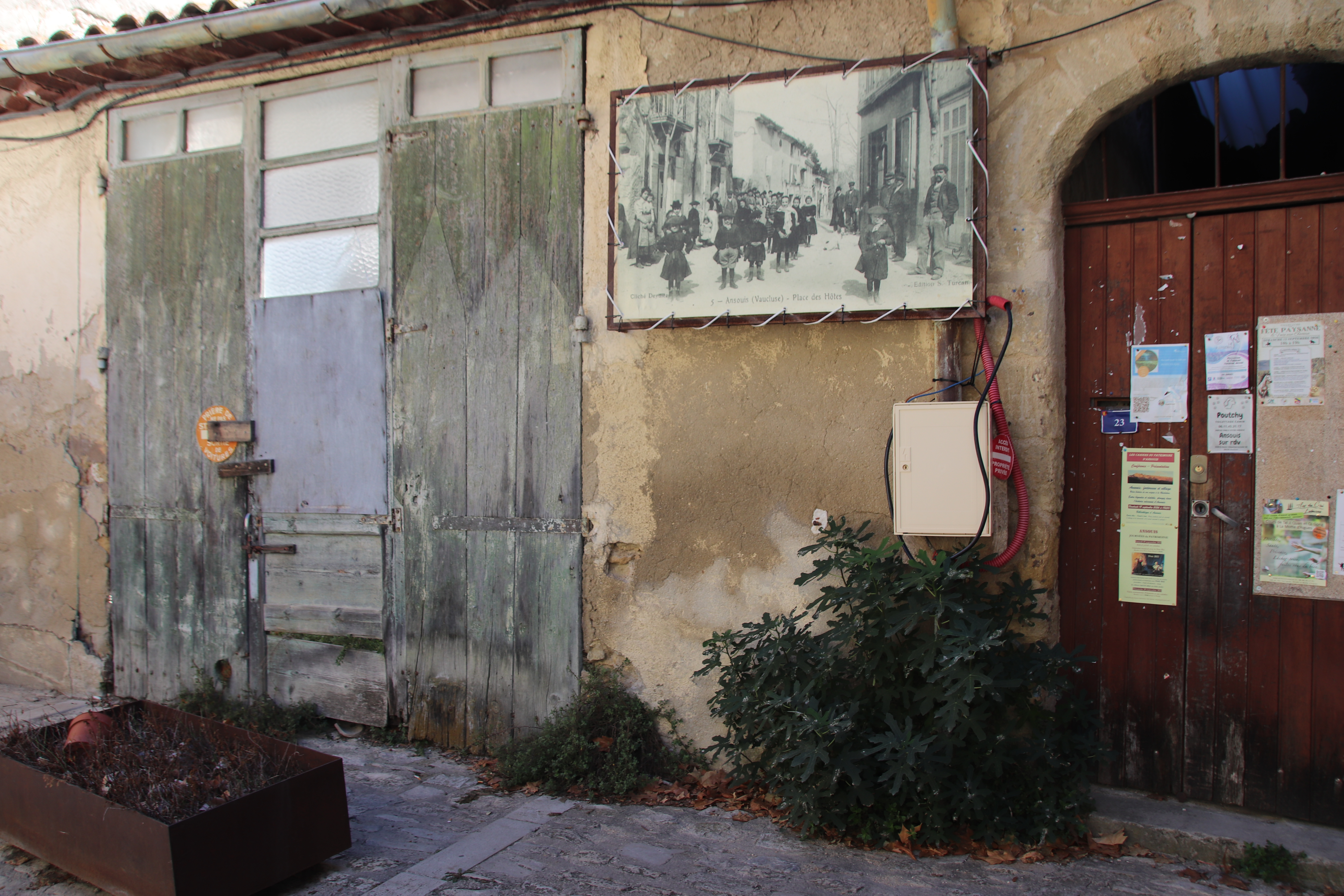
The historic hilltop village of Ansouis is the first on our list, one reason being the presence of a weekly market – always up for a market! The village is typically Provençal, perched on a rocky hill around an ancient church & a majestic chateau. The latter was originally built in the 9th century and is still inhabited. Many of these medieval buildings house galleries & studios & exhibitions, even concerts & operas.

Having climbed the short walk up to the centre, we established the market was over the peak & down the far side at the bottom of the hill. Remembering we had to walk back up the hill, we trudged down to find three stalls selling meat, fruit/veg & cheese – just not worth the effort,

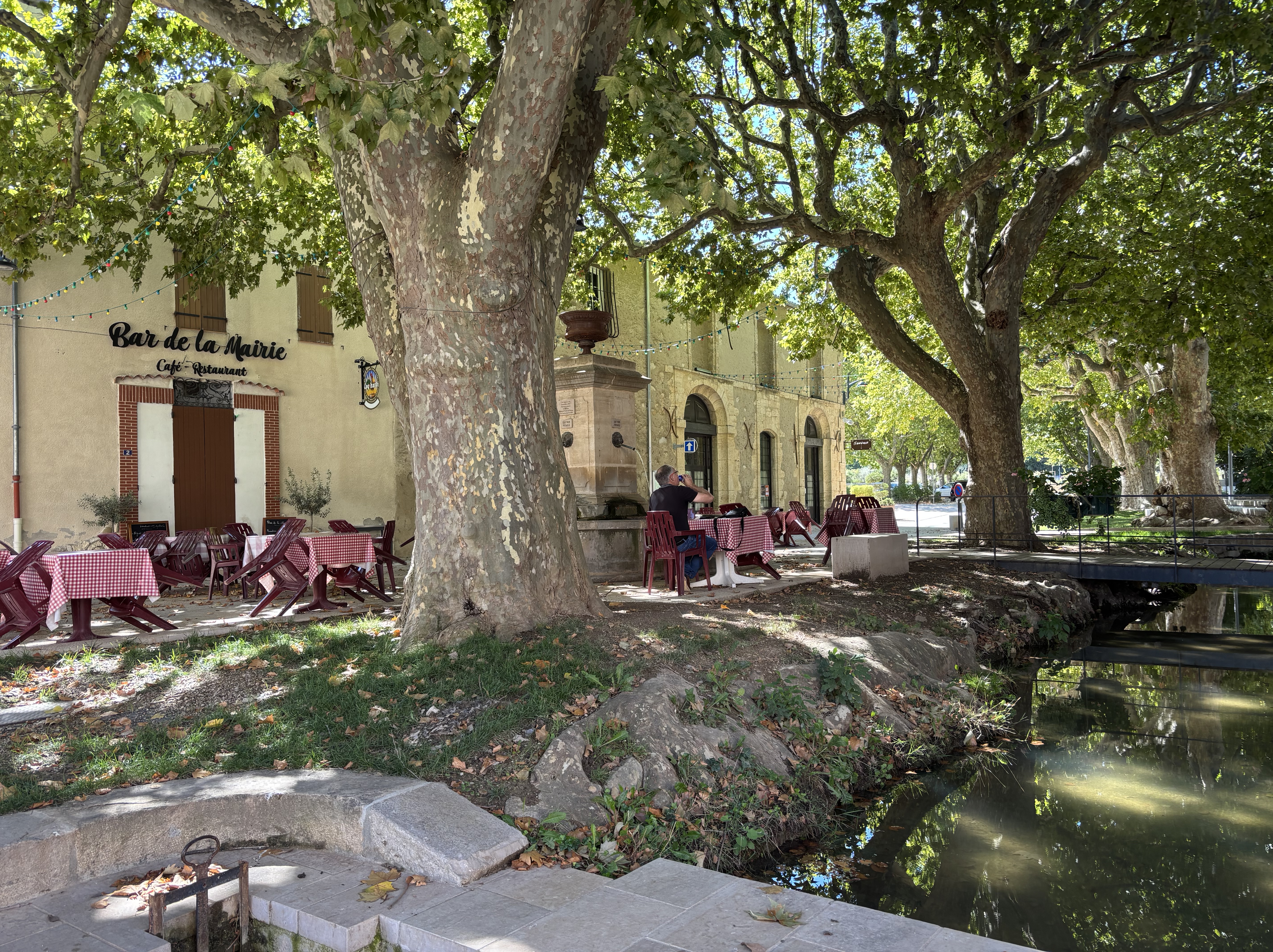
A few km further on lies Cucuron, another really attractive, quiet medieval town. Giant, 200-year-old plane trees surround The Bassin, a large rectangular pond within the centre of the Main square, & provide shade for village activities, the weekly Tuesday market & the many outdoor cafes that lie around the edge.

Within the walls of the Old Town, narrow, stone-paved streets wind up to the church and an old castle. Dotted amongst the shuttered cottages that line the narrow cobbles are small, individual cafes & restaurants and craft shops & quality boutiques.

It is a ideal place to wander & absorb that Provençal atmosphere.

Apt is an important town for the region. Founded by the Romans it boasts several authentic ruins, As always, the Old Town consists of narrow, shady, medieval streets, public squares & historic fountains to cool us all down.

Aix-en-Provence

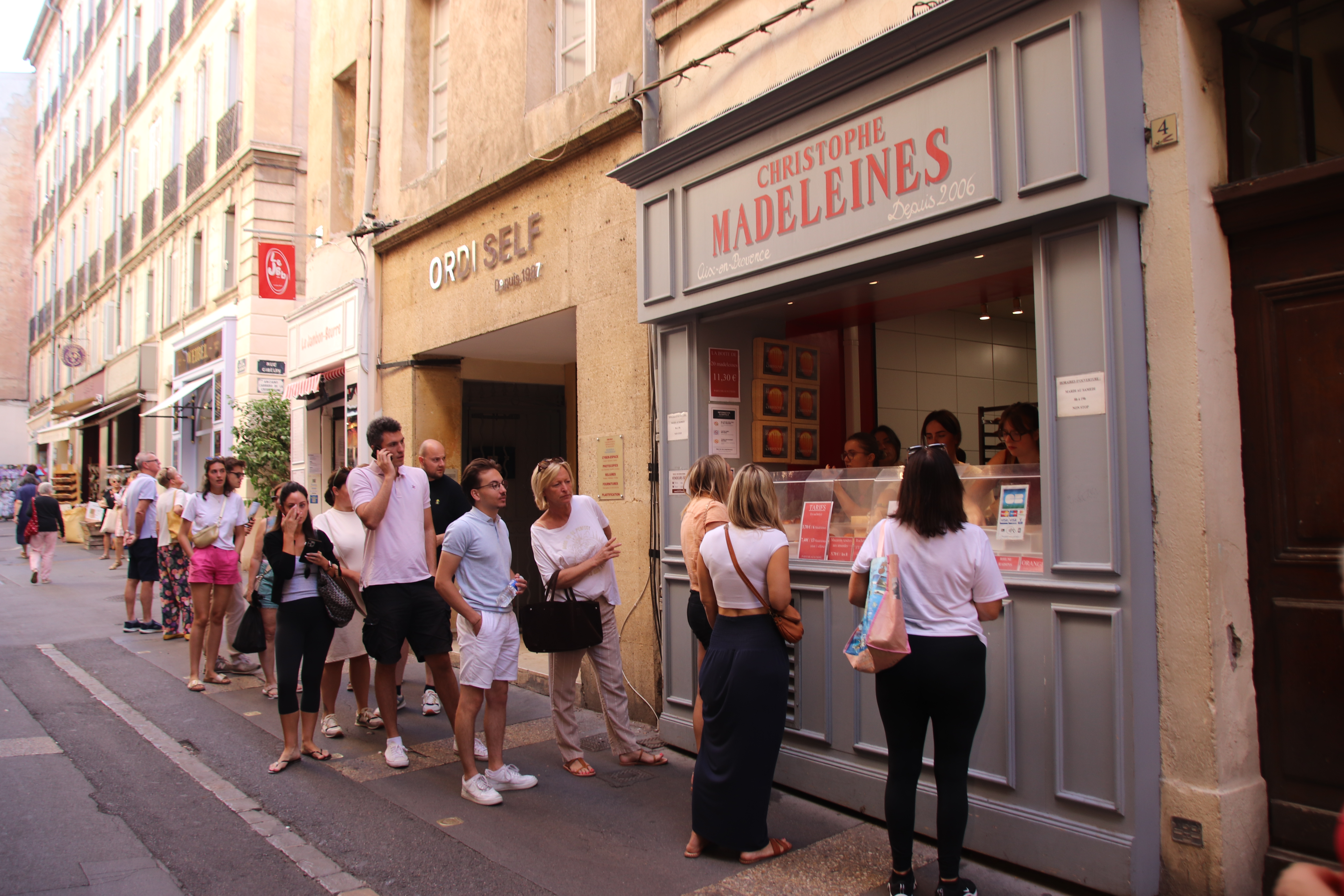
Aix-en-Provence is a fine city with wide boulevards & grand buildings & attractive squares. A historic, university, it was founded by the Romans in 122 BC. 

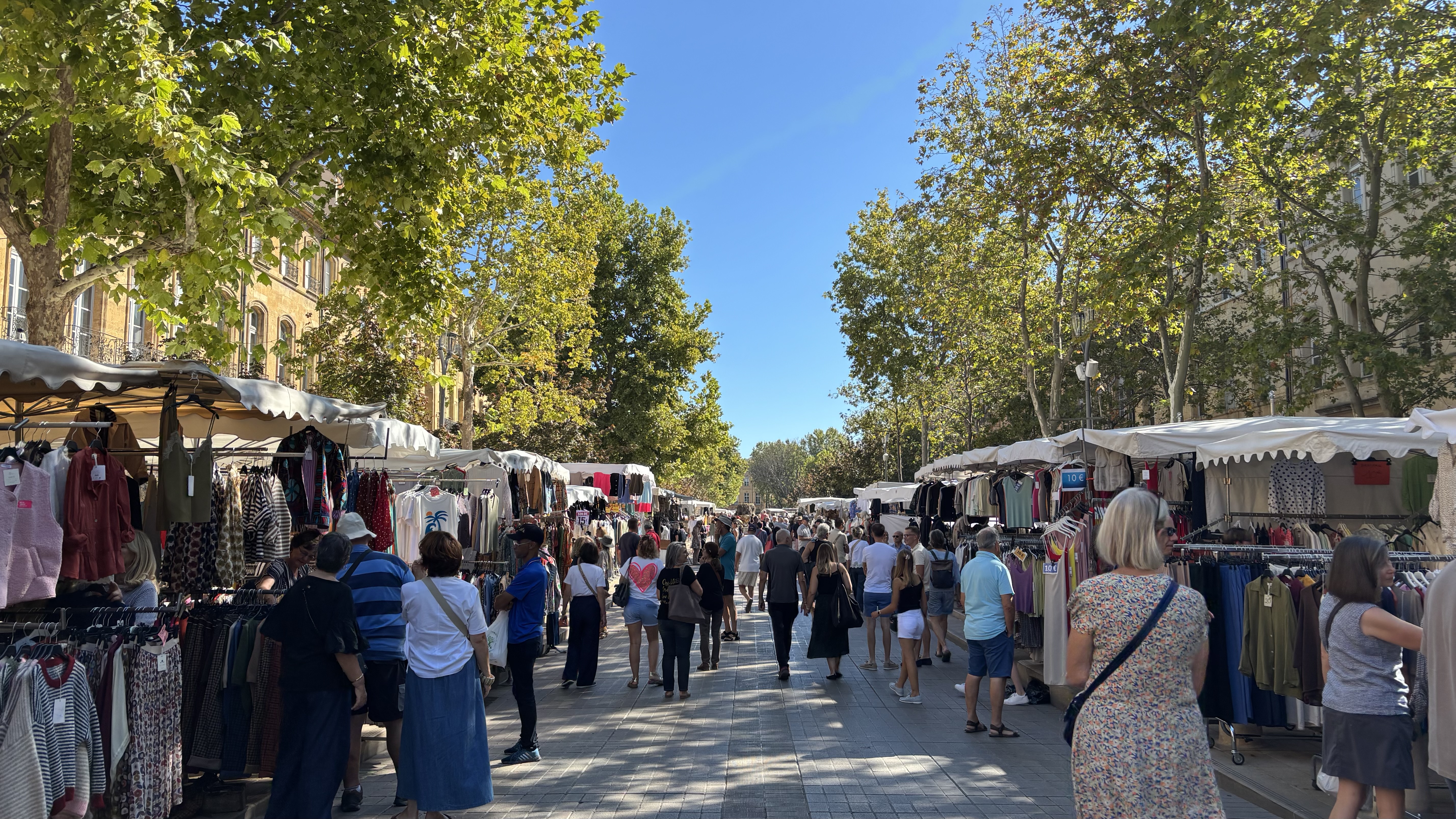
 The Cours Mirabeau is a wide, plane tree-lined avenue, formed by grand 17th & 18th century mansions and occupied by outdoor cafes, high end shops & financial institutions. It is the main central thoroughfare that runs as a central spine through the middle, a focus for city life.

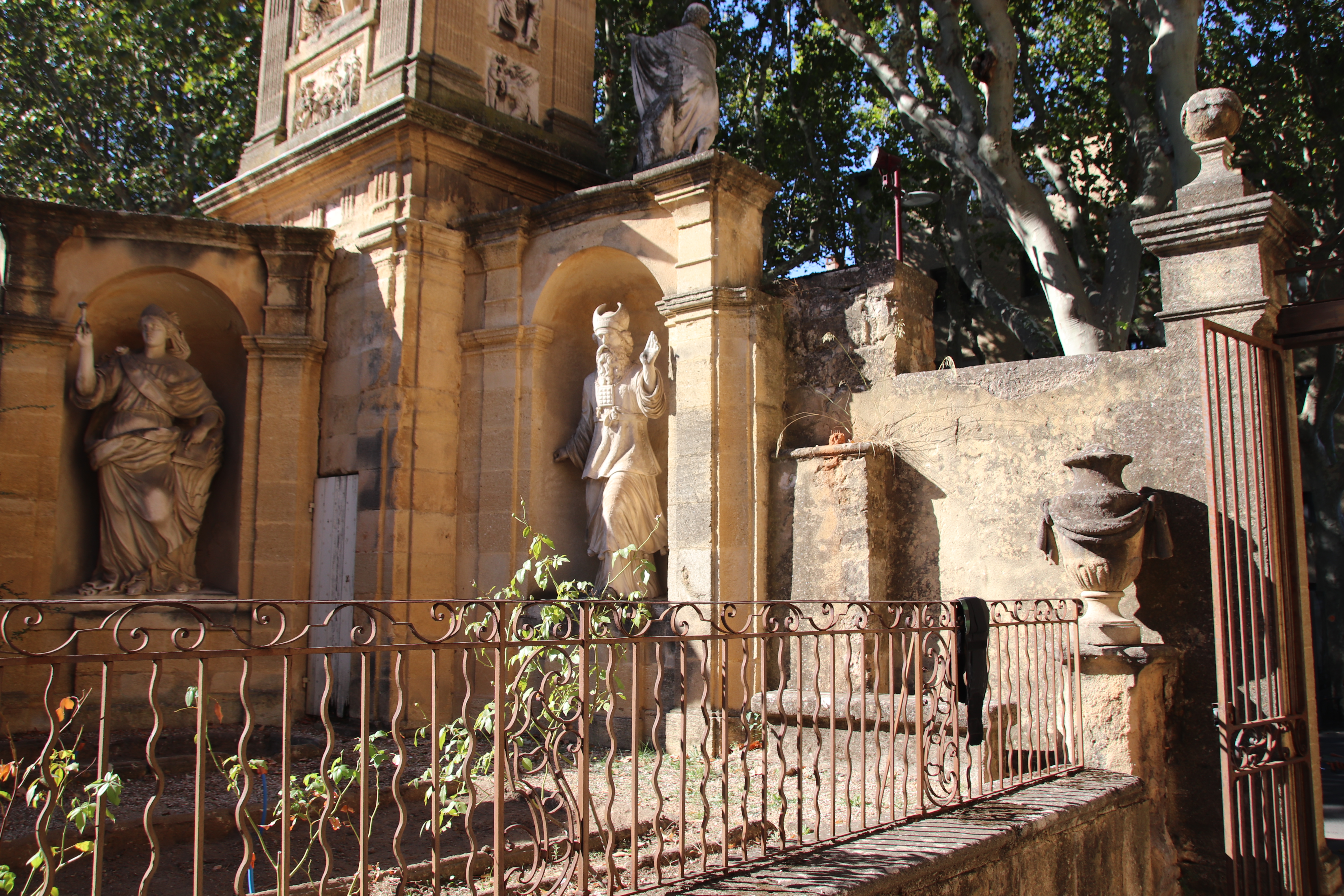
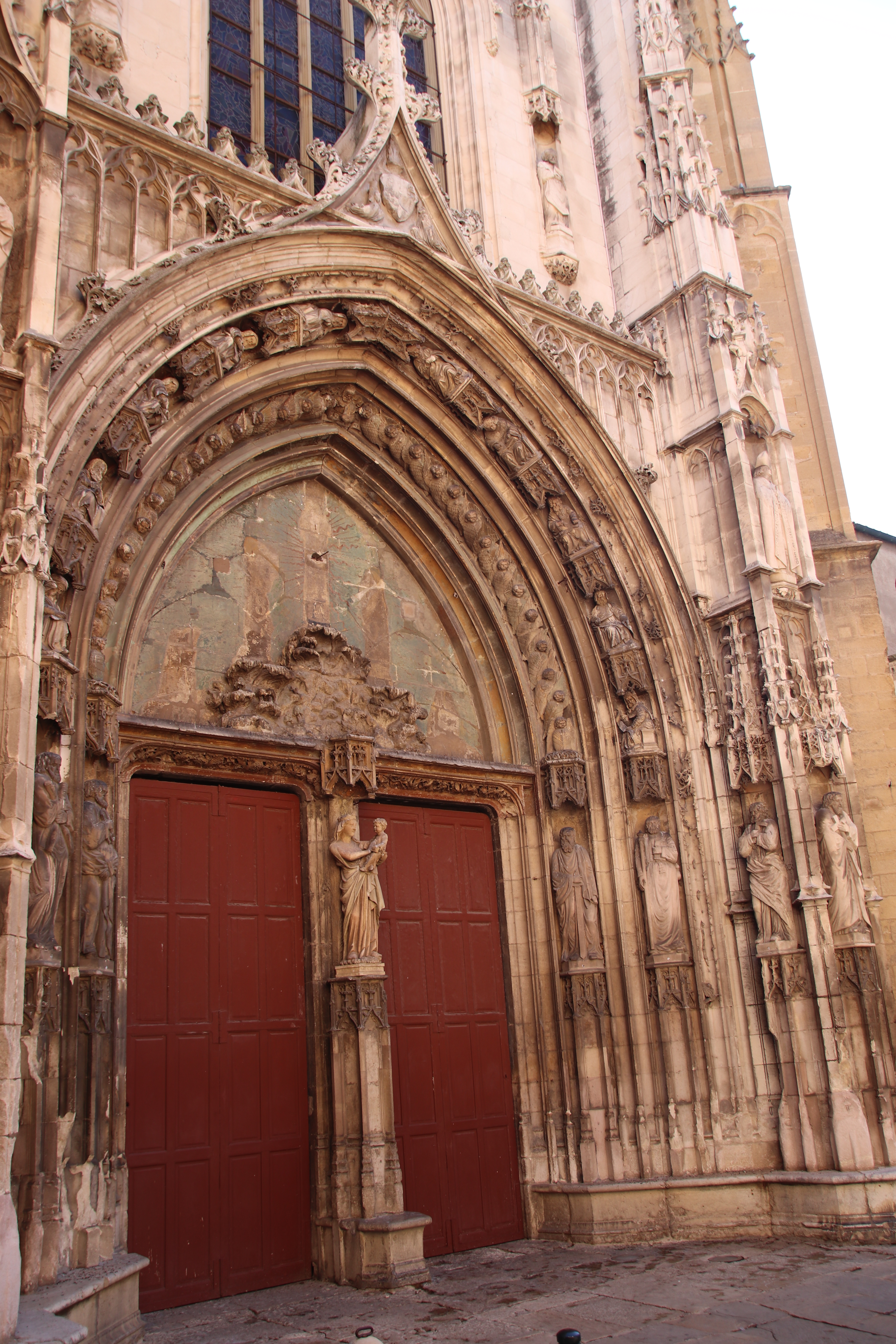
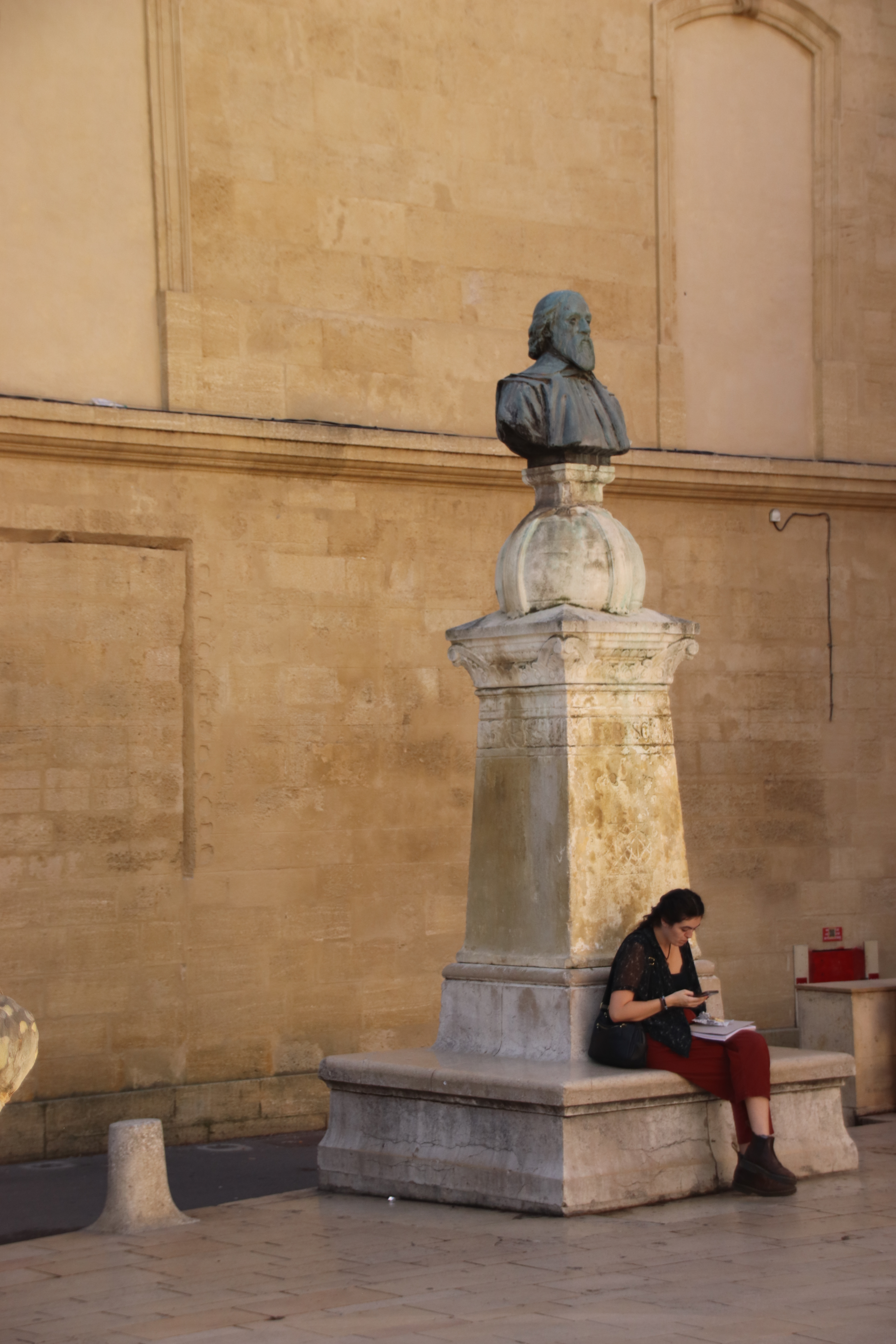
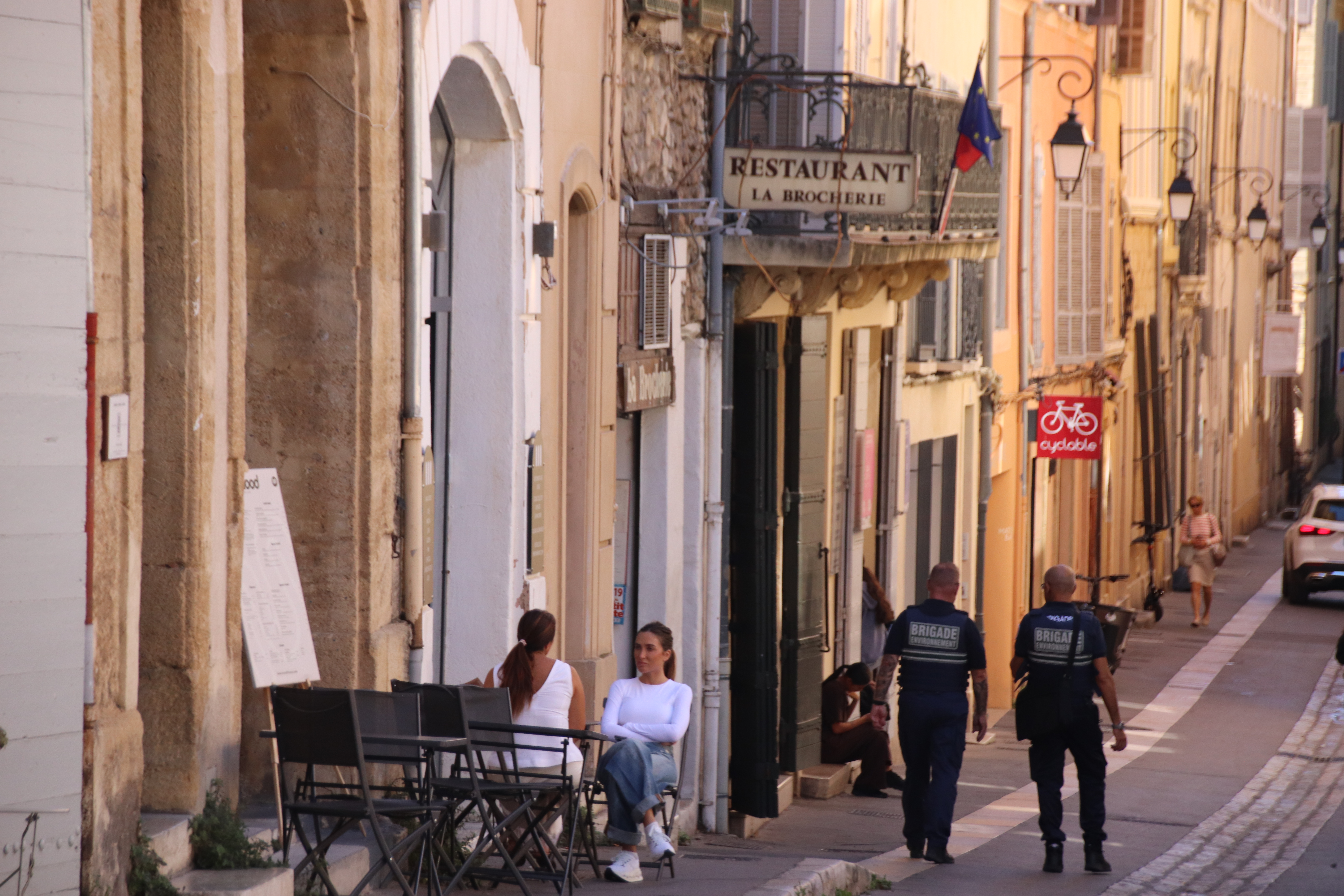
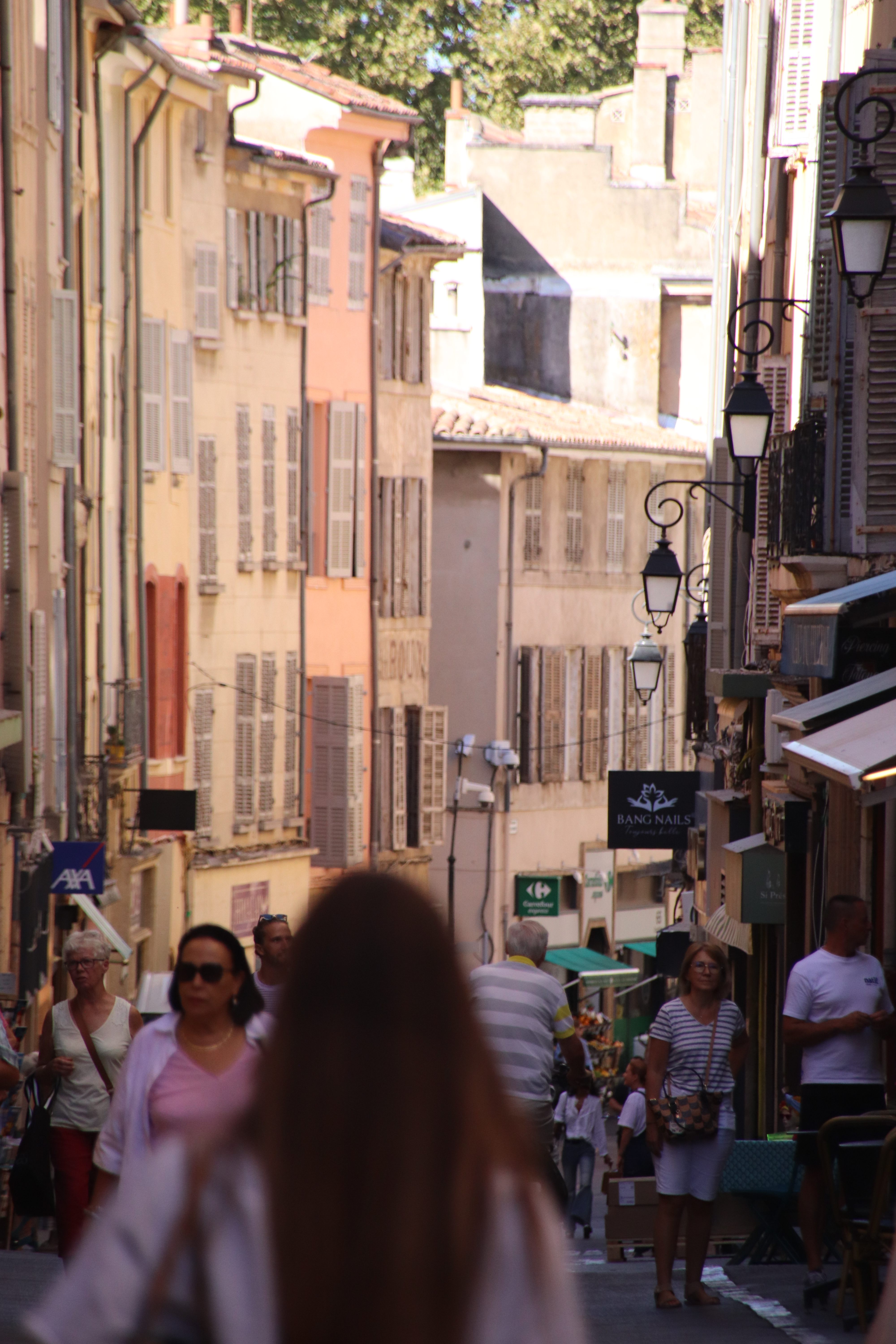
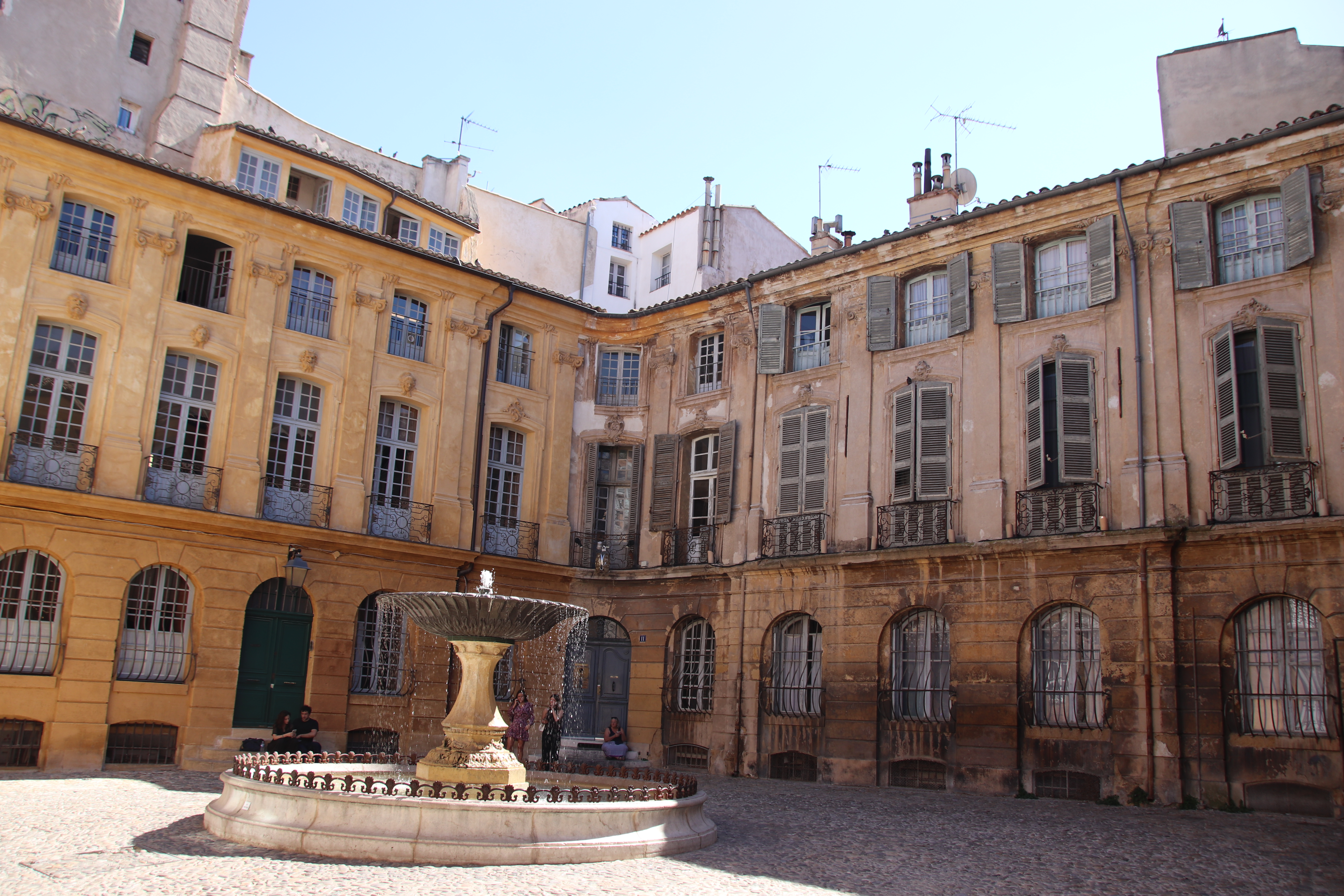
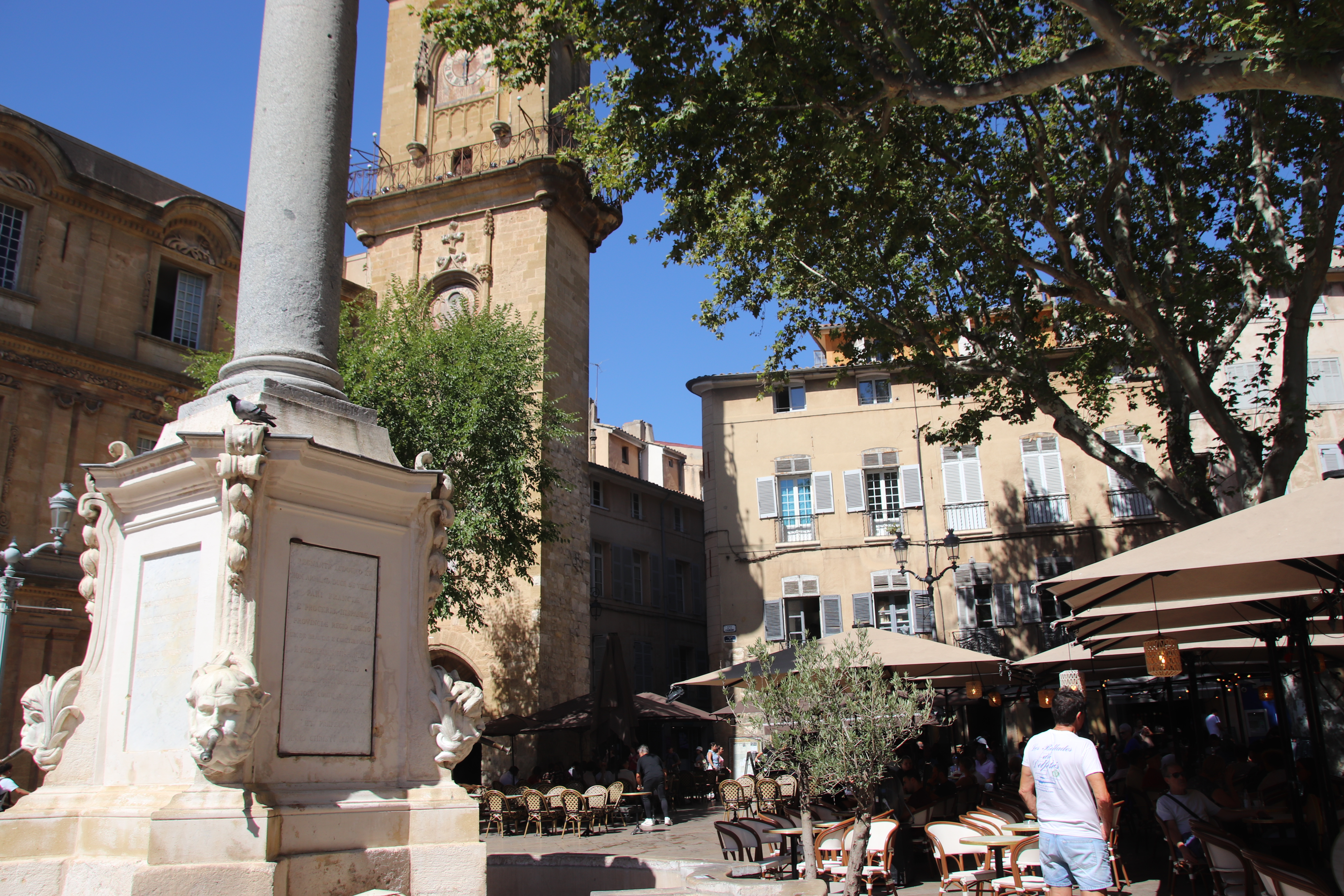
Around this glorious avenue, the Old Town forms a rib cage of narrow, medieval, pedestrian-friendly streets, a maze of vibrant squares, grand buildings & historic fountains & statues. Palaces & government buildings, chateaus & churches, spires & towers compete for the highest elevations & grandest sites.


Aix is a city of refined elegance, constantly on show in its bustling streets & elegant. It is a constantly changing canvas of joyful impressions, colourful festivals, festivities & traditions. Every fountain holds a secret & every mansion has a story to hold.

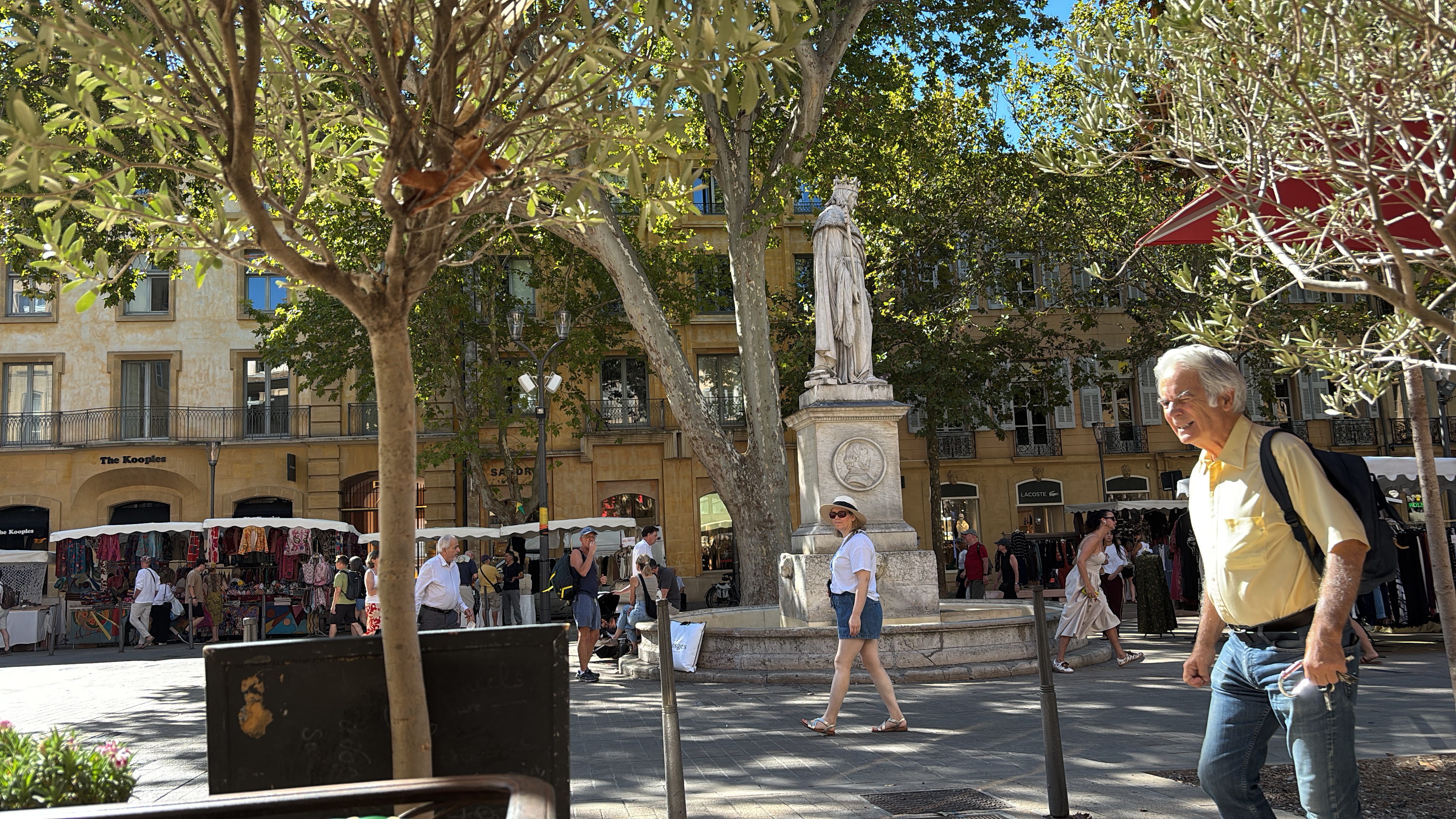
Every day there seems to be a market of some sort. Tuesday there are three – clothes & textiles down the main drag, and fruit/veg & flowers in two smaller squares. All have space to spread out & sell good quality products to locals & visitors alike.

Exploring the Gorge du Verdon

The River Verdon rises high in the Alps and flows south for 166km until it joins the Durance near Saint Paul les Durance. On its journey it has carved the breathtaking Gorge du Verdon, 700 metres deep in some places & known by some as the Grand Canyon of Europe. Five artificial lakes have been created along the path of the river by constructing hydroelectric dams. These play host to numerous water-based activity centres, like slide-pedalo hire, canoe & paddle board blow up, uptake & launch, opportunities for canyoning & rafting & electric boat hire on the lakes. A road follows the snags & bends of the gorge itself as it cuts a 25 km gash through the plateau top. At times vehicles unload their human cargo to peer down from the heights onto the tinted blues that lap scrub-covered edges of the numerous lakes below.
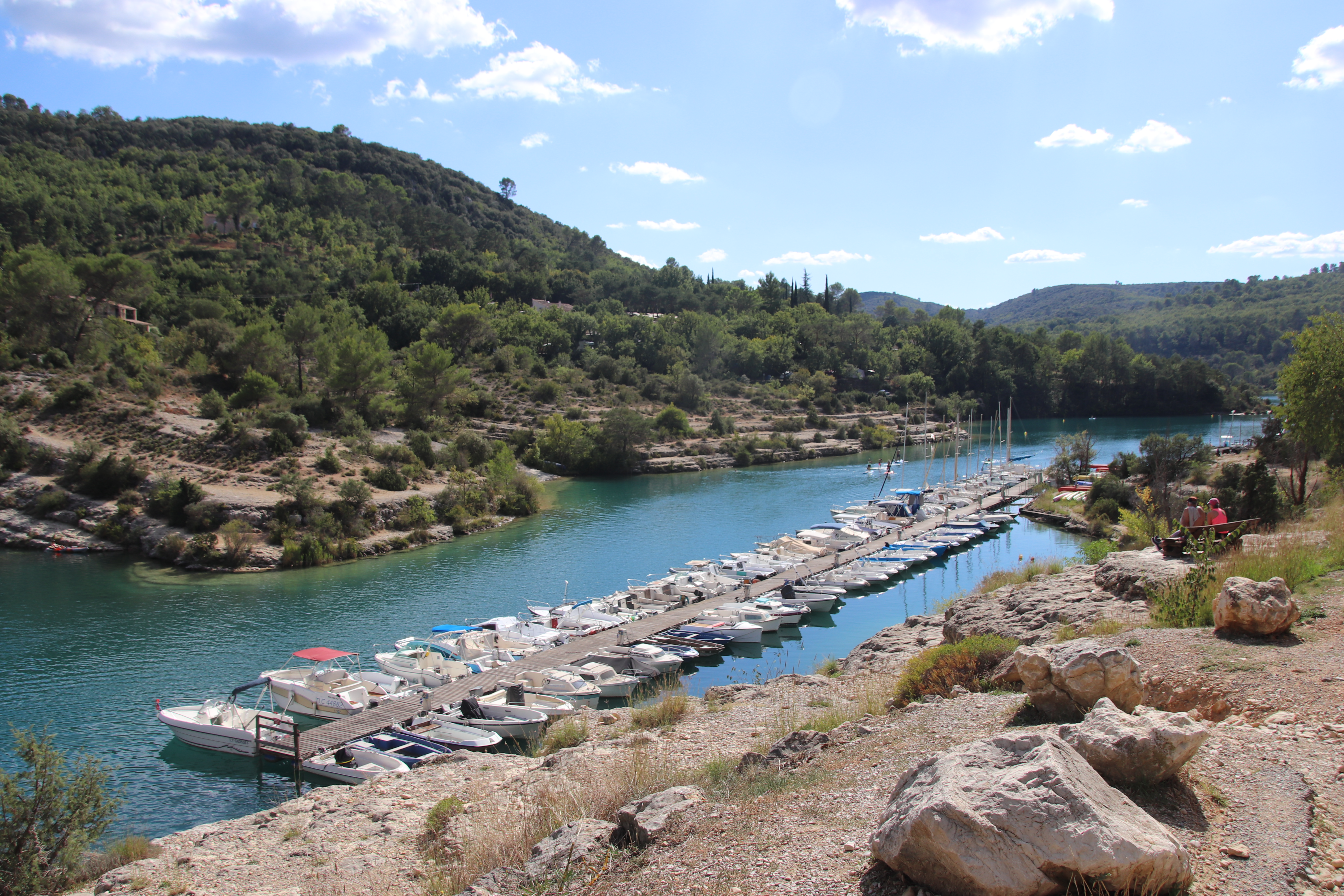
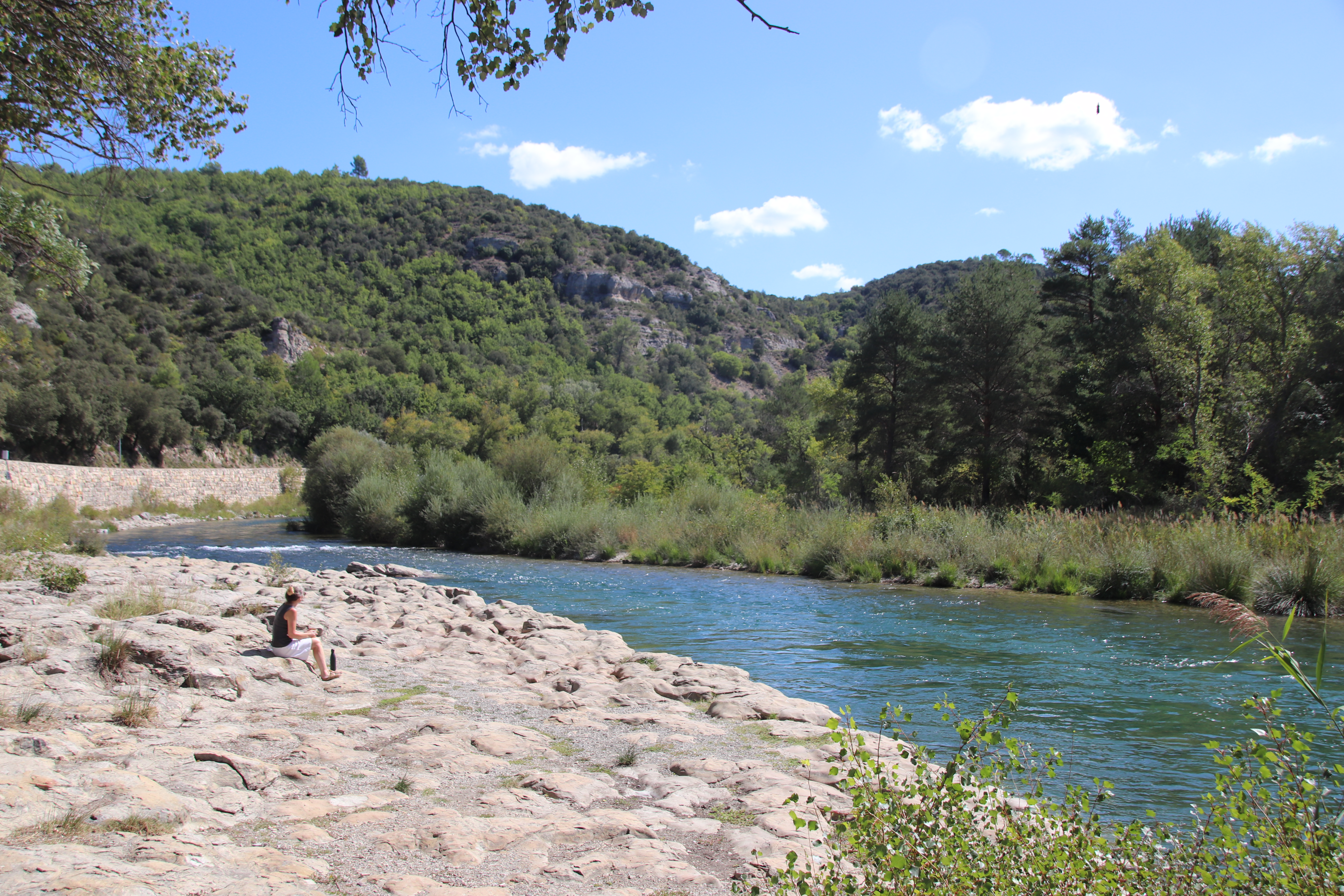
To start our explorations we leave the main road at Vinon sur Verdun and follow the river north into the Verdon Natural Regional Park, a land of dramatic, limestone scenery, turquoise lakes & lavender plateaus. To start with you get up close & familiar with the river as it ribbles its way downstream, providing delightful spots for paddling & picnics.

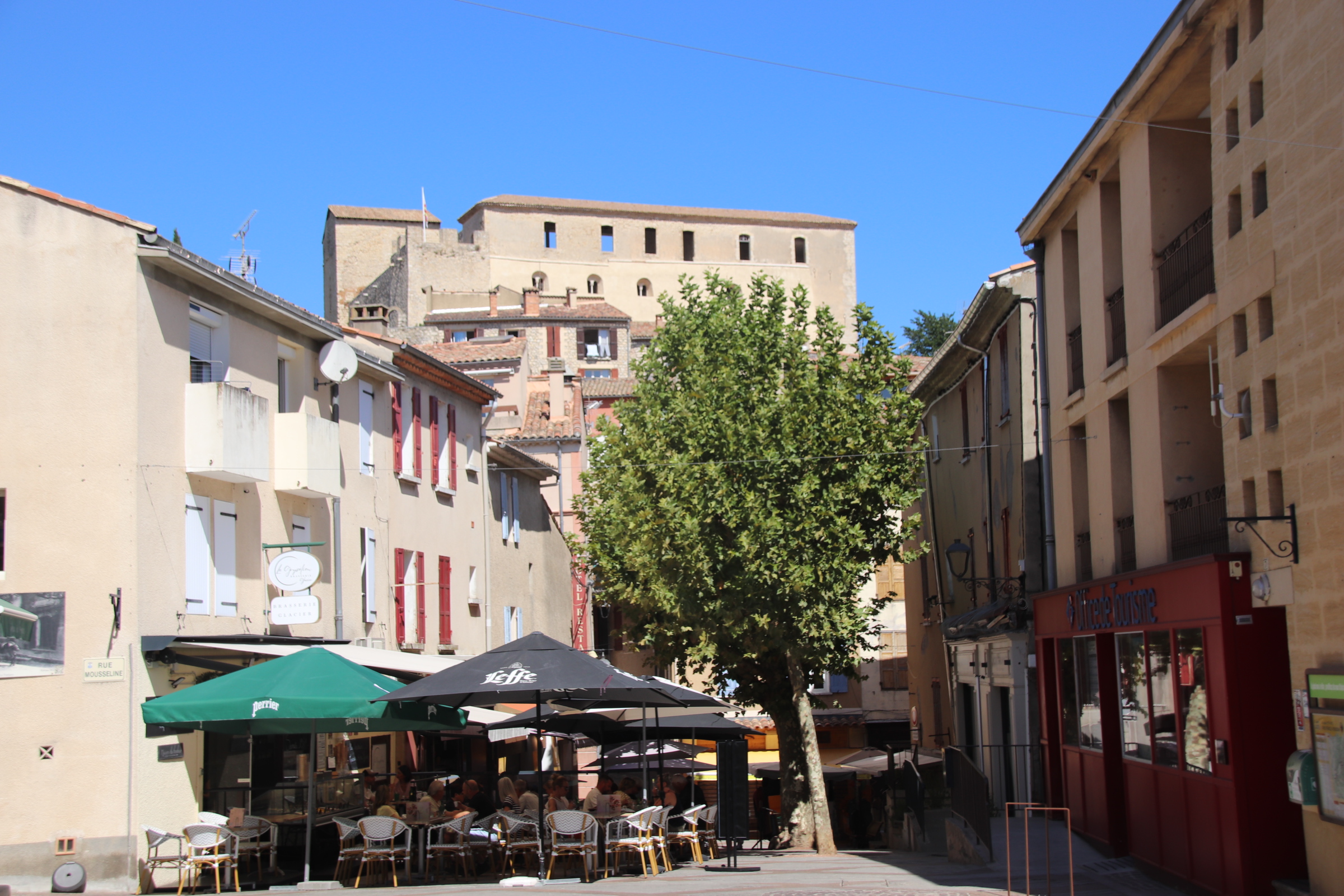
The first town on our route is a small hilltop settlement called Greoux les Bains. Medieval streets & houses cluster together around the foot of the hill where the chateau stands supreme.

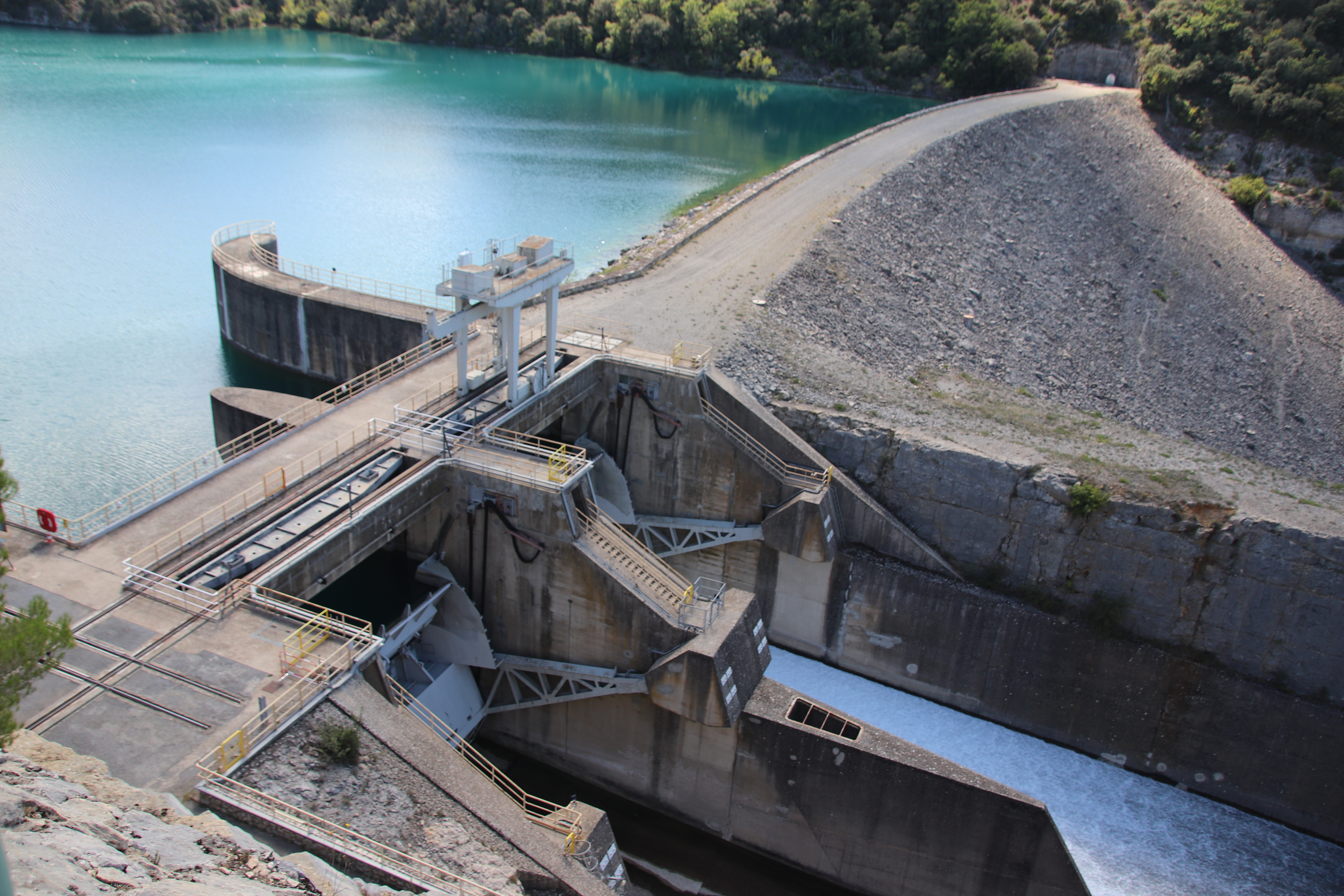
Higher into the NP the first dam can be seen below the road. A huge mound of earth & rocks holds back the river, creating electricity in the process & forming nodules of water-based activities along the banks.

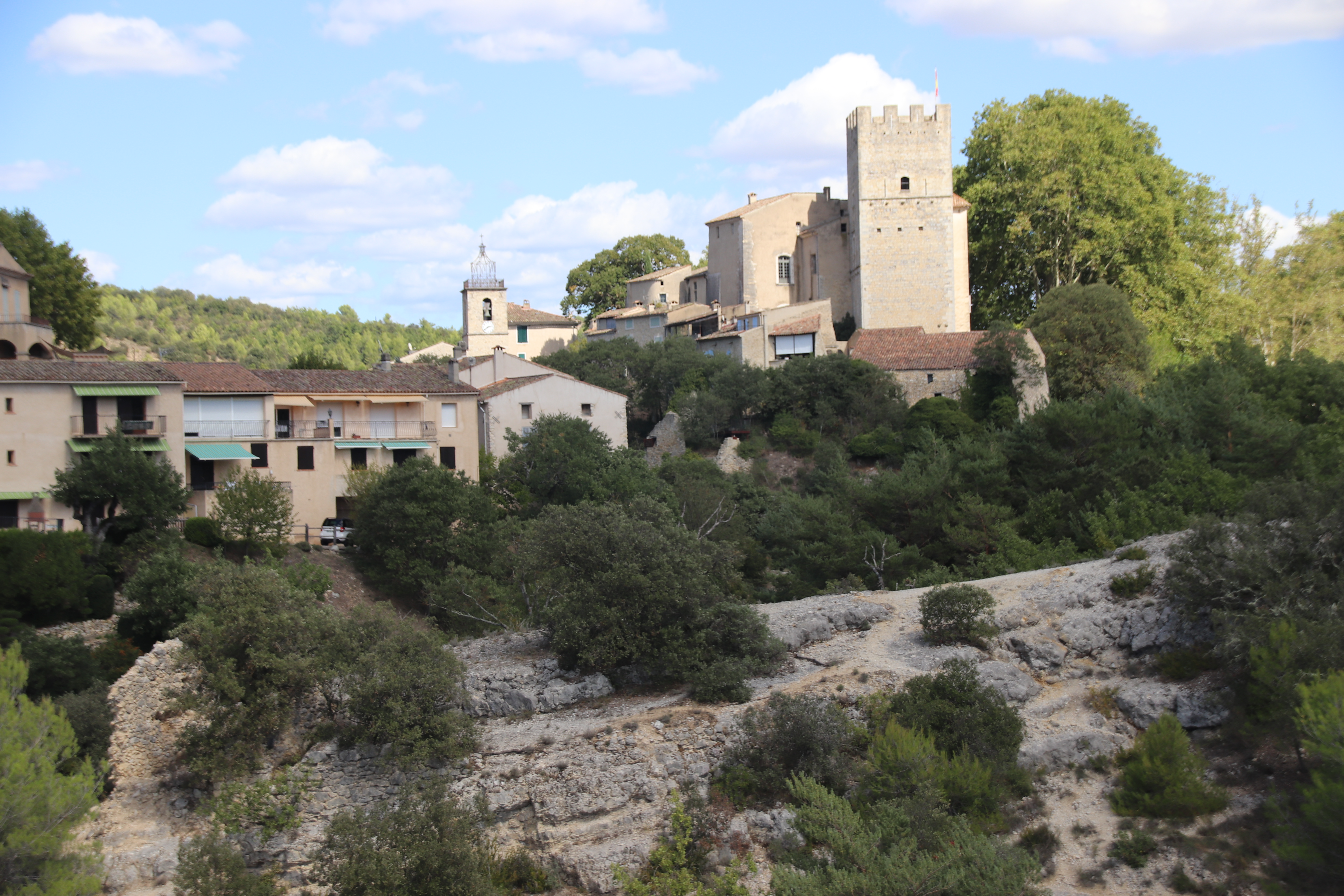
Esparron de Verdon is a small, ancient village overlooking the last lake on the gorge’s run. As well as the usual medieval elements of narrow cobbled streets, quaint houses, an impressive chateau & a forgiving church, the village also hosts a water activities & boat hire centre & several bars & restaurants to service the many summer visitors.

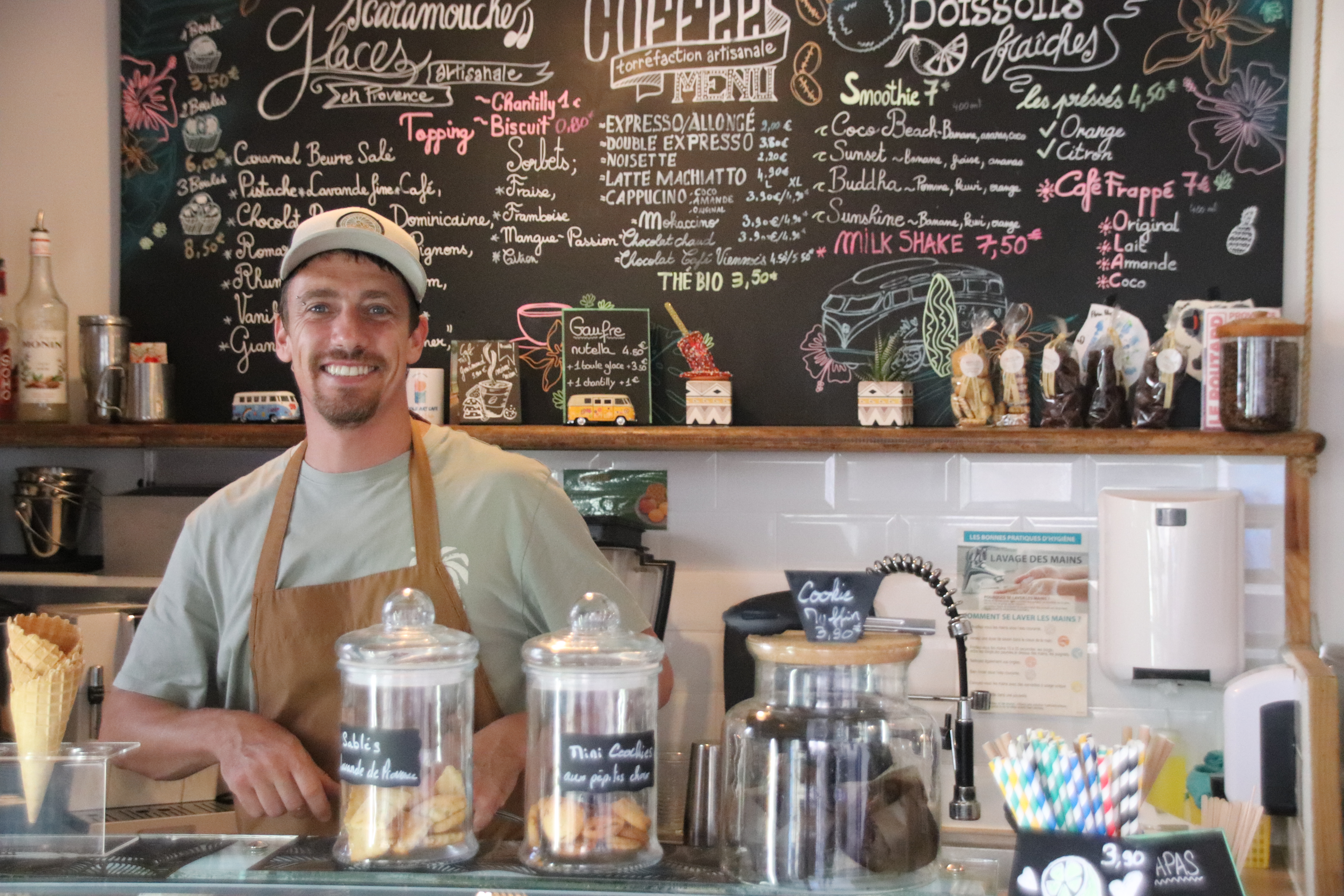
Frank at the Paddle Centre Cafe does a mean lemonade & ginger detox drink.

The delight of the Verdon NP is that you can take a road route through some glorious canyon-biased scenery based on dry scree & crags & outcrops, held together by the roots of scruffy shrubs, bushes & dwarfed trees. In this way, you can come across some timeless views of medieval streets & ancient castles & chateaus (what is the difference?). Going further up onto the plateau, the distant Alps shadow dry-earthed farmland where olives, vines & lavender flourish.

Back down to the flatness of the valley bottom, several villages/towns line the road that runs through organised, meadowed farmland. These settlements originated centuries ago when a lord owned the manor and the workers nested into narrow streets of shuttered homes, now upgraded by visiting well-todo’s. Allemagne en Provence (literally Germany in Provence) is timeless…..& seemingly closed for winter,

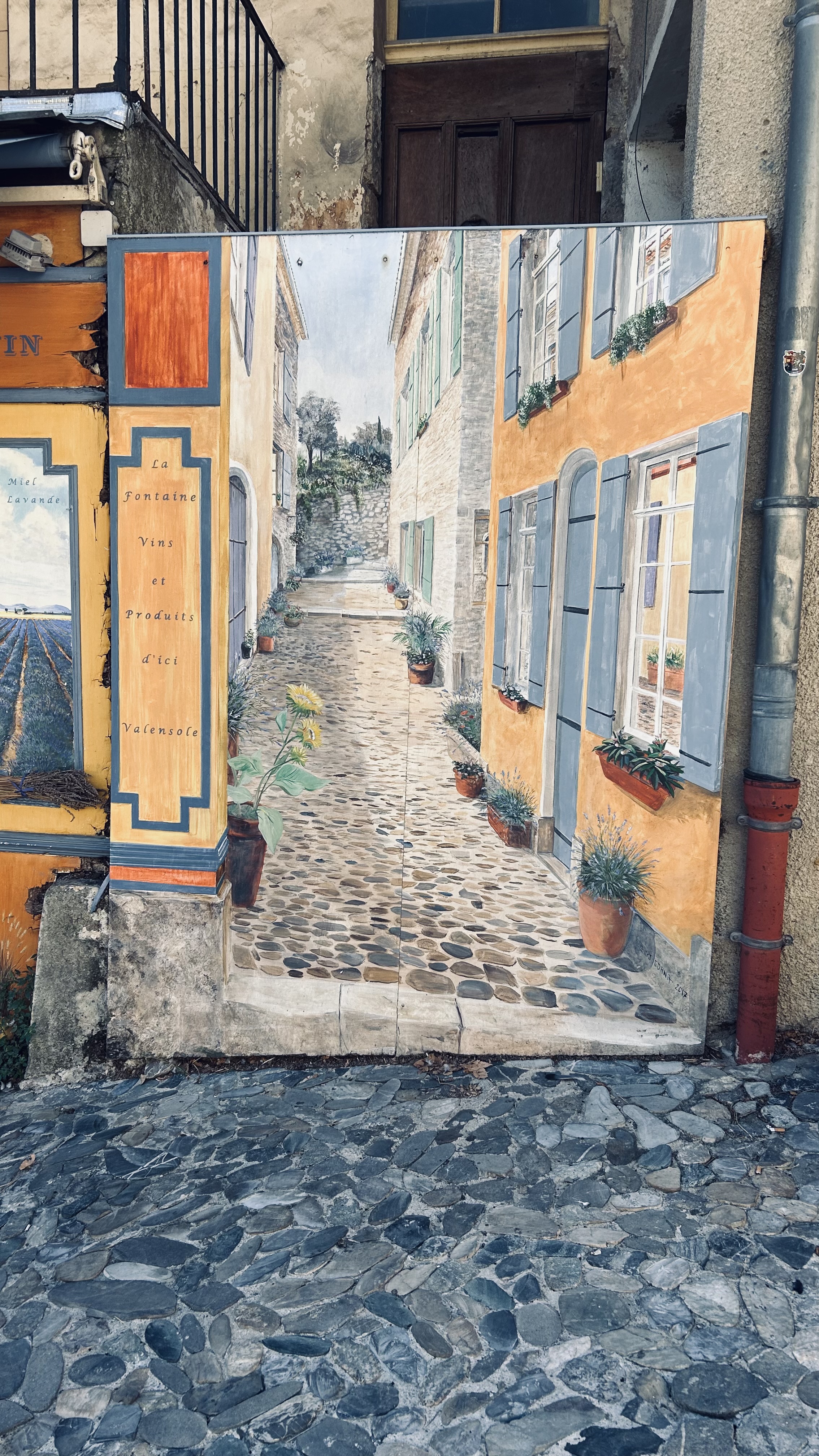
Valensole is bigger & got a bit more going for it, with a few bars open down in its modern parts, hiding from the big, old church that continually bears down on us poor sinners.

Saint Paul les Durance, a second home in Provence

The modern grouping of Provence, Alps, Cote d’Azure (also known as the French Riviera) into one administrative area of the same name, always pushes against my experience of holidays in France. I have special memories of each area over my 70 odd years & always relish the opportunity to return, to revisit beloved places, & to explore, seeking new places to appreciate, gaze at & absorb. Our base is the village of Saint Paul les Durance, the Durance being a river. An ordinary village, with all normal amenities – a lovely place to sample everyday, authentic, French life. Most importantly it’s home for our pals, Chris & Denyse.
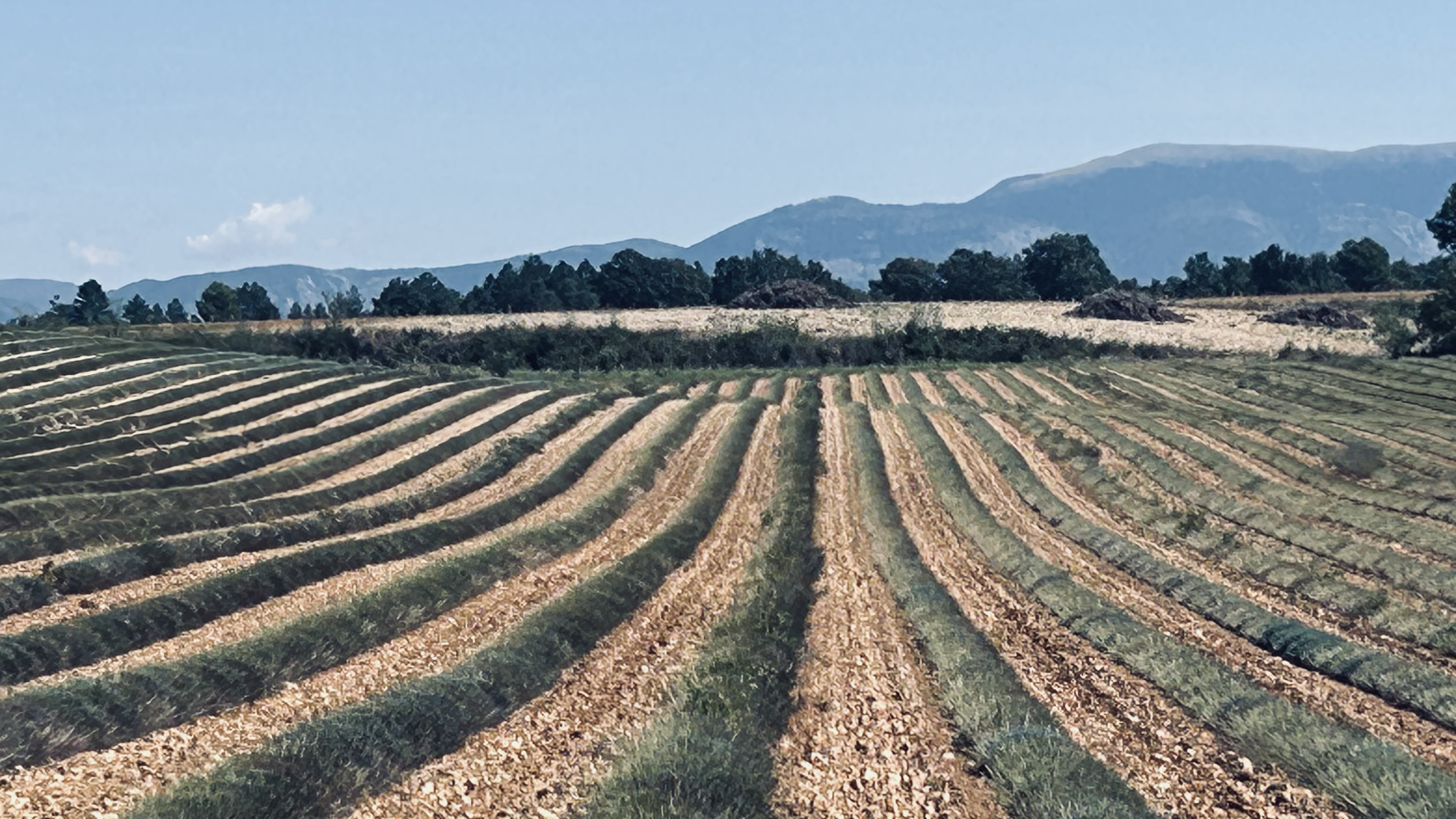
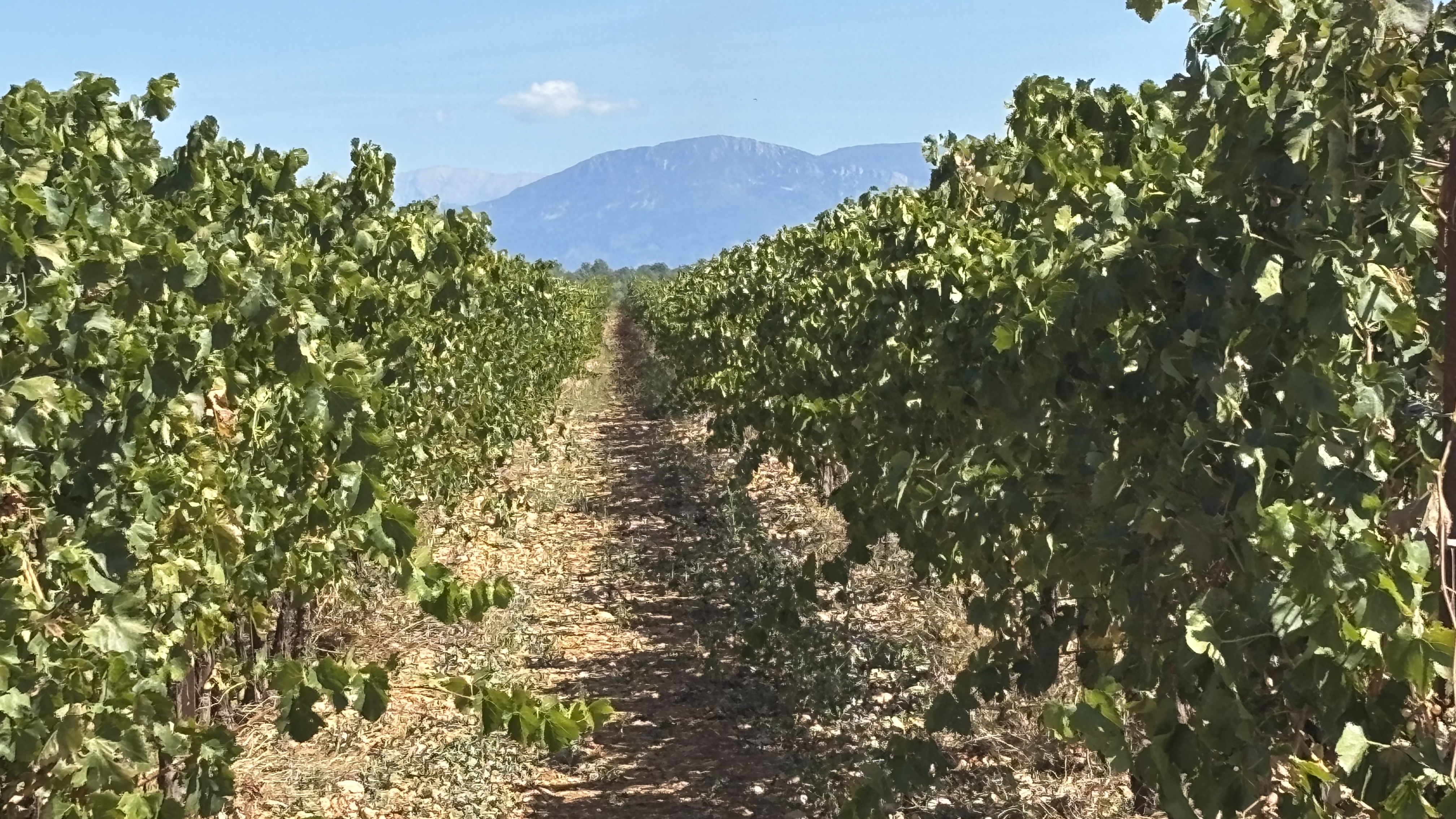
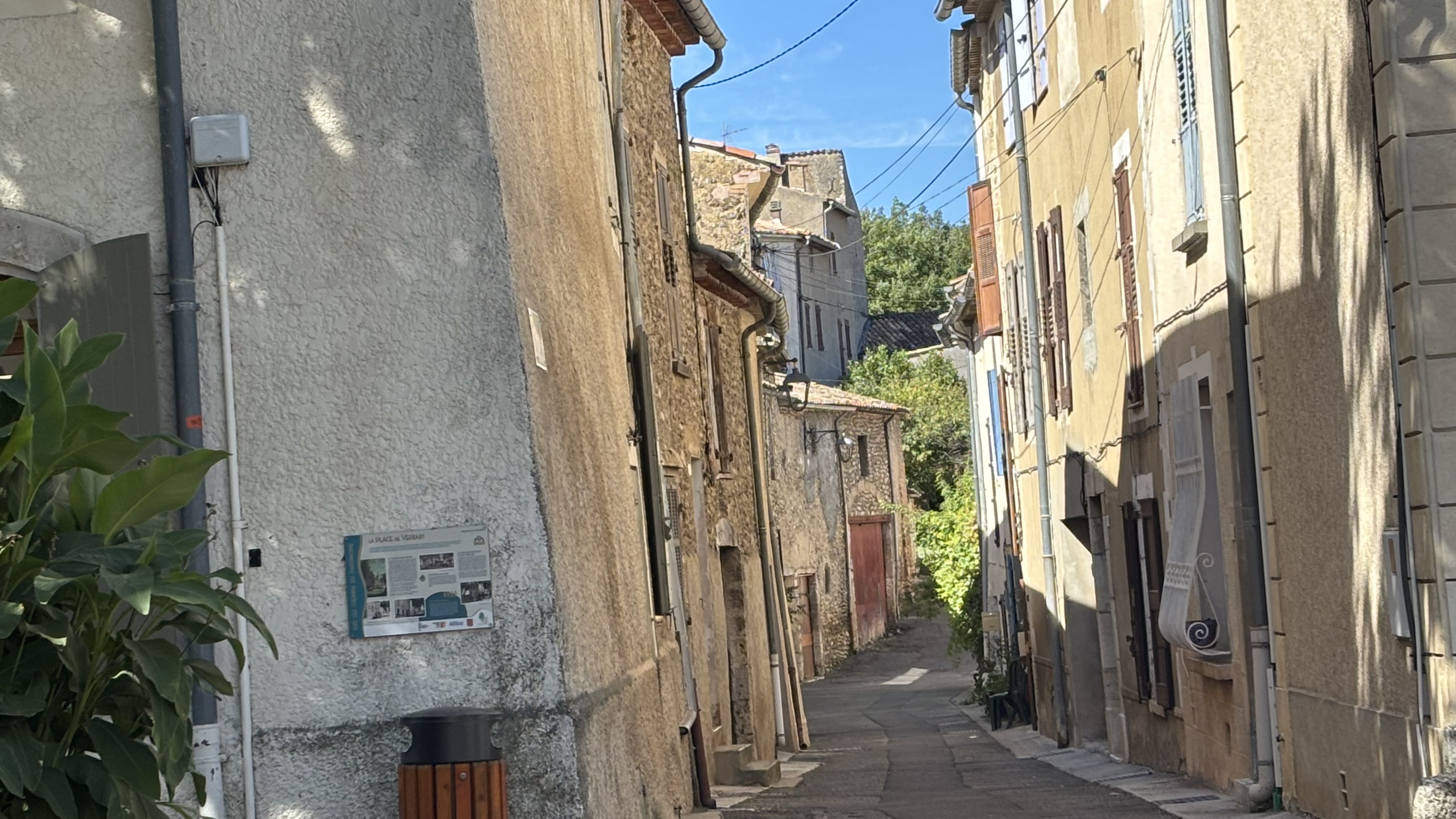
September is a lovely time of year to visit. It is still warm, very warm at times, but no real blazing heat. The harvest is about to be drawn in & the countryside is being prepared for winter. The roads are quiet, most visitors having gone home. Schools have sucked away families & youngsters and all that remains are the highlights of the area where, for us, the real Provence shines through.

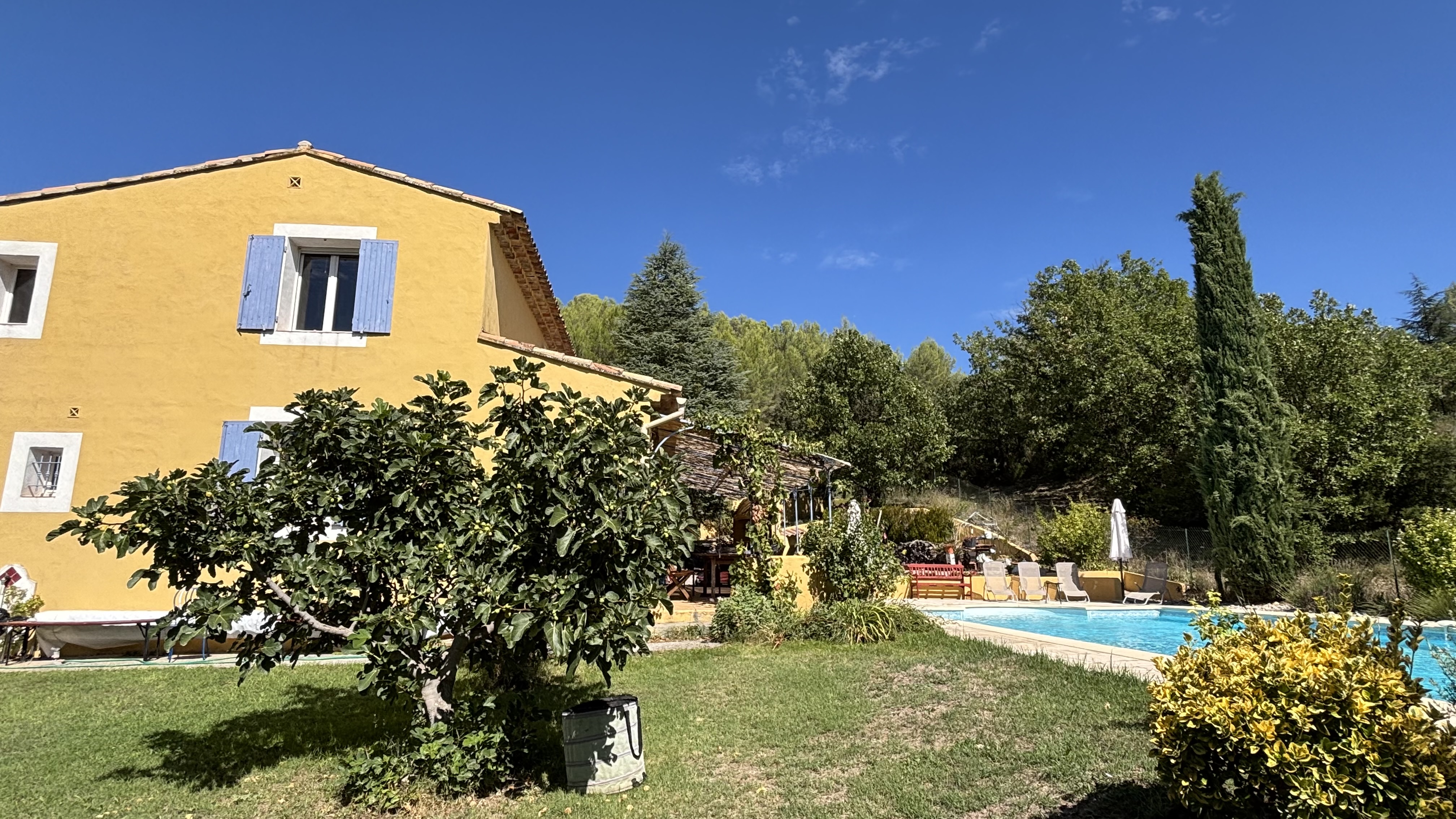
An oasis of calm, their home is refuge of peace, even for us folk whose retired lives are given to finding peace on a continuous basis. So for a week we plan to revisit old favourites & find new routes to discover new ones.