Delving deep into the Luberon

The Luberon is a massive, mountain massif in central Provence, famous for historic hilltop villages, lavender fields and bountiful vineyards. The River Durance flows along the edge and it is an easy drive into this low limestone mountain range that stretches for 60 km from west to east, reaching a maximum elevation of 1,256 metres. It is recognised for its rich diversity & striking landscapes. The region is famous for the production of wine, of course, olive oil, cherries, truffles, & lavender. Every hilltop seems to have an iconic, medieval, cliffside settlement perched on the top, almost beckoning the visitor in.
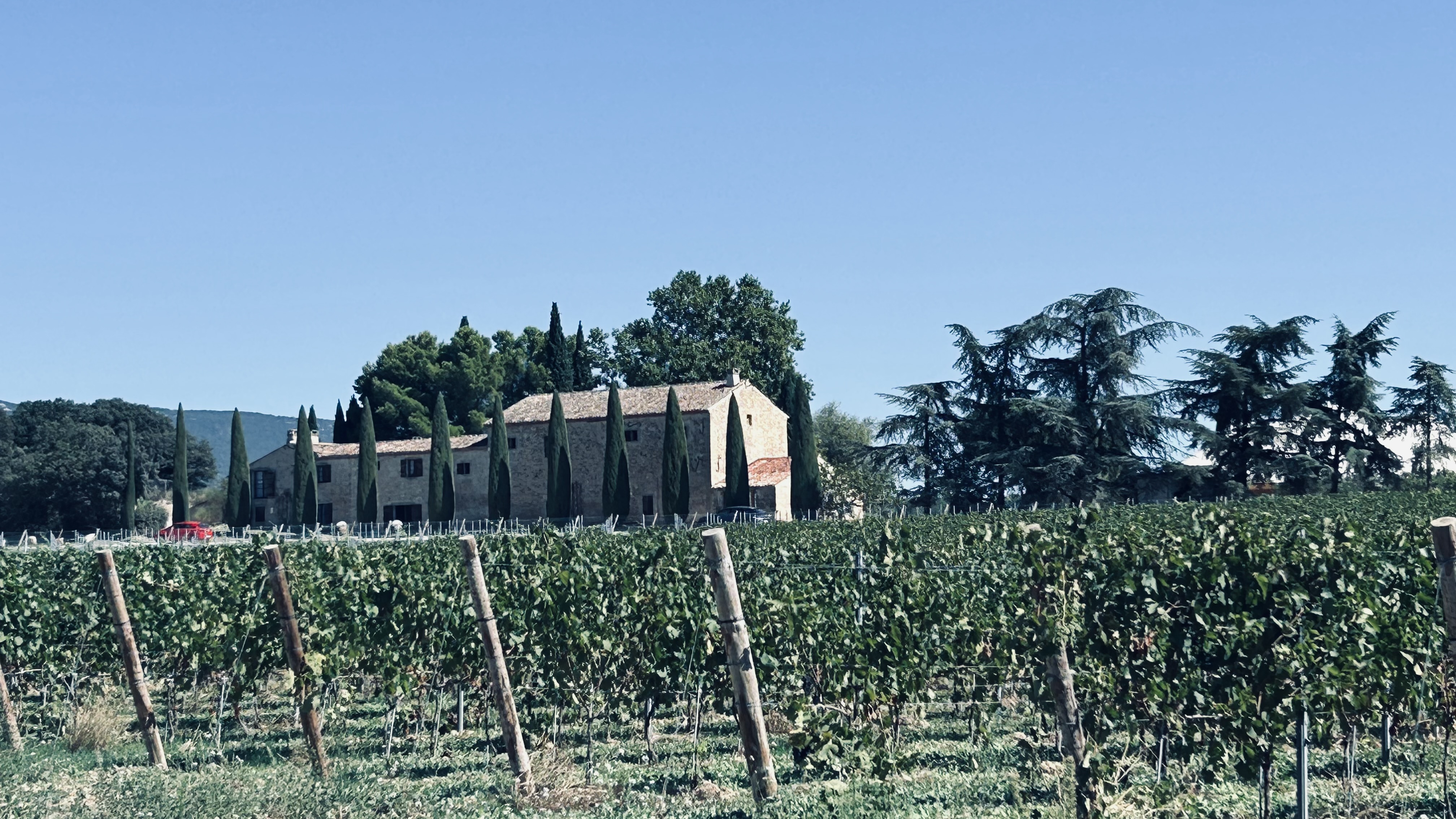
Over several days we explored this picturesque area, gasping at the mountain layers, appreciating the thrills of mountain road climbing & the adrenaline-induced, motorised spirals of valleys & ravines. We sampled the typical Provençal settlements, falling in love with some, feeling the atmosphere, absorbing the feel of ancient stones. We felt the history as we passed large mixed forests, harvested farmland, rows of vines & olives with barns & huts in various states of ruin or readiness, preparing for this year’s harvest. Vast, wine estates, their pristine, stoned production facilities & barrel cellars reflecting the gold Provençal sun & guarded by pillars of dark green Cypress, seem overly prepared with crates lined out over the ground at the head of each line of vines & large amounts of machinery waiting in the wings.
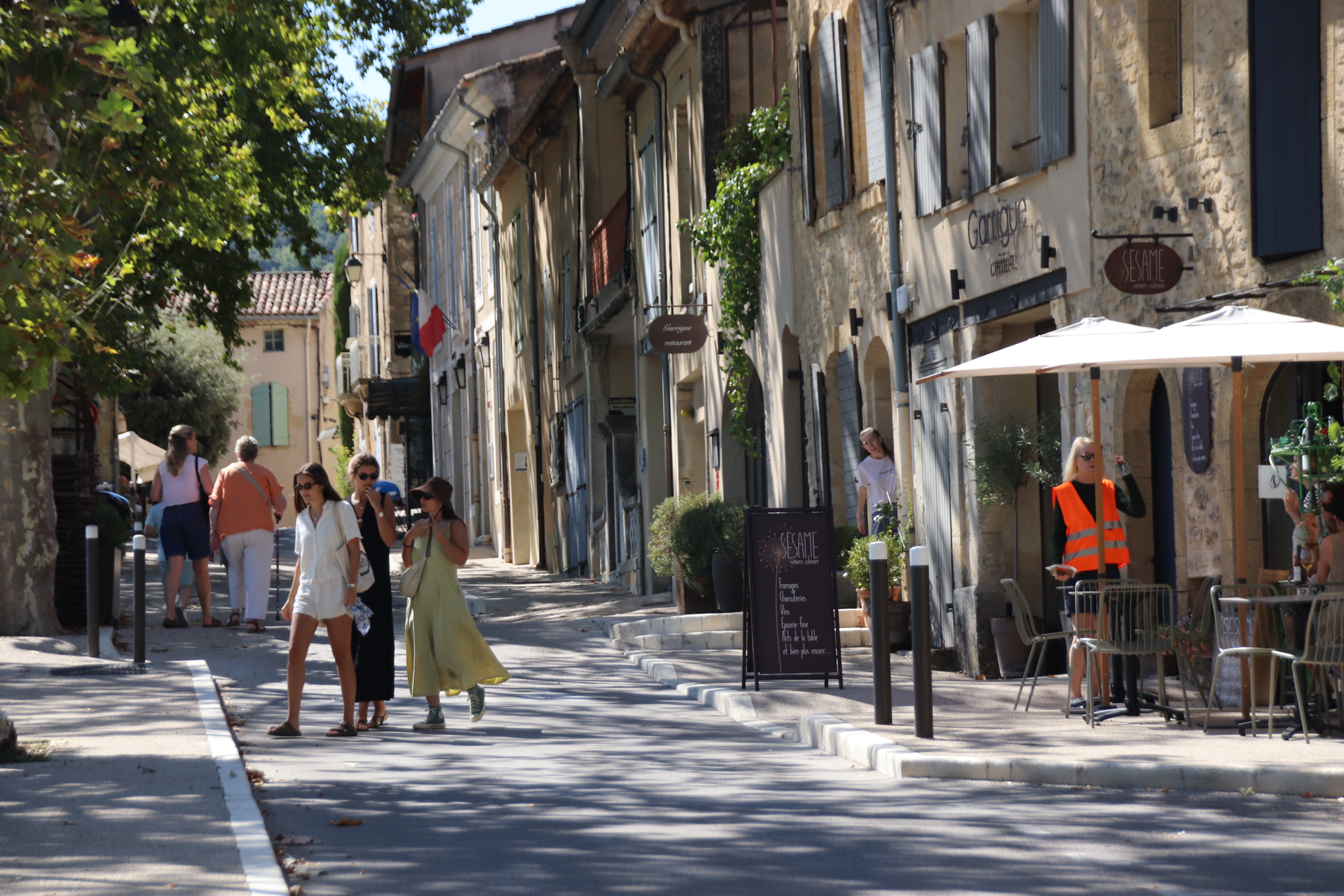
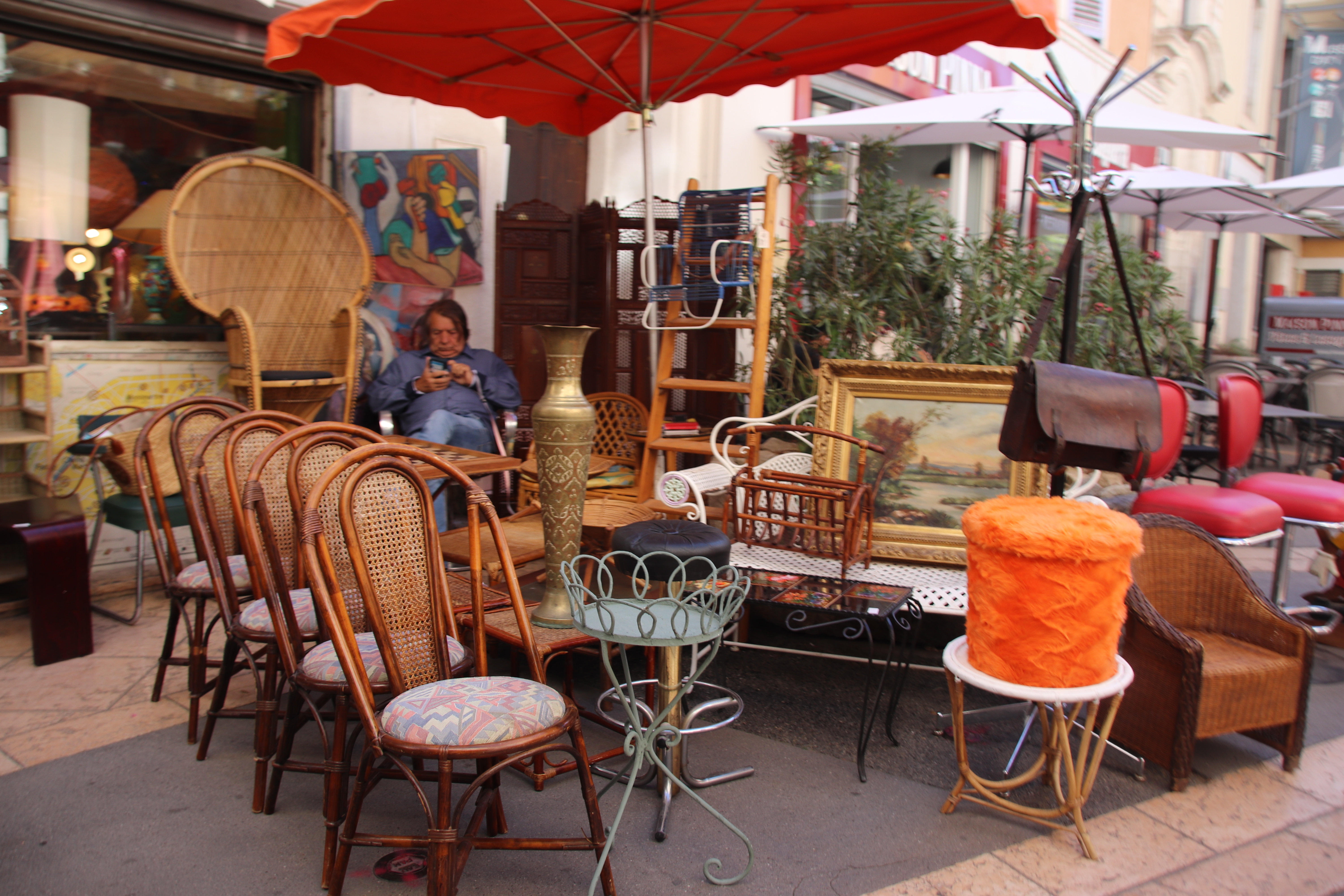
The historic hilltop village of Ansouis is the first on our list, one reason being the presence of a weekly market – always up for a market! The village is typically Provençal, perched on a rocky hill around an ancient church & a majestic chateau. The latter was originally built in the 9th century and is still inhabited. Many of these medieval buildings house galleries & studios & exhibitions, even concerts & operas.
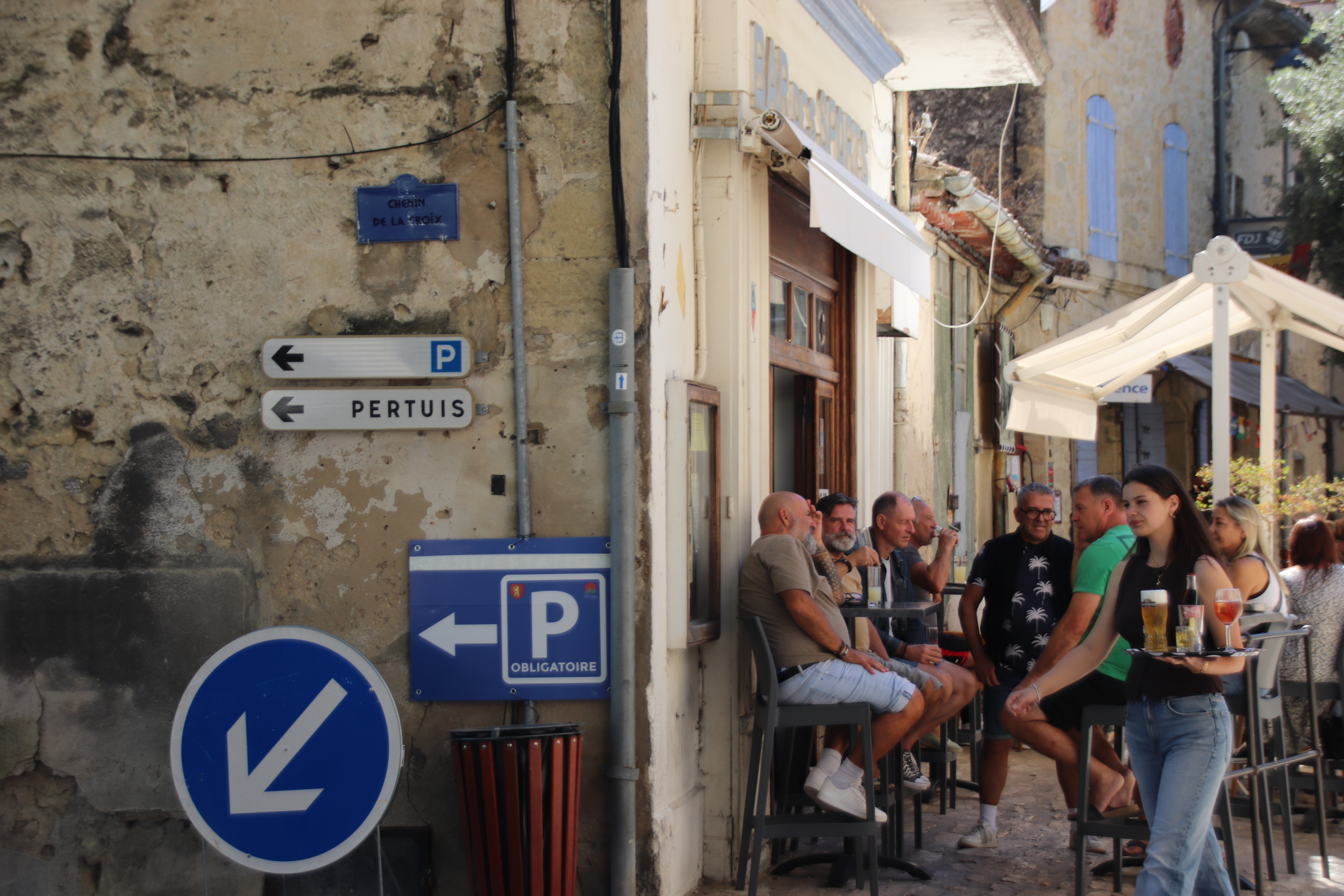
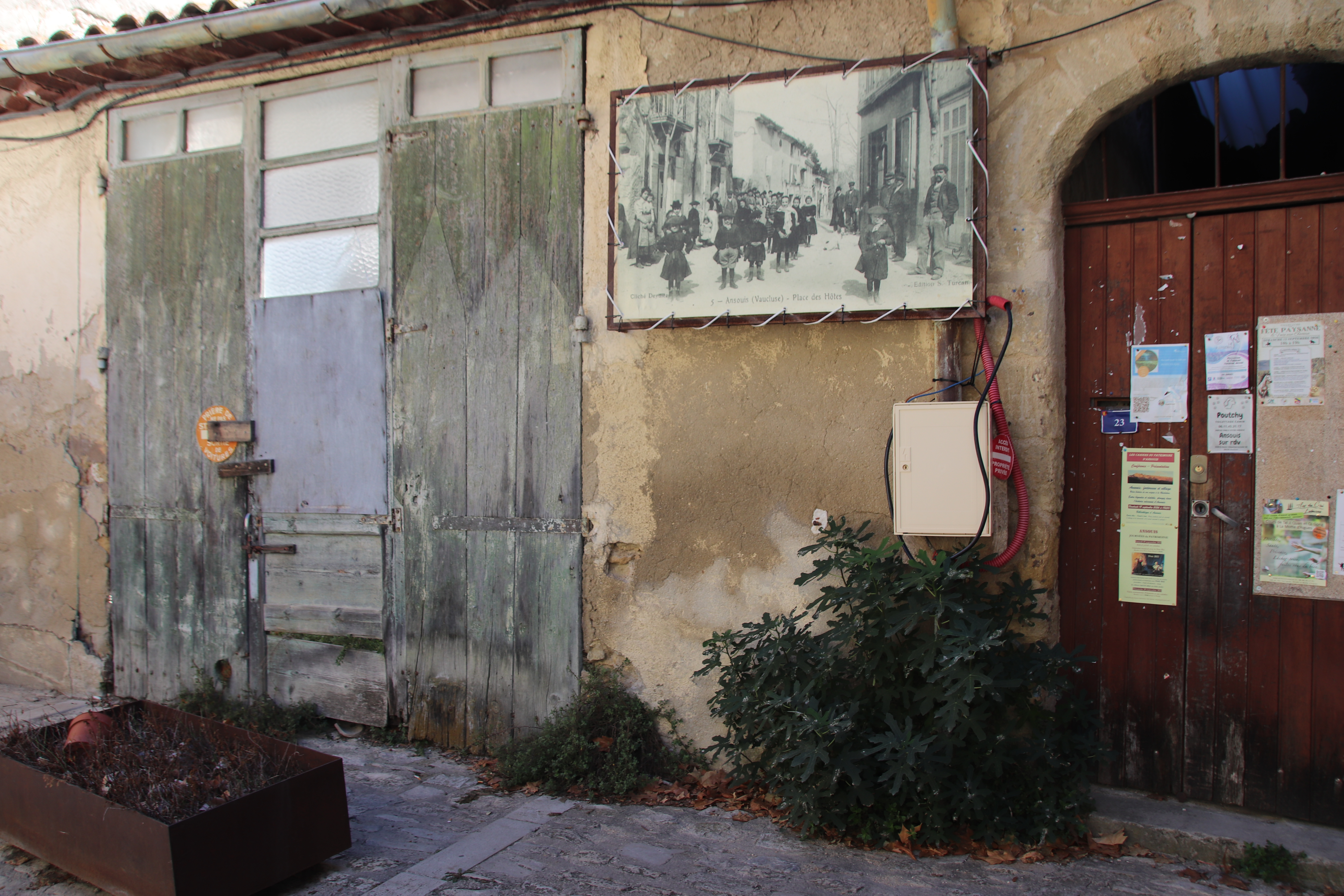
Having climbed the short walk up to the centre, we established the market was over the peak & down the far side at the bottom of the hill. Remembering we had to walk back up the hill, we trudged down to find three stalls selling meat, fruit/veg & cheese – just not worth the effort,
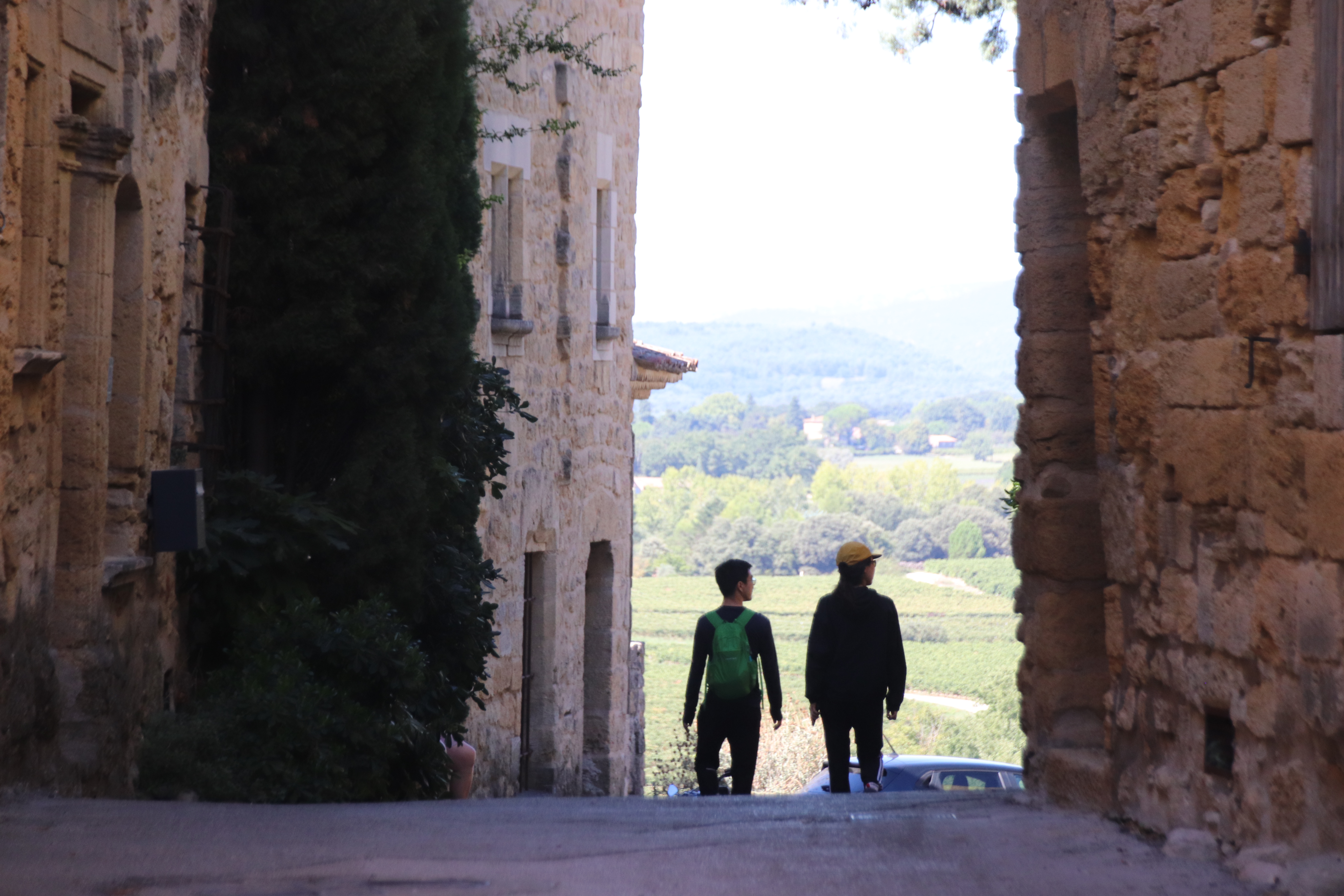
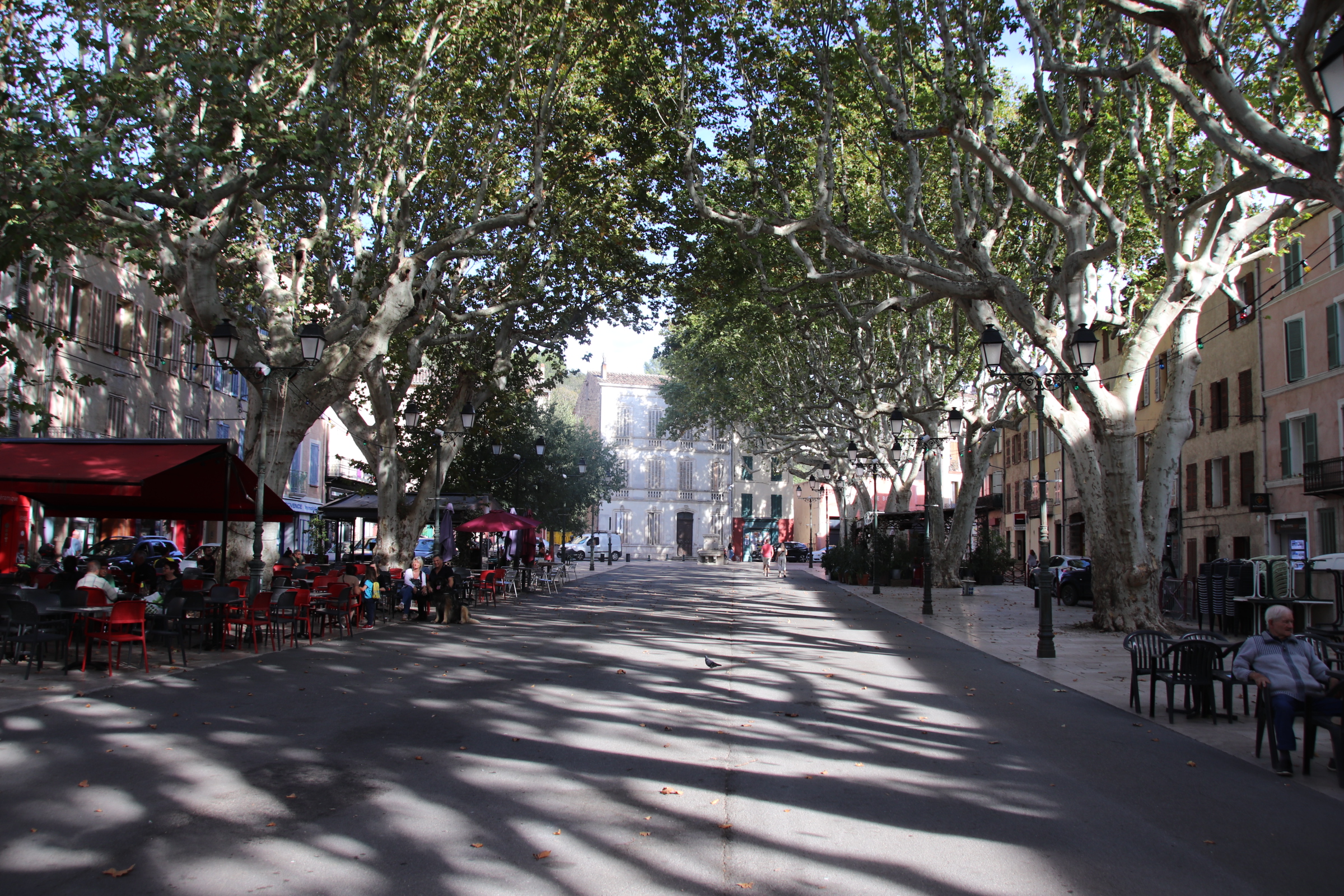
A few km further on lies Cucuron, another really attractive, quiet medieval town. Giant, 200-year-old plane trees surround The Bassin, a large rectangular pond within the centre of the Main square, & provide shade for village activities, the weekly Tuesday market & the many outdoor cafes that lie around the edge.
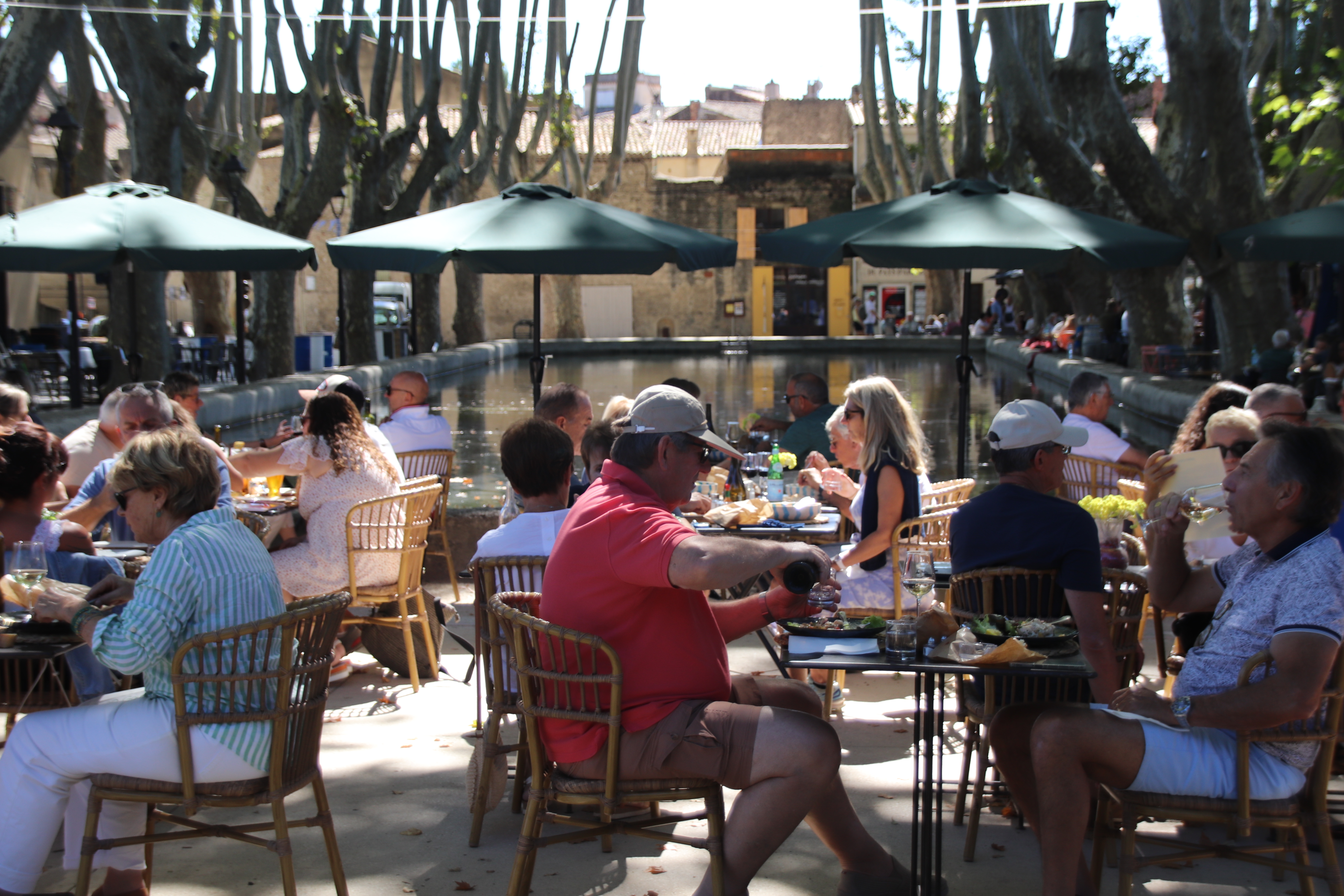
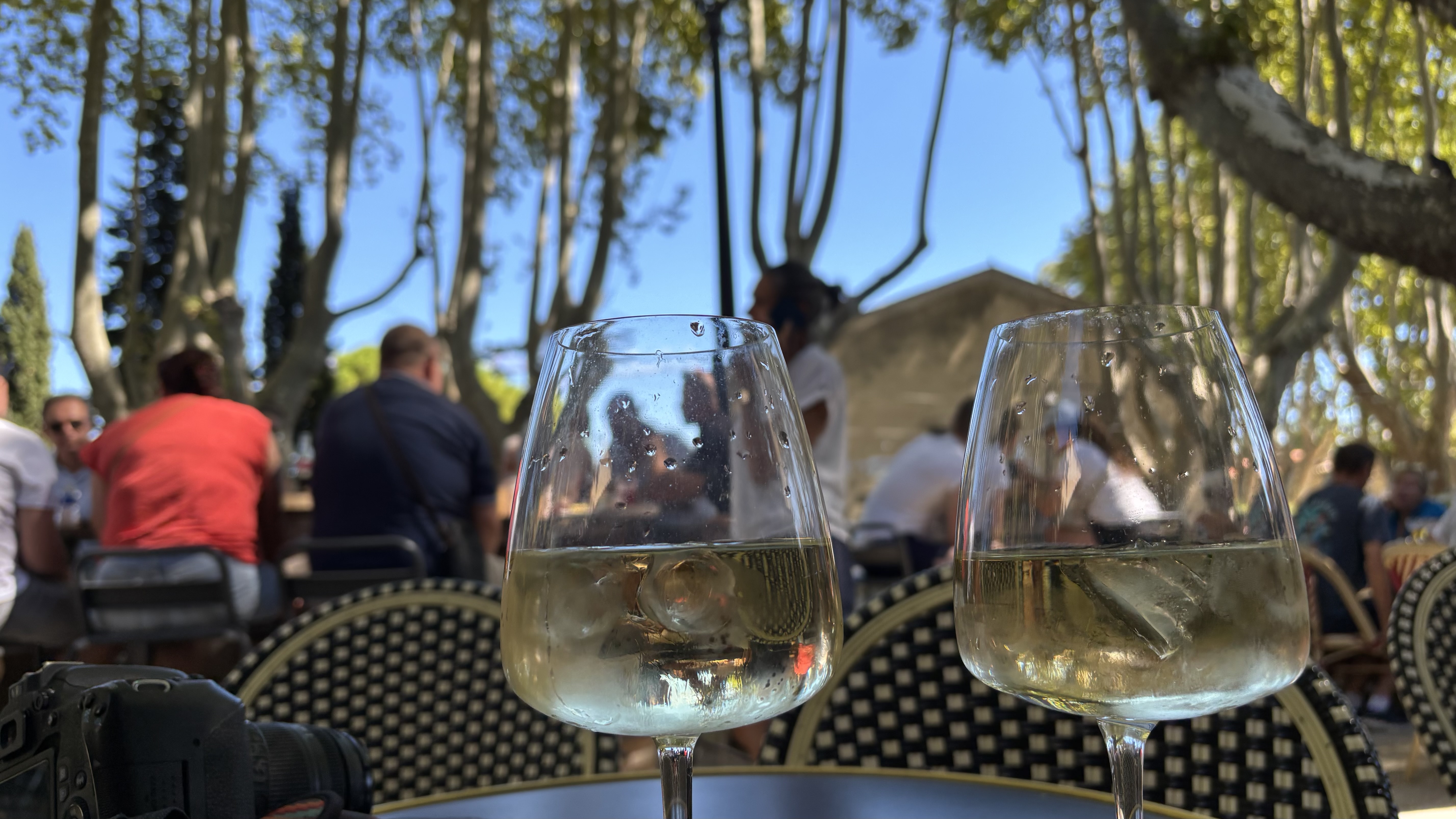
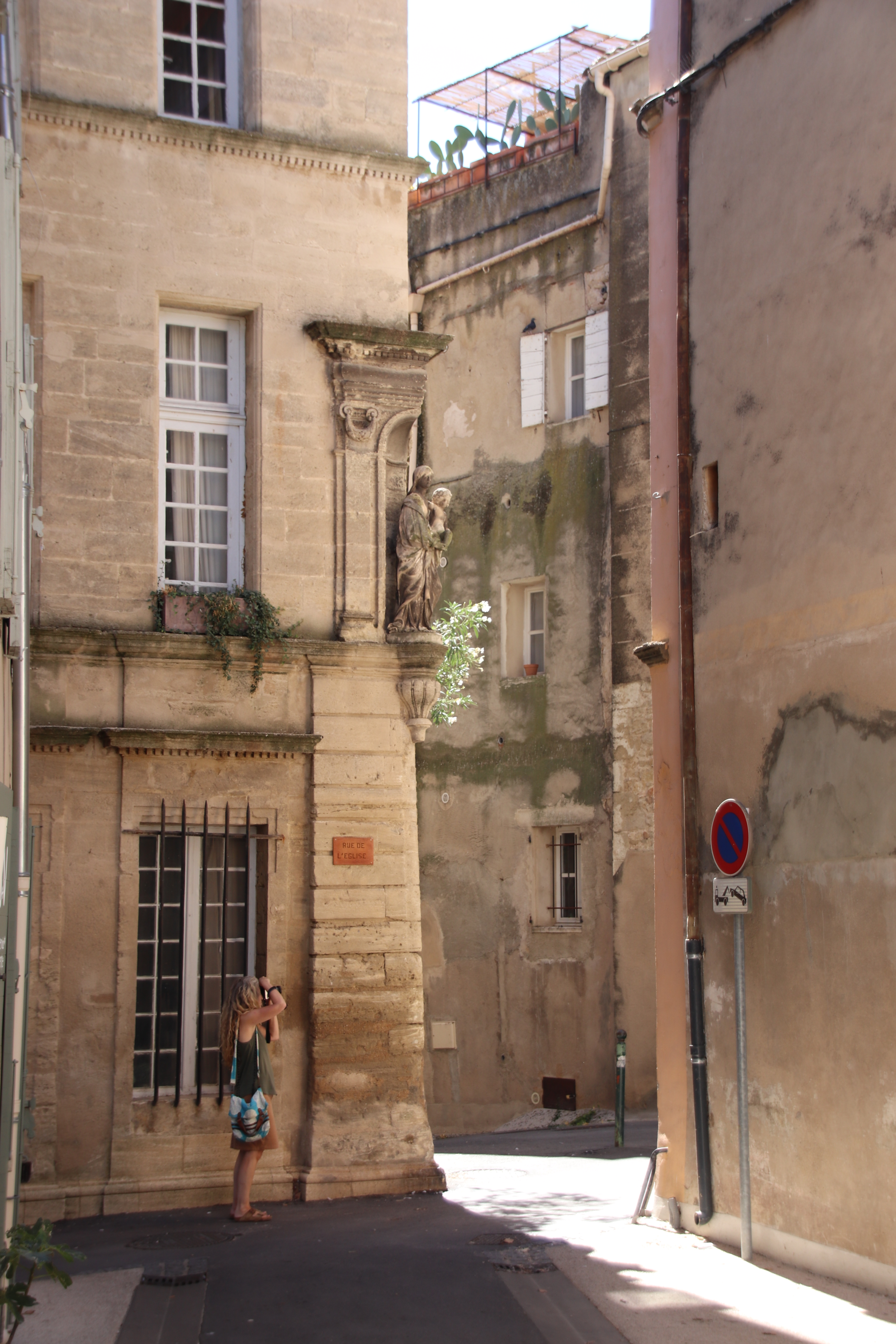
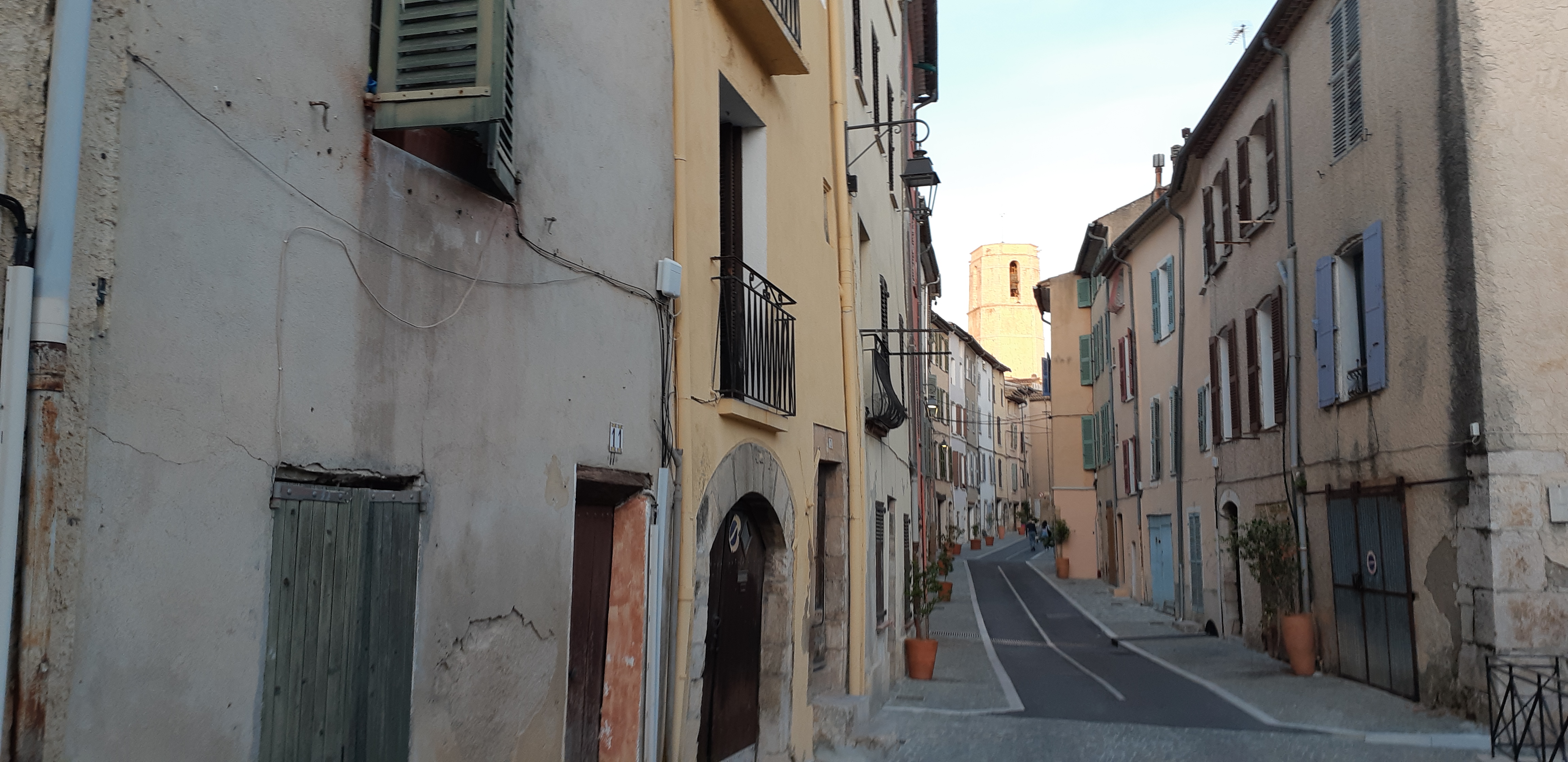
Within the walls of the Old Town, narrow, stone-paved streets wind up to the church and an old castle. Dotted amongst the shuttered cottages that line the narrow cobbles are small, individual cafes & restaurants and craft shops & quality boutiques.
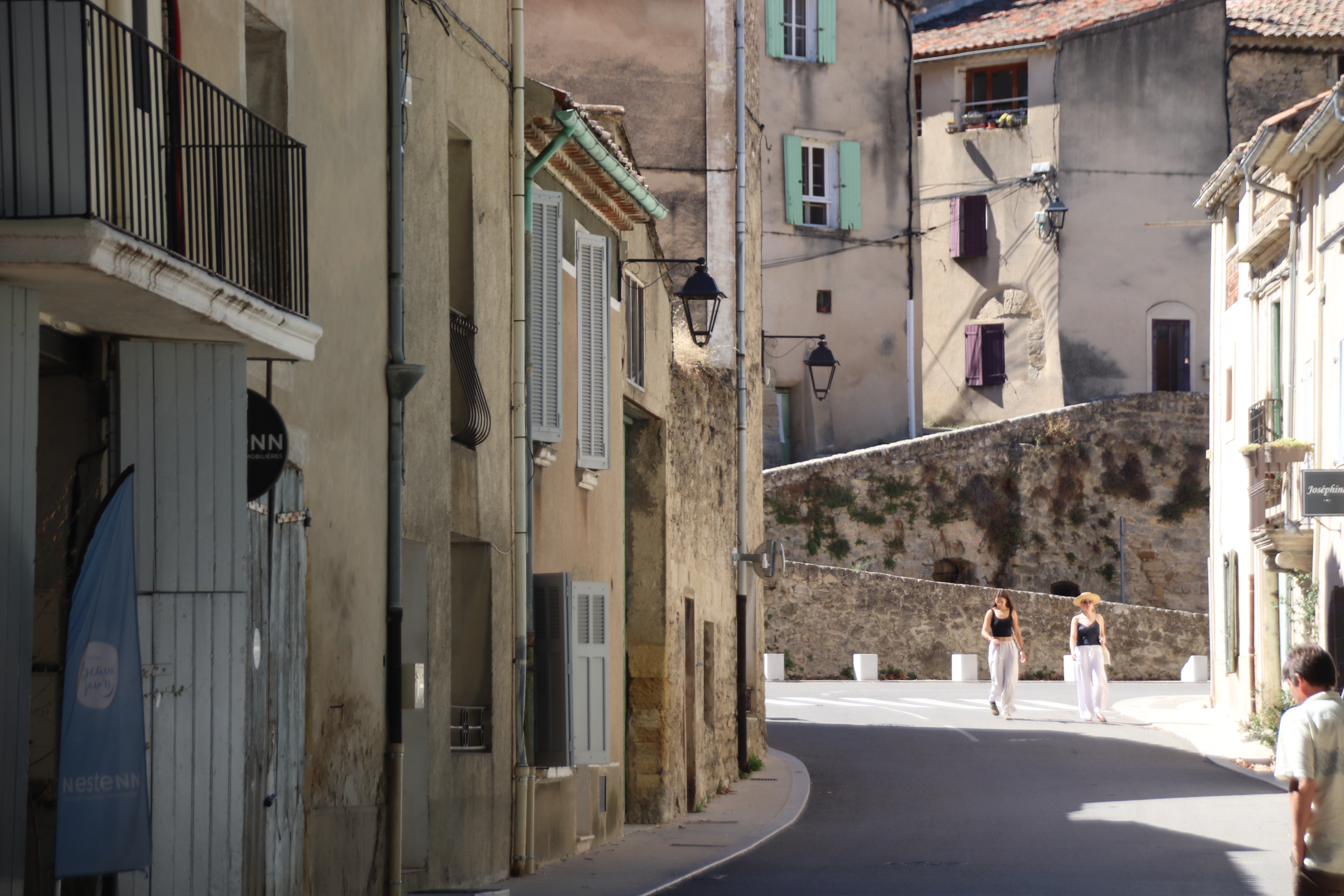
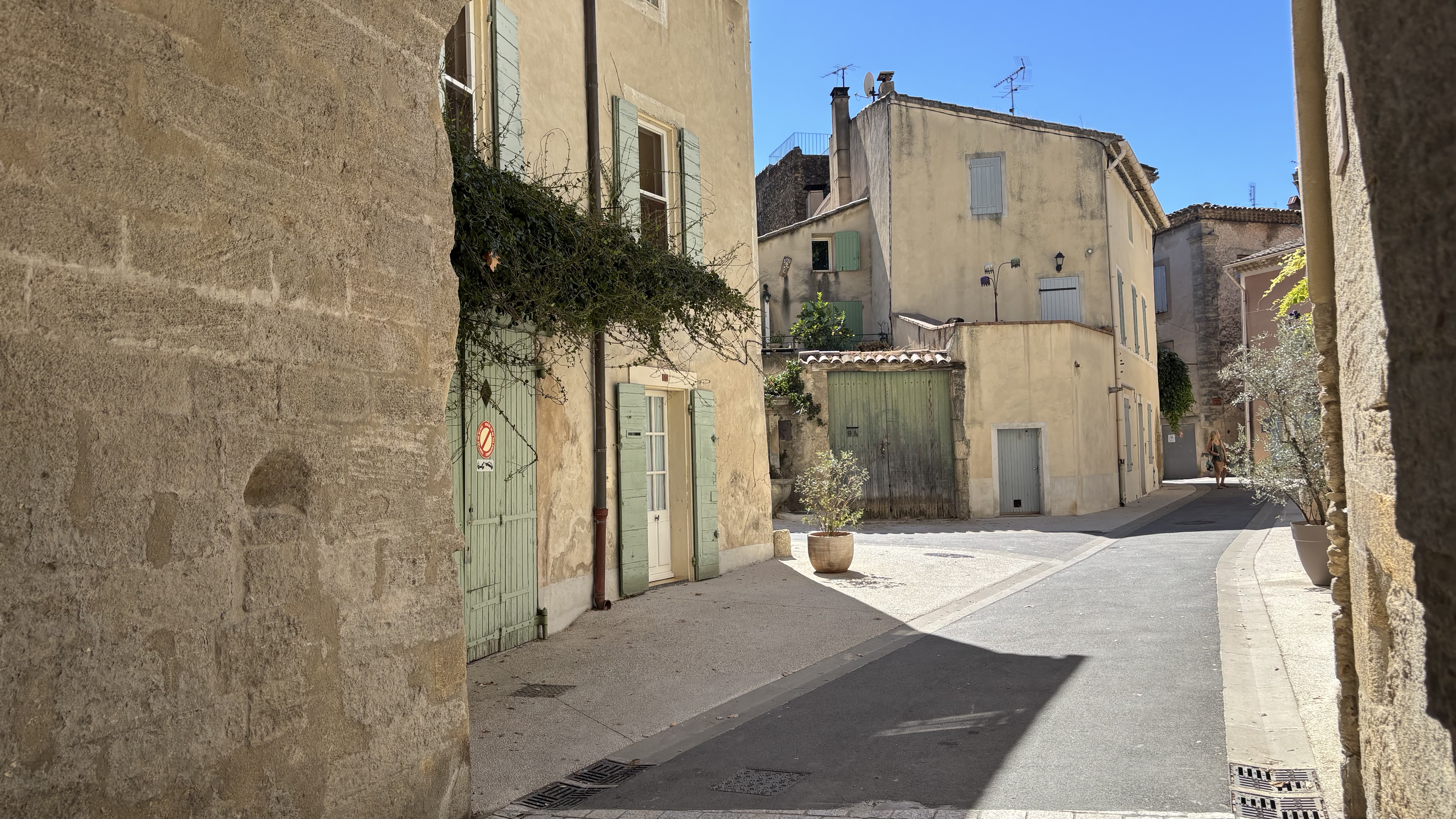
It is a ideal place to wander & absorb that Provençal atmosphere.
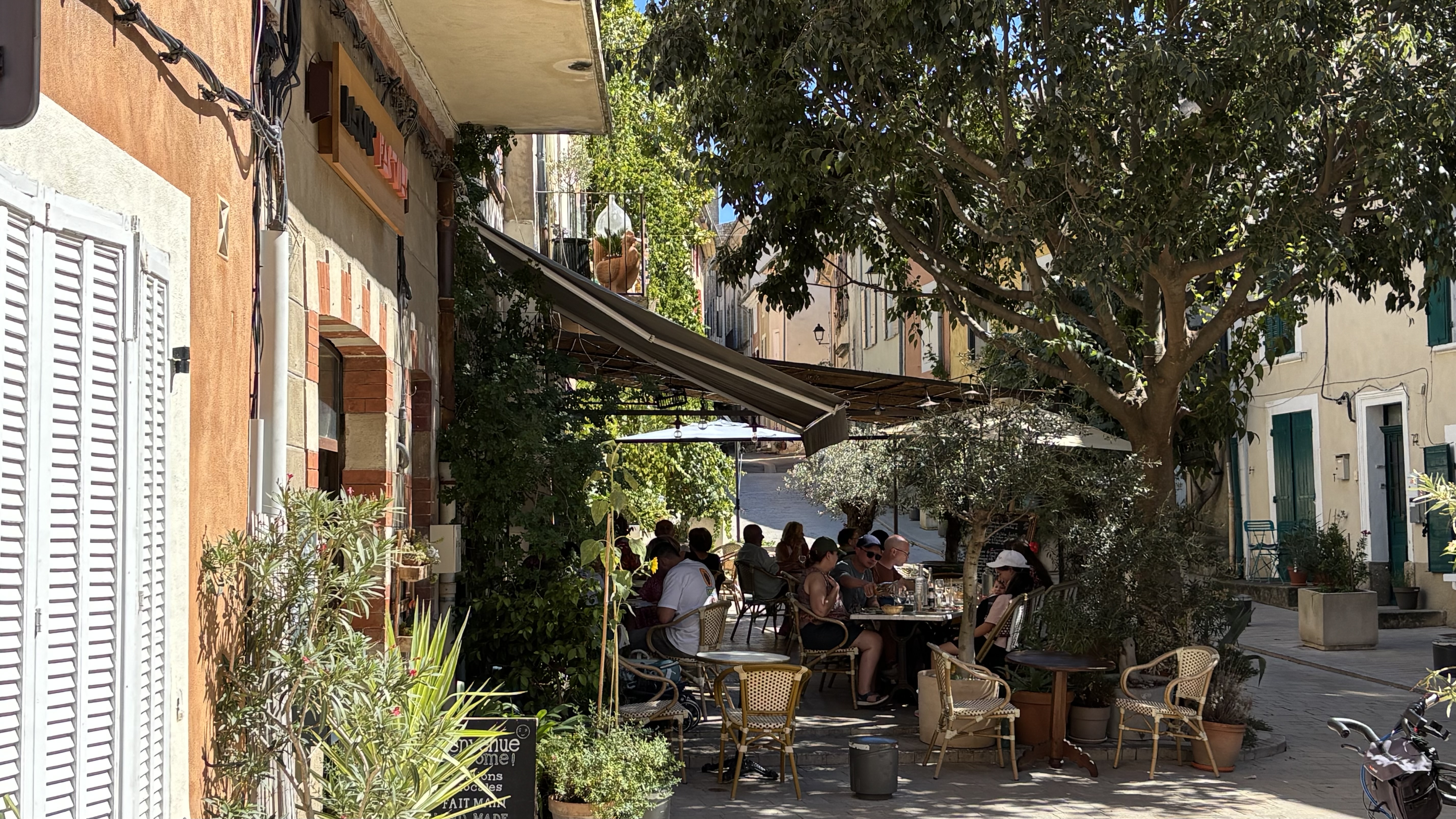
Apt is an important town for the region. Founded by the Romans it boasts several authentic ruins, As always, the Old Town consists of narrow, shady, medieval streets, public squares & historic fountains to cool us all down.
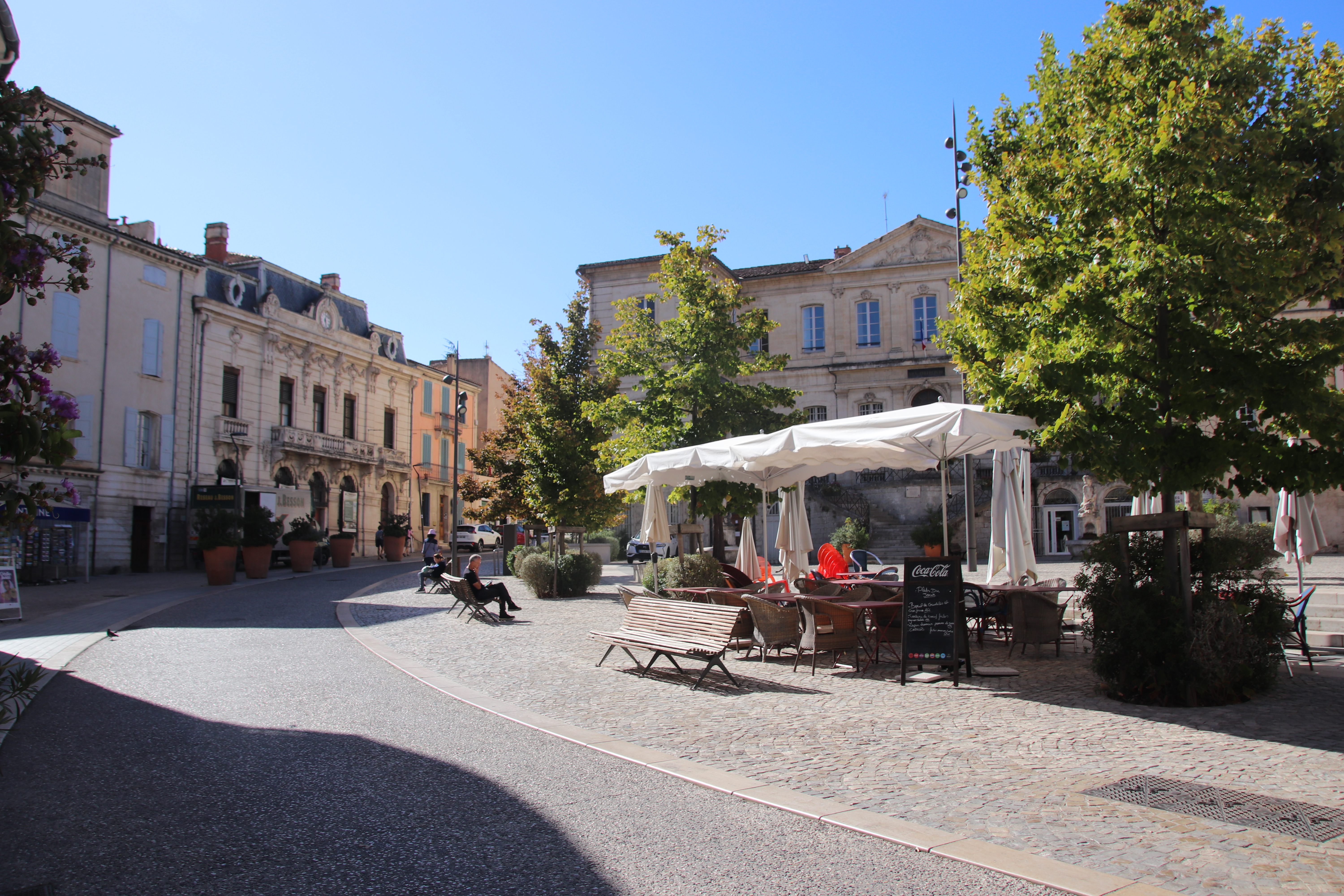
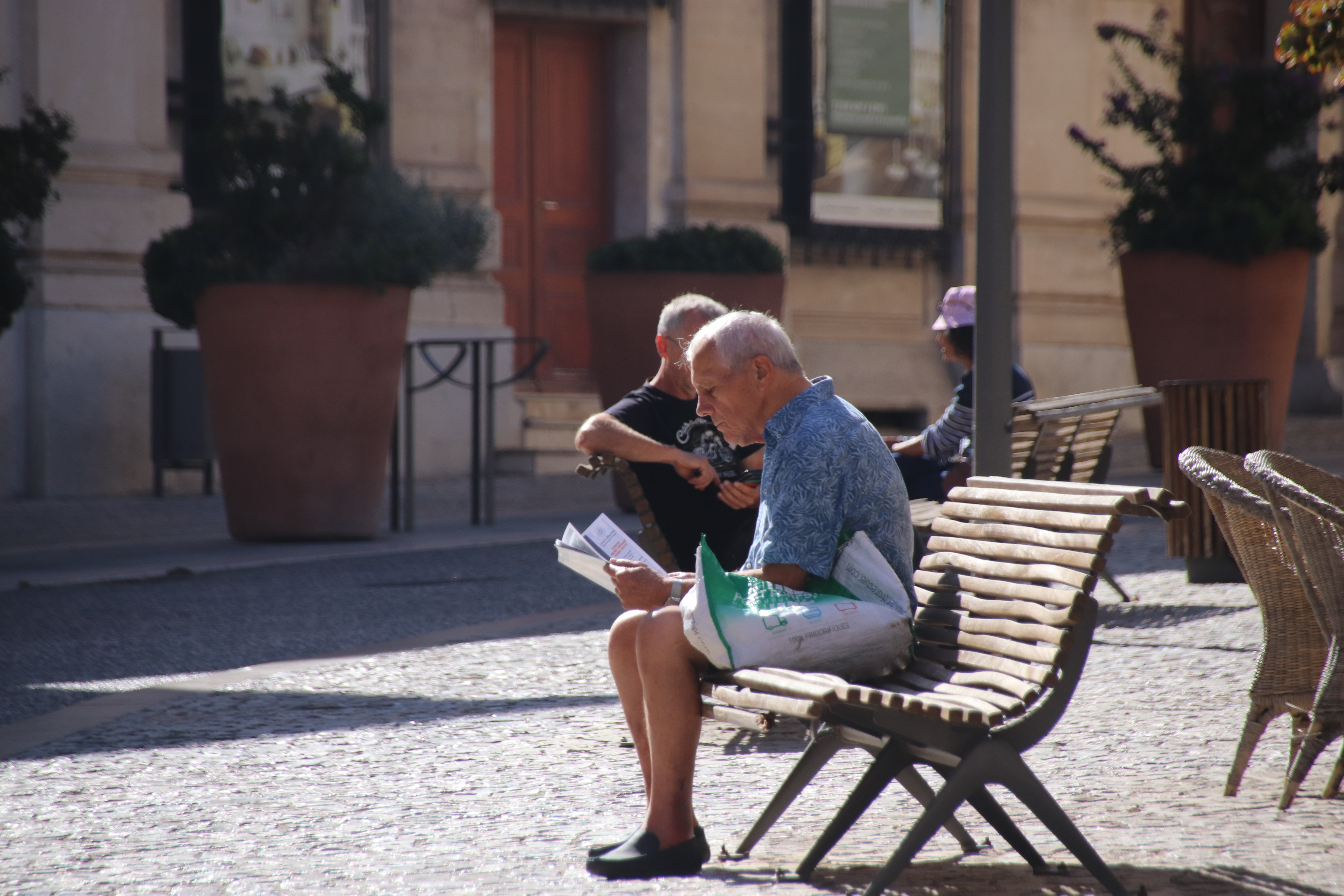
Lorgues’ Tuesday market – from dawn to dusk

Moving across Provence, over the Little Rhone and the (big) Rhone, we come to the Var departement above the Cote d’Axur. Here our base is the small market down of Lorgues. The land has changed as the kilometres rise. The dense mixed woodland covering the ridges & ravines now gives way to dry, craggy outcrops of rock and valley. The dominant flora is different species of pine, less dominant in height but equally impressive in terms of structure and shape. Mixed in are evergreen beech & oak with maples, chestnuts, ashes and olives. The land is flatter, more cultivated, with large château vineyards dropping off the sides of minor roads surrounding impressive signage of their bottled crop.

The layered ridges of the Cevennes away to the west still frame the vineyards of the Rhone. At Tourtour, almost a heartless facade for Hollywood rom-coms rather that a pastel painted, 13th-century settlement in a prime hilltop location, you can see over to the far horizon and count at least seven layers of receding interlacing ridges

Settlements are closer to each other and have a purpose. Yes, there’s a medieval core of narrow streets, recreational squares & plane trees & tall pastel-coloured buildings, but outside this there are manufacturing businesses, fabricators, proper activities. Traditional Provencal hexagonal tiles are made in factories throughout Salernes.

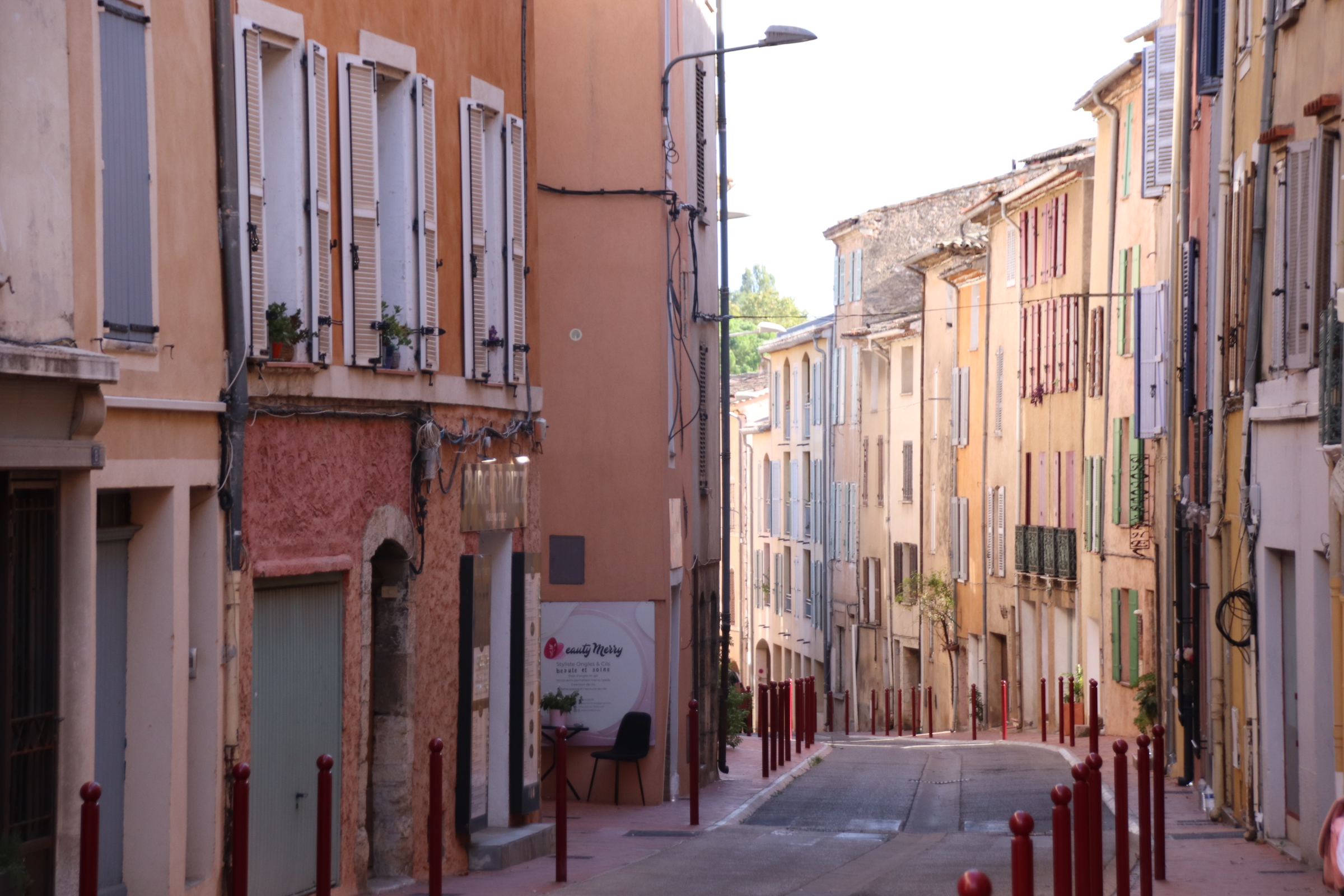
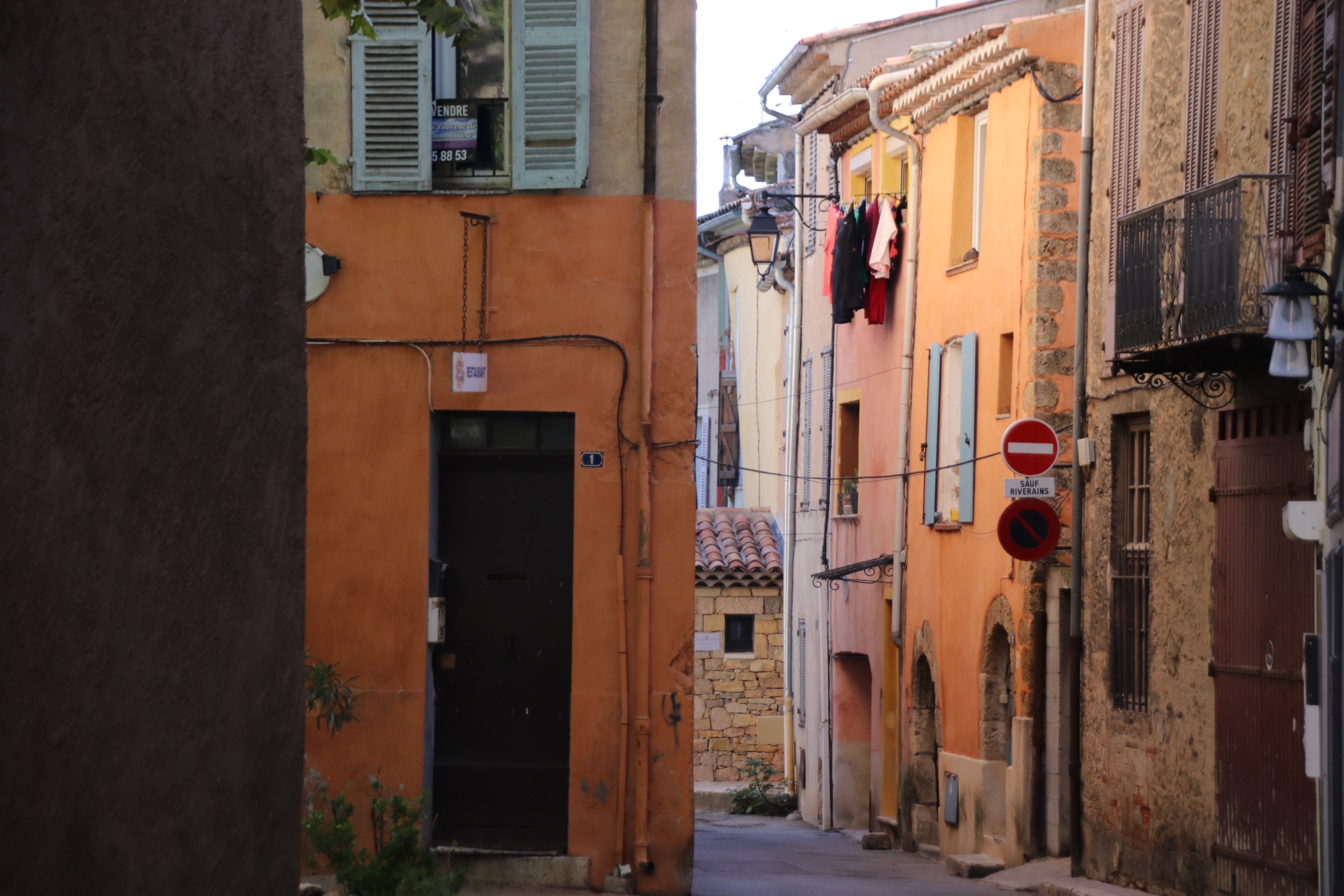
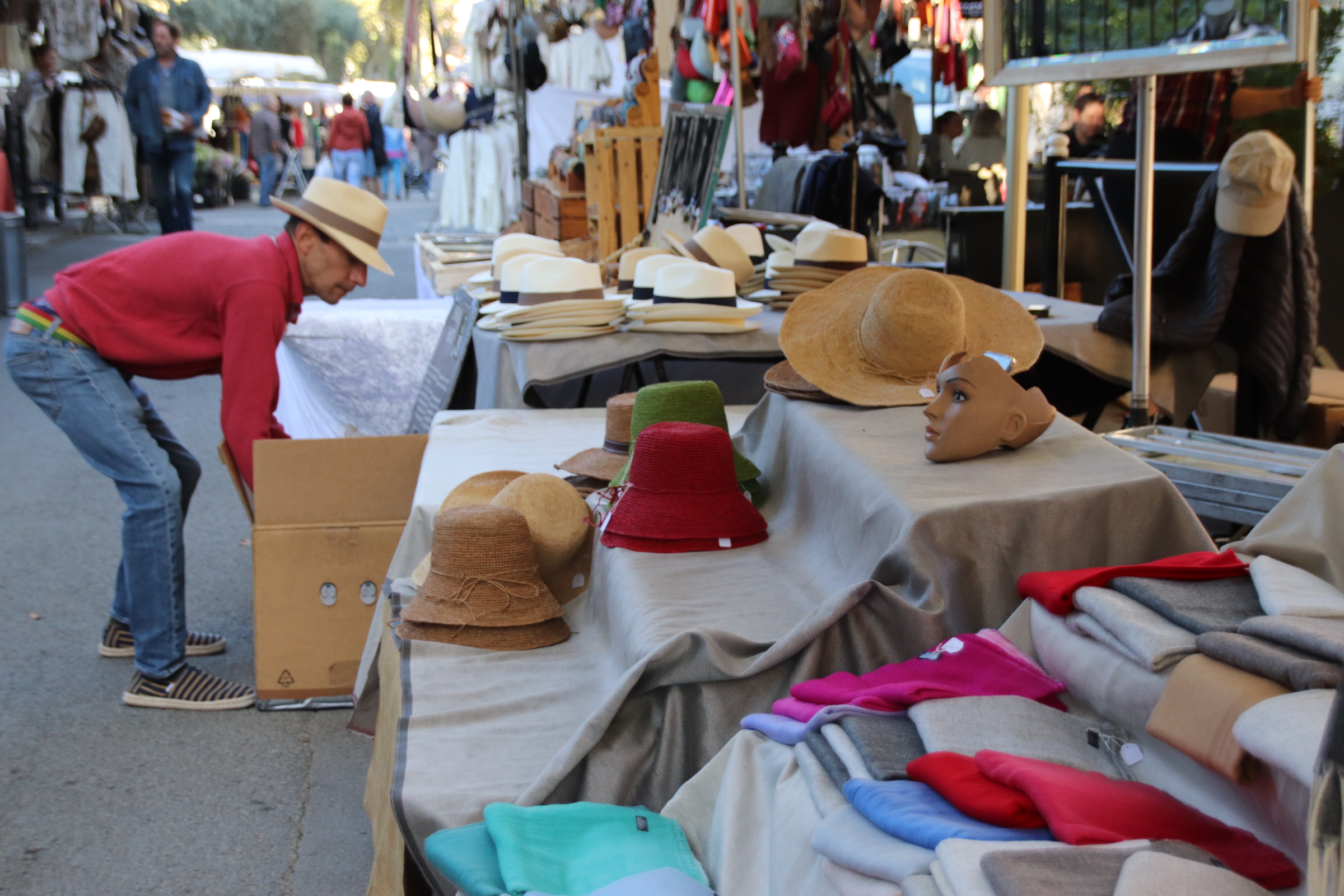
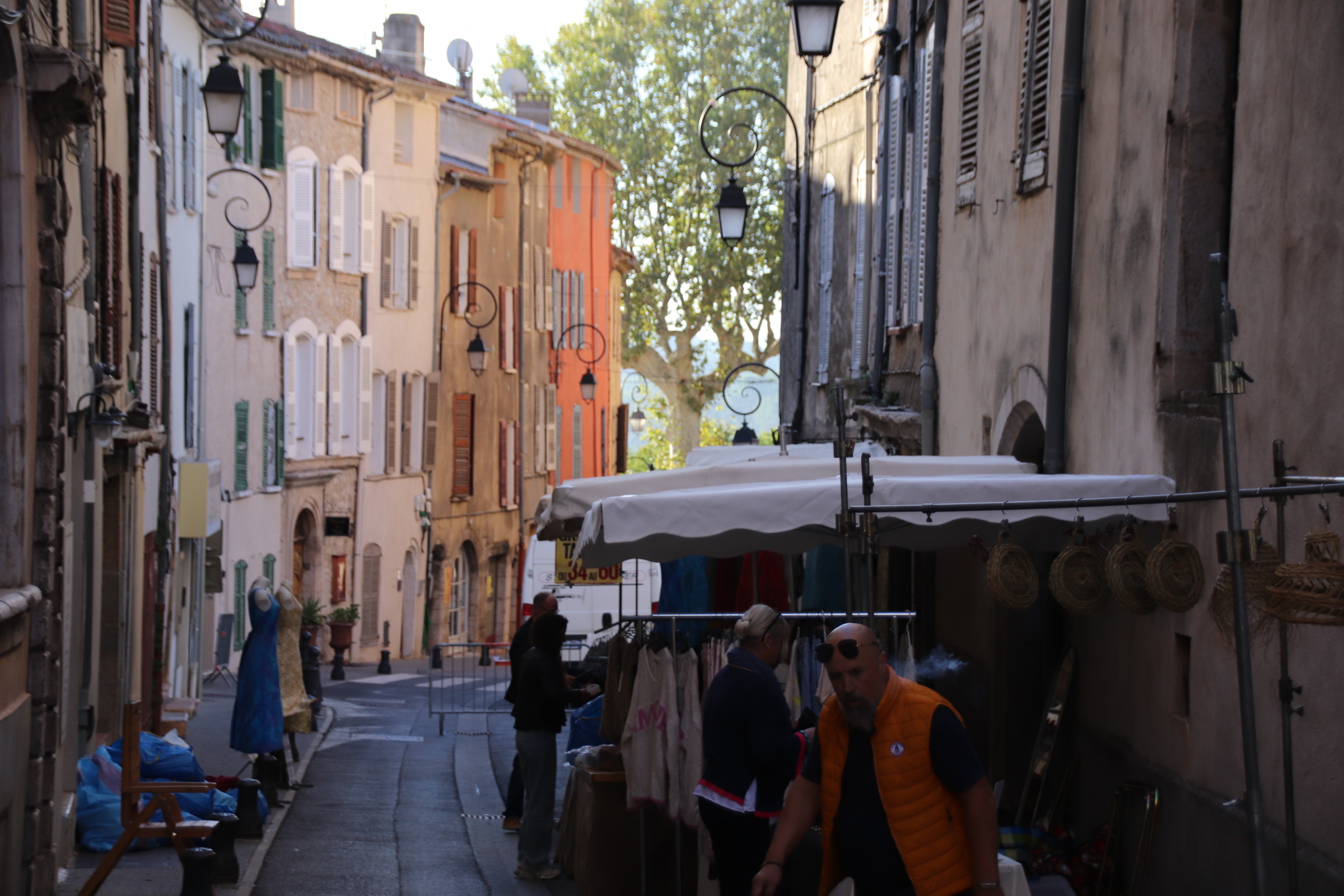
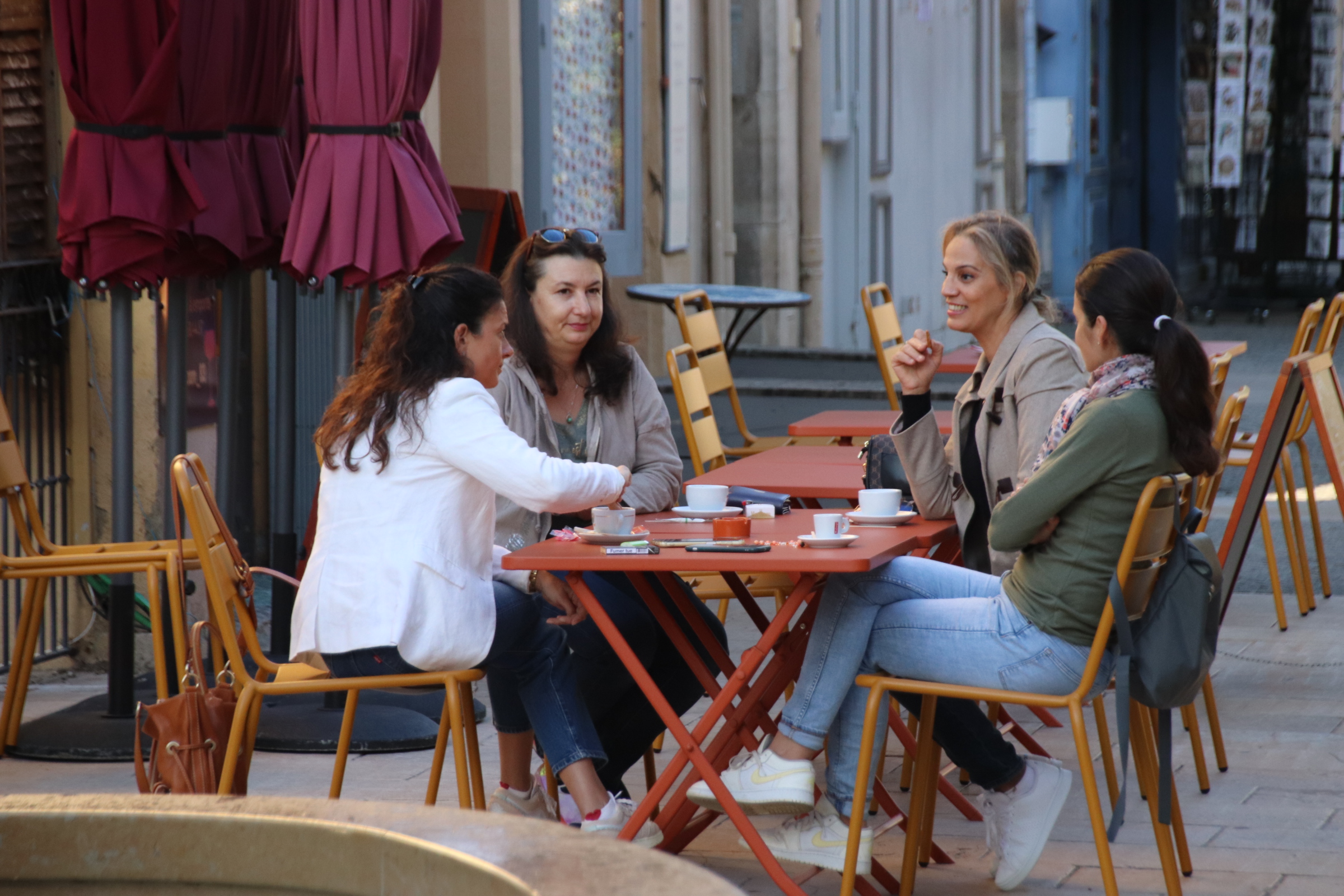
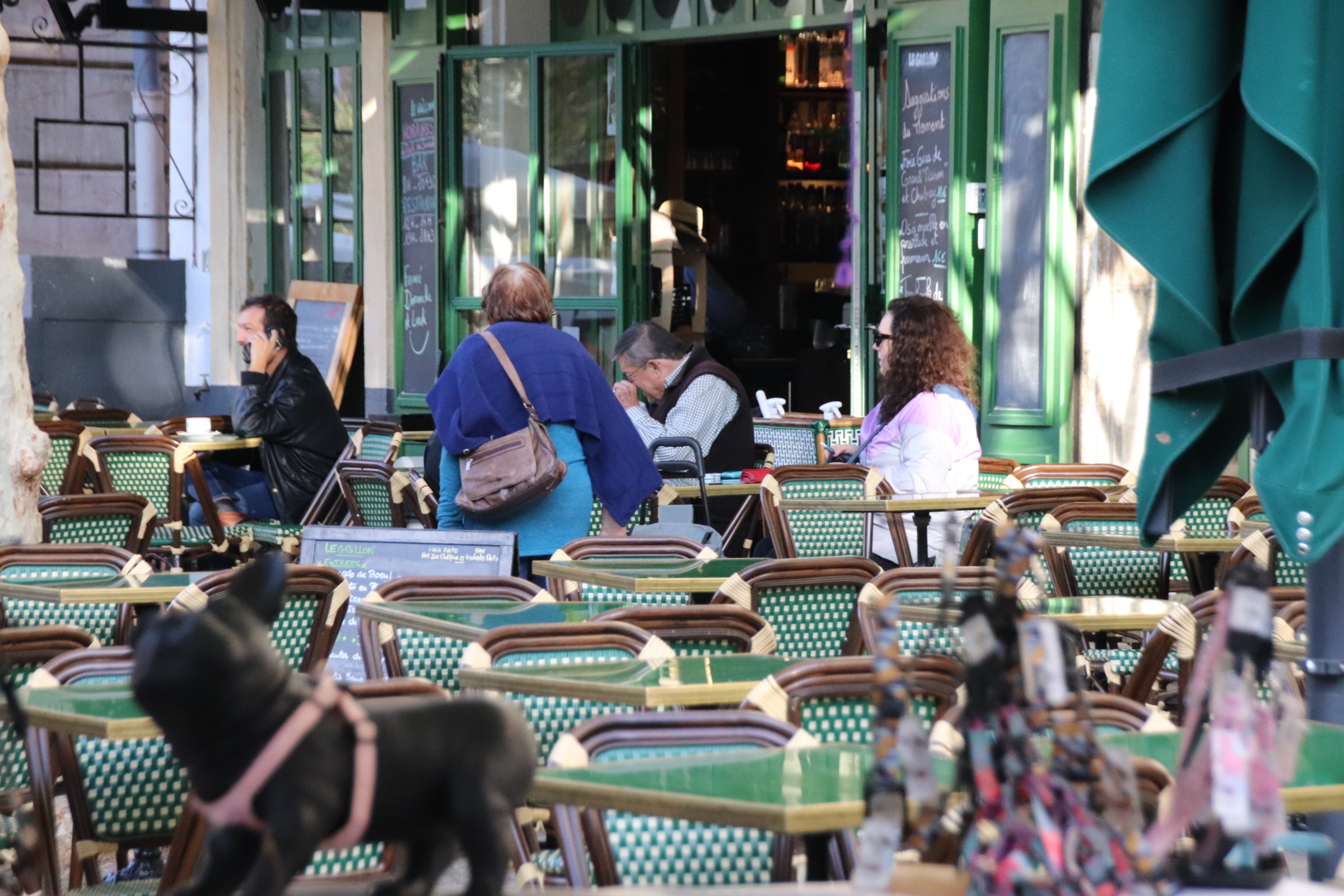
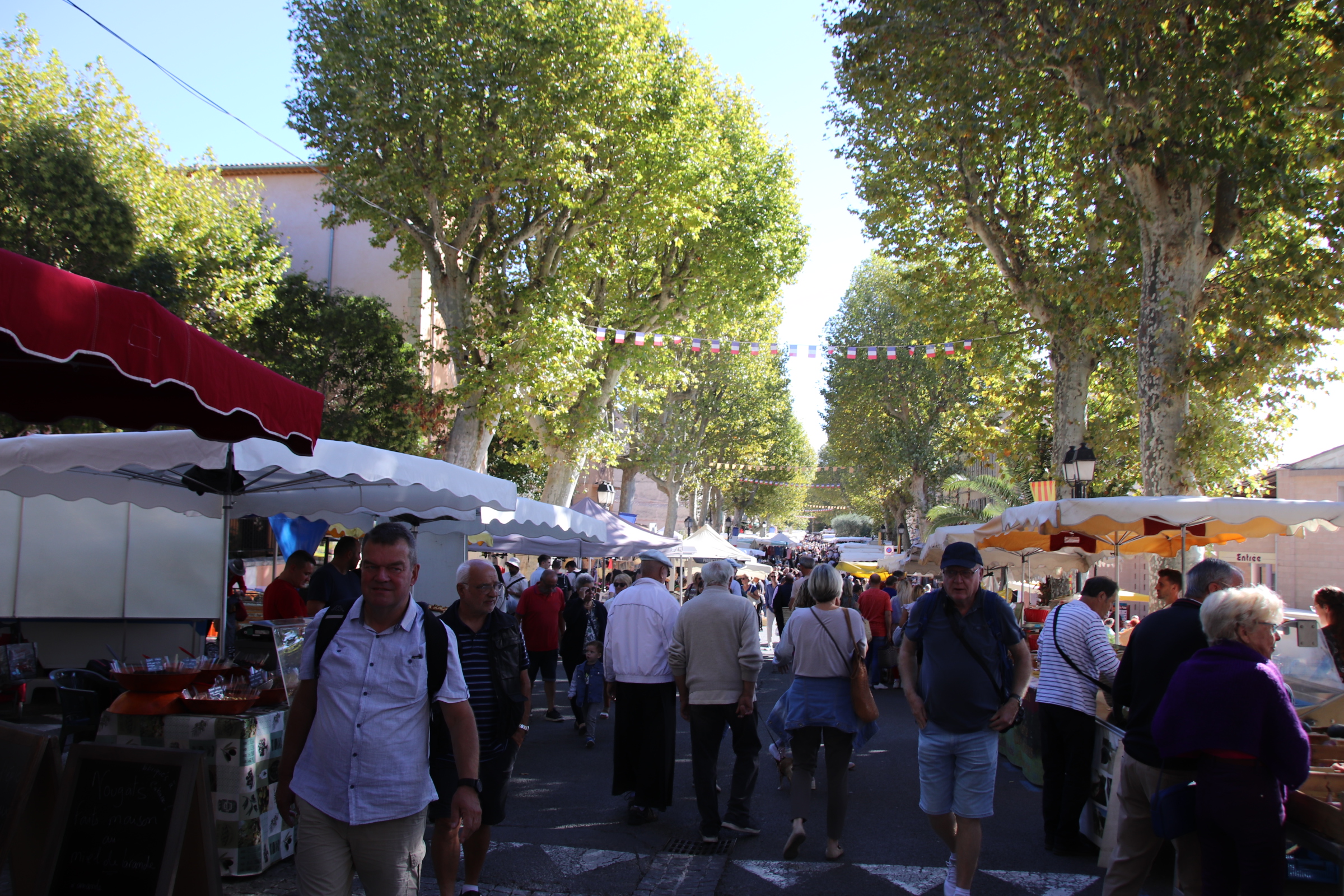
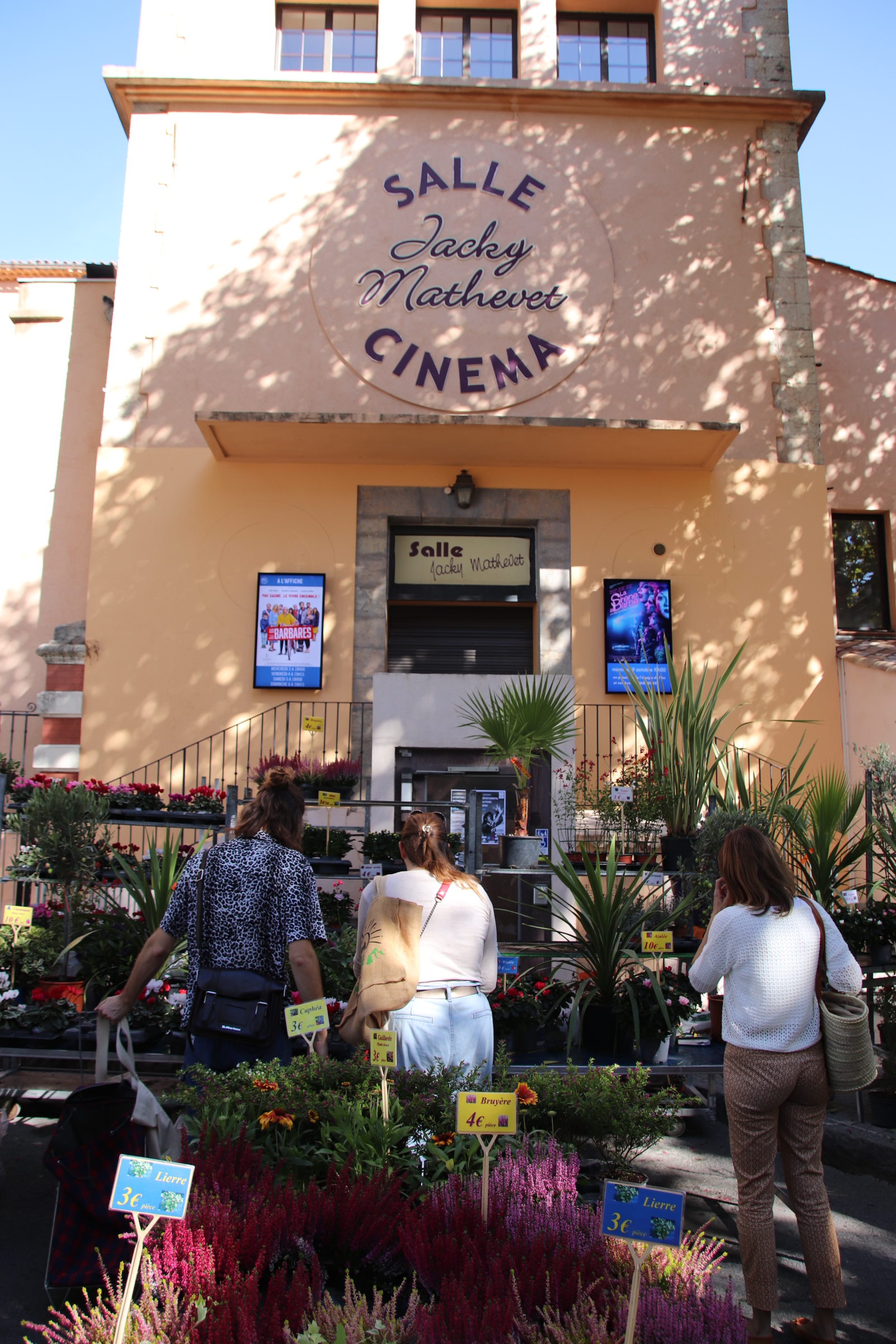
Longues is a lovely small town, surrounded by south facing hills, covered in vineyards and olive trees which are the source of much of wealth. Rather than trying to capture the essence of Lorgues in words, I’ve caught its Tuesday market day in image from setting up in early morning to the setting sun at night. It is a delightful, typically French, Provencal town.

Dawn – setting up

In full flow – midday

Dusk

The Cevennes & further afield in southern France

It seems like ages since I last blogged on my travels and even longer since I visited ‘La belle’ France. This autumn trip takes me from the Cevennes on the south east area of the Central Massif, across the Rhone to just north of Toulon to a market town called Lourges and then north to friends near Manosque – all excellent wine growing areas you will notice!

My love affair with France goes back decades but I was introduced to The Cevennes by my dear friends, the family Friends, who completely by accident, had discovered Barjac when they broke down on the autoroute and they had to have it towed to a campsite outside the town where it still remains, drawing families & friends for memorable holidays ever since. I have countless memories of my girls & pals splashing & swishing about in The Gold River & the streams & lakes in the dry Provencal landscape, canoeing down the Ardeche or the Ceze and meandering drives through the Provencal landscape for a night visit to Avignon or a day treat to Saint-Remy-du-Provence, all indelibly ingrained into my very being.

Back at the hacienda, after food had been consumed the Cote du Rhone continued to flow and we would lie back and stargaze & count the numbers of shooting stars on show each night, absorbing the aroma of wild oregano & rosemary and the wafting lavender fields that were grazed by the breeze and sifted over our receptive senses in a constant perfume. In the darkness the clear outline of the distant Cevennes could be always picked out against the glories of the spinning stars. During the day these layered, straining landscapes provided a constant backdrop to everything that we did, offering the possibility of adventure and excitement, but always too far away – until today, that is!

This trip starts on the edge of the Cevennes National Park just outside the small village of Villemagne l’Argentier in the Languedoc region of France about 30 km north of Bezier.

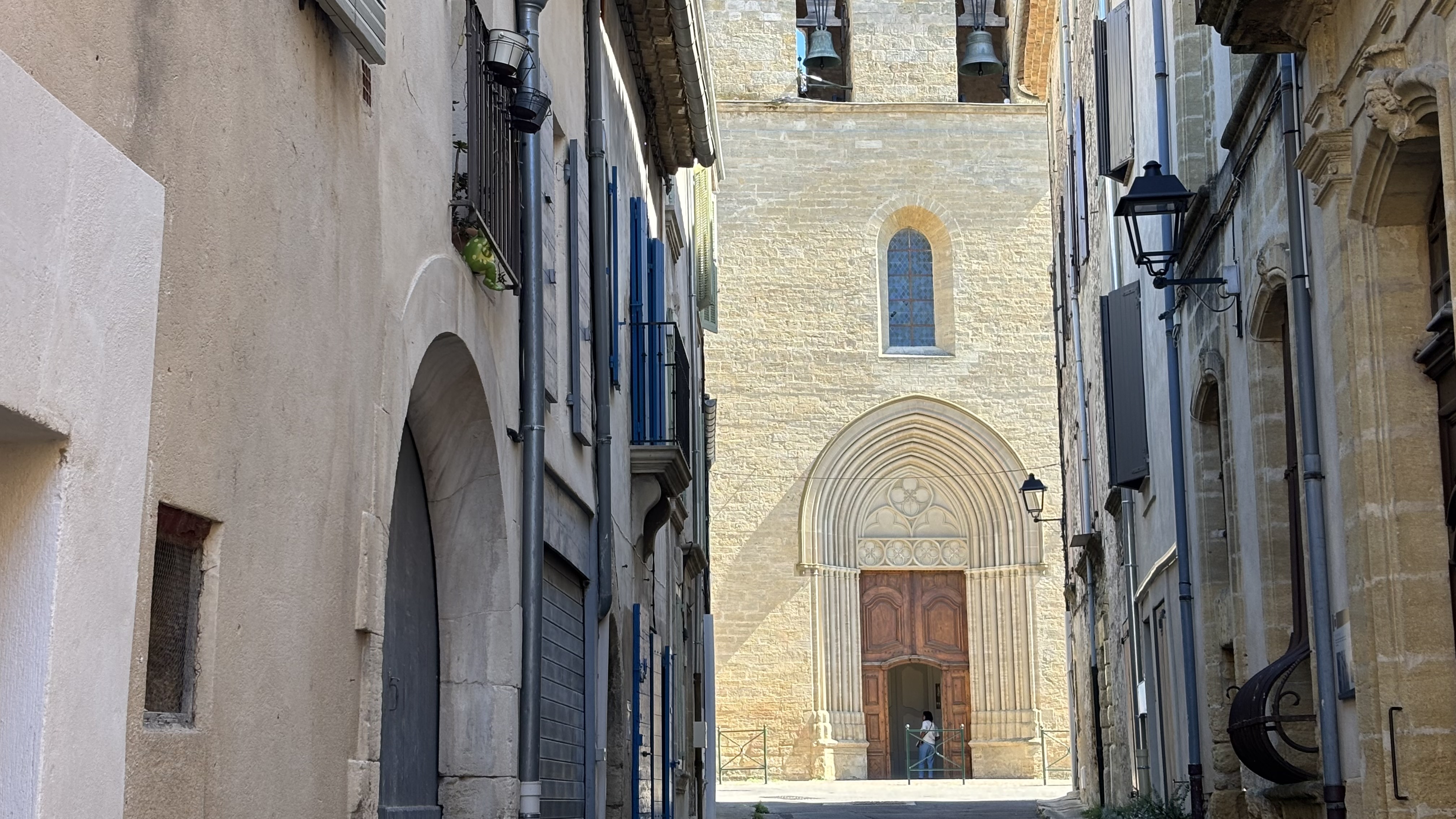
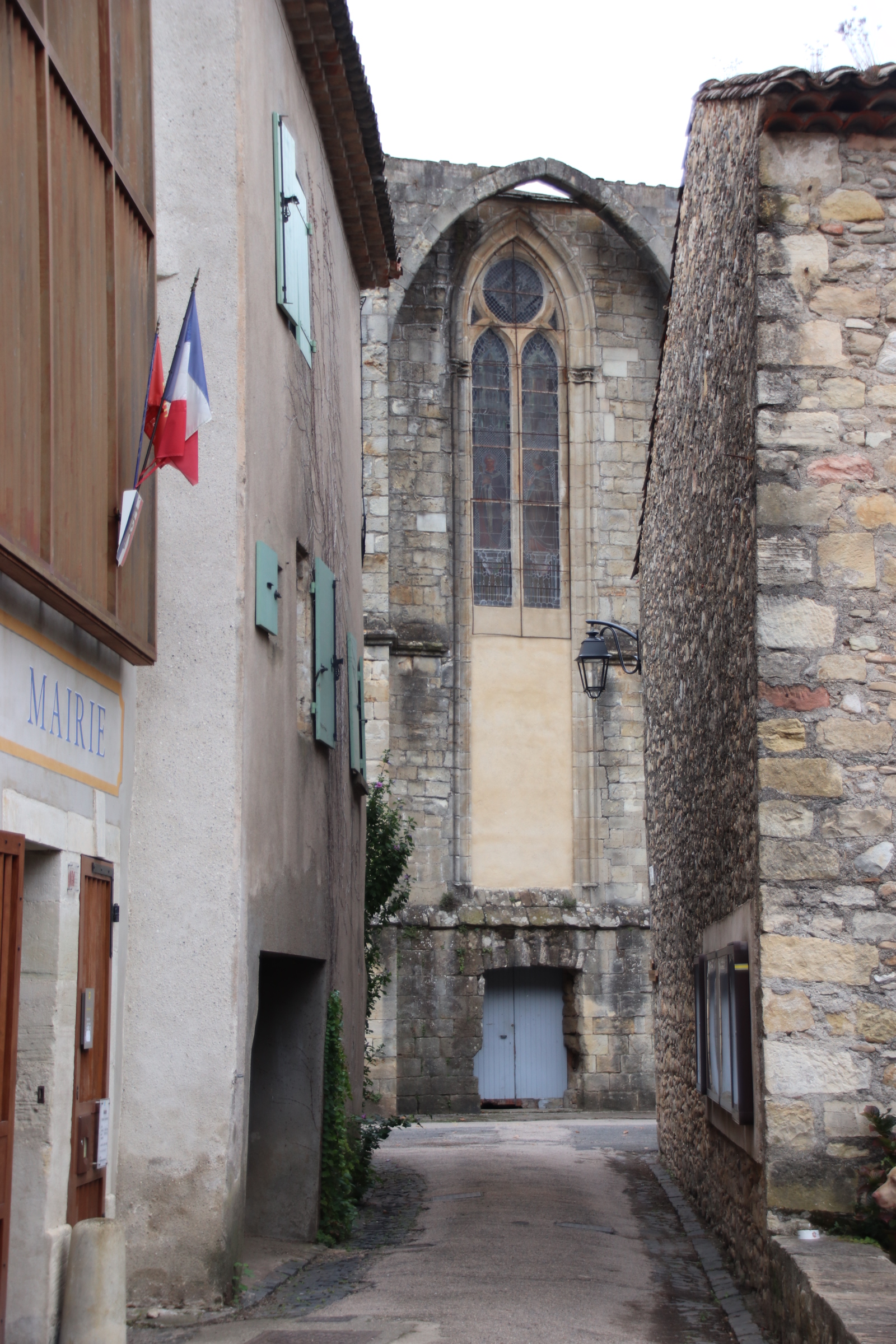
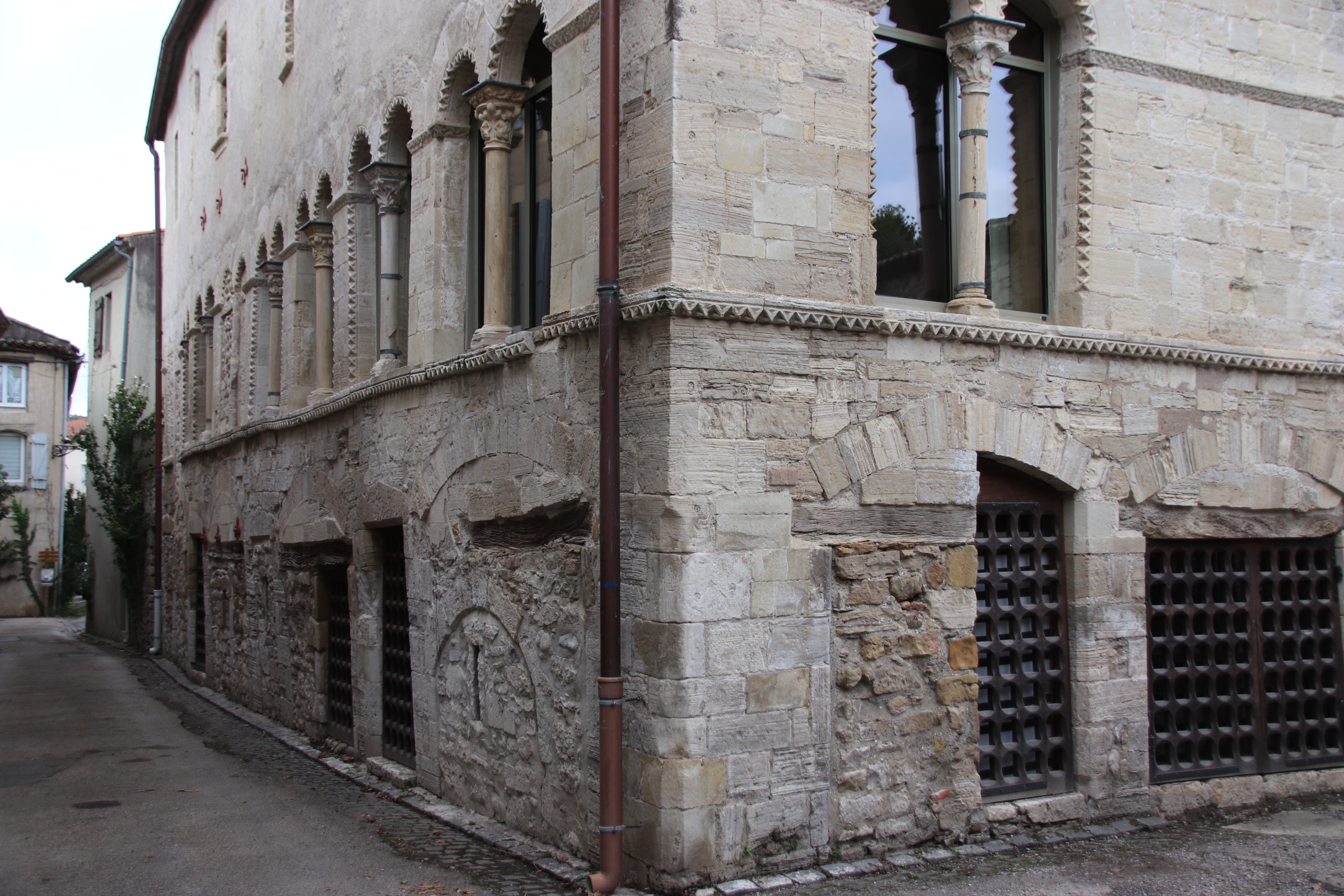
Established on the banks of the Mare River in medieval times, this ‘Abbey city’ lay on the pilgrim route to Santiago de Compostela & provided rest & refreshment to pilgrims on their way to Spain. Three buildings are listed and still standing & in use – the 11th century Church of St Gregoire,

the 14th century Saint Majan Abbey

and the 13th-century Hotel des Monnaies, now used as the Town Hall.

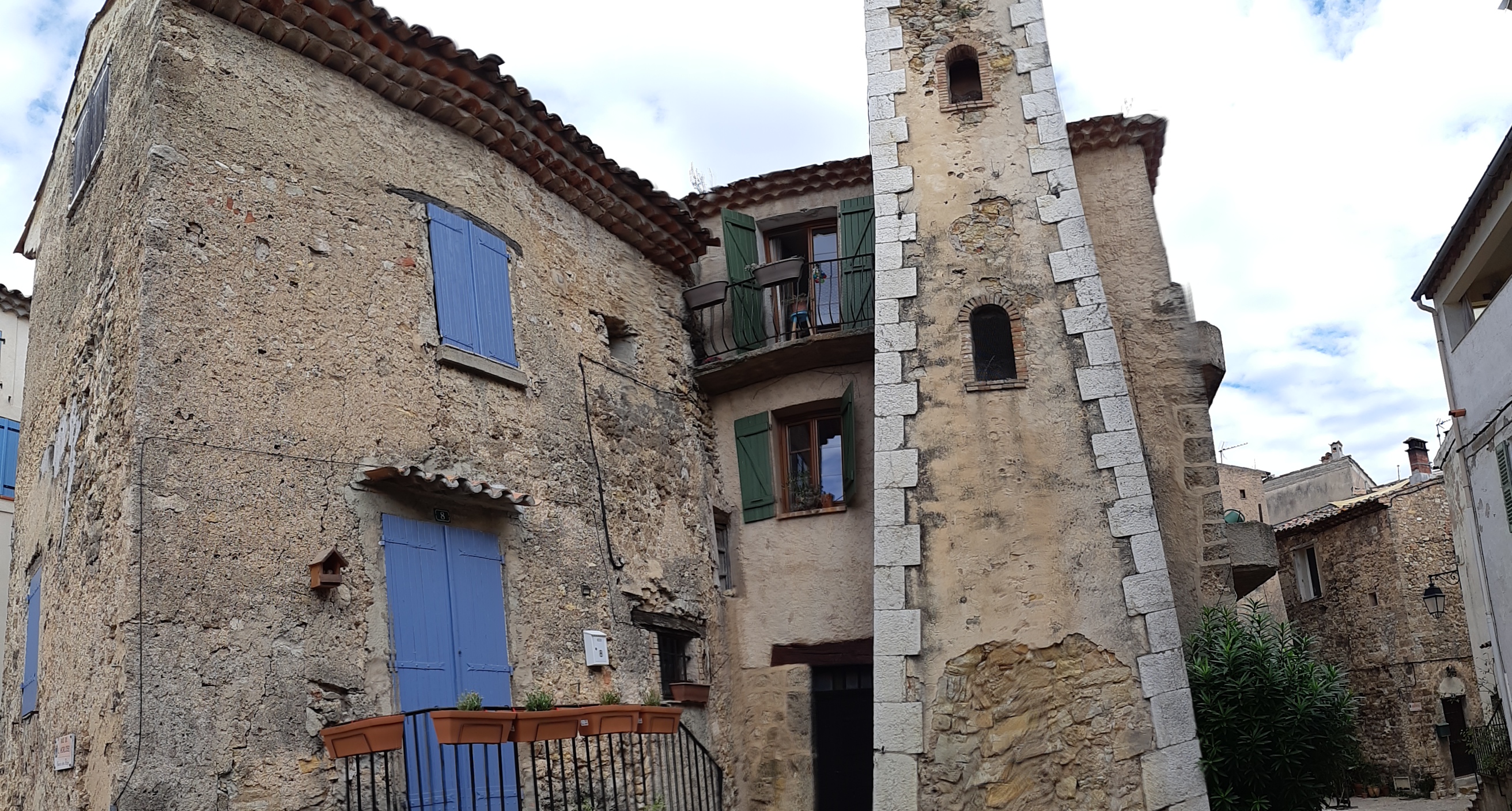
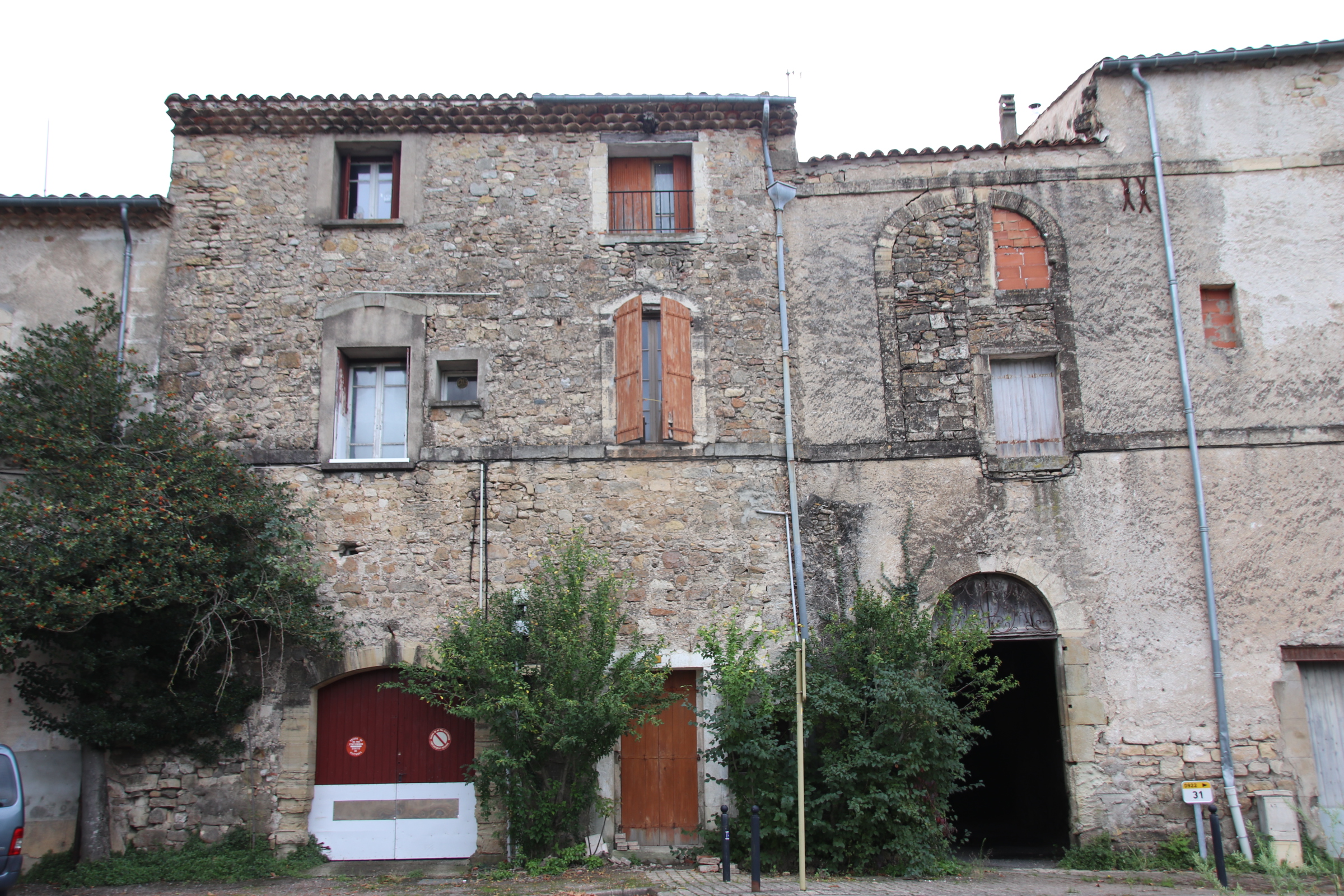
Over the centuries the Abbey has been the main force in the village and across the surrounding landscape. Wandering around the narrow lanes of 13th-century buildings little has changed since those early days – the only thing to suggest that times have moved on is the shiny gleam of modern vehicles parked outside cold, ancient facades.

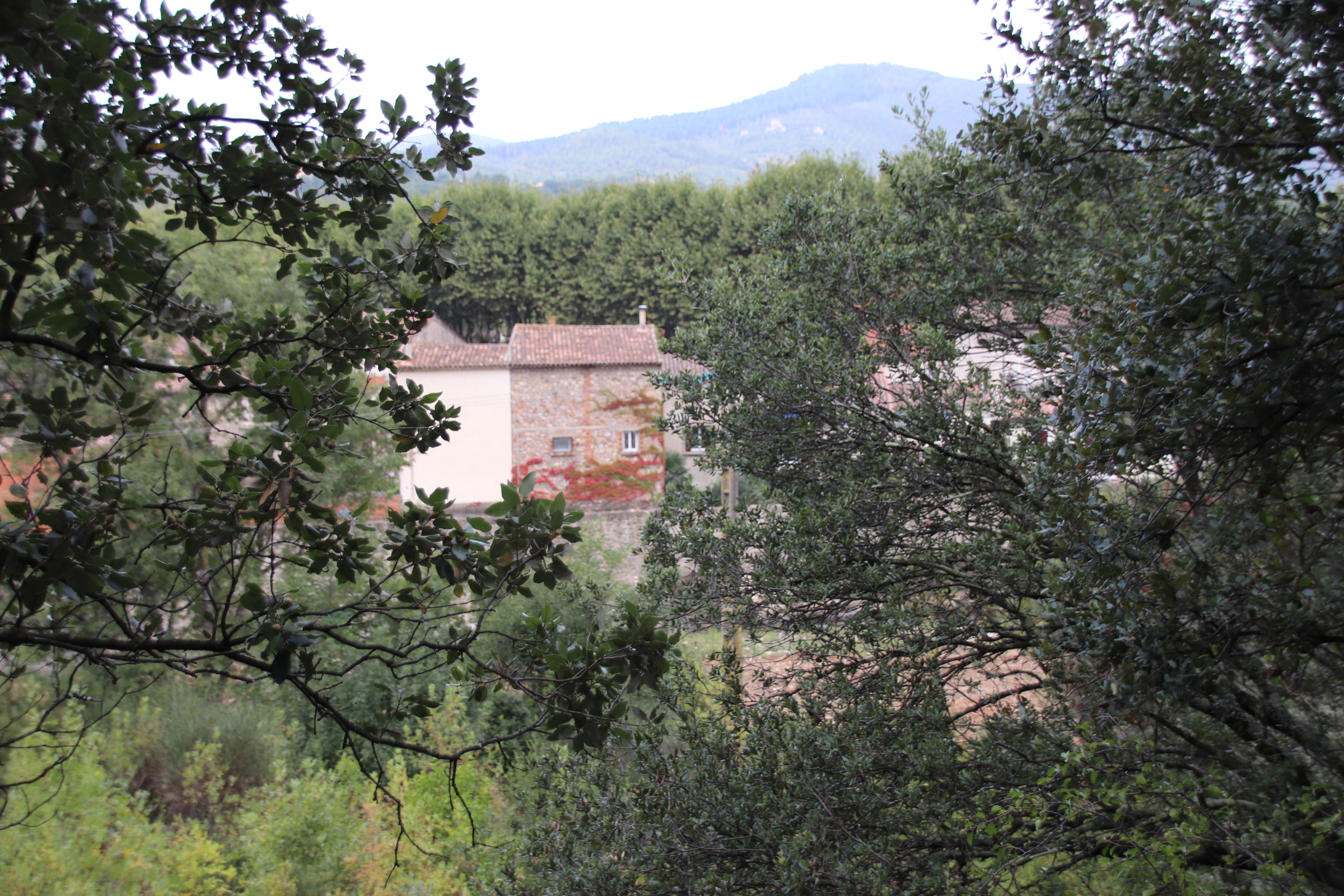
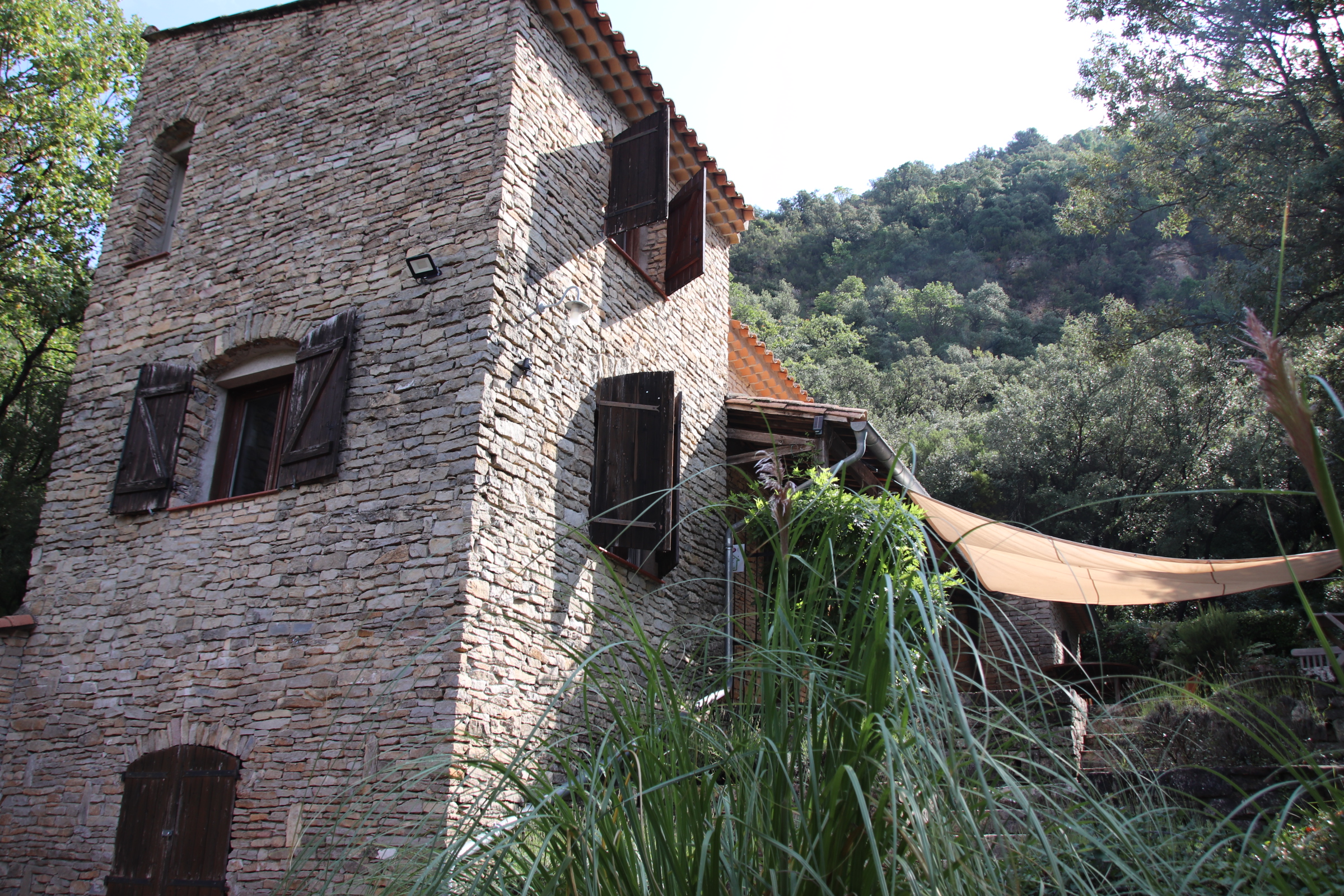
A five minute walk across the river on the old, red-rusting bridge and up the lane into the hills, amongst the steep hillside of trees & shrubs lies our home for the week – a great base from which to explore the Haut Aquitaine region in general and the Cevennes in particular.