Two villages, one largish, one smallish, Lourmarin, St Julien, each at either end of the Provençal spectrum, yet each encapsulates the region’s special character in their own special way. One, the former, sports a very impressive chateau, wonderfully elegant, pale-stone homes/buildings suitable for the wealthy classes & maintained to a high degree with statues & ornate squares & courtyards, reflecting affluence & riches.
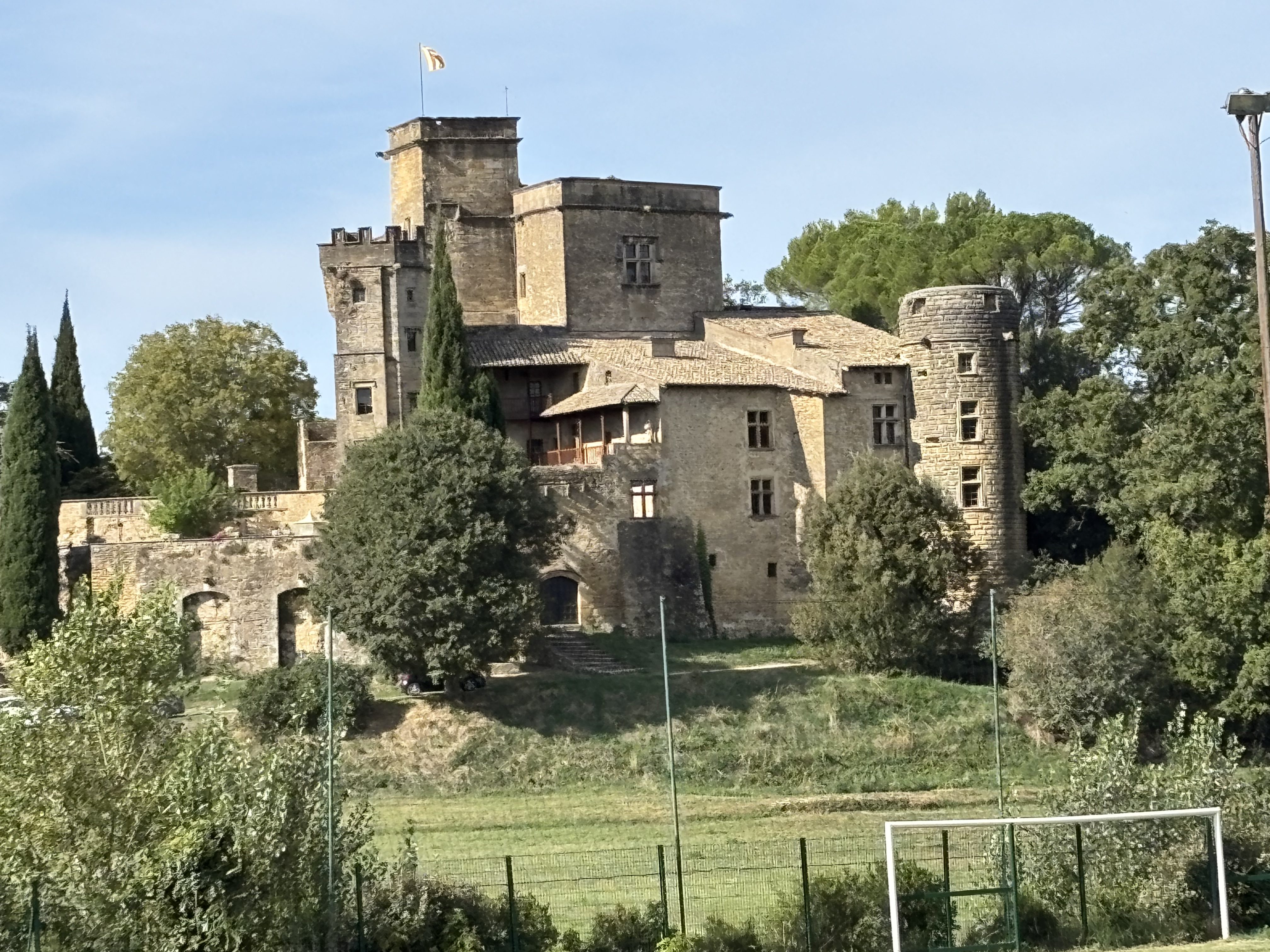
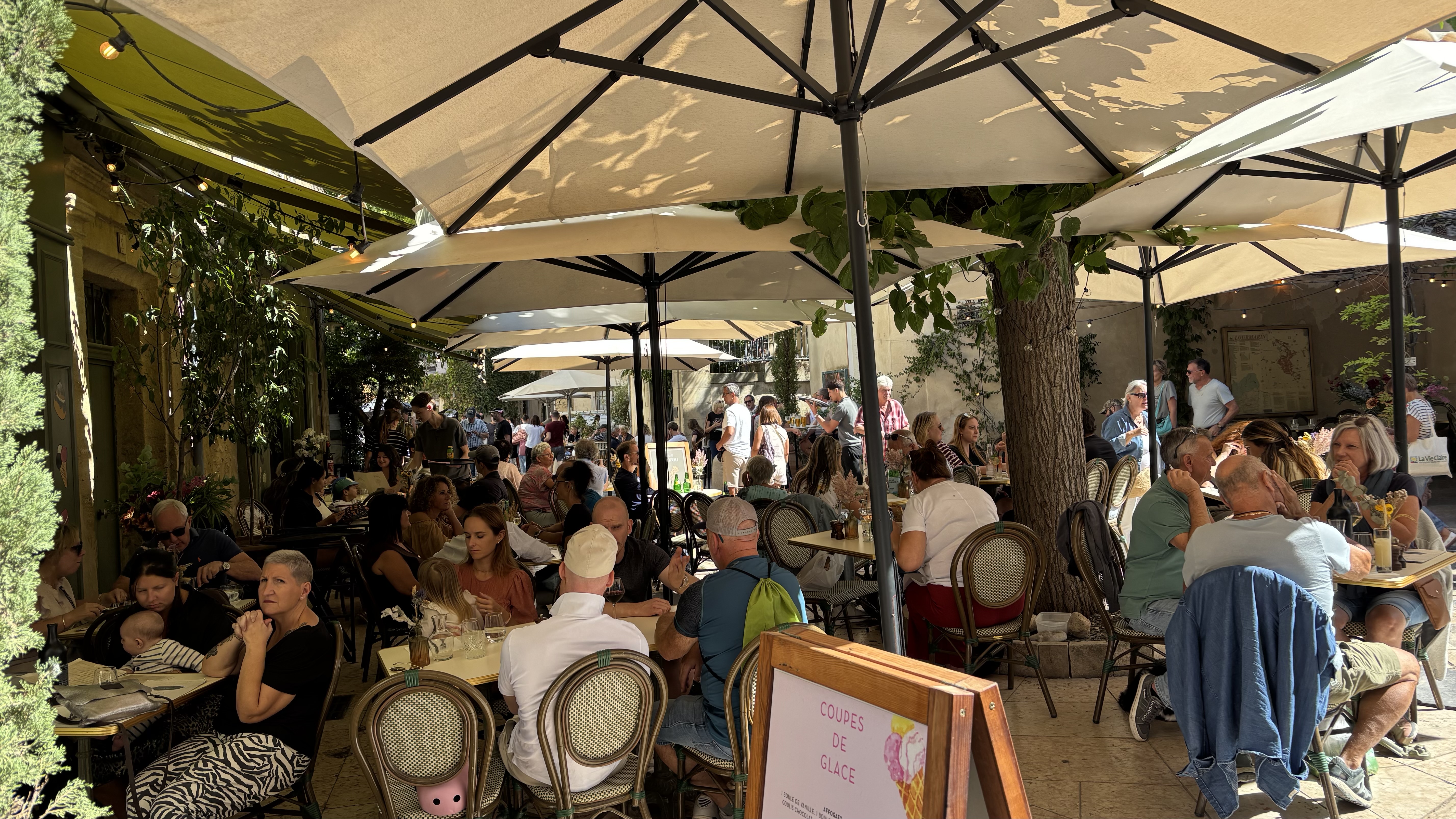
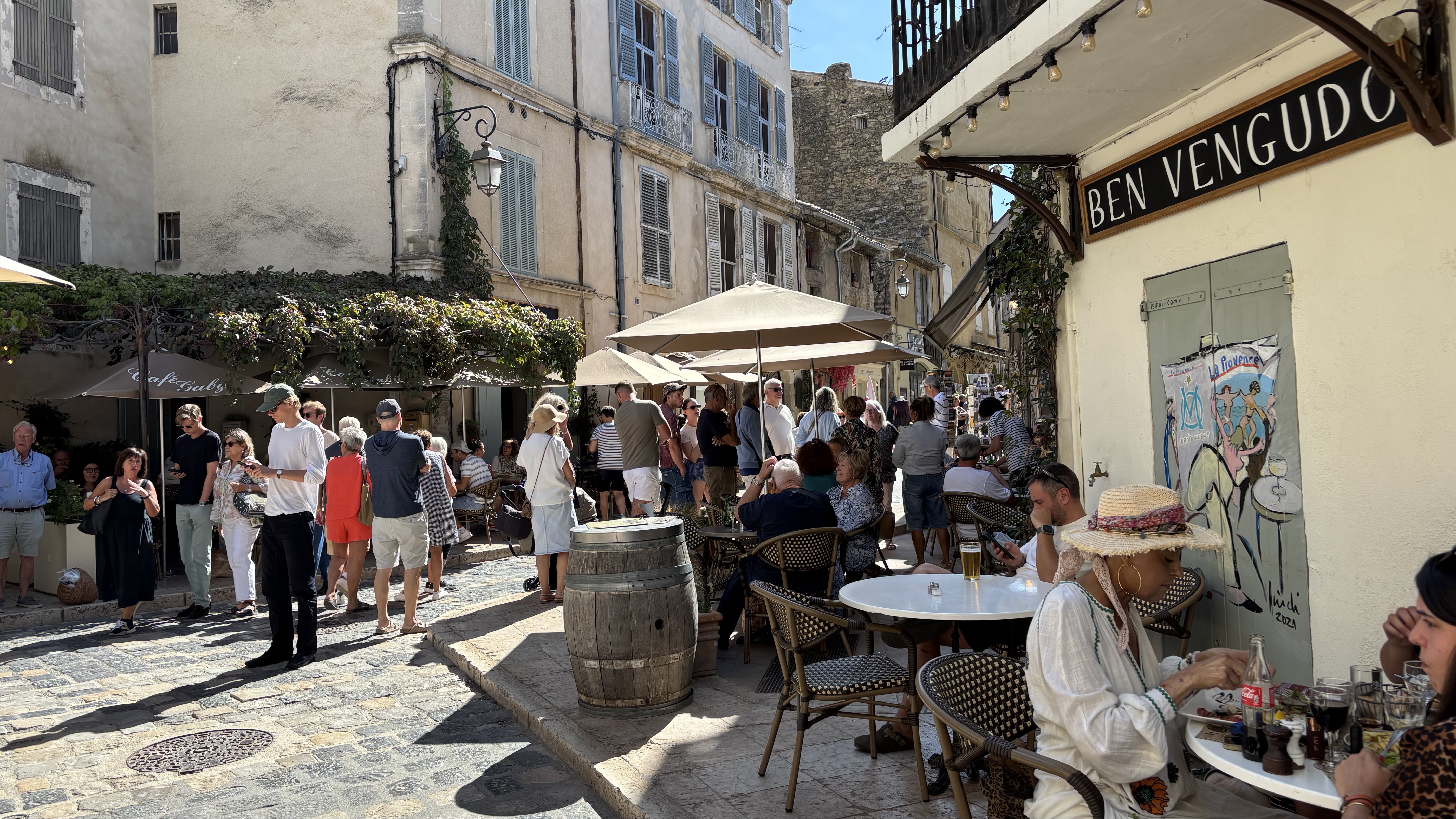
Unlike typical, perched villages in Provence, Lourmarin sits not a hilltop, but in a valley at the foot of the Luberon mountains, overlooked by the aforementioned chateau. Famous for its winding cobblestone streets & alleys, lively cafes & wine bars, restaurants, galleries, exhibitions, & high-end boutiques, every Friday it holds a open-air market.
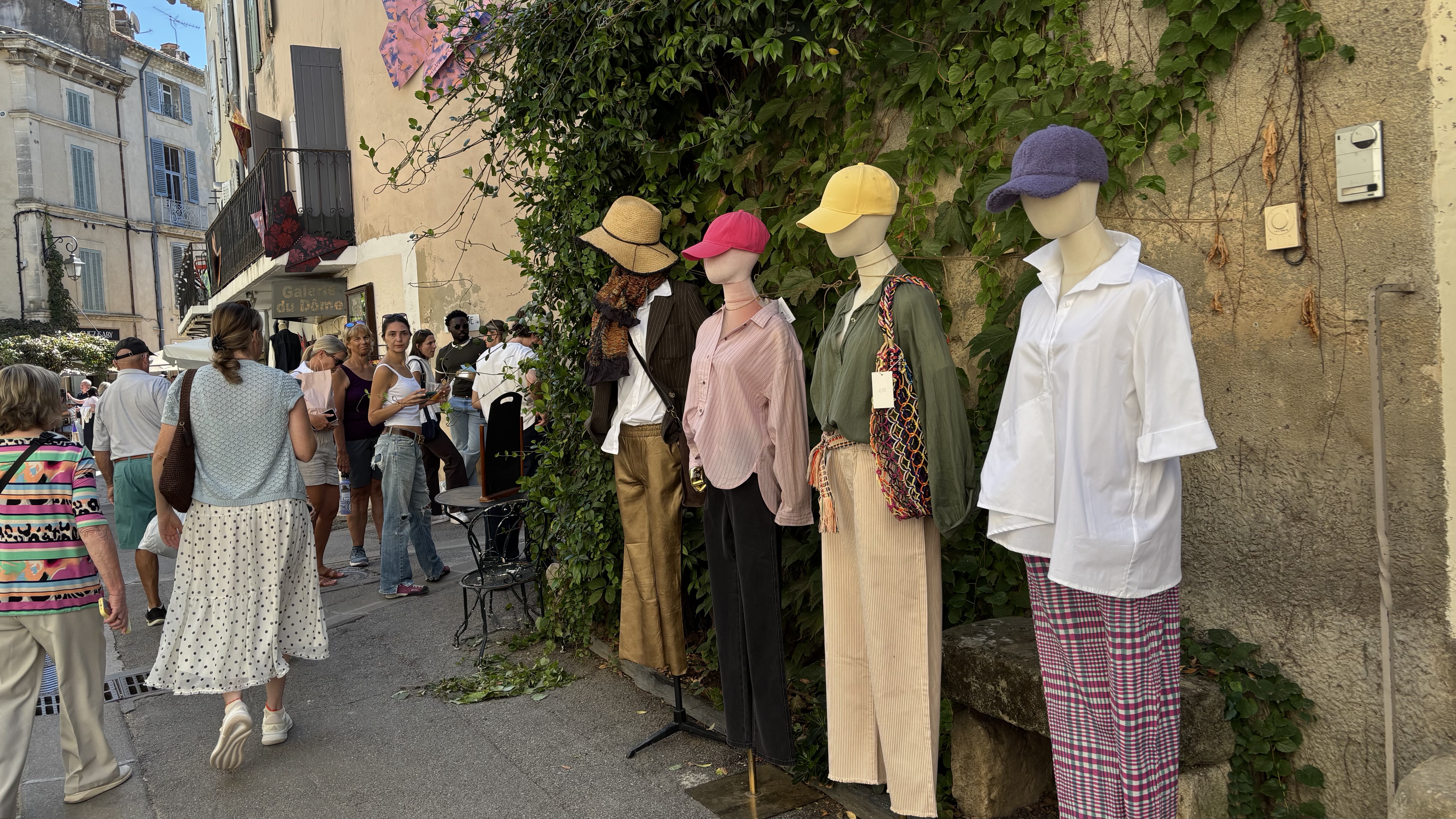
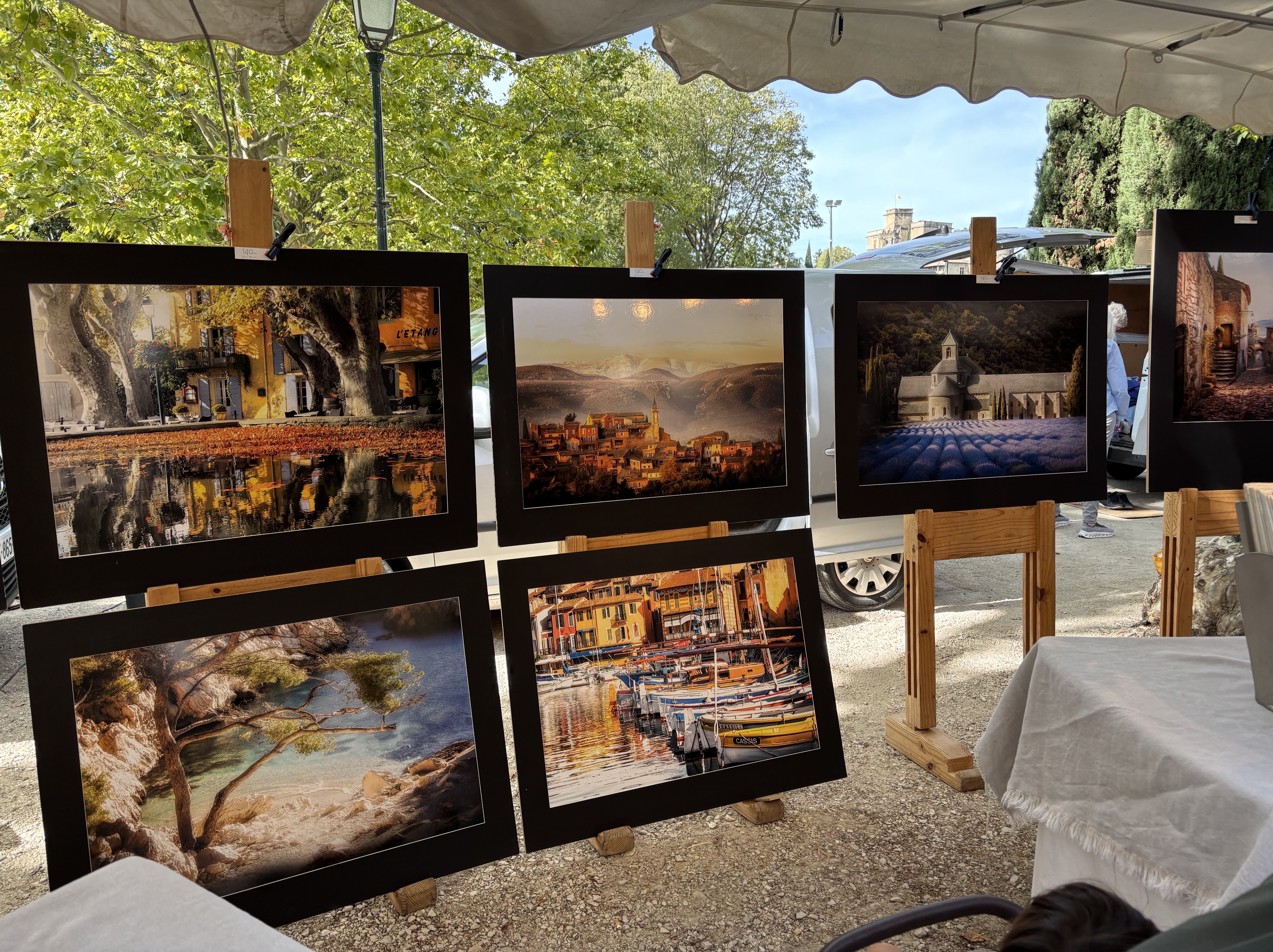
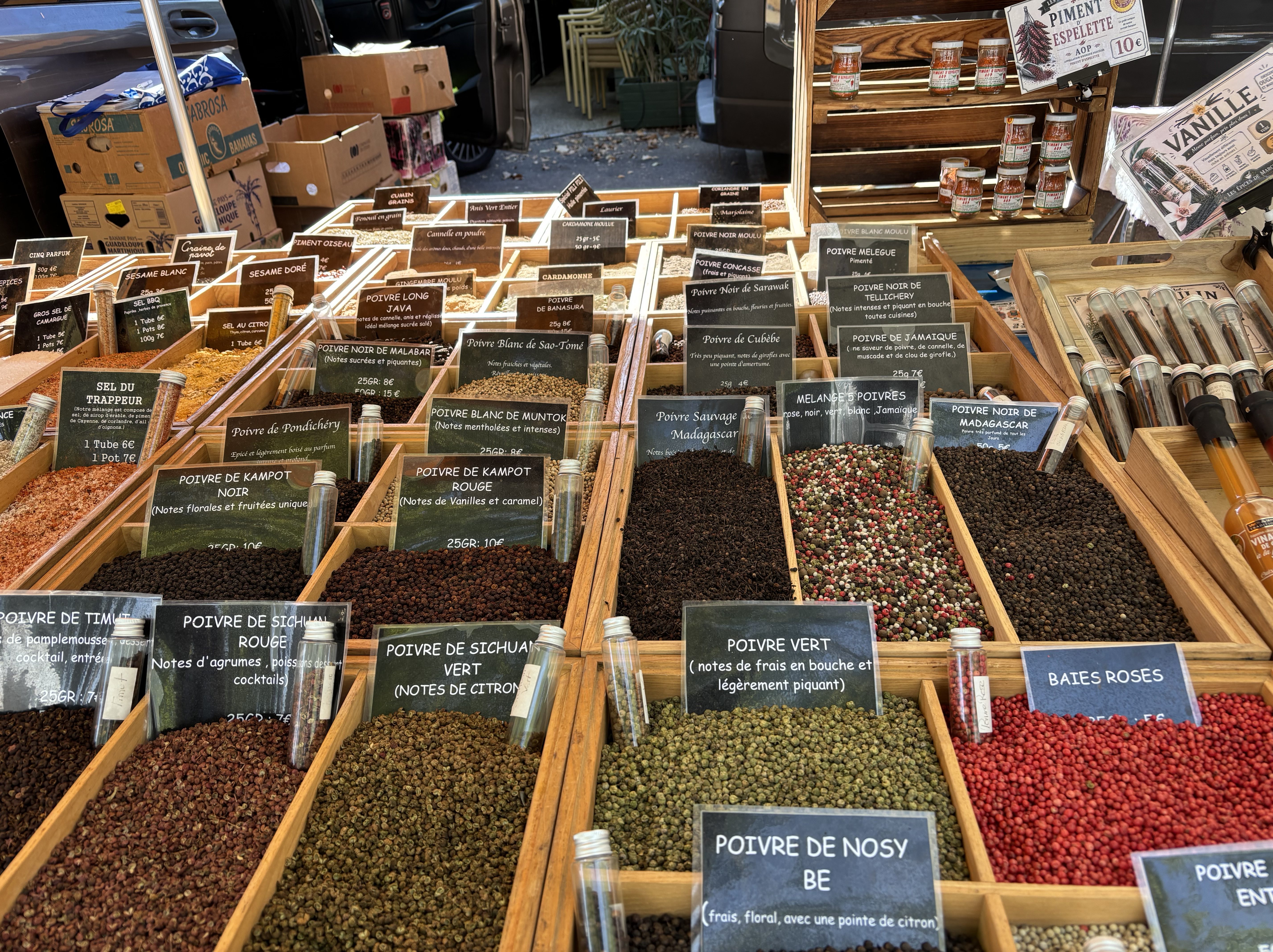
This vibrant event takes over the whole of the centre of the village, enhanced by views of the Luberon landscape. An avalanche of white-umbrellered vans & stalls cascade into the tripod of narrow, mainline streets, setting out bright, colourful displays of wares & produce. A bustle of well-groomed, well-attired, well-heeled, generally well-to-do, clientele, locals & visitors alike, circulate at a leisurely pace, no ‘brisk’ walking here! At different times, the tables crowd up for coffee or lunch. Bottles & glistening glasses of rosé & white clutter the tops as the beautiful people share their baskets, their anecdotes & their gossip. Friends & neighbours meeting up or just the desire to be seen?
At the other extreme is the historic hamlet of Saint Julien. A tiny settlement on the other side of the river, perched on an isolated knoll overlooking rocky plateaus, lavender fields, vineyards & the Verdon River. This place was built for the working man.
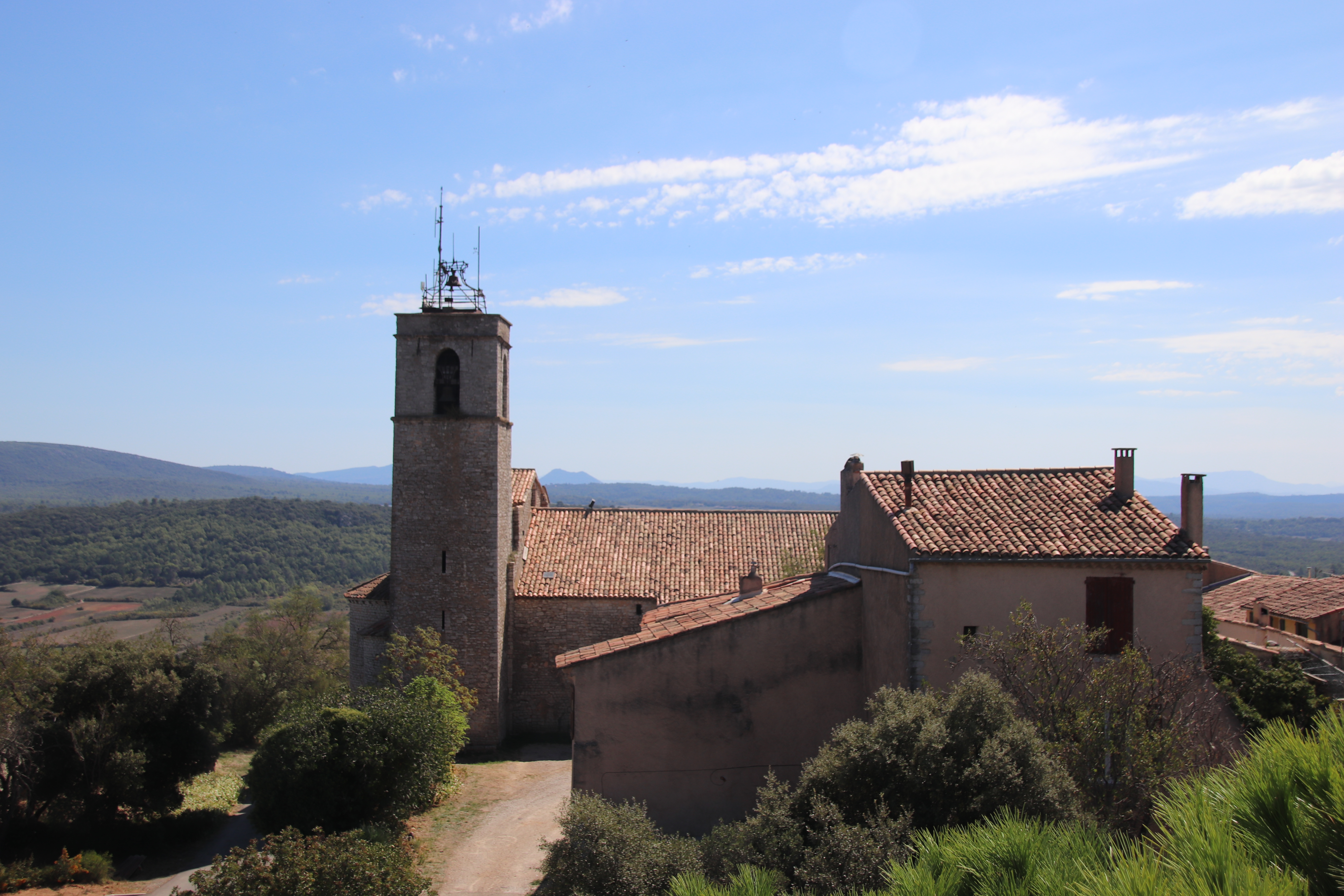
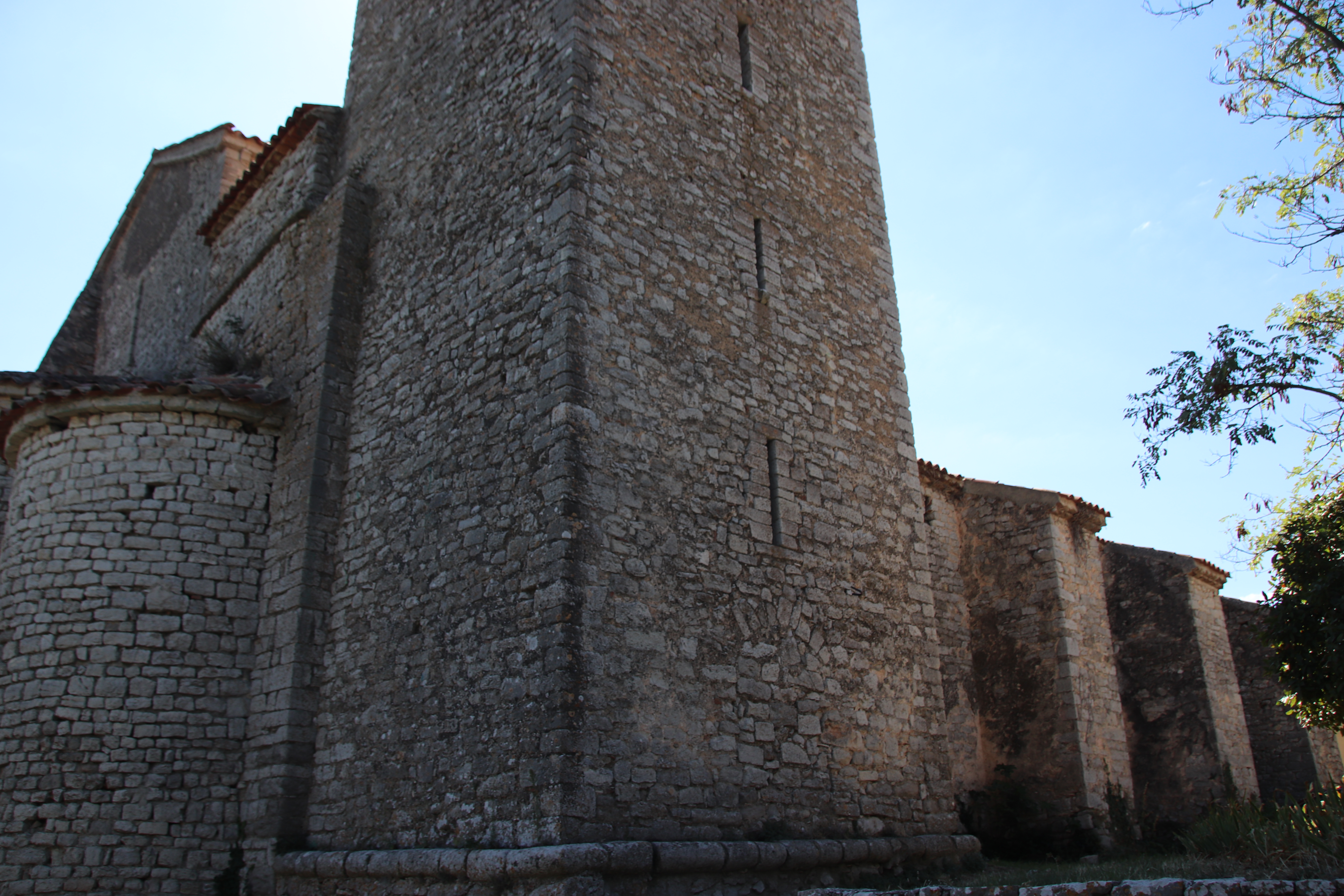
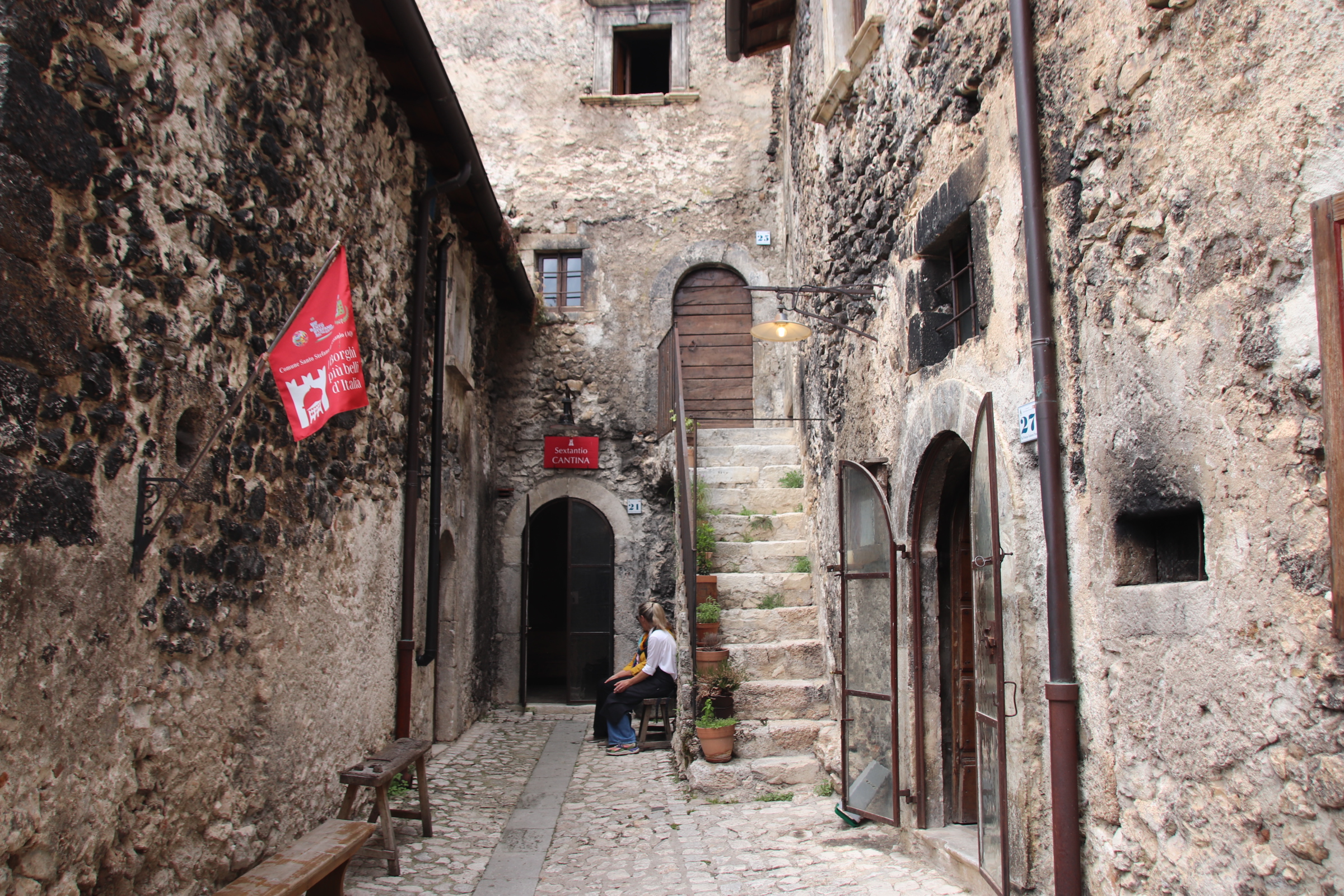
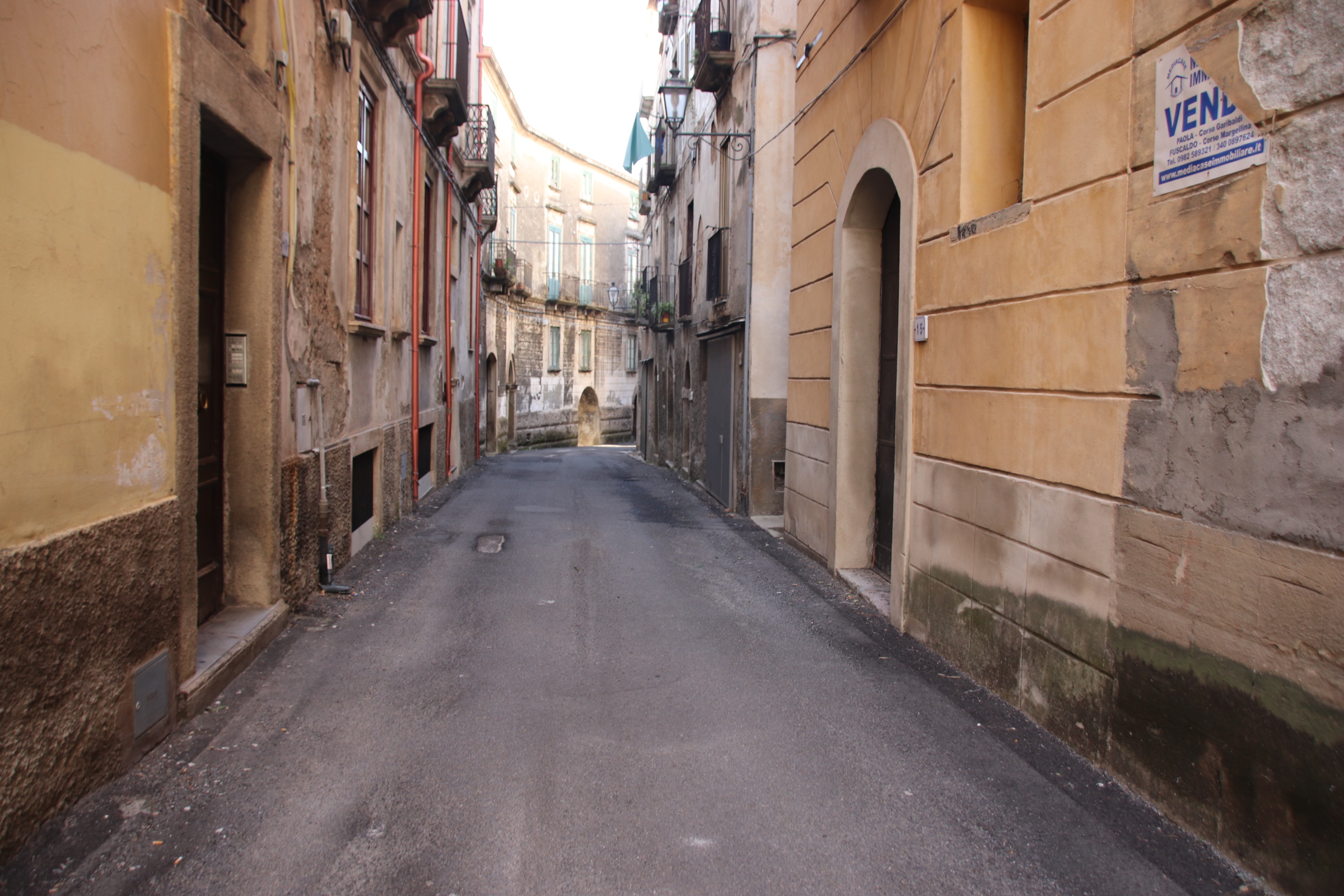
Once through the medieval ramparts, the streets are cramped & tight. There is little evidence of anyone living here other than the occasional parked car. Having negotiated a route through the donkey-sized, narrow, stone lanes to the other end of the village, the 12th century Church of Saint Julien & Sainte Trinité awaits. Built in the late 11th/early 12th century on foundations that included elements of a 6th century sanctuary, side aisles were added between the 13th & 15th centuries. The current bell tower was built at the beginning of the 18th century, as evidenced by more levelled stone work.
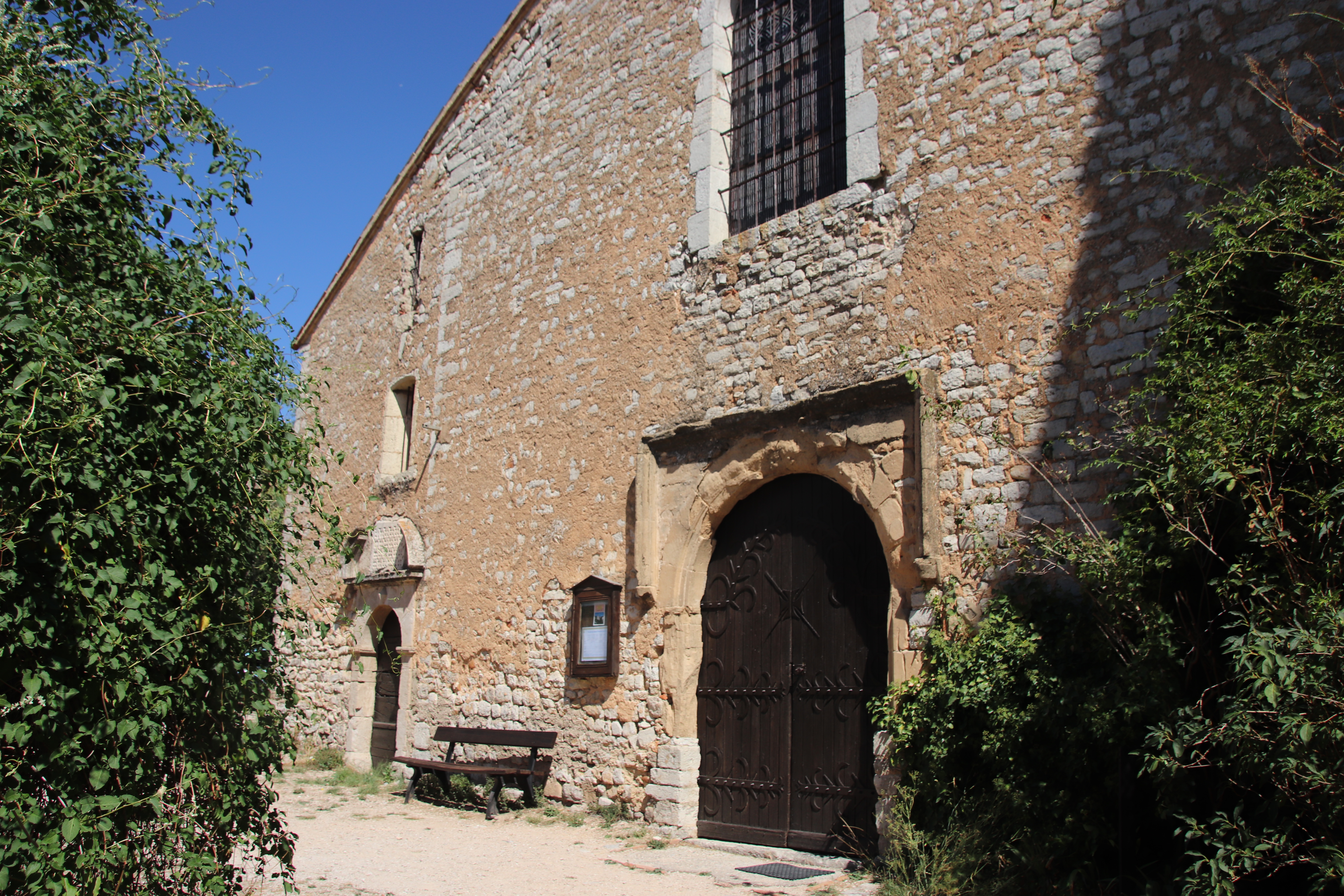
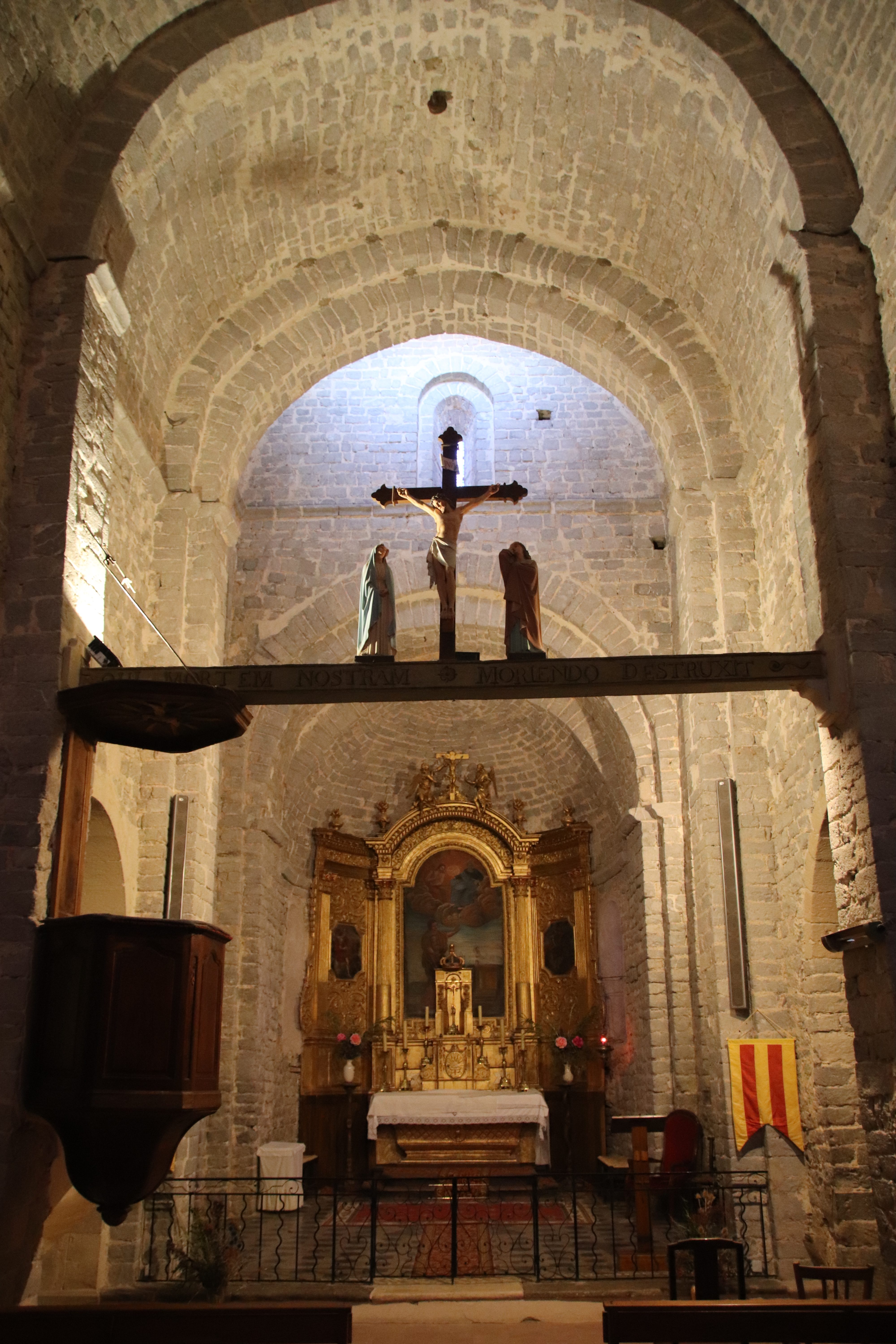
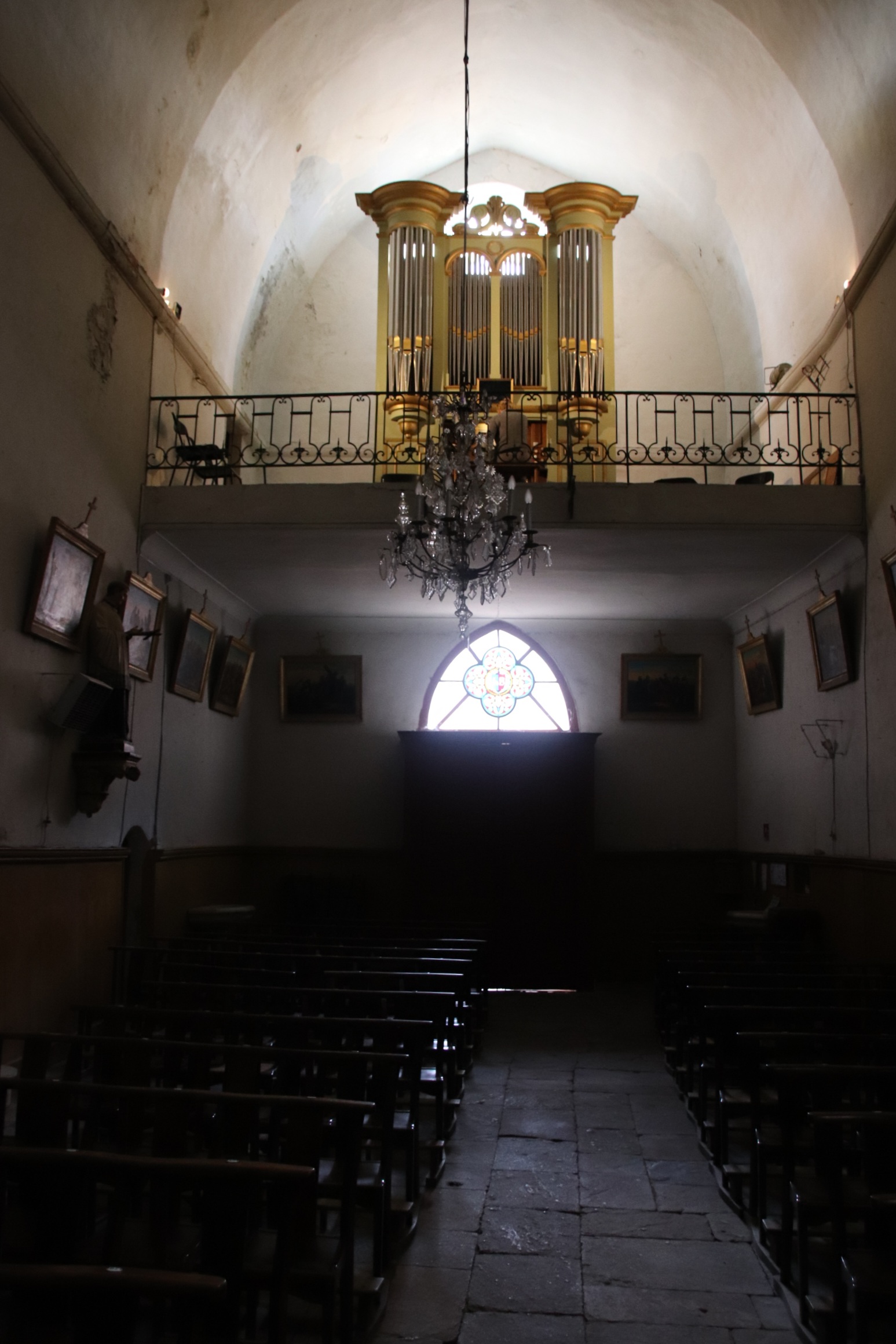
The ancient doors to this Romanesque church open on metal sliding tracks. With squeaks & scratches, the internal door also opens inwards and closes behind with a slight shudder. Pitch black, and I mean black! With a dull clunk, the slightest movement prompts a single, dim, automatic light to flood the chancel with a gentle glow. The full timelessness of the past can be felt. The hopes & fears of a poor, working community, the awareness of deity & devils, trials & tribulations spreads from the darkness of pre-medieval times. Life or death scenarios permeate the walls & the pews – crop failure, the weather, floods, frosts, drought, the harvest?
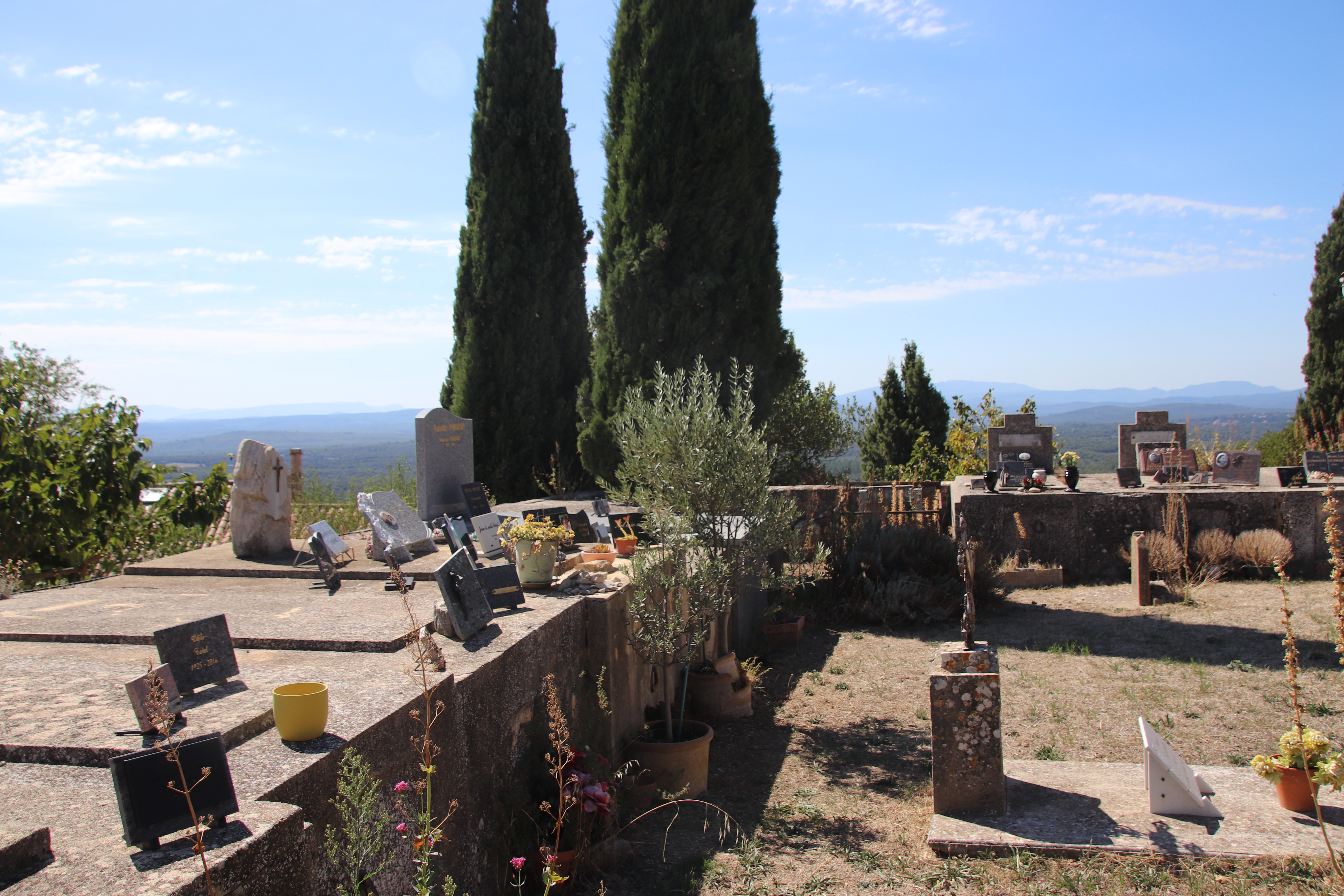
Outside, the graveyard could be a scene from some horror movie. Set within an ancient stone wall, dusty family crypts, rusting metal-worked crucifixes, centuries-old stones decorated with details of loved ones & the occasional faded photo, a stack of ancient headstones that have lost ownership to any particular piece of ground, & a plaque remembering all those who fell in the Great War (the names of every young man who lived in the village at the time must be written here); all could easily reveal ancient relatives in some ghoulish enactment of past lives.
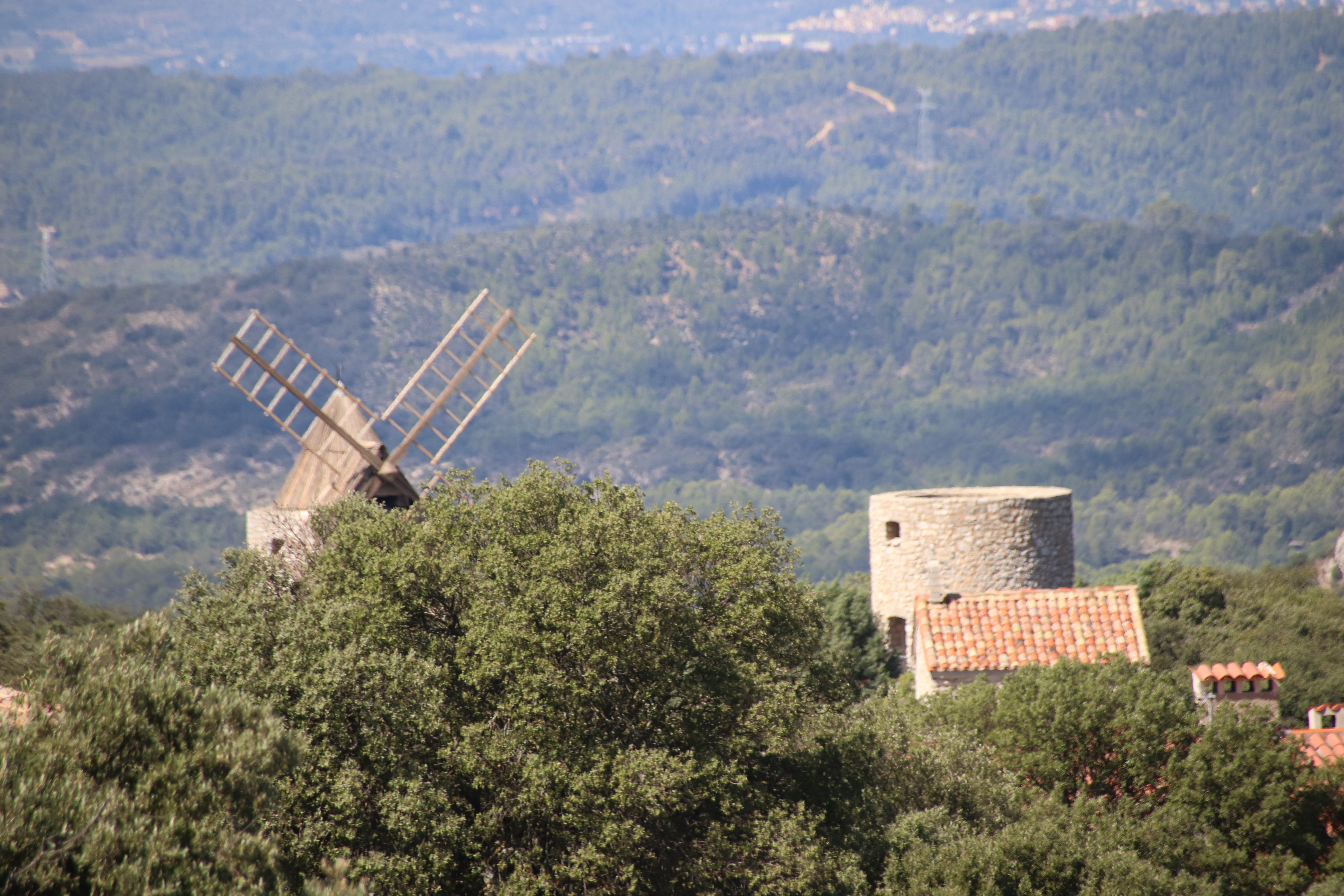
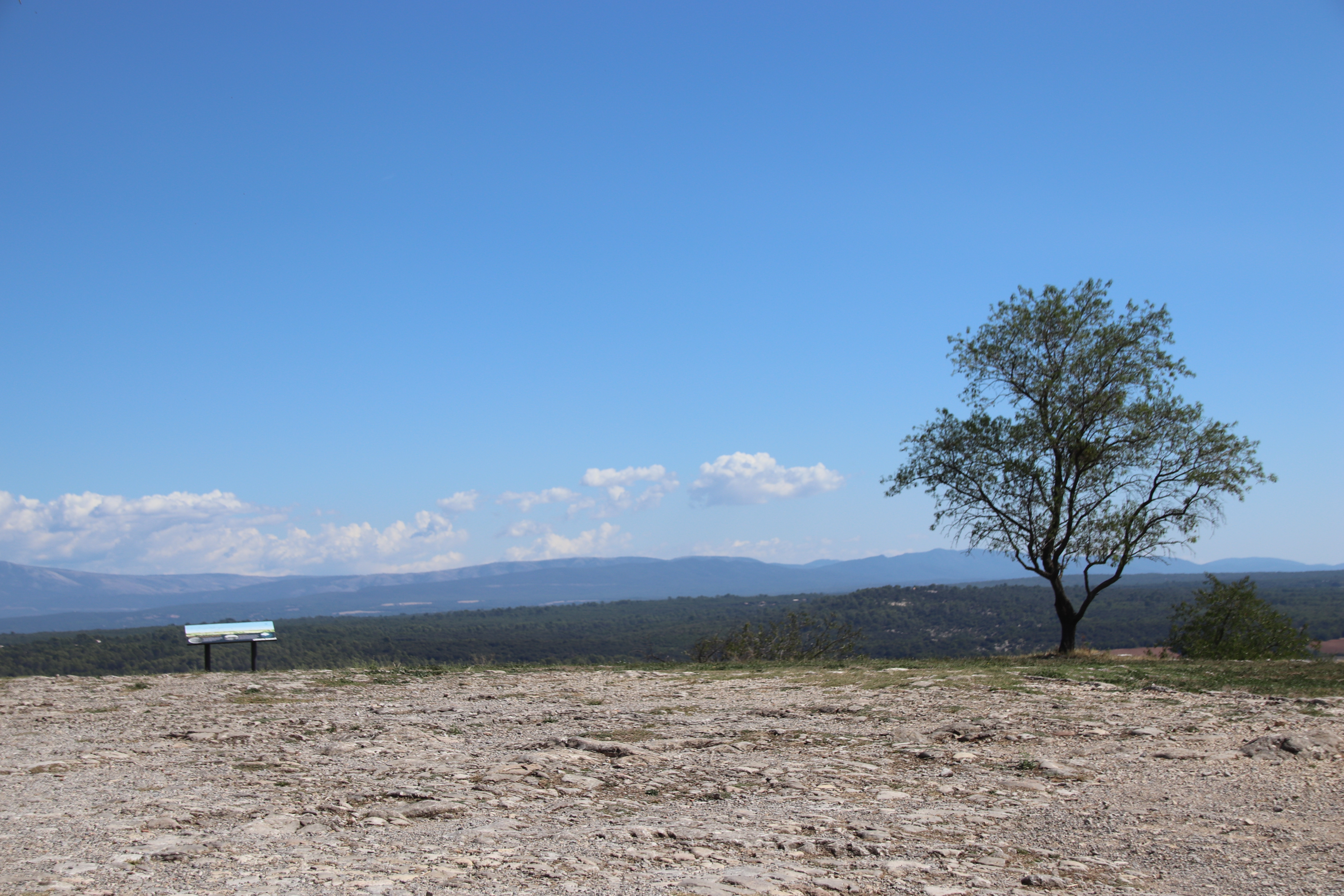
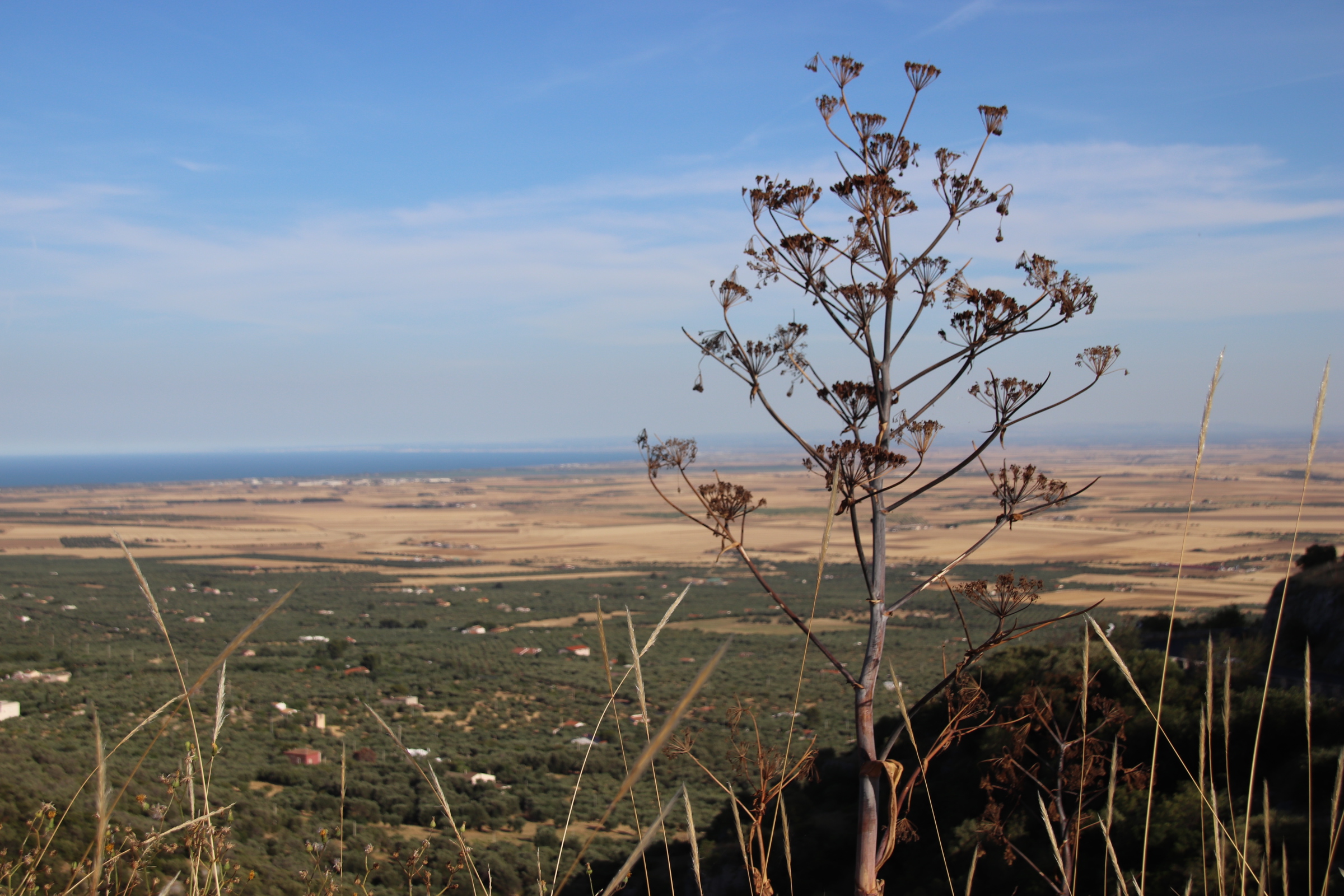
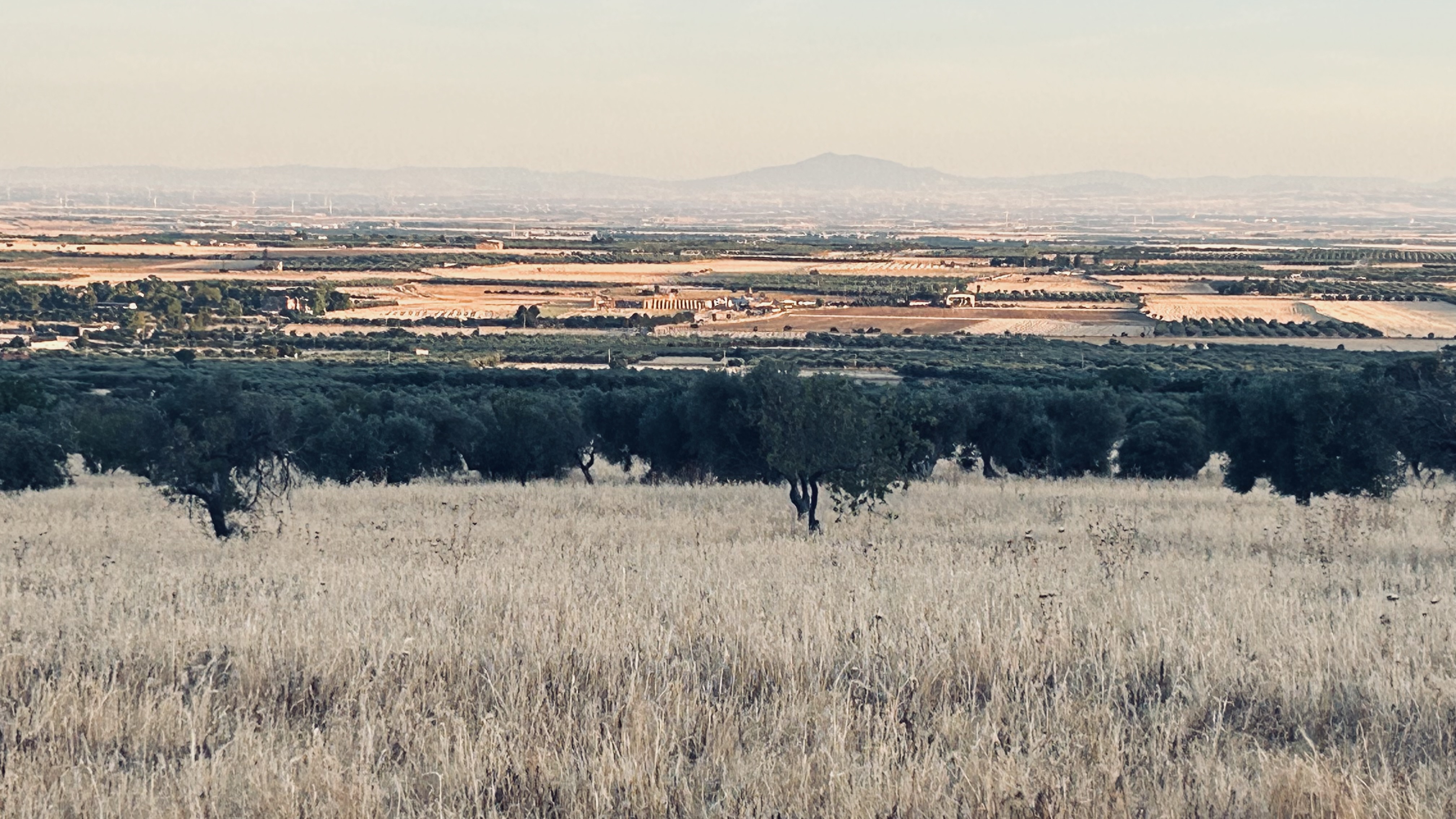
Across to the edge of the flat limestone plateau, a single tree & a map stand set a watch over the distant ridges of the Verdon. More detail can be seen from the top of the water tower. These also include tops of hamlets windmill & another smaller chapel.
So, you pays your money & takes your choice. Me – I’ll take both. Together, they complete the wonderful picture of Provence.












You must be logged in to post a comment.