Lourmarin & Saint Julien – two sides of Provence

Two villages, one largish, one smallish, Lourmarin, St Julien, each at either end of the Provençal spectrum, yet each encapsulates the region’s special character in their own special way. One, the former, sports a very impressive chateau, wonderfully elegant, pale-stone homes/buildings suitable for the wealthy classes & maintained to a high degree with statues & ornate squares & courtyards, reflecting affluence & riches.

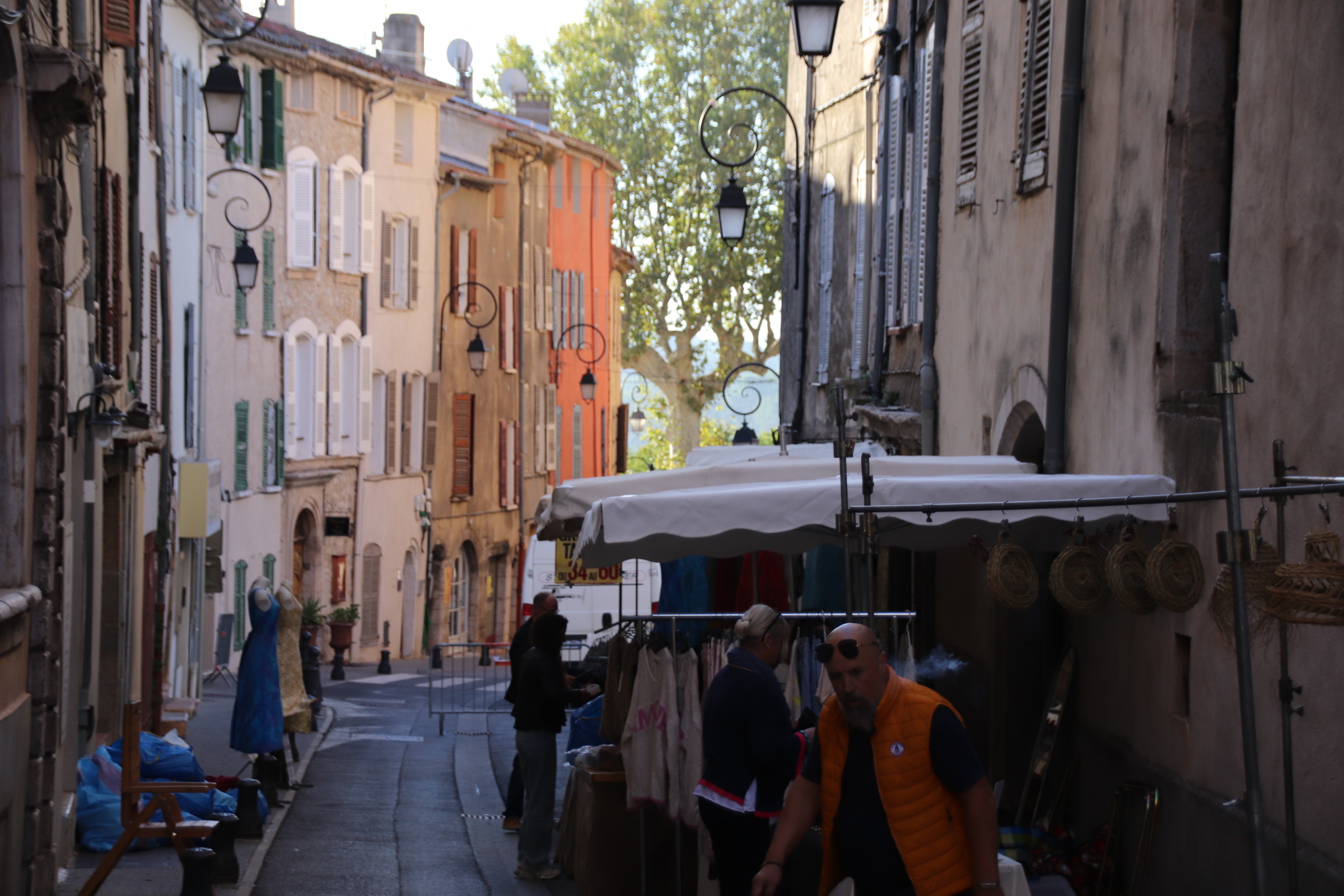
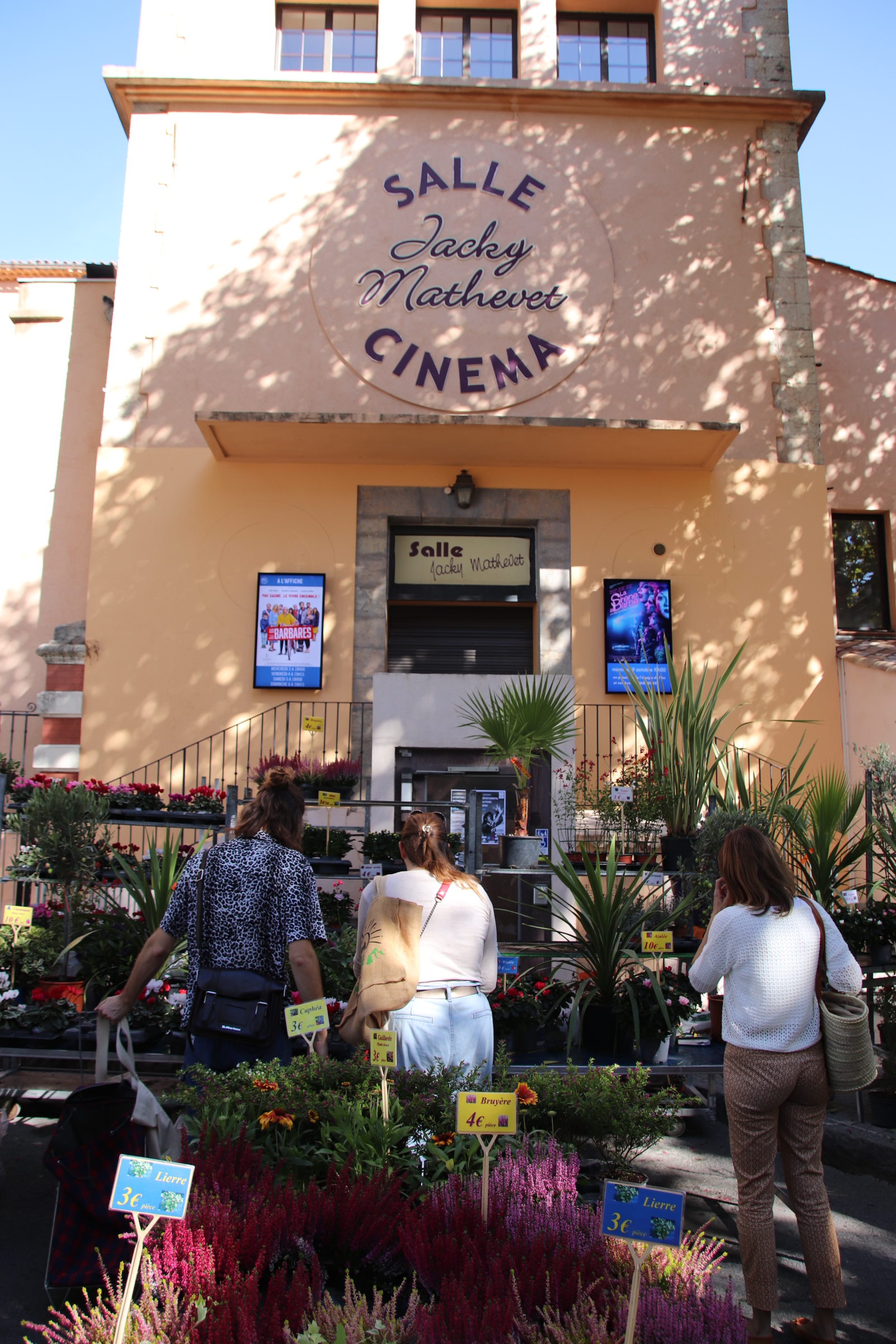
Unlike typical, perched villages in Provence, Lourmarin sits not a hilltop, but in a valley at the foot of the Luberon mountains,  overlooked by the aforementioned chateau. Famous for its winding cobblestone streets & alleys, lively cafes & wine bars, restaurants, galleries, exhibitions, & high-end boutiques, every Friday it holds a open-air market.

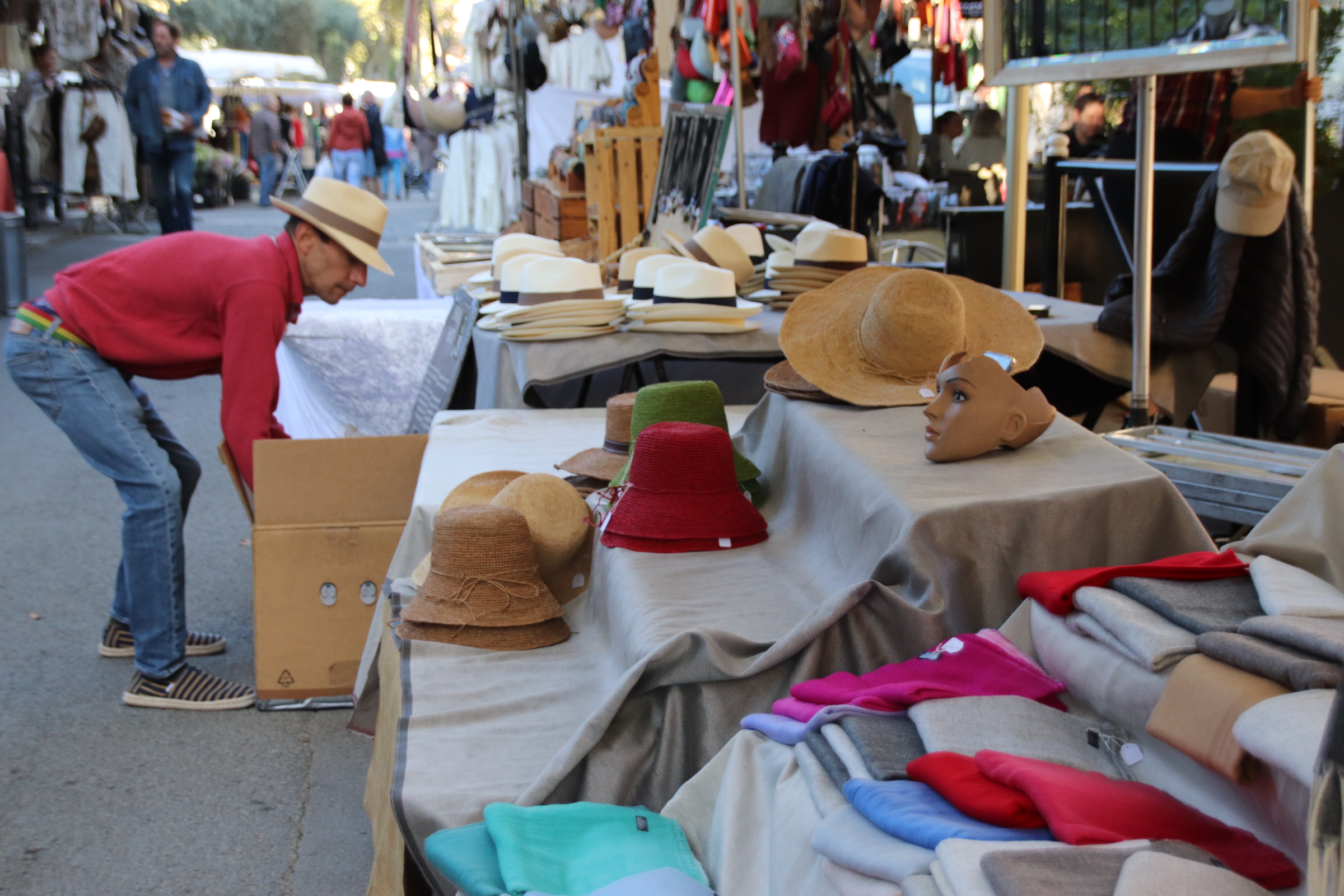
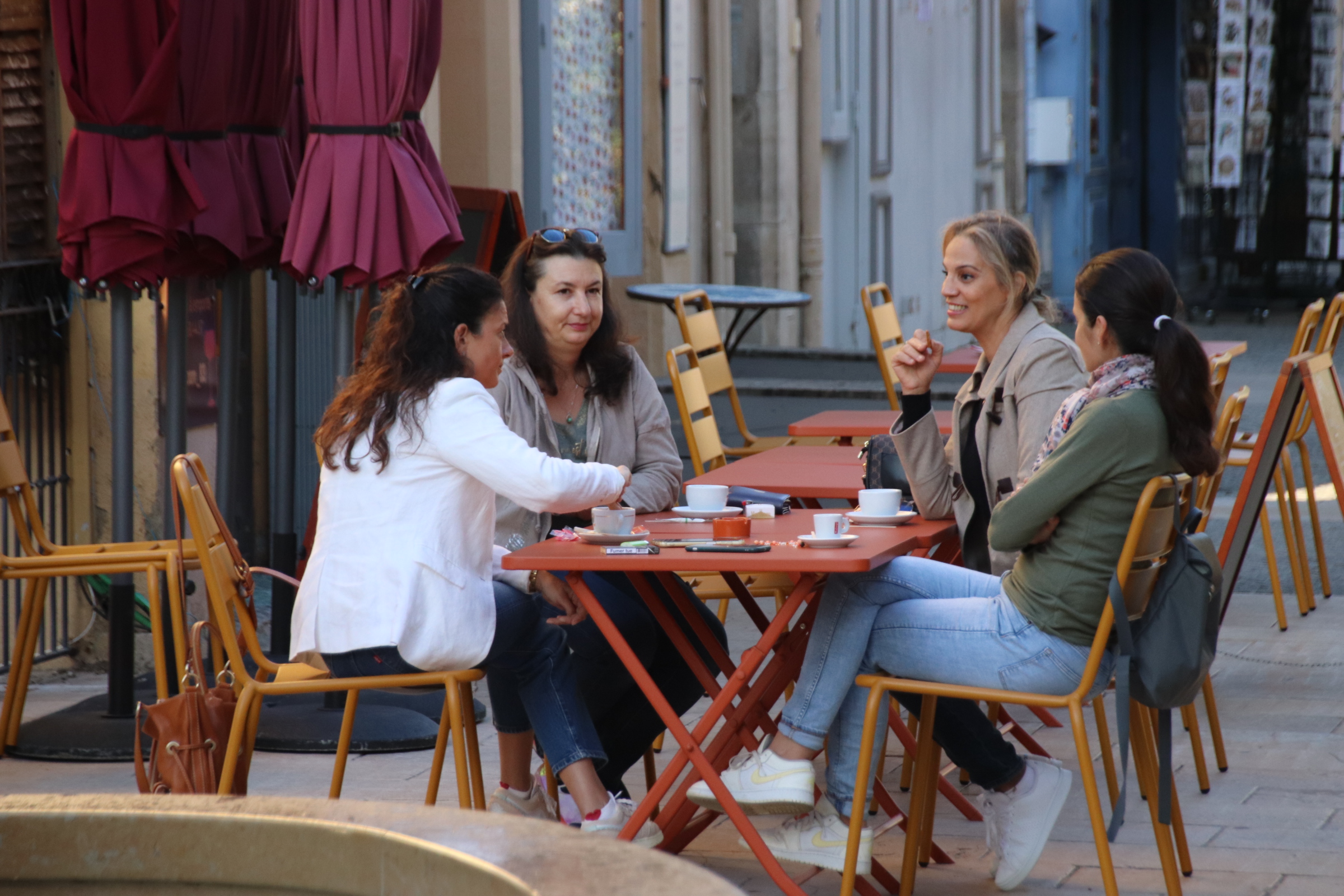
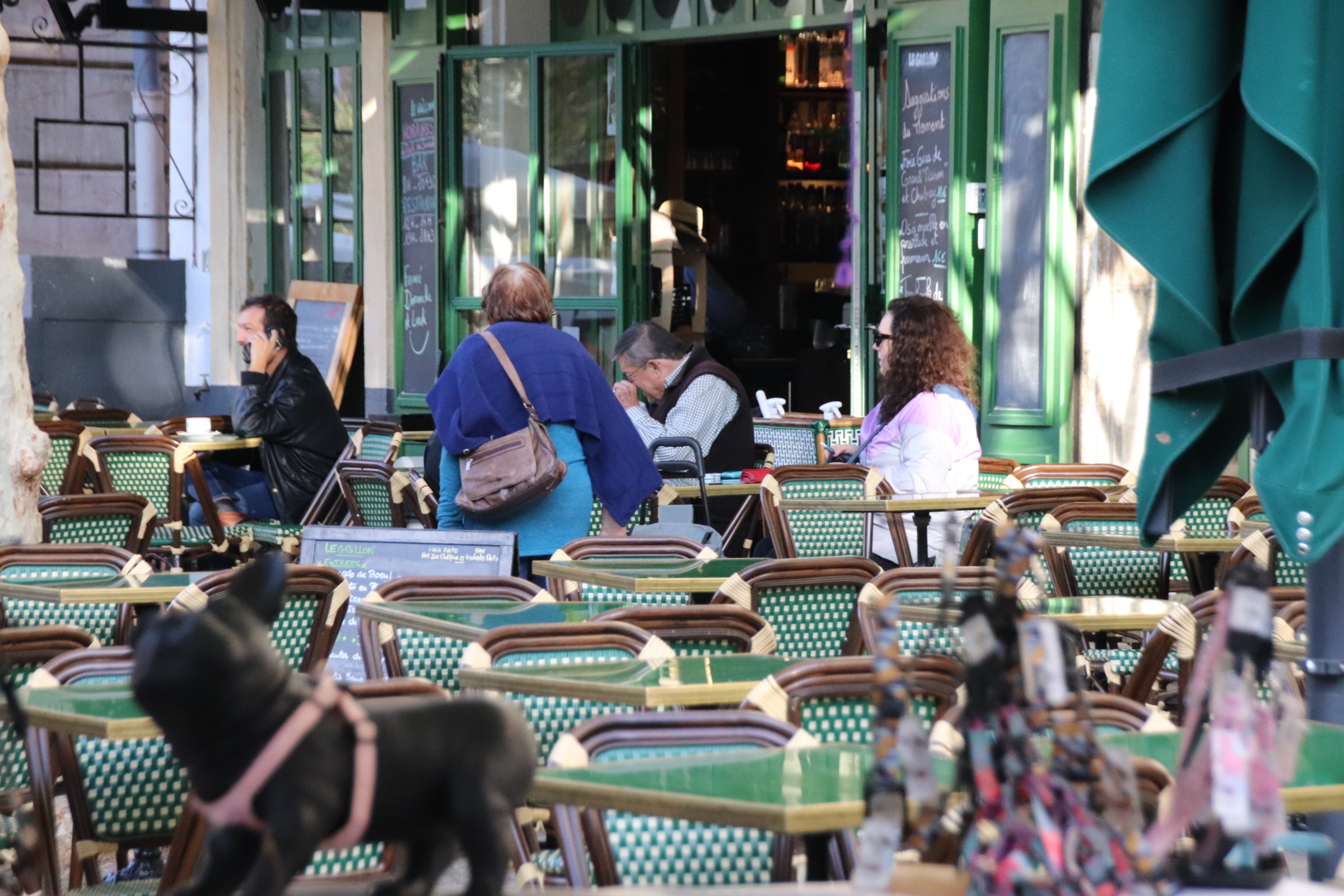
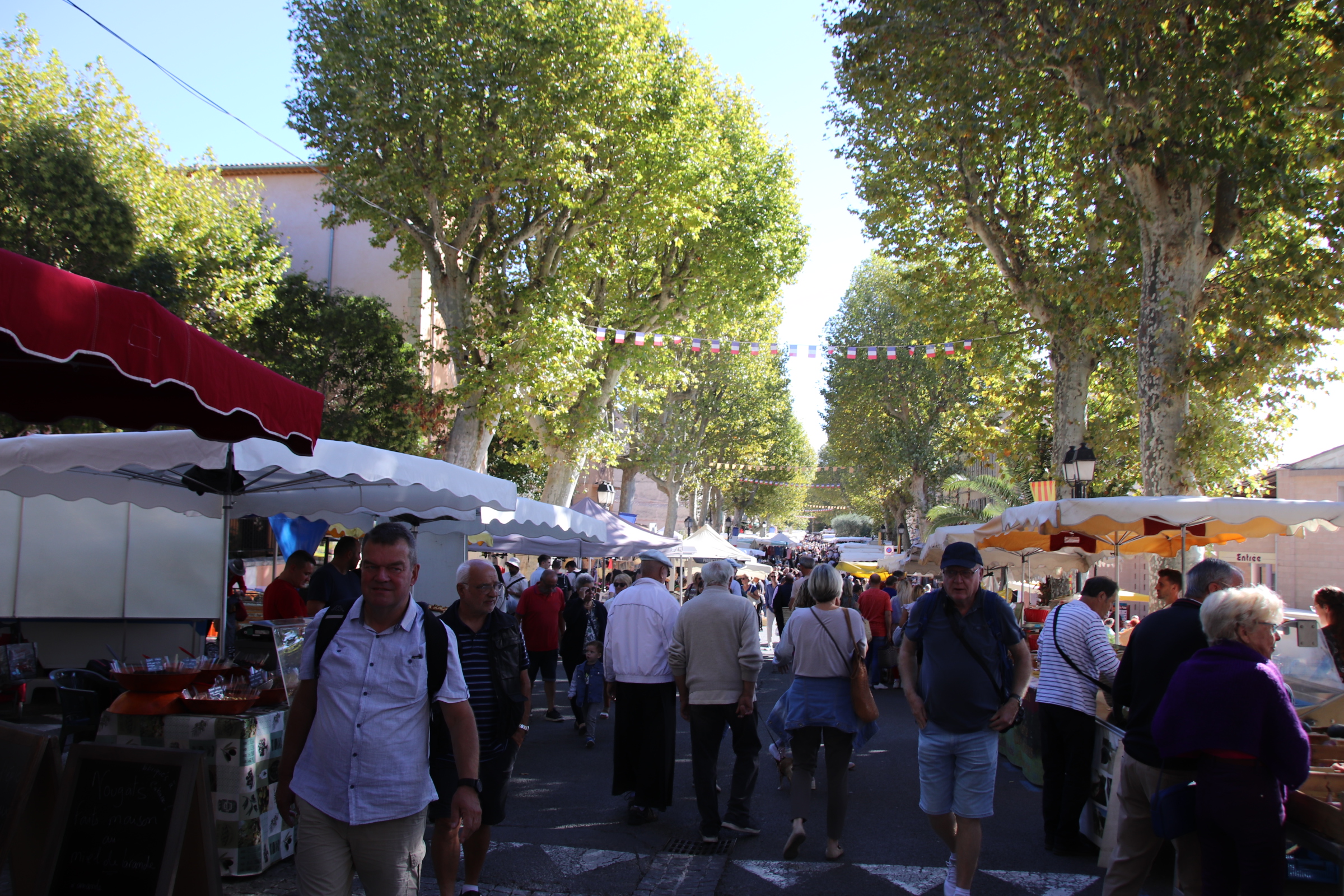
This vibrant event takes over the whole of the centre of the village, enhanced by views of the Luberon landscape. An avalanche of white-umbrellered vans & stalls cascade into the tripod of narrow, mainline streets, setting out bright, colourful displays of wares & produce. A bustle of well-groomed, well-attired, well-heeled, generally well-to-do, clientele, locals & visitors alike, circulate at a leisurely pace, no ‘brisk’ walking here! At different times, the tables crowd up for coffee or lunch. Bottles & glistening glasses of rosé & white clutter the tops as the beautiful people share their baskets, their anecdotes & their gossip. Friends & neighbours meeting up or just the desire to be seen?

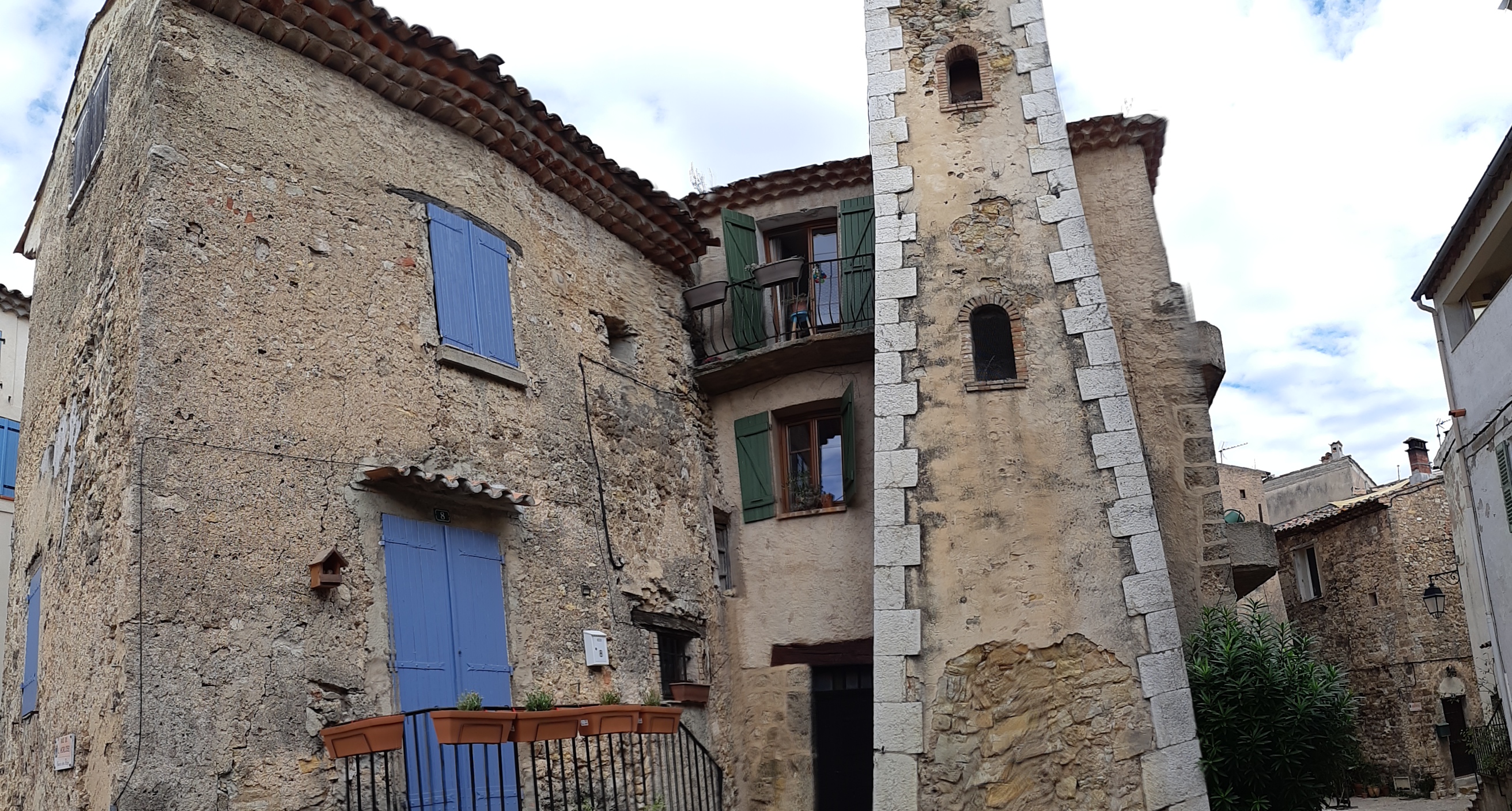
At the other extreme is the historic hamlet of Saint Julien. A tiny settlement on the other side of the river, perched on an isolated knoll overlooking rocky plateaus, lavender fields, vineyards & the Verdon River. This place was built for the working man.

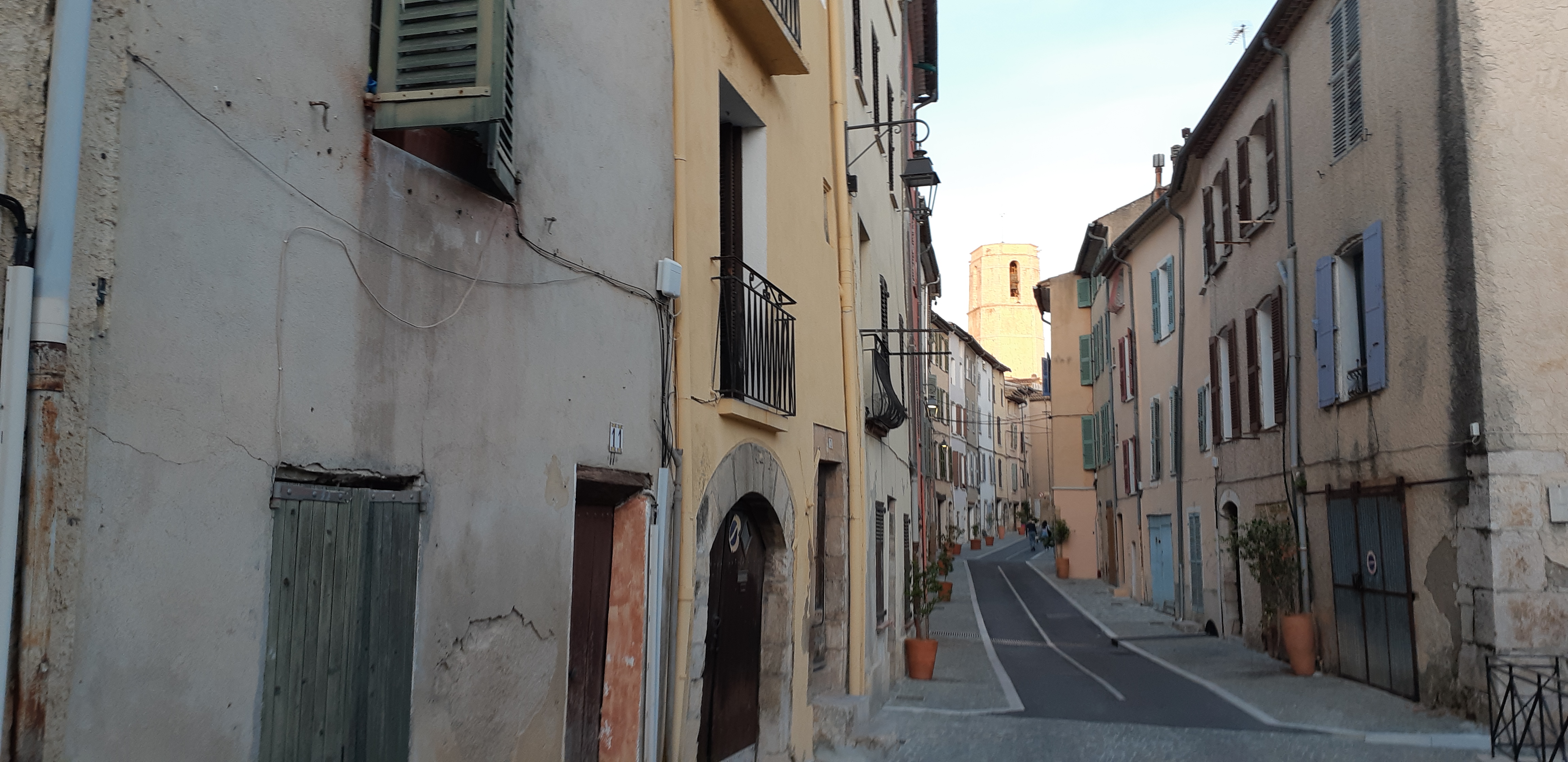
Once through the medieval ramparts, the streets are cramped & tight. There is little evidence of anyone living here other than the occasional parked car. Having negotiated a route through the donkey-sized, narrow, stone lanes to the other end of the village, the 12th century Church of Saint Julien & Sainte Trinité awaits. Built in the late 11th/early 12th century on foundations that included elements of a 6th century sanctuary, side aisles were added between the 13th & 15th centuries. The current bell tower was built at the beginning of the 18th century, as evidenced by more levelled stone work.

The ancient doors to this Romanesque church open on metal sliding tracks. With squeaks & scratches, the internal door also opens inwards and closes behind with a slight shudder. Pitch black, and I mean black! With a dull clunk, the slightest movement prompts a single, dim, automatic light to flood the chancel with a gentle glow. The full timelessness of the past can be felt. The hopes & fears of a poor, working community, the awareness of deity & devils, trials & tribulations spreads from the darkness of pre-medieval times. Life or death scenarios permeate the walls & the pews – crop failure, the weather, floods, frosts, drought, the harvest?

Outside, the graveyard could be a scene from some horror movie. Set within an ancient stone wall, dusty family crypts, rusting metal-worked crucifixes, centuries-old stones decorated with details of loved ones & the occasional faded photo, a stack of ancient headstones that have lost ownership to any particular piece of ground, & a plaque remembering all those who fell in the Great War (the names of every young man who lived in the village at the time must be written here); all could easily reveal ancient relatives in some ghoulish enactment of past lives.

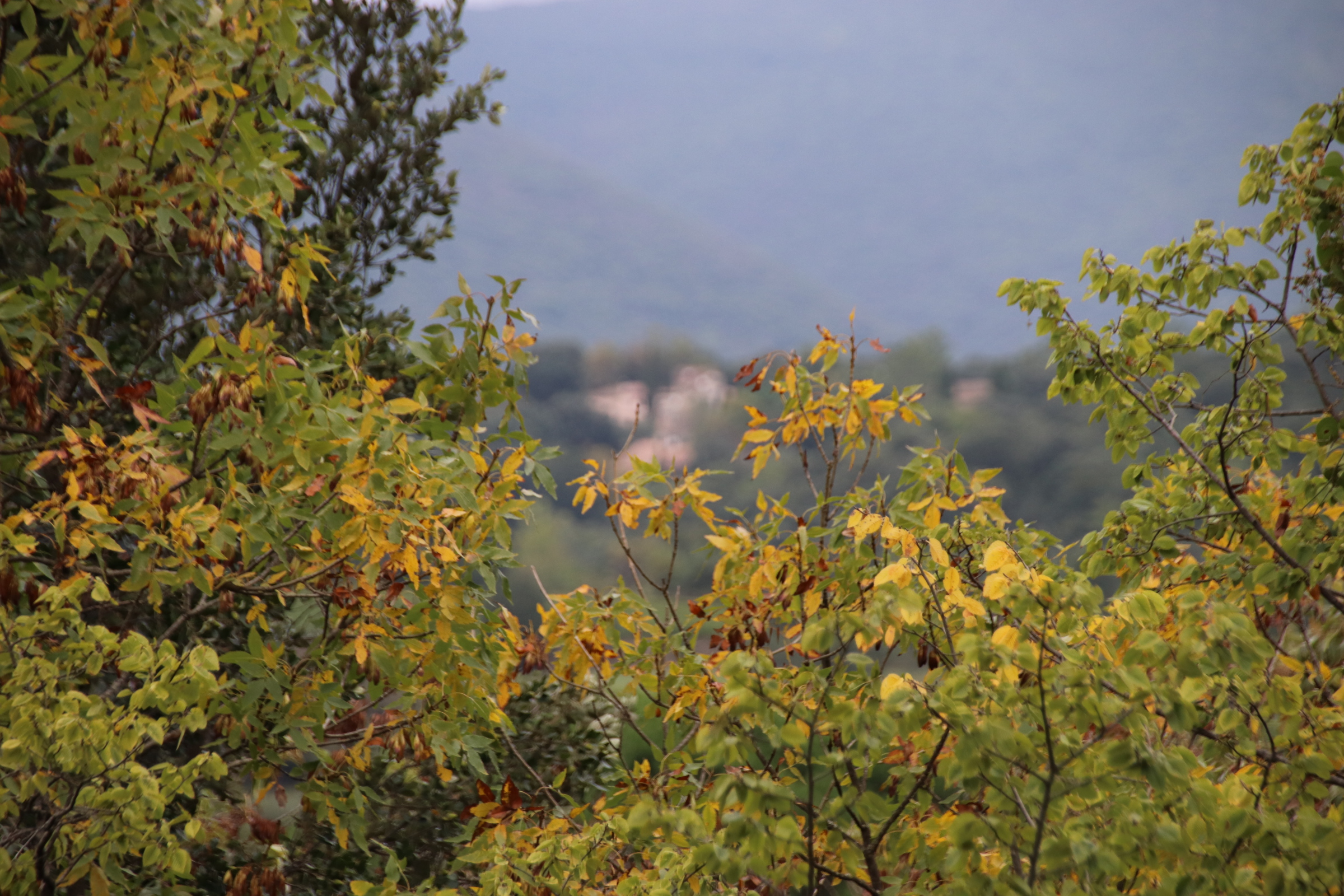
Across to the edge of the flat limestone plateau, a single tree & a map stand set a watch over the distant ridges of the Verdon. More detail can be seen from the top of the water tower. These also include tops of hamlets windmill & another smaller chapel.

So, you pays your money & takes your choice. Me – I’ll take both. Together, they complete the wonderful picture of Provence.

Delving deep into the Luberon

The Luberon is a massive, mountain massif in central Provence, famous for historic hilltop villages, lavender fields and bountiful vineyards. The River Durance flows along the edge and it is an easy drive into this low limestone mountain range that stretches for 60 km from west to east, reaching a maximum elevation of 1,256 metres. It is recognised for its rich diversity & striking landscapes. The region is famous for the production of wine, of course, olive oil, cherries, truffles, & lavender. Every hilltop seems to have an iconic, medieval, cliffside settlement perched on the top, almost beckoning the visitor in.

Over several days we explored this picturesque area, gasping at the mountain layers, appreciating the thrills of mountain road climbing & the adrenaline-induced, motorised spirals of valleys & ravines. We sampled the typical Provençal settlements, falling in love with some, feeling the atmosphere, absorbing the feel of ancient stones. We felt the history as we passed large mixed forests, harvested farmland, rows of vines & olives with barns & huts in various states of ruin or readiness, preparing for this year’s harvest. Vast, wine estates, their pristine, stoned production facilities & barrel cellars reflecting the gold Provençal sun & guarded by pillars of dark green Cypress, seem overly prepared with crates lined out over the ground at the head of each line of vines & large amounts of machinery waiting in the wings.

The historic hilltop village of Ansouis is the first on our list, one reason being the presence of a weekly market – always up for a market! The village is typically Provençal, perched on a rocky hill around an ancient church & a majestic chateau. The latter was originally built in the 9th century and is still inhabited. Many of these medieval buildings house galleries & studios & exhibitions, even concerts & operas.

Having climbed the short walk up to the centre, we established the market was over the peak & down the far side at the bottom of the hill. Remembering we had to walk back up the hill, we trudged down to find three stalls selling meat, fruit/veg & cheese – just not worth the effort,

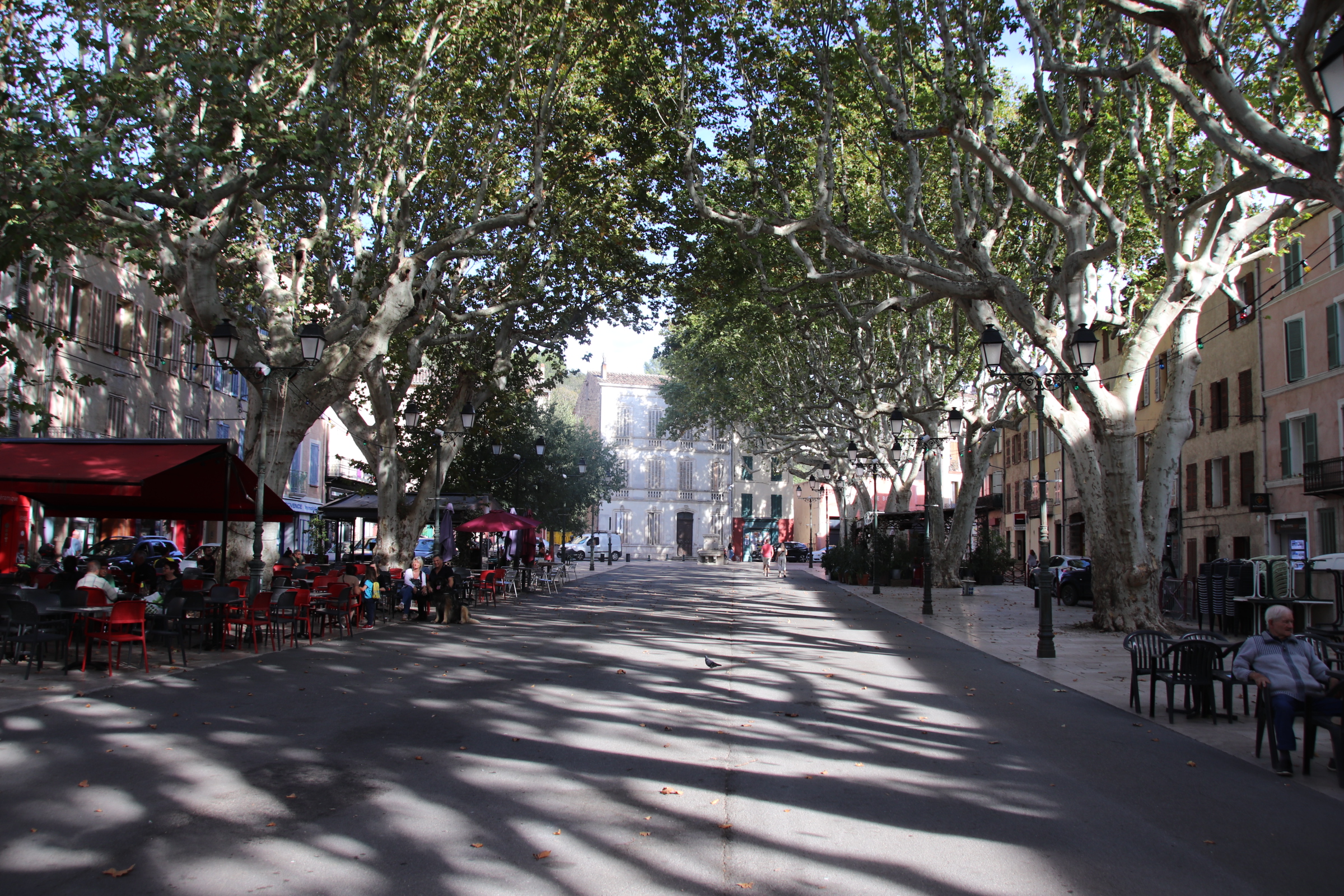
A few km further on lies Cucuron, another really attractive, quiet medieval town. Giant, 200-year-old plane trees surround The Bassin, a large rectangular pond within the centre of the Main square, & provide shade for village activities, the weekly Tuesday market & the many outdoor cafes that lie around the edge.

Within the walls of the Old Town, narrow, stone-paved streets wind up to the church and an old castle. Dotted amongst the shuttered cottages that line the narrow cobbles are small, individual cafes & restaurants and craft shops & quality boutiques.

It is a ideal place to wander & absorb that Provençal atmosphere.

Apt is an important town for the region. Founded by the Romans it boasts several authentic ruins, As always, the Old Town consists of narrow, shady, medieval streets, public squares & historic fountains to cool us all down.

Lorgues’ Tuesday market – from dawn to dusk

Moving across Provence, over the Little Rhone and the (big) Rhone, we come to the Var departement above the Cote d’Axur. Here our base is the small market down of Lorgues. The land has changed as the kilometres rise. The dense mixed woodland covering the ridges & ravines now gives way to dry, craggy outcrops of rock and valley. The dominant flora is different species of pine, less dominant in height but equally impressive in terms of structure and shape. Mixed in are evergreen beech & oak with maples, chestnuts, ashes and olives. The land is flatter, more cultivated, with large château vineyards dropping off the sides of minor roads surrounding impressive signage of their bottled crop.

The layered ridges of the Cevennes away to the west still frame the vineyards of the Rhone. At Tourtour, almost a heartless facade for Hollywood rom-coms rather that a pastel painted, 13th-century settlement in a prime hilltop location, you can see over to the far horizon and count at least seven layers of receding interlacing ridges

Settlements are closer to each other and have a purpose. Yes, there’s a medieval core of narrow streets, recreational squares & plane trees & tall pastel-coloured buildings, but outside this there are manufacturing businesses, fabricators, proper activities. Traditional Provencal hexagonal tiles are made in factories throughout Salernes.
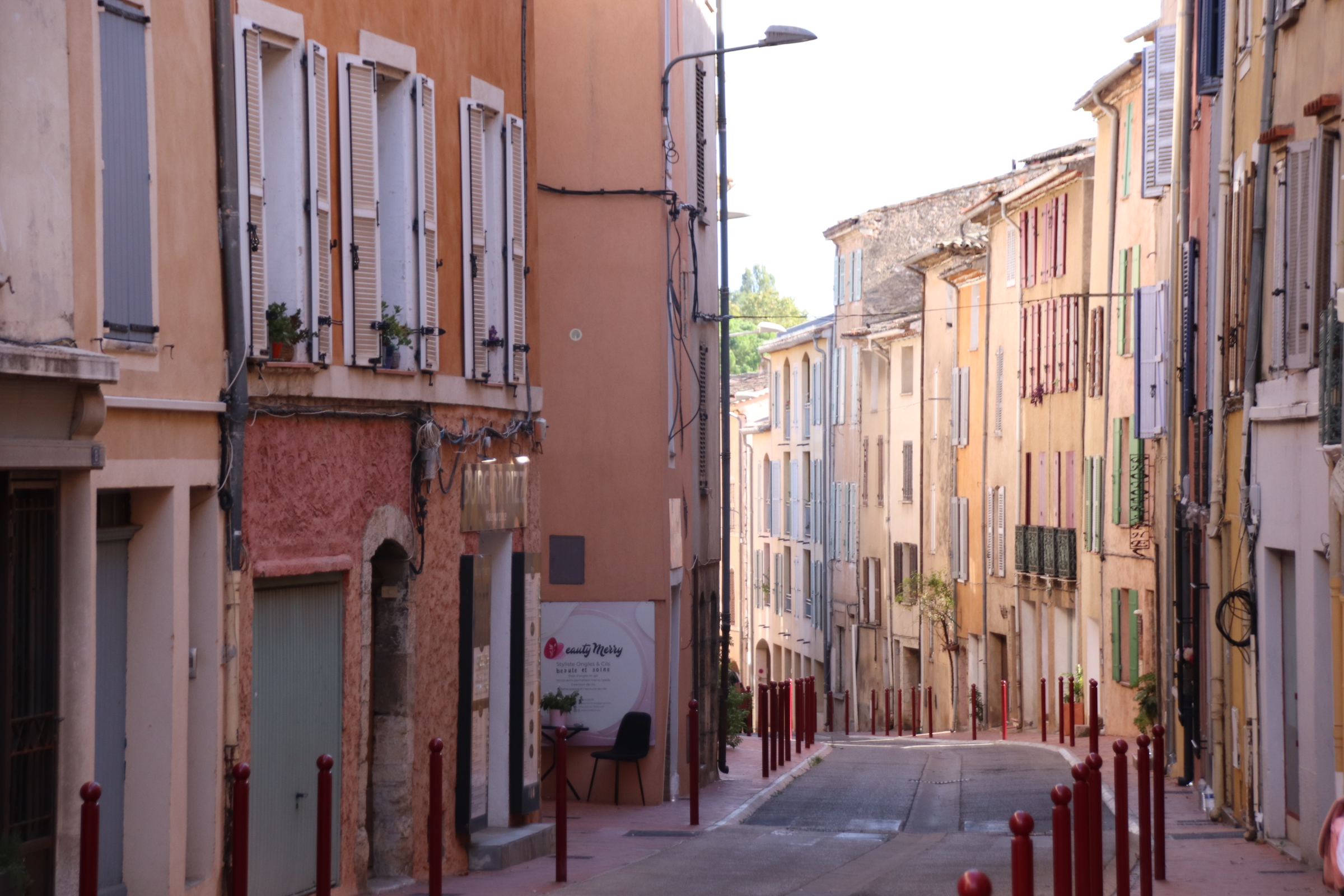
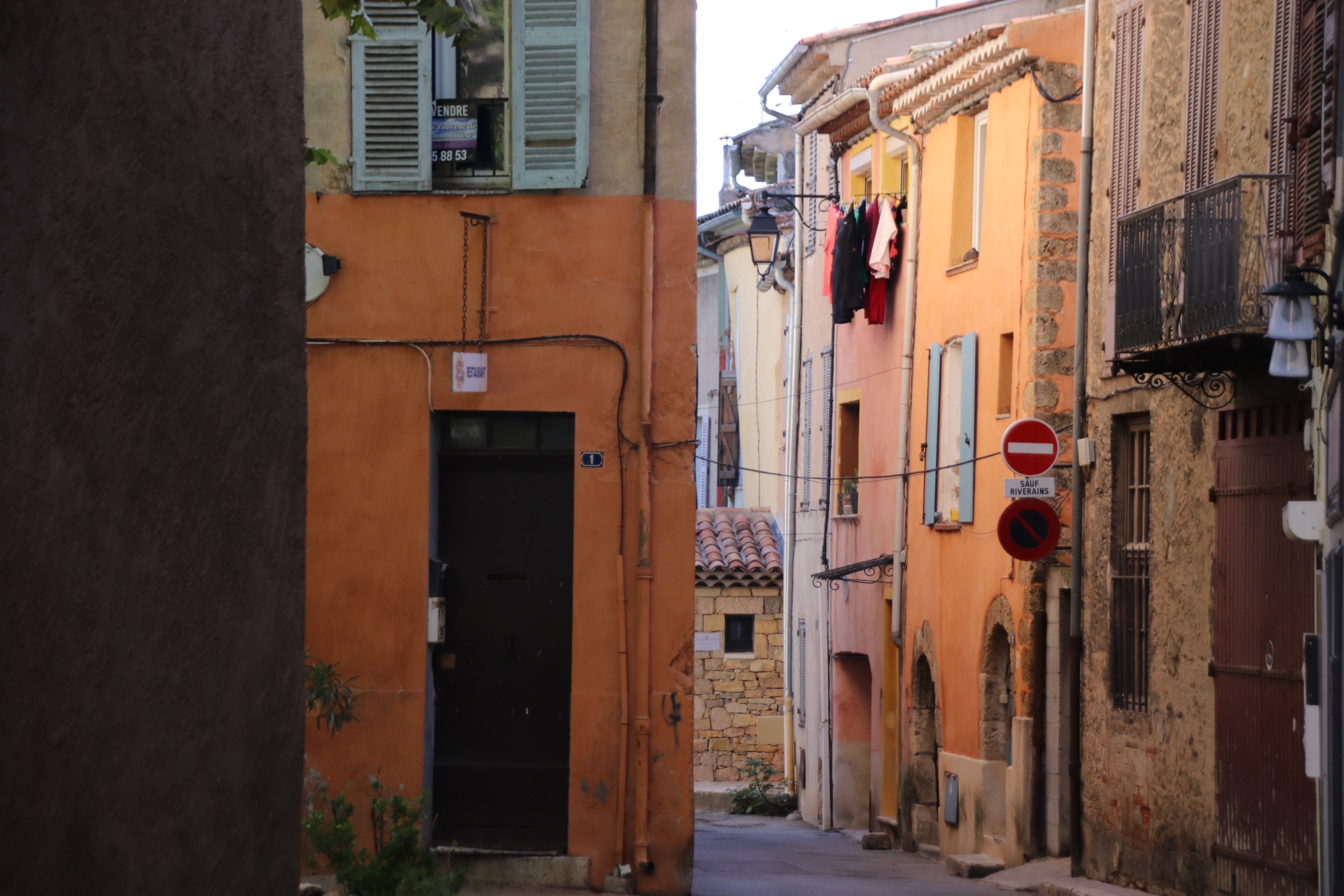
Longues is a lovely small town, surrounded by south facing hills, covered in vineyards and olive trees which are the source of much of wealth. Rather than trying to capture the essence of Lorgues in words, I’ve caught its Tuesday market day in image from setting up in early morning to the setting sun at night. It is a delightful, typically French, Provencal town.

Dawn – setting up

In full flow – midday

Dusk

Quintessentially French

A circular route takes us into the high country. Narrow roads, so well maintained & surfaced clawed across the landscape to the far, faint horizon. Mixed woodland, girding its loins to begin the change from green to brown to bare, covers straight ridge lines and sharp-sided valleys across the spreading landscape in subtle shades and interlace their fingers like a congregation of parishioners about to settle into prayer.

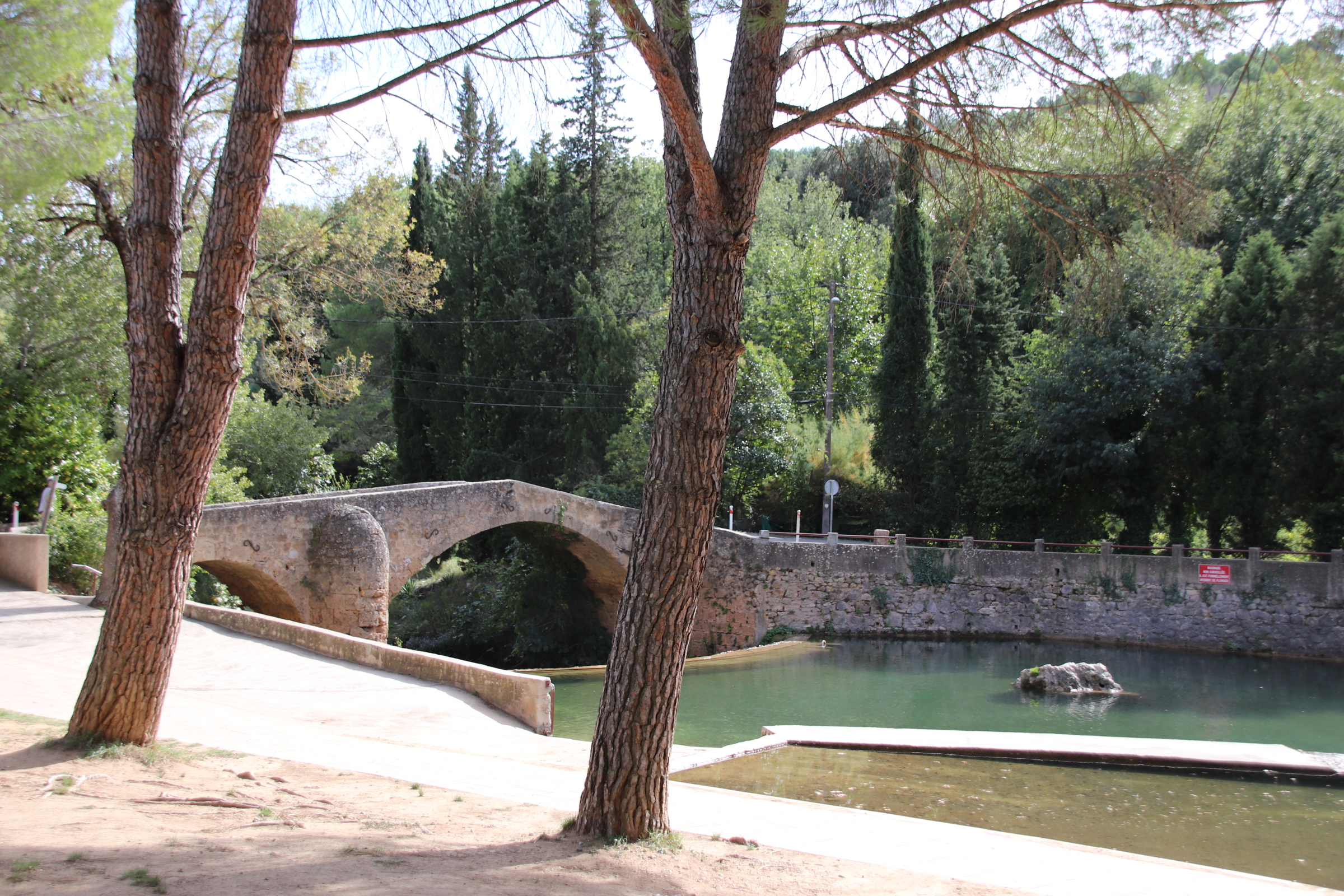
The weather drops a very wet load on this land, particularly in winter when the snow & ice melt. Streams & rivers have cut & hacked away at the land over the years leaving evidence of the power at work in the form of gushing torrents, sharp ridge lines or bottomless ravines. Man does the best to cope with such obstacles, building bridges & settlements at suitable places in an attempt to tame it.

Villages are small and ancient; old lanes & trails, designed for another age when feet and the cart were the main form of transport, hug the valley sides or crawl to the top to peer over to follow the chicanes down to the distant settlement far down at the next crossing over a tumbling water course. In places, the old tracks can be seen cutting a bend or smooth modern tarmac has been layed over the ancient route, providing a wonderful course for speeding motorbikes. Settlements can be too small to even mention – a handful of houses clustered around a small church & maybe a graveyard, but some grew to be essential to folk of the time – around here it was to provide sanctuary and respite to those passing on the Pilgrim’s Trail.

St-Gervais-sur-Mare is a stunning little village that grew up in the 13th-century as a staging post on the route to Spain.

A largish village, it is dominated by the nave of the church of Saint-Gervai-Saint-Protais. Wide, ancient steps lead up past the arched doorway and historic dwellings to the ramparts & the château.

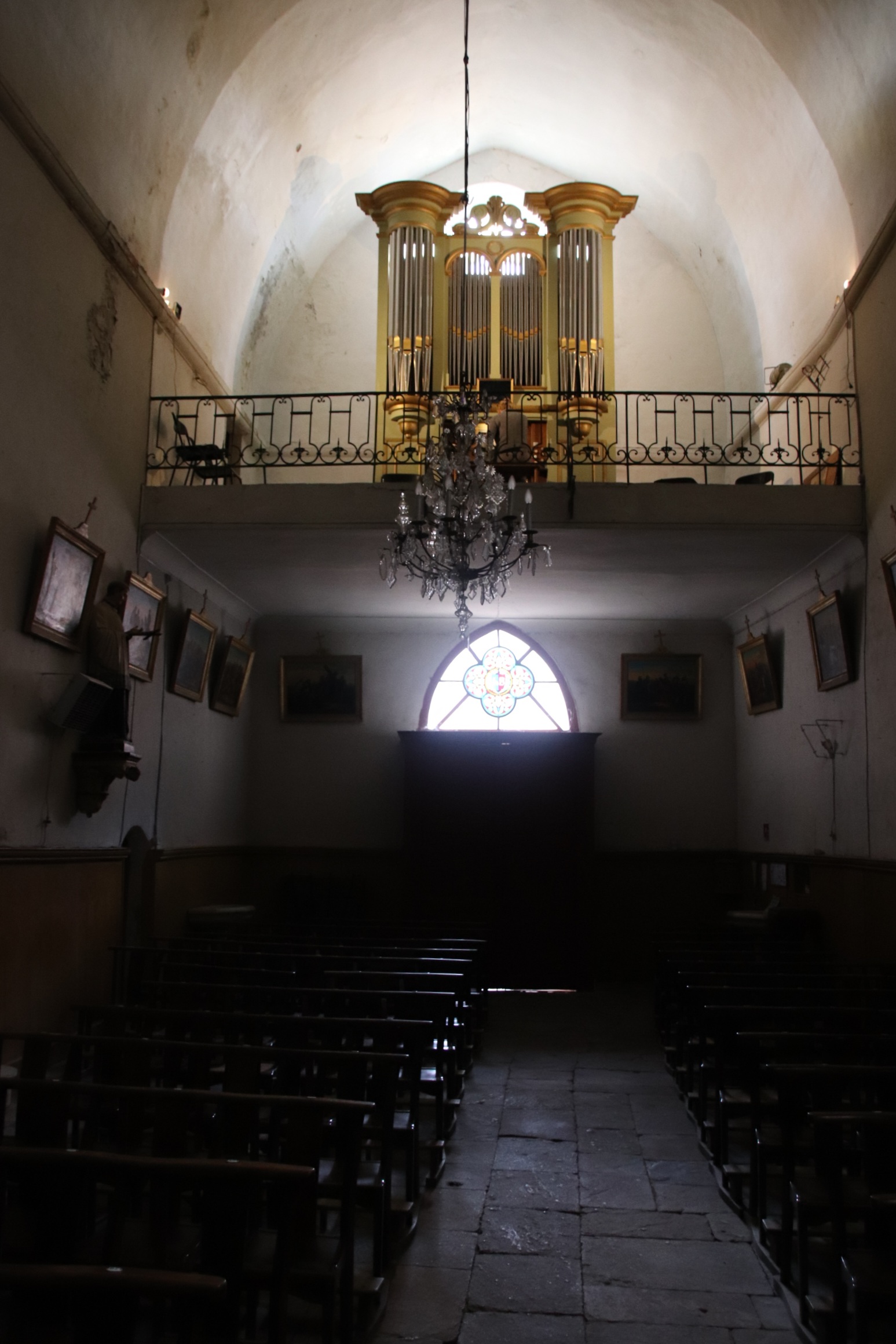
Peeking inside the historic church, an old lady follows us in and points out in local, incomprehensible French a side chapel containing a font made from the same marble as used in Versailles by French kings (I think!). She turns out to be the organist – having left through the front door, she appears up on the organ loft & proceeds to give a private rendition of some wonderfully poignant piece that echoes around this empty space, leaving emotions exposed and senses shredded.

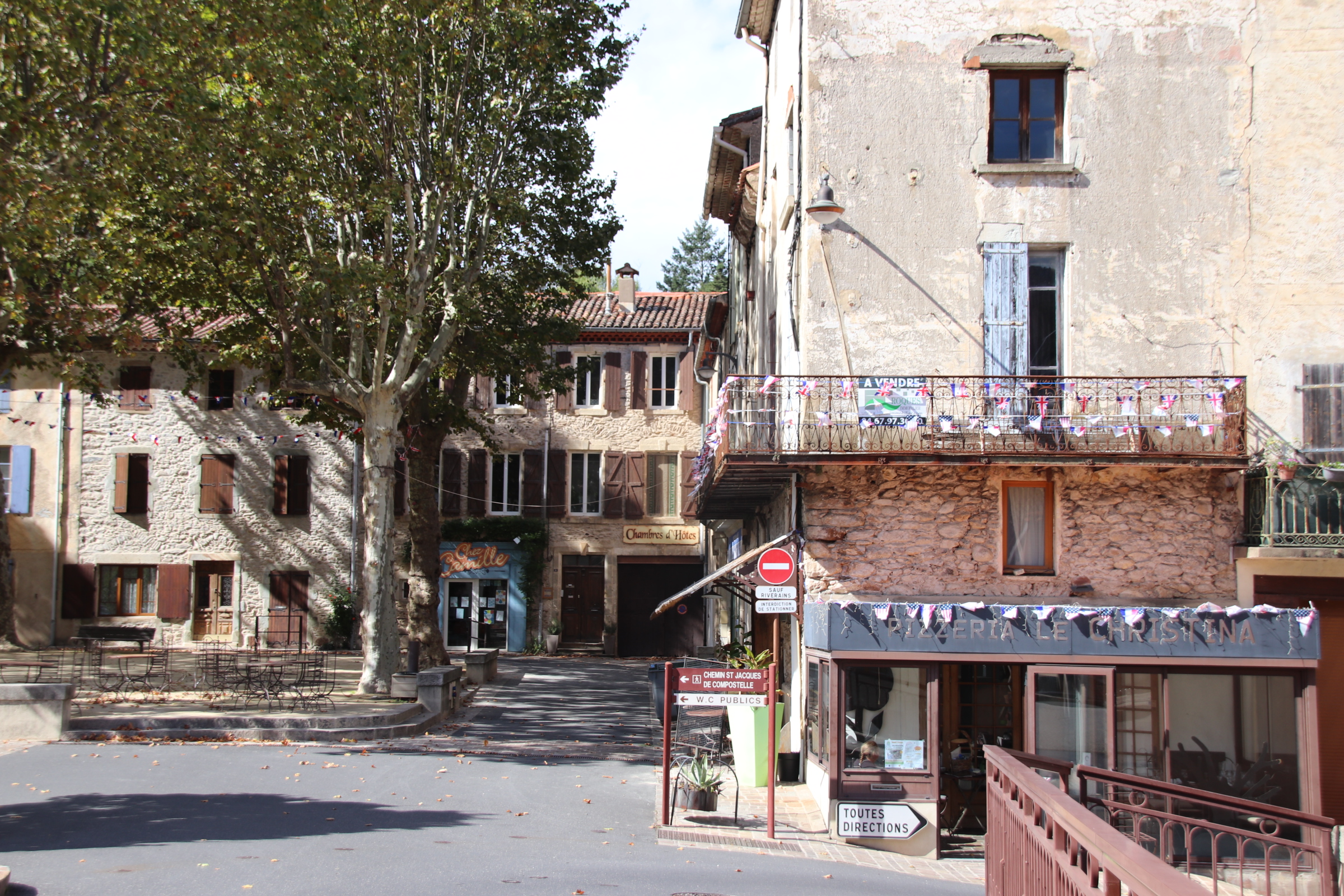
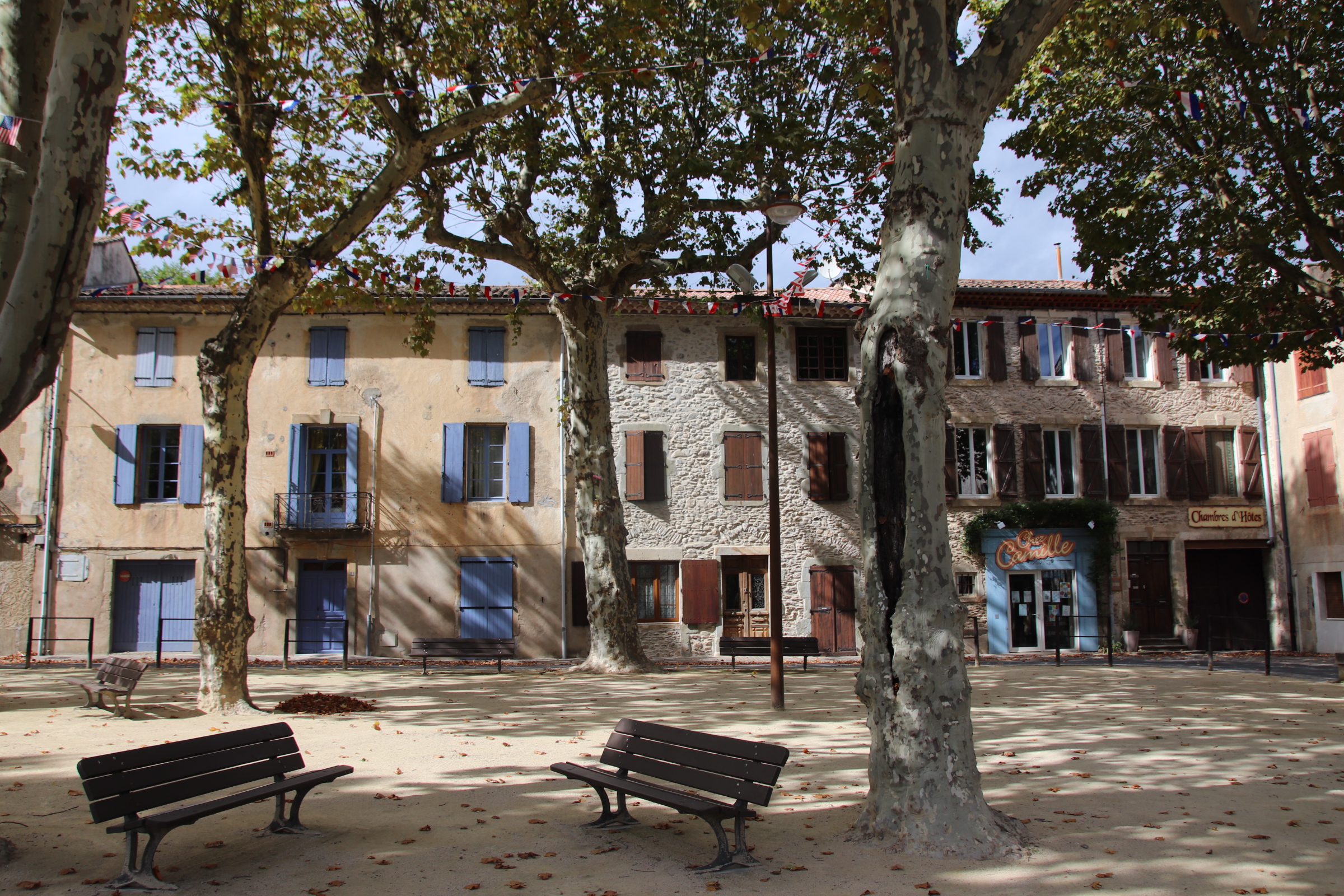
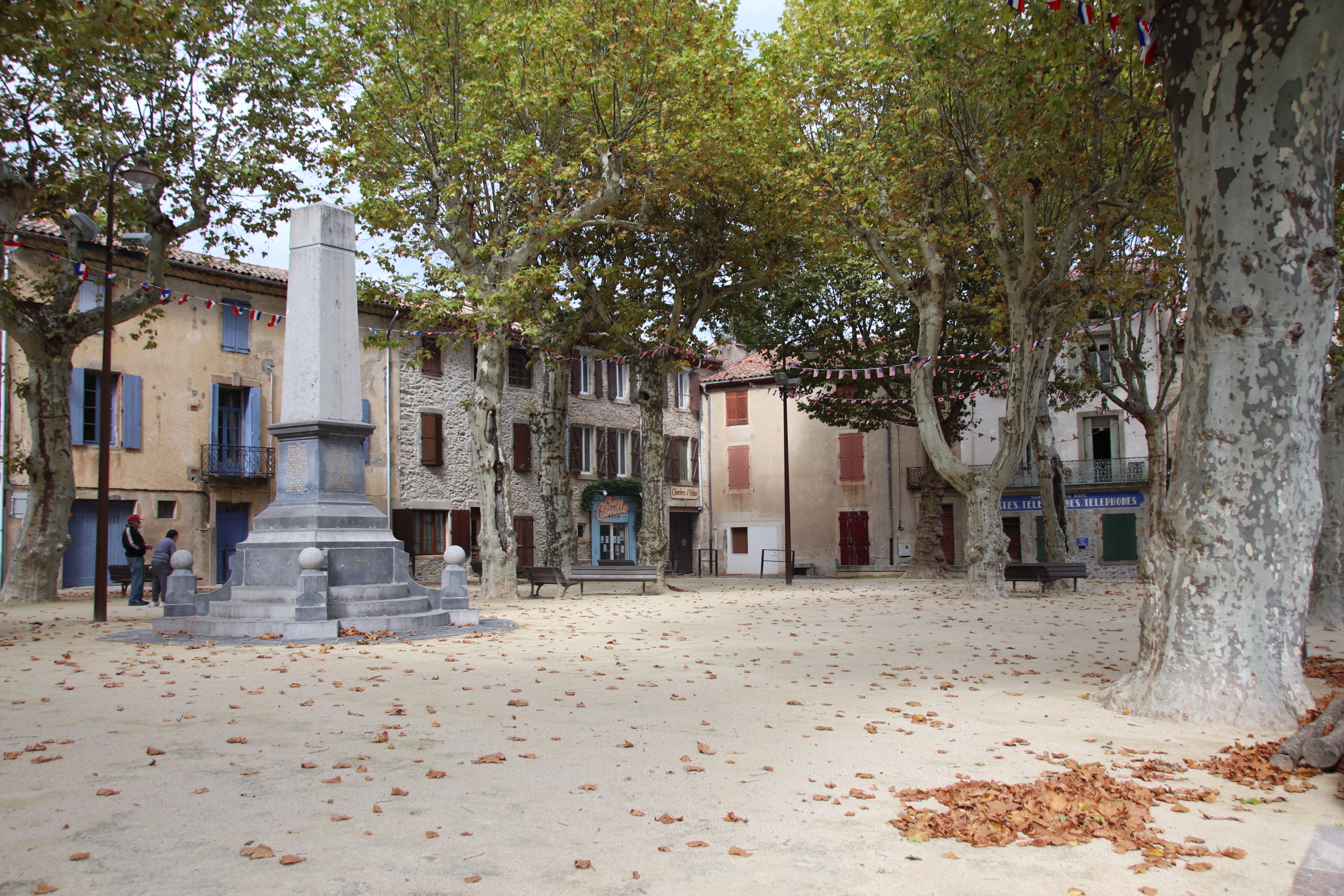
The high spot of this place is the village square. stands on above a small river that runs through the middle of the settlement.

If any place is quintessentially French, it is here.

Elegant buildings form 3 sides, with the Post Office, two bars & a hotel tucked into one corner & at the other corner of the same side a second bar;

empty tables with rather ornate chairs, cushions piled up under cover, await ’the rush’ (although, I’m not sure there’s going to be one any time soon)

a war memorial reminds everyone of the nation’s past; shade is provided by staggered plane trees – high & impervious to sunshine & showers.

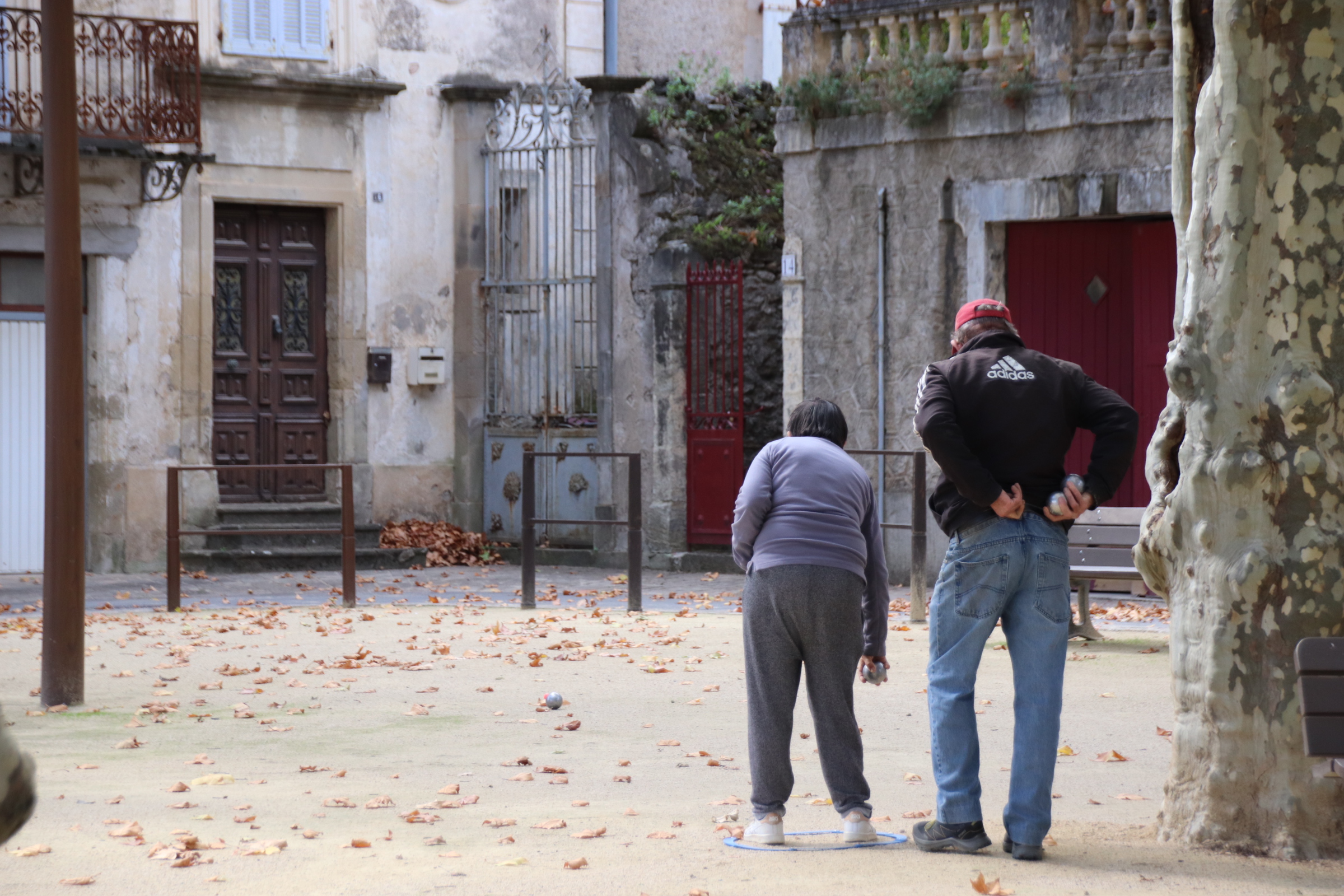
To complete the scene an old couple come out for a game of petanque, chatting away and traversing across the crunching stones between camouflaged trunks, clunking their boules as they go…. all so French!

The Cevennes & further afield in southern France

It seems like ages since I last blogged on my travels and even longer since I visited ‘La belle’ France. This autumn trip takes me from the Cevennes on the south east area of the Central Massif, across the Rhone to just north of Toulon to a market town called Lourges and then north to friends near Manosque – all excellent wine growing areas you will notice!

My love affair with France goes back decades but I was introduced to The Cevennes by my dear friends, the family Friends, who completely by accident, had discovered Barjac when they broke down on the autoroute and they had to have it towed to a campsite outside the town where it still remains, drawing families & friends for memorable holidays ever since. I have countless memories of my girls & pals splashing & swishing about in The Gold River & the streams & lakes in the dry Provencal landscape, canoeing down the Ardeche or the Ceze and meandering drives through the Provencal landscape for a night visit to Avignon or a day treat to Saint-Remy-du-Provence, all indelibly ingrained into my very being.

Back at the hacienda, after food had been consumed the Cote du Rhone continued to flow and we would lie back and stargaze & count the numbers of shooting stars on show each night, absorbing the aroma of wild oregano & rosemary and the wafting lavender fields that were grazed by the breeze and sifted over our receptive senses in a constant perfume. In the darkness the clear outline of the distant Cevennes could be always picked out against the glories of the spinning stars. During the day these layered, straining landscapes provided a constant backdrop to everything that we did, offering the possibility of adventure and excitement, but always too far away – until today, that is!

This trip starts on the edge of the Cevennes National Park just outside the small village of Villemagne l’Argentier in the Languedoc region of France about 30 km north of Bezier.

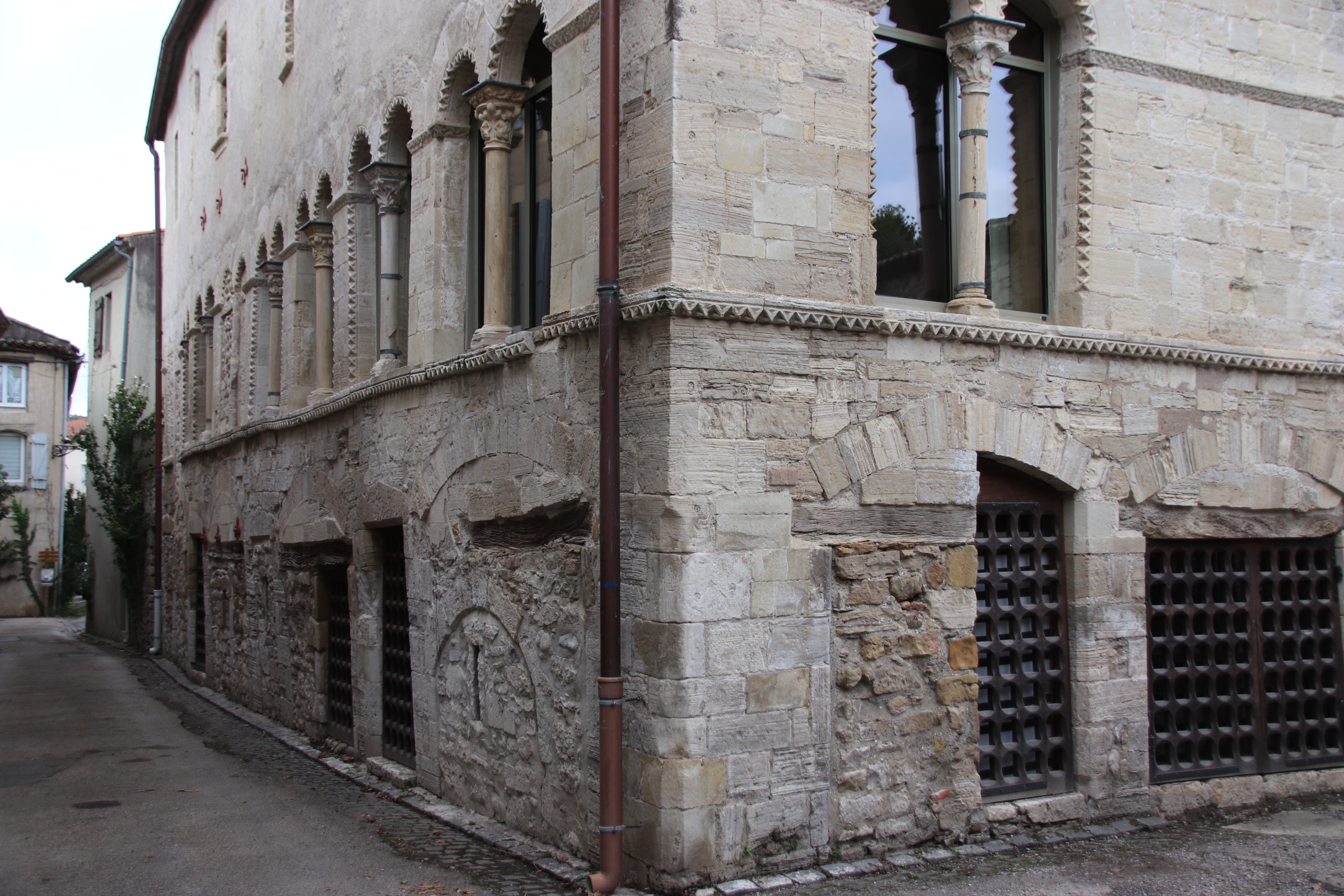
Established on the banks of the Mare River in medieval times, this ‘Abbey city’ lay on the pilgrim route to Santiago de Compostela & provided rest & refreshment to pilgrims on their way to Spain. Three buildings are listed and still standing & in use – the 11th century Church of St Gregoire,

the 14th century Saint Majan Abbey

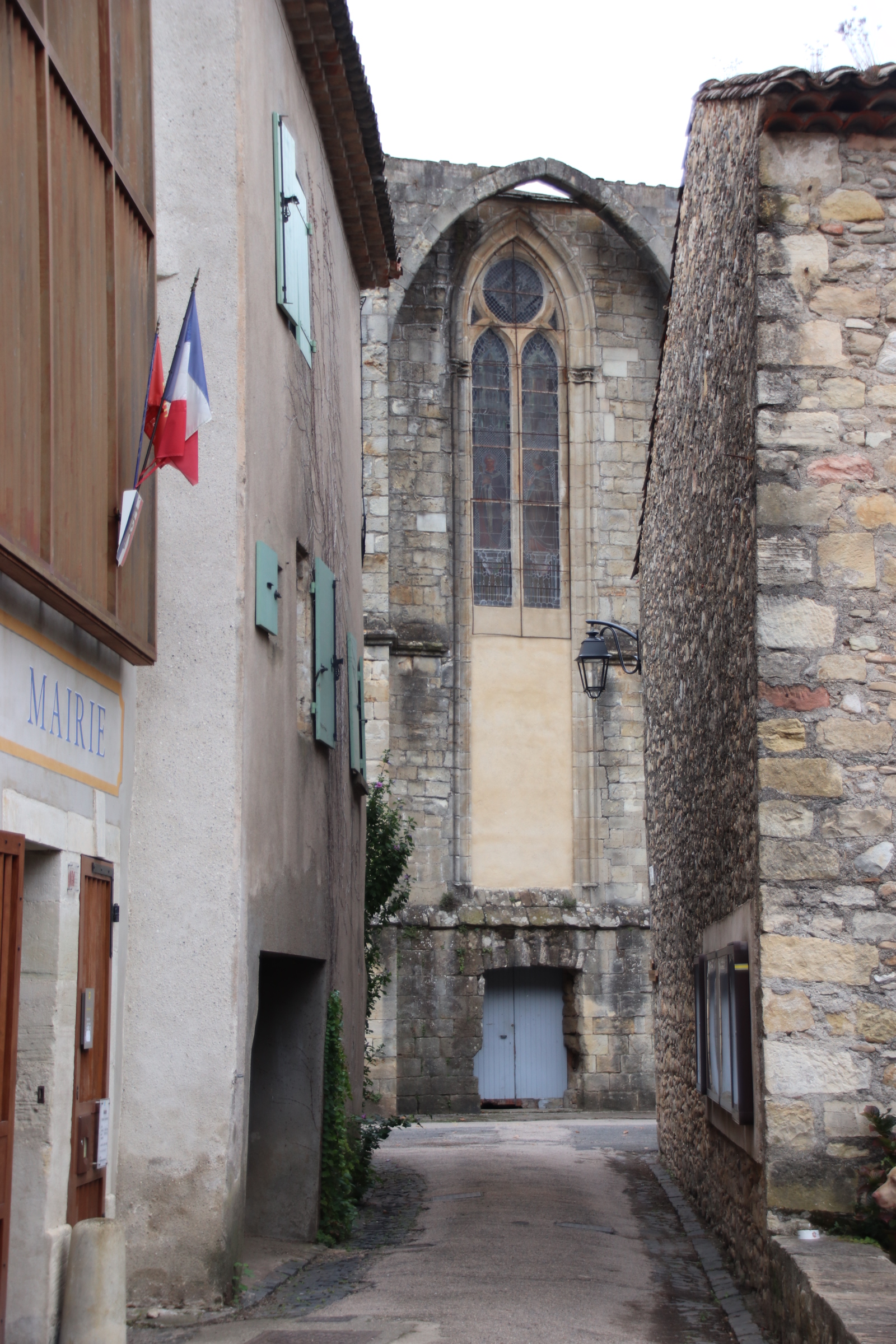
and the 13th-century Hotel des Monnaies, now used as the Town Hall.

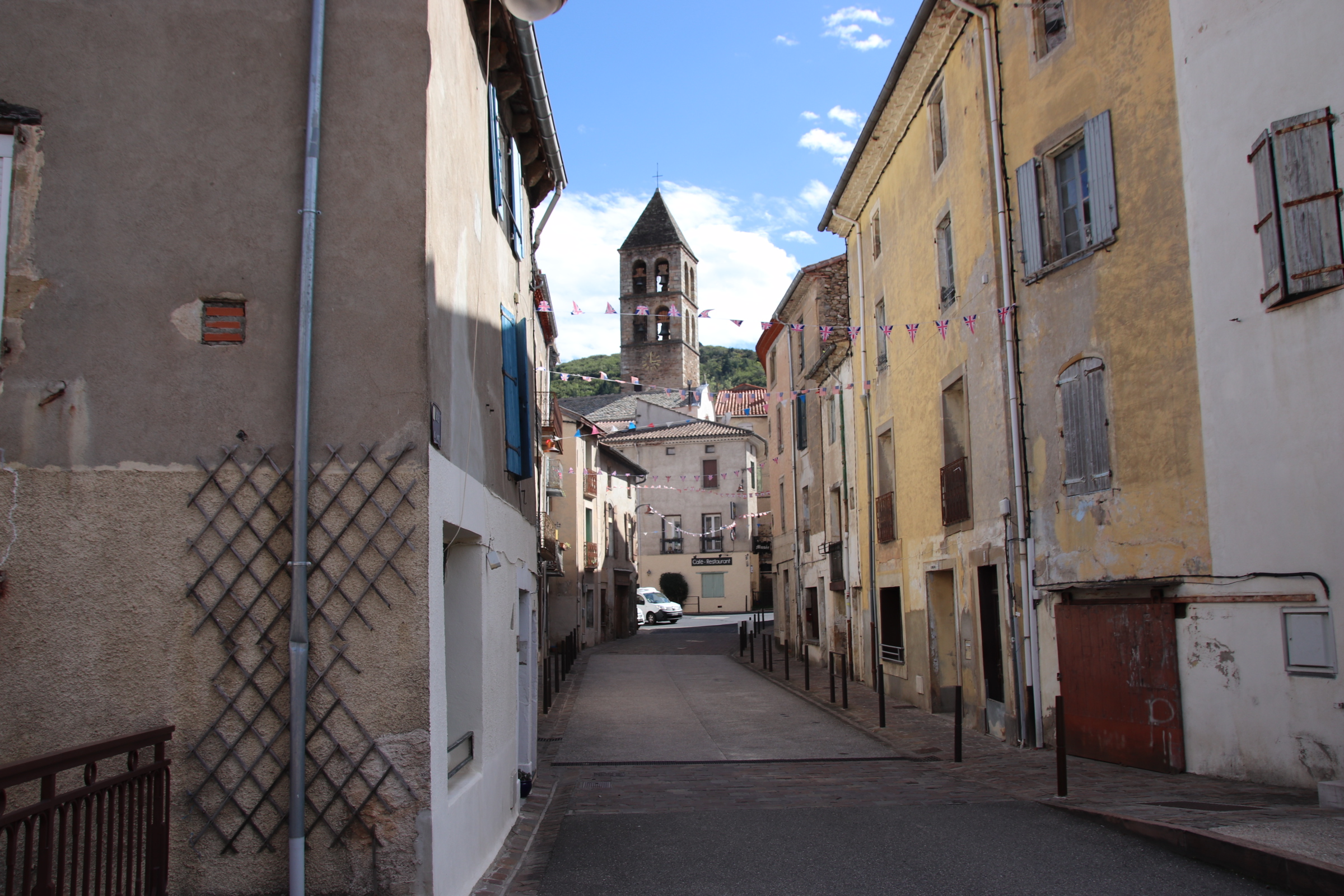
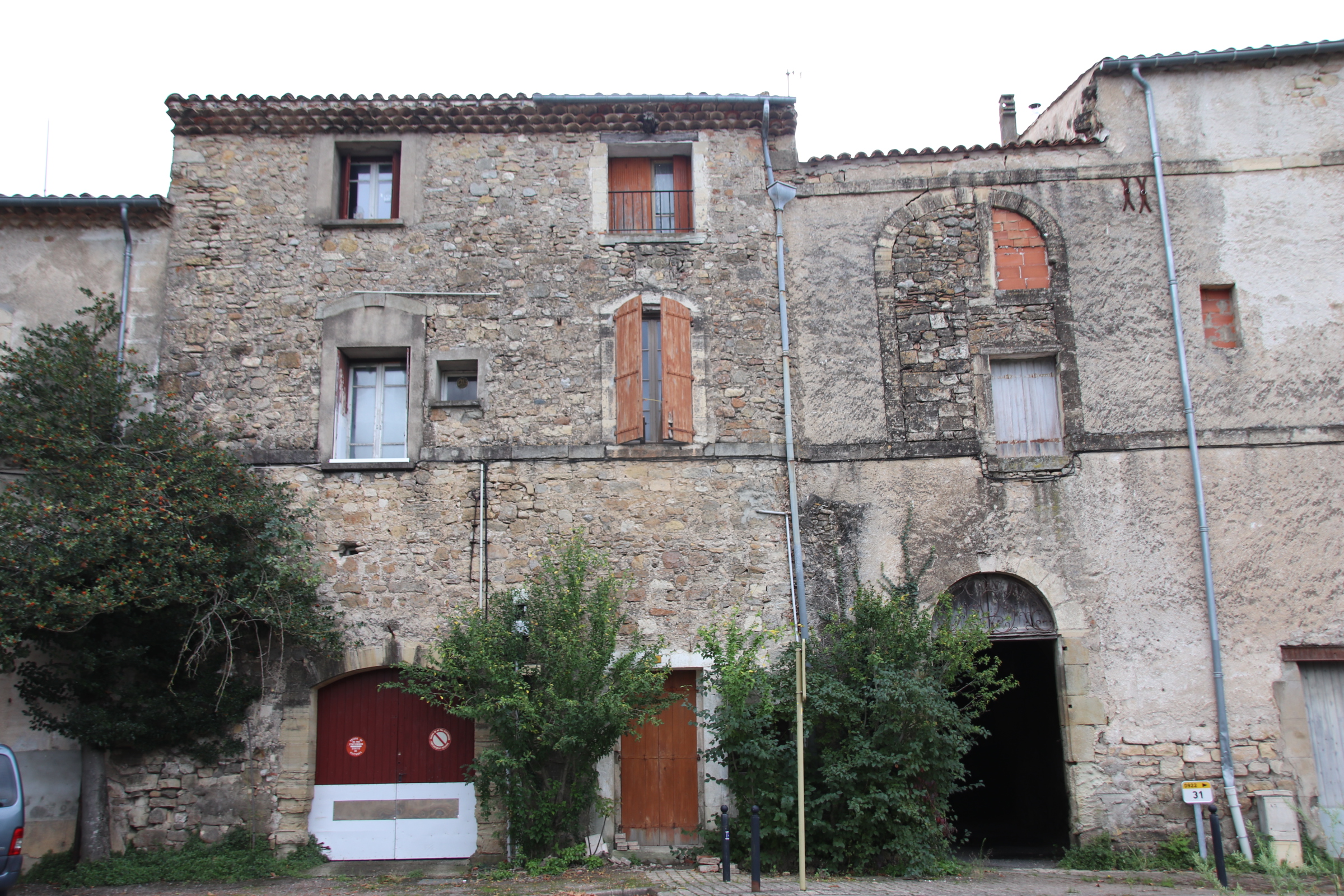
Over the centuries the Abbey has been the main force in the village and across the surrounding landscape. Wandering around the narrow lanes of 13th-century buildings little has changed since those early days – the only thing to suggest that times have moved on is the shiny gleam of modern vehicles parked outside cold, ancient facades.

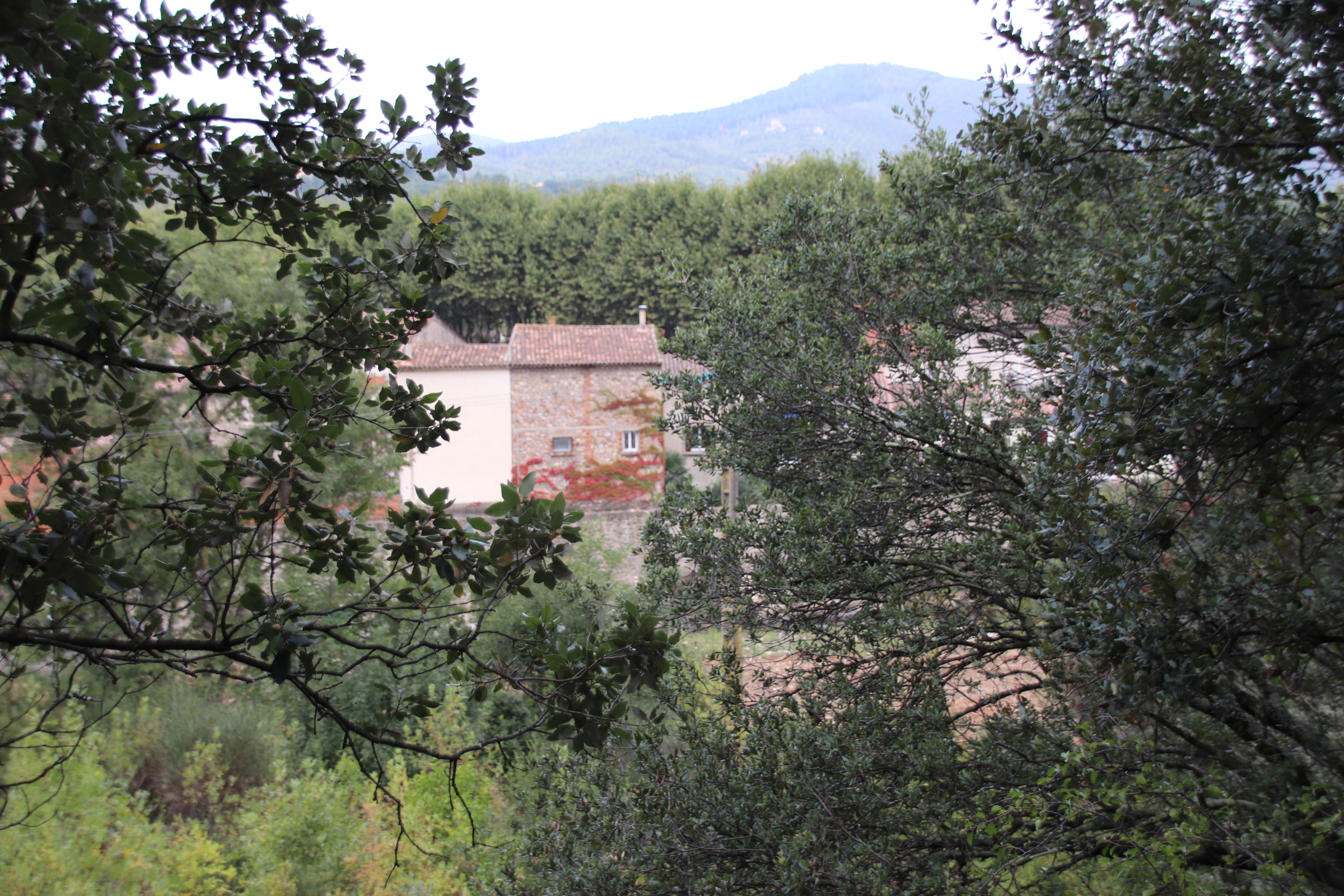
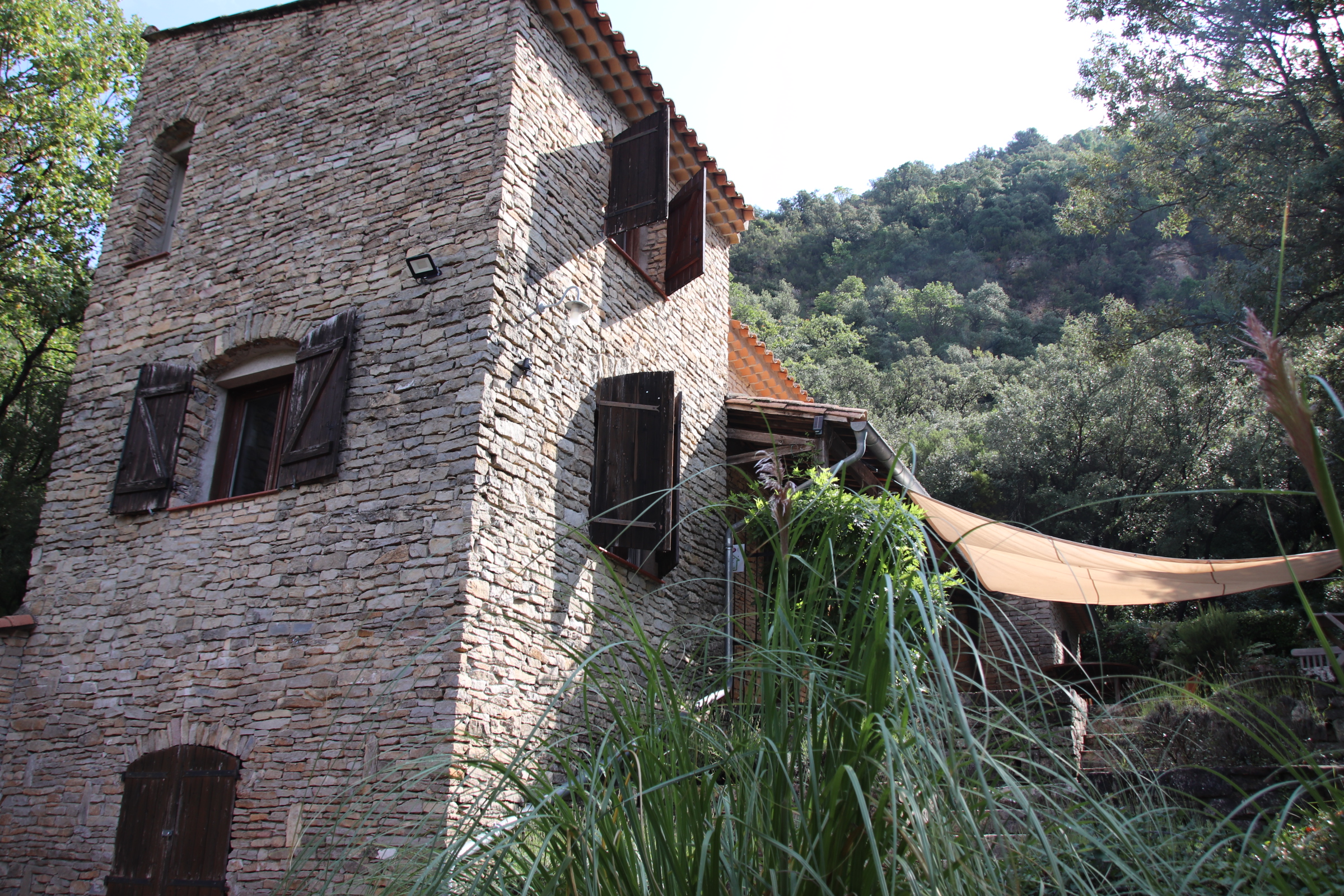
A five minute walk across the river on the old, red-rusting bridge and up the lane into the hills, amongst the steep hillside of trees & shrubs lies our home for the week – a great base from which to explore the Haut Aquitaine region in general and the Cevennes in particular.