Penne marks the spot where we hit the Adriatic. Set back a few km from the sea, this is another ancient, hilltop village/town carrying the scars of the 2009 earthquake.
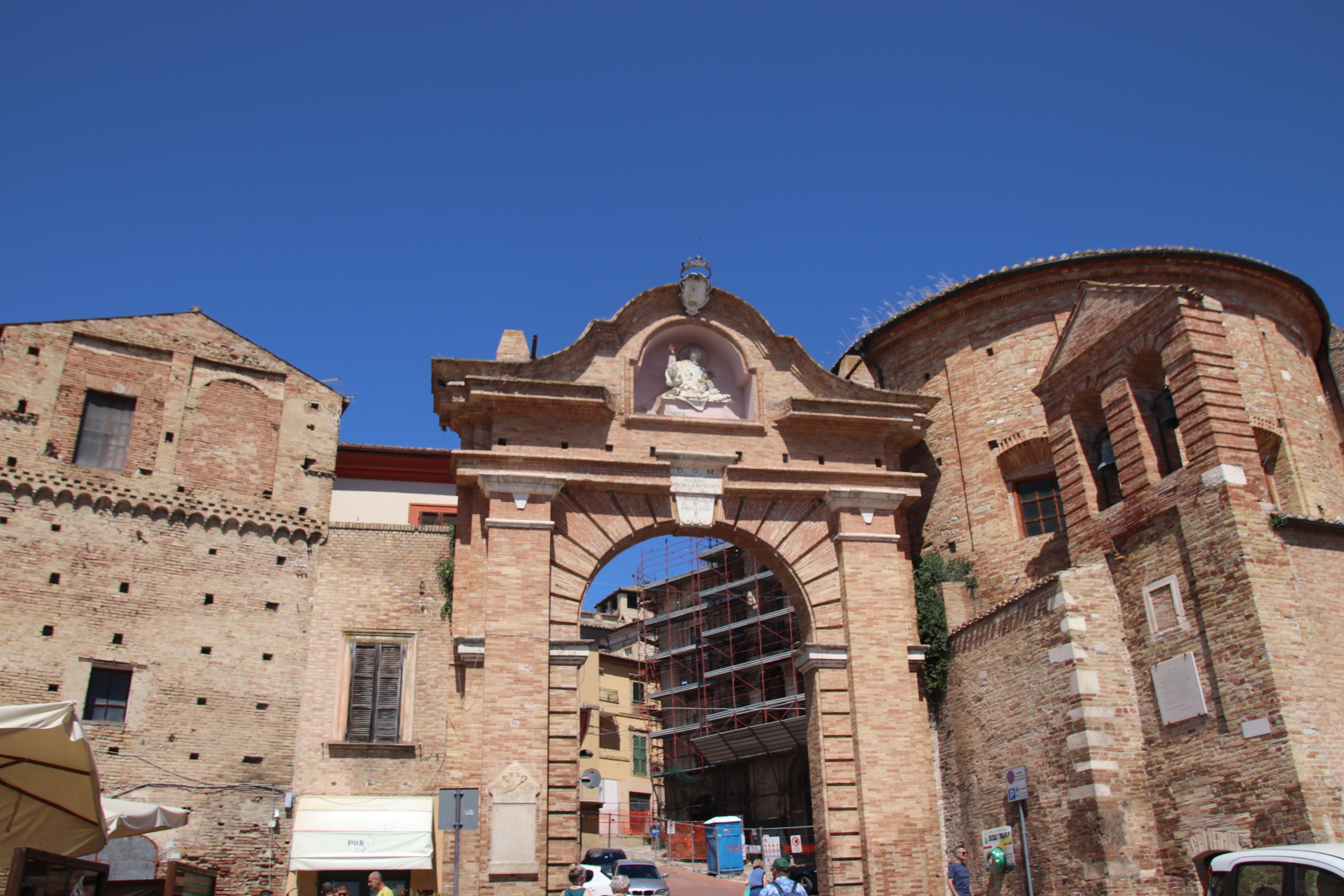
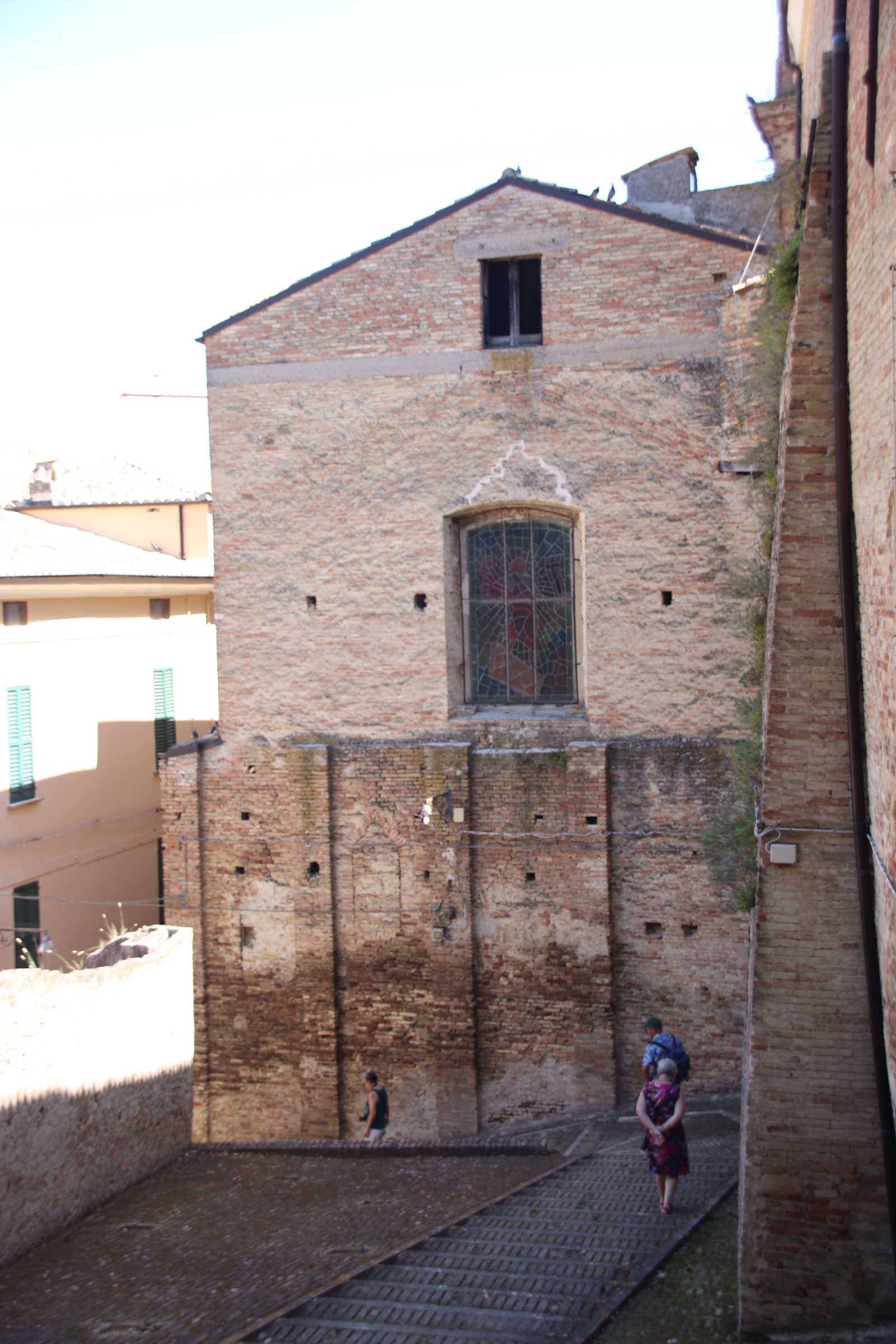
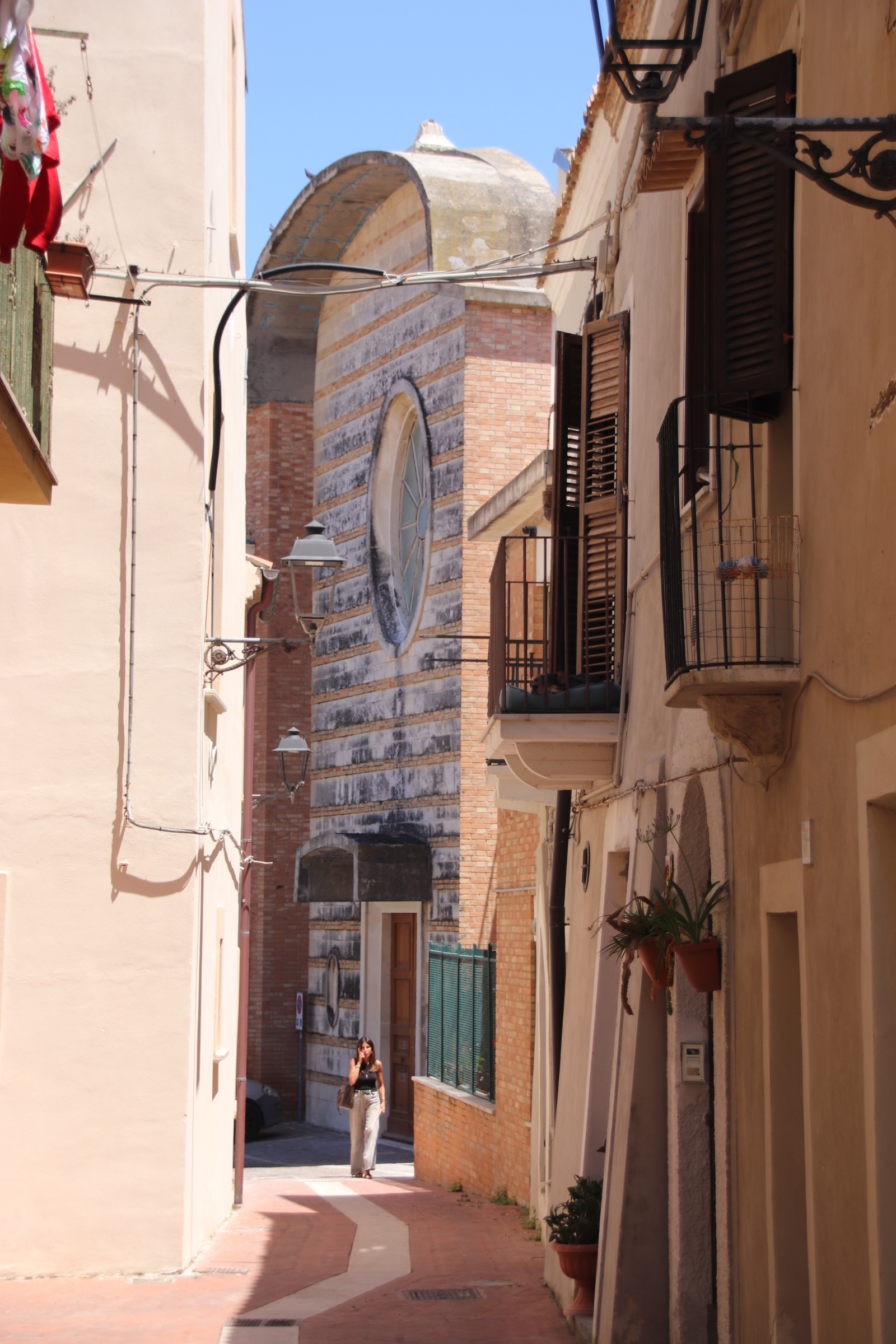
Once around Pescara, rebuilt following WWII, Ortona marks the start of the Trabocchi Coast. It was here in 1943, that Allied forces, working their way up through Italy, battled it out with Axis forces defending the Gustav Line that stretched across the width of Italy. In the resulting attack by Canadian troops, the town was obliterated so that all you see today, from the duomo to the tall, blocks of apartments, is a reconstruction of this historical port.
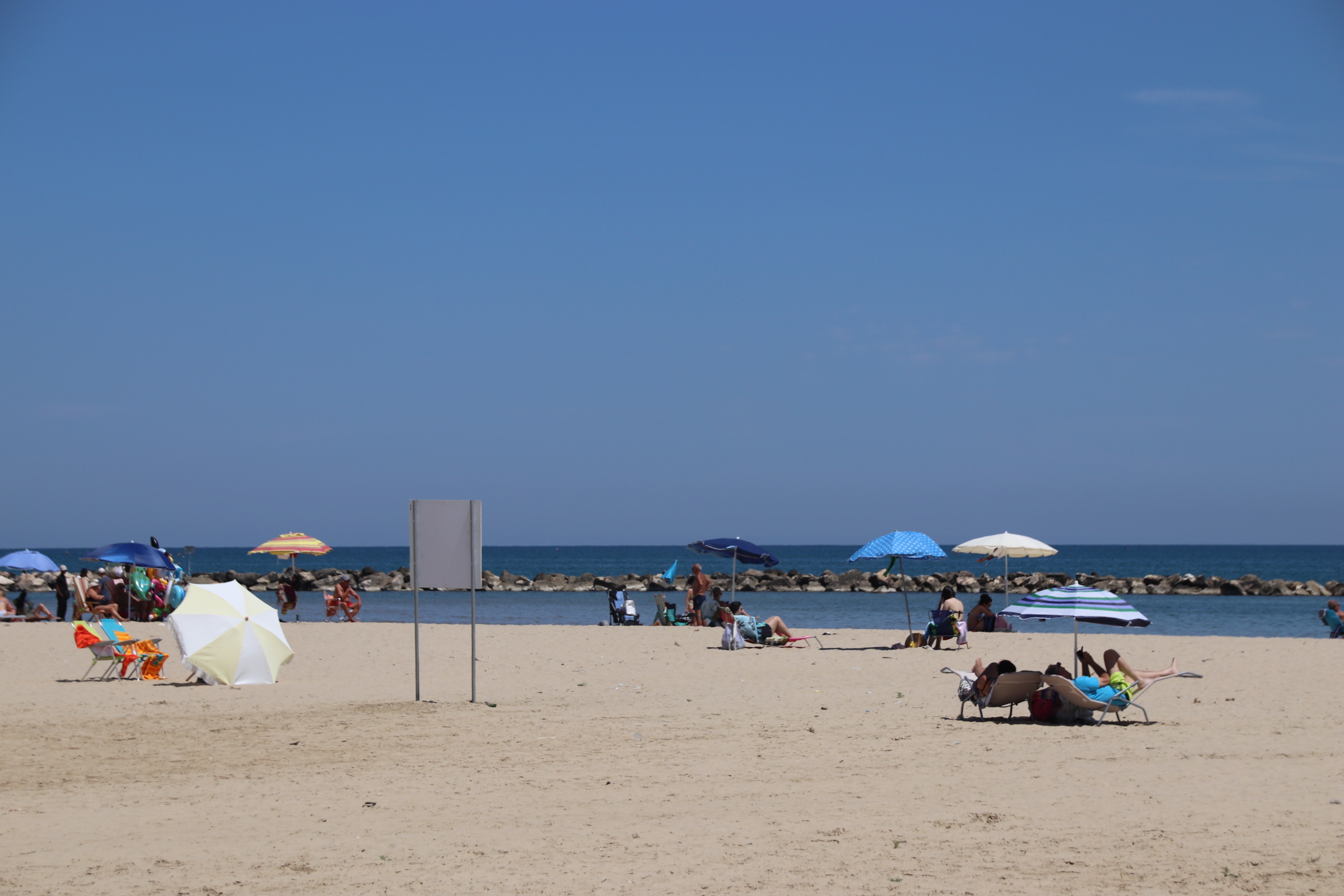
On the outskirts, the road hugs the coast with the railway, the main road & the dual carriageways way running through rich farmland of harvested oats, ancient olive groves & tall, trellises of grasping vines. Beach clubs, bathing areas, & mediocre holiday accommodation & assorted bars & cafes are evidence of the tourist holiday season.
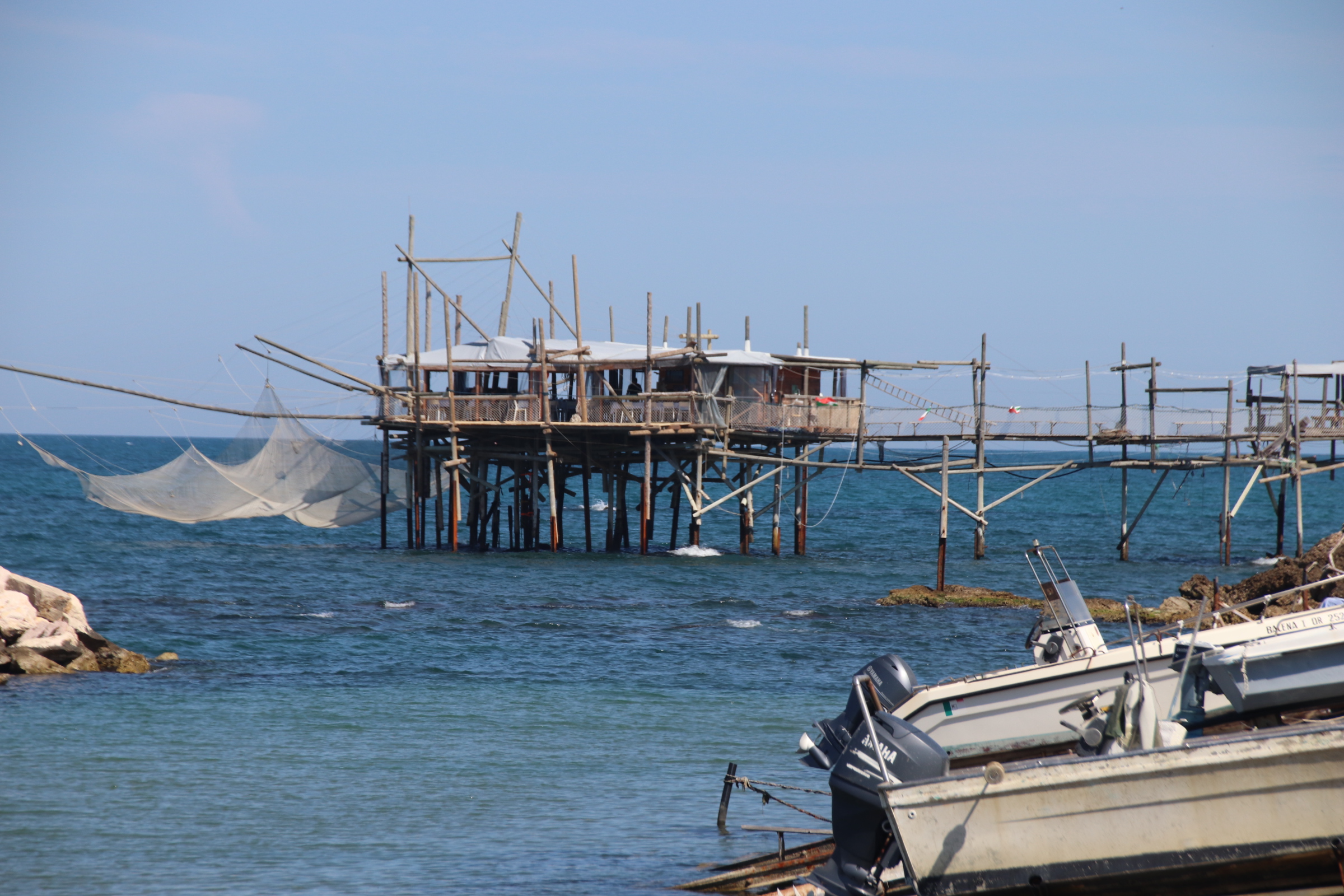
The only saving grace is the Trabocchi that line this part of the coast. These are ancient fishing machines, set on stilts and attached to the land by long walkways. Antennae hold up a huge net which is winched down to the water and then back up, with the catch held within it.
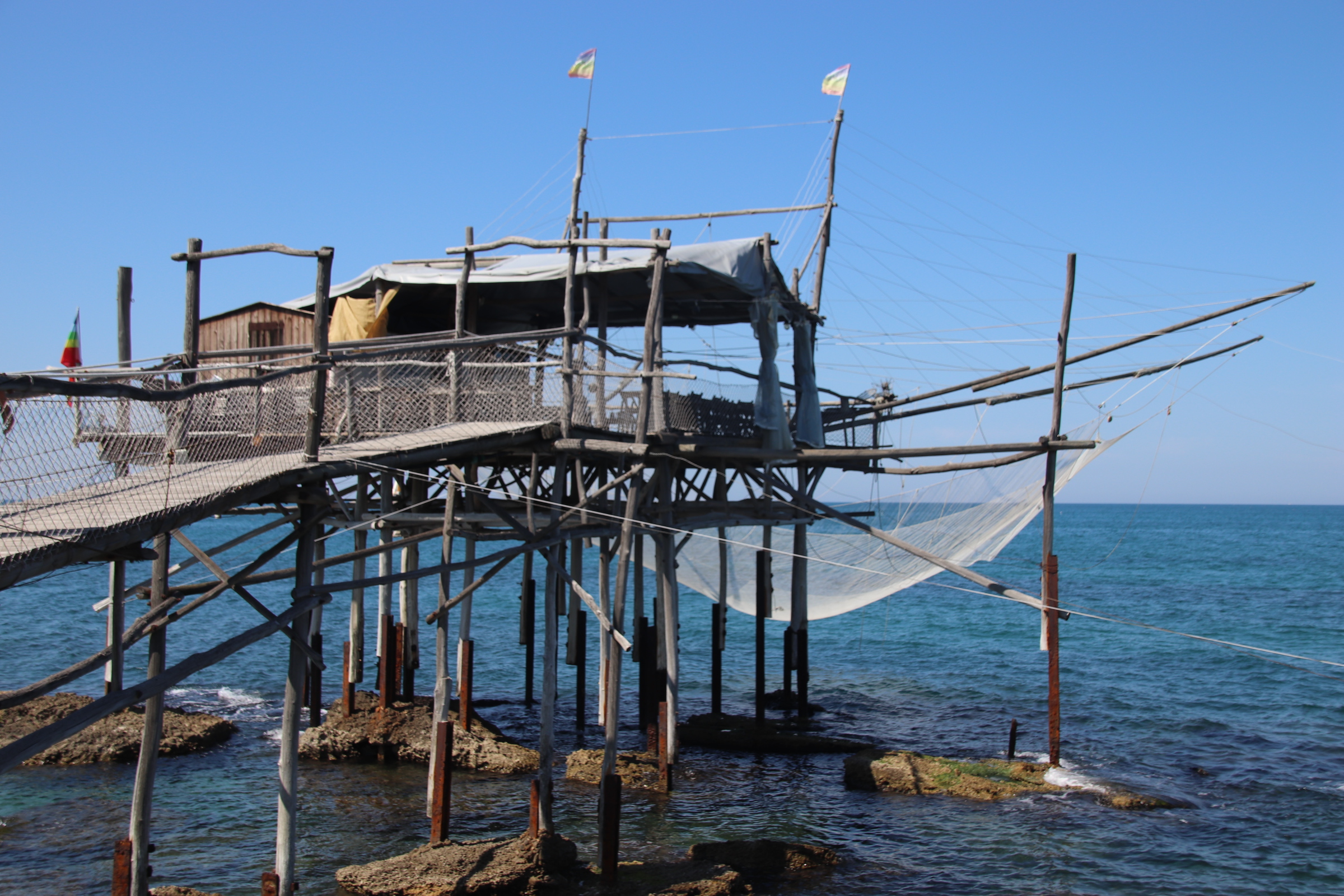
It is unclear how they originated but one theory is that the local farmers built them to bring in & take out produce & equipment. When times got hard, they used these structures & nets to catch fish to supplement their land income. Many have now been converted into restaurants but these tend to be rather expensive tourist traps. We ate at one on terra firma – cuttlefish & chilli starter, grilled anchovies, seabream, clams & octopus spaghetti…oh yes!! Top of the world.
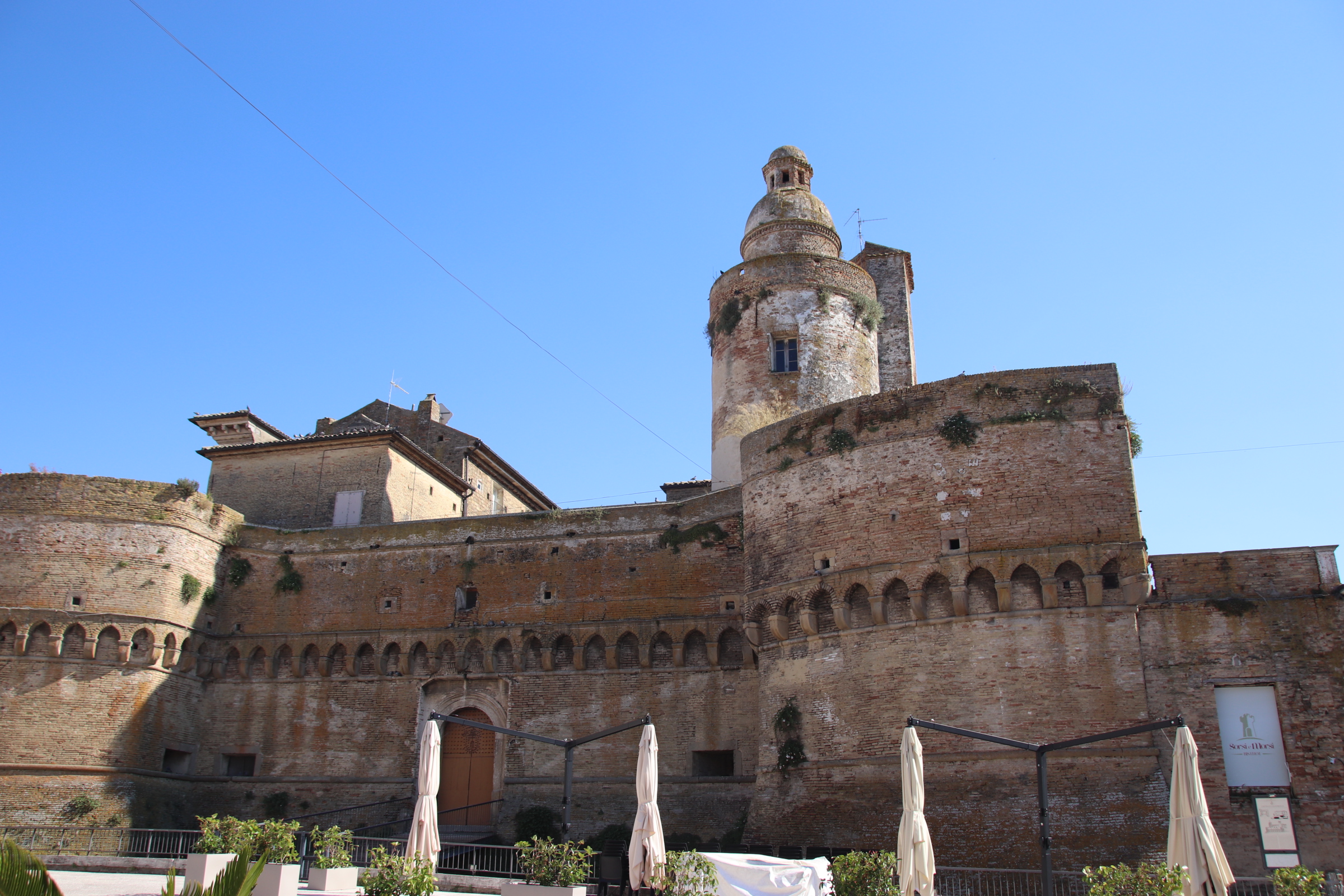
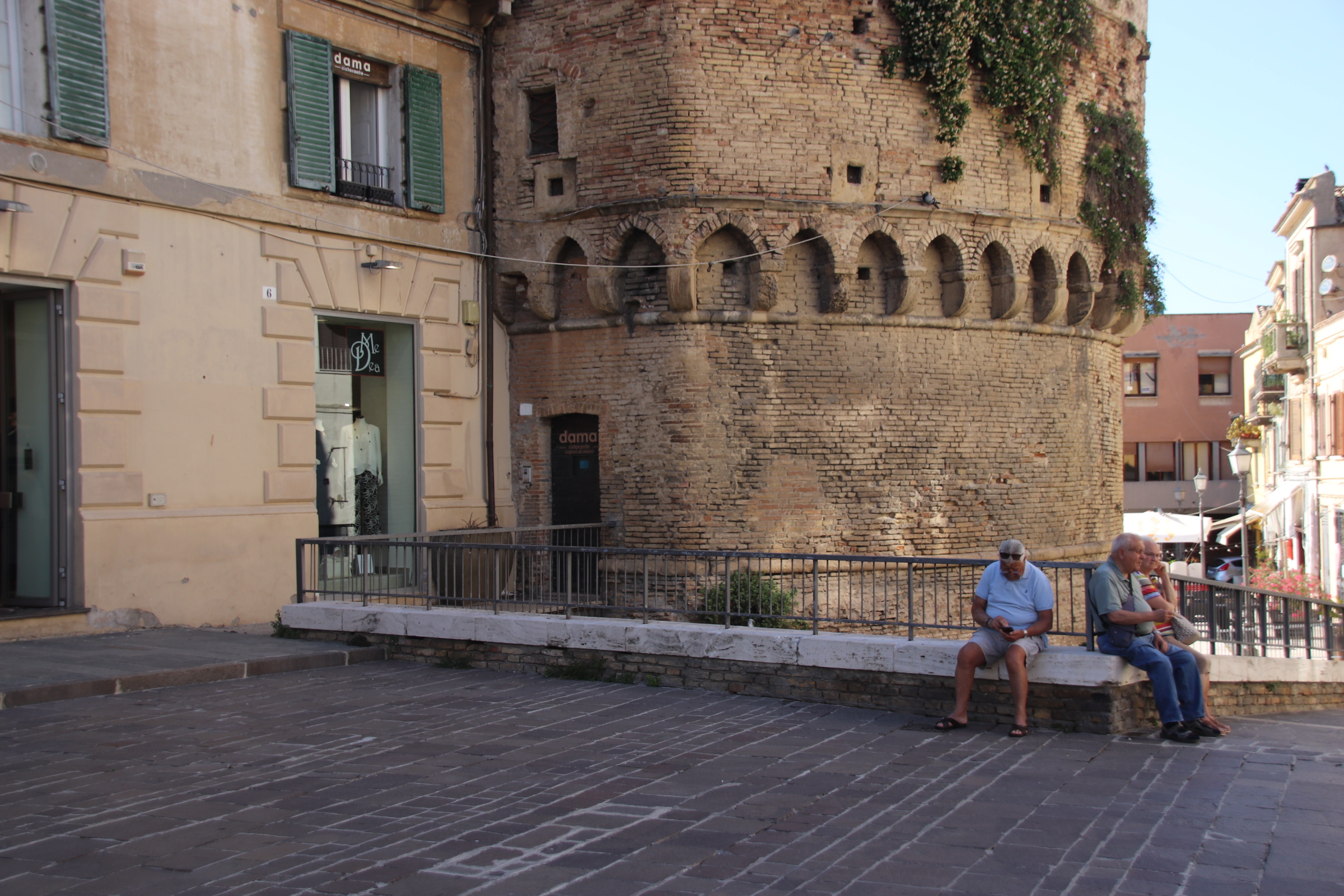
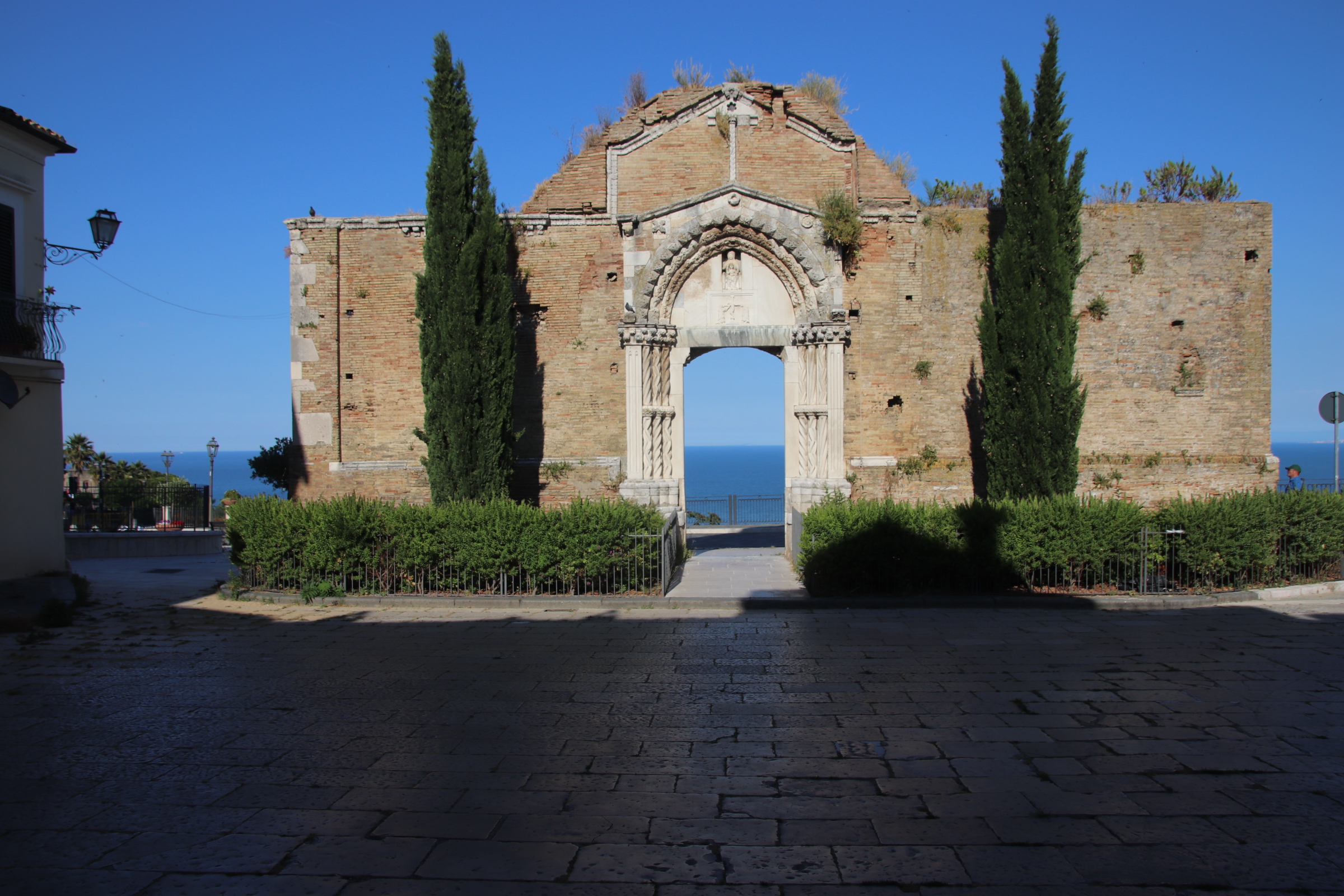
Our journey finishes at Vasto, a charming, historic town with loads of character & little evidence of earthquake or war damage. The duomo, palaces, castles, piazzas all have ancient origins. One small church down on the cliffs, has just one wall holding on to solid ground after the rest slid into the sea during a landslide in 1956.


You must be logged in to post a comment.