Peace & tranquility on the Scottish Isle of Gigha

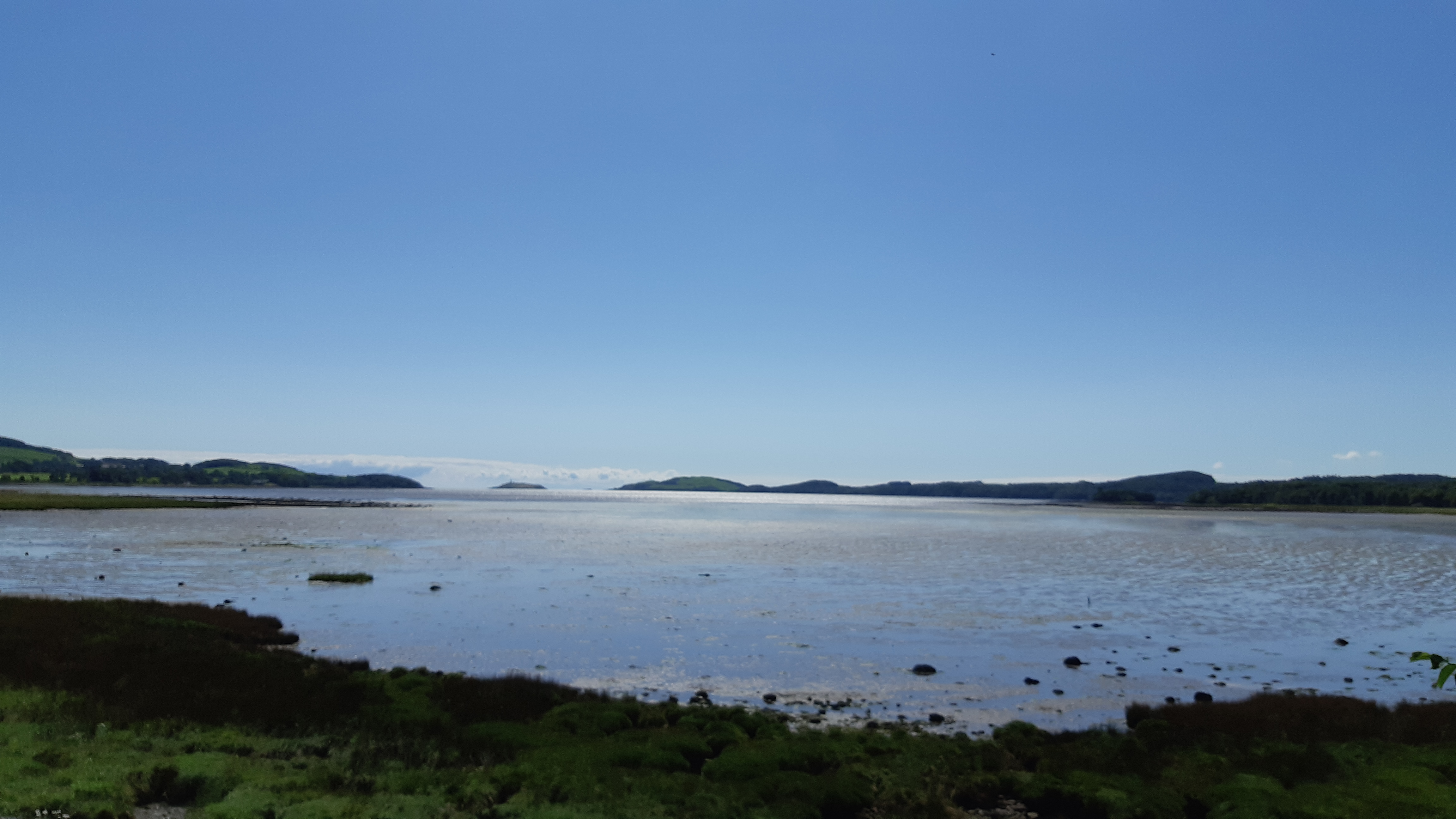
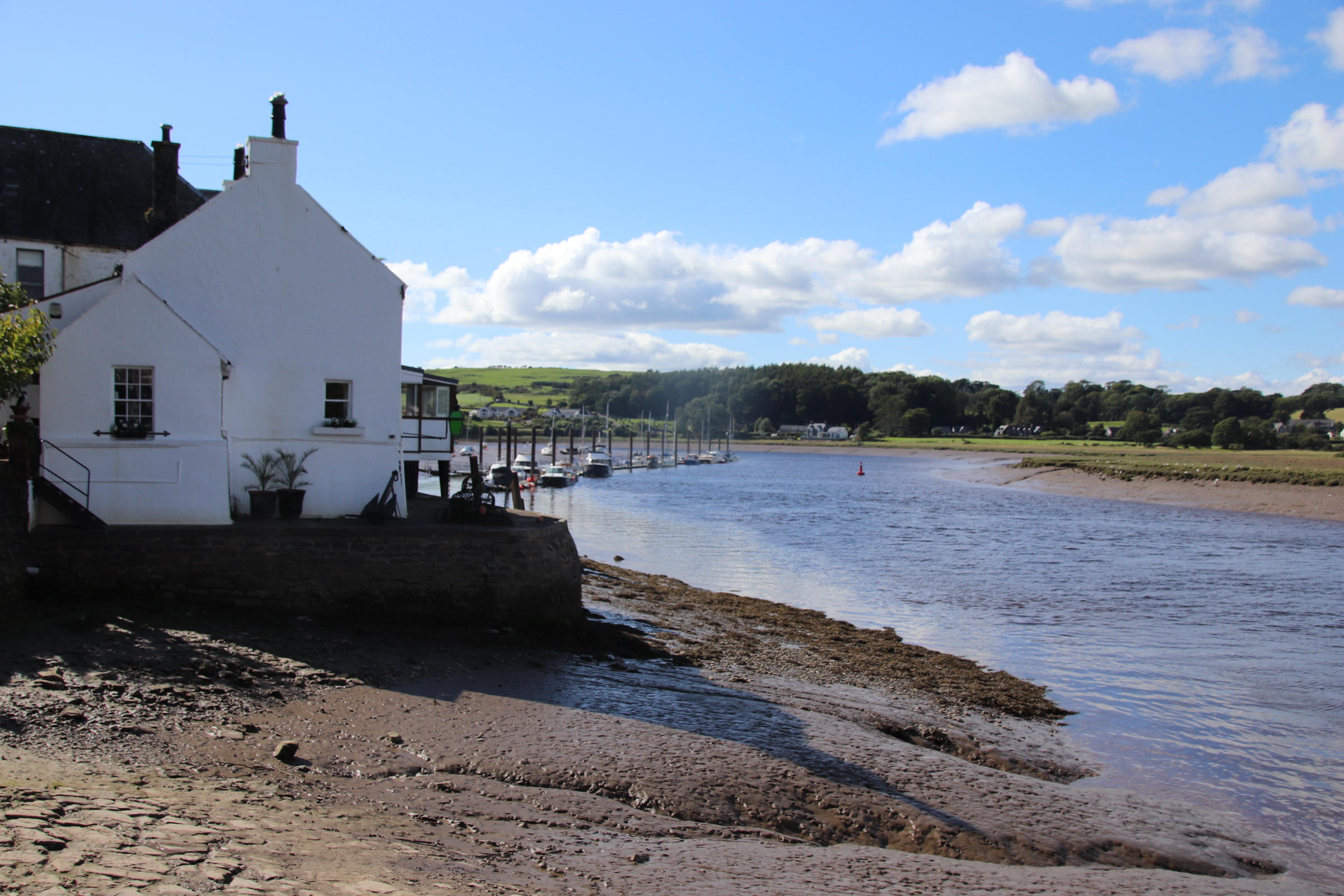
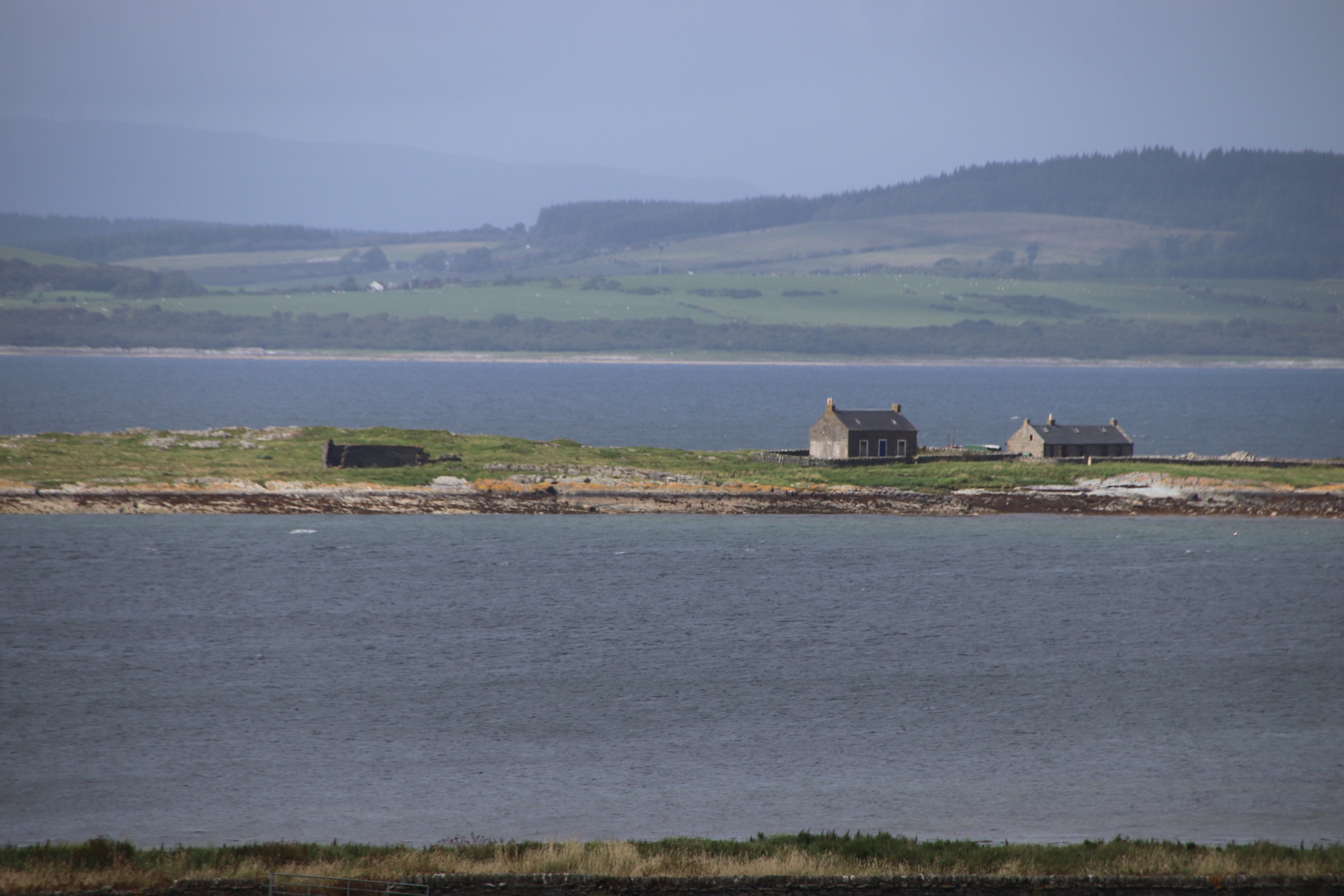
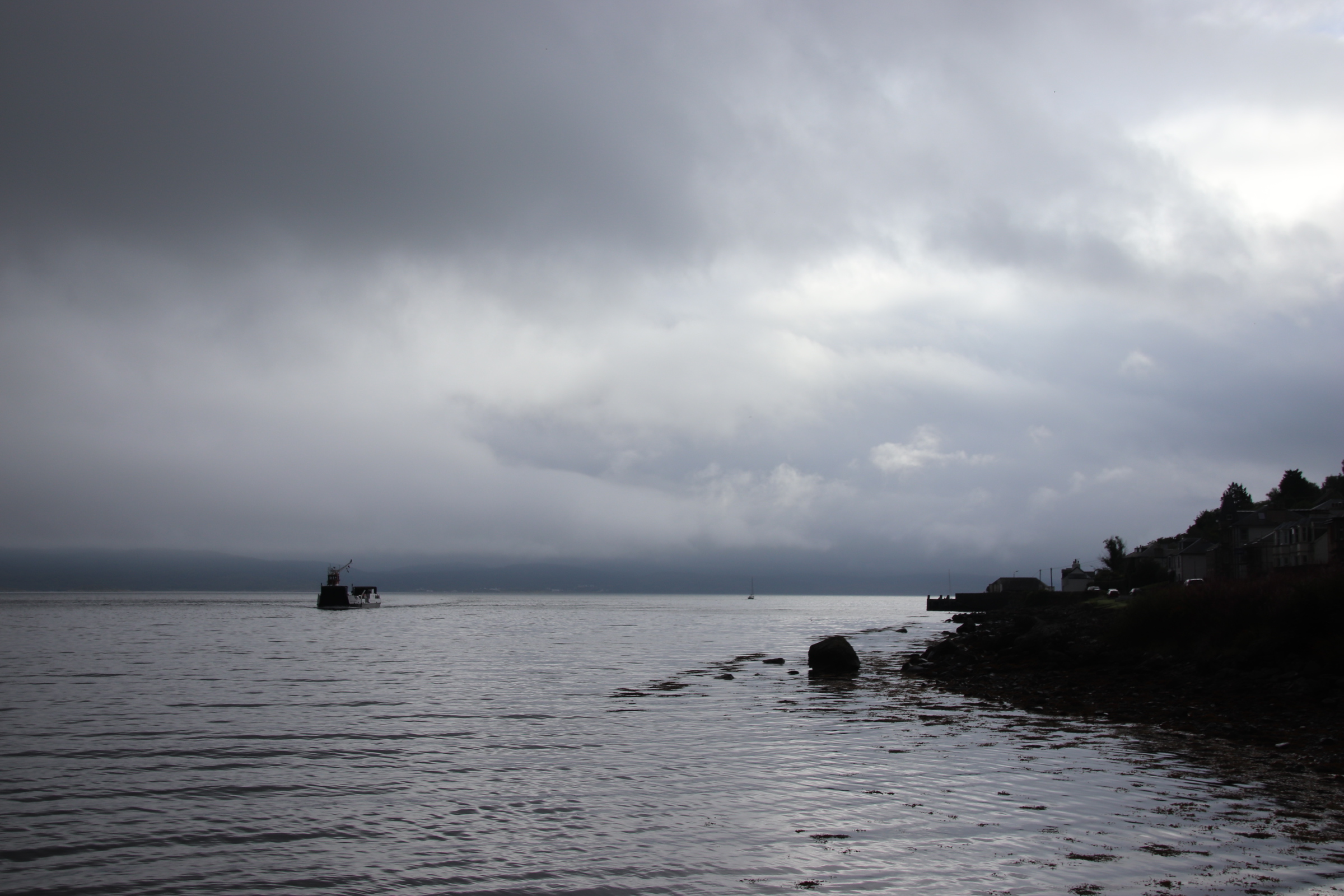
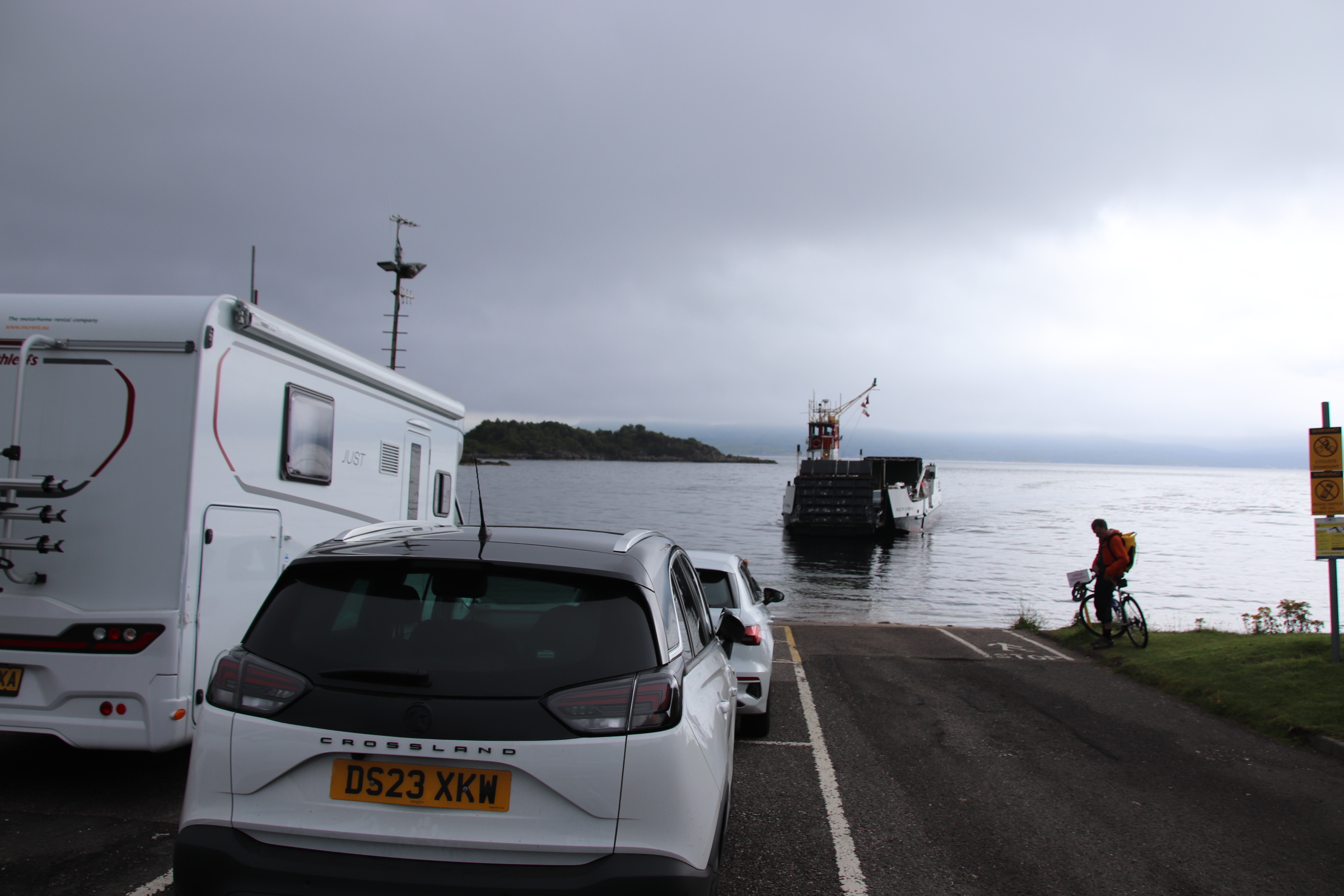
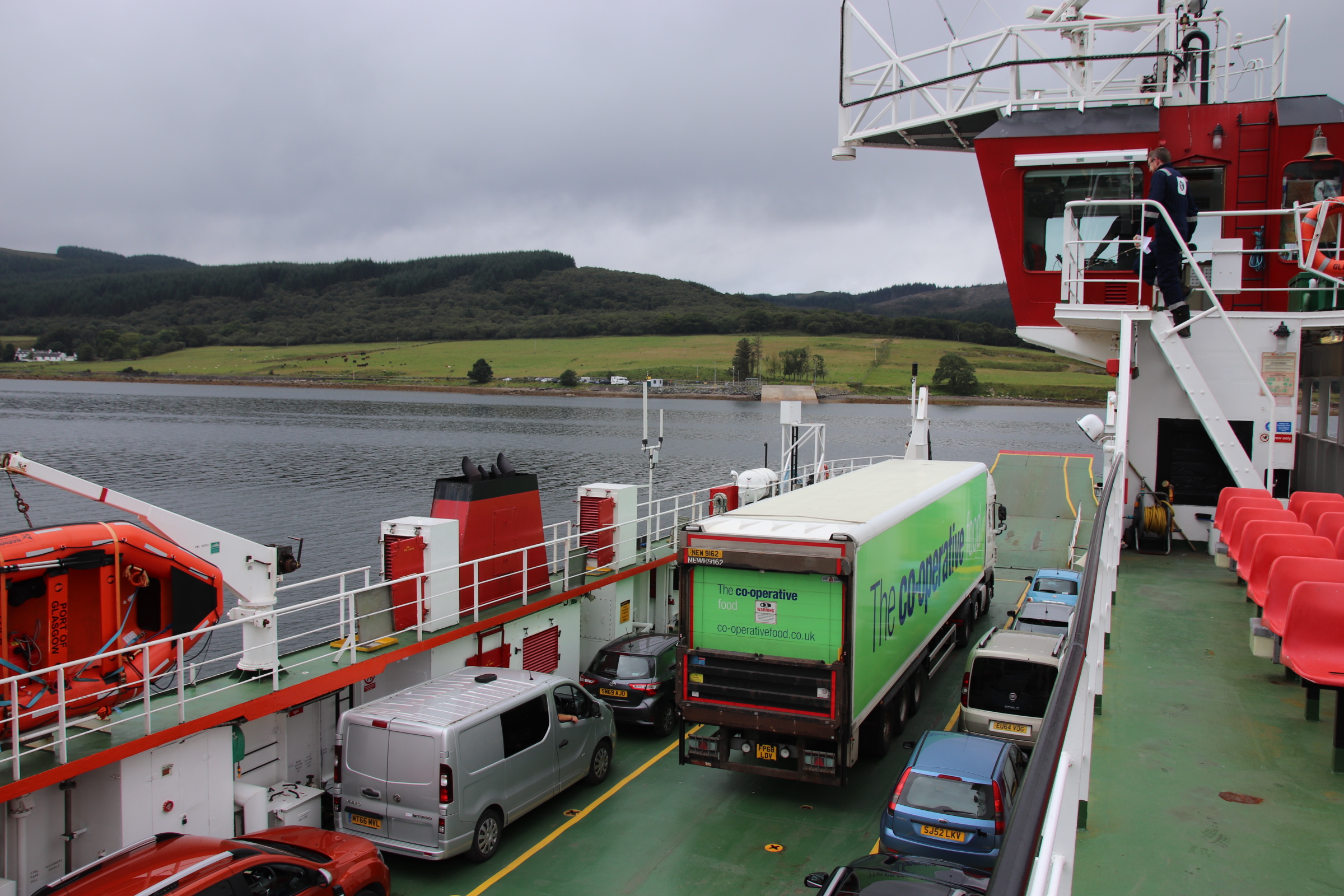
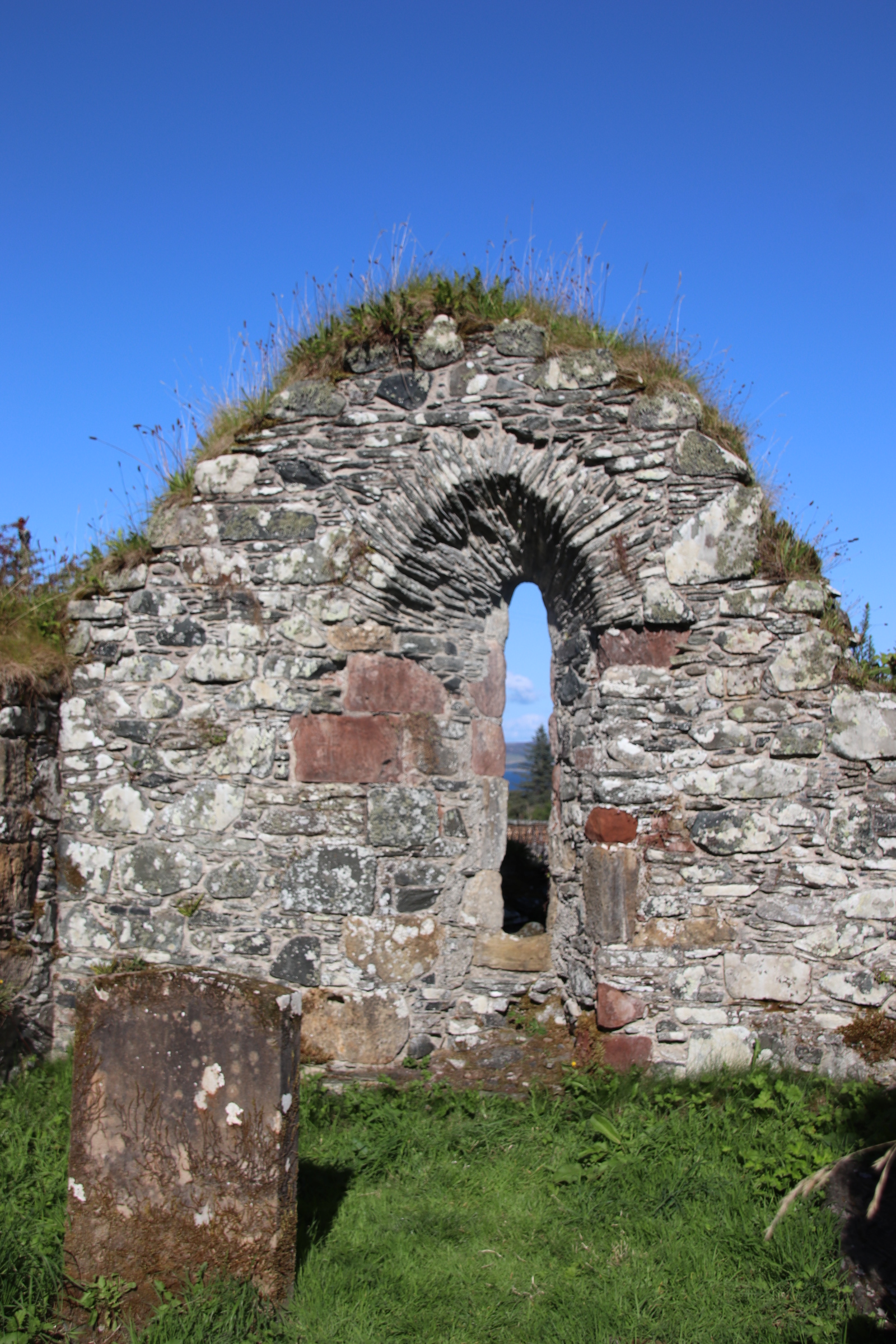
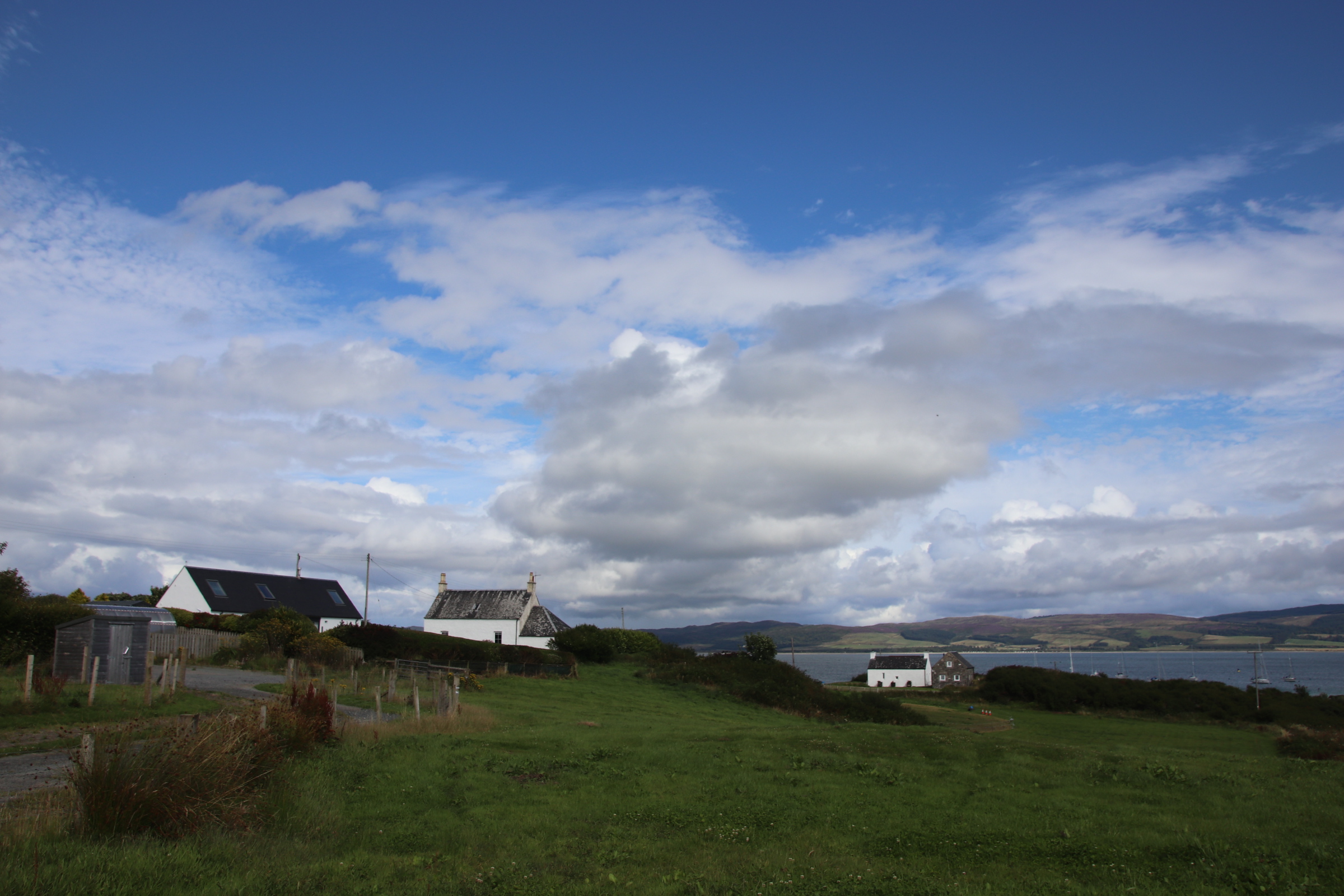
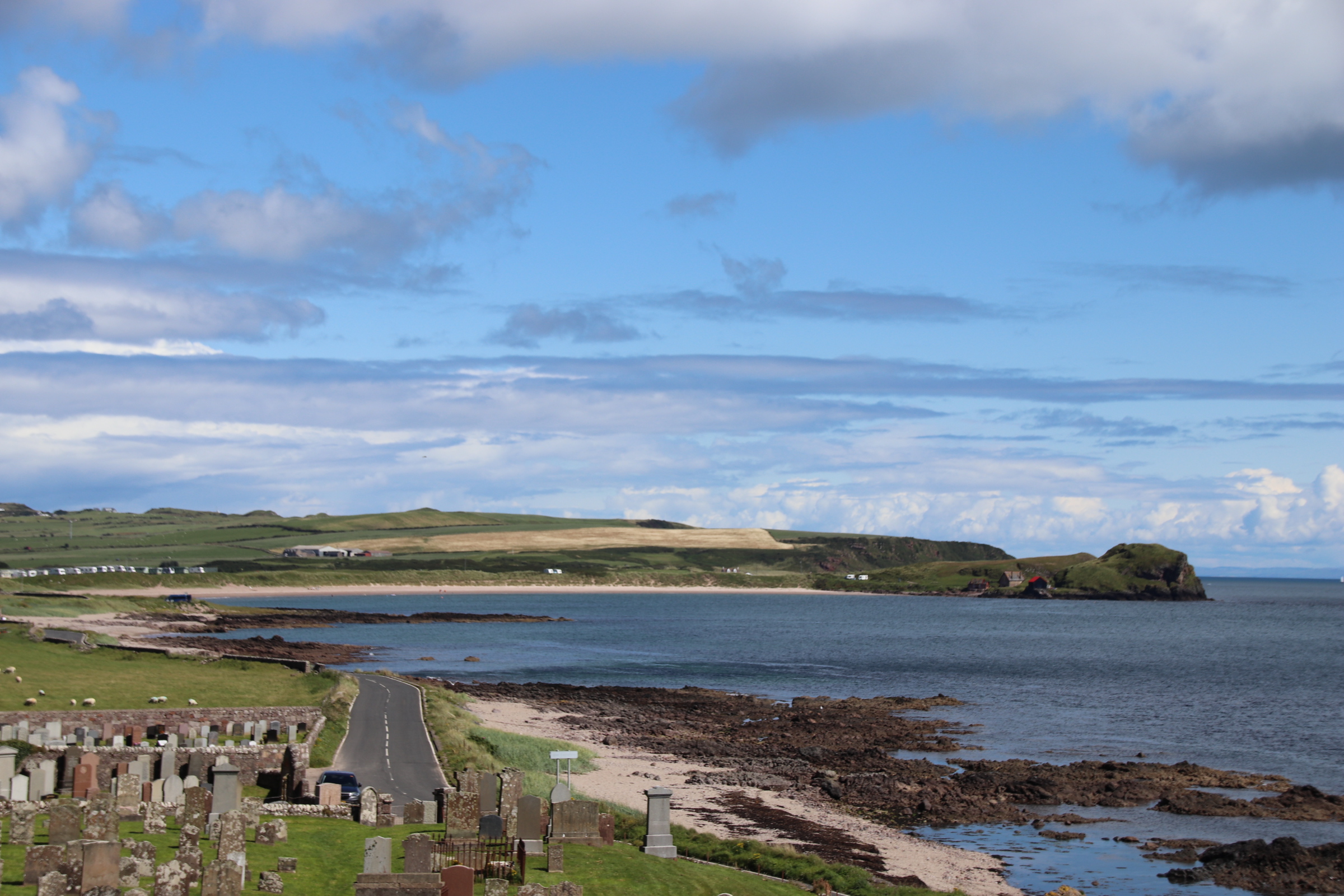
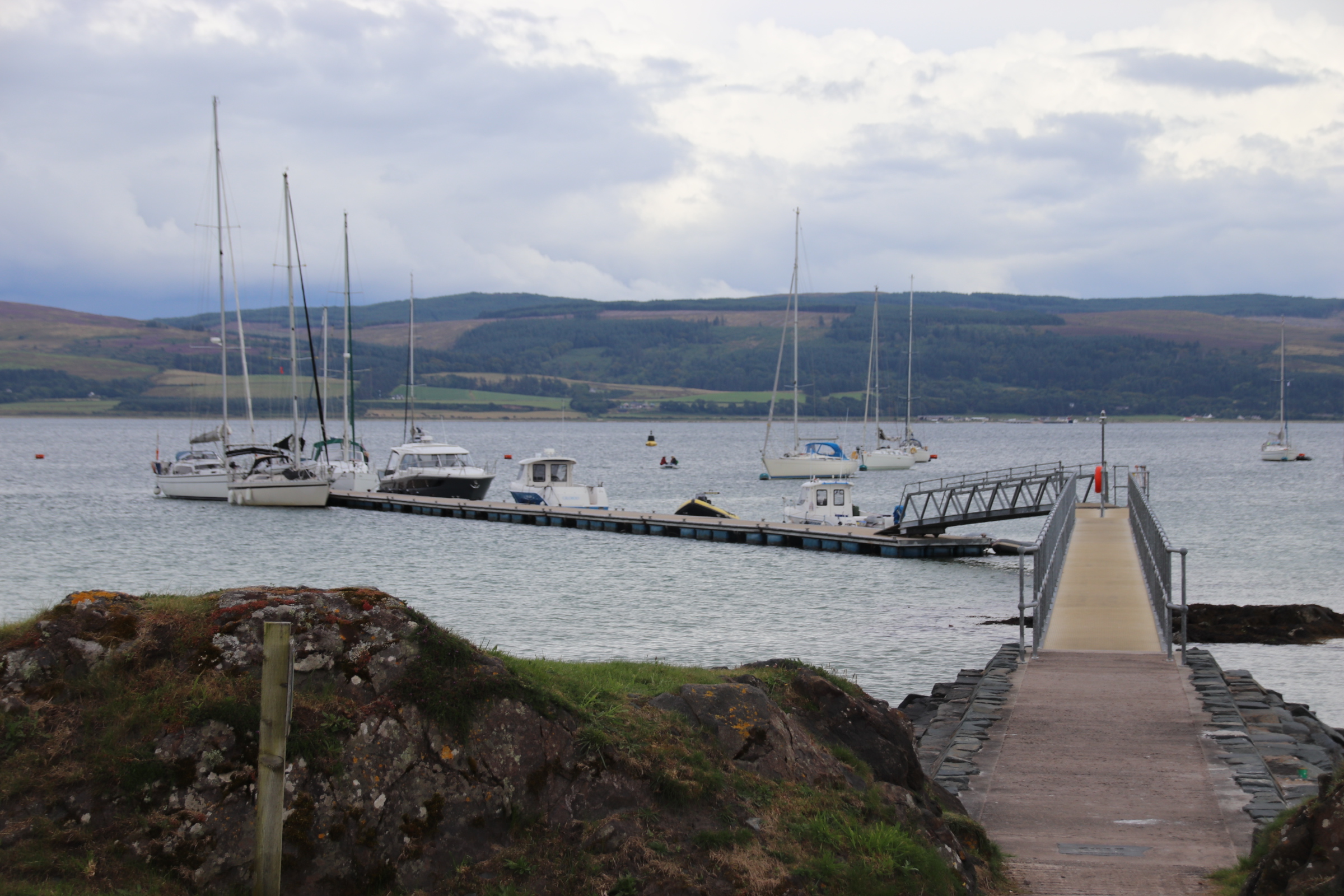
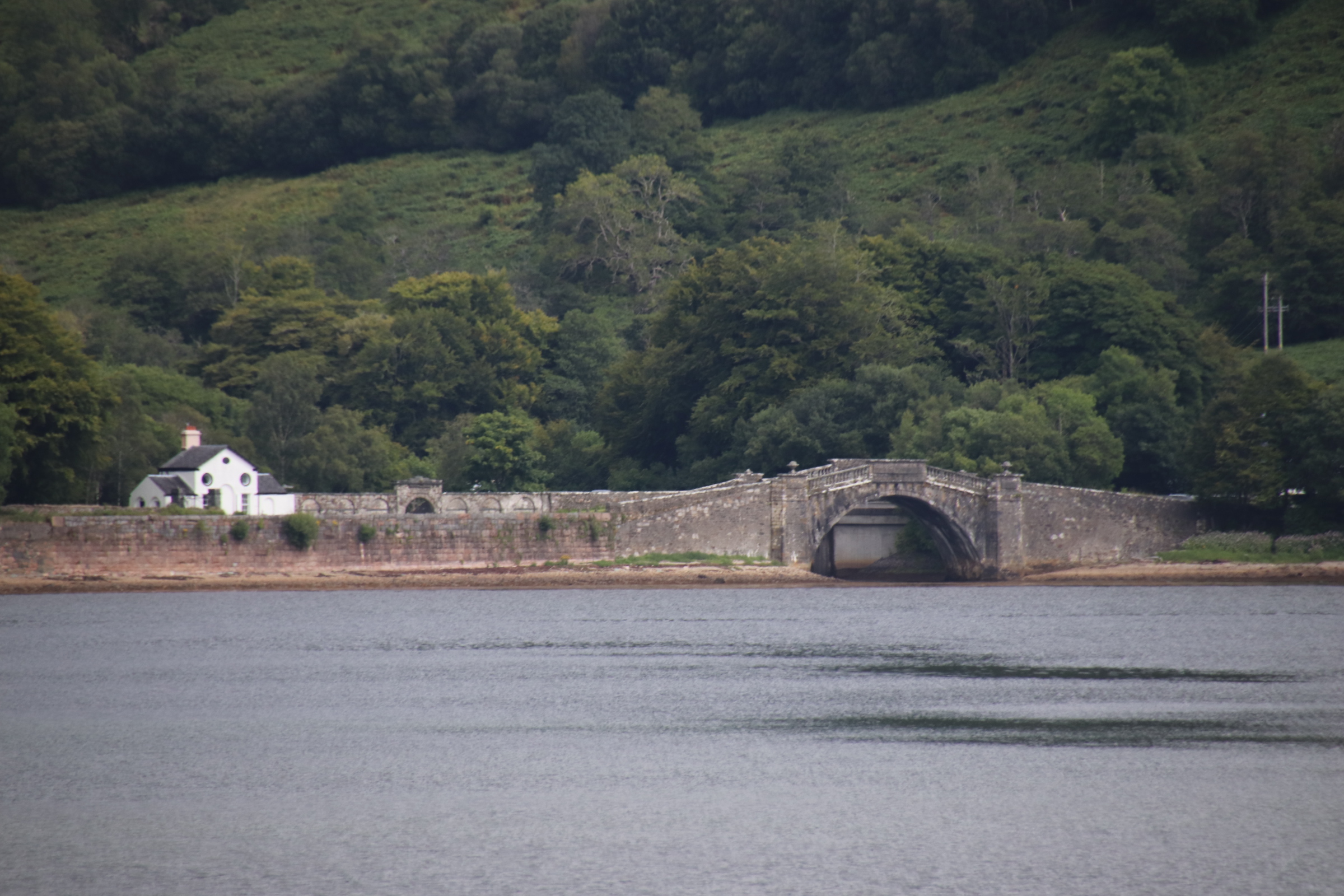
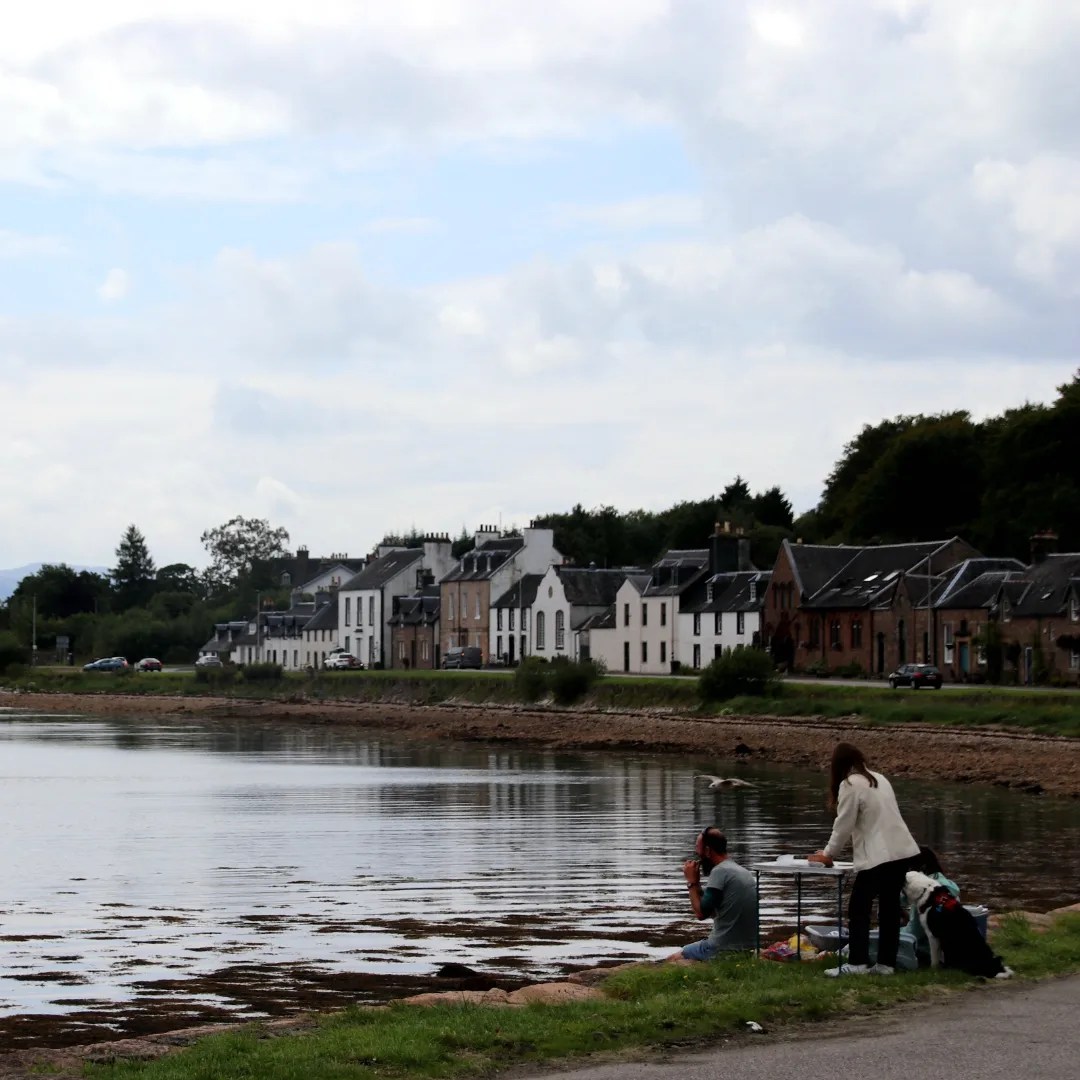
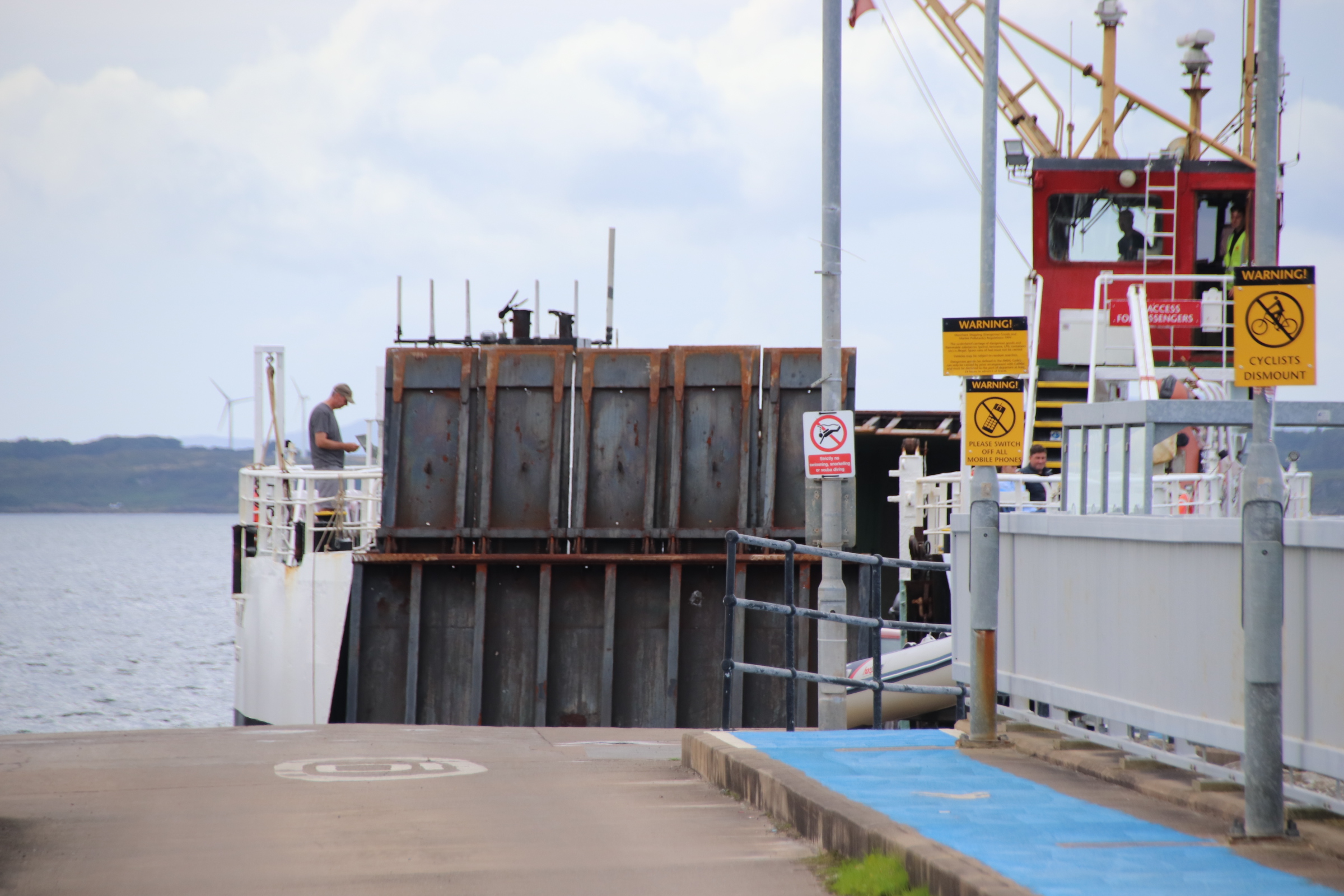
The community-owned Isle of Gigha is a short ferry ride across the sea from Taryloan on the west coast of Scotland. The ferry lands up to 12 or so vehicles and up to 30 odd walk-ons at the terminal which is about half way along the coast, next to the ‘marina’.

There is a small cluster of homes and businesses around this landfall. A store selling the basics, a hotel, (closed at present), a new cafe, canoe and bike hire shop, a fish restaurant. All that is needed if the weather gets so bad the ferry can’t run.

A single, single-track road runs the entire length of seven miles from North End, where the old wooden pier was used to unload passengers.

And South End, where the ferries dock overnight.

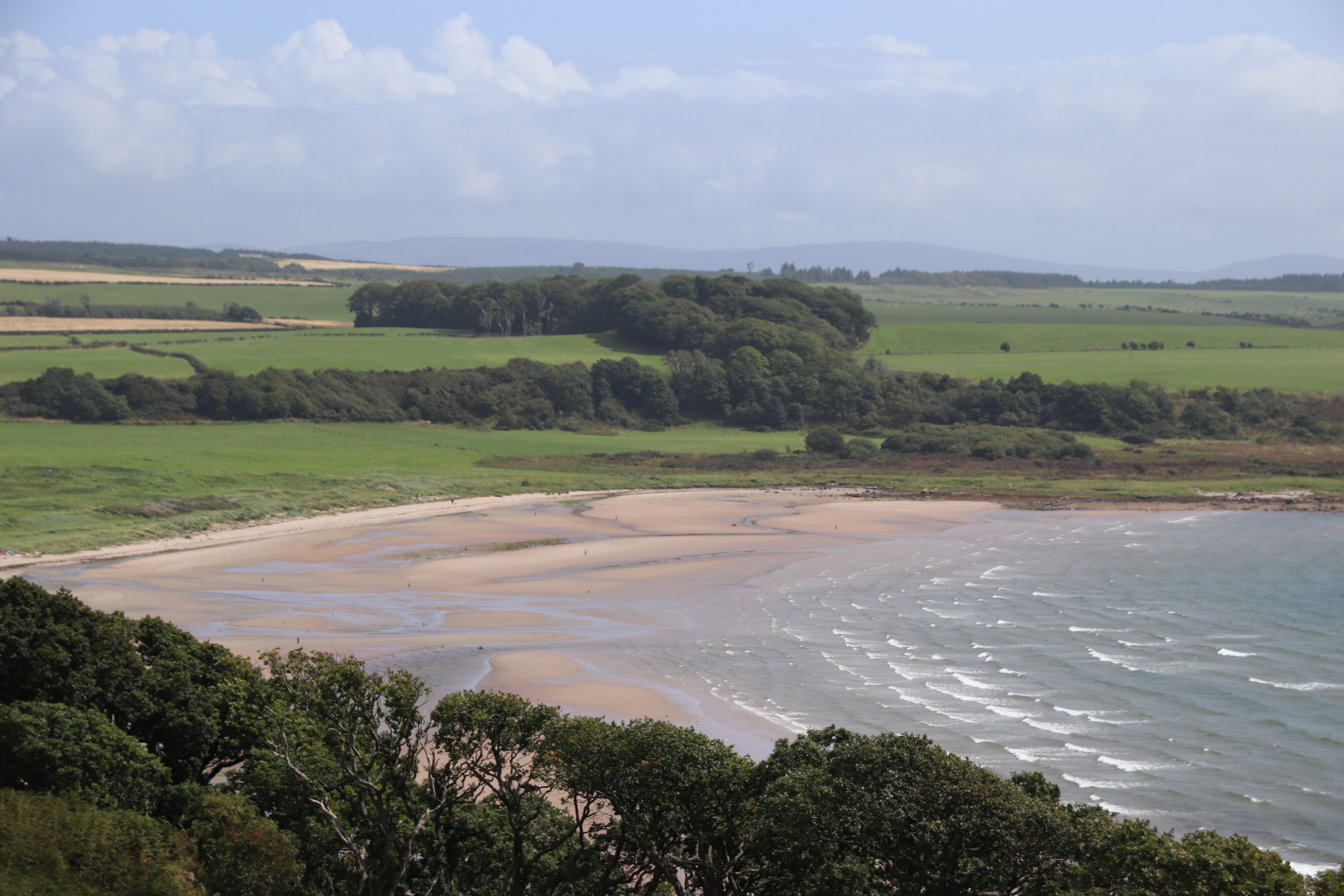
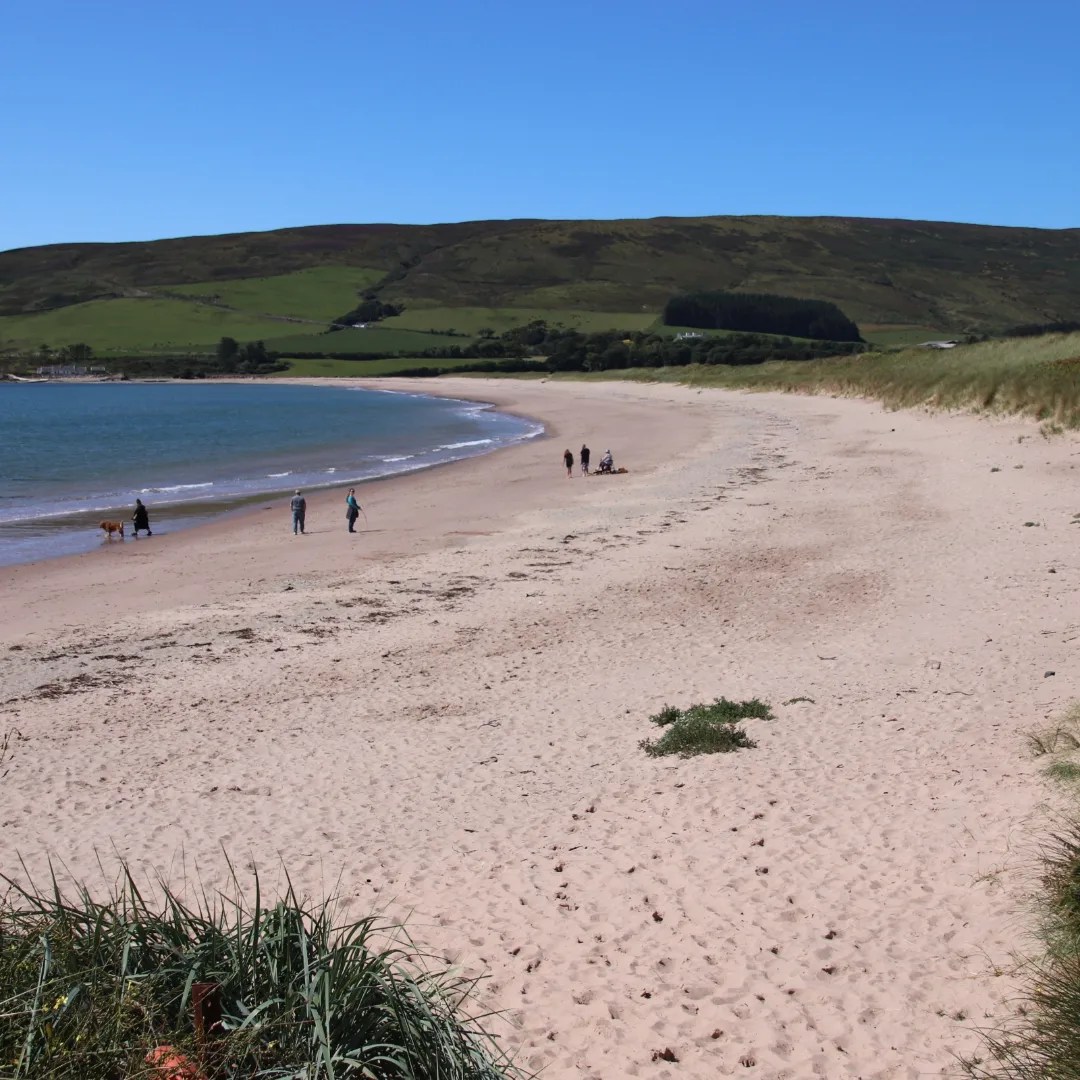
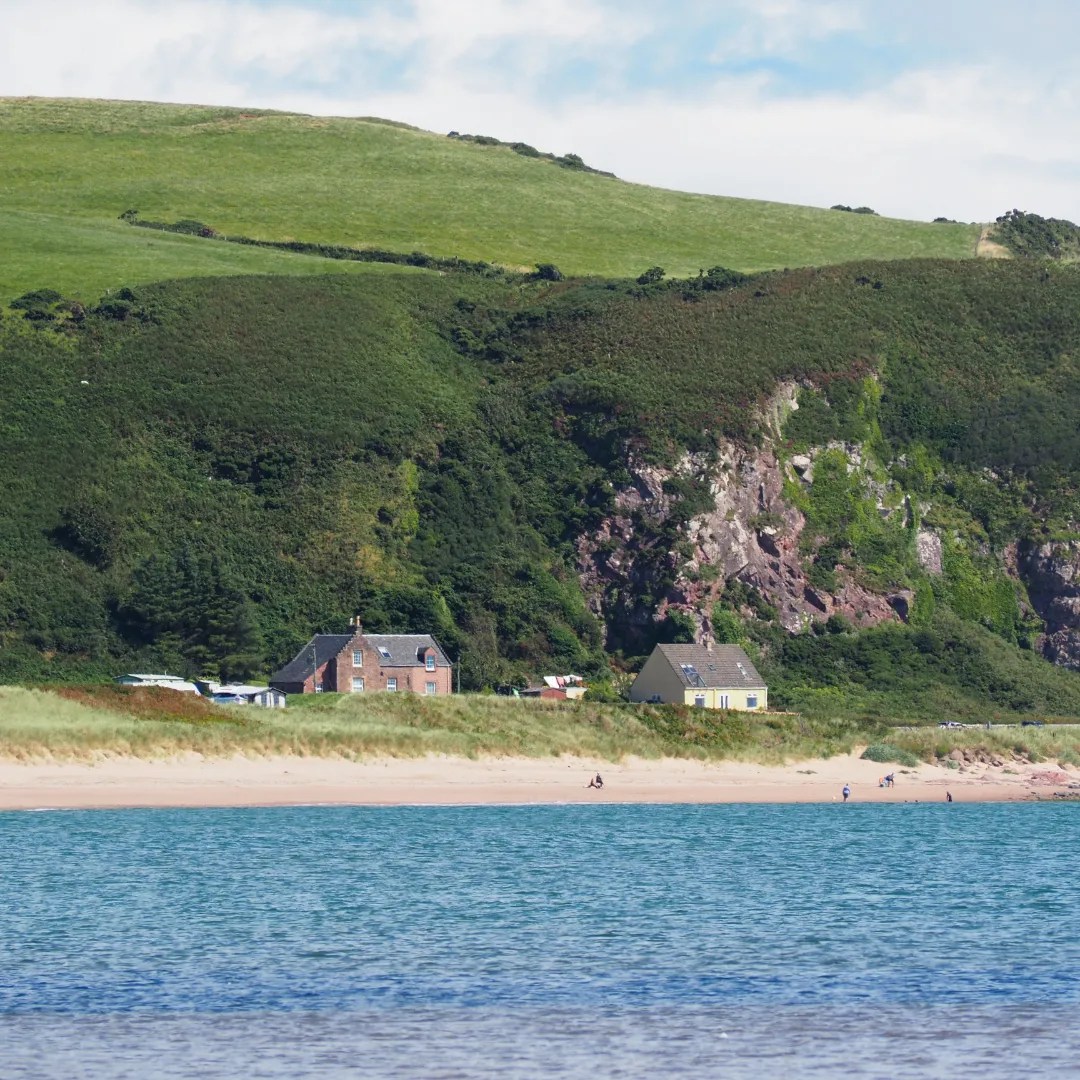
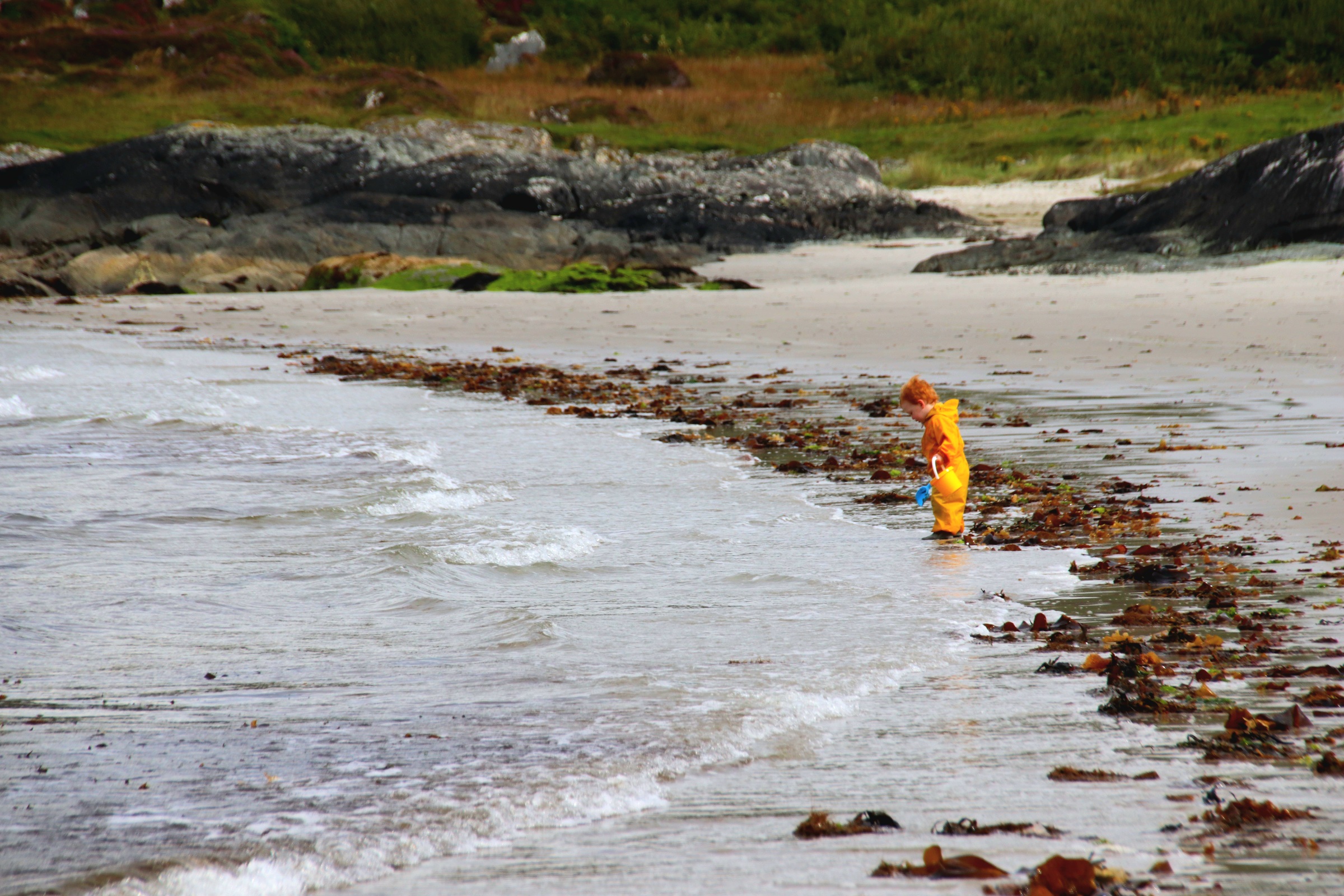
At its widest part it is under two miles wide with tracks & paths leading off on both sides to farms & sandy coves.

There is an excellent ice cream business on the island and milk is sent to the mainland. Salmon is farmed in convoys of pens and oysters cultivated in metal cubes.

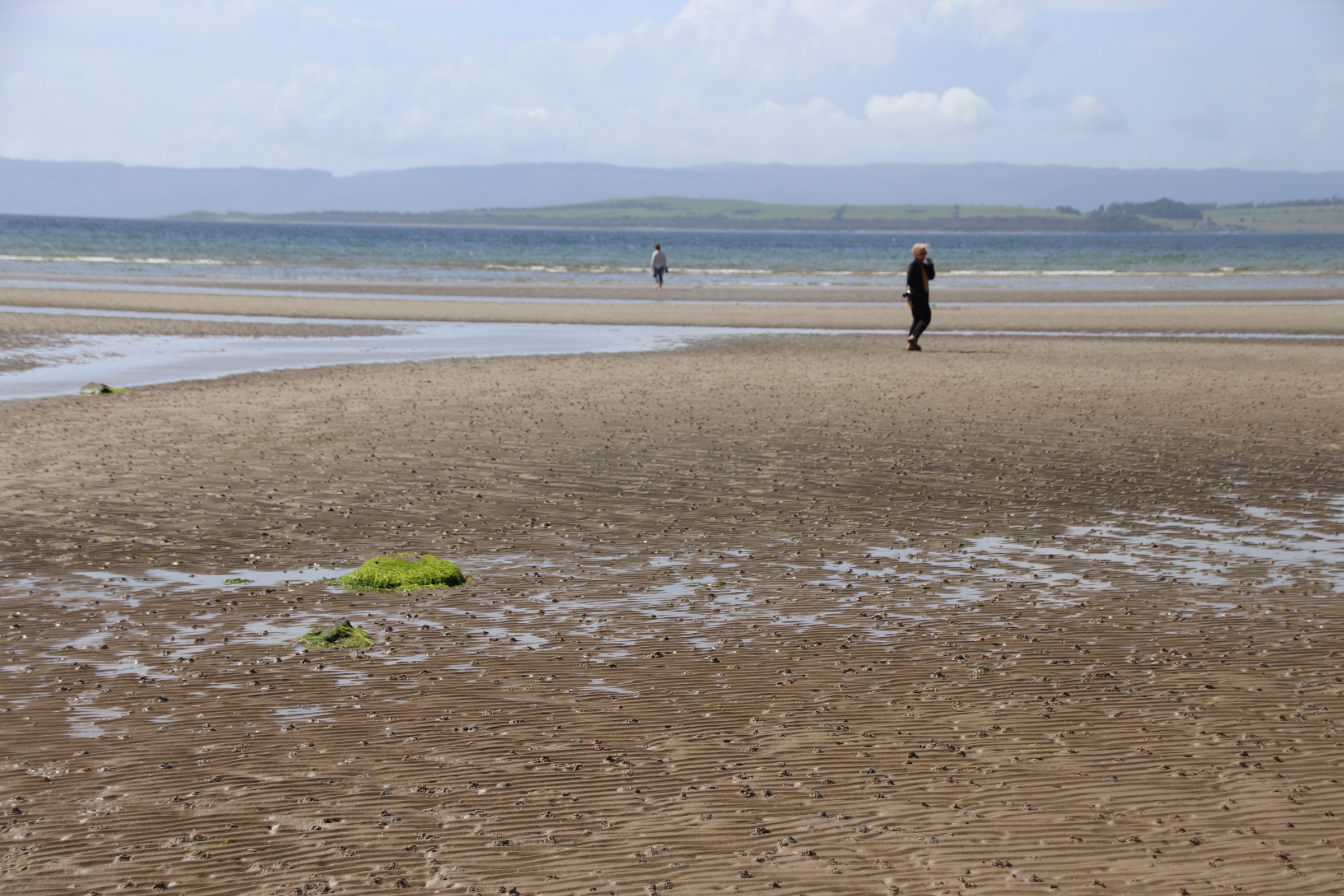
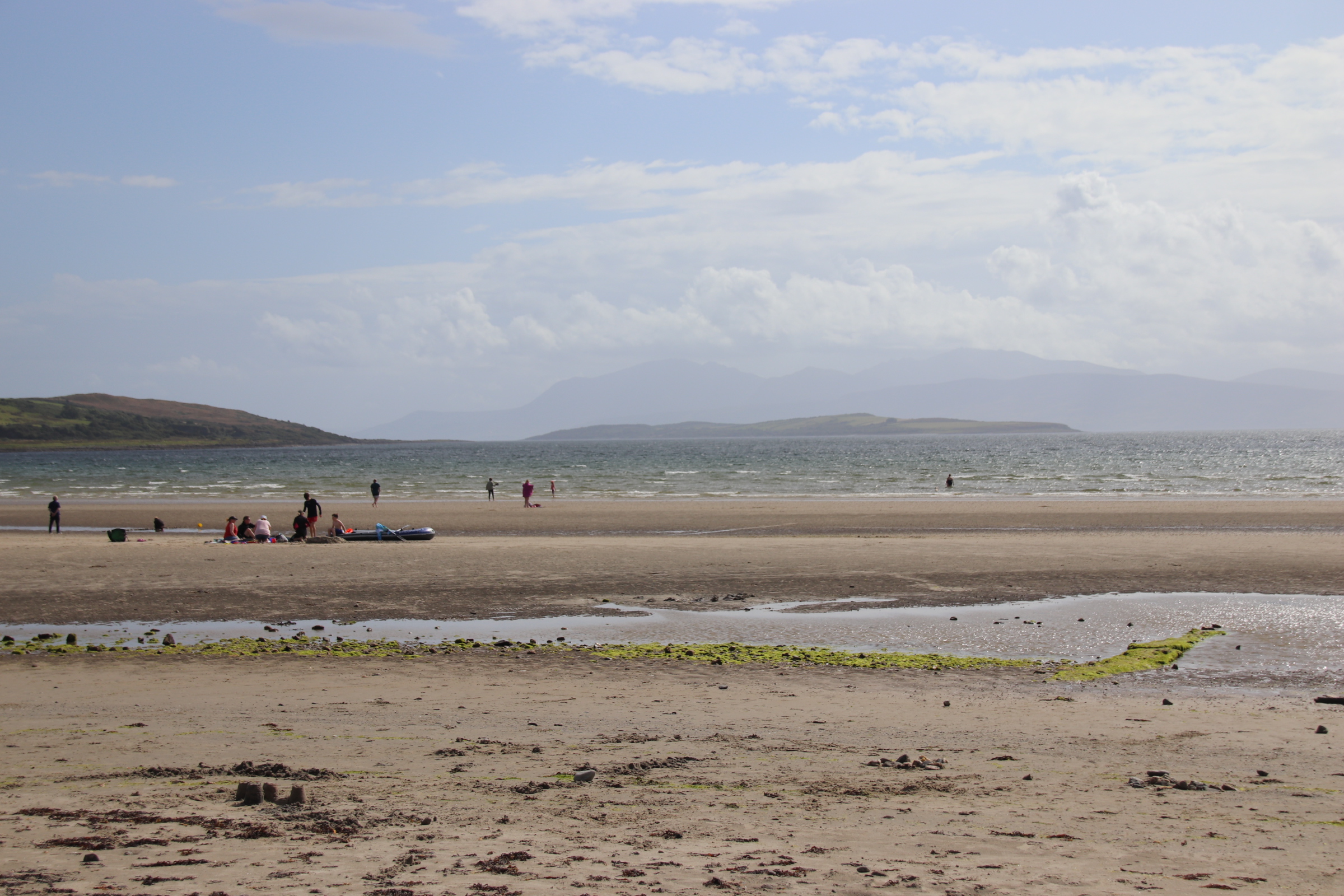
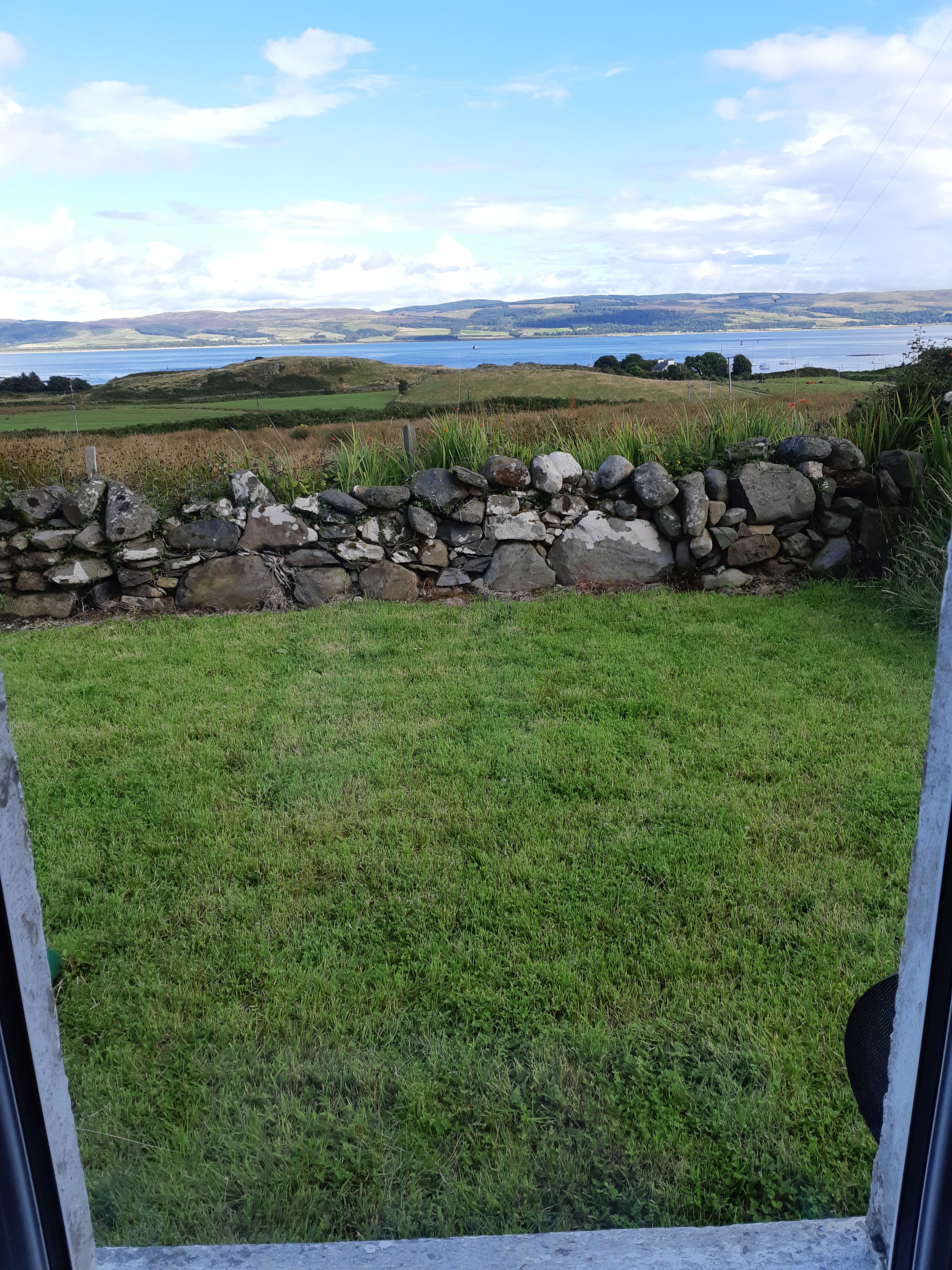
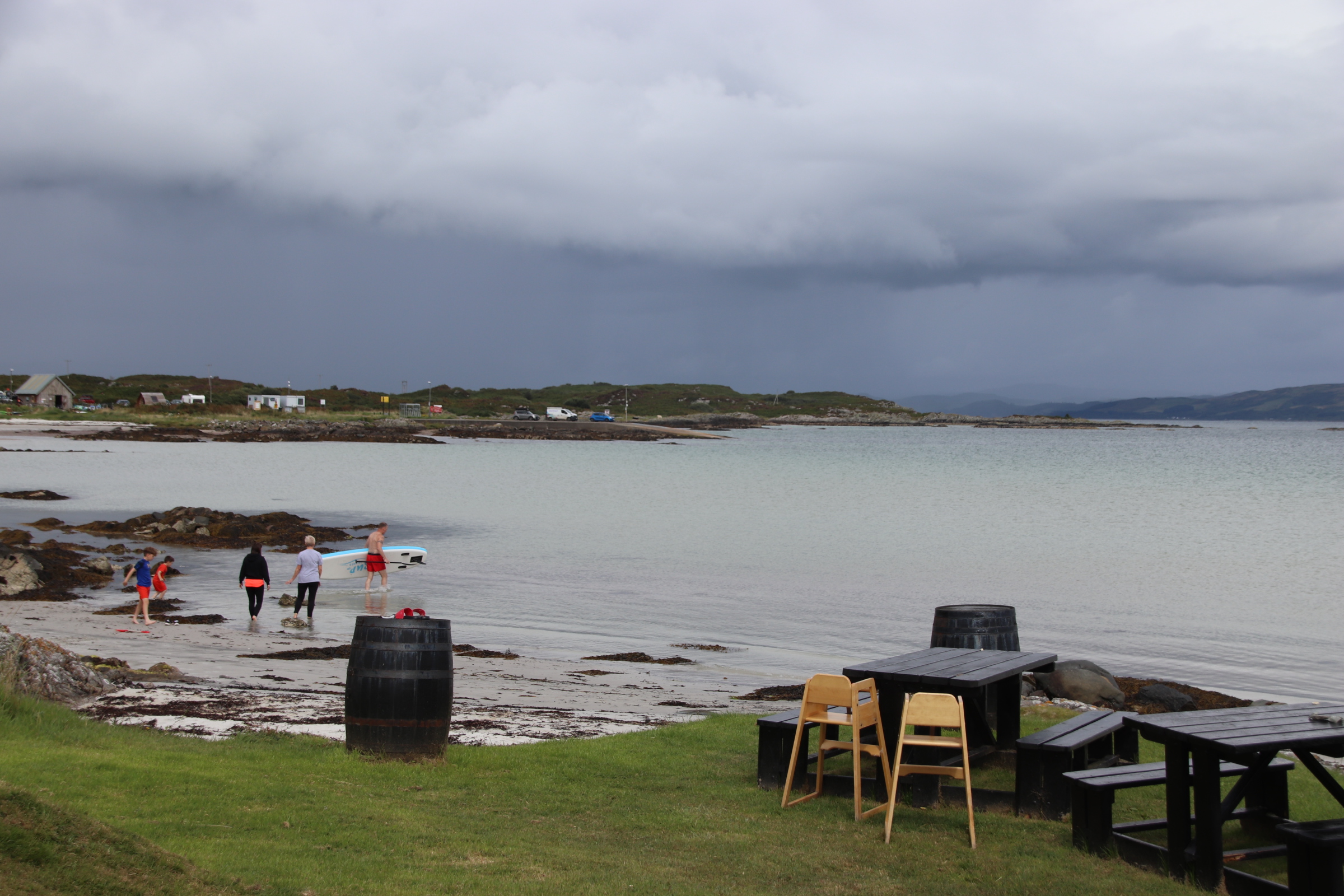
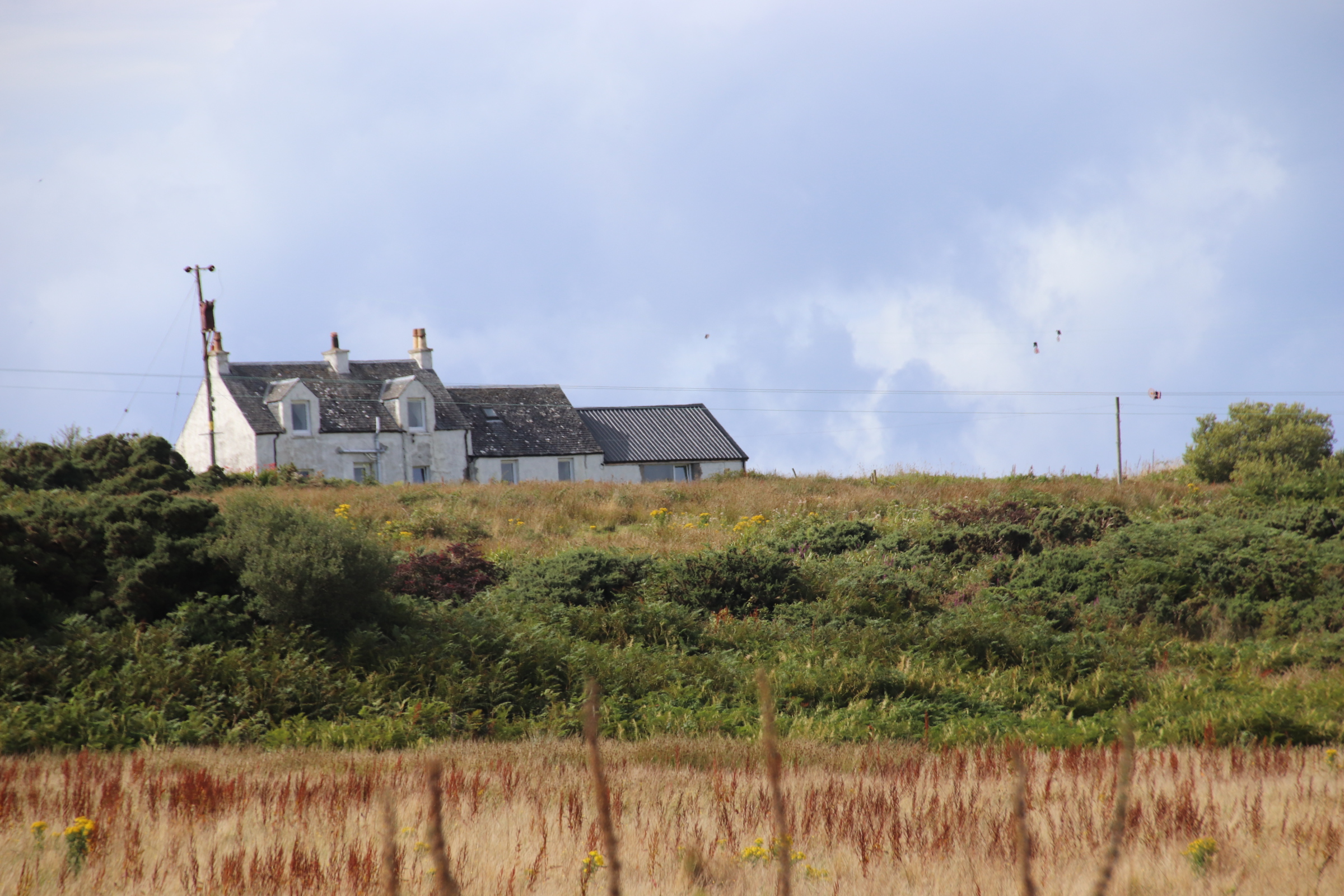
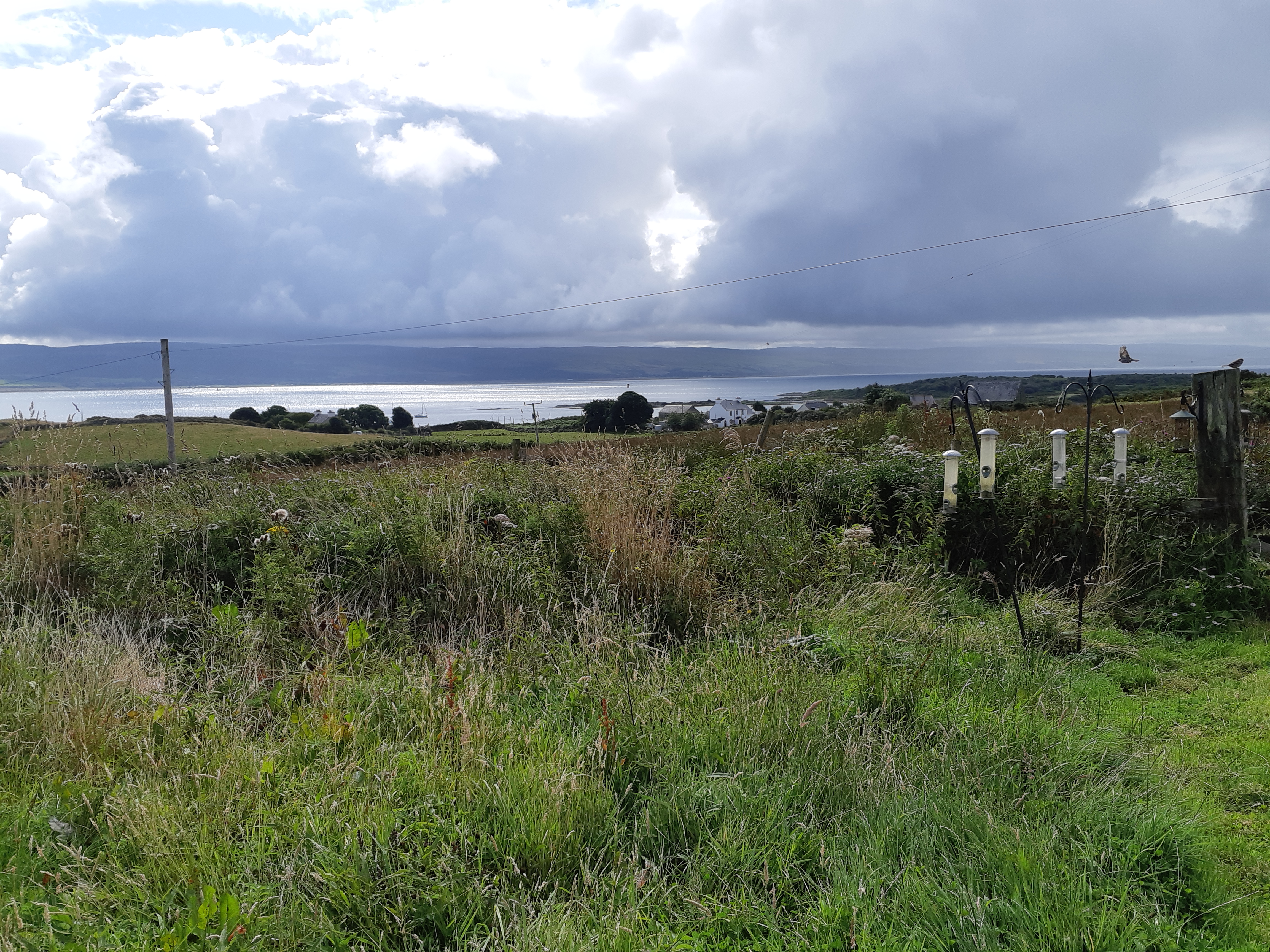
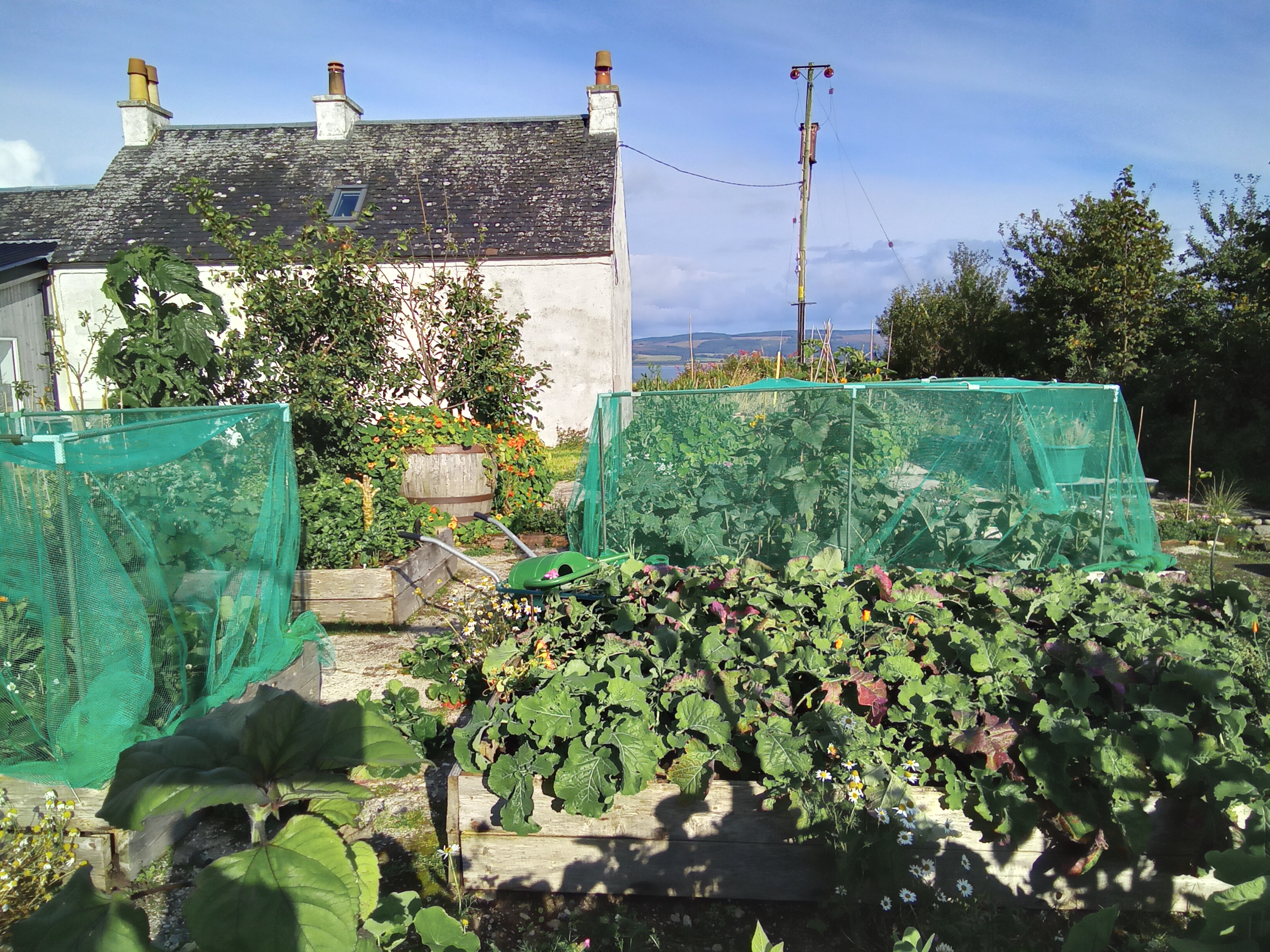
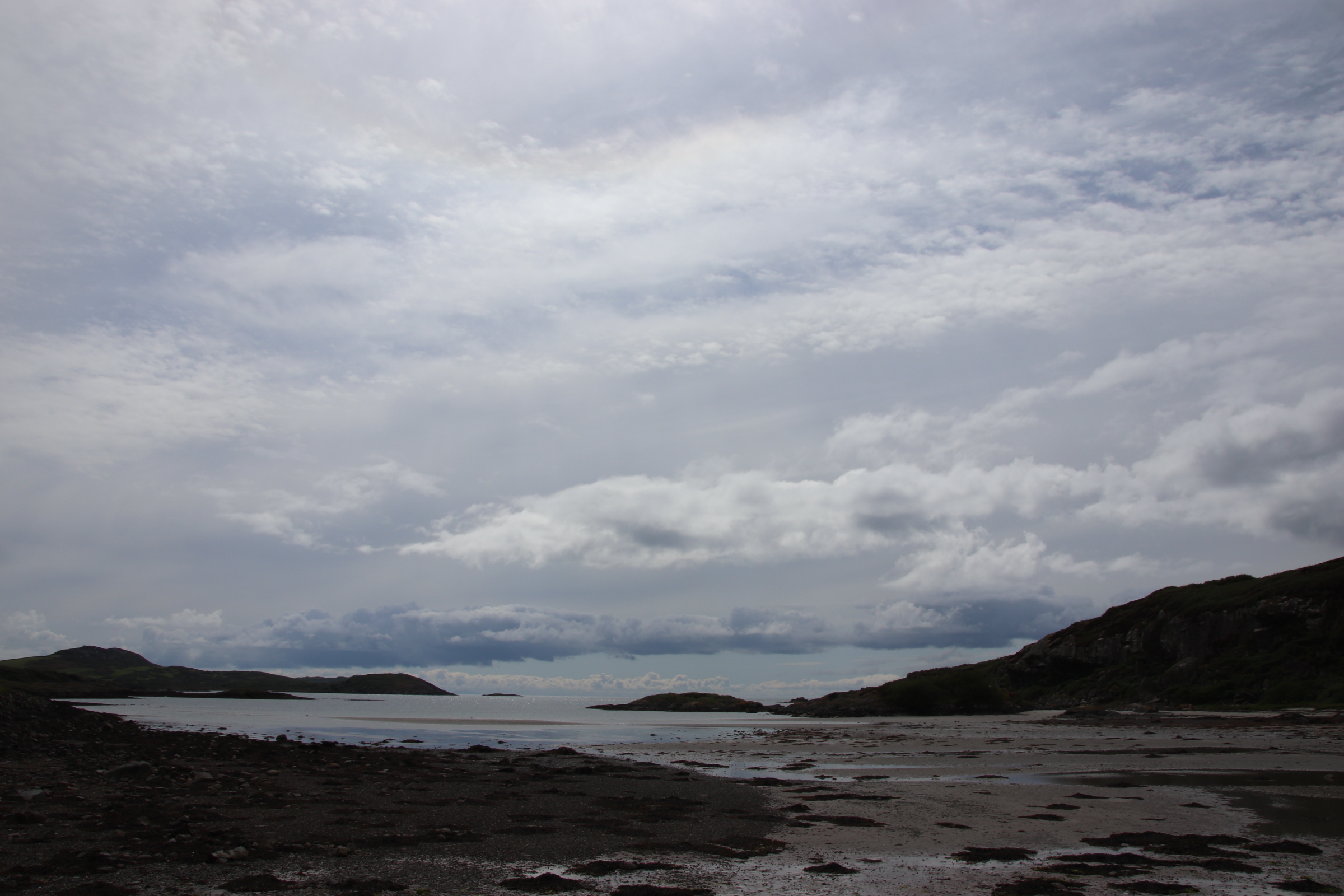
The island has its own micro-climate, mild with higher than average sunshine hours. On the island we can feel smug as over the mainland to the east, dark menacing storms gather, build and dump their contents in grey curtains of wet stairrods. To the west a brilliant lampstand of sunlight drops glorious rays over gorse and heather, blanketing the landscape in a glaze of shining gold.

163 people now live on Gigha, following the community buy out of the island in 2002. This wonderful place is home for 4 days. More to follow.

The drive through Scotland’s Central Belt from east to west.

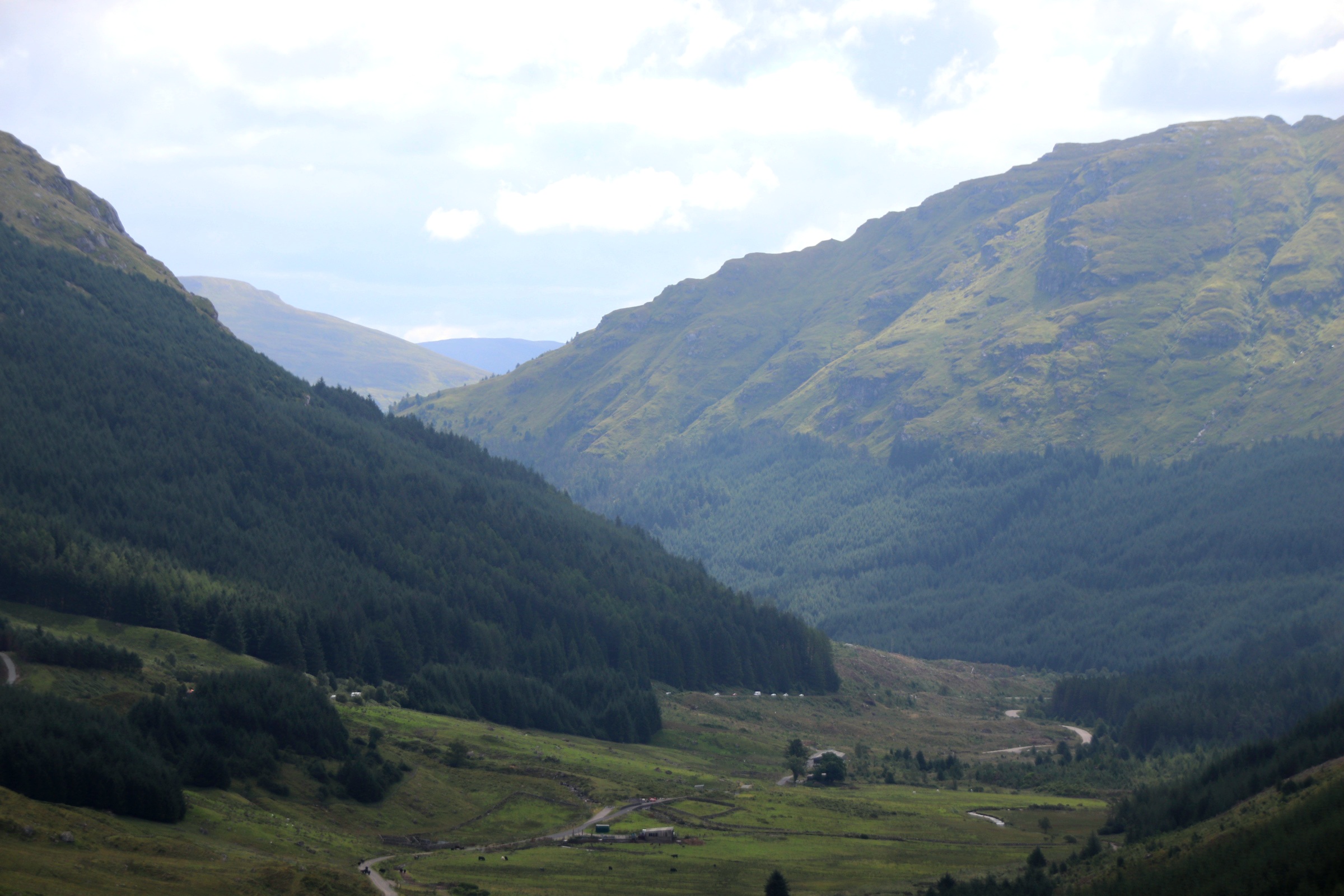
It’s time to change coasts. Having spent 4 days in the rolling, harvested landscape to the east of Edinburgh visiting the many fishing villages & towns by the North Sea, the first part of the journey follows the A1 around the capital. There, the landscape changes and the road climbs, peaks & lochs and high lands closing up around the car.

Gone are the tidy, wide-spreading, fields of golden, swaying wheat & barley & rape seed, edged with Old Man’s Beard and mixed bracken & brambles & grasses. Mountain landscapes appear with disappearing peaks lined up behind each other. Tall mixed woodland of pine & ash, oak & cedars stand imperious, dwarfing the passing traffic. Like a monks’ tonsure, they ring the heights. Breaking through to the light reveals a balding, grazed, rock-pitted landscape, contrasting light-grey, bouldered outcrops with flimsy greens of rough, pasture, yellow-studded gorse and a few stunted trees.

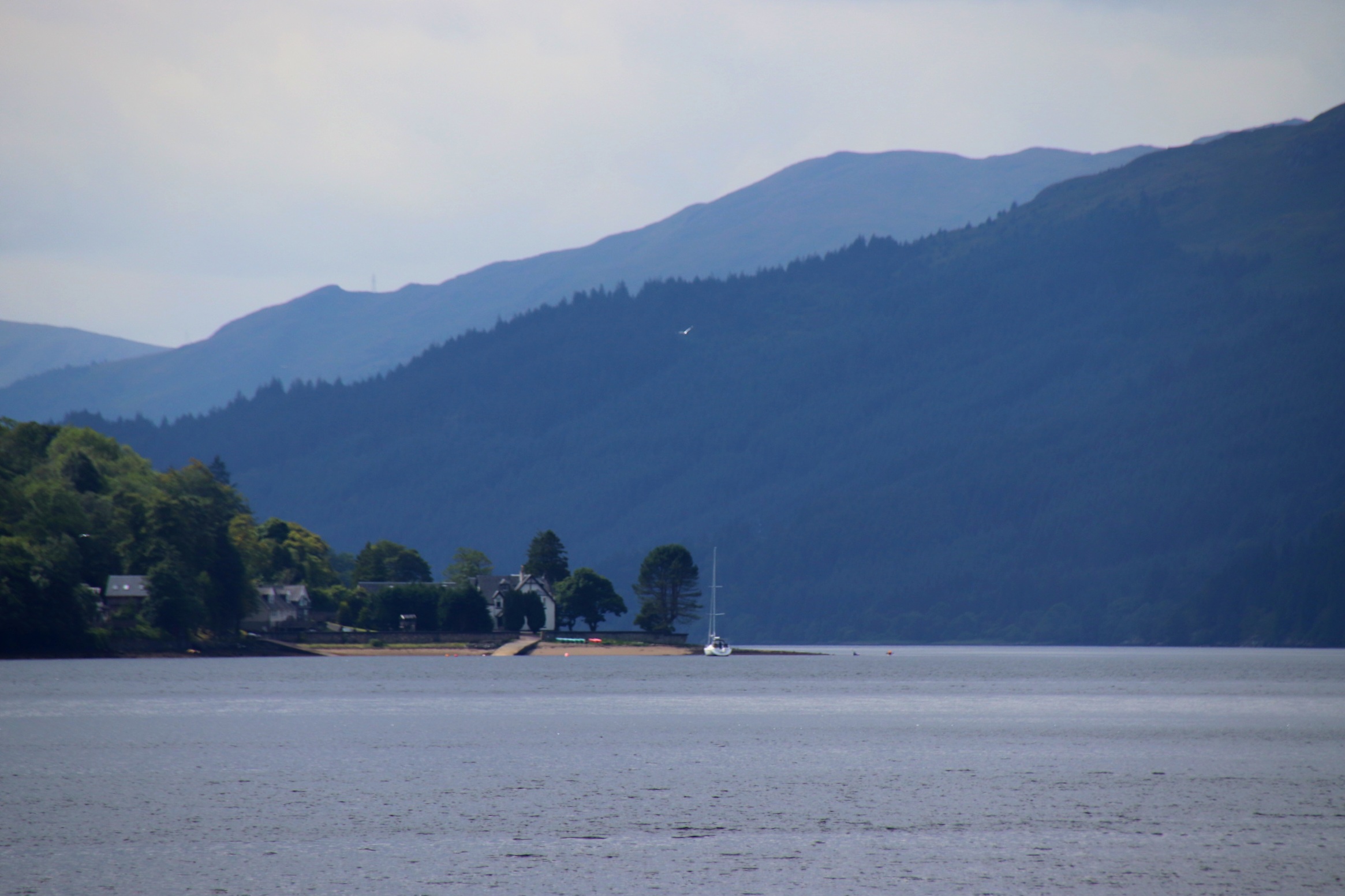
The road passes the sky-reflected mirrors of lochs & streams stretching for miles around the route. Loch Lomond, Loch Long, Loch Fyne break up the scenery, gleaming jewelry draped around the necks of preening peaks.

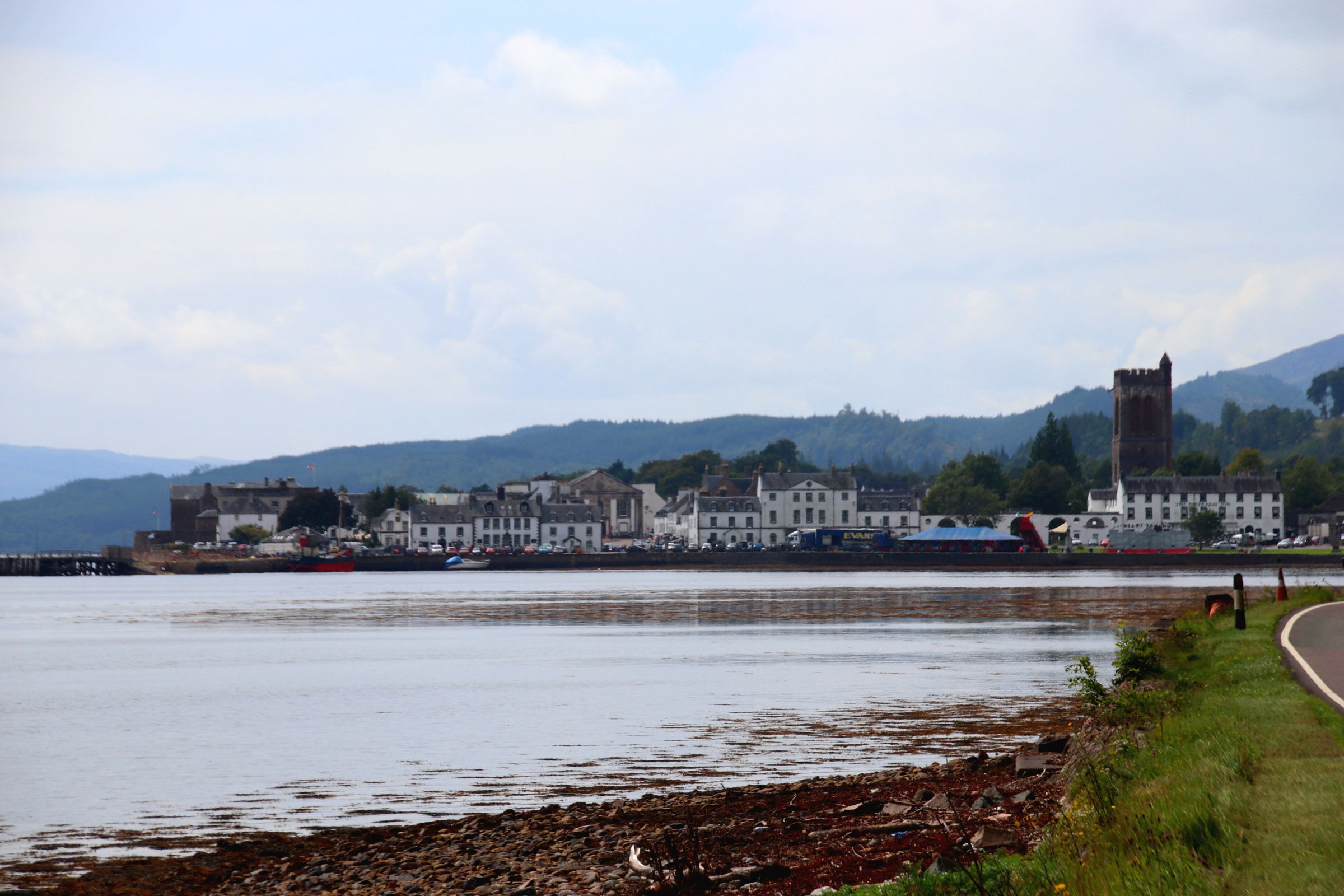
The lochs provided essential means of passage through the mountains for trade & communication and several small towns & villages are dotted around the edges. One of the most picturesque is Inverary on Loch Fyne.

Fishing may well be the source of wealth in small towns like this, as can be appreciated by the size and layout of the buildings.

After a beautiful drive of 5 hours or so, we reach the west coast and the island ferry that runs from Tayinloan to the Isle of Gigha, our final destination.

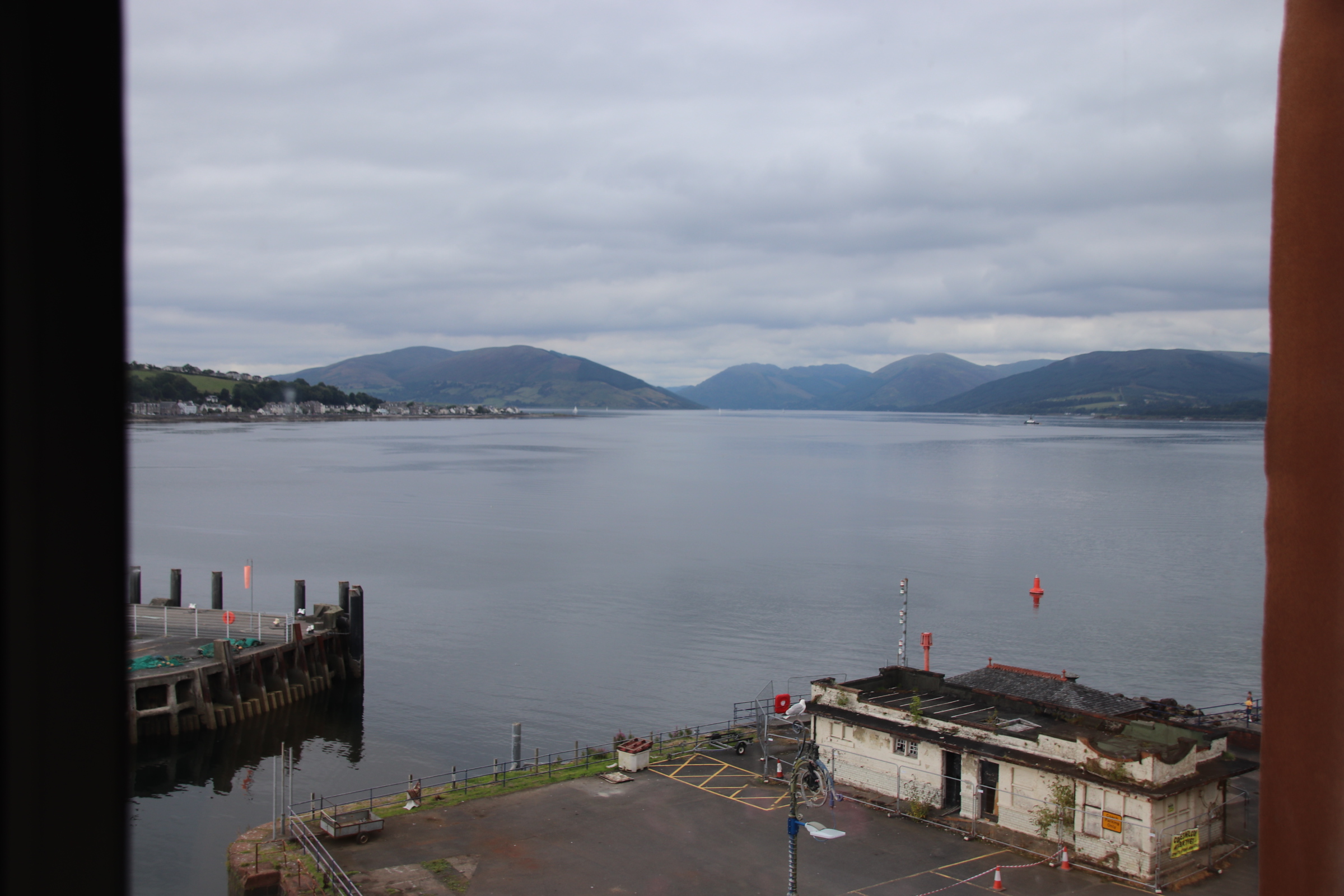
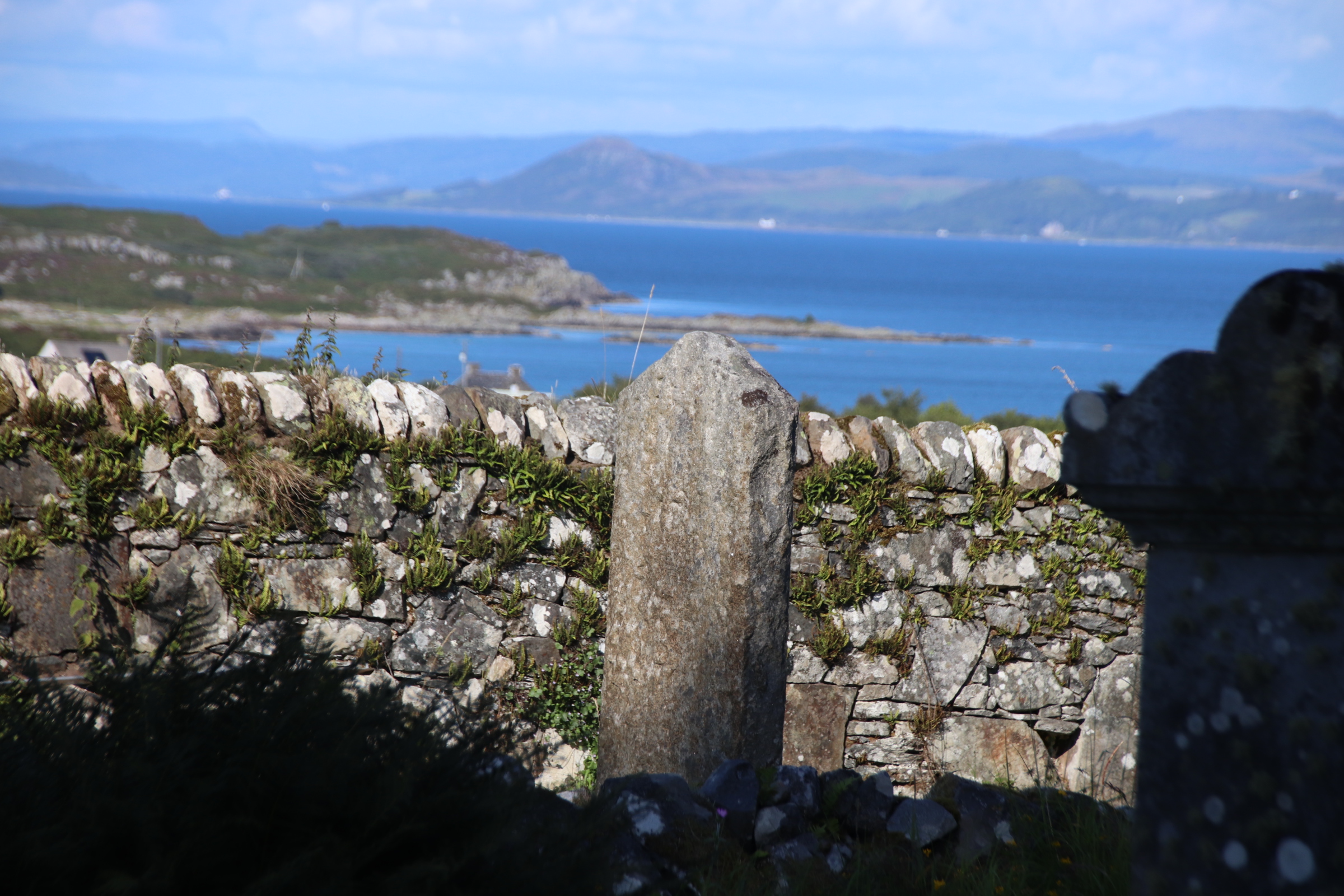
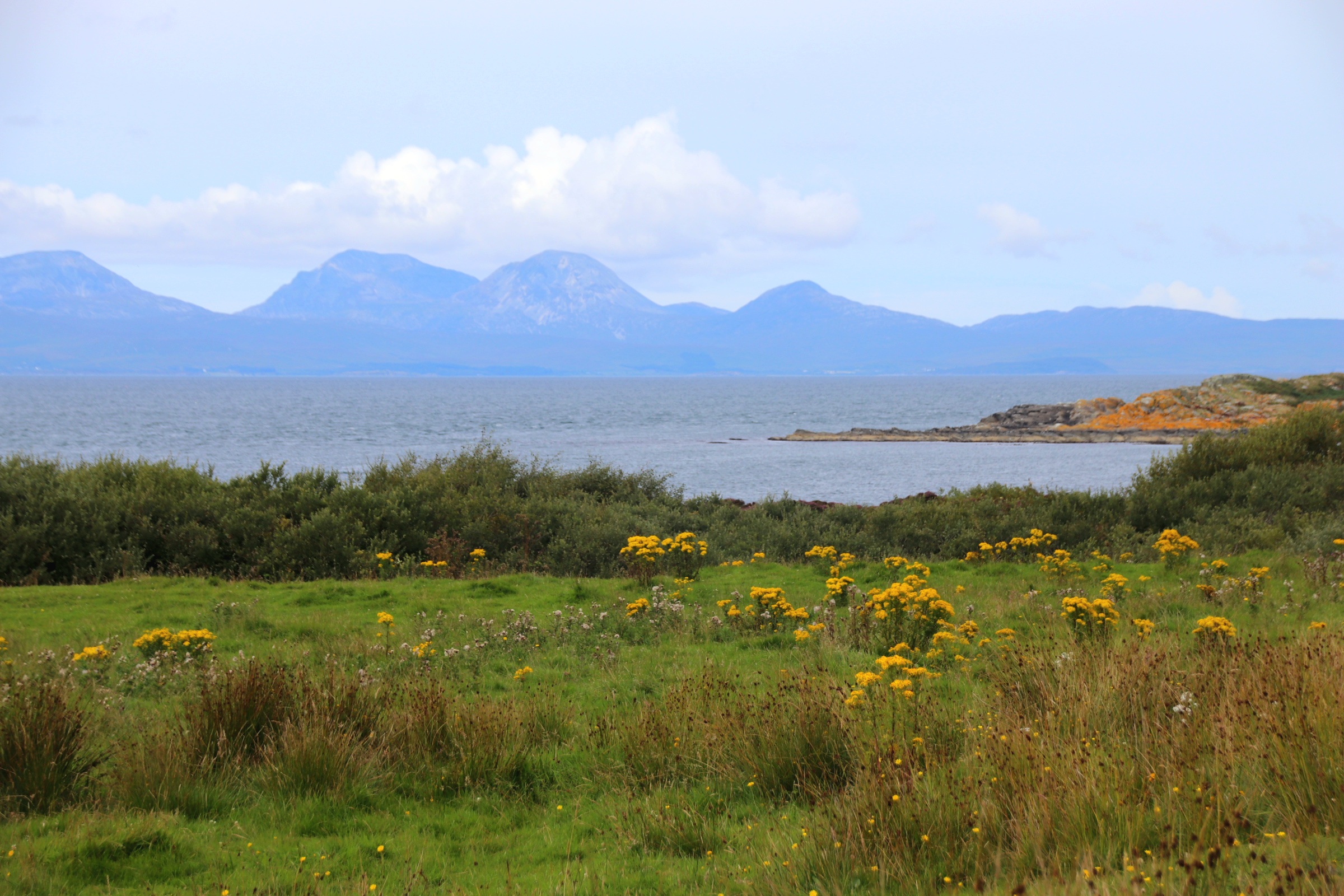
Look closely at the far-off Peaks of Jura!

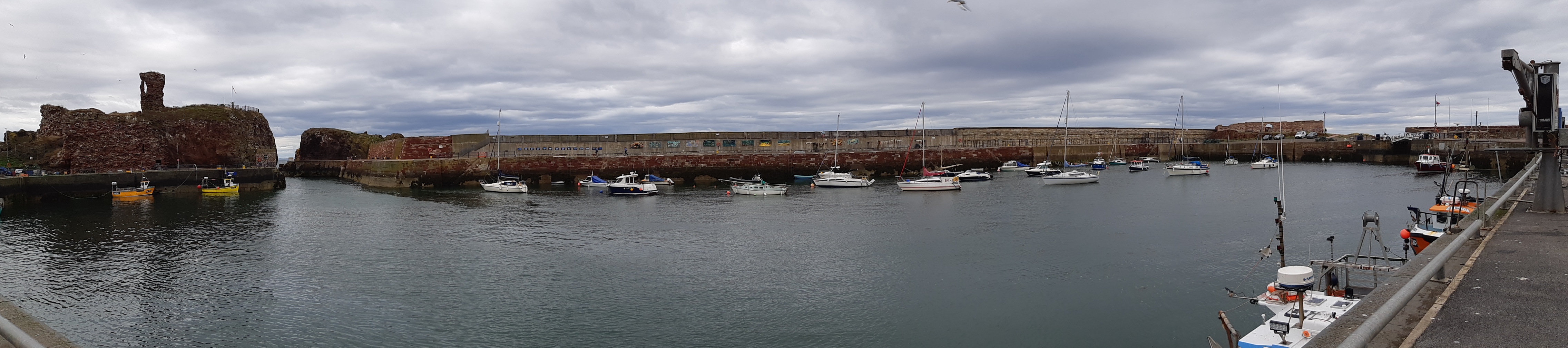
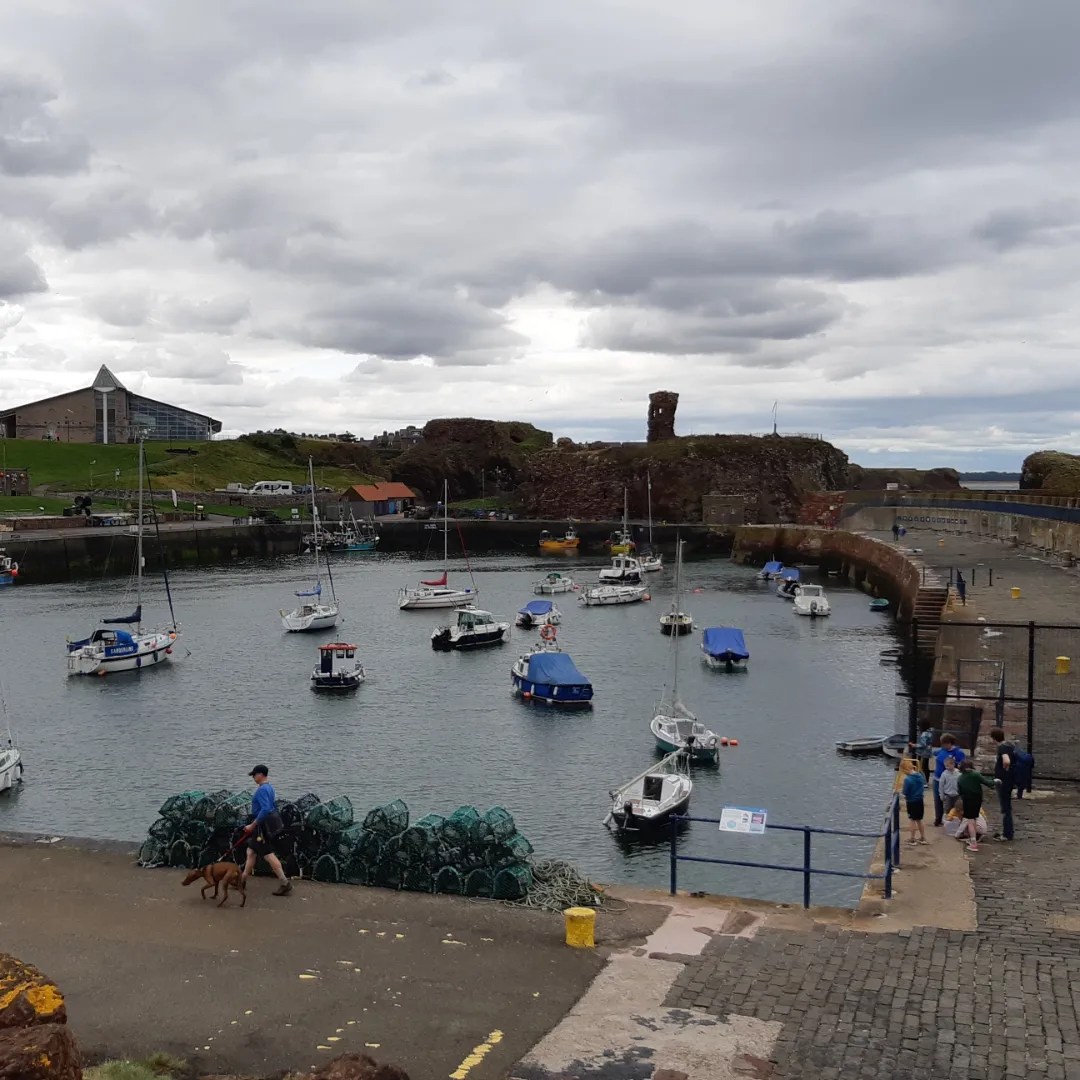
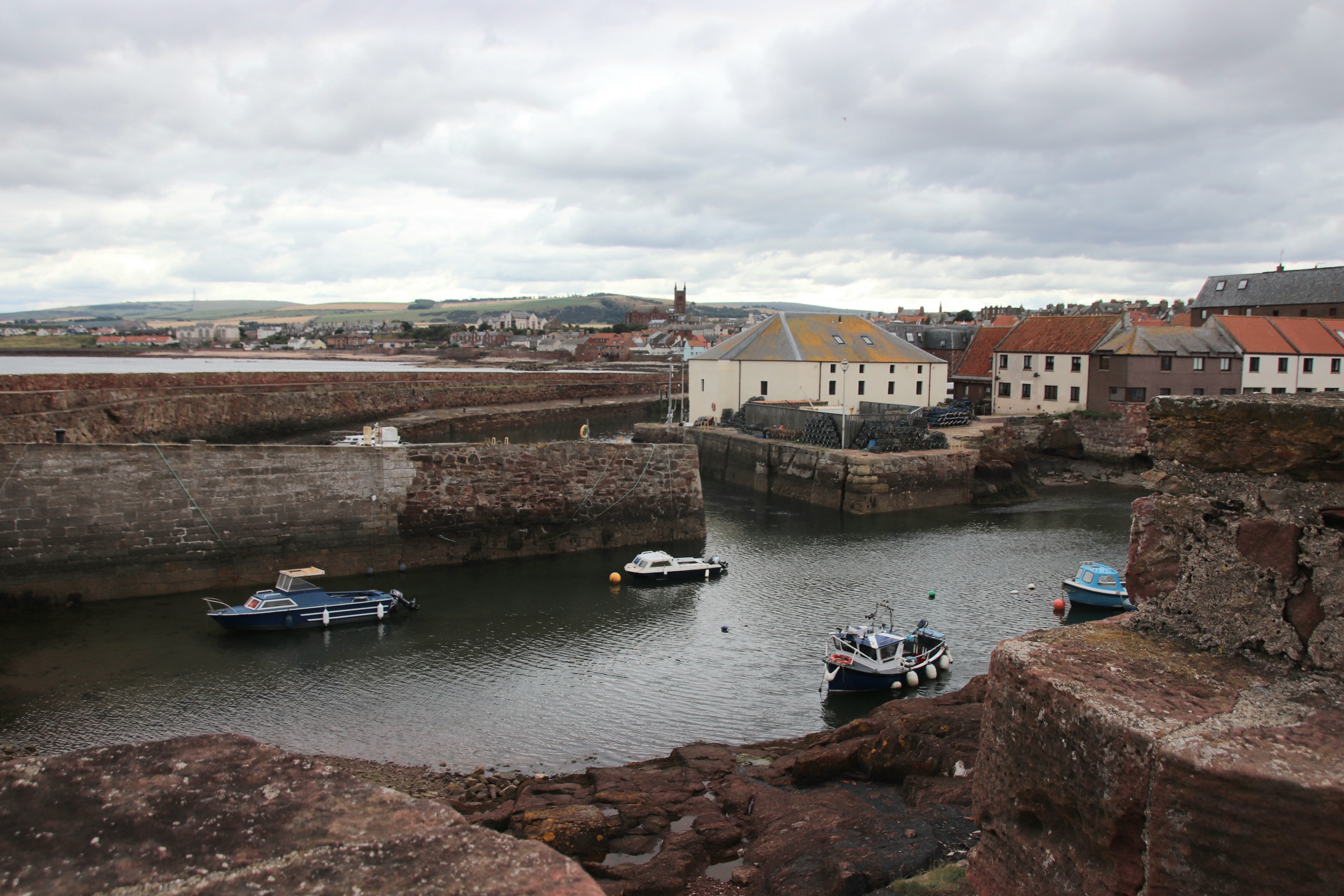
Heavy skies above Dunbar

Dunbar prospered as a market town positioned on the east coast of Scotland, with a strong fishing & farming community, then as a military base before, in the late 19th century with the arrival of the railway in 1844, it became a seaside resort. The historic town centre became one of the oldest Royal burghs in Scotland in 1370. This gave it the right to trade in goods along the long & broad High Street.

In those days town centres featured a standard design with a castle at one end and a church at the other with a very wide street between with enough room to position market stalls on both sides. Over time these ‘shops’ moved into the buildings and the shopkeepers lived with their families upstairs.

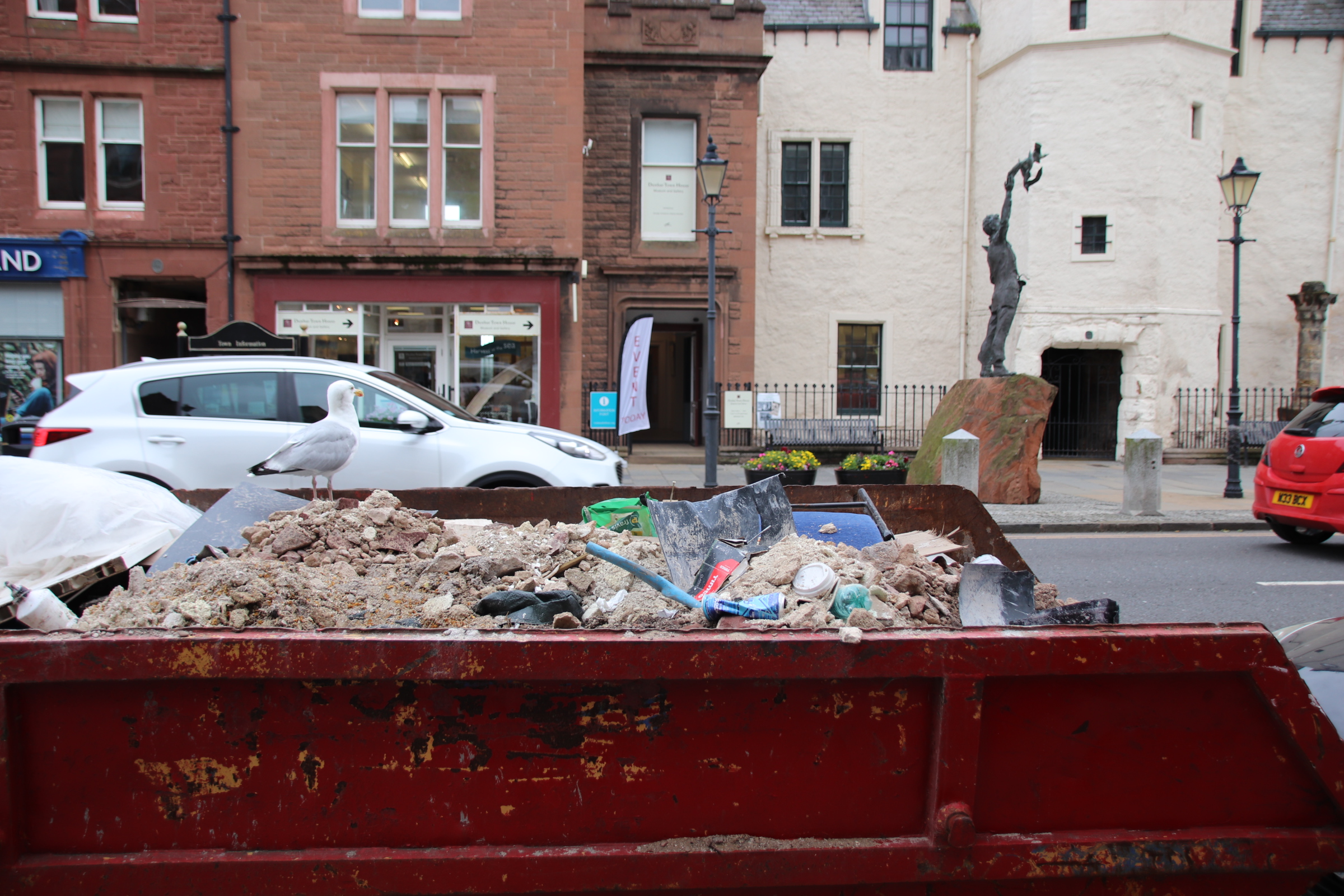
The High Street buildings vary in style and grand essentials. Outside the Town House is a statue of John Muir, the founder of the modern conservation movement who was born in Dunbar. He moved to the US and was instrumental in founding their national parks.

To the east of the town, high cliffs peer out across the North Sea and the far-off islands colonised by cormorants.

The harbour area below the high cliffs consists of three harbours, a ruined castle and a battery. The town has a long history going back to the 7th century with its strategic importance at the entrance to the Firth of Forth. Above the harbour are the ruins of Dunbar Castle, stone from which was used to create Victoria Harbour in 1842. Dunbar was also home to a major herring & whaling fleet and to this day, retains a commercial fleet mainly landing shellfish.

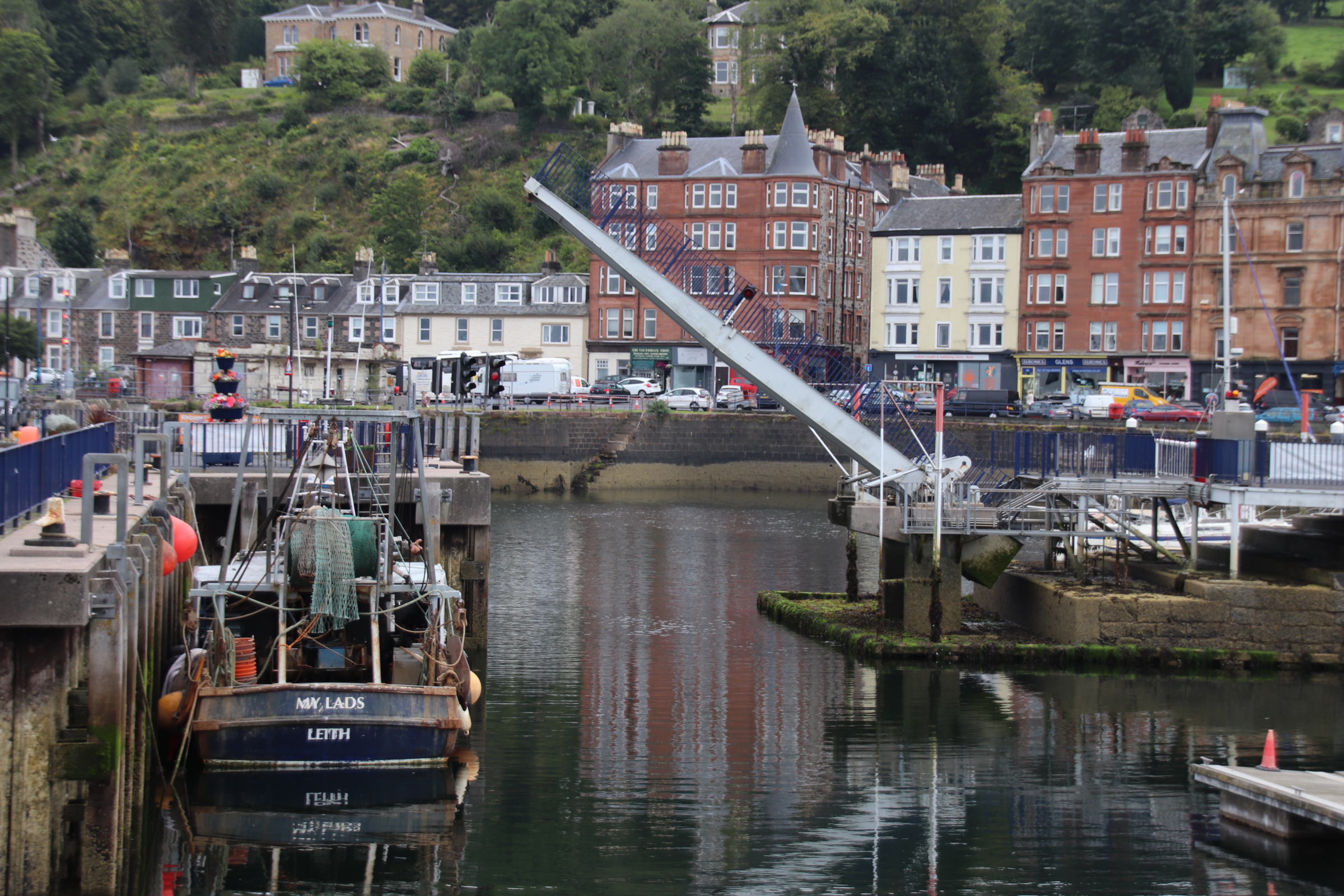
A bascule bridge (opening upwards) separates the battery from the wharfs & sea walls.

Around the corner, Cromwell Harbour dates from 1574 and provides better shelter during winter storms.

Over the border up the east coast of Scotland

Possession of Berwick-upon-Tweed has passed between England and Scotland on at least a dozen occasions over the centuries, the last being in 1482. Its medieval walls, Elizabethan ramparts and 18th century barracks reflect its strategic importance during frequent border wars between the two countries. However, do not seek refuge in the town on a wet, cold autumn-feeling day, for there is little to raise your spirits beyond these ancient, military walls & defences. Indeed the high Street seems to have given up the fight to bring a bit of colour to families of damp, weary holidaymakers trying to find some shelter from the elements.

The border between the two countries runs from the North Sea coast just above Berwick-upon-Tweed, south west across the River Tweed near Paxton House, a grand Georgian mansion that is open to the public. This is the first chain link suspension bridge in Europe, built in 1820, for horse & carts and later modified for motorised vehicles.

Once in Scotland, the coast road meanders along the clifftop through open, golden, shave-harvested fields and lush, purple-speckled hedgerows, with ocean blue to the distant right flushing up to join the assorted greys above. In places, the road drops down from caravanned headands to busy harbours or sandy beaches. The first is Eyemouth where the harbour has been redeveloped along the estuary to include a wharf for working boats but also bars, cafes & eateries catering for visitors and holidaymakers.

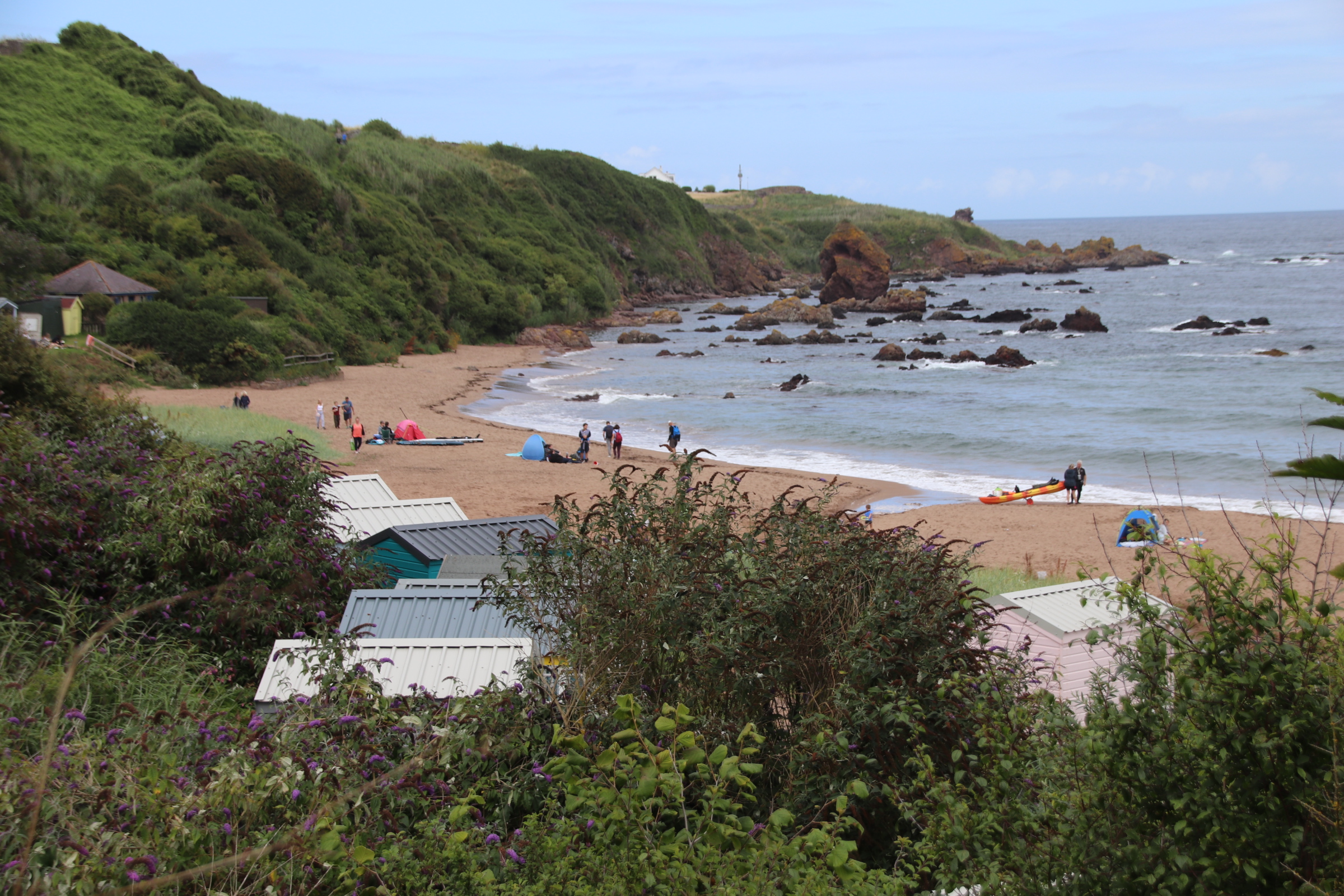
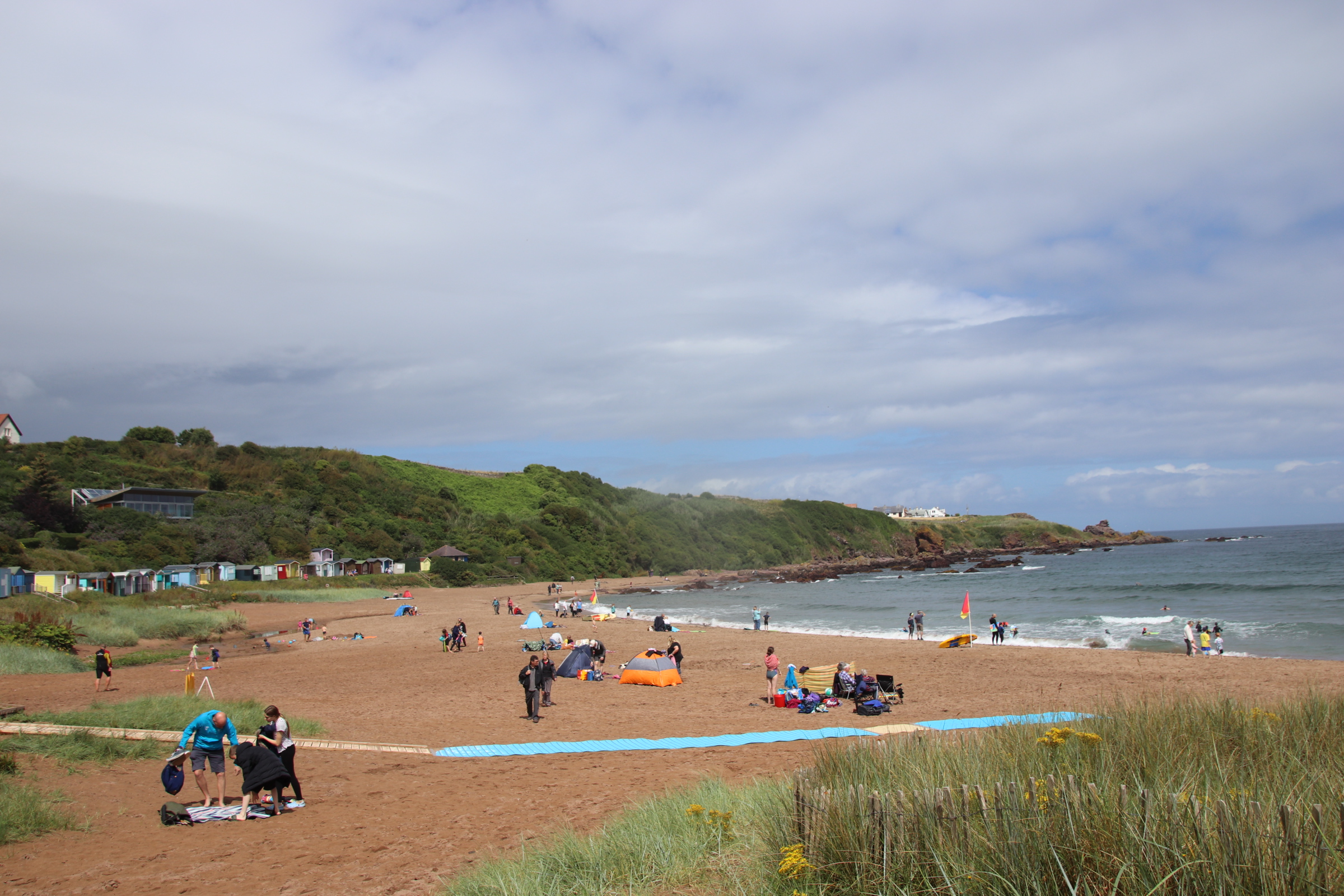
Coldingham village is a mile or so away from its cove where multi-generational families enjoy the sands and the Beach Cafe (called, unsurpringly, the ‘Beach Cafe’!). Children splash the waves, dads score centuries in games of beach cricket, grandads show off keepy-uppies and their dribbling skills against giggling children. A few trepid surfers ride the waves and clusters of children scrape the beach with their body boards.

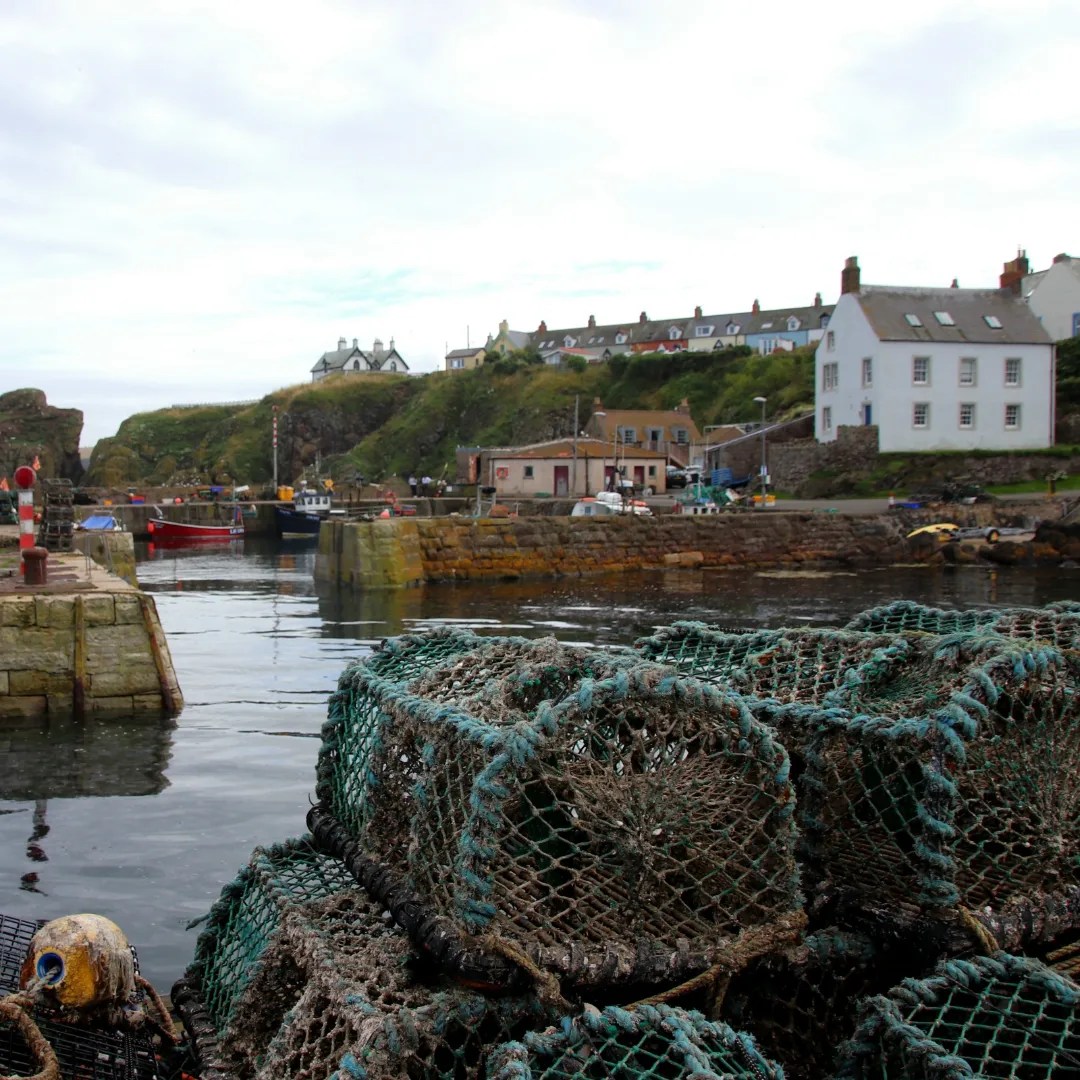
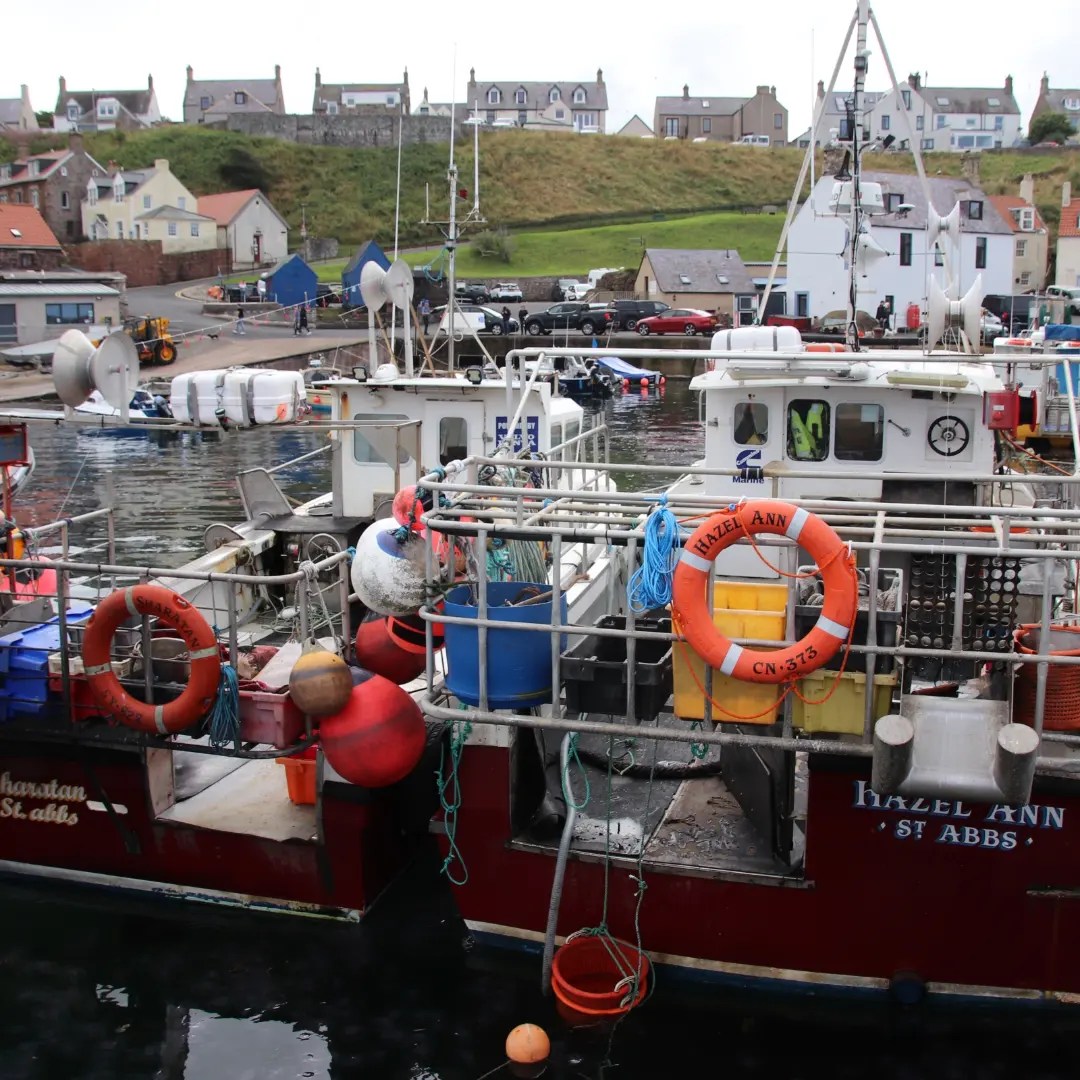
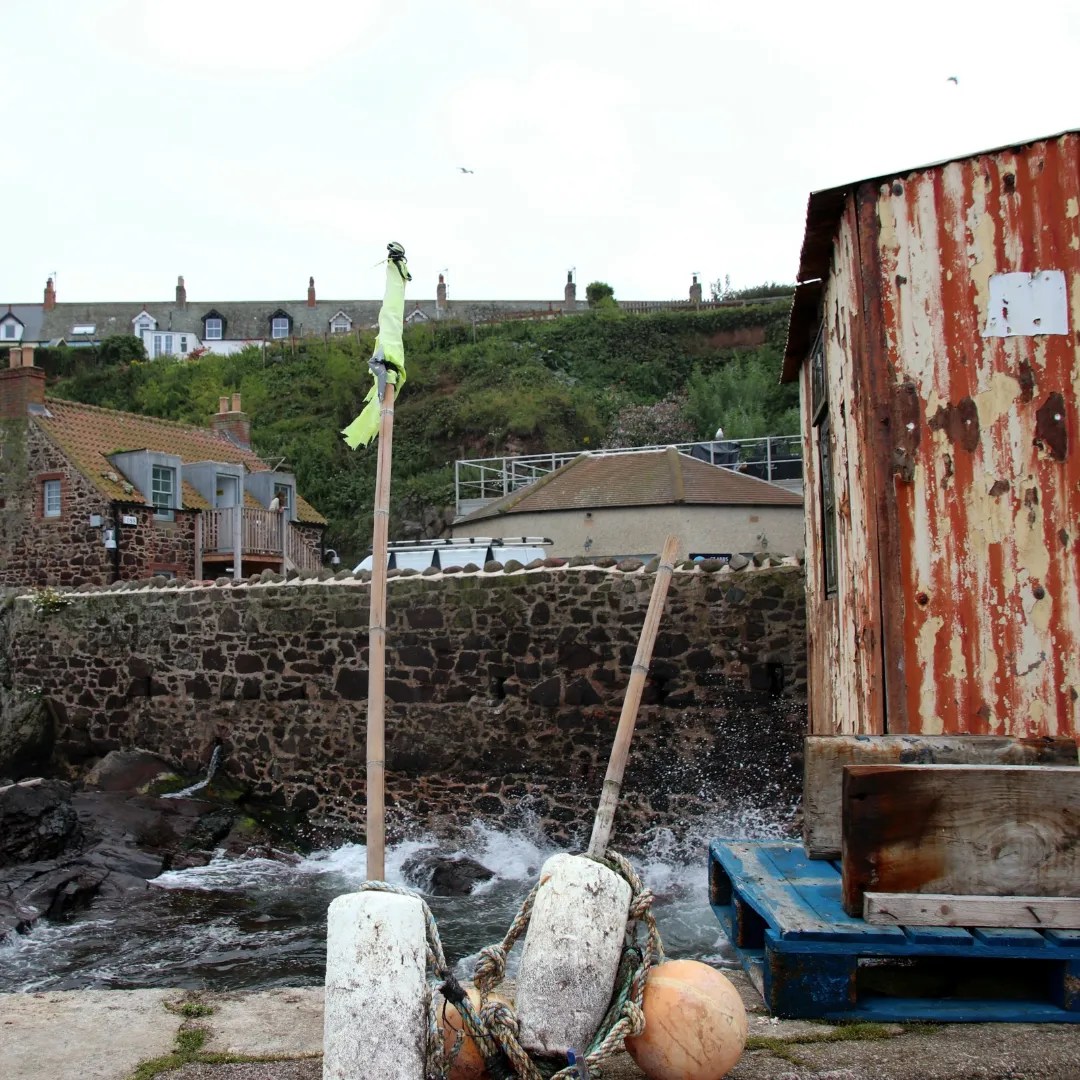
The road struggles up the hill to peak at the brow. Below, picturesque St Abbs collects around a number of quays & wharves, divided by stone walls & jetties. Klinkered rocks jaw around the numerous harbours, ready to snap up fishing vessels and paraphernalia.

I’ll take the high road

On my travels again – this time swaping the hassle of airports & the heat of southern Europe for a road trip enjoying the cool & peace of Scotland. Within 200 or so miles from home I am in North Yorkshire and exploring the delights of the Look-up market towns of Rippon and Thirsk, the latter providing an excellent stopover in the old Golden Fleece coaching inn. I say Look-up towns as both are very similar – each has a large open market square, the four sides lined by wide pedestrian walkways and pierced by roadways entering from 4/5 points of the compass. At street level both give the impression of past glories, with pubs and old coaching inns sharing occupancy with charity shops and Italian & Chinese eateries. But look above and study the roof line to capture the real treasures of past good times.

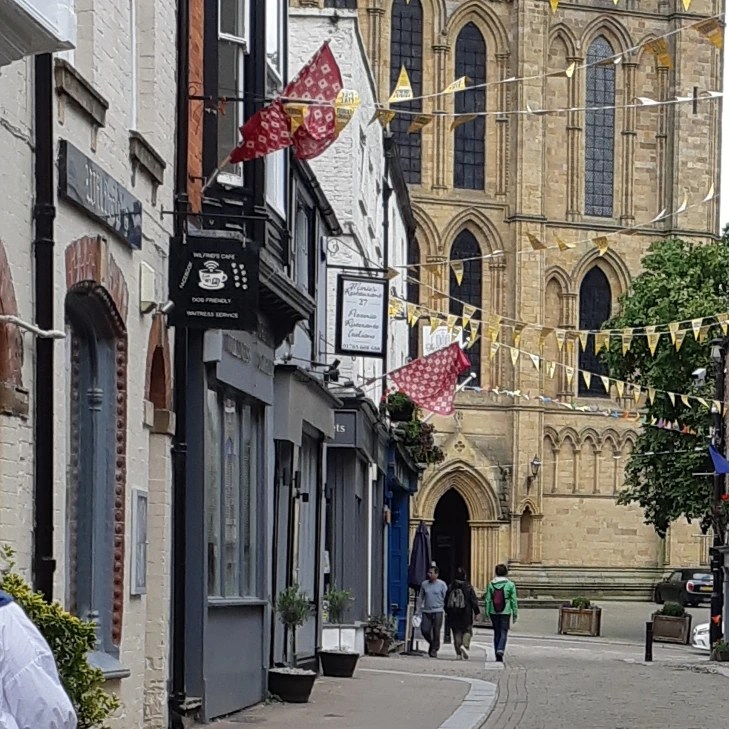
Rippon has several features that make it quite special, starting with the square itself.

The back streets are home to several independent craft and tourist shops with quality goods for sale. A wide range of eateries provide quality experiences for the visitor. The Cathedral and the nearby Fountains Abbey are high spots for the visitor.

Numerous museums & buildings add extra interest – the Poor Law Museum, The Leper Museum, the courthouse to name a few.

Thirsk has a similar feel, although being smaller, it lacks the range of services & goods on offer. The market square is spread around, overlooked by high-storied buildings, rooted in those important days of coach travel.

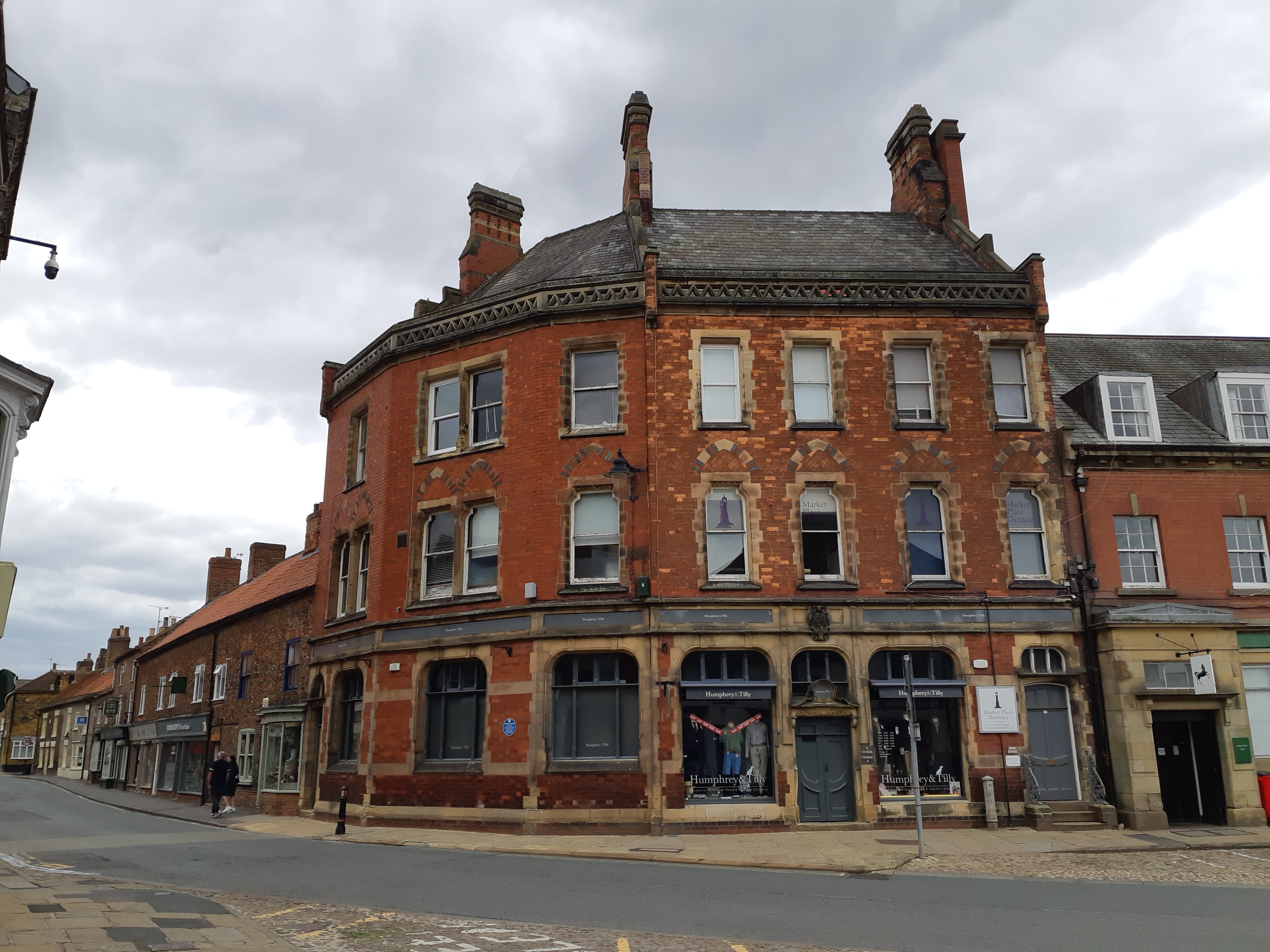
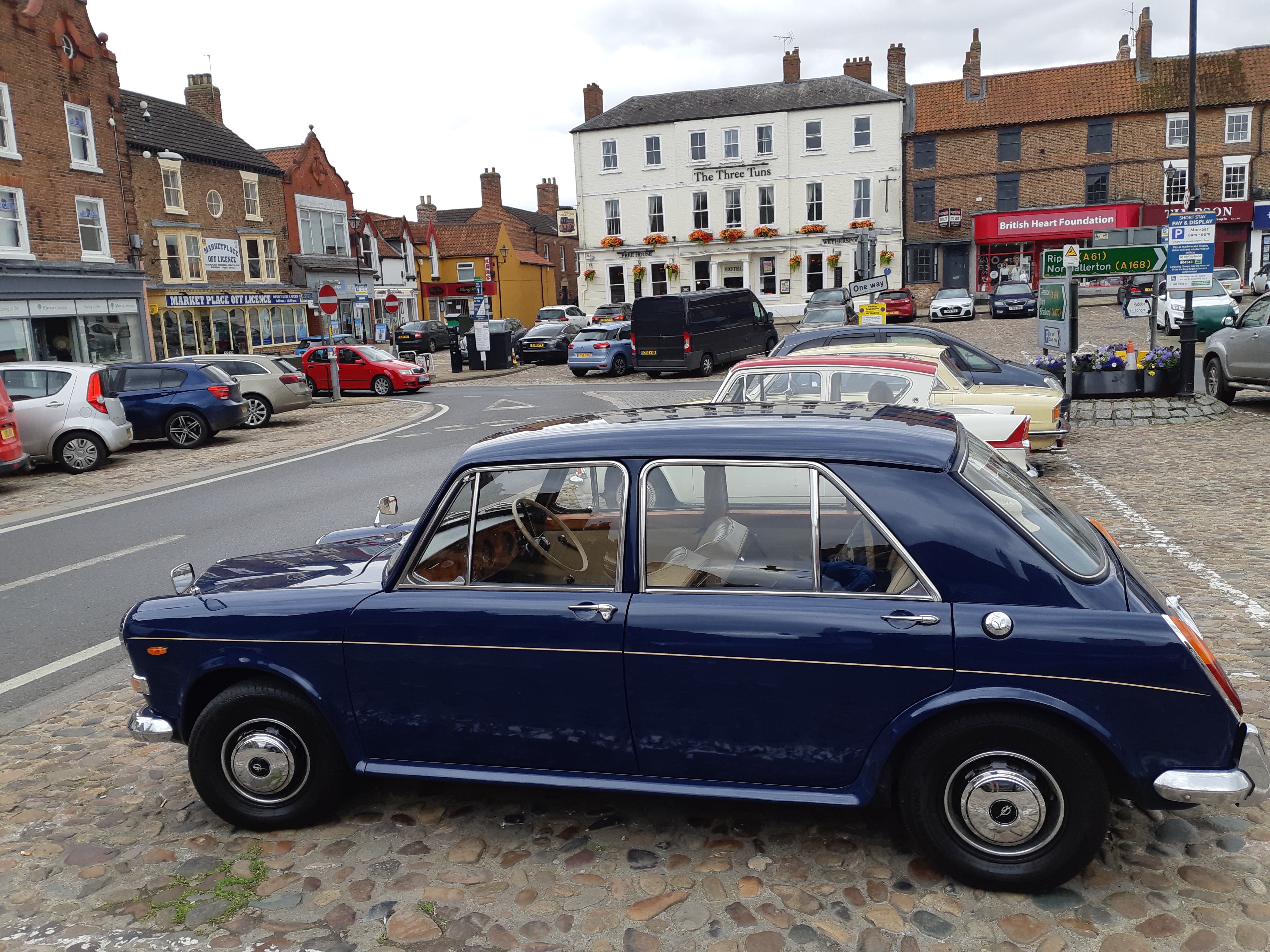
I should explain that the presence of Triumph Heralds, 1100s & Anglias, parked in the square is down to a classic car rally in the town and not an indication of the age or hobbies of the local population.

The tourist hubble of Croatia’s Adriatic coast

The last day exploring Croatia’s Adriatic coast above Trogir proved rather disappointing. Trogir itself was lovely during the week – atmospheric, great ambiance, history and tourism coming together in harmony and complementing each other. As the weekend approached this seemed to become swamped. The streets became full, with loud crowds of youthful groups pushing their way through, searching for music, partying and a good time. The mini cruises offloaded their guests and the many sailing flotillas on the other side of the water filled the quay there all the way down, moored 6/7/8 abreast. So, it was time to get out and remind ourselves what the real Croatia felt like. If only …….

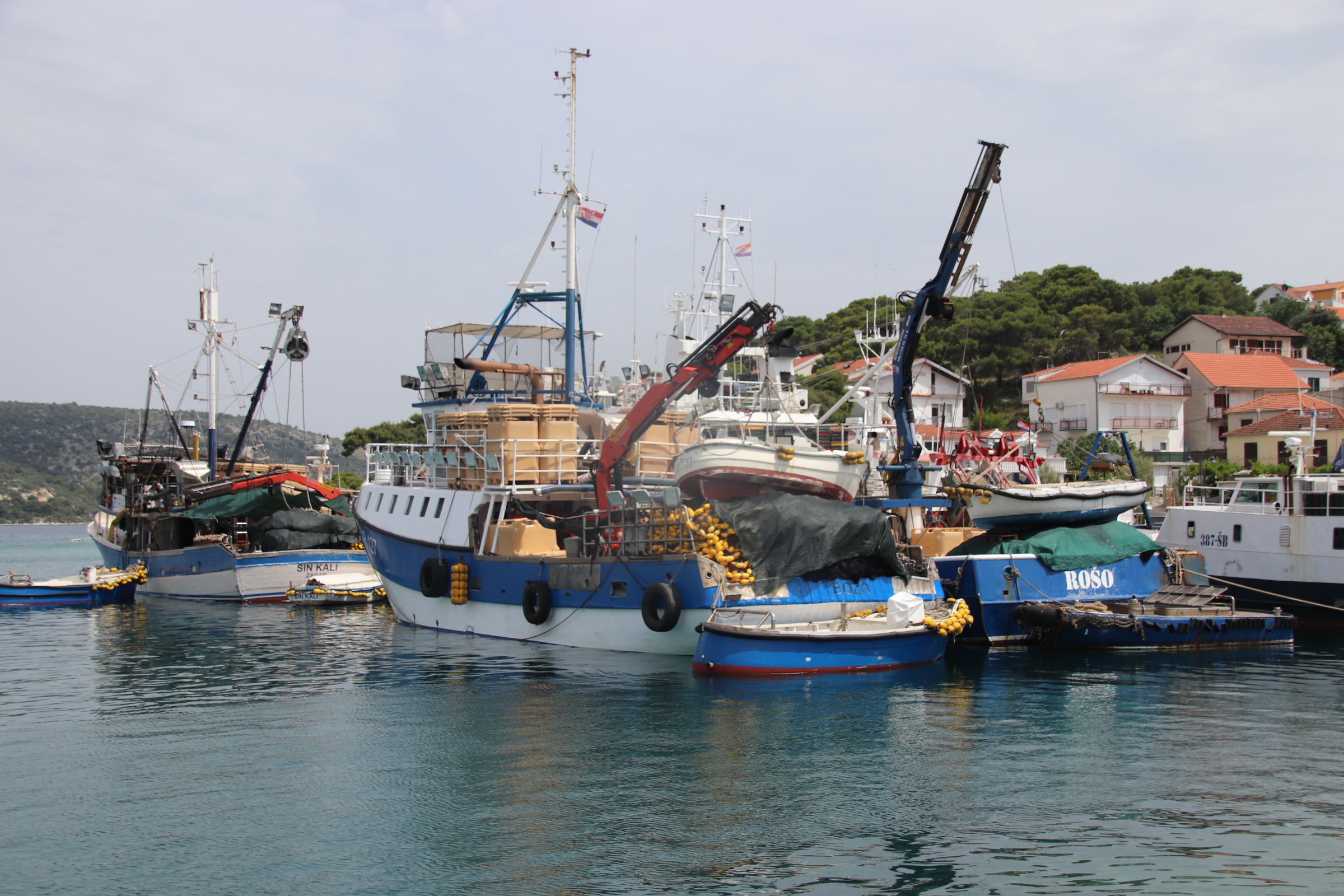
Further up the coast, a number of small fishing villages dot the shore, just off the recently improved coastal road – fresh tarmac and pristine white lines. Rogoznica is one just village which seems to be representative of all the others but at least it still retains a heart in the form of a small fishing fleet and a large yacht marina.

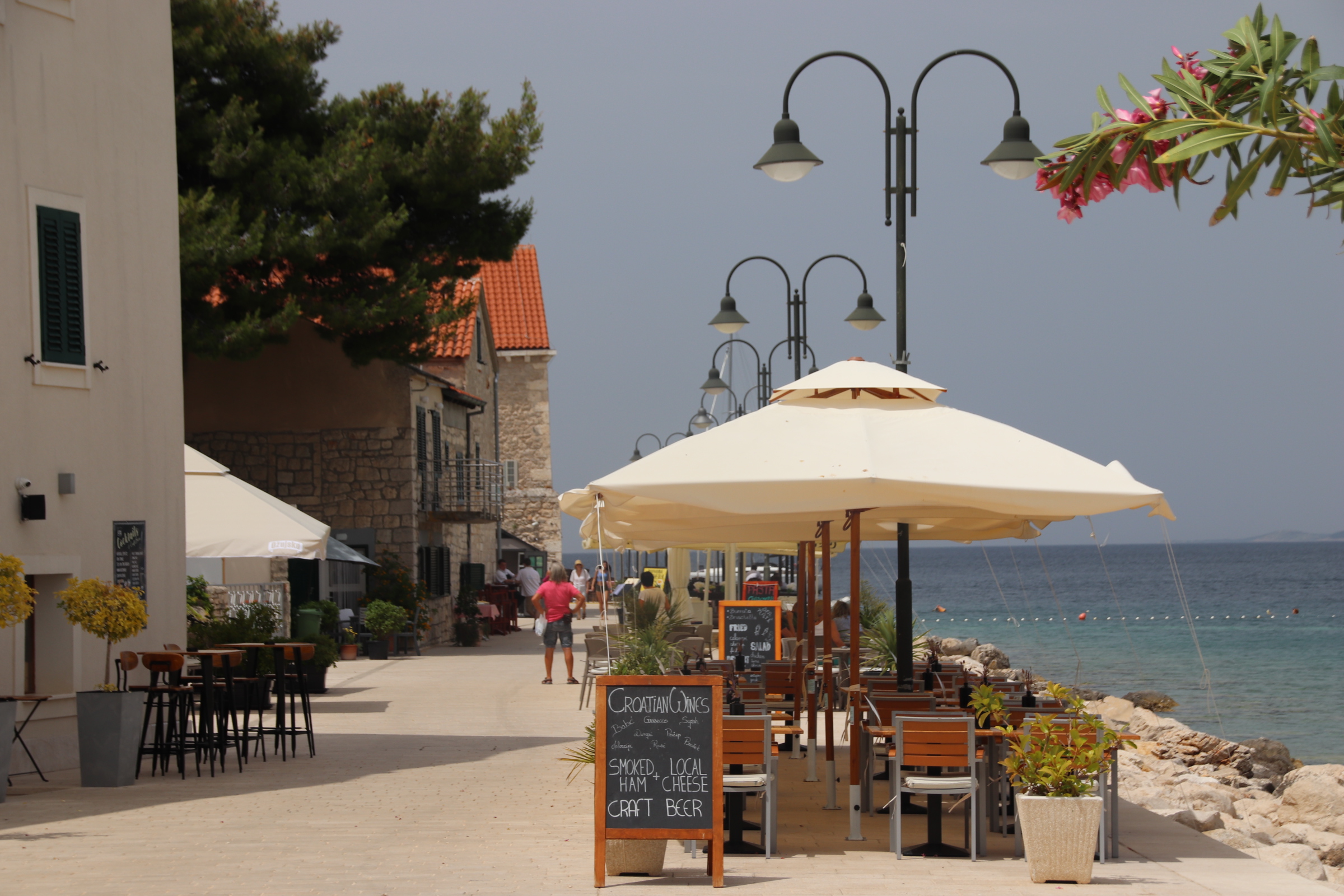
It’s as if developers have identified the original village as an ideal spot for creating a tourist centre. The old cottages have been converted into villas, new holiday apartments have been built within the old centre and the watersde has been given a spanking bright promenade and quay lined by bars and restaurants to bind it all together. The presence of the fishing fleet at least allows the place to retain a small bit of character and an element of charm within the local landscape.

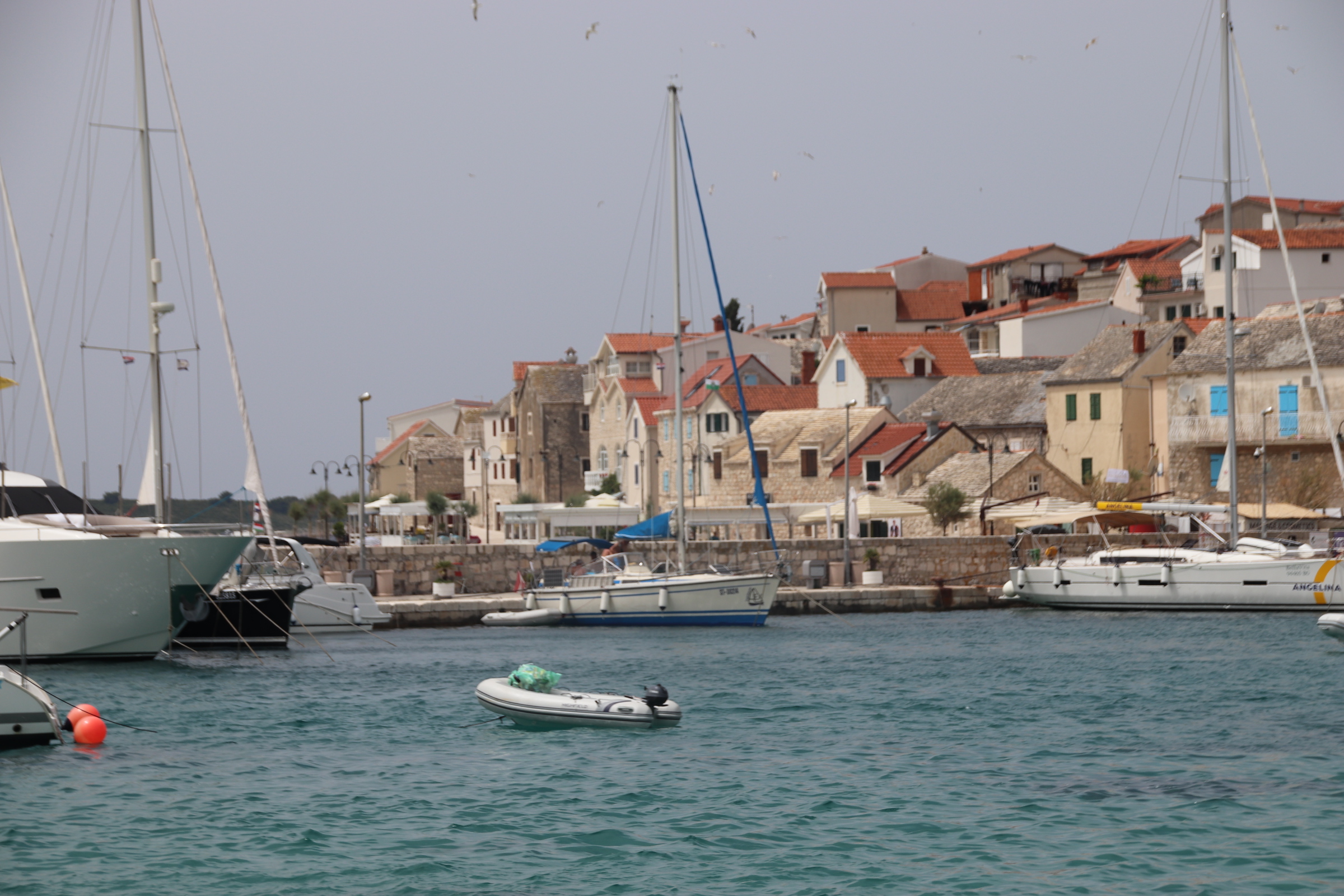
From a distance, Primosten appears to be another wonderful example of an historic fishing village.

Once onto the clean, modern quayside that lines the narrow limestone klinker beach, one gets the feeling of what this island village will be like.

It feels like the streets will be full of character and fishing cottages. But again, the resort has a freshly whitewashed and mortared feel to it. A few old cottages house a few crafty shops and converted holiday dwellings, while sharp rectangular new builds have been constructed in between for tourist apartments & hotels. These spread around the ragged cliffs, where their occupants perch out on the rocks and outcrops to find a place to lie out or access the water.

The opposite beach is a lined arrangement of sunbeds and umbrellas which would put legions of Roman cohorts to shame!

A wide stone/cement walkway meanders, dipping and diving, around the island along the cliffs. Once out of the resort itself the path becomes a bit wilder. An odd cove appears or a classy restaurant, perched high above the surf below. It’s not far before the path flattens out and eateries fill the available space again.

One can only hope that as time passes, such resorts will weather and begin to harmonise with their historical context so such settlements can fulfil their full potential as successful holiday destinations. This may well be possible, if the holiday companies allow it to happen. Good luck, Croatia.

Sibenik is a crown jewel on the Croation Adriatic

To start with this town seems anything but a special place to visit; on a par with Split & Dubrovnik? Parking down in the port area and looking up behind the few trip boats to the facade of the sea-facing walls, pierced by a few small windows & doorways, it seems nothing special. The dome of the town church pierces the sky line, special enough to be noticed but not enough to be admired. Yet clues to the secrets in these streets can be spied with hints of two of the town’s four large fortresses muddled on high outcrops. Narrow cracks beside seafront cafes tease the visitor and tempt them in.

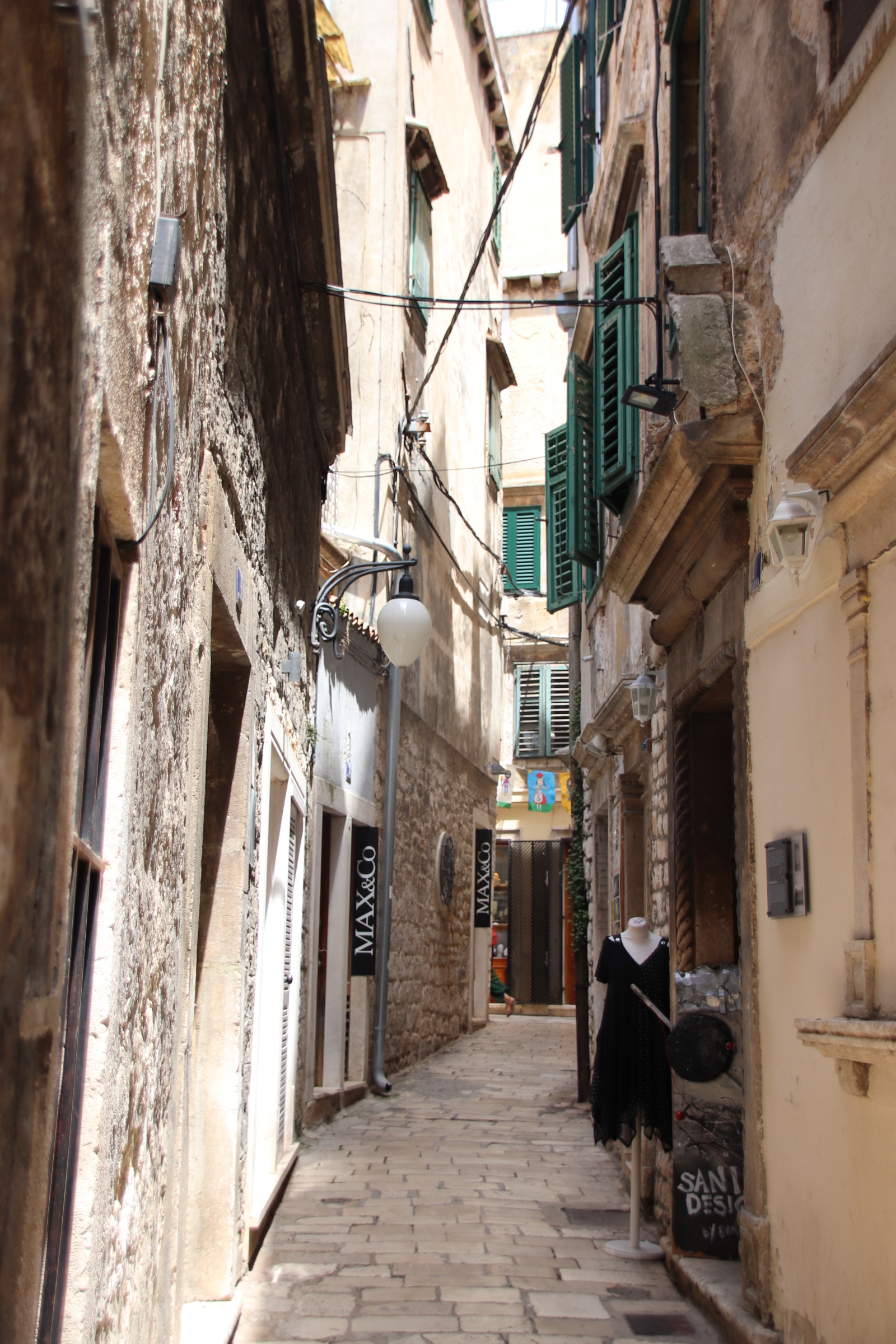
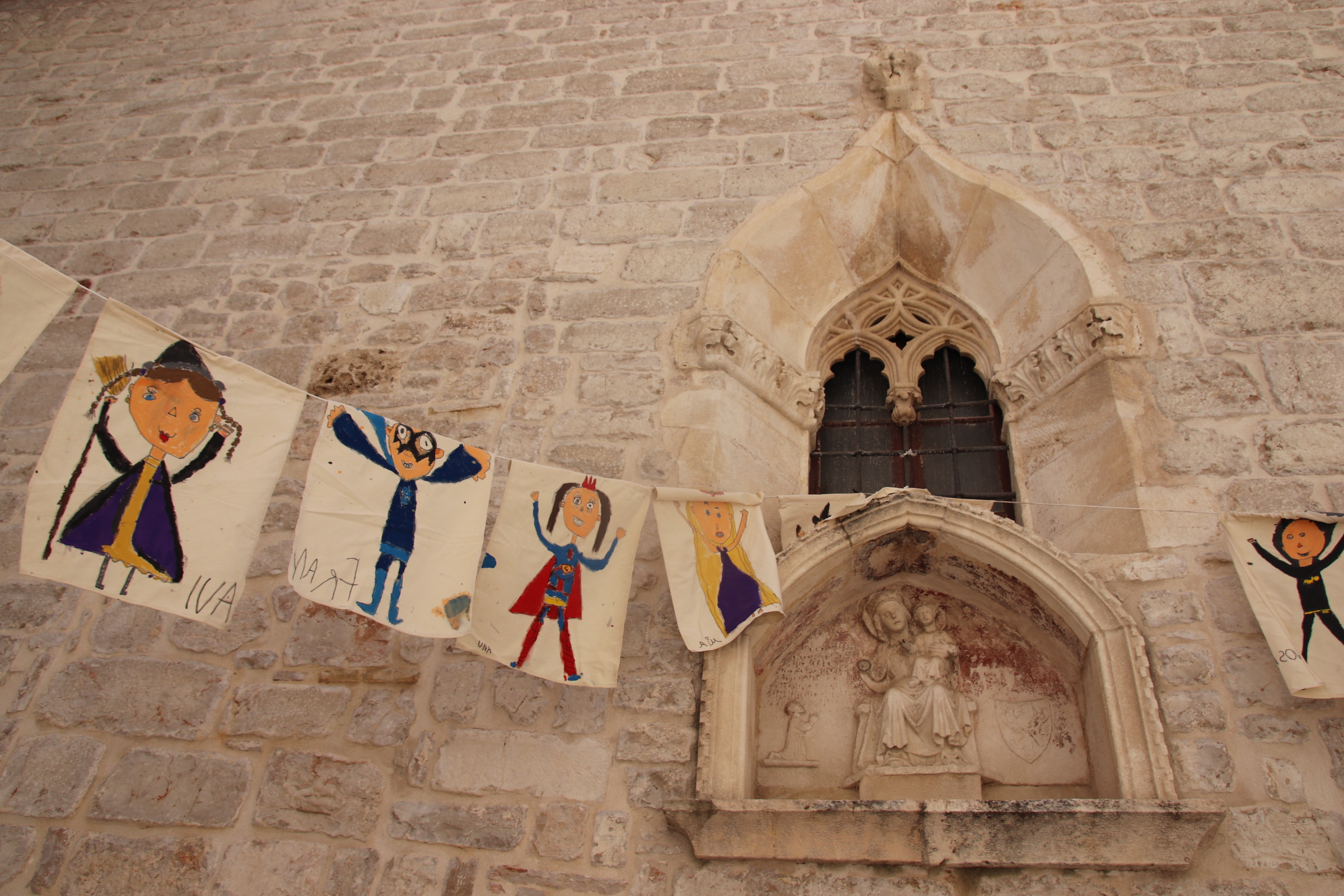
It is only as you take a set of steps into the dark cobbles of the medieval Old Town does Sibenik begin to divulge its treasures and history. A sense of pageantry pervades the labyrinth of the smoothed-cobbled alleys, aided by lines of hanging bunting painted by school children.

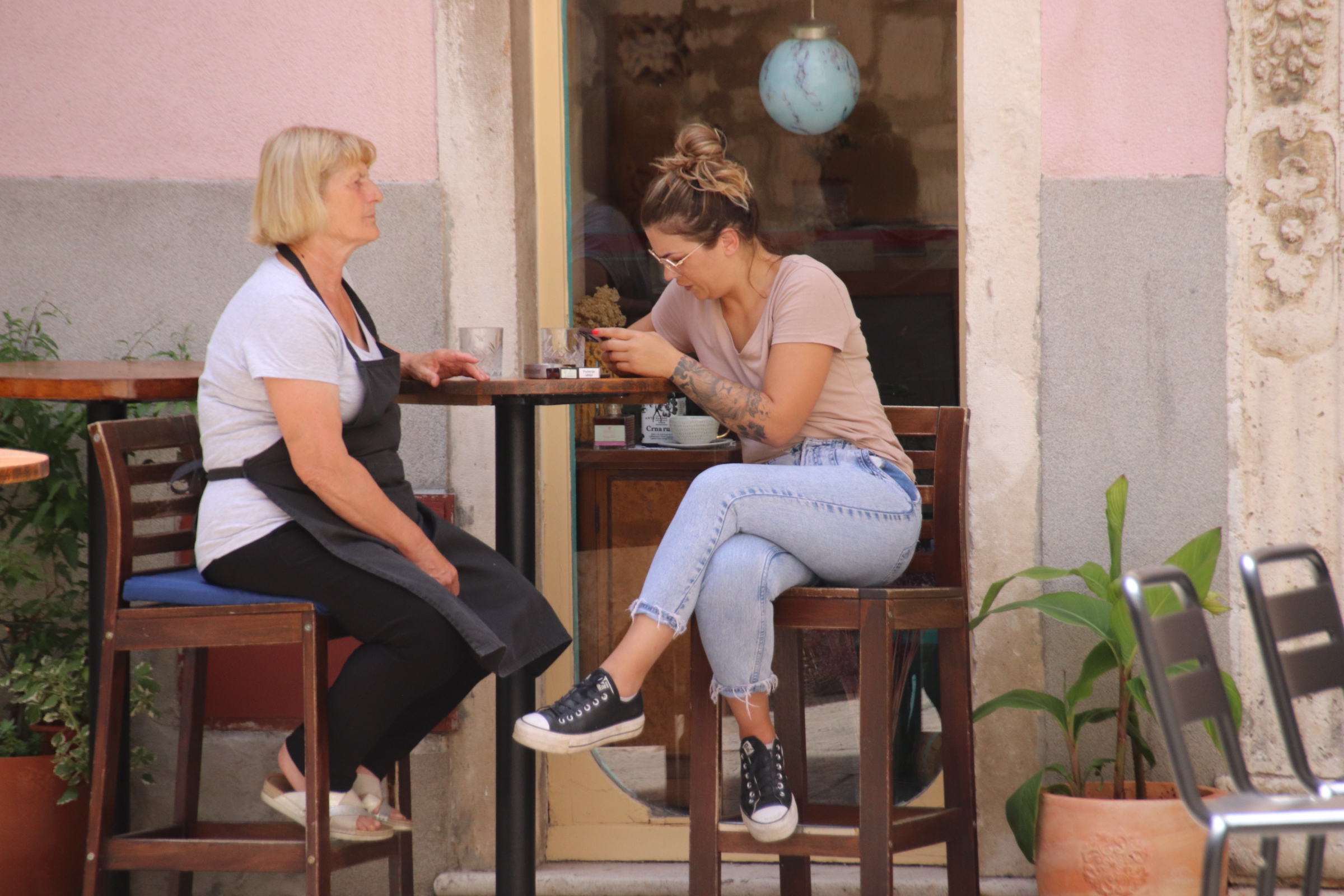
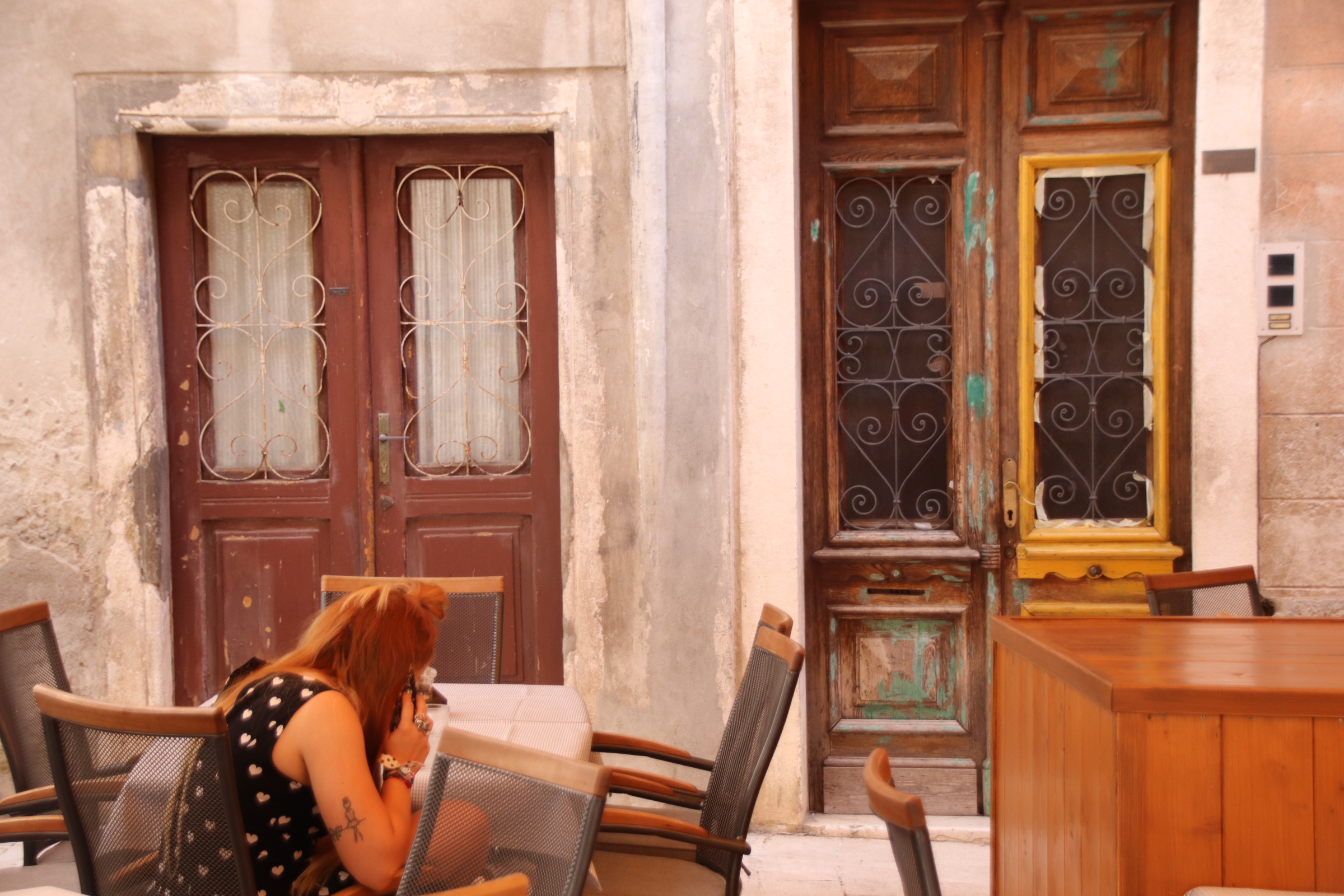
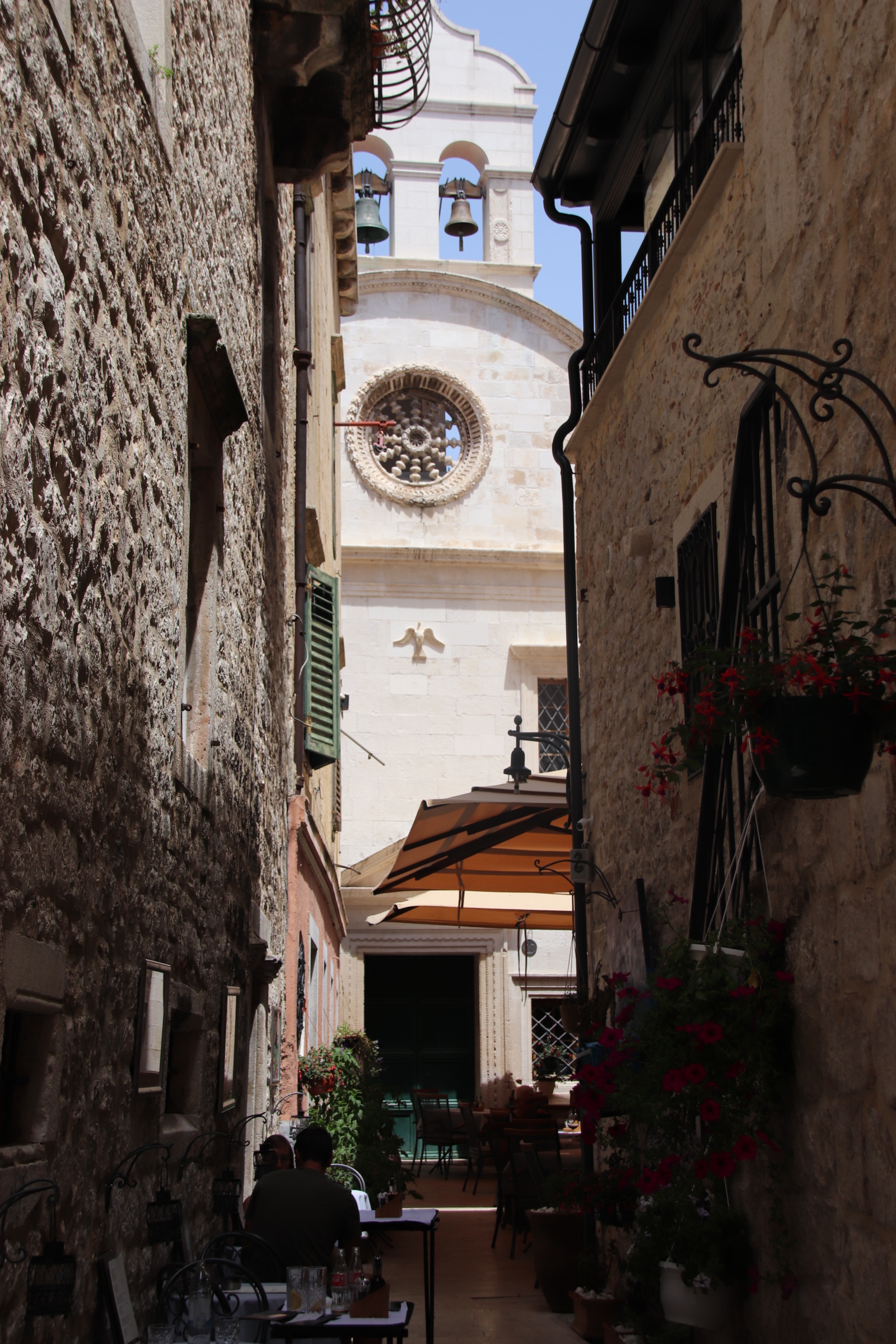
Cool squares & courtyards are squeezed into any tight space and tables arranged as a bar or a restaurant for the few visitors to this shadowed maze.

This passage leads through the tables to what appears to be a grand church but is, in fact, a simple chapel the size of a 10 metre cube.

Divining a way through the streets is a challenge if you try to use your mental compass to reach a set point. Much more exciting & satisfying is to give up any previous guidance system (that the duomo will be at the highest spot of the town – here that is not the case as it is down near the water front) and go with the gut to see what is around the next corner or at the top of a range of stone steps; things like the main drag of shopping outlets, unique independent crafty shops and interesting eateries that create a hotspot of culture and arts, a talented busker.

Umbrellered cafes, shaded by canvas or potted trees offer a respite from the tourist path. Deeper into the myriad of passages, the real gems start to appear. The church of Sveti Barbara date’s back to the 15th century.

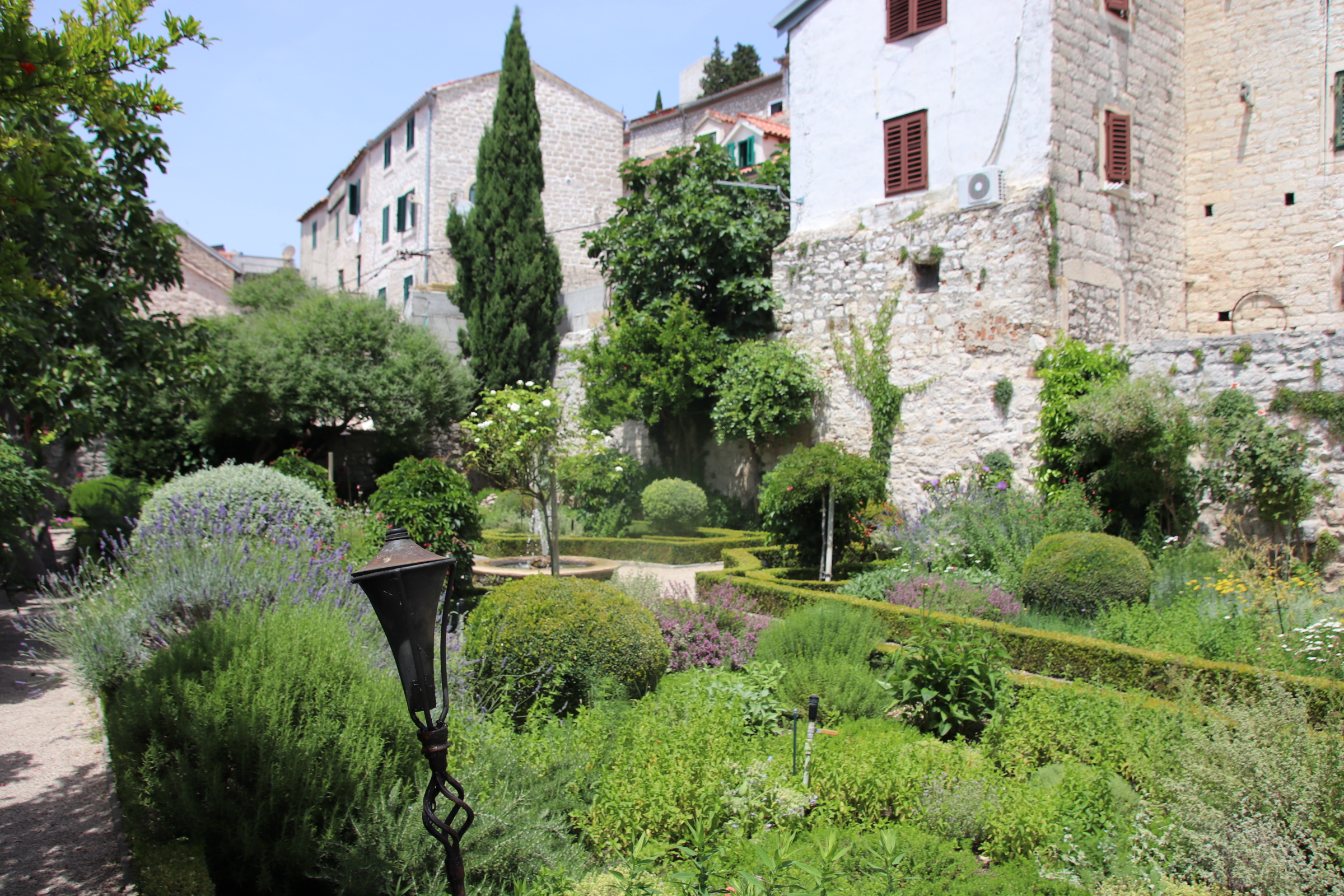
It is no longer used a a church but is being converted to be used as part of the City Museum. Then the heavy stuff comes out – up wide, winding steps is the monastery of St. Lawrence and its small, preciously green garden, a tranquil oasis in a desert of quarried stone. It is free to enter and spend time here. There’s also a small cafe serving healthy drinks & snacks in tune with the ambience; lots of water & no burgers!

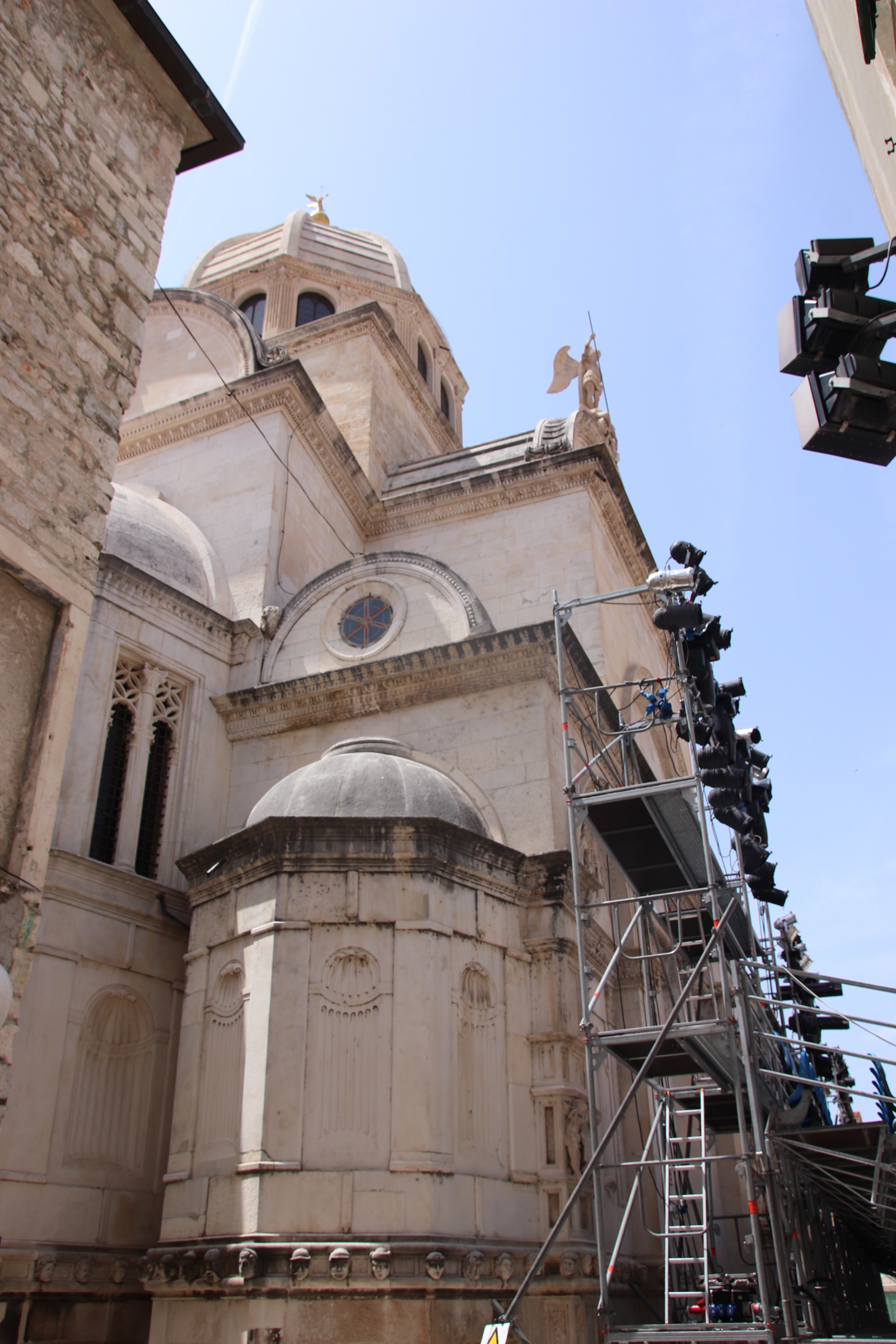
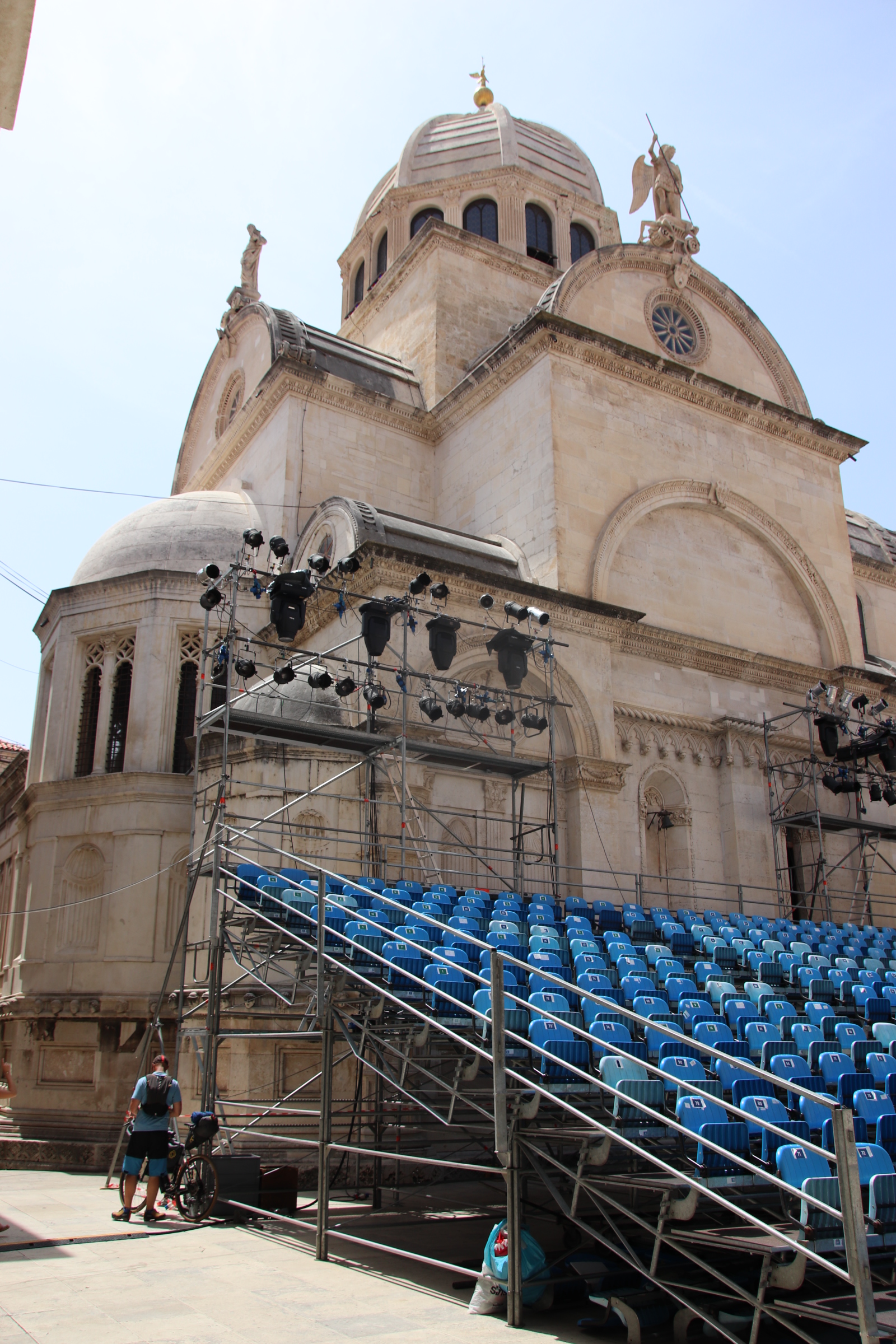
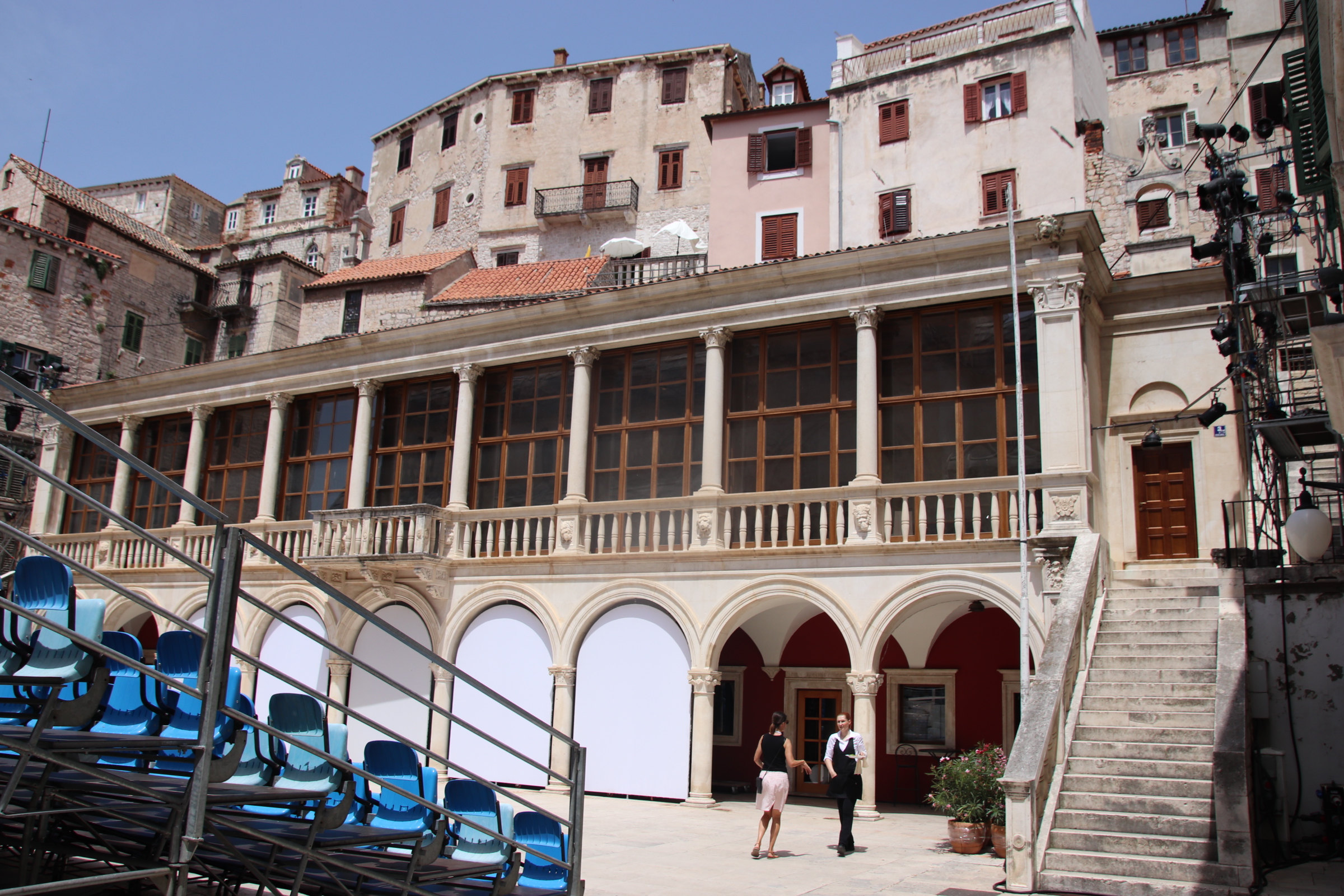
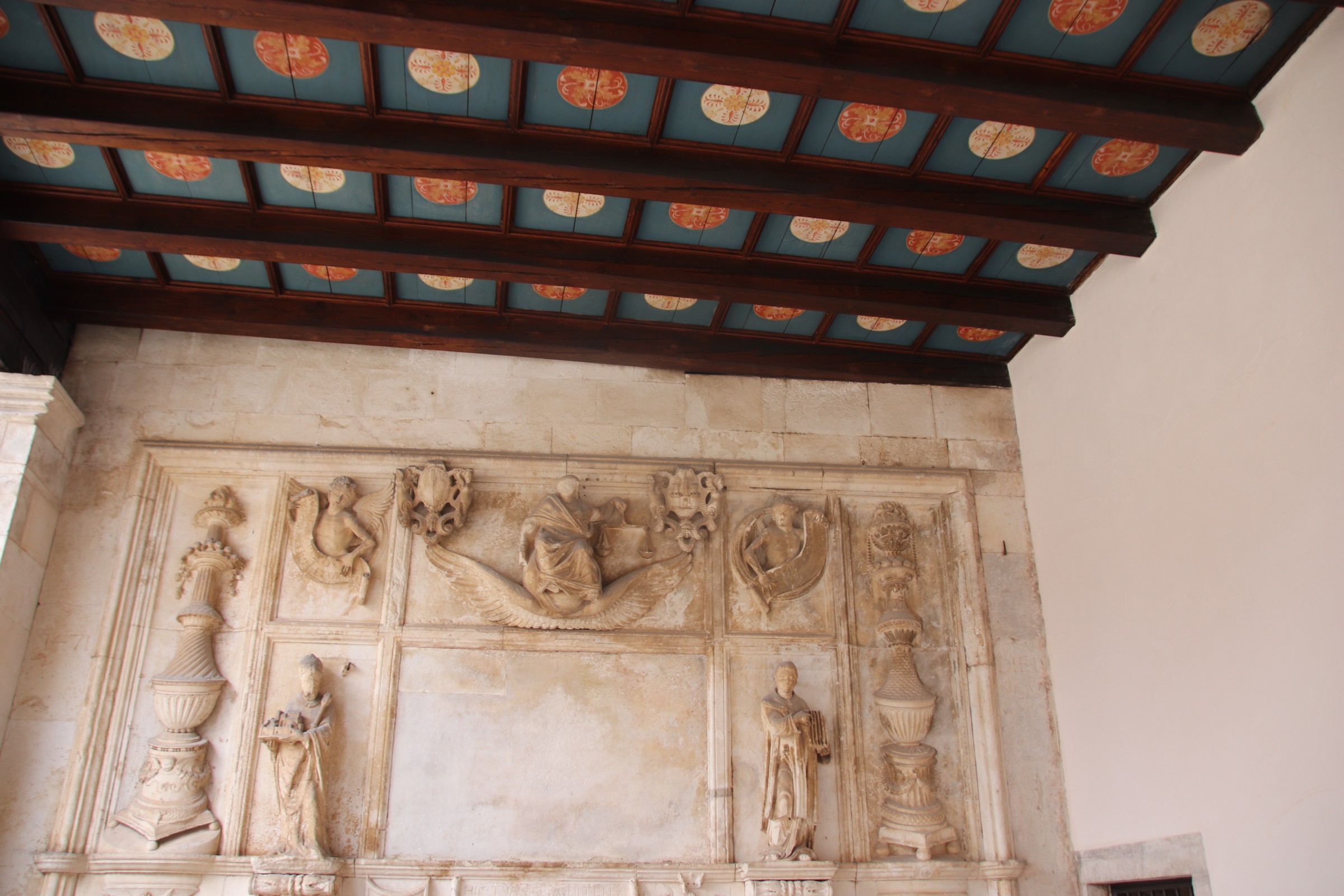
Sibenik Cathedral of St. James is situated in the Republic Square and City Loggia which normally houses a number of small cafes. Today it has been decked out for performances but one can still feel the ambience of the place. The cathedral was built over 100 years between 1431 & 1535.

The Loggia was built over the same period of time but a century later.

The cathedral is equally impressive from many different aspects.

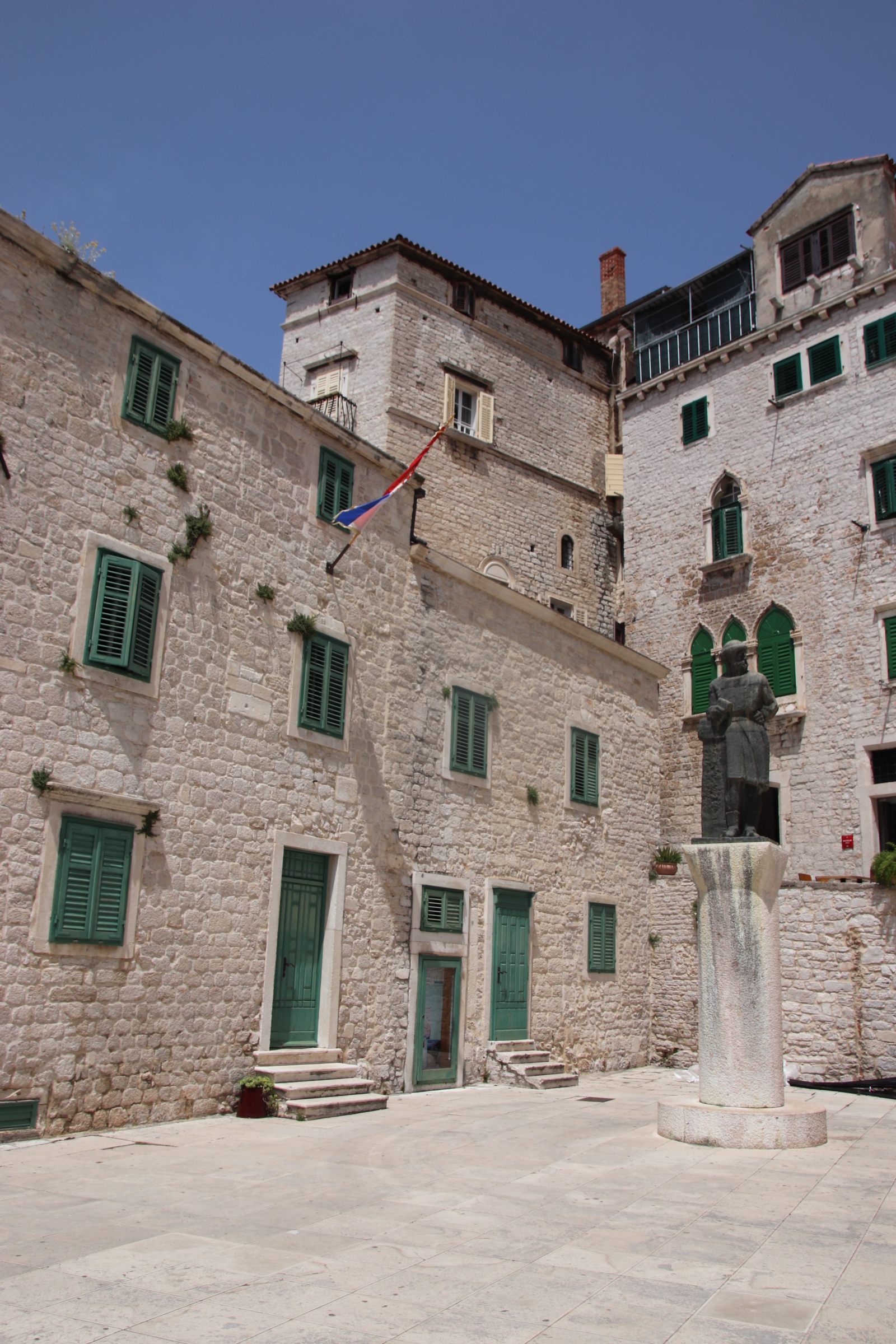
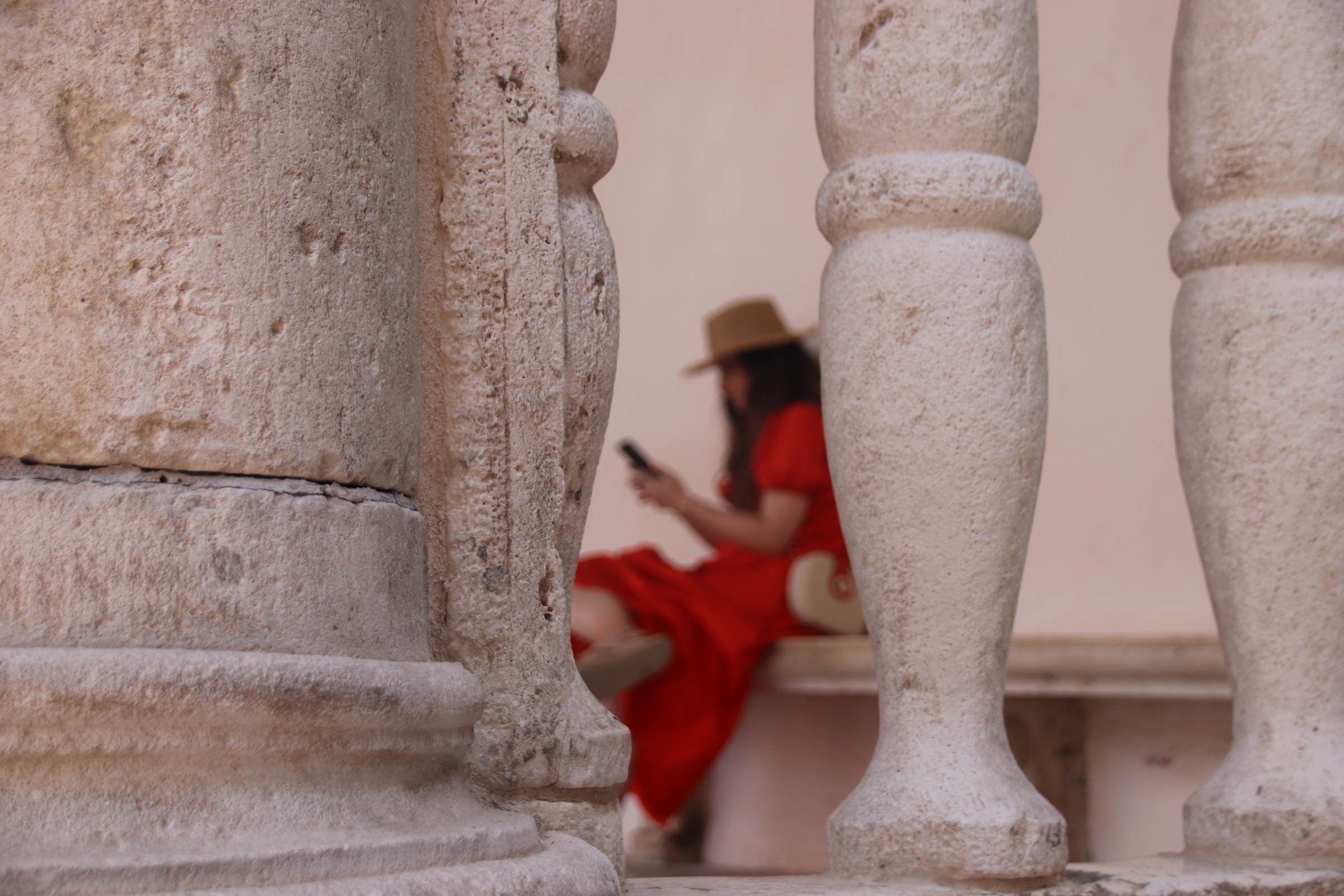
The wide balustrade of steps at the rear lead down through a tidy square & past the pillered man to a wide shaded Promenade where another round of refreshments can be bought from a lovely quirky bar before a gentle stroll along the water back into town.

Finding Trogir’s beaches

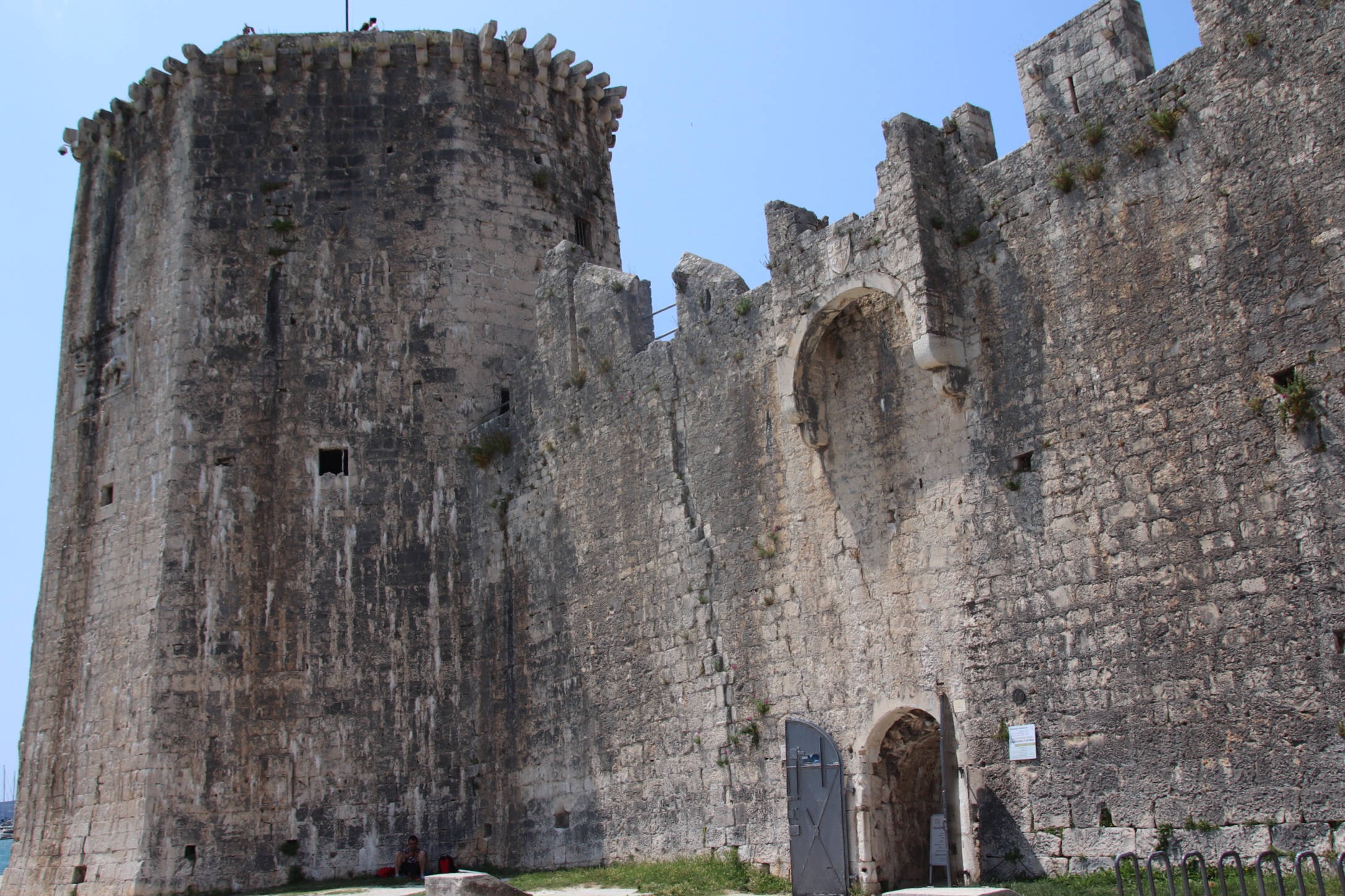
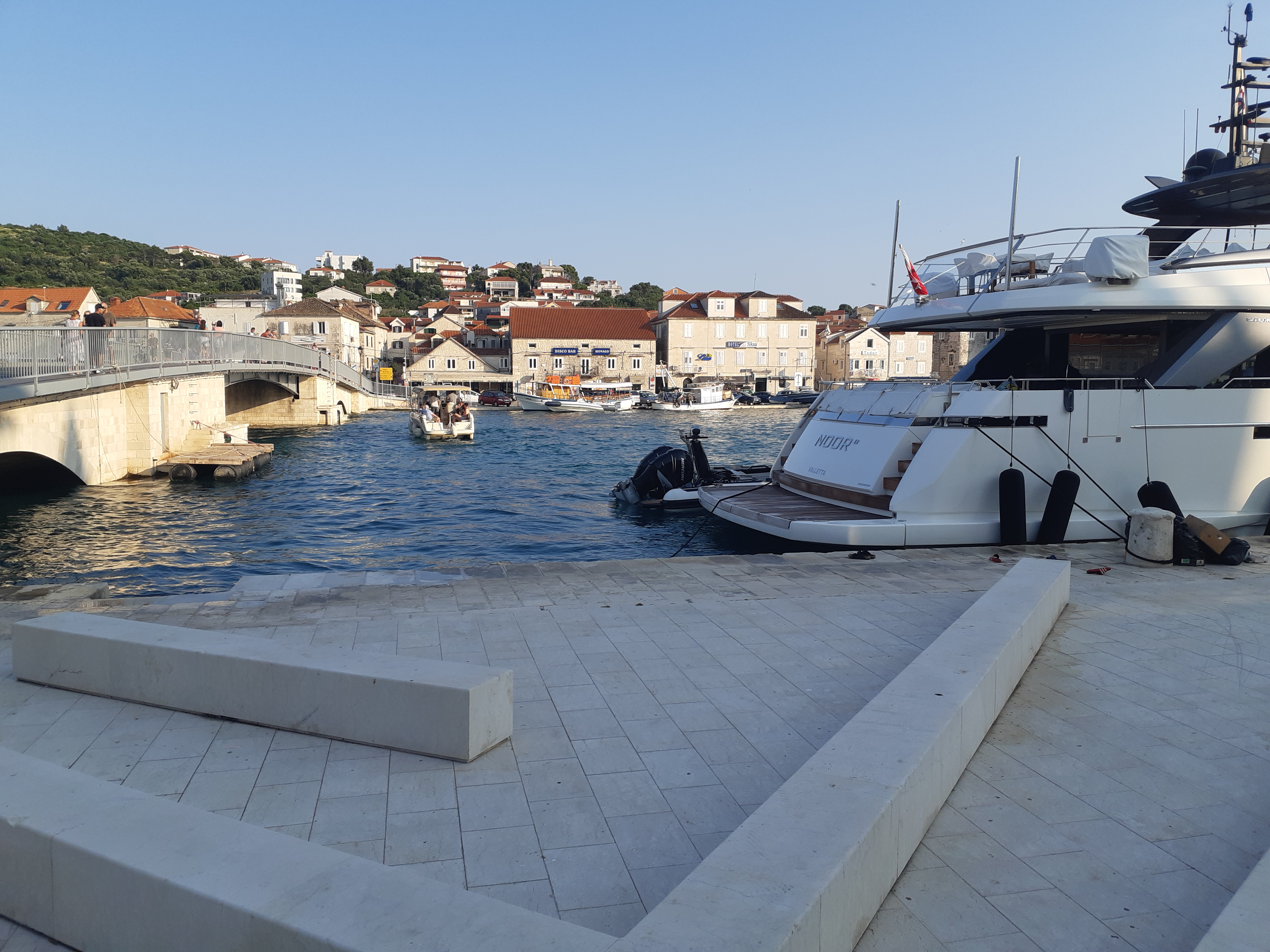
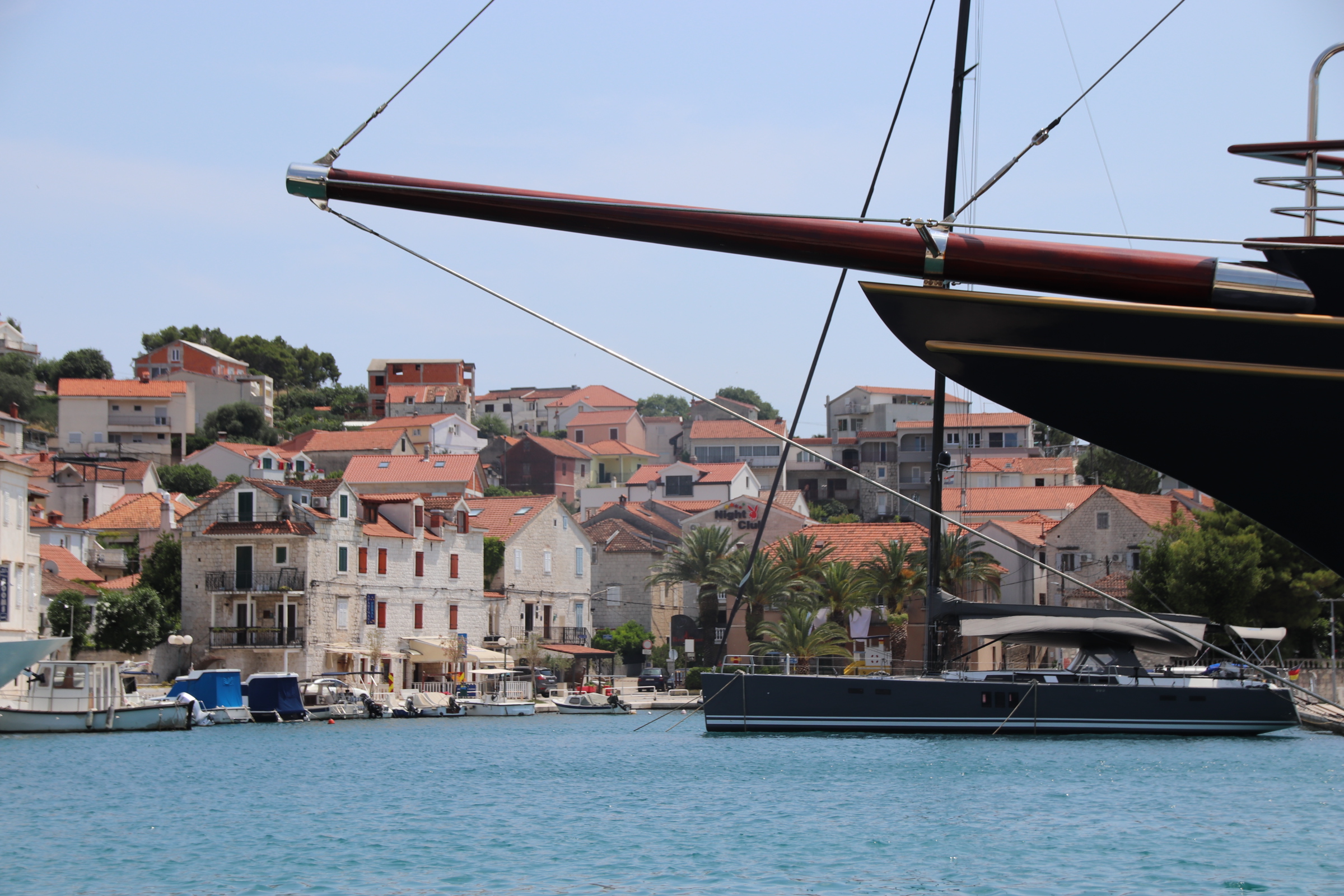
Trogir’s wealth and history is based on its unique island position. Outside the walls, the luxury yachts are moored up along the quay under the protection provided by the giant Fotress Kamerlengo.

From the other end of the quayside another bridge links Trigor’s island with the island of Ciovo. That quay lacks the imposing walls and glitzy yachts of the town, but it is the gateway to other sides of this historic hotspot.

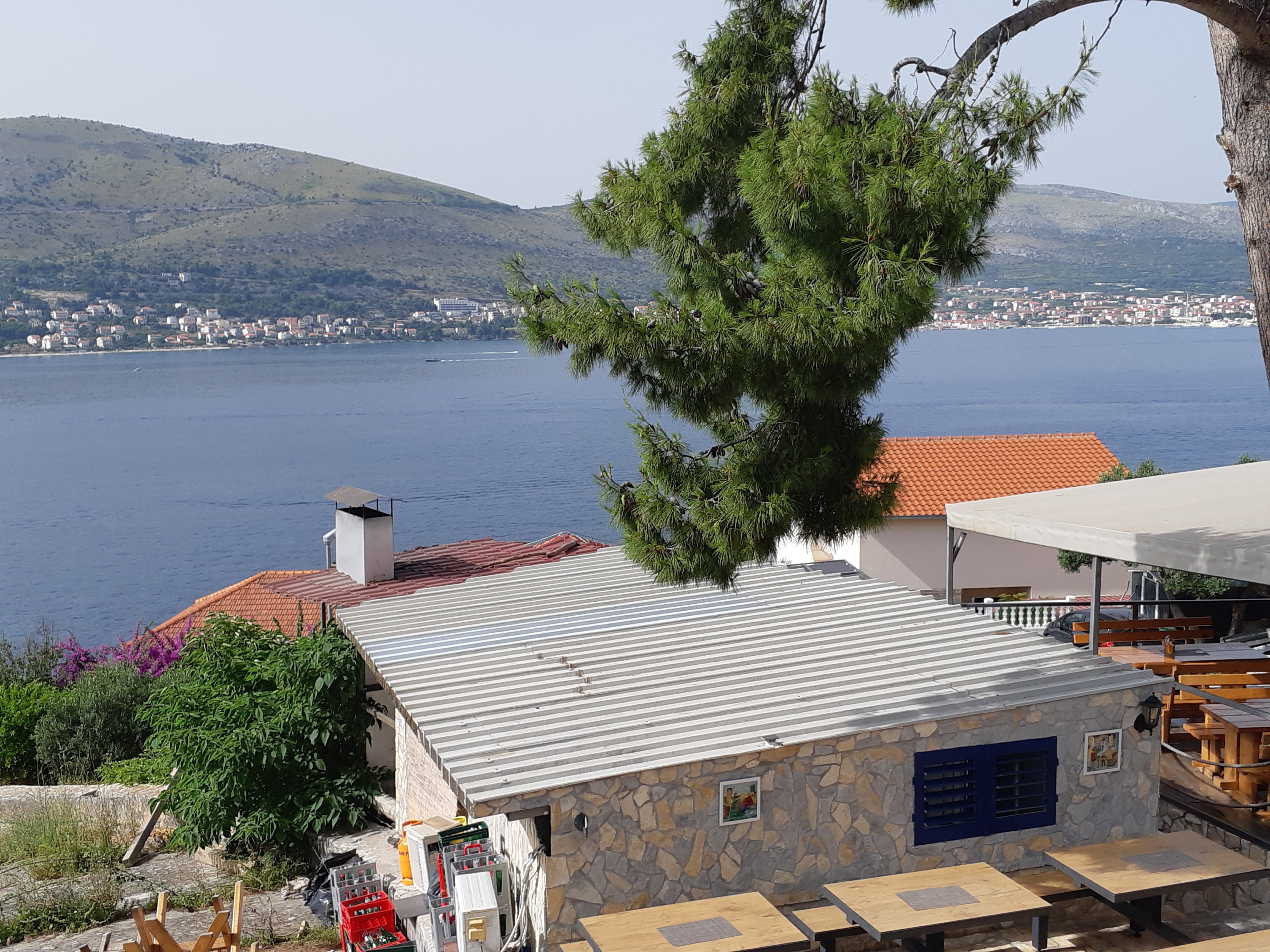
A 20 minute drive along the north coast runs through low apartment buildings across the road from narrow roadside parking above a strip of beach. I say a strip. It’s more concrete constructions mixed with rocky foreshore with the occasional hard place for sitting about on where metal ladders lead down into the water. About a mile further on a slightly more beach-like sections separate the hard, crunchy rocks. Crystal clear water laps up onto white limestone, sharp and very testing for both untamed feet and lying out on unless you’re a contortionist or you have invested in a beach bed/chair or these beauties…..jelly shoes for 10€.

From the row of apartments, families spread out onto the clinker-like beach, nearly all speaking Croatian, Polish, Czech. English is rarely heard.

A few cars make it up here. The road eventually gives way to a dusty track leading to a wonderfully wild area at the top tip of the island.

Turning right over the bridge takes us to another side of Trogir’s attractions for visitors. Okrug Gornji is a resort with a main strip of a kilometre or so. Music blasts out from a line of beach bars that face the sea over what can only be described as a strip of exposed concrete – a sunbed carpark, blazed by the sun, with more short metal rungs or steep clinker slopes providing access to the water. Over the road groups of lads & lasses leave small supermarkets with cases of cannies to consume on their patch of cement. I took no images, here.

Away from this hot, pink, temple to summer drum & base, cheap apartments and painful sunworshipping, the road runs through attractive hillside shrubs, trees and gorse until the far end where Okrug Donji is growing at the other extreme of the social spectrum. Large homes and villas have been built here on the cliffs looking back to the mainland. These are grand, detached second homes or holiday dwellings and generate a feeling of wealth and class. Homes & a restaurant hide in the shade of the cedars, a respectful distance from the noise and action from down the road.

Trogir by day and by night

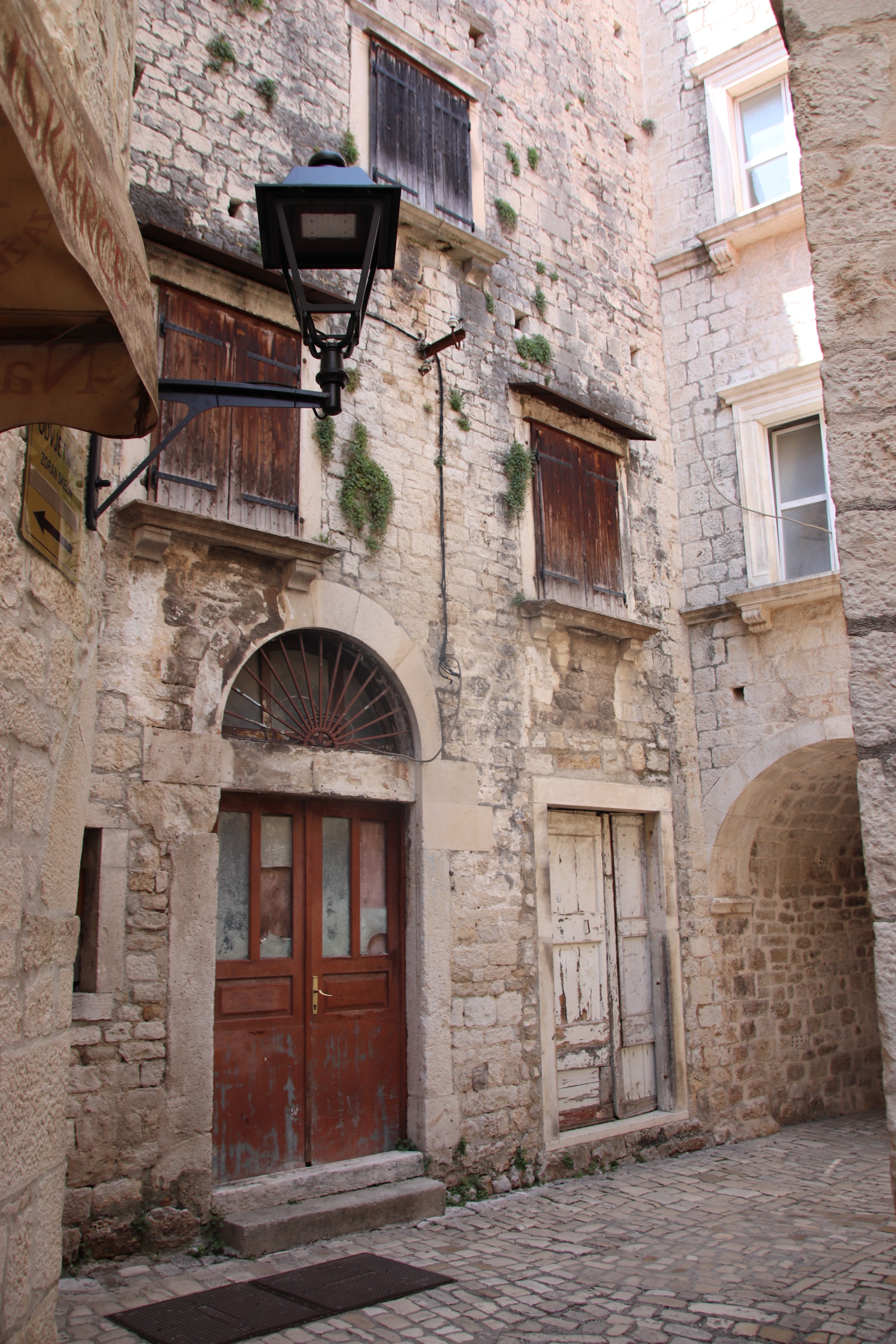
Trogir has always been the perfect spot for a settlement with its naturally protected port and many springs of fresh water and has been inhabited for more than 3,600 years. It pulls the visitor into an enchanted labyrinth of narrow, smoothed stones, where local and foreign masters have raised magnificent buildings and churches and villas to hide behing every wall and around every street corner. Wealthy citizens have stamped their mark on civil projects and town amenities.

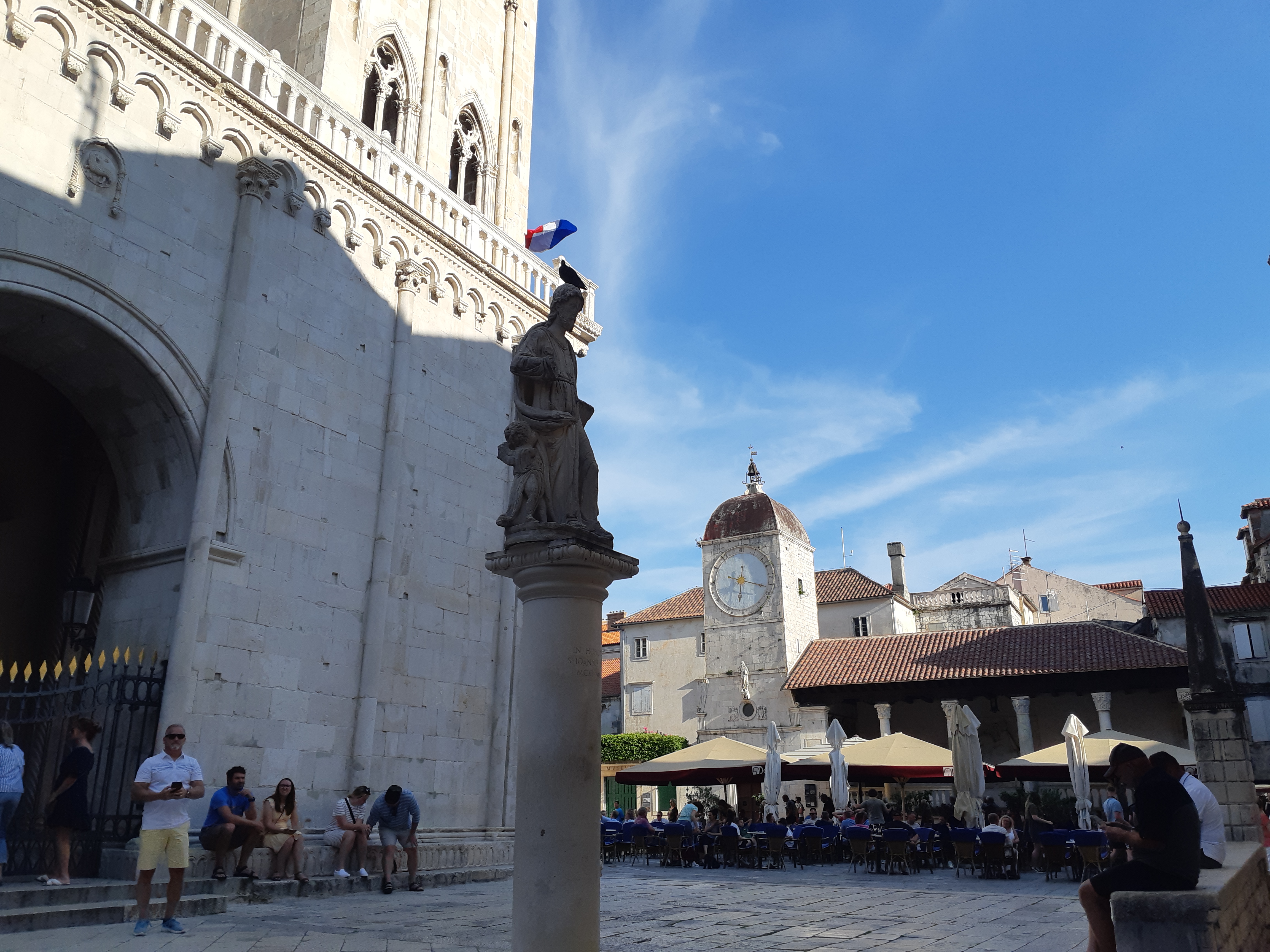
The Cathedral of St Lawrence, with the man himself perched in a piller outside the main entrance, stands (opposite the ancient bell tower of the Church of St Sebastian.

The old town hall of the 15th/16th centuries lies on the north side between the two. Before that, civil business was conducted in the arboured building beside the church.

Over the centuries the local citizens have created a wealthy city where rich & poor have survived the changing times of the past. Today, it is unclear how many people remain living in the city throughout the year. Certainly, the only business in town is tourism and the vast majority working in the many excellent restaurants & bars are from neighbouring countries & districts who move on at the end of the season.

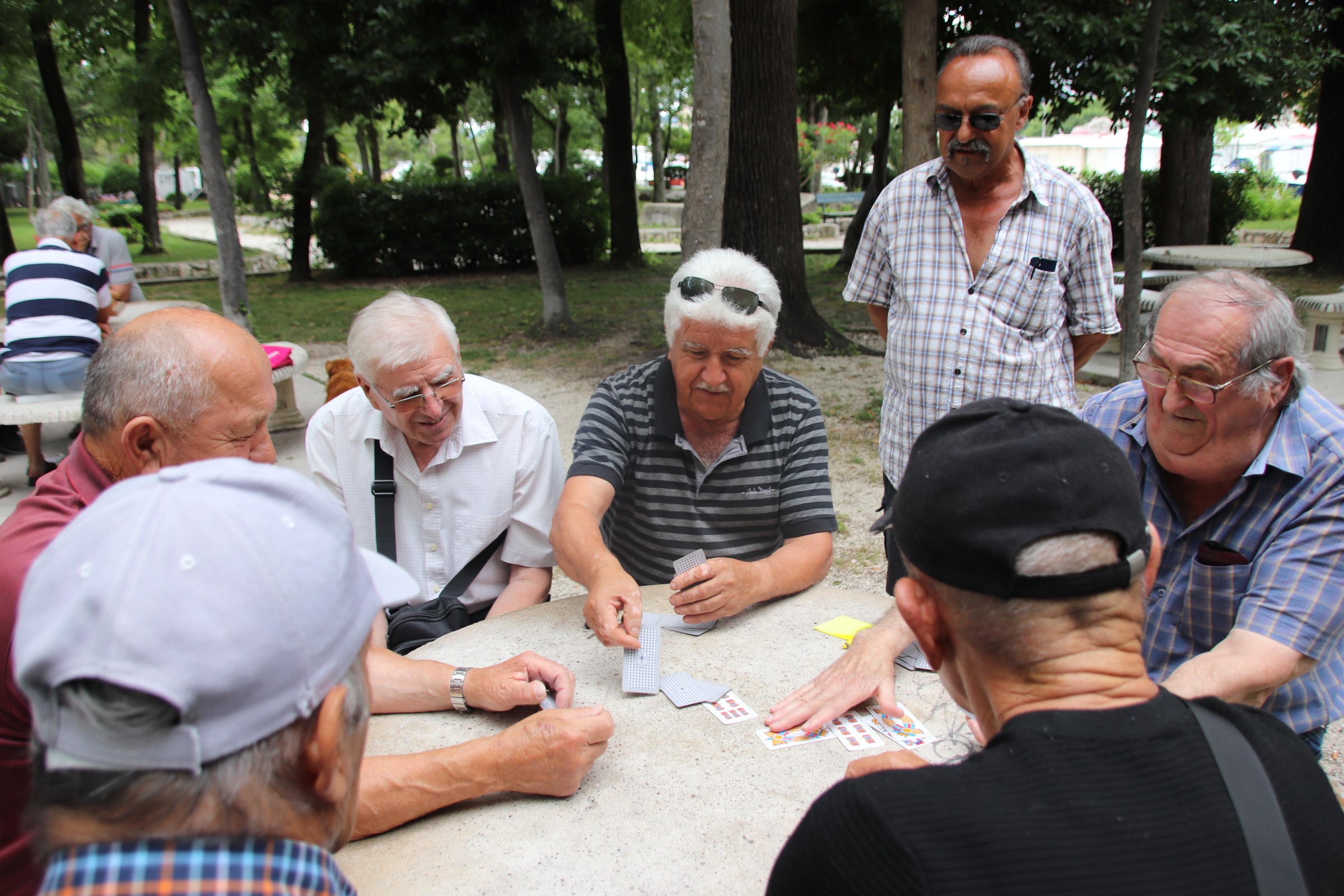
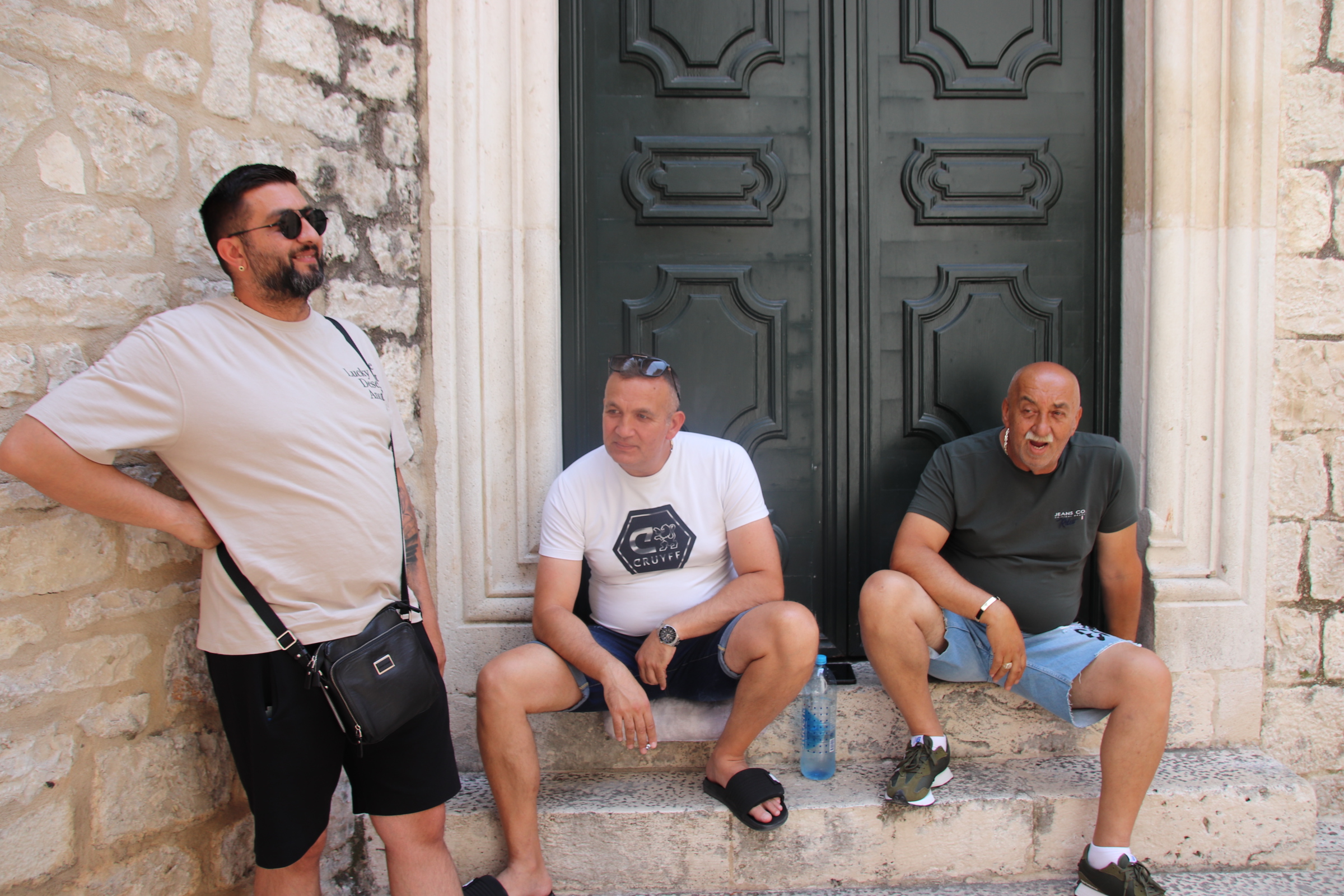
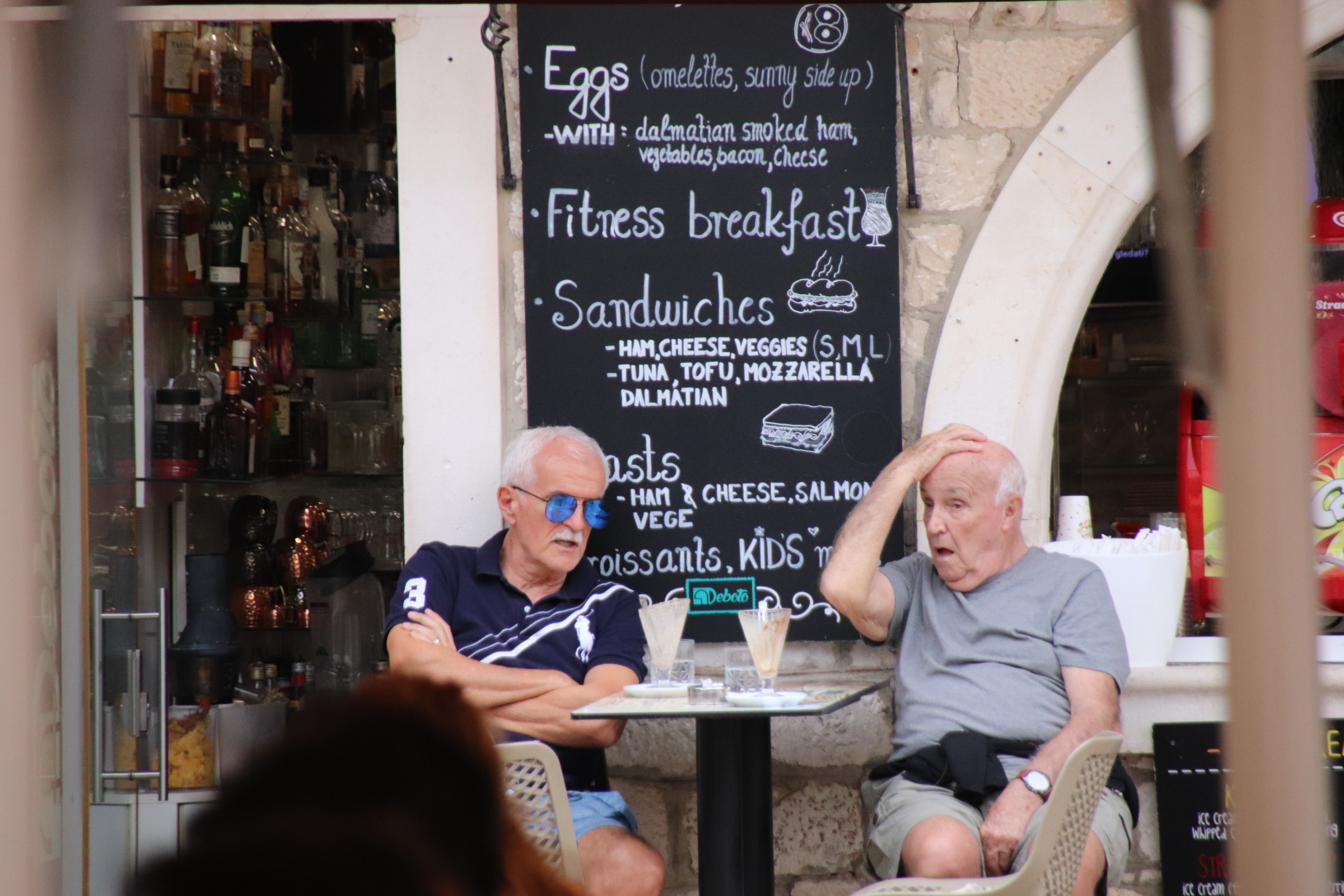
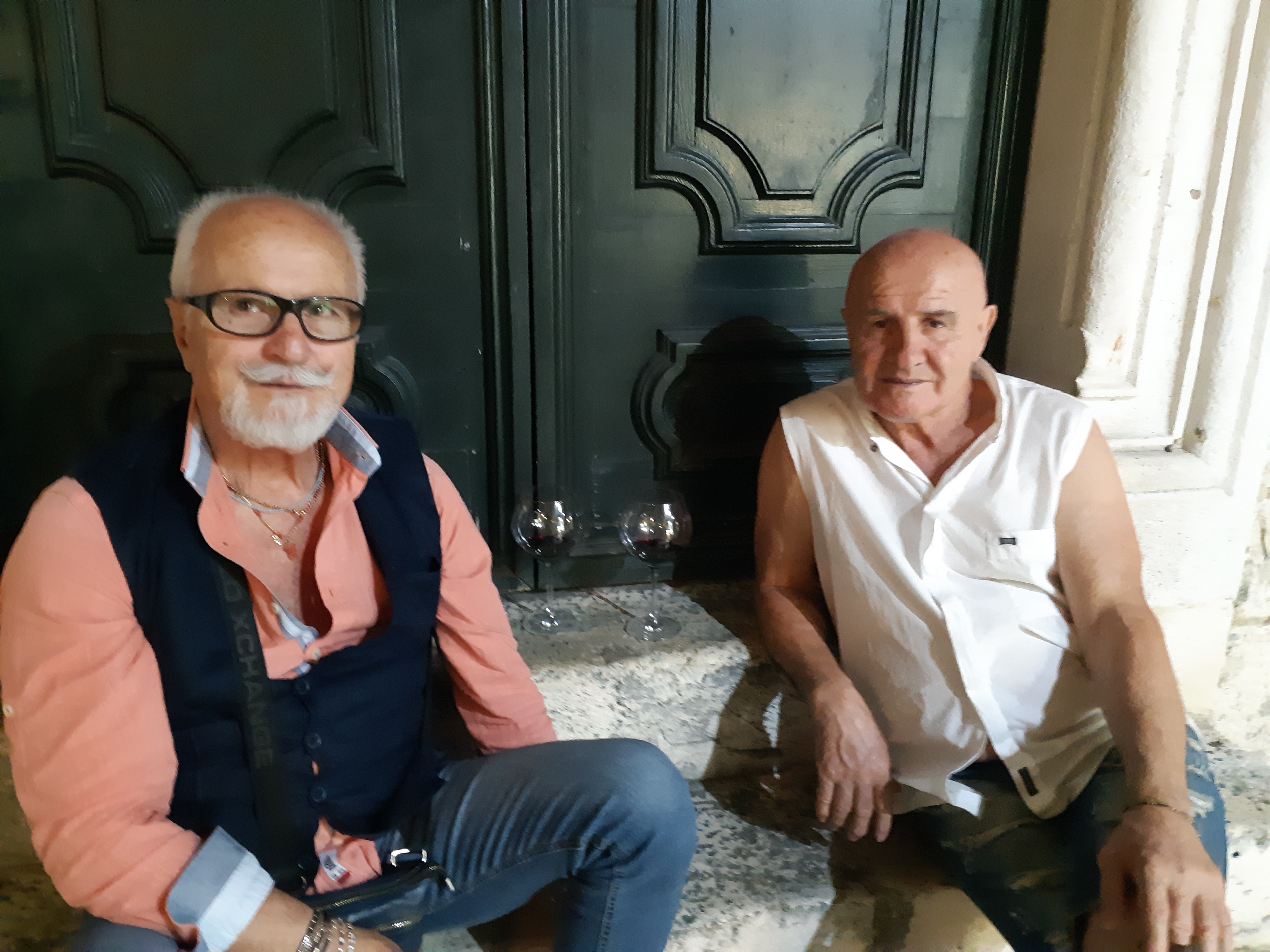
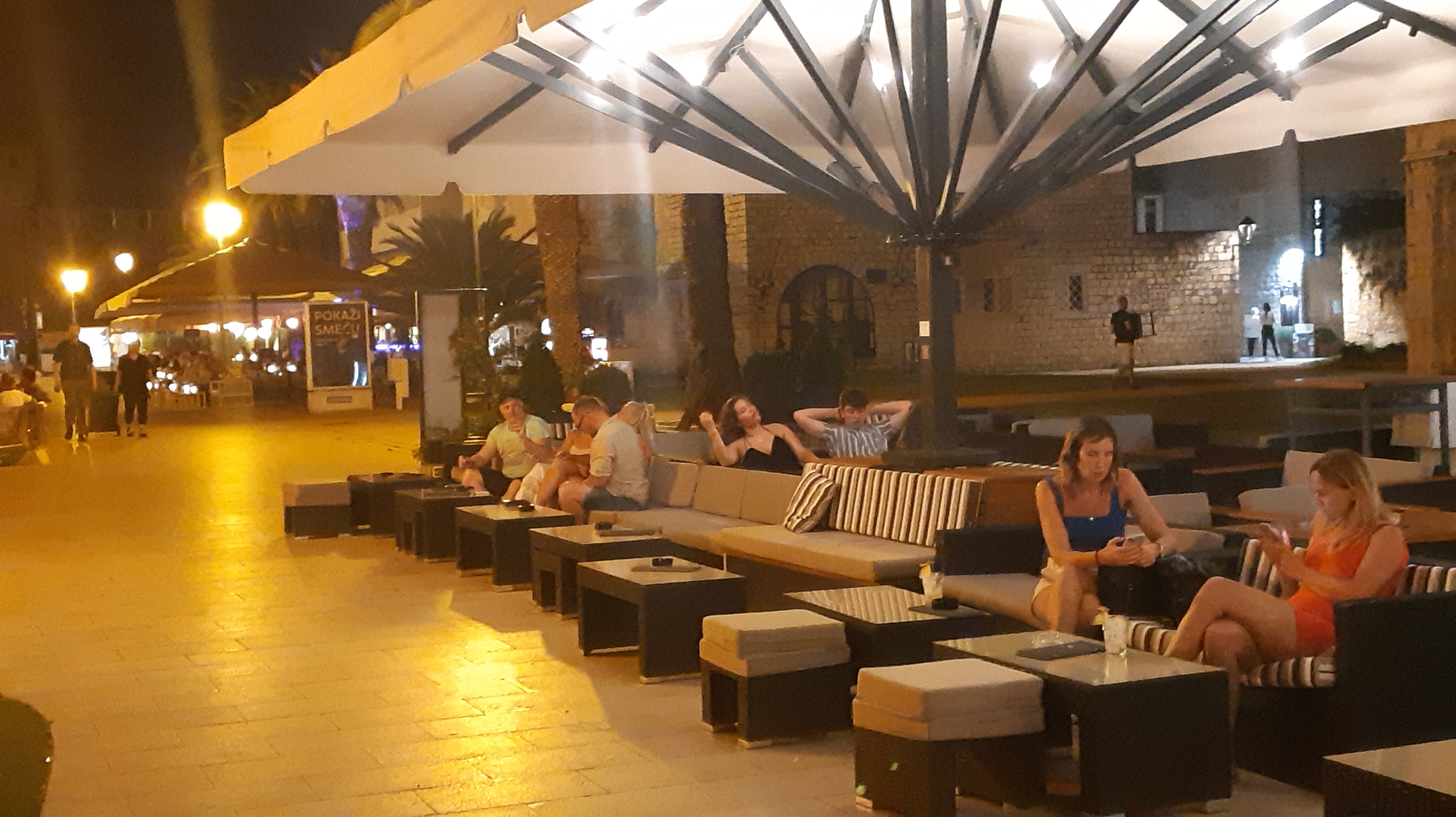
In the cool of the evening, small groups of older men come out to reclaim their city – card games in the park, the cool spot on the steps at the back of the church, their favourite table commanding the square.

But, it is the horde of visitors that wins outright at every turn and every time of day or night. Be they wealthy passengers from executive yachts, couples and families from the rest of Europe, seeking sun, sea & s**, Croatian groups on a home-turf holiday, hikers & walkers on an overnight stay, they take over the squares and the eateries and the bars creating a cosmopolitan buzz and an infectious atmosphere. Whether it is singing along to the group on the dockside or watching Croatia play football, they all combine in making Trogir a great place to stay & visit.

The island gem of Trogir

Seen from the surrounding peaks Trogir is a compact, clay-tiled nugget of Renaissance, baroque & Romanesque buildings. It occupies a small island between another island and the mainland and linked to both by bridges.

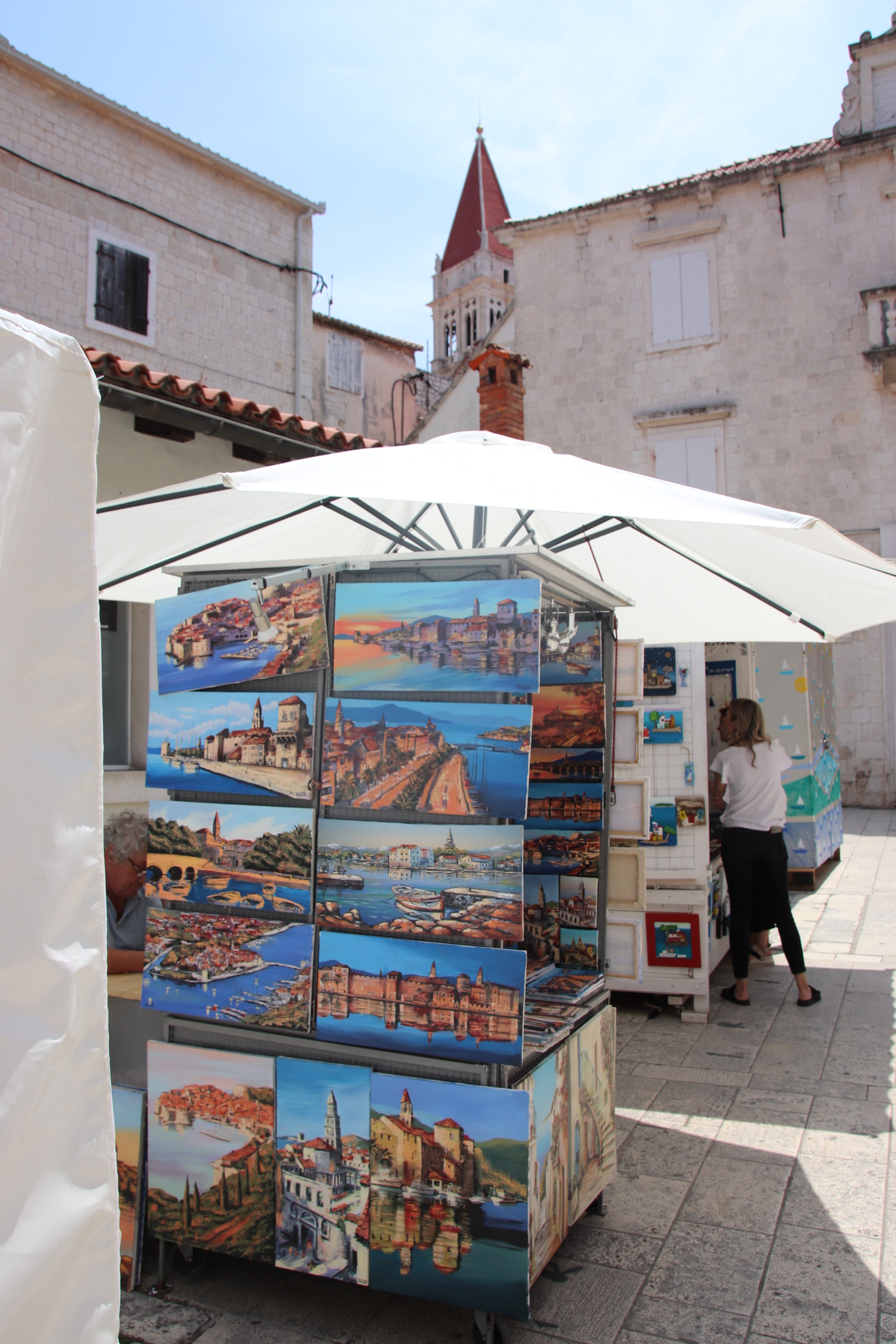
The North Gate is the main portal into this medieval cluster and it’s just a short walk of 400 metres or so through narrow cobble-polished streets to the South Gate where luxury yatchts are moored outside the old town walls. Due to the narrow passageways the town is completely pedestrianised and a few special carts have to be used for deliveries to the many restaurants and the few tourist shops.

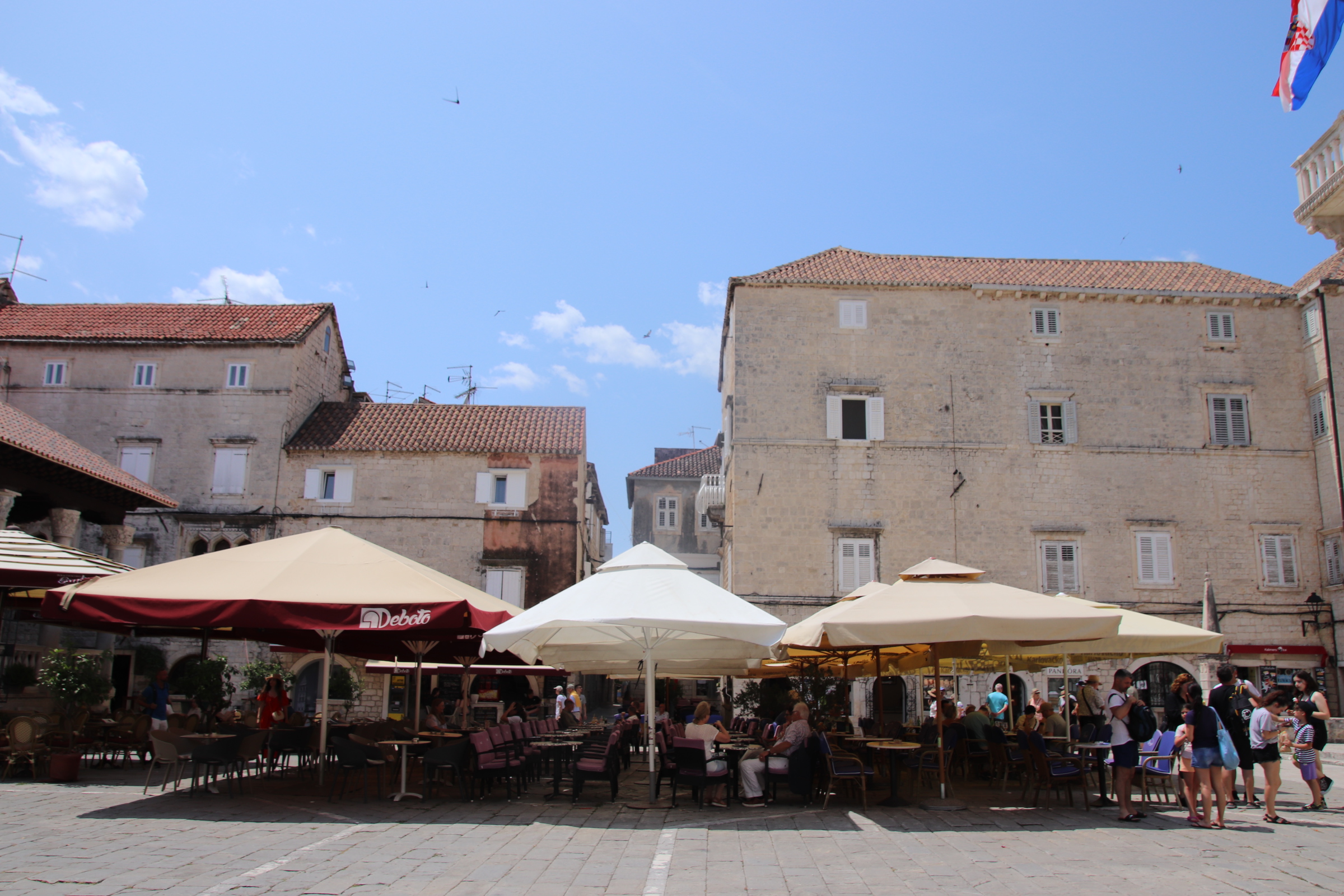
At the centre of the town is the main square filled with cafe tables and Trogir’s most important buildings.

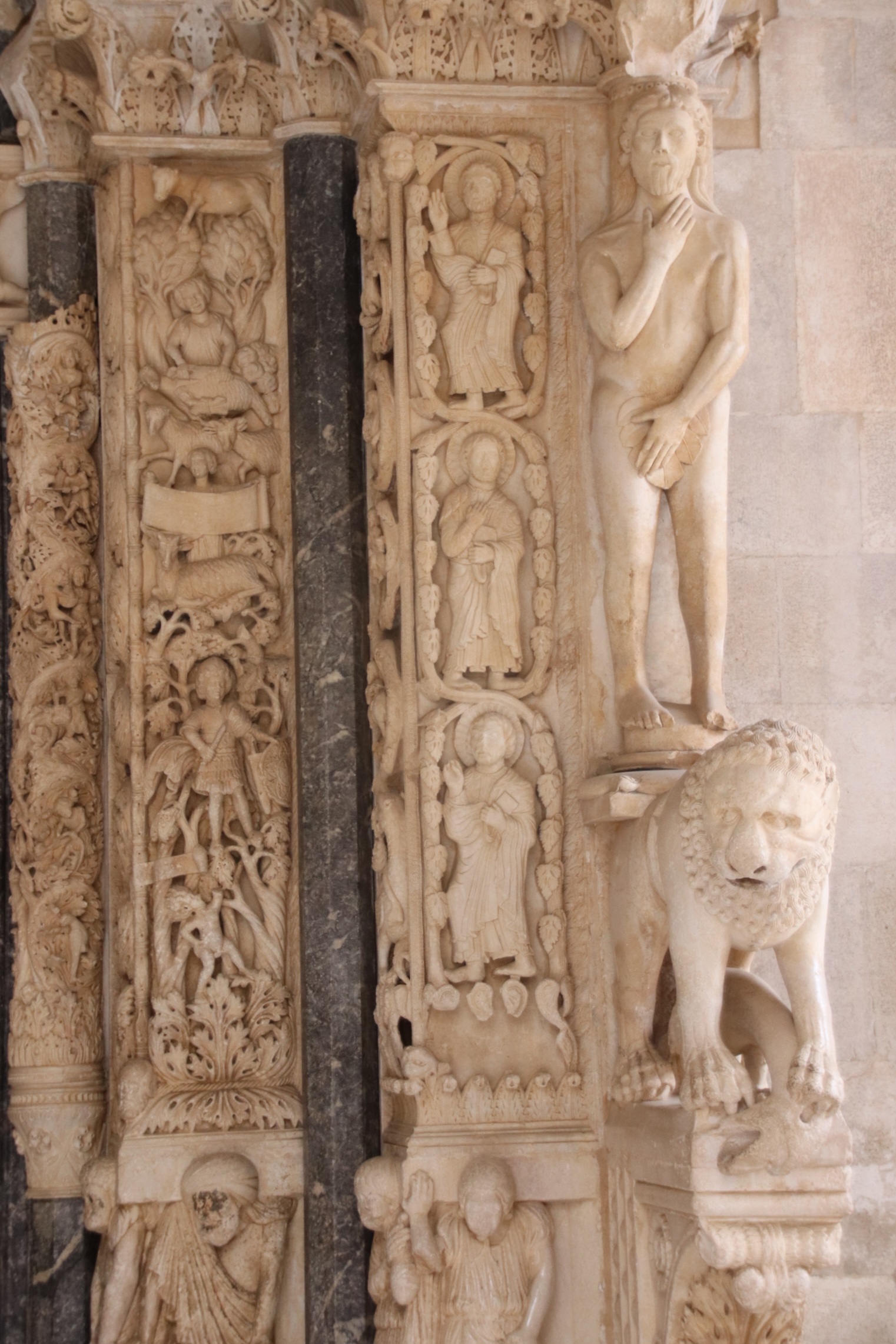
The 13th-century Cathedral of St Lawrence dominates one side. Around its main door are magnificent carvings depicting the bible for the illiterate masses of the time.

Zadar, the ancient capital of Dalmatia

Driving the scenic backroads of rolling farmland and far, limestone peaks we head for the northern Dalmation coast. Croatia has used its EU money on excellent infrastructure projects. The long tunnel through the mountains comes out on a dry, scrubby hinterland with the glistening Adriatic contrasting in the background. A necklace of long thin islands are strung along the coast in both directions, linked to the towns/cities on the mainland by tenuous fronds of ferry routes.

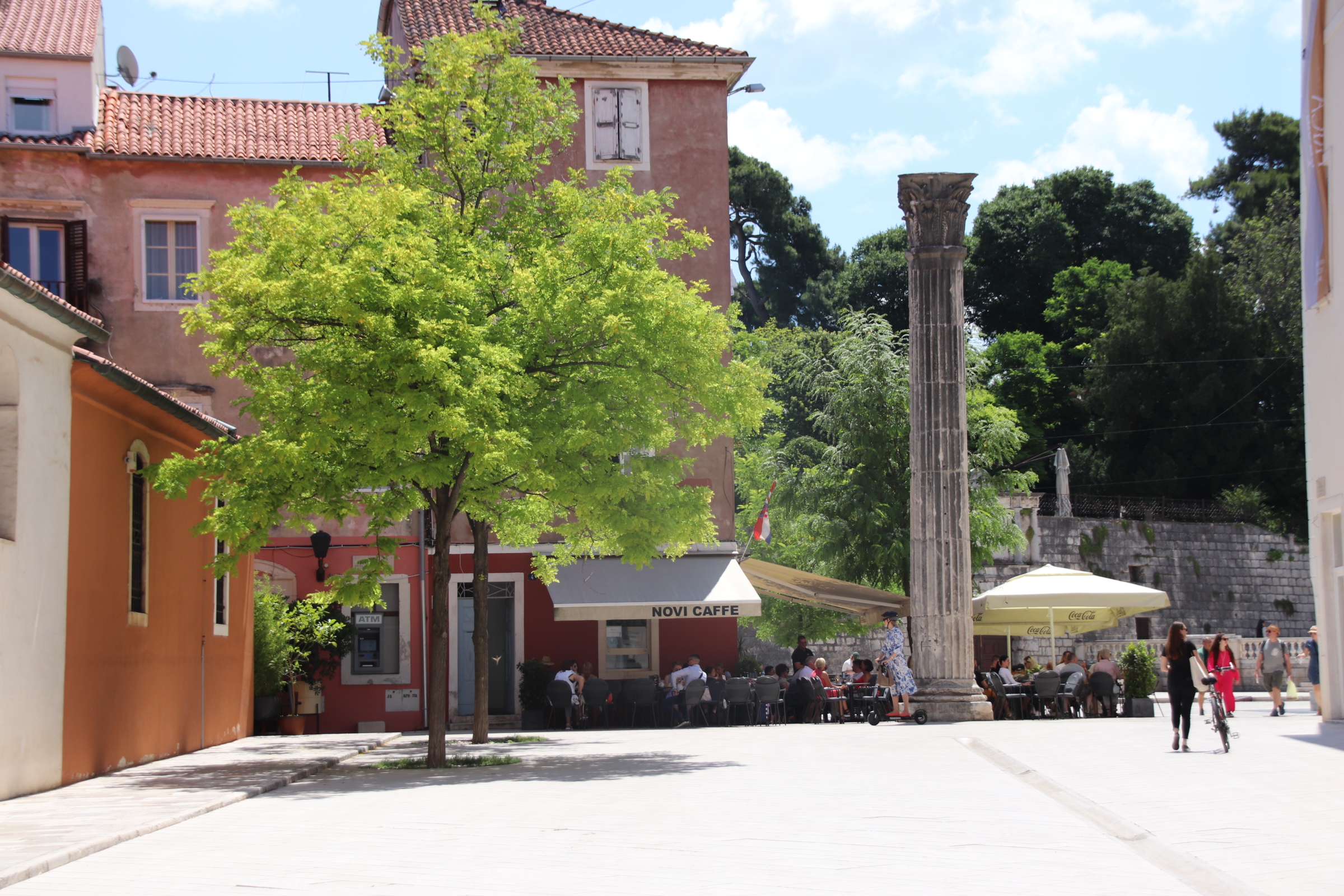
The peninsula town of Zadar is the ancient capital of Dalmatia. It is known for the Romanesque and Venetian ruins of its Old Town. Wide shopping streets lined with supermarkets, sandwich bars, cafes and all the trimmings of functional 70s family shopping, mix it up with ancient churches, truncated columns and dusty piazzas.

First port of call is the port (see what I did there :-)?) Where a Virgin monstrosity of a cruise ship is moored up to offload paddle-led groups of to visit Zadar’s ancient sights. On the seafront is an installation called the Sea Organ, a unique experimental music system driven by wind & waves, and the Sun Salutation, a multi-coloured sun-powered light display.

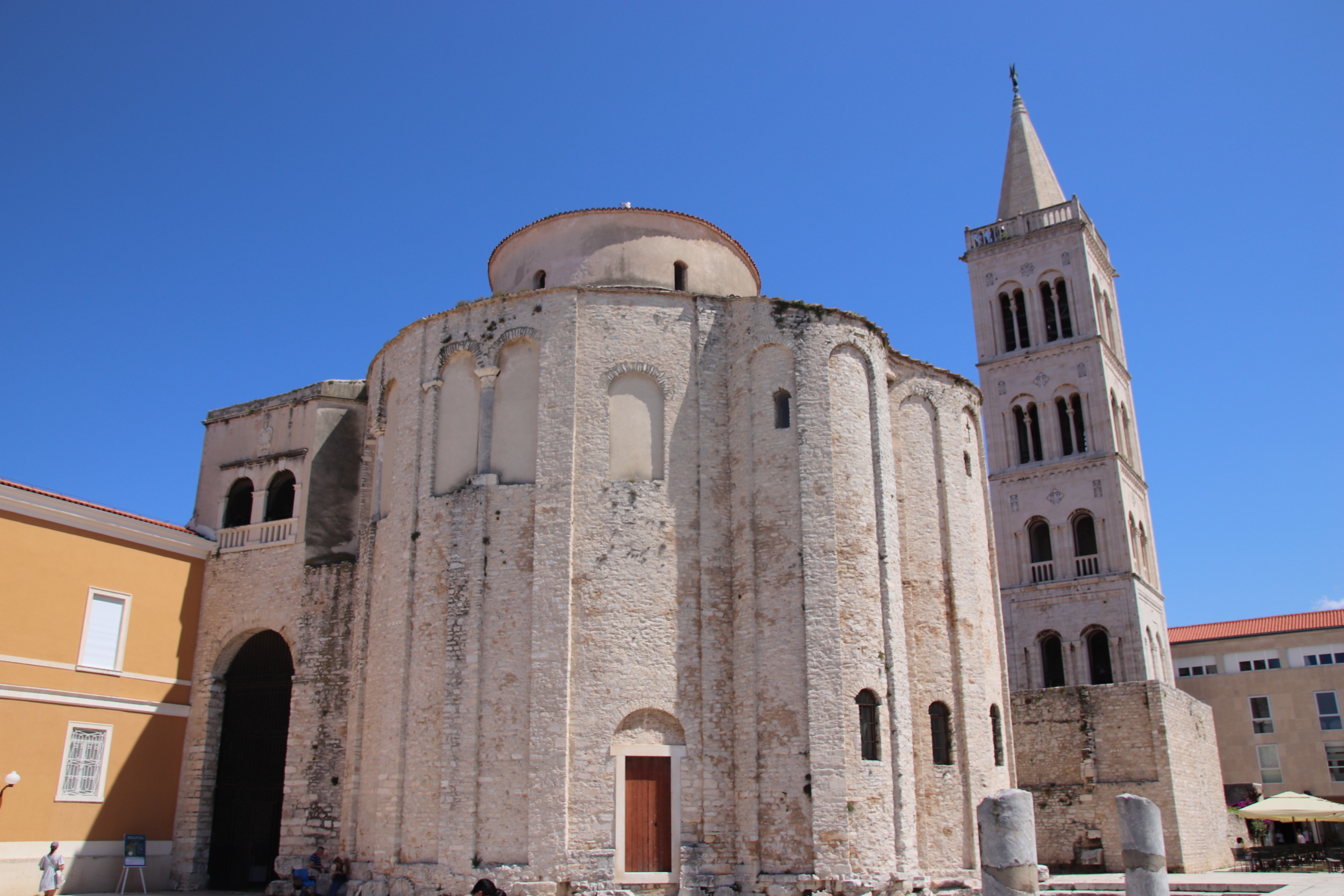
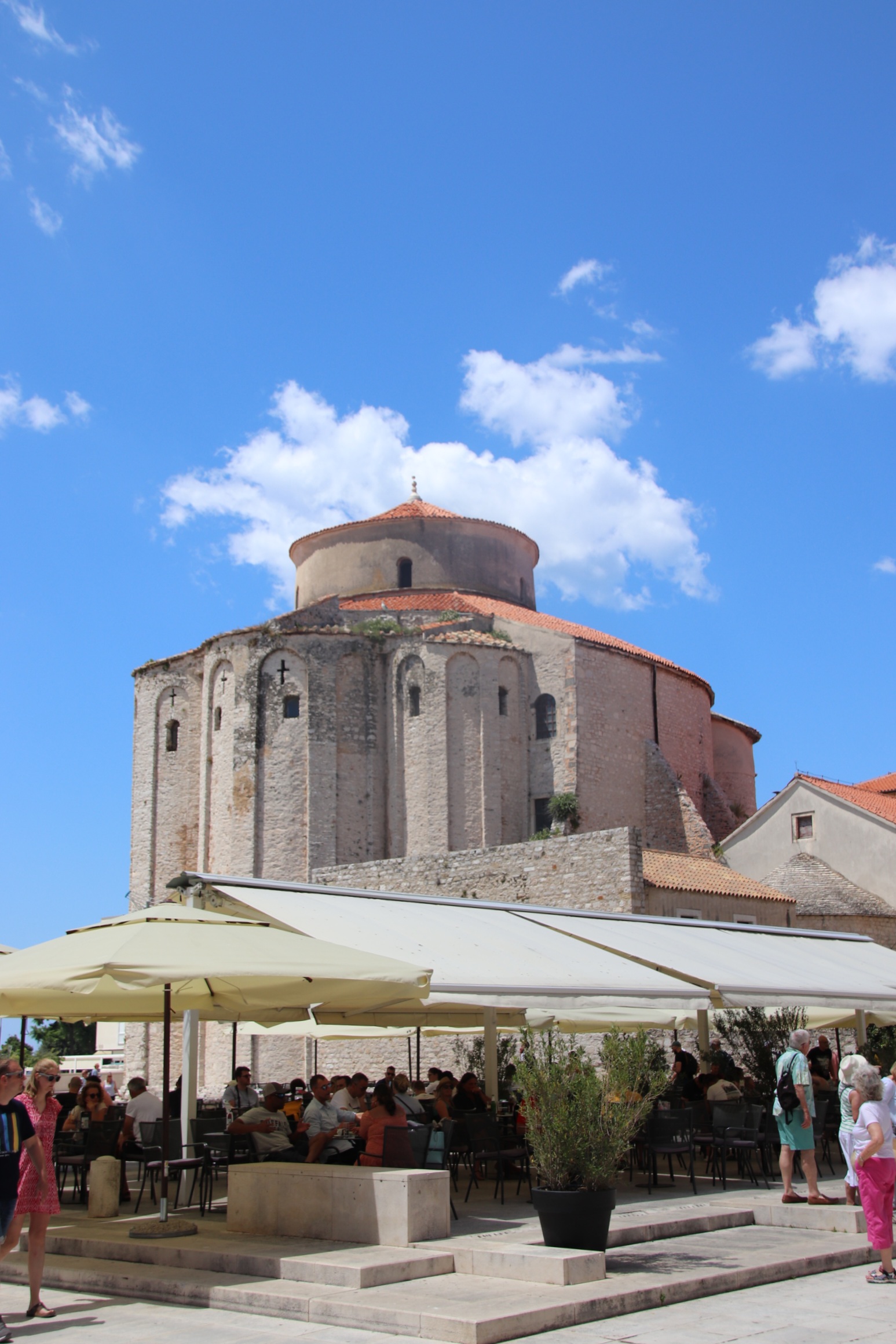
Construction of the round Church of St Donatus began in the 9th century and is the largest Pre-Romanesque building in Croatia.

The old city is laid out on a kind of grid system with ancient blocks dotted around more modern sectors. Strike into the back streets and one will inevitably lead to a church or a shaded square.

Plitvice Lakes National Park

Heading inland via the hugely impressive fortresses of Kliss & Knin, the mountains of the hinterland in general and the Plitvice Lakes National Park in particular provide an uplifting contrast to the heat, dust and heavy bustle of the coast. A day exploring the lakes calms the soul and refreshes the spirit, although at the snakes of similar minded visitors are exasperatingly all too similar.

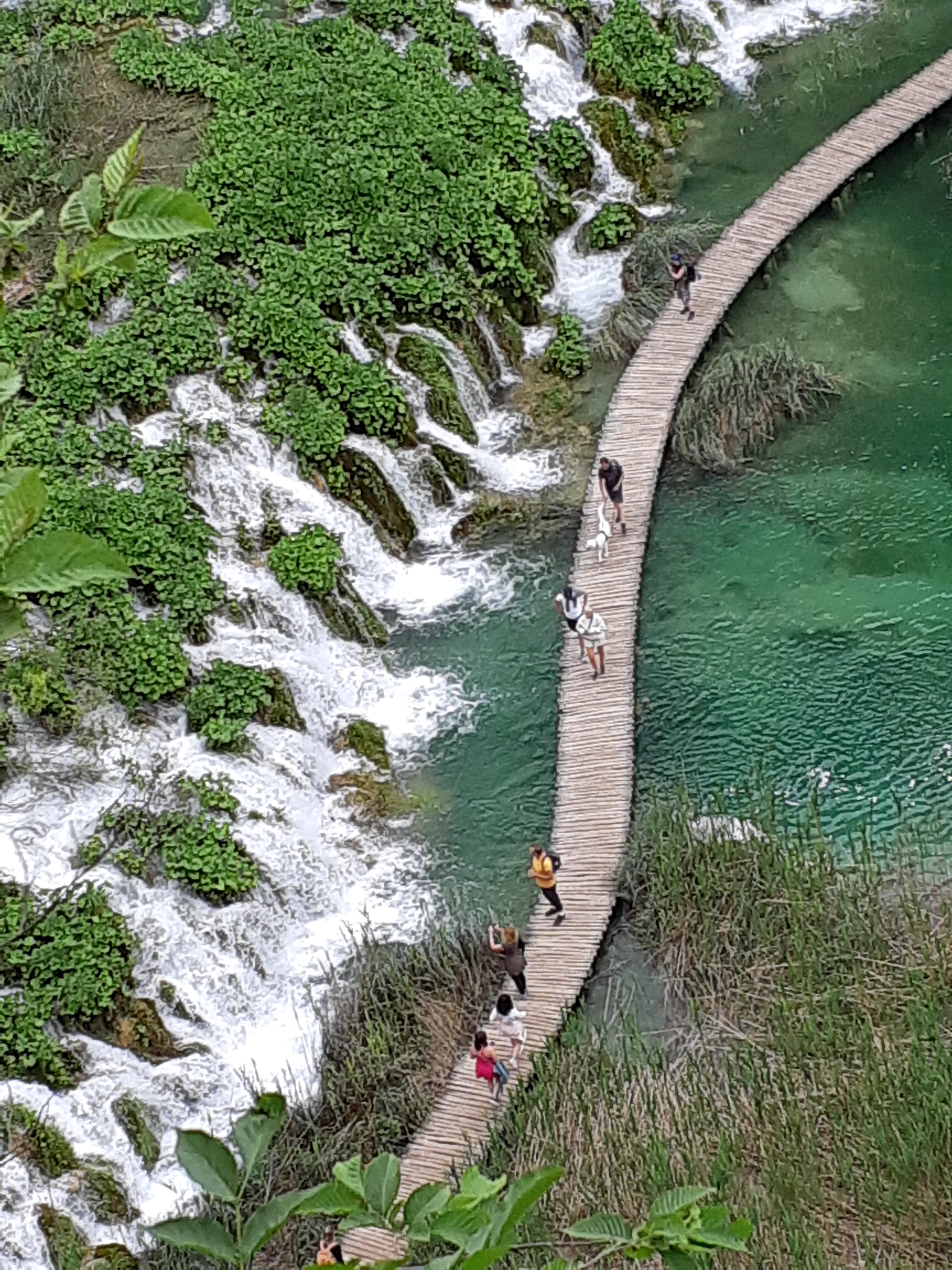
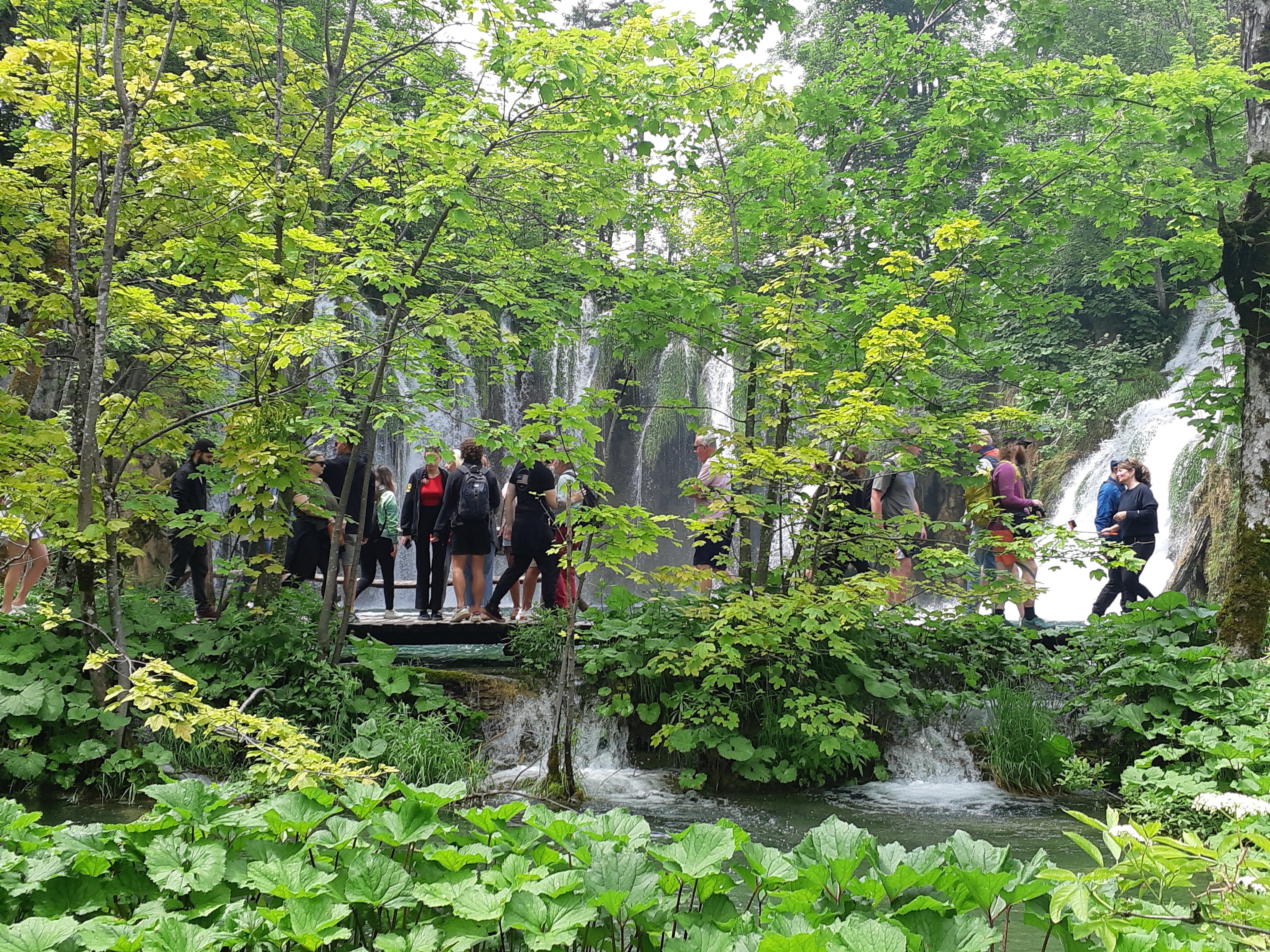
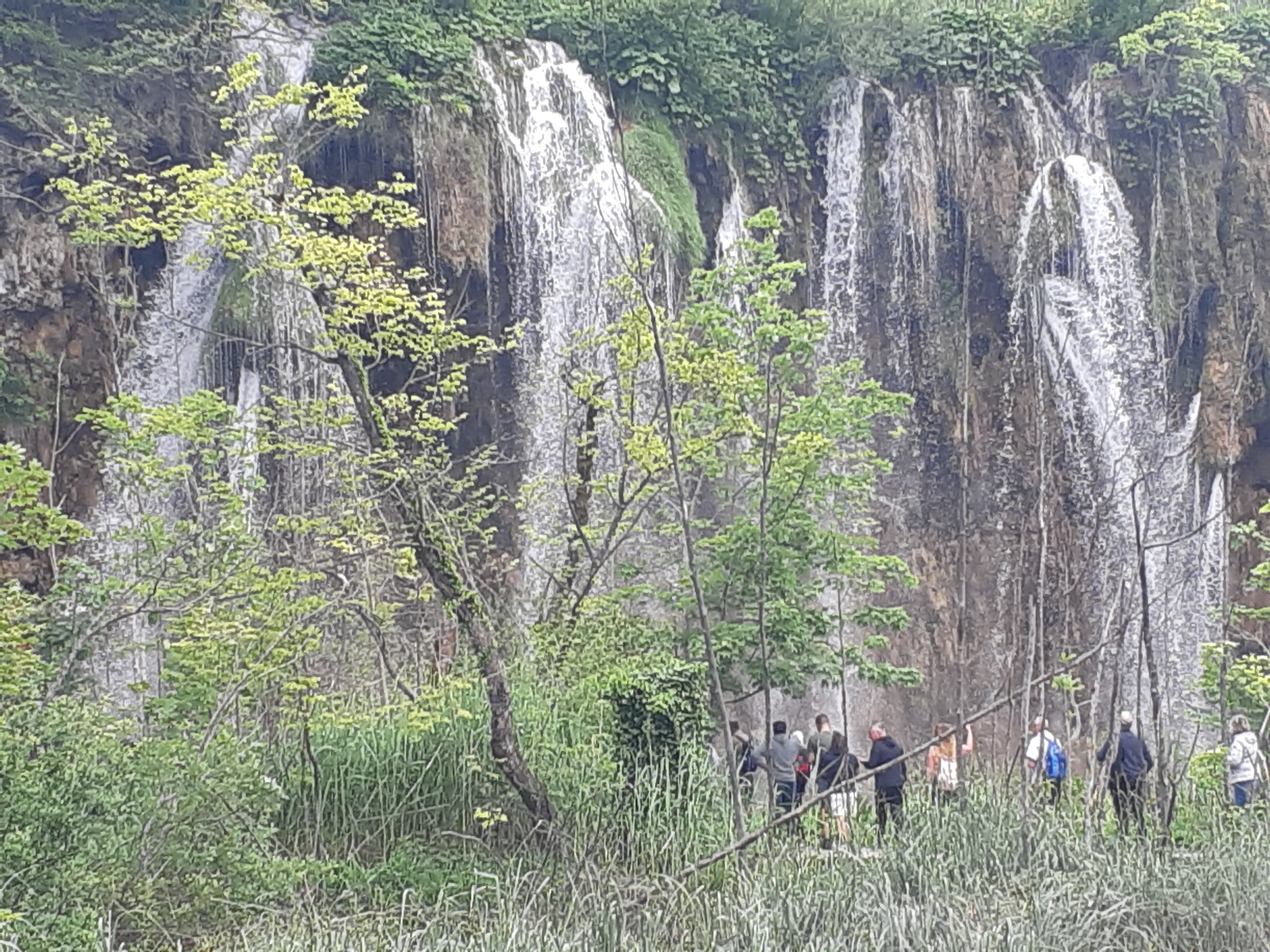
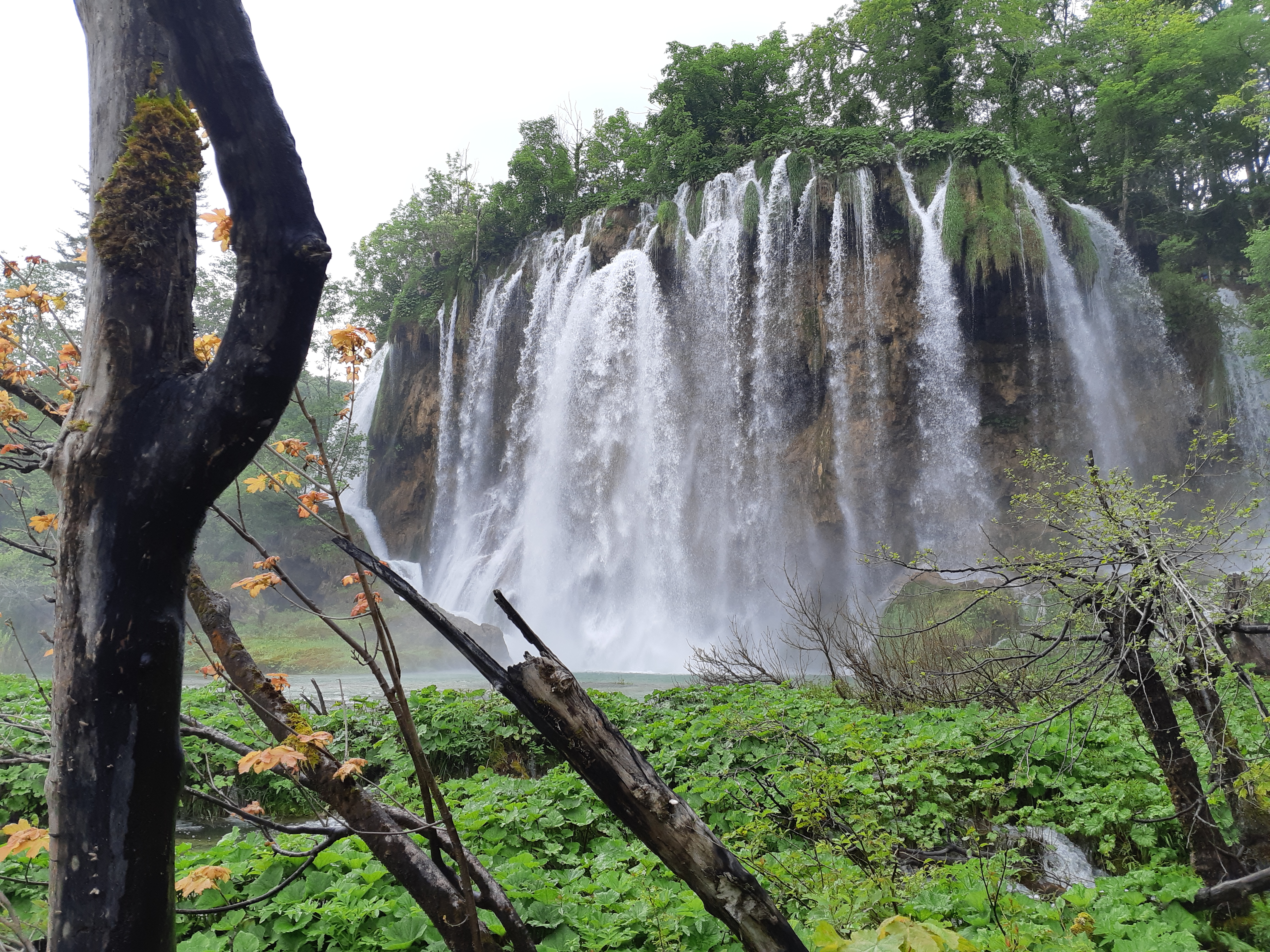
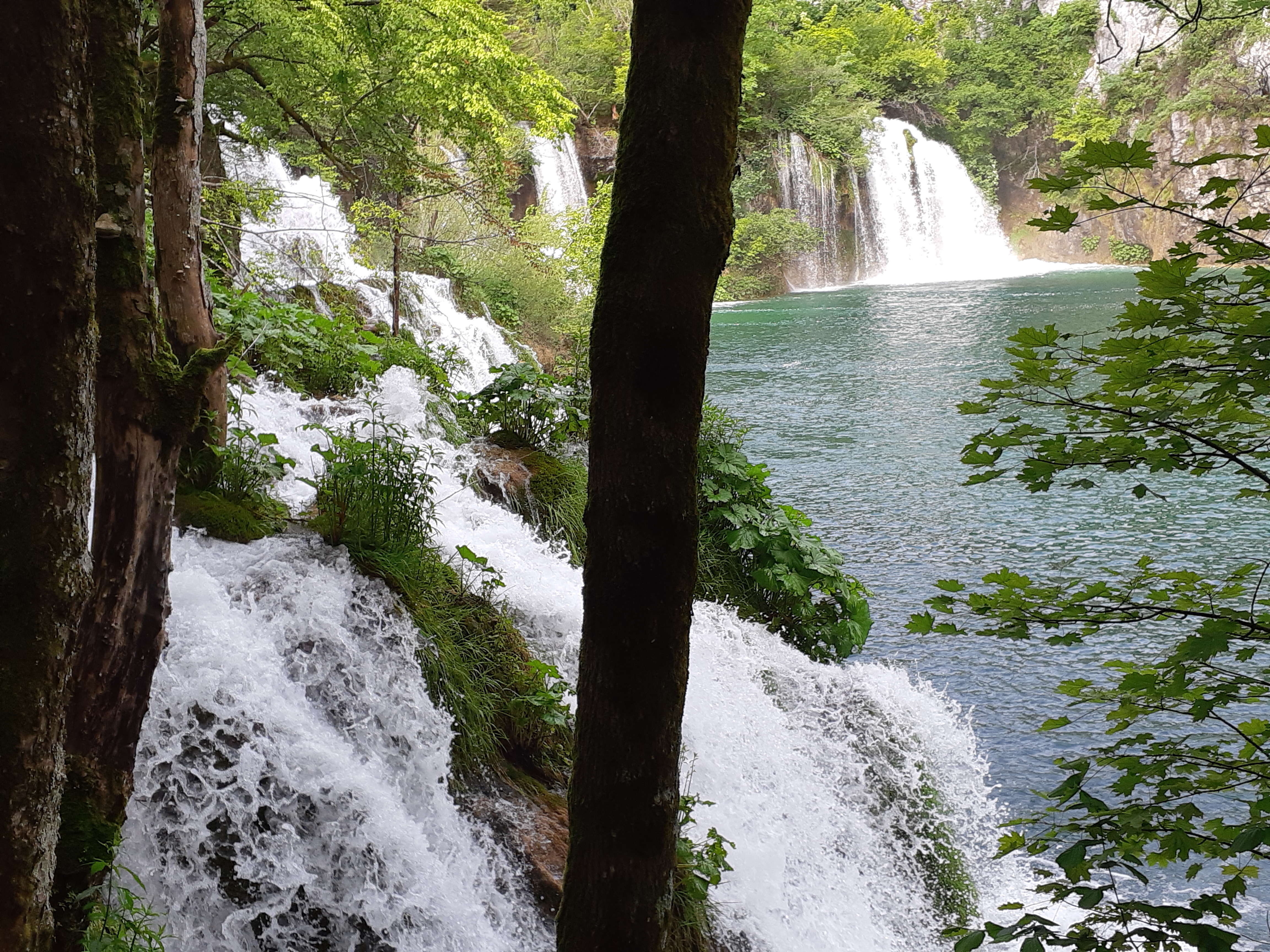
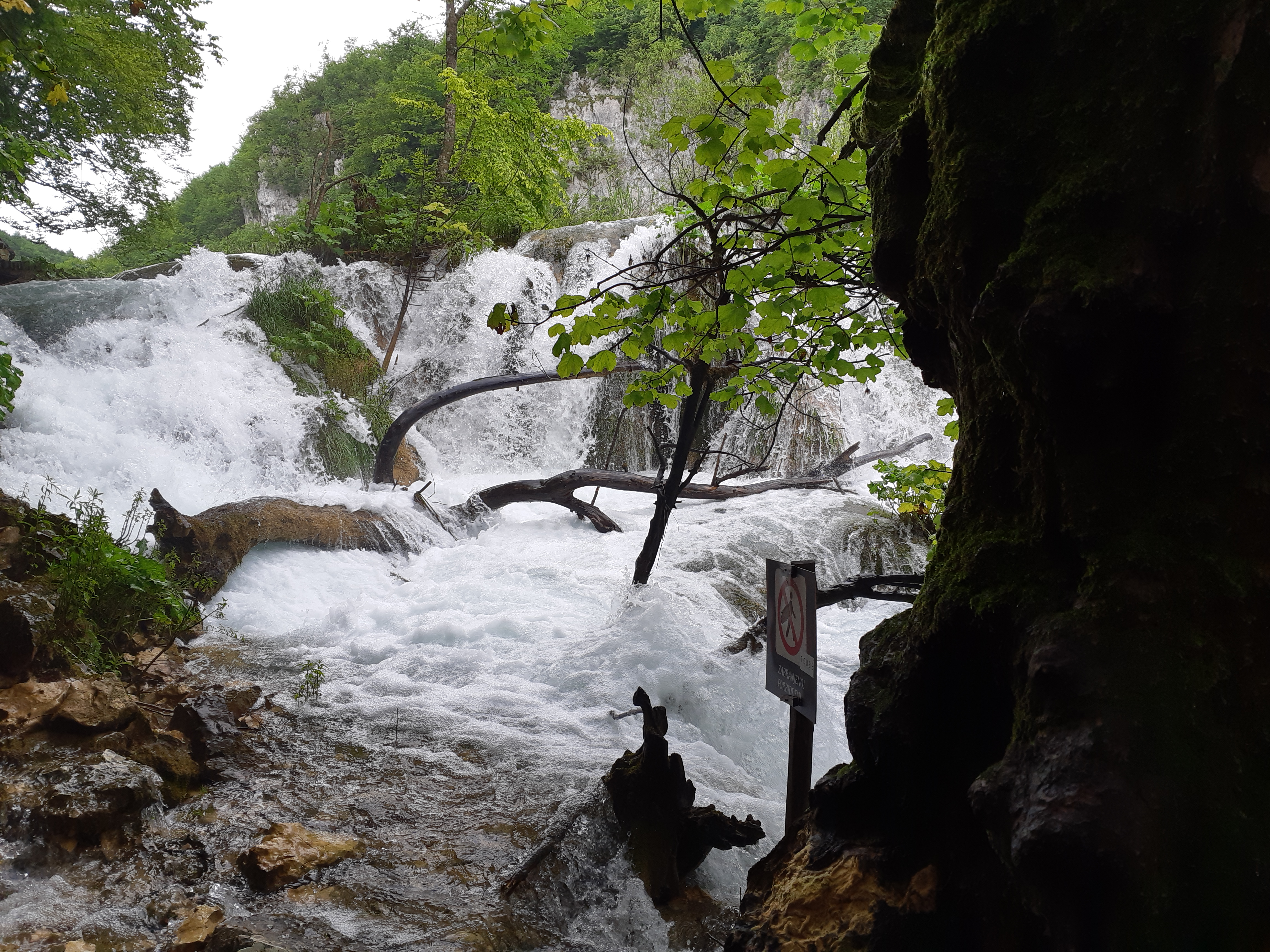
The National Park is a serious of routes along paths and boardwalks which link tall outcrops of rocks and cliffs covered in luscious vegetation and tumbling streams, rivulets & cascading waterfalls. From entrance 1 it is a 10 minute walk to the first and most impressive collection of tumbling water.

The winding boardwalk takes the omnipresent line of centipedeing tourists right up to the foot through spray & mist.

The trail winds up the 16 lakes along the banks at the water’s edge, through speckling woods & glades, moss covered & frondy wrapped rocks, and open bodies of water, drawing out calmess and peace.

Simple boats take visitors across open water enabling access to all parts of the park.

So, relax fully!!

The precious jewel that is ancient Split

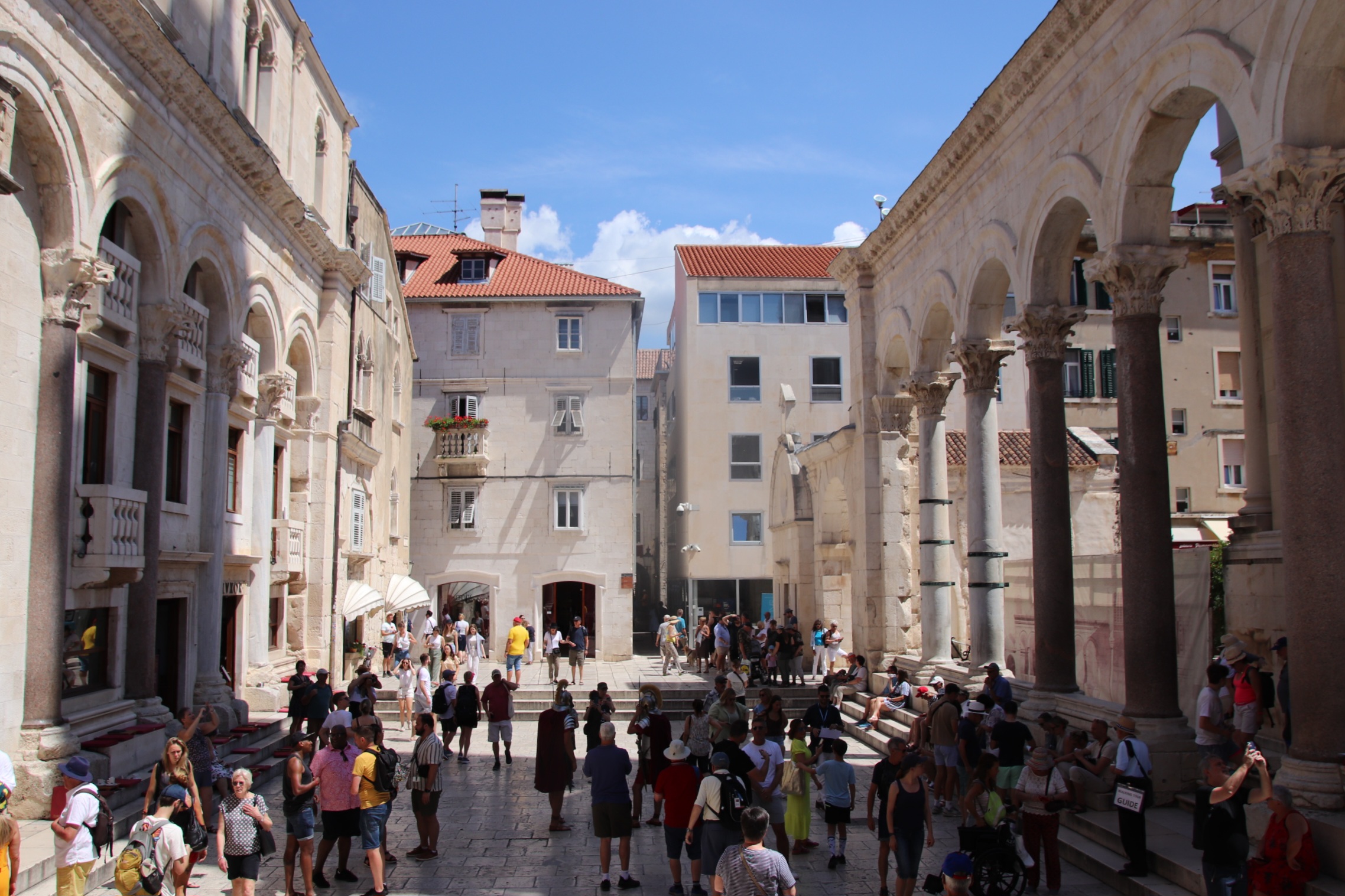
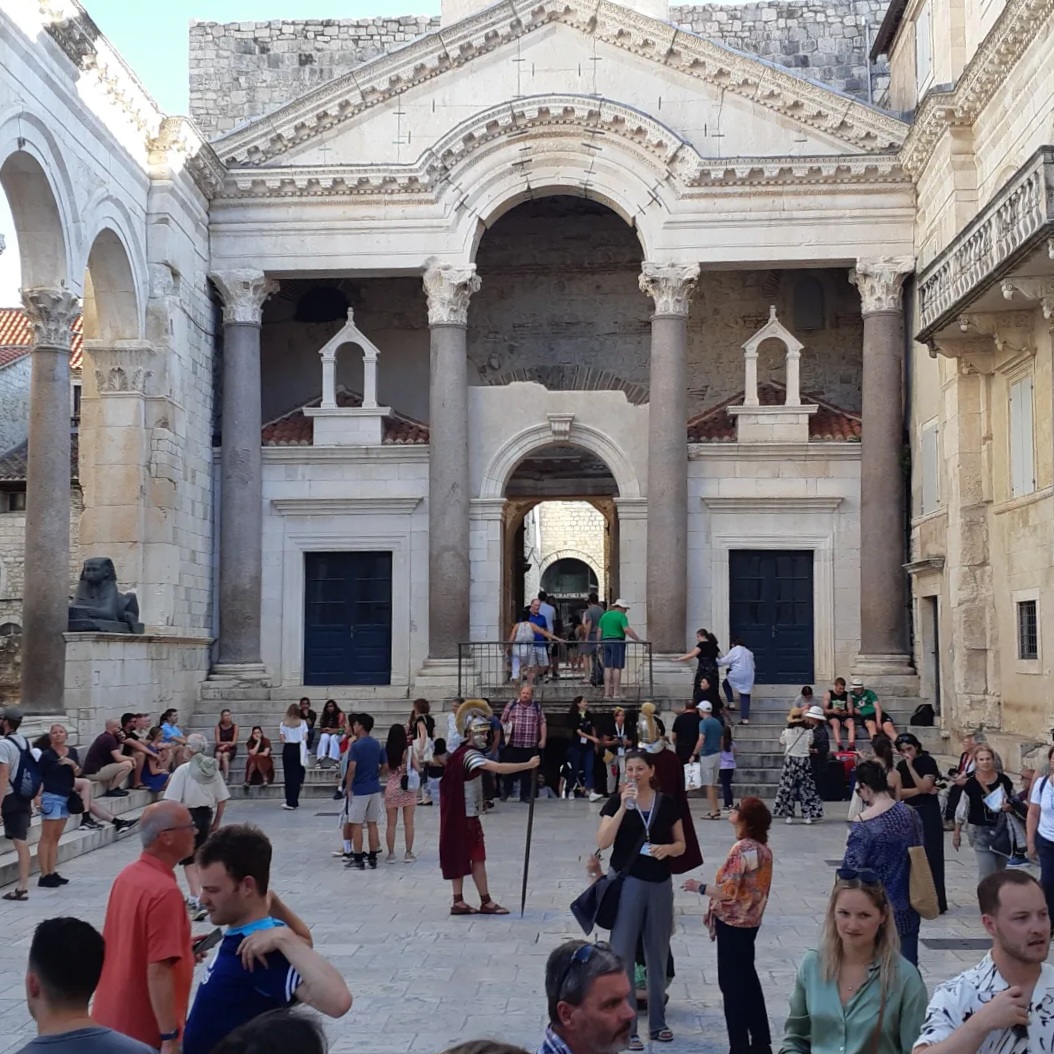
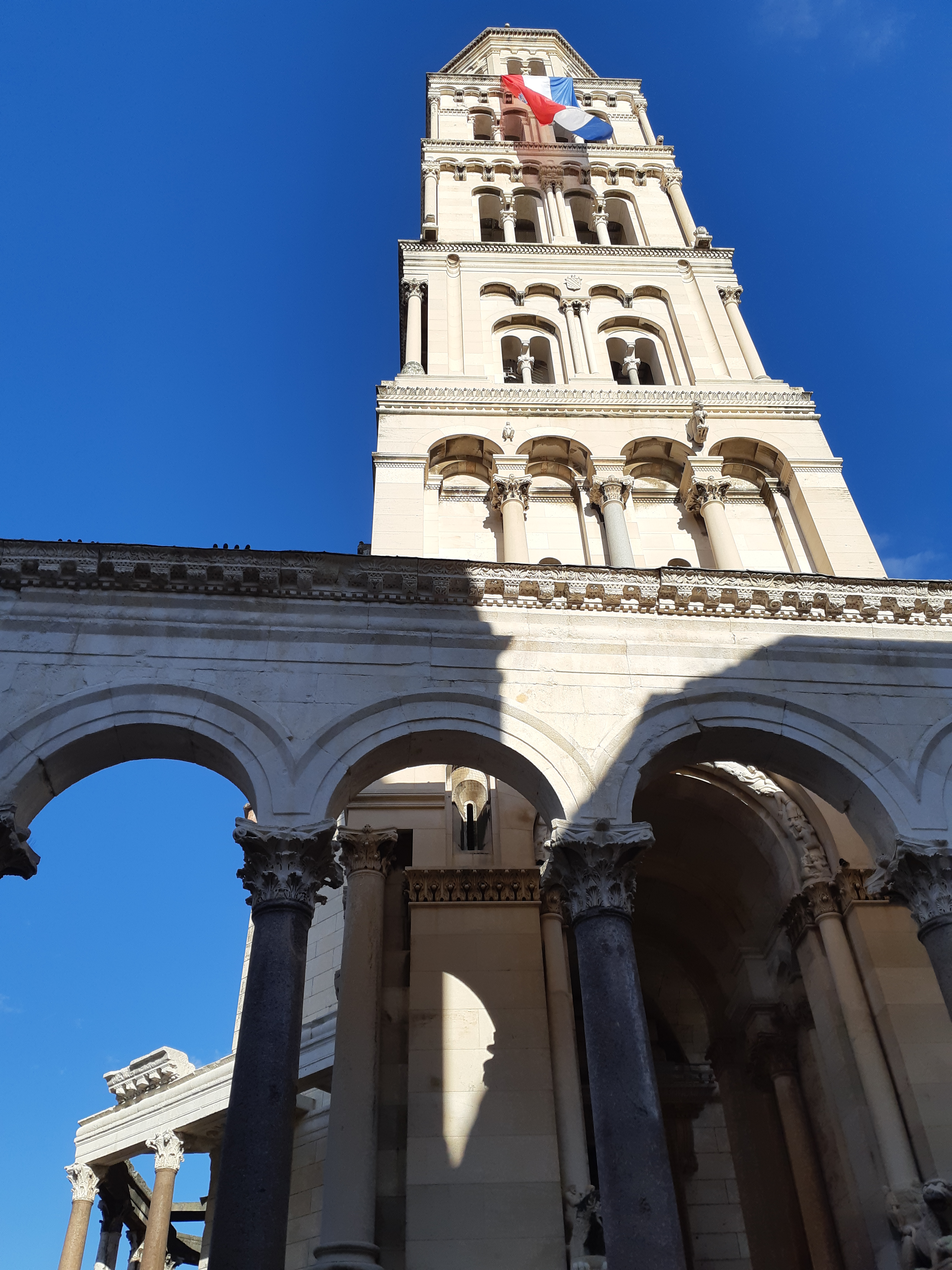
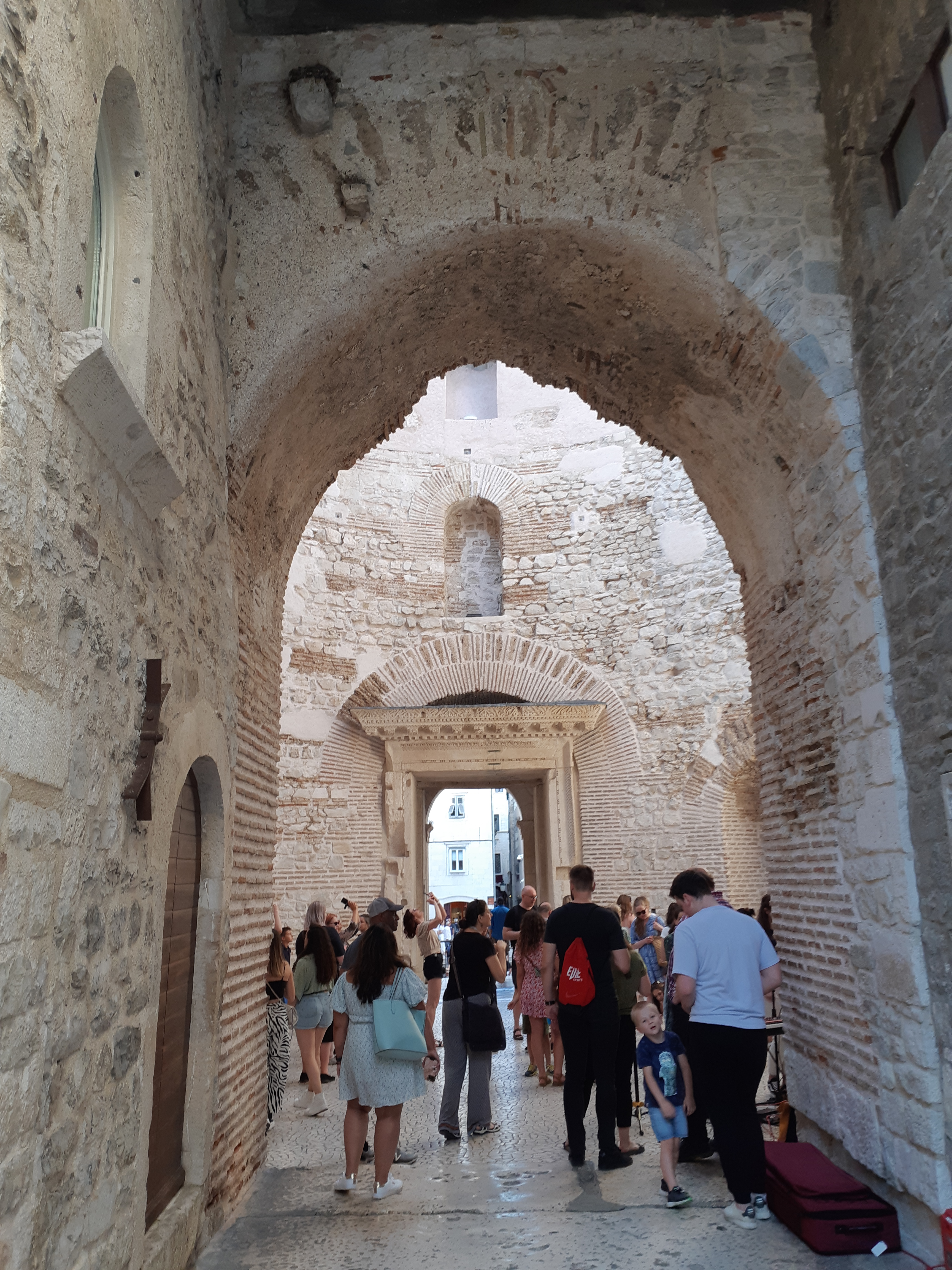
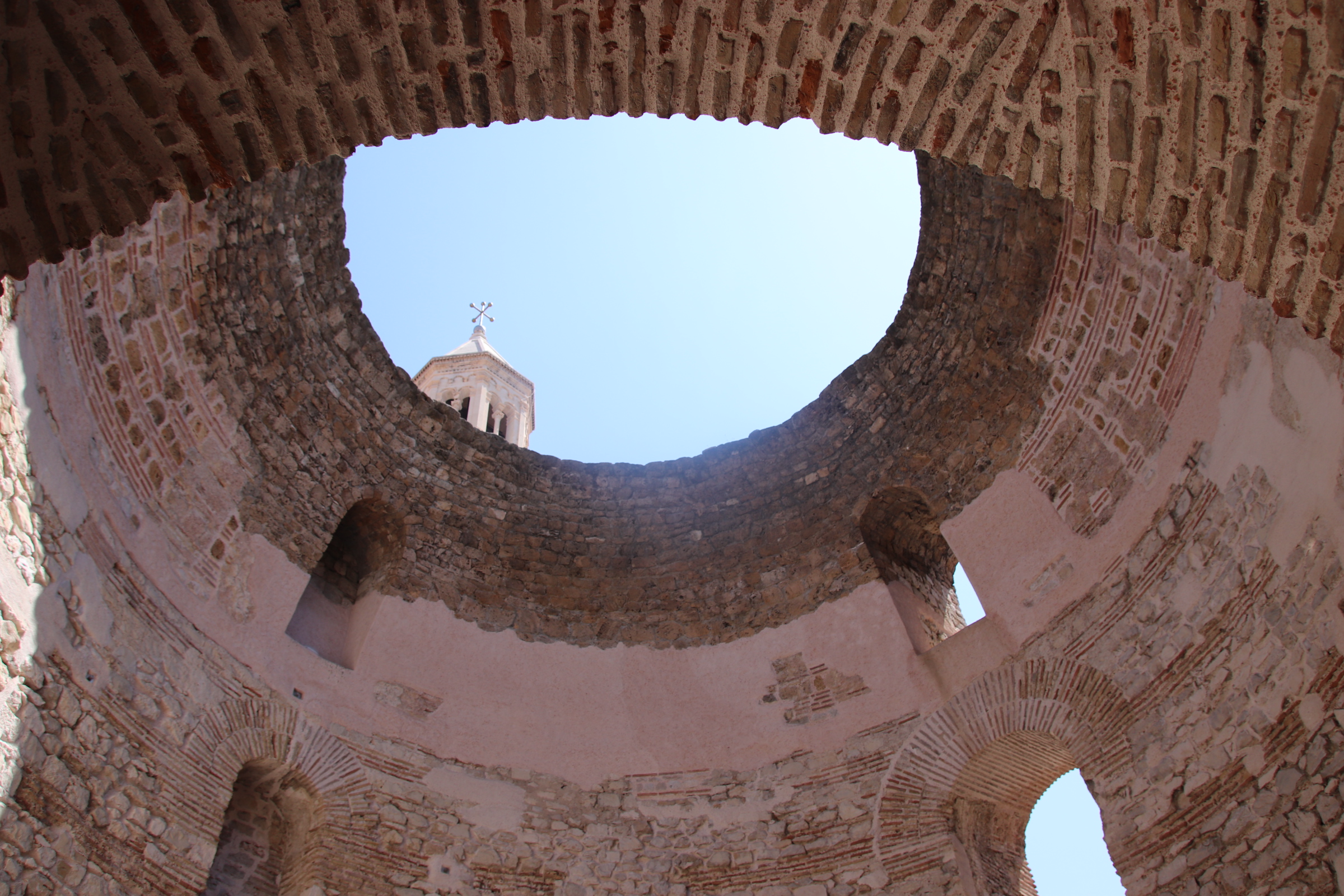
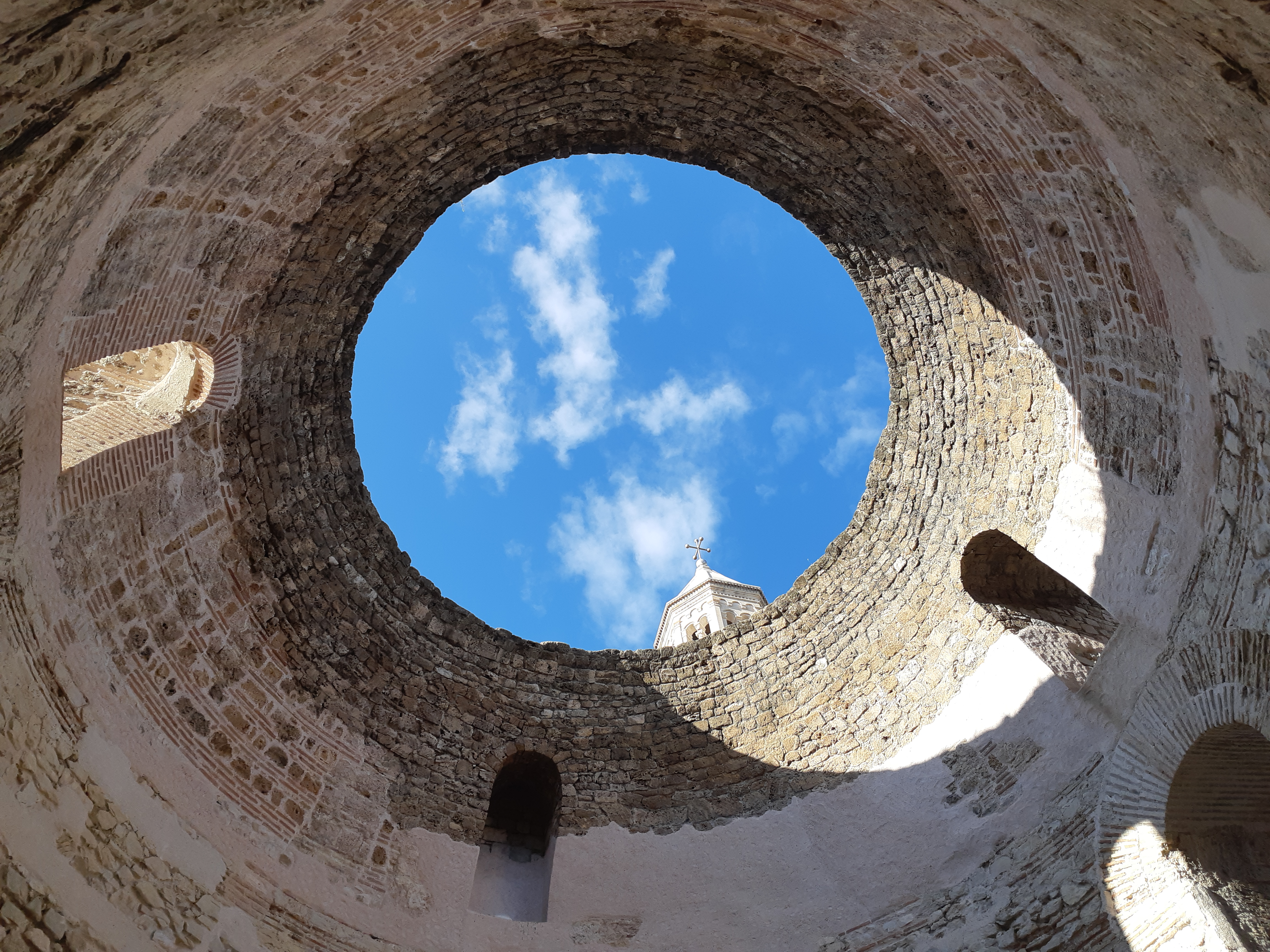
The Emporer’s Palace is one of the best preserved examples of Roman architecture in the world. A combination of luxury villa and military camp, its huge walls protect four separate areas divided by two main streets turning north to south & east to west. Entry is by way of a guarded gateway in each wall, still defended by Roman soldiers disguised as tourist attractions.

Try and forget the crowds and the temperature and take a trip back to ancient times when Jews lived in a ghetto, affluent merchant families built grand houses inside the walls, churches and official buildings competed to out-glorify each other and traders and sailors landed goods from Africa to the Americas, from the China seas to the Russian Federation.

The ancient core still boasts Roman and medieval artefacts and features and archaeologists are working behind scaffolding and cloth to reveal past glories.

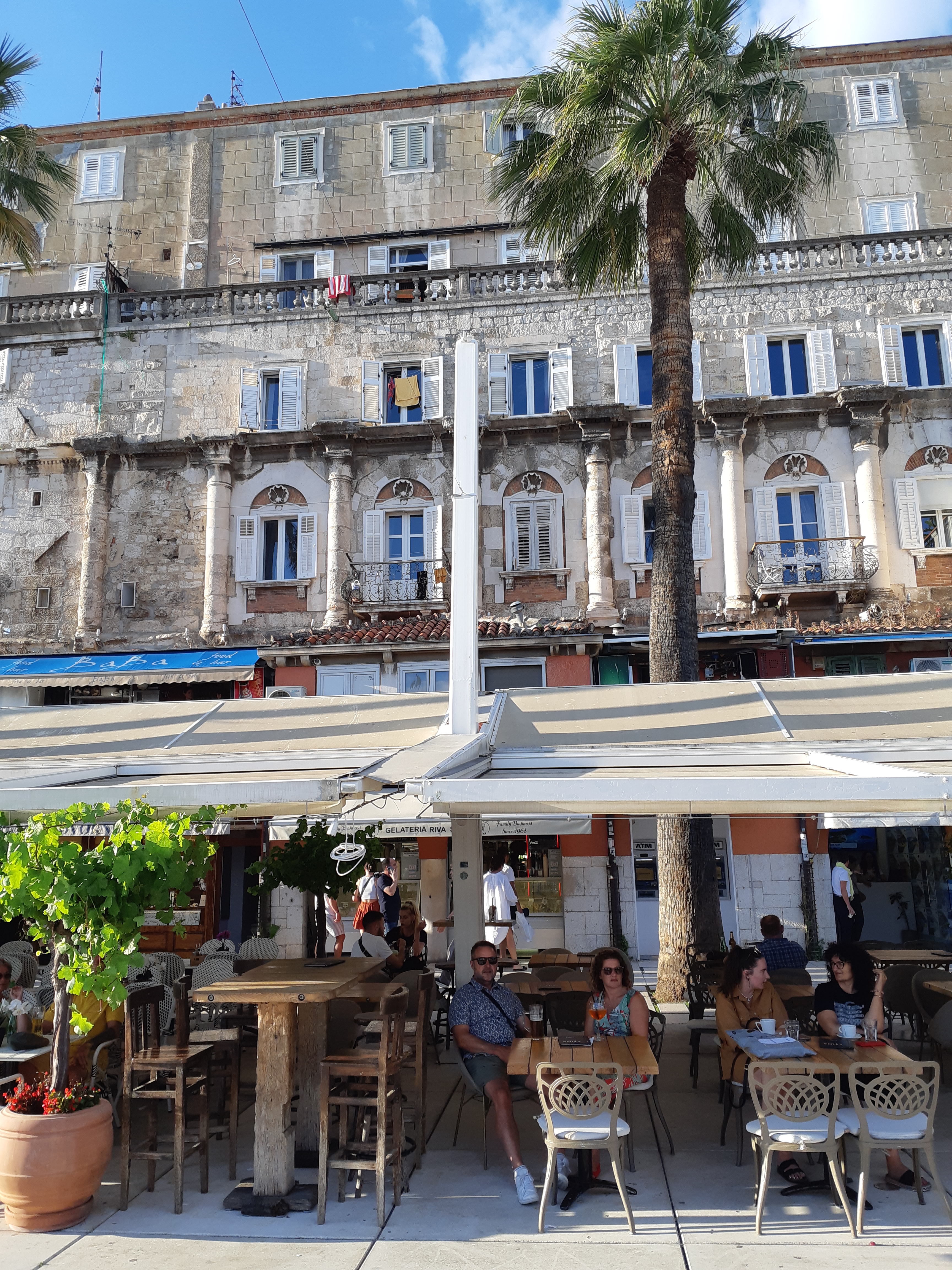
Outside the walls normal life goes on for tourists and locals. Split is very much a young person’s place particularly away from the cruise ships and the long lines of coack parties and tourist groups. The town’s small beach is buzzing with gentling couples, groups of tanning girls and gangs of loud boys larking about in the shallow water. The latter needing to expend a bit of energy before joining up with gals and heading for the afternoon party boat or the bar.

Croatia Calls after arriving in Dubrovnik

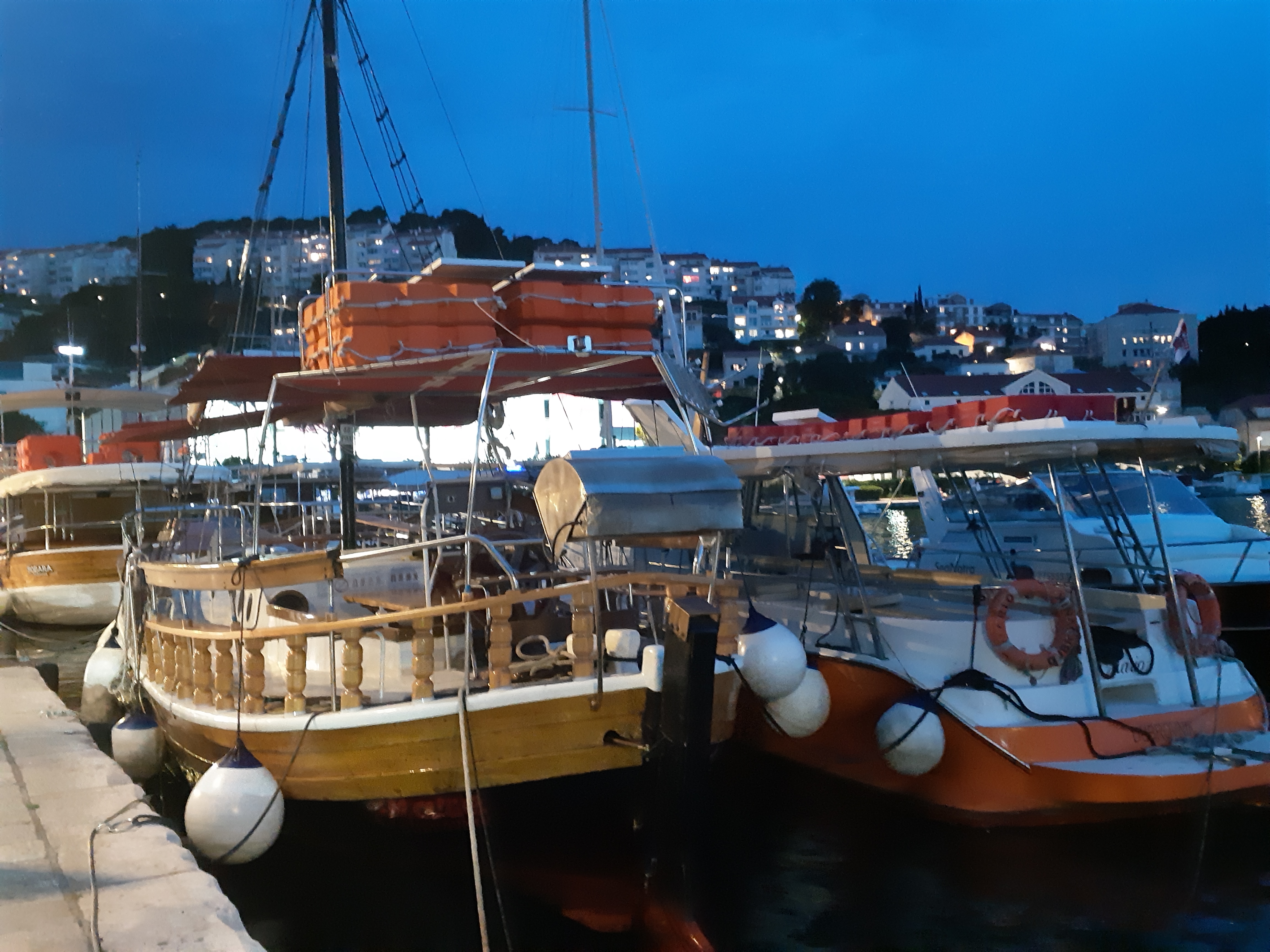
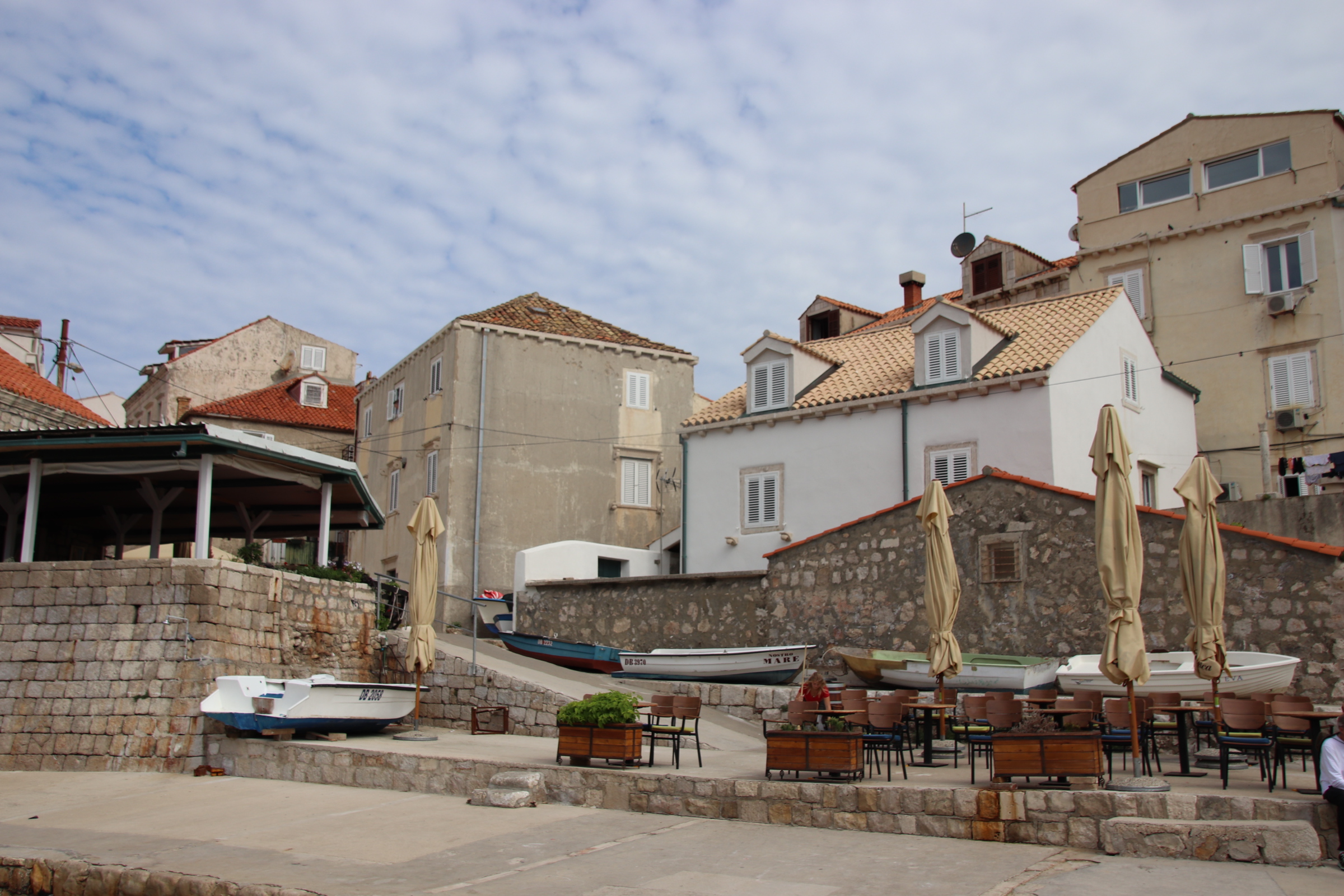
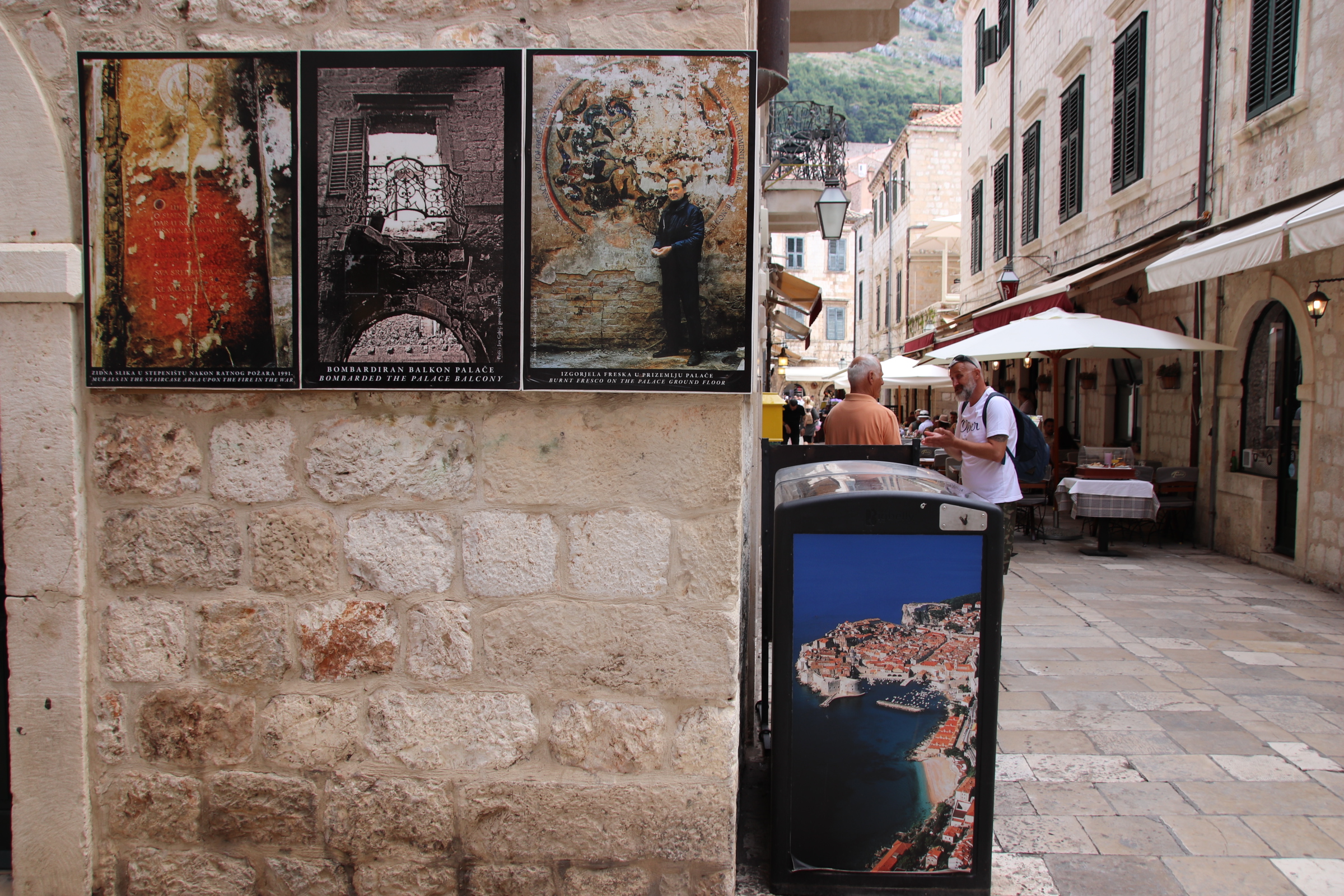
Hi Everyone. Having spent one day in Dubrovnik in the past and having heard so many people wax lyrical about Croatia, I thought it was time to spend longer exploring this long, thin country positioned along the Adriatic coast. The plan is to revisit the medieval fortified city of Dubrovnik, destroyed by shelling in the early 1990s, and restored by UNESCO in the following years. From there, to travel north to Split, the Krka and Plitvice Lakes National Parks, before using the small coastal town of Trogir as a base to explore Dalmatia and Croatia’s islands. Let’s see how it all goes.

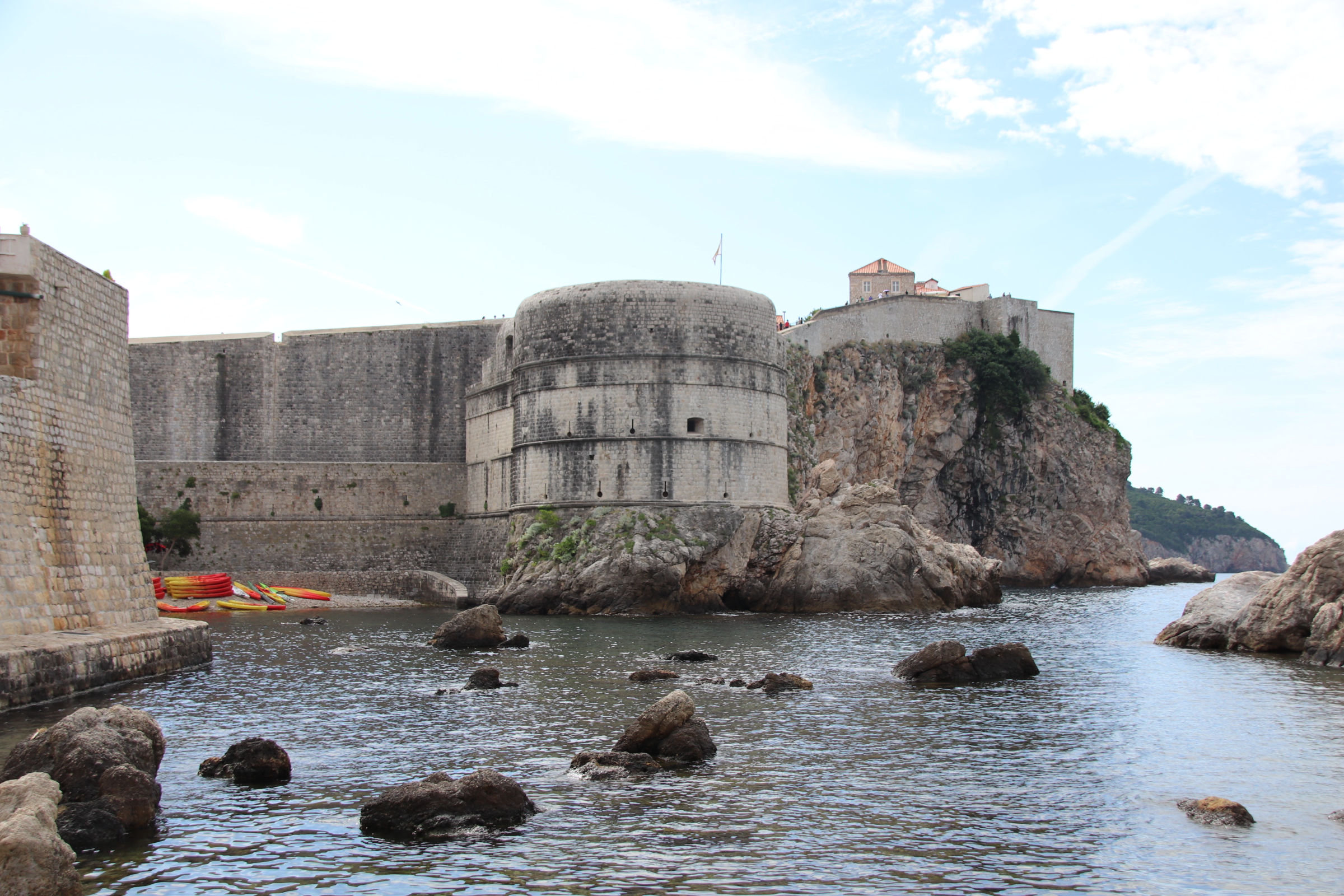
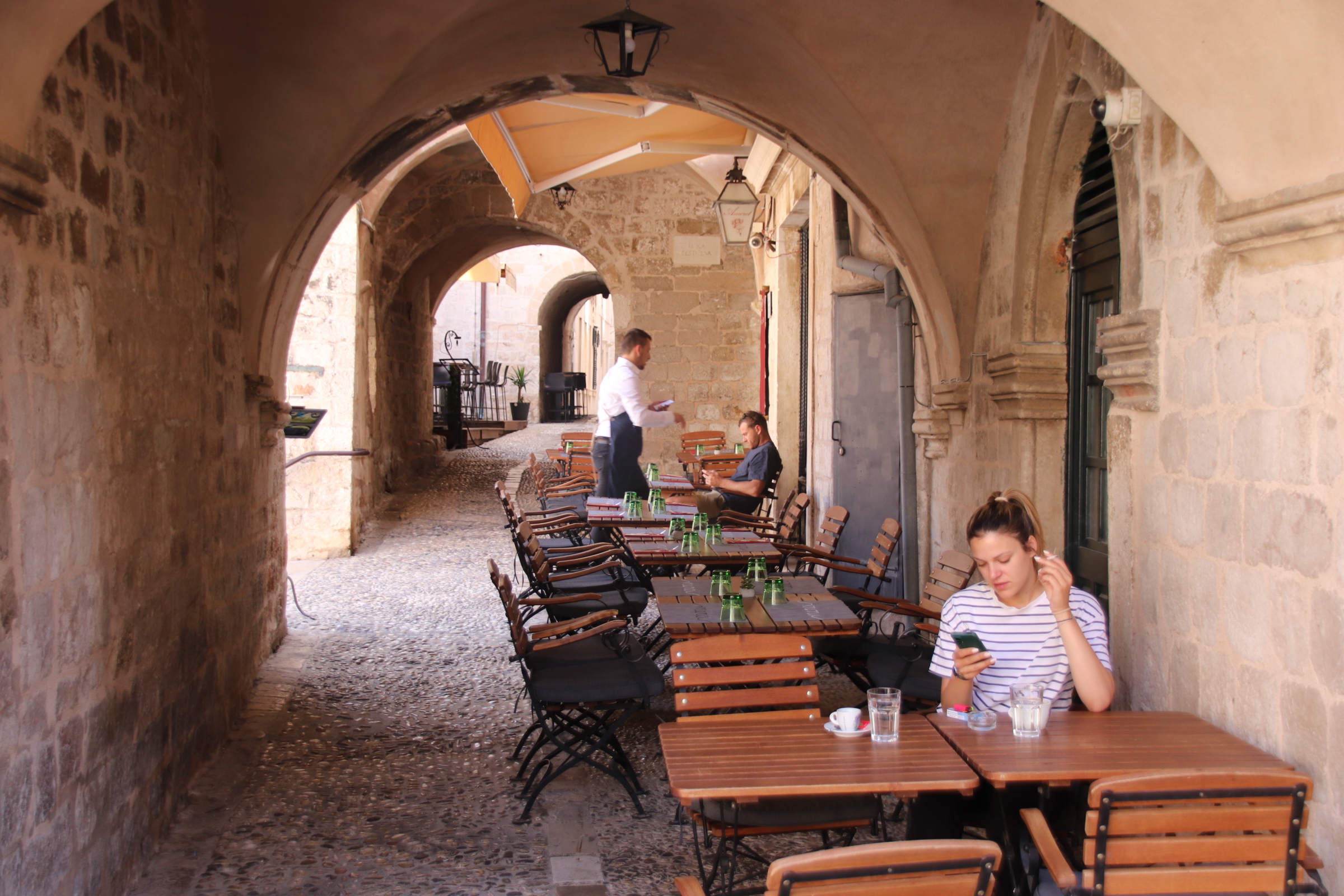
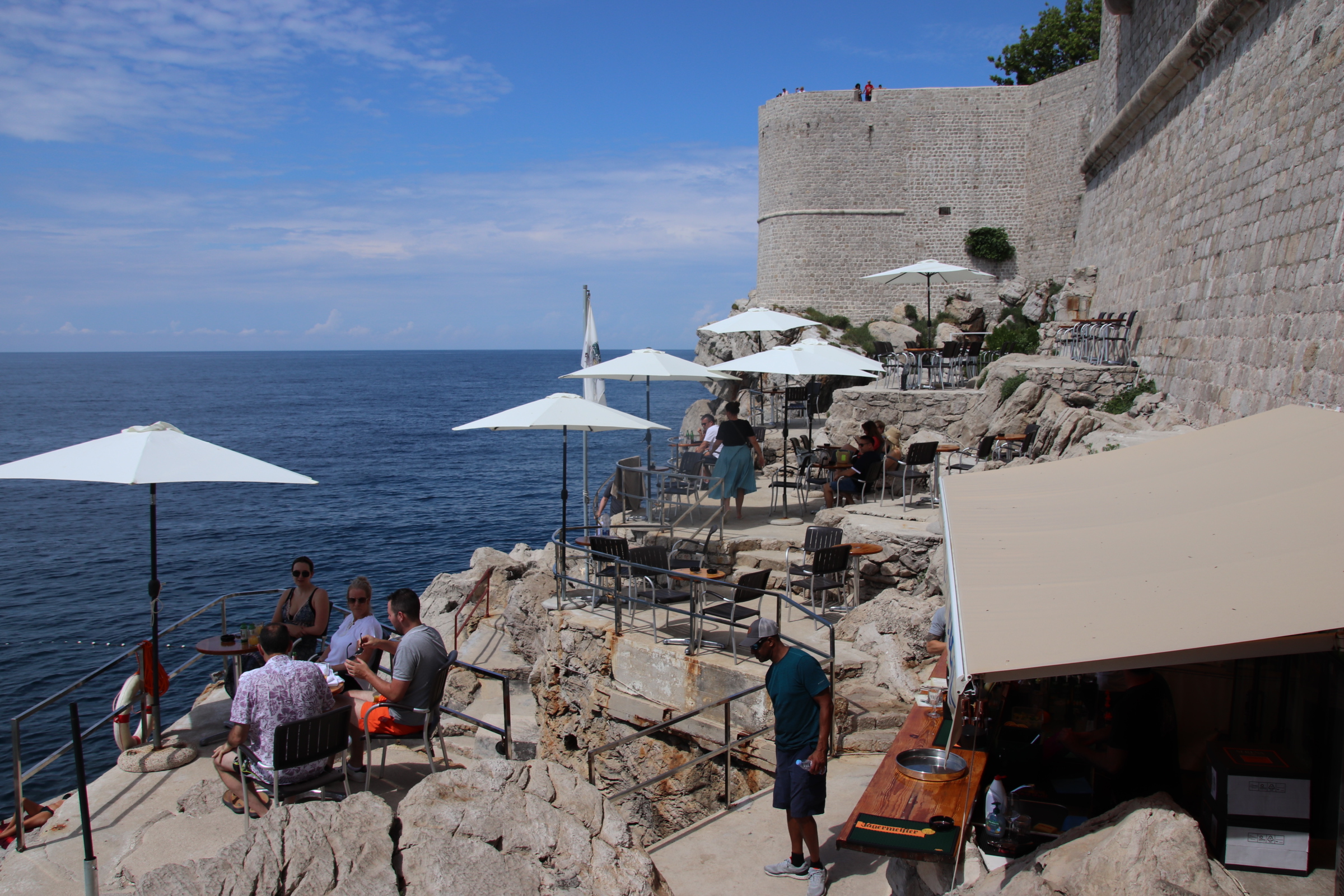
So, first port of call is the city of Dubrovnik. Outside its gigantic walls small villages, shopping precincts and islands provide a sense of normality.

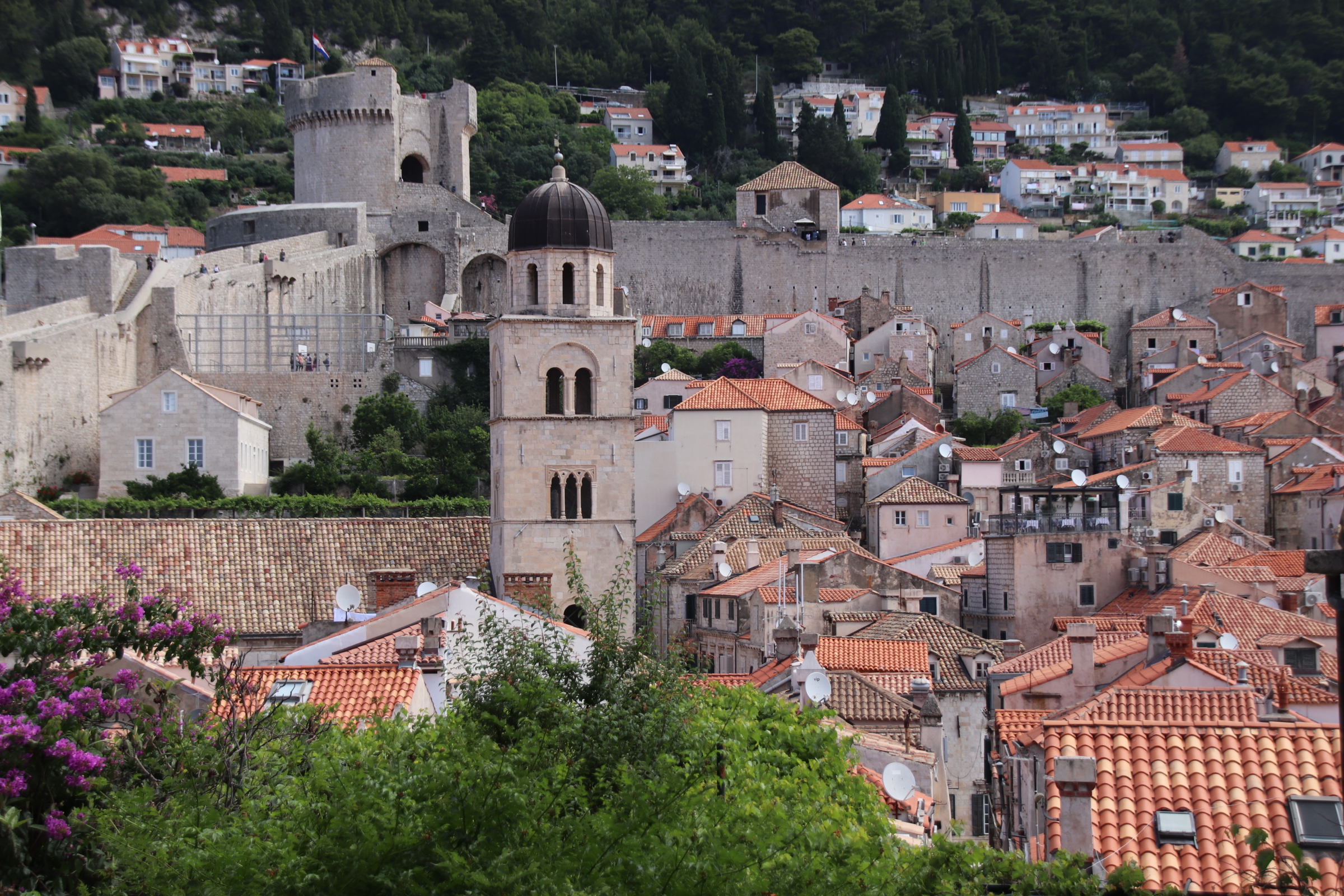
Its very special Old Town, encircled by massive stone walls was completed in the 16th century to protect the area’s salt production and trade. At the time, a weight of salt was priced at the same amount of gold!

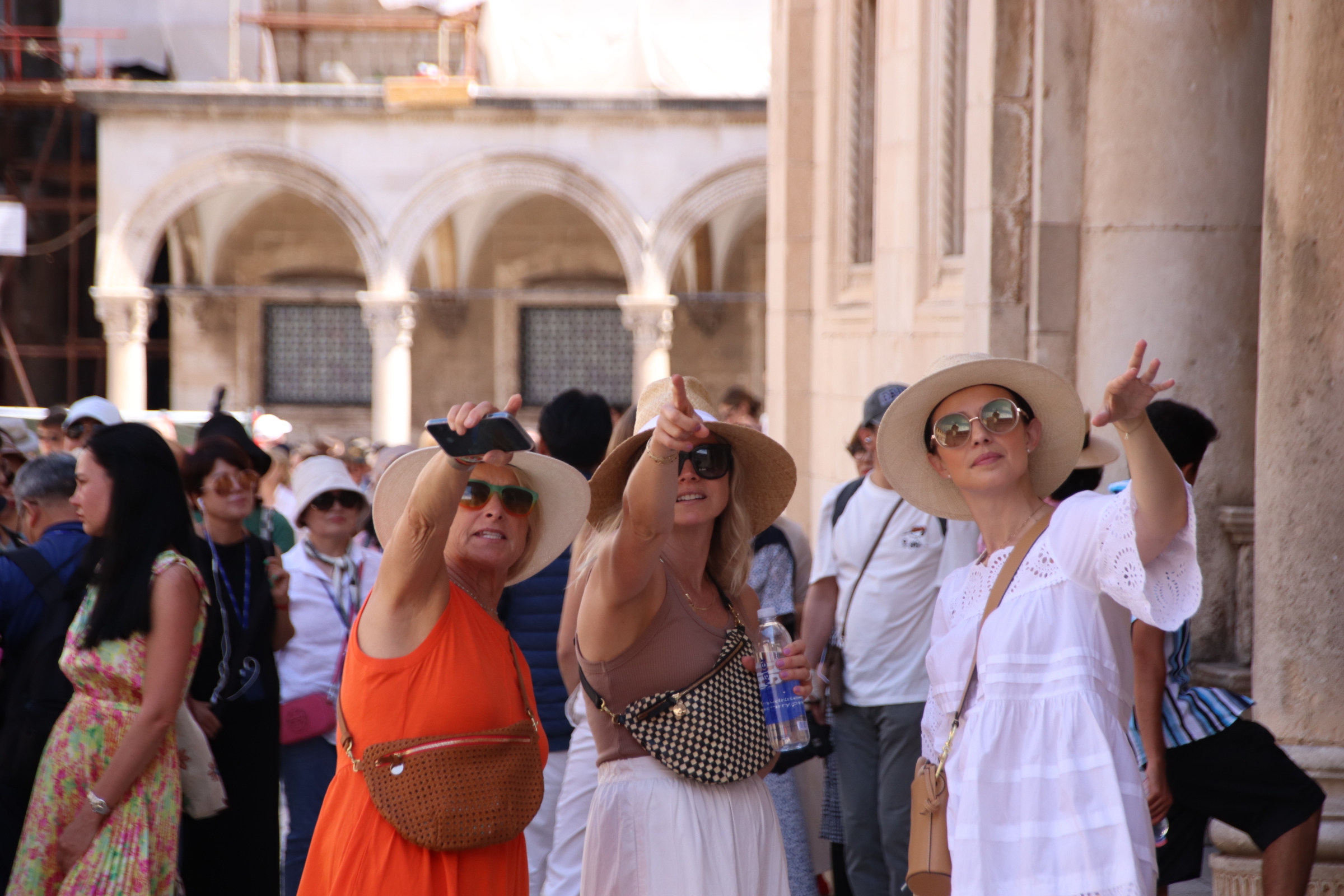
It is hugely popular with tourists, an essential stop for day visitors, coach tours & cruise ships. Indeed, having been dropped off by the transport of choice at the main gateway through the 10 metre thick walls, tributaries of visitors coalesce into the main flow which smoothly guggle at a sluggish pace over the bridge and into the town.

inside it is Sunday. Thousands of selfy-sticks, camera straps & swinging iphones mix it up on the polished stone cobbles with the few locals that still leave here. Church bells compete with trip company & restaurant touts shouting out their deals. The walls, the boats to the islands, the chair lift to the top of the hills all cost a pretty penny. Yet the place has a real buzz and a crazy atmosphere- great if you can deal with crowds!

Visitors and locals seem to just put up with each other. Maybe both realise they need the other.

A week in Provence

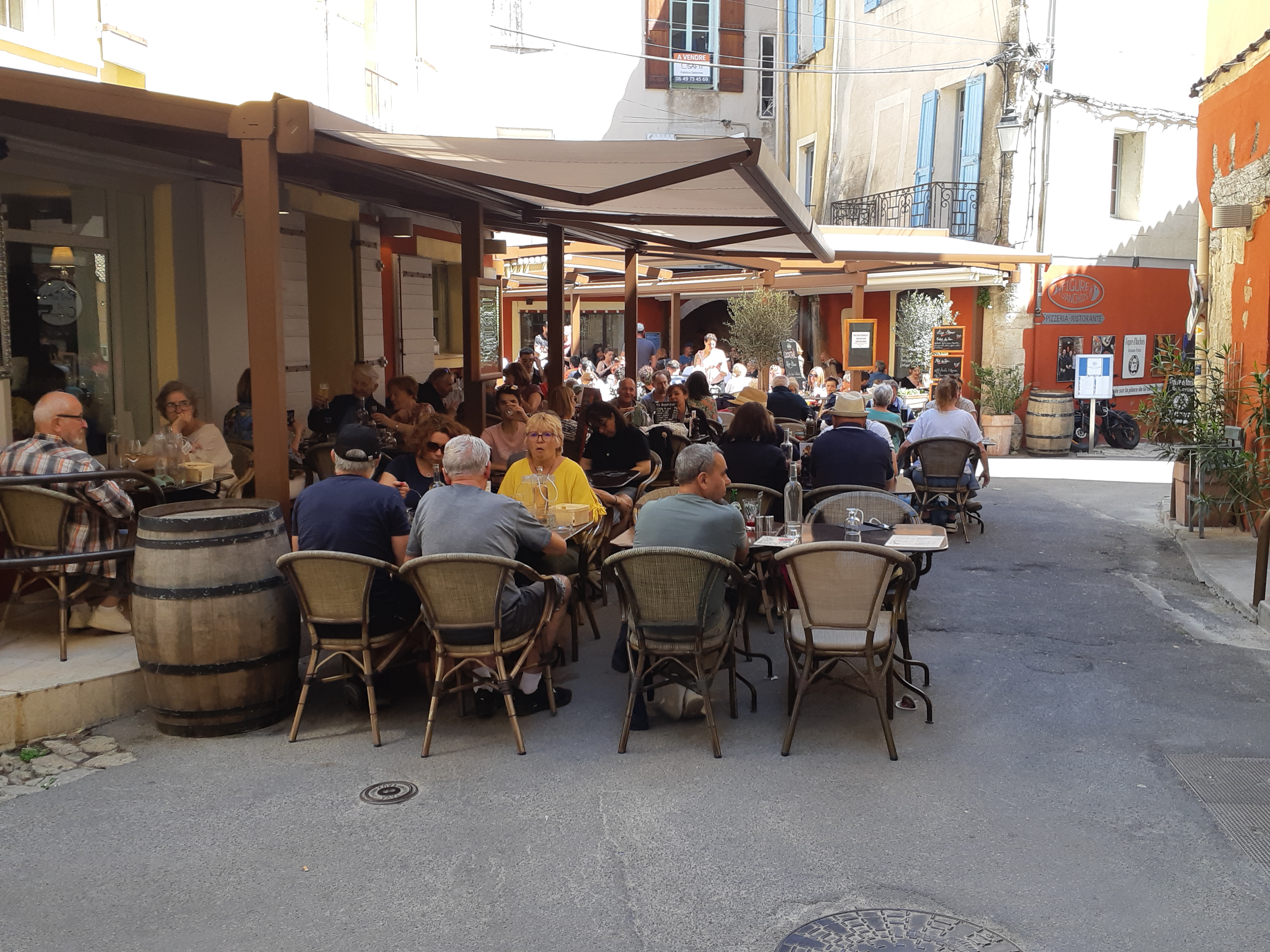
Hi everyone. This is a quick photo trip around Provence. So, lots of images and place-names. Yes, you can just look at the pics.

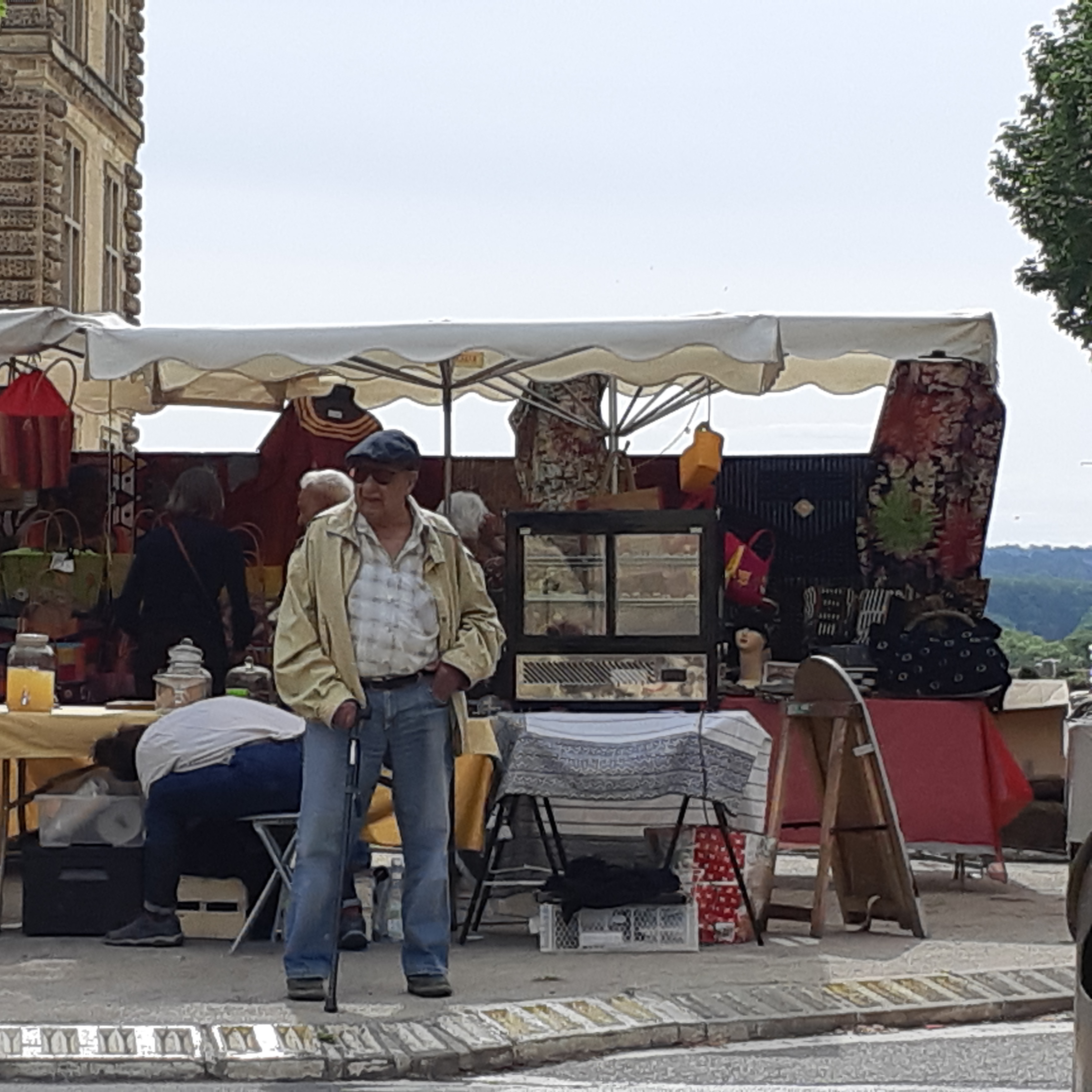
Market Day in Forcalquier

Market day in la Tour d’Aigues

The bell tower of Cucuron

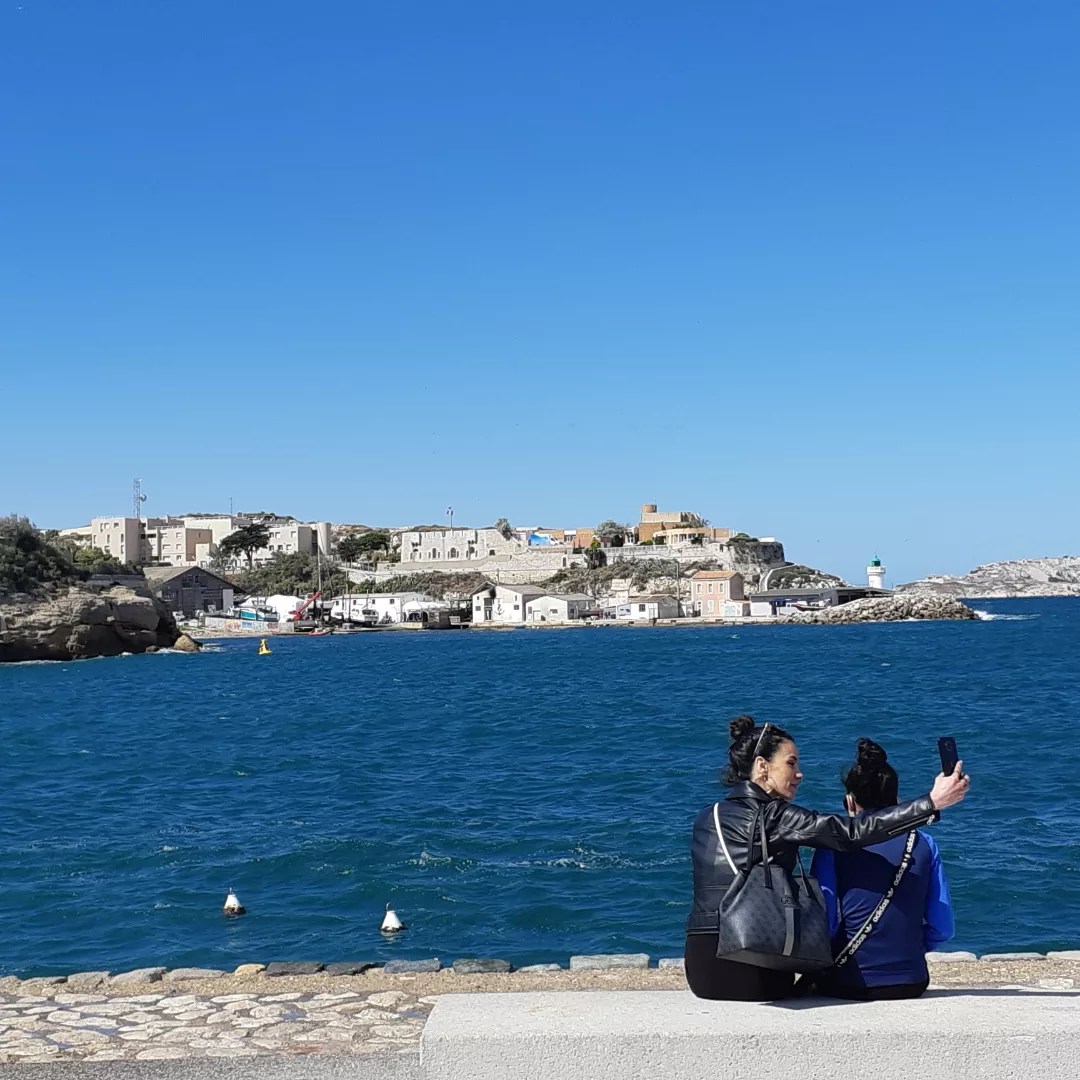
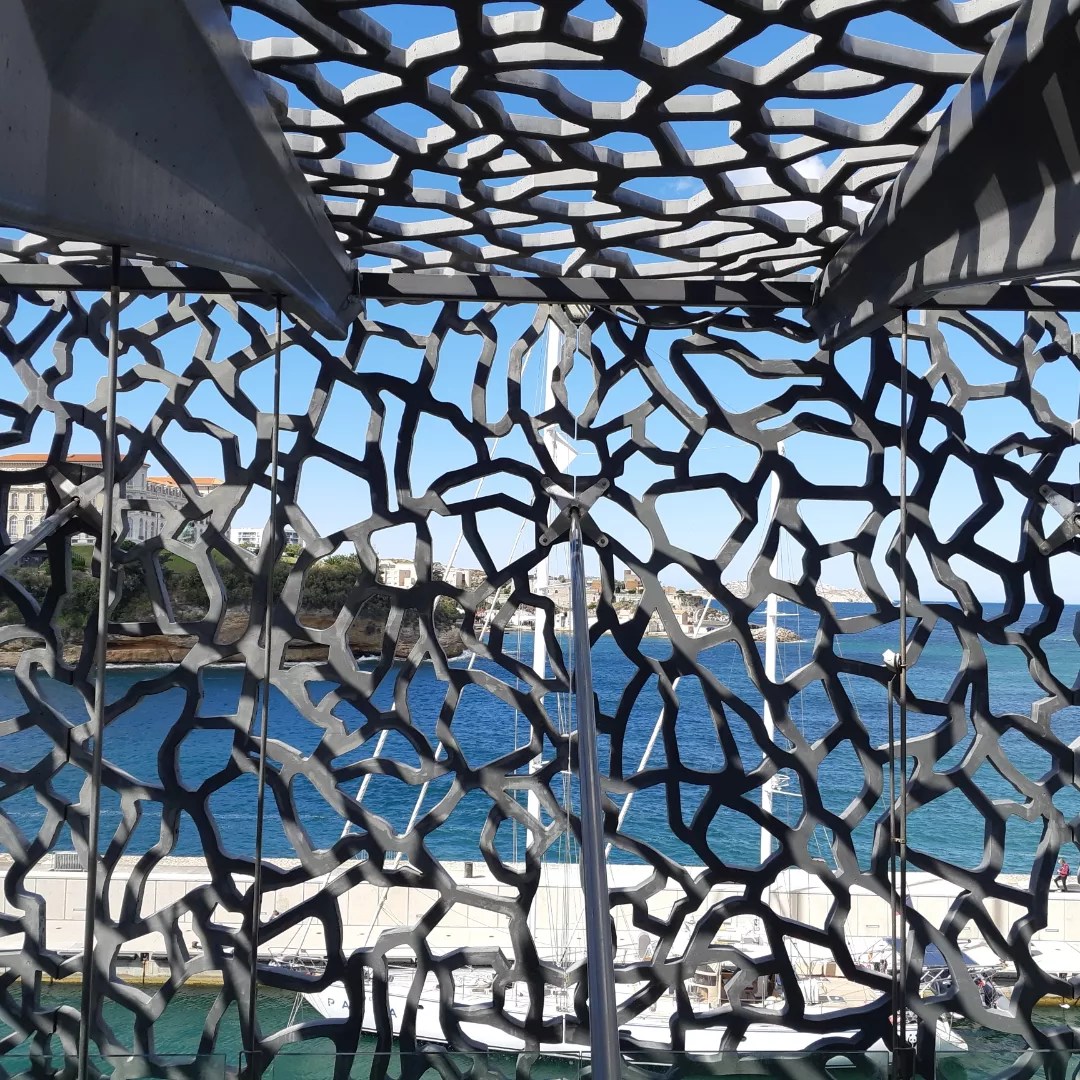
The new area of Marseille

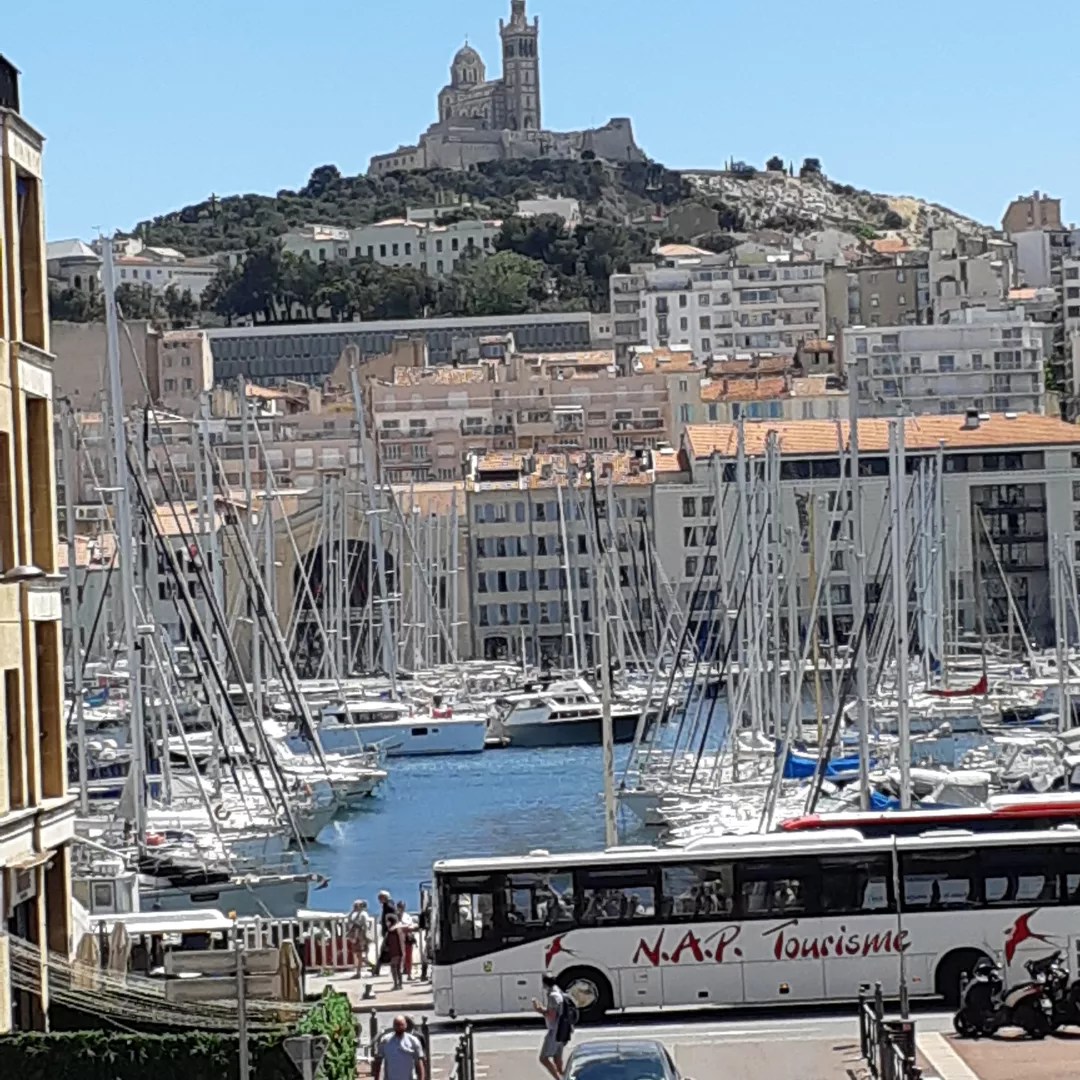
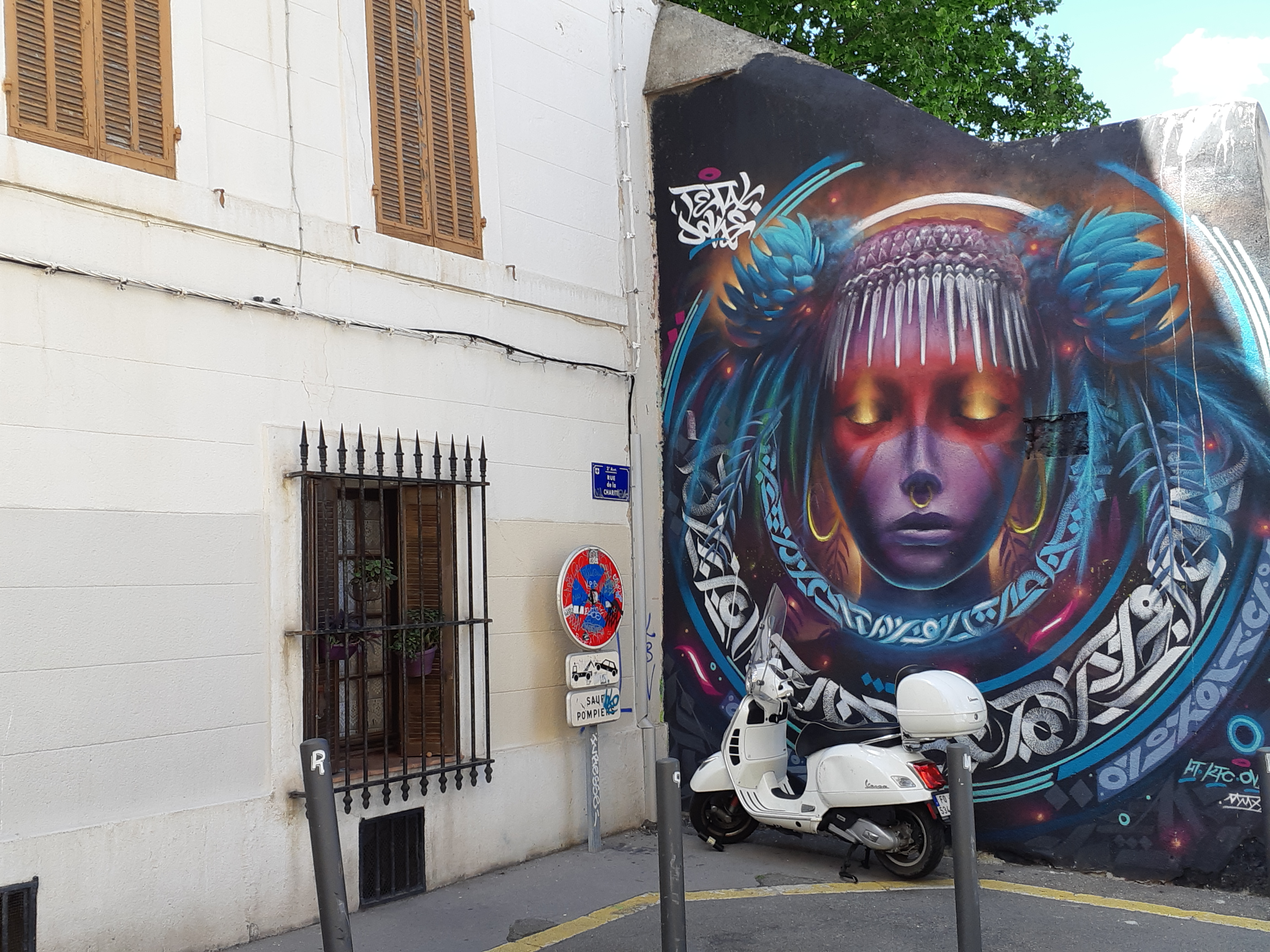
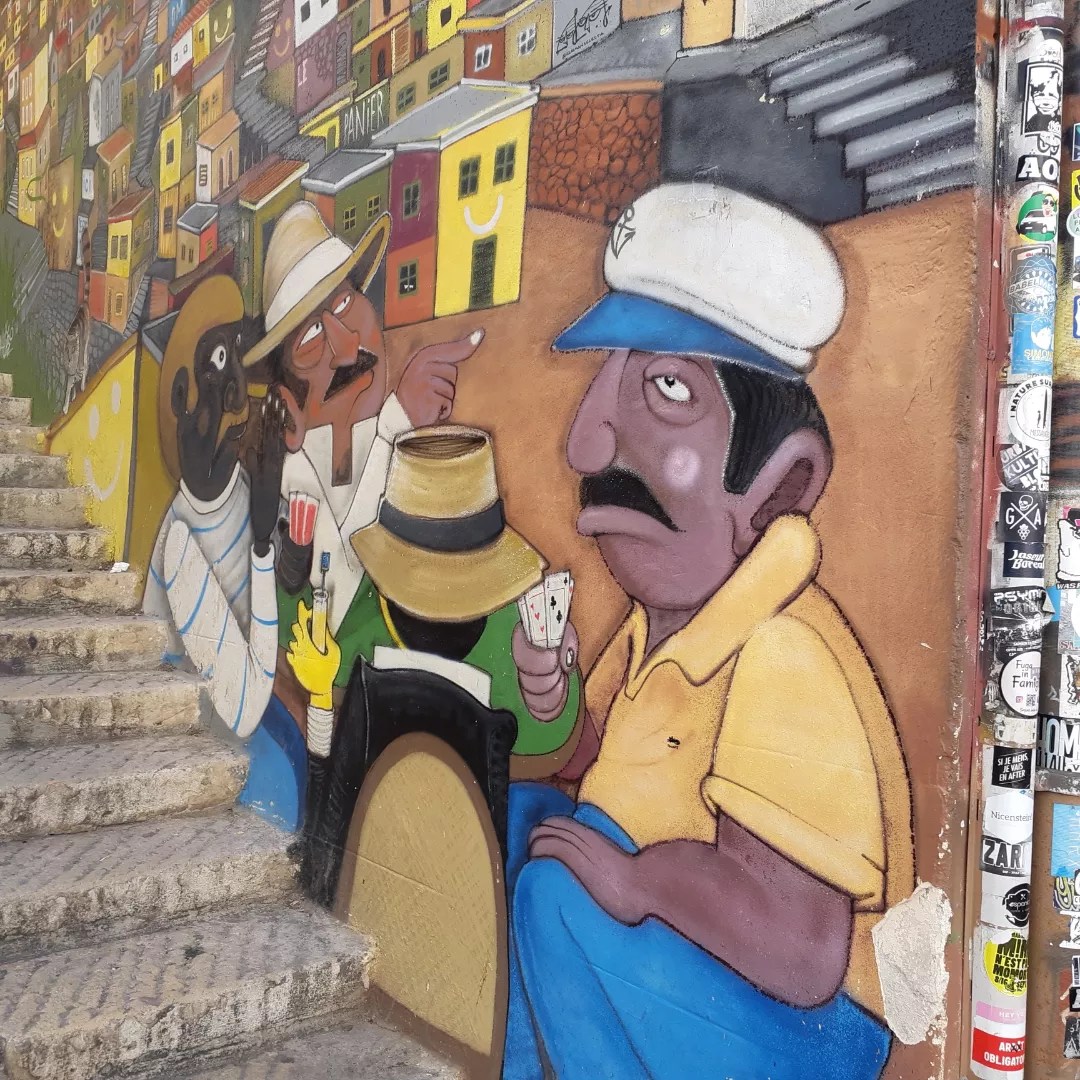
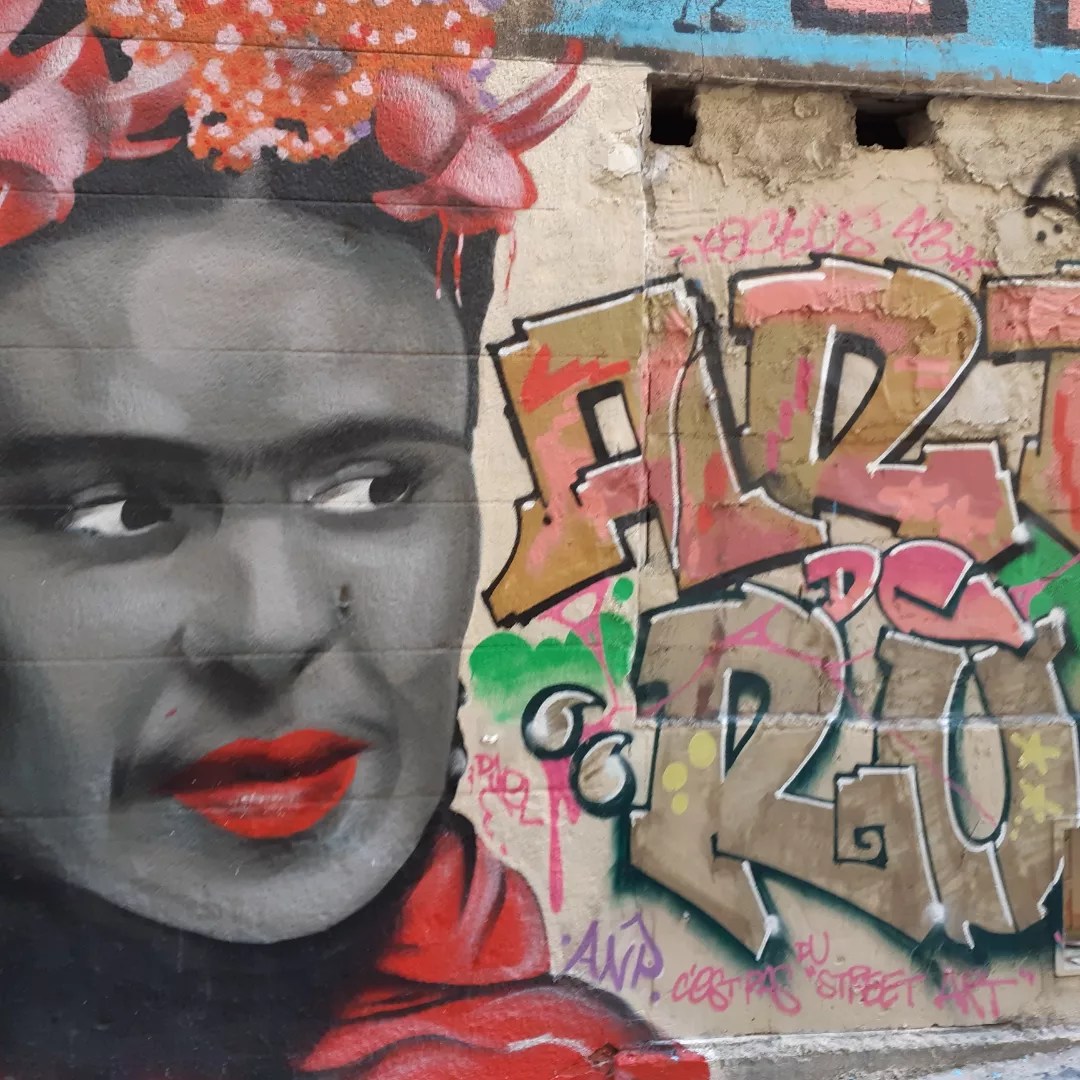
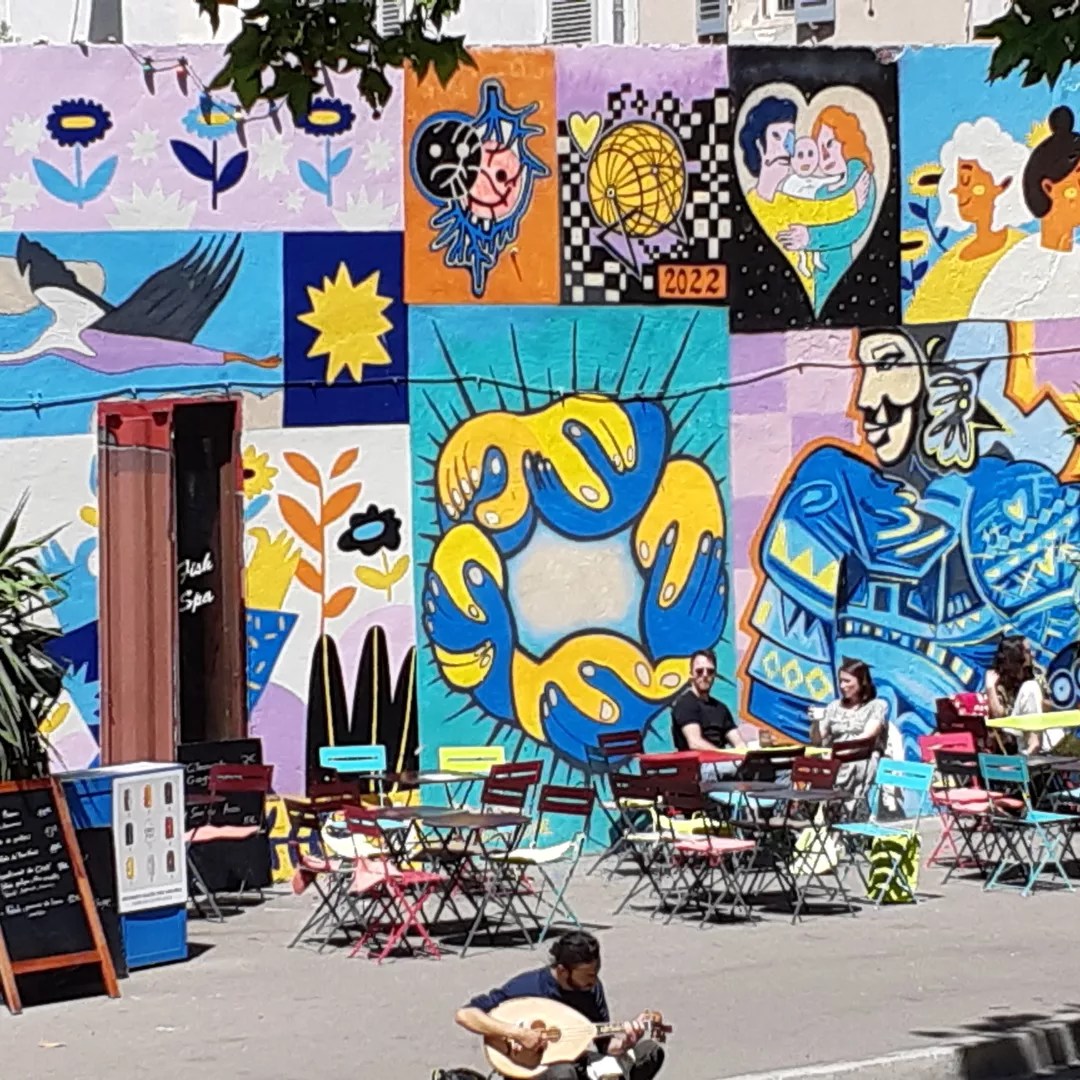
Marseille’s old port area – the street art of the lanes & alleys of le Paniers.

And

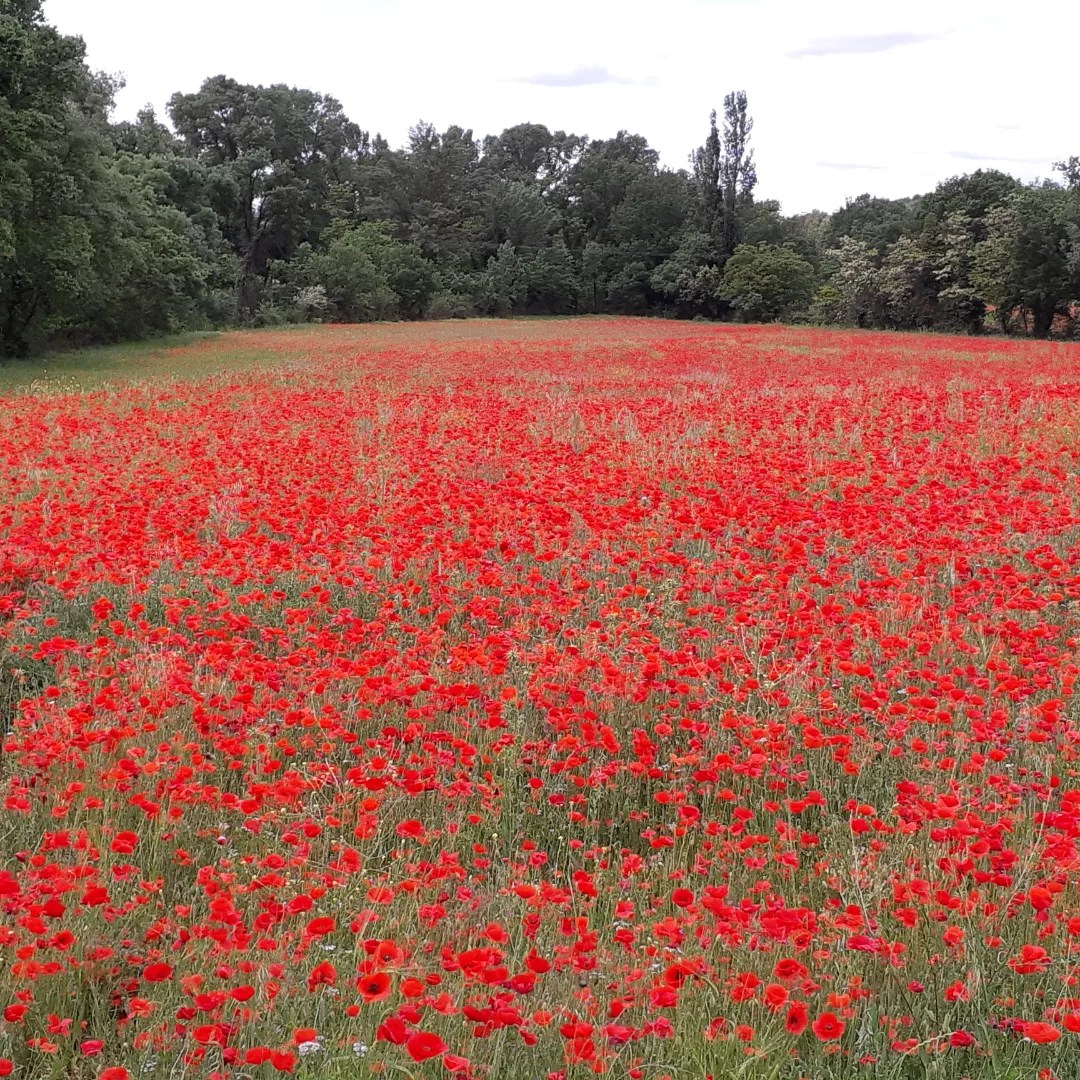
The poppy fields outside Granbois.

Around Mount Snowdon by car to visit Gelert’s grave

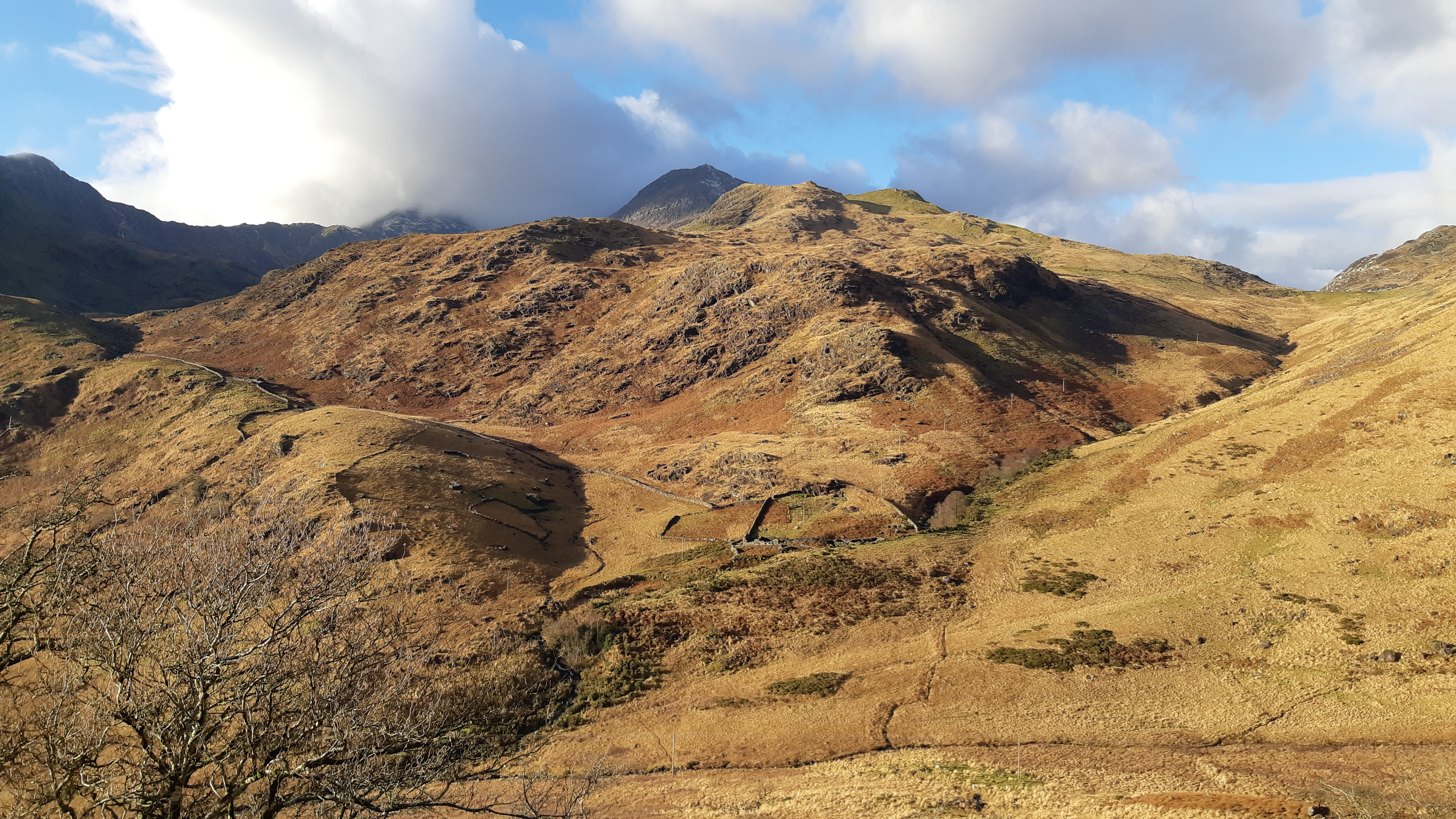
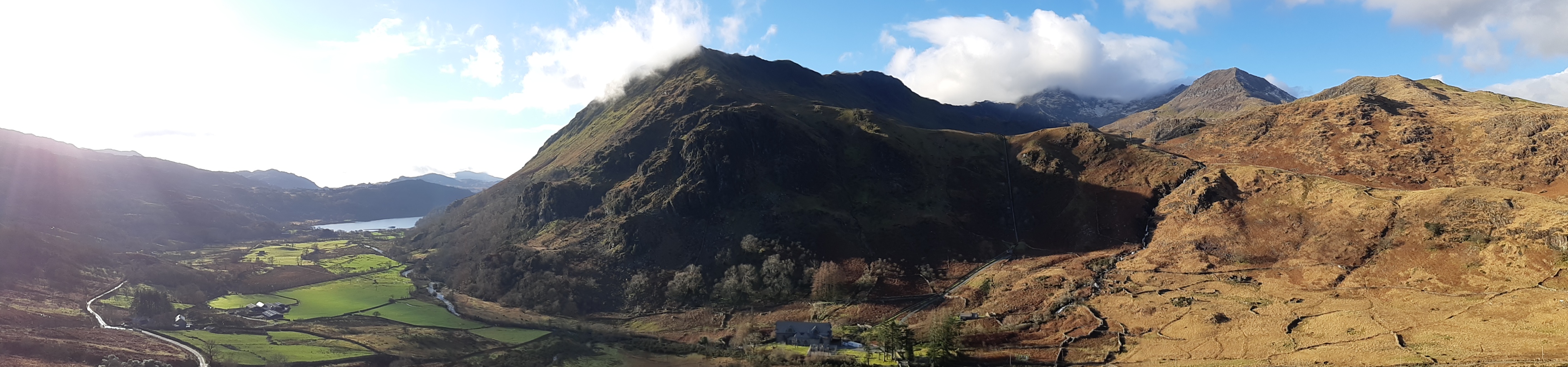
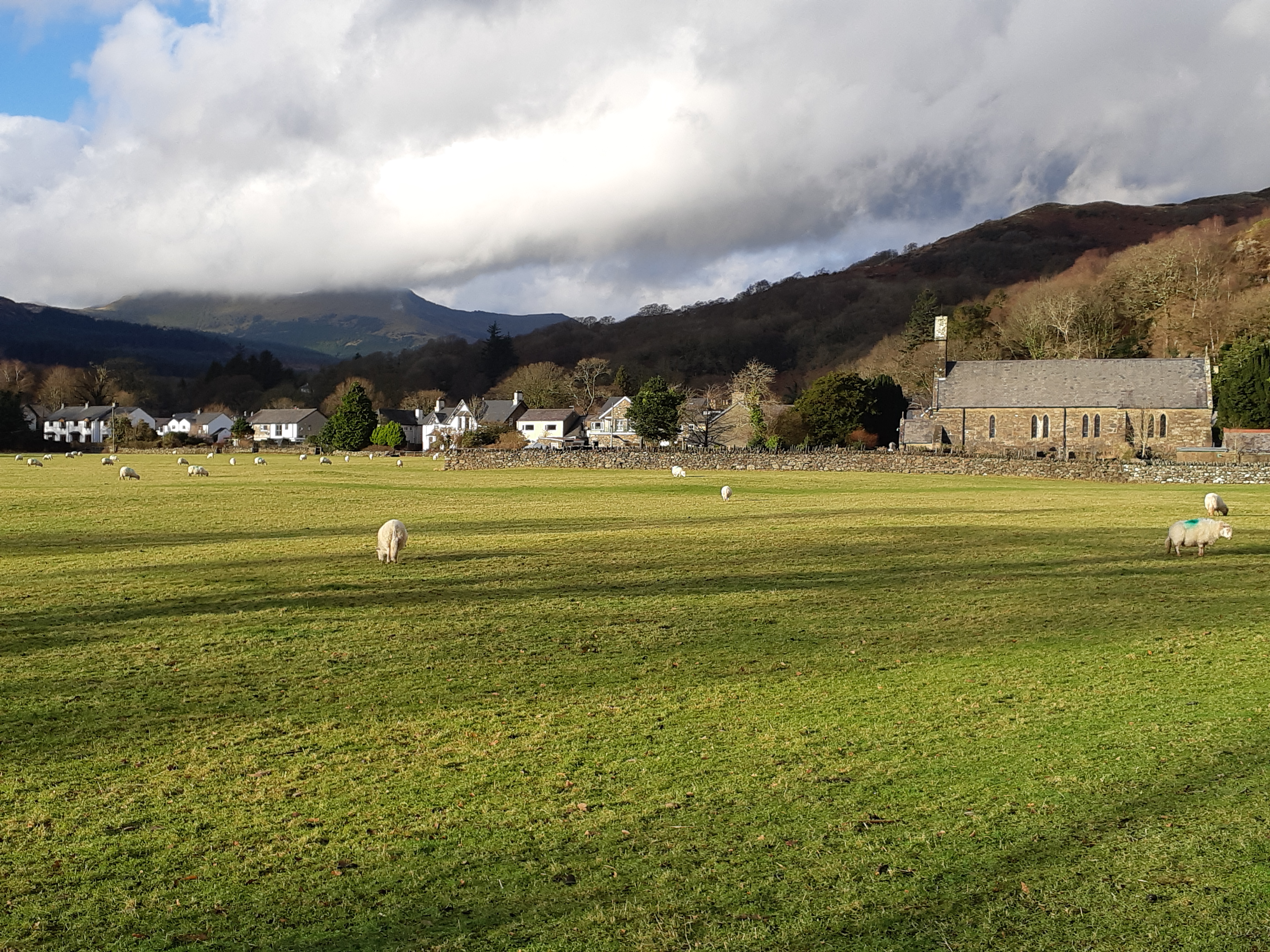
The skies cleared today. It was great to get out there to explore the national park under crisp, imposing skies with nothing better than taking this circular route into its heart, whilst keeping the centrepiece that is Snowdon always in sight. The road starts and ends in Caernafon, running to the north of the mountain, around its eastern edge and returning via Beddgelert. The drive is magnificent. It is equally popular with cyclists who seem to relish the challenge of rising peaks whilst appreciating the winter colours & textures of these wild, craggy, mountains.

Words are insufficient in describing the glories of this landscape. I can only share images of the surroundings and hope that you can feel the contrasts, sense the awe and absorb the strength & delicacy of sky and ground as they combine to take your breath away.

Now you might notice that these images show no multicoloured hikers striding through the heather and hues of tan bracken. This is really surprising as every piece of roadside where it is possible to park a car, has an empty car or van parked there, presumably with their occupants off hiking or canyoning or chasing through the moors and crags. There must be thousands of them lost to sight as there are hundreds of parked vehicles lining every bit of spare tarmac.

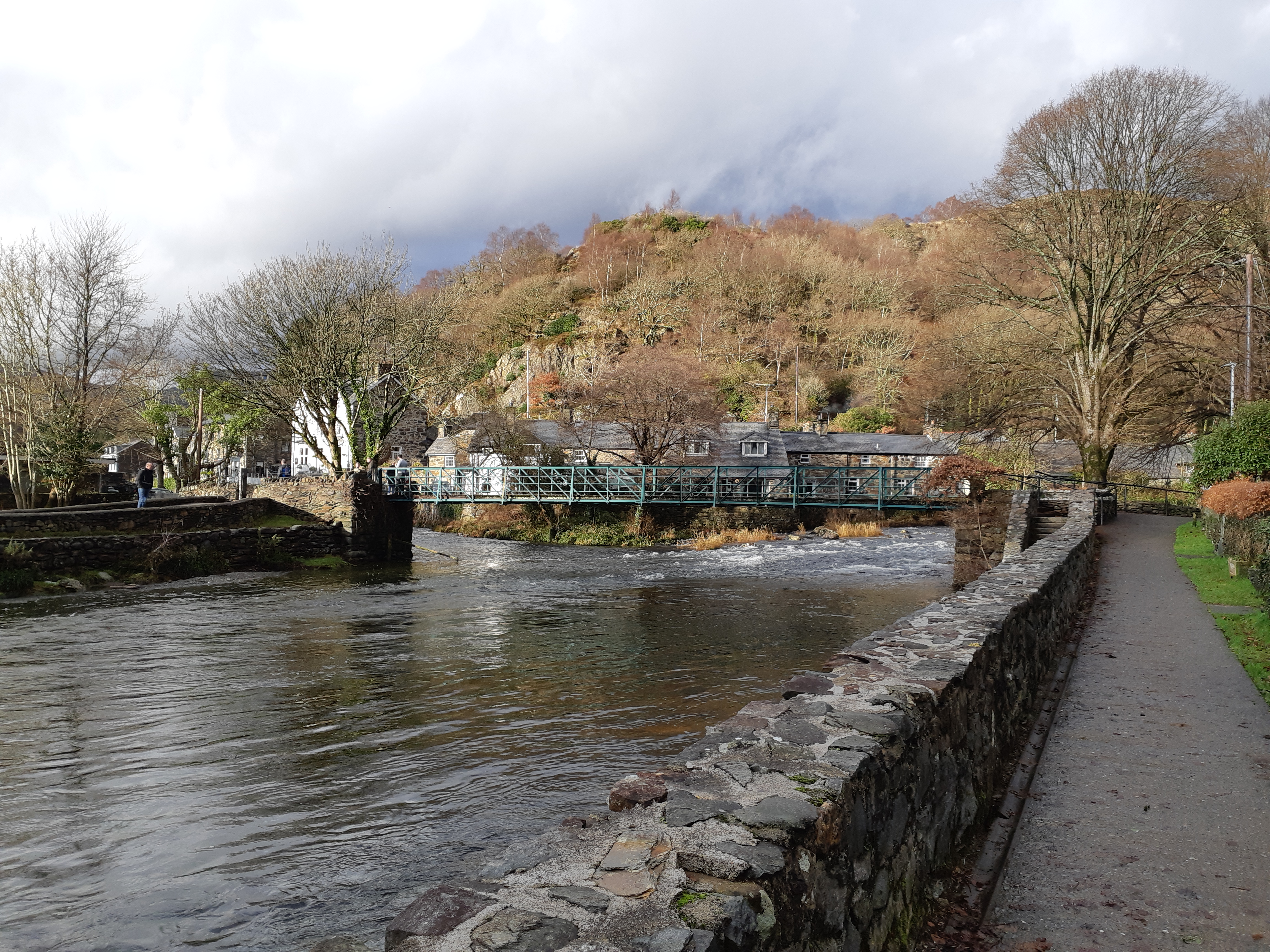
Beddgelert is known as the prettiest village in the park.

A joyful, trickling stream gurgles contentedly through the settlement, with sandbags guarding the occasional doorstep being the only indication that there are times when angry roars of weather disturb the tranquillity. There is not a lot here – a few guest houses, a couple of pubs, cafes, stores and a few rows of quaint, whitewashed cottages;

oh and the grave of Gelert, the faithful hound of King Llywelyn who had a Palace in the village. Returning from hunting one day he was greeted by Gelert, jaws dripping with blood. Seeing an upturned crib, the king imagined the worst and assuming the hound had attacked his infant son, plunged his sword into the dog’s heart, killing him immediately. It was only then that he discovered his child underneath the fallen cot and not only that, but the bloody body of a dead wolf who had attacked the boy lay nearby. Wrought with guilt and grief, Llywelyn buried Gelert outside the Palace walls beside the stream – a cairn of stones still marks the place where people remember the bravery of this faithful hound.

Sailor’s Trousers in Snowdonia

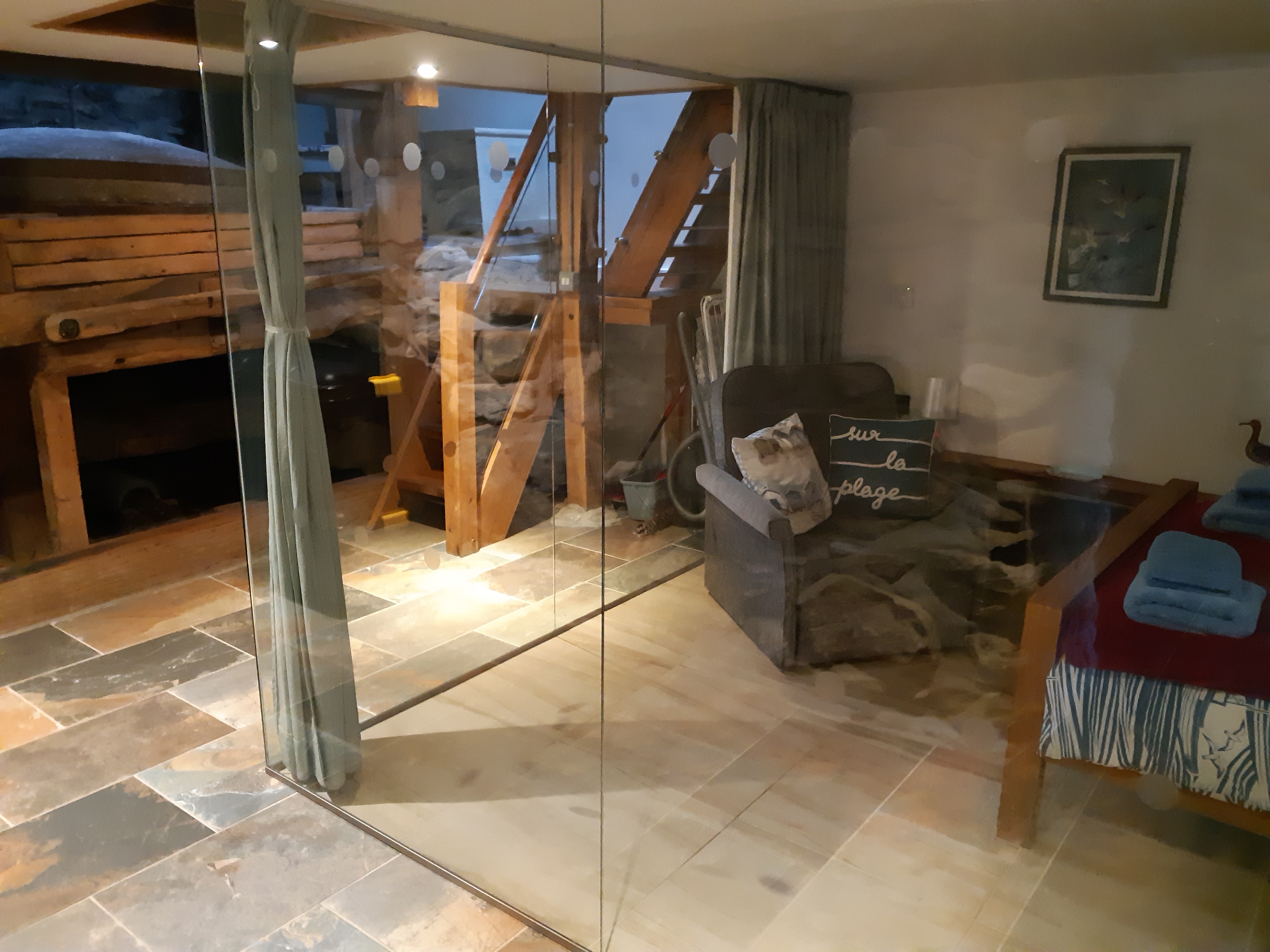
Arriving in Tai’n Lon for a week in Snowdonia was delightful. This small hamlet is huddled around a ford through a typical bubbling mountain stream and we have rented the converted mill. Teresa had assured us that the ford was passable in most vehicles except in the most inclement of weather. Despite some trepidation and with the assurance of a neighbour, we crossed without incident, unloaded our luggage & supplies and recrossed to park up on the higher bank.


The Mill, a really excellent conversion, is snug and comfortable with underfloor heating and 2 wood-burning stoves – a great base from which to explore North Wales.

However, little did we know that Noah lived close by and he was well advanced in his preparations for the Flood. Not only was the weather so inclement that it rained since our arrival with monotonous regularity but it also deluged with such force that at times it sounded like a symphony of African drums on the velux windows – rhythmically soothing any growing anxiety about rising stream levels. The waters did grow & snarl & grabble to the point of preventing vehicular access but the narrow, hand railed bridge was sufficient for pedestrians to walk over with logs, food etc like Sherpas crossing Himalayan torrents to provision groups of intrepid explorers.


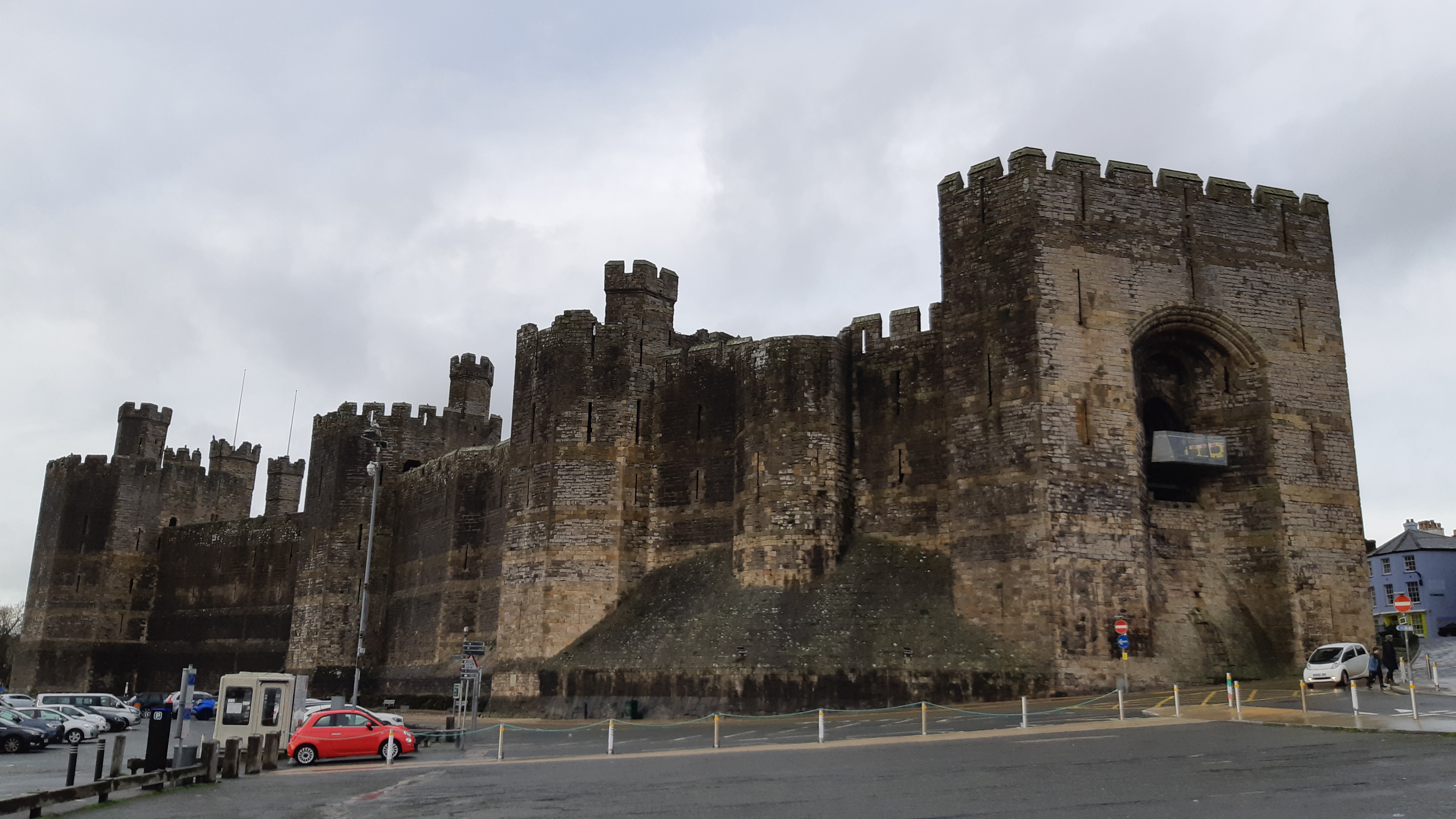
So trips out were made in the gaps in the wet weather. I always feel that grey, stormy skies provide atmosphere and character to places and images. Well they did in Caernarfon where easily the best thing is the powerfully impressive castle built by Edward I.

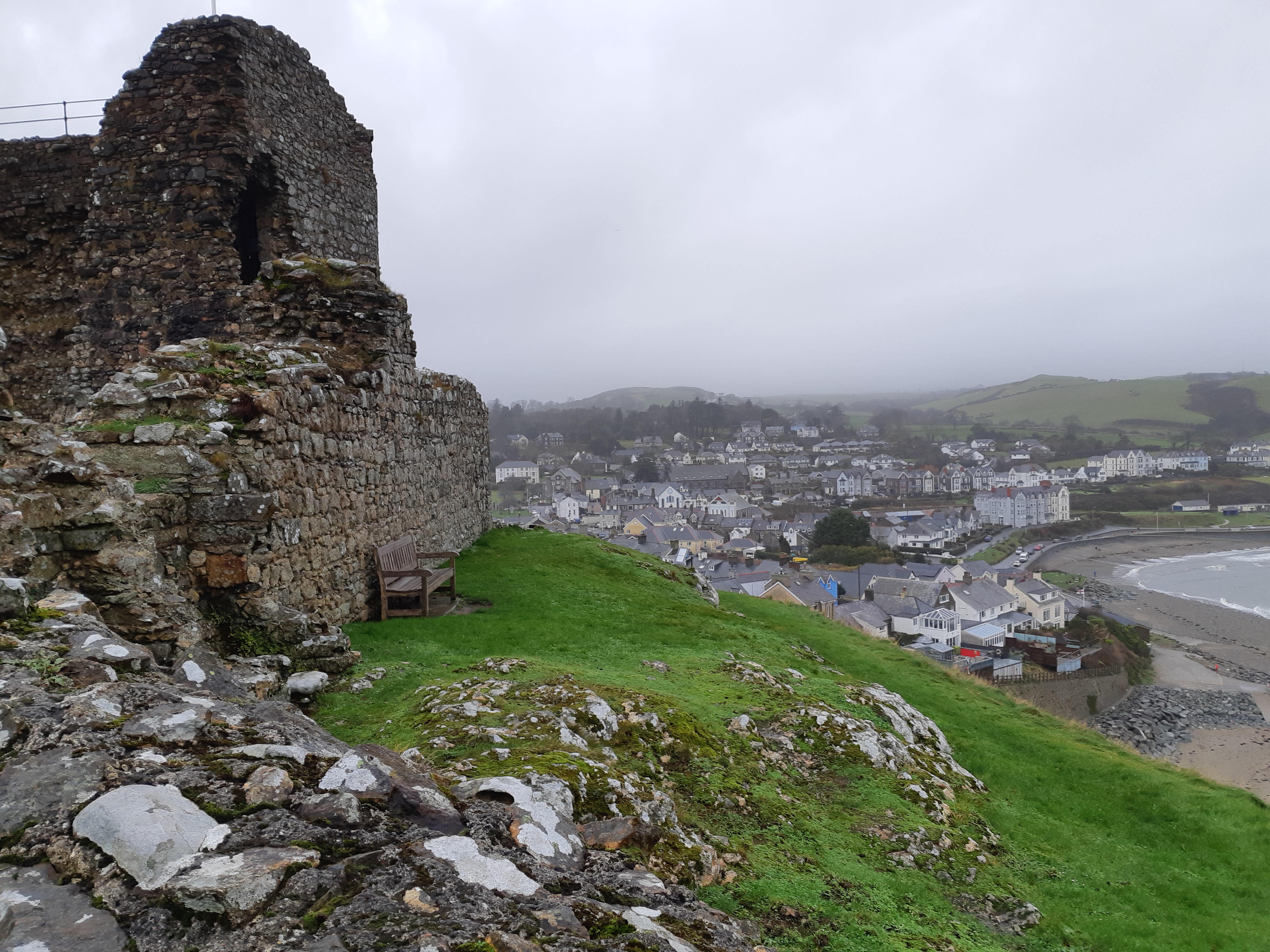
It rained on the day we visited Criccieth. The ruined castle was built & inhabited by Welsh Kings until it was taken over by, yes that’s right Edward I again, who strengthened the defences and used it as a second home to contain the locals.

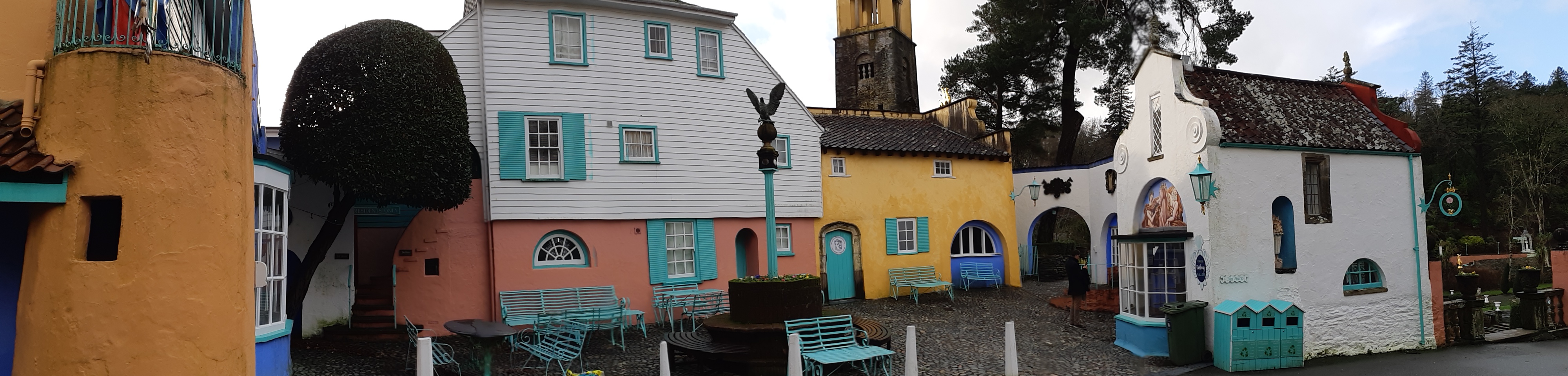
The weather was mostly kind to us on the visit to Portmeirion. The rain ceased temporarily and sailors trousers appeared within the grey skies, although sadly not enough to make a whole pair and only permitting short slots for the bright facades and colourful rendering of this magical place to stand out from the gloom.


And what a delight it was. These images will cheer you up where ever you are, whatever the weather.

Beaches & Harbours by the Sea

Hi everyone.

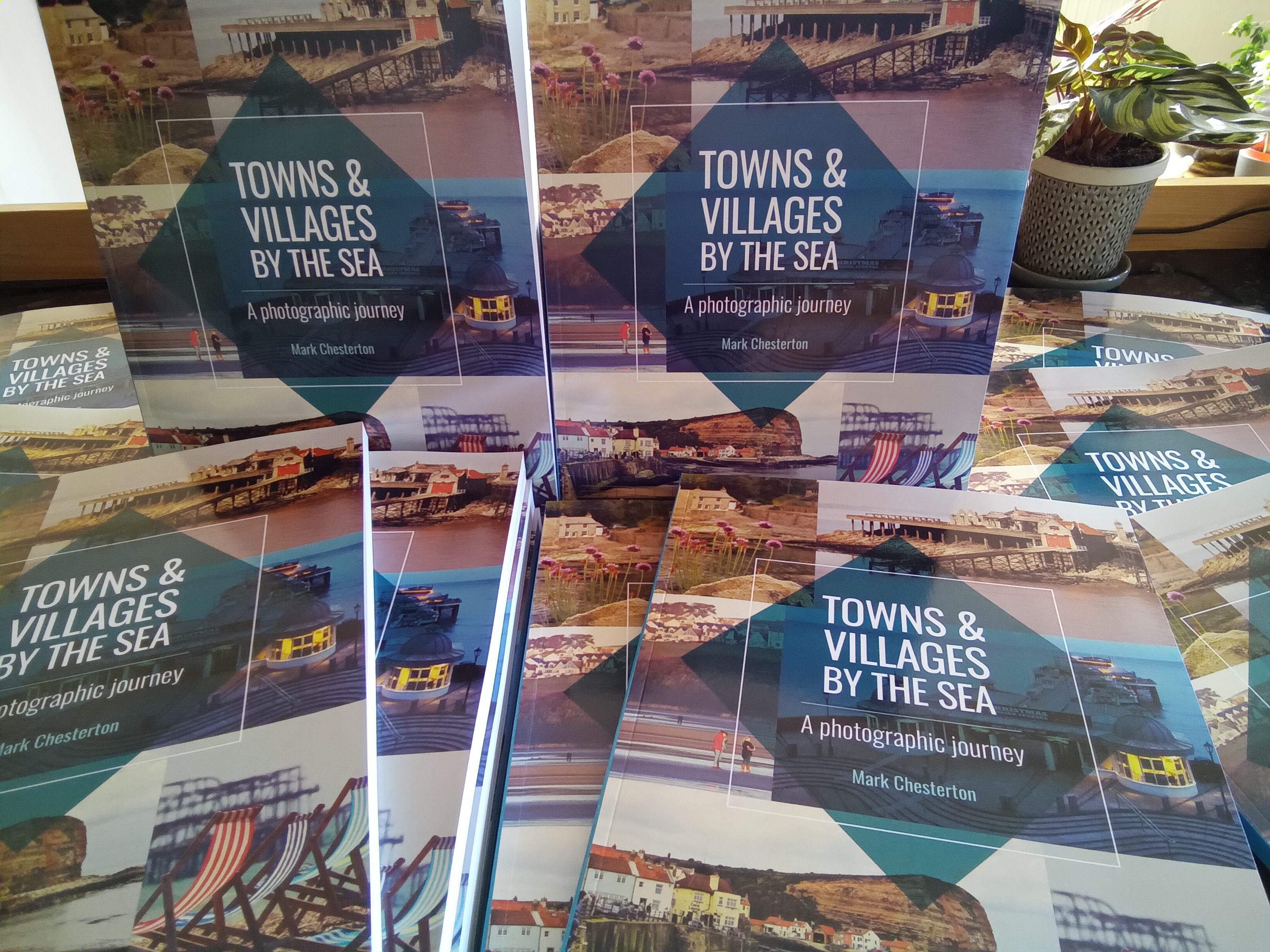
Today, I took delivery of my latest book. So exciting. Fresh off the press and ready for Christmas.

You guessed it!

Towns & Villages by the Sea – a photographic journey around the coastline of England & Wales visiting 700+ beaches & harbours on the way

Easy to navigate – Berwick-upon-Tweed clockwise around to Skinburness

Ideal for planning trips out & holidays

Discover new places on the coast and read about their history

A GREAT CHRISTMAS PRESENT

Baroque Lecce

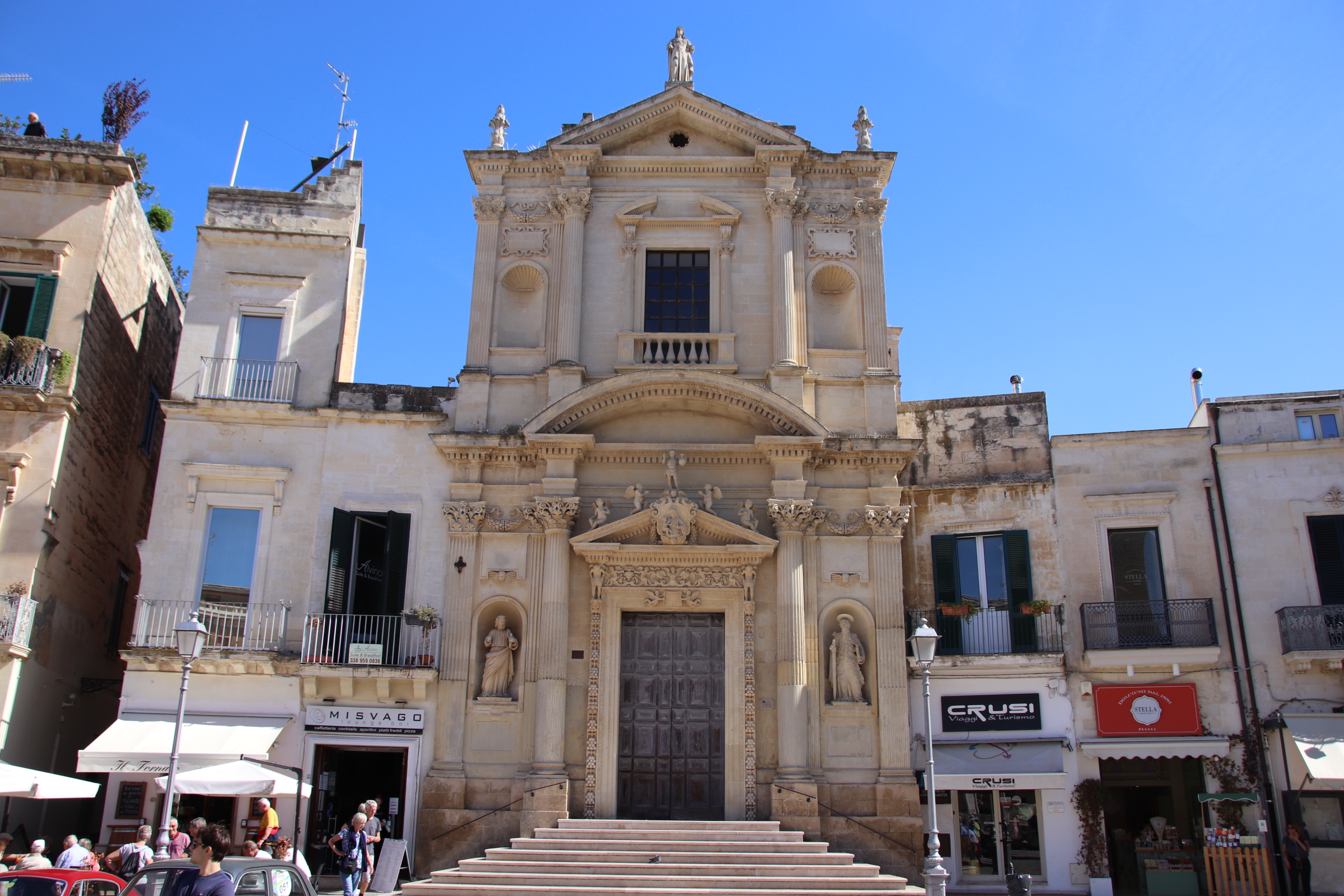
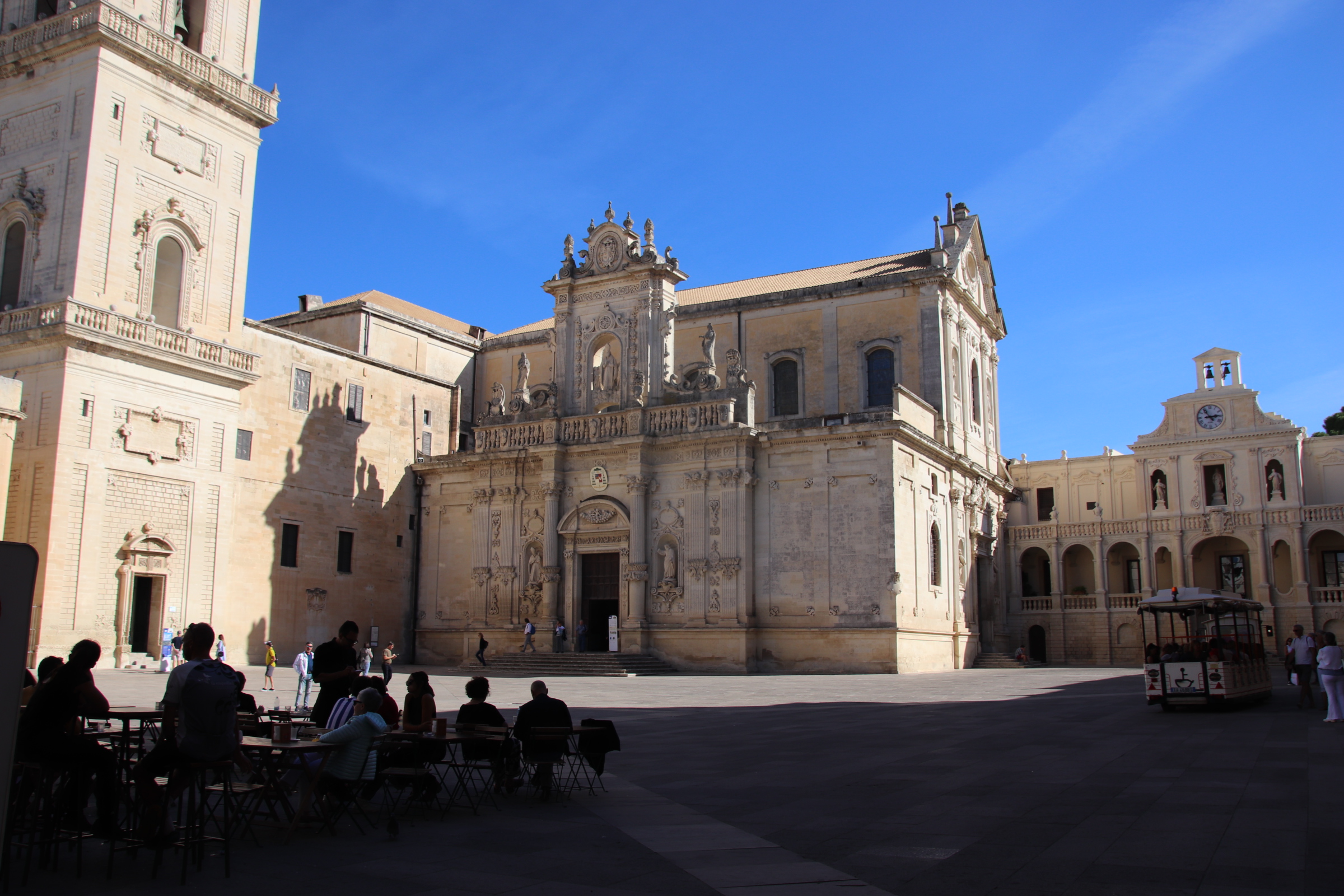
Lecce is completely different to the other towns and cities of Puglia. If churches and Baroque architecture are your thing then Lecce is absolutely top of your ‘must visit ‘ list. Established over 2,500 years ago, the city became an important Roman settlement and the theatre and the arena are well preserved today.


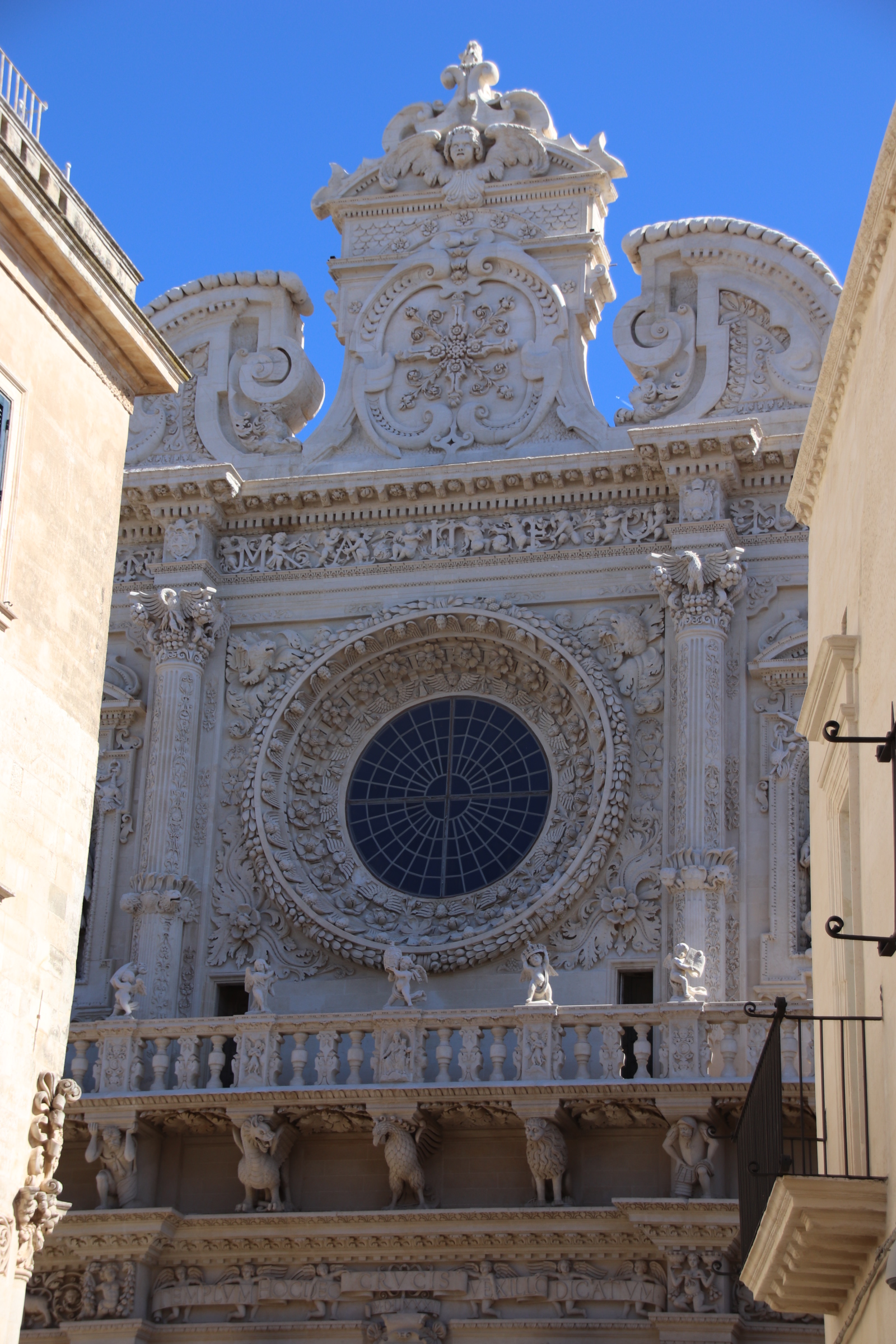
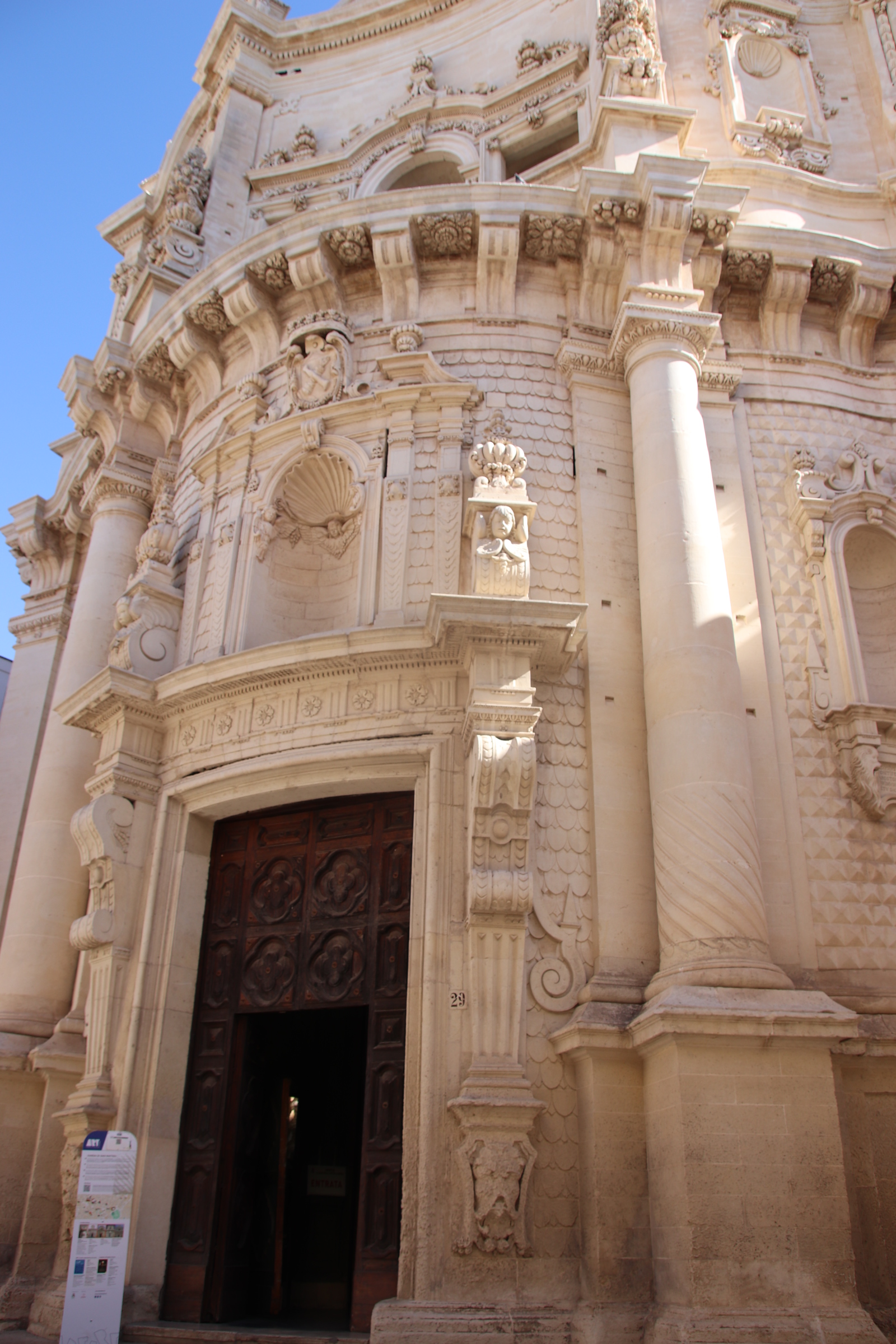
The main building surge occurred in the Baroque period of the early 17th century. Lecce had fallen into disrepair and wealthy land owners wanted to be part of the rejuvenation process. Not only did they set their grand, imposing homes here, they also funded the building of super impressive Houses of God. Existing churches got a makeover and new ones were built by ambitious young architects whose imaginations knew no bounds. There are too many to list and show, so I include only a few of them here.

Lecce is a masterpiece of Baroque constructions.

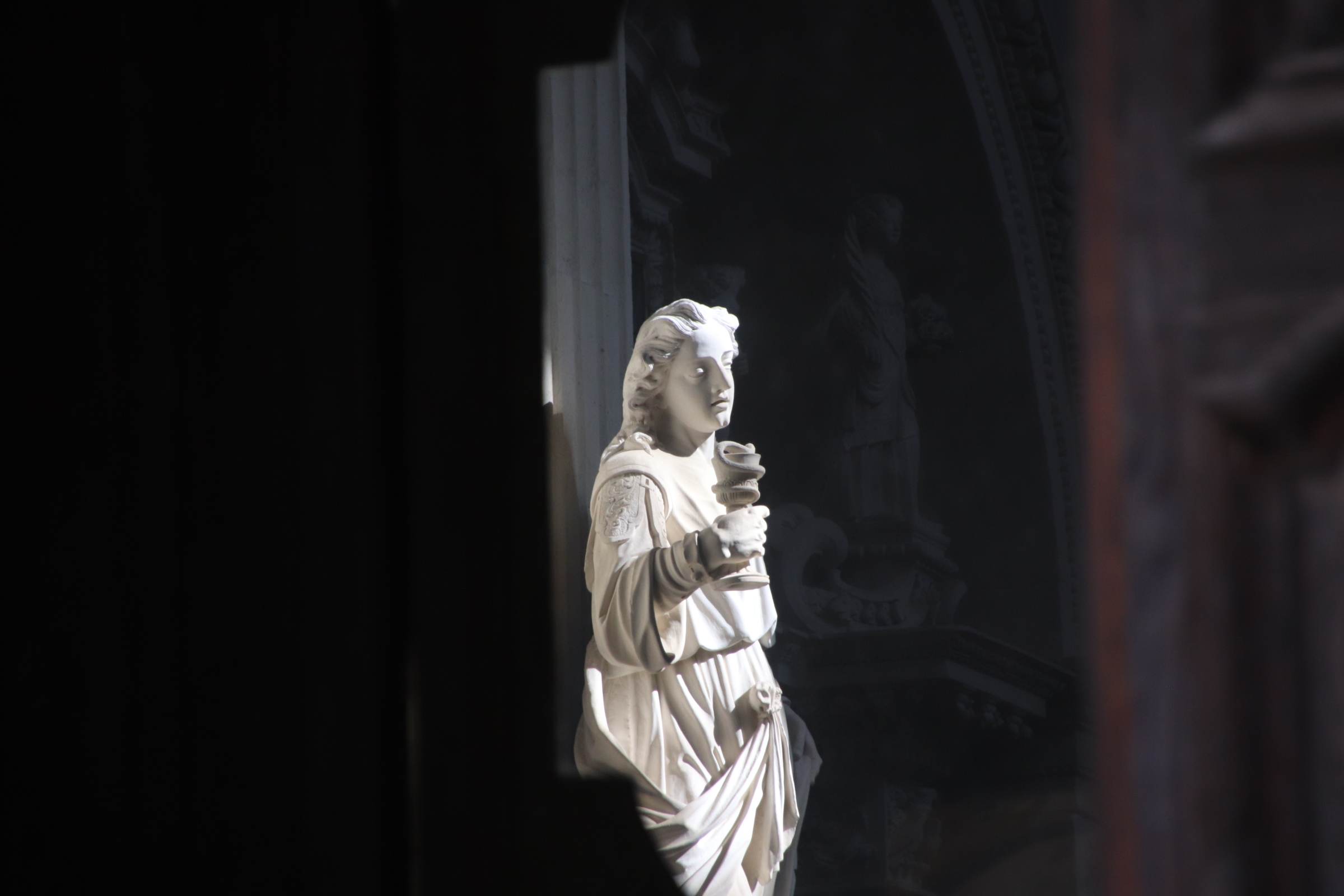
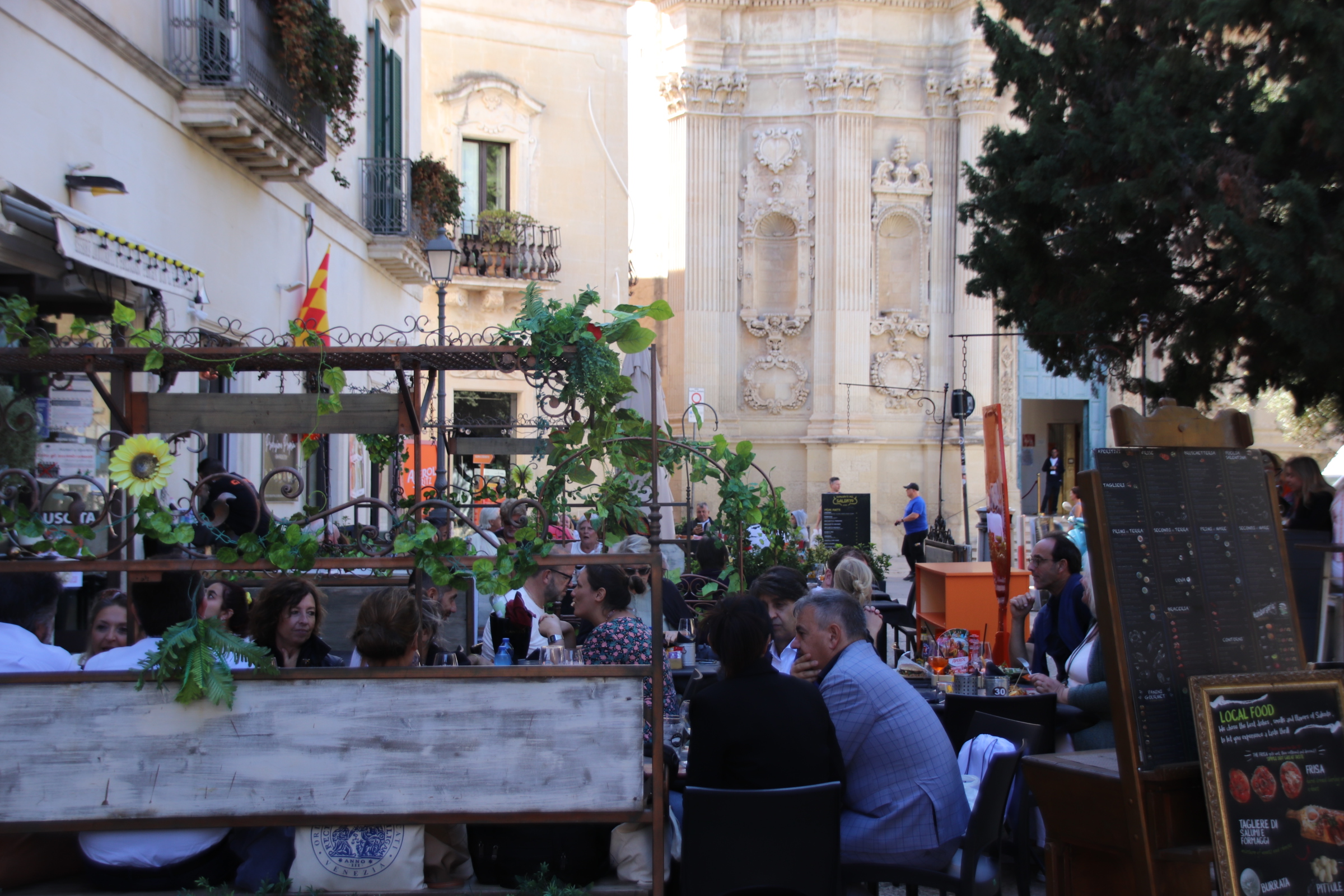
Built in the local soft creamy limestone it dazzles and inspires with a surprise around every corner. Its spider web of streets offer a kaleidoscopic mix of long-range vistas, glimpses of cherubs or bishops or saints or angels, the sight of carved animal heads or plants high up on a steeple or on the facade of a grand building or ornate gateway.

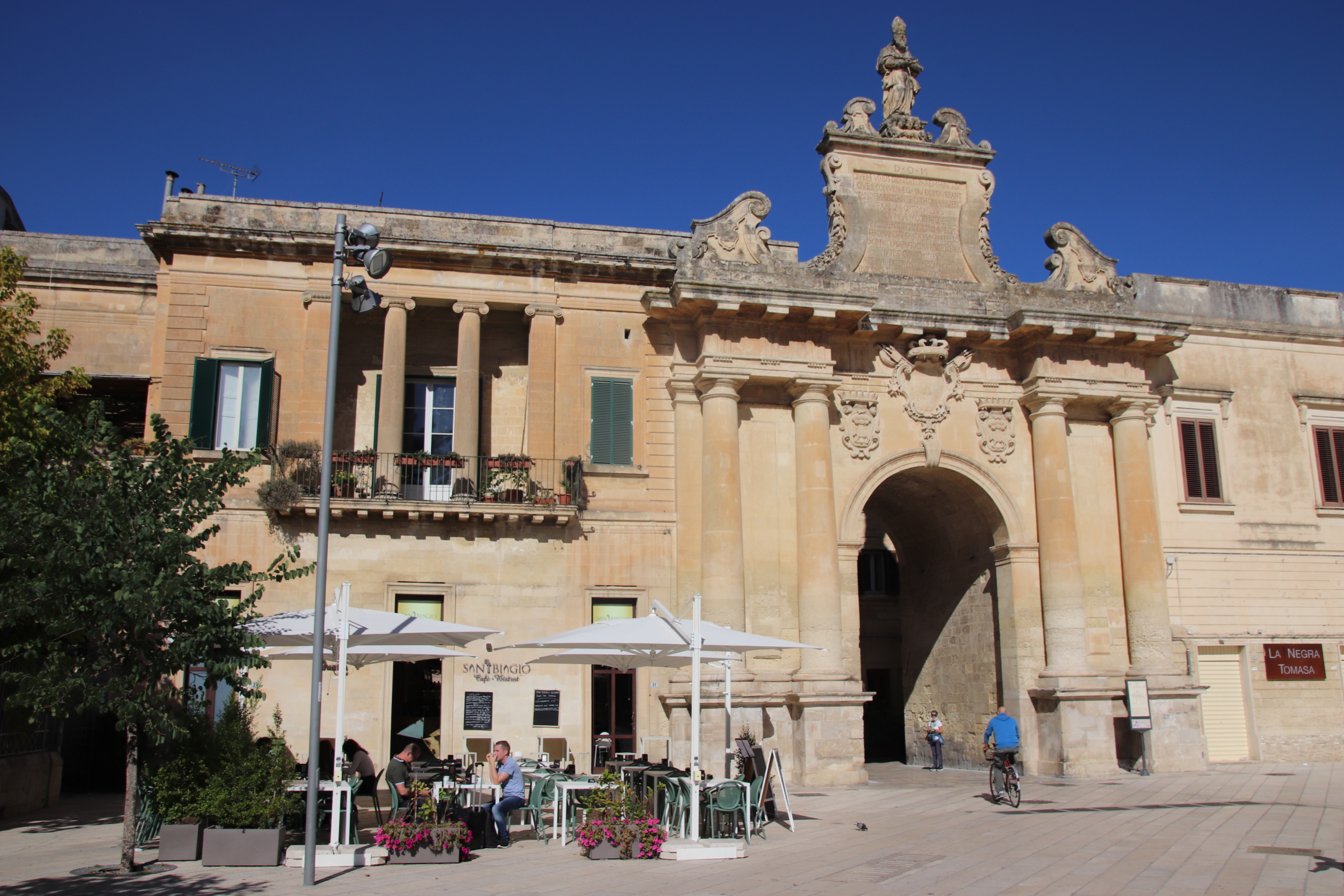
The old part of the city, entered by one of three arched gateways which mark the end of normality and the beginning of Byzantine flair and authority, is a core of stone crystals where wealthy landowners and bishops have tried to outdo each other in the buildings they have created.

Lecce Cathedral is one such attempt to grab all the attention that continues to this day – recently a lift was opened within the Bell Tower that whisks visitors to the top at a cost if 12 euros. The only way down is to use the same lift – no stairs!

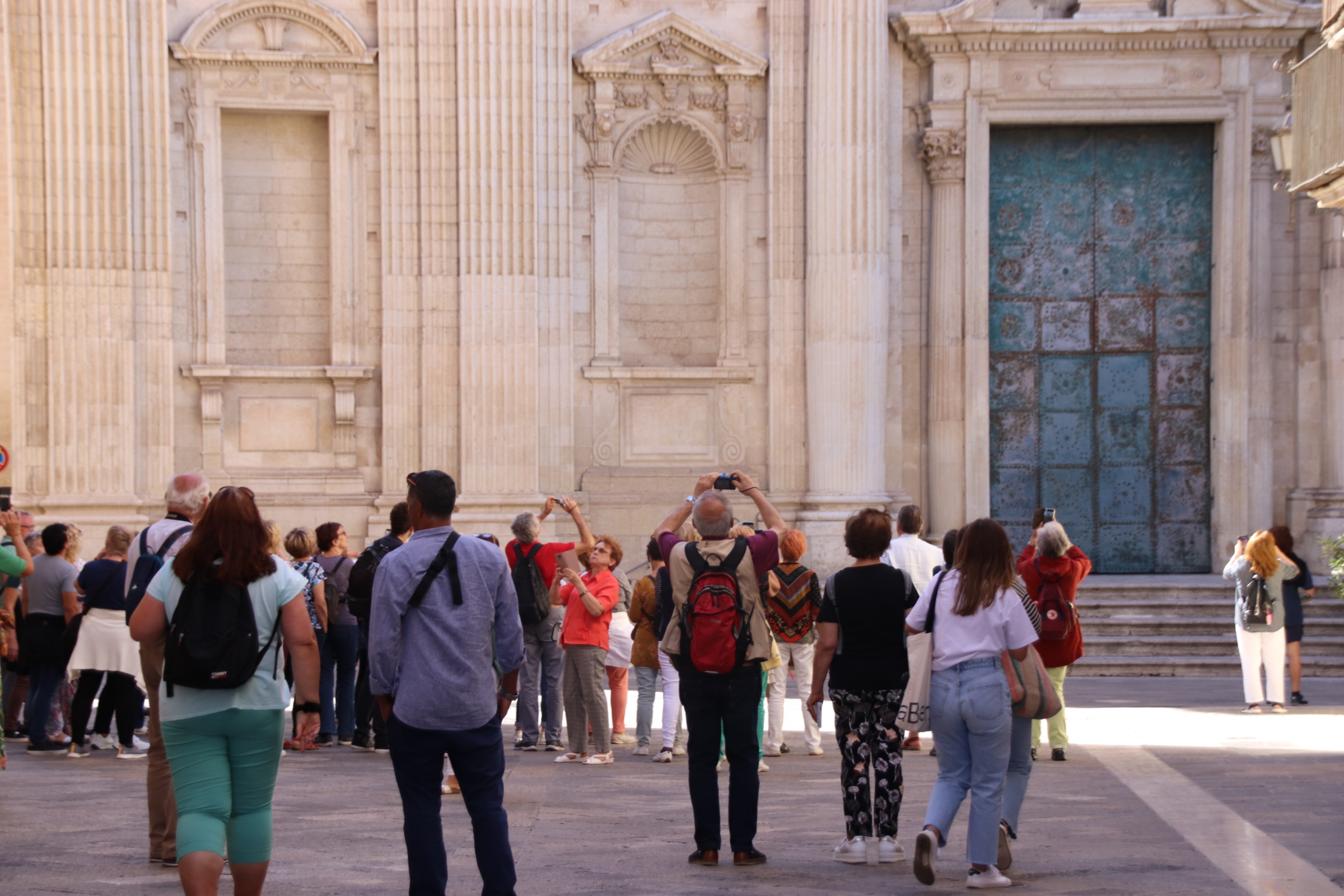
As such the city is a magnet to large numbers of visitors and its arteries of narrow streets quickly get clogged up with flag-led groups of holidaymakers’ cholesterol.

Having taken photos one set of Baroque churches, which, I have to say, all begin to look very similar, I decide it is more fun looking at the people who make up these groups. So to end my tour of Puglia in general, and Lecce in particular here is a selection:

The story of Otranto – the furthest east of Italian cities

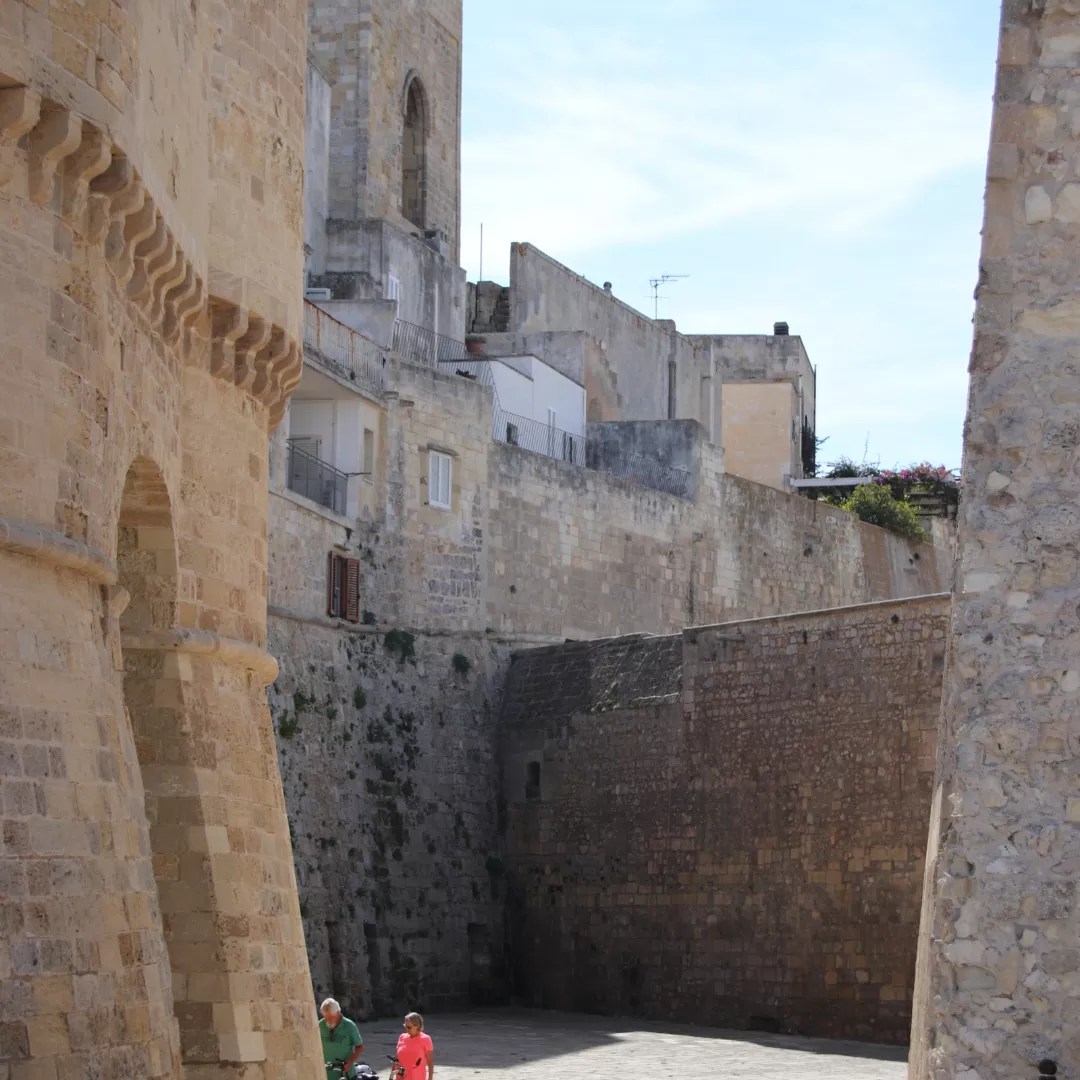
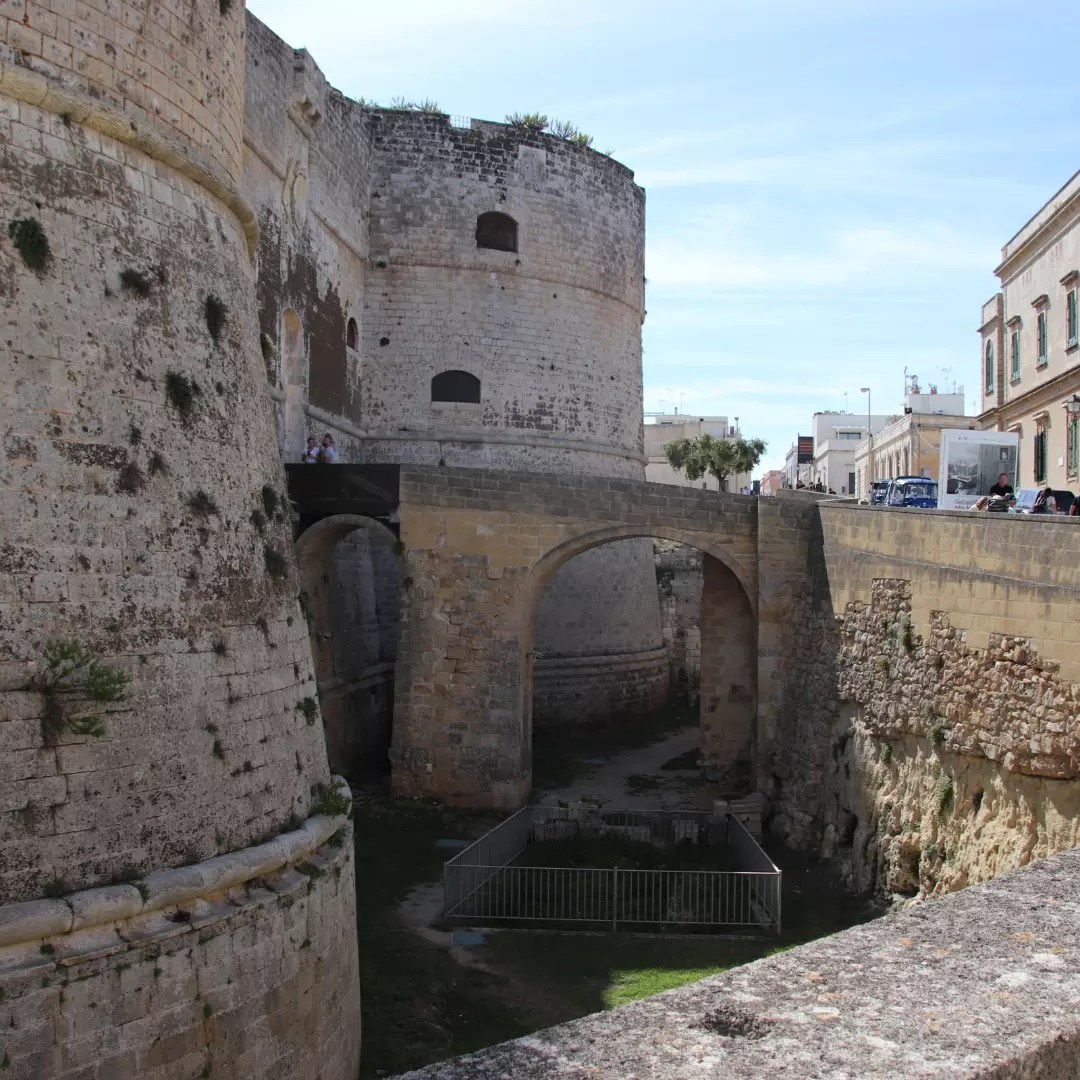
Otranto is Italy’s most easterly town and its position on the Adriatic coast has long made it strategically important in defending the narrow Strait of Otranto between Italy and Albania. The massive perimeter walls and tall, sturdy towers, an imposing sight by today’s standards, were constructed after the town was liberated from the Turks in the 15th century.

Today a number of wide promenades iced with cafe tables run along the top the walls that stretch high from the turquoise-clear waters of the Adriatic below. Narrow alleys dive up into the old town, cutting through vast turrets and stone-flat walls. In amongst the passageways and the hidden piazzas, small restaurants offer pizzas and fresh fish and pasta before breaking through to the main gates of the castle.

It is only a short distance through the shaded streets of the old town, lined with small shops selling classy cloths, local jewellery and the usual tourist tat, to reach the small piazzas at the heart of the old town. From the walls a large marina is revealed and at the other end of town a sandy beach provides opportunities for swimming and sun lounging.

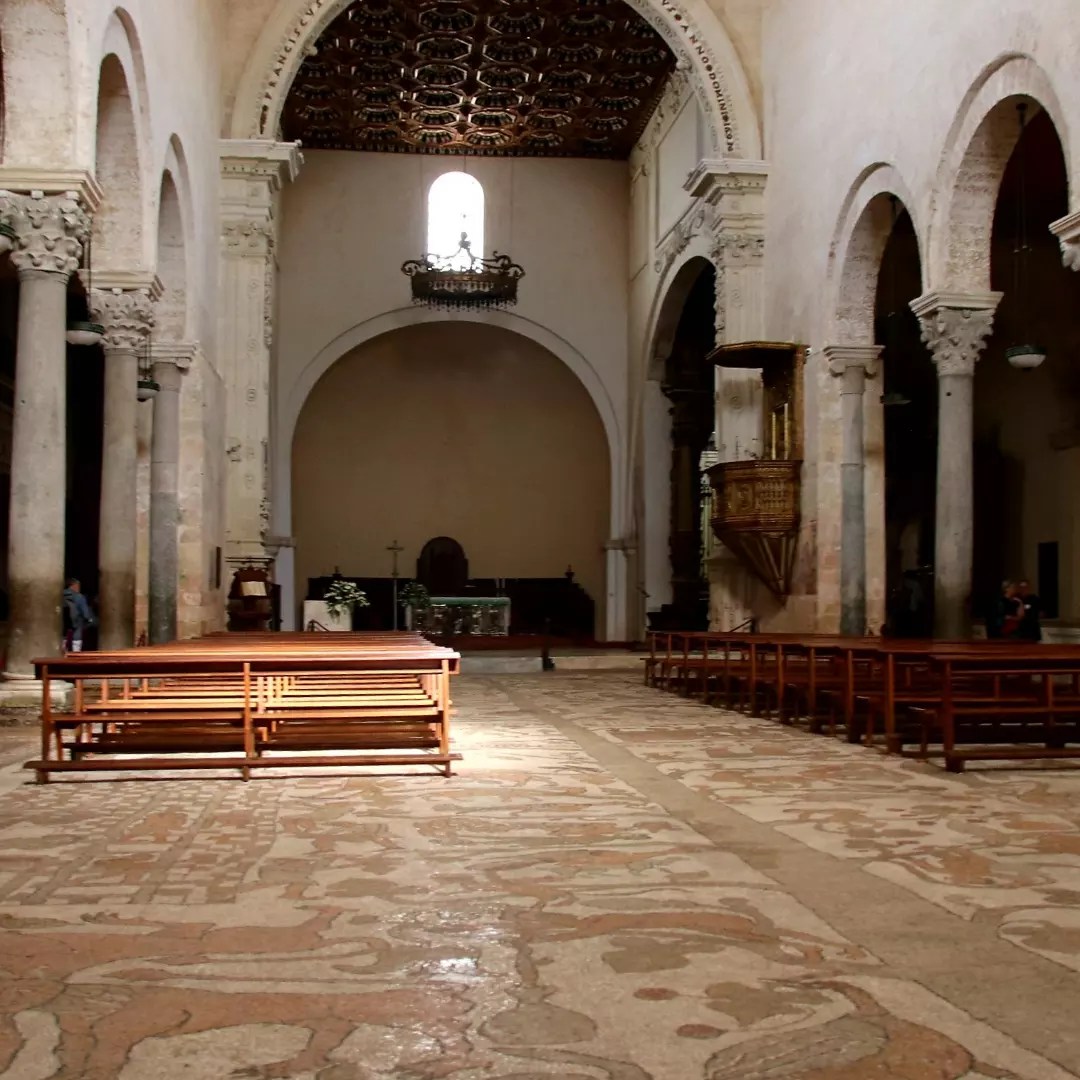
One piazza is home to the 11th century duomo.

Inside two features stand out. One is a magnificent mosaic floor depicting hell.

The other is a collection of 100s of human skulls that are kept behind a sheet of glass. In 1480 the town was attacked by the Turks. The locals held out for two weeks but were eventually overcome. 800 took refuge in the cathedral. The Turks promised to let them go free if they renounced their faith but none did so and they were all taken out and beheaded. In 1771 a papal decree beatified them as martyrs and their skulls retrieved and displayed here.

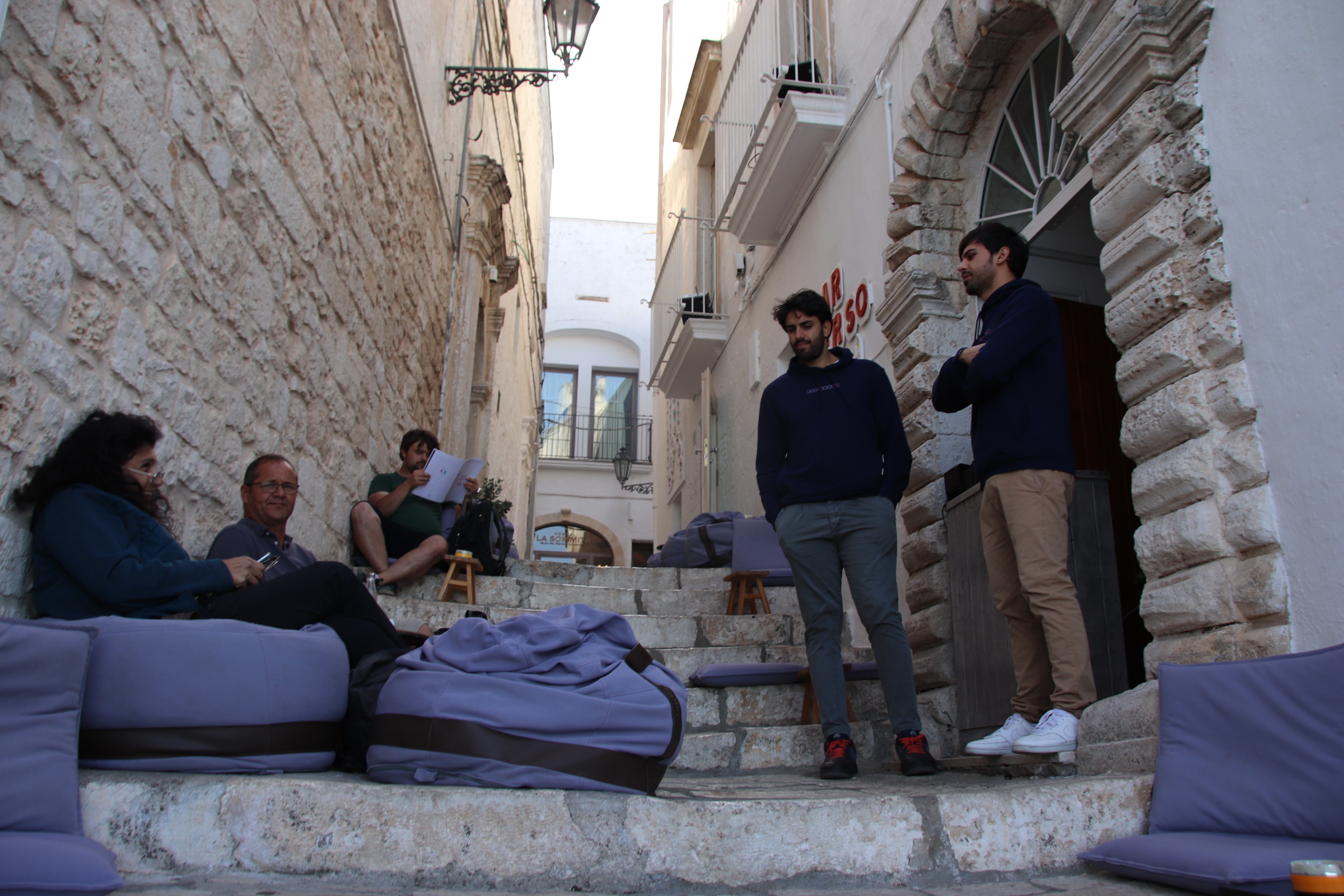
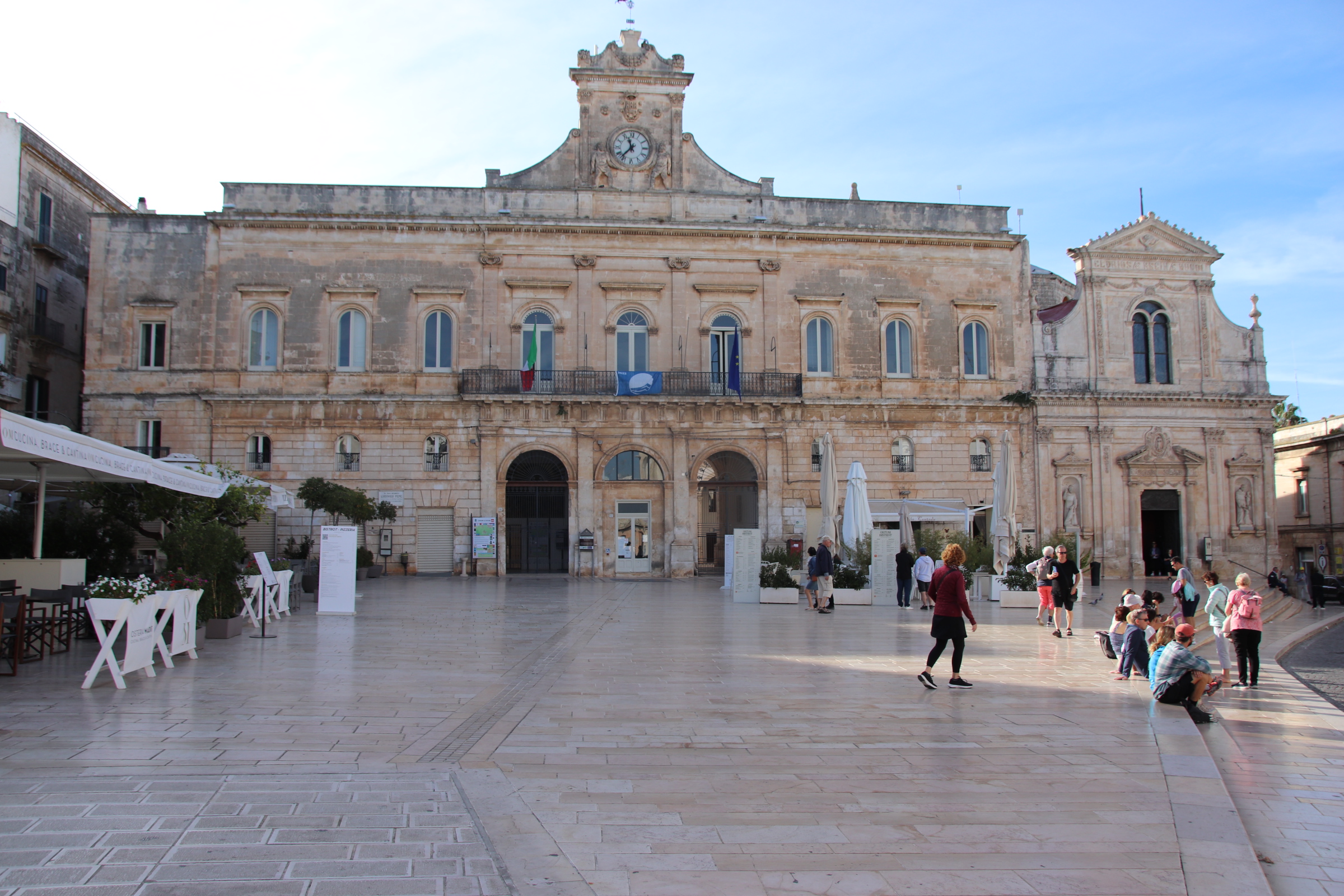
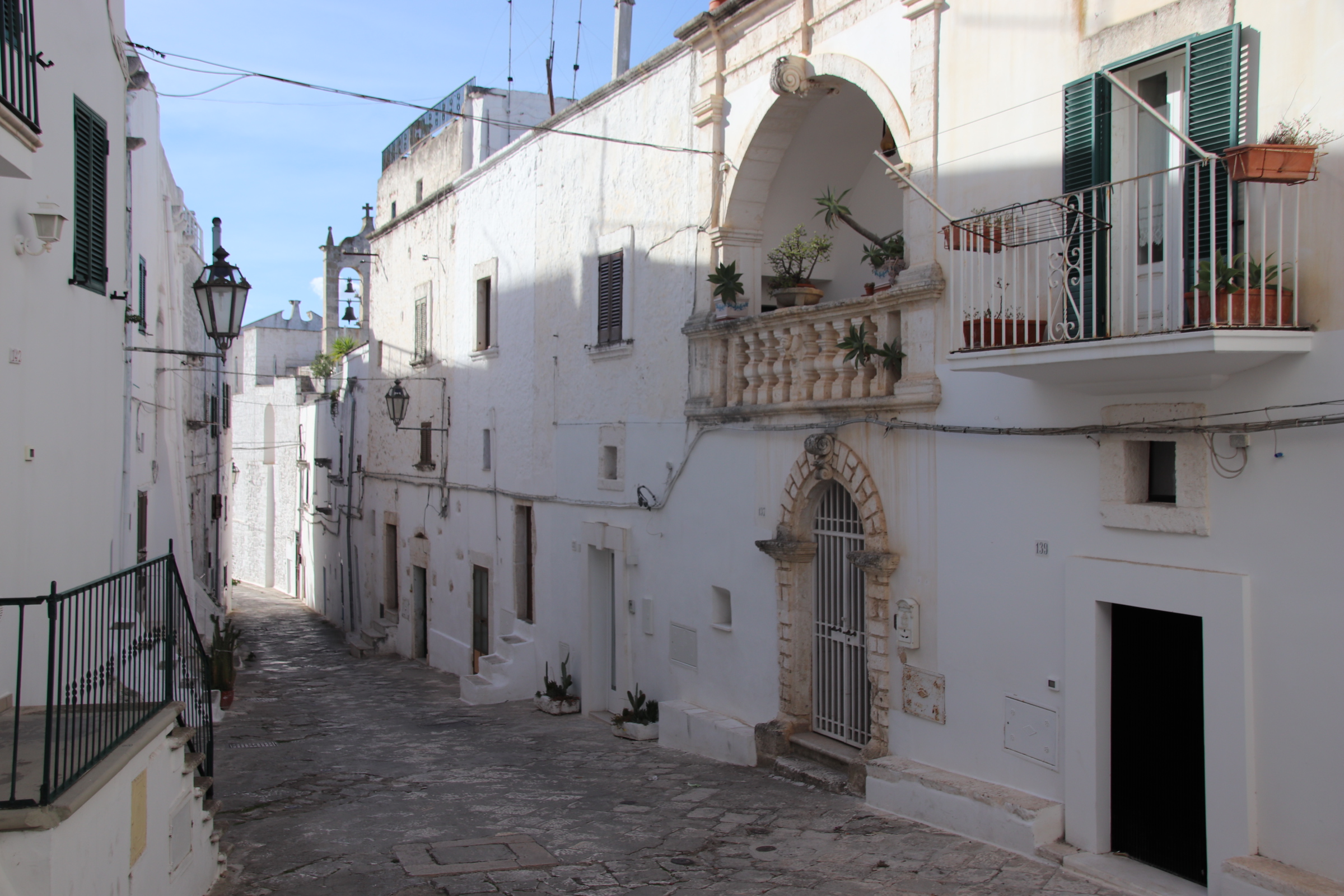
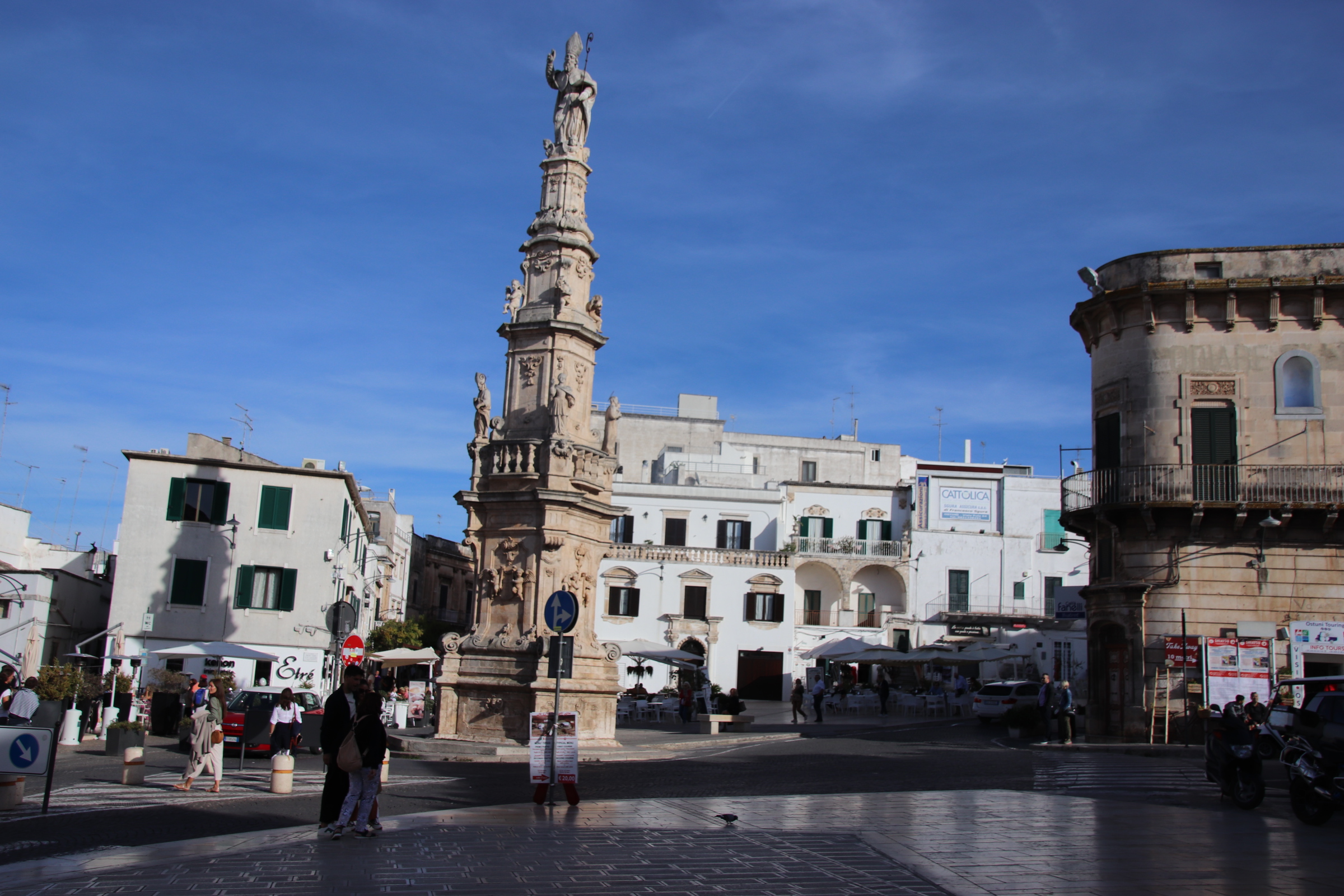
Ostuni, the white city

From a distance, the hilltop town of Ostuni looks like the decorators have done only half a job. Called in to whitewash the walls, maybe they only brought the short ladders with them. While the lower levels gleam in the Adriatic sun, the upper storey, typified by the top spot of the duomo, remains in need of some touching up and paint work. Yet it works. Together they dominate the olive-studded plain below.

There is probably a local byelaw – you can paint your homes and walls whatever colour you like …. as long as it’s white.

Stepped and arched alleys nibble up and down and around, connecting curly, mule-wide passageways. Small bars and eateries hide around corners in alcoves and small, odd shaped courtyards. Tables/chairs balance precariously on uneven, cobbled pathways and staff step up with bottles & plates & platters, dishing up delicious food from tantalising menus.

Where does everyone go? Pre dinner the place is buzzing. Street bars fill the air with jazz and cocktails, lovers lounge on low cushions, tourist groups chat through their day.

As the evening progresses the bars empty and the restaurants in the backstreets fill. The burnished stones of the main streets are now exposed with no crowds to cover them up.

Ostuni is a great place with character and atmosphere. Meals and shopping may cost a bit more but it feels like a fun place to be with quirky bars and cafes, new eating experiences and some good places to while away some time before browsing the wide range of good quality shops.

Stulli and ancient olive trees

Locorotondo is a £1 train ride out of Alberobello through rich-earthed, countryside where olive trees are king and the wealthy have taken trulli architecture to create homes of affluence and style. No poverty here.

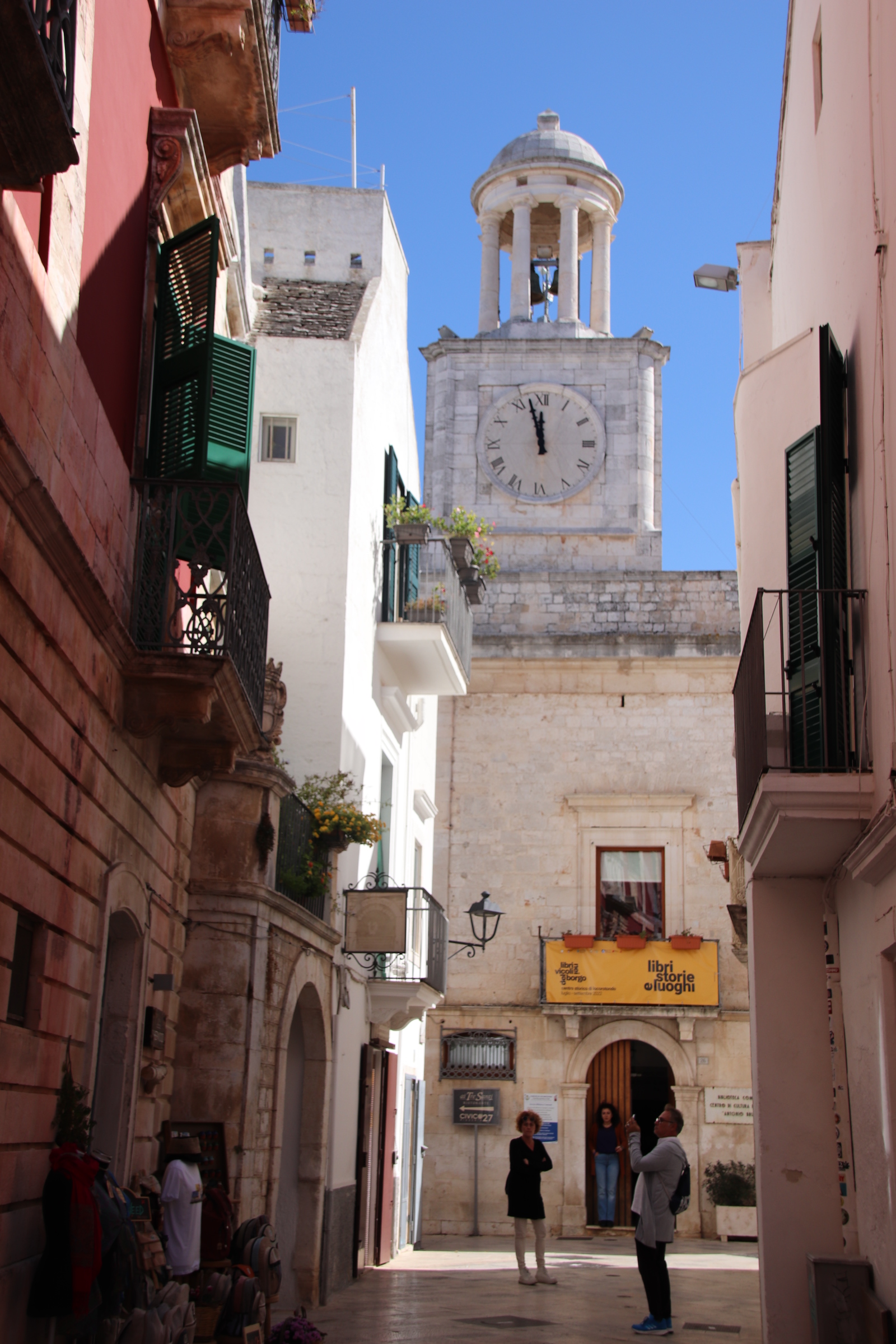
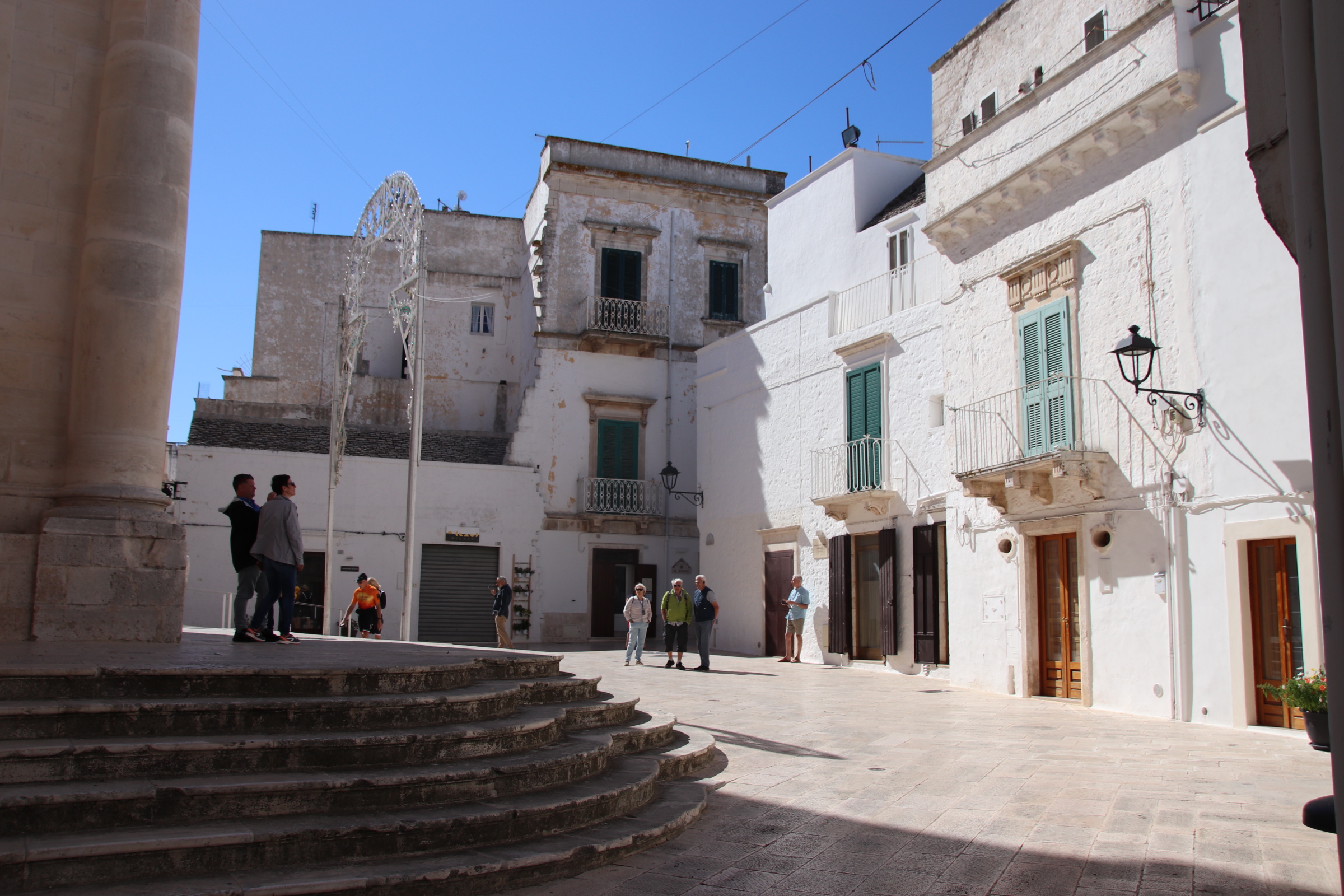
It is a 10 minute walk from the station to the shade of the gateway of this picturesque hilltop village.

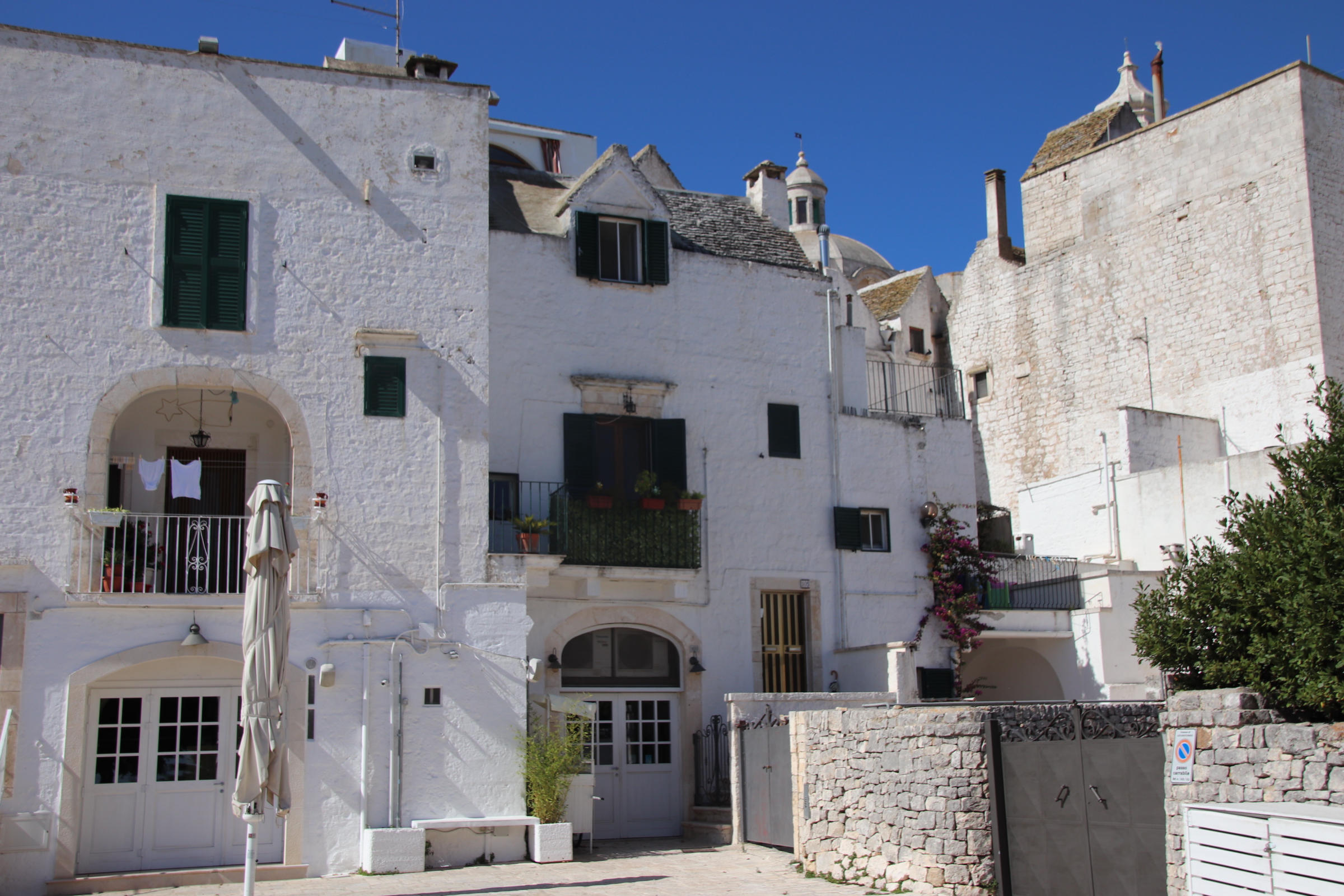
Narrow streets, whitewashed houses and churches dominate the hilltop.

Outside the ramparts bars & eateries are set out to allow punters to gaze out over the vines & trulli-inspired farms and villas.

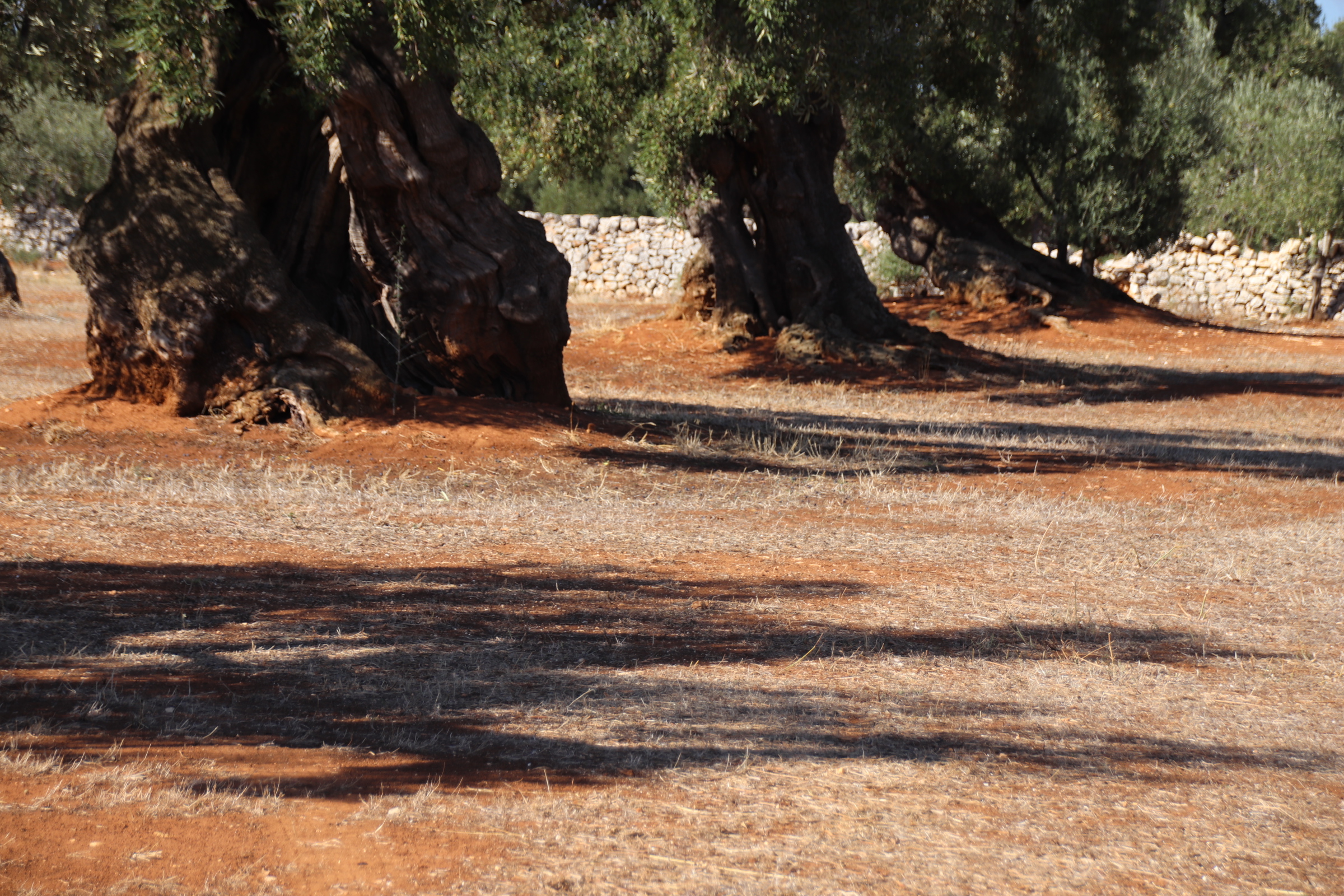
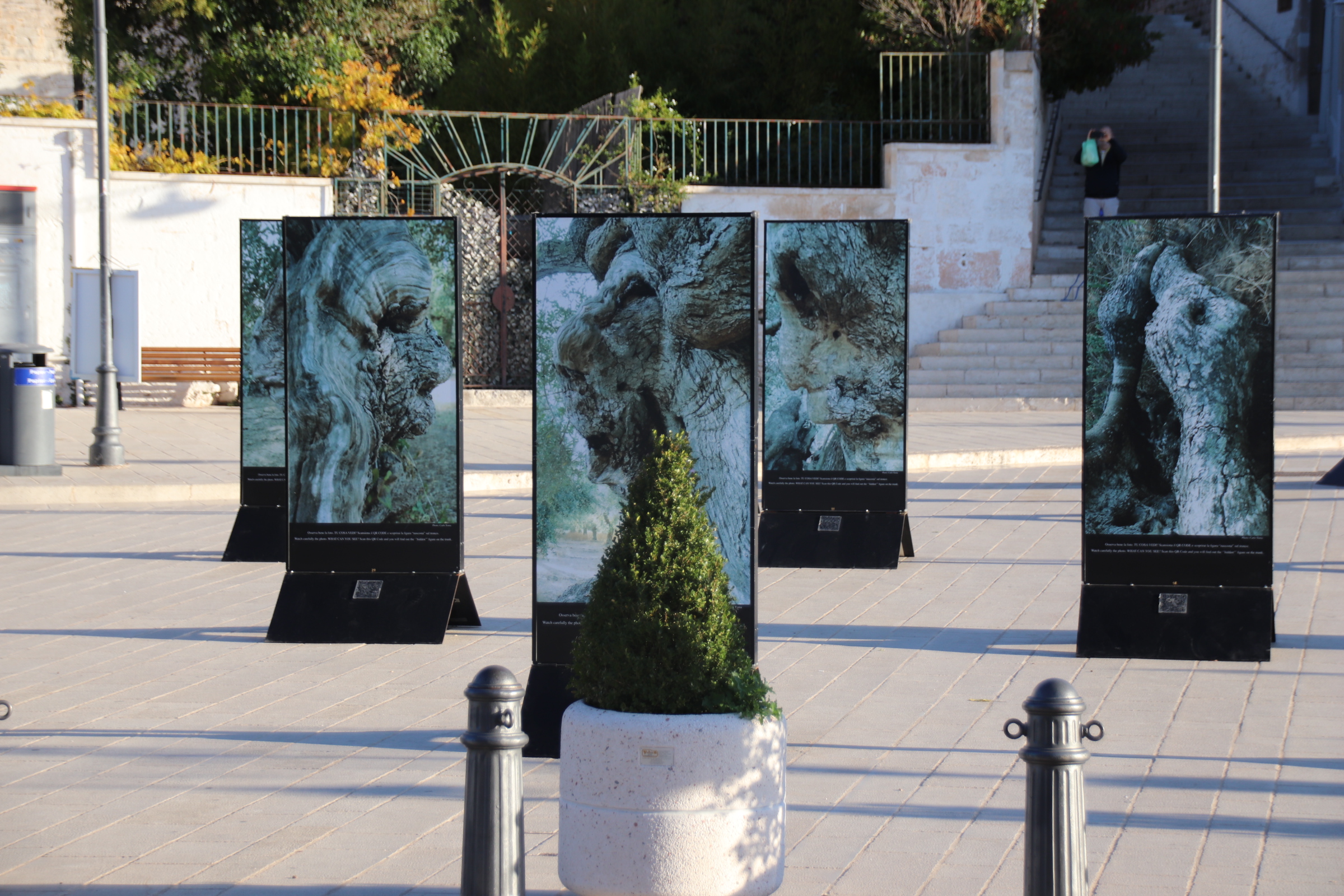
An hour south of the trulli capital there is an opportunity to understand a bit about why Puglians are so proud and obsessed by their olive trees. There are around 60 million Italians. In Puglia alone there are a similar number of olive trees and this traditional farm has been producing olive oil for centuries.

Many trees are over 2,000 years old

and this fella has been dated from around 3,000 years ago.

Local artists play a special game. They capture on film animal figures within the trunks of these ancient trees. Have a go.

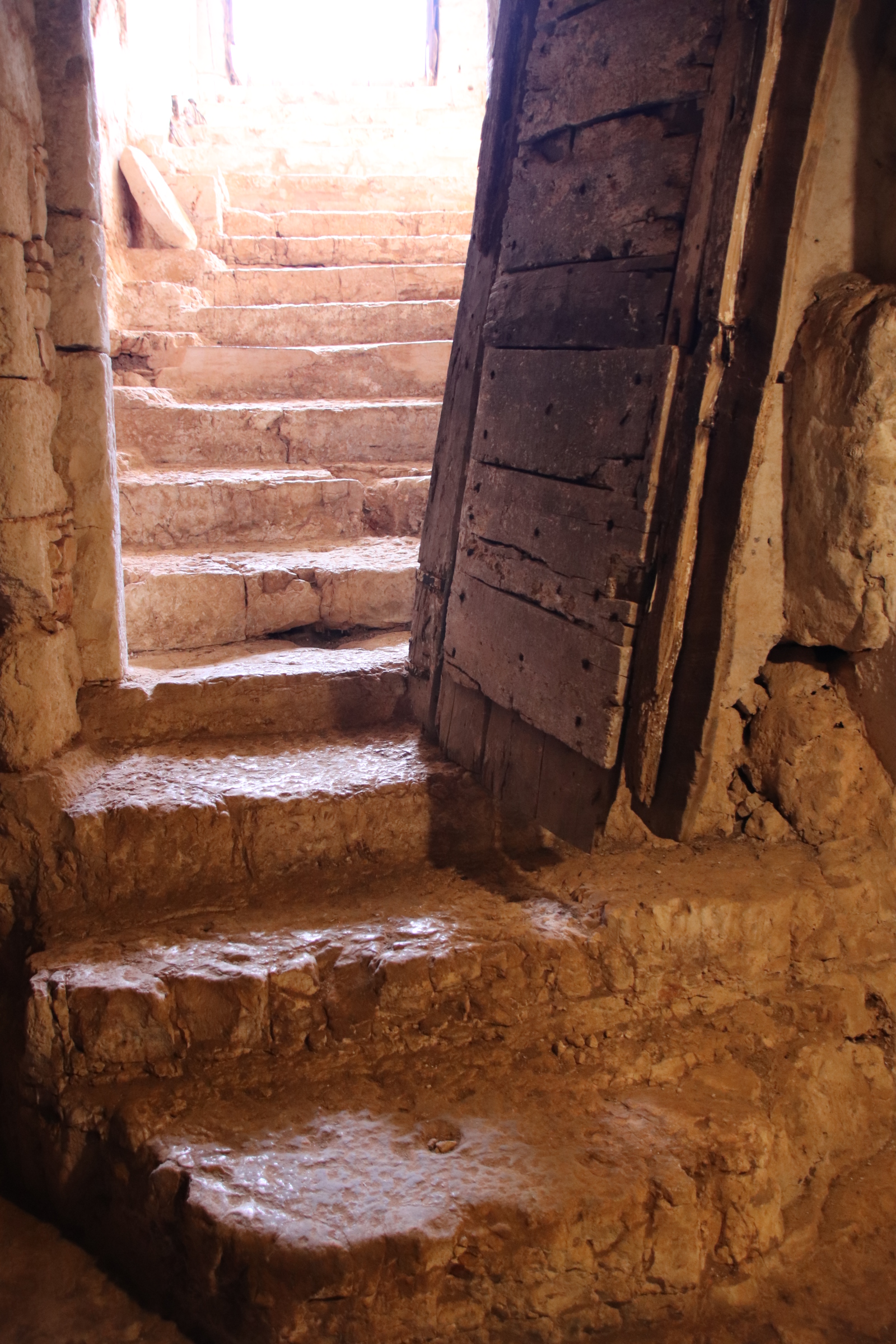
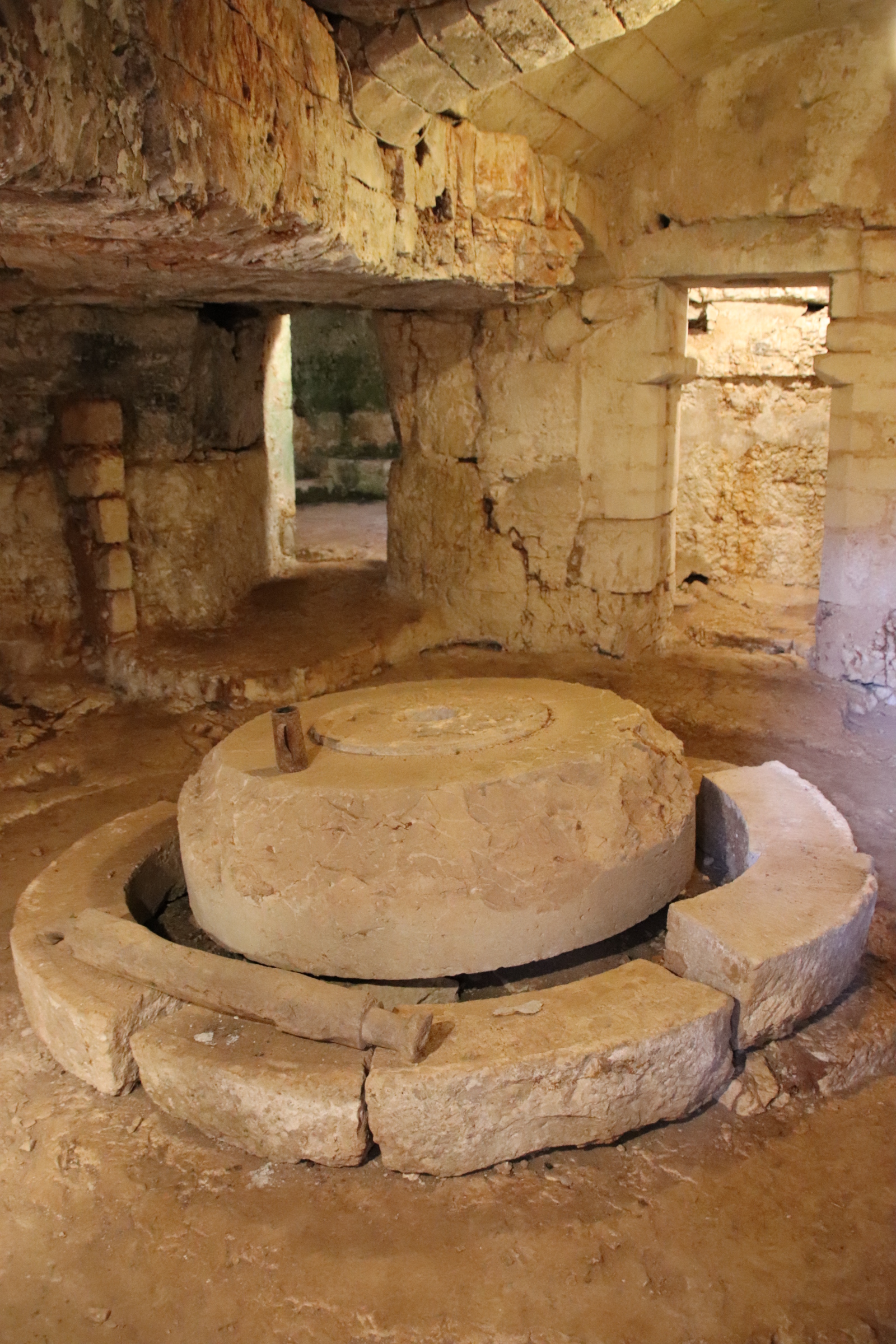
The old wine press dates from this time.

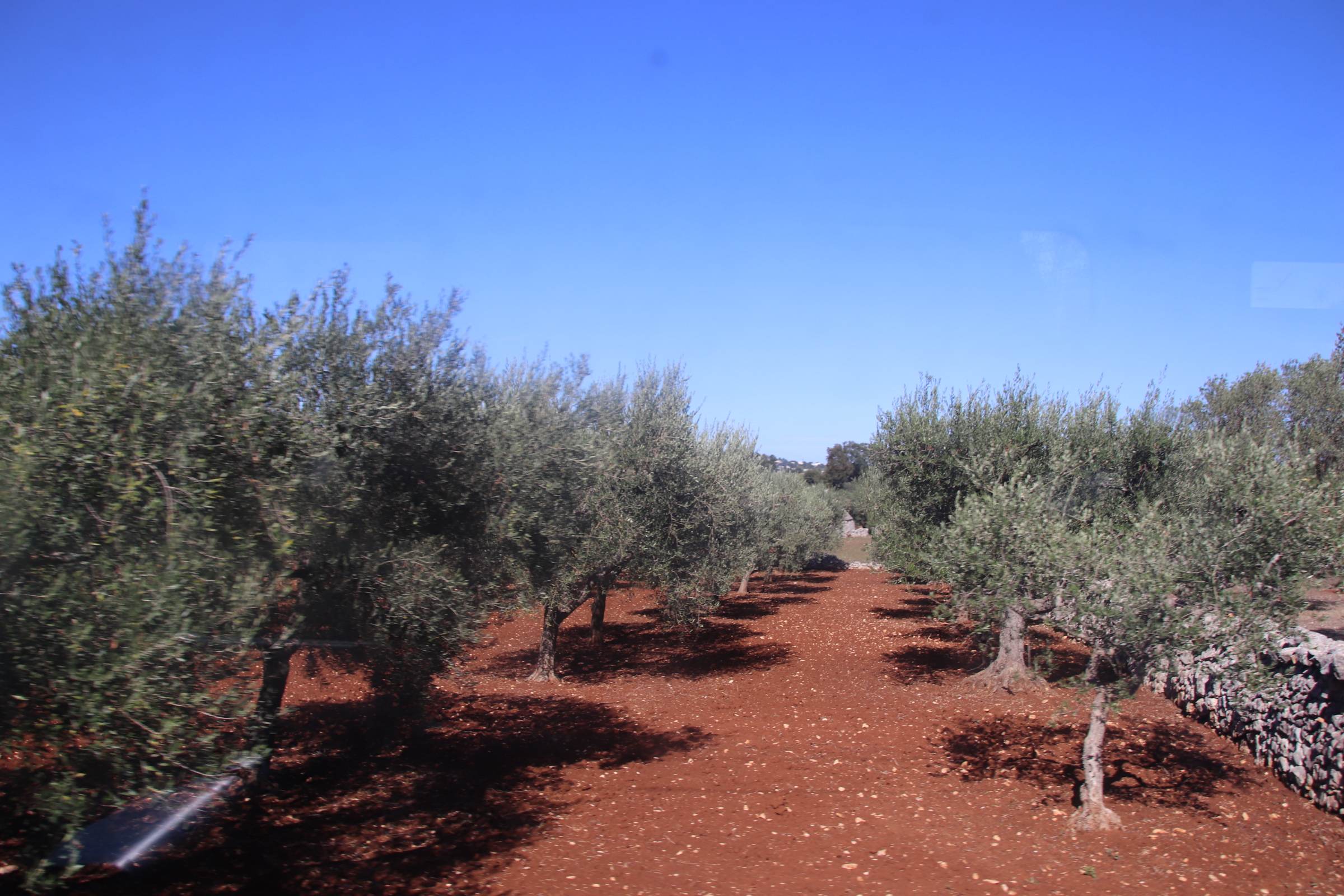
The trees are spaced out with ample room between them to allow the root system of each to develop unhindered by the trees around them.

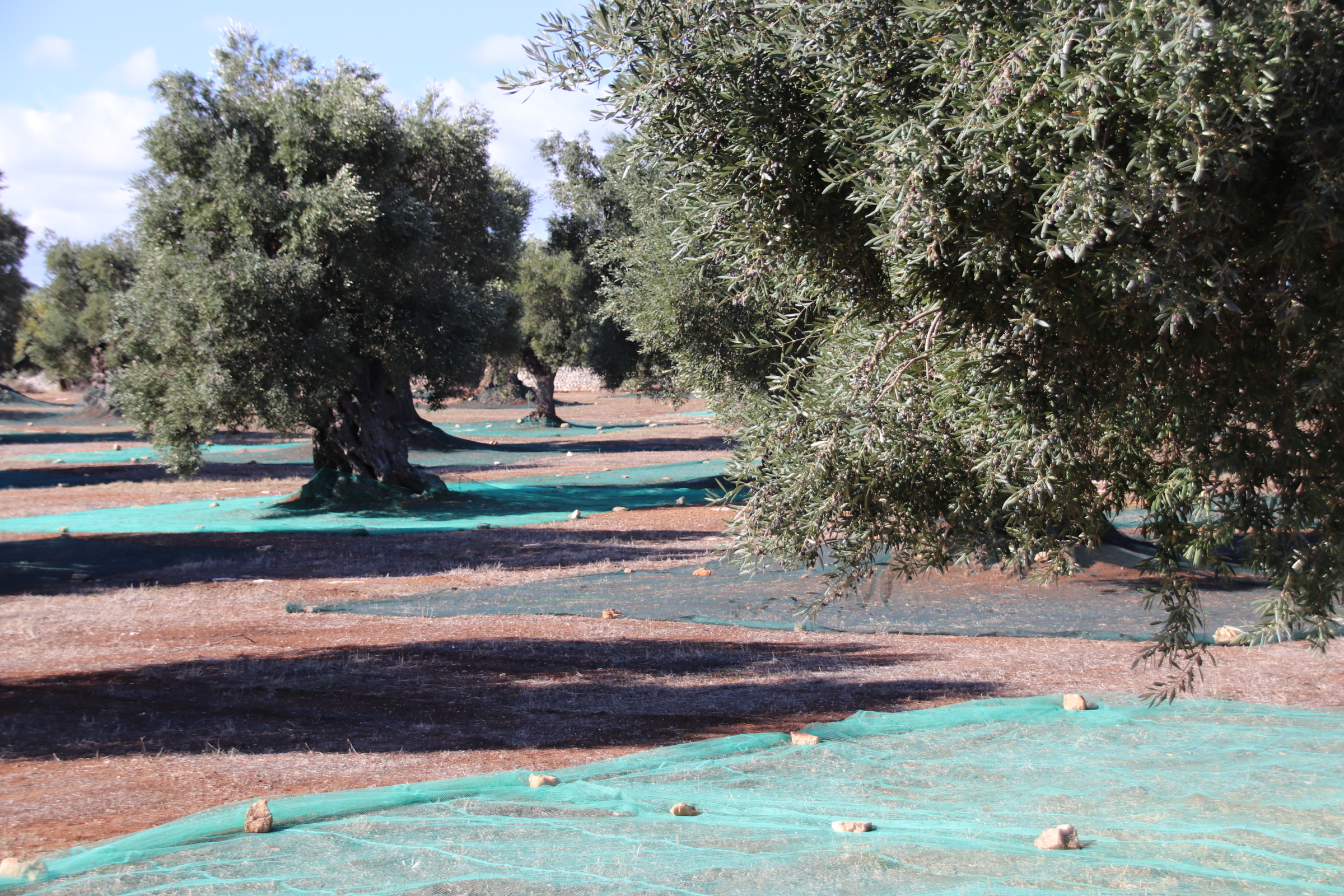
Nets have been laid under the trees as the last of the harvesting takes place. Soon workers will comb through the branches with rakes and the olives will be collected and pressed on the same day to prevent oxygenation taking place.

When all you’ve ever truely wanted was to spend a night in a trullo

Leaving Matera by bus, my route takes me eastwards to the Adriatic and into Puglia proper. Grape and olive production have shaped this landscape. The modern road cuts in a straight line through acres & alternating acres of hanging vineyards, ripening under ugly sheets of plastic, and centuries-old olive trees, voluptuous with heavy, spreading branches of foliage & fruit, their trunks prepared for harvest with a circular carpet of sack cloth ready to collect the results of this year’s Shake n Vac.

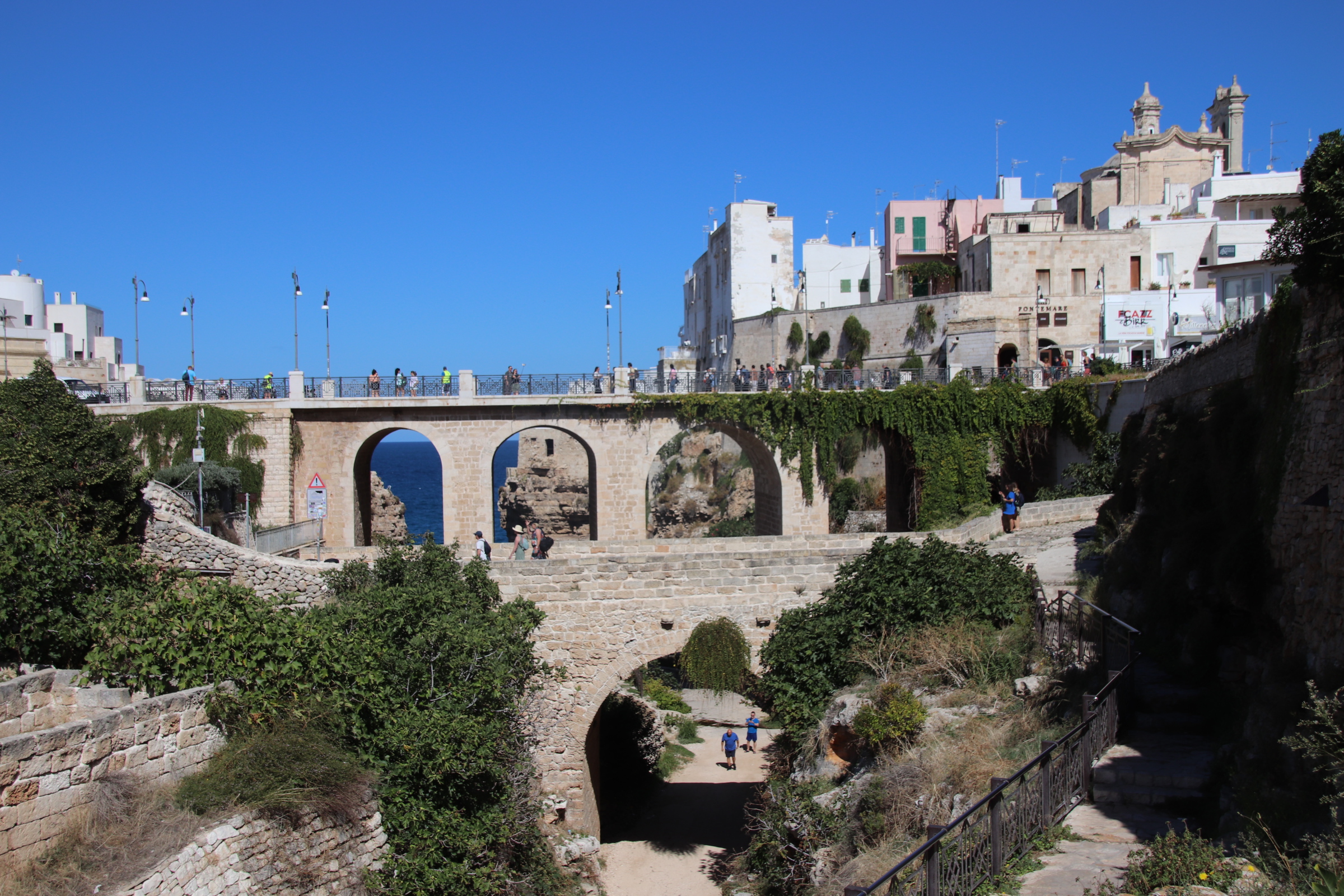
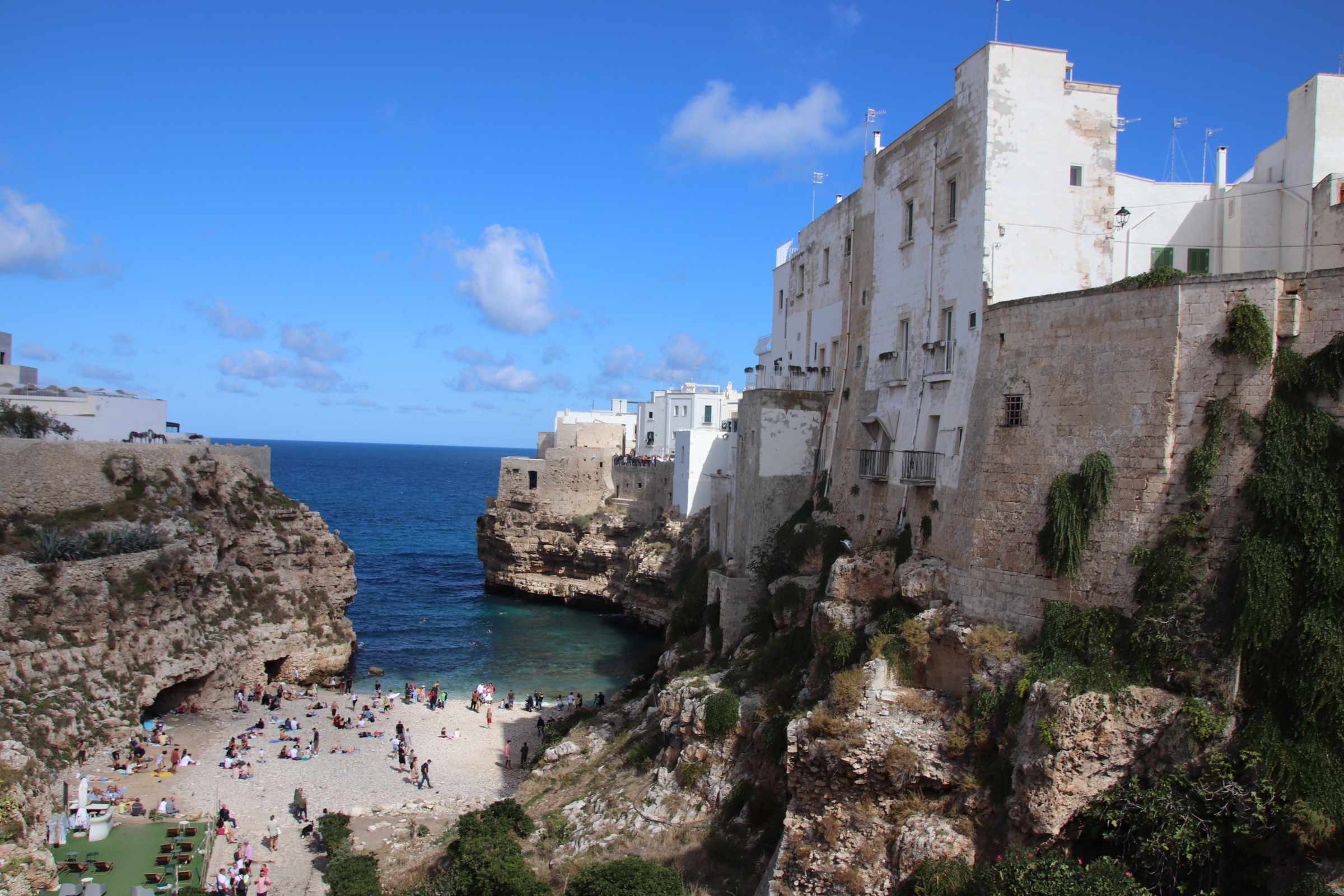
Polignano a Mare is a pretty fishing village clustered around a ravine, created where a small stream has cut into the land to meet the sea with a small beach of smooth stones & rocks. An attractive historic centre of narrow tangled streets and picturesque houses is in danger of being smothered by vast modern builds of holiday apartments, balconied flats and shoreline promenades that have been constructed around the edges, threatening to engulf it with 21st century holidaymaking.

Alberobello is back inland, back through the dark earthed fields of grapes and olives.

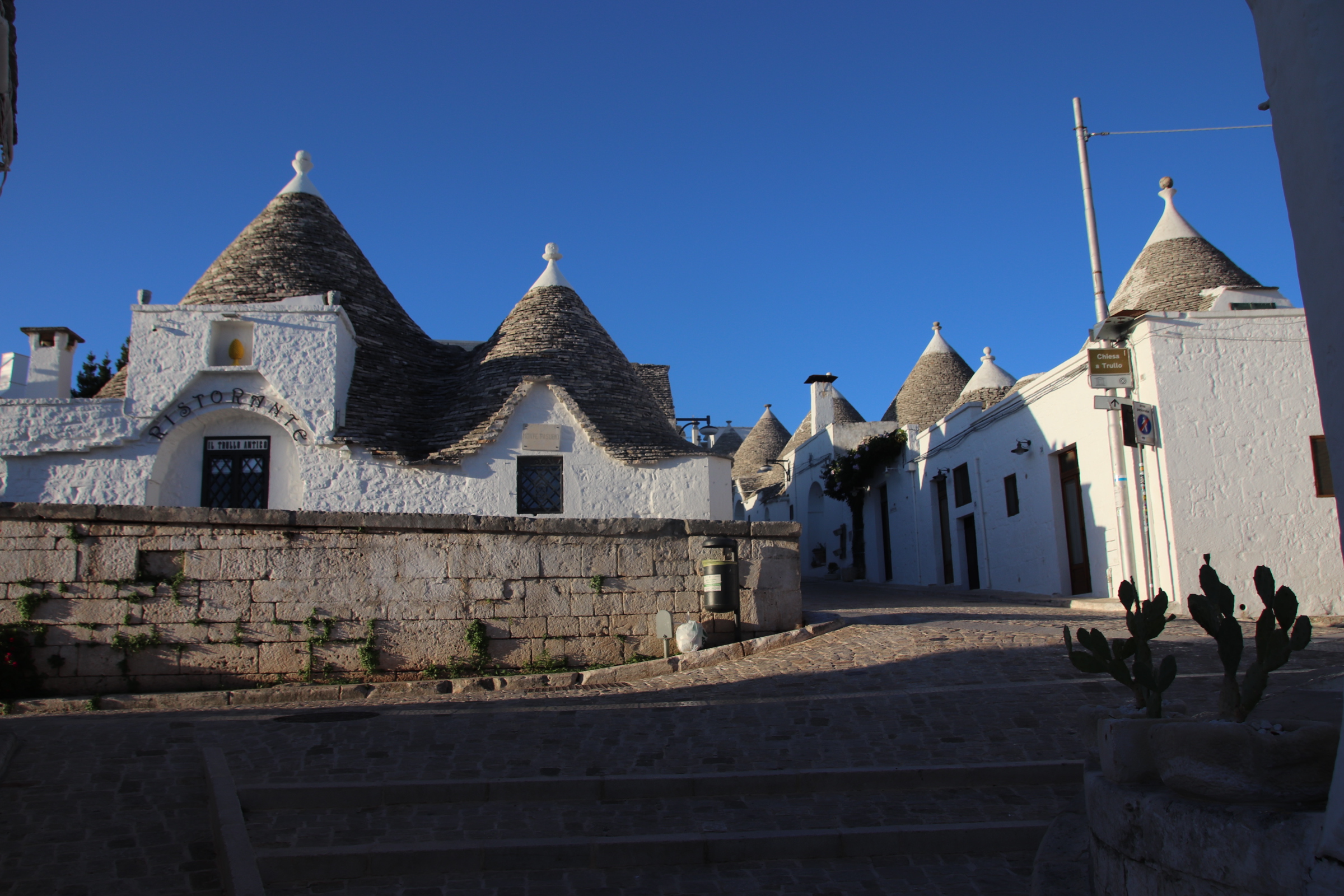
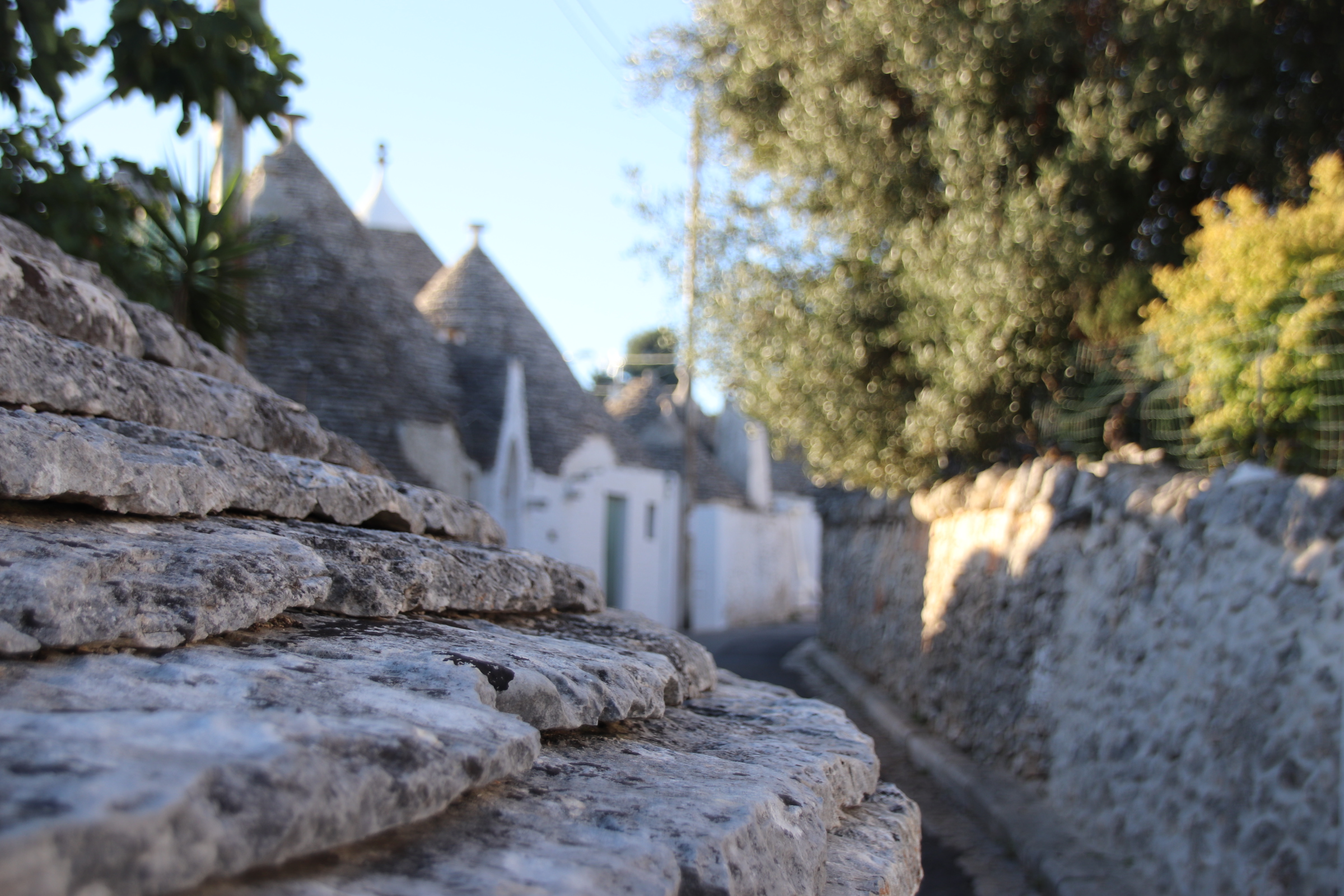
Dotted amongst the endless rows of waving vines and stump-solid trees are clues to the main act of the area – isolated stulli, small, stone huts, built in the fields without mortar to hold a farmer’s tools.

The town itself is unique, made up of stacks of tullis blocks of different shapes and sizes like a card tower spreading along a valley floor and the slopes that rise from it.

Trullis are dry-stoned dwellings designed to house an extended family, their belongings, crops and animals. The walls are whitewashed in an attempt to keep the trullo cool during the heat of the summer. It is said that in the 16th century property taxes were collected. When the locals heard of an upcoming visit by government collectors their homes, because they were constructed without mortar could be easily demolished thus reducing the amount that had to be paid. Once the tax collectors had departed the homes would be rebuilt and life would return to normal.

Wandering the narrow streets is a rather weird feeling particularly in the soft light of dawn before the gaggle of tourists arrive to clog the narrow lanes and ruin the atmosphere. It feels like Noddy & Big Ears are going to appear a door and friendly goblins will wander past waving greetings and welcomes. Sadly no – just crowds of visitors & holidaymakers buying the normal tourist tat from small trulli shops.

The place is fascinating and worth a visit. A goblinesque centre within a normal, everyday kind of town.

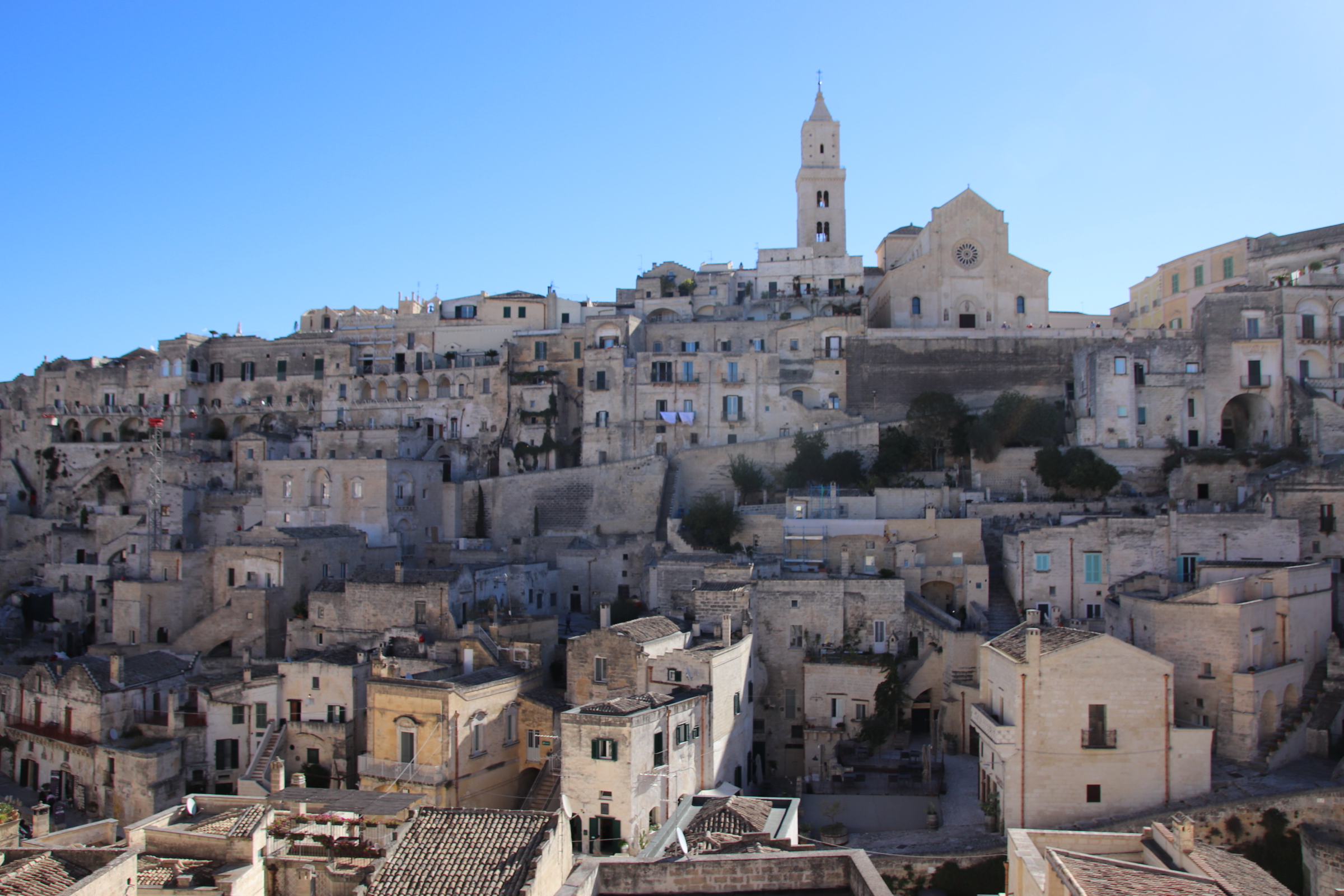
The majesty of Matera

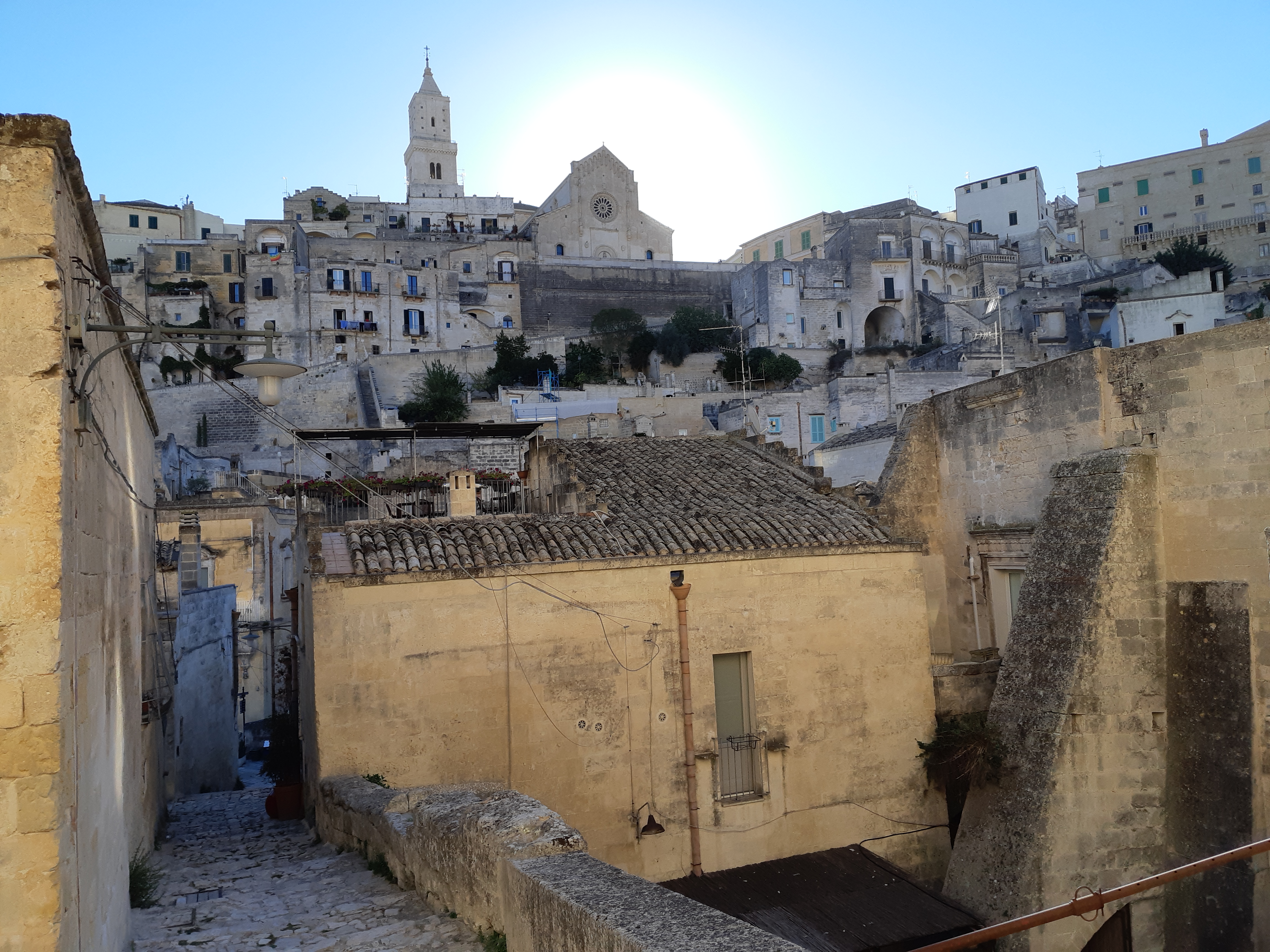
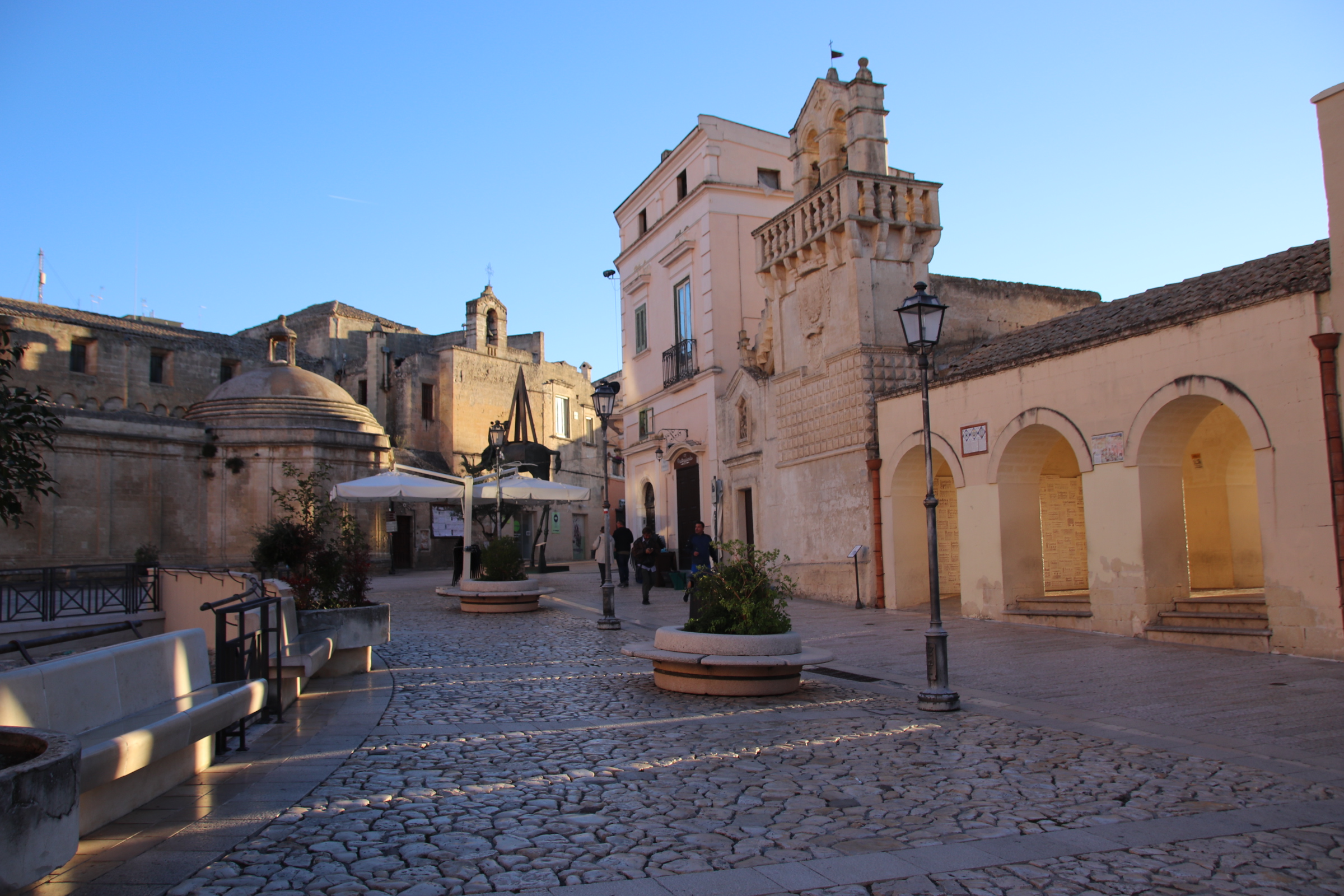
Another Italian city, another jumble of dusty stone buildings, another tangle of burnished steps & cobbled alleys leading down to an ancient core but Madera is something so really special it takes your breath away. Like a dimmer switch dawn gently illuminates the soft hues of a staggered Jenga of rectangular blocks of houses, towers, steeples & churches. As the sun rises the glory of the place surrounds you.


It is like a giant scoop has been dipped in the landscape leaving a jewel-lined indentation to climb about and explore.

Rome is old, 3,000 years give or take a century or two, and Madera, in the south of Italy, predates Rome as an urban settlement by five millennia. Initially established by nomadic sheep herders who inhabited the water-formed caves that lined a deep ravine lying on their route through this flat, dry landscape prehistoric man developed elementary building skills that enabled them to expand their cave city across to the other side of the rocky gash.
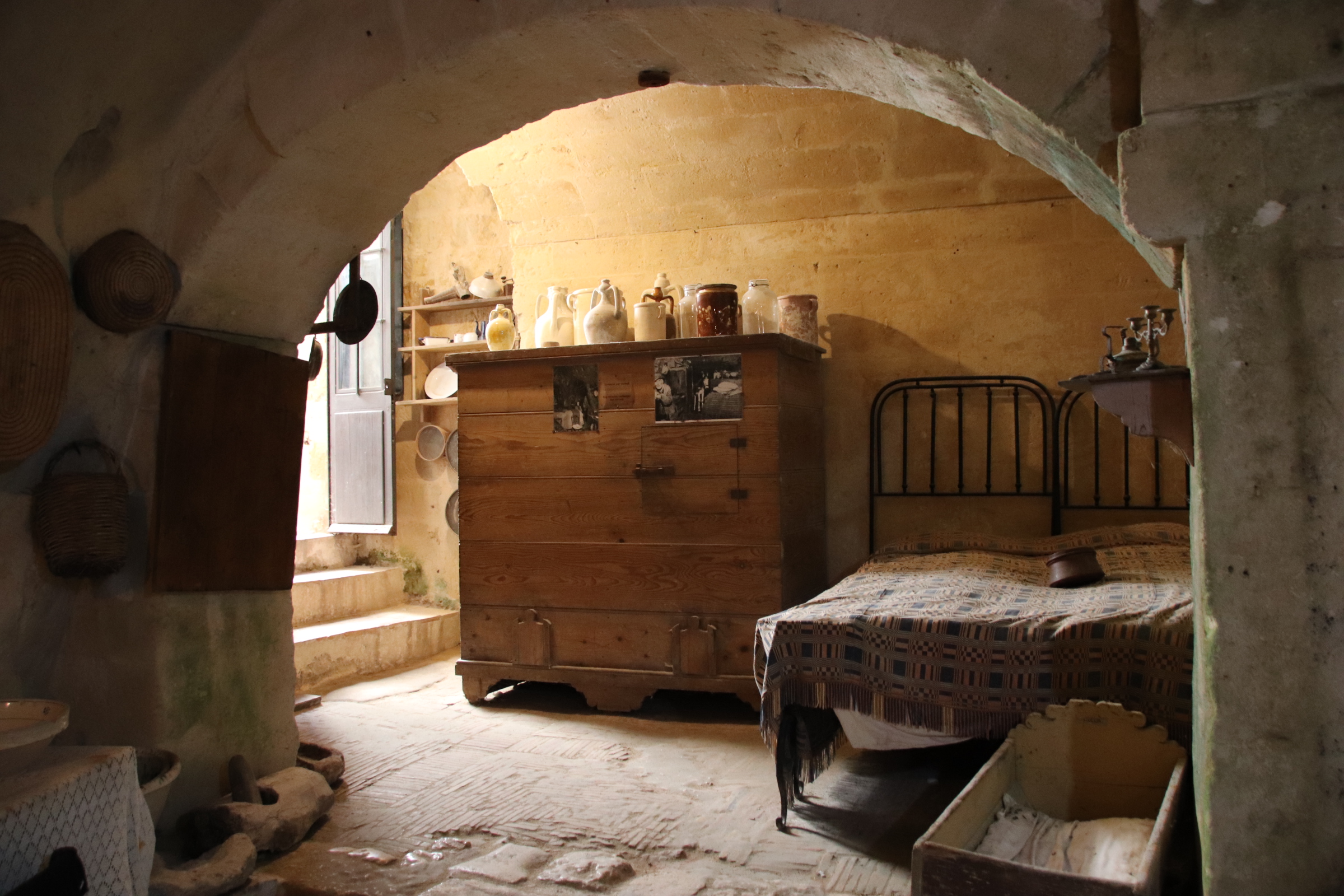
For centuries homes were scraped out of the rock, inhabited by entire families and their livestock.

Byzantine monks created Rock Churches. These dated from the 12th century and at one point some 160 existed as places of worship and living accommodation. The ceilings were created from the rock and in some graves were dug into the rock of the roofs.

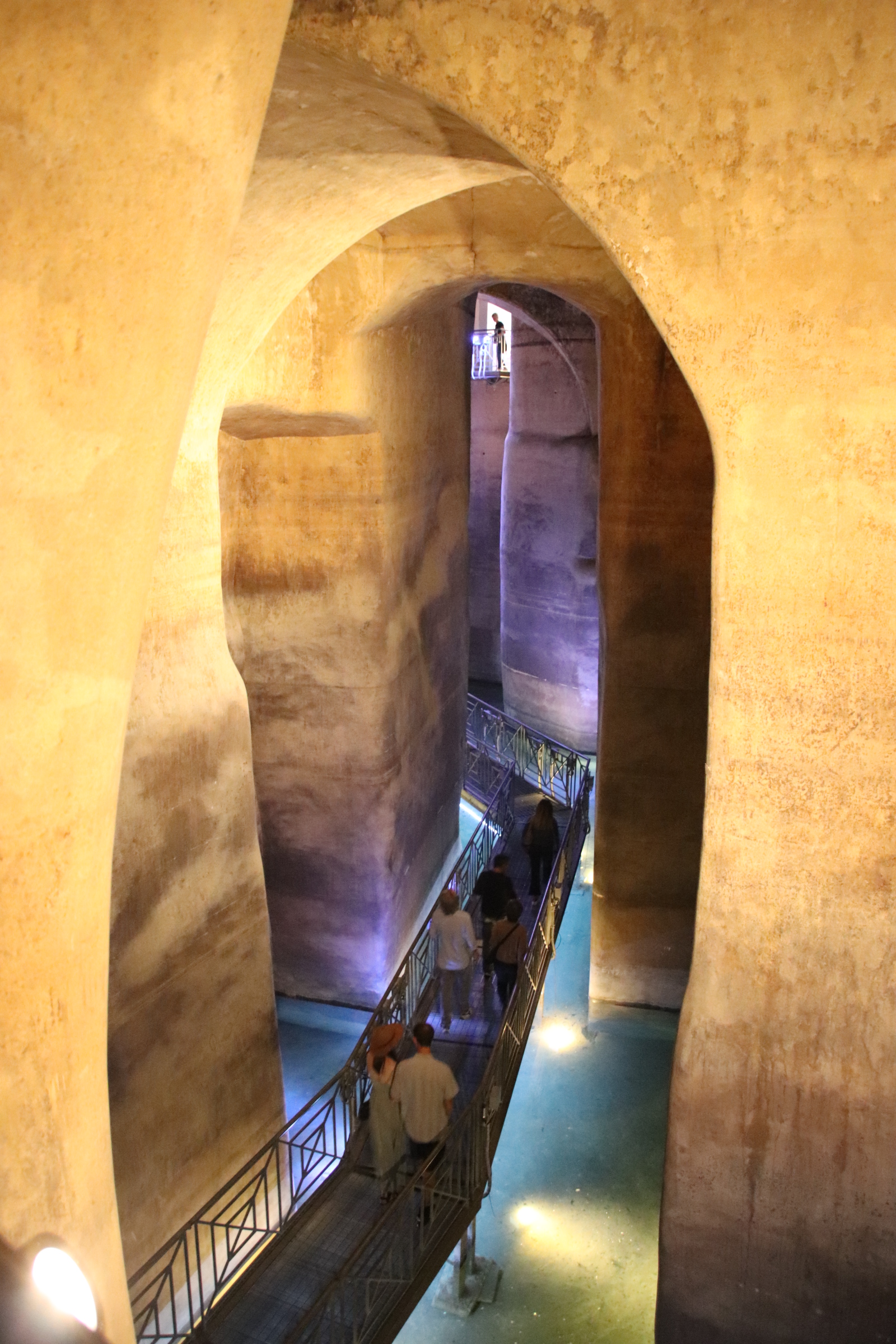
Water was always an issue. In the 16th century five huge underground cisterns were created to collect and store rainwater to feed the fountains during the dry summer months. This obe held 5 million litres of water.


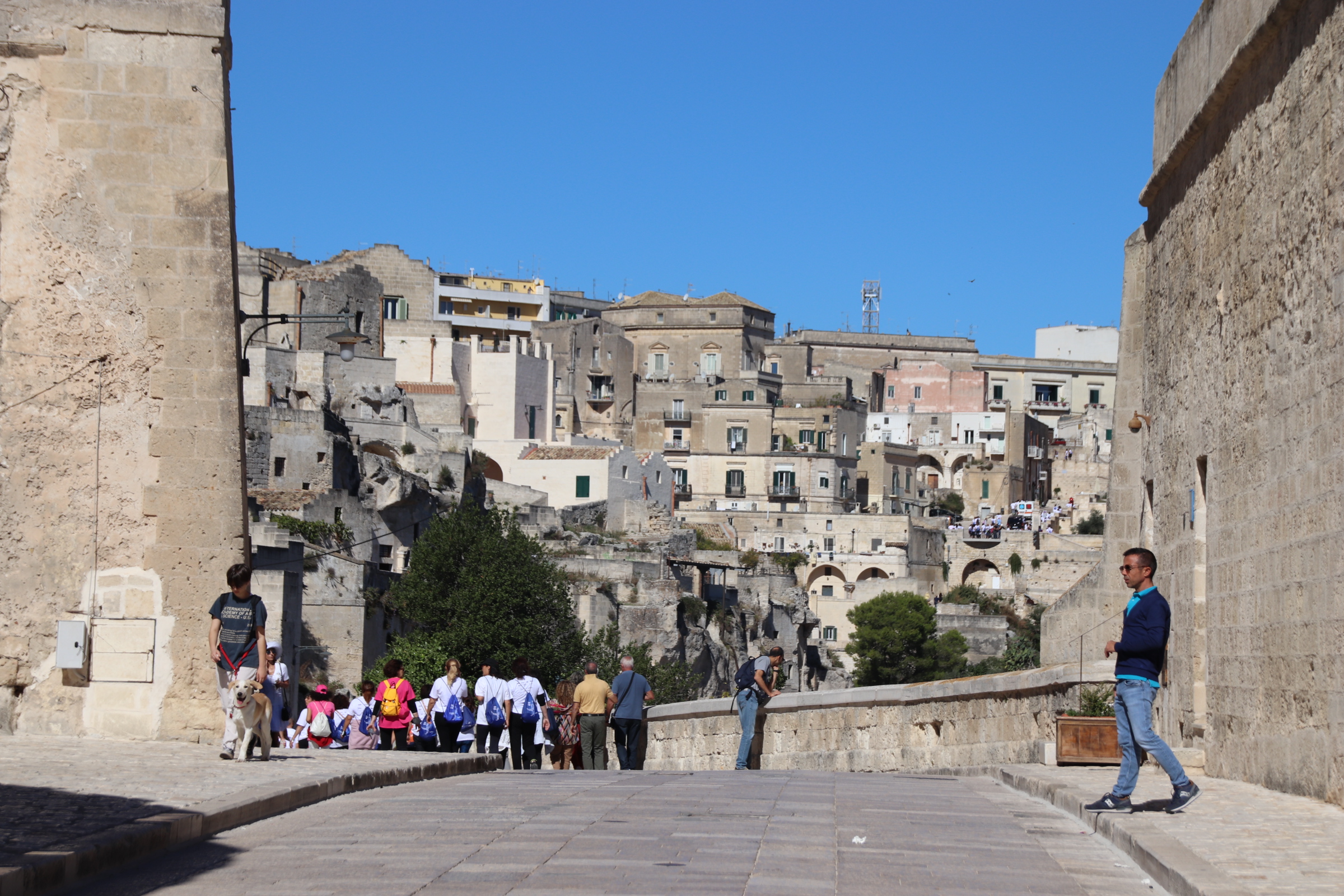
This was an area of extreme poverty and disadvantage. It was only after WWII did the national government provide incentives for locals to buy and renovate properties in the old town. Today this higgledy piggledy stack of buildings and alleyways is absolutely stunning.

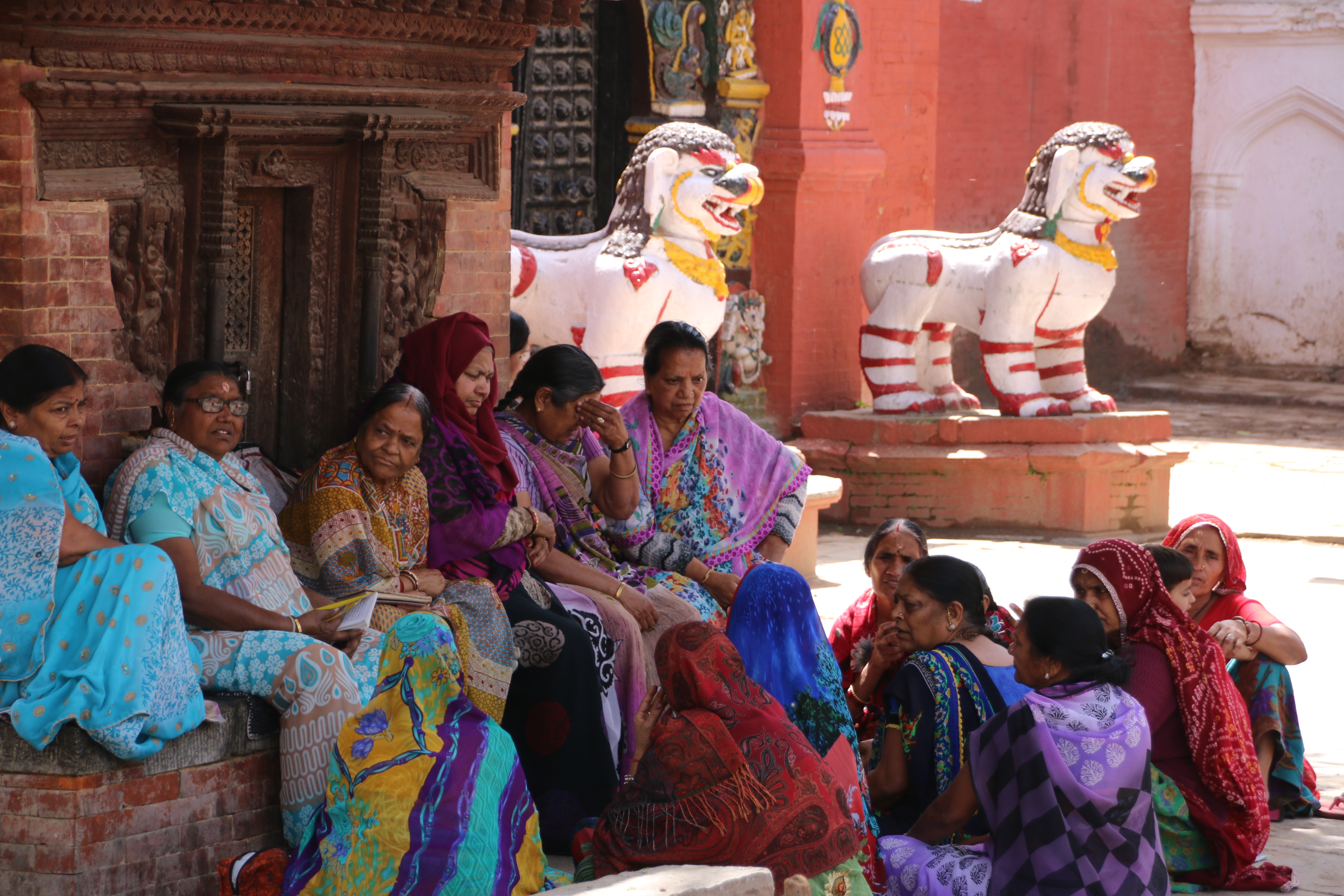
Everyday life in Old Katmandu

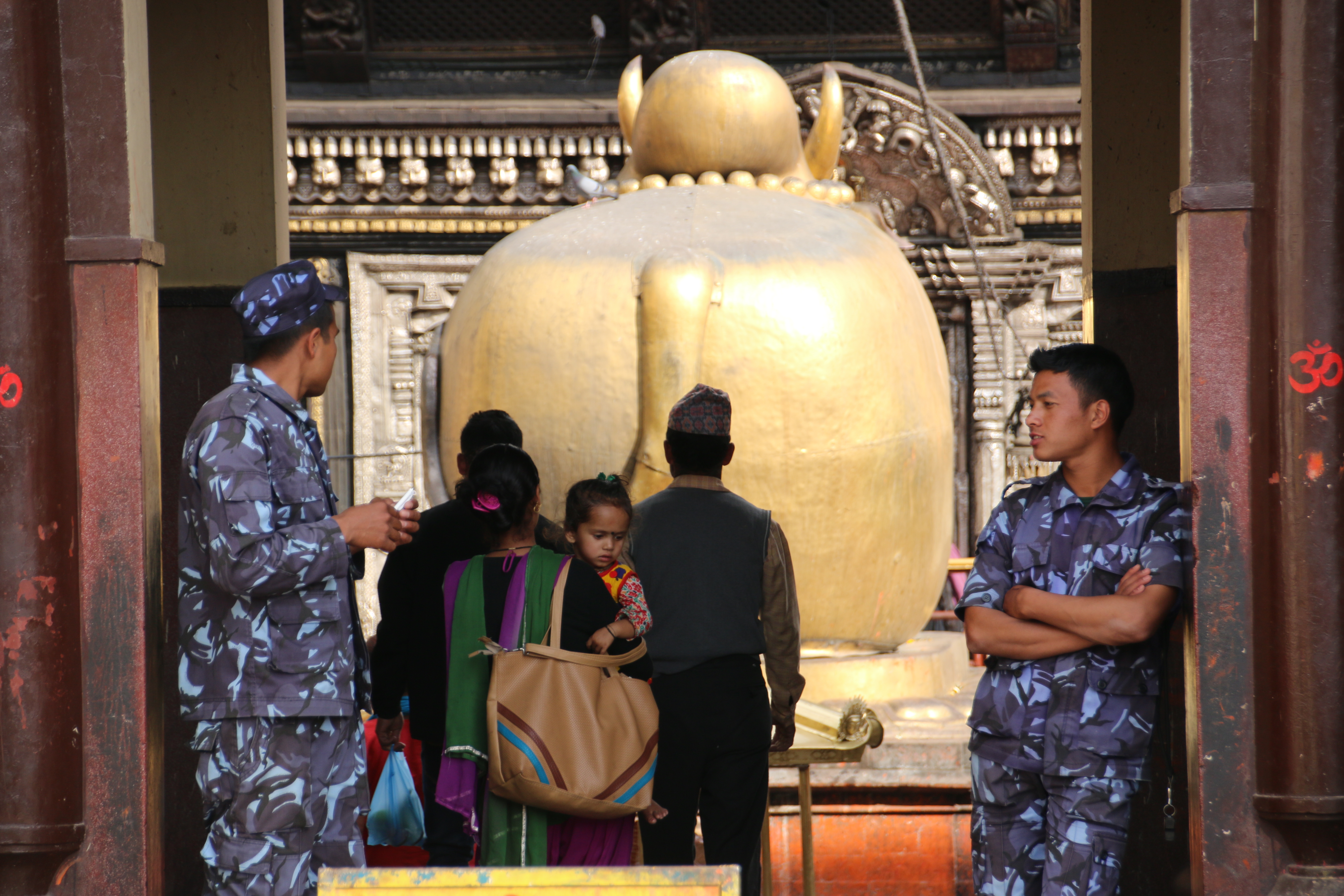
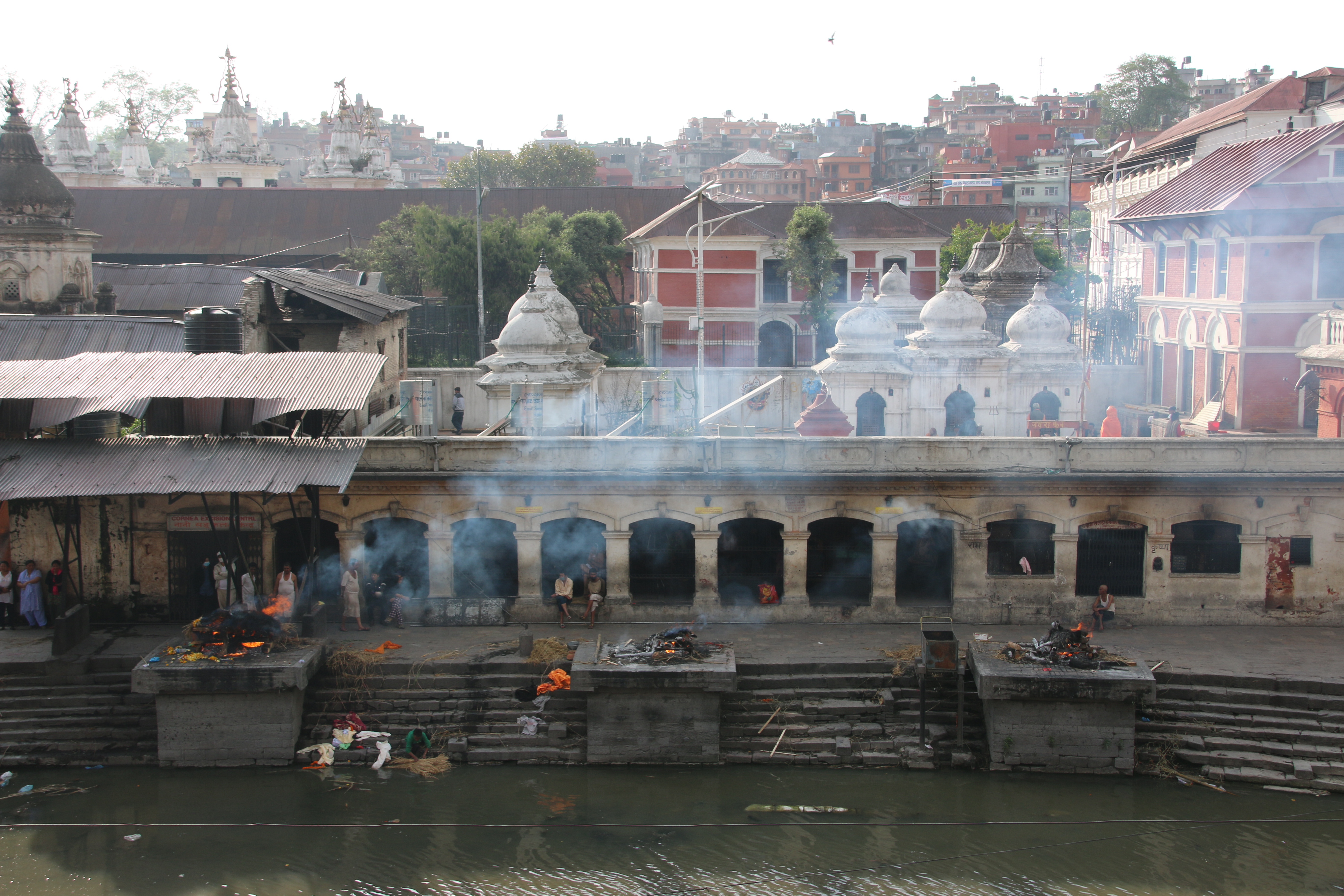
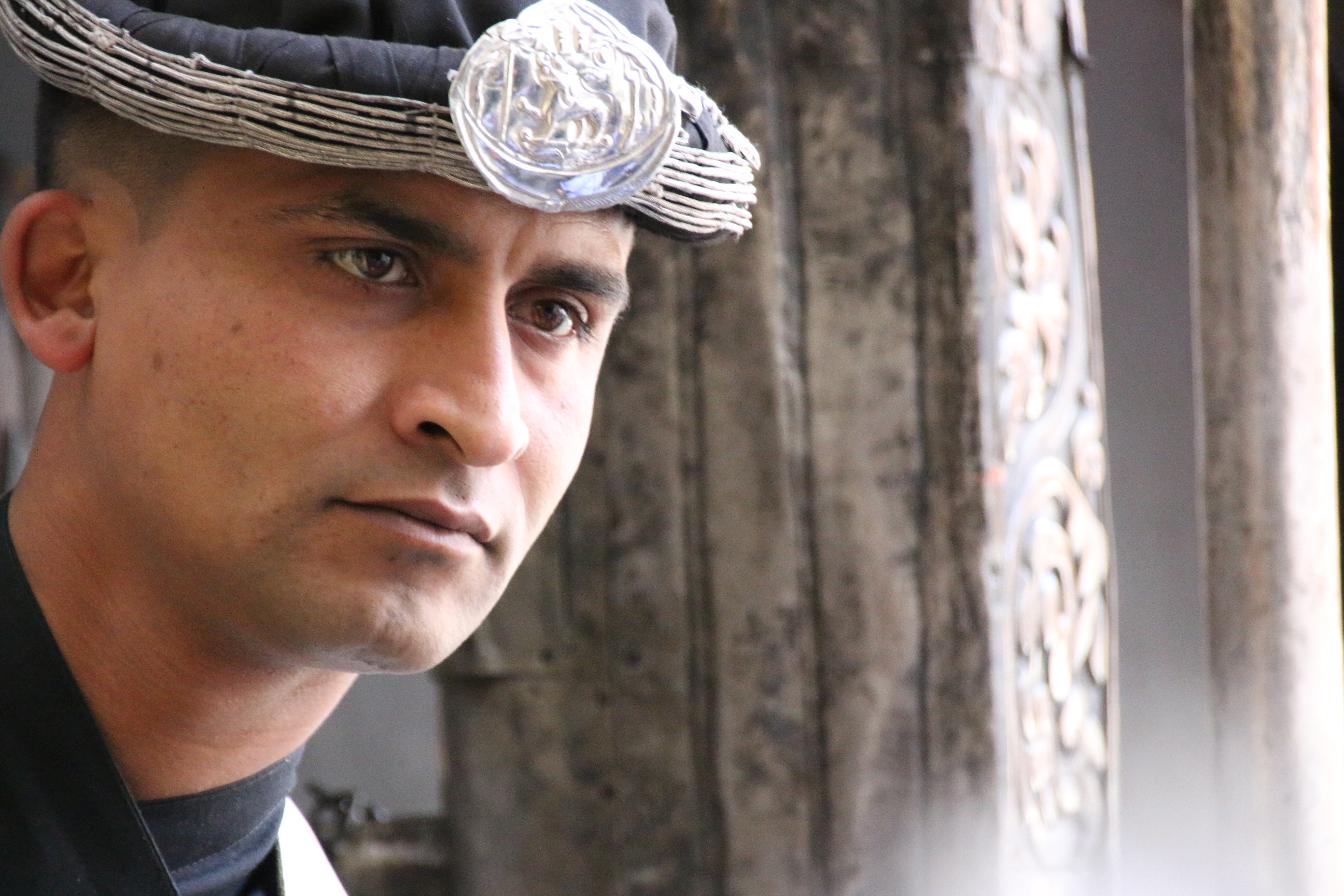
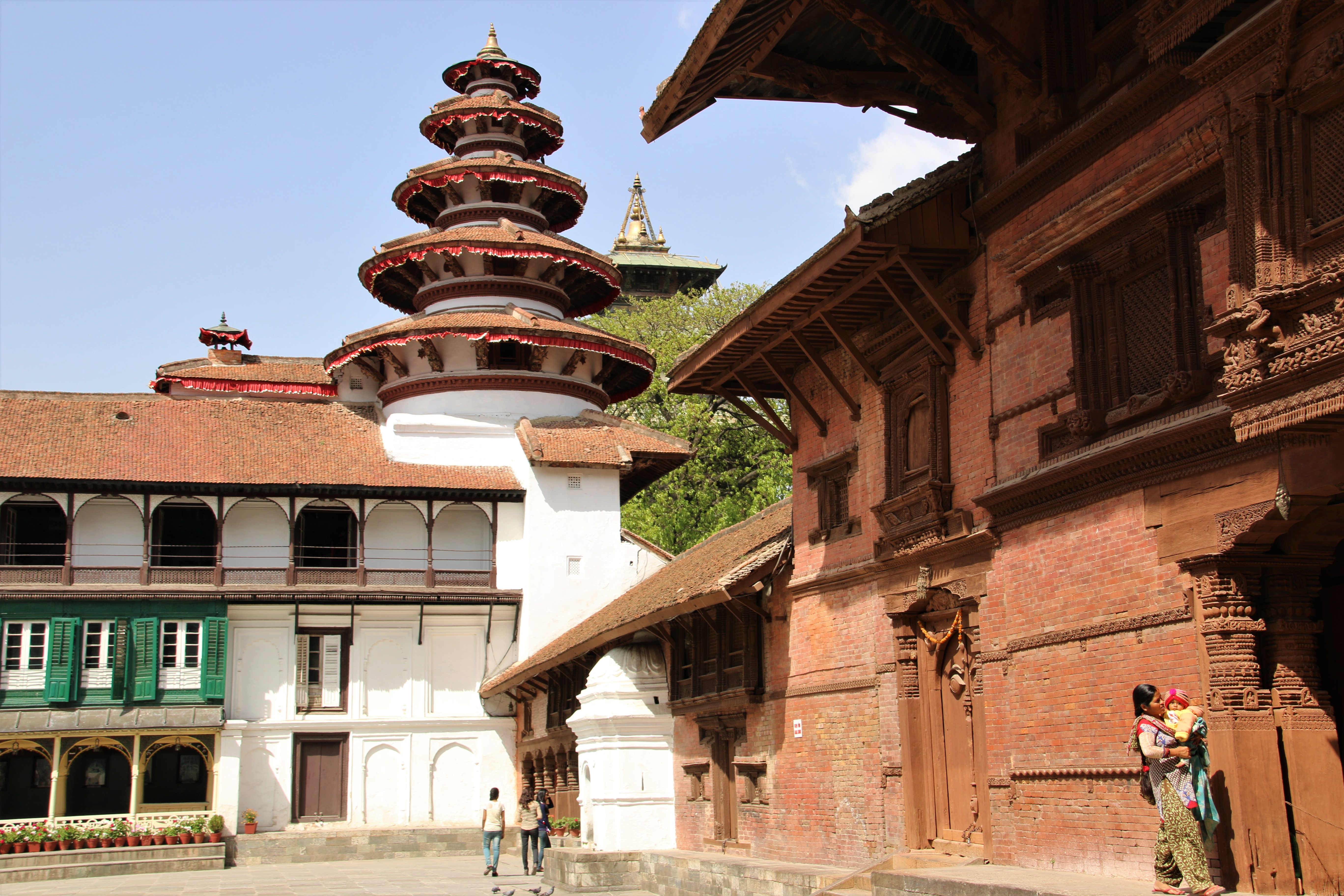
I visited Nepal at the end of my trip through Bhutan in 2015. I flew home from Katmandu the day before the destructive earthquake of that year. It is always difficult to write my blog on the last day of any travels and I only noticed this ommission last weekend when chatting to a pal about his forthcoming trip to Katmandu. I couldn’t find any reference to Nepal on my website (markchesterton.com). In order to rectify this, I am going to post images and titles on a couple of blogs.

This first collection shows the hustle in the tangle, the chaos of narrow streets of Old Katmandu that gulp locals and visitors alike, down into the dark stomach of the old town.

Two wheels around Mandello del Lario

Found it at last – that magic spot, that feeling of contentment and fulfilment, that place which ticks all the boxes and makes all that effort and expense of travelling really worthwhile. There were times when the sheer popularity of Lake Como as a tourist destination was going to swamp any holiday dreams or blissful summer expectations. That was until the right inner thigh of the laked athlete figure (I now think Lake Como is like an athlete with raised hands above the head) and a final base at Mandello del Lario.

Yes, arrival day was a surprise with 60,000 bikers celebrating a motor bike convention but as the week went, it became apparent that this contributes to the character and charm of the place. Nothing too precious here.

Sitting out on the balcony, wine in hand, looking out across the lake, the silence, once the bikers had left admittedly, is enhanced with a very faint hum of motorbikes leaving the distant tunnel, two donkeys braying at each other across the town, the lunch siren of the factory and the church bells giving out their respective information, a few isolated doggy barks….and that’s it. Mandello is the home of the Moto Guzzi factory where for over 100 years iconic motor bikes have been produced for racing.

So the town is a manufacturing centre and accordingly a pretty ordinary kind of place with a railway line to Milan and inhabited by normal folk – commuters, factory workers, designers, service personnel & even Amazon drivers. So refreshing.


On the other side of the railway tracks, clustered on the lakeside, lies the old town. Narrow lanes lined with elegant villas and ornate, railinged gardens and gates head down to the water where converted fishing homes clutter around small beaches where a couple of covered boats are drawn up for the winter.
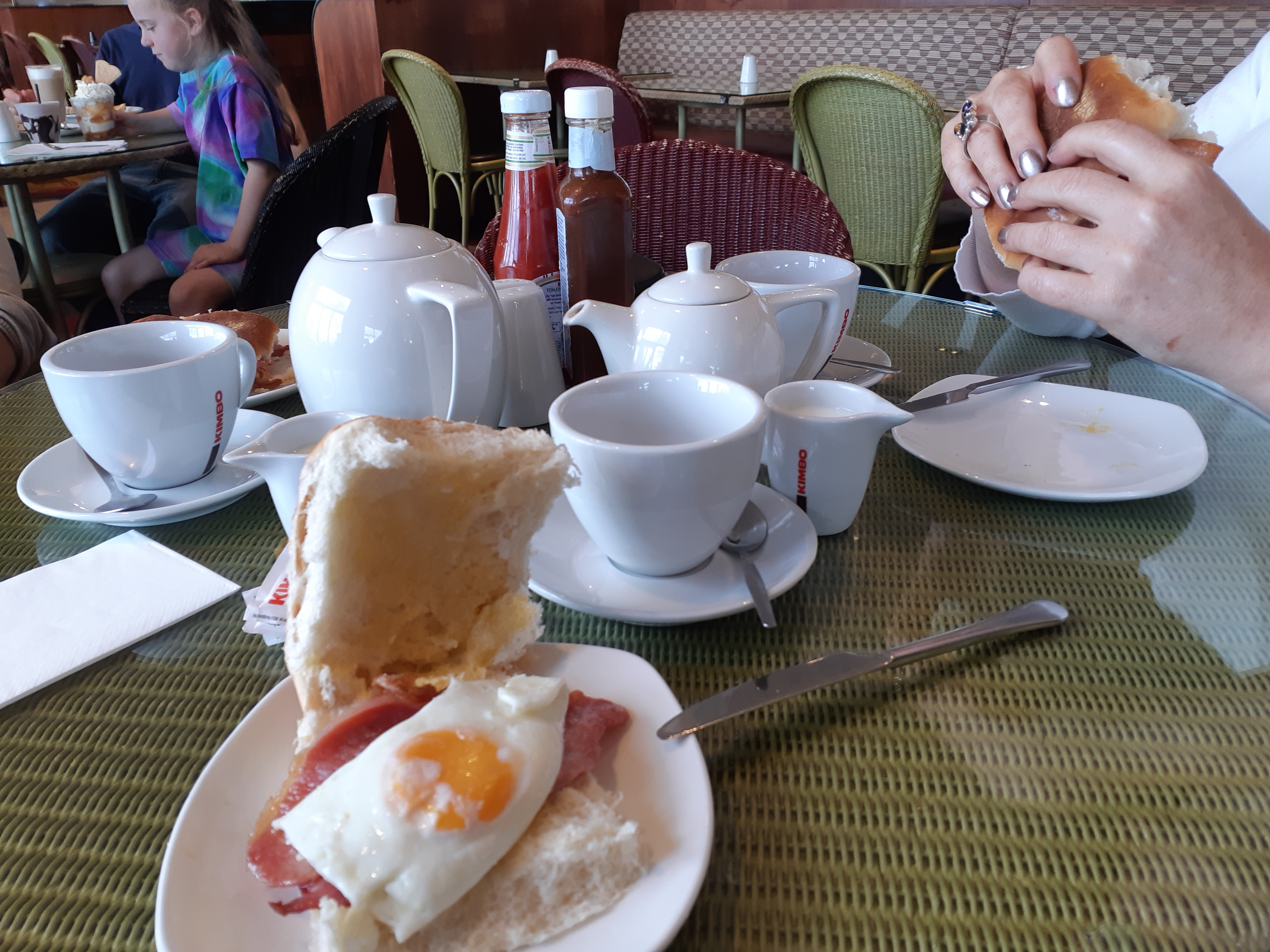
Wandering around its calm, lakeside streets in the fresh morning air or in the cool of the evening, is a pure joy. A few locals gossip easily on benches or over a glass of vino at a cafe. Wide arches and covered promenades lead from squares and through passageways between tall, multi-storied buildings, the still waters of the lake always providing a blue-skied, glass-covered backdrop. Tables are laid out in one square or another, one always available for food. Mama Ciccia has a few tables, a simple but interesting menu and carafes of excellent house wine. A clear favourite.

Although happy to while away time here, we did leave Mandello. I won’t go into the aborted trip to Bergamo. It looked magnificent from below and a fortress from a distance. However, exploring the rocky spine of the inner thighed peninsula of the lake was fascinating – wood-contained pastures, narrow winding roads, more pretty lakeside (and mountain) villages.

The gem on the route was the hill of Madonna del Ghisallo with its dramatic views over the lake which has long been an iconic location for cyclists of all ages and abilities. A museum at the top captures the Italians’ passion for such extreme racing.

Not only has the awesomely steep 10 km climb formed a stage in some of Italy’s most famous road races but generations of amateur cyclists ride up it for fun!!! An amazing feat. Not for me, thank you. I’ll appreciate it from the museum and 17th century chapel at the top.


I’ll pack the cool, pastel-lined streets of Mandello del Lario and images of Lake Como into my bag, take them home and appreciate them over cooler winter months.

Bye for now 🙂

A break from it all on Lake Como

The east side of Lake Como and the right bank down to Lecco, provides a calm relief from the bustling crowds, the palaces and villas of the rich and famous and the loud, brash American tour parties of the western side/leg. Surely, this will be the real Italy. The first indication that this is a different place can be found on the route south. There are two roads. Signage seems to always lead to the main, dual carriageway that runs alongside the railway line through, in many cases literally, the mountains and roughly following the shoreline. When it comes to some obstacle, a headland or a hard fold of rock, it simply drills down through in a dark, dimly lit, exhaust-hazed tunnel, the home of some ghoulish, worming creature that takes away any beauty the area has to offer. The longest distance you are cut off from the world is over 5 km.

However, be resourceful, use your instinct and you will be rewarded. Just outside Colico a narrow lane cuts through a scruffy site of caravans and old chalets and hits the lakeside. From here it runs quietly south to Lecco at the bottom, right beside the water, passing through delightful old fishing villages, some vaguely attractive holiday sprawl and runs of bars & restaurants. Traffic on this road is sensible, gently pacing itself around 40kph. Driving is a pleasure and stopping has it rewards.

The first temptation is a sign off to Abbazia di Piona, a cobbled lane leads for several bumpy kilometres down to the lakeside. The abbey is gloriously set in peaceful, isolated splendour on the water’s edge amongst tall mountain peaks. To go inside, appropriate clothing is requested.

Bellano on the ferry route from Como. Despite this it is able to maintain a calm atmosphere and is an attractive place to spend a few days.

Varenna is also on the ferry route. Being that much closer to Bellagio is takes on some of the characteristics of this tourist hotspot.

However the crowds are smaller and visitors are quick to return further south.

Mandello del Lario is our base for this leg. Imagine the horror when we discover that our arrival coincided with the penultimate day of a motorbike convention – faint echoes of literally thousands of bikes floated up from the village below, along with the bikers’ distant appreciation of an AC/DC cover band sounding a bit like Suzie Quatro. Venturing in, we spied columns of parked bikes and straggles of greyed, worker ants overcoming the roads & pavements. We left to observe from afar. When they were gone we discovered this wonderful, peaceful place – the real Lake Como!

Lecco is an ordinary, commercial town at the foot of the lake with an attractive promenade by the water’s edge. In an attempt to get away from our biker friends we took the road to Lecco, only to find many of them on their way home and parked up there. We left quickly, to enjoy the now empty streets of Mandello.

The other side to Lake Como

Bellagio, at the groin area of the lake, and Lago di Mezzalo, which forms the neck & head of our striding figure, sum up contrasting aspects of Lake Como. The former is one place amongst many, the latter is uniquely special in this rich man’s, & woman’s, playground. They are like the rough & the smooth, the rich & the poor (though which is which you’ll have to decide at the end), the fact and the fiction.


The journey to each is a contrasting challenge in itself. Hitting the high speed ferry, Bellagio is one hour south of Domaso (as opposed to the slow one which takes an hour longer to complete more zigzags down the lake).


Bellagio is stunningly beautiful with high end cafes, high end hotels, high end eateries, high end villas & gardens & begonia-forested planters & cobbled steps.

Everyone seems to be wearing high end labels, dressed to kill and impress with high heels and swinging carrier bags, elegant suits & slits showing off beautifully tanned & toned flesh. Visitors compete in short, shorter shorts, flimsy lacey numbers, slippy T shirts & floppy flips and fail at every level. Boatloads of loud, large (in number and, mostly, in size), presumably affluent, Americans troop onto jetties and are led off to be fed prosciutto & melon, pasta and an Italian dessert and to purchase some expensive local tat. Other visitors wander the streets, savouring wine or lunch or cake, or all of them, before joining a melee of a queue at the stazione to somewhere else on the lake.


The place is hugely picturesque and photogenic, especially looking out across the lake under a blue, blue sky, taking in the varnished launches, the crossing ferries, a steam boat, the water taxis and small car ferries to appreciate the grand buildings and villages backed by mountain peaks and jutting headlands on the other side.

Lago di Mezzola is a wetland area at the top of the lake, best reached by car. One side can be accessed before the bridge crossing a narrow channel of mountain water and the other by using the bridge and taking the road to Switzerland.

There is a settlement on each bank composed of old fishing dwellings and holiday accommodation – chalets, caravans, apartments.

There is nothing grand or imposing, except maybe the proximity of the mountains ahead – just peace, calm, contentment.


This is hiking territory plus off road tracks for cycling. No-one is in a hurry. Indeed the campsite opened up its cafe specially to serve drinks. The water side is serenely peaceful, taking breath away with a hush of leaves, its sleepy solitude, balancing trout and softly-gliding waterbirds.


Bellagio or Lago di Mezzola?
Groin or head? These days, the head always wins for me!

Messing about on Lake Como

Lake Como is shaped like a tall armless runner, striding out across the foothills of the Alps. The ordinary village of Domeso lies on the west bank near the top of the body of the lake. To reach it requires a drive up the west bank of the left leg.

The differences with Lake Maggiore are quite striking. Como is narrower. The cotton wool clumps of bulging woods still close down along the water in the same way, but they reach up way higher giving way to proper, rocked mountains behind, like the teeth of lines of saws backed with layers upon layers of rising peaks and ridges.

Settlements do not really spread up into the foothills so much but wedge themselves against the lake, presenting the broad face of a triangle to the water and running away up narrowing, high valleys between folding layers of land.


Driving alongside the lake is just beautiful, looking across calm waters dotted with the wakes of criss crossing ferries or private launches to distanced villages clinging tightly onto the edge. The road narrows to a single shaded passage between high rendered facades as it passes through old villages which open to reveal a centre of restaurants and bars around a simple harbour before entering yet another spread of uninspiring suburban landscape. The original road follows every promontory and bay between villages but progress has come to the aid of the weary traveller by cutting through the sticky-out-bits in dark, badly lit tunnels filled with the trapped fumes of exhausting traffic. It takes time off the journey but adds nothing to the quality of the journey.

The more opulent resorts with their majestic hotels, grand palaces & galleries, with their mahogany launches & fine-dining restaurants and their uniformed staff and status Ferrari’s, tend to be situated at the southern end of the lake within easy access of the Milanese wealthy.


Tremezzo is a strip of classy real estate near the groin area of our figure.

D


Menaggio is a bustling resort a few villages up. Bustling but still calm, genteel & sophisticated.

Where is George Clooney’s place?
Exploring the lakeside, whether it’s the classy spots or the more mundane, suburban sprawl around the old fishing settlements, is best done on the ferries or by bus – the C10 route. The advantage with a car is you can stop in any village or roadside hotel/bar/restaurant you want, the disadvantage is the gamble you take with finding a parking space.

Taking the 200 ferry up Lake Maggiore to Locarno

This is a real time blog. The engines of the 208 steamer service from Stresa to Locarno, at the top of Lake Maggiore in Switzerland, are throbbing beneath my red plastic chair on the low back deck where I can capture a few rays. Time 5.30pm. This is the return leg. Came up this morning having captured a position on the top deck for a great view of the lakeside and the backdrop of rising Alpine peaks and cloud formations that take the imagination on a journey of dreams through a suggestion of gorges and hazy ravines, overwhelmed by cotton wool ghosts & ghouls.


Looking over to the starboard bank (I think), the green-wooded bubbles of foliage and forest cover the hills and soft peaks that lead away to distant mountains. Dwellings, individually or in clusters large & small, salt & pepper both banks, faithfully following the contours around the hillsides or running in zig-zags diagonally through the green-leaved fluff of the growing slopes or winding in scars like huge helter-skelters.


Close up, little remains of the original lakeside settlements. A nucleus of cobbled streets around a proud spire of church or chapel is all that remains of past fishing communities. Firstly wealthy folk built their holiday villas at the water’s edge, then hotels & apartments went up from the centre and now modern shapes and lines dominate the hills around every hamlet & village, aiding the spread of mass tourism. In the Italian way, a grand hotel dominates a village beach with furled umbrellas & folded sunbeds for hire, thus preventing any hoipoloi, Tom, Dick or Marco from enjoying the sand.

Cannobio is an exception to all of the above. Almost the last stop before Switzerland, first impressions are not good. It’s market day and a line of white vans line the quayside, hiding magnificent buildings with tarpaulins, rails of hanging cardigans & sweaters (wool & cashmere), crates of winter socks and piles of sheets & bedding. Disembarking from the boat into this hubbub and scrum of calling traders, heated tourists, angst waiters, crying children is a real shock.

Narrow cobbled gulleys and stepped paths lead away from the water and up into the old village.

As the market finishes around two, it is a race out of town – to pack away stock, curl away the rain cover, and get onto the lakeside road – White Van Man Convoy. Like robots, two town cleaning vans move their way along the quay and the full glory that is the waterfront of Commodore is revealed. What do you think?

Exploring the Italian lakes – Stresa & Lake Maggiore

On the western bank of Lake Maggiore, Stresa started life as a small community of fishermen & peasants. Gradually it became a piece of prime real estate for the Milanese aristocracy who built palaces and gardens on the islands that lie offshore. With the arrival of the railways, Stresa itself became a popular holiday destination for the wealthy of Milan. Today, the imposing, impressive, multi-lit hotels along the front mix it up with fading apartment blocks behind, a jumble of cobbled streets containing bars, restaurants and the usual tourist tat, all that remains of the original fishing village.


In the winter the places closes up. In season, the hotels are filled with coachloads of slow-moving Americans, Brits & Germans, mostly grey-haired and rather loud. There is still room in the streets and the eateries for those of a younger disposition who are searching for a more local Italian experience.


At this end of Lake Maggiore everyone has to take a tour of the islands. In the 16th century the Borromeos, members of Milan’s aristocracy, bought land here and built palaces on the islands of Bella and Madre. Private tours to visit the grand buildings and impressive gardens are available at quite a cost. Or one can take the public ferry from the centre of town for a few euros and visit them all, plus a few mainland villages, from the water.

Isola Bella

Isola Pescatori

Isola Madre

Verbania/Pallanza

And the ferry back to Stresa

A change in the weather

The day breaks with a huge dump of water for an hour, heralding the end of heat and the arrival of cool with grey, blustering skies dampening holiday plans and seaside activities. So it’s onto the Coastline to explore the Norfolk coast by bus.


Finding the bus station in King’s Lynn was an inauspicious start. Google Maps and tourist signs combined to complicate the journey’s start, extending the walk from 10 minutes to over half an hour, before a friendly local, lips & nose pierced with silver graffiti, takes us by hand and leads the way with her elderly charges.

The bus station appeared through the drizzle at the edge of the functional, 60s shopping precinct, with tunnels of cattle seats herding patient lines of greyed, coated ancients, along with the occasional splash of youthful dress & colourful hair, to a neon display for the number 36 to Wells-Next-the-Sea. The single decker arrives after a short wait and gorges on the slow-moving, hokey-cokey of waiting passengers. Off we go. Through the sad streets of downtown KL – Kings Lynn not Kuala Lumpa!

Grey skies, grey weather, grey companions silently stare at the grey landscape through grey windows streaked with chasing trails of snaking droplets and diagonals of shower streams of water. With surprise that anyone wants to leave the warm interior, the bus stops and its passengers push out through the door, out onto the harbour side where others have had the same idea. Car parks are full, the pavement is crowded. Through the gloom, family groups stagger against the drizzle and the powerful gusts of wind off the sea.

There seems to be a distinct lack of cafes. The condensationed windows of the occasional shop unit give a clue, confirmed by the queue waiting to enter. On the streets, punters balance trays of fish & chips or erupting cones of ice cream, sourced from doorways or windows.

The main fun activity for young and old, is squelching about in the silt and mud of the bank

or crabbing from the side of the harbour, the latter with guaranteed, successful results.

Intrepid groups set off up the inlet, the promise of the sands and the wonderful beach huts forcing them against the wind.

Making history in King’s Lynn

I do like Kings Lynn. A small port town in Norfolk on the River Great Ouse – big in history with a long maritime tradition. The core of the old town hugs along one side of the river as it opens out into the Wash. Here, cobbled streets, grand houses and converted warehouses slowly release memories of trading families & merchants, adventurers & seafarers, fishing fleets & river ferries. Focus here and ignore the tangle of modern shopping and faceless homes that surround it.


In the 13th century Kings Lynn was one of England’s foremost ports, trading as it did with the Hanseatic League, a group of cities in Germany. They came with fish, furs, timber, wax & pitch and returned home from Lynn with wool, cloth & salt. In its hey day, vessels moored up in stacks along the river. The Purfleet provided access into the middle of town and was a safe harbour for vessels of all nationalities. The Custom House dominates the quay side, standing out as it does from converted warehouses, storerooms and offices.

This guy is Captain George Vancouver, a famous local seafarer.

Lynn’s top dog merchants built their grand houses and warehouses on King Street with land running down to the river where the water was deeper so large ships could moor at their private quays.

Merchants showed off their wealth in the form of doorways, door knockers, window frames and warehouses.

Of course, such wealth manifested itself in civic projects as well – the Holy Trinity Guildhall was rebuilt in the 1470s and extended over the years.

The first of the two towers of St Margaret’s Church was erected about 1400 to enhance the church and act as an important seamark for ships entering the Wash. On its face a Moon Clock displays the phases of the moon to aid mariners in determining the state of the tides.

There are two market squares in Kings Lynn, both with charters dating from the time of King John to hold markets. They are, rather unimaginatively, called Saturday Market Place and this one – Tuesday Market Place

Old warehouses await redevelopment.

They may have been completed by the time you visit!

Peaceful slumbers in the heat of southern France

it’s early July. The sky is a perfect blue from dawn to dusk – every day. The mercury hits a daily 33°+. The beauty of a warm breeze through waving trees cooling exposed skin cannot be overemphasised. Grating cicadas are embedded in the background soundscape, the only surprise being the sudden silence when their noisy vibrations cease as they gird their legs & wing cases for another round of heated sound effects.

The land bakes. Rows of vines shadow their clumps of darkening grapes, drawing nutrients and water from the dry soil to nourish their charges into fruity wines over the summer. The harvest has been called in and the landscape awaits a further season of beating temperatures. Humanity shelters behind closed shutters, keeping coolness in and the heat of the day out.

It’s too hot to go far. Finding shade under umbrellas seems a good strategy. And if the umbrellas are in quiet, shady squares of small, quiet shady villages then even better. That means morning coffee, long, simple lunches, a cooling beer at teatime and dining out in the evening until the stars come out. So here are a few places that fit the bill.

Lunch in the small medieval village of Lussan in a small shaded garden run by the village association.

Castillon du Gard, within walking distance has two delightful bistro-type restaurants. One serves tapas at lunchtime and coffe in the morning shade. The other provides dinner with a simple local menu of beef, duck or fish.

Of course, the square in Uzes and the road ring outside the medieval walls has countless eating opportunities. It is amazing how from 6.45pm the whole world and his/her dog, buggy, grandma, lover, mistress, partner, spouse, hen mates & families promenade comparing menu boards fronting empty tables. By 7.05 the square is empty, all tables are filled and everyone seems happy.

Favourite place – Vers Pont du Gard. A small medieval village with a glorious, plane tree-shaded, gravelled square and washing house. At the edge La Grange, under the shade of the branches or its own umbrellas, offers a friendly welcome and organically produced local food and wine/beer – delicious, peaceful, friendly, tasty. Such a delight 🙂

La belle Gard in la belle France

After years of enforced homestays, as varied and enjoyable as they were, it is with glee and fond memories that I return to the Gard region of southern France and the Cevennes. Flying into Marseille, I am immediately back in my second home – the sky is a perfect blue, the heat oozes from the stone, cicadas chorous their welcome from the trees lining the autoroute. Moving away from the sea, 10 days of heat & peace await.

Castillon-du-Gard is a small medieval village that overlooks the Pont du Gard, a Roman aqueduct over the River Gardon that brought cool water from a source near Uzes to Nimes. A tangle of narrow streets interlace themselves around the church and buttressed buildings,leading to rampards that overlook the vines, olives and wheat fields that fill the valley below. The homes are large and feel prosperous as if Parisens and Swiss have come to buy, renovate and stay (which they have).A un-umbrellered cafe of silver, aluminium, sun- exposed chairs and tables caters for a few old boy locals. A very flash hotel/restaurant caters for the top echelons. Two other simple but excellent food places cater for everyone else – visitors and locals alike. There’s also a small alimentation and a very good clothes shop.

The children from the school are just off out.

Exploring Uzes with its perfectly preserved medieval architecture is a joy of memories of family and friends. Narrow streets lead off the large enclosed market place, ringed by tall buildings that look out from cracks in shuttered windows over bustling market days, squares of chattering cafe tables, truffled restaurants & luminous, slushy ice cream parlours. The canopy of plane trees provide a camouflage of dappled shade over all this activity.

Surrounding streets show off groups of exploring tourists, classy clothes shops (for men & women), local products, cafes, posh cake shops, boulangeries, bars and bistros.

The place has a special atmosphere even if the afternoon sitting in the cafes is slightly spolit by the aroma of fish from the morning market.

And then the return to the Renaissance streets and squares of Barjac with so many glorious memories around bull runs, swimming in Speedos, apricot flans, the Gold River, canoeing the Ceze, naturist pirates on the Ardeche, roundabouts in Avignon.

The heat blasts the back streets, burning anyone prepared to explore behind the square’s branch-covered facade. The access through the huge walls is evidence of shady Sunday meetups for short coffees before separating to find larger covers of cool breeze.

And just for those of you in the know – the buvette is still there, surrounded by Barjac lavender which at this time if year has not yet ben harvested. You can really smell it.

Happy memories 🙂

The streets of Palermo

Palermo has a different feel during the day when the sun bakes the city and the priority is to get the punters to spend money on the sights, on food and on drink and souvenirs. The main streets and piazzas are crowded with lines of hot, red-faced tourists following their leaders in slow, overheated processions moving from church to palace to chapel. Domes and steeples reach to the heavens drawing them in to their cool stone-lined interiors.

The main thoroughfares have been pedestrianised but are still are a real tussle to negotiate. Restaurants, bars, food outlets, have placed lines of small tables which have a constant turnover of clientele. The multitude of electric scooters skimming their way through the crowds just adds to the chaos.

Local life caries on up the side streets – the restaurants preparing for evening service, ‘the best gelato in Sicily’, the tourist tat shops, street markets with their grills and soups, tables balanced precariously to take account of the gradients. Umbrellas of all shapes and sizes provide shade to customers and passers-by.

As night falls it all quietens down a bit and the world starts to relax and gets less frantic.

As night falls the side streets and their communities come to life.

Emptied by the heat of the day, as the air cools the shutters are raised, the tables come out, the workshops and craft houses display their wares and the streets are taken over by a youthful, partisan, diverse community.

Laughter and love fill the air, views are exchanged, passions expressed. Wine and beer flow, tapas and street food served and the evening grabs you in a warm, comfortable embrace.

I love it.