To view full-sized images ‘read on blog’ (tap top right)
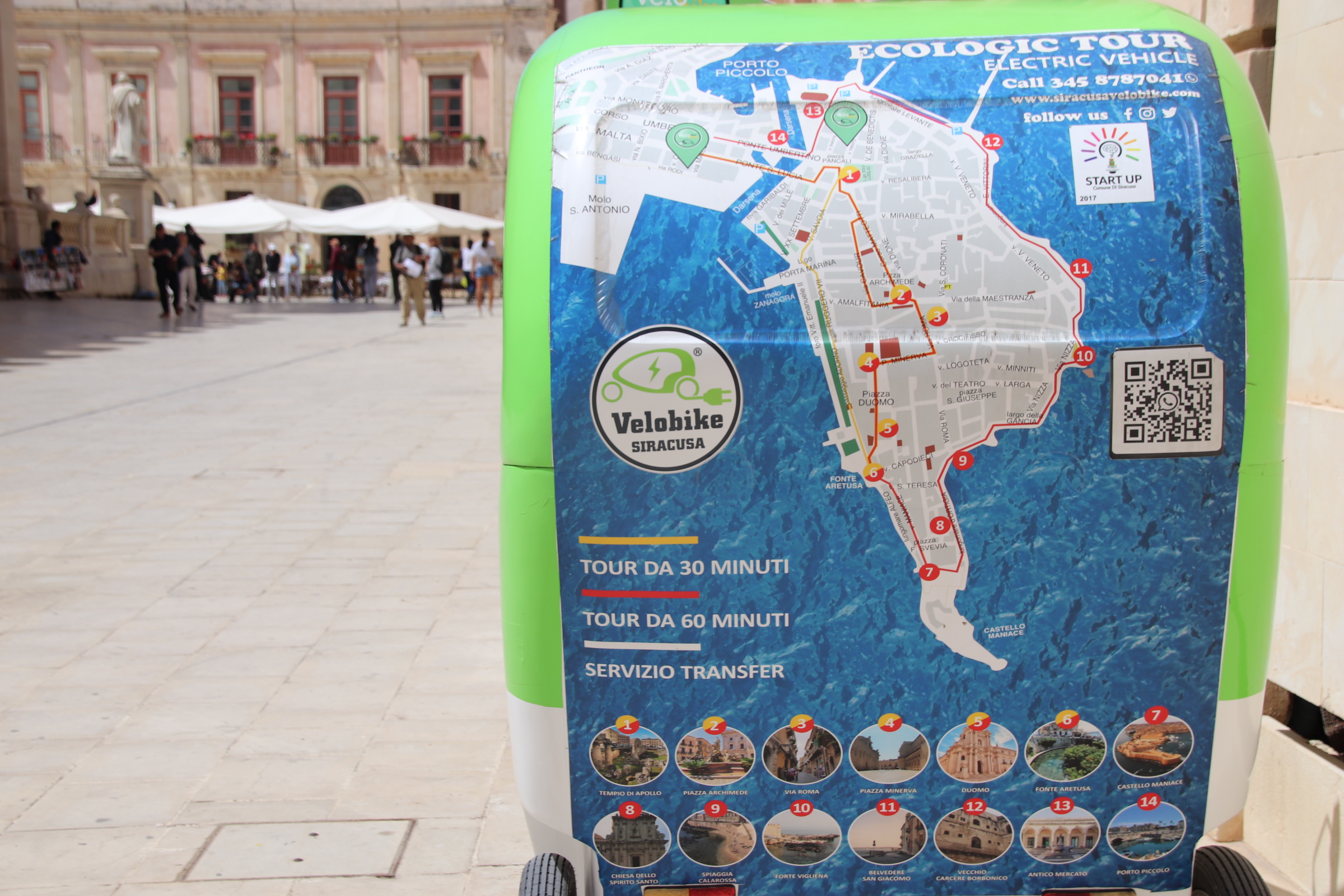
The island of Ortigia runs in an inverted teardrop shape from north to south. Whilst the main tourist drag of palaces, piazzas, grand buildings & the duomo takes the visitor slightly to the left of the central axis, the maze of narrow streets in the bulging land to the right is there to be explored. These dense areas of alleys, tenements & courtyards are shared by the Arab & Spanish Quarter to the north and the Jewish Quarter to the south.
The contrast between east & west is very apparent. Streets are even tighter. Housing tends to be in terraces of smaller properties, punctuated by small-fronted shops & cafes.

A few squares & piazzas are present but they tend to be much reduced in number & size and lack the grand accompaniment of statues & crests that boast power & influence over to the east.
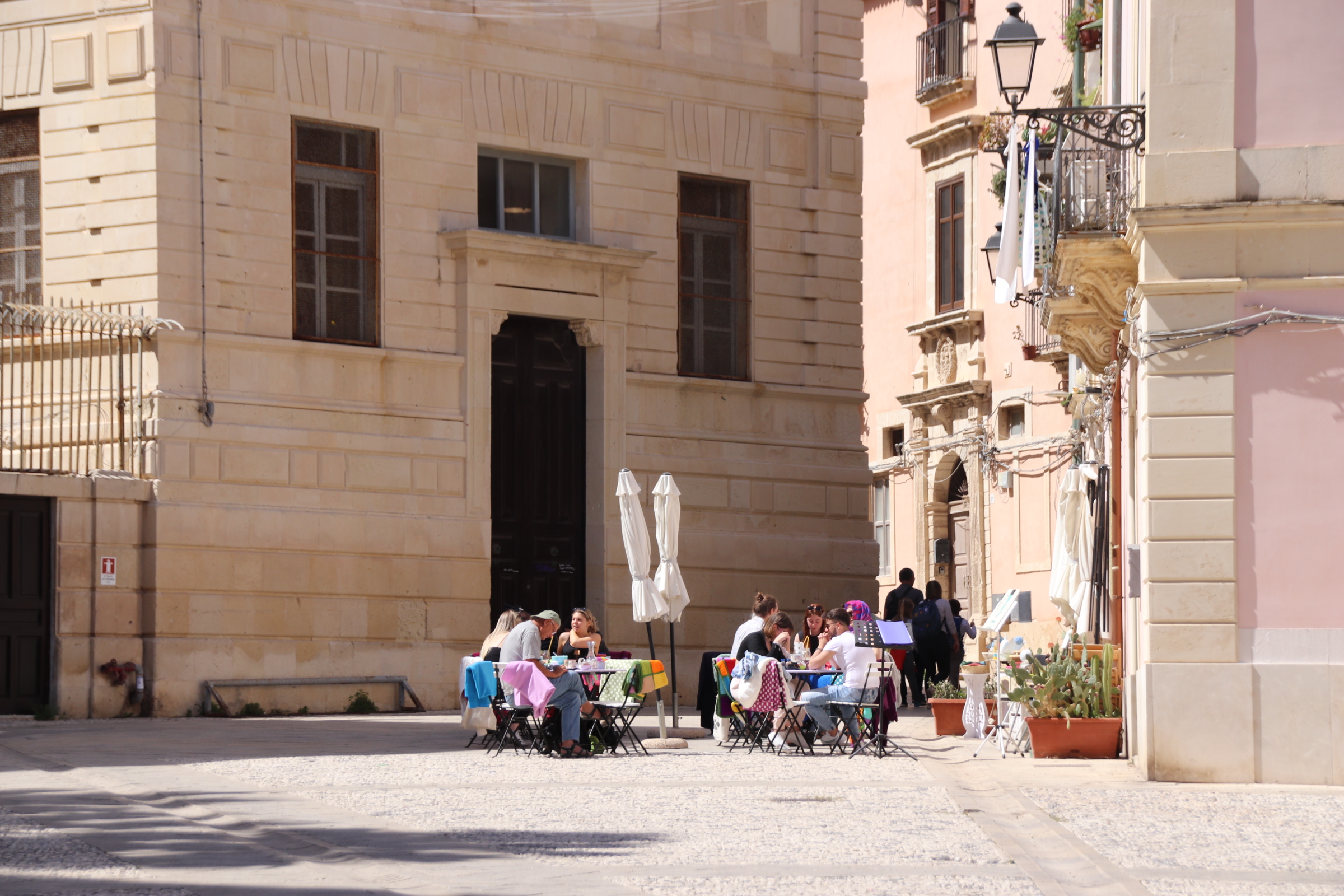
These streets were inhabited by a lower strata of Sicilian society -shopkeepers, craftsmen, sailors, fishermen, money lenders. Certainly, they are not such a draw for the tourist as the cobbles are empty of raised iphones & gaggles of clucking visitors. It is all rather calm & peaceful in here. It’s on a much smaller scale than elsewhere; an area where one can appreciate a different feeling to the city.


There is little to differentiate the two quarters. Maybe there is more of a Spanish/Moorish feel in one, with balconies of intricate metal & colourful mosaics more in evidence. Occasionally, street gates are left open to display cactus strewn courtyards and open quadrants.


The main way to know you have entered the Jewish Quarter is the sign on the alley, along with obvious features of life like the Jewish baths.

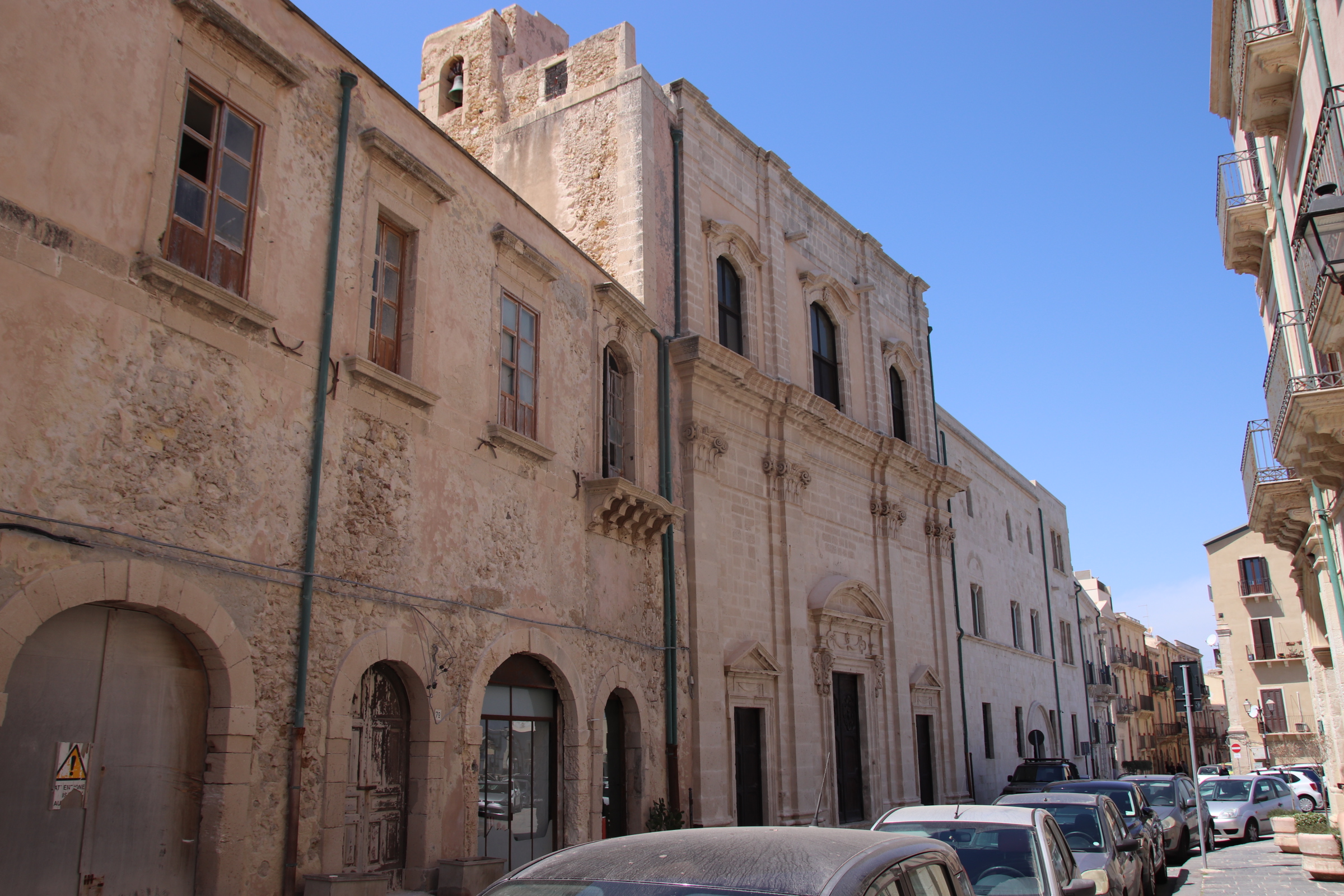
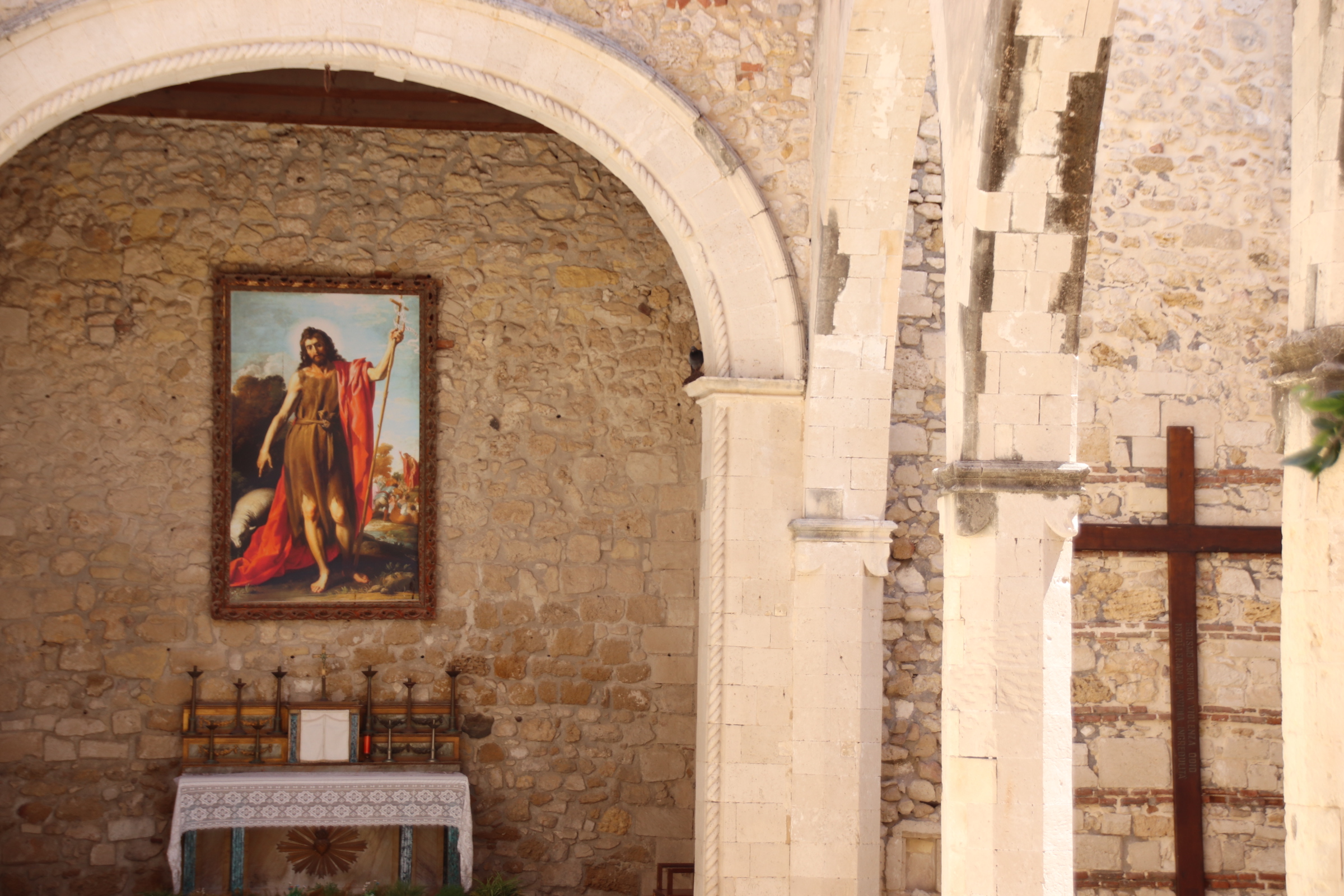


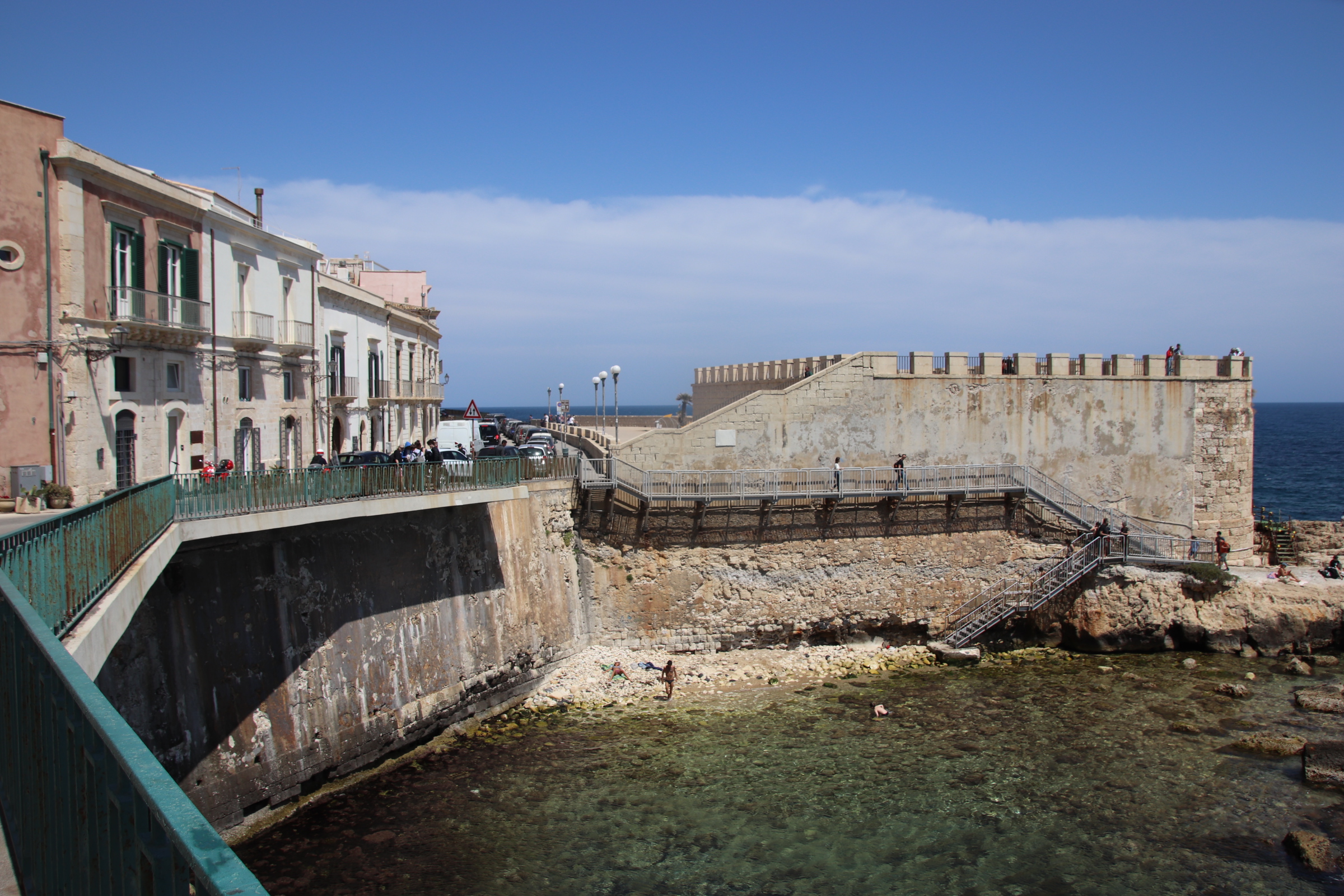
Working a way through this labyrinth where palaces sidle up to small tenements and plain-fronted churches, makes no difference to where you emerge – somewhere on the coastal defences to the west of the island.

 My Travel Adventures
You must be logged in to post a comment.