Eating out in Ortigia

To view images full size tap above: Read in blog

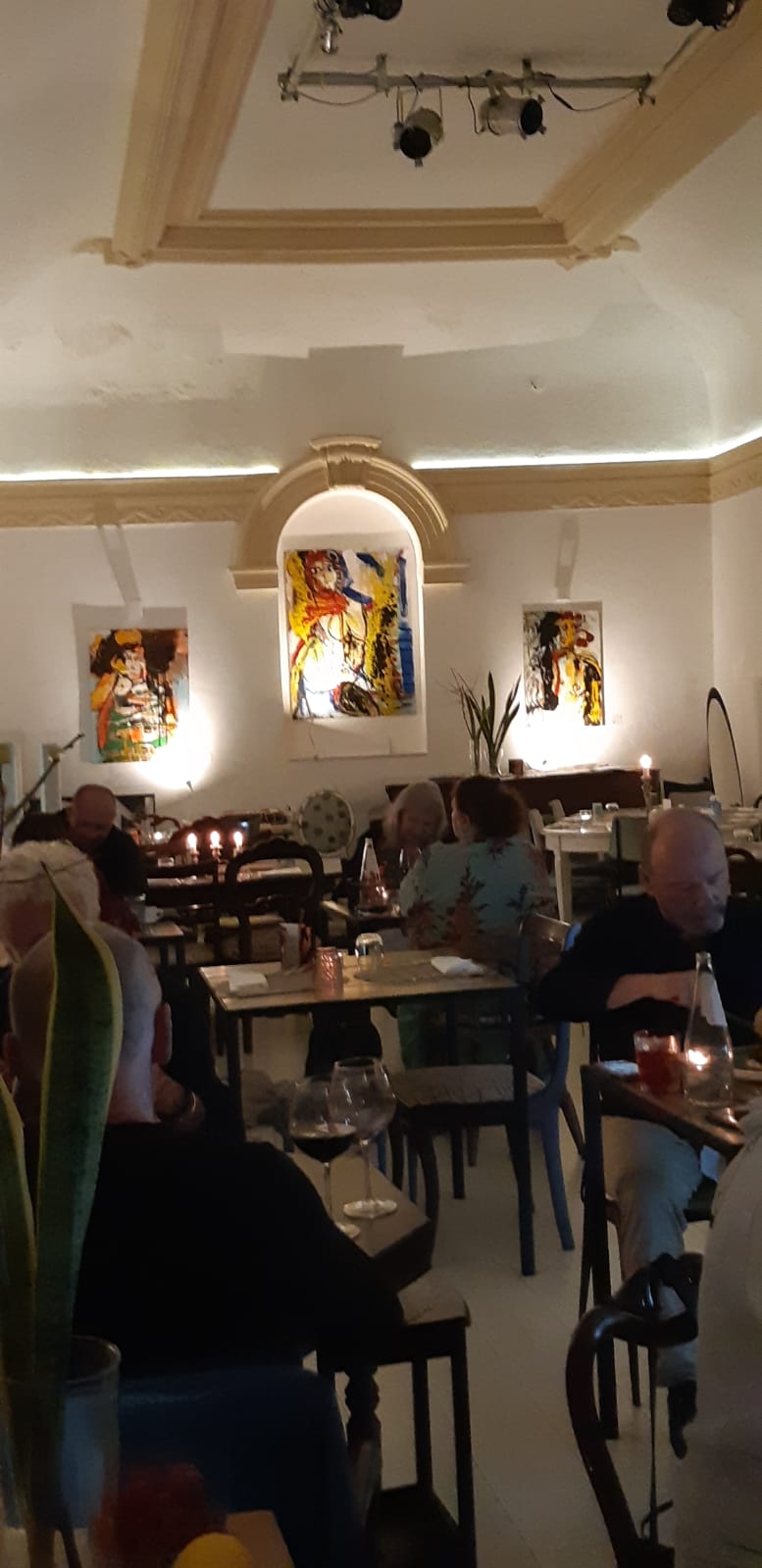
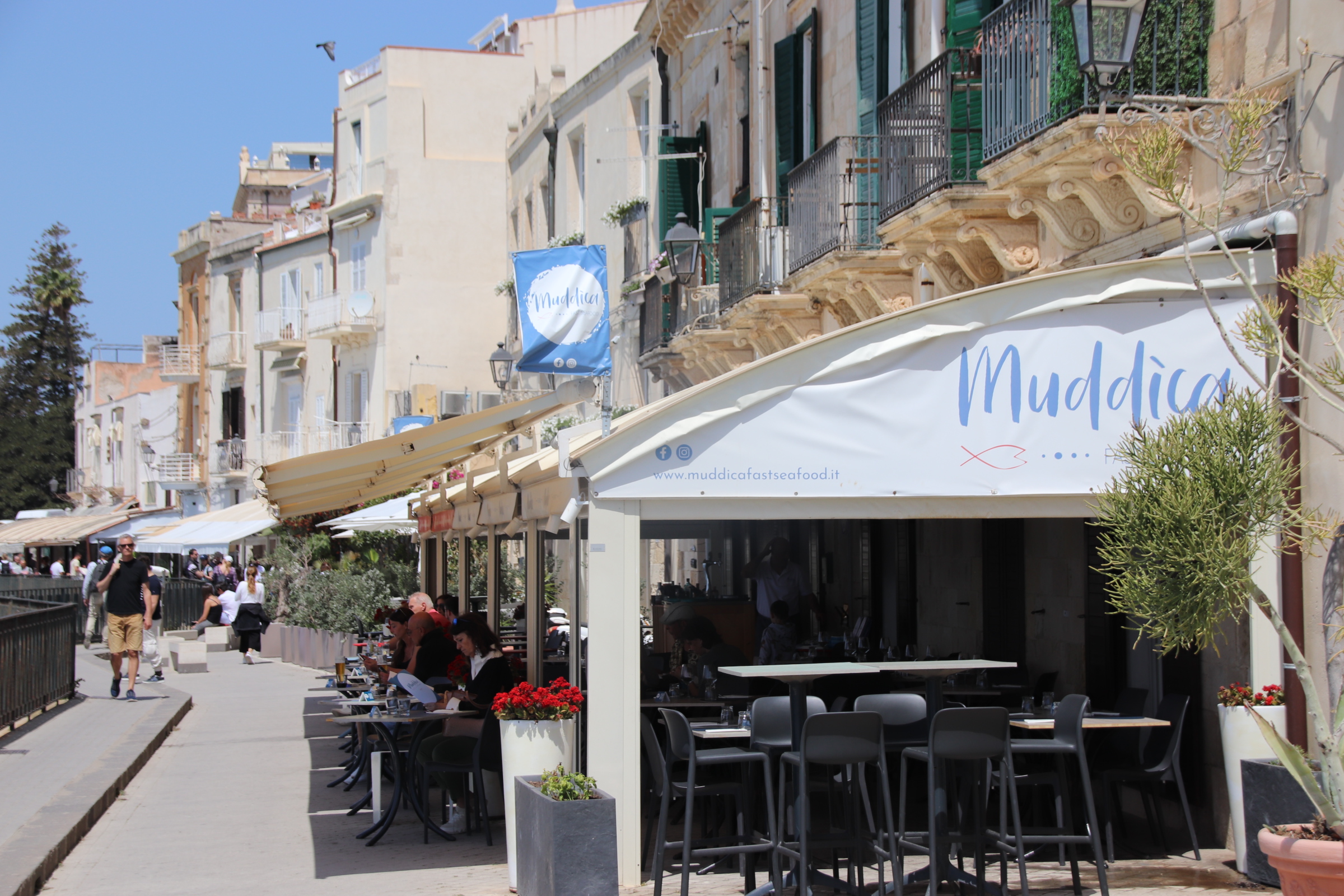
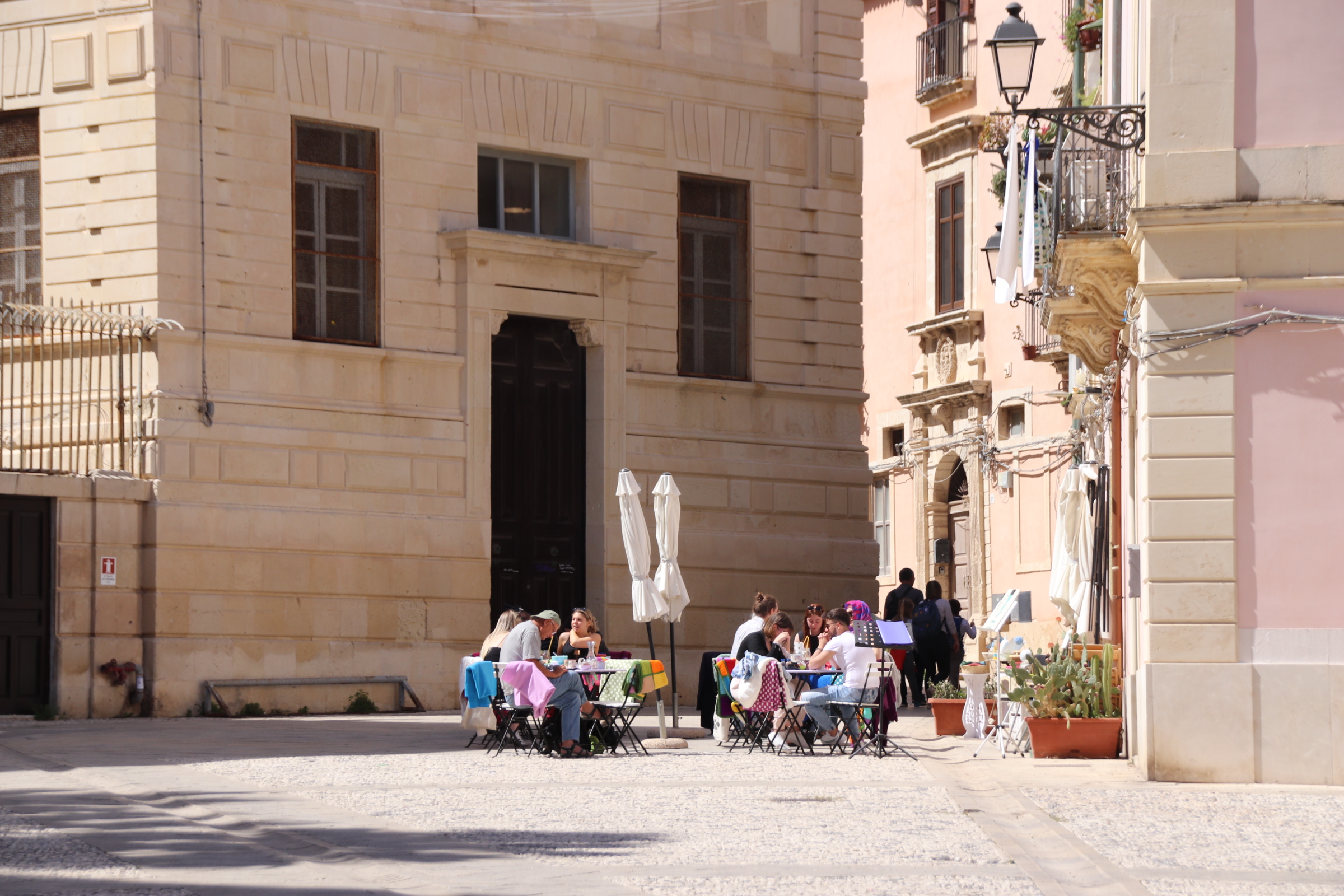
So now I can wax lyrical about Syracuse & the Island of Ortigia. The streets are scruffily magical (or magically scruffy!), full of history & atmosphere. Within its deep ravines of shadowed narrow streets a huge variety of high-end restaurants, local family venues, quirky eateries, bars, cafes, bistros, street vendors cater to all visitors & all pockets.
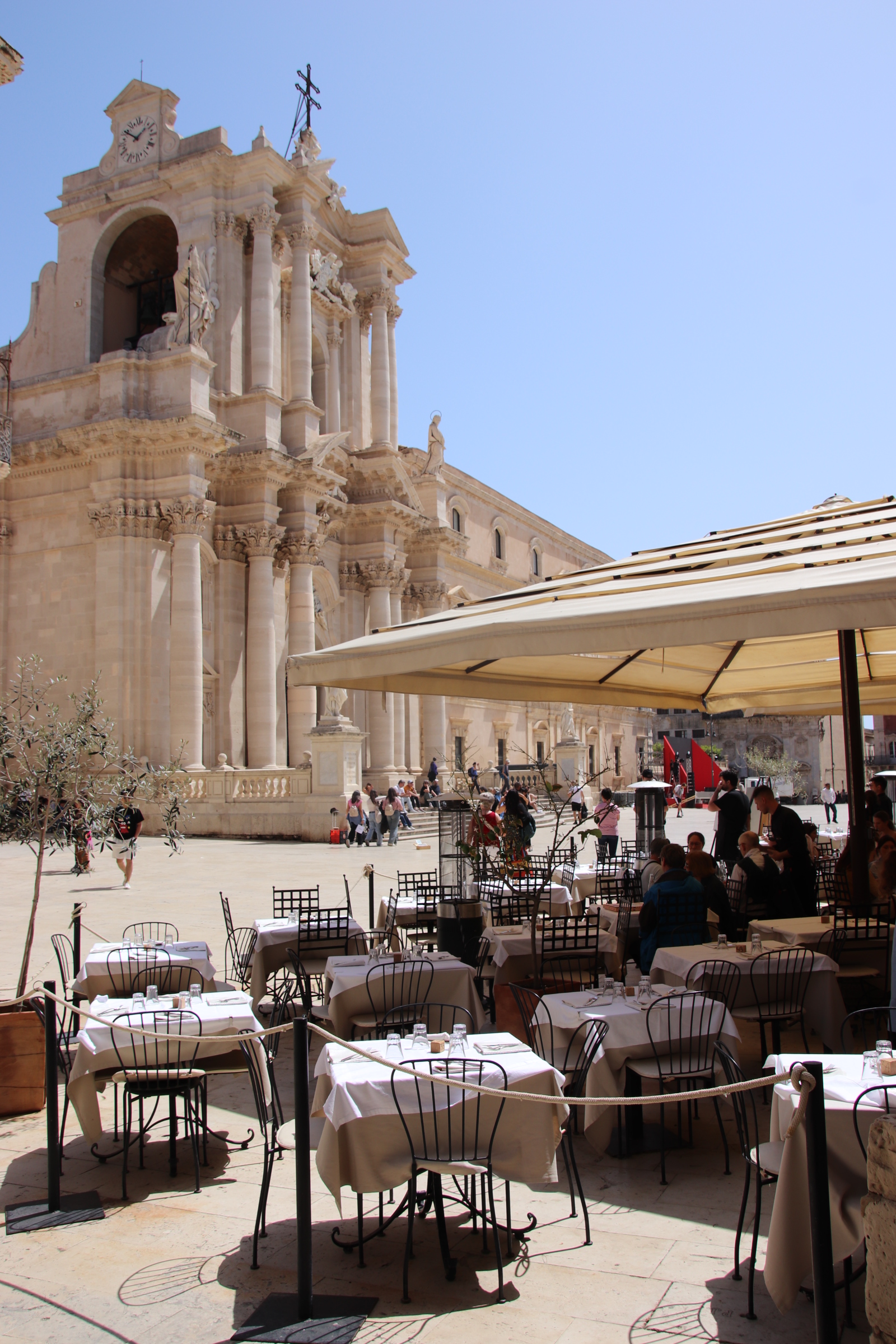
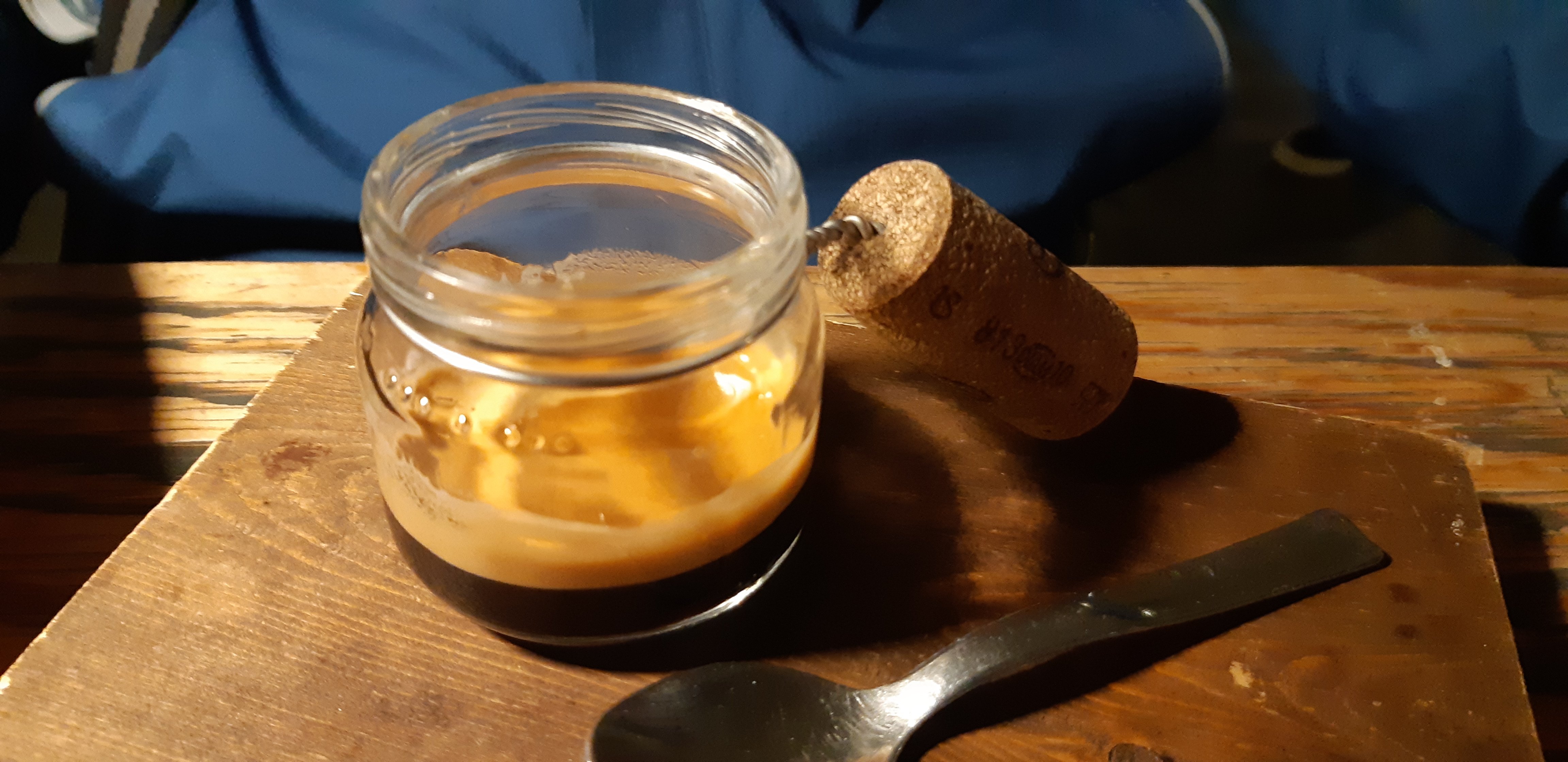
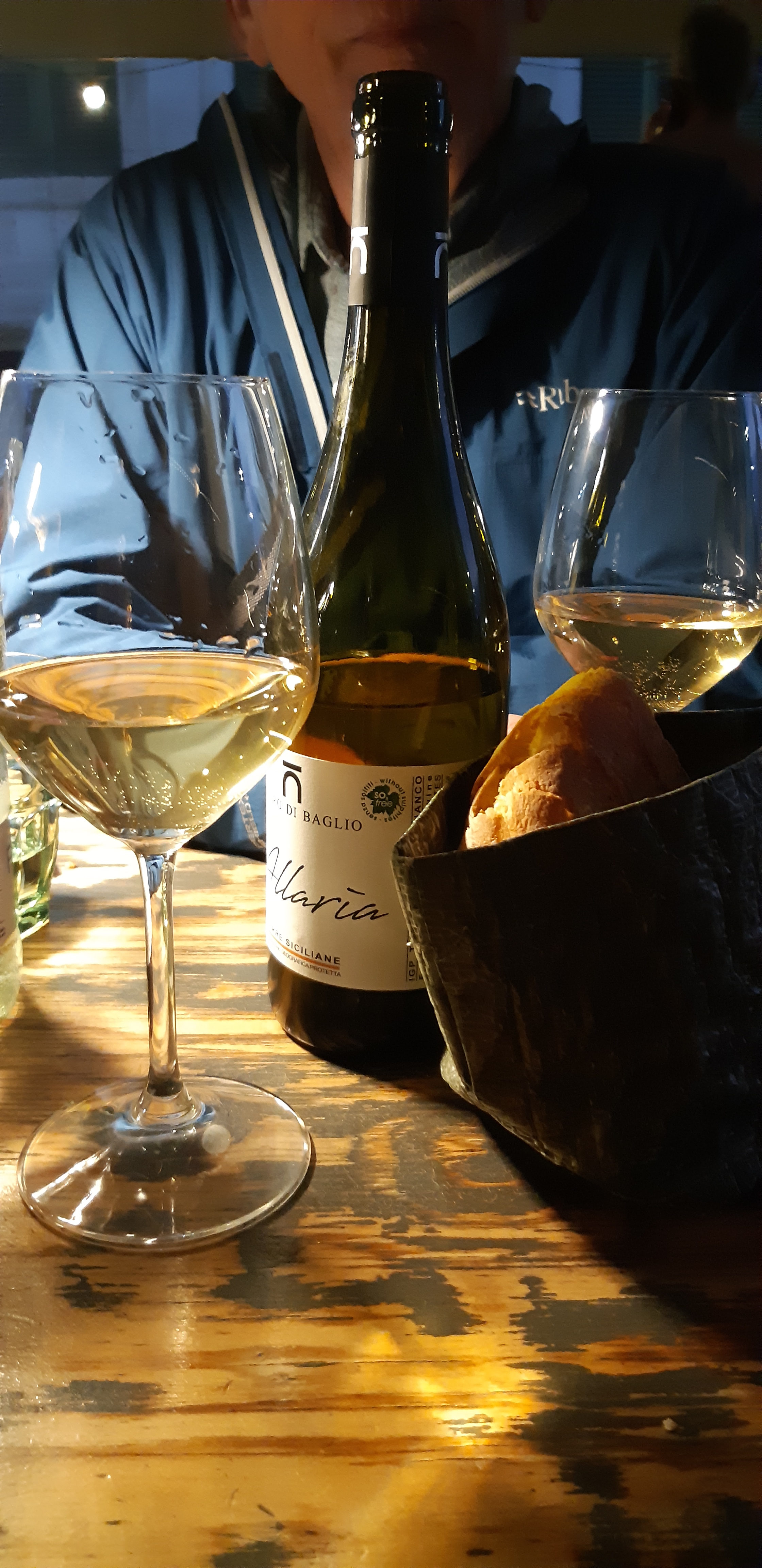
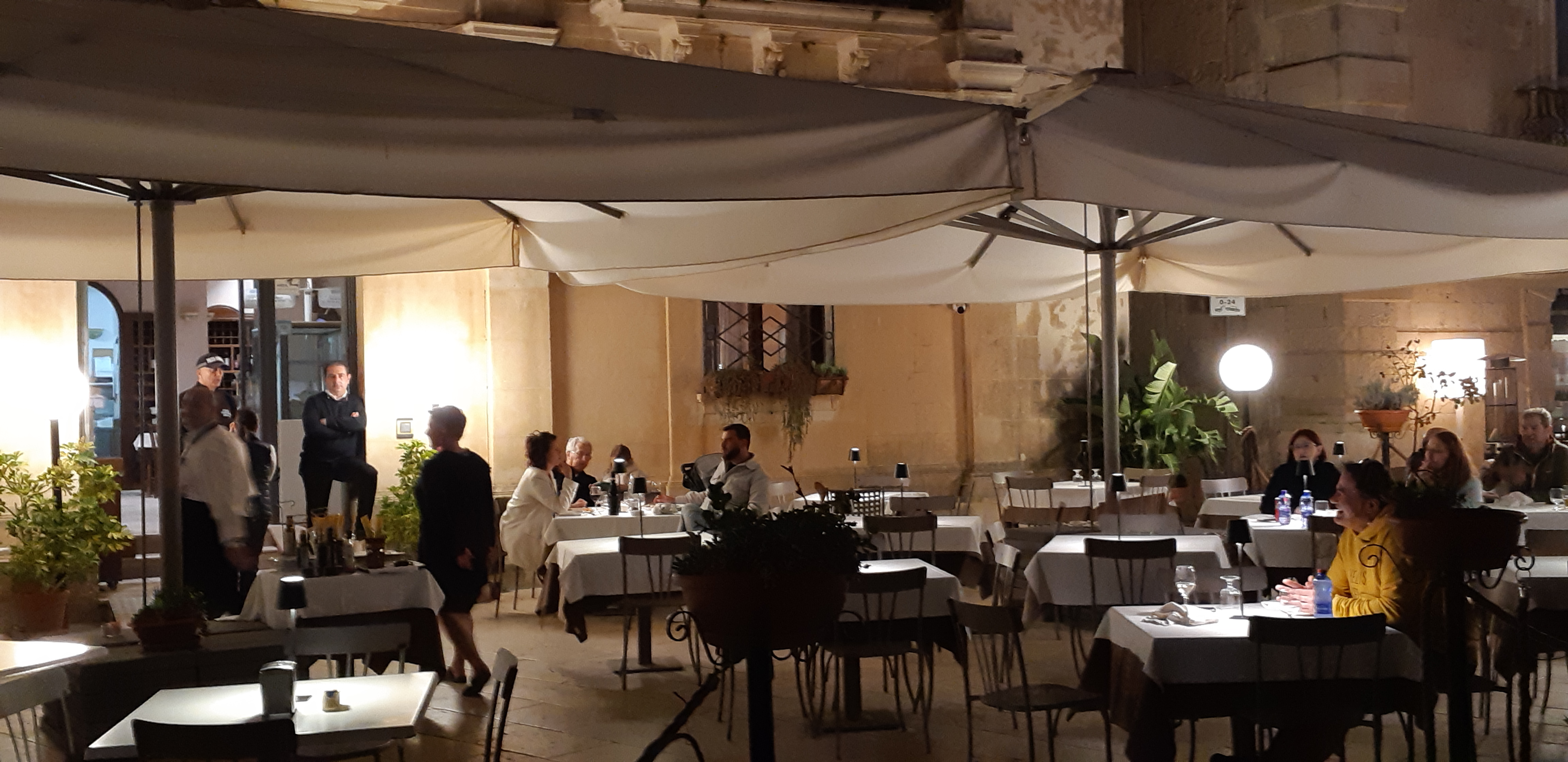
There are so many different styles of food and all reflect the city’s island location with most offering only a single non-fish option be it pizza or the typical multi-course Italian menu. We explored the many crannies and found a different one every evening and dined in style at each one. The cost and quality were excellent with the obligatory bottle of Nero d’Avola being the most expensive item at around 25 euros
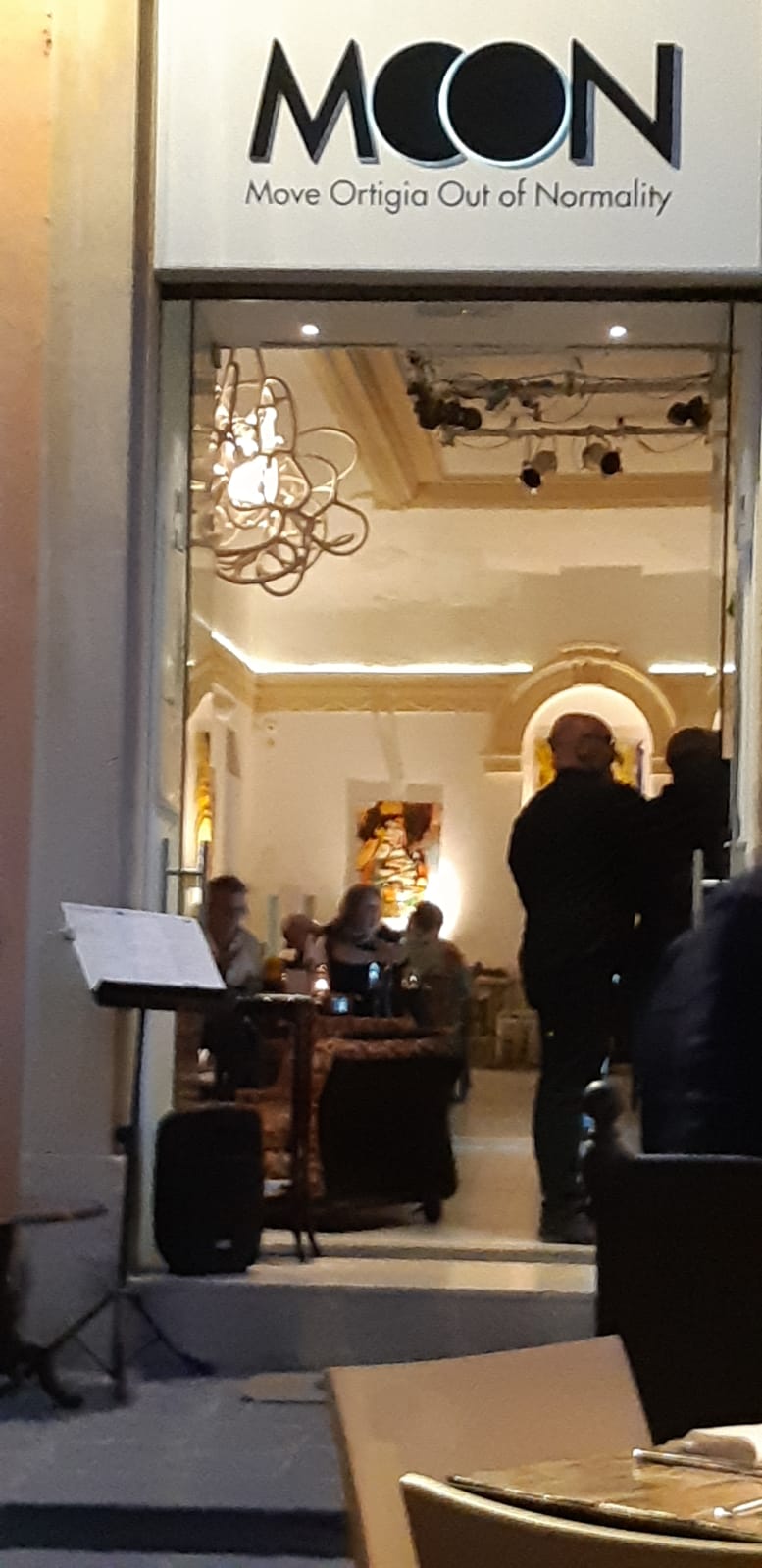
A vegan meal at Moon in startling environs & intriguing flavours:
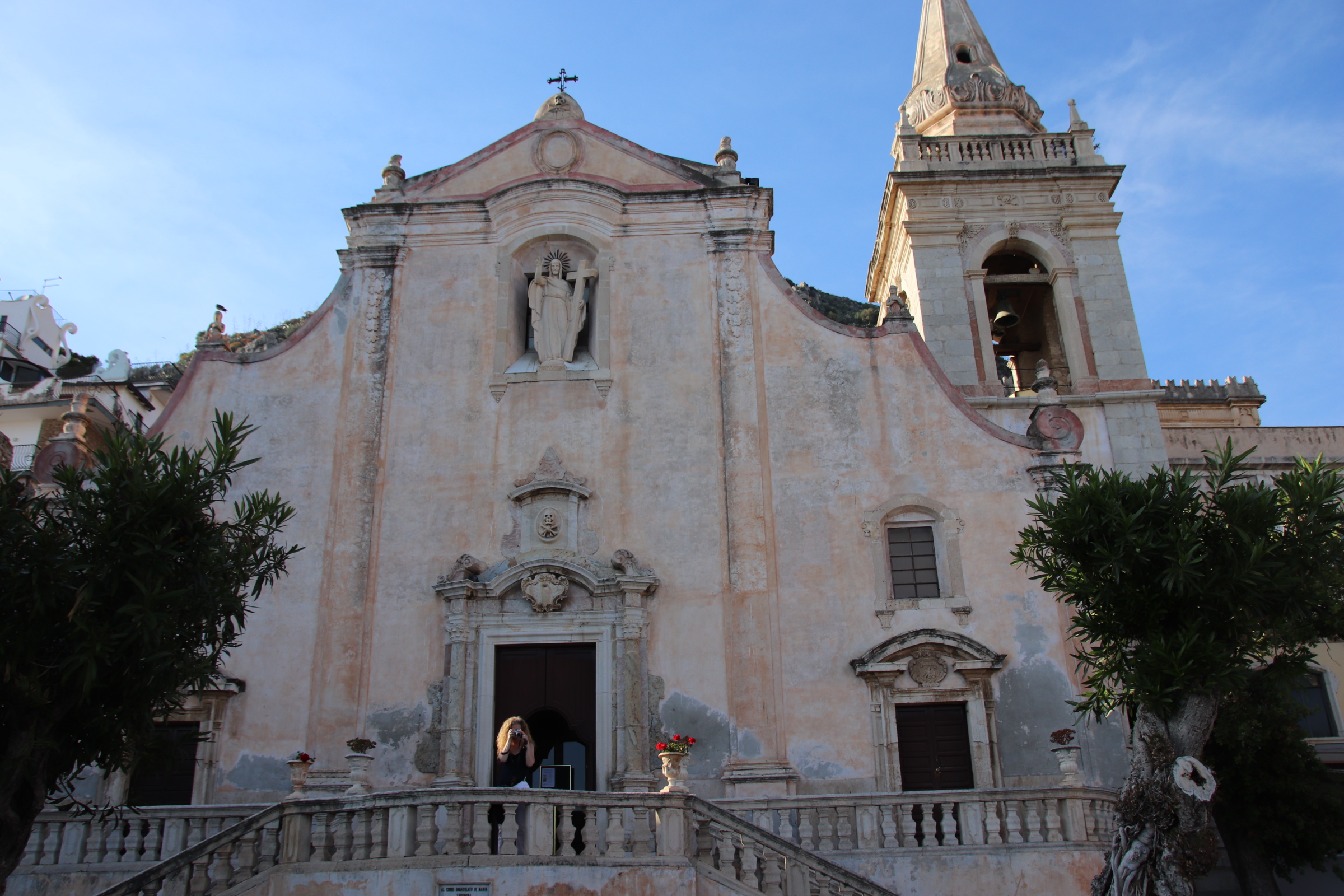
In Taormina it was spaghetti & clams and Margarita pizza. Then pine-crusted leg of rabbit.

Syracusa started well and carried on at a high level – Sicilian meat balls in tomato sauce and battered red mullet, charcuterie board with meats & cheeses, strips of beef with rocket & parmesan, swordfish pasta.

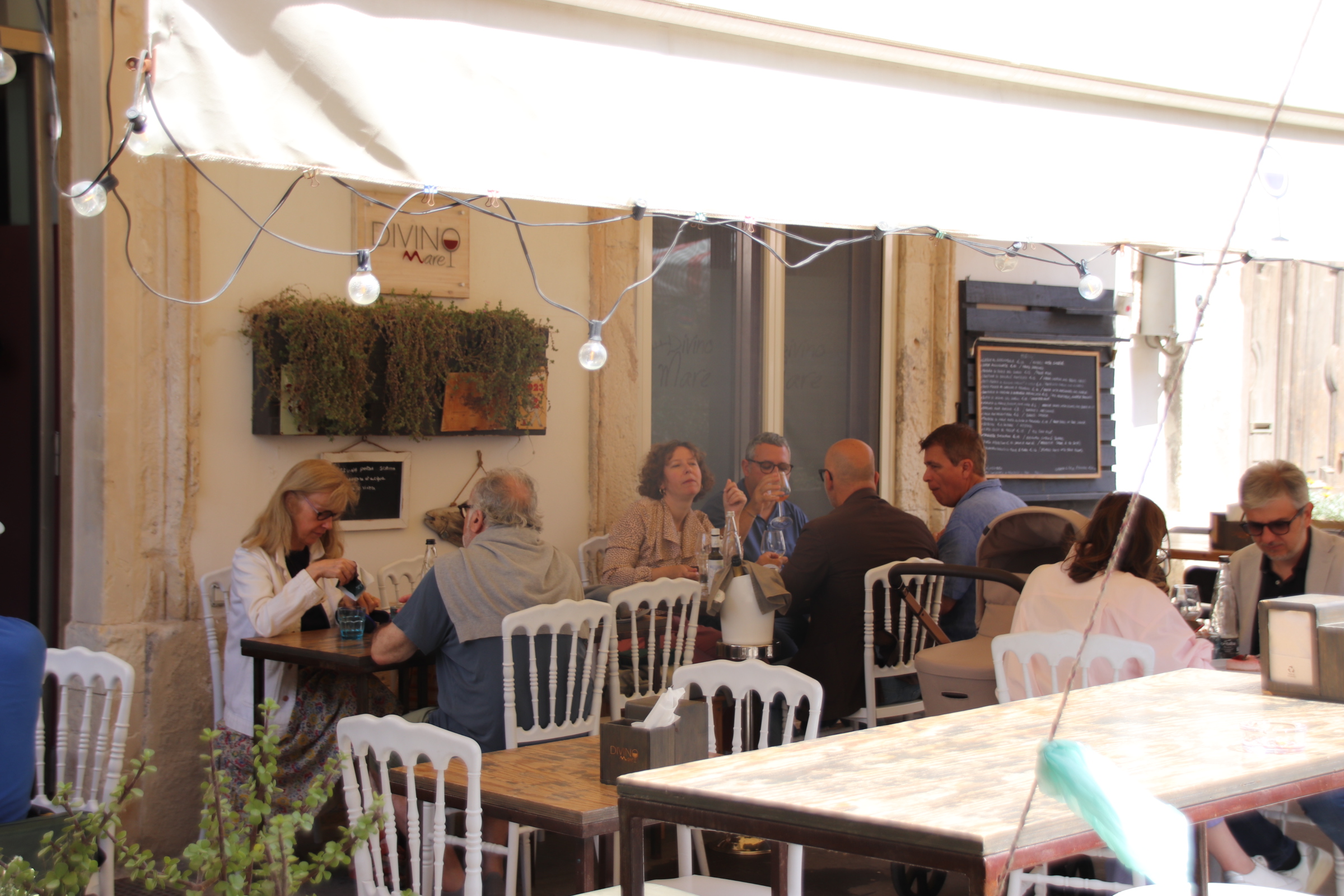
Every experience was so good and of the highest quality served by friendly, knowledgeable staff and priced very reasonably.

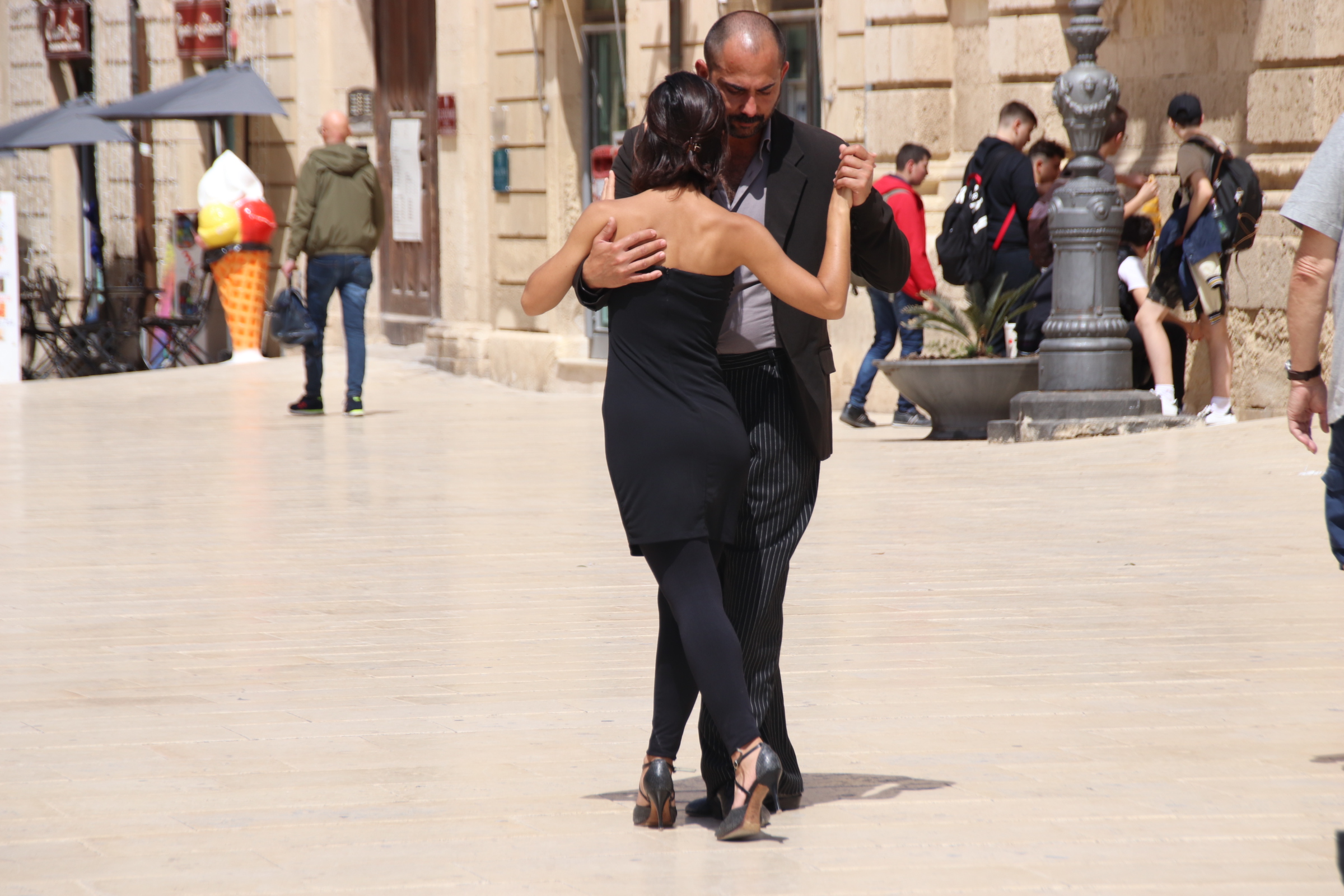
Afterwards, feeling very content, it is a slow walk through magical streets to the room, pausing in Duomo Square to take in the last few frames of some black & white classic of Italian cinema beinb shown on a outdoor silver screen.

Ortigia’s face off with the ancient world

To view full-sized images tap above: ‘Read on blog’

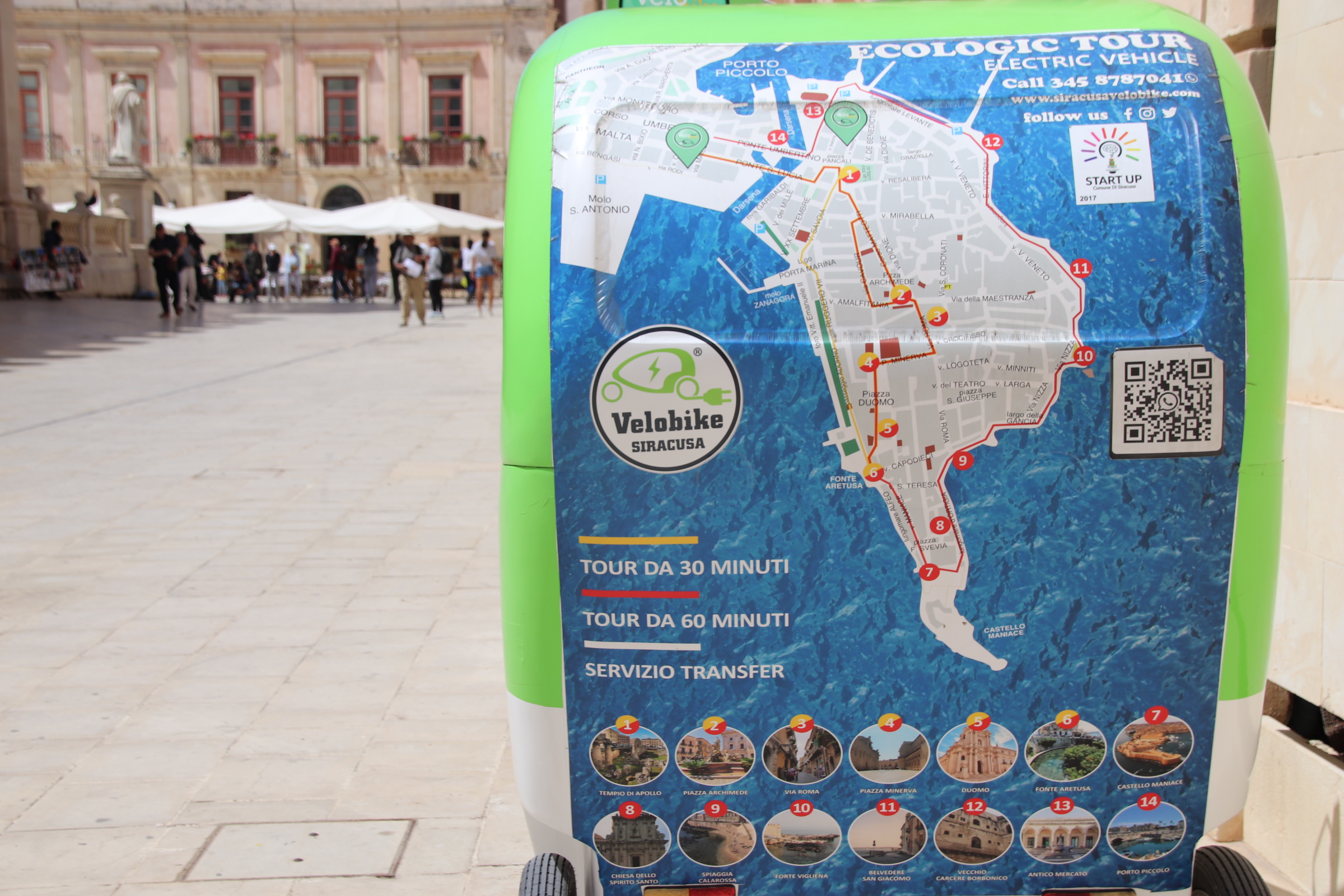
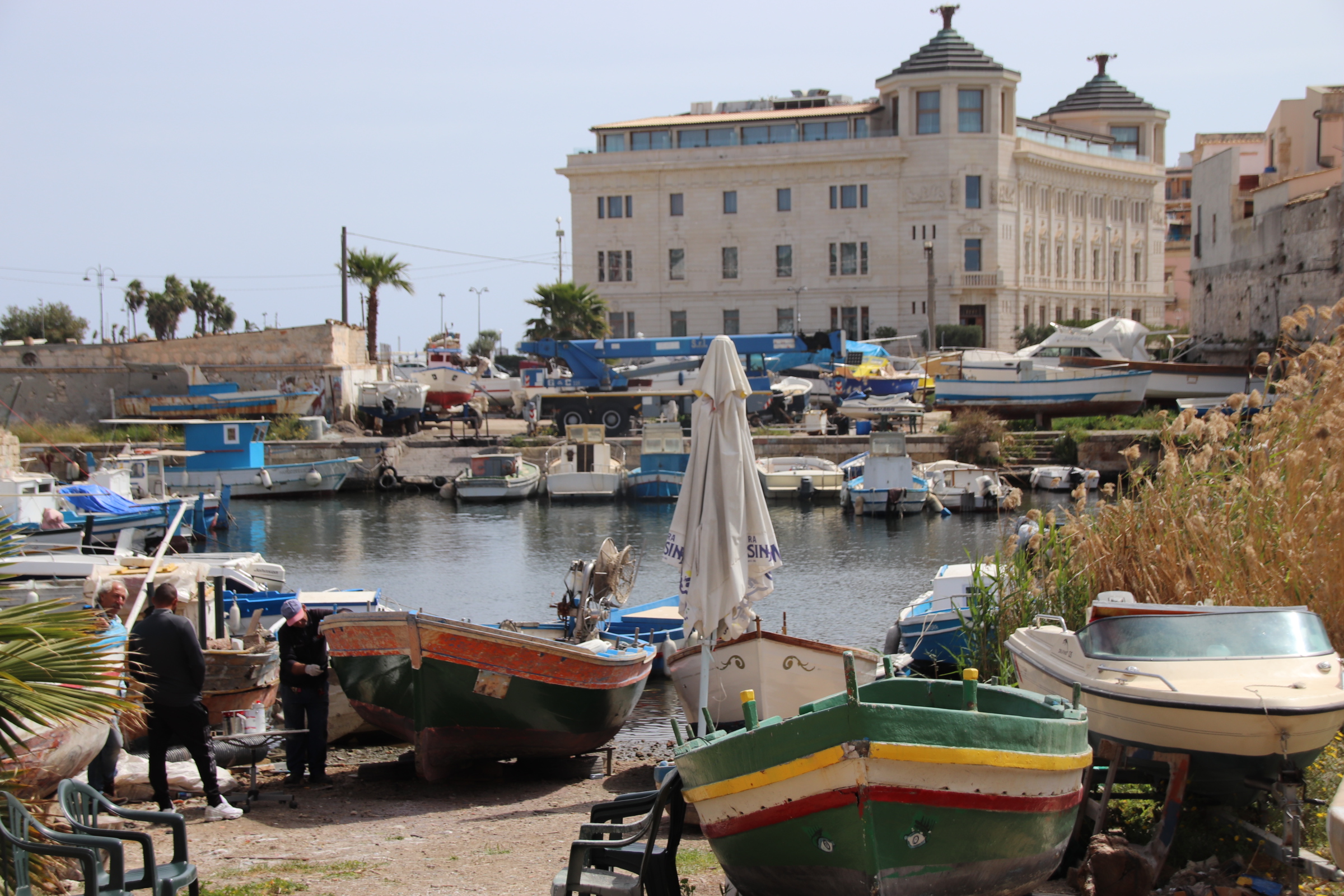
Having explored the main tourist route with its incredible line of imposing buildings, fountains & springs, squares, palaces, galleries, museums, and adventured into the mazed grid that makes up the Arab/Spanish & Jewish Quarters, it is time to explore around the edge of this historic island – a route of about 3km.

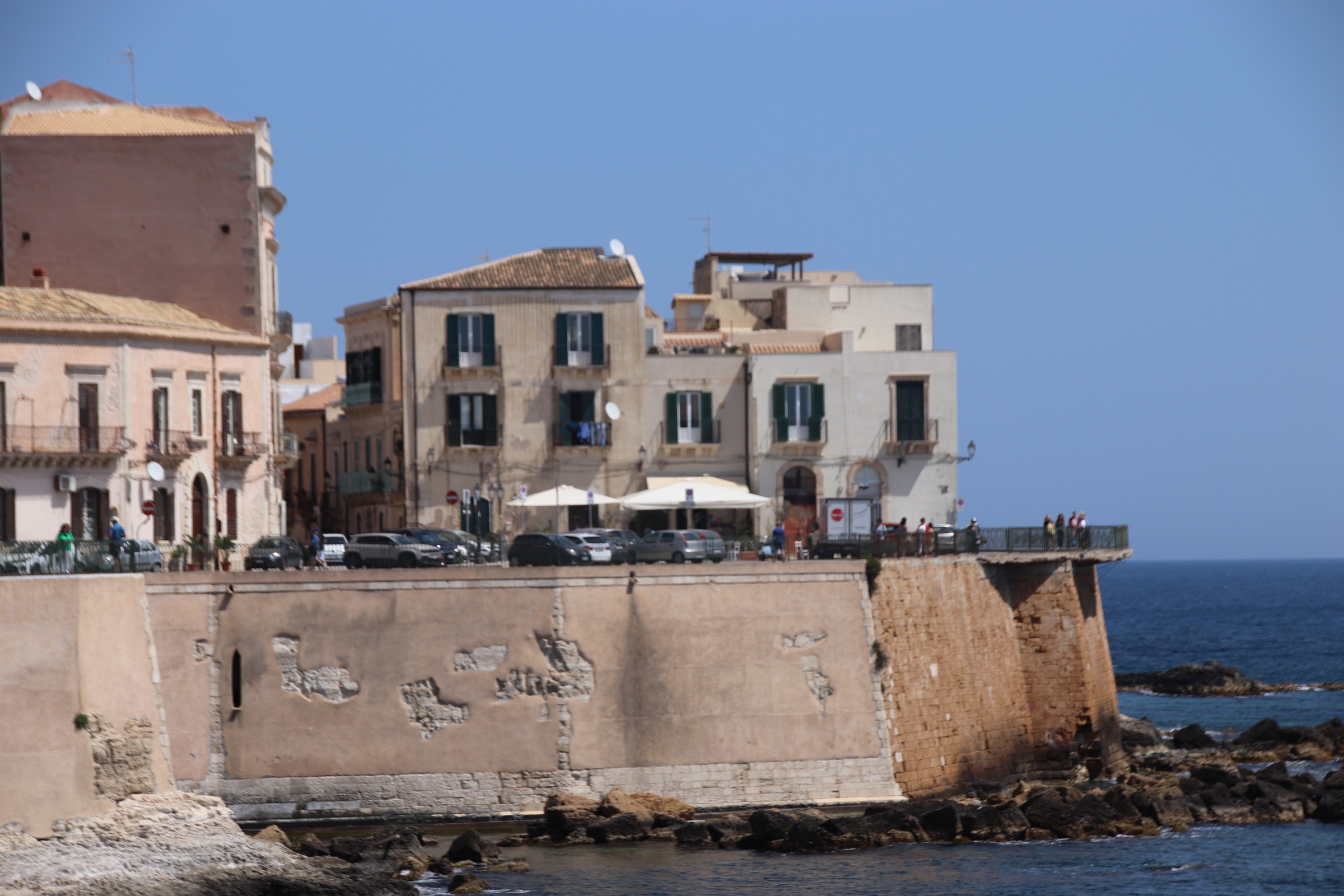
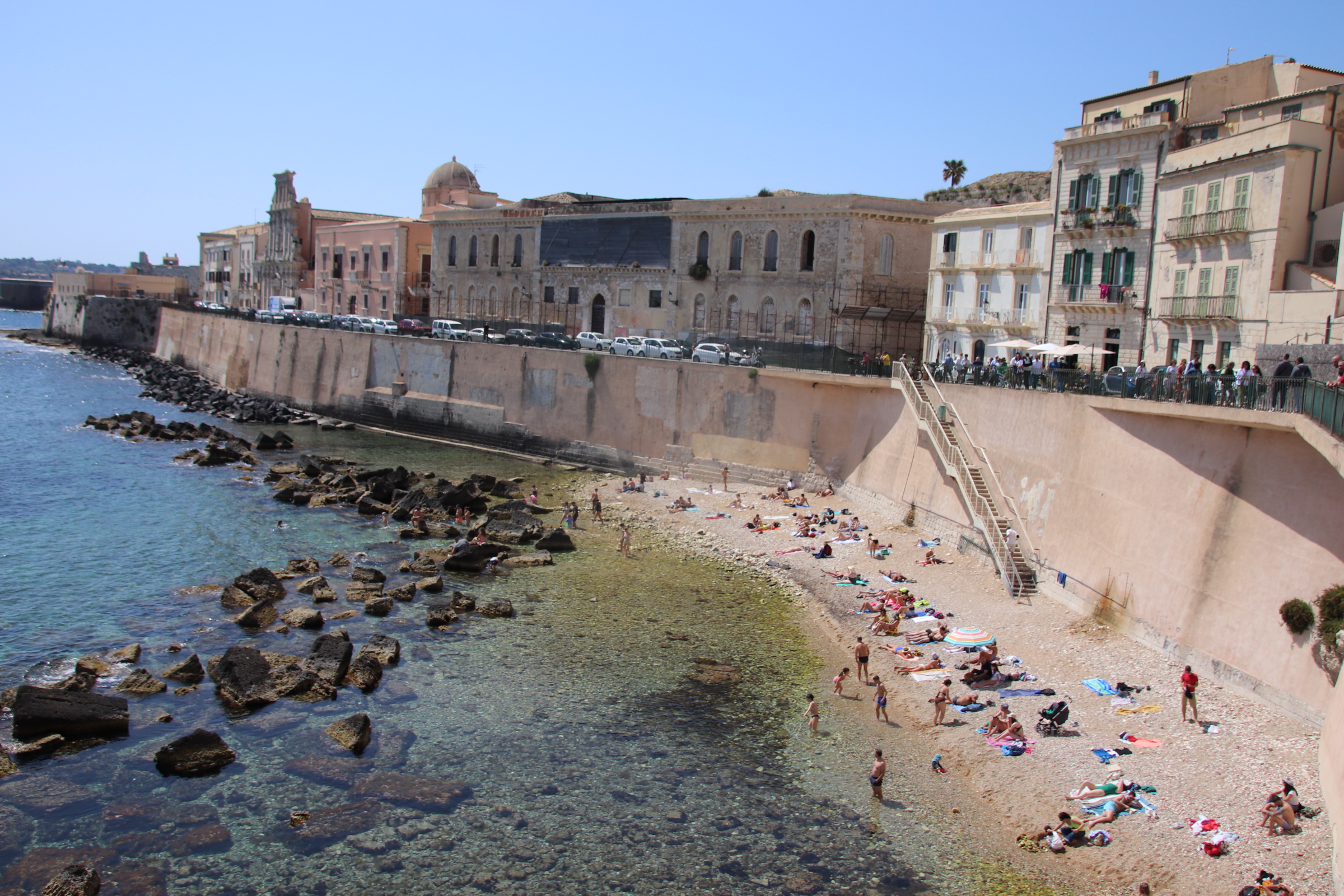
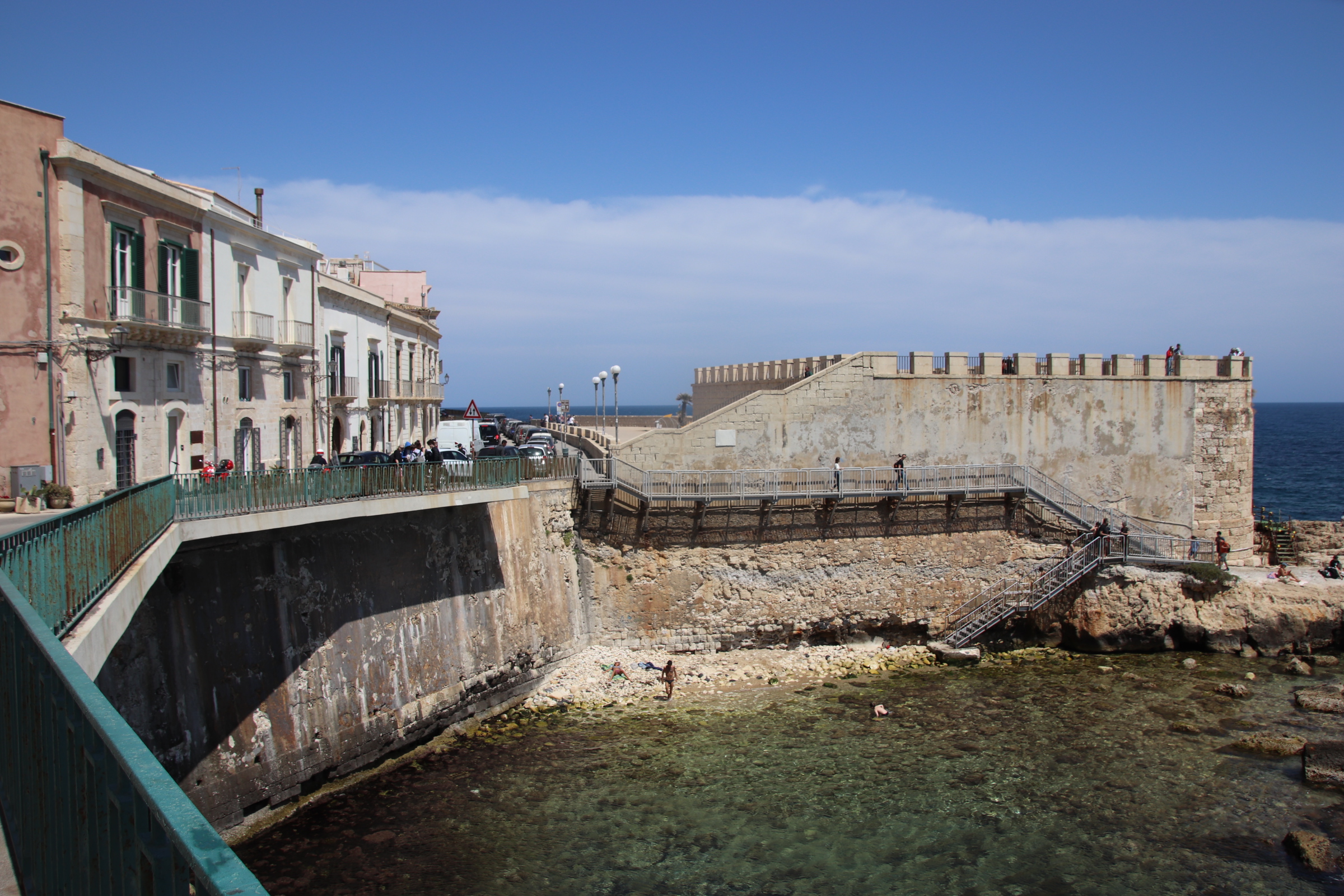
Progressing clockwise, the turquoise waters of the ocean are always to the left, the high-rising temperatures deceptively cooled by off-water breezes. On the right, weathered facades blankly face the centuries of storms & battling ships, reflecting the character of the neighbourhoods that shelter behind these protective shells.

Castello Mariace is at the southern-most tip of the island. Here the route turns for home along the bars & cafes on the raised promenade.

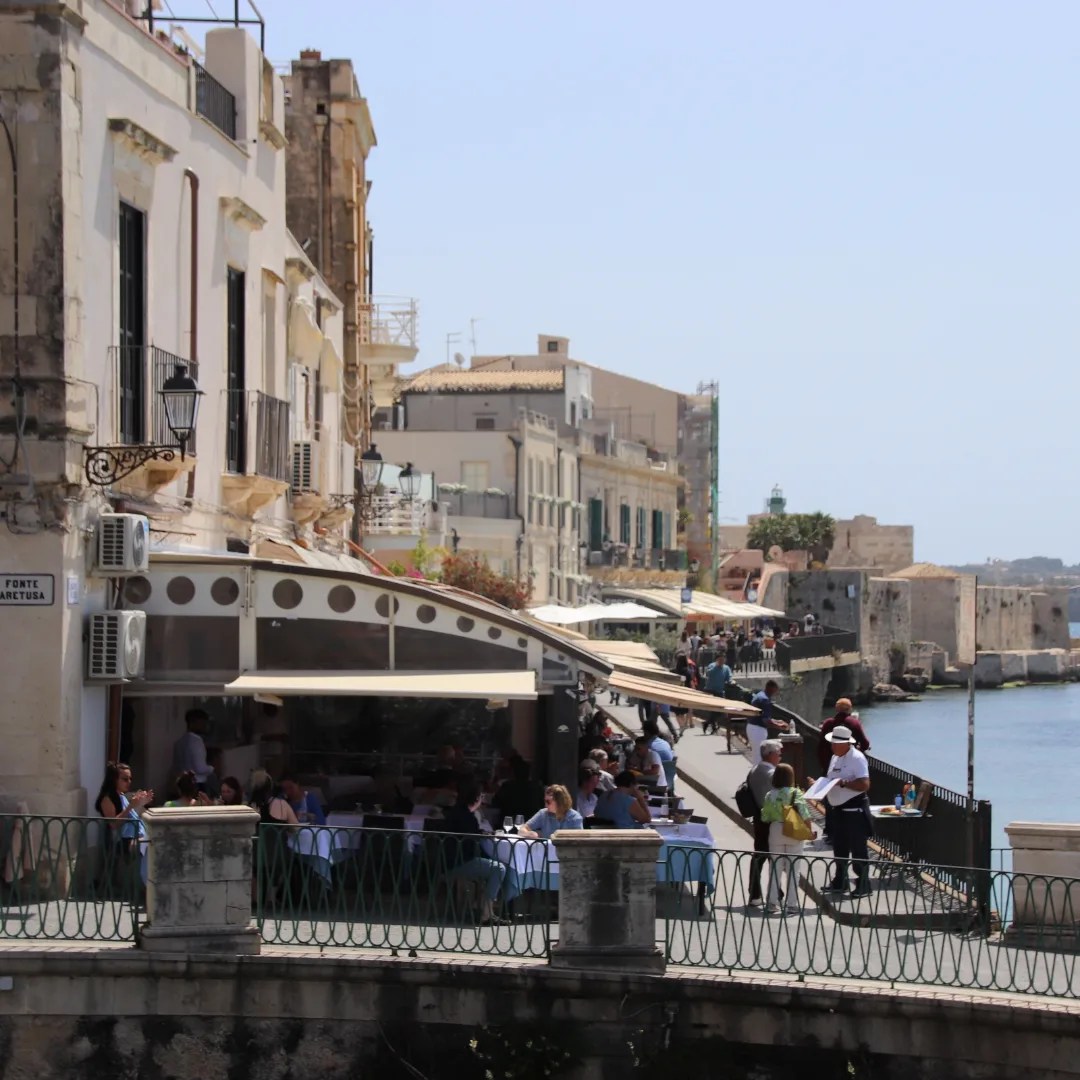
At the Spring of Aretusa, the Grand Hotel stands imperial above the new construction work taking place down on the water. This leads in a wide walkway along moorings designed for yachts, small liners & supercritical until more normal folk sort out their nets, bookings for their island cruises and boat hires.

Ortigia’s two Quarters

To view full-sized images ‘read on blog’ (tap top right)

The island of Ortigia runs in an inverted teardrop shape from north to south. Whilst the main tourist drag of palaces, piazzas, grand buildings & the duomo takes the visitor slightly to the left of the central axis, the maze of narrow streets in the bulging land to the right is there to be explored. These dense areas of alleys, tenements & courtyards are shared by the Arab & Spanish Quarter to the north and the Jewish Quarter to the south.

The contrast between east & west is very apparent. Streets are even tighter. Housing tends to be in terraces of smaller properties, punctuated by small-fronted shops & cafes.

A few squares & piazzas are present but they tend to be much reduced in number & size and lack the grand accompaniment of statues & crests that boast power & influence over to the east.

These streets were inhabited by a lower strata of Sicilian society -shopkeepers, craftsmen, sailors, fishermen, money lenders. Certainly, they are not such a draw for the tourist as the cobbles are empty of raised iphones & gaggles of clucking visitors. It is all rather calm & peaceful in here. It’s on a much smaller scale than elsewhere; an area where one can appreciate a different feeling to the city.

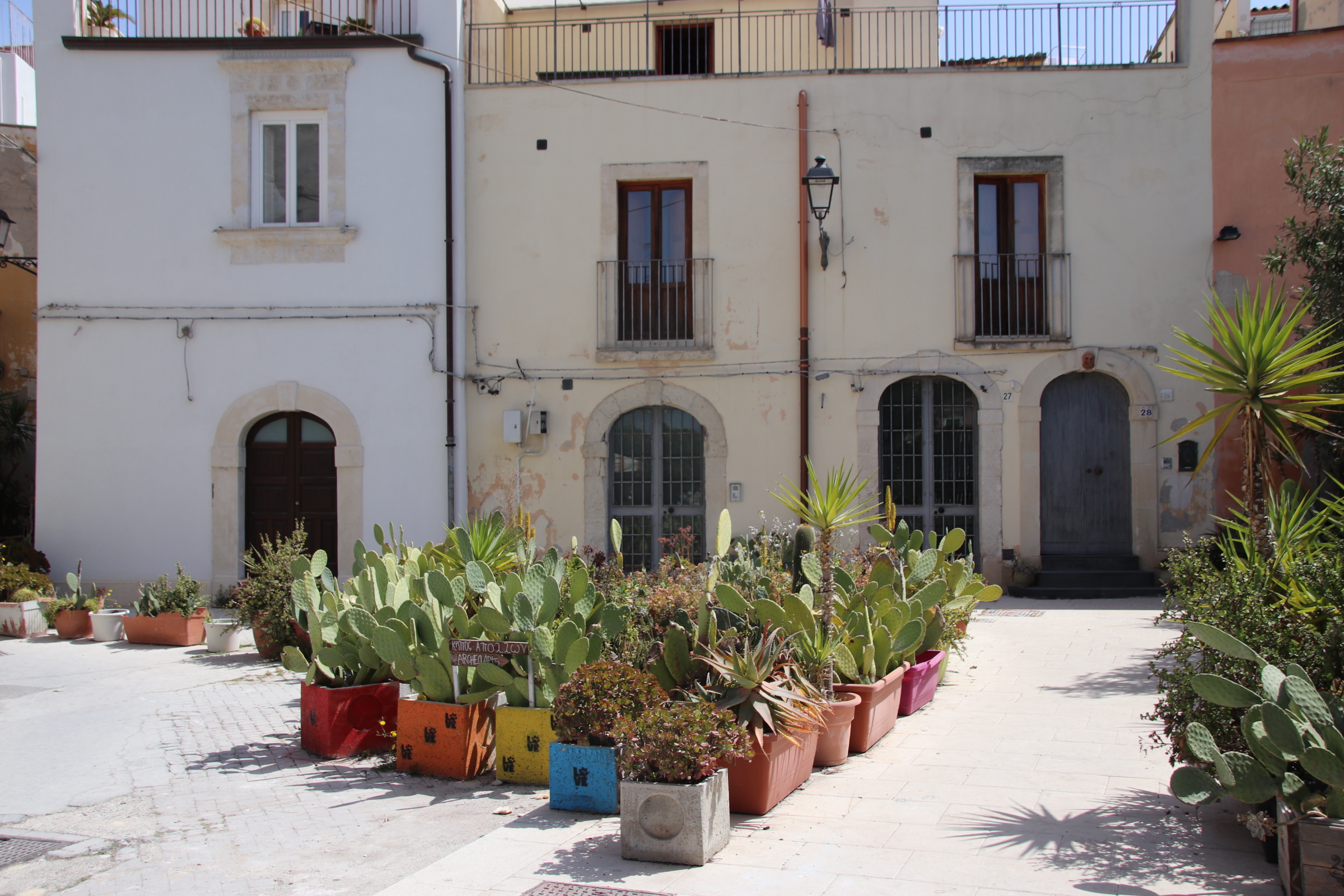
There is little to differentiate the two quarters. Maybe there is more of a Spanish/Moorish feel in one, with balconies of intricate metal & colourful mosaics more in evidence. Occasionally, street gates are left open to display cactus strewn courtyards and open quadrants.

The main way to know you have entered the Jewish Quarter is the sign on the alley, along with obvious features of life like the Jewish baths.

Working a way through this labyrinth where palaces sidle up to small tenements and plain-fronted churches, makes no difference to where you emerge – somewhere on the coastal defences to the west of the island.

Ortigia, the ancient, island centre of Syracuse

The centre of the ancient city of Syracuse is firmly rooted on the Island of Ortigia, connected to the mainland by a couple of short bridges. It is famous for its Greek & Roman civilisations and has been of strategic importance for world powers since medieval times – Arabs, Crusading Christians, Holy Roman Emporers, Spanish & French & Italian dictators and Mafia gangs. All have come and left their mark.

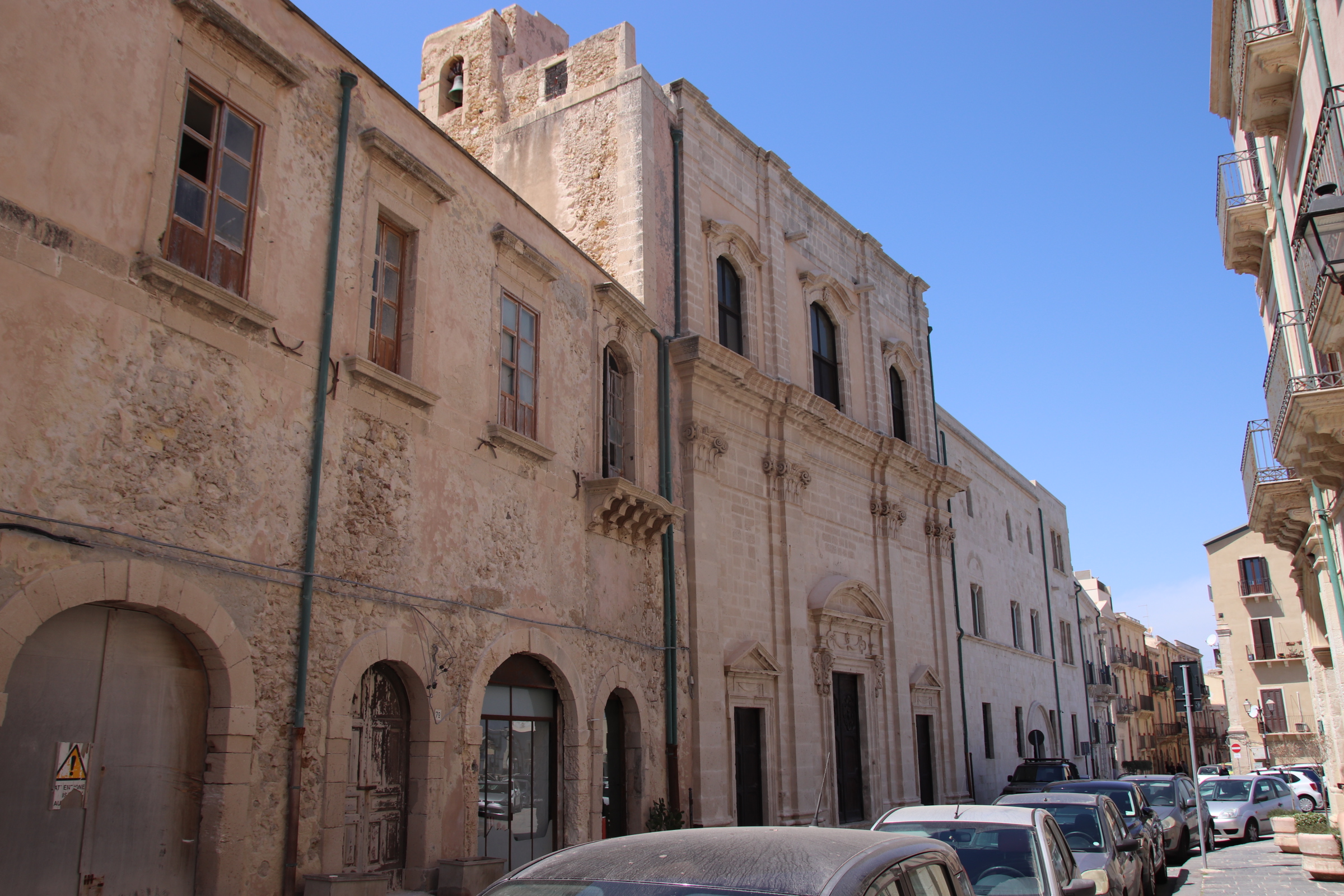
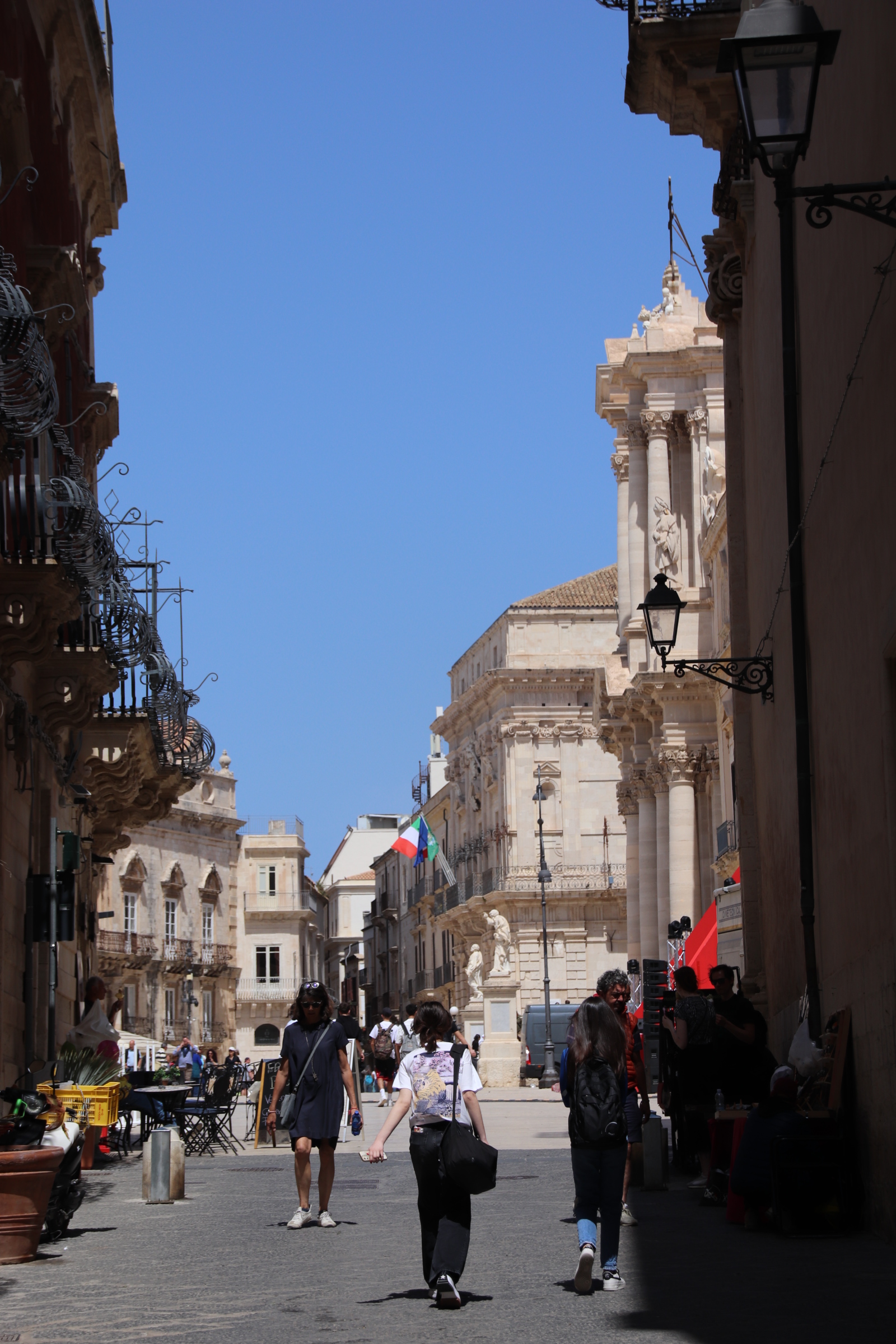
Ponte Umbertino is the main artery into this ancient place. A Roman grid suck the visitor away from the bright sun into a maze of deep, darkly shadowed streets that have cut deep through the storeys of centuries of imposing, fading buildings.

Palaces, churches, villas now home to countless museums & galleries, create the shadows -a grid of age-weathered necklaces. Other grand dwellings of merchants & soldiers & city grandees gaze down on those below from high lofted crests & statues.

The adventure starts by crossing the narrow stretch of water and girding the loins with coffee at the small huddle of cafes that nestle at the root of the entrance to this history before entering the cave of ancient delights.

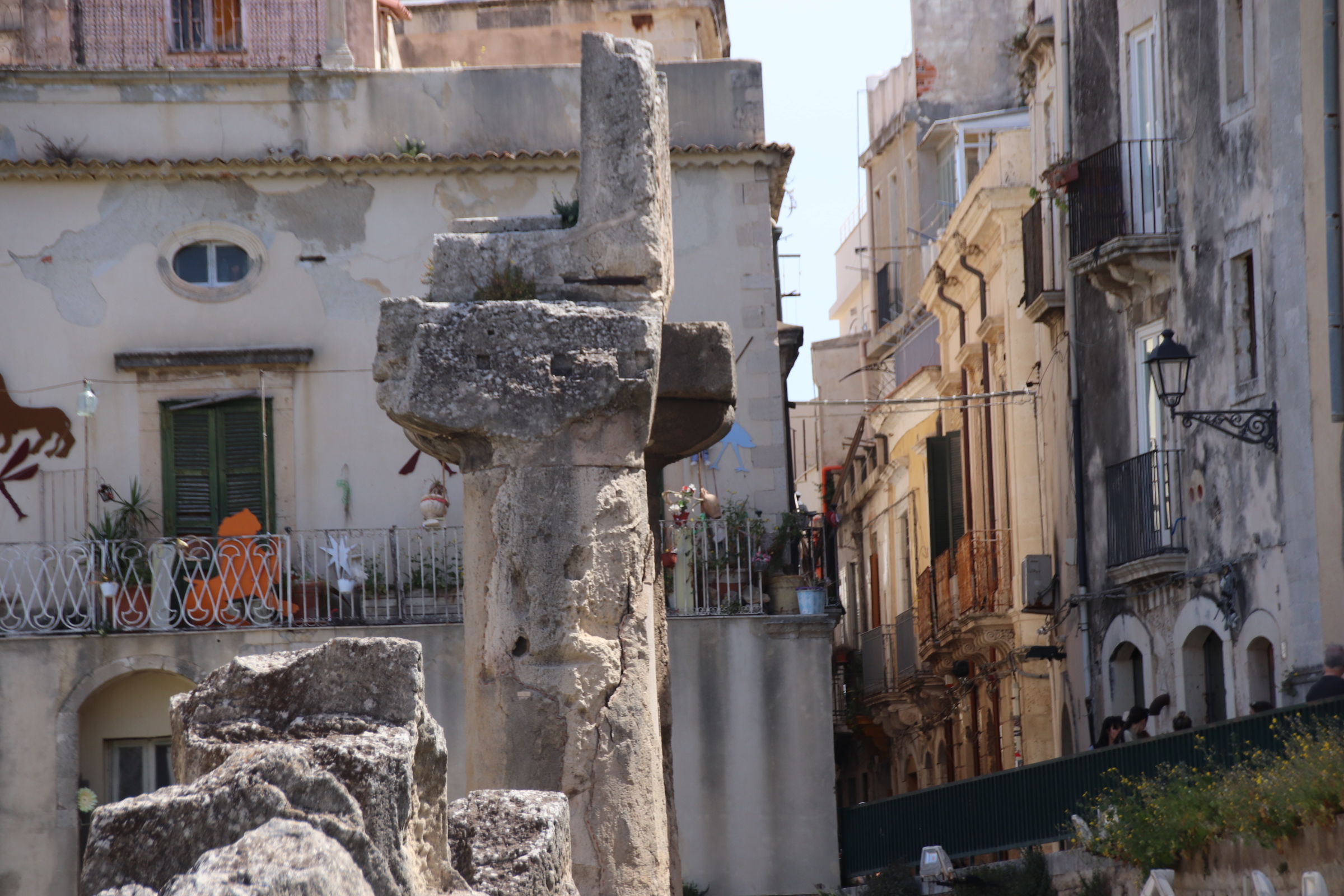
The Temple of Apollo, considered to be the oldest Doric temple in the world, is the gate keeper to this ancient world.

The Via Dione draws us along the shadowed canyons & ravines that link the best- prized elements of this aged city. This is the main tourist drag and leads to the ocean on the south side of the island.

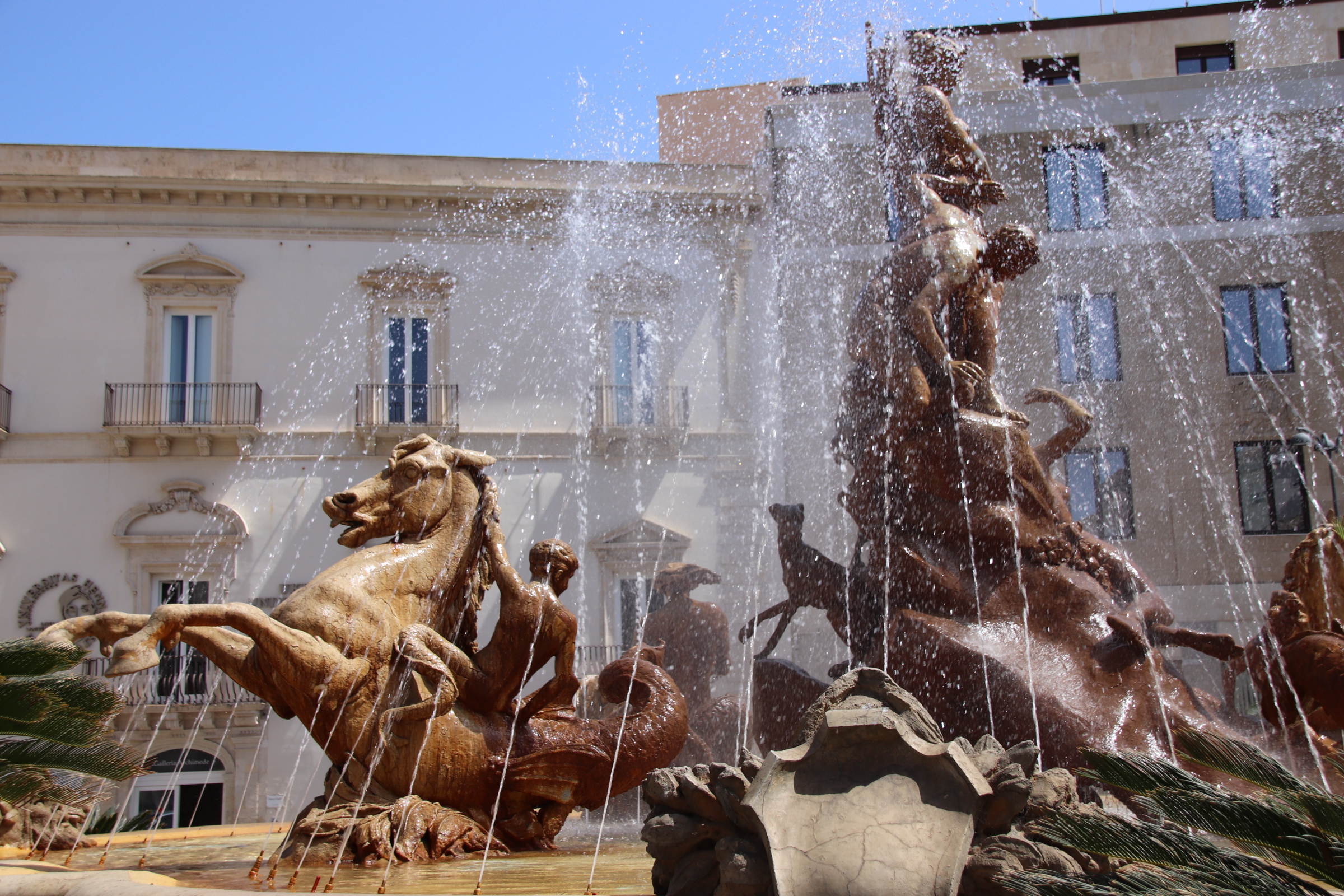
Archimede Square (yes, the famous man was born in the city) is the location for the Fountain of Diana. Four palaces, dating from 14th to the 19th centuries form the four sides of the Square. Each has now been converted for use by numerous institutions. In the centre the Fountain, created in 1906 symbolises the history of Syracuse from medieval times to the present day.

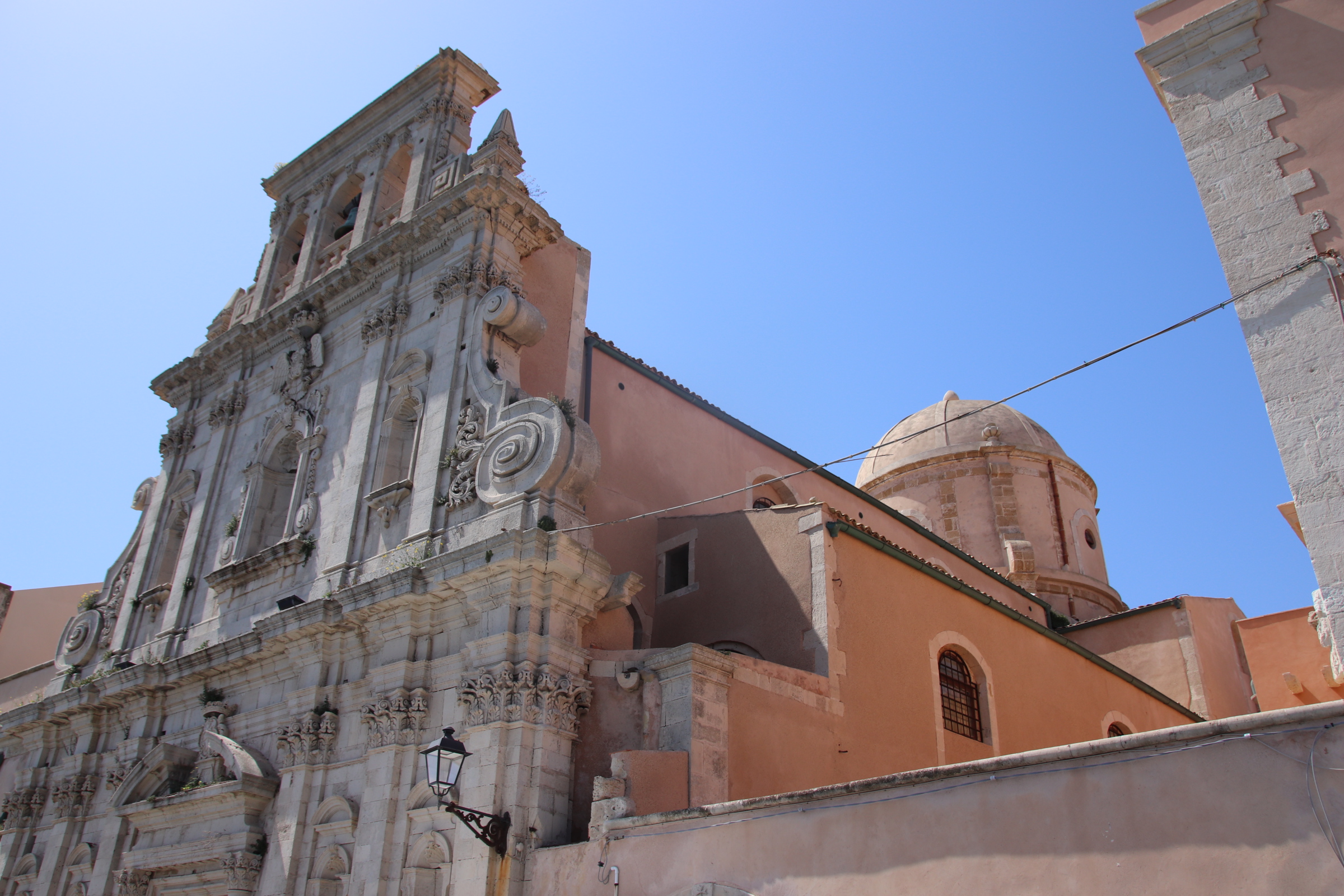
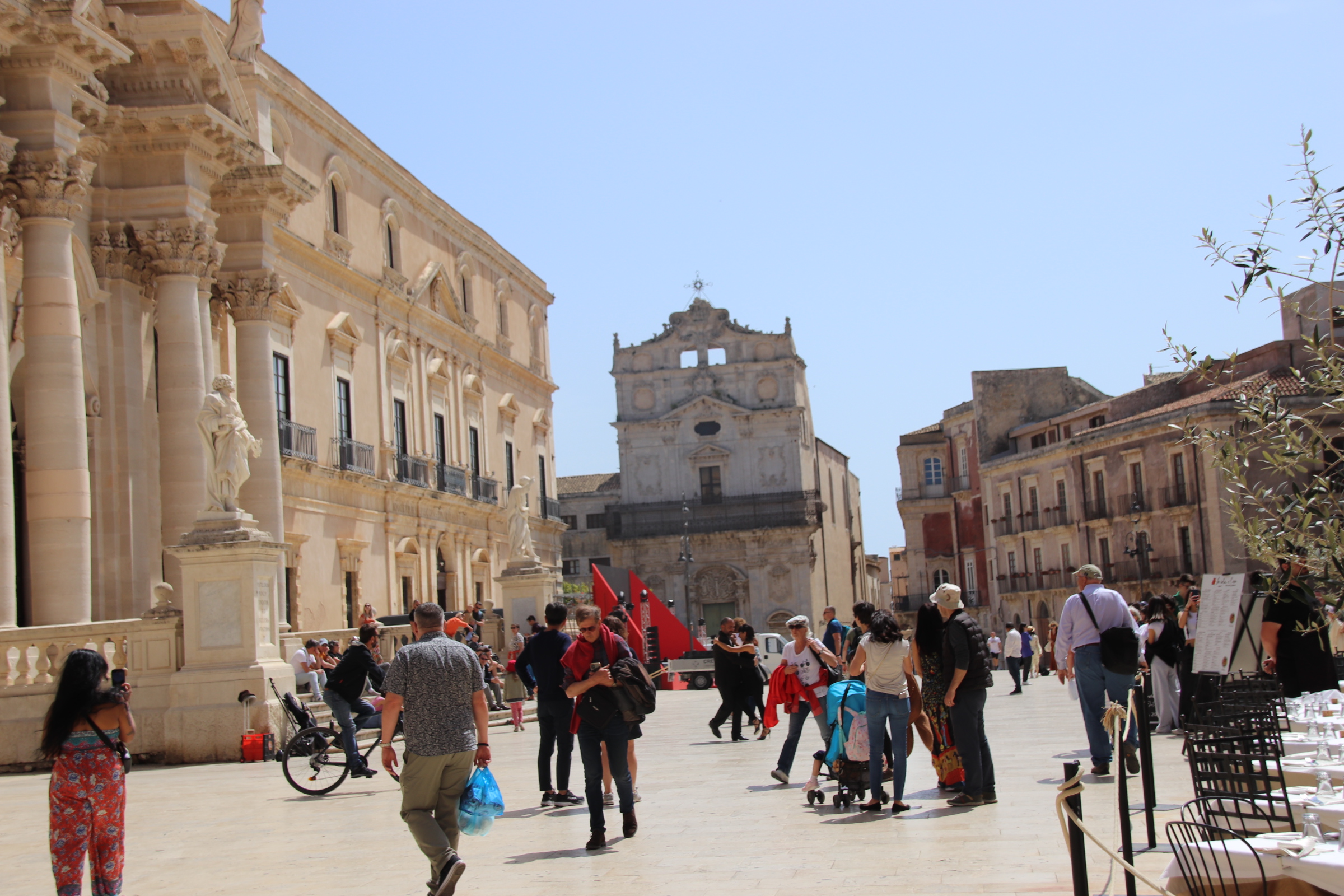
The Duomo & Duomo Square – so impressive; the spiritual heart of every Italian city!

The Spring of Aretusa is considered to be the historical centre of Syracuse. From here there’s a great view along to the Castle of Maniace at the tip of the island.

That’s enough for one day – more soon.
Taormina in the south of Sicily

I am back in my beloved Sicily. This time exploring the south of this wonderful island – full of history, culinary delights, fantulous wines, cliff-clustered, white-faded villages, turquoise waters, dusty, characterful facades mixed in with grand fresco-blinding hotels & villas; and always against the backdrop of smoking Mt Etna, and the rippling waters of the Mediterranean ocean.

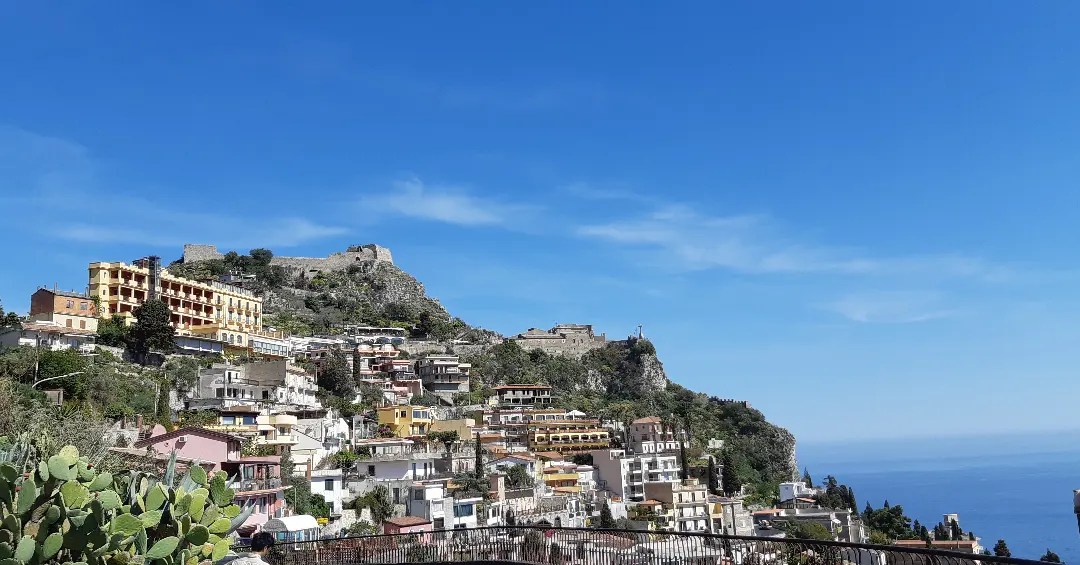
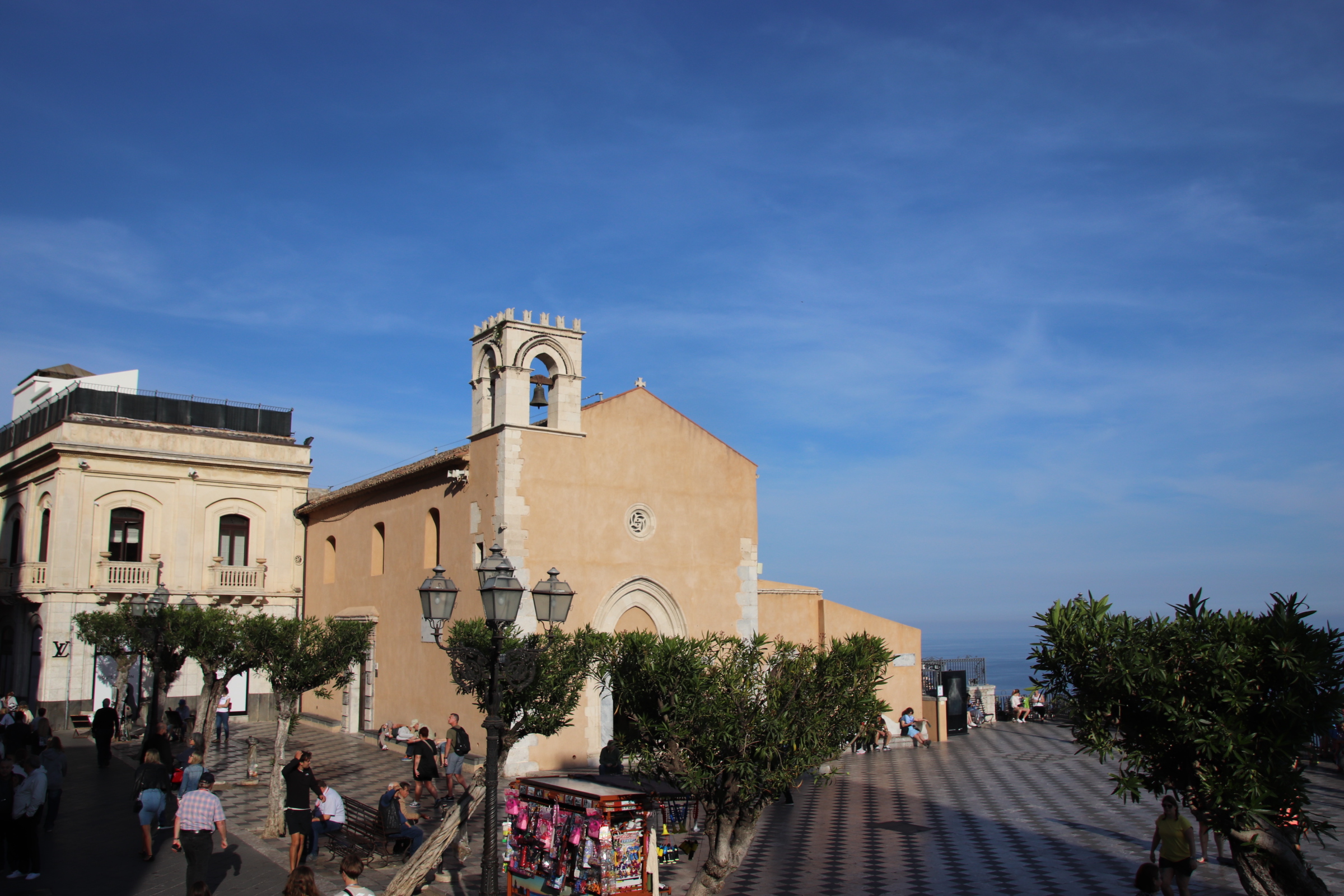
Taormona is a jewel in the Sicilian, née Italian, crown. Developed over centuries, it has a feel of wealth & opulence. The town on three levels, dates back to ancient Greece. It can be summed up in three words – steps, ancient steps, and more ancient steps! The one sop to modern living is a cable car that transports visitors to and from the beach resort to the old town at the top of the first cliff.

Tucked up high on a large pillar outcrop is the protective castle and the village of Castelmola.

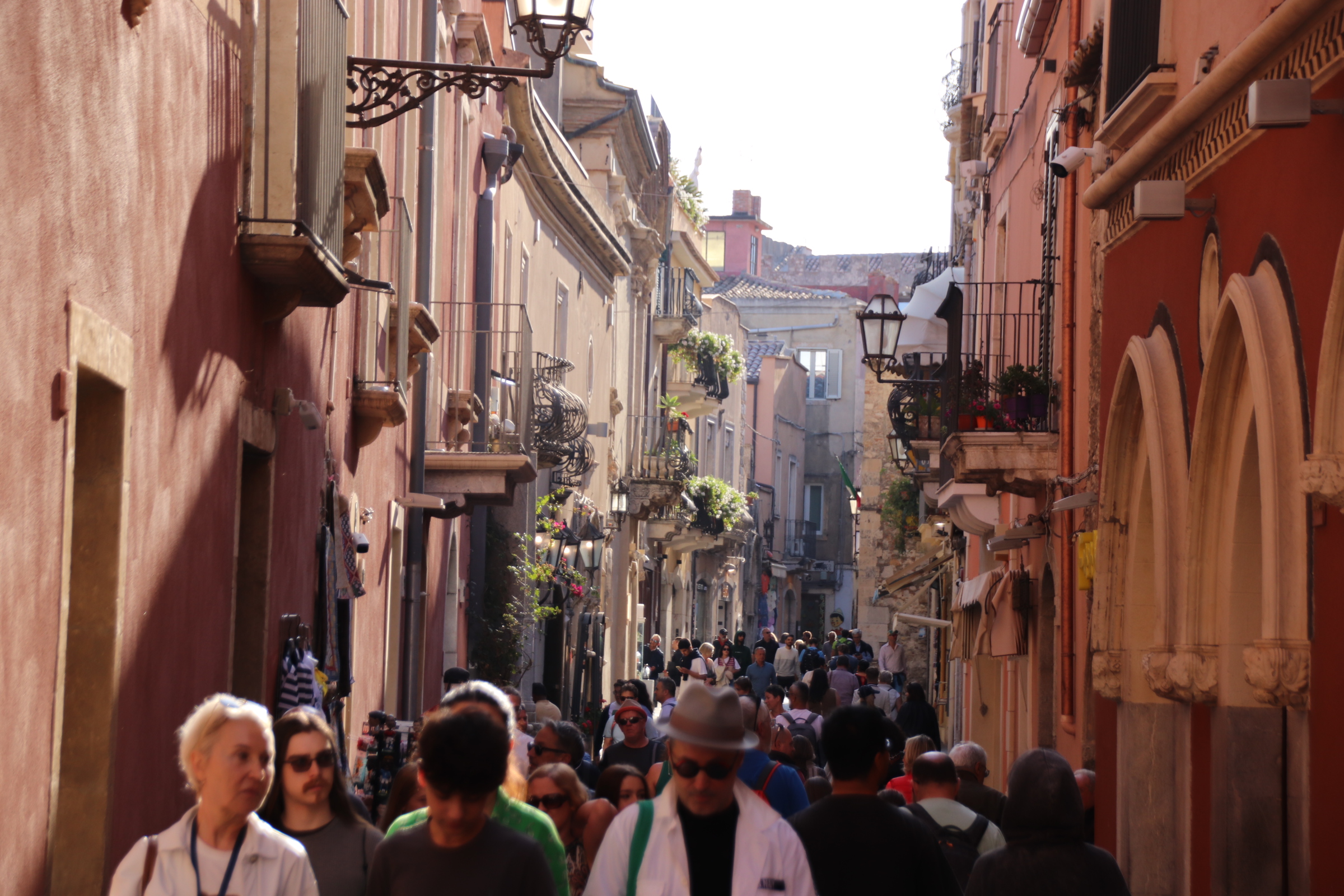
Taormona itself is basically a single cobbled street running between 3 ancient gates with narrow stepped alleyways diving up & down to either side. Ancient churches, piazzas & palaces dating back to medieval times rub shoulders with high end fashion shops, eateries & posh souvenir establishments.

During the day dragon’s of young visitors clog the main street.

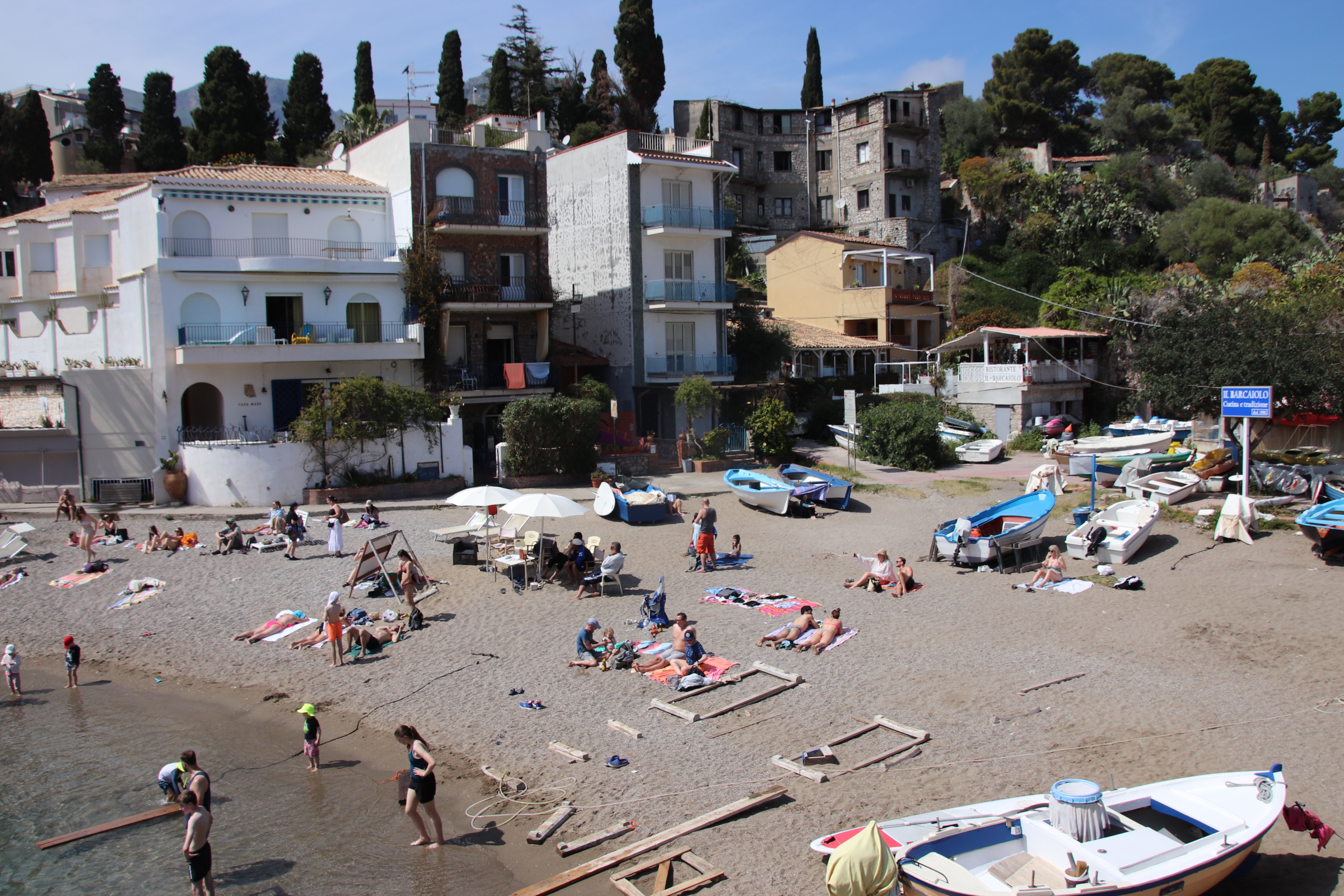
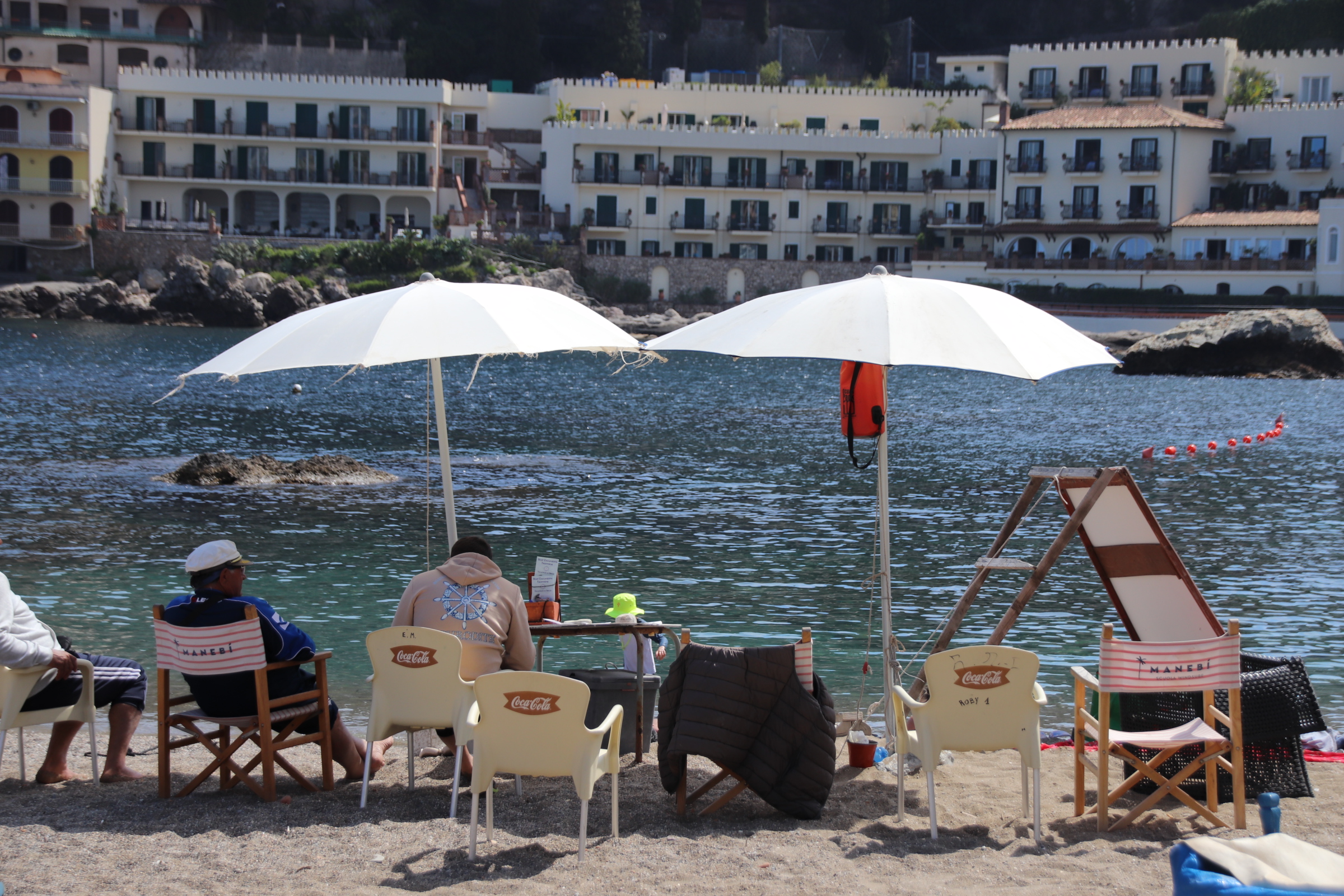
At the bottom of the cable car, or a stepped descent of what feels like 3km from the old town, lies the beach area where White Lotus hotels rub up against public beaches. The latter look much more fun!

I should remind everyone that however easy it is to go down, there is always the going back up to take into account and, boy, those steps are steep.