This part of Veneto between Vicenza & Venice and bordered to the north by the craggy peaks & ridges of the Dolomites Mountains and to the south by the Adriatic Sea, is not considered to be a tourist area. Maybe because of this it has a very genuine character. Italian families go about their normal daily business, the shops close in the afternoon & everyone seems to dessert the streets to siesta. Life has a calm pace. The roads are quiet, farmers harvest hay & wheat and vines cover hillsides. Shaded hills bubble deciduous woodlands that remind of the Dordogne countryside in France.
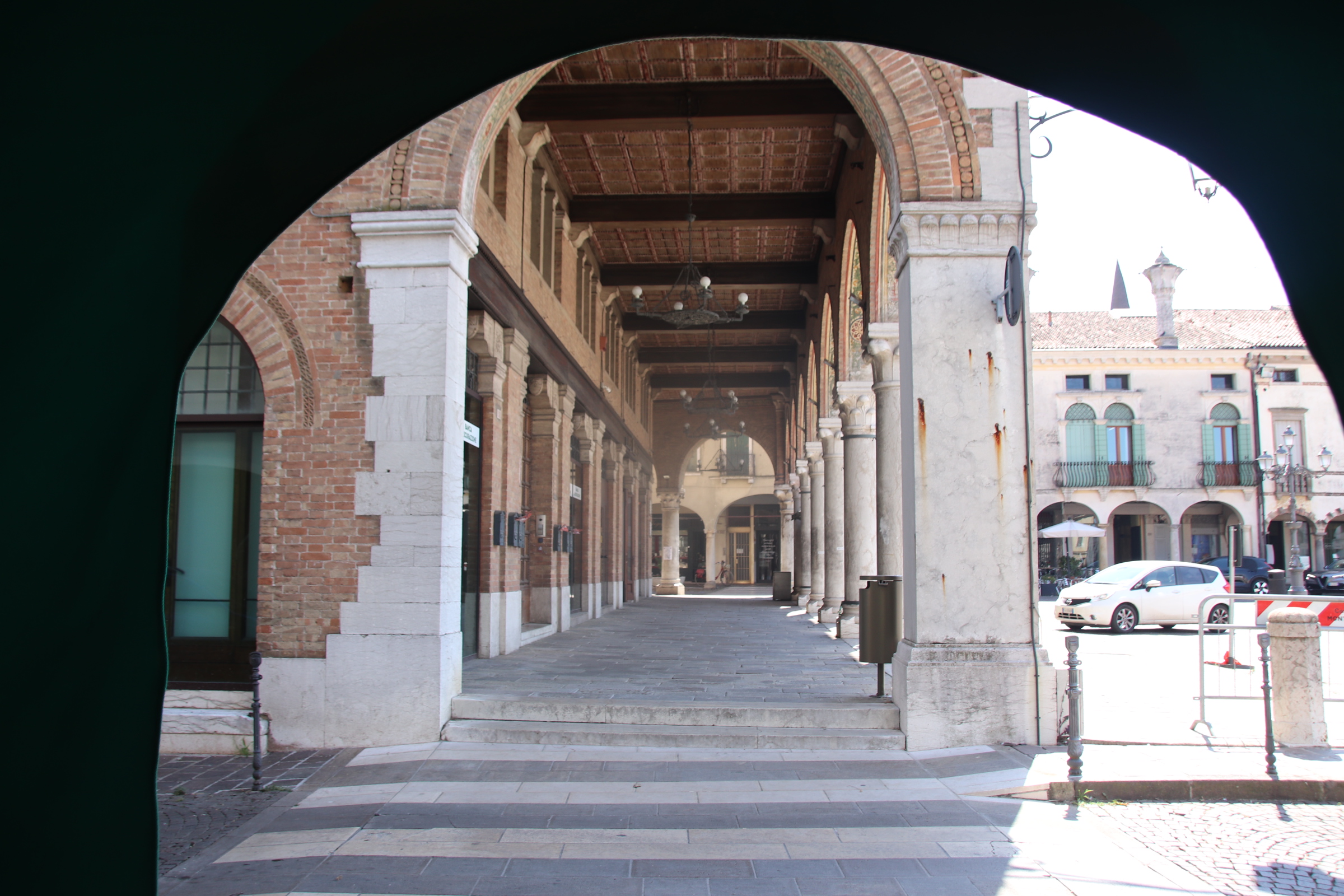
The towns are intriguing places and have many features in common – castellated walls and tall defensive towers enclose a large open piazza, cloistered edges provide shade from the blasting midday heat and powerful Gothic churches impose their presence on those below.
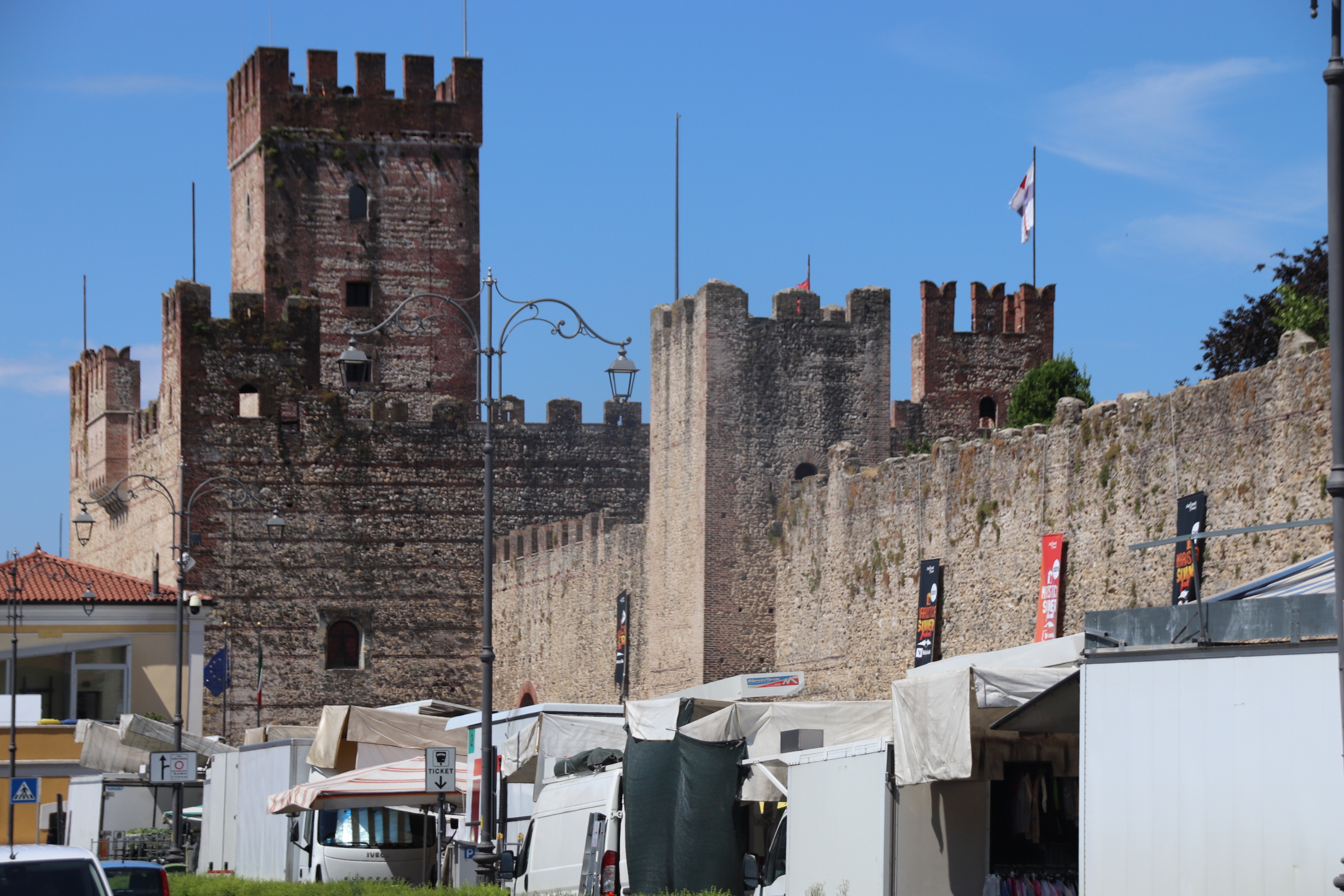
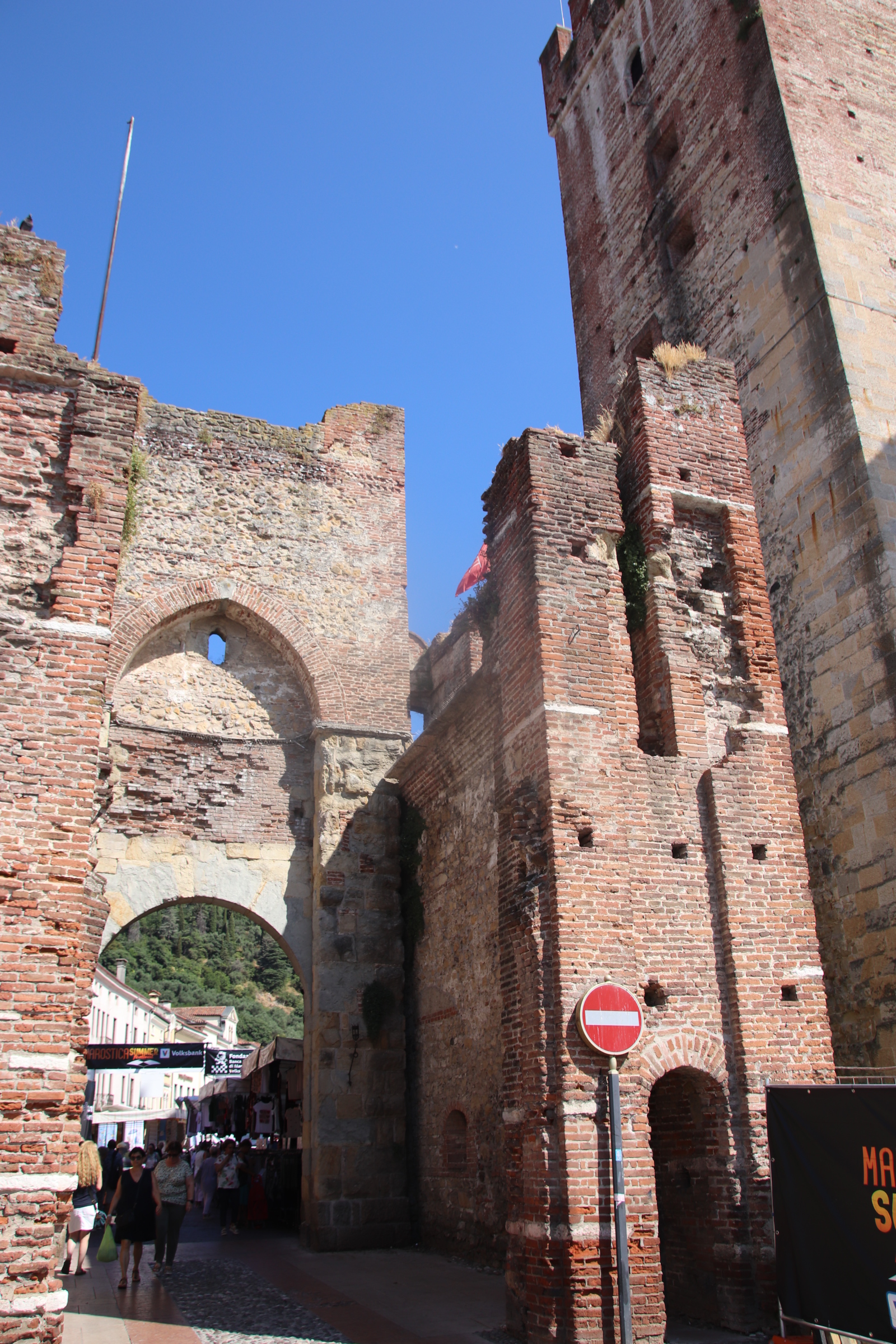
Marostica had a flourishing history in medieval times. During the 19th century it became relatively poor until it’s wealth grew again from the 1950s. The impressive walls & ramparts enclose the town completelÿ with a couple of imposing gateways limiting the progress of vehicles in & out of the piazza.

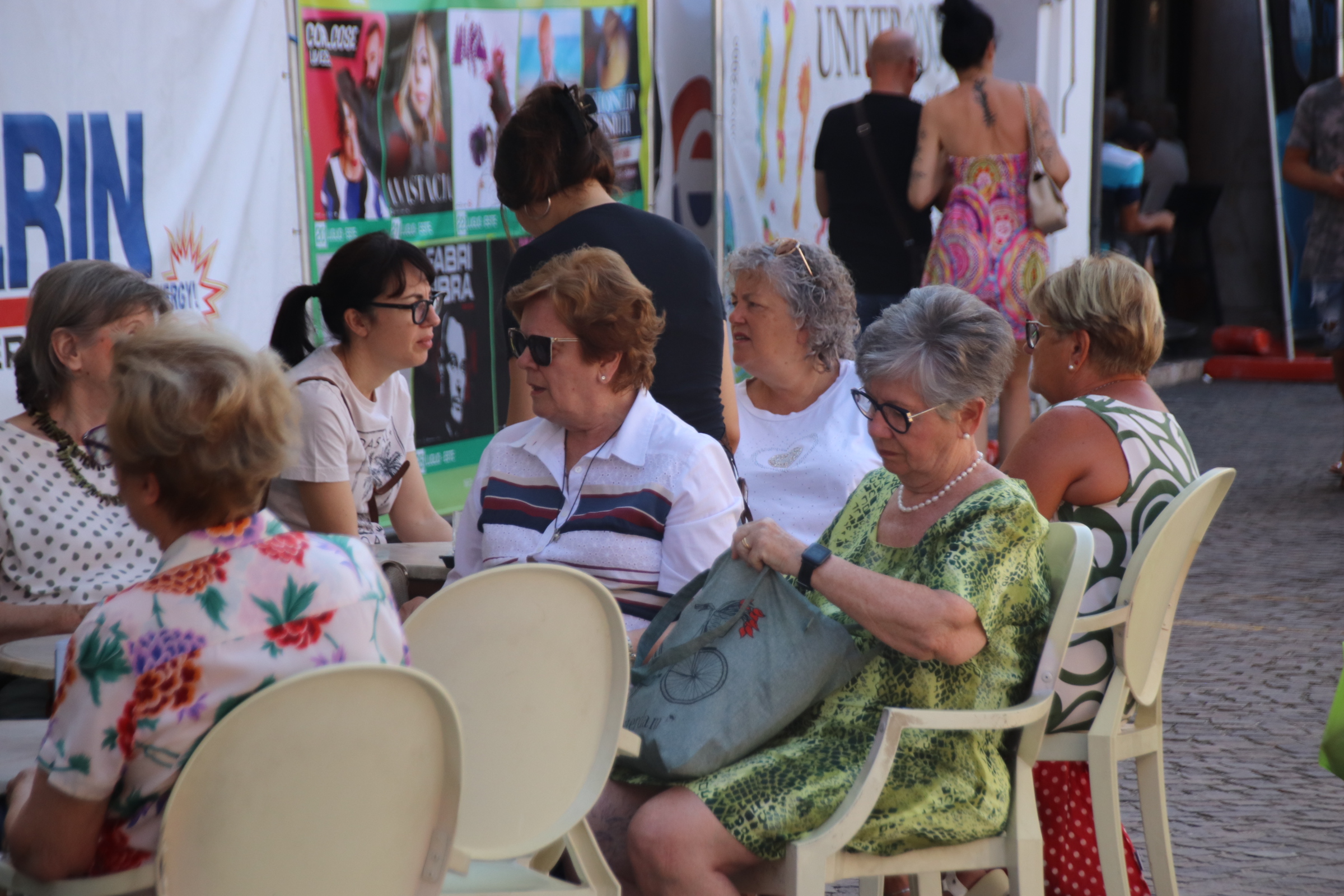
The weekly market gave the whole place a medieval aura with the cloistered edges providing shade for chattering families & friends chatting over their cappuccino & cake.
Umbrellered, ‘white-market-van-man’ acted as a second square of defence around the four sides selling all the wares of a large town market.


Overlooking the whole scene, high up on the hill, a line of medieval, stone fortifications steps to the top to see off any invading army that might have dropped through the time warp.

The town is best known for a chess event which takes place with costumed people playing the part of chess pieces and playing out a game. A large, 64 square chess board is a permanent feature of the market square. Legend has it that this live event has taken place every two year since 1454. Although the original moves have been lost, the festival was recreated after WWII and a modern game played out with costumed locals re-enacting a classic modern game. To give it a bit more class, the whole thing is accompanied with an opera as shown on the poster.

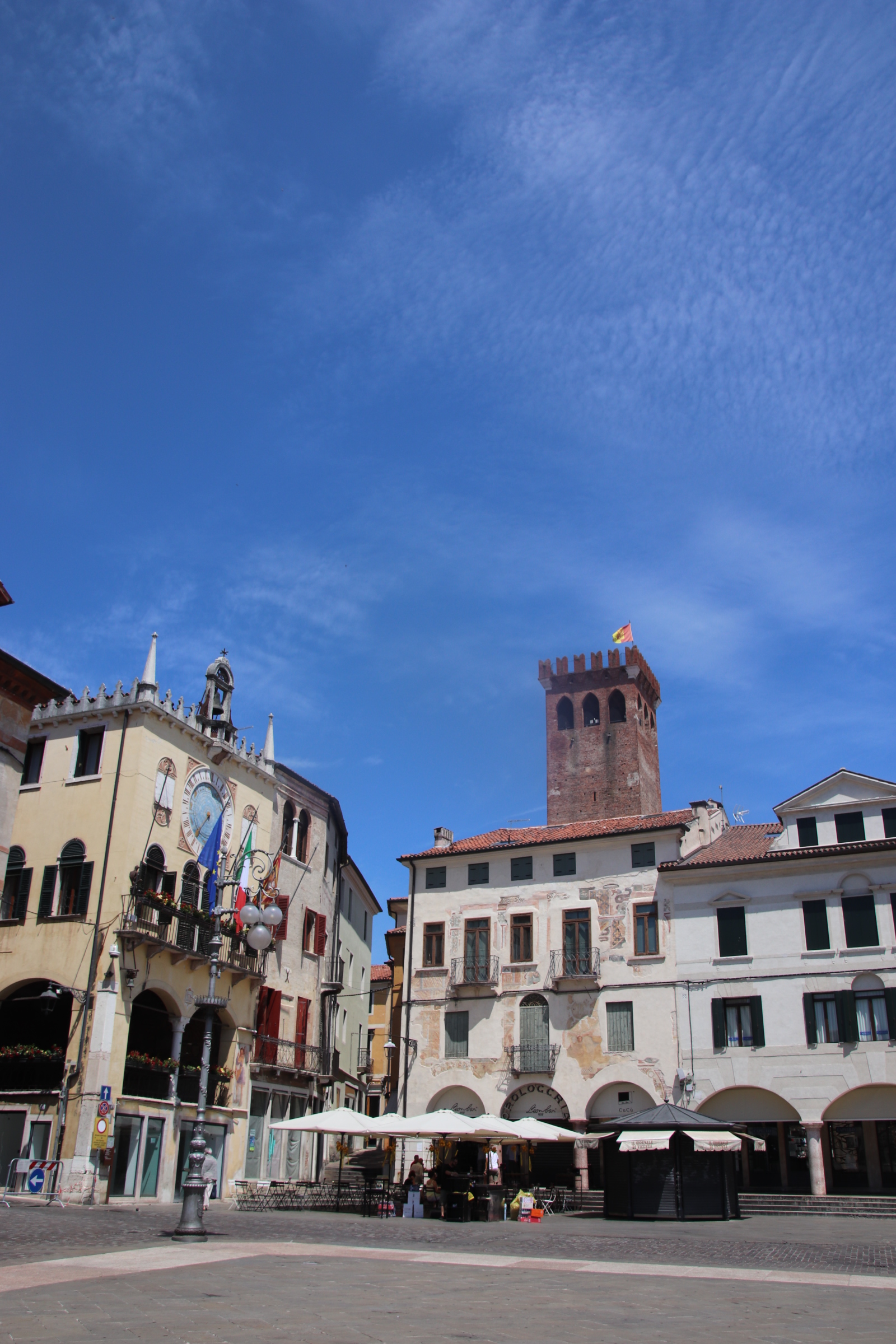
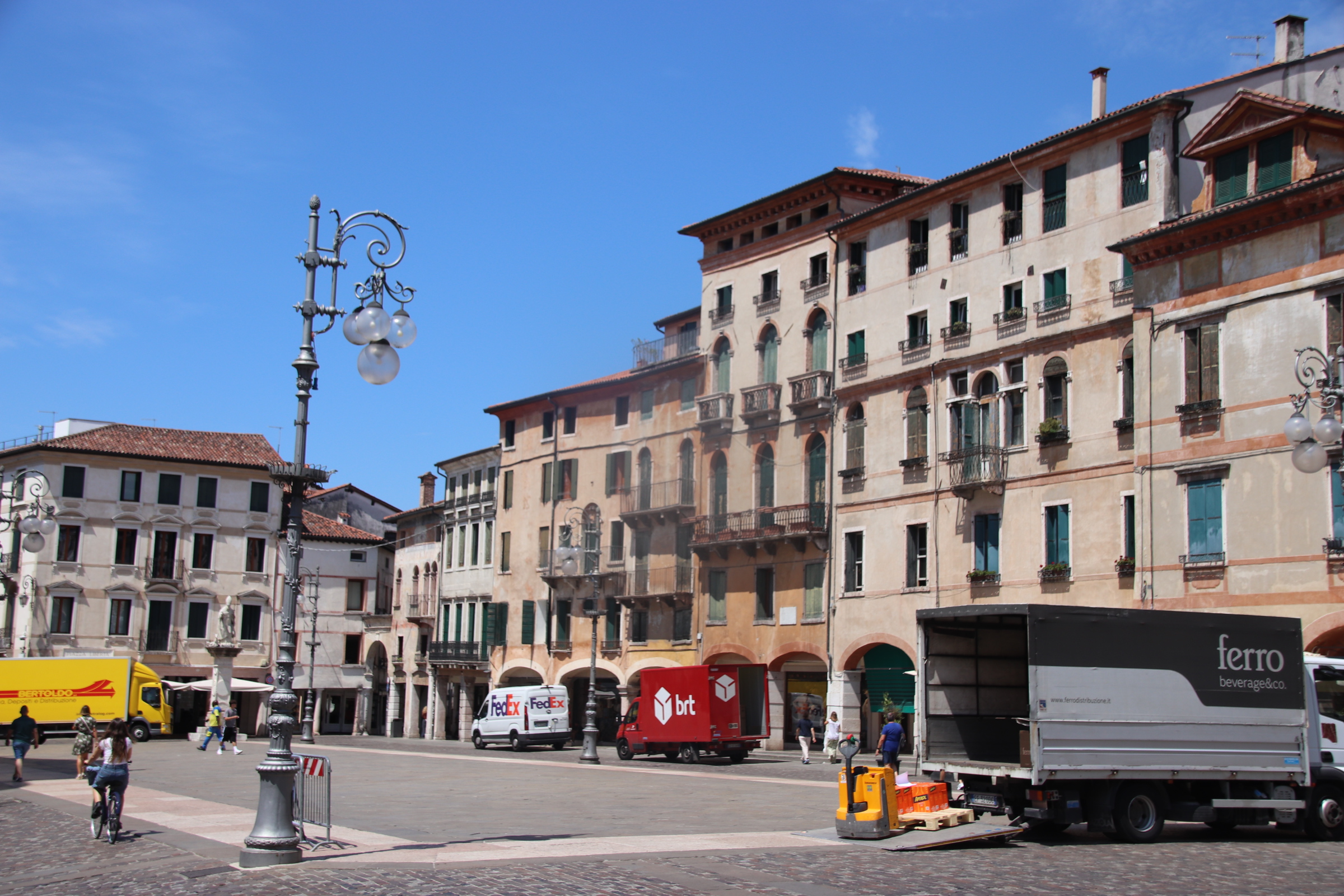
Bassano del Grappa held an important strategic position as a crossing point over the River Brenta. Once through the town walls, a series of piazzas link up to lead down to the bridge.

The wooden bridge has undergone numerous reconstruction’s since it was first documented in 1209.

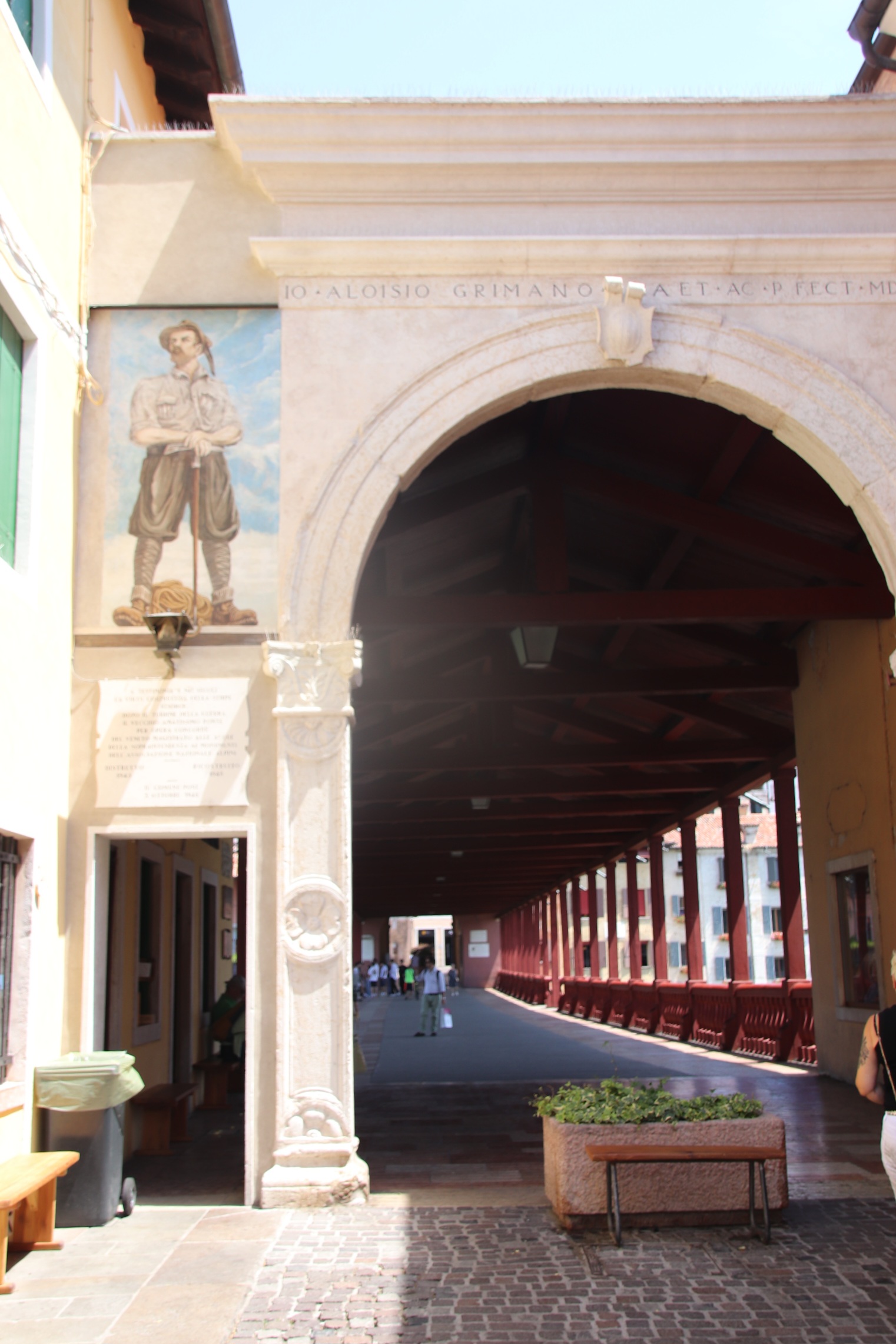
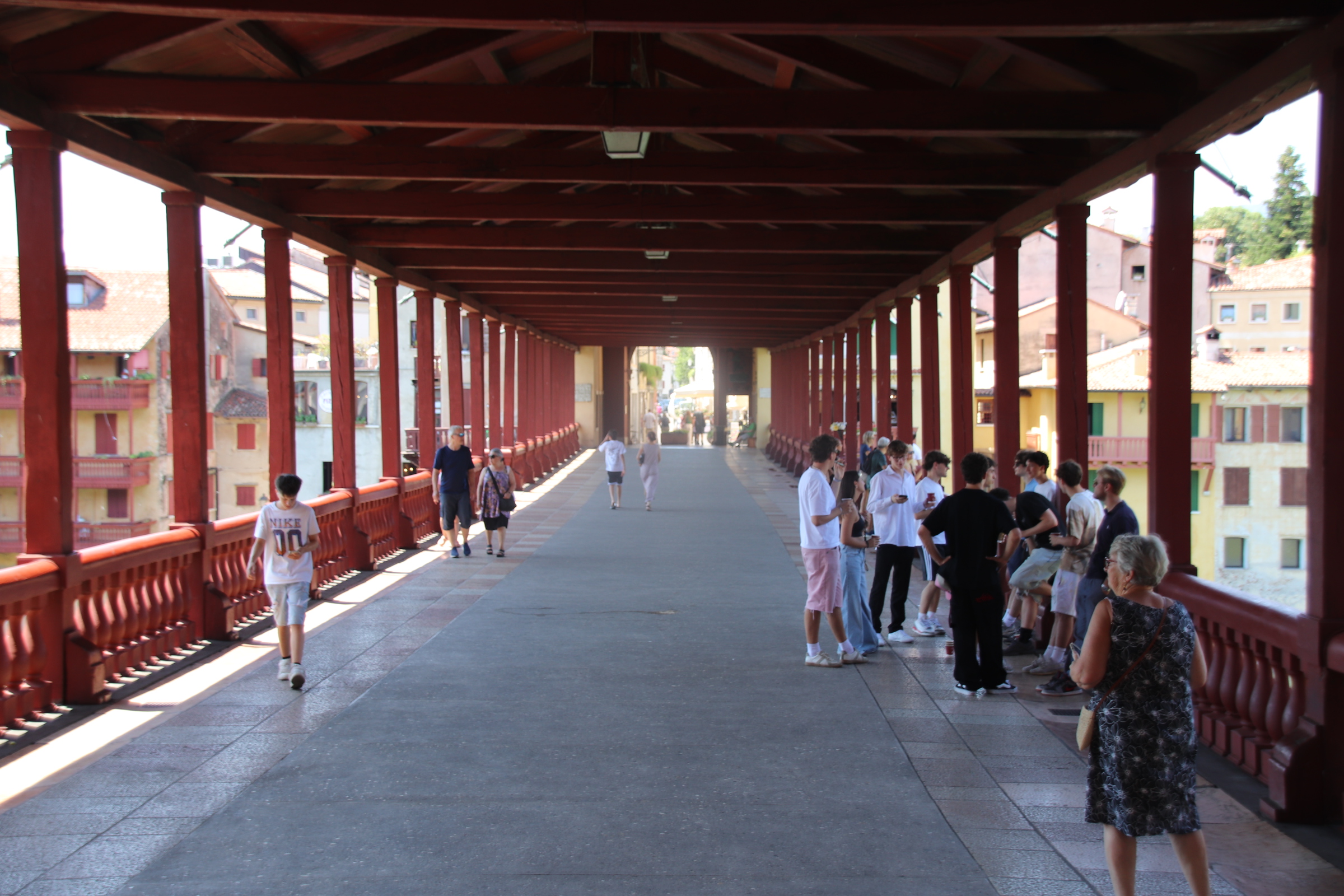
It was here 1779 that the Nardini Family opened Italy’s, now oldest, distillery thus giving the town its name.
Montagnone

Montagnona has the best preserved, medieval walls in Europe. They form the defensive structure of the Castle of San Zeno. The square tower is deemed to have been built in 1242 on the site of a castle built in 996.

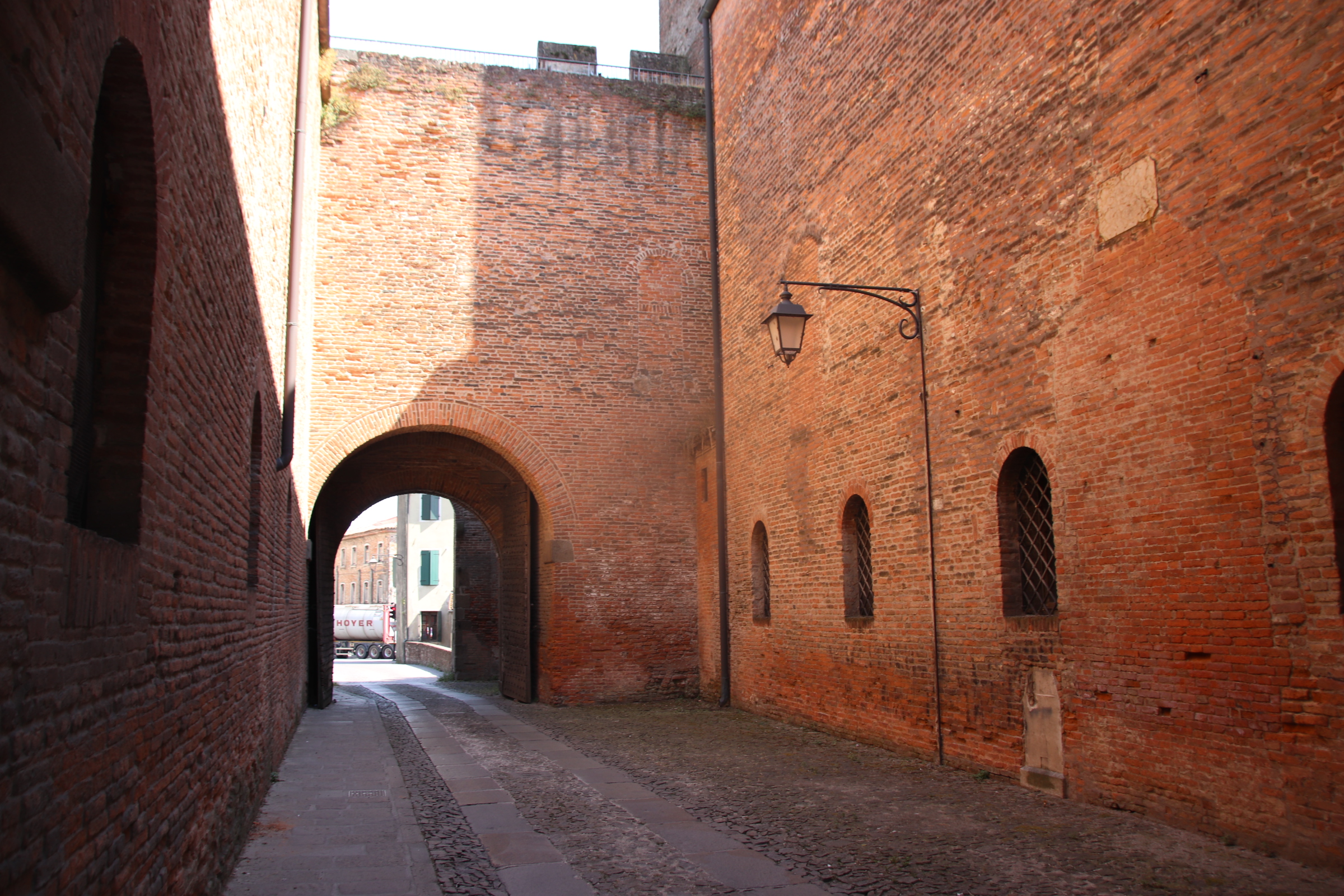
On the north & south walls, traffic lights control vehicular access to the enormous piazza that heatedly bakes in the mid-afternoon sun.
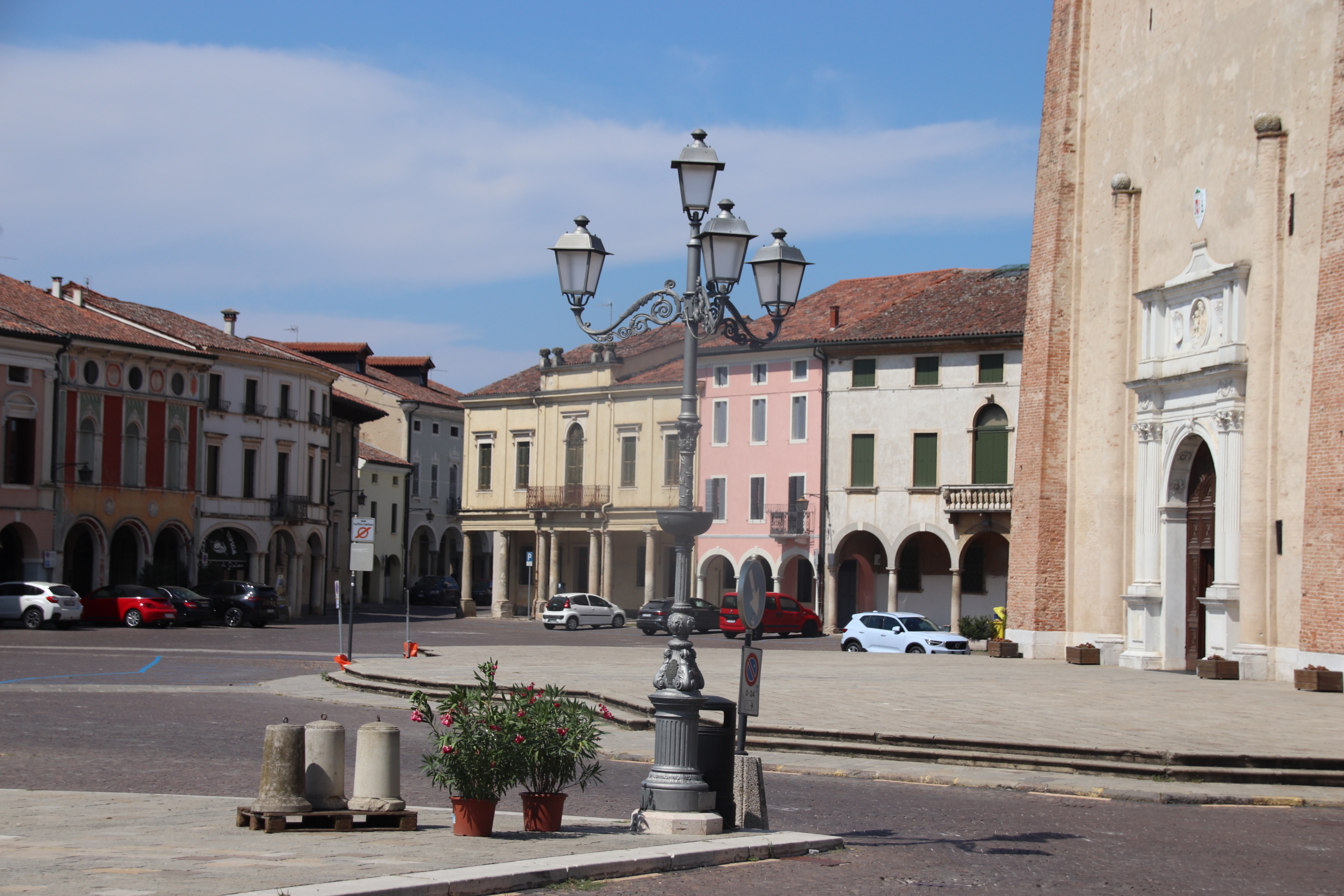
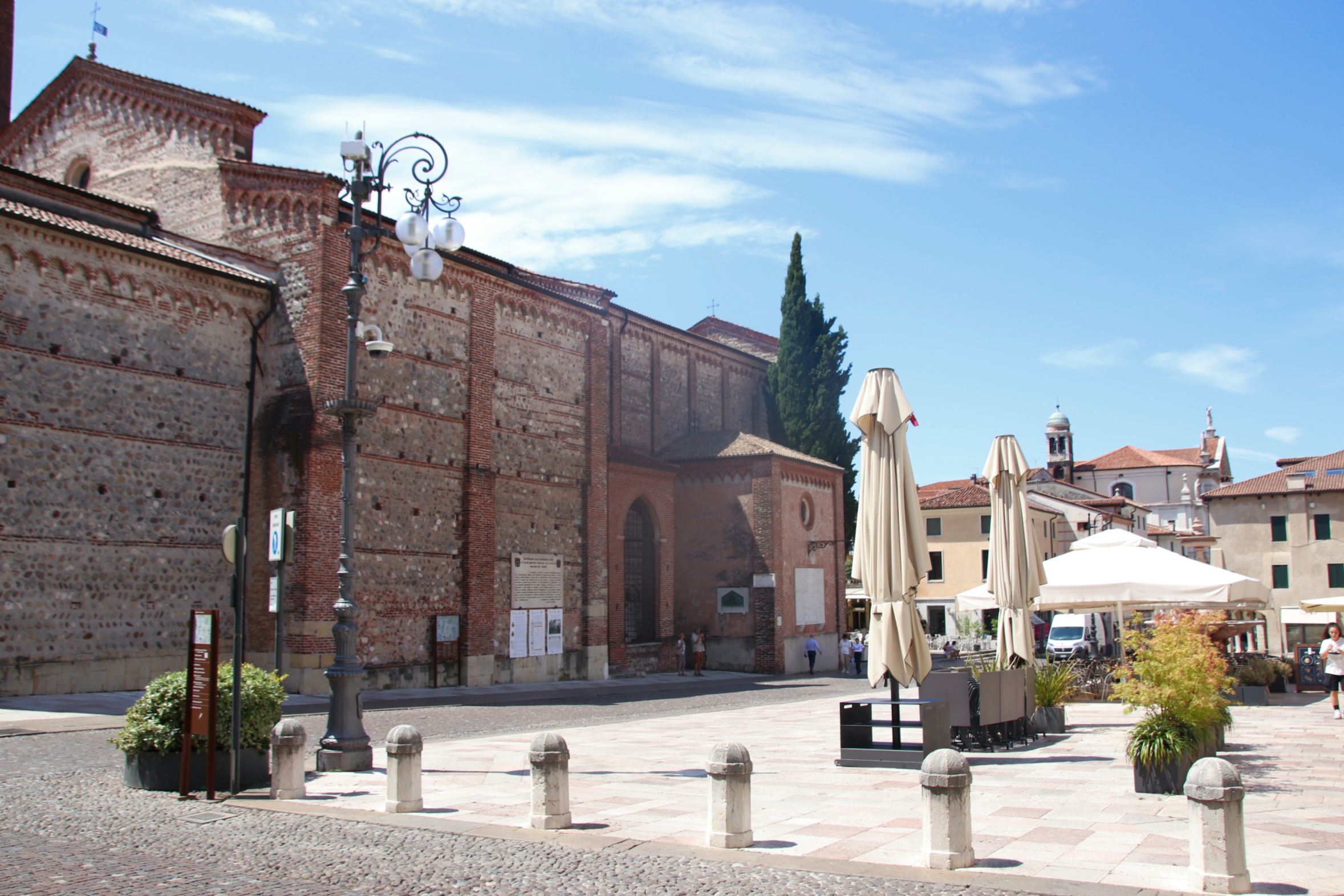
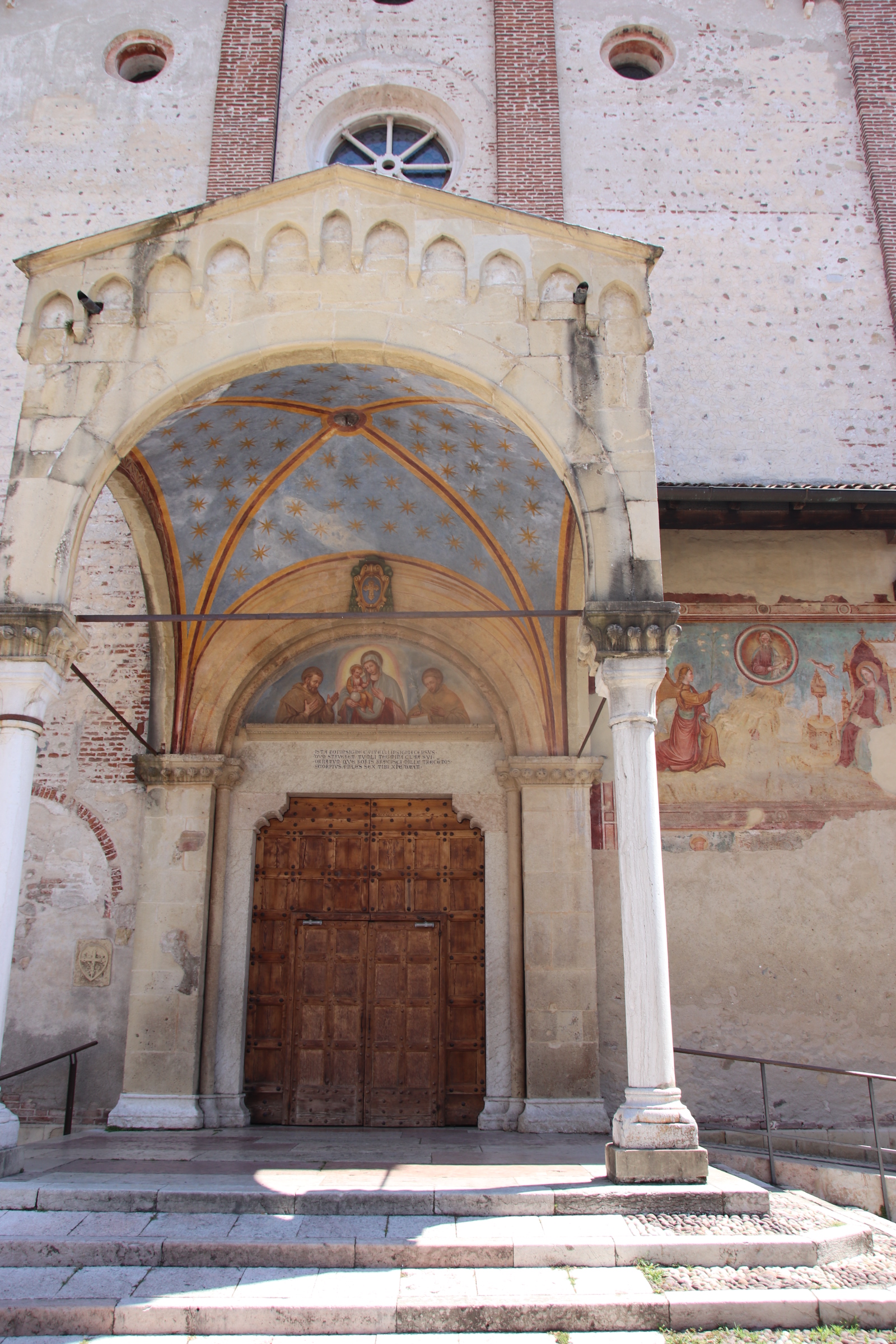
Holding prime spot in the piazza is Santa Maria Assunta. This Gothic Cathedral was built between 1431 & 1502.


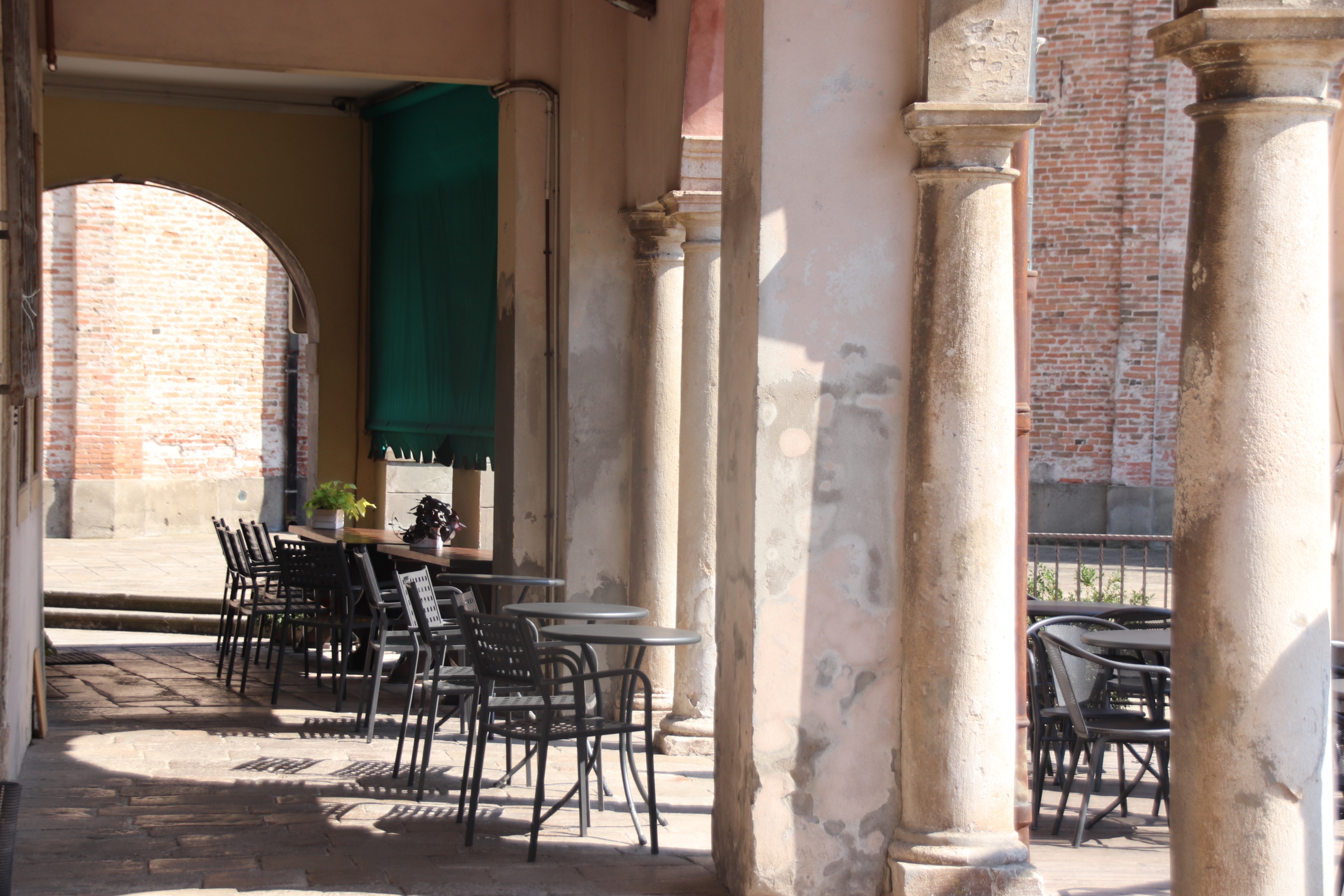
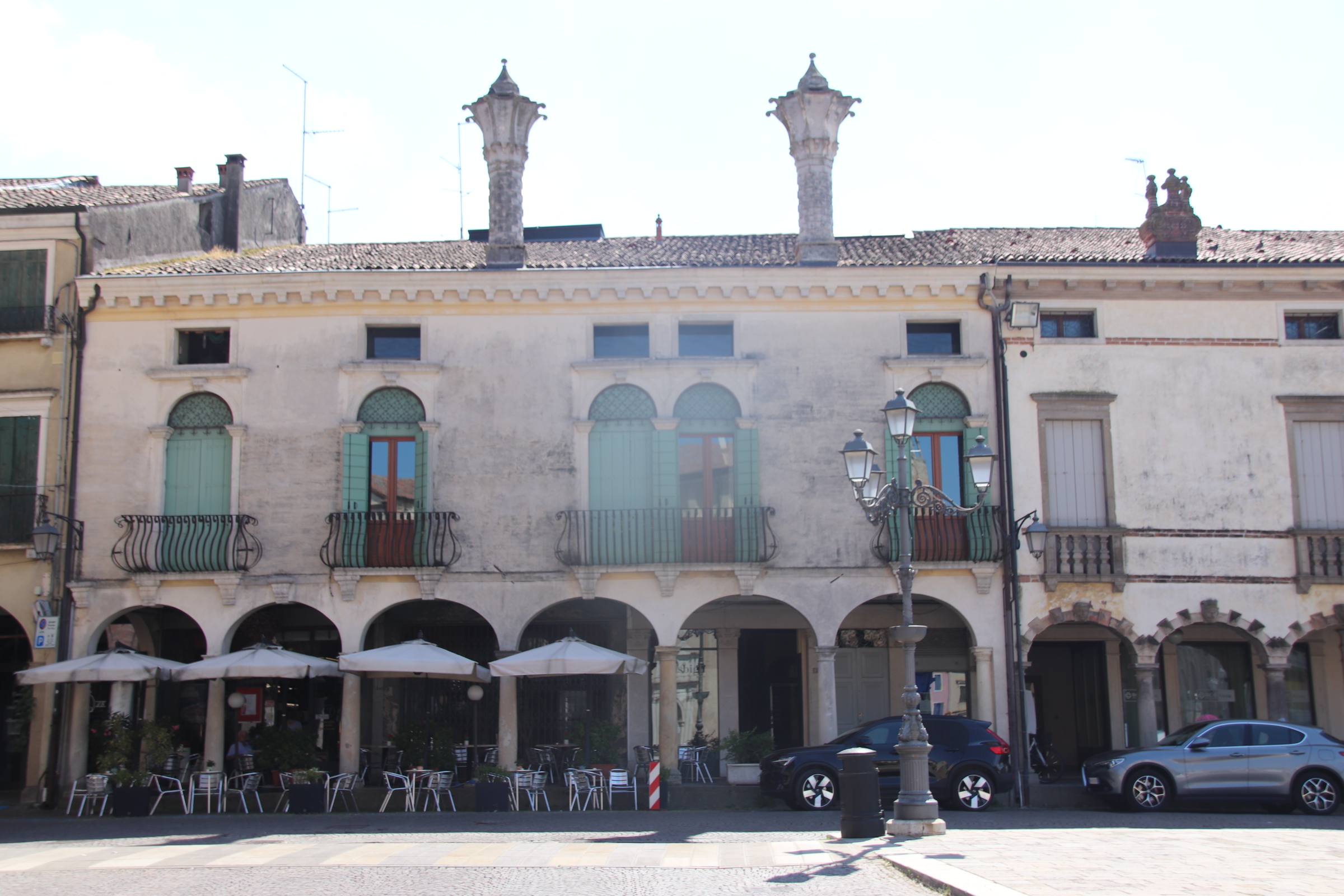
The town hall was completed in 1532.
 My Travel Adventures
You must be logged in to post a comment.