A raid into Liguria

It’s a bit like olden times – a raiding party snaking past ancient hilltop castles & towers to take control of that narrow coastal strip of Liguria, nowadays called the Italian Riviera.
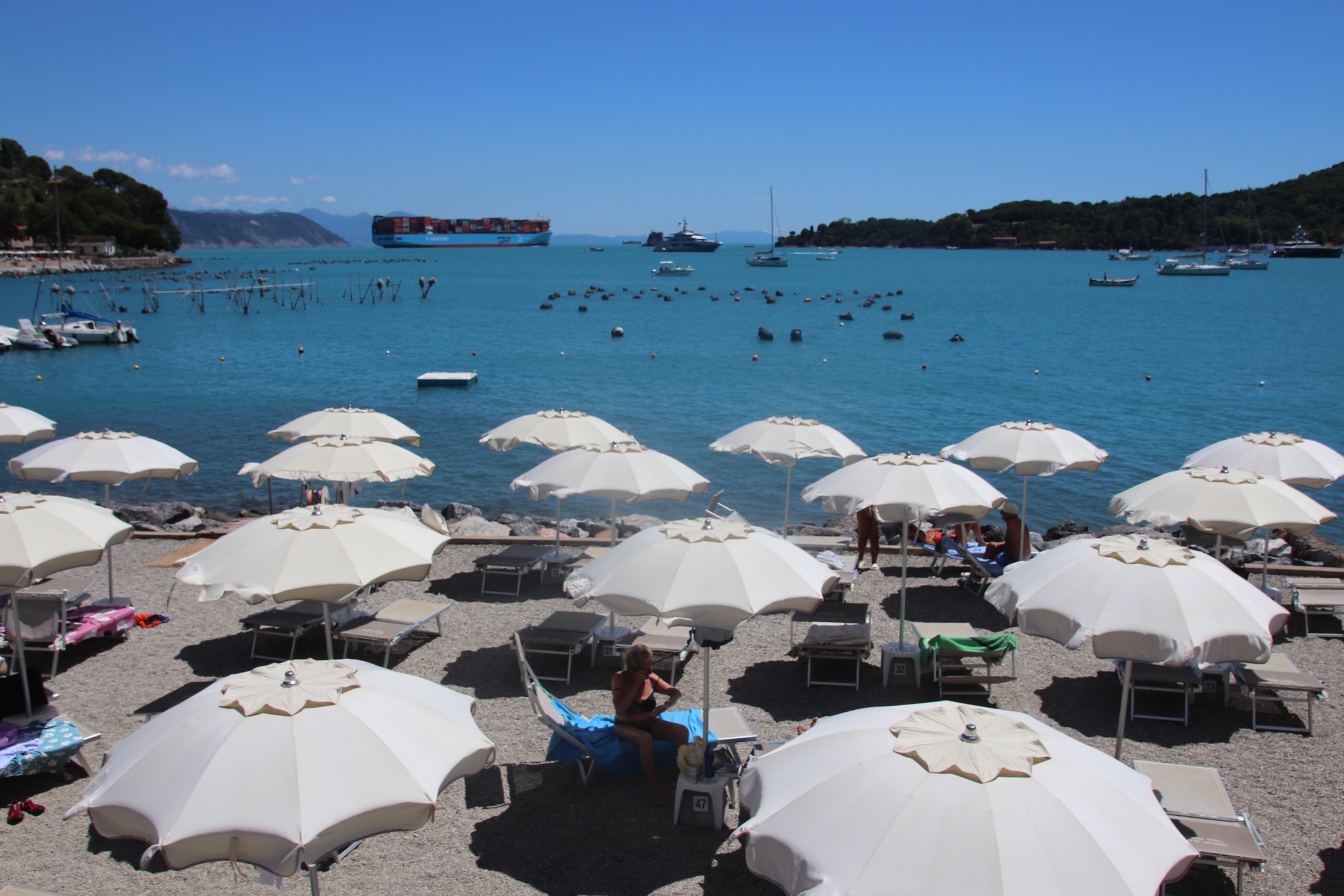
It’s wonderful to see the Mediterranean from the ribbon of road that hugs the coastline. The days of lounging on the beach, picking random pieces of clinker from feet and rear whilst roasting in the sun like leathered lizards on a Sunday spit, are long over.
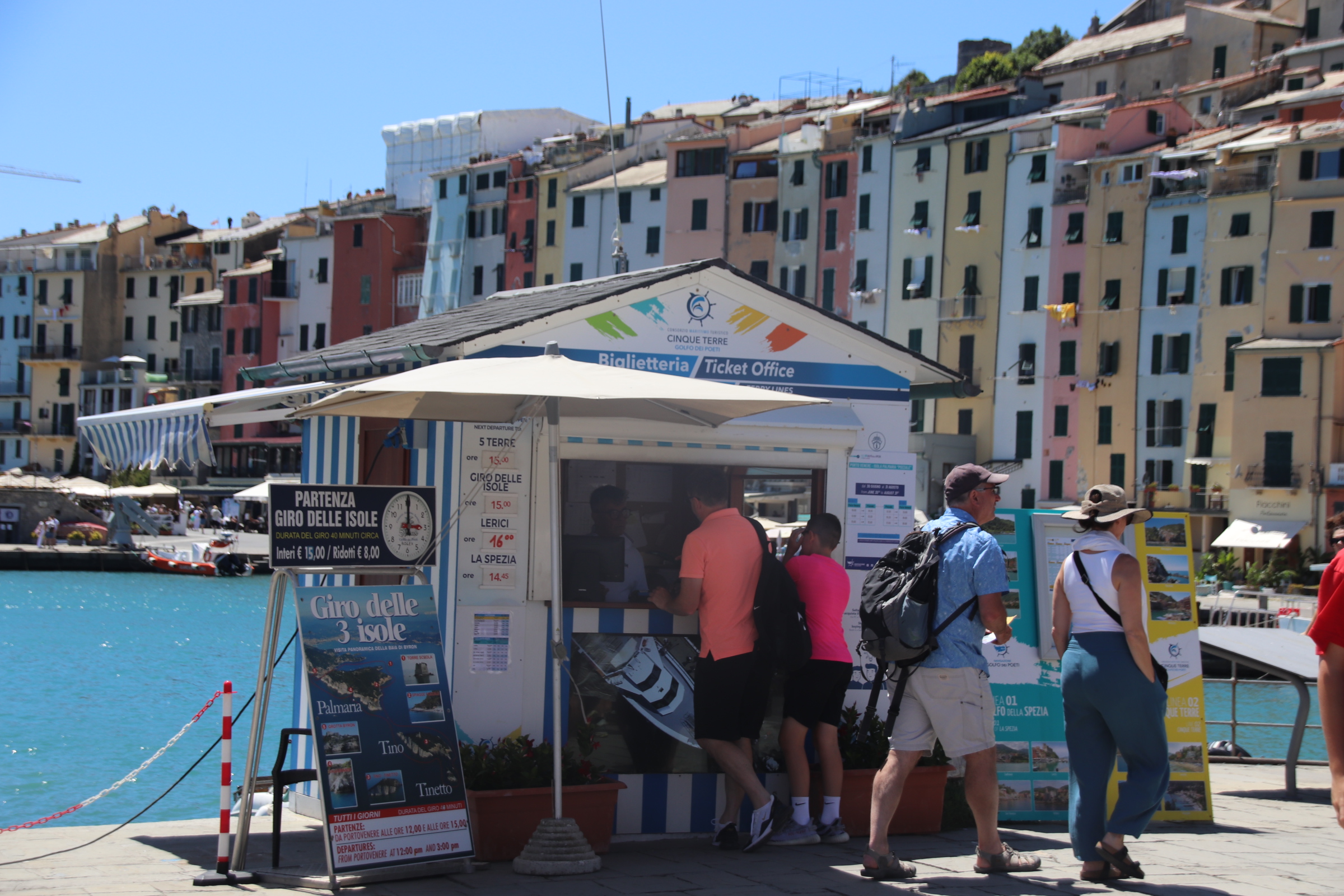
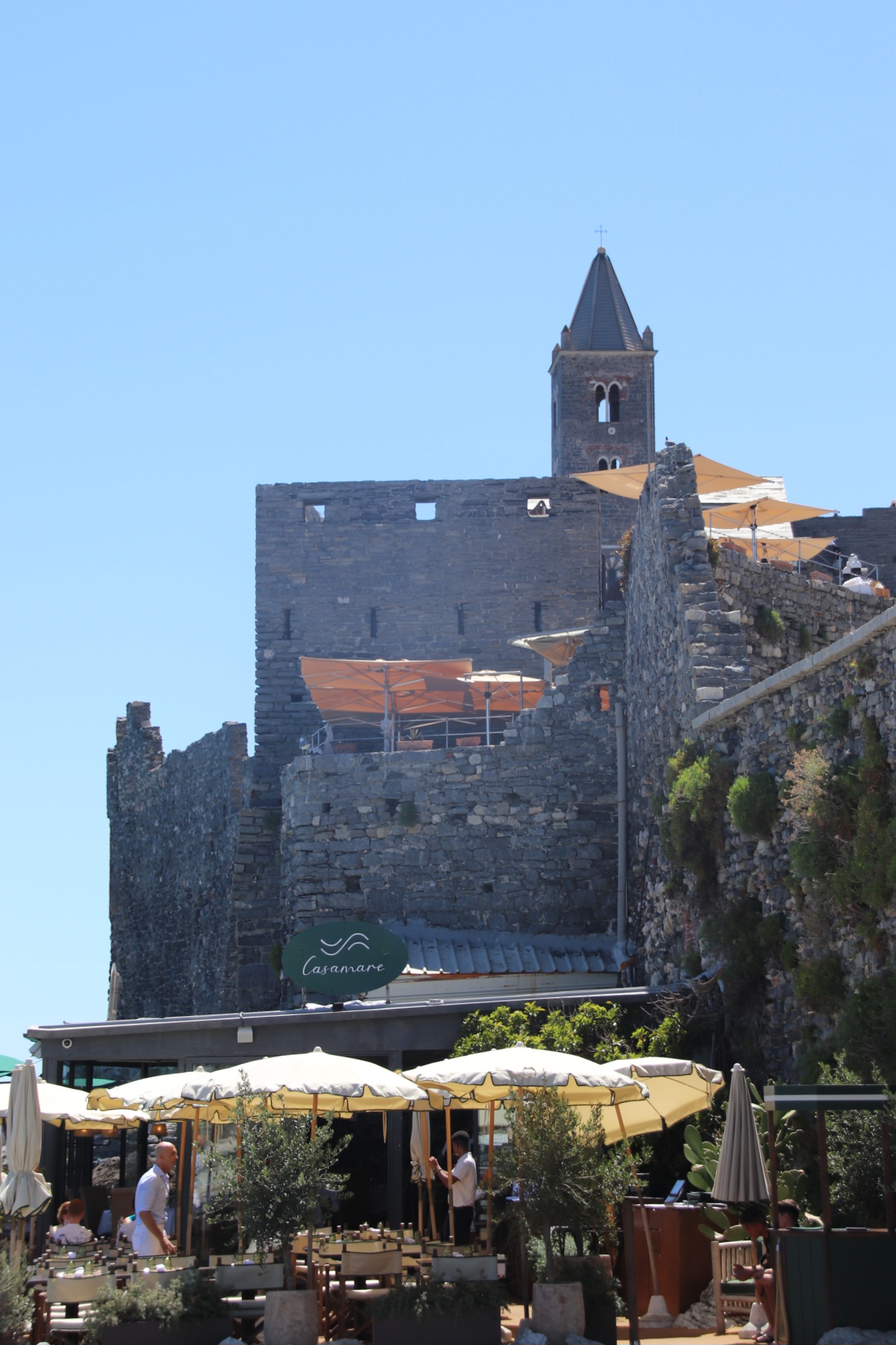
I prefer the tourist wander, appreciating history, art & architecture and partaking in wine & food, however much they might take me for an expensive ride.

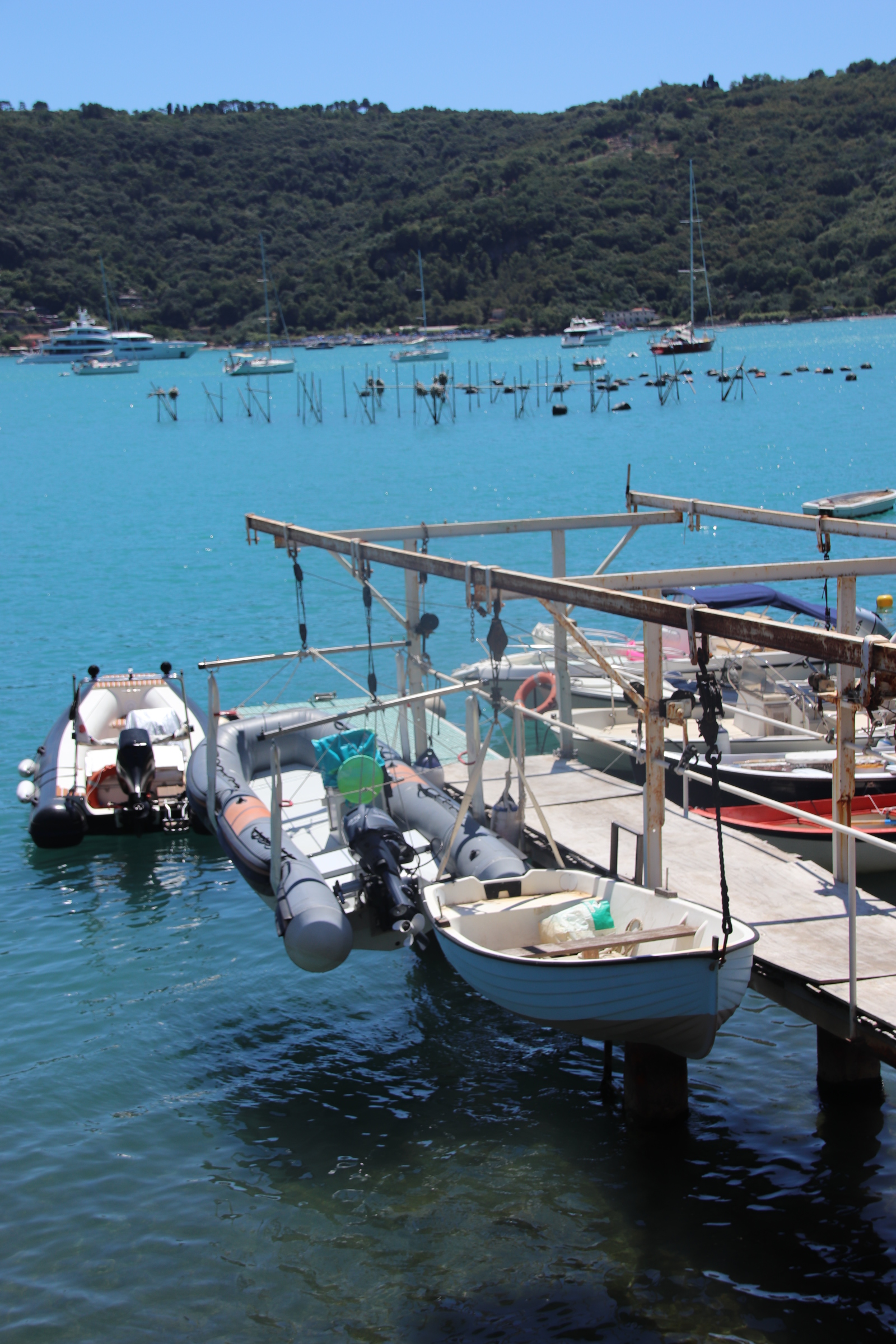
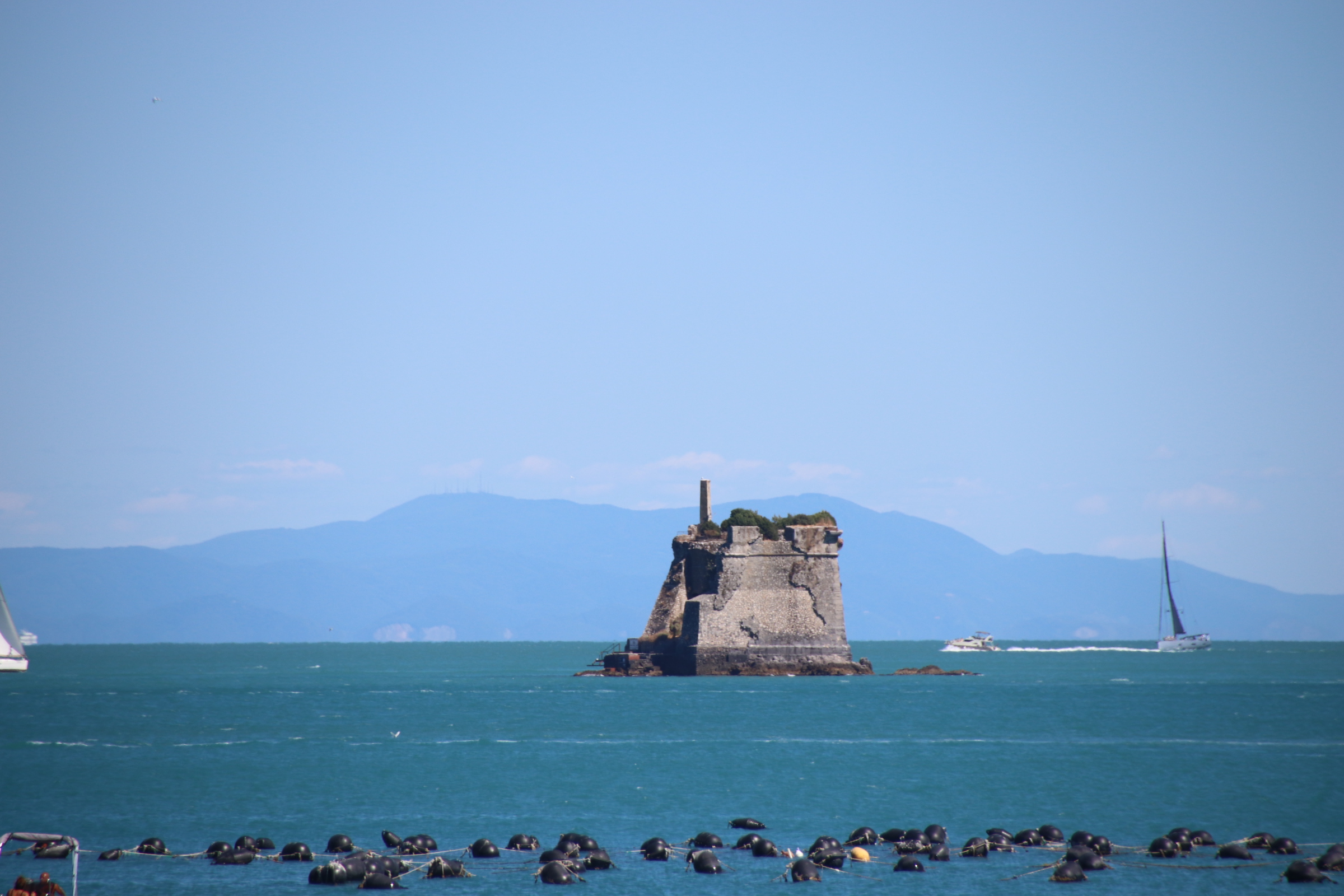
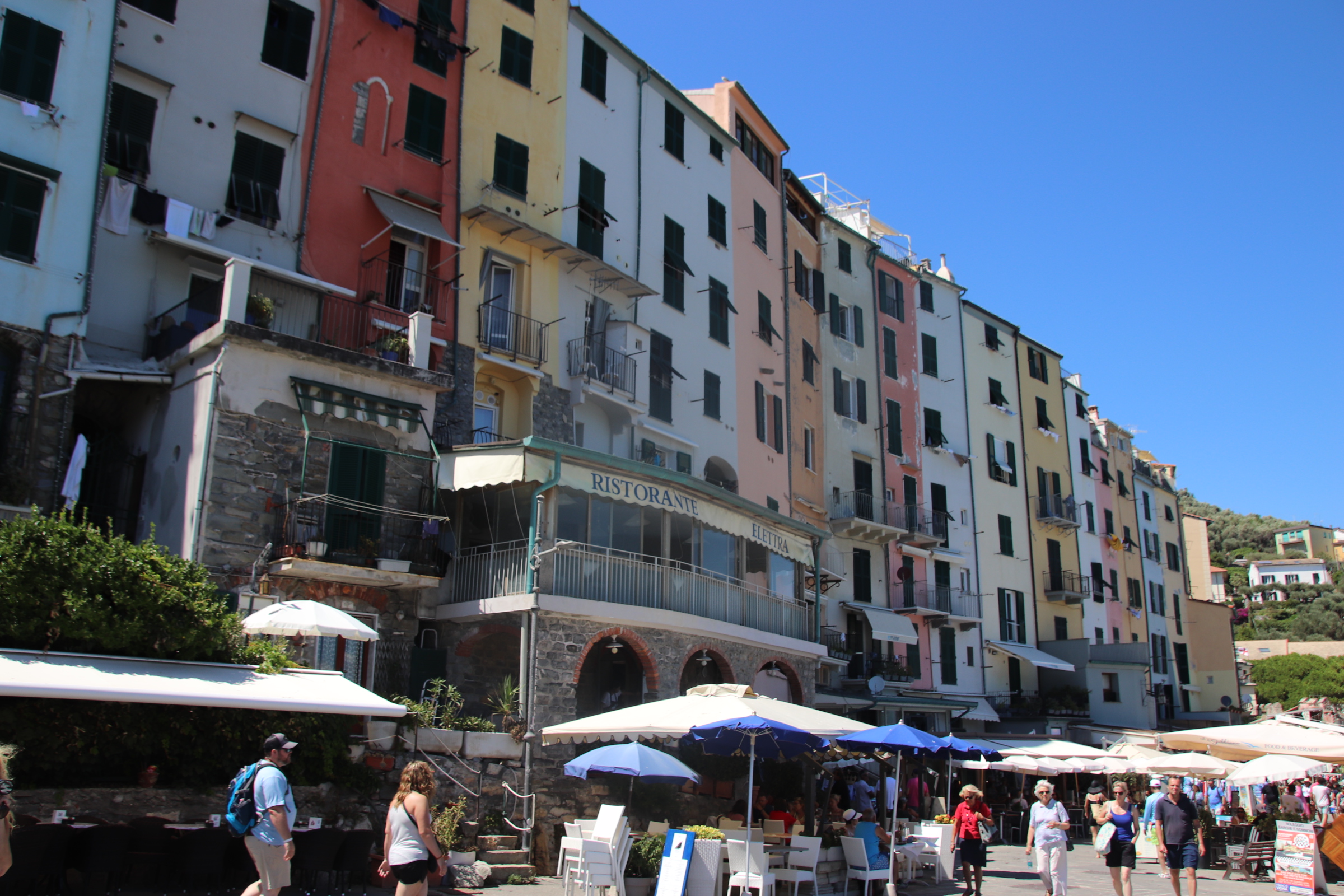
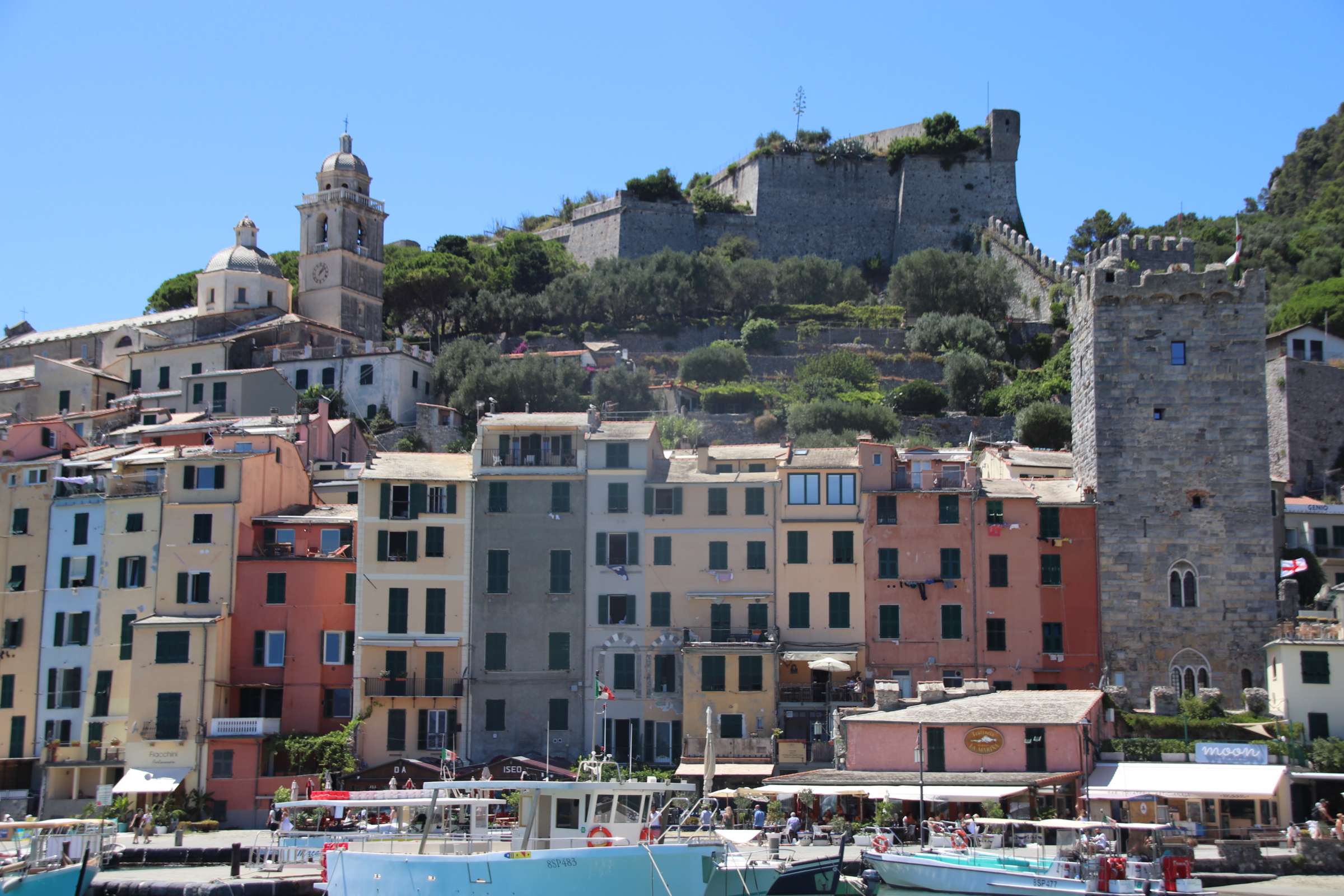
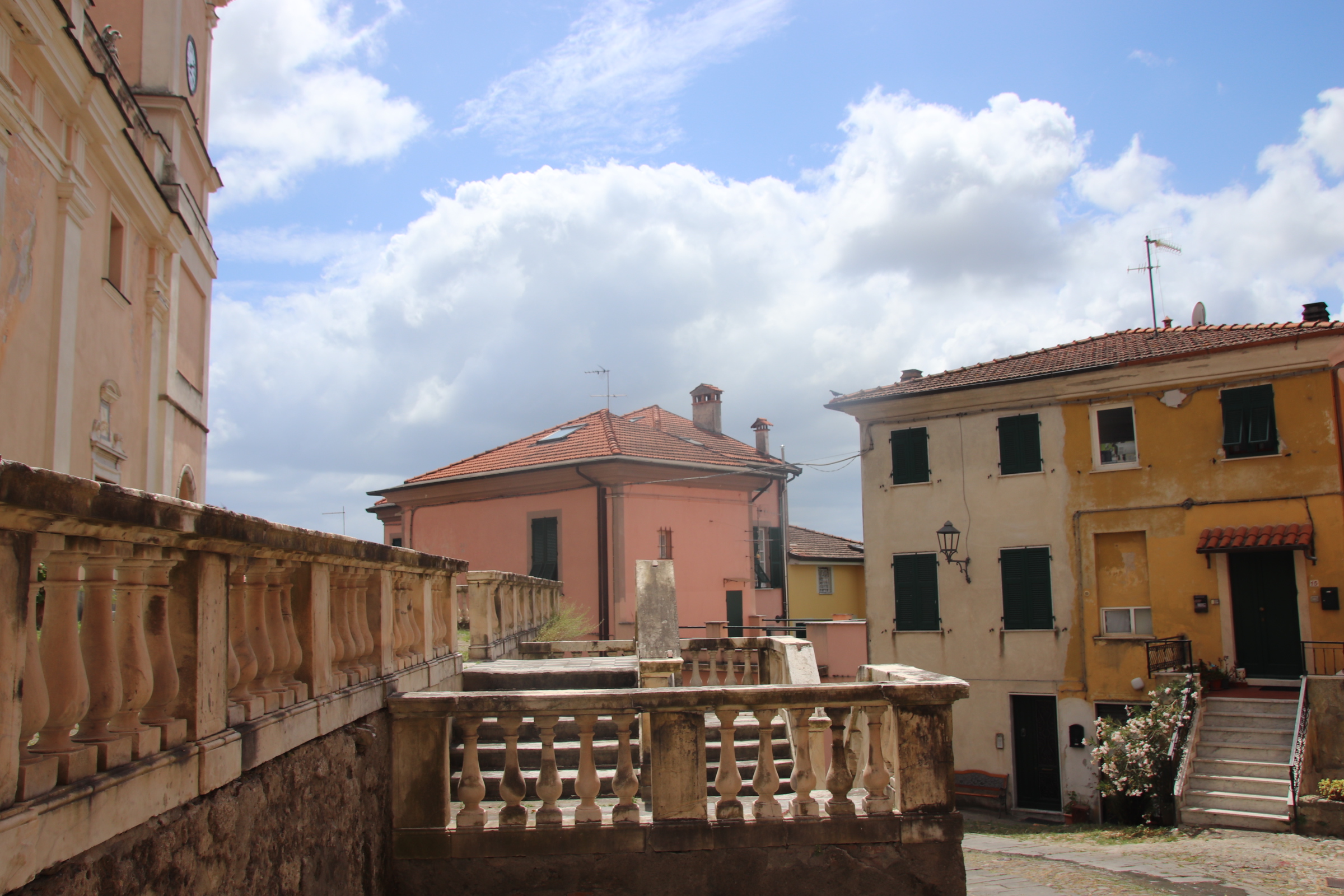
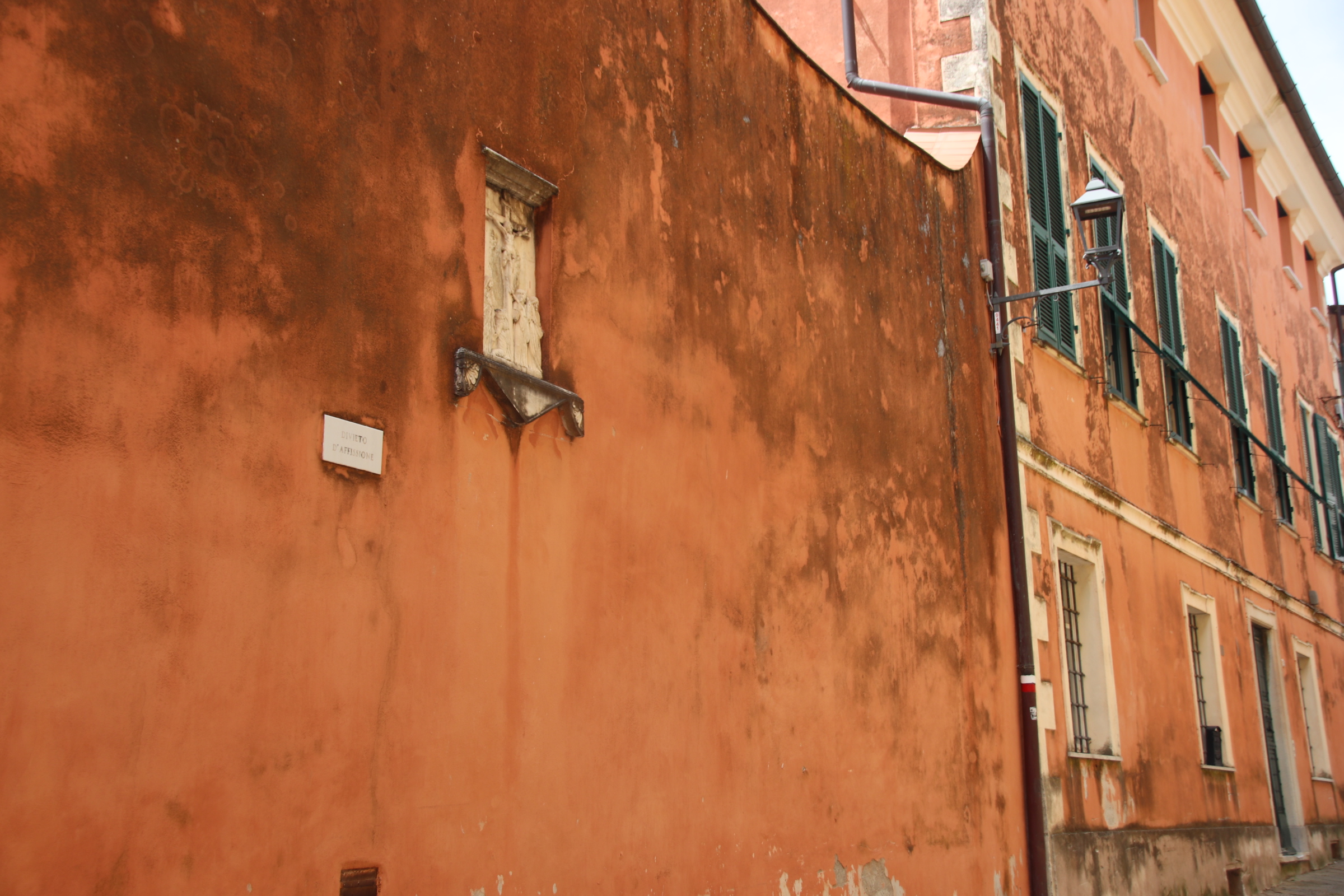
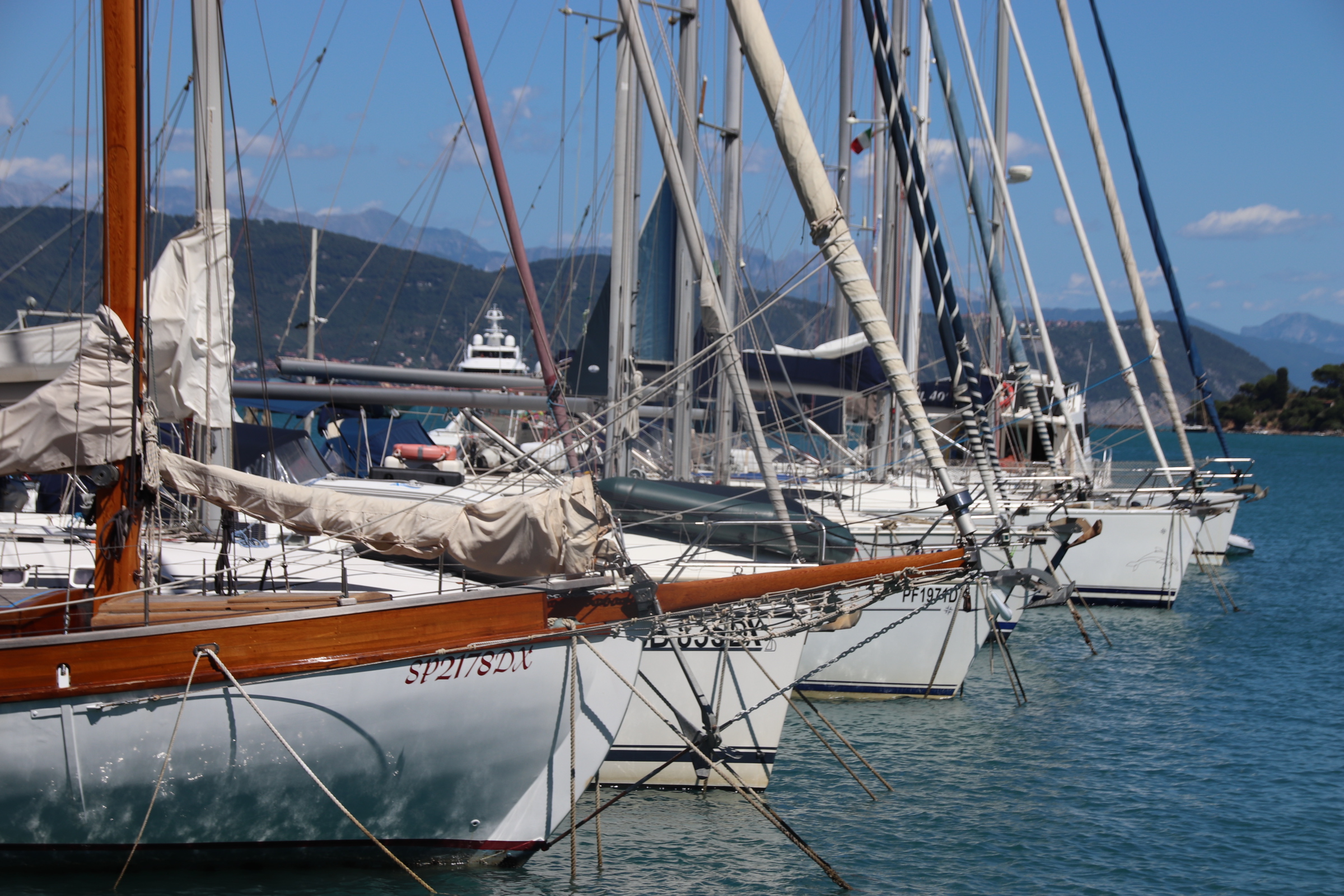
Portovenere is just south of the Cinque Terre. It has the essential elements of Lunigiana – a coastal fort & town walls, churches powering it over local troops & citizens, narrow streets & tall, pastel-coloured, tenement type buildings, once home to fishermen & merchants & now to restaurants & bars & tourist shops.
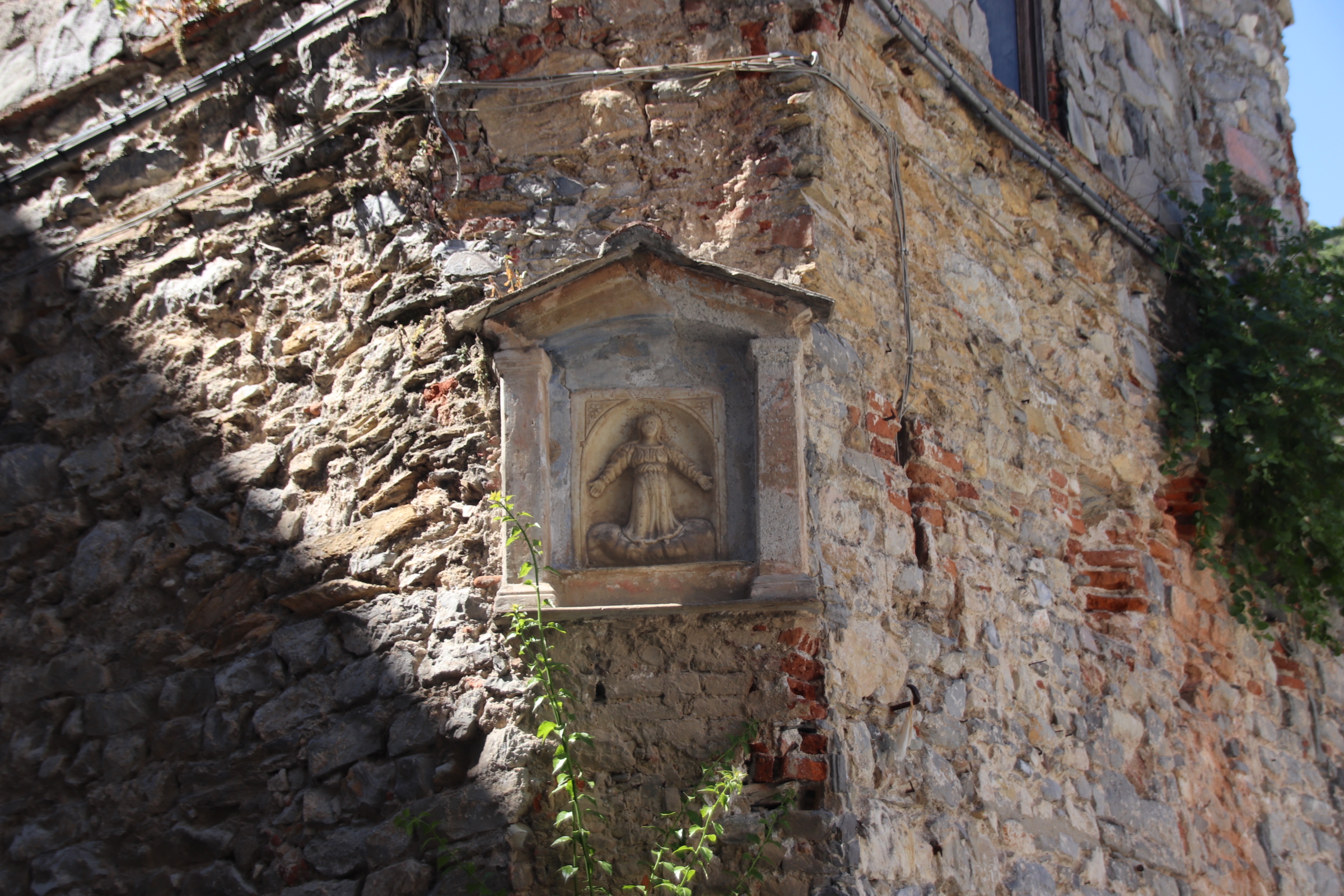
Rather than a shipping industry built to trade up & down the coast & further afield, the modern way is to shuttle tourists about on day trips, snapping photos of caves & blow-holes & picturesque fishing villages.
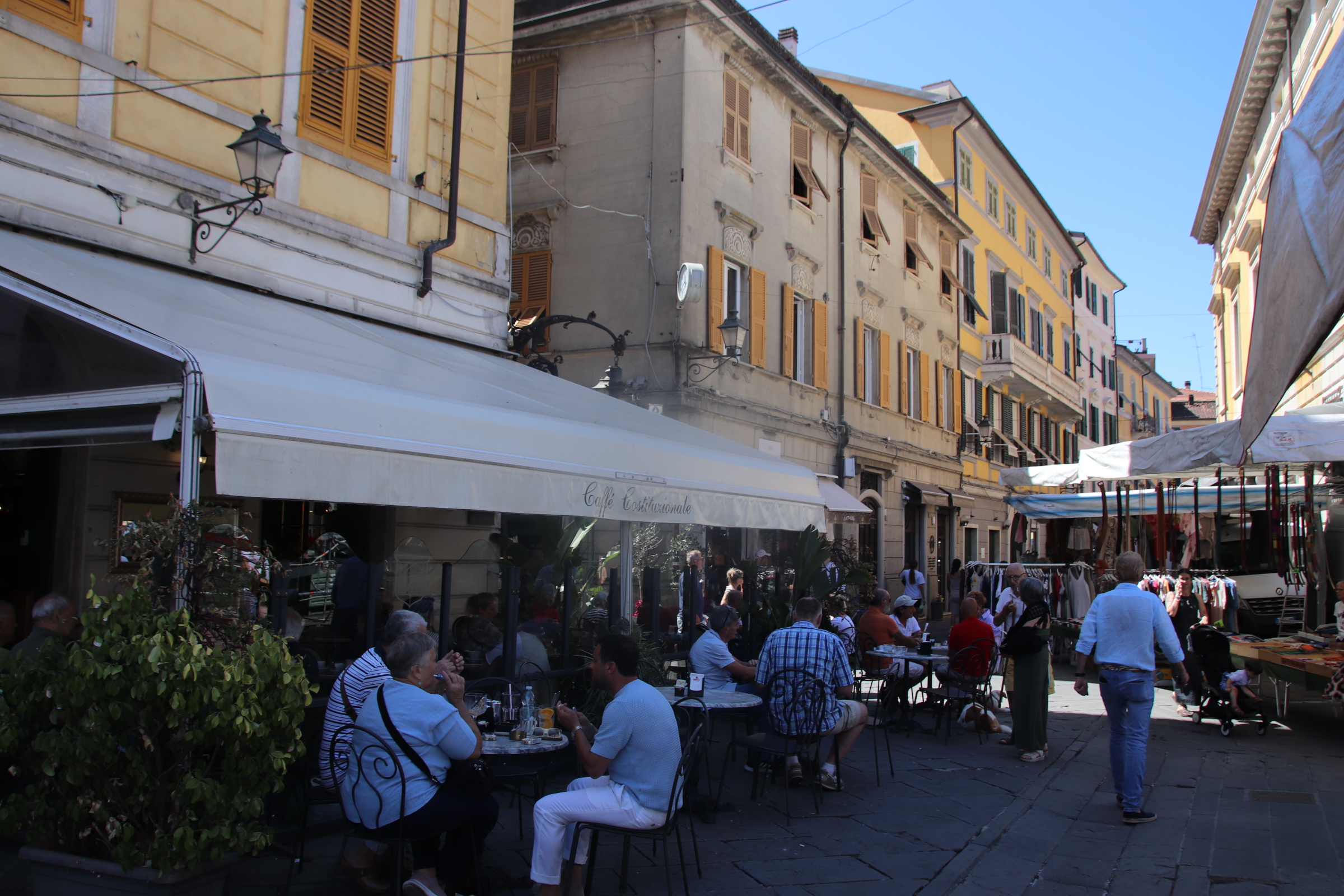
Sarzana is a few miles inland. It’s Thursday. Market vans conceal the axes of cobbled streets with their huge hanging umbrellas & their haphazard positioning.

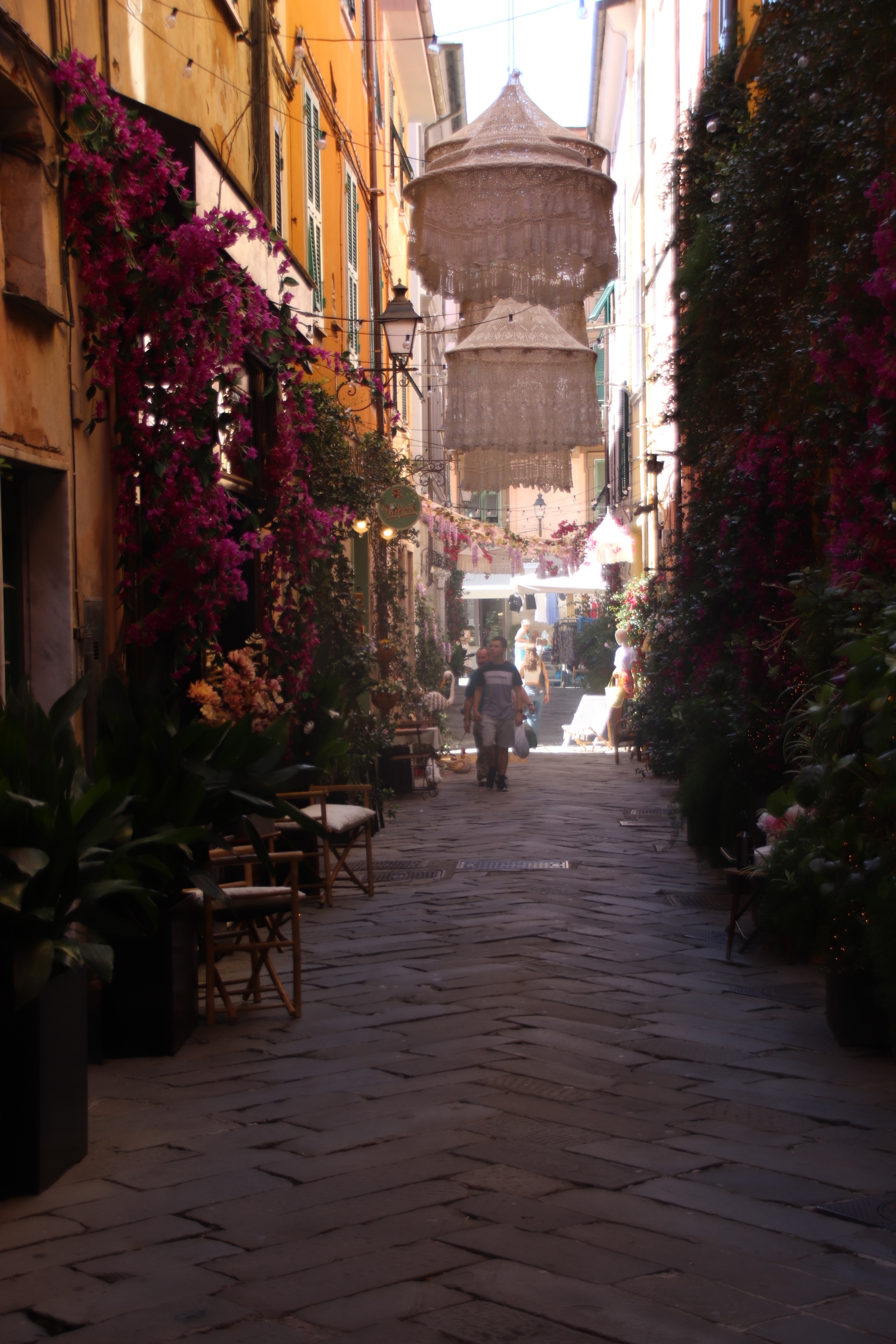
Once the chattering locals have been pierced, coffee consumed, cobbles negotiated, spokes of pretty streets are revealed, decorated with whispy hanging silks & purple bougainvillea.
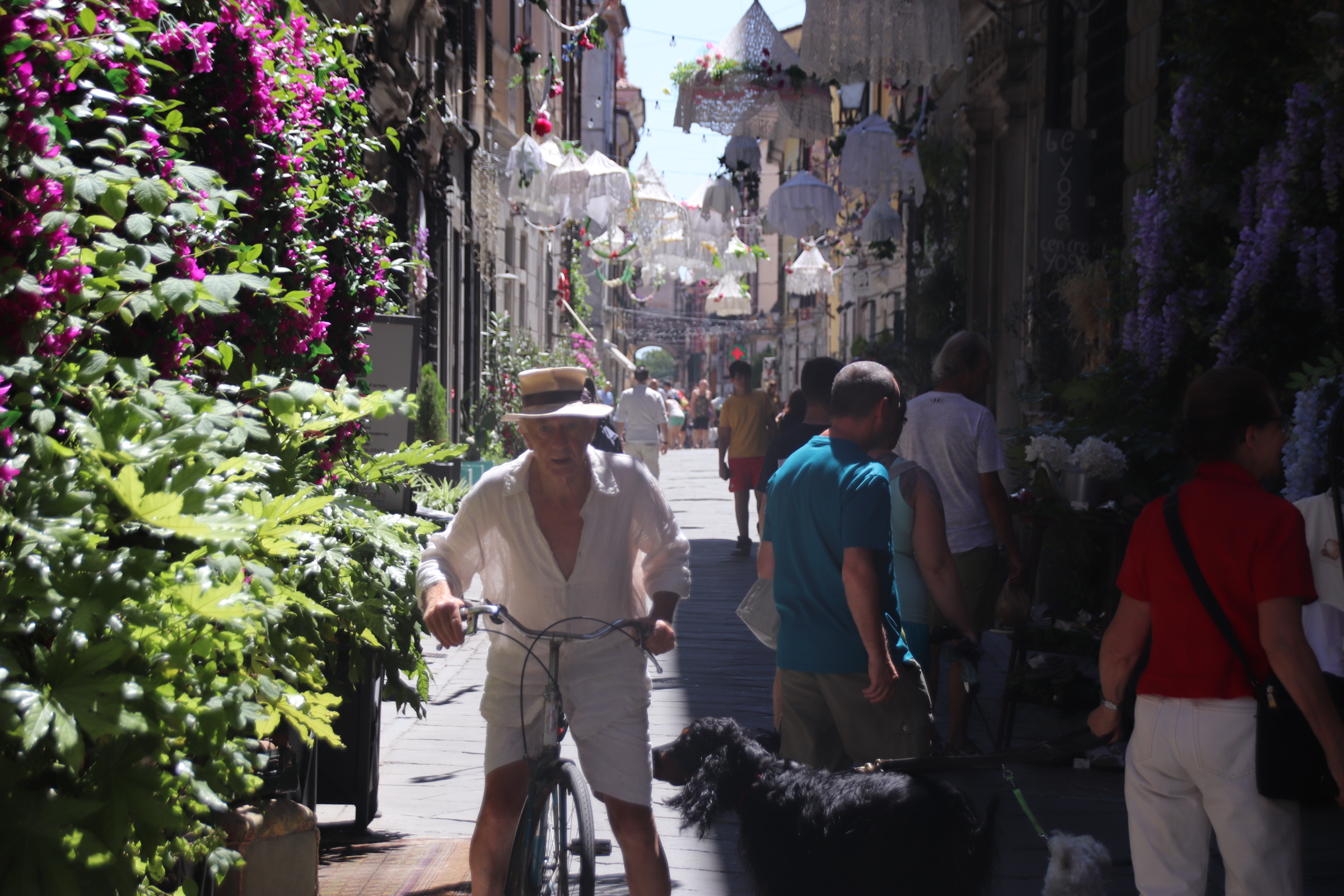
The town’s walls & gates added an extra defensive loop to the castle & fortifications.
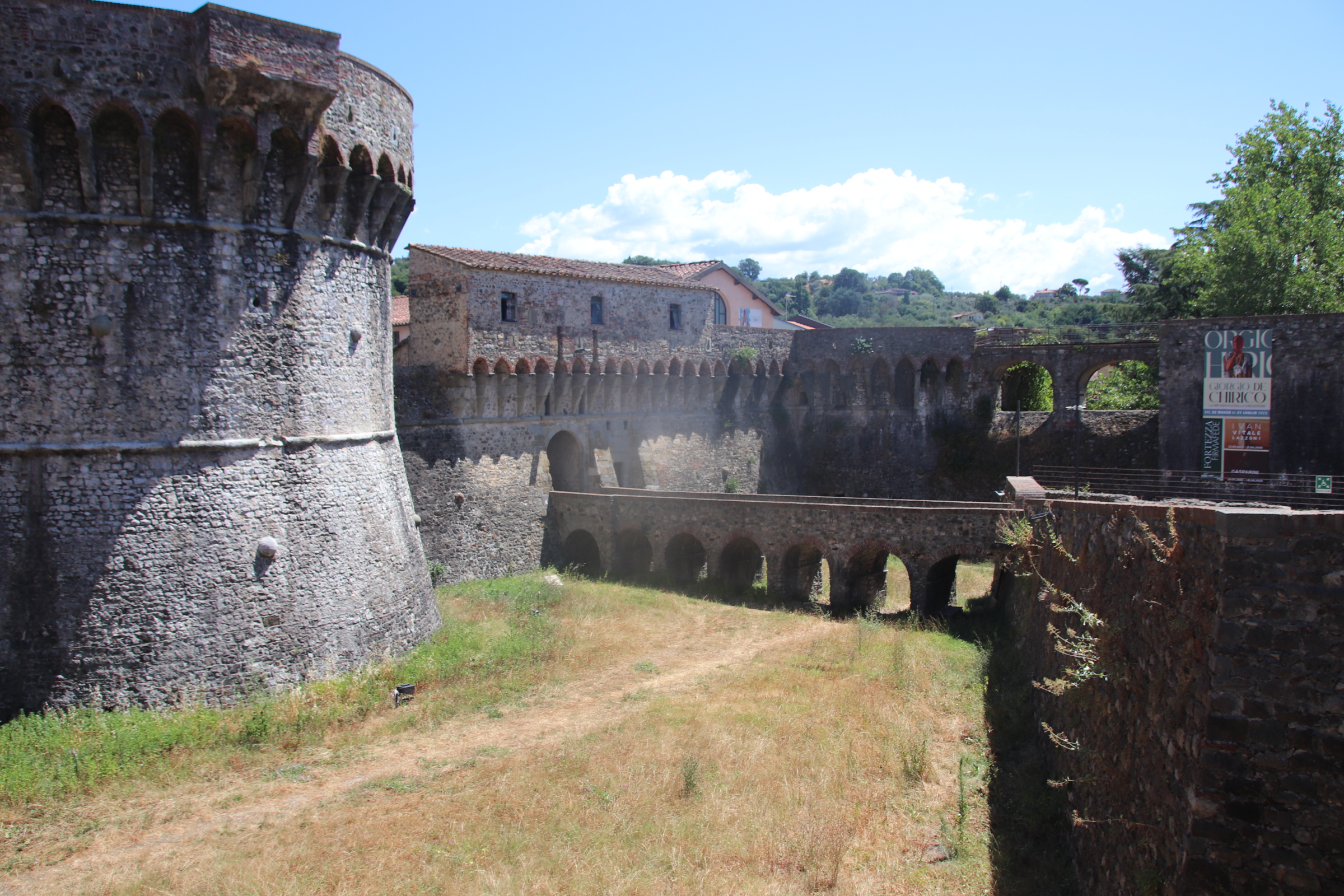
Lunigiana -a region where time stands still

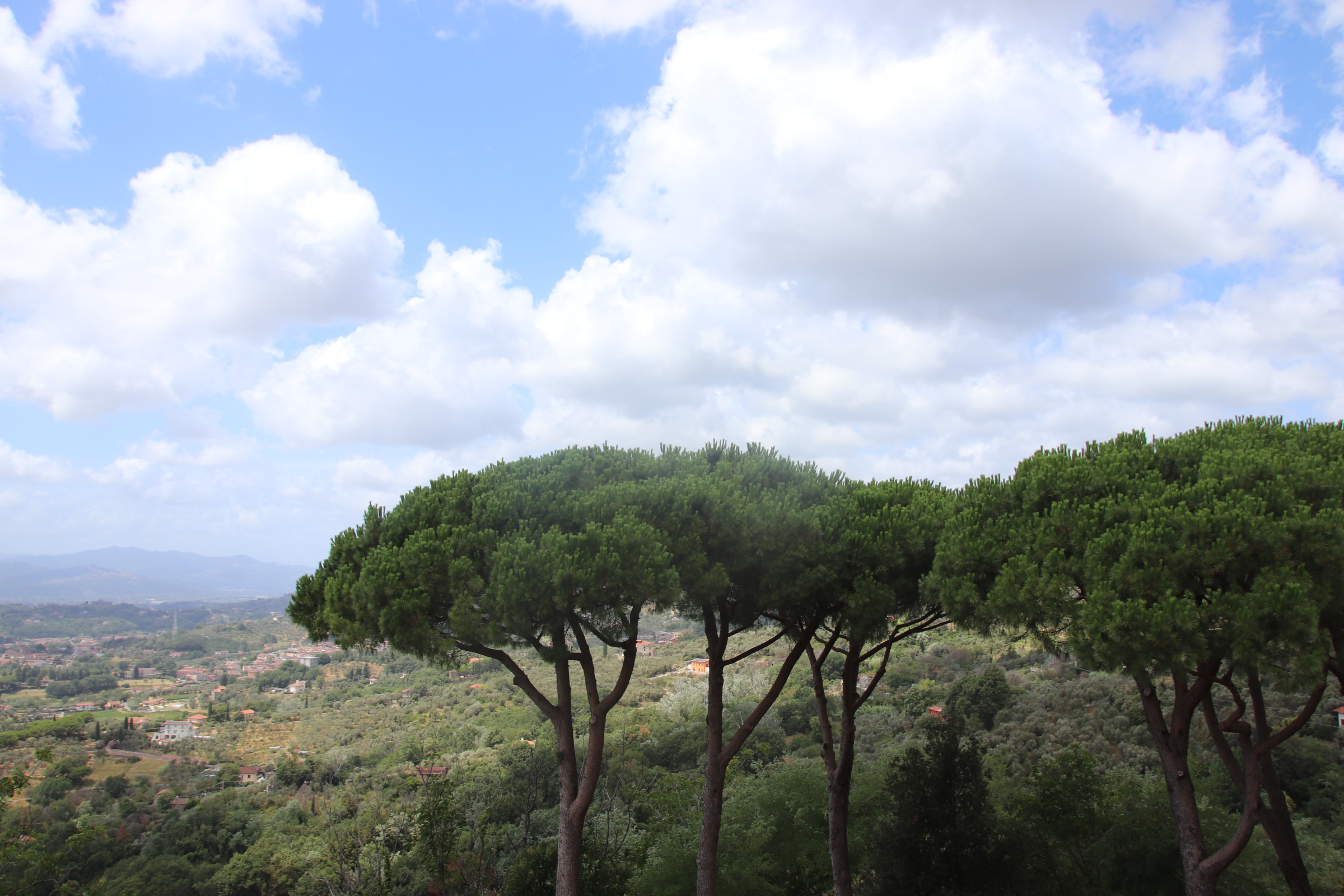
So now its a drive into northern Tuscany. Once off the autoroute and away from the flatlands south of Milan, the land starts to rise and wooded ridges appear in the distance, backed by dim, grey shark-teethed peaks. This is Lunigiana, a mountainous region that runs from the Apennine Mountains to the Mediterranean Sea, most of which falls in Tuscany but some in coastal Liguria and we are smack in the middle.

This area has long been strategically important. The Romans constructed the Via Aurelia through Lunigiana to get their armies up to Gaul & Spain. In medieval times there were 160 castles here, but only 30 have survived in a good state. They stem from the time when the Lombards of Milan, dominated here and sought an outlet to the Mediterranean through various mountain passes. All the local city/states have at some time or other battled for control – Luccans v Pisans v Genoese, Milanese v Modense v Florentines. Tuscany eventually took full control of the region in the 15th century.

As we arrive the weather gods offer a relief from the heat of the past two weeks. We offer up our thanks as the Storm Goths thunder their welcome and lighten up our senses with flashes of awesome power. Yes, refreshingly, it can rain on Italy’s parade.

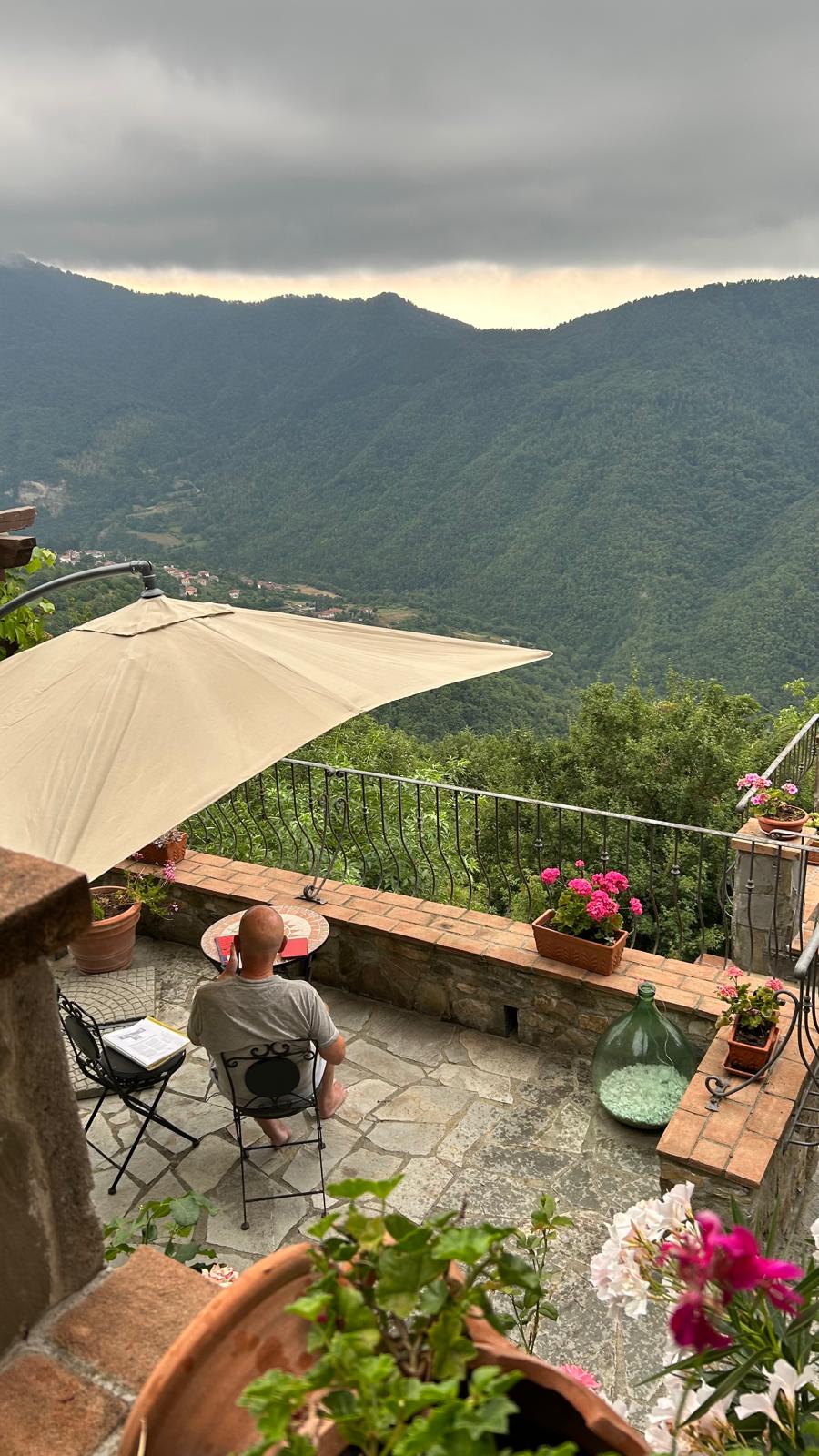
From our outpost high on a ridge, we can spot the approaching storms, take their anger and watch them retreat into the distance. The church bells in village way down below ring more in celebration of the storms’ passing than in summoning the faithful to mass. Once the storms pass the true glory of our position is revealed.

Exploring this region takes a fair bit of stamina. Roads are demanding to say the least. It’s a bit like following the region’s intestines – in & around, up & hairpin, squeeze to the side to allow oncoming & hold one’s breath. Surely, it’s not up there…. oh yes. TOM TOM say “fastest route!” Up the twists & turns of scabbed, crustacean tarmac between lush walnut & sweet chestnut woods and overgrown edges of brambles & bracken.

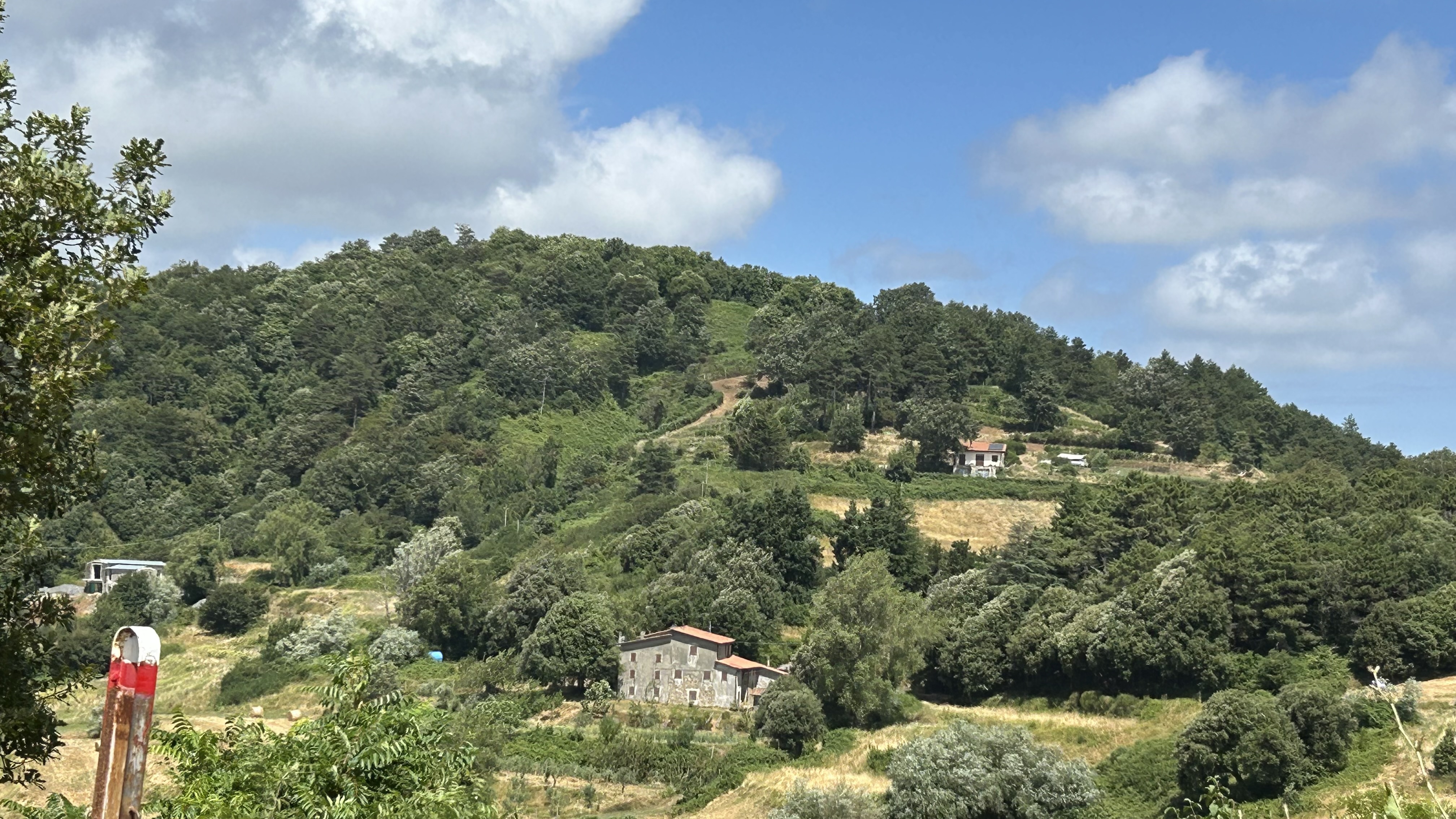
Scattered along streamed valley bottoms, in clearings on the shaded slopes of wooded ridges or atop strategic hilltops are a confetti of dusty, ancient villages & homesteads. Time seems to have stopped in many. A centuries-old church or the remains of a medieval tower or castle centre these ancient settlements, linked through the hills by ancient mule tracks. In many there is little life on display. Only the clink of plates & muffled voices from open windows indicate the presence of anything human.

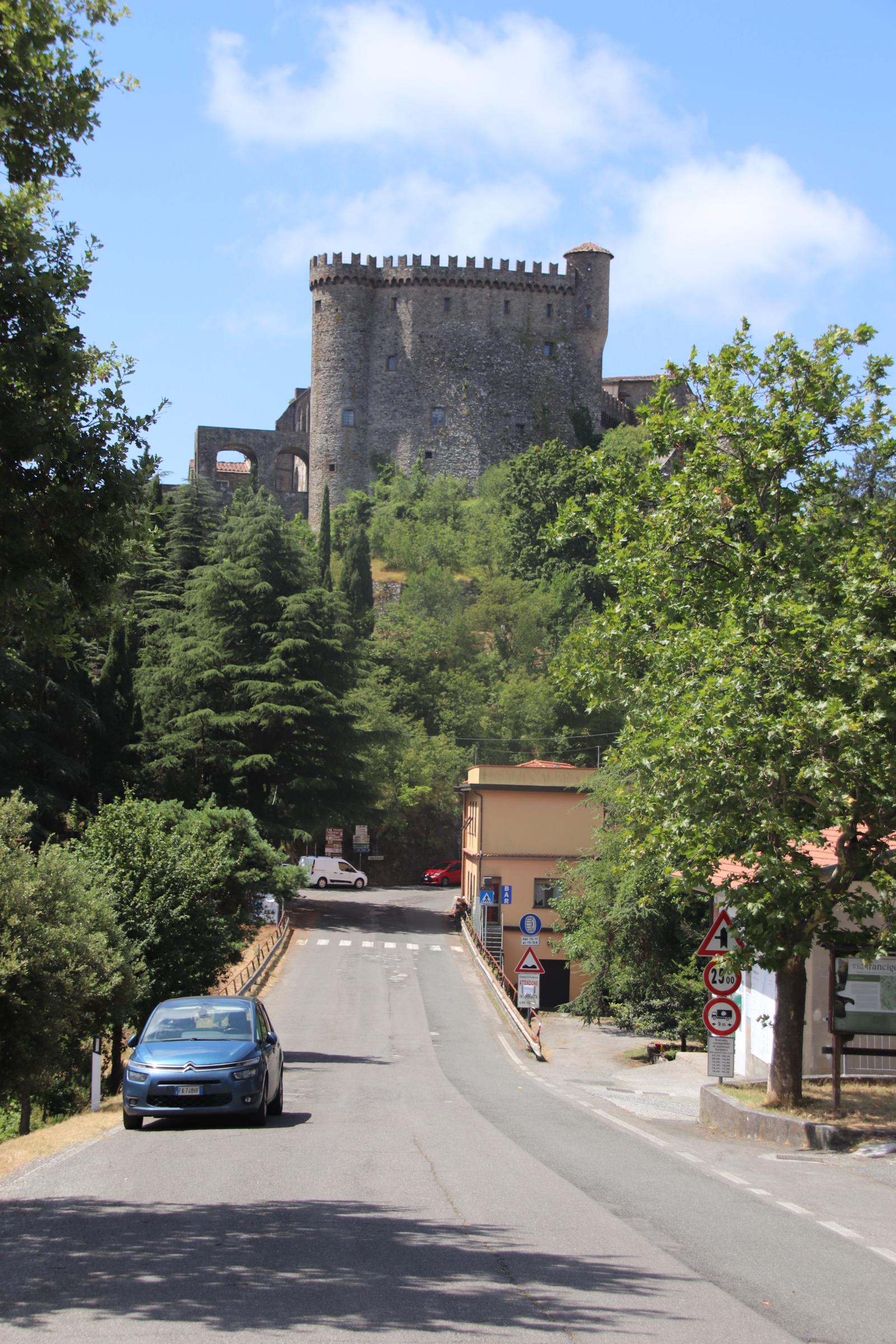
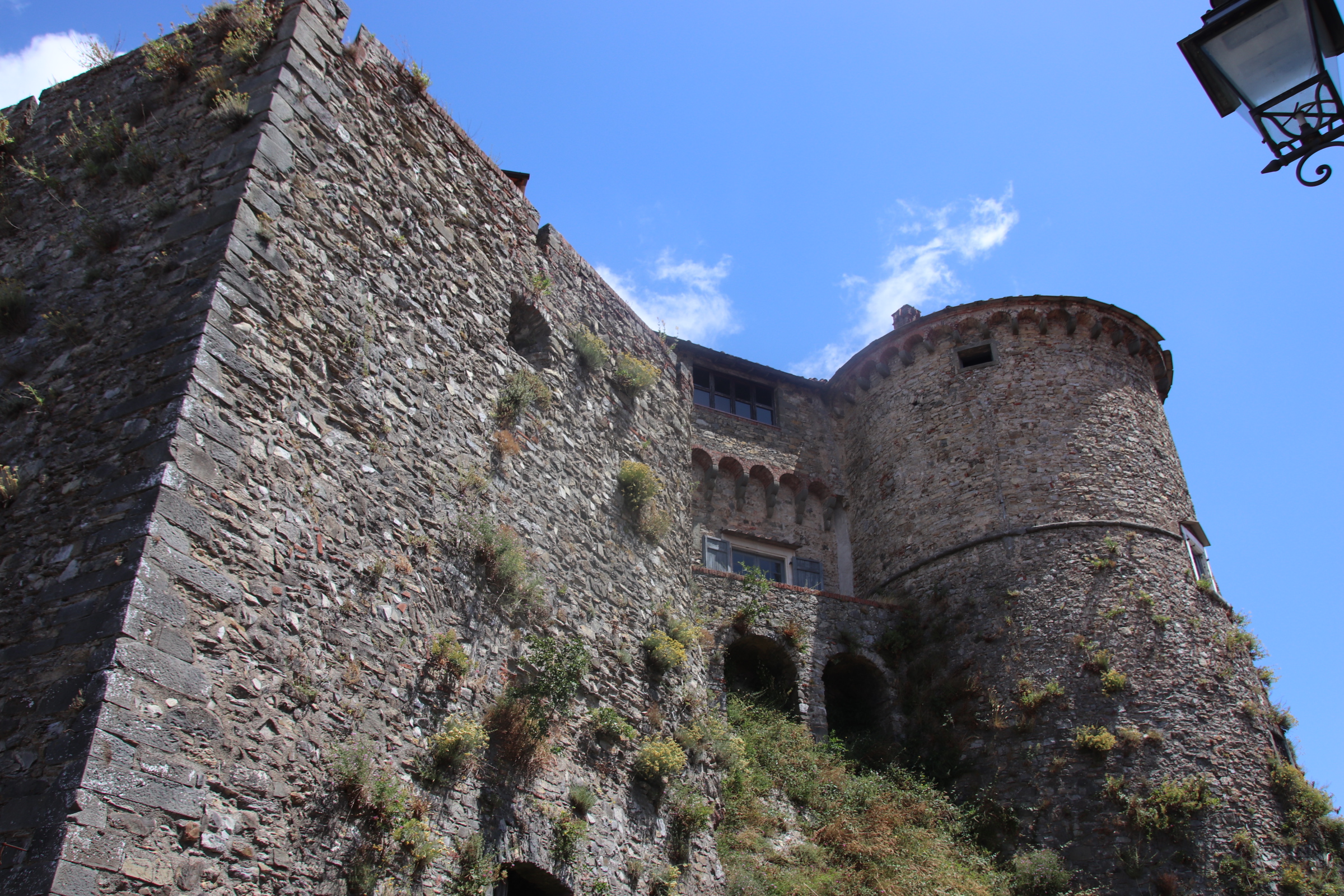
Fosdinovo is protected by a medieval castle part of which is open for the public to explore & part of which is inhabited by private owners.

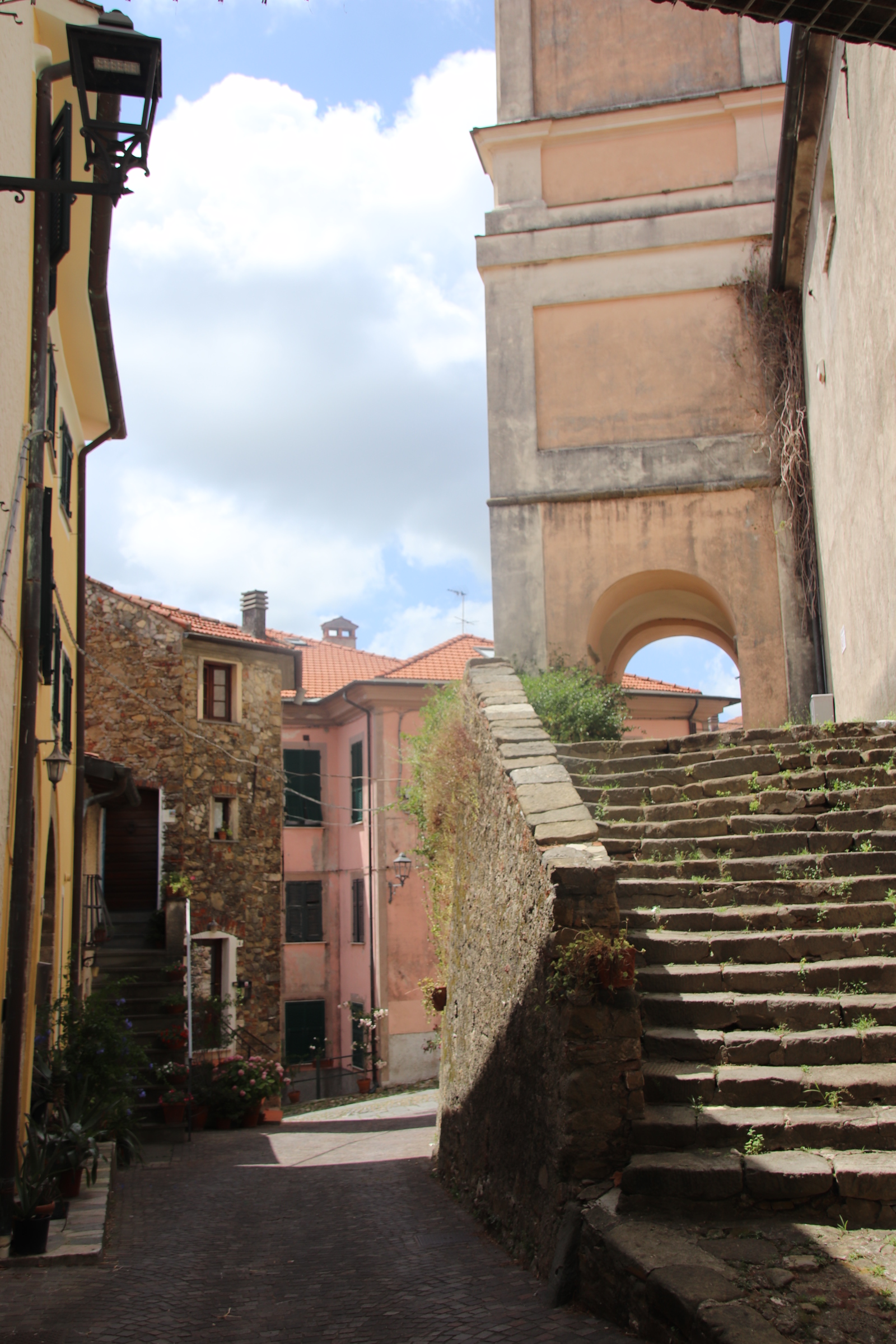
Castelnuovo Magro’s narrow streets lead down to the church from the open-air cinema in the castle ruins. The lines of cottages provide shaded pathways for the handful of locals on display.
Vicenza stands out on its own

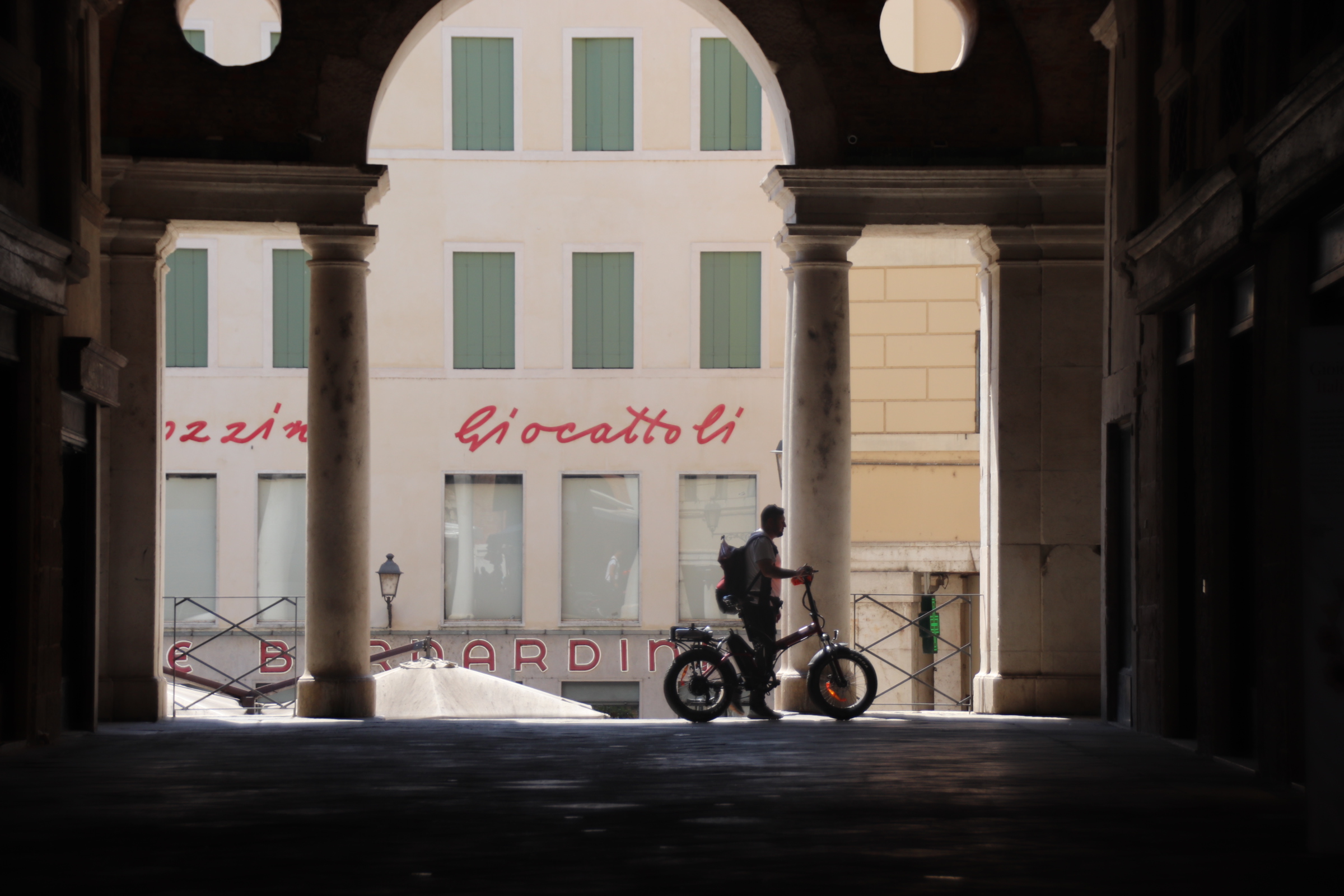
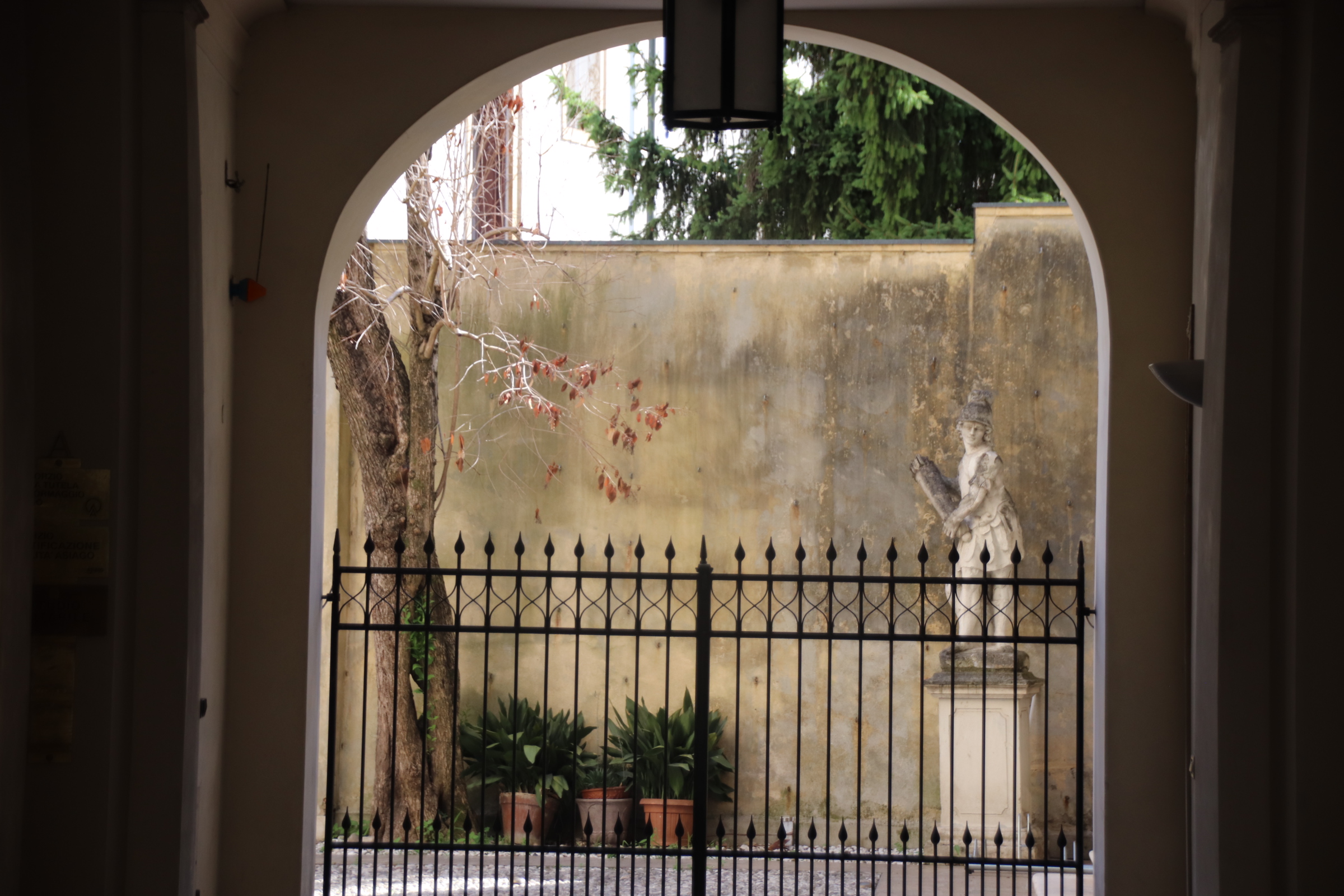
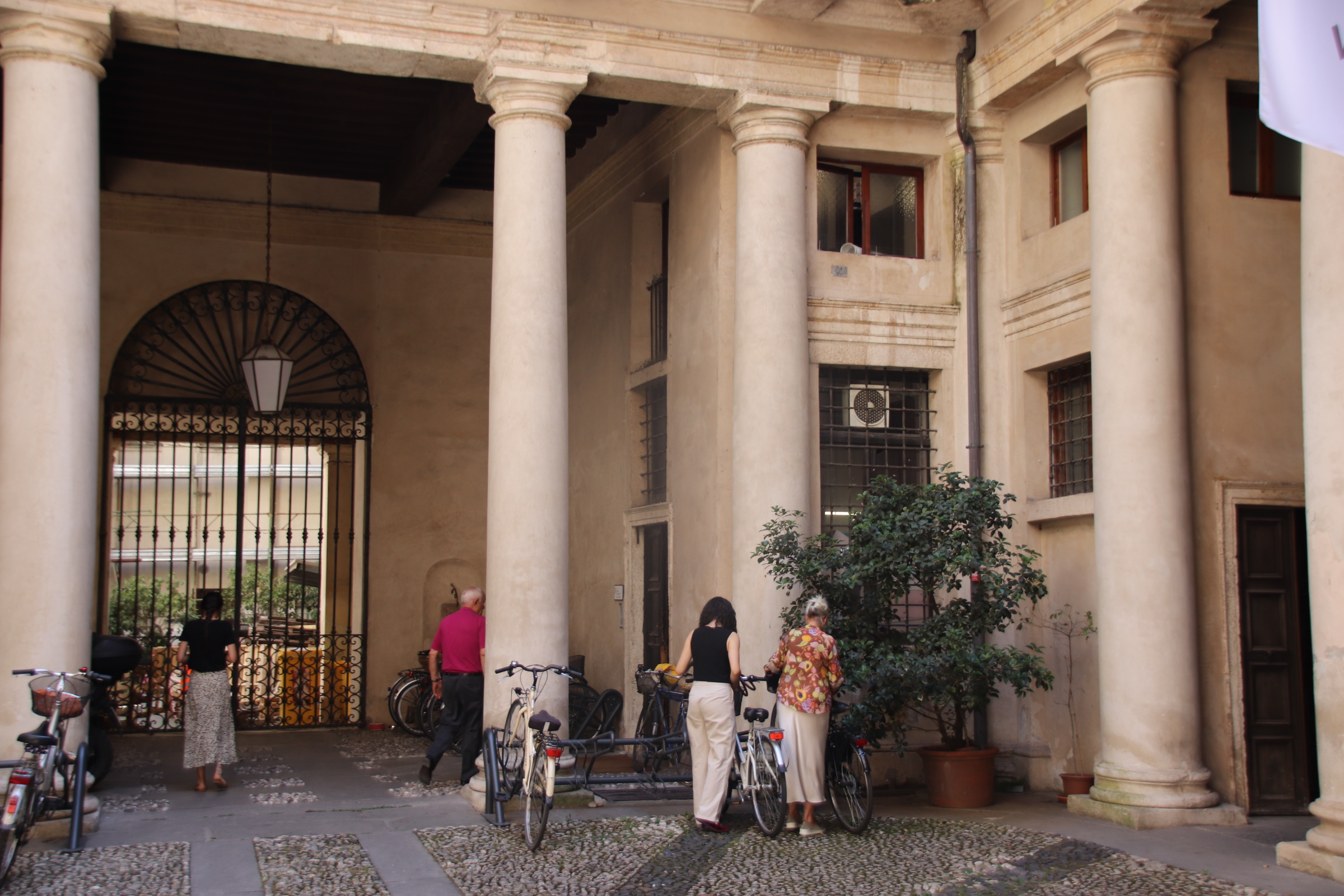
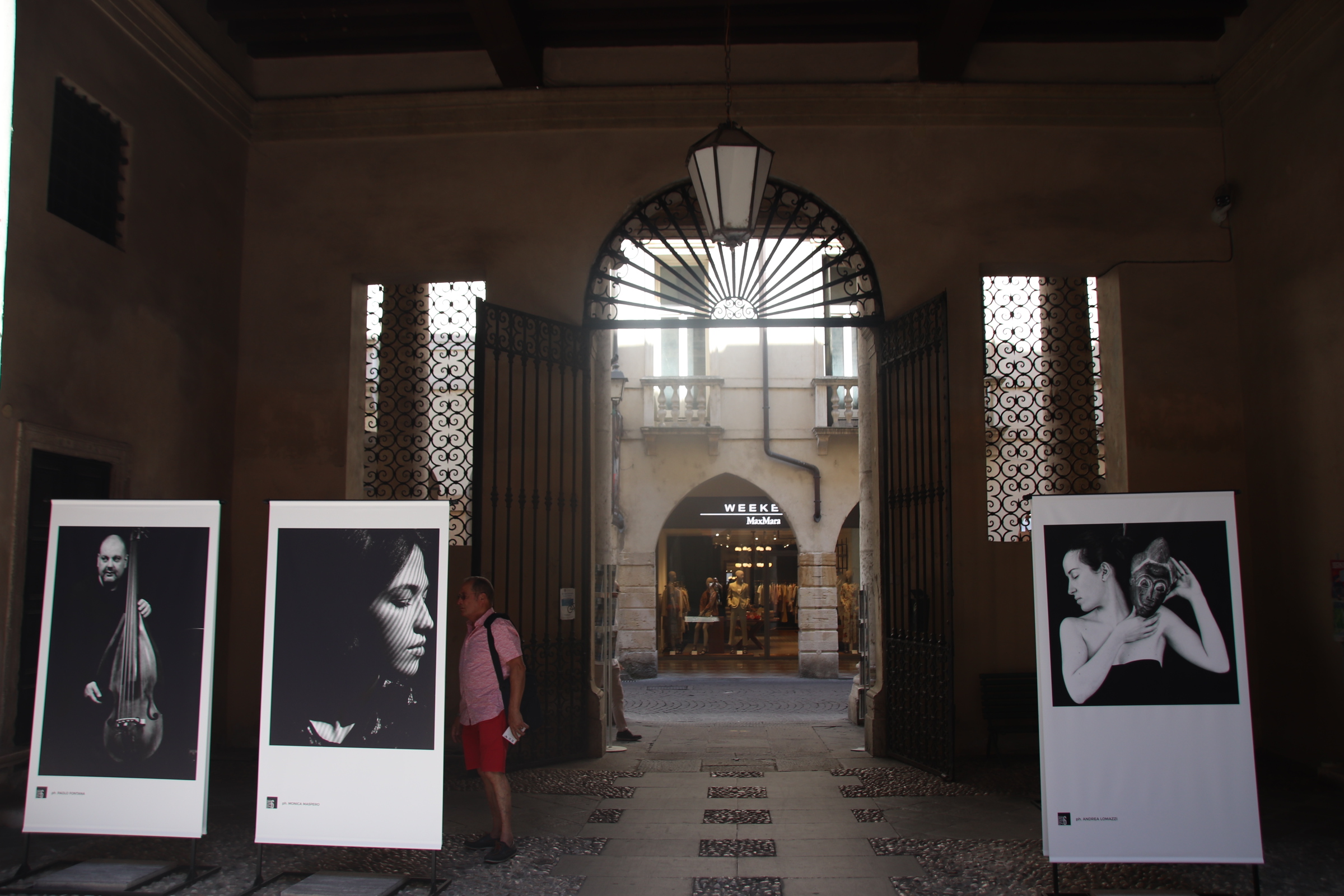
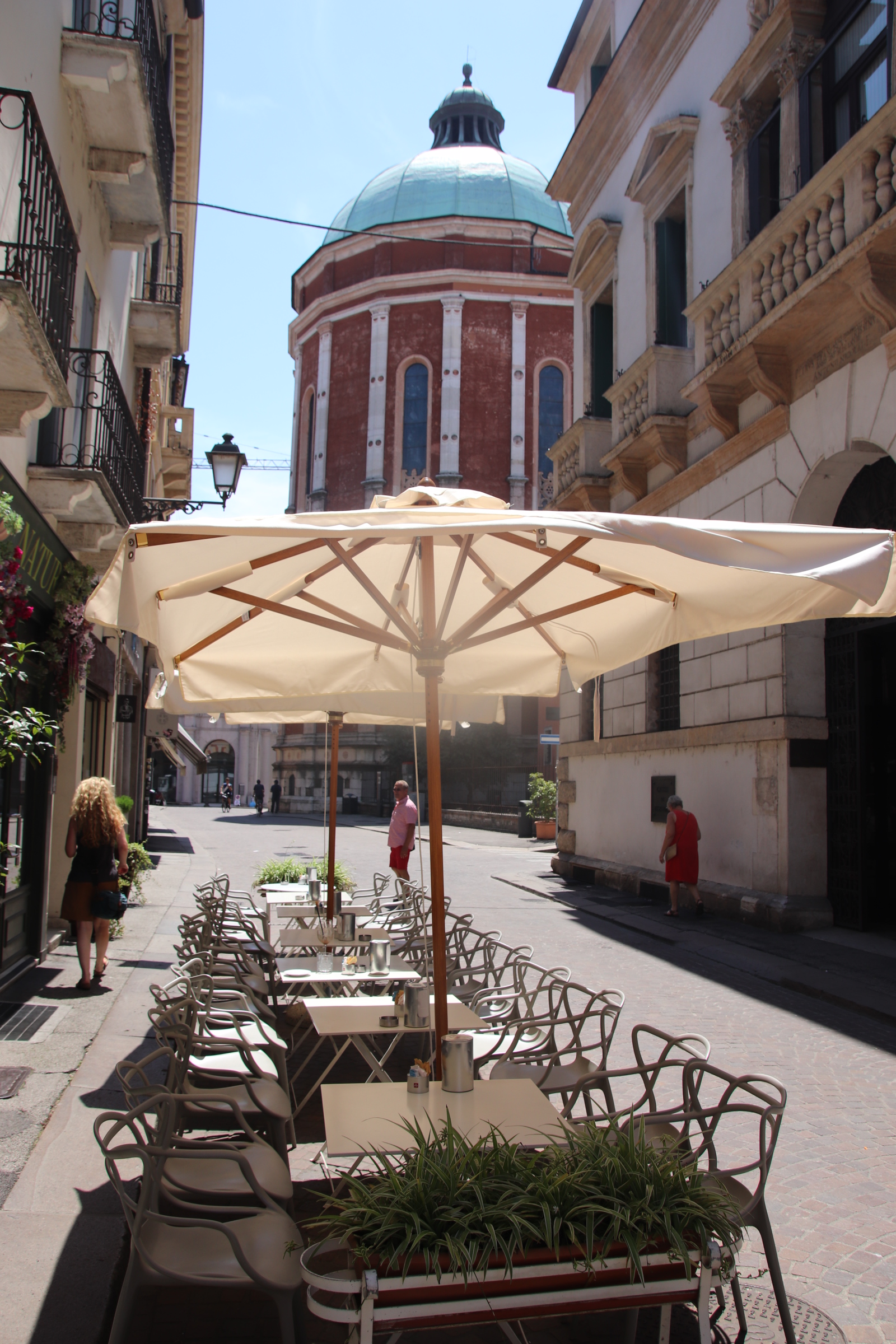
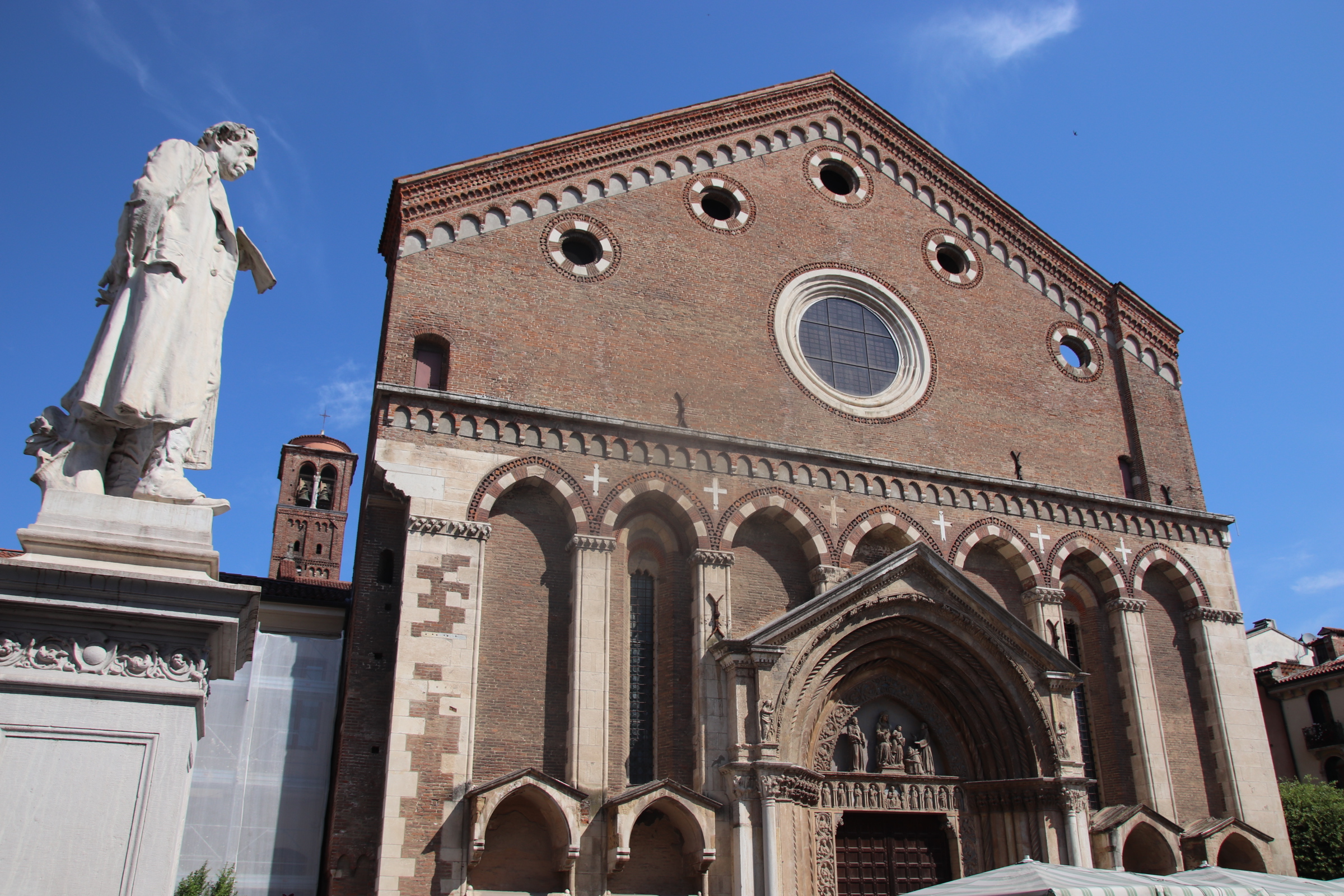
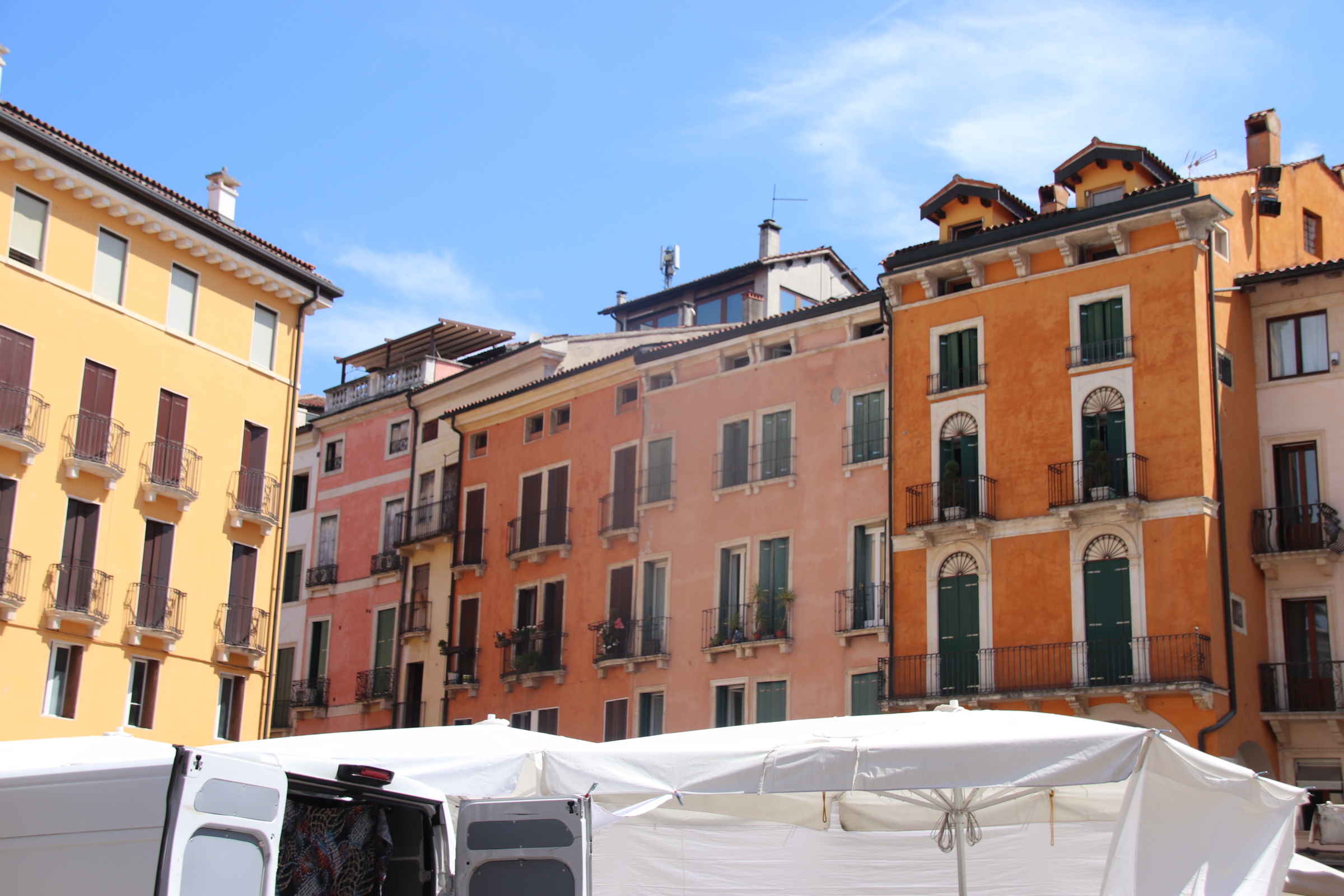
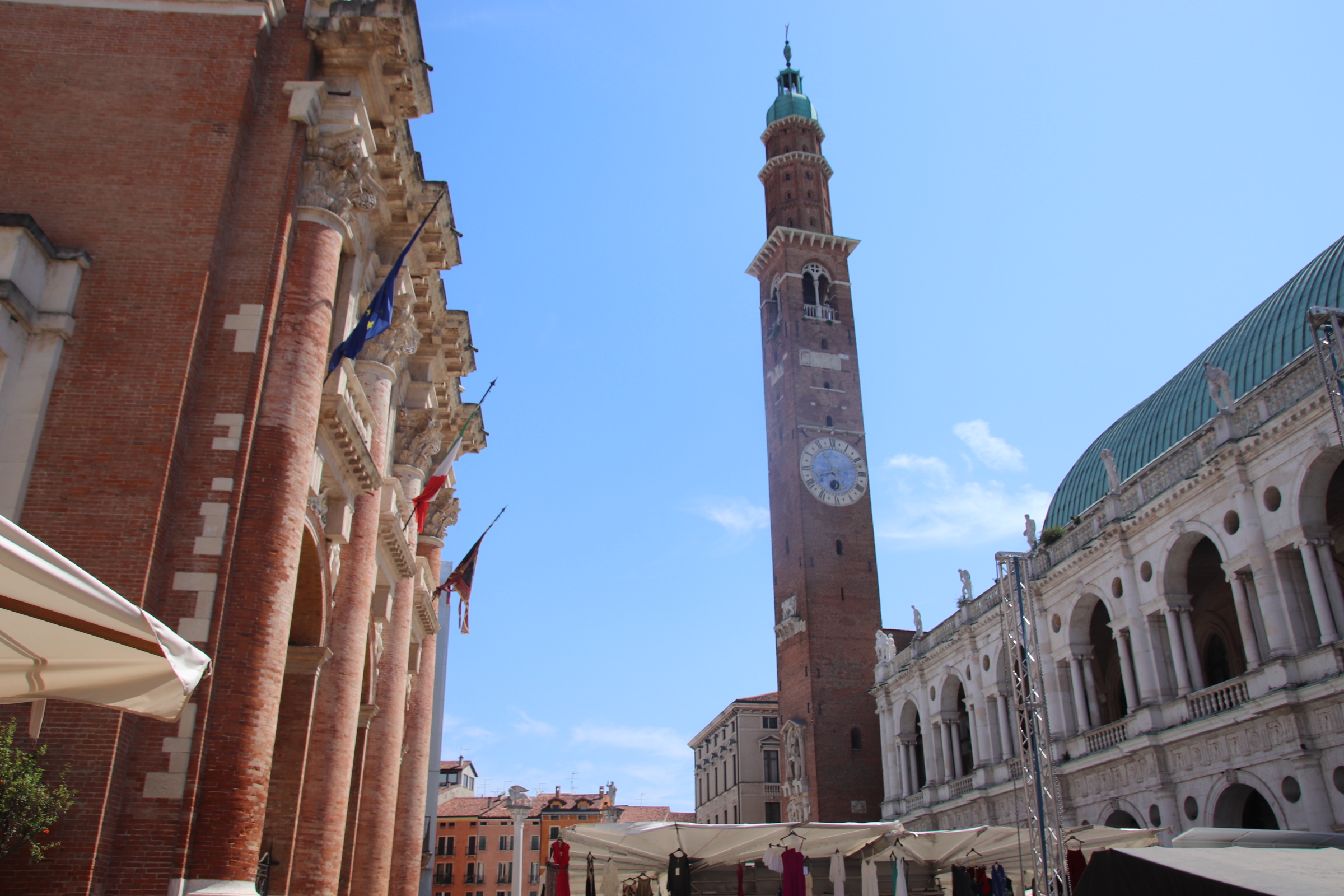
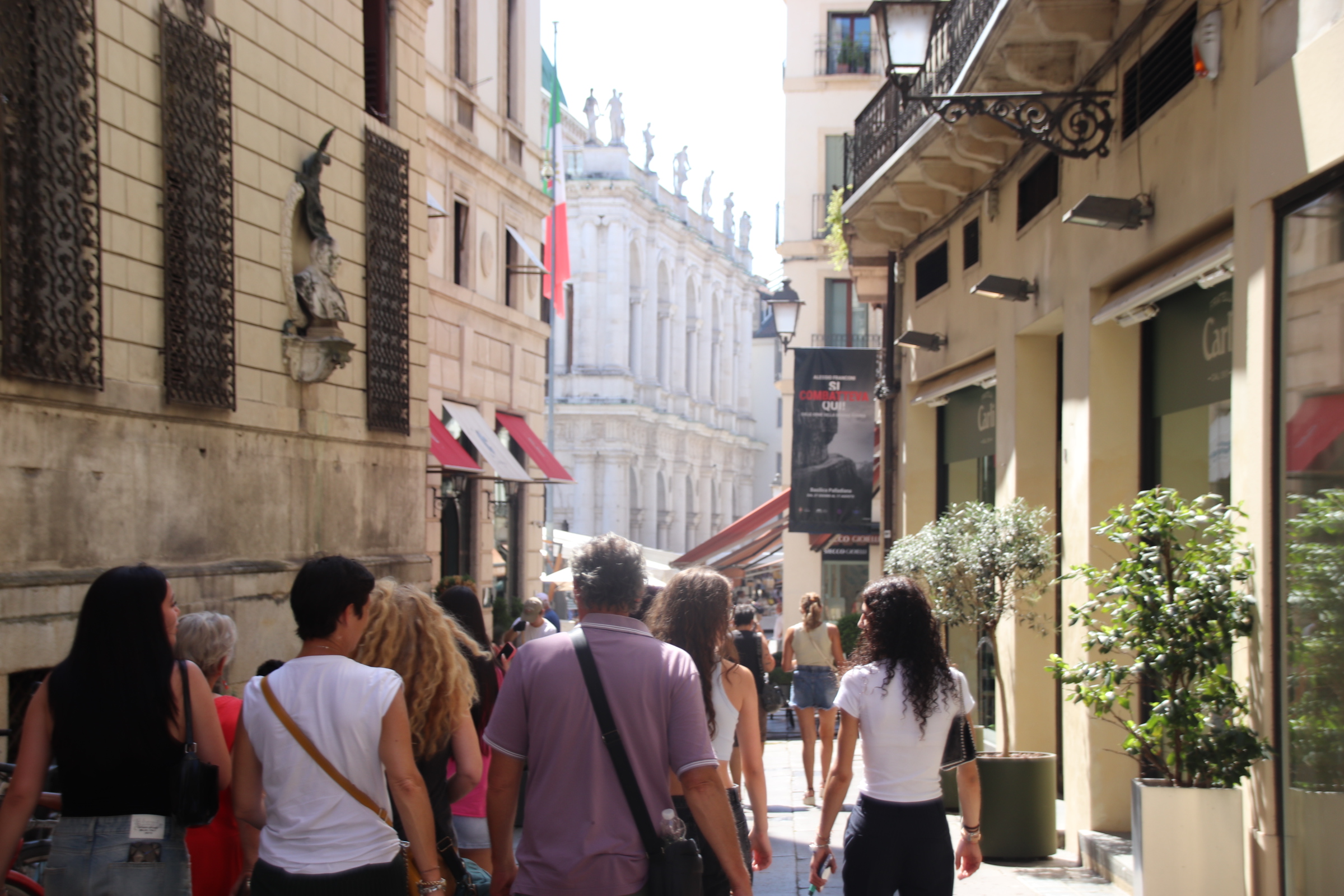
Some places are worth a mention on their own, and Vicenza is one. It is difficult to use words to describe its glory, so I’ll let my images do the talking.

At first sight it is the super-elegant, grand buildings & wide piazzas that grab the eye.

The city is known as the showpiece of the 16th century architect Andea Palladio & his successor Vincenzo Scamozzi – elegant, cultured , artistic.

Today, their legacy is offset by the weekly market, bringing bustle & colour, diversity & humanity to its classic lines.
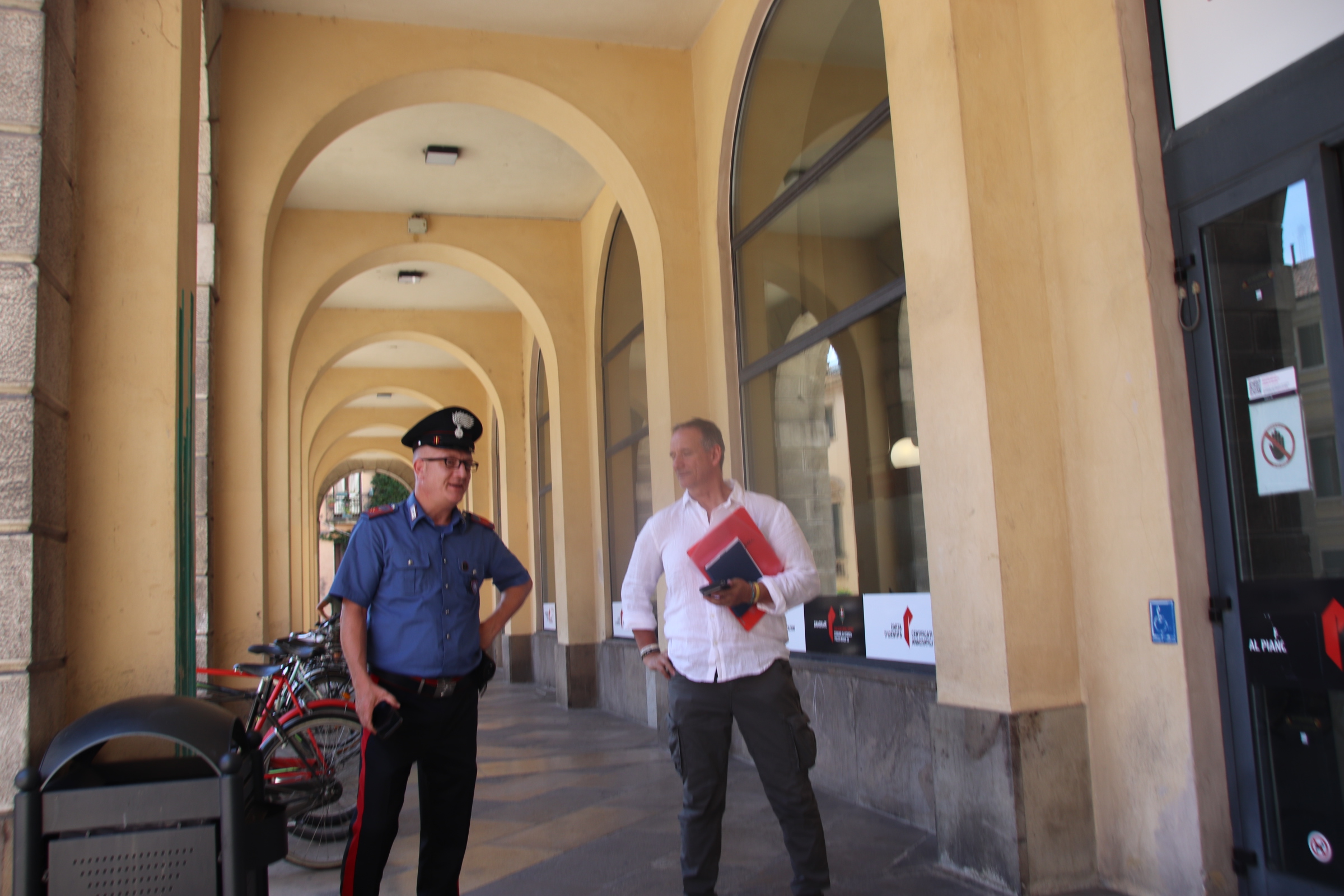
A smogasburg of age, ethnicity, class, appearance, dress, background mix in the streets & piazzas. They live & walk & work together.

Three towns of Veneto

This part of Veneto between Vicenza & Venice and bordered to the north by the craggy peaks & ridges of the Dolomites Mountains and to the south by the Adriatic Sea, is not considered to be a tourist area. Maybe because of this it has a very genuine character. Italian families go about their normal daily business, the shops close in the afternoon & everyone seems to dessert the streets to siesta. Life has a calm pace. The roads are quiet, farmers harvest hay & wheat and vines cover hillsides. Shaded hills bubble deciduous woodlands that remind of the Dordogne countryside in France.

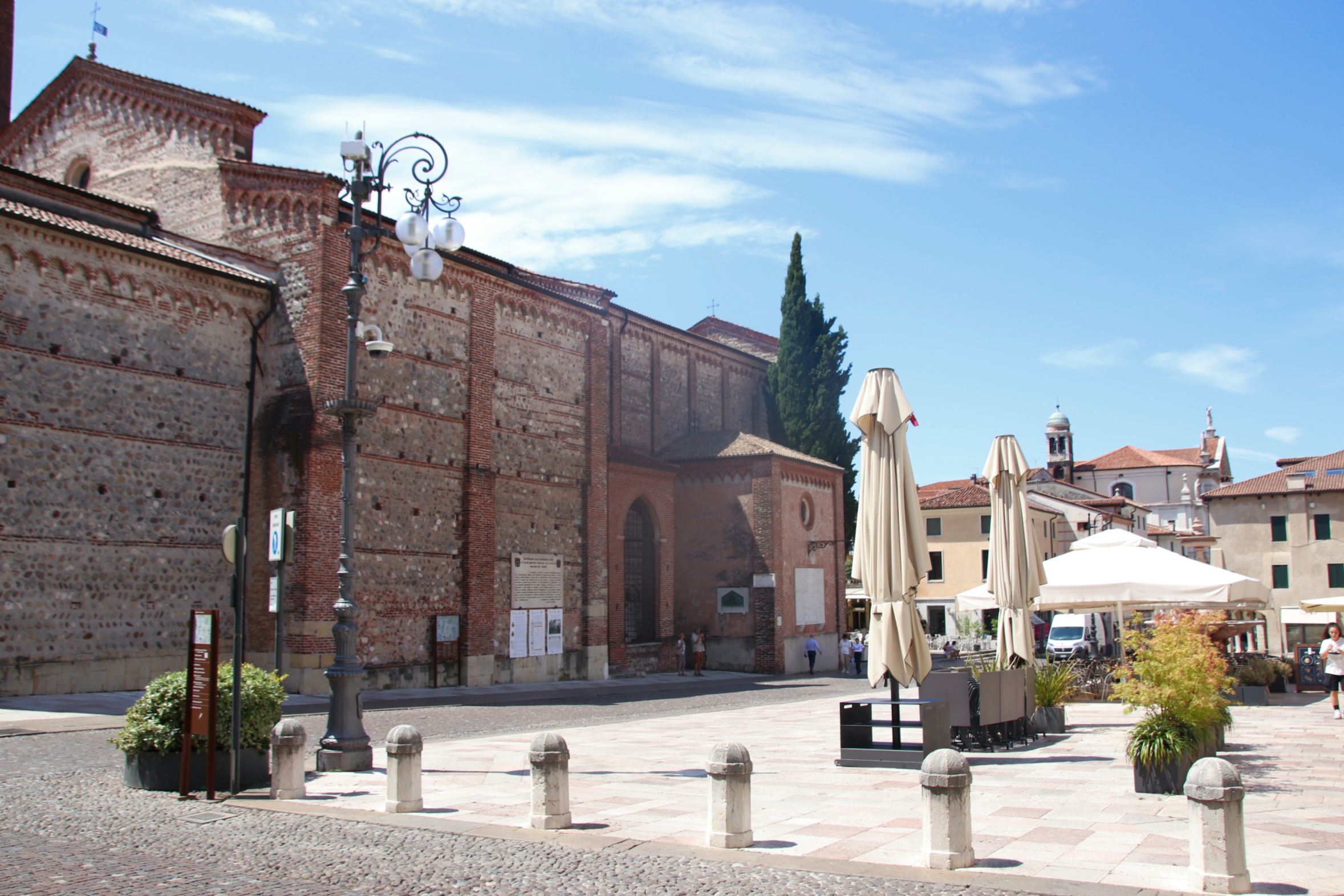
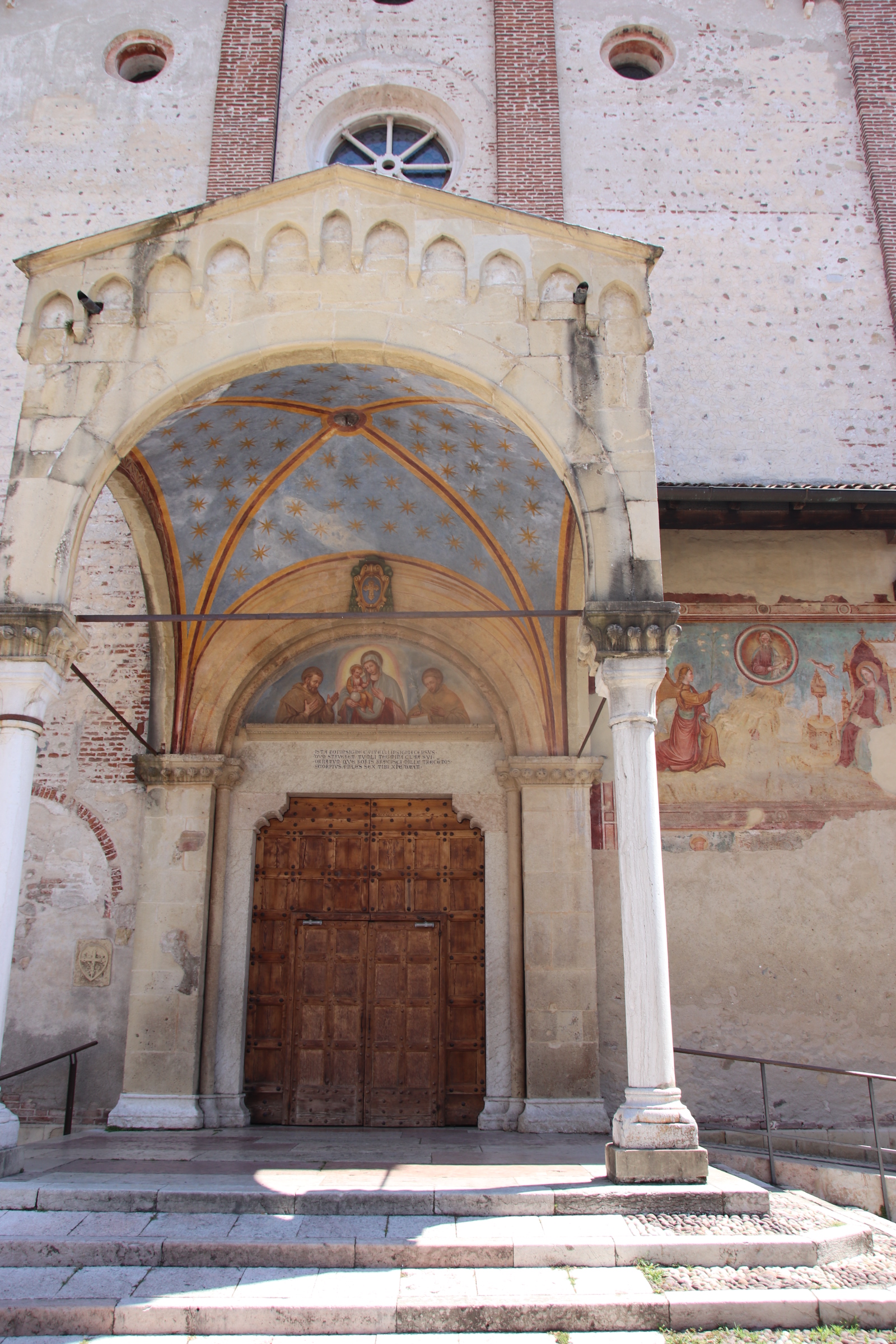
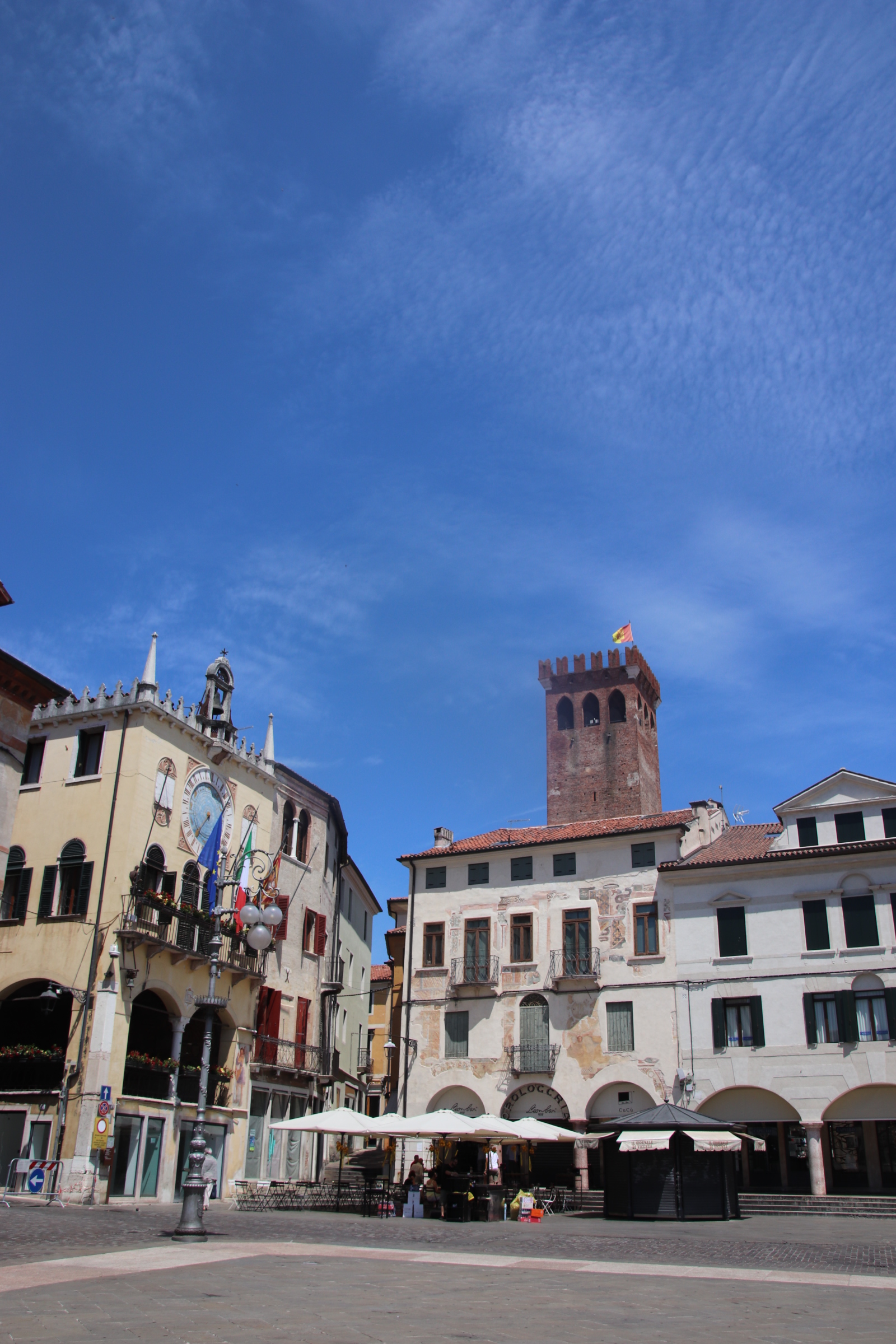
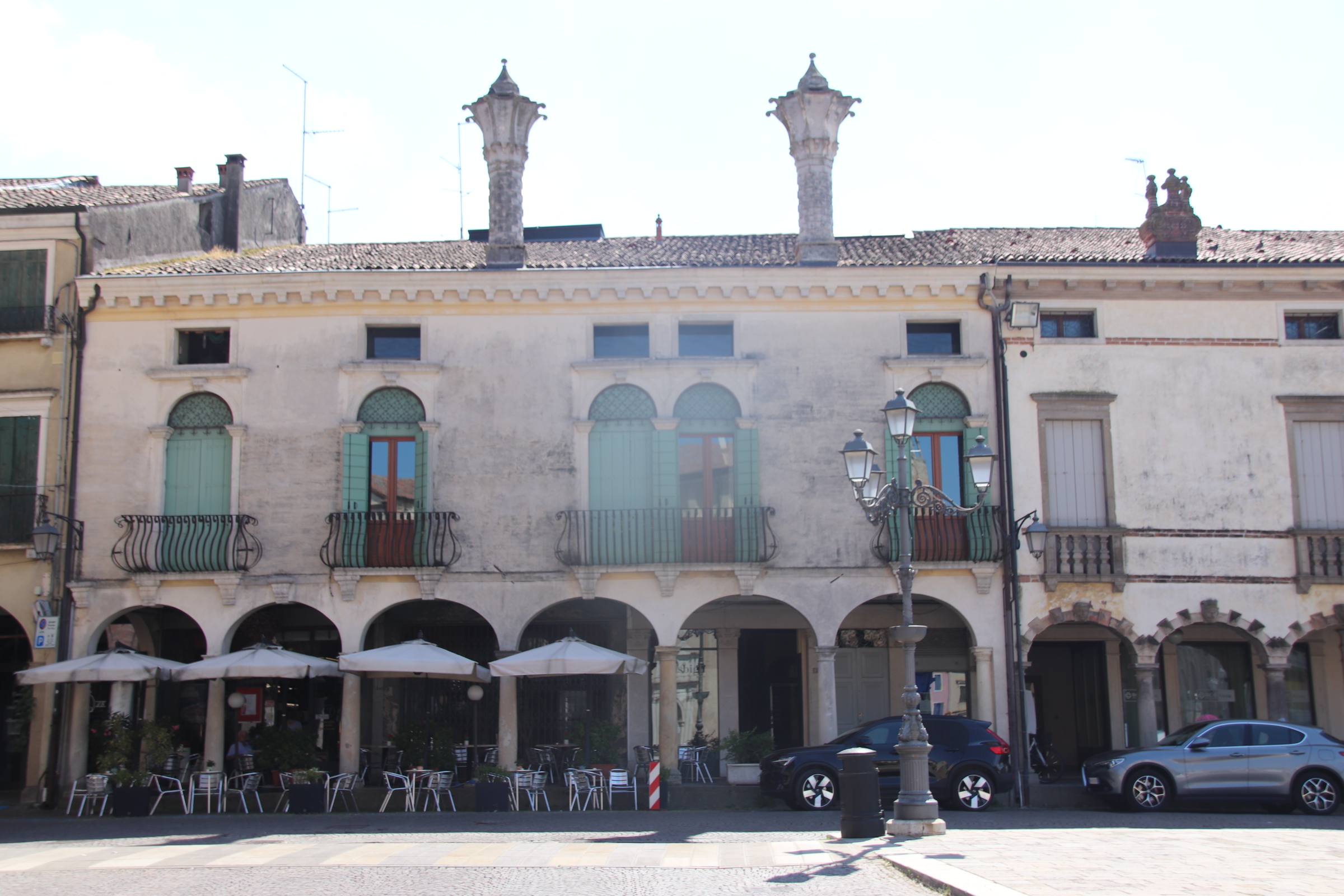
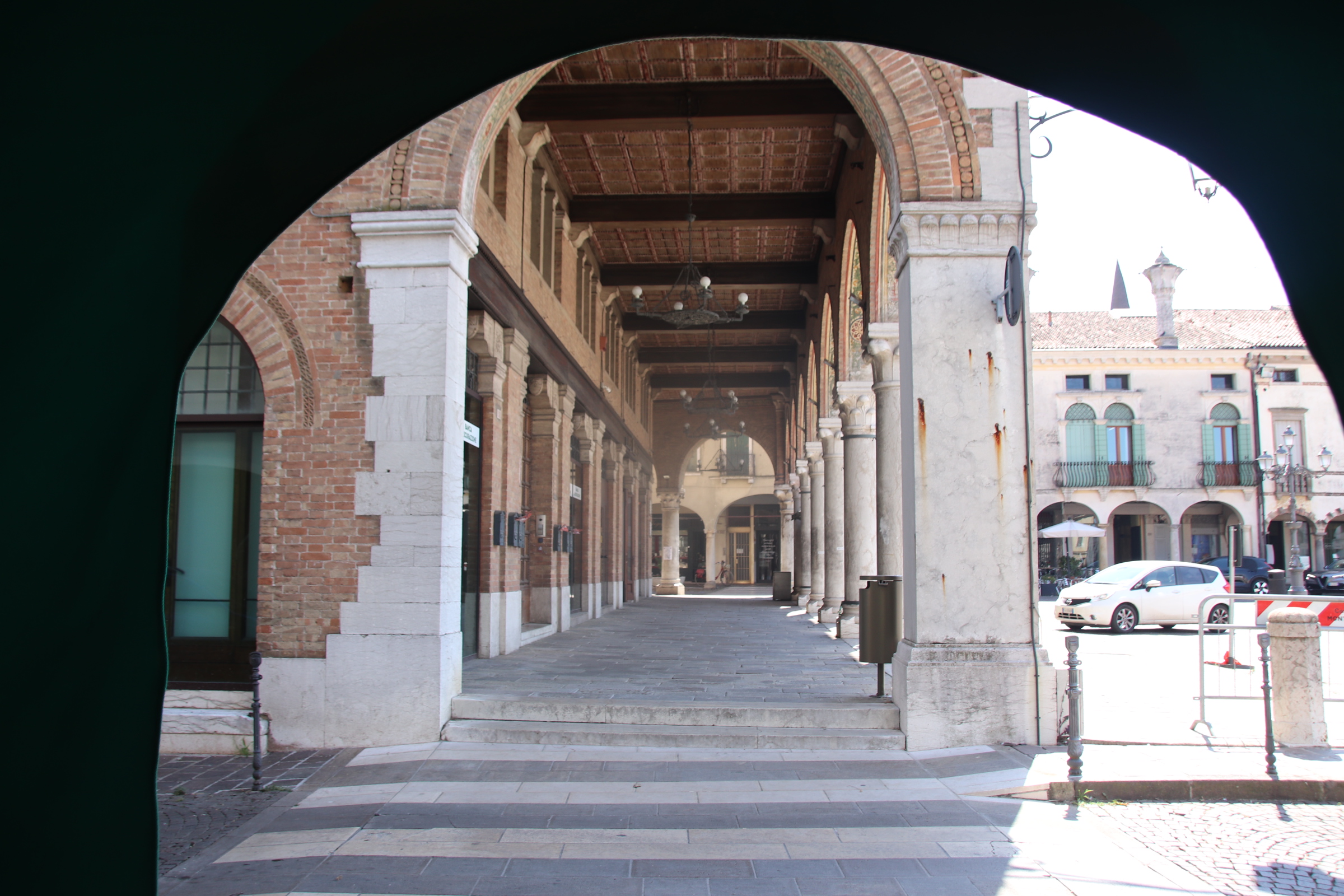
The towns are intriguing places and have many features in common – castellated walls and tall defensive towers enclose a large open piazza, cloistered edges provide shade from the blasting midday heat and powerful Gothic churches impose their presence on those below.

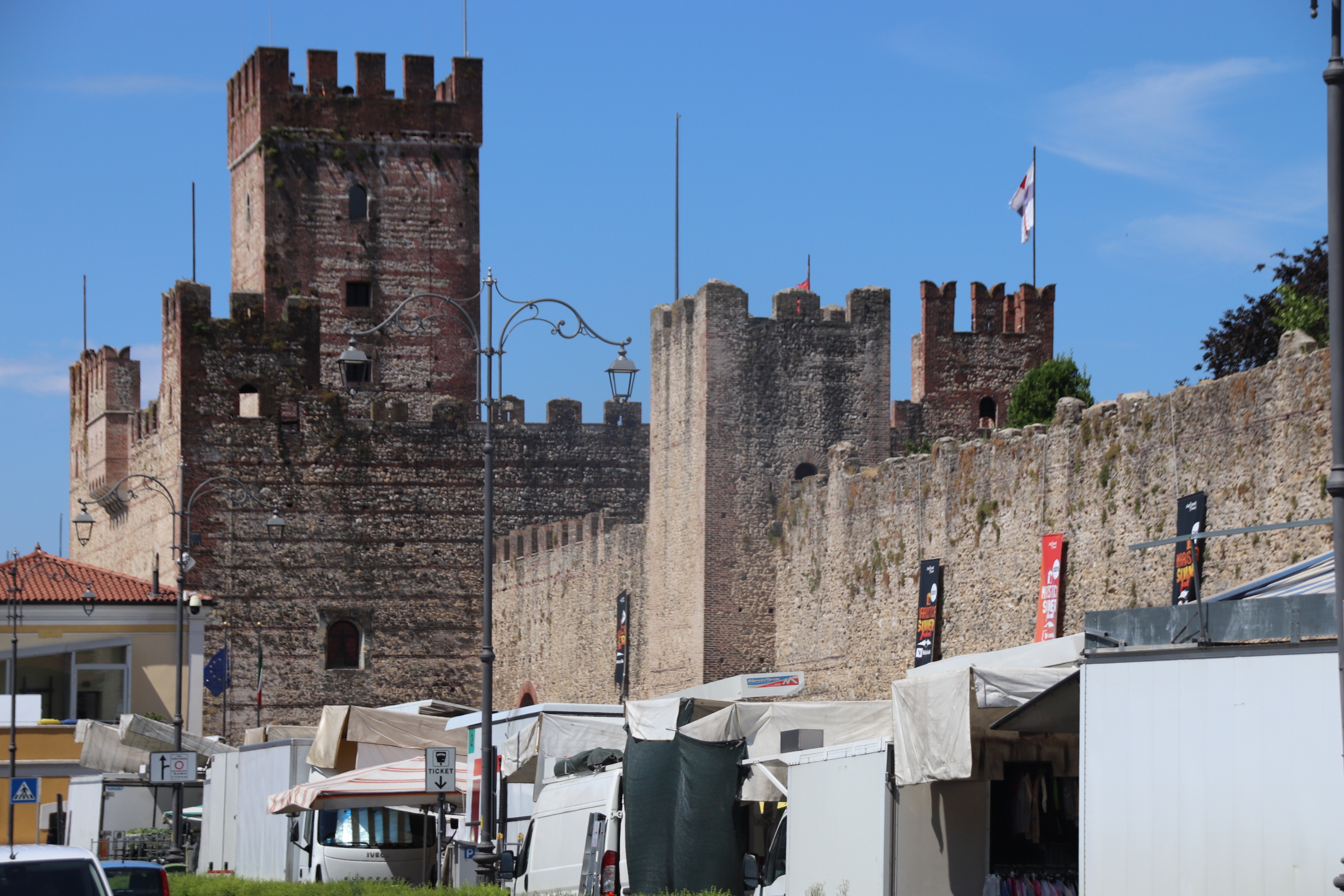
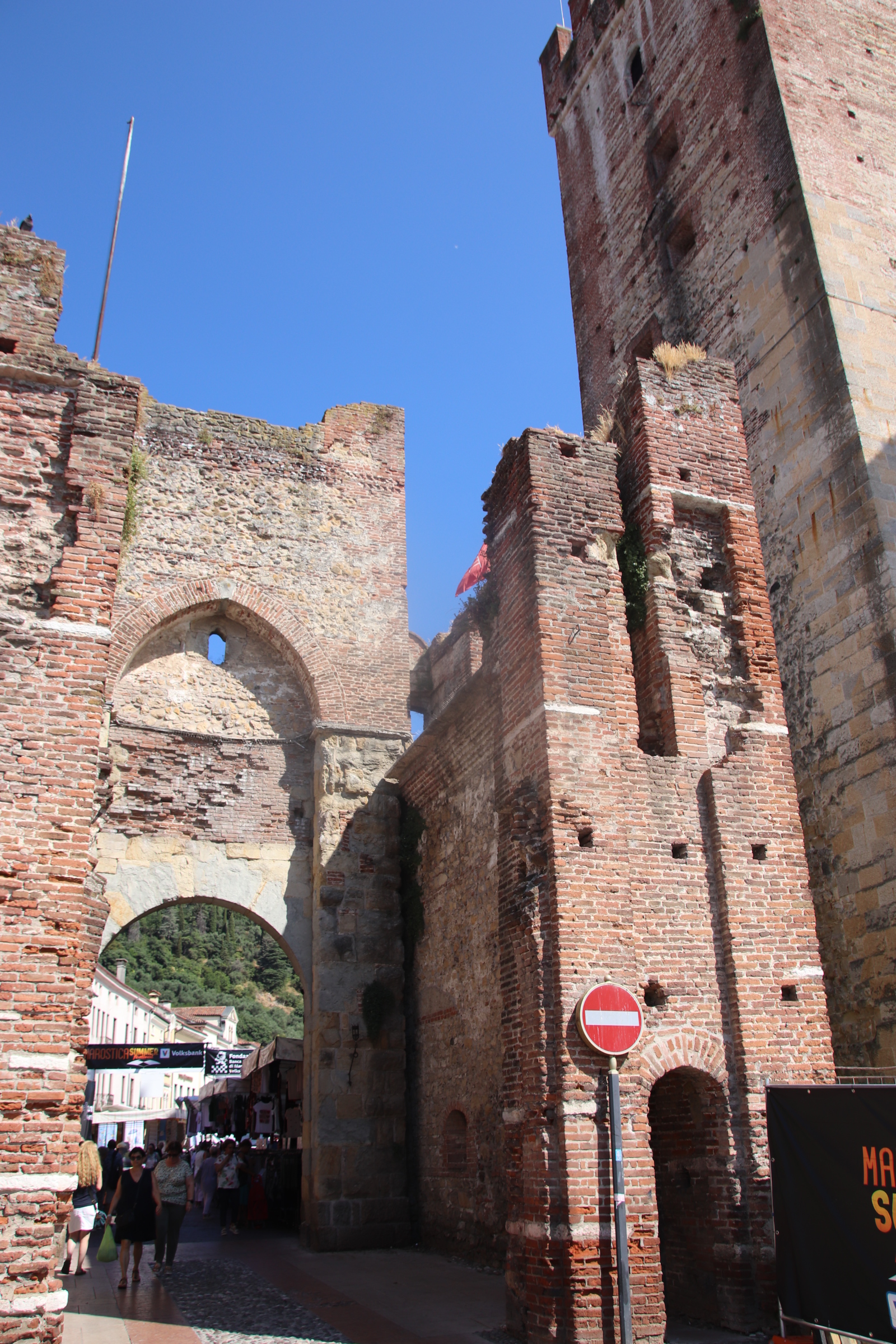
Marostica had a flourishing history in medieval times. During the 19th century it became relatively poor until it’s wealth grew again from the 1950s. The impressive walls & ramparts enclose the town completelÿ with a couple of imposing gateways limiting the progress of vehicles in & out of the piazza.

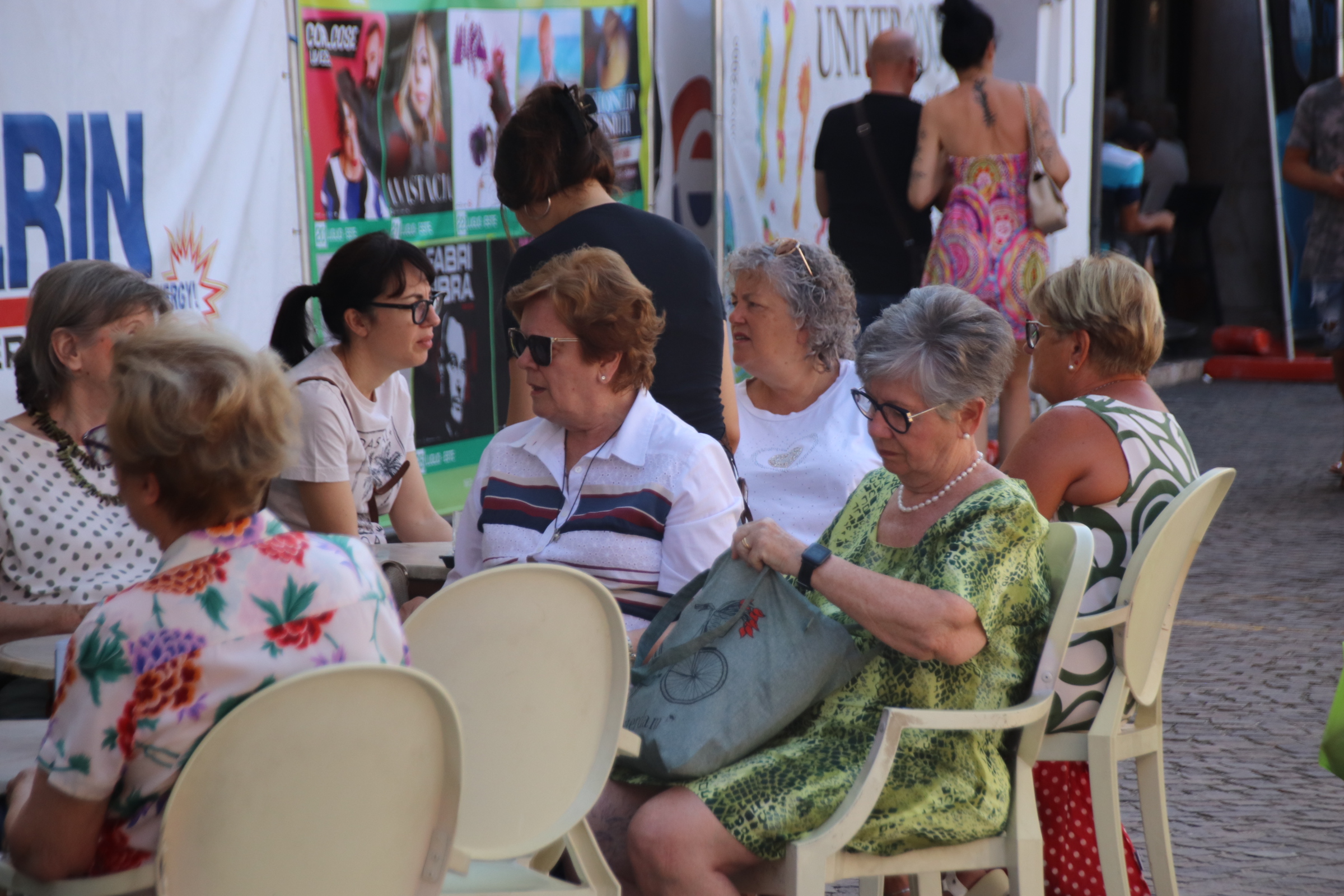
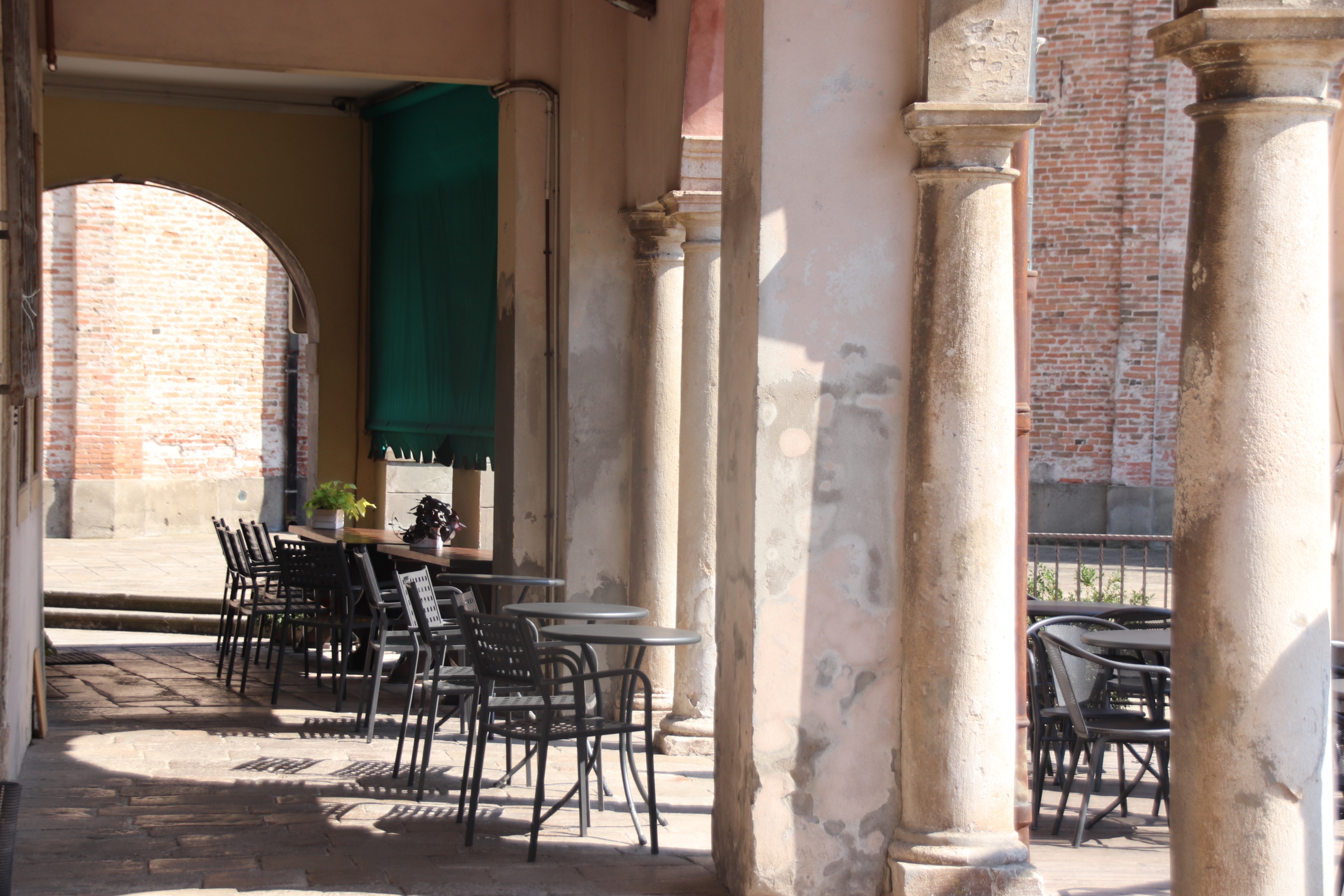
The weekly market gave the whole place a medieval aura with the cloistered edges providing shade for chattering families & friends chatting over their cappuccino & cake.

Umbrellered, ‘white-market-van-man’ acted as a second square of defence around the four sides selling all the wares of a large town market.

Overlooking the whole scene, high up on the hill, a line of medieval, stone fortifications steps to the top to see off any invading army that might have dropped through the time warp.

The town is best known for a chess event which takes place with costumed people playing the part of chess pieces and playing out a game. A large, 64 square chess board is a permanent feature of the market square. Legend has it that this live event has taken place every two year since 1454. Although the original moves have been lost, the festival was recreated after WWII and a modern game played out with costumed locals re-enacting a classic modern game. To give it a bit more class, the whole thing is accompanied with an opera as shown on the poster.

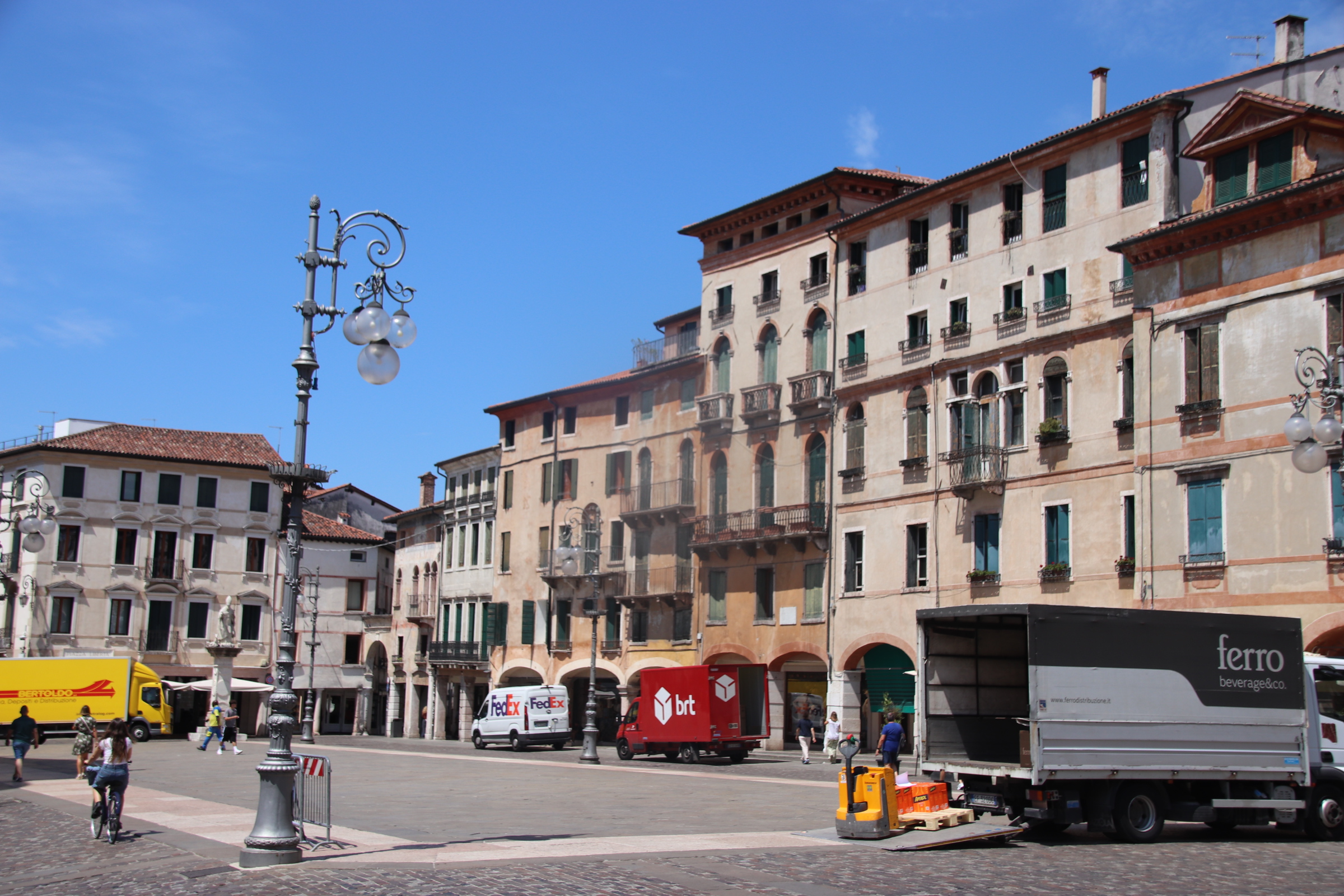
Bassano del Grappa held an important strategic position as a crossing point over the River Brenta. Once through the town walls, a series of piazzas link up to lead down to the bridge.

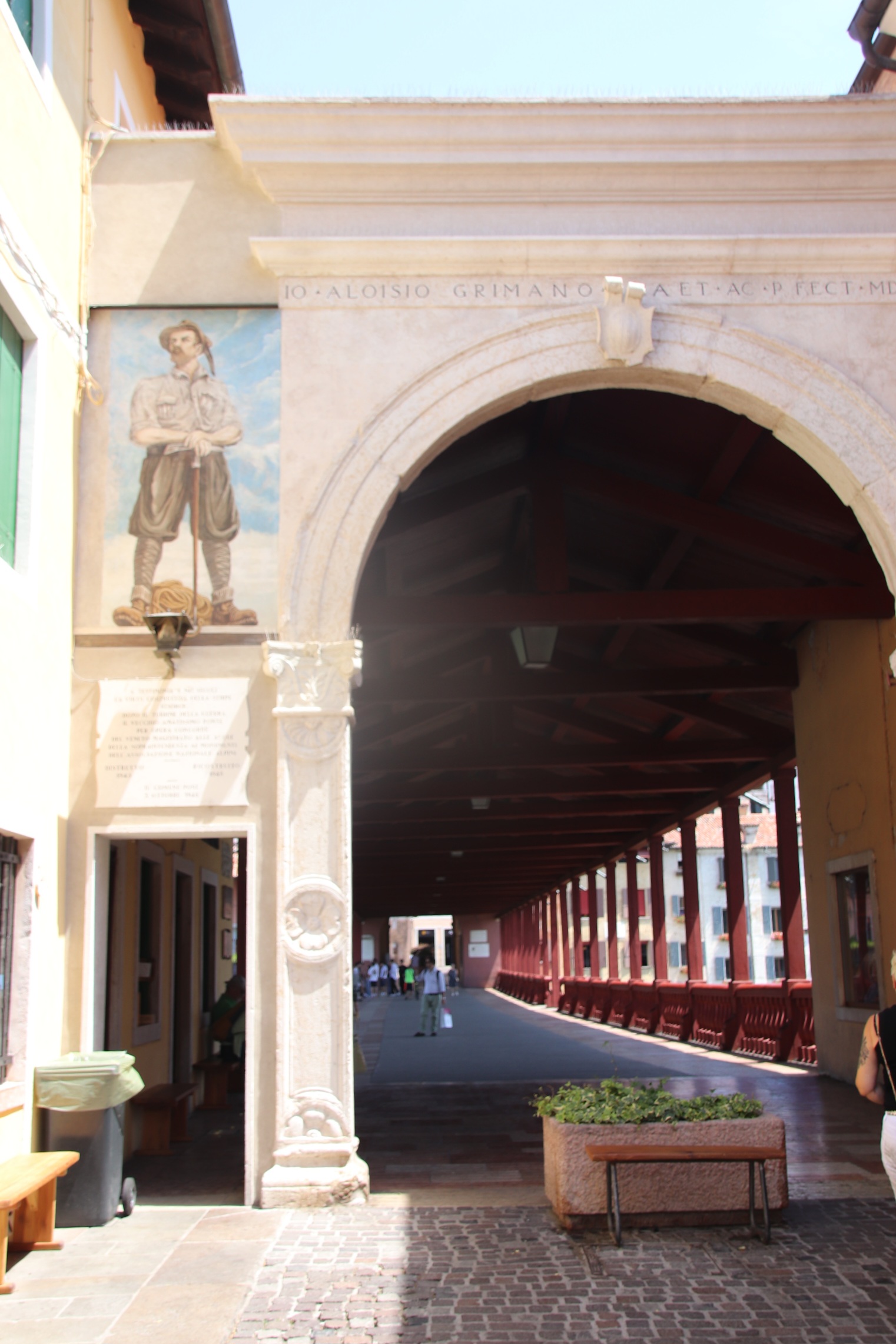
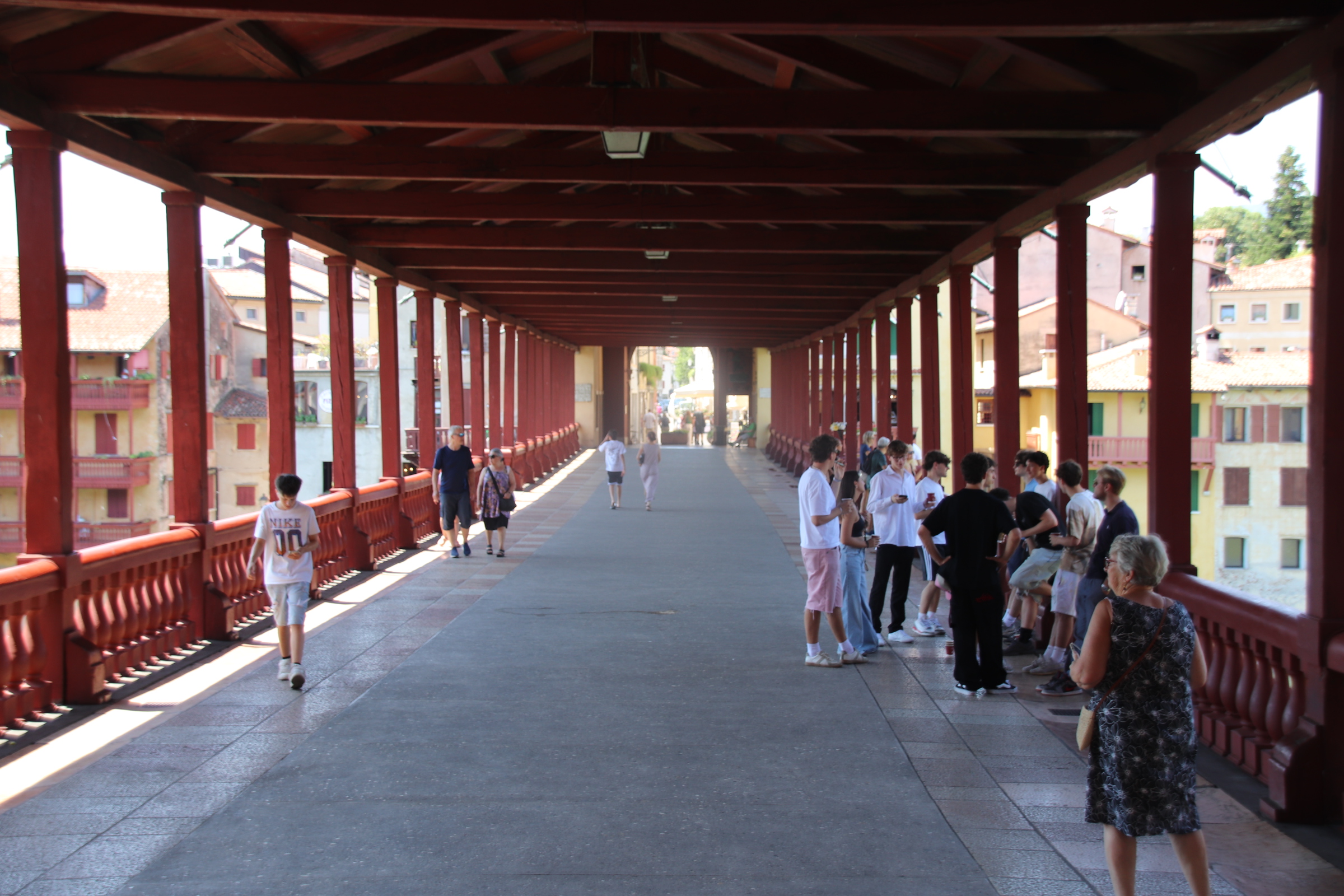
The wooden bridge has undergone numerous reconstruction’s since it was first documented in 1209.

It was here 1779 that the Nardini Family opened Italy’s, now oldest, distillery thus giving the town its name.

Montagnone

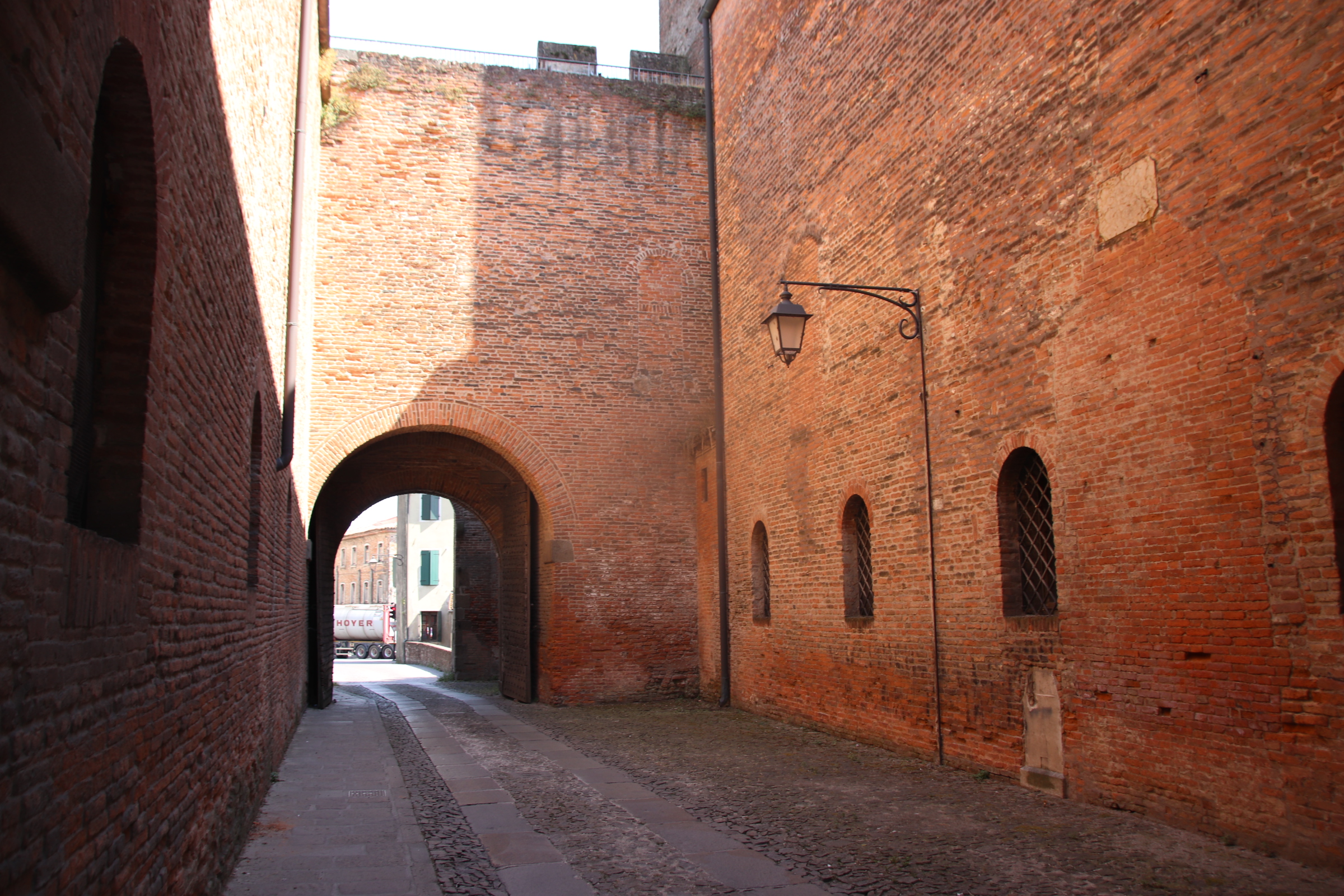
Montagnona has the best preserved, medieval walls in Europe. They form the defensive structure of the Castle of San Zeno. The square tower is deemed to have been built in 1242 on the site of a castle built in 996.

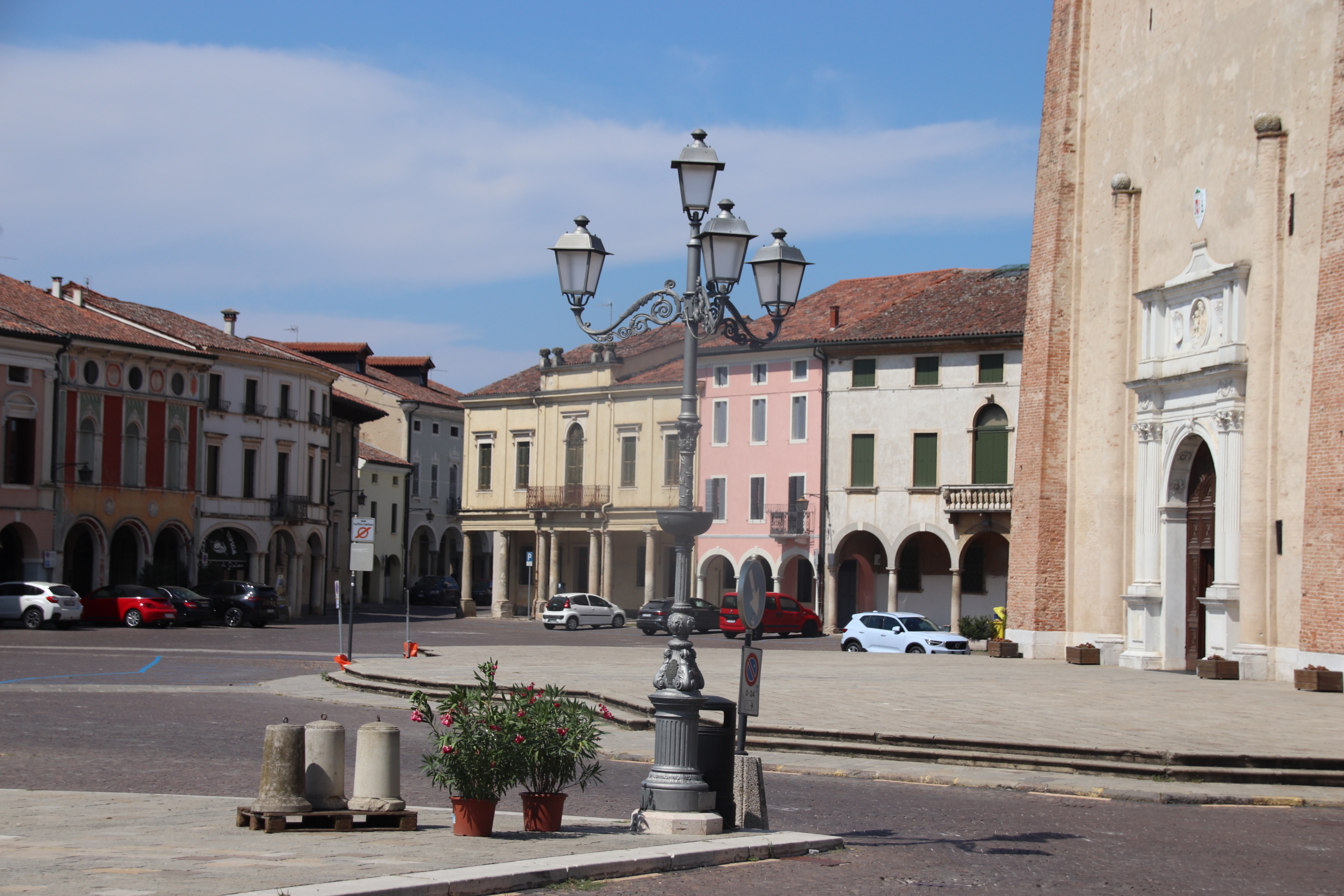
On the north & south walls, traffic lights control vehicular access to the enormous piazza that heatedly bakes in the mid-afternoon sun.

Holding prime spot in the piazza is Santa Maria Assunta. This Gothic Cathedral was built between 1431 & 1502.

The town hall was completed in 1532.