Dunbar prospered as a market town positioned on the east coast of Scotland, with a strong fishing & farming community, then as a military base before, in the late 19th century with the arrival of the railway in 1844, it became a seaside resort. The historic town centre became one of the oldest Royal burghs in Scotland in 1370. This gave it the right to trade in goods along the long & broad High Street.


In those days town centres featured a standard design with a castle at one end and a church at the other with a very wide street between with enough room to position market stalls on both sides. Over time these ‘shops’ moved into the buildings and the shopkeepers lived with their families upstairs.
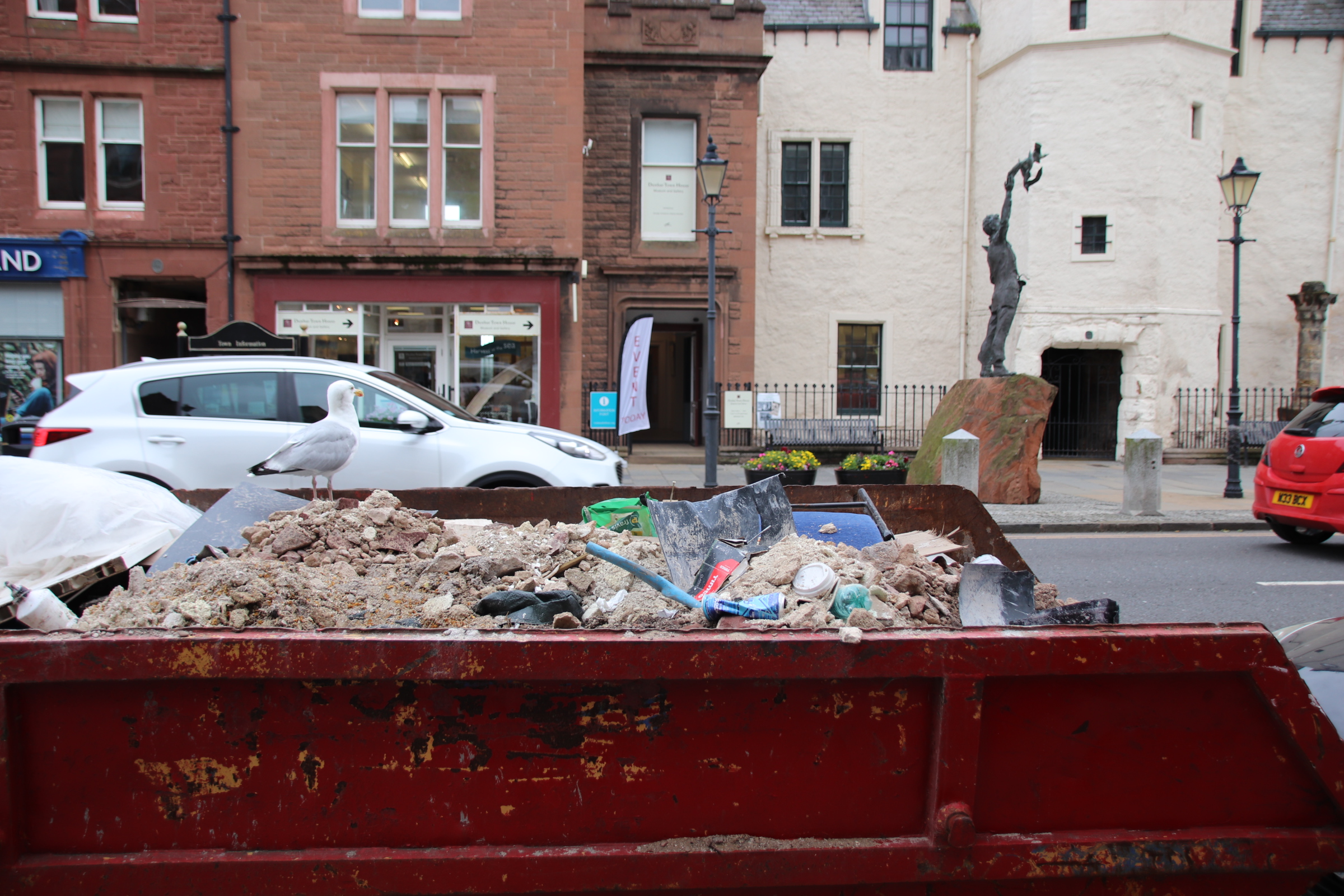
The High Street buildings vary in style and grand essentials. Outside the Town House is a statue of John Muir, the founder of the modern conservation movement who was born in Dunbar. He moved to the US and was instrumental in founding their national parks.
To the east of the town, high cliffs peer out across the North Sea and the far-off islands colonised by cormorants.


The harbour area below the high cliffs consists of three harbours, a ruined castle and a battery. The town has a long history going back to the 7th century with its strategic importance at the entrance to the Firth of Forth. Above the harbour are the ruins of Dunbar Castle, stone from which was used to create Victoria Harbour in 1842. Dunbar was also home to a major herring & whaling fleet and to this day, retains a commercial fleet mainly landing shellfish.
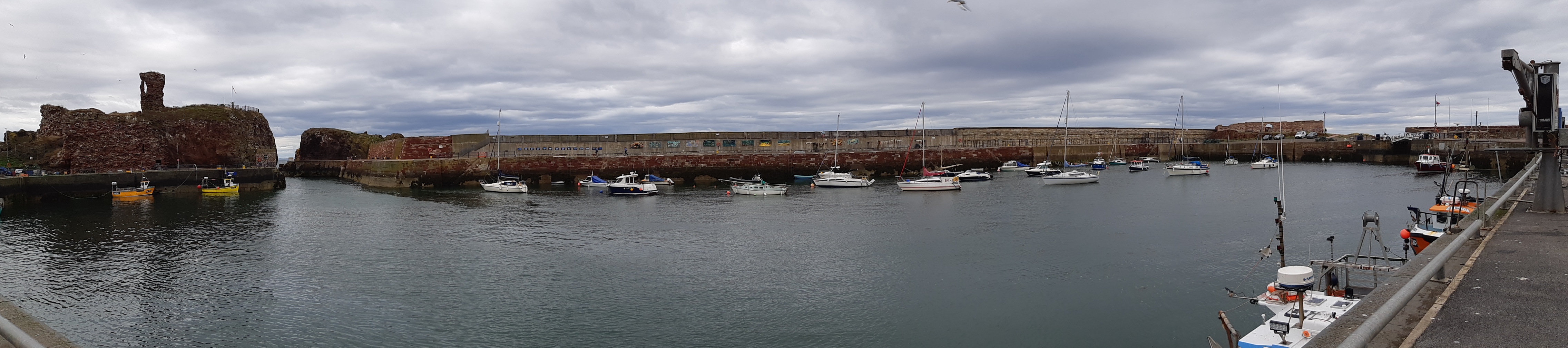

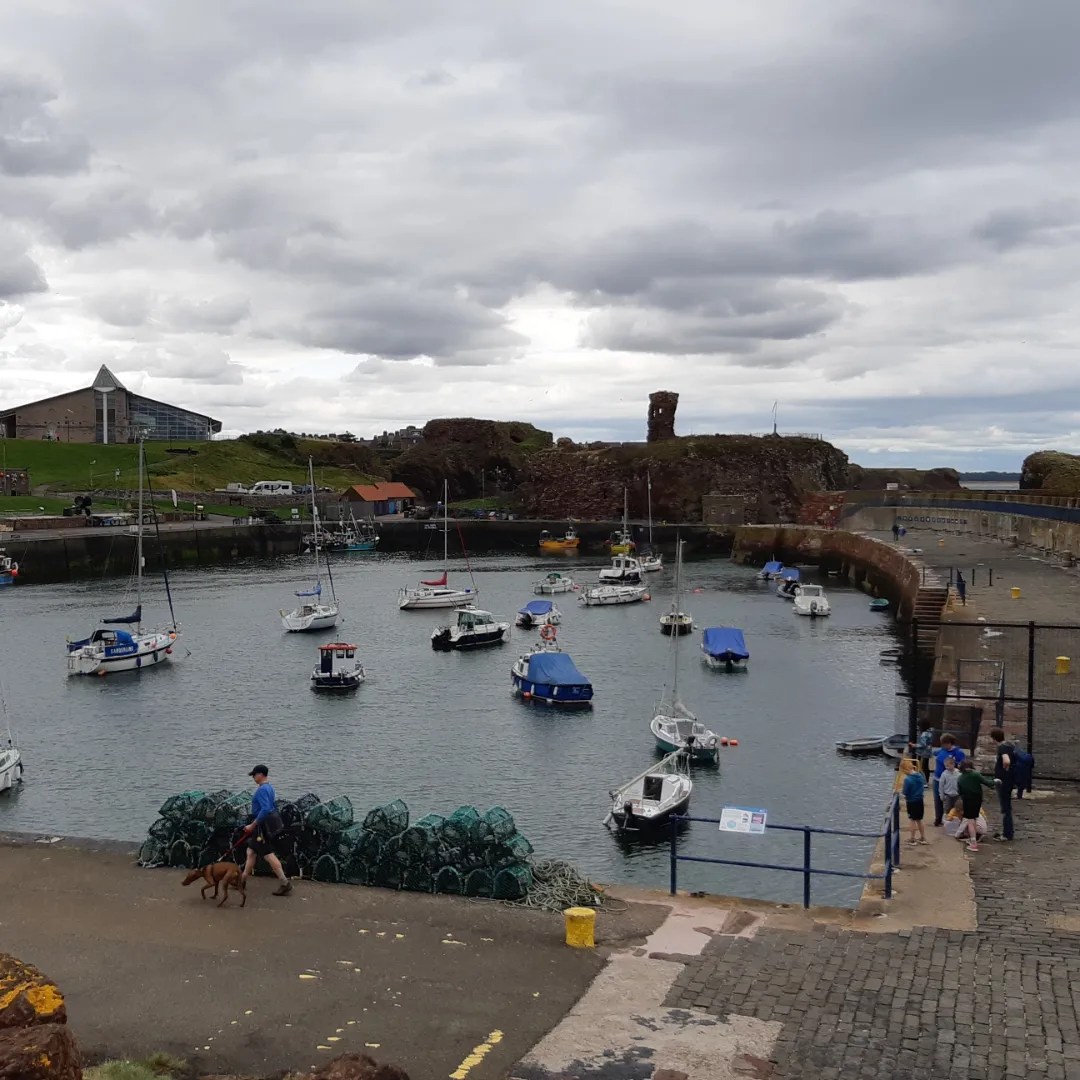


A bascule bridge (opening upwards) separates the battery from the wharfs & sea walls.

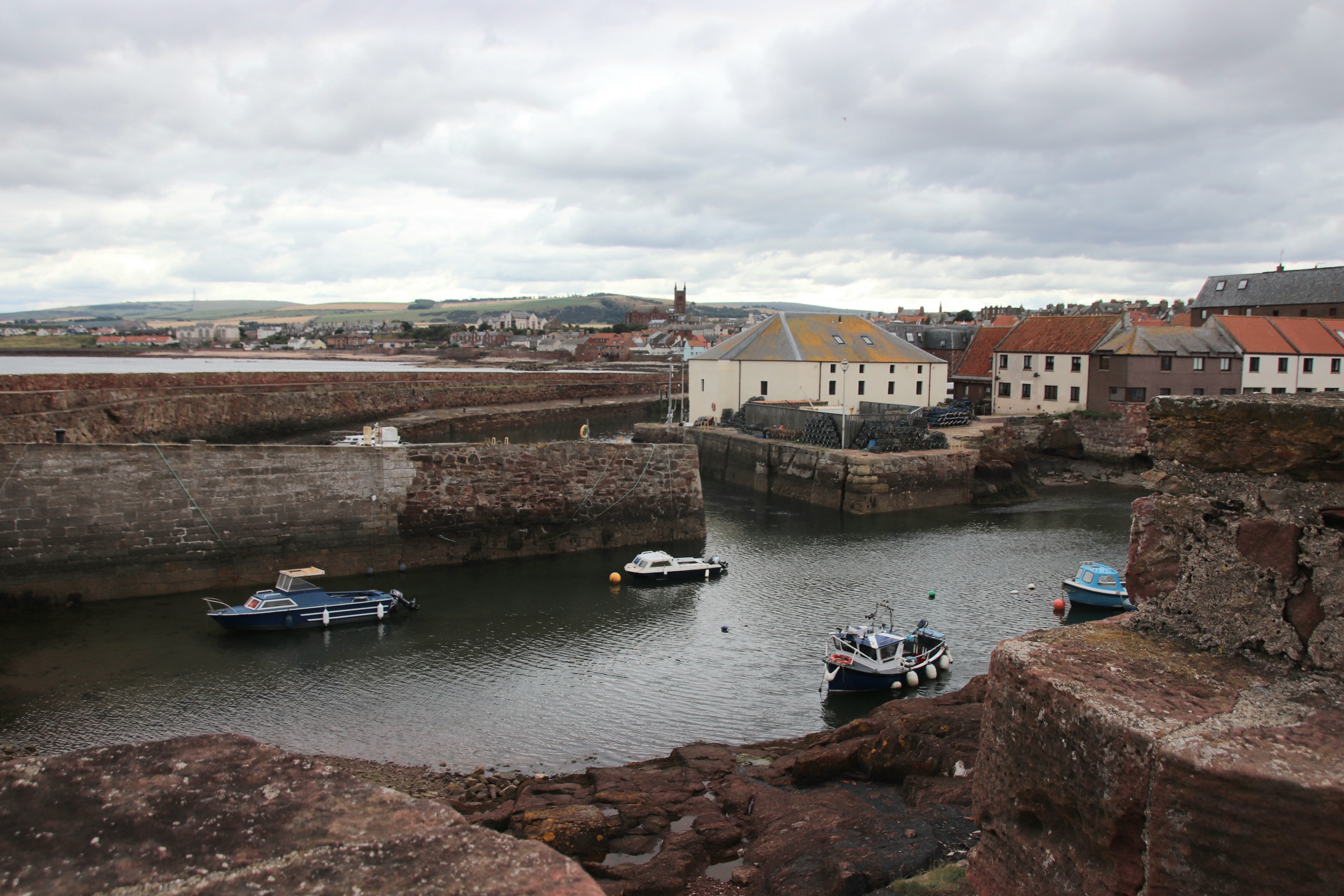
Around the corner, Cromwell Harbour dates from 1574 and provides better shelter during winter storms.
 My Travel Adventures
You must be logged in to post a comment.